APIs for research and impurities
Active Pharmaceutical Ingredients (APIs) are the substances in drugs responsible for their therapeutic effects. In this section, you will find a wide variety of APIs intended for research use. These compounds are essential for the development, testing, and validation of new pharmaceutical formulations. CymitQuimica offers high-quality APIs to support research in drug discovery and development.
Subcategories of "APIs for research and impurities"
- Aminoacids and derivatives(12,327 products)
- Anthraquinones and derivatives(405 products)
- Benzimidazole and Imidazole Derivatives(10,437 products)
- Benzodiazepine Derivatives(335 products)
- Carbohydrates and glycoconjugates(5,015 products)
- Esters and Derivatives(42,240 products)
- Fatty Acids and Lypidic Derivatives(32,393 products)
- Flavonoids and Polyphenols(17,085 products)
- Free Radicals and Oxidant/Reducing Agents(213 products)
- Ketones and derivatives(2,401 products)
- Natural and semi-synthetic antibiotics(6,377 products)
- Nitriles and Cyano Derivatives(3,067 products)
- Nitrosamines and Derivatives(55 products)
- Nucleosides and Nucleotides(3,431 products)
- Organic Phosphates and Phosphonates(1,202 products)
- Organic Sulphonates and Sulphates(10,433 products)
- Organometallics(4,422 products)
- Others(6,292 products)
- Peptides and Proteins(3,152 products)
- Polymers and Derivatives(100 products)
- Purines and Pyrimidine Derivatives(8,948 products)
- Quinazoline and Quinoline Derivatives(65,955 products)
- Quinones and Derivatives(24,349 products)
- Salts and Derivatives of Active Pharmaceutical Ingredients (API)(79,662 products)
- Steroids and Derivatives(4,975 products)
- Sulfonamides and Derivatives(2,593 products)
- Terpenoids and Derivatives(3,845 products)
- Thiazolidinediones and Thiopyrans(2,752 products)
- β-Adrenergic Compounds(230 products)
Show 21 more subcategories
Found 56986 products of "APIs for research and impurities"
Sort by
Purity (%)
0
100
|
0
|
50
|
90
|
95
|
100
Salmeterol Dimer Impurity (Mixture of Diastereomers)
CAS:<p>Salmeterol dimer impurity is a drug product. It is a custom synthesis with high purity. The metabolite of this compound is salmeterol, which is an active ingredient in the asthma medication Serevent (salmeterol xinafoate). Salmeterol dimer impurity has been shown to be a natural metabolite of salmeterol. Salmeterol dimer impurity has also been shown to have anti-inflammatory properties. This compound can be found as an analytical standard for HPLC and used for research and development purposes.</p>Formula:C50H72N2O7Purity:Min. 95%Molecular weight:812.53395Ref: 3D-FS178211
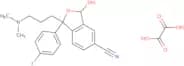
Discontinued product3-Hydroxy citalopram oxalate
CAS:<p>3-Hydroxy citalopram oxalate (3HCO) is a drug product that is used as an analytical standard and impurity standard. It is synthesized in the laboratory by reacting 3,4-dihydroxyphenylacetic acid with citalopram, followed by esterification with oxalic acid. The purity of the final product is typically >98%.</p>Formula:C22H23FN2O6Purity:Min. 95%Molecular weight:430.4 g/molRef: 3D-HDC72403
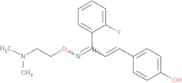
Discontinued productEplivanserin
CAS:<p>Eplivanserin is a potent tumor inhibitor that belongs to the class of indirubin kinase inhibitors. It has shown great promise as an anticancer agent due to its ability to induce apoptosis in cancer cells and inhibit their growth cycle. Eplivanserin has been found to be effective against a variety of cancers, including breast, lung, and prostate cancer. This medicinal compound is derived from Chinese herbs and has been extensively studied for its potential in cancer treatment. In addition, eplivanserin has been found in urine samples from humans, indicating that it may have potential as a diagnostic tool for cancer detection. Its protein targets are still being investigated, but it is believed that eplivanserin works by inhibiting key enzymes involved in cell signaling pathways that promote cancer cell growth and survival.</p>Formula:C19H21FN2O2Purity:Min. 95%Molecular weight:328.4 g/molRef: 3D-FFA58113
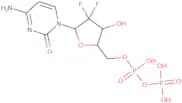
Discontinued productGemcitabine diphosphate triethylamine salt
CAS:<p>Gemcitabine diphosphate triethylamine salt is an inhibitor that has been shown to be effective in the treatment of various forms of cancer. It works by inhibiting the activity of kinases, which are enzymes involved in the regulation of cell growth and division. Gemcitabine diphosphate triethylamine salt is a prodrug that is converted to its active form, gemcitabine, in vivo. This drug has been shown to inhibit the uptake of xylose by cancer cells, leading to decreased protein synthesis and induction of apoptosis. In addition, it has been found to be effective against human and Chinese medicinal tumor cells. Gemcitabine diphosphate triethylamine salt is a promising treatment option for patients with cancer who have not responded well to traditional chemotherapy or radiation therapy.</p>Formula:C9H13F2N3O10P2Purity:Min. 95%Molecular weight:423.16 g/molRef: 3D-REA37166
Discontinued product3-Dodecenal
CAS:<p>3-Dodecenal is a human analog that has been studied for its potential anticancer properties. It has been shown to induce apoptosis, or programmed cell death, in tumor cells. This medicinal compound acts as an inhibitor of protein kinases, which play a crucial role in regulating the cell cycle and are often overactive in cancer cells. 3-Dodecenal has shown promising results in inhibiting cancer cell growth in Chinese hamster ovary cells and may have potential as a natural alternative to traditional cancer treatments. In addition, this compound has been detected in human urine and is believed to have potential health benefits beyond its anticancer properties.</p>Formula:C12H22OPurity:Min. 95%Molecular weight:182.3 g/molRef: 3D-TCA08357
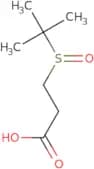
Discontinued product3-(tert-Butylsulfinyl)propanoic acid
CAS:<p>Please enquire for more information about 3-(tert-Butylsulfinyl)propanoic acid including the price, delivery time and more detailed product information at the technical inquiry form on this page</p>Formula:C7H14O3SPurity:Min. 95%Molecular weight:178.25 g/molRef: 3D-DAA68013
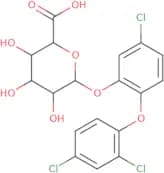
Discontinued productTriclosan o-β-D-glucuronide sodium salt
CAS:<p>Triclosan o-β-D-glucuronide sodium salt is an analog of Triclosan, which is a potent inhibitor of bacterial enoyl-acyl carrier protein reductase. It has been shown to have anticancer properties, inhibiting the growth of cancer cells by inducing apoptosis and inhibiting kinase activity. This compound has been found to be effective against a variety of tumors and cancers, including thyroid cancer. Triclosan o-β-D-glucuronide sodium salt has also been shown to inhibit the activity of human protein kinases, making it a potential candidate for the development of new anticancer drugs. This compound can be detected in urine samples from both humans and Chinese hamsters, indicating its potential for use as a diagnostic tool for cancer detection.</p>Formula:C18H15Cl3O8Purity:Min. 95%Molecular weight:465.7 g/molRef: 3D-NCA15612
Discontinued productLincomycin EP impurity B
CAS:<p>Lincomycin impurity B is a chemical substance which is the result of the metabolism of lincomycin. It is found in the urine and feces of patients who have taken lincomycin orally. Lincomycin impurity B has been detected in various commercial formulations of lincomycin, but its concentration varies with different batches. The HPLC standard purity for lincomycin impurity B is up to 99%. Lincomycin impurity B can be used as an analytical standard for HPLC analysis and as an API impurity in drug development. It also may be used as a research metabolite or pharmacopoeia reference material.</p>Formula:C18H32N2O6SPurity:Min. 95%Molecular weight:404.52 g/molRef: 3D-IL171346
Discontinued productFonofos
CAS:<p>Fonofos is a potent inhibitor that has been shown to induce apoptosis in Chinese hamster ovary cells. It is also known to inhibit chitin kinase, a protein that plays an important role in the biosynthesis of chitin, which is essential for the formation of cell walls in fungi and insects. Fonofos has medicinal properties and has been studied as a potential anticancer agent due to its ability to inhibit tumor growth. In vitro studies have shown that Fonofos can inhibit the growth of human cancer cells by inhibiting heparin-binding proteins. Additionally, it has been found to have inhibitory effects on several other enzymes involved in cancer development and progression. Although not approved for use in humans, Fonofos may hold promise as a therapeutic agent for the treatment of certain cancers.</p>Formula:C10H15OPS2Purity:Min. 95%Molecular weight:246.3 g/molRef: 3D-AAA94422
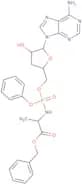
Discontinued productNUC-7738
CAS:<p>NUC-7738 is a medicinal compound that has been shown to be an effective inhibitor of cyclin-dependent kinases (CDKs). It has potent anticancer activity and has been studied extensively in Chinese hamster ovary (CHO) cells, human leukemia cells, and other cancer cell lines. NUC-7738 works by selectively inhibiting CDK4/6, which are critical regulators of the cell cycle. This leads to the induction of apoptosis in cancer cells, making it a promising new therapeutic agent for the treatment of various types of cancer. Additionally, NUC-7738 has been shown to have low toxicity and good pharmacokinetic properties in preclinical studies. Overall, this compound holds great promise as a novel anticancer therapy that may help improve outcomes for patients with cancer.</p>Formula:C26H29N6O7PPurity:Min. 95%Molecular weight:568.5 g/molRef: 3D-YTD49339
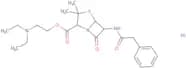
Discontinued productBenzylpenicillin diethylaminoethyl ester hydroiodide
CAS:<p>Benzylpenicillin diethylaminoethyl ester hydroiodide is a potent broad-spectrum antimicrobial agent that inhibits the growth of bacteria by inhibiting protein synthesis. It is used to treat microbial infections and has been shown to be effective against Streptococcus species, including Streptococcus pneumoniae, Streptococcus pyogenes, and Streptococcus viridans. Benzylpenicillin diethylaminoethyl ester hydroiodide binds to the 50S ribosome subunit of bacteria and prevents the formation of an antibiotic-inhibitor complex with the enzyme cell wall synthesis that is required for cell wall biosynthesis. This binding prevents protein synthesis and cell division.</p>Formula:C22H32IN3O4SPurity:Min. 95%Molecular weight:561.5 g/molCPI 0610
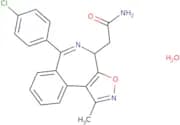
CAS:<p>CPI 0610 is a medicinal compound that acts as a potent inhibitor of protein phosphorylation. It has been shown to inhibit the cell cycle and promote apoptosis in Chinese hamster ovary cells. CPI 0610 is an effective inhibitor of kinase activity in cancer cells, leading to decreased tumor growth and increased survival rates. In preclinical studies, CPI 0610 has demonstrated efficacy against a wide range of cancers, including breast, prostate, and lung cancer. This inhibitor has also been shown to be effective in human cancer cell lines, making it a promising candidate for future cancer therapies.</p>Formula:C20H18ClN3O3Purity:Min. 95%Molecular weight:383.8 g/molRef: 3D-VYC72614
Discontinued productN-Desmethyl trimeprazine
CAS:<p>N-Desmethyl trimeprazine is a synthetic compound, which is an impurity of the drug product. It is not active and does not possess any biological activity. It is a metabolite of the parent drug, Trimeprazine. N-Desmethyl trimeprazine has been studied for its pharmacological properties and metabolism in the body, but no conclusive results have been found. The chemical structure and purity of N-Desmethyl trimeprazine are not listed in the USP or BP. This compound can be custom synthesized on request.</p>Formula:C17H20N2SPurity:Min. 95%Molecular weight:284.40 g/molRef: 3D-XAA73204
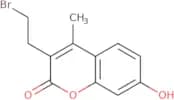
Discontinued product3-(2-Bromoethyl)-7-hydroxy-4-methyl-coumarin
CAS:<p>Please enquire for more information about 3-(2-Bromoethyl)-7-hydroxy-4-methyl-coumarin including the price, delivery time and more detailed product information at the technical inquiry form on this page</p>Formula:C12H11BrO3Purity:Min. 95%Molecular weight:283.12 g/molRef: 3D-KAA18503
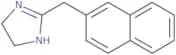
Discontinued product2-(Naphthalen-2-ylmethyl)-4,5-dihydro-1H-imidazole
CAS:<p>2-(Naphthalen-2-ylmethyl)-4,5-dihydro-1H-imidazole is a medicinal compound that has shown promising results in cancer research. It works as an inhibitor of cyclin-dependent kinases, which are essential for cancer cell proliferation. This compound induces apoptosis in cancer cells by inhibiting the activity of certain proteins involved in tumor growth. Studies have shown that 2-(Naphthalen-2-ylmethyl)-4,5-dihydro-1H-imidazole analogs have potent anticancer activity and can inhibit the growth of human cancer cells. This compound has also been found to be present in urine samples from Chinese patients with cancer. Further research on this compound may lead to the development of new and effective treatments for various types of cancers.</p>Formula:C14H14N2Purity:Min. 95%Molecular weight:210.27 g/molRef: 3D-XAA12667
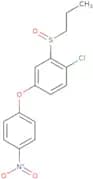
Discontinued productPhenproxide
CAS:<p>Phenproxide is an analog of testosterone that has been used traditionally in Chinese medicine to treat tumors. It has been found to induce apoptosis in cancer cells by inhibiting kinases, which are enzymes that regulate cellular processes such as cell division and growth. Phenproxide has also been shown to inhibit the activity of somatostatin, a hormone that regulates the release of other hormones. This inhibition may contribute to its anti-cancer properties. In addition, Phenproxide has been shown to have an effect on hyaluronan metabolism, a substance involved in tissue repair and inflammation. It is excreted in urine and may be used as a potential biomarker for cancer diagnosis or monitoring.</p>Formula:C15H14ClNO4SPurity:Min. 95%Molecular weight:339.8 g/molRef: 3D-ZBA82875
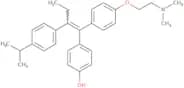
Discontinued productMiproxifene
CAS:Controlled Product<p>Miproxifene is a potent anticancer drug that has been shown to induce apoptosis and inhibit cell cycle progression in human cancer cells. This drug has been extensively studied in Chinese hamster ovary (CHO) cells and has demonstrated significant activity against various types of cancer, including leukemia. Miproxifene acts as a protein inhibitor and has been found to be effective against several tumor cell lines. It is a promising medicinal compound for the treatment of cancer, with potential applications in both chemotherapy and radiation therapy. Miproxifene is excreted primarily through urine and is well-tolerated by patients. Its use as an anticancer agent holds great promise for the future of cancer treatment.</p>Formula:C29H35NO2Purity:Min. 95%Molecular weight:429.6 g/molRef: 3D-EFA61287
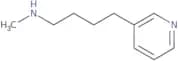
Discontinued productN-Methyl-3-pyridinebutanamine dihydrochloride
CAS:<p>N-Methyl-3-pyridinebutanamine dihydrochloride is a drug product that has been custom synthesized. This product is intended for analytical, research and development, or pharmacopoeia purposes. The CAS number of this substance is 3000-74-6. This product includes impurities at levels below 1% (w/w). The purity level of this product is >98% (w/w).</p>Formula:C10H18Cl2N2Purity:Min. 95%Molecular weight:237.17 g/molRef: 3D-DAA00074
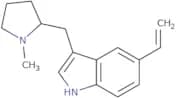
Discontinued product(R)-3-((1-Methylpyrrolidin-2-yl)methyl)-5-vinyl-1H-indole
CAS:<p>Please enquire for more information about (R)-3-((1-Methylpyrrolidin-2-yl)methyl)-5-vinyl-1H-indole including the price, delivery time and more detailed product information at the technical inquiry form on this page</p>Formula:C16H20N2Purity:Min. 95%Molecular weight:240.34 g/molRef: 3D-JIA68280
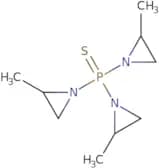
Discontinued productMethiotepa
CAS:<p>Methiotepa is a potent anticancer drug that has been used for the treatment of various types of tumors. It is a Chinese hamster ovary (CHO) cell-derived analog of chitin, which inhibits the activity of protein kinase C. Methiotepa induces apoptosis in cancer cells by inhibiting DNA synthesis and repair, leading to cell death. This drug has also been shown to be a potent inhibitor of heparin-induced platelet aggregation in human blood. Methiotepa has been found to be effective against a wide range of cancers, including breast, lung, ovarian, and bladder cancer, among others. Its use as an anticancer agent may be due to its ability to inhibit the activity of various kinases and other enzymes involved in cancer cell proliferation and survival.</p>Formula:C9H18N3PSPurity:Min. 95%Molecular weight:231.3 g/molRef: 3D-AAA07696
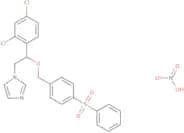
Discontinued productFenticonazole sulfone nitric acid salt
CAS:<p>Fenticonazole sulfone nitric acid salt is an analog of dabigatran, which is a protein kinase inhibitor that has shown potential in the treatment of cancer. It induces apoptosis in human cancer cells and inhibits the activity of various kinases involved in tumor growth and proliferation. Fenticonazole sulfone nitric acid salt has been studied extensively for its anticancer properties, showing promising results in Chinese hamster ovary cells and urine samples from cancer patients. This drug also exhibits inhibitory effects on protein kinases that are involved in the regulation of cell cycle progression, angiogenesis, and metastasis. Overall, Fenticonazole sulfone nitric acid salt holds great promise as a potential anticancer agent.</p>Formula:C24H21Cl2N3O6SPurity:Min. 95%Molecular weight:550.4 g/molRef: 3D-FDA67629
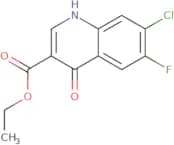
Discontinued product7-Chloro-6-fluoro-1,4-dihydro-4-oxo-3-quinolinecarboxylic acid ethyl ester
CAS:<p>7-Chloro-6-fluoro-1,4-dihydro-4-oxo-3-quinolinecarboxylic acid ethyl ester is a synthetic compound that has not been evaluated in humans. Studies have shown that the drug can be hydrolyzed to 7-chloro-6-fluoroquinoline 1,1′-(ethylenedioxy)bis(ethane), which is an impurity of norfloxacin. The ethyl esters of 7-chloroquinoline are also known to condense with formaldehyde and hydrolyze to 7-chloroquinolinic acid. This product may contain solvents such as acetone, chloroform, and alcohols that are used during the synthesis process. Decarboxylation of the drug occurs when it is heated at high temperatures in the presence of a catalyst, such as pyridine or sodium methoxide. It decarboxyl</p>Formula:C12H9ClFNO3Purity:Min. 95%Molecular weight:269.65 g/molRef: 3D-ADA07315
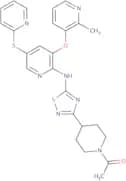
Discontinued productaR453588
CAS:<p>aR453588 is a human analog of Voriconazole, which has been found to have anticancer properties. This compound is a kinase inhibitor that works by inducing apoptosis in cancer cells. It has been shown to be effective against various types of tumors, including those resistant to other inhibitors. aR453588 also inhibits the growth of cancer cells by blocking protein synthesis and cell division. This compound is derived from cellulose and can be detected in urine samples after administration. Overall, aR453588 shows great promise as a potential treatment for cancer.</p>Formula:C25H25N7O2S2Purity:Min. 95%Molecular weight:519.6 g/molRef: 3D-QSB60900
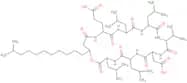
Discontinued productSurfactin
CAS:<p>Surfactin is a cyclic lipopeptide that has been found in urine and has shown potential as an anticancer agent. It has been shown to inhibit kinases, including indirubin and Chinese hamster ovary cell tumor kinase, which are involved in cancer cell proliferation. Surfactin analogs have also been developed as inhibitors of cancer cell growth and inducers of apoptosis. In addition to its anticancer properties, surfactin has been found to have antimicrobial activity against a variety of bacteria, including Clostridium perfringens. Overall, surfactin shows promise as a multifunctional therapeutic agent with potential applications in both cancer treatment and microbial control.</p>Formula:C53H93N7O13Purity:Min. 95%Molecular weight:1,036.3 g/molSLMP53-1
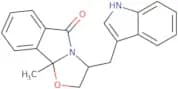
CAS:<p>SLMP53-1 is an anticancer agent that has been shown to induce apoptosis in cancer cells. It works by inhibiting kinases, which are enzymes involved in cell signaling pathways that regulate cell growth and division. SLMP53-1 has been found to be effective against a variety of tumors, including those of the bladder, breast, and lung. In addition, it has shown promising results as a potential treatment for Chinese hamster ovary (CHO) cells and human cancer cell lines. SLMP53-1 is also an analog of hepcidin, a protein that regulates iron metabolism in the body. Its unique structure allows it to bind specifically to cancer cells without affecting healthy cells, making it a promising candidate for targeted cancer therapy.</p>Formula:C20H18N2O2Purity:Min. 95%Molecular weight:318.4 g/molRef: 3D-TQC46917
Discontinued productGimatecan
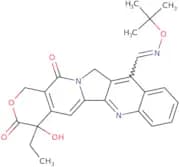
CAS:<p>Gimatecan is a cycle-specific inhibitor that targets kinases and proteins involved in cancer cell growth. It is a medicinal compound that has been shown to be effective against various types of human cancers. Gimatecan works by inhibiting the activity of protein kinases, which are enzymes that promote cell division and proliferation. This inhibition leads to apoptosis, or programmed cell death, in tumor cells. Gimatecan has been tested extensively in Chinese hamster ovary cells and has demonstrated potent anticancer activity. The compound is excreted primarily through urine and has shown promising results as an anticancer agent in preclinical studies.</p>Formula:C25H25N3O5Purity:Min. 95%Molecular weight:447.5 g/molRef: 3D-SLA61832
Discontinued product2-Bromo-4-chloro-N-methyl-N-phenyl-butanamide
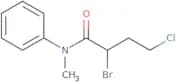
CAS:<p>2-Bromo-4-chloro-N-methyl-N-phenyl-butanamide is an analog of saxagliptin, a protein inhibitor that has been shown to induce apoptosis in cancer cells. This compound has demonstrated potent anticancer activity in vitro and in vivo, inhibiting the growth of tumor cells by targeting kinases involved in cell proliferation and survival. It has also been found to be effective against a variety of human cancer types, including breast, prostate, and lung cancer. Additionally, 2-Bromo-4-chloro-N-methyl-N-phenyl-butanamide has been shown to have potential as a urine biomarker for detecting early-stage Chinese bladder cancer. Overall, this compound shows promise as a potent inhibitor of cancer cell growth and may have important applications in the development of novel anticancer therapies.</p>Formula:C11H13BrClNOPurity:Min. 95%Molecular weight:290.58 g/molRef: 3D-DNA93618
Discontinued productRosuvastatin EP Impurity C sodium
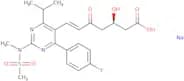
CAS:<p>Please enquire for more information about Rosuvastatin EP Impurity C sodium including the price, delivery time and more detailed product information at the technical inquiry form on this page</p>Formula:C22H26FN3O6S•NaPurity:Min. 95%Molecular weight:502.51 g/molRef: 3D-IR183844
Discontinued productTadalafil spiro-urethane impurity (EP impurity F)
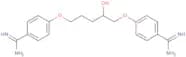
CAS:<p>Please enquire for more information about Tadalafil spiro-urethane impurity (EP impurity F) including the price, delivery time and more detailed product information at the technical inquiry form on this page</p>Formula:C22H19N3O6Purity:Min. 95%Molecular weight:421.4 g/mol1,5-Bis(4-amidinophenoxy)-2-pentanol
CAS:<p>Please enquire for more information about 1,5-Bis(4-amidinophenoxy)-2-pentanol including the price, delivery time and more detailed product information at the technical inquiry form on this page</p>Formula:C19H24N4O3Purity:Min. 95%Molecular weight:356.4 g/molRef: 3D-IFA99132
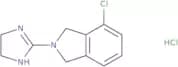
Discontinued productRS 45041-190 hydrochloride
CAS:<p>RS 45041-190 hydrochloride is a selective antagonist of the imidazoline receptor, which is a type of receptor ligand. RS 45041-190 hydrochloride blocks the binding of dopamine to its receptors in the cerebral cortex and blood pressure regulation. This drug also blocks adrenoceptors and 5-hydroxytryptamine (5-HT) receptors. RS 45041-190 hydrochloride is an equated drug that has been shown to be effective for inflammatory pain caused by nerve injury. It has not been proven to be effective for other types of pain.</p>Formula:C11H13Cl2N3Purity:Min. 95%Molecular weight:258.14 g/molRef: 3D-EIA27474
Discontinued productAmlodipine EP Impurity F maleate
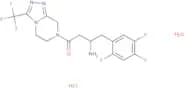
CAS:<p>Amlodipine EP Impurity F maleate is an impurity of amlodipine, a drug product. It is a natural substance that has been classified as an API impurity in the United States Pharmacopeia (USP). The chemical name for this drug is 3-(2-chlorophenyl)-1-methyl-5-(o-tolyloxy)-2,4-dihydro-6H-[1,3]thiazolo[3,2-a]pyrimidin-7-one. Amlodipine EP Impurity F maleate has the following properties: C12H9ClNO2S and a melting point of 210°C with a purity of 99.5%. This compound was synthesized by custom synthesis and is used as an analytical standard for HPLC. This compound was also used during the development of amlodipine to determine its metabolism studies.</p>Formula:C19H23ClN2O5•C4H4O4Purity:Min. 95%Molecular weight:510.92 g/molSitagliptin monohydrochloride monohydrate
CAS:<p>Sitagliptin monohydrochloride monohydrate is an inhibitor of dipeptidyl peptidase-4 (DPP-4), which is responsible for the degradation of incretin hormones. It is used in the treatment of type 2 diabetes mellitus, as it increases insulin secretion and reduces blood glucose levels. Recent studies have shown that Sitagliptin has anticancer properties, as it induces apoptosis in cancer cells. It also inhibits protein kinases, which are involved in tumor growth and metastasis. Capsaicin, a compound found in chili peppers, has been shown to enhance the anticancer activity of Sitagliptin in Chinese hamster ovary cells. The drug is excreted primarily through urine and has a low potential for drug interactions with other kinase inhibitors. Overall, Sitagliptin monohydrochloride monohydrate shows great promise as both a diabetes medication and an anticancer agent.</p>Formula:C16H18ClF6N5O2Purity:Min. 95%Color and Shape:PowderMolecular weight:461.79 g/molAmiodarone impurity E
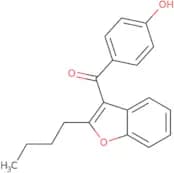
CAS:<p>Amiodarone impurity E is a nucleophilic compound that is synthesized by the acylation of a diazonium salt with an amine. It has been shown to be active against staphylococci, but not against subtilis. The reaction may be catalyzed by acid or chloride. Amiodarone impurity E is also demethylated and dehydrated to form the final product, amiodarone.</p>Formula:C19H18O3Purity:Min. 95%Color and Shape:PowderMolecular weight:294.34 g/mol2,2',4,4',6,6'-Hexachlorobiphenyl
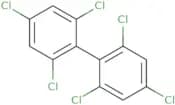
CAS:Controlled Product<p>2,2',4,4',6,6'-Hexachlorobiphenyl (PCB-136) is a potent anticancer agent that has been shown to induce apoptosis in cancer cells. It acts as a kinase inhibitor by blocking the activity of specific kinases involved in tumor growth and progression. PCB-136 has been studied extensively in human and Chinese hamster ovary cells and has been found to be highly effective against various types of cancer. This medicinal analog also exhibits inhibitory effects on the protein kinases that regulate cell division and proliferation, making it a promising candidate for cancer therapy. In addition, PCB-136 shows potential for use as a urinary biomarker for exposure to environmental pollutants due to its persistence in the environment and ability to accumulate in body tissues.</p>Formula:C12H4Cl6Purity:Min. 95%Molecular weight:360.9 g/mol(-)-Sabinene
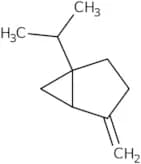
CAS:<p>(-)-Sabinene is a natural compound found in urine and various medicinal plants, including Chinese herbs. It has been identified as an analog of another natural compound that exhibits potent anticancer activity. (-)-Sabinene has been shown to inhibit the activity of certain proteins involved in cell cycle regulation and apoptosis, which are important processes for the growth and survival of cancer cells. In addition, (-)-Sabinene has been found to have inhibitory effects on tumor kinase activity, making it a promising candidate for the development of new anticancer drugs. Studies have shown that (-)-Sabinene can effectively inhibit the growth of various types of cancer cells, making it a potential therapeutic agent for the treatment of cancer.</p>Formula:C10H16Purity:Min. 95%Color and Shape:Clear LiquidMolecular weight:136.23 g/molRef: 3D-KAA40816
Discontinued product