Amino Acids (AA)
Amino acids (AAs) are the fundamental building blocks of proteins, playing a crucial role in various biological processes. These organic compounds are essential for protein synthesis, metabolic pathways, and cell signaling. In this category, you will find a comprehensive range of amino acids, including essential, non-essential, and modified forms, which are vital for research in biochemistry, molecular biology, and nutritional sciences. At CymitQuimica, we provide high-quality amino acids to support your research and development needs, ensuring accuracy and reliability in your experimental outcomes.
Subcategories of "Amino Acids (AA)"
- Amino Acid Derivatives(3,955 products)
- Amino Acid and Amino Acid Related Compounds(3,436 products)
- Amino Acids with Oxygen or Sulphur(168 products)
- Boc- Amino Acids(351 products)
- Fmoc Amino Acids(1,710 products)
Found 38216 products of "Amino Acids (AA)"
Sort by
Purity (%)
0
100
|
0
|
50
|
90
|
95
|
100
L-Homocysteine Thiolactone Hydrochloride
CAS:Controlled Product<p>Applications L-Homocysteine Thiolactone Hydrochloride is used to prepare substituted homocysteine analogs as inhibitors of peptidylglycine α-amidating monooxygenase. It is also used to synthesize (mercaptoacyl)alanylprolines as metalloprotease inhibitors.<br>References Erion, M., et al.: J. Med. Chem., 37, 4430 (1994); Slusarchyk, W., et al.: Bioorg. Med. Chem. Lett., 5, 753 (1995)<br></p>Formula:C4H8ClNOSColor and Shape:NeatMolecular weight:153.63trans-4-Hydroxy-L-proline
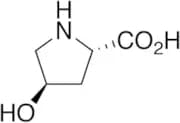
CAS:Controlled Product<p>Applications A natural constituent of animal structural proteins such as collagen and elastin. Several microorganisms producing proline trans-4- and cis-3-hydroxylase were discovered and these enzymes were applied to the industrial production of trans-4- and cis-3-hydroxy-L-proline.<br>References Langmaier, F. et al.: Int. J. Cosm. Sci., 24, 273 (2002); Lawrence, C., et al.: Biochem. J., 313, 185 (1996); Mori, H., et al.: J. Bacteriol.; 179, 5677 (1997); Clifton, I., et al.: Eur. J. Biochem., 268, 6625 (2001);<br></p>Formula:C5H9NO3Color and Shape:NeatMolecular weight:131.13NG,NG-Dimethylarginine-D6 Dihydrochloride
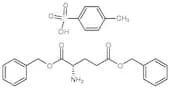
CAS:Controlled Product<p>Stability Very Hygroscopic<br>Applications A potent inhibitor of NO synthase of adrenal glands, brain, and vascular endothelial cells.<br>References Vallence, P., et al.: Lancet, 339, 572 (1992),<br></p>Formula:C8H14D6Cl2N4O2Color and Shape:NeatMolecular weight:281.21L-Glutamic acid dibenzyl ester 4-toluenesulfonate
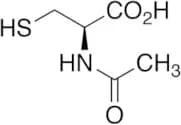
CAS:Controlled Product<p>Applications L-Glutamic acid dibenzyl ester 4-toluenesulfonate<br></p>Formula:C26H29NO7SColor and Shape:NeatMolecular weight:499.58N-Acetyl-L-cysteine
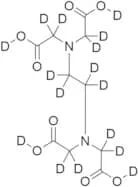
CAS:Controlled Product<p>Stability Air Sensitive<br>Applications A metabolite of Methyl Isocyanate.<br>References Slatter, J. G., et al.: Chem. Res. Toxicol., 4, 157 (1991),<br></p>Formula:C5H9NO3SColor and Shape:Light YellowMolecular weight:163.19Ethylenediaminetetraacetic Acid-d16
CAS:Controlled Product<p>Applications Ethylenediaminetetraacetic Acid-d16 (CAS# 203805-96-3) is a useful isotopically labeled research compound.<br></p>Formula:C10D16N2O8Color and Shape:White To Off-WhiteMolecular weight:308.34Myristoyl-L-carnitine Hydrochloride
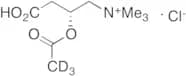
CAS:Controlled Product<p>Applications Myristoyl-L-carnitine Hydrochloride is a long-chain fatty ester of carnitine which is accumulated and released into the circulation, in fatty-acid oxidation defects. Pattern of Lauroyl-L-carnitine can be diagnostic for a number of ß-oxidation defects.<br>References Ventura, F., et al.: Clinica Chimica Acta, 281, 1 (1999); Pourfarzam, M., et al.: Clinical Chem,, 40, 2267 (1994); Schaefer, J., et al.: Pediatric Res., 37, 354 (1995)<br></p>Formula:C21H42ClNO4Color and Shape:NeatMolecular weight:408.02Acetyl-d3 L-Carnitine Hydrochloride
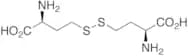
CAS:Controlled Product<p>Applications Acetyl-d3 L-Carnitine Hydrochloride is labelled Acetyl L-Carnitine Hydrochloride (A171990) which is used for transmembrane action potential studies. Acetylcarnitine has antinociceptive activity that may be mediated by enhanced activity of muscarinic cholinergic receptors or mGlu2 glutamate receptors.<br>References Matsui, K., et al.: Japanese J. Pharmcol., 39, 263 (1985); Chlechio, S., et al.: J. Endocrinol. Invest., 27, 171 (2004): Walker, R., et al.: Comparative General Pharmacol., 4, 65 (1973)<br></p>Formula:C92H3H15NO4·ClColor and Shape:NeatMolecular weight:242.72L-Homocystine
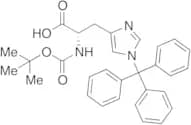
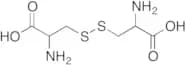
CAS:Controlled Product<p>Applications Increased levels lead to hyperhomocysteinemia; a cardiovascular risk factor in prediction of coronary heart disease as well as being associated with congenital birth defects, pregnancy complications and cancer.<br>References Geisel, J. et al.: Clin. Chem. Lab. Med., 41, 1513 (2003); Geisel, J. et al.: Clin. Chem. Lab. Med., 41, 1513 (2003);<br></p>Formula:C8H16N2O4S2Color and Shape:NeatMolecular weight:268.35Boc-His(Trt)-OH
CAS:Controlled Product<p>Applications Boc-His(Trt)-OH was used in the study to prepare and study structure-activity relationship of amino acid amides as selective inhibitors for dipeptidyl peptidases.<br>References Senten, K., et al.: J. Med. Chem., 46, 5005 (2003);<br></p>Formula:C30H31N3O4Color and Shape:White To Off-WhiteMolecular weight:497.58Isobutyryl L-Carnitine Chloride
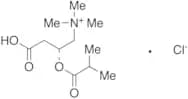
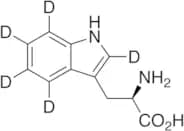
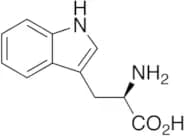
CAS:Controlled ProductFormula:C11H22NO4·ClColor and Shape:NeatMolecular weight:267.75D-Tryptophan-d5
CAS:Controlled Product<p>Applications Labelled analogue of an essential amino acid found in naturally produced peptides. Unlike its stereoisomer, L-tryptophan, it is not used in structural or enzyme proteins.<br>References Karunakaran, S.et al.: Bochem. J., 414, 343 (2008); Pallaghy, P.K. et al.: Biochem., 38, 11553 (1999);<br></p>Formula:C112H5H7N2O2Color and Shape:NeatMolecular weight:209.26L-Serine
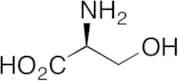
CAS:<p>Applications L-Serine is used in the synthesis of purines and pyrimidines as antibacterial/antifungal agents, as well as acting as a proteinogenic compound.<br>References Olivella, M. et al.: Bioorg. Med. Chem., 20, 6109 (2012);<br></p>Formula:C3H7NO3Color and Shape:White Crystalline PowderMolecular weight:105.091-Acetate 4-Methanesulfonate 1,4-Butanediol
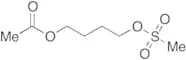
CAS:Controlled Product<p>Stability Moisture Sensitive<br>Applications 1-Acetate 4-Methanesulfonate 1,4-Butanediol is used in the facile cleavage of ethers. A Busulfan Impurity<br>References Mazur, Y., et al.: J. Org. Chem., 36, 532 (1971);<br></p>Formula:C7H14O5SColor and Shape:NeatMolecular weight:210.25L,L-Dityrosine Dihydrochloride
CAS:Controlled Product<p>Stability Hygroscopic<br>Applications Dityrosine (DY), a tyrosine dimer formed by 3,3’-biaryl bond formation can be used as a biomarker to detect oxidative protein damage and selective proteolysis. Fluorescence intensity decays of Dityrosine are generally characterized by two decay components, one with a lifetime in the range of 150 to 800 ps and another between 2.5 and 4.5 ns.<br>References Libertini, L., et al.: Biophys. J., 47, 765 (1985), Huggins, T., et al.: J. Biol. Chem., 268, 12341 (1993), Malencik, D., et al.: Biochemistry, 35, 4375 (1996),<br></p>Formula:C18H20N2O6·2ClHColor and Shape:NeatMolecular weight:433.28N-[(9H-Fluoren-9-ylmethoxy)carbonyl]-N-methyl-L-alloisoleucine
CAS:Controlled Product<p>Applications N-[(9H-Fluoren-9-ylmethoxy)carbonyl]-N-methyl-L-alloisoleucine, is a building block used in the synthesis of Ecumicin, which is a the potent anti-mycobacterial cyclic depsipeptide natural product.<br>References Hawkins, P. et al.: Organic Letters, Vol. 20, P: 1019-1022 (2018)<br></p>Formula:C22H25NO4Color and Shape:NeatMolecular weight:367.44L-Allo-isoleucine
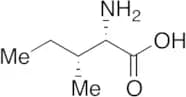
CAS:Controlled Product<p>Applications L-alloisoleucine is a stereo-isomer of L-isoleucine (I820175) and is produced as a byproduct of isoleucine via transamination. L-allo-isoleucine has been suggested to induce epithelial β-defensin expression. In addition, L-allo-isoleucine is utilized in the biosynthesis pathway for coronamic acid.<br>References Fehlbaum, P., et al.: Proc. Natl. Acad. Sci. USA 97, 12723 (2000); Parry, R. J., et al.: J. Am. Chem. Soc. 113, 1849 (1991)<br></p>Formula:C6H13NO2Color and Shape:NeatMolecular weight:131.17α-Methyl-L-phenylalanine
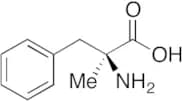
CAS:Controlled Product<p>Applications α-Methyl-L-phenylalanine is used to prepare hippuryl-α-methylphenylalanine and hippuryl-α-methylphenyllactic acid as substrates for carboxypeptidase A. It is also used in the synthesis of high affinity tachykinin NK2 receptor antagonists.<br>References Lee, M., et al.: Bioorg. Med. Chem., 8, 815 (2000); Boyle, S., et al.: Bioorg. Med. Chem., 2, 101 (1994)<br></p>Formula:C10H13NO2Color and Shape:NeatMolecular weight:179.224-(1-Methylethyl)benzoic Acid
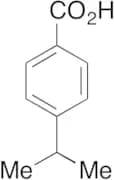
CAS:<p>Applications 4-(1-Methylethyl)benzoic Acid is used in the synthesis of quinuclidine benzamides as agonists for nicotinic acetylcholine receptors. Also used in the synthesis of nifuroxazide analogues showing antimicrobial activity against methicillin-resistant Staphylococcus.<br>References Bodnar, A. et al.: J. Med. Chem., 48, 905 (2005); Masunari, A. et al.: Bioorg. Med. Chem. Lett., 15, 4229 (2007);<br></p>Formula:C10H12O2Color and Shape:NeatMolecular weight:164.2N-Cbz-L-aspartic Acid
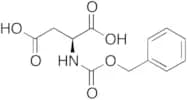
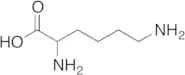
CAS:Controlled Product<p>Applications N-Cbz-L-aspartic acid is an N-Cbz-protected form of L-Aspartic acid (A790024). L-Aspartic acid is a nonessential amino acid that is used to biosynthesize other amino acids within the human body. L-Aspartic acid also increases membrane conductance of mammalian neurons by voltage-dependent means, causing depolarization and nerve impulses that travel to key areas of the central nervous system.<br>References Anderson, H., et al.: J. Nutr., 99, 82 (1969); Honey, C., et al.: Neurosci. Lett., 61, 135 (1985); MacDonald, J., et al.: Brain Res., 237, 248 (1982)<br></p>Formula:C12H13NO6Color and Shape:White To Off-WhiteMolecular weight:267.23D-Lysine Methyl Ester Dihydrochloride
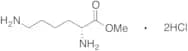
CAS:Controlled Product<p>Applications D-Lysine Methyl Ester is a protected form of D-Lysine (L468930). D-Lysine is the unnatural isomer of L-Lysine (L468895) that has the ability to reduce non-enzymatic glycation in vitro. D-Lysine also exists as polypeptide chains of poly-D-lysine, a nonspecific adhesion-promoting molecule that has the potential to be a polymeric drug carrier.<br>References Chen, Q. et al.: J. Biol. Chem., 269, 26602 (1994); Sensi, M., et al.: Diabetologia, 36, 797 (1993); Vermeersch, H. & Remon, J.: J. Control. Rel., 32, 225 (1994)<br></p>Formula:C7H16N2O2HClColor and Shape:NeatMolecular weight:233.136L-Asparagine-d3 Hydrate
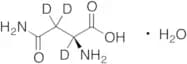
CAS:Controlled Product<p>Applications L-Asparagine-d3 Hydrate is an isotope labelled L-Asparagine Hydrate, a naturally occurring amino acid that is not a essential for humans and can be synthesized from central metabolic pathway intermediates.<br>References Burda, P., et al.: Biochim. Biophys. Acta., 1426, 239 (1999); Yamane, H., et al.: Animal. Sci. J., 80, 286 (2009);<br></p>Formula:C4D3H5N2O3·H2OColor and Shape:White To Off-WhiteMolecular weight:153.1517N3-Ethylthymidine
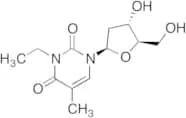
CAS:Controlled Product<p>Applications E677525<br>References Shimizu, T., et al.: Chem. Pharm. Bull., 53, 313 (2005)<br></p>Formula:C12H18N2O5Color and Shape:NeatMolecular weight:270.121573-Bromo-L-tyrosine
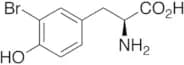
CAS:Controlled Product<p>Applications 3-Bromo-L-tyrosine is used in the preparation and synthesis of polyclonal antibodies that work against brominated protein related allergic responses and afflictions. Also effective in asthma control and prediction in children.<br>References Kambayashi, Y. et al.: J. Clin. Biochem., 44, 95 (2009); Wedes, S. et al.: J. Ped., 159, 248 (2011);<br></p>Formula:C9H10BrNO3Color and Shape:White To Light BrownMolecular weight:260.08L-Glutamine-amide-¹⁵N
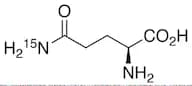
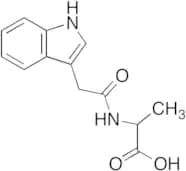
CAS:Controlled Product<p>Applications Labelled L-Glutamine (G597000). L-Glutamine is an essential amino acid that is a crucial component of culture media that serves as a major energy source for cells in culture. L-Glutamine is very stable as a dry powder and as a frozen solution. In liquid media or stock solutions, however, L-glutamine degrades relatively rapidly. Optimal cell performance usually requires supplementation of the media with L-glutamine prior to use.<br>References Rivett, A., et al.: J. Biol. Chem., 260, 300 (1985), Watford, M., et al.: Metabolism, 49, 141 (2000), Wilmore, D., et al.: J. Nutr., 131, 2543S (2001),<br></p>Formula:C5H1015NNO3Color and Shape:NeatMolecular weight:147.14Indole-3-acetic-L-alanine
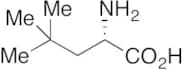
CAS:Controlled Product<p>Applications Indole-3-acetic-L-alanine is a derivative of the phytohormone indole-3-acetic acid (I577340) used in studies for the isolation and characterization of Arabdopsis thaliana mutants.<br>References Rampey, R.A., et al.: G3 (Bethesda), 3, 131-141 (2013)<br></p>Formula:C13H14N2O3Color and Shape:NeatMolecular weight:246.26L-Leucine
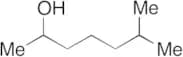
CAS:Controlled Product<p>Applications L-Leucine is an essential amino acid. L-Leucine acts as a nutrient signal to stimulate protein synthesis. It has also activates the mammalian target of rapamycin kinase that regulates cell growth.<br>References Demant, T. et al.: Am. J. Physiol., 270, E1022 (1996); Diraison, F. et al.: Am. J. Physiol., 277, E529 (1999); Suryawan, A. et al.: J. Anim. Sci., 89, 2004 (2011); Peyrollier, K. et al.: Biochem. J., 350, 361 (2000);<br></p>Formula:C6H13NO2Color and Shape:NeatMolecular weight:131.176-Methyl-2-heptanol
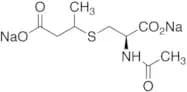
CAS:Controlled Product<p>Applications 6-Methyl-2-heptanol is an intermediate used to prepare tri- and tetrasubstituted imidazoles as highly potent and specific ATP-mimetic inhibitors of p38 MAP kinase.<br>References Laufer, S., et al.: J. Med. Chem., 51, 4122 (2008)<br></p>Formula:C8H18OColor and Shape:NeatMolecular weight:130.23N-Acetyl-S-(3-carboxy-2-propyl)-L-cysteine Disodium Salt (Mixture of Diastereomers)
CAS:Controlled Product<p>Applications A metabolite of Crotonaldehyde.<br>References Gray, J.M., et al.: Xenobiotica, 1, 55 (1971), Chung, F., et al.: Mutat. Res., 424, 71 (1999), Smith, C., et al.: Food Chem. Toxicol., 38, 637 (2000), Pan, J., et al.: Chem. Res. Toxicol., 15, 367 (2002),<br></p>Formula:C9H13NO5S·2NaColor and Shape:NeatMolecular weight:293.25L-(+)-2-Phenylglycine
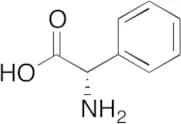
CAS:<p>Applications L-(+)-2-Phenylglycine is a derivative of Glycine (G615990), the smallest of all the amino acids, and is also used to treat schizophrenia, stroke, and benign prostatic hyperplasia. L-(+)-2-Phenylglycine is also used as an N-linked side chain of an SMTP (Stachybotrys microspora tripenyl phenols) congener, which was potent in enhancing plasminogen activation in S. microspora.<br>References Gusev, E., et al.: Cerebrovasc. Dis., 10, 49 (2000); Koide, H., et al.: J. Antibiot., 65, 91 (2012); Rosse, R., et al.: Clin. Neuropharmacol., 12, 416 (1989); Tuszynski, G., et al.: Lab. Invest., 70, 228 (1994)<br></p>Formula:C8H9NO2Color and Shape:Off White Crystalline PowderMolecular weight:151.1626D-Cysteine Hydrochloride Monohydrate
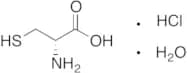
CAS:Controlled Product<p>Applications D-Cysteine Hydrochloride Monohydrate is used as a reactant in the expedient synthesis of electronically modified luciferins for bioluminescence imaging.<br>References McCutcheon, D., et al.: J. Am. Chem. Soc., 134, 7604 (2012);<br></p>Formula:C3H7NO2S·HCl·H2OColor and Shape:NeatMolecular weight:121.16+(36.46)+(18.02)C2 Ceramide
CAS:Controlled Product<p>Stability Moisture Sensitive<br>Applications A biologically active, cell permeable, but nonphysiologic ceramide analog. It inhibits cell proliferation and induces monocytic differentiation of HL-60 cells and induces apoptosis. It stimulates protein phosphatase 2A and activates MAP Kinase2.<br>References Inoue, T., et al.: J. Biol. Chem., 284, 9566 (2009), Kang, J., et al.: Bioorg. Med. Chem., 17, 1498 (2009), Rath, G., et al.: Int. J. Biochem. Cell Biol., 41, 1165 (2009),<br></p>Formula:C20H39NO3Color and Shape:Off White PowderMolecular weight:341.53L-Cysteic Acid Monohydrate
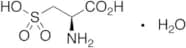
CAS:Controlled Product<p>Applications A major metabolite of non-essential amino acid L-Cysteine.<br>References Parsons, R.B. et al.: Neurotoxicol., 19, 599 (1998);<br></p>Formula:C3H7NO5S·H2OColor and Shape:White To Off-WhiteMolecular weight:187.17S-Methyl-L-cysteine sulfoxide
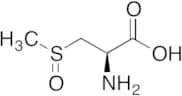
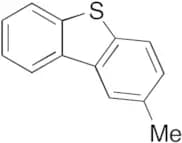
CAS:Controlled ProductFormula:C4H9NO3SColor and Shape:Off-WhiteMolecular weight:151.182-Methyldibenzothiophene
CAS:Controlled Product<p>Applications 2-Methyldibenzothiophene, is an alkyldibenzothiophene present in crude oil. Research concerning the biodegradation of Dibenzothiophene by different types of bacteria is a currently being carried out, as these bacteria have the ability to breakdown other harmful PAH’s as well. This may be used in removing spilled oil from marine and terrestrial environments.<br>References Boberg, F., et al.: Erdoel & Kohle, Erdgas, Petrochemie, 47, 187 (1994); Tanaka, Y., et al.: Applied Microbiology and Biotech., 59 (2), 325 (2002); Prince, R., Spill Sci. Tech. Bulletin, 8 (2), 145 (2003);<br></p>Formula:C13H10SColor and Shape:NeatMolecular weight:198.28N-Acetyl-L-cysteine-d3
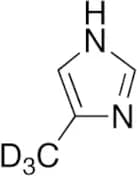
CAS:Controlled Product<p>Stability Hygroscopic<br>Applications A labelled metabolite of Methyl isocyanate.<br>References Slatter, J. G., et al.: Chem. Res. Toxicol., 4, 157 (1991),<br></p>Formula:C52H3H6NO3SColor and Shape:Off-WhiteMolecular weight:166.214-Methylimidazole-d3
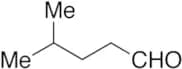
CAS:Controlled Product<p>Applications Labelled 4-Methylimidazole (M312990). 4-Methylimidazole is a monomethylated imidazole that can be used as a building block in the preparation of a wide range of biologically active compounds. 4-Methylimidazole is a product which results from the interaction of reducing sugars with ammonia. 4-Methylimidazole showed convulsant activity in animals and is listed as a possible carcinogen.<br> Not a dangerous good if item is equal to or less than 1g/ml and there is less than 100g/ml in the package<br>References Nishie, K. et al.: Toxicol. Appl. Pharmacol., 14, 301 (1969): Cunha, S.C. et al.: J. Food Comp. Anal., 24, 609 (2011); Chan, P.C. et al.: Arch. Toxicol., 82, 55 (2008);<br></p>Formula:C4H3D3N2Color and Shape:BeigeMolecular weight:85.124-Methylpentanal (up to 75% hydrated form)
CAS:Controlled Product<p>Applications An intermediate used in the synthesis of Pregabalin (P704800) and related compounds.<br> Not a dangerous good if item is equal to or less than 1g/ml and there is less than 100g/ml in the package<br>References Posadas, I., et al.: Br. J. Pharmacol., 142, 331 (2004),<br></p>Formula:C6H12OColor and Shape:Colourless LiquidMolecular weight:100.164,6,7,8-Tetrahydro-8-hydroxy-6-methylpyrimido[1,2-a]purin-10(3H)-one (Mixture of Diastereomers)
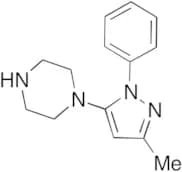
CAS:Controlled Product<p>Applications Cyclic propano guanine adduct DNA acetaldehyde histone.<br>References Nath, R., et al.: Cancer Res., 58, 581 (1998), Wang, M., et al.: Chem. Res., 13, 1065 (2000), Terashima, I., et al.: Biochemistry, 40, 4106 (2001), Yokoyama, A., et al.: Carcinogenesis, 23, 1851 (2002),<br></p>Formula:C9H11N5O2Color and Shape:Off-WhiteMolecular weight:221.221-(3-Methyl-1-phenyl-1H-pyrazol-5-yl)piperazine
CAS:Controlled Product<p>Applications 1-(3-Methyl-1-phenyl-1H-pyrazol-5-yl)piperazine is an intermediate used to prepare nonracemic γ-bicyclic heteroarylpiperazine- and heteroarylpiperidine-substituted prolinylthiazolidines as selective and orally active dipeptidylpeptidase 4 inhibitors for use as antidiabetic agents.<br>References Yoshida, T., et al.: Bioorg. Med. Chem., 20, 5705 (2012)<br></p>Formula:C14H18N4Color and Shape:NeatMolecular weight:242.324-Chloro-2-methylphenol Sulfate Sodium Salt
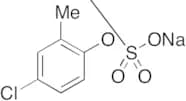
CAS:<p>Stability Unstable in methanol solution<br>Applications 4-Chloro-2-methylphenol Sulfate Sodium Salt is a halogenated derivative of o-toluenesulfonate, present in landfill leachates. o-Toluenesulfonate is an analog of the strong organic acid p-Toluenesulfonate.<br>References Riediker, S. et al.: Environ. Sci. Tech., 34, 2156 (2000);<br></p>Formula:C7H6ClNaO4SColor and Shape:NeatMolecular weight:244.6285-Oxo-DL-proline-d5
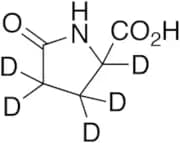
CAS:Controlled Product<p>Applications 5-Oxo-DL-proline-d5 is a labelled cyclized derivative of L-Glutamic Acid (G596960). The pyroglutamate core has potential application for synthesis of novel anti-bacterials.<br>References Mischo A. et al.: ChemBioChem., 13, 1421 (2012); Angelov P. et al.: Org. Biomol. Chem.: 10, 3472 (2012);<br></p>Formula:C52H5H2NO3Color and Shape:NeatMolecular weight:134.145-Chloro-1-methyl-4-nitroimidazole
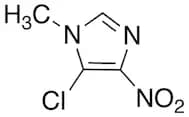
CAS:Controlled Product<p>Impurity Azathioprine EP Impurity C<br>Applications 5-Chloro-1-methyl-4-nitroimidazole (cas# 4897-25-0) is a compound useful in organic synthesis.<br></p>Formula:C4H4ClN3O2Color and Shape:White To Off-WhiteMolecular weight:161.552-Amino-5-methylpyridine
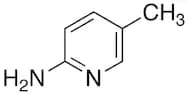
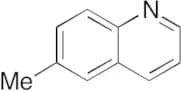
CAS:Controlled Product<p>Applications 2-Amino-5-methylpyridine (cas# 1603-41-4) is a compound useful in organic synthesis.<br> Not a dangerous good if item is equal to or less than 1g/ml and there is less than 100g/ml in the package<br>References Francotte, P., et al.: Bioorg. Med. Chem., 16, 9948 (2008), Sundaraganesan, N., et al.: J. Mol. Struc., 891, 284 (2008), Caleta, I., et al.: J. Med. Chem., 52, 1744 (2009),<br></p>Formula:C6H8N2Color and Shape:NeatMolecular weight:108.146-Methylquinoline
CAS:Controlled Product<p>Applications 6-Methylquinoline, is a building block used for the synthesis of various pharmaceutical compounds, and biologically active compounds. It can be used for the preparation of pyranobenzopyrone compounds, having anti-norovirus activity.<br>References Pokhrel, L., et al.: bioorg. Med. Chem. Lett., 22, 3480 (2012);<br></p>Formula:C10H9NColor and Shape:ColourlessMolecular weight:143.185Zinc Glycinate
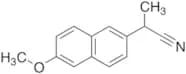
CAS:<p>Applications Zinc Glycinate is used in the preparation of hydroxy acid complexes used in skin antiaging, acne and skin whitening formulations.<br></p>Formula:C4H8N2O4ZnColor and Shape:NeatMolecular weight:213.52-(6-Methoxynaphthalen-2-yl)propanenitrile
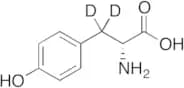
CAS:Controlled Product<p>Applications 2-(6-methoxynaphthalen-2-yl)propanenitrile (cas# 86603-94-3) is a useful research chemical.<br></p>Formula:C14H13NOColor and Shape:NeatMolecular weight:211.26D-Tyrosine-d2
CAS:Controlled Product<p>Applications D-Tyrosine-d2 is deuterium labelled D-Tyrosine (T899970). D-Tyrosine, the stereoisomer to L-Tyrosine (T899975), is an amino acid used in various organic syntheses for antibiotics. It is used in the synthesis of (-)-anisomycin, as well as BATSI (boronic acid transition state inhibitors) which act on β-lactamases. It has also been studied as an inhibitor of microbial growth on surfaces, reducing microbial attachment to hydrophillic glass and hydrophobic polypropylene surfaces.<br>References Li, Ji. et al.: Chin. Chem. Lett., 23, 647 (2012); Xu, H. et al.: Water Res., 45, 5796 (2011); Ke, W. et al.: Antimicrob. Agents Chemother., 55, 174 (2011)<br></p>Formula:C9D2H9NO3Color and Shape:NeatMolecular weight:183.2Methyl 4-Methoxysalicylate
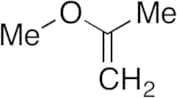
CAS:Controlled Product<p>Applications Methyl 4-Methoxysalicylate, is an organic building block, used for the synthesis of (+)-coriandrone A and B, two bioactive natural products. It can also be used for the preparation of Dimethoxybenzofuran derivatives as potent and selective inhibitors of CYP2A6.<br>References Wang, W., et al.: Org. Biomol. Chem., 11, 6686 (2013); Yamaguchi, Y., et al.: Heterocycles, 87, 1727 (2013);<br></p>Formula:C9H10O4Color and Shape:NeatMolecular weight:182.172-Methoxypropene
CAS:Controlled Product<p>Applications 2-Methoxypropene is used in the synthesis of Macrolactin A, a 24-member macrolide typically employed as an antibiotic. Also used in the synthesis of phenylalanine derivatives used as α4β1 and α4β7 receptor antagonists in the treatment of allergic asthma.<br>References Marino, K. et al.: J. Am. Chem. Soc., 12, 1664, (2002); Tilley, J. et al.: Bioorg. Med. Chem. Lett., 23, 1036 (2013);<br></p>Formula:C4H8OColor and Shape:NeatMolecular weight:72.114-Amino-2-methyl-5-pyrimidinemethanesulfonic acid
CAS:Controlled Product<p>Applications 4-Amino-2-methyl-5-pyrimidinemethanesulfonic acid is used in the biosynthesis of Thiamine (T344185) in yeast.<br>References White, R., et al.: Journal of the American Chemical Society, 104, 4934 (1982).<br></p>Formula:C6H9N3O3SColor and Shape:NeatMolecular weight:203.222-Methoxypropyl Acetate
CAS:Controlled Product<p>Applications 2-Methoxypropyl Acetate causes moderate irritation, significant reduction in body weight development and thymic atrophy in rats as well as pronounced prenatal toxicity in rats.<br> Not a dangerous good if item is equal to or less than 1g/ml and there is less than 100g/ml in the package<br>References Ma-Hock, L., et al.: Hum. Exp. Toxicol., 24, 95-99 (2005)<br></p>Formula:C6H12O3Color and Shape:Colourless LiquidMolecular weight:132.16N-Acetylglycine-d5
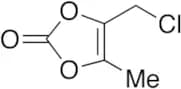
CAS:Controlled Product<p>Applications N-Acetylglycine-d5 is an isotopic analog of N-Acetyl-glycine (A178260), a derivative of Glycine (G615990). It is an intermediate used to synthesize rac 3-O-Methyl DOPA (M303805) which is an impurity of Levodopa.<br>References Tabar, et al.: Pharmacol. Biochem. Behav., 33, 139 (1989), De Souza Silva, et al.: J. Neurochem., 68, 233 (1997), Feigin, A., et al.: Neurology, 57, 2083 (2001), Perera, A., et al.: J. Labelled Comp. Radiopharm., 46, 389 (2003),<br></p>Formula:C4D5H2NO3Color and Shape:NeatMolecular weight:122.1344-Chloromethyl-5-methyl-1,3-dioxol-2-one
CAS:Controlled Product<p>Applications 4-Chloromethyl-5-methyl-1,3-dioxol-2-one is an important reagent in the preparation of angiotensin II receptor antagonist such as Olmesratan Medoxomil (O550000). 4-Chloromethyl-5-methyl-1,3-dioxol-2-one is also used in the preparation of prodrugs of ampicillin.<br>References Ikeda, S. et al.: Chem. Pharmac. Bull., 32, 4316 (1984); Wu, T. Yaox. Xueb., 41, 537 (2006);<br></p>Formula:C5H5ClO3Color and Shape:NeatMolecular weight:148.54N-(Carboxymethyl)-N-[2-[(carboxymethyl)amino]ethyl]-glycine Calcium Salt Hydrate (>80%)
CAS:Controlled Product<p>Applications N-(Carboxymethyl)-N-[2-[(carboxymethyl)amino]ethyl]-glycine Calcium Salt Hydrate is an intermediate used to prepare copper alkylenediaminetriacetic acid complexes.<br>References Matovic, Z., et al.: Inorganica Chimica Acta, 360, 2420 (2007)<br></p>Formula:C16H22Ca3N4O12x(H2O)Purity:>80%Color and Shape:NeatMolecular weight:582.6018022-(3-Methoxyphenoxy)propanoic acid
CAS:Controlled Product<p>Applications 2-(3-Methoxyphenoxy)propanoic acid<br></p>Formula:C10H12O4Color and Shape:NeatMolecular weight:196.2D-Tryptophan
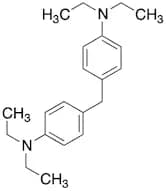
CAS:Controlled Product<p>Applications An essential amino acid found in naturally produced peptides. Unlike its stereoisomer, L-tryptophan, it is not used in structural or enzyme proteins.<br>References Karunakaran, S.et al.: Bochem. J., 414, 343 (2008); Pallaghy, P.K. et al.: Biochem., 38, 11553 (1999);<br></p>Formula:C11H12N2O2Color and Shape:NeatMolecular weight:204.234,4-Methylenebis(N,N-diethylaniline)
CAS:Controlled Product<p>Applications 4,4-methylenebis(N,N-diethylaniline) (cas# 135-91-1) is a useful research chemical.<br></p>Formula:C21H30N2Color and Shape:NeatMolecular weight:310.49Ethametsulfuron-methyl Sodium Salt
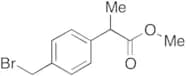
CAS:Controlled Product<p>Applications Ethametsulfuron-methyl Sodium Salt, a regulator of the early steps of complement activation on mucosal surfaces. It can be used in combination treatment of ohmic heating with various essential oil components for inactivation of food-borne pathogens in buffered peptone water and salsa.<br>References Kim, S. S., et al.: Food Control, 80, 29 (2017); Reichhardt, M. P., et al.: Front Immunol, 7, 85 (2016)<br></p>Formula:C15H17N6NaO6SColor and Shape:NeatMolecular weight:432.3874-(Bromomethyl)-α-methyl-benzeneacetic Acid Methyl Ester
CAS:Controlled ProductFormula:C11H13BrO2Color and Shape:NeatMolecular weight:257.1242-Amino-5-butyl-6-methylpyrimidin-4(3H)-one
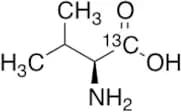
CAS:<p>Applications 2-amino-5-butyl-6-methylpyrimidin-4(3H)-one (cas# 4038-64-6) is a useful research chemical.<br></p>Formula:C9H15N3OColor and Shape:White To Off-WhiteMolecular weight:181.23L-Valine-13C
CAS:<p>Applications L-Valine (1-13c, 99%) (cas# 81201-85-6) is a useful research chemical.<br></p>Formula:C413CH11NO2Color and Shape:NeatMolecular weight:118.142-Mercapto-4-methyl-5-thiazoleacetic Acid
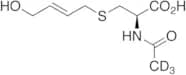
CAS:Controlled Product<p>Applications 2-Mercapto-4-methyl-5-thiazoleacetic Acid is used as a reagent for determination of hydroxylamine using fused gold nanoparticles immobilized on sol-gel film modified gold electrode.<br> Not a dangerous good if item is equal to or less than 1g/ml and there is less than 100g/ml in the package<br>References Kannan, P., John, A.: Anal. Chim. Acta, 663, 158 (2010);<br></p>Formula:C6H7NO2S2Color and Shape:NeatMolecular weight:189.26N-Acetyl-S-(4-hydroxy-2-buten-1-yl)-L-cysteine-d3
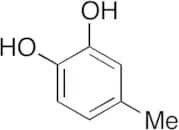
CAS:Controlled Product<p>Stability Hygroscopic<br>Applications A novel labelled metabolite of Butadiene monoepoxide (BMO), a mutagen and carcinogen compound.<br>References Cheng, X., et al.: Drug Metab. Dispos., 21, 121 (1993), Nieusma, J., et al.: Chem. Res. Toxicol., 10, 450 (1997),<br></p>Formula:C9D3H12NO4SColor and Shape:NeatMolecular weight:236.30324-Methylcatechol
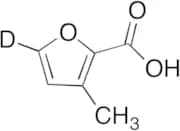
CAS:<p>Applications 4-Methylcatechol is a potent inducer of nerve growth factor (NGF) synthesis in vitro and in vivo.<br>References Kaechi, K., et al.: J. Pharmacol. Exp. Ther., 272, 1300 (1995); Hanaoka, Y., et al.: J. Neurol. Sci., 122, 28 (1994)<br></p>Formula:C7H8O2Color and Shape:NeatMolecular weight:124.143-Methyl-2-furoic Acid-d (Contained d0)
CAS:Controlled Product<p>Applications 3-Methyl-2-furoic Acid-d is a deuterated version of 3-Methyl-2-furoic Acid (M219553), a useful reactant in the synthesis of therapeutic agents.<br>References Dragovich, Peter S., et al.: Bioorg. & Med. Chem. Let., 24(3), 954-962 (2014);Garcia-Barrantes, Pedro M., et al.: J. of Med. Chem., 58(20), 7959-7971 (2015)<br></p>Formula:C6H5DO3Color and Shape:NeatMolecular weight:127.126-Methylpurine
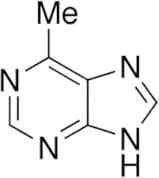
CAS:Controlled Product<p>Applications 6-Methylpurine (cas# 2004-03-7) is a compound useful in organic synthesis.<br> Not a dangerous good if item is equal to or less than 1g/ml and there is less than 100g/ml in the package<br></p>Formula:C6H6N4Color and Shape:NeatMolecular weight:134.14Methyl 2-Bromo-2-methylpropanoate
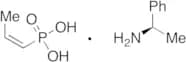
CAS:Controlled Product<p>Applications Methyl 2-bromo-2-methylpropanoate (cas# 23426-63-3) is a useful research chemical.<br></p>Formula:C5H9O2BrColor and Shape:ColourlessMolecular weight:181.02cis-Propenylphosphonic Acid (R)-(+)-α-Methylbenzylamine Salt
CAS:Controlled Product<p>Applications cis-Propenylphosphonic Acid (R)-(+)-α-Methylbenzylamine Salt is used as a reagent in the microbial production of Fosfomycin (F727505); a compound used as an antibiotic in the treatment of urinary tract infections.<br>References Watanabe, M., et al.: Appl. Environ. Microb., 65, 1036 (1999); Itoh, N., et al.: Appl. Microbiol. Biot., 43, 394 (1995); White, R.F., et al.: Appl. Microbiol., 22, 55 (1971); Keating, G. et al.: Drugs, 73, 1951 (2013); Demir, T. et al.: Int. J. Infect. Dis., 17, e966 (2013)<br></p>Formula:C3H7O3P(C8H11N)Color and Shape:NeatMolecular weight:243.10243N-Acetyl-S-(2-cyanoethyl)-L-cysteine Ammonium Salt
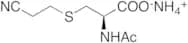
CAS:<p>Stability Hygroscopic<br>Applications N-Acetyl-S-(2-cyanoethyl)-L-cysteine Ammonium Salt is a metabolite of Acrylonitrile (AN) and acrylamide (AM); and are commonly used in the synthesis of plastics and polymers.<br>References van Bladeren, P., et al.: Drug Metab. Dispos., 9, 246 (1981), Guengerich, F., et al.: Chem. Res. Toxicol., 4, 168 (1991),<br></p>Formula:C8H11N2O3S·H4NColor and Shape:SolidMolecular weight:233.292-Methoxy-4-nitroaniline
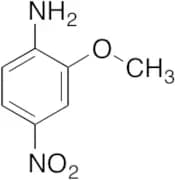
CAS:<p>Applications 2-Methoxy-4-nitroaniline is a derivative of 4-Nitroaniline (N491770), which is used in the synthesis of photorefractive polymers, as novel chromophores in analytical study. As well, due to the absorption spectrum associated with 4-Nitroaniline, it is used to determine catechol derivatives in syntheses.<br>References Nagaraja, P. et al.: J. Pharm. Biomed. Anal., 25, 417 (2001);<br></p>Formula:C7H8N2O3Color and Shape:YellowMolecular weight:168.151-Boc-4-(6-aminopyridin-3-yl)piperazine
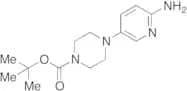
CAS:Controlled Product<p>Applications 1-Boc-4-(6-aminopyridin-3-yl)piperazine is used to prepare pyrido[2,3-d]pyrimidin-7-ones as selective inhibitors of cyclin-dependent kinases 4 and 6.<br>References Toogood, P., et al.: J. Med. Chem., 48, 2388 (2005); Cho, Y., et al.: J. Med. Chem., 53, 7938 (2010)<br></p>Formula:C14H22N4O2Color and Shape:NeatMolecular weight:278.351,1,1-Trichloro-2-methylpropan-2-ol
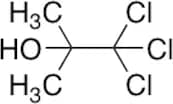
CAS:Controlled Product<p>Stability Hygroscopic<br>Applications Chlorobutanol is used as a preservative and sedative. It has also been shown to exhibit antibacterial properties.<br>References Dutta, T., et al.: PCT Int. Appl., 22, (2020); Ibibia, E., et al.: Asian. J. Pharm. Clin. Res., 9, 179-182 (2016)<br></p>Formula:C4H7Cl3OColor and Shape:Off-WhiteMolecular weight:177.463-Methyl-2-buten-1-ol-d6 (d5 Major) (Contain ~3% d0)
CAS:Controlled Product<p>Applications Important compounds in coffee aroma.<br> Not a dangerous good if item is equal to or less than 1g/ml and there is less than 100g/ml in the package<br></p>Formula:C52H6H4OColor and Shape:NeatMolecular weight:92.171-Methyl-1h-1,2,4-triazol-3-amine
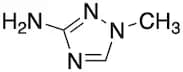
CAS:Controlled Product<p>Applications 1-Methyl-1h-1,2,4-triazol-3-amine (cas# 49607-51-4) is a useful research chemical.<br></p>Formula:C3H6N4Color and Shape:NeatMolecular weight:98.1064-Chloro-3-cyano-6-methoxy-7-[3-(4-methylpiperazin-1-yl)propoxy]quinoline
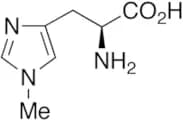
CAS:<p>Stability Hygroscopic<br>Applications 4-Chloro-3-cyano-6-methoxy-7-[3-(4-methylpiperazin-1-yl)propoxy]quinoline is a useful reagent to prepare benzofuranyl derivatives for treating solid tumours. It is also an impurity of Bosutinib.<br>References Hennequin, L. F. A. PCT Int. Appl. (2003), WO 2003047585 A1 20030612 (2003); Hennequin, L. F. A., Gibson, K. H., Foote, K. M. PCT Int. Appl. WO 2003047582 A1 20030612 (2003)<br></p>Formula:C19H23ClN4O2Color and Shape:Off White SolidMolecular weight:374.861-Methyl-L-histidine
CAS:Controlled Product<p>Applications The urinary 1- and 3-methylhistidine (1- and 3-MH) metabolites as potential biomarkers of skeletal muscle toxicity. These metabolites were highly correlated to sex-, dose-, and time-dependent development of cerivastatin-induced myotoxicity. Natural but non-proteinogenic amino acid; employed as index of muscle protein breakdown.<br>References Berna, M., et al.: Anal. Chem., 79, 4199 (2007), Pritt, M., et al.: Toxicol. Sci., 103, 382 (2008), Tonomura, Y., et al.: Toxicology, 266, 48 (2009),<br></p>Formula:C7H11N3O2Color and Shape:NeatMolecular weight:169.181-Methoxy-2-propanol
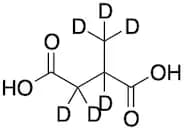
CAS:Controlled Product<p>Applications 1-Methoxy-2-propanol is used as a reagent in the synthesis of 2-amino-3-carboxy-4-phenylthiophenes as novel atypical protein kinase C inhibitors. Also used as a reagent in the synthesis of Metolachlor (M338700); a selective pre-emergence herbicide.<br> Not a dangerous good if item is equal to or less than 1g/ml and there is less than 100g/ml in the package<br>References Titchenell, P.M., et al.: Bioorg. Med. Chem. Lett., 23, 3034 (2013); Zhang, H.: Nongyao Kexue Yu Guanli, 32, 26 (2011)<br></p>Formula:C4H10O2Color and Shape:ColourlessMolecular weight:90.12(±)-2-Methyl-d3-succinic-2,3,3-d3 Acid
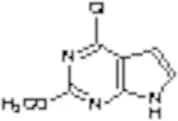
CAS:Controlled Product<p>Applications (±)-2-Methyl-d3-succinic-2,3,3-d3 Acid (CAS# 347840-08-8) is a useful isotopically labeled research compound.<br></p>Formula:C5D6H2O4Color and Shape:NeatMolecular weight:138.156-Chloro-2-methoxy-7-deazapurine
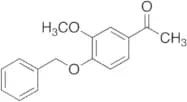
CAS:Controlled Product<p>Applications 6-Chloro-2-methoxy-7-deazapurine (cas# 90057-08-2) is a compound useful in organic synthesis.<br></p>Formula:C7H6ClN3OColor and Shape:NeatMolecular weight:183.601-(4-Benzyloxy-3-methoxyphenyl)ethanone
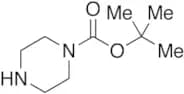
CAS:Controlled Product<p>Applications Intermediate in the preparation of Epinephrine metabolites<br>References Mizuta, H., et al.: Bioorg. Med. Chem., 10, 675 (2002),<br></p>Formula:C16H16O3Color and Shape:NeatMolecular weight:256.3N-Boc-piperazine
CAS:<p>Applications N-Boc-piperazine (cas# 57260-71-6) is a compound useful in organic synthesis.<br></p>Formula:C9H18N2O2Color and Shape:NeatMolecular weight:186.251-Methyl-4-nitropyrrole-2-carboxylic Acid
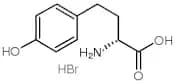
CAS:Controlled Product<p>Applications 1-Methyl-4-nitropyrrole-2-carboxylic Acid is used in the synthesis of Lexitropsin and distamycin analogs with antimicrobial activities.<br>References Anthony, N., et al.: J. Med. Chem., 50, 6116 (2007); Khalaf, A., et al.: J. Med. Chem., 47, 2133 (2004)<br></p>Formula:C6H6N2O4Color and Shape:NeatMolecular weight:170.12D-Homotyrosine Hydrobromide
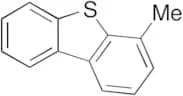
CAS:Controlled Product<p>Applications D-Homotyrosine hydrobromide<br></p>Formula:C10H13NO3·HBrColor and Shape:White To Off-WhiteMolecular weight:276.1274-Methyldibenzothiophene
CAS:<p>Applications 4-Methyldibenzothiophene, is an alkyldibenzothiophene present in crude oil. Research concerning the biodegradation of Dibenzothiophene by different types of bacteria is a currently being carried out, as these bacteria have the ability to breakdown other harmful PAH’s as well. This may be used in removing spilled oil from marine and terrestrial environments.<br> Not a dangerous good if item is equal to or less than 1g/ml and there is less than 100g/ml in the package<br>References Boberg, F., et al.: Erdoel & Kohle, Erdgas, Petrochemie, 47, 187 (1994); Tanaka, Y., et al.: Applied Microbiology and Biotech., 59 (2), 325 (2002); Prince, R., Spill Sci. Tech. Bulletin, 8 (2), 145 (2003);<br></p>Formula:C13H10SColor and Shape:White SolidMolecular weight:198.281,2,3,9-Tetrahydro-9-methyl-4H-carbazol-4-one
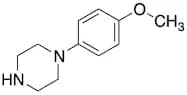
CAS:<p>Impurity Ondansetron EP Impurity C<br>Applications 1,2,3,9-Tetrahydro-9-(methyl-d3)-4H-carbazol-4-one (Ondansetron EP Impurity C) is used in the preparation of 5-HT3 modulators useful in the treatment and prevention of 5-HT3 receptor-mediated diseases. 1,2,3,9-Tetrahydro-9-methyl-4H-carbazol-4-one is an impurity of Ondansetron (O655000).<br> Not a dangerous good if item is equal to or less than 1g/ml and there is less than 100g/ml in the package<br>References Huang, W. et al.: Zhong. Yao. Dax. Xueb., 30, 1 (1999); Kim, M. et al.: Heterocycles, 45, 2041 (1997); Feng, R. et al.: Zhong. Yaox. Zaz., 46, 1436 (2011);<br></p>Formula:C13H13NOColor and Shape:Off-WhiteMolecular weight:199.251-(4-Methoxyphenyl)piperazine
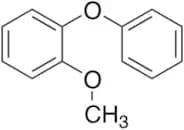
CAS:Controlled Product<p>Applications 1-(4-Methoxyphenyl)piperazine (cas# 38212-30-5) is a useful research chemical.<br></p>Formula:C11H16N2OColor and Shape:NeatMolecular weight:192.262-Methoxyphenyl Phenyl Ether
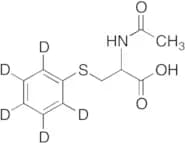
CAS:Controlled ProductFormula:C13H12O2Color and Shape:NeatMolecular weight:200.233N-Acetyl-S-phenyl-d5-DL-cysteine
CAS:Controlled Product<p>Applications N-Acetyl-S-phenyl-d5-DL-cysteine is the deuterium labelled form of N-Acetyl-S-phenyl-DL-cysteine, which is used as a reactant in the preparation of potent HIV-1 protease inhibitors that use D-amino acids as P2/P3 ligands.<br>References Jungheim, L., et al.: J. Med. Chem., 39, 96 (1996);<br></p>Formula:C11D5H8NO3SColor and Shape:BrownMolecular weight:244.321-Methyl-2-pyrrolidinone
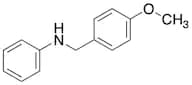
CAS:Controlled Product<p>Applications It is a versatile industrial solvent. NMP is currently approved for use only in veterinary pharmaceuticals. The determination of the disposition and metabolism of NMP in the rat will contribute toward understanding the toxicology of this exogenous chemical which man may likely be exposed to in increasing amounts.<br>References Southwell, D., et al.: J. Pharm. Pharmacol., 33, 3 (1981), Barry, W., et al.: J. Invest. Dermatol., 82, 49 (1984),<br></p>Formula:C5H9NOColor and Shape:ColourlessMolecular weight:99.13N-Phenyl-4-methoxybenzylamine
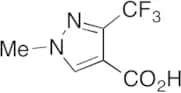
CAS:Controlled Product<p>Applications N-PHENYL-4-METHOXYBENZYLAMINE (cas# 3526-43-0) is a useful research chemical.<br></p>Formula:C14H15NOColor and Shape:NeatMolecular weight:213.2753-(Trifluoromethyl)-1-methyl-1H-pyrazole-4-carboxylic Acid
CAS:Controlled Product<p>Applications 3-(Trifluoromethyl)-1-methyl-1H-pyrazole-4-carboxylic Acid is used in the synthesis of diaryl ether inhibitors of Toxoplasma gondii enoyl reductase. Also used in the synthesis of 4-carboxamide derivatives acting as antifungal agents.<br>References Cheng, G. et al.: Bioorg. Med. Chem. Lett., 23, 2035 (2013); Wu, Z. et al.: Molecules, 17, 14205 (2012);<br></p>Formula:C6H5F3N2O2Color and Shape:NeatMolecular weight:194.115'-O-[Bis(4-methoxyphenyl)phenylmethyl]-N-(2-methyl-1-oxopropyl)-guanosine
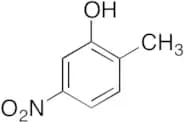
CAS:Controlled Product<p>Applications 5'-O-[Bis(4-methoxyphenyl)phenylmethyl]-N-(2-methyl-1-oxopropyl)-guanosine is used to prepare ppGpp analogs as inhibitors of RelA from Gram-negative/-positive bacteria. It is also used to synthesize guanosine 5'-conjugates as initiator molecules for transcription priming.<br>References Wexselblatt, E., et al.: Bioorg. Med. Chem., 18, 4485 (2010); Wolf, J., et al.:Org. Biomol. Chem., 6, 899 (2008)<br></p>Formula:C35H37N5O8Color and Shape:NeatMolecular weight:655.6972-Methyl-5-nitrophenol
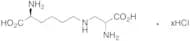
CAS:Controlled Product<p>Applications 2-Methyl-5-nitrophenol is used as a reactant in the preparation of pyranocarbazole alkaloids.<br>References Zang, Yingda, et al.: Euro. J. of Med. Chem., 143, 438-448 (2018)<br></p>Formula:C7H7NO3Color and Shape:NeatMolecular weight:153.14Lysinoalanine Hydrochloride Salt
CAS:Controlled Product<p>Applications This not naturally occurring amino acid was first observed after alkali treatment of different proteins. Synthetic Lysinoalanine was found to have a strong chelating ability for metals.<br>References Schwass, D., et al.: J. Agric. Food Chem., 32, 1377 (1984), Ahmed, M., et al.: J. Biol. Chem., 261, 8816 (1986), Wells-Knecht, K., et al.: Biochem., 34, 3702 (1995),<br></p>Formula:C9H19N3O4·xHClColor and Shape:NeatMolecular weight:306.19





![N-[(9H-Fluoren-9-ylmethoxy)carbonyl]-N-methyl-L-alloisoleucine](/_next/image/?url=https%3A%2Fstatic.cymitquimica.com%2Fproducts%2FTR%2Fthumb-webp%2FF588715.webp&w=3840&q=75)


![4,6,7,8-Tetrahydro-8-hydroxy-6-methylpyrimido[1,2-a]purin-10(3H)-one (Mixture of Diastereomers)](/_next/image/?url=https%3A%2Fstatic.cymitquimica.com%2Fproducts%2FTR%2Fthumb-webp%2FT293685.webp&w=3840&q=75)




![N-(Carboxymethyl)-N-[2-[(carboxymethyl)amino]ethyl]-glycine Calcium Salt Hydrate (>80%)](/_next/image/?url=https%3A%2Fstatic.cymitquimica.com%2Fproducts%2FTR%2Fthumb-webp%2FC177690.webp&w=3840&q=75)






![4-Chloro-3-cyano-6-methoxy-7-[3-(4-methylpiperazin-1-yl)propoxy]quinoline](/_next/image/?url=https%3A%2Fstatic.cymitquimica.com%2Fproducts%2FTR%2Fthumb-webp%2FC380750.webp&w=3840&q=75)




![5'-O-[Bis(4-methoxyphenyl)phenylmethyl]-N-(2-methyl-1-oxopropyl)-guanosine](/_next/image/?url=https%3A%2Fstatic.cymitquimica.com%2Fproducts%2FTR%2Fthumb-webp%2FB415160.webp&w=3840&q=75)