Amino Acids (AA)
Amino acids (AAs) are the fundamental building blocks of proteins, playing a crucial role in various biological processes. These organic compounds are essential for protein synthesis, metabolic pathways, and cell signaling. In this category, you will find a comprehensive range of amino acids, including essential, non-essential, and modified forms, which are vital for research in biochemistry, molecular biology, and nutritional sciences. At CymitQuimica, we provide high-quality amino acids to support your research and development needs, ensuring accuracy and reliability in your experimental outcomes.
Subcategories of "Amino Acids (AA)"
- Amino Acid Derivatives(3,955 products)
- Amino Acid and Amino Acid Related Compounds(3,464 products)
- Amino Acids with Oxygen or Sulphur(168 products)
- Boc- Amino Acids(351 products)
- Fmoc Amino Acids(1,710 products)
Found 38247 products of "Amino Acids (AA)"
Sort by
Purity (%)
0
100
|
0
|
50
|
90
|
95
|
100
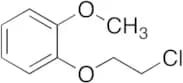
1-(2-Chloroethoxy)-2-methoxybenzene
CAS:Controlled Product<p>Applications 1-(2-Chloroethoxy)-2-methoxy benzene, is an impurity of Carvedilol (C184625), a nonselective β-adrenergic blocker with α1-blocking activity. Carvedilol is an antihypertensive used in the treatment of congestive heart failure.<br>References Hirohashi, M., et al.: Arzneim.-Forsch., 40, 735 (1990); Packer, M., et al.: N. Engl. J. Med., 334, 1349 (1996);<br></p>Formula:C9H11ClO2Color and Shape:NeatMolecular weight:186.64N-Acetyl-L-cystine
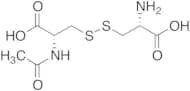
CAS:Controlled Product<p>Applications N-Acetyl-L-cystine is an antioxidant, used in the treatment of influenza A virus pandemic (1). N-Acetyl-L-cystine promotes fertilization by reducing disulfide bonds in zona pellucida of mouse (2).Releases N-Acetyl-L-cysteine, which is an antidote for paracetamol poisoning.<br>References (1) Zhang, R., et al.: (2014) Int. Immunopharmacol. 22: 1-8 (2) Takeo, T., et al.: Biol Reprod. (2015) 92: 1-7<br></p>Formula:C8H14N2O5S2Color and Shape:NeatMolecular weight:282.34L-Isoleucine
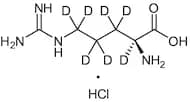
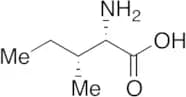
CAS:<p>Applications L-Isoleucine is classified as an essential amino acid, and is also a tumour promoter of bladder cancer in rats.<br>References Hatch, T., et al.: Infect. Immun., 12, 211 (1975); Nishio, Y., et al.: Science, 231, 843 (1986)<br></p>Formula:C6H13NO2Color and Shape:White To Off-WhiteMolecular weight:131.17L-Arginine-2,3,3,4,4,5,5-d7 HCl
CAS:Controlled Product<p>Applications L-Arginine-2,3,3,4,4,5,5-d7 HCl (CAS# 204244-77-9) is a useful isotopically labeled research compound. It can be used with Raman scattering for imaging living cells and organisms.<br>References Min, W., et al., PCT Int. Appl. (2014), WO 2014205074 A2<br></p>Formula:C6D7H7N4O2·HClColor and Shape:NeatMolecular weight:217.70Arginine Vasopressin Diacetate
CAS:<p>Applications An endogenous antidiuretic hormone in most mammalian species. It is released into the blood from nerve terminals in the posterior pituitary and median eminence. It is a neurotransmitter in the central nervous system and also implicated in a variety of physiological processes such as regulating water balance by antidiuretic action. It is a peptidic V1a receptor agonist that produces vasoconstriction via V1aR-mediated vascular smooth muscle cell contraction and is being used to increase blood pressure in septic shock, a form of vasodilatory hypotension.<br>References Perucca, J. et al.: J. AM. Soc. Nephrol., 19, 1721 (2008); Toba, K. et al.: Prog. Brain Res., 119, 337 (1998); Berrada, K. et al.: J. Biol. Chem., 275, 27229 (2000);<br></p>Formula:C50H73N15O16S2Color and Shape:NeatMolecular weight:1204.342,2-Diselanediyldiethanamine Dihydrochloride
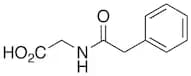
CAS:Controlled Product<p>Stability Hygroscopic<br>Applications 2,2-Diselanediyldiethanamine dihydrochloride (cas# 3542-13-0) is a useful research chemical.<br></p>Formula:C13H16N2O10Color and Shape:NeatMolecular weight:360.274N-Phenylacetylglycine
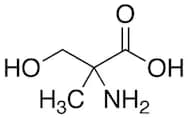
CAS:Controlled Product<p>Applications A metabolite of carboxylic acid.<br>References Bardsley, W., et al.: Biochem. J., 122, 557 (1971), Kim, J., et al.: Biosci. Biotechnol. Biochem., 69, 1331 (2005), Kopka, J., et al.: J. Biotechnol., 124, 312 (2006),<br></p>Formula:C10H11NO3Color and Shape:NeatMolecular weight:193.20α-Methyl-D,L-serine
CAS:Controlled Product<p>Applications A serine derivative. Used in the synthesis of constrained amino acid buildings blocks and their incorporation into biologically active peptidomimetics.<br>References Rew, Y., et al.: J. Med. Chem., 45, 3746 (2002),<br></p>Formula:C4H9NO3Color and Shape:NeatMolecular weight:119.12DL-Homocysteic-3,3,4,4-d4 Acid
CAS:Controlled ProductFormula:C4D4H5NO5SColor and Shape:Light YellowMolecular weight:187.04525Caerulein (>85%)
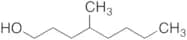
CAS:Controlled Product<p>Applications Caerulein is a ten amino acid oligopeptide that stimulates smooth muscle and increases digestive secretions. It is similar in action and composition to cholecystokinin. It stimulates gastric, biliary, and pancreatic secretion; and certain smooth muscle. It is used in paralytic ileus and as diagnostic aid in pancreatic malfunction. It is used to induce pancreatitis in experimental animal models.<br>References Anastasi,E., et al.: Ep., 23, 699 (1997); De Caro, G., et al.: Br. J. Pharmac Chemother., 33, 48 (1968)<br></p>Formula:C58H73N13O21S2Purity:~90%Color and Shape:Off-WhiteMolecular weight:1352.404-Methyl-1-octanol
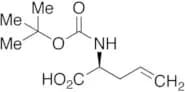
CAS:Controlled Product<p>Applications 4-Methyl-1-octanol is an intermediate in the synthesis of 1,2-Cyclohexanedicarboxylic Acid Mono 4-Methyloctan-1-ol Ester which is a possible metabolite of the di(isononyl)cyclohexane-1,2-dicarboxylate (DINCH) monoester (MINCH).<br>References Koch, H., et al.: Arch. Toxicol., 87, 799 (2013)<br></p>Formula:C9H20OColor and Shape:NeatMolecular weight:144.25N-Boc-L-Allylglycine
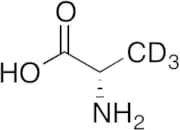
CAS:Controlled Product<p>Applications N-Boc-L-Allylglycine is a boc-protected allylglycine used in the preparation of arginine analogues including the natural amino acid enduracididine.<br>References Saniere, L. et al.: Tetrahedron, 60, 5889 (2004): Leman, L. et al.: ARKIVOC, 6, 126 (2003);<br></p>Formula:C10H17NO4Color and Shape:NeatMolecular weight:215.25L-Alanine-d3
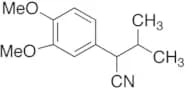
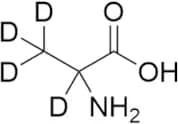
CAS:Controlled Product<p>Applications L-Alanine-d3 is the labeled analogue of L-Alanine (A481500), which is used to make in-vivo measurement of glucose and alanine metabolism in studies of patients with diabetes. L-Alanine is a non-essential amino acid for human development. L-Alanine is one of the 20 amino acids encoded by the genetic code.<br>References Bier, D.M. et al.: Diabetes, 26, 1005 (1977); Capaldo, B. et al.: J. Clin. Endocrinol. Metab., 71, 1220 (1990); Giacca, A. et al.: Diabetes, 47, 1763 (1998)<br></p>Formula:C3D3H4NO2Color and Shape:NeatMolecular weight:92.113,4-Dimethoxy-a-(1-methylethyl)benzeneacetonitrile
CAS:Controlled Product<p>Impurity Verapamil EP Impurity K<br>Applications (Verapamil EP Impurity K)<br></p>Formula:C13H17NO2Color and Shape:White To Light GreenMolecular weight:219.28Myristoyl-L-carnitine Hydrochloride
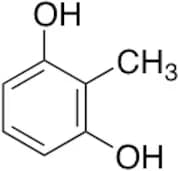
CAS:Controlled Product<p>Applications Myristoyl-L-carnitine Hydrochloride is a long-chain fatty ester of carnitine which is accumulated and released into the circulation, in fatty-acid oxidation defects. Pattern of Lauroyl-L-carnitine can be diagnostic for a number of ß-oxidation defects.<br>References Ventura, F., et al.: Clinica Chimica Acta, 281, 1 (1999); Pourfarzam, M., et al.: Clinical Chem,, 40, 2267 (1994); Schaefer, J., et al.: Pediatric Res., 37, 354 (1995)<br></p>Formula:C21H42ClNO4Color and Shape:NeatMolecular weight:408.022-Methylresorcinol
CAS:Controlled Product<p>Applications 2-Methylresorcinol (cas# 608-25-3) is a useful research chemical.<br> Not a dangerous good if item is equal to or less than 1g/ml and there is less than 100g/ml in the package<br></p>Formula:C7H8O2Color and Shape:Light YellowMolecular weight:124.14N-Methyl-N-trimethylsilylacetamide
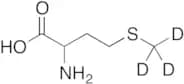
CAS:Controlled Product<p>Applications N-Methyl-N-trimethylsilylacetamide, is a powerful silylating agent for polar compounds.<br> Not a dangerous good if item is equal to or less than 1g/ml and there is less than 100g/ml in the package<br>References Melanie MacGregor-Ramiasa et. al; Acta biomaterialia, 56, undefined (2017-2-25)<br></p>Formula:C6H15NOSiPurity:>85%Color and Shape:NeatMolecular weight:145.27Methionine-methyl-d3
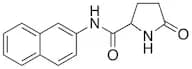
CAS:Controlled Product<p>Applications Methionine-methyl-d3 is the labeled Methionine-methyl, a useful building block.<br></p>Formula:C5D3H8NO2SColor and Shape:NeatMolecular weight:152.23L-Pyroglutamic Acid β-Naphthylamide
CAS:Controlled Product<p>Applications A substrate for pyroglutamate aminopeptidase. Used for colorimetric determination of pyrrolidonyl peptidase activity in bacteria.<br> Not a dangerous good if item is equal to or less than 1g/ml and there is less than 100g/ml in the package<br>References Szewczuk, A., et al.: Eur. J. Biochem., 8, 63 (1969), Szewczuk, A., et al.: Anal. Biochem., 39, 268 (1971)<br></p>Formula:C15H14N2O2Color and Shape:NeatMolecular weight:254.28D-Serine Methyl Ester Hydrochloride
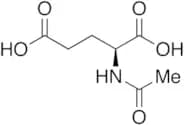
CAS:Controlled Product<p>Applications D-Serine Methyl Ester Hydrochloride (cas# 5874-57-7) is a compound useful in organic synthesis.<br></p>Formula:C4H9NO3·ClHColor and Shape:NeatMolecular weight:155.58N-Acetyl-L-glutamic Acid
CAS:Controlled Product<p>Applications N-Acetyl-L-glutamic Acid is the N-Acetyl analogue of the non-essential amino acid, L-glutamic acid (G596960). N-Acetyl-L-glutamic Acid activates carbamoyl phosphate synthetase in the urea cycle.<br>References Saheki, T. et al.: J. Biochem., 77, 659 (1975); Rivas, J. et al.: Acta Biol. Med. Ger., 36, 1673 (1977); Zollner, H.: Biochim. Biophys. Acta, 676, 170 (1981);<br></p>Formula:C7H11NO5Color and Shape:NeatMolecular weight:189.17Boc-His(Trt)-OH
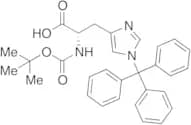
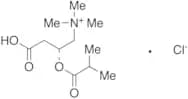
CAS:Controlled Product<p>Applications Boc-His(Trt)-OH was used in the study to prepare and study structure-activity relationship of amino acid amides as selective inhibitors for dipeptidyl peptidases.<br>References Senten, K., et al.: J. Med. Chem., 46, 5005 (2003);<br></p>Formula:C30H31N3O4Color and Shape:White To Off-WhiteMolecular weight:497.58Isobutyryl L-Carnitine Chloride
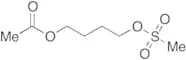
CAS:Controlled ProductFormula:C11H22NO4·ClColor and Shape:NeatMolecular weight:267.751-Acetate 4-Methanesulfonate 1,4-Butanediol
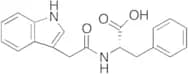
CAS:Controlled Product<p>Stability Moisture Sensitive<br>Applications 1-Acetate 4-Methanesulfonate 1,4-Butanediol is used in the facile cleavage of ethers. A Busulfan Impurity<br>References Mazur, Y., et al.: J. Org. Chem., 36, 532 (1971);<br></p>Formula:C7H14O5SColor and Shape:NeatMolecular weight:210.25indole-3-acetyl-L-phenylalanine
CAS:Controlled Product<p>Applications Indole-3-acetyl-L-phenylalanine is an indole-3-acetyl-amino acid conjugate involved in regulatory mechanisms for the control of auxin activity during physiological and pathophysiological responses.<br>References Ostrowski, M., et al.: J Plant Physiol, 191, 63-72 (2016)<br></p>Formula:C19H18N2O3Color and Shape:NeatMolecular weight:322.358L,L-Dityrosine Dihydrochloride
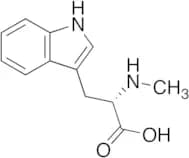
CAS:Controlled Product<p>Stability Hygroscopic<br>Applications Dityrosine (DY), a tyrosine dimer formed by 3,3’-biaryl bond formation can be used as a biomarker to detect oxidative protein damage and selective proteolysis. Fluorescence intensity decays of Dityrosine are generally characterized by two decay components, one with a lifetime in the range of 150 to 800 ps and another between 2.5 and 4.5 ns.<br>References Libertini, L., et al.: Biophys. J., 47, 765 (1985), Huggins, T., et al.: J. Biol. Chem., 268, 12341 (1993), Malencik, D., et al.: Biochemistry, 35, 4375 (1996),<br></p>Formula:C18H20N2O6·2ClHColor and Shape:NeatMolecular weight:433.28L-Abrine
CAS:Controlled Product<p>Applications L-Abrine is an indoleamino acid that displays radical scavenging and antioxidant properties.<br>References Yang, M., et al.: Food. Funct., 5, 2268 (2014);<br></p>Formula:C12H14N2O2Color and Shape:Off-WhiteMolecular weight:218.2518D-Arginine
CAS:Controlled Product<p>Applications D-Arginine is an unnatural isomer of L-Arginine (A769505), and is used to inhibit glutamate-induced nitric oxide production in rats. Derivatives of D-Arginine are used for pharmaceutical purposes, one example is 1-Deamino-8-D-arginine vasopressin, which is used to treat various bleeding disorders.<br>References Castellano, M., et al.: Neurosci. Lett., 314, 127 (2001); Kobrinsky, N., et al.: Lancet, 323, 1145 (1984); Weyrich, A., et al.: Circulation, 86, 279 (1992)<br></p>Formula:C6H14N4O2Color and Shape:NeatMolecular weight:174.20L-Allo-isoleucine
CAS:Controlled Product<p>Applications L-alloisoleucine is a stereo-isomer of L-isoleucine (I820175) and is produced as a byproduct of isoleucine via transamination. L-allo-isoleucine has been suggested to induce epithelial β-defensin expression. In addition, L-allo-isoleucine is utilized in the biosynthesis pathway for coronamic acid.<br>References Fehlbaum, P., et al.: Proc. Natl. Acad. Sci. USA 97, 12723 (2000); Parry, R. J., et al.: J. Am. Chem. Soc. 113, 1849 (1991)<br></p>Formula:C6H13NO2Color and Shape:NeatMolecular weight:131.17α-Methyl-L-phenylalanine
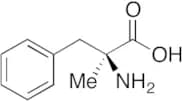
CAS:Controlled Product<p>Applications α-Methyl-L-phenylalanine is used to prepare hippuryl-α-methylphenylalanine and hippuryl-α-methylphenyllactic acid as substrates for carboxypeptidase A. It is also used in the synthesis of high affinity tachykinin NK2 receptor antagonists.<br>References Lee, M., et al.: Bioorg. Med. Chem., 8, 815 (2000); Boyle, S., et al.: Bioorg. Med. Chem., 2, 101 (1994)<br></p>Formula:C10H13NO2Color and Shape:NeatMolecular weight:179.22L-Lysine-15N Dihydrochloride Salt
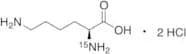
CAS:Formula:C6H14N15NO2•2(HCl)Color and Shape:NeatMolecular weight:147.1823646β-Hydroxyisovaleric Acid-d8
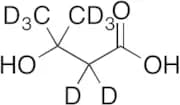
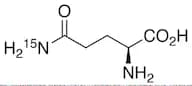
CAS:Controlled ProductFormula:C5H2D8O3Color and Shape:Colourless To YellowMolecular weight:126.18L-Glutamine-amide-¹⁵N
CAS:Controlled Product<p>Applications Labelled L-Glutamine (G597000). L-Glutamine is an essential amino acid that is a crucial component of culture media that serves as a major energy source for cells in culture. L-Glutamine is very stable as a dry powder and as a frozen solution. In liquid media or stock solutions, however, L-glutamine degrades relatively rapidly. Optimal cell performance usually requires supplementation of the media with L-glutamine prior to use.<br>References Rivett, A., et al.: J. Biol. Chem., 260, 300 (1985), Watford, M., et al.: Metabolism, 49, 141 (2000), Wilmore, D., et al.: J. Nutr., 131, 2543S (2001),<br></p>Formula:C5H1015NNO3Color and Shape:NeatMolecular weight:147.14Indole-3-acetic-L-alanine
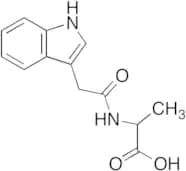
CAS:Controlled Product<p>Applications Indole-3-acetic-L-alanine is a derivative of the phytohormone indole-3-acetic acid (I577340) used in studies for the isolation and characterization of Arabdopsis thaliana mutants.<br>References Rampey, R.A., et al.: G3 (Bethesda), 3, 131-141 (2013)<br></p>Formula:C13H14N2O3Color and Shape:NeatMolecular weight:246.26N-Pivaloylglycine
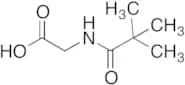
CAS:Controlled Product<p>Applications N-Pivaloylglycine is used in the biological study between dogs and rats. In a high dose toxicity study of pivalic acid (PA), PA caused skeletal muscle disorder in dog, and a significant increase of pivaloyl carnitine (PC) was observed in canine muscle, but not in rat muscle.<br>References Yamaguchi, T., et al.: Toxicol. Appl. Pharmacol., 214, 61-68 (2006)<br></p>Formula:C7H13NO3Color and Shape:NeatMolecular weight:159.18N-Carbamyl-L-glutamic Acid
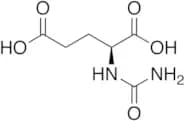
CAS:Controlled Product<p>Applications N-Carbamyl-L-glutamic Acid has been shown to have protective effects against ammonia intoxication and is used in the treatment of acute hyperammonemia.<br>References Paik, W.K. et al.: Life Sci., 15, 1189 (1974); O'Connor, J.E. et al.: Eur. J. Pediat., 148, 540 (1989); Lee, J.H. et al.: Biochem. Biophys. Res. Chem., 248, 391 (1998);<br></p>Formula:C6H10N2O5Color and Shape:NeatMolecular weight:190.153-Indolepropionic-d2 Acid
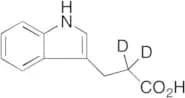
CAS:Controlled Product<p>Stability Hygroscopic<br>Applications 3-Indolepropionic-d2 acid is deuterium labelled 3-Indolepropionic acid (I627170). 3-Indolepropionic acid is a deamination product of Tryptophan (T947200) that protects the hippocampus (studied in gerbils) from ischemic damage and oxidative stress. It’s ability to protect the neurons in this way is attributed to its potent antioxidative effects. 3-Indolepropionic acid is also hypothesized to have protective effects on the thyroid gland.<br>References Hwang, I., et al.: J. Neurosci. Res., 87, 2126 (2009); Karbownik, M., et al.: J. Cell. Biochem., 95, 131 (2005)<br></p>Formula:C11D2H9NO2Color and Shape:NeatMolecular weight:191.22Ethyl Lauroyl Arginate Hydrochloride
CAS:<p>Applications Ethyl Lauroyl Arginate Hydrochloride is used as a food antimicrobial in the sanitation of preserved foods. It is also used in cosmetics as a preservative.<br> Not a dangerous good if item is equal to or less than 1g/ml and there is less than 100g/ml in the package<br>References Brandt, A. et al.: . Food. Sci., 75, M557 (2010); Taormina, P. et al.: J. Food. Prot., 72, 1216 (2009); Chem. and Eng. News Page 14, Nov. 5 (2018)<br></p>Formula:C20H40N4O3·ClHColor and Shape:NeatMolecular weight:421.02D-Cysteine Hydrochloride Monohydrate
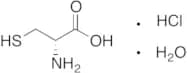
CAS:Controlled Product<p>Applications D-Cysteine Hydrochloride Monohydrate is used as a reactant in the expedient synthesis of electronically modified luciferins for bioluminescence imaging.<br>References McCutcheon, D., et al.: J. Am. Chem. Soc., 134, 7604 (2012);<br></p>Formula:C3H7NO2S·HCl·H2OColor and Shape:NeatMolecular weight:121.16+(36.46)+(18.02)C2 Ceramide
CAS:Controlled Product<p>Stability Moisture Sensitive<br>Applications A biologically active, cell permeable, but nonphysiologic ceramide analog. It inhibits cell proliferation and induces monocytic differentiation of HL-60 cells and induces apoptosis. It stimulates protein phosphatase 2A and activates MAP Kinase2.<br>References Inoue, T., et al.: J. Biol. Chem., 284, 9566 (2009), Kang, J., et al.: Bioorg. Med. Chem., 17, 1498 (2009), Rath, G., et al.: Int. J. Biochem. Cell Biol., 41, 1165 (2009),<br></p>Formula:C20H39NO3Color and Shape:Off White PowderMolecular weight:341.532-Methylbutyrylglycine-d9
CAS:Controlled Product<p>Applications Labelled 2-Methylbutyrylglycine (M294340). 2-Methylbutyrylglycine is one of the acylglycines, an important class of metabolites that have been used in the diagnosis of several inborn errors of metabolism (IEM).<br>References Costa, C., et al.: J. Pharmaceut. Biomed. Anal., 21, 1215 (2000), Garcia-Villoria, J., et al.: Clin. Biochem., 42, 2 (2009), Scalbert, A., et al.: Metabolomics, 5, 435 (2009),<br></p>Formula:C72H9H4NO3Color and Shape:Off-WhiteMolecular weight:168.244-Methylimidazole-d3
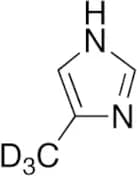
CAS:Controlled Product<p>Applications Labelled 4-Methylimidazole (M312990). 4-Methylimidazole is a monomethylated imidazole that can be used as a building block in the preparation of a wide range of biologically active compounds. 4-Methylimidazole is a product which results from the interaction of reducing sugars with ammonia. 4-Methylimidazole showed convulsant activity in animals and is listed as a possible carcinogen.<br> Not a dangerous good if item is equal to or less than 1g/ml and there is less than 100g/ml in the package<br>References Nishie, K. et al.: Toxicol. Appl. Pharmacol., 14, 301 (1969): Cunha, S.C. et al.: J. Food Comp. Anal., 24, 609 (2011); Chan, P.C. et al.: Arch. Toxicol., 82, 55 (2008);<br></p>Formula:C4H3D3N2Color and Shape:BeigeMolecular weight:85.124-Amino-3-Hydroxybutanoic Acid
CAS:Controlled ProductFormula:C4H9NO3Color and Shape:NeatMolecular weight:119.124,6,7,8-Tetrahydro-8-hydroxy-6-methylpyrimido[1,2-a]purin-10(3H)-one (Mixture of Diastereomers)
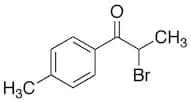
CAS:Controlled Product<p>Applications Cyclic propano guanine adduct DNA acetaldehyde histone.<br>References Nath, R., et al.: Cancer Res., 58, 581 (1998), Wang, M., et al.: Chem. Res., 13, 1065 (2000), Terashima, I., et al.: Biochemistry, 40, 4106 (2001), Yokoyama, A., et al.: Carcinogenesis, 23, 1851 (2002),<br></p>Formula:C9H11N5O2Color and Shape:Off-WhiteMolecular weight:221.222-Bromo-4'-methylpropiophenone
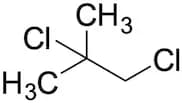
CAS:<p>Applications 2-Bromo-4'-methylpropiophenone (cas# 1451-82-7) is a compound useful in organic synthesis.<br></p>Formula:C10H11BrOColor and Shape:NeatMolecular weight:227.101,2-Dichloro-2-methylpropane
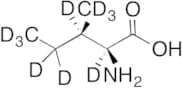
CAS:<p>Applications 1,2-Dichloro-2-methylpropane (cas# 594-37-6) is a useful research chemical.<br> Not a dangerous good if item is equal to or less than 1g/ml and there is less than 100g/ml in the package<br></p>Formula:C4H8Cl2Color and Shape:NeatMolecular weight:127.01L-Allo-isoleucine-d10
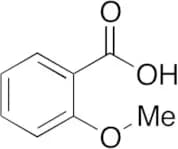
CAS:Controlled Product<p>Applications L-Allo-isoleucine-d10 is a derivative compound of L-allo-isoleucine (A548200), which has been suggested to induce epithelial β-defensin expression. In addition, L-allo-isoleucine is utilized in the biosynthesis pathway for coronamic acid.<br>References Fehlbaum, P., et al.: Proc. Natl. Acad. Sci. USA 97, 12723 (2000); Parry, R. J., et al.: J. Am. Chem. Soc. 113, 1849 (1991)<br></p>Formula:C6H3D10NO2Color and Shape:White To Off-WhiteMolecular weight:141.232-Methoxybenzoic Acid
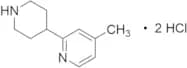
CAS:Controlled Product<p>Applications 2-Methoxybenzoic Acid is used in the preparation of benzohydroxamic acids as potent and selective anti-hepatitis C virus (HCV) agents.<br>References Kozlov, M.V., et al.: Bioorg. Med. Chem. Lett., 23, 5936 (2013)<br></p>Formula:C8H8O3Color and Shape:Off-WhiteMolecular weight:152.154-Methyl-2-(4-piperidinyl)pyridine Hydrochloride
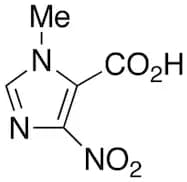
CAS:Controlled Product<p>Applications 4-methyl-2-(piperidin-4-yl)pyridine (cas# 1260886-47-2) is a useful research chemical.<br></p>Formula:C11H18Cl2N2Color and Shape:NeatMolecular weight:249.181-Methyl-4-nitro-1H-imidazole-5-carboxylic Acid
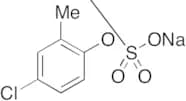
CAS:Controlled Product<p>Applications A derivative of imidazole used in the synthesis of heteroxanthine.<br>References Sarasin, J., et al.: Helv. Chim. Acta, 7, 713 (1924),<br></p>Formula:C5H5N3O4Color and Shape:NeatMolecular weight:171.114-Chloro-2-methylphenol Sulfate Sodium Salt
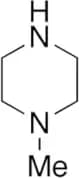
CAS:<p>Stability Unstable in methanol solution<br>Applications 4-Chloro-2-methylphenol Sulfate Sodium Salt is a halogenated derivative of o-toluenesulfonate, present in landfill leachates. o-Toluenesulfonate is an analog of the strong organic acid p-Toluenesulfonate.<br>References Riediker, S. et al.: Environ. Sci. Tech., 34, 2156 (2000);<br></p>Formula:C7H6ClNaO4SColor and Shape:NeatMolecular weight:244.6281-Methylpiperazine
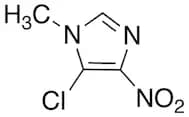
CAS:Controlled Product<p>Impurity Imatinib EP Impurity G<br>Applications 1-Methylpiperazine (Imatinib EP Impurity G) is used in the preparation of 2-(4-Methyl-1-piperazinylmethyl)acrylophenone(MPMAP), an antimicrotubular drug. It is a COVID19-related research product.<br>References Mallevais, M.L. et al.: Biochimie, 66, 477 (1984);<br></p>Formula:C5H12N2Color and Shape:Colourless To Light YellowMolecular weight:100.165-Chloro-1-methyl-4-nitroimidazole
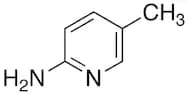
CAS:Controlled Product<p>Impurity Azathioprine EP Impurity C<br>Applications 5-Chloro-1-methyl-4-nitroimidazole (cas# 4897-25-0) is a compound useful in organic synthesis.<br></p>Formula:C4H4ClN3O2Color and Shape:White To Off-WhiteMolecular weight:161.552-Amino-5-methylpyridine
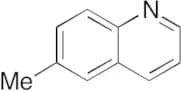
CAS:Controlled Product<p>Applications 2-Amino-5-methylpyridine (cas# 1603-41-4) is a compound useful in organic synthesis.<br> Not a dangerous good if item is equal to or less than 1g/ml and there is less than 100g/ml in the package<br>References Francotte, P., et al.: Bioorg. Med. Chem., 16, 9948 (2008), Sundaraganesan, N., et al.: J. Mol. Struc., 891, 284 (2008), Caleta, I., et al.: J. Med. Chem., 52, 1744 (2009),<br></p>Formula:C6H8N2Color and Shape:NeatMolecular weight:108.146-Methylquinoline
CAS:Controlled Product<p>Applications 6-Methylquinoline, is a building block used for the synthesis of various pharmaceutical compounds, and biologically active compounds. It can be used for the preparation of pyranobenzopyrone compounds, having anti-norovirus activity.<br>References Pokhrel, L., et al.: bioorg. Med. Chem. Lett., 22, 3480 (2012);<br></p>Formula:C10H9NColor and Shape:ColourlessMolecular weight:143.185Zinc Glycinate
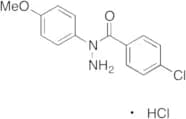
CAS:<p>Applications Zinc Glycinate is used in the preparation of hydroxy acid complexes used in skin antiaging, acne and skin whitening formulations.<br></p>Formula:C4H8N2O4ZnColor and Shape:NeatMolecular weight:213.54-Chloro-benzoic Acid 1-(4-Methoxyphenyl)hydrazide Hydrochloride
CAS:<p>Applications 4-Chloro-benzoic Acid 1-(4-Methoxyphenyl)hydrazide Hydrochloride is a derivative of (4-Methoxyphenyl)hydrazine Hydrochloride (M265880). It is a useful synthetic intermediate for the preparation of Indomethacin (I641000); a potent, time-dependent, nonselective inhibitor of the cyclooxygenase enzymes COX-1 and COX-2.<br>References Blobaum, Anna L., et al.: ACS Med. Chem. Lett., 4(5), 486-490 (2013); Prusakiewicz, Jeffery J., et al.: Biochemistry, 43(49), 15439-15445 (2004)<br></p>Formula:C14H13ClN2O2·HClColor and Shape:NeatMolecular weight:313.18(1-Chlorocyclohexyl)cyclohexyl-methanone
CAS:Controlled Product<p>Applications (1-Chlorocyclohexyl)cyclohexyl-methanone is a synthetic intermediate and a potential reagent for the synthesis of Dicyclomine Impurity A (B382435) and Dihexyverine Hydrochloride (D448200).<br>References Cramer, R., et al.: J. Med. Chem., 47, 6777 (2004); Vilar, S., et al.: J. Med. Chem., 49, 1118 (2006); Kopp, M., et al.: B. Soc. Chim. Fr., no vol., 84 (1952); Levy, J., et al.: CR. Soc. Biol., 144, 339 (1950)<br></p>Formula:C13H21ClOColor and Shape:NeatMolecular weight:228.765-(2-Hydroxyethylamino)-2-methoxylaniline sulfate
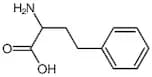
CAS:Controlled Product<p>Applications 5-(2-Hydroxyethylamino)-2-methoxylaniline sulfate (cas# 83763-48-8) is a useful research chemical.<br> Not a dangerous good if item is equal to or less than 1g/ml and there is less than 100g/ml in the package<br></p>Formula:C9H14N2O2•H2SO4Color and Shape:NeatMolecular weight:280.29D-Homophenylalanine
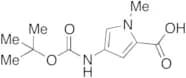
CAS:Controlled Product<p>Applications D-Homophenylalanine<br></p>Formula:C10H13NO2Color and Shape:NeatMolecular weight:179.224-(Boc-amino)-1-methylpyrrole-2-carboxylic Acid
CAS:Controlled Product<p>Applications 4-(Boc-amino)-1-methylpyrrole-2-carboxylic Acid is an unnatural amino acid for preparing heteroaromatic oligoamides for regulating gen expression in biotechnology.<br>References Baird, E., et al.: J. Am. Chem. Soc., 118, 6141 (1996); White, S., et al.: Nature, 391, 468 (1998)<br></p>Formula:C11H16N2O4Color and Shape:NeatMolecular weight:240.256Methyl 4-Methoxybenzoate
CAS:<p>Applications Methyl 4-Methoxybenzoate is also used in the synthesis of oxadiazole-based, GSK-3 inhibitors. Methyl 4-Methoxybenzoate is used in the synthesis of substituted hydrazides for their antitubercular properties.<br>References Lo Monte, F. et al.: Eur.J. Med. Chem., 61, 26 (2013); Gupta, R. et al.: Asian J. Pharm. Clin. Res., 5, 251 (2012);<br></p>Formula:C9H10O3Color and Shape:WhiteMolecular weight:166.172-Azido-2-deoxy-D-glucose
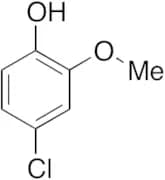
CAS:<p>Applications 2-Azido-2-deoxy-D-glucose is a glucose derivative that have been used to study the substrate specificity of galactokinase.<br>References Zou, W., et al.: Bioorg. Med. Chem. Lett., 22, 3540 (2012);<br></p>Formula:C6H11N3O5Color and Shape:White PowderMolecular weight:205.174-Chloro-2-methoxyphenol
CAS:Controlled Product<p>Applications 4-Chloro-2-methoxyphenol is used as a reagent in the synthesis of novel potent and selective sphingosine-1-phosphate 4 receptor (S1P4-R) agonists which may be used in development of treatment against autoimmue diseases and viral infections. Also used in the synthesis of novel inhibtors of P. falciparum enoyl-ACP-reductase which may be used in treatment of malaria.<br>References Guerrero, M., et al.: Bioorg. Med. Chem. Lett., 22, 537 (2012); Belluti, F., et al.: J. Med. Chem., 56, 7516 (2013);<br></p>Formula:C7H7ClO2Color and Shape:NeatMolecular weight:158.58D,L-o-Tyrosine
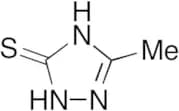
CAS:Controlled Product<p>Applications D,L-o-Tyrosine is a metabolite of Phenylalanine (P319415). A precursor in the formation of catecholamines. Used as biomarkers of protein oxidative damage in β-thalassemia.<br>References Tsugita, A., et al.: Eur. J. Biochem., 124, 585 (1982), Nielsen, F., et al.: Clin. Chem., 43, 1209 (1997), Mates, J., et al.: Clin. Biochem., 32, 595 (1999),<br></p>Formula:C9H11NO3Color and Shape:WhiteMolecular weight:181.193-Methyl-1H(4H)-1,2,4-triazole-5-thione
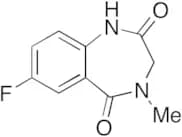
CAS:Formula:C3H5N3SColor and Shape:NeatMolecular weight:115.1577-Fluoro-3,4-dihydro-4-methyl-1H-1,4-benzodiazepine-2,5-dione
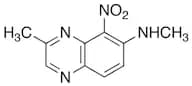
CAS:Controlled ProductFormula:C10H9FN2O2Color and Shape:NeatMolecular weight:208.192-Methyl-7-methylamino-8-nitro-quinoxaline
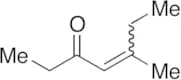
CAS:Controlled Product<p>Applications 2-Methyl-7-methylamino-8-nitro-quinoxaline (cas# 78411-55-9) is a compound useful in organic synthesis.<br></p>Formula:C10H10N4O2Color and Shape:NeatMolecular weight:218.213-Methyl-3-hepten-5-one
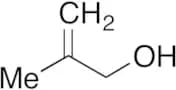
CAS:Controlled Product<p>Applications 3-Methyl-3-hepten-5-one is a reagent used to prepare fused nitrogen-heterocycles from β-enamino nitrile and α,β-unsaturated carbonyl compounds.<br>References Nemes, P., et al.: Synlett., 2, 222 (1999)<br></p>Formula:C8H14OColor and Shape:ColourlessMolecular weight:126.22-Methyl-2-propen-1-ol
CAS:Controlled Product<p>Stability Light Sensitive<br>Applications 2-Methyl-2-propen-1-ol has been used in the synthesis of C2-methyl-1,2-di-O-hexadecylglycerophosphocholine.<br> Not a dangerous good if item is equal to or less than 1g/ml and there is less than 100g/ml in the package<br>References Bittman, R., Witzke N.M.: Chem. Physics Lipid, 50, 99 (1989)<br></p>Formula:C4H8OColor and Shape:NeatMolecular weight:72.11Ethyl 2-(4-Hydroxyphenyl)-4-methylthiazole-5-carboxylate
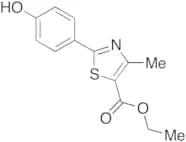
CAS:<p>Applications Ethyl 2-(4-Hydroxyphenyl)-4-methylthiazole-5-carboxylate is used in the synthesis of the major metabolites of Febuxostat (F229000), a xanthine oxidase/xanthine dehydrogenase inhibitor. Used for treatment of hyperuricemia and chronic gout. 40-120 mg/day febuxostat was proven effective in lowering serum urate levels when administered to manage hyperuricemia in patients with gout.<br>References Li, X., et. al.: Lett. Org. Chem., 12, 217 (2015); Vallu, V., et. al.: Anal. Chem. Indian J., 14, 339 (2014); Osada, Y., et al.: Eur. J. Pharmacol., 241, 183 (1993); Okamoto, K., et al.: J. Biol. Chem., 278, 1848 (2003); Mayer, M.D., et al.: Am. J. Therap., 12, 22 (2005); Tomlinson, B., et al.: Curr. Opin. Invest. Drugs, 6, 1168 (2005)<br></p>Formula:C13H13NO3SColor and Shape:NeatMolecular weight:263.313-Methyl-2-oxobutyric Acid Calcium Salt
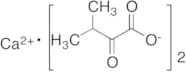
CAS:<p>Stability Hygroscopic<br>Applications 3-Methyl-2-oxobutyric acid calcium salt (cas# 51828-94-5) is a useful research chemical.<br></p>Formula:C10H14CaO6Color and Shape:NeatMolecular weight:270.29(S)-α-Glycerophosphocholine
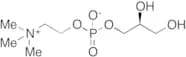
CAS:Controlled Product<p>Stability Hygroscopic<br>Applications α-Glycerylphosphorylcholine is a parasympathomimetic acetylcholine precursor which may have potential for the treatment of Alzheimer's disease and other dementias.<br>References Moreno, M., et al.: Clin. Ther., 25, 178 (2003); Parnetti, L., et al.: J. Neurol. Sci., 257, 264 (2007); Doggrell, S., et al.: Expert Opin. Investig. Drugs, 12, 1633 (2003)<br></p>Formula:C8H20NO6PColor and Shape:NeatMolecular weight:257.224-Methoxy-2-methylaniline
CAS:Controlled ProductFormula:C8H11NOColor and Shape:NeatMolecular weight:137.18L-Anserine Nitrate Salt
CAS:Controlled Product<p>Applications L-Anserine Nitrate Salt (cas# 10030-52-1) is a compound useful in organic synthesis.<br></p>Formula:C10H16N4O3·HNO3Color and Shape:NeatMolecular weight:303.27Seleno-D,L-ethionine
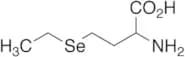
CAS:Controlled Product<p>Stability Hygroscopic<br>Applications Used as a substrate for methionine adenosyltransferase from rat liver.<br> Not a dangerous good if item is equal to or less than 1g/ml and there is less than 100g/ml in the package<br>References Lombardini, J.B., et al.: Biochem. Pharmacol., 32(3), 489 (1983), Kajander, E., et al.: Cancer Res., 46 (6), 2866 (1986), Kajander, E., et al.: Biochem. J., 267 (3), 767 (1990)<br></p>Formula:C6H13NO2SeColor and Shape:Off-White To Light BeigeMolecular weight:210.13N-Acetyl-S-(4-hydroxy-2-buten-1-yl)-L-cysteine-d3
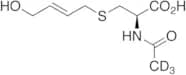
CAS:Controlled Product<p>Stability Hygroscopic<br>Applications A novel labelled metabolite of Butadiene monoepoxide (BMO), a mutagen and carcinogen compound.<br>References Cheng, X., et al.: Drug Metab. Dispos., 21, 121 (1993), Nieusma, J., et al.: Chem. Res. Toxicol., 10, 450 (1997),<br></p>Formula:C9D3H12NO4SColor and Shape:NeatMolecular weight:236.30322-Aminoisobutyric Acid (2-Methylalanine)
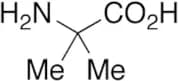
CAS:Controlled Product<p>Applications 2-Methylalanine is an Alanine (A481400) derivative. Alanine is an amino acid that occurs naturally in nature. It is a functional component in the alanine cycle which regulates the level of alanine aminotransferases which can be used as a diagnostic tool to predict type II diabetes.<br>References Naveed S. et al.: Diab., 53, 11 (2004); Barlind, J. et al.: Bioorg. Med. Chem. Lett., 23, 2721 (2013);<br></p>Formula:C4H9NO2Color and Shape:NeatMolecular weight:103.123-Acetyl-2-methylquinoxaline
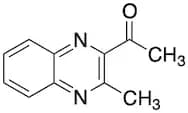
CAS:<p>Applications 3-Acetyl-2-methylquinoxaline is an intermediate in the synthesis of Desoxyquinocetone which is a metabolite of the veterinay drug Quinocetone.<br>References Li, Y. et al.: J. AOAC Int., 91, 1494 (2008); Liu, Z.-Y. et al.: Anal. Bioanal. Chem., 396, 1259 (1271);<br></p>Formula:C11H10N2OColor and Shape:NeatMolecular weight:186.213-Methyl-2-furoic Acid-d (Contained d0)
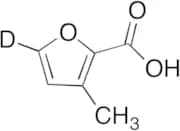
CAS:Controlled Product<p>Applications 3-Methyl-2-furoic Acid-d is a deuterated version of 3-Methyl-2-furoic Acid (M219553), a useful reactant in the synthesis of therapeutic agents.<br>References Dragovich, Peter S., et al.: Bioorg. & Med. Chem. Let., 24(3), 954-962 (2014);Garcia-Barrantes, Pedro M., et al.: J. of Med. Chem., 58(20), 7959-7971 (2015)<br></p>Formula:C6H5DO3Color and Shape:NeatMolecular weight:127.122-Methylpropylboronic Acid
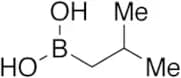
CAS:Controlled Product<p>Applications 2-Methylpropylboronic Acid is used in the preparation of isocoumarin analogs as inhibitors of γ-secretase cleavage. Also used in the preparation of peptide boronc acid.<br>References Peuchmaur, M. et al.: Bioorg. Med. Chem. Lett., 21, 1018 (2013); Roemmele, R. et al.: Org. Proc. Res. Devel., 17, 422 (2013);<br></p>Formula:C4H11BO2Color and Shape:NeatMolecular weight:101.94D-Glucitol-3-13C
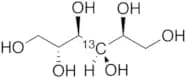
CAS:Controlled Product<p>Applications Isotope labelled D-Glucitol is a sugar alcohol obtained from the reduction of glucose and is naturally found in various fruits such as apples, pears and peaches. D-Glucitol has been widely used as a sweetener, laxative, various medical applications and in cosmetic products.<br>References Wang, Z.J., et al.: Anal. BIoanal. Chem., 405, 3899 (2013); Vinarta, S.C., et al.: Carb. Poly., 92, 1107 (2013); Kaumanu, M.L., et al.: Soil. Biol. Biochem., 57, 644 (2013); Hailu, T., et al.: Anal. Biochem., 434, 181 (2013);<br></p>Formula:CC5H14O6Color and Shape:NeatMolecular weight:183.164N-Acetyl-S-(2-cyanoethyl)-L-cysteine Ammonium Salt
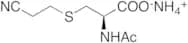
CAS:<p>Stability Hygroscopic<br>Applications N-Acetyl-S-(2-cyanoethyl)-L-cysteine Ammonium Salt is a metabolite of Acrylonitrile (AN) and acrylamide (AM); and are commonly used in the synthesis of plastics and polymers.<br>References van Bladeren, P., et al.: Drug Metab. Dispos., 9, 246 (1981), Guengerich, F., et al.: Chem. Res. Toxicol., 4, 168 (1991),<br></p>Formula:C8H11N2O3S·H4NColor and Shape:SolidMolecular weight:233.29Guaiacol-β-D-glucopyranoside-d3
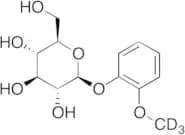
CAS:Controlled Product<p>Stability Hygroscopic<br>Applications Guaiacol-beta-D-glucopyranoside-d3, is a labeled analogue of Guaiacol-beta-D-glucopyranoside (G245565), a Guaiacol Conjugate, that has shown to present in fermentation of grapes that had been exposed to bushfire smoke and can potentially yield unpalatable, smoke-affected wine.<br>References Hayasaka, Y.m et al.: J. Arg. Food Chem., Vol. 58, Issue 4, P: 2076; 2081 (2010);<br></p>Formula:C13H15D3O7Color and Shape:NeatMolecular weight:289.32-(N-Methyl-2-pyrrolidinyl)ethyl Chloride Hydrochloride
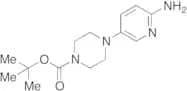
CAS:<p>Stability Hygroscopic<br>Applications 2-(N-Methyl-2-pyrrolidinyl)ethyl Chloride is an intermediate used in the synthesis of reversed lactam analogues of ARC-111 with potent topoisomerase I-targeting activity and cytotoxcity.<br>References Zhu, S.J., et al.: Bioorg. Med. Chem., 14, 3131 (2006); Tanaka, N., et al.: Chem. Pharma. Bull., 48, 245 (2000);<br></p>Formula:C7H14ClN·HClColor and Shape:NeatMolecular weight:147.65 + 36.461-Boc-4-(6-aminopyridin-3-yl)piperazine
CAS:Controlled Product<p>Applications 1-Boc-4-(6-aminopyridin-3-yl)piperazine is used to prepare pyrido[2,3-d]pyrimidin-7-ones as selective inhibitors of cyclin-dependent kinases 4 and 6.<br>References Toogood, P., et al.: J. Med. Chem., 48, 2388 (2005); Cho, Y., et al.: J. Med. Chem., 53, 7938 (2010)<br></p>Formula:C14H22N4O2Color and Shape:NeatMolecular weight:278.352-Methylbutyrylglycine
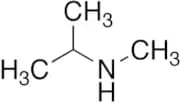
CAS:Controlled Product<p>Applications 2-Methylbutyrylglycine is one of the acylglycines, an important class of metabolites that have been used in the diagnosis of several “inborn errors of metabolism” (IEM).<br>References Costa, C., et al.: J. Pharmaceut. Biomed. Anal., 21, 1215 (2000), Garcia-Villoria, J., et al.: Clin. Biochem., 42, 2 (2009), Scalbert, A., et al.: Metabolomics, 5, 435 (2009),<br></p>Formula:C7H13NO3Color and Shape:NeatMolecular weight:159.18N-Isopropyl-N-methylamine
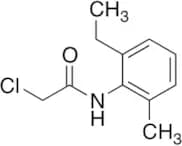
CAS:Controlled Product<p>Stability Volatile<br>Applications N-Isopropyl-N-methylamine (cas# 4747-21-1) is a compound useful in organic synthesis.<br> E0<br></p>Formula:C4H11NColor and Shape:NeatMolecular weight:73.142-chloro-N-(2-ethyl-6-methylphenyl)acetamide
CAS:Controlled Product<p>Applications 2-chloro-N-(2-ethyl-6-methylphenyl)acetamide (cas# 32428-71-0) is a useful research chemical.<br></p>Formula:C11H14ClNOColor and Shape:NeatMolecular weight:211.692-Ethyl-6-methylpyrazine
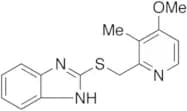
CAS:<p>Applications 2-ethyl-6-methylpyrazine (cas# 13925-03-6) is a useful research chemical.<br></p>Formula:C7H10N2Color and Shape:ColourlessMolecular weight:122.174-Desmethoxypropoxyl-4-methoxy S-Deoxo Rabeprazole
CAS:Controlled Product<p>Impurity Rabeprazole EP Impurity G<br>Applications Used in the preparation of 2-[[(2-pyridyl)methyl]thio]-1H-benzimidazoles derivatives as anti helicobacter pylori agents.<br>References Kuehler, T. et al.: J. Med. Chem., 41, 1777 (1998)<br></p>Formula:C15H15N3OSColor and Shape:WhiteMolecular weight:285.36Bisphenol P Mono-β-D-glucuronide (>90%)
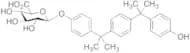
<p>Applications Bisphenol P Mono-β-D-glucuronide is a metabolite of Bisphenol P (B519475), which is a derivative of Bisphenol A (B519495), monomer used for policarbonate and epoxy resins.<br>References Krishnan, A.V., et al.: Endocrinology, 132, 2279 (1993); Steinmetz, R., et al.: Trends Endocrinol. Metab., 9, 124 (1998); Petersen, H., et al.: Eur. Food Res. Technol., 216, 355 (2003);<br></p>Formula:C30H34O8Purity:>90%Color and Shape:NeatMolecular weight:522.5863-Methyl-1,5-pentanediol Diacrylate (~0.5% 4-Hydroxy Anisole as a stabilizer)
CAS:Controlled Product<p>Stability Light sensitive, Temperature Sensitive<br>Applications 3-Methyl-1,5-pentanediol Diacrylate is a useful chemical reagent.<br></p>Formula:C12H18O4Color and Shape:NeatMolecular weight:226.27L-threo-Phenylserine
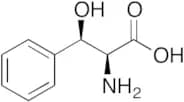
CAS:Controlled Product<p>Applications L-threo-Phenylserine is a valuable chiral synthon.<br></p>Formula:C9H11NO3Color and Shape:NeatMolecular weight:181.192-Bromo-4-methoxybenzyl Chloride 75% (+ regioisomers)
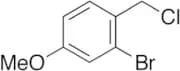
CAS:Controlled Product<p>Applications This compound contains up to 25% of the two other regioisiomers.<br></p>Formula:C8H8BrClOColor and Shape:NeatMolecular weight:235.512-Methyl-pentanoic Acid
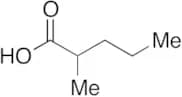
CAS:Controlled Product<p>Applications 2-Methyl-Pentanoic acid is a useful building block for organic synthesis.<br> Not a dangerous good if item is equal to or less than 1g/ml and there is less than 100g/ml in the package<br></p>Formula:C6H12O2Color and Shape:NeatMolecular weight:116.16
















![4,6,7,8-Tetrahydro-8-hydroxy-6-methylpyrimido[1,2-a]purin-10(3H)-one (Mixture of Diastereomers)](/_next/image/?url=https%3A%2Fstatic.cymitquimica.com%2Fproducts%2FTR%2Fthumb-webp%2FT293685.webp&w=3840&q=75)