Amino Acids (AA)
Amino acids (AAs) are the fundamental building blocks of proteins, playing a crucial role in various biological processes. These organic compounds are essential for protein synthesis, metabolic pathways, and cell signaling. In this category, you will find a comprehensive range of amino acids, including essential, non-essential, and modified forms, which are vital for research in biochemistry, molecular biology, and nutritional sciences. At CymitQuimica, we provide high-quality amino acids to support your research and development needs, ensuring accuracy and reliability in your experimental outcomes.
Subcategories of "Amino Acids (AA)"
- Amino Acid Derivatives(3,971 products)
- Amino Acid and Amino Acid Related Compounds(3,477 products)
- Amino Acids with Oxygen or Sulphur(168 products)
- Boc- Amino Acids(351 products)
- Fmoc Amino Acids(1,710 products)
Found 38321 products of "Amino Acids (AA)"
Sort by
Purity (%)
0
100
|
0
|
50
|
90
|
95
|
100
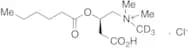
Hexanoyl-L-carnitine-(N-methyl-d3) Chloride
Controlled Product<p>Stability Hygroscopic<br>Applications Hexanoyl-L-carnitine-(N-methyl-d3) Chloride, is the labeled analogue of Hexanoyl-L-carnitine Hydrochloride (H294440), which is used as reactant in the synthesis of carnitine benzyl esters as prodrugs.<br>References Gong, X., et. al.: J. Chem. Res., 6, 327 (2008)<br></p>Formula:C13H23D3ClNO4Color and Shape:NeatMolecular weight:298.82D-Homophenylalanine
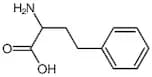
CAS:Controlled Product<p>Applications D-Homophenylalanine<br></p>Formula:C10H13NO2Color and Shape:NeatMolecular weight:179.223,4-Dihydroxy-5-methoxybenzoic Acid
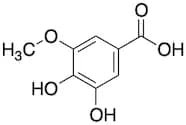
CAS:<p>Applications 3,4-Dihydroxy-5-methoxybenzoic acid (cas# 3934-84-7) is a useful research chemical.<br></p>Formula:C8H8O5Color and Shape:NeatMolecular weight:184.151,1'-Carbonylbis(3-methylimidazolium) Triflate
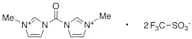
CAS:Controlled Product<p>Applications An efficient reagent for aminoacylations. Used in the synthesis of chiral Pilocarpine analogs via a C-8 ketone intermediate.<br>References Enz, A., et al.: Life Sci., 52, 513 (1993), Felder, C., et al.: J. Med. Chem., 43, 4333 (2000),<br></p>Formula:C9H12N4O·2CF3O3SColor and Shape:NeatMolecular weight:490.364-(2-fluorophenyl)-3H,4H,5H,6H,7H-imidazo[4,5-c]pyridine-6-carboxylic acid
CAS:Purity:95.0%Molecular weight:261.2560119628906(2R,3S)-3-Amino-2-hydroxybutanoic acid hydrochloride
CAS:Purity:97%Molecular weight:155.5800018310547(R)-3-Amino-3-(2-(trifluoromethyl)phenyl)propanoic acid
CAS:Purity:95+%Molecular weight:233.190002441406254-(3-fluorobenzoyl)-8-propyl-1-oxa-4,8-diazaspiro[4.5]decane-3-carboxylic acid
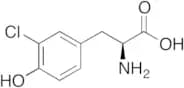
CAS:Purity:95.0%Molecular weight:350.39001464843753-Chloro-L-tyrosine
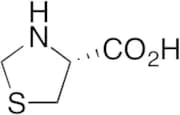
CAS:Controlled Product<p>Stability Hygroscopic<br>Applications 3-Chloro-L-tyrosine was used in the enzymatic synthesis of halogen derivatives of aromatic amino acids labeled with hydrogen isotope. 3-Chloro-L-tyrosine exhibited stronger antioxidant properties in Hb-induced oxidative stress as was evident by higher efficiency of reduction of ferryl species.<br>References Winnicka, E., et al.: J. Chem. Eng., 8, 54 (2014); Lu, N., et al.: Toxicol. In Vitro, 28, 847 (2014);<br></p>Formula:C9H10NO3ClColor and Shape:NeatMolecular weight:215.63L-Thioproline
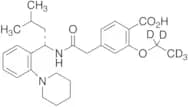
CAS:<p>Applications L-Thioproline is used to create a monolayer on gold electrodes for the determination Copper(II). L-Thioproline has shown to be an effect inhibitor of proline absorption in Saccharomyces chevalieri.<br> Not a dangerous good if item is equal to or less than 1g/ml and there is less than 100g/ml in the package<br>References Cui, X., et. al.: Sci. China Chem., 53, 257 (2010); Magana-Schwenchke, N., Schwencke, J.: BBA-Biomembranes, 173, 313 (1969)<br></p>Formula:C4H7NO2SColor and Shape:NeatMolecular weight:133.17Repaglinide-ethyl-d5
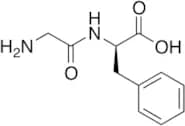
CAS:Controlled Product<p>Applications Deuterated Repaglinide, a non-sulfonylurea oral hypoglycemic agent which is used as an antidiabetic.<br>References Wolffenbuttel, B.H.R., et al.: Eur. J. Clin. Pharmacol., 45, 113 (1993), Ampudia-Blasco, F.J., et al.: Diabetologia, 37, 703 (1994),<br></p>Formula:C272H5H31N2O4Color and Shape:White SolidMolecular weight:457.62Glycyl-D-phenylalanine
CAS:Controlled Product<p>Applications Glycyl-D-phenylalanine (cas# 34258-14-5) is a useful research chemical.<br></p>Formula:C11H14N2O3Color and Shape:NeatMolecular weight:222.242-Azido-2-deoxy-D-glucose
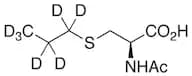
CAS:<p>Applications 2-Azido-2-deoxy-D-glucose is a glucose derivative that have been used to study the substrate specificity of galactokinase.<br>References Zou, W., et al.: Bioorg. Med. Chem. Lett., 22, 3540 (2012);<br></p>Formula:C6H11N3O5Color and Shape:White PowderMolecular weight:205.17N-Acetyl-S-(propyl-d7)-L-cysteine
CAS:Controlled ProductFormula:C8D7H8NO3SColor and Shape:Off-WhiteMolecular weight:212.32N-Benzyl-L-tyrosine
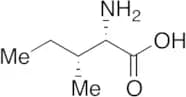
CAS:Controlled Product<p>Applications Protected L-Tyrosine (T899975), an amino acid, used by cells to synthesize proteins. L-Tyrosine is biologically converted from L-phenylalanine and is in turn is converted to L-DOPA and further converted into the neurotransmitters: dopamine, norepinephrine, and epinephrine.<br>References Rasmussen D.D. et al.: J. Clin. Endocrinol. Metab., 57, 760 (1983); Bagchi, S.P. et al.: Biochem. Pharmacol., 26, 900 (1977)<br></p>Formula:C16H17NO3Color and Shape:NeatMolecular weight:271.32L-Allo-isoleucine
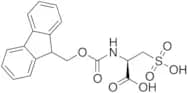
CAS:Controlled Product<p>Applications L-alloisoleucine is a stereo-isomer of L-isoleucine (I820175) and is produced as a byproduct of isoleucine via transamination. L-allo-isoleucine has been suggested to induce epithelial β-defensin expression. In addition, L-allo-isoleucine is utilized in the biosynthesis pathway for coronamic acid.<br>References Fehlbaum, P., et al.: Proc. Natl. Acad. Sci. USA 97, 12723 (2000); Parry, R. J., et al.: J. Am. Chem. Soc. 113, 1849 (1991)<br></p>Formula:C6H13NO2Color and Shape:NeatMolecular weight:131.17Fmoc-L-cysteic Acid
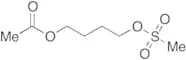
CAS:Controlled Product<p>Applications Fmoc-L-cysteic acid (cas# 751470-47-0) is a useful research chemical for organic synthesis and other chemical processes.<br>References Dialer, L. O., et al.: J. Med. Chem., 56, 7552 (2013); Revell, J. D., et al.: Tetrahedron, 63, 8420, (2007)<br></p>Formula:C18H17NO7SColor and Shape:NeatMolecular weight:391.41-Acetate 4-Methanesulfonate 1,4-Butanediol
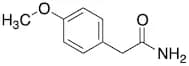
CAS:Controlled Product<p>Stability Moisture Sensitive<br>Applications 1-Acetate 4-Methanesulfonate 1,4-Butanediol is used in the facile cleavage of ethers. A Busulfan Impurity<br>References Mazur, Y., et al.: J. Org. Chem., 36, 532 (1971);<br></p>Formula:C7H14O5SColor and Shape:NeatMolecular weight:210.254-Methoxyphenylacetamide
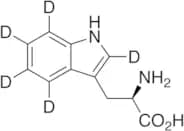
CAS:Controlled Product<p>Applications 4-METHOXYPHENYLACETAMIDE (cas# 6343-93-7) is a useful research chemical.<br></p>Formula:C9H11NO2Color and Shape:NeatMolecular weight:165.189D-Tryptophan-d5
CAS:Controlled Product<p>Applications Labelled analogue of an essential amino acid found in naturally produced peptides. Unlike its stereoisomer, L-tryptophan, it is not used in structural or enzyme proteins.<br>References Karunakaran, S.et al.: Bochem. J., 414, 343 (2008); Pallaghy, P.K. et al.: Biochem., 38, 11553 (1999);<br></p>Formula:C112H5H7N2O2Color and Shape:NeatMolecular weight:209.268-ethyl-4-[2-(4-methoxyphenyl)acetyl]-1-oxa-4,8-diazaspiro[4.5]decane-3-carboxylic acid
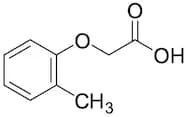
CAS:Purity:95.0%Molecular weight:362.4259948730469o-Cresolglycolic Acid
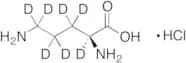
CAS:Controlled Product<p>Applications (2-methylphenoxy)acetic acid (cas# 1878-49-5) is a useful research chemical.<br></p>Formula:C9H10O3Color and Shape:NeatMolecular weight:166.17L-Ornithine-2,3,3,4,4,5,5-d7 hydrochloride
CAS:Controlled Product<p>Applications L-Ornithine-2,3,3,4,4,5,5-d7 hydrochloride is the labelled analogue of L-Ornithine Hydrochloride (O695550), a non-essential amino acid for human development but is required intermediate in arginine biosynthesis. L-Ornithine is found in virtually all vertebrate tissues as well as incorporated into proteins, such as tyrocidine. Isolation from chicken excreta.<br>References Fattori, D., et al.: J. Med. Chem., 50, 550 (2007), Gomez-Alonso, S., et al.: J. Agric. Food Chem., 55, 608 (2007), Subramaniam, R., et al.: Bioorg. Med. Chem. Lett., 18, 3333 (2008),<br></p>Formula:C5D7H5N2O2·ClHColor and Shape:NeatMolecular weight:175.1104926088D-Serine
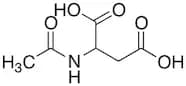
CAS:Controlled Product<p>Applications A proteinogenic amino acids involved in the biosynthesis of purines and pyrimidines. Inhibitor of serine palmitoyltransferase. A neuromodulator.<br>References Junjaud, G. et al.: J. Neurochem., 98, 1159 (2006); Hanada, K. et al.: FEBS Lett., 474, 63 (2000); Pollegionni, L. et al.: Cell. Mol. Life Sci., 67, 2387 (2010);<br></p>Formula:C3H7NO3Color and Shape:NeatMolecular weight:105.09N-Acetyl-DL-aspartic Acid
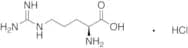
CAS:Controlled Product<p>Applications N-Acetyl-DL-aspartic acid (cas# 2545-40-6) is a useful research chemical.<br></p>Formula:C6H9NO5Color and Shape:NeatMolecular weight:175.139L-Arginine Hydrochloride
CAS:<p>Applications An essential amino acid for human development. Precursor for nitric oxide. Ammonia detoxicant (hepatic failure); diagnostic aid (pituitary function).<br>References Miura, T., et al.: Anal. Biochem., 139, 432 (1984), Jones, et al.: Adv. Enzyme Regul., 9, 19 (1970), Borders, C.L., et al.: Protein. Sci., 3, 541 (1994),<br></p>Formula:C6H14N4O2·ClHColor and Shape:NeatMolecular weight:210.66Isoleucine-d10 (mixture of diastereomers)
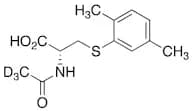
CAS:Controlled Product<p>Applications Isoleucine-d10 (mixture of diastereomers) (CAS# 29909-02-2) is a useful isotopically labeled research compound and can be used in gas liquid chromatography.<br>References VandenHeuvel, W., et.al., J. Chromatogr., 50, 405-412, (1970);<br></p>Formula:C6D10H3NO2Color and Shape:NeatMolecular weight:141.2345N-Acetyl-S-(2,5-dimethylbenzene)-L-cysteine-d3
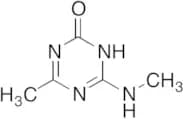
CAS:Controlled Product<p>Applications N-Acetyl-S-(2,5-dimethylbenzene)-L-cysteine-d3 (cas# 1331909-07-9) is a compound useful in organic synthesis.<br>References Gonzalez-Reche, L., et al.: Arch. Toxicol., 77, 80 (2003),<br></p>Formula:C13H14D3NO3SColor and Shape:NeatMolecular weight:270.364-Methyl-6-(methylamino)-1,3,5-triazin-2(1H)-one
CAS:<p>Applications 4-Methyl-6-(methylamino)-1,3,5-triazin-2(1H)-one is a heterocyclic Triazine based building block useful in organic synthesis. It is related to 2-Amino-4-methoxy-6-methyl-1,3,5-triazine (A616880), which is used to synthesize pesticides.<br>References Klein, J., et al.: J. AOAC Intrnational, 86, 1015 (2003); Pang, G., et al.: J. Chromat. A, 1125, 1 (2006);<br></p>Formula:C5H8N4OColor and Shape:White To Off-WhiteMolecular weight:140.14(S)-2-Amino-4-[(3-aminopropyl)amino]-butanoic Acid
CAS:Controlled Product<p>Applications (S)-2-Amino-4-[(3-aminopropyl)amino]-butanoic Acid is used in the reaction of carboxynorspermidine decarboxylase of Vibrio alginolyticus.<br>References Nakao, H., et al.: J. Gen. Microbiol. 136, 1699-704 (1990)<br></p>Formula:C7H17N3O2Purity:>90%Color and Shape:NeatMolecular weight:175.229L-Tryptophan-d3
CAS:Controlled Product<p>Applications L-Tryptophan-d3 is a deuterium labelled amino acid, which is a protein building block. The unlabelled L-Tryptophan (T947210) is also available.<br>References Goze, C., et al.: Eur. J. Pharmacol., 643, 153 (2010), Bhandare, P., et al.: J. Chem. Pharm. Res., 2, 372 (2010),<br></p>Formula:C11D3H9N2O2Color and Shape:NeatMolecular weight:207.245-Methoxyindole-3-acetic Acid
CAS:Controlled Product<p>Applications 5-Methoxyindole-3-acetic Acid is a chemical reagent used in the analysis of the physiological properties of auxins.<br>References Ferro, N. et al.: J. Clin.Info. Model., 46, 1751 (2006);<br></p>Formula:C11H11NO3Color and Shape:NeatMolecular weight:205.21L-Methionine-3,3,4,4-d4
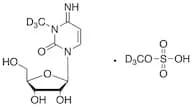
CAS:Controlled Product<p>Applications L-Methionine-3,3,4,4-d4 (CAS# 67866-75-5) is a useful isotopically labeled research compound.<br></p>Formula:C5D4H7NO2SColor and Shape:White To Off-WhiteMolecular weight:153.2363-Methyl Cytidine-d3 Methosulfate-d3
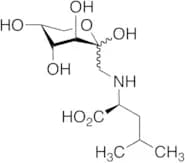
CAS:Controlled Product<p>Applications Labelled Cytidine derivative.<br>References Ueda, T., et al.: Chem. Pharmaceut. Bull., 22, 2377 (1974),<br></p>Formula:C10D3H12N3O5·CD3HO4SColor and Shape:NeatMolecular weight:375.385Fructose-leucine (mixture of diastereomers)
CAS:Controlled ProductFormula:C12H23NO7Color and Shape:White To BrownMolecular weight:293.31cis-4-Hydroxy-L-proline
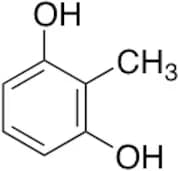
CAS:<p>Applications Hydroxyprolines are valuable chiral building blocks for organic synthesis of pharmaceuticals. Several microorganisms producing proline trans-4- and cis-3-hydroxylase were discovered and these enzymes were applied to the industrial production of trans-4- and cis-3-hydroxy-L-proline.<br>References Lawrence, C., et al.: Biochem. J., 313, 185 (1996), Mori, H., et al.: J. Bacteriol., 179, 5677 (1997), Clifton, I., et al.: Eur. J. Biochem., 268, 6625 (2001),<br></p>Formula:C5H9NO3Color and Shape:Off White Crystalline PowderMolecular weight:131.132-Methylresorcinol
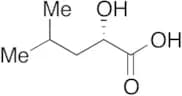
CAS:Controlled Product<p>Applications 2-Methylresorcinol (cas# 608-25-3) is a useful research chemical.<br> Not a dangerous good if item is equal to or less than 1g/ml and there is less than 100g/ml in the package<br></p>Formula:C7H8O2Color and Shape:Light YellowMolecular weight:124.14L-Leucic Acid
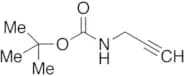
CAS:Controlled Product<p>Applications L-Leucic Acid is a reagent in the synthesis of cryptophycins based macrocyclic depsipeptides which are used as tubulin inhibitors.<br>References Kumar, A., et al.: Eur. J. Med. Chem., 93, 55 (2015)<br></p>Formula:C6H12O3Color and Shape:NeatMolecular weight:132.16N-Boc-propargylamine
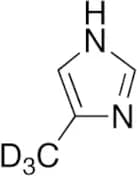
CAS:Controlled Product<p>Applications N-Boc-propargylamine is used in the preparation of triazolobenzylidene-thiazolopyrimidines which act as CDC25 phosphatase inhibitors. Also used in the synthesis of β-glucan polysaccharide analogs.<br>References Duval, R. et al.: J. Comb. Chem., 11, 947 (2009); Tanaka, H. et al.: Tetrahedron Lett., 53, 4104 (2012);<br></p>Formula:C8H13NO2Color and Shape:NeatMolecular weight:155.24-Methylimidazole-d3
CAS:Controlled Product<p>Applications Labelled 4-Methylimidazole (M312990). 4-Methylimidazole is a monomethylated imidazole that can be used as a building block in the preparation of a wide range of biologically active compounds. 4-Methylimidazole is a product which results from the interaction of reducing sugars with ammonia. 4-Methylimidazole showed convulsant activity in animals and is listed as a possible carcinogen.<br> Not a dangerous good if item is equal to or less than 1g/ml and there is less than 100g/ml in the package<br>References Nishie, K. et al.: Toxicol. Appl. Pharmacol., 14, 301 (1969): Cunha, S.C. et al.: J. Food Comp. Anal., 24, 609 (2011); Chan, P.C. et al.: Arch. Toxicol., 82, 55 (2008);<br></p>Formula:C4H3D3N2Color and Shape:BeigeMolecular weight:85.12{5-[1-(benzylamino)cyclohexyl]-1H-tetrazol-1-yl}acetic acid
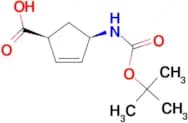
CAS:Purity:95.0%Molecular weight:315.37701416015625(1S,4R)-4-Boc-aminocyclopent-2-enecarboxylic acid
CAS:Purity:95.0%Color and Shape:SolidMolecular weight:227.259994506835942-((4-Phenoxyphenyl)amino)-4-methyl-1,3-thiazole-5-carboxylic acid, 95%
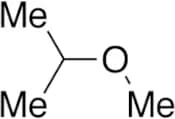
Molecular weight:326.36999511718752-Methoxy Propane
CAS:Controlled Product<p>Stability Very Volatile<br>Applications 2-Methoxy Propane is a synthetic intermediate used for the preparation of various biosynthetic molecules and pharmaceutical goods.<br> Not a dangerous good if item is equal to or less than 1g/ml and there is less than 100g/ml in the package<br>References Gharagheizi, F., et al.: Indust. Engin. Chem. Res., 51, 6265 (2012); Vandendriessche, S., et al.: Phy. Chem. Chem. Phy., 14, 1860 (2010); Moon, J.K., et al.: J. Agr. Food. Chem., 58, 5465 (2010);<br></p>Formula:C4H10OColor and Shape:NeatMolecular weight:74.128-benzyl-4-(2,2-dimethylpropanoyl)-1-oxa-4,8-diazaspiro[4.5]decane-3-carboxylic acid
CAS:Purity:95.0%Molecular weight:360.4540100097656N-Boc-3-cyclopentylamino-propionic acid
CAS:Purity:98.0%Color and Shape:Solid, Colourless powderMolecular weight:257.3299865722656L-Aspartic Acid
CAS:<p>Applications L-Aspartic Acid is a non-essential amino acid found in food sources. L-Aspartic Acid is one of the 20 proteinogenic amino acids; the building blocks of proteins. Its conjugate base L-aspartate is an excitatory neurotransmitter in the central nervous system.<br>References Ager, D.J. et al.: J. Mol. Catal. Enzym., 11, 199 (2001); Velisek, J. et al.: Cze. J. Food. Sci., 24, 1 (2006); Nagahama, M. et al.: Cell Tiss. Res., 318, 483 (2004);<br></p>Formula:C4H7NO4Color and Shape:WhiteMolecular weight:133.104-(2-fluorobenzoyl)-8-propyl-1-oxa-4,8-diazaspiro[4.5]decane-3-carboxylic acid
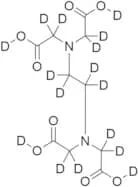
CAS:Purity:95.0%Molecular weight:350.3900146484375Ethylenediaminetetraacetic Acid-d16
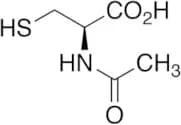
CAS:Controlled Product<p>Applications Ethylenediaminetetraacetic Acid-d16 (CAS# 203805-96-3) is a useful isotopically labeled research compound.<br></p>Formula:C10D16N2O8Color and Shape:White To Off-WhiteMolecular weight:308.34N-Acetyl-L-cysteine
CAS:Controlled Product<p>Stability Air Sensitive<br>Applications A metabolite of Methyl Isocyanate.<br>References Slatter, J. G., et al.: Chem. Res. Toxicol., 4, 157 (1991),<br></p>Formula:C5H9NO3SColor and Shape:Light YellowMolecular weight:163.198-benzyl-4-(3-fluorobenzoyl)-1-oxa-4,8-diazaspiro[4.5]decane-3-carboxylic acid
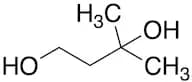
CAS:Purity:95.0%Molecular weight:398.43399047851563-Methyl-1,3-butanediol
CAS:Controlled Product<p>Applications 3-Methyl-1,3-butanediol is a useful compound in carbon oxygen coupling reactions.<br></p>Formula:C5H12O2Color and Shape:NeatMolecular weight:104.158-benzyl-4-(thiophene-2-carbonyl)-1-oxa-4,8-diazaspiro[4.5]decane-3-carboxylic acid
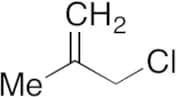
CAS:Purity:95.0%Molecular weight:386.47000122070313-Chloro-2-methyl-1-propene
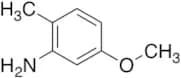
CAS:<p>Applications 3-Chloro-2-methyl-1-propene has been used in the synthesis of 2-S-substituted pyrimidines as antimetabolites of nucleic acid precursors for cancer therapy.<br> Not a dangerous good if item is equal to or less than 1g/ml and there is less than 100g/ml in the package<br>References Kaldrikyan, M.A., Melik-Ohanjanyan, R.G.: Hayastani Kimiakan Handes, 67, 321 (2014)<br></p>Formula:C4H7ClColor and Shape:NeatMolecular weight:90.555-Methoxy-2-methylaniline
CAS:Controlled Product<p>Applications 5-Methoxy-2-methylaniline (cas# 50868-72-9) is a useful research chemical.<br></p>Formula:C8H11NOColor and Shape:White To Dark BrownMolecular weight:137.1792-Methylnaphth[1,2-d]oxazole
CAS:Controlled Product<p>Applications 2-Methylnaphth[1,2-d]oxazole (cas# 85-15-4) is a useful research chemical.<br></p>Formula:C12H9NOColor and Shape:YellowMolecular weight:183.206(R)-2-((tert-Butoxycarbonyl)amino)-3-hydroxypropanoic acid hydrate
CAS:Purity:97.0%Molecular weight:223.22500610351562N-Benzyloxycarbonyl L-Threonine Amide
CAS:Controlled Product<p>Applications Threonine derivative used in the synthesis of peptide.<br>References Dekker, C.A., et al.: J. Biol. Chem., 180, 155 (1949),<br></p>Formula:C12H16N2O4Color and Shape:NeatMolecular weight:252.27Ethyl 3-(dimethylamino)-2-(2,4,5-trifluoro-3-methoxybenzoyl)acrylate
CAS:Formula:C15H16F3NO4Color and Shape:NeatMolecular weight:331.2874-Methyl-2-(4-(trifluoromethyl)phenyl)thiazole-5-carboxylic Acid
CAS:Controlled Product<p>Applications 4-methyl-2-(4-(trifluoromethyl)phenyl)thiazole-5-carboxylic acid (cas# 144059-86-9) is a useful research chemical.<br></p>Formula:C12H8F3NO2SColor and Shape:NeatMolecular weight:287.264-(1-Methylethyl)benzoic Acid
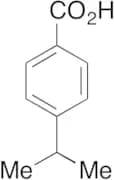
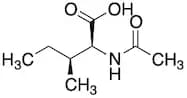
CAS:<p>Applications 4-(1-Methylethyl)benzoic Acid is used in the synthesis of quinuclidine benzamides as agonists for nicotinic acetylcholine receptors. Also used in the synthesis of nifuroxazide analogues showing antimicrobial activity against methicillin-resistant Staphylococcus.<br>References Bodnar, A. et al.: J. Med. Chem., 48, 905 (2005); Masunari, A. et al.: Bioorg. Med. Chem. Lett., 15, 4229 (2007);<br></p>Formula:C10H12O2Color and Shape:NeatMolecular weight:164.2N-Acetylisoleucine
CAS:Controlled Product<p>Applications N-ACETYLISOLEUCINE (cas# 3077-46-1) is a useful research chemical.<br></p>Formula:C8H15NO3Color and Shape:NeatMolecular weight:173.24-Methylhexanoic Acid
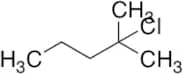
CAS:Controlled Product<p>Applications 4-Methylhexanoic Acid<br></p>Formula:C7H14O2Color and Shape:Colourless To Light YellowMolecular weight:130.182-Chloro-2-methylpentane
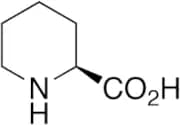
CAS:Controlled Product<p>Stability Volatile<br>Applications 2-Chloro-2-Methylpentane (cas# 4325-48-8) is a useful research chemical.<br></p>Formula:C6H13ClColor and Shape:NeatMolecular weight:120.62L-Pipecolic Acid
CAS:<p>Applications Pipecolic acid is involved in synaptic transmission in the central nervous system. The l-form occurs in plants.<br>References Nomura Y., et al.: Neurochem. Res., 6, 391 (1981),<br></p>Formula:C6H11NO2Color and Shape:NeatMolecular weight:129.16β-Alanine-13C3,15N
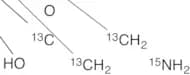
CAS:Controlled Product<p>Applications β-Alanine-13C3,15N is the isotope labeled analogue of β-Alanine (A637320), which is a naturally occurring beta amino acid. β-Alanine is formed in vivo by the degradation of Dihydro Uracil (D449990) and Carnosine. β-Alanine is also the rate-limiting precursor of Carnosine, as a result supplementation with β-Alanine increases the concentration of Carnosine in muscles.<br>References Derave, W. et al.: J. Appl. Physiol., 103, 1736 (2007); Xia, J.-F. et al.: J. Chrom. B Anal. Technol. Biomed. Life Sci., 977, 1930 (2009); Artioli, G.G. et al.: Med. Sci. Sports Exer.,42, 1162 (2010);<br></p>Formula:C3H715NO2Color and Shape:NeatMolecular weight:93.063-Methyl-1H(4H)-1,2,4-triazole-5-thione
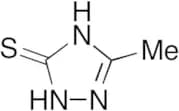
CAS:Formula:C3H5N3SColor and Shape:NeatMolecular weight:115.157N'-tert-Butyl-3-methoxy-2-methylbenzohydrazide
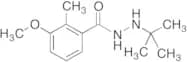
CAS:Controlled Product<p>Applications N'-tert-Butyl-3-methoxy-2-methylbenzohydrazide is an intermediate used in the synthesis of methoxyfenozide; an active ingredient for the commercial production of certain insecticidal and pesticidal formulations.<br>References Shao, J., et al.: Xiandai Nongyao, 2, 12, (2003), Mao, W. T., et al.: Chin. Chem. Lett., 23, 1233 (2012)<br></p>Formula:C13H20N2O2Color and Shape:NeatMolecular weight:236.317-Chloro-8-methylquinoline
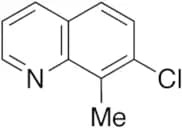
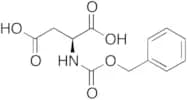
CAS:Controlled Product<p>Applications 7-Chloro-8-methylquinoline (cas# 78941-93-2) is a compound useful in organic synthesis.<br></p>Formula:C10H8ClNColor and Shape:NeatMolecular weight:177.63N-Cbz-L-aspartic Acid
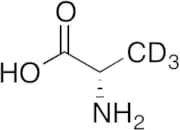
CAS:Controlled Product<p>Applications N-Cbz-L-aspartic acid is an N-Cbz-protected form of L-Aspartic acid (A790024). L-Aspartic acid is a nonessential amino acid that is used to biosynthesize other amino acids within the human body. L-Aspartic acid also increases membrane conductance of mammalian neurons by voltage-dependent means, causing depolarization and nerve impulses that travel to key areas of the central nervous system.<br>References Anderson, H., et al.: J. Nutr., 99, 82 (1969); Honey, C., et al.: Neurosci. Lett., 61, 135 (1985); MacDonald, J., et al.: Brain Res., 237, 248 (1982)<br></p>Formula:C12H13NO6Color and Shape:White To Off-WhiteMolecular weight:267.23L-Alanine-d3
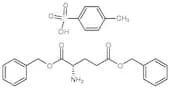
CAS:Controlled Product<p>Applications L-Alanine-d3 is the labeled analogue of L-Alanine (A481500), which is used to make in-vivo measurement of glucose and alanine metabolism in studies of patients with diabetes. L-Alanine is a non-essential amino acid for human development. L-Alanine is one of the 20 amino acids encoded by the genetic code.<br>References Bier, D.M. et al.: Diabetes, 26, 1005 (1977); Capaldo, B. et al.: J. Clin. Endocrinol. Metab., 71, 1220 (1990); Giacca, A. et al.: Diabetes, 47, 1763 (1998)<br></p>Formula:C3D3H4NO2Color and Shape:NeatMolecular weight:92.11L-Glutamic acid dibenzyl ester 4-toluenesulfonate
CAS:Controlled Product<p>Applications L-Glutamic acid dibenzyl ester 4-toluenesulfonate<br></p>Formula:C26H29NO7SColor and Shape:NeatMolecular weight:499.588-benzyl-4-butanoyl-1-oxa-4,8-diazaspiro[4.5]decane-3-carboxylic acid
CAS:Purity:95.0%Molecular weight:346.427001953125trans-Glutaconic Acid
CAS:Controlled Product<p>Applications trans-Glutaconic Acid is used in the synthesis of iso and azokainoids which act as agonists for glutamate receptors. E-isomer of Glutaconic Acid (G596945).<br>References Felluga, F. et al.: Chirality, 24, 112 (2012); Wang, W. et al.: Bioorg. Med. Chem. Lett., 23, 1949 (2013);<br></p>Formula:C5H6O4Color and Shape:White To Light BrownMolecular weight:130.12-methyl-1-[4-(trifluoromethyl)phenyl]propan-1-one
CAS:Controlled Product<p>Applications 2-methyl-1-[4-(trifluoromethyl)phenyl]propan-1-one (cas# 64436-58-4) is a useful research chemical.<br></p>Formula:C11H11OF3Color and Shape:NeatMolecular weight:216.19Butyrylglycine
CAS:<p>Applications Butyrylglycine is one of the acylglycines, an important class of metabolites that have been used in the diagnosis of several inborn errors of metabolism (IEM).<br>References Costa, C., et al.: J. Pharmaceut. Biomed. Anal., 21, 1215 (2000), Garcia-Villoria, J., et al.: Clin. Biochem., 42, 2 (2009), Scalbert, A., et al.: Metabolomics, 5, 435 (2009),<br></p>Formula:C6H11NO3Color and Shape:NeatMolecular weight:145.16(3R)-Tetrahydrofuran-3-yl 4-Methylbenzenesulfonate
CAS:Controlled Product<p>Applications (3R)-Tetrahydrofuran-3-yl 4-Methylbenzenesulfonate is derived from (R)-(-)-3-Hydroxytetrahydrofuran (H957760), which is a versatile chemical reactant used in the synthesis of pharmaceutical agents.<br>References Hrapchak, M., et al.: J. Labelled. Comp. Radiopharm., 57, 687 (2014);<br></p>Formula:C11H14O4SColor and Shape:White To Off-WhiteMolecular weight:242.294-(2-phenylacetyl)-8-propyl-1-oxa-4,8-diazaspiro[4.5]decane-3-carboxylic acid
CAS:Purity:95.0%Molecular weight:346.427001953125L-Phenylalanine-d7
CAS:Controlled Product<p>Applications Labelled analogue of L-Phenylalanine, an essential amino acid.<br>References Hollunger, G. et al.: Acta Pharmacol. Toxicol., 34, 391 (1974); Bagchi, S.P. et al.: Biochem. Pharmacol., 26, 900 (1977);<br></p>Formula:C9H4D7NO2Color and Shape:NeatMolecular weight:172.23Methyl 2,3,4-Tri-O-isobutyryl-D-glucopyranuronate
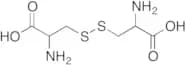
CAS:Controlled Product<p>Stability Temperature Sensitive<br>Applications Methyl 2,3,4-Tri-O-isobutyryl-D-glucopyranuronate (cas# 1190403-86-1) is a compound useful in organic synthesis.<br></p>Formula:C19H30O10Color and Shape:NeatMolecular weight:418.44D-Homocystine
CAS:Controlled Product<p>Applications D-Homocysteine is the stereoisomer of L-Homocystine, increased levels lead to hyperhomocysteinemia; a cardiovascular risk factor in prediction of coronary heart disease as well as being associated with congenital birth defects, pregnancy complications and cancer.<br>References Geisel, J. et al.: Clin. Chem. Lab. Med., 41, 1513 (2003); Geisel, J. et al.: Clin. Chem. Lab. Med., 41, 1513 (2003);<br></p>Formula:C8H16N2O4S2Color and Shape:WhiteMolecular weight:268.35β-Methylamino-L-alanine Dihydrochloride
CAS:Controlled ProductFormula:C4H10N2O2·2(HCl)Color and Shape:NeatMolecular weight:118.13 +2(36.46)[4-(3,4-dimethylphenyl)piperazin-1-yl](4-methylphenyl)acetic acid
Molecular weight:338.450988769531254-(4-chlorophenyl)-3H,4H,5H,6H,7H-imidazo[4,5-c]pyridine-6-carboxylic acid
CAS:Purity:95.0%Molecular weight:277.70999145507812-sec-Butyl-3-methoxypyrazine
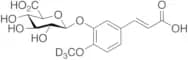
CAS:Controlled Product<p>Applications A compound contents in musts and wines from Vitis vinifera variety Cabernet Sauvignon.<br>References Murray, K., et al.: J. Sci. Food Agric., 26, 973 (1975), Maga, J., et al.: Food Rev. Int., 8, 479 (1992), Allen, M., et al.: J. Agric. Food Chem., 43, 769 (1995),<br></p>Formula:C9H14N2OColor and Shape:NeatMolecular weight:166.22Isoferulic Acid-d3 3-O-β-D-Glucuronide
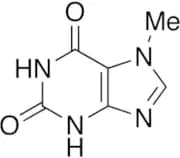
CAS:Controlled Product<p>Applications Labelled Isoferulic Acid 3-O-β-D-Glucuronide, the glucuronide conjugate of Isoferulic Acid (H946180). Isoferulic Acid 3-O-β-D-Glucuronide is one of the circulating metabolites in human plasma after coffee consumption.<br>References Fumeaux, R. et al.: Org. Biomol. Chem., 8, 5199 (2010); Redeuil, K. et al.: J. Chrom. A, 1218, 4678 (2011);<br></p>Formula:C16H15D3O10Color and Shape:NeatMolecular weight:373.337-Methyl Xanthine
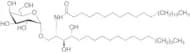
CAS:Controlled Product<p>Applications Metabolite of Theophylline and Caffeine.<br>References Yu, Ch. et al.: J. Bacteriol. 191, 4624 (2009); Geraets, L. et al.: Biochem. Pharmacol. 72, 902 (2006).<br></p>Formula:C6H6N4O2Color and Shape:NeatMolecular weight:166.14KRN7000
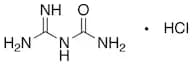
CAS:Controlled Product<p>Stability Hygroscopic<br>Applications Galactosylceramides play an important roles in promoting the regulation of nerve cells, regulating protein kinase C activities and modulating the function of the hormone receptor. It has shown to have significant immunostimulatory and anti-umor activity in mice with liver metastasis of the Colon26 adenocarcinoma.<br>References Morita, M., et al.: J. Med. Chem., 38, 2176 (1995), Sakai, T., et al.: J. Med. Chem., 42, 1836 (1999),<br></p>Formula:C50H99NO9Color and Shape:NeatMolecular weight:858.32Carbamoyl-guanidine Amidino Urea
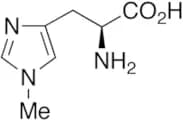
CAS:Controlled Product<p>Applications Carbamoyl-guanidine Amidino Urea Salt, Hydrochloride salt (cas# 926-72-7) is a compound useful in organic synthesis.<br></p>Formula:C2H6N4O·ClHColor and Shape:NeatMolecular weight:138.561-Methyl-L-histidine
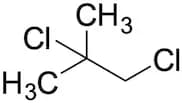
CAS:Controlled Product<p>Applications The urinary 1- and 3-methylhistidine (1- and 3-MH) metabolites as potential biomarkers of skeletal muscle toxicity. These metabolites were highly correlated to sex-, dose-, and time-dependent development of cerivastatin-induced myotoxicity. Natural but non-proteinogenic amino acid; employed as index of muscle protein breakdown.<br>References Berna, M., et al.: Anal. Chem., 79, 4199 (2007), Pritt, M., et al.: Toxicol. Sci., 103, 382 (2008), Tonomura, Y., et al.: Toxicology, 266, 48 (2009),<br></p>Formula:C7H11N3O2Color and Shape:NeatMolecular weight:169.181,2-Dichloro-2-methylpropane
CAS:<p>Applications 1,2-Dichloro-2-methylpropane (cas# 594-37-6) is a useful research chemical.<br> Not a dangerous good if item is equal to or less than 1g/ml and there is less than 100g/ml in the package<br></p>Formula:C4H8Cl2Color and Shape:NeatMolecular weight:127.01Ethyl trans-3-Methyl-4-oxocrotonate
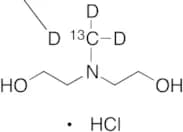
CAS:Controlled Product<p>Applications Derivative of monoenoic and trienoic analogs of Sorbic Acid with antifungal activity.<br>References Guerin, J. et al.: Annales Pharmaceutiques Francaises 44, 373 (1987)<br></p>Formula:C7H10O3Color and Shape:NeatMolecular weight:142.15N-Methyldiethanolamine-13C,d3 Hydrochloride
CAS:Controlled Product<p>Applications N-Methyldiethanolamine-13C,d3 Hydrochloride is isotopically labelled salt form of N-Methyldiethanolamine (M301625), which is used as a reagent in the synthesis of broad-spectrum antimicrobial polycarbonate hydrogels with fast degradability. It is also used as a reagent in the synthesis of dihydroxy quaternary ammonium salts with long chain alkyl bromides that can exhibit antibacterial and antifungal activity.<br>References Pascual, A., et al.: Biomacromolecules, 16, 1169 (2015); Liu, W., et al.: Chem. Biol. Drug Des., 85, 91 (2015);<br></p>Formula:C4CH10D3NO2·HClColor and Shape:NeatMolecular weight:123.17+(36.46)(±)-Aspartic Acid
CAS:<p>Applications (±)-Aspartic Acid, is a non-essential amino acid found in food sources. Its conjugate base D-aspartate has potential use as a a therapeutic agent in the treatment of schizophrenia-related symptoms.<br>References Errico, F. et al.: J. Neurosci., 28, 10404 (2008); Denu, J.M. et al.: Biochem., 34, 3396 (1995); Chen, P.E. et al.: Mol. Pharmacol., 67, 1470 (2005);<br></p>Formula:C4H7NO4Color and Shape:NeatMolecular weight:133.10


![4-(2-fluorophenyl)-3H,4H,5H,6H,7H-imidazo[4,5-c]pyridine-6-carboxylic acid](/_next/image/?url=https%3A%2Fstatic.cymitquimica.com%2Fproducts%2F10%2Fthumb-webp%2FF522495.webp&w=3840&q=75)


![4-(3-fluorobenzoyl)-8-propyl-1-oxa-4,8-diazaspiro[4.5]decane-3-carboxylic acid](/_next/image/?url=https%3A%2Fstatic.cymitquimica.com%2Fproducts%2F10%2Fthumb-webp%2FF525731.webp&w=3840&q=75)


![8-ethyl-4-[2-(4-methoxyphenyl)acetyl]-1-oxa-4,8-diazaspiro[4.5]decane-3-carboxylic acid](/_next/image/?url=https%3A%2Fstatic.cymitquimica.com%2Fproducts%2F10%2Fthumb-webp%2FF525679.webp&w=3840&q=75)


![(S)-2-Amino-4-[(3-aminopropyl)amino]-butanoic Acid](/_next/image/?url=https%3A%2Fstatic.cymitquimica.com%2Fproducts%2FTR%2Fthumb-webp%2FA609335.webp&w=3840&q=75)




![{5-[1-(benzylamino)cyclohexyl]-1H-tetrazol-1-yl}acetic acid](/_next/image/?url=https%3A%2Fstatic.cymitquimica.com%2Fproducts%2F10%2Fthumb-webp%2FF313669.webp&w=3840&q=75)

![8-benzyl-4-(2,2-dimethylpropanoyl)-1-oxa-4,8-diazaspiro[4.5]decane-3-carboxylic acid](/_next/image/?url=https%3A%2Fstatic.cymitquimica.com%2Fproducts%2F10%2Fthumb-webp%2FF525790.webp&w=3840&q=75)


![4-(2-fluorobenzoyl)-8-propyl-1-oxa-4,8-diazaspiro[4.5]decane-3-carboxylic acid](/_next/image/?url=https%3A%2Fstatic.cymitquimica.com%2Fproducts%2F10%2Fthumb-webp%2FF525729.webp&w=3840&q=75)
![8-benzyl-4-(3-fluorobenzoyl)-1-oxa-4,8-diazaspiro[4.5]decane-3-carboxylic acid](/_next/image/?url=https%3A%2Fstatic.cymitquimica.com%2Fproducts%2F10%2Fthumb-webp%2FF525805.webp&w=3840&q=75)

![8-benzyl-4-(thiophene-2-carbonyl)-1-oxa-4,8-diazaspiro[4.5]decane-3-carboxylic acid](/_next/image/?url=https%3A%2Fstatic.cymitquimica.com%2Fproducts%2F10%2Fthumb-webp%2FF525799.webp&w=3840&q=75)
![2-Methylnaphth[1,2-d]oxazole](/_next/image/?url=https%3A%2Fstatic.cymitquimica.com%2Fproducts%2FTR%2Fthumb-webp%2FM332348.webp&w=3840&q=75)




![8-benzyl-4-butanoyl-1-oxa-4,8-diazaspiro[4.5]decane-3-carboxylic acid](/_next/image/?url=https%3A%2Fstatic.cymitquimica.com%2Fproducts%2F10%2Fthumb-webp%2FF525788.webp&w=3840&q=75)

![2-methyl-1-[4-(trifluoromethyl)phenyl]propan-1-one](/_next/image/?url=https%3A%2Fstatic.cymitquimica.com%2Fproducts%2FTR%2Fthumb-webp%2FB489000.webp&w=3840&q=75)


![4-(2-phenylacetyl)-8-propyl-1-oxa-4,8-diazaspiro[4.5]decane-3-carboxylic acid](/_next/image/?url=https%3A%2Fstatic.cymitquimica.com%2Fproducts%2F10%2Fthumb-webp%2FF525718.webp&w=3840&q=75)



acetic acid](/_next/image/?url=https%3A%2Fstatic.cymitquimica.com%2Fproducts%2F10%2Fthumb-webp%2FF300206.webp&w=3840&q=75)
![4-(4-chlorophenyl)-3H,4H,5H,6H,7H-imidazo[4,5-c]pyridine-6-carboxylic acid](/_next/image/?url=https%3A%2Fstatic.cymitquimica.com%2Fproducts%2F10%2Fthumb-webp%2FF522485.webp&w=3840&q=75)