Amino Acids (AA)
Amino acids (AAs) are the fundamental building blocks of proteins, playing a crucial role in various biological processes. These organic compounds are essential for protein synthesis, metabolic pathways, and cell signaling. In this category, you will find a comprehensive range of amino acids, including essential, non-essential, and modified forms, which are vital for research in biochemistry, molecular biology, and nutritional sciences. At CymitQuimica, we provide high-quality amino acids to support your research and development needs, ensuring accuracy and reliability in your experimental outcomes.
Subcategories of "Amino Acids (AA)"
- Amino Acid Derivatives(3,955 products)
- Amino Acid and Amino Acid Related Compounds(3,469 products)
- Amino Acids with Oxygen or Sulphur(168 products)
- Boc- Amino Acids(351 products)
- Fmoc Amino Acids(1,710 products)
Found 38260 products of "Amino Acids (AA)"
Sort by
Purity (%)
0
100
|
0
|
50
|
90
|
95
|
100
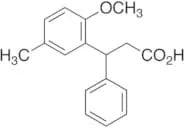
3-(2-Methoxy-5-methylphenyl)-3-phenyl-propanoic Acid
CAS:Controlled Product<p>Applications 3-(2-Methoxy-5-methylphenyl)-3-phenyl-propanoic Acid (cas# 109089-77-2) is a compound useful in organic synthesis.<br></p>Formula:C17H18O3Color and Shape:NeatMolecular weight:270.32DL-Serine-2,3,3-d3
CAS:Controlled Product<p>Applications Labelled DL-Serine is used in the synthesis of novel tryptoline derivatives as IDO (indoleamine 2,3-Deoxygenase) inhibitors, for potential use in Alzheimer’s treatment.<br>References Tanaka, M. et al.: Bioorg. Med. Chem., 21, 1159 (2013);<br></p>Formula:C32H3H4NO3Color and Shape:NeatMolecular weight:108.11[4-(3,4-dimethylphenyl)piperazin-1-yl](4-methylphenyl)acetic acid
Molecular weight:338.450988769531254-[(tert-Butoxycarbonyl-cyclopentylamino)-methyl]-benzoic acid
CAS:Formula:C18H25NO4Purity:95.0%Molecular weight:319.401L-Hydroxyprolylglycine
CAS:Controlled Product<p>Applications L-Hydroxyprolylglycine_x000D__x000D (cas# 7672-35-7) is a useful research chemical.<br></p>Formula:C7H12N2O4Color and Shape:NeatMolecular weight:188.184-[4-(dimethylamino)benzoyl]-8-methyl-1-oxa-4-azaspiro[4.5]decane-3-carboxylic acid
CAS:Purity:95.0%Molecular weight:346.4270019531254,4'-Methylene-d2-dianiline
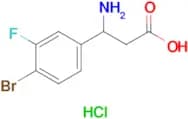
CAS:Controlled Product<p>Applications 4,4'-Methylene-d2-dianiline (CAS# 215590-72-0) is a useful isotopically labeled research compound.<br></p>Formula:C13H12D2N2Color and Shape:NeatMolecular weight:200.283-Amino-3-(4-bromo-3-fluorophenyl)propanoic acid hydrochloride
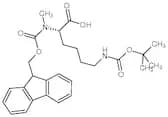
CAS:Purity:97.0%Molecular weight:298.5400085449219Fmoc-n-me-lys(boc)-oh
CAS:Controlled Product<p>Applications Fmoc-n-me-lys(boc)-oh<br></p>Formula:C27H34N2O6Color and Shape:NeatMolecular weight:482.5692,3-Difluoro-DL-phenylglycine
CAS:Formula:C8H7F2NO2Purity:95.0%Color and Shape:SolidMolecular weight:187.146N-(4-Aminobenzoyl-d4)-β-alanine
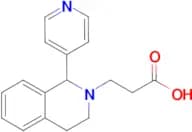
CAS:Controlled Product<p>Applications N-(4-Aminobenzoyl-d4)-β-alanine is the labeled analogue of N-(4-Aminobenzoyl)-β-alanine (A593795), a metabolite of BX661A, a therapeutic agent used in the treatment of ulcerative colitis, chemotaxis and reactive oxygen species production in polymorphonuclear leukocyctes. Inhibits lipid peroxidation in large intestinal mucosa after mesenteric ischemia/reperfusion.<br>References Kimura, I. et al.: Arzneimittelforschung., 48, 1007 (1998); Kumamoto, T. et al.: Jpn. J. Pharmacol., 75, 187 (1997);<br></p>Formula:C10D4H8N2O3Color and Shape:NeatMolecular weight:212.2383-(1-Pyridin-4-yl-3,4-dihydroisoquinolin-2(1H)-yl)propanoic acid
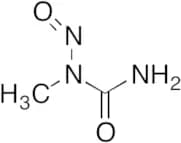
CAS:Purity:90.0%Molecular weight:282.3429870605469N-Methyl-N-nitroso Urea (Wetted with water >20%)
CAS:Controlled Product<p>Stability Temperature Sensitive<br>Applications Precursor of Diazomethane. It has a cytotoxicity effect.This product contains an undetermined amount of water.<br> Not a dangerous good if item is equal to or less than 1g/ml and there is less than 100g/ml in the package<br>References Huggins, C., et al.: J. Exp. Med., 131, 321 (1970), Gullino, P.M., et al.: J. Natl. Cancer Inst., 54, 401 (1975),<br></p>Formula:C2H5N3O2Color and Shape:Off-White To Light BeigeMolecular weight:103.082-Bromo-4-methylphenol
CAS:Controlled Product<p>Applications 2-Bromo-4-methylphenol is a useful synthetic intermediate. It was used in the synthesis of furan-2-ylmethylene thiazolidinediones as potent, and selective inhibitors of phosphoinositide 3-kinase γ. It was also a reactant used to prepare phosphoramidate and phosphorothioamidate analogs of amiprophos Me as potential antimalarial agents.<br>References Pomel, V., et al.: J. Med. Chem., 49, 3857 (2006); Mara, C., et al.: Bioorg. Med. Chem. Lett., 21, 6180 (2011)<br></p>Formula:C7H7BrOColor and Shape:NeatMolecular weight:187.038-propyl-4-(2,4,6-trimethylbenzoyl)-1-oxa-4,8-diazaspiro[4.5]decane-3-carboxylic acid
CAS:Purity:95.0%Molecular weight:374.48098754882814-(4-tert-butylphenyl)-3H,4H,5H,6H,7H-imidazo[4,5-c]pyridine-6-carboxylic acid
CAS:Purity:95.0%Molecular weight:299.37399291992194-(4-methyl-3-nitrobenzoyl)-8-propyl-1-oxa-4,8-diazaspiro[4.5]decane-3-carboxylic acid
CAS:Purity:95.0%Molecular weight:391.42401123046875L-Homocysteine Thiolactone Hydrochloride
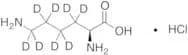
CAS:Controlled Product<p>Applications L-Homocysteine Thiolactone Hydrochloride is used to prepare substituted homocysteine analogs as inhibitors of peptidylglycine α-amidating monooxygenase. It is also used to synthesize (mercaptoacyl)alanylprolines as metalloprotease inhibitors.<br>References Erion, M., et al.: J. Med. Chem., 37, 4430 (1994); Slusarchyk, W., et al.: Bioorg. Med. Chem. Lett., 5, 753 (1995)<br></p>Formula:C4H8ClNOSColor and Shape:NeatMolecular weight:153.63L-Lysine-3,3,4,4,5,5,6,6-d8 Hydrochloride
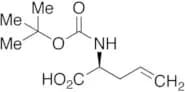
CAS:Controlled Product<p>Applications L-Lysine-3,3,4,4,5,5,6,6-d8 Dihydrochloride, is the labelled L-Lysine, a naturally occurring amino acid which is used in the labelling of human bone marrow mesenchymal stem cells for analysis.<br>References Rocha, B. et al.: J. Prot. Res., 11, 5350 (2012); Kumar, D. et al.: Polym. J., 45, 160 (2013);<br></p>Formula:C6D8H6N2O2·ClHColor and Shape:NeatMolecular weight:154.243646N-Boc-L-Allylglycine
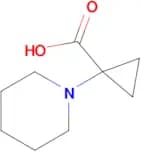
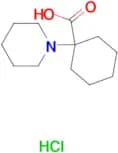
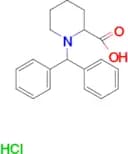
CAS:Controlled Product<p>Applications N-Boc-L-Allylglycine is a boc-protected allylglycine used in the preparation of arginine analogues including the natural amino acid enduracididine.<br>References Saniere, L. et al.: Tetrahedron, 60, 5889 (2004): Leman, L. et al.: ARKIVOC, 6, 126 (2003);<br></p>Formula:C10H17NO4Color and Shape:NeatMolecular weight:215.251-(1-piperidinyl)cyclohexanecarboxylic acid hydrochloride
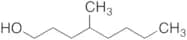
CAS:Purity:95.0%Molecular weight:247.759994506835944-Methyl-1-octanol
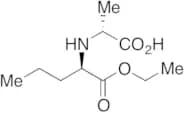
CAS:Controlled Product<p>Applications 4-Methyl-1-octanol is an intermediate in the synthesis of 1,2-Cyclohexanedicarboxylic Acid Mono 4-Methyloctan-1-ol Ester which is a possible metabolite of the di(isononyl)cyclohexane-1,2-dicarboxylate (DINCH) monoester (MINCH).<br>References Koch, H., et al.: Arch. Toxicol., 87, 799 (2013)<br></p>Formula:C9H20OColor and Shape:NeatMolecular weight:144.25(R)-N-(1-Carboxyethyl)-D-norvaline 1-Ethyl Ester
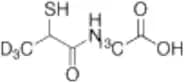
CAS:Controlled Product<p>Applications (R)-N-(1-Carboxyethyl)-D-norvaline 1-Ethyl Ester is an intermediate in the synthesis of Perindoprilat (P287530), an angiotensin-converting enzyme (ACE) inhibitor. Antihypertensive.<br>References Pascard, C., et al.: J. Med. Chem., 34, 663 (1991)<br></p>Formula:C10H19NO4Color and Shape:NeatMolecular weight:217.26Tiopronin-d3
CAS:Controlled Product<p>Applications Labelled Tiopronin. It is used as antidote against heavy metal poisoning; hepatoprotectant; mucolytic.<br>References Capasso, F., et al.: Agents Actions, 11, 741 (1981), Amor, B., et al.: Arthritis Rheum., 25, 698 (1982), Ichida, F., et al.: J. Int. Med. Res., 10, 325 (1982),<br></p>Formula:C5H6D3NO3SColor and Shape:NeatMolecular weight:166.213-Methyl-1H-Indole-d8
CAS:Controlled Product<p>Applications 3-(methyl-d3)-1H-Indole-2,4,5,6,7-d5 is the labeled analogue of 3-Methylindole (M313470), a naturally abundant pneumotoxin, found primarily in mammalian feces providing its strong fecal odor; however in lower concentrations the compound has a pleasent aroma, giving orange blossoms and jasmine their pleasing scent. It is often a component of commercial fragrances and perfumes.<br> Not a dangerous good if item is equal to or less than 1g/ml and there is less than 100g/ml in the package<br>References Nakashima, T., et al.: Biol. Pharm. Bull., 32, 832 (2009), Xu, H., et al.: Chem. Pharm. Bull., 57, 321 (2009), Bodoor, K., et al.: J. Med. Chem., 52, 3753 (2009), Naskar, S., et al.: J. Chem. Res., 3, 174 (2009), Sollner, K., et al.: J. Agric. Food Chem., 57, 4319 (2009),<br></p>Formula:C92H8HNColor and Shape:NeatMolecular weight:139.228-ethyl-4-(3-methylbenzoyl)-1-oxa-4,8-diazaspiro[4.5]decane-3-carboxylic acid
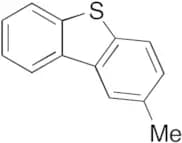
CAS:Purity:95.0%Molecular weight:332.39999389648442-Methyldibenzothiophene
CAS:Controlled Product<p>Applications 2-Methyldibenzothiophene, is an alkyldibenzothiophene present in crude oil. Research concerning the biodegradation of Dibenzothiophene by different types of bacteria is a currently being carried out, as these bacteria have the ability to breakdown other harmful PAH’s as well. This may be used in removing spilled oil from marine and terrestrial environments.<br>References Boberg, F., et al.: Erdoel & Kohle, Erdgas, Petrochemie, 47, 187 (1994); Tanaka, Y., et al.: Applied Microbiology and Biotech., 59 (2), 325 (2002); Prince, R., Spill Sci. Tech. Bulletin, 8 (2), 145 (2003);<br></p>Formula:C13H10SColor and Shape:NeatMolecular weight:198.28N-(2-Hydroxyethyl)glycine (~90%)
CAS:Controlled Product<p>Applications N-(2-Hydroxyethyl)glycine (~90%) (cas# 5835-28-9) is a compound useful in organic synthesis.<br></p>Formula:C4H9NO3Purity:>85%Color and Shape:NeatMolecular weight:119.12Decanoyl-L-carnitine-d3 Chloride
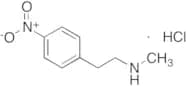
CAS:Controlled Product<p>Stability Hygroscopic<br>Applications Decanoyl-L-carnitine-d3 Chloride is the isotope labelled analog of Decanoyl-L-carnitine Chloride (D212580); a metabolite of L-Carnitine (C184110) which is an essential cofactor of fatty acid metabolism. Also required for the transport of fatty acids through the inner mitochondrial membrane.<br>References Mitchell, M.E., et al.: Am. J. Clin. Nutr., 31, 293 (1978); Lango, R., et al.: Cardiovasc. Res., 51, 21 (2001); Vaz, F.M., et al.: Biochem. J., et al.: 361, 417 (2002); Karlic, H., et al.: Nutrition, 20, 709 (2004)<br></p>Formula:C17D3H31NO4·ClColor and Shape:NeatMolecular weight:354.93N-Methyl-2-(4-nitrophenyl)ethanamine Hydrochloride
CAS:Controlled Product<p>Applications N-Methyl-2-(4-nitrophenyl)ethanamine Hydrochloride is used as a reactant in the preparation of small molecule CDC25 phosphatases inhibitors.<br>References Contour-Galcera, Marie-Odile, et al.: Bioorg. & Med. Chem. Let., 14(23), 5809-5812 (2004)<br></p>Formula:C9H12N2O2·HClColor and Shape:NeatMolecular weight:216.66DL-Homocysteic-3,3,4,4-d4 Acid
CAS:Controlled ProductFormula:C4D4H5NO5SColor and Shape:Light YellowMolecular weight:187.045251-Methyl-2-pyrrolidinone
CAS:Controlled Product<p>Applications It is a versatile industrial solvent. NMP is currently approved for use only in veterinary pharmaceuticals. The determination of the disposition and metabolism of NMP in the rat will contribute toward understanding the toxicology of this exogenous chemical which man may likely be exposed to in increasing amounts.<br>References Southwell, D., et al.: J. Pharm. Pharmacol., 33, 3 (1981), Barry, W., et al.: J. Invest. Dermatol., 82, 49 (1984),<br></p>Formula:C5H9NOColor and Shape:ColourlessMolecular weight:99.133-Methyl-2-buten-1-ol-d6 (d5 Major) (Contain ~3% d0)
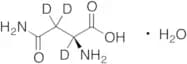
CAS:Controlled Product<p>Applications Important compounds in coffee aroma.<br> Not a dangerous good if item is equal to or less than 1g/ml and there is less than 100g/ml in the package<br></p>Formula:C52H6H4OColor and Shape:NeatMolecular weight:92.17L-Asparagine-d3 Hydrate
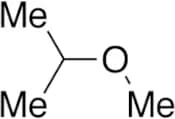
CAS:Controlled Product<p>Applications L-Asparagine-d3 Hydrate is an isotope labelled L-Asparagine Hydrate, a naturally occurring amino acid that is not a essential for humans and can be synthesized from central metabolic pathway intermediates.<br>References Burda, P., et al.: Biochim. Biophys. Acta., 1426, 239 (1999); Yamane, H., et al.: Animal. Sci. J., 80, 286 (2009);<br></p>Formula:C4D3H5N2O3·H2OColor and Shape:White To Off-WhiteMolecular weight:153.15172-Methoxy Propane
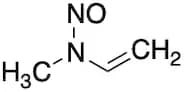
CAS:Controlled Product<p>Stability Very Volatile<br>Applications 2-Methoxy Propane is a synthetic intermediate used for the preparation of various biosynthetic molecules and pharmaceutical goods.<br> Not a dangerous good if item is equal to or less than 1g/ml and there is less than 100g/ml in the package<br>References Gharagheizi, F., et al.: Indust. Engin. Chem. Res., 51, 6265 (2012); Vandendriessche, S., et al.: Phy. Chem. Chem. Phy., 14, 1860 (2010); Moon, J.K., et al.: J. Agr. Food. Chem., 58, 5465 (2010);<br></p>Formula:C4H10OColor and Shape:NeatMolecular weight:74.12N-Methyl-N-nitroso-ethenamine
CAS:<p>Applications N-Methyl-N-nitroso-ethenamine is used as research reagent for base induced fragmentation to give aldehydes or ketones and smaller alkylnitrosamine<br>References Leoppky, R.N., et al.: J Org. Chem, 23, 135(1982)<br></p>Formula:C3H6N2OColor and Shape:YellowMolecular weight:86.098-benzyl-4-(2-fluorobenzoyl)-1-oxa-4,8-diazaspiro[4.5]decane-3-carboxylic acid
CAS:Purity:95.0%Molecular weight:398.43399047851564-[2-(4-chlorophenyl)acetyl]-8-propyl-1-oxa-4,8-diazaspiro[4.5]decane-3-carboxylic acid
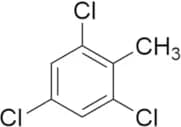
CAS:Purity:95.0%Molecular weight:380.86999511718751,3,5-Trichloro-2-methylbenzene
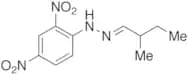
CAS:<p>Applications 1,3,5-Trichloro-2-methylbenzene can be used as reactant/reagent in hydrodechlorination process and catalysts for the production of 2,6-dichlorotoluene from polychlorotoluene-containing mixtures. Also, it is derived from 2,4,6-Trichlorobenzoic Acid (T774715), which is a possible degradation intermediate of Polychlorinated Biphenyls (PCBs) in contaminated soil, suggesting the occurrence of microbial transformation processes over time.<br> Not a dangerous good if item is equal to or less than 1g/ml and there is less than 100g/ml in the package<br>References Eichinger, W., et al.: PCT Int. Appl., WO 2001017932 A1 20010315 (2001); Stella, T., et al.: Sci Total Environ, 533, 177-186 (2015)<br></p>Formula:C7H5Cl3Color and Shape:White To Off-WhiteMolecular weight:195.472-Methylbutanal 2,4-Dinitrophenylhydrazone
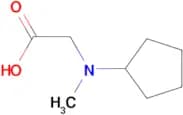
CAS:<p>Applications 2,4-Dinitrophenylhydrazone (DNPH) derivative.<br>References Lindsay, R.C., et al.: J. Food Sci., 29, 266 (1964),<br></p>Formula:C11H14N4O4Color and Shape:NeatMolecular weight:266.25(Cyclopentyl-methyl-amino)-acetic acid
CAS:Purity:95.0%Color and Shape:SolidMolecular weight:157.212997436523446-Methoxy-2-naphthol
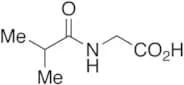
CAS:Controlled Product<p>Stability Light Sensitive<br>Applications 6-Methoxy-2-naphthol is a reactant in the development of sirtuin inhibitors from pyrazolone and isoxazol-5-one cambinol analogs.<br>References Mahajan, S.S., et. al.: J. Med. Chem., 57, 3283 (2014)<br></p>Formula:C11H10O2Color and Shape:NeatMolecular weight:174.20N-Isobutyrylglycine
CAS:<p>Applications N-Isobutyrylglycine detection is a useful diagnostic tool in the diagnosis of many organic acidemias and mitochondrial fatty acid β-oxidation defects. N-Isobutyrylglycine detection is also used in the diagnosis of isobutyryl-CoA dehydrogenase deficiency.<br>References Costa, C. G. et al.: J. Pharmac. Biomed. Anal., 21, 1215 (2000); Bonafe, L. et al.: Mol. Gen. Metab., 69, 311 (2000); Sass, J. et al.: J. Inher. Metab. Dis., 27, 741 (2004);<br></p>Formula:C6H11NO3Color and Shape:NeatMolecular weight:145.163-(Carboxymethyl-methyl-amino)-pyrrolidine-1-carboxylic acid tert-butyl ester
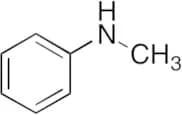
CAS:Purity:95.0%Molecular weight:258.3179931640625N-Methylaniline
CAS:Controlled Product<p>Applications N-Methylaniline is used as an additive in gasoline because of its antiknock properties.<br> Not a dangerous good if item is equal to or less than 1g/ml and there is less than 100g/ml in the package<br>References Liu, Li-jun, et al.: Huaxue Shiji, 37(1), 53-55, 96 (2015); Qin, Li-xia, et al.: Guangzhou Huagong, 43(8), 138-139, 148 (2015);<br></p>Formula:C7H9NColor and Shape:NeatMolecular weight:107.152-((tert-Butoxycarbonyl)amino)-3-hydroxy-2-methylpropanoic acid
CAS:Purity:95%Molecular weight:219.23699951171875(E)-Ethyl 4-Bromo-3-methyl-2-butenoate
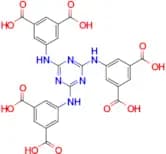
CAS:Controlled Product<p>Applications (E)-Ethyl 4-Bromo-3-methyl-2-butenoate (cas# 51318-62-8) is a compound useful in organic synthesis.<br></p>Formula:C7H11BrO2Color and Shape:NeatMolecular weight:207.075,5',5''-((1,3,5-Triazine-2,4,6-triyl)tris(azanediyl))triisophthalic acid
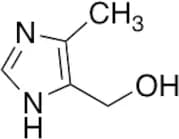
CAS:Purity:97%Molecular weight:618.47100830078124-Hydroxymethyl-5-methylimidazole
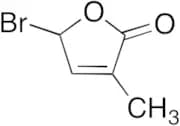
CAS:Controlled Product<p>Applications 4-Hydroxymethyl-5-methylimidazole (cas# 29636-87-1) is a useful research chemical.<br></p>Formula:C5H8N2OColor and Shape:NeatMolecular weight:112.135-Bromo-3-methyl-2(5H)-furanone
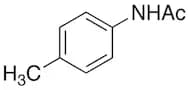
CAS:Controlled Product<p>Applications 5-Bromo-3-methyl-2(5H)-furanone is used as a reactant in the synthesis of strigolactone analogs.<br>References Artuso, Emma, et al.: J. of Nat. Products, 78(11), 2624-2633 (2015);Jia, Kun-Peng, et al.: Mol. Plant, 9(9), 1341-1344 (2016)<br></p>Formula:C5H5BrO2Color and Shape:NeatMolecular weight:176.9964'-Methylacetanilide
CAS:Controlled Product<p>Applications 4'-Methylacetanilide (cas# 103-89-9) is a compound useful in organic synthesis.<br></p>Formula:C9H11NOColor and Shape:NeatMolecular weight:149.193-Methylbutyric-2,2-d2 Acid
CAS:Controlled Product<p>Applications 3-Methylbutyric-2,2-d2 Acid (CAS# 95927-02-9) is a useful isotopically labeled research compound.<br></p>Formula:C5H8D2O2Color and Shape:NeatMolecular weight:104.15(S)-(+)-2-Methylbutyric Acid
CAS:Controlled Product<p>Stability Hygroscopic<br>Applications (S)-(+)-2-Methylbutyric Acid is a chiral starting reagent used in various synthetic preparations.<br> Not a dangerous good if item is equal to or less than 1g/ml and there is less than 100g/ml in the package<br>References Neves, F., et al.: Beilstein. J. Org. Chem., 7, 1504 (2011); King, A.M., et al.: J. Medn. Chem., 54, 6432 (2011); Ferrarni, A., et al.: Chirality., 26, 9 (2011);<br></p>Formula:C5H10O2Color and Shape:NeatMolecular weight:102.132Butyrylglycine
CAS:<p>Applications Butyrylglycine is one of the acylglycines, an important class of metabolites that have been used in the diagnosis of several inborn errors of metabolism (IEM).<br>References Costa, C., et al.: J. Pharmaceut. Biomed. Anal., 21, 1215 (2000), Garcia-Villoria, J., et al.: Clin. Biochem., 42, 2 (2009), Scalbert, A., et al.: Metabolomics, 5, 435 (2009),<br></p>Formula:C6H11NO3Color and Shape:NeatMolecular weight:145.16(3R)-Tetrahydrofuran-3-yl 4-Methylbenzenesulfonate
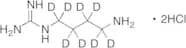
CAS:Controlled Product<p>Applications (3R)-Tetrahydrofuran-3-yl 4-Methylbenzenesulfonate is derived from (R)-(-)-3-Hydroxytetrahydrofuran (H957760), which is a versatile chemical reactant used in the synthesis of pharmaceutical agents.<br>References Hrapchak, M., et al.: J. Labelled. Comp. Radiopharm., 57, 687 (2014);<br></p>Formula:C11H14O4SColor and Shape:White To Off-WhiteMolecular weight:242.294-Aminobutyl-d8 Guanidine Dihydrochloride
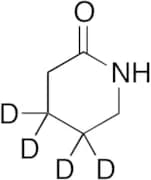
CAS:Controlled Product<p>Applications 4-Aminobutyl-d8 Guanidine is the labelled analog of the decarboxylation product of the amino acid arginine (A769500) and also an intermediate in polyamine biosynthesis.<br>References Golding, B.T., et al.: Biochem. Soc. Trans., 22, 391S (1994);<br></p>Formula:C5H6D8N4·2HClColor and Shape:NeatMolecular weight:211.16263δ-Valerolactam-d4
CAS:Controlled Product<p>Applications δ-Valerolactam-d4 is a labeled analog of δ-Valerolactam (V091440), which is a useful synthetic intermediate. It is an intermediate used to synthesize Cenicriviroc (C256550), an experimental drug candidate for the treatment of HIV infection. It is also a starting material for a new route to hexahydrojulolidines, using intramolecular 1,4-cycloaddition.<br>References Potts, K., et al. J. Org. Chem., 58, 5040 (1993); Klibanov, O., et al.: Curr. Opinion Invest. Drugs, 11, 940 (2010);<br></p>Formula:C5H5D4NOColor and Shape:NeatMolecular weight:103.16L-Isoleucine
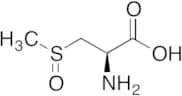
CAS:<p>Applications L-Isoleucine is classified as an essential amino acid, and is also a tumour promoter of bladder cancer in rats.<br>References Hatch, T., et al.: Infect. Immun., 12, 211 (1975); Nishio, Y., et al.: Science, 231, 843 (1986)<br></p>Formula:C6H13NO2Color and Shape:White To Off-WhiteMolecular weight:131.17S-Methyl-L-cysteine sulfoxide
CAS:Controlled ProductFormula:C4H9NO3SColor and Shape:Off-WhiteMolecular weight:151.182-(((1S,2R,4S)-4-(DIMETHYLCARBAMOYL)-2-(5-METHYL-4,5,6,7-TETRAHYDROTHIAZOLO[5,4-C]PYRIDINE-2-CARBOXAMIDO)CYCLOHEXYL)AMINO)-2-OXOACETIC ACID
CAS:Purity:95%Molecular weight:437.51998901367195-Methoxyindole-3-acetic Acid
CAS:Controlled Product<p>Applications 5-Methoxyindole-3-acetic Acid is a chemical reagent used in the analysis of the physiological properties of auxins.<br>References Ferro, N. et al.: J. Clin.Info. Model., 46, 1751 (2006);<br></p>Formula:C11H11NO3Color and Shape:NeatMolecular weight:205.21D-Lysine Methyl Ester Dihydrochloride
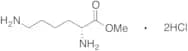
CAS:Controlled Product<p>Applications D-Lysine Methyl Ester is a protected form of D-Lysine (L468930). D-Lysine is the unnatural isomer of L-Lysine (L468895) that has the ability to reduce non-enzymatic glycation in vitro. D-Lysine also exists as polypeptide chains of poly-D-lysine, a nonspecific adhesion-promoting molecule that has the potential to be a polymeric drug carrier.<br>References Chen, Q. et al.: J. Biol. Chem., 269, 26602 (1994); Sensi, M., et al.: Diabetologia, 36, 797 (1993); Vermeersch, H. & Remon, J.: J. Control. Rel., 32, 225 (1994)<br></p>Formula:C7H16N2O2HClColor and Shape:NeatMolecular weight:233.136L-Allo-isoleucine-d10
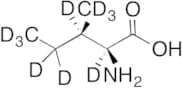
CAS:Controlled Product<p>Applications L-Allo-isoleucine-d10 is a derivative compound of L-allo-isoleucine (A548200), which has been suggested to induce epithelial β-defensin expression. In addition, L-allo-isoleucine is utilized in the biosynthesis pathway for coronamic acid.<br>References Fehlbaum, P., et al.: Proc. Natl. Acad. Sci. USA 97, 12723 (2000); Parry, R. J., et al.: J. Am. Chem. Soc. 113, 1849 (1991)<br></p>Formula:C6H3D10NO2Color and Shape:White To Off-WhiteMolecular weight:141.23D-Homocystine
CAS:Controlled Product<p>Applications D-Homocysteine is the stereoisomer of L-Homocystine, increased levels lead to hyperhomocysteinemia; a cardiovascular risk factor in prediction of coronary heart disease as well as being associated with congenital birth defects, pregnancy complications and cancer.<br>References Geisel, J. et al.: Clin. Chem. Lab. Med., 41, 1513 (2003); Geisel, J. et al.: Clin. Chem. Lab. Med., 41, 1513 (2003);<br></p>Formula:C8H16N2O4S2Color and Shape:WhiteMolecular weight:268.35KRN7000
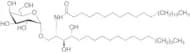
CAS:Controlled Product<p>Stability Hygroscopic<br>Applications Galactosylceramides play an important roles in promoting the regulation of nerve cells, regulating protein kinase C activities and modulating the function of the hormone receptor. It has shown to have significant immunostimulatory and anti-umor activity in mice with liver metastasis of the Colon26 adenocarcinoma.<br>References Morita, M., et al.: J. Med. Chem., 38, 2176 (1995), Sakai, T., et al.: J. Med. Chem., 42, 1836 (1999),<br></p>Formula:C50H99NO9Color and Shape:NeatMolecular weight:858.32Linoleoyl Carnitine
CAS:Controlled Product<p>Stability Hygroscopic, Temperature Sensitive<br>Applications A carnitine ester of unsaturated fatty acid. Used in the studies of fibroblasts in long-chain 3-hydroxyacyl-CoA dehydrogenase deficiency and fatty acid oxidation disorders.<br>References Gross R.W., et al.: J. Biol. Chem., 258, 5221 (1983),<br></p>Formula:C25H45NO4Color and Shape:NeatMolecular weight:423.63L-Valine
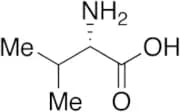
CAS:Controlled Product<p>Applications L-Valine is an essential amino acid and one of 20 proteinogenic amino acids. L-Valine cannot be manufactured by the body and must be acquired through diet or supplementation. L-valine is found in grains, dairy products, mushrooms, meats, peanuts and soy proteins. L-Valine has been used in studies to attenuate arrhythmias and induce hypotensive effects.<br>References Choi, C.W. et al.: Anim. Feed Sci. Technol., 102, 15 (2002); Kolarski, D. et al.: Krmiva, 30, 155 (1988); Oba, M. et al.: J. Dairy Sci., 93, 2044 (2010); Mitrega, K. et al.: Pharmacol. Res., 64, 218 (2011);<br></p>Formula:C5H11NO2Color and Shape:NeatMolecular weight:117.158-methyl-4-(naphthalene-1-carbonyl)-1-oxa-4,8-diazaspiro[4.5]decane-3-carboxylic acid
CAS:Purity:95.0%Molecular weight:354.4060058593751-[6-(methylsulfonyl)-1,3-benzothiazol-2-yl]azetidine-3-carboxylic acid
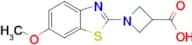
CAS:Purity:95.0%Molecular weight:312.35998535156251-(6-methoxy-1,3-benzothiazol-2-yl)azetidine-3-carboxylic acid
CAS:Purity:95.0%Molecular weight:264.29998779296875(±)-2-Methyl-d3-succinic-2,3,3-d3 Acid
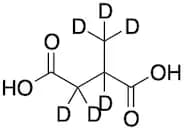
CAS:Controlled Product<p>Applications (±)-2-Methyl-d3-succinic-2,3,3-d3 Acid (CAS# 347840-08-8) is a useful isotopically labeled research compound.<br></p>Formula:C5D6H2O4Color and Shape:NeatMolecular weight:138.153-(4-((3-Phenoxybenzyl)amino)phenyl)propanoic acid
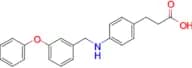
CAS:Purity:95.0%Color and Shape:SolidMolecular weight:347.414001464843756-(METHYLAMINO)IMIDAZO[1,2-B]PYRIDAZINE-3-CARBOXYLIC ACID
CAS:Purity:95.0%Molecular weight:192.177993774414064-(3-methoxybenzoyl)-8-methyl-1-oxa-4,8-diazaspiro[4.5]decane-3-carboxylic acid
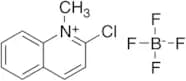
CAS:Purity:95.0%Molecular weight:334.372009277343752-Chloro-1-methylquinolinium Tetrafluoroborate
CAS:Controlled Product<p>Applications 2-Chloro-1-methylquinolinium tetrafluoroborate (cas# 16843-24-6) is a useful research chemical.<br></p>Formula:C10H9ClN·BF4Color and Shape:NeatMolecular weight:265.44N-ε-acetyl-l-lysine
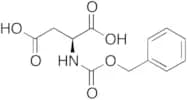
CAS:Controlled Product<p>Applications N-Epsilon-acetyl-l-lysine is used in the metabolomics study on the combined effect of cocaine and ethanol via liquid chromatography-mass spectrometry metabolomics approach.<br>References Sanchez-Lopez, E., et al.: J. Pharm. Biomed. Anal., 140, 313 (2017)<br></p>Formula:C8H16N2O3Color and Shape:NeatMolecular weight:188.22N-Cbz-L-aspartic Acid
CAS:Controlled Product<p>Applications N-Cbz-L-aspartic acid is an N-Cbz-protected form of L-Aspartic acid (A790024). L-Aspartic acid is a nonessential amino acid that is used to biosynthesize other amino acids within the human body. L-Aspartic acid also increases membrane conductance of mammalian neurons by voltage-dependent means, causing depolarization and nerve impulses that travel to key areas of the central nervous system.<br>References Anderson, H., et al.: J. Nutr., 99, 82 (1969); Honey, C., et al.: Neurosci. Lett., 61, 135 (1985); MacDonald, J., et al.: Brain Res., 237, 248 (1982)<br></p>Formula:C12H13NO6Color and Shape:White To Off-WhiteMolecular weight:267.23Na-Boc-L-histidine
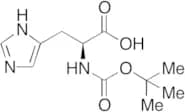
CAS:Controlled Product<p>Applications Nα-Boc-L-histidine is an N-Boc-protected form of L-Histidine (H456010). L-Histidine is an essential amino acid that plays an important role in mitochondrial glutamine transport and has potential of abolishing oxidative stress caused by brain edema.L-Histidine promotes zinc uptake in human erythrocyes and also has potential as an antioxidant therapy for acute mammary inflammation in cattle.<br>References Chaiyotwittayakun, A., et al.: J. Dairy Sci., 85, 60 (2002); Horn, N., et al.: J. Phys., 489, 73 (1995); Rama Rao, K., et al.: Am. J. Path., 176, 1400 (2010);<br></p>Formula:C11H17N3O4Color and Shape:NeatMolecular weight:255.278-methyl-4-(4-nitrobenzoyl)-1-oxa-4,8-diazaspiro[4.5]decane-3-carboxylic acid
CAS:Purity:95.0%Molecular weight:349.3429870605469D-Aspartic Acid Dimethyl Ester Hydrochloride
CAS:<p>Applications D-Aspartic Acid Dimethyl Ester Hydrochloride is a useful synthetic intermediate in the synthesis of MK-7246 (M425045); a potent and selective CRTH2 antagonist for the treatment of respiratory diseases.<br>References Molinaro, C., et al.: J. Org. Chem., 77, 2299 (2012); Gervais, F.G., et al.: Mol. Pharmacol., 79, 69 (2011); Gallant, M, et al.: Bioorg. Med. Chem. Lett., 21, 288 (2011)<br></p>Formula:C6H12ClNO4Color and Shape:NeatMolecular weight:197.62Azido-PEG3-alcohol
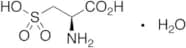
CAS:Controlled ProductFormula:C6H13N3O3Color and Shape:NeatMolecular weight:175.19L-Cysteic Acid Monohydrate
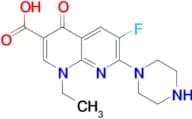
CAS:Controlled Product<p>Applications A major metabolite of non-essential amino acid L-Cysteine.<br>References Parsons, R.B. et al.: Neurotoxicol., 19, 599 (1998);<br></p>Formula:C3H7NO5S·H2OColor and Shape:White To Off-WhiteMolecular weight:187.171-ethyl-6-fluoro-4-oxo-7-(piperazin-1-yl)-1,4-dihydro-1,8-naphthyridine-3-carboxylic acid
CAS:Purity:99.0%Color and Shape:SolidMolecular weight:320.3240051269531N-(4-Bromo-2-methylphenyl)-2-chloroacetamide
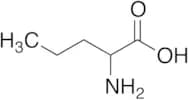
CAS:Controlled Product<p>Applications N-(4-Bromo-2-methylphenyl)-2-chloroacetamide (cas# 96686-51-0) is a useful research chemical.<br></p>Formula:C9H9NOClBrColor and Shape:NeatMolecular weight:262.53DL-norvaline
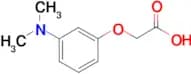
CAS:<p>Applications Norvaline, a hydrogen analogs of an amino acid, was found to be racemates from the Murchison meteorite show. Norvaline was used in chiral separation by electrokinetic chromatography.<br>References Cronin, J., et al.: Science, 275, 951 (1997); Pizzarello, S., et al.: Geochim. Cosmochim. Acta., 64, 329 (2000); Gerabe, S., et al.: J. Chromatogr., 480, 403 (1989);<br></p>Formula:C5H11NO2Color and Shape:NeatMolecular weight:117.15(3-Dimethylamino-phenoxy)-acetic acid
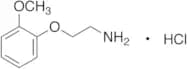
CAS:Purity:98.0%Color and Shape:SolidMolecular weight:195.218002319335942-(2-Methoxyphenoxy)ethylamine Hydrochloride
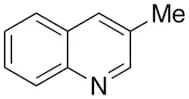
CAS:<p>Impurity Carvedilol EP Impurity E; Carvedilol Impurity E; Carvedilol USP E<br>Applications 2-(2-Methoxyphenoxy)ethylamine Hydrochloride (Carvedilol EP Impurity E; Carvedilol Impurity E; Carvedilol USP E) is an impurity of Carvedilol synthesis.<br>References Smith, L., et al.: J. Med. Chem., 20, 1653 (1977),<br></p>Formula:C9H13NO2·ClHColor and Shape:NeatMolecular weight:203.673-Methylquinoline
CAS:Controlled Product<p>Applications It can be degraded efficiently by the QL-degrading bacteria.<br>References Shukla, O., et al.: Microbios., 59, 47 (1989), Oh, Y; Biotechnol Bioeng 1994, 44, 533,,,<br></p>Formula:C10H9NColor and Shape:NeatMolecular weight:143.194-(2,4-dichlorobenzoyl)-8-methyl-1-oxa-4,8-diazaspiro[4.5]decane-3-carboxylic acid
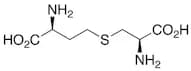
CAS:Purity:95.0%Molecular weight:373.2300109863281L-(+)-Cystathionine
CAS:Controlled Product<p>Applications Intermediate in transsulfuration whereby the mammal transfers the sulfur of methionine via homocysteine to cysteine.<br>References Prochazka, Z., et al.: Collection Czechoslov. Chem. Commun., 45, 1982 (1980), Yorek, M.A. & Spector, A.A.: Prog. Clin. Biol. Res., 179, 361 (1985)<br></p>Formula:C7H14N2O4SColor and Shape:White To Off-WhiteMolecular weight:222.261-(1-pyrrolidinyl)cyclohexanecarboxylic acid hydrochloride
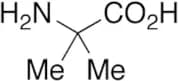
CAS:Purity:95.0%Molecular weight:233.740005493164062-Aminoisobutyric Acid (2-Methylalanine)
CAS:Controlled Product<p>Applications 2-Methylalanine is an Alanine (A481400) derivative. Alanine is an amino acid that occurs naturally in nature. It is a functional component in the alanine cycle which regulates the level of alanine aminotransferases which can be used as a diagnostic tool to predict type II diabetes.<br>References Naveed S. et al.: Diab., 53, 11 (2004); Barlind, J. et al.: Bioorg. Med. Chem. Lett., 23, 2721 (2013);<br></p>Formula:C4H9NO2Color and Shape:NeatMolecular weight:103.12


acetic acid](/_next/image/?url=https%3A%2Fstatic.cymitquimica.com%2Fproducts%2F10%2Fthumb-webp%2FF300206.webp&w=3840&q=75)

![4-[(tert-Butoxycarbonyl-cyclopentylamino)-methyl]-benzoic acid](/_next/image/?url=https%3A%2Fstatic.cymitquimica.com%2Fproducts%2F10%2Fthumb-webp%2FF080236.webp&w=3840&q=75)

![4-[4-(dimethylamino)benzoyl]-8-methyl-1-oxa-4-azaspiro[4.5]decane-3-carboxylic acid](/_next/image/?url=https%3A%2Fstatic.cymitquimica.com%2Fproducts%2F10%2Fthumb-webp%2FF525610.webp&w=3840&q=75)




![8-propyl-4-(2,4,6-trimethylbenzoyl)-1-oxa-4,8-diazaspiro[4.5]decane-3-carboxylic acid](/_next/image/?url=https%3A%2Fstatic.cymitquimica.com%2Fproducts%2F10%2Fthumb-webp%2FF525748.webp&w=3840&q=75)
![4-(4-tert-butylphenyl)-3H,4H,5H,6H,7H-imidazo[4,5-c]pyridine-6-carboxylic acid](/_next/image/?url=https%3A%2Fstatic.cymitquimica.com%2Fproducts%2F10%2Fthumb-webp%2FF522498.webp&w=3840&q=75)
![4-(4-methyl-3-nitrobenzoyl)-8-propyl-1-oxa-4,8-diazaspiro[4.5]decane-3-carboxylic acid](/_next/image/?url=https%3A%2Fstatic.cymitquimica.com%2Fproducts%2F10%2Fthumb-webp%2FF525734.webp&w=3840&q=75)


![8-ethyl-4-(3-methylbenzoyl)-1-oxa-4,8-diazaspiro[4.5]decane-3-carboxylic acid](/_next/image/?url=https%3A%2Fstatic.cymitquimica.com%2Fproducts%2F10%2Fthumb-webp%2FF525702.webp&w=3840&q=75)




![8-benzyl-4-(2-fluorobenzoyl)-1-oxa-4,8-diazaspiro[4.5]decane-3-carboxylic acid](/_next/image/?url=https%3A%2Fstatic.cymitquimica.com%2Fproducts%2F10%2Fthumb-webp%2FF525804.webp&w=3840&q=75)
![4-[2-(4-chlorophenyl)acetyl]-8-propyl-1-oxa-4,8-diazaspiro[4.5]decane-3-carboxylic acid](/_next/image/?url=https%3A%2Fstatic.cymitquimica.com%2Fproducts%2F10%2Fthumb-webp%2FF525746.webp&w=3840&q=75)







![2-(((1S,2R,4S)-4-(DIMETHYLCARBAMOYL)-2-(5-METHYL-4,5,6,7-TETRAHYDROTHIAZOLO[5,4-C]PYRIDINE-2-CARBO…](/_next/image/?url=https%3A%2Fstatic.cymitquimica.com%2Fproducts%2F10%2Fthumb-webp%2FF816177.webp&w=3840&q=75)

![(3-methylphenyl)[4-(4-methylphenyl)piperazin-1-yl]acetic acid](/_next/image/?url=https%3A%2Fstatic.cymitquimica.com%2Fproducts%2F10%2Fthumb-webp%2FF300221.webp&w=3840&q=75)


![8-methyl-4-(naphthalene-1-carbonyl)-1-oxa-4,8-diazaspiro[4.5]decane-3-carboxylic acid](/_next/image/?url=https%3A%2Fstatic.cymitquimica.com%2Fproducts%2F10%2Fthumb-webp%2FF525637.webp&w=3840&q=75)
![1-[6-(methylsulfonyl)-1,3-benzothiazol-2-yl]azetidine-3-carboxylic acid](/_next/image/?url=https%3A%2Fstatic.cymitquimica.com%2Fproducts%2F10%2Fthumb-webp%2FF495394.webp&w=3840&q=75)
![6-(METHYLAMINO)IMIDAZO[1,2-B]PYRIDAZINE-3-CARBOXYLIC ACID](/_next/image/?url=https%3A%2Fstatic.cymitquimica.com%2Fproducts%2F10%2Fthumb-webp%2FF530530.webp&w=3840&q=75)
![4-(3-methoxybenzoyl)-8-methyl-1-oxa-4,8-diazaspiro[4.5]decane-3-carboxylic acid](/_next/image/?url=https%3A%2Fstatic.cymitquimica.com%2Fproducts%2F10%2Fthumb-webp%2FF525644.webp&w=3840&q=75)

![8-methyl-4-(4-nitrobenzoyl)-1-oxa-4,8-diazaspiro[4.5]decane-3-carboxylic acid](/_next/image/?url=https%3A%2Fstatic.cymitquimica.com%2Fproducts%2F10%2Fthumb-webp%2FF525622.webp&w=3840&q=75)



![4-(2,4-dichlorobenzoyl)-8-methyl-1-oxa-4,8-diazaspiro[4.5]decane-3-carboxylic acid](/_next/image/?url=https%3A%2Fstatic.cymitquimica.com%2Fproducts%2F10%2Fthumb-webp%2FF525618.webp&w=3840&q=75)