Amino Acids (AA)
Amino acids (AAs) are the fundamental building blocks of proteins, playing a crucial role in various biological processes. These organic compounds are essential for protein synthesis, metabolic pathways, and cell signaling. In this category, you will find a comprehensive range of amino acids, including essential, non-essential, and modified forms, which are vital for research in biochemistry, molecular biology, and nutritional sciences. At CymitQuimica, we provide high-quality amino acids to support your research and development needs, ensuring accuracy and reliability in your experimental outcomes.
Subcategories of "Amino Acids (AA)"
- Amino Acid Derivatives(3,955 products)
- Amino Acid and Amino Acid Related Compounds(3,465 products)
- Amino Acids with Oxygen or Sulphur(168 products)
- Boc- Amino Acids(351 products)
- Fmoc Amino Acids(1,710 products)
Found 38248 products of "Amino Acids (AA)"
Sort by
Purity (%)
0
100
|
0
|
50
|
90
|
95
|
100
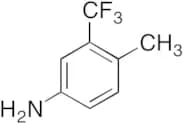
5-Amino-2-methylbenzotrifluoride
CAS:Controlled Product<p>Applications 5-Amino-2-methylbenzotrifluoride is used to prepare azoles as inhibitors of VEGF receptors 1 and 2 with high intestinal permeability. It can also be used to prepare curcumin analogs conjugated with antiandrogens.<br>References Kiselyov, A., et al.: Bioorg. Med. Chem. Lett., 17, 1369 (2007); Shi, Q., et al.: Bioorg. Med. Chem., 20, 4020 (2012)<br></p>Formula:C8H8F3NColor and Shape:NeatMolecular weight:175.156-(METHYLAMINO)IMIDAZO[1,2-B]PYRIDAZINE-3-CARBOXYLIC ACID
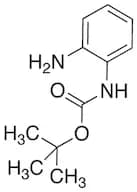
CAS:Purity:95.0%Molecular weight:192.17799377441406N-Boc-1,2-phenyldiamine
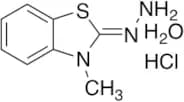
CAS:Controlled Product<p>Applications Protected 1,2-Phenyldiamine, an intermediate in the synthesis of histone deacetylase agents and antitumor agents.<br>References Andrews, D., et al.: Bioorg. Med. Chem. Lett., 18, 2580 (2008), Mahboobi, S., et al.: J. Med. Chem., 52, 2265 (2009),<br></p>Formula:C11H16N2O2Color and Shape:NeatMolecular weight:208.26(2E)-3-Methyl-1,3-benzothiazol-2(3H)-one Hydrazone Hydrochloride (>85%)
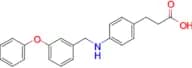
CAS:Controlled Product<p>Applications (2E)-3-Methyl-1,3-benzothiazol-2(3H)-one Hydrazone Hydrochloride is used in method for synthesizing Methylbenzothiazolinone Hydrazone Hydrochloride Hydrate.<br>References Chen, W., et al.: Faming Zhuanli Shenqing, (2020);<br></p>Formula:C8H9N3S·HCl·H2OPurity:>85%Color and Shape:NeatMolecular weight:233.7183-(4-((3-Phenoxybenzyl)amino)phenyl)propanoic acid
CAS:Purity:95.0%Color and Shape:SolidMolecular weight:347.414001464843752,3-Dihydroxy-2-methylbutanoic Acid Sodium Salt
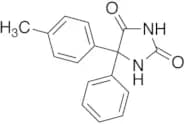
CAS:<p>Applications 2,3-Dihydroxy-2-methylbutanoic Acid Sodium Salt is a useful research chemical.<br></p>Formula:C5H9NaO4Color and Shape:White To Off-WhiteMolecular weight:134.1305-(p-Methylphenyl)-5-phenylhydantoin
CAS:<p>Applications An antibody agent.<br>References Rowell, F. J., et al.: Immunochemistry, 13, 891 (1976),<br></p>Formula:C16H14N2O2Color and Shape:NeatMolecular weight:266.296-[(E)-4-Hydroxy-3-methylbut-2-enylamino]-9-β-D-ribofuranosylpurine
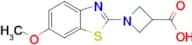
CAS:Controlled Product<p>Applications A well-known, highly active stimulant of cell divisions in plant tissue cultures.<br>References D.S. Letham: Phytochemistry, 12, 2445 (1973)<br></p>Formula:C15H21N5O5Color and Shape:NeatMolecular weight:351.361-(6-methoxy-1,3-benzothiazol-2-yl)azetidine-3-carboxylic acid
CAS:Purity:95.0%Molecular weight:264.299987792968751-[6-(methylsulfonyl)-1,3-benzothiazol-2-yl]azetidine-3-carboxylic acid
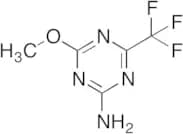
CAS:Purity:95.0%Molecular weight:312.35998535156254-Methoxy-6-(trifluoromethyl)-1,3,5-triazin-2-amine
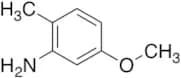
CAS:<p>Applications 4-Methoxy-6-(trifluoromethyl)-1,3,5-triazin-2-amine can be used as reactant/reagent in preparation of N-phenylsulfony-N'-pyrimidinylureas as herbicides.<br>References Hamprecht, G., et al.: Ger. Offen., DE 4322726 A1 19950112 (1995)<br></p>Formula:C5H5F3N4OColor and Shape:NeatMolecular weight:194.115-Methoxy-2-methylaniline
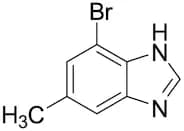
CAS:Controlled Product<p>Applications 5-Methoxy-2-methylaniline (cas# 50868-72-9) is a useful research chemical.<br></p>Formula:C8H11NOColor and Shape:White To Dark BrownMolecular weight:137.1794-Bromo-6-methyl-3H-1,3-benzodiazole
CAS:Controlled Product<p>Applications 4-Bromo-6-methyl-3H-1,3-benzodiazole<br></p>Formula:C8H7BrN2Color and Shape:NeatMolecular weight:211.0584-Methyl-2-(4-(trifluoromethyl)phenyl)thiazole-5-carboxylic Acid
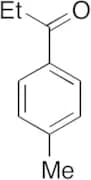
CAS:Controlled Product<p>Applications 4-methyl-2-(4-(trifluoromethyl)phenyl)thiazole-5-carboxylic acid (cas# 144059-86-9) is a useful research chemical.<br></p>Formula:C12H8F3NO2SColor and Shape:NeatMolecular weight:287.264′-Methylpropiophenone
CAS:Controlled Product<p>Applications 4′-Methylpropiophenone is a chemical reagent used in electrocarboxylation reactions.<br>References Zhang, K. et al.: Chin. J. Chem., 28, 509 (2010); Zhao, S. et al.: Tetra. Lett., 52, 2702 (2011);<br></p>Formula:C10H12OColor and Shape:NeatMolecular weight:148.204,4'-Methylene-d2-dianiline
CAS:Controlled Product<p>Applications 4,4'-Methylene-d2-dianiline (CAS# 215590-72-0) is a useful isotopically labeled research compound.<br></p>Formula:C13H12D2N2Color and Shape:NeatMolecular weight:200.282,4,8,10-Tetraoxaspiro[5.5]undecane-3,9-diylbis(2-methylpropane-2,1-diyl) bis(3-(3-(tert-butyl)-4-hydroxy-5-methylphenyl)propanoate)
CAS:Controlled Product<p>Applications 2,4,8,10-Tetraoxaspiro[5.5]undecane-3,9-diylbis(2-methylpropane-2,1-diyl) bis(3-(3-(tert-butyl)-4-hydroxy-5-methylphenyl)propanoate) (cas# 90498-90-1) is a useful compound used as a modifier for the thermo-oxidative stabilization of synthesized meterials such as polypropylene-based materials, and spider silk.<br>References Matta, A.; et al.: Polym. Degrad. Stab., 142, 50 (2017); Dao, A. T.; et al.: Polym. Degrad. Stab., 153, 37 (2018).<br></p>Formula:C43H64O10Color and Shape:NeatMolecular weight:740.968-methyl-4-(naphthalene-1-carbonyl)-1-oxa-4,8-diazaspiro[4.5]decane-3-carboxylic acid
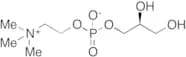
CAS:Purity:95.0%Molecular weight:354.406005859375(S)-α-Glycerophosphocholine
CAS:Controlled Product<p>Stability Hygroscopic<br>Applications α-Glycerylphosphorylcholine is a parasympathomimetic acetylcholine precursor which may have potential for the treatment of Alzheimer's disease and other dementias.<br>References Moreno, M., et al.: Clin. Ther., 25, 178 (2003); Parnetti, L., et al.: J. Neurol. Sci., 257, 264 (2007); Doggrell, S., et al.: Expert Opin. Investig. Drugs, 12, 1633 (2003)<br></p>Formula:C8H20NO6PColor and Shape:NeatMolecular weight:257.228-ethyl-4-(2-methoxybenzoyl)-1-oxa-4,8-diazaspiro[4.5]decane-3-carboxylic acid
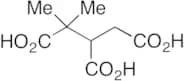
CAS:Purity:95.0%Molecular weight:348.398986816406253-Methylbutane-1,2,3-tricarboxylic Acid
CAS:Controlled Product<p>Applications 3-Methylbutane-1,2,3-tricarboxylic Acid is an atmospheric oxidation product of α-pinene that is a tracer compound for atmospheric terpene secondary organic aerosol (SOA) particles.<br> Not a dangerous good if item is equal to or less than 1g/ml and there is less than 100g/ml in the package<br>References Dette, H.P., et. al.: J. Phys. Chem. A., 118, 7024 (2014)<br></p>Formula:C8H12O6Color and Shape:NeatMolecular weight:204.184-Methoxy-2-methylaniline
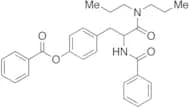
CAS:Controlled ProductFormula:C8H11NOColor and Shape:NeatMolecular weight:137.18N,O-Dibenzoyl-DL-tyrosyl-N’,N’-dipropylamide
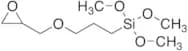
CAS:Controlled Product<p>Applications N,O-Dibenzoyl-DL-tyrosyl-N',N'-dipropylamide is a metabolite of the antispasmodic agent Tiropramide (T446900). Tiropramide impurity B.<br>References Janssen, et al.: J. Pharm. Pharmacol., 9, 381 (1956), Bertaccini, et al.: Br. J. Pharmac., 34, 310 (1968),<br></p>Formula:C29H32N2O4Color and Shape:White To Light RedMolecular weight:472.583-Glycidoxypropyltrimethoxysilane
CAS:Controlled Product<p>Stability Moisture Sensitive<br>Applications 3-Glycidoxypropyltrimethoxysilane (cas# 2530-83-8) is a useful research chemical.<br></p>Formula:C9H20O5SiColor and Shape:NeatMolecular weight:236.34N-Acetyl-L-cysteine-d3
CAS:Controlled Product<p>Stability Hygroscopic<br>Applications A labelled metabolite of Methyl isocyanate.<br>References Slatter, J. G., et al.: Chem. Res. Toxicol., 4, 157 (1991),<br></p>Formula:C52H3H6NO3SColor and Shape:Off-WhiteMolecular weight:166.21N'-Methyl-N,N-diphenylurea
CAS:<p>Impurity Temozolomide USP Related Compound B<br>Applications N'-Methyl-N,N-diphenylurea is used in the stabilization of thermal propellants. Temozolomide USP Related Compound B.<br>References Bohn, M. et al.: Prop. Exp. Pyro.,et al.: 19, 266 (1994); Muthurajan, H. et al.: J. Hazard. Mat., 133, 30 (2006);<br></p>Formula:C14H14N2OColor and Shape:NeatMolecular weight:226.272-Methoxyphenylsulfate Potassium Salt
CAS:Controlled Product<p>Applications 2-Methoxyphenylsulfate is used in the analysis of alkylsulfatases and their kinetics.<br>References Bateman, T. et al.: Biochem. J., 236, 401 (1986);<br></p>Formula:C7H8O5S·KColor and Shape:White To Off-WhiteMolecular weight:204.22-Methyldibenzothiophene
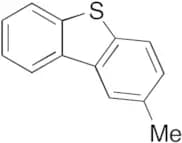
CAS:Controlled Product<p>Applications 2-Methyldibenzothiophene, is an alkyldibenzothiophene present in crude oil. Research concerning the biodegradation of Dibenzothiophene by different types of bacteria is a currently being carried out, as these bacteria have the ability to breakdown other harmful PAH’s as well. This may be used in removing spilled oil from marine and terrestrial environments.<br>References Boberg, F., et al.: Erdoel & Kohle, Erdgas, Petrochemie, 47, 187 (1994); Tanaka, Y., et al.: Applied Microbiology and Biotech., 59 (2), 325 (2002); Prince, R., Spill Sci. Tech. Bulletin, 8 (2), 145 (2003);<br></p>Formula:C13H10SColor and Shape:NeatMolecular weight:198.282-Methylindazole-3-carboxylic Acid
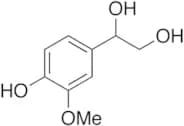
CAS:Controlled Product<p>Applications A reagent used to synthesize 5-HT2A and 5-HT3 receptor ligands for use in treating CNS-related disorders.<br>References Bermudez, J., et al.: J. Med. Chem., 33, 1924 (1990),<br></p>Formula:C9H8N2O2Color and Shape:NeatMolecular weight:176.17rac 4-Hydroxy-3-methoxyphenylethylene Glycol
CAS:Controlled Product<p>Stability Hygroscopic<br>Applications A metabolite of Catecholamines.<br>References Kopin, I.J., et al.: J. Biol. Chem., 236, 2109 (1961), Short, F.W., et al.: J. Med. Pharm. Chem., 5, 642 (1962)<br></p>Formula:C9H12O4Color and Shape:White To Off-WhiteMolecular weight:184.19Ethyl 5-Methyl-6-oxo-5,6-dihydro-4H-benzo[f]imidazo[1,5-a][1,4]diazepine-3-carboxylate
CAS:Controlled Product<p>Impurity Flumazenil EP Impurity E<br>Applications Ethyl 5-Methyl-6-oxo-5,6-dihydro-4H-benzo[f]imidazo[1,5-a][1,4]diazepine-3-carboxylate (Flumazenil EP Impurity E) is used in the biological studies and preparation of imidazobenzodiazepines as probes for diazepaminsensitive receptor pharmacophore.<br>References Zhang, P., et al.: J. Med. Chem., 38, 1679 (1995)<br></p>Formula:C15H15N3O3Color and Shape:NeatMolecular weight:285.30C2 Ceramide
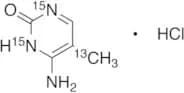
CAS:Controlled Product<p>Stability Moisture Sensitive<br>Applications A biologically active, cell permeable, but nonphysiologic ceramide analog. It inhibits cell proliferation and induces monocytic differentiation of HL-60 cells and induces apoptosis. It stimulates protein phosphatase 2A and activates MAP Kinase2.<br>References Inoue, T., et al.: J. Biol. Chem., 284, 9566 (2009), Kang, J., et al.: Bioorg. Med. Chem., 17, 1498 (2009), Rath, G., et al.: Int. J. Biochem. Cell Biol., 41, 1165 (2009),<br></p>Formula:C20H39NO3Color and Shape:Off White PowderMolecular weight:341.535-Methyl Cytosine-13C,15N2 Hydrochloride
CAS:<p>Applications A labelled derivative of Dibarbituric acid.<br>References Hitchings, G.H., et al.: J. Biol. Chem., 177, 357 (1949),<br></p>Formula:CC4H715N2NO·ClHColor and Shape:NeatMolecular weight:164.57(2R)-2-Hydroxyglutaric Acid Disodium Salt
CAS:<p>Stability Hygroscopic<br>Applications A potential inhibitor of glutamate carboxypeptidase.<br>References Wolcott, T.G., et al.: Biochem. Biophys. Res. Commun., 57, 709 (1974), Knowles, P.F., et al.: Eur. J. Biochem., 114, 139 (1981),<br></p>Formula:C5H6O5·2NaColor and Shape:NeatMolecular weight:192.082-(((1S,2R,4S)-4-(DIMETHYLCARBAMOYL)-2-(5-METHYL-4,5,6,7-TETRAHYDROTHIAZOLO[5,4-C]PYRIDINE-2-CARBOXAMIDO)CYCLOHEXYL)AMINO)-2-OXOACETIC ACID
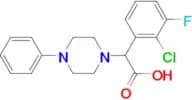
CAS:Purity:95%Molecular weight:437.51998901367192-(2-Chloro-3-fluorophenyl)-2-(4-phenylpiperazin-1-yl)acetic acid
CAS:Molecular weight:348.799987792968752-(3,4-Diethoxyphenyl)ethanamine
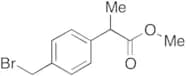
CAS:Controlled Product<p>Applications 2-(3,4-Diethoxyphenyl)ethanamine is a useful intermediate in the preparation of Drotaverine hydrochloride, an antispasmodic drug arising from papaverine class of biologically active compounds.<br>References Turks, M., et al.: Rigas Tehniskas Universitates Zinatniskie Raksti, Serija 1: Materialzinatne un Lietiska Kimija, 23, 107 (2011)<br></p>Formula:C12H19NO2Color and Shape:NeatMolecular weight:209.284-(Bromomethyl)-α-methyl-benzeneacetic Acid Methyl Ester
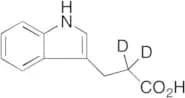
CAS:Controlled ProductFormula:C11H13BrO2Color and Shape:NeatMolecular weight:257.1243-Indolepropionic-d2 Acid
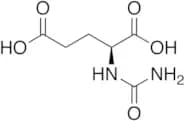
CAS:Controlled Product<p>Stability Hygroscopic<br>Applications 3-Indolepropionic-d2 acid is deuterium labelled 3-Indolepropionic acid (I627170). 3-Indolepropionic acid is a deamination product of Tryptophan (T947200) that protects the hippocampus (studied in gerbils) from ischemic damage and oxidative stress. It’s ability to protect the neurons in this way is attributed to its potent antioxidative effects. 3-Indolepropionic acid is also hypothesized to have protective effects on the thyroid gland.<br>References Hwang, I., et al.: J. Neurosci. Res., 87, 2126 (2009); Karbownik, M., et al.: J. Cell. Biochem., 95, 131 (2005)<br></p>Formula:C11D2H9NO2Color and Shape:NeatMolecular weight:191.22N-Carbamyl-L-glutamic Acid
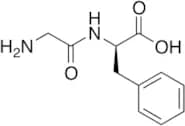
CAS:Controlled Product<p>Applications N-Carbamyl-L-glutamic Acid has been shown to have protective effects against ammonia intoxication and is used in the treatment of acute hyperammonemia.<br>References Paik, W.K. et al.: Life Sci., 15, 1189 (1974); O'Connor, J.E. et al.: Eur. J. Pediat., 148, 540 (1989); Lee, J.H. et al.: Biochem. Biophys. Res. Chem., 248, 391 (1998);<br></p>Formula:C6H10N2O5Color and Shape:NeatMolecular weight:190.15Glycyl-D-phenylalanine
CAS:Controlled Product<p>Applications Glycyl-D-phenylalanine (cas# 34258-14-5) is a useful research chemical.<br></p>Formula:C11H14N2O3Color and Shape:NeatMolecular weight:222.24L-Hydroxyprolylglycine
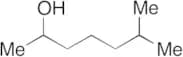
CAS:Controlled Product<p>Applications L-Hydroxyprolylglycine_x000D__x000D (cas# 7672-35-7) is a useful research chemical.<br></p>Formula:C7H12N2O4Color and Shape:NeatMolecular weight:188.186-Methyl-2-heptanol
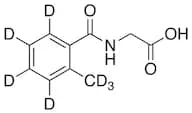
CAS:Controlled Product<p>Applications 6-Methyl-2-heptanol is an intermediate used to prepare tri- and tetrasubstituted imidazoles as highly potent and specific ATP-mimetic inhibitors of p38 MAP kinase.<br>References Laufer, S., et al.: J. Med. Chem., 51, 4122 (2008)<br></p>Formula:C8H18OColor and Shape:NeatMolecular weight:130.232-Methyl Hippuric Acid-d7
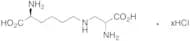
CAS:Controlled Product<p>Applications The main labelled metabolite of o-xylene.<br>References Gregus, Z., et al.: Drug Metab. Dispos., 26, 1082 (1998), Gregus, Z., et al.: Xenobiotica, 29, 547 (1999), Gonzalez-Reche, L., et al.: Arch. Toxicol., 77, 80 (2003),<br></p>Formula:C10D7H4NO3Color and Shape:NeatMolecular weight:200.24Lysinoalanine Hydrochloride Salt
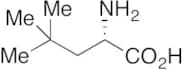
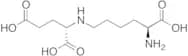
CAS:Controlled Product<p>Applications This not naturally occurring amino acid was first observed after alkali treatment of different proteins. Synthetic Lysinoalanine was found to have a strong chelating ability for metals.<br>References Schwass, D., et al.: J. Agric. Food Chem., 32, 1377 (1984), Ahmed, M., et al.: J. Biol. Chem., 261, 8816 (1986), Wells-Knecht, K., et al.: Biochem., 34, 3702 (1995),<br></p>Formula:C9H19N3O4·xHClColor and Shape:NeatMolecular weight:306.19L-Leucine
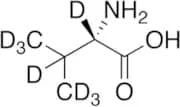
CAS:Controlled Product<p>Applications L-Leucine is an essential amino acid. L-Leucine acts as a nutrient signal to stimulate protein synthesis. It has also activates the mammalian target of rapamycin kinase that regulates cell growth.<br>References Demant, T. et al.: Am. J. Physiol., 270, E1022 (1996); Diraison, F. et al.: Am. J. Physiol., 277, E529 (1999); Suryawan, A. et al.: J. Anim. Sci., 89, 2004 (2011); Peyrollier, K. et al.: Biochem. J., 350, 361 (2000);<br></p>Formula:C6H13NO2Color and Shape:NeatMolecular weight:131.17L-Valine-d8
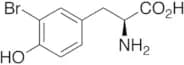
CAS:Controlled Product<p>Applications Labelled analogue of L-Vailne. L-Valine is an essential amino acid and one of 20 proteinogenic amino acids. L-Valine cannot be manufactured by the body and must be acquired through diet or supplementation. L-valine is found in grains, dairy products, mushrooms, meats, peanuts and soy proteins. L-Valine has been used in studies to attenuate arrhythmias and induce hypotensive effects.<br>References Choi, C.W. et al.: Anim. Feed Sci. Technol., 102, 15 (2002); Kolarski, D. et al.: Krmiva, 30, 155 (1988); Oba, M. et al.: J. Dairy Sci., 93, 2044 (2010); Mitrega, K. et al.: Pharmacol. Res., 64, 218 (2011);<br></p>Formula:C52H8H3NO2Color and Shape:NeatMolecular weight:125.203-Bromo-L-tyrosine
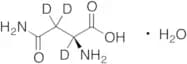
CAS:Controlled Product<p>Applications 3-Bromo-L-tyrosine is used in the preparation and synthesis of polyclonal antibodies that work against brominated protein related allergic responses and afflictions. Also effective in asthma control and prediction in children.<br>References Kambayashi, Y. et al.: J. Clin. Biochem., 44, 95 (2009); Wedes, S. et al.: J. Ped., 159, 248 (2011);<br></p>Formula:C9H10BrNO3Color and Shape:White To Light BrownMolecular weight:260.08L-Asparagine-d3 Hydrate
CAS:Controlled Product<p>Applications L-Asparagine-d3 Hydrate is an isotope labelled L-Asparagine Hydrate, a naturally occurring amino acid that is not a essential for humans and can be synthesized from central metabolic pathway intermediates.<br>References Burda, P., et al.: Biochim. Biophys. Acta., 1426, 239 (1999); Yamane, H., et al.: Animal. Sci. J., 80, 286 (2009);<br></p>Formula:C4D3H5N2O3·H2OColor and Shape:White To Off-WhiteMolecular weight:153.1517(S)-3-Amino-4-((carboxymethyl)amino)-4-oxobutanoic acid
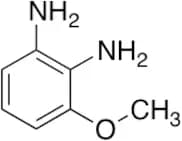
CAS:Purity:95%Molecular weight:190.154998779296883-Methoxybenzene-1,2-diamine
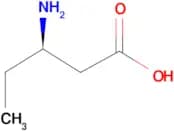
CAS:<p>Applications 3-Methoxybenzene-1,2-Diamine (cas# 37466-89-0) is a useful research chemical.<br> Not a dangerous good if item is equal to or less than 1g/ml and there is less than 100g/ml in the package<br></p>Formula:C7H10N2OColor and Shape:BrownMolecular weight:138.17(R)-3-Amino-pentanoic acid
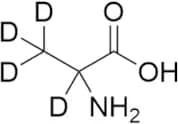
CAS:Formula:C5H11NO2Purity:95%Color and Shape:Solid, Light brown powderMolecular weight:117.1483-Methylbutyric-2,2-d2 Acid
CAS:Controlled Product<p>Applications 3-Methylbutyric-2,2-d2 Acid (CAS# 95927-02-9) is a useful isotopically labeled research compound.<br></p>Formula:C5H8D2O2Color and Shape:NeatMolecular weight:104.151-Azido-2-(2-methoxyethoxy)ethane
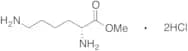
CAS:Controlled Product<p>Applications 1-Azido-2-(2-methoxyethoxy)ethane (cas# 215181-61-6) is a useful research chemical.<br></p>Formula:C5H11NO2Color and Shape:NeatMolecular weight:145.16D-Lysine Methyl Ester Dihydrochloride
CAS:Controlled Product<p>Applications D-Lysine Methyl Ester is a protected form of D-Lysine (L468930). D-Lysine is the unnatural isomer of L-Lysine (L468895) that has the ability to reduce non-enzymatic glycation in vitro. D-Lysine also exists as polypeptide chains of poly-D-lysine, a nonspecific adhesion-promoting molecule that has the potential to be a polymeric drug carrier.<br>References Chen, Q. et al.: J. Biol. Chem., 269, 26602 (1994); Sensi, M., et al.: Diabetologia, 36, 797 (1993); Vermeersch, H. & Remon, J.: J. Control. Rel., 32, 225 (1994)<br></p>Formula:C7H16N2O2HClColor and Shape:NeatMolecular weight:233.1362-Amino-5-butyl-6-methylpyrimidin-4(3H)-one
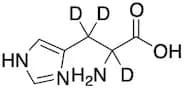
CAS:<p>Applications 2-amino-5-butyl-6-methylpyrimidin-4(3H)-one (cas# 4038-64-6) is a useful research chemical.<br></p>Formula:C9H15N3OColor and Shape:White To Off-WhiteMolecular weight:181.23DL-Histidine-α,β,β-d3
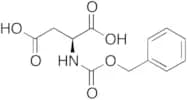
CAS:Controlled Product<p>Applications DL-Histidine-alpha,beta,beta-d3 (CAS# 344299-50-9) is a useful isotopically labeled research compound.<br></p>Formula:C6D3H6N3O2Color and Shape:Off-White To BeigeMolecular weight:158.18N-Cbz-L-aspartic Acid
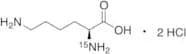
CAS:Controlled Product<p>Applications N-Cbz-L-aspartic acid is an N-Cbz-protected form of L-Aspartic acid (A790024). L-Aspartic acid is a nonessential amino acid that is used to biosynthesize other amino acids within the human body. L-Aspartic acid also increases membrane conductance of mammalian neurons by voltage-dependent means, causing depolarization and nerve impulses that travel to key areas of the central nervous system.<br>References Anderson, H., et al.: J. Nutr., 99, 82 (1969); Honey, C., et al.: Neurosci. Lett., 61, 135 (1985); MacDonald, J., et al.: Brain Res., 237, 248 (1982)<br></p>Formula:C12H13NO6Color and Shape:White To Off-WhiteMolecular weight:267.23L-Lysine-15N Dihydrochloride Salt
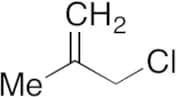
CAS:Formula:C6H14N15NO2•2(HCl)Color and Shape:NeatMolecular weight:147.18236463-Chloro-2-methyl-1-propene
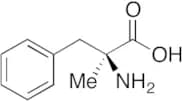
CAS:<p>Applications 3-Chloro-2-methyl-1-propene has been used in the synthesis of 2-S-substituted pyrimidines as antimetabolites of nucleic acid precursors for cancer therapy.<br> Not a dangerous good if item is equal to or less than 1g/ml and there is less than 100g/ml in the package<br>References Kaldrikyan, M.A., Melik-Ohanjanyan, R.G.: Hayastani Kimiakan Handes, 67, 321 (2014)<br></p>Formula:C4H7ClColor and Shape:NeatMolecular weight:90.55α-Methyl-L-phenylalanine
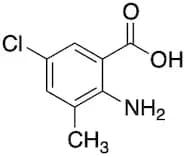
CAS:Controlled Product<p>Applications α-Methyl-L-phenylalanine is used to prepare hippuryl-α-methylphenylalanine and hippuryl-α-methylphenyllactic acid as substrates for carboxypeptidase A. It is also used in the synthesis of high affinity tachykinin NK2 receptor antagonists.<br>References Lee, M., et al.: Bioorg. Med. Chem., 8, 815 (2000); Boyle, S., et al.: Bioorg. Med. Chem., 2, 101 (1994)<br></p>Formula:C10H13NO2Color and Shape:NeatMolecular weight:179.222-Amino-5-chloro-3-methylbenzoic Acid
CAS:Controlled Product<p>Applications 2-Amino-5-chloro-3-methylbenzoic Acid is a useful research chemical for the preparation of benzoyl urea containing anthranillic acid groups with insecticidal activity.<br>References Peng, Y., et al.: Nongyao, 48, 326 (2009);<br></p>Formula:C8H8NO2ClColor and Shape:NeatMolecular weight:185.65-Aminolevulinic Acid Methyl Ester Hydrochloride
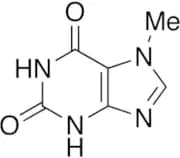
CAS:Controlled Product<p>Applications 5-Aminolevulinic Acid Methyl Ester Hydrochloride, is the methyl ester of Aminolevulinic Acid (ALA) (A611780), which has been shown to have higher lipophilicity, and to be highly efficient at inducing protoporphyrin IX (PpIX) production in cell culture.<br>References Morrow, D. I. J., et al.: J. Pharmac. Sci., 99, 3486 (2010); Peng, Q., et al.: Cancer, 79, 2282 (1997);<br></p>Formula:C6H11NO3·HClColor and Shape:NeatMolecular weight:181.627-Methyl Xanthine
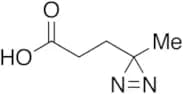
CAS:Controlled Product<p>Applications Metabolite of Theophylline and Caffeine.<br>References Yu, Ch. et al.: J. Bacteriol. 191, 4624 (2009); Geraets, L. et al.: Biochem. Pharmacol. 72, 902 (2006).<br></p>Formula:C6H6N4O2Color and Shape:NeatMolecular weight:166.143-Methyl-diazirine-3-propanoic Acid
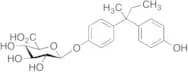
CAS:Controlled Product<p>Stability Light Sensitive<br>Applications 3-Methyl-diazirine-3-propanoic Acid is a reagent used in crosslinking sugars and photoactivatable crosslinking.<br>References Tanaka, Y. et al.: J. Am. Chem. Soc., 130, 3278 (2008);<br></p>Formula:C5H8N2O2Color and Shape:NeatMolecular weight:128.13Bisphenol B Mono-b-D-glucuronide
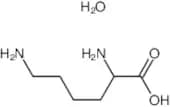
<p>Applications Bisphenol B Mono-β-D-glucuronide is a metabolite of Bisphenol B (B519565), which is the analogue of Bisphenol A (B519495), that is used to make certain plastic an epoxy resins. BPA and its analogs, are also shown to activate human pregnane X receptor (PXR), a nuclear receptor that functions as a master regulator of xenobiotic metabolism.<br>References Krishnan, A.V., et al.: Endocrinology, 132, 2279 (1993); Steinmetz, R., et al.: Trends Endocrinol. Metab., 9, 124 (1998); Petersen, H., et al.: Eur. Food Res. Technol., 216, 355 (2003); Yipeng, S., et al.: Env Hea. Pers., 120, 399 (2012);<br></p>Formula:C22H26O8Color and Shape:White To Off-WhiteMolecular weight:418.44Dl-lysine Monohydrate
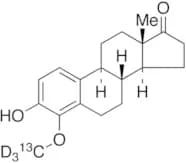
CAS:Controlled Product<p>Applications Dl-lysine monohydrate<br></p>Formula:C6H14N2O2·H2OColor and Shape:NeatMolecular weight:164.204-Methoxy Estrone-13C,d3
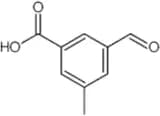
CAS:Controlled Product<p>Applications Labelled 4-Methoxyestrone (M226135). An endogenous estrogen metabolite, risk-factor for development of breast cancer.<br>References Beral, V., et al.: Lancet, 362, 419 (2003), Nelson, R., et al.: Clin. Chem., 50, 373 (2004), Malekinejad, H., et al.: J. Agric. Food Chem., 54, 9785 (2006),<br></p>Formula:CC182H3H21O3Color and Shape:Off-White To Light YellowMolecular weight:304.403-Formyl-5-methylbenzoic Acid
CAS:Controlled Product<p>Applications 3-Formyl-5-methylbenzoic Acid<br></p>Formula:C9H8O3Color and Shape:NeatMolecular weight:164.161-Amino-2-Methylnaphthalene
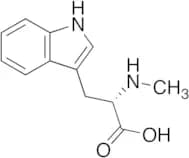
CAS:<p>Applications 1-AMINO-2-METHYLNAPHTHALENE (cas# 2246-44-8) is a useful research chemical.<br></p>Formula:C11H11NColor and Shape:NeatMolecular weight:157.21L-Abrine
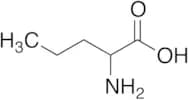
CAS:Controlled Product<p>Applications L-Abrine is an indoleamino acid that displays radical scavenging and antioxidant properties.<br>References Yang, M., et al.: Food. Funct., 5, 2268 (2014);<br></p>Formula:C12H14N2O2Color and Shape:Off-WhiteMolecular weight:218.2518DL-norvaline
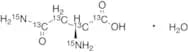
CAS:<p>Applications Norvaline, a hydrogen analogs of an amino acid, was found to be racemates from the Murchison meteorite show. Norvaline was used in chiral separation by electrokinetic chromatography.<br>References Cronin, J., et al.: Science, 275, 951 (1997); Pizzarello, S., et al.: Geochim. Cosmochim. Acta., 64, 329 (2000); Gerabe, S., et al.: J. Chromatogr., 480, 403 (1989);<br></p>Formula:C5H11NO2Color and Shape:NeatMolecular weight:117.15L-Asparagine-13C4, 15N2 Hydrate
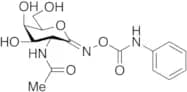
CAS:Controlled ProductFormula:C4H815N2O3H2OColor and Shape:NeatMolecular weight:138.081802Galacto-PUGNAc (>90%)
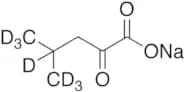
CAS:Controlled Product<p>Stability Moisture and Temperature Sensitive<br>Applications Galacto-PUGNAc is a highly selective inhibitor for β-hexosaminidases HEXA and HEXB is cell-permeable. Galacto-PUGNAc is able to modulate the activity of HEXA and HEXB in tissue culture, increasing ganglioside GM2 levels in neuroblastoma cells<br>References Stubbs, K.A. et al.: Angew. Chem. Int. Ed., 48, 1300 (2009);<br></p>Formula:C15H19N3O7Purity:>90%Color and Shape:NeatMolecular weight:353.334-Methyl-2-oxovaleric Acid-d7 Sodium Salt
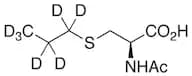
CAS:Controlled Product<p>Applications Labelled 4-Methyl-2-oxovaleric Acid, an α-ketomonocarboxylic acid that triggers insulin release by acting upon receptor sites which differ from those occupied by amino acids. 4-Methyl-2-oxovaleric Acid is an intermediate in the metabolism of Leucine.<br>References Panten, U. et al.: Naun.-Schmied. Arch. Pharmacol., 291, 405 (1975); Vague, P. et al.: Diab. Metab., 1, 185 (1975); Francois, G. et al.: Lancet, 1, 858 (1984);<br></p>Formula:C62H7H2O3·NaColor and Shape:NeatMolecular weight:159.17N-Acetyl-S-(propyl-d7)-L-cysteine
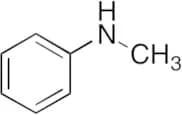
CAS:Controlled ProductFormula:C8D7H8NO3SColor and Shape:Off-WhiteMolecular weight:212.32N-Methylaniline
CAS:Controlled Product<p>Applications N-Methylaniline is used as an additive in gasoline because of its antiknock properties.<br> Not a dangerous good if item is equal to or less than 1g/ml and there is less than 100g/ml in the package<br>References Liu, Li-jun, et al.: Huaxue Shiji, 37(1), 53-55, 96 (2015); Qin, Li-xia, et al.: Guangzhou Huagong, 43(8), 138-139, 148 (2015);<br></p>Formula:C7H9NColor and Shape:NeatMolecular weight:107.151-Chloro-3-methoxypropane
CAS:Controlled Product<p>Applications 1-Chloro-3-methoxypropane (cas# 36215-07-3) is a compound useful in organic synthesis.<br></p>Formula:C4H9ClOColor and Shape:NeatMolecular weight:108.57L-Anserine Nitrate Salt
CAS:Controlled Product<p>Applications L-Anserine Nitrate Salt (cas# 10030-52-1) is a compound useful in organic synthesis.<br></p>Formula:C10H16N4O3·HNO3Color and Shape:NeatMolecular weight:303.274-bromo-2-(3-hydroxyazetidin-1-yl)benzo[d]thiazole-6-carboxylic acid
CAS:Purity:95.0%Molecular weight:329.1700134277344L-Saccharopine
CAS:<p>Stability Hygroscopic<br>Applications L-Saccharopine is a product of breakdown of essential amino acid Lysine (L468895). Saccharopine is also part of the α-aminoadipate pathway of fungal lysine biosynthesis.<br>References Higashino, K., et al.: Biochem. Biophys. Res. Commun., 20, 285 (1965); Johansson, E., et al.: Structure, 8, 1037 (2000)<br></p>Formula:C11H20N2O6Color and Shape:NeatMolecular weight:276.295-Methoxyindole-3-acetic Acid
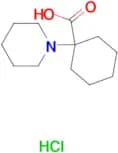
CAS:Controlled Product<p>Applications 5-Methoxyindole-3-acetic Acid is a chemical reagent used in the analysis of the physiological properties of auxins.<br>References Ferro, N. et al.: J. Clin.Info. Model., 46, 1751 (2006);<br></p>Formula:C11H11NO3Color and Shape:NeatMolecular weight:205.211-(1-piperidinyl)cyclohexanecarboxylic acid hydrochloride
CAS:Purity:95.0%Molecular weight:247.759994506835944-(4-methyl-3-nitrobenzoyl)-8-propyl-1-oxa-4,8-diazaspiro[4.5]decane-3-carboxylic acid
CAS:Purity:95.0%Molecular weight:391.42401123046875N-Methylsuccinimide
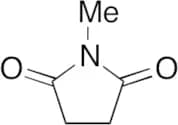
CAS:<p>Applications N-Methylsuccinimide is used as a model compound to investigate the mechanism of enolization step by density-functional theory (DFT) calculations. N-Methylsuccinimide is a metabolite of N-methyl-2-pyrrolidone (NMP) and its presence in plasma and urine can be used as a biomarker of exposure to NMP<br>References Takahashi, O., et al.: Chem. Biodivers., 7, 1349 (2010)<br></p>Formula:C5H7NO2Color and Shape:Off-WhiteMolecular weight:113.11L-Ornithine-2,3,3,4,4,5,5-d7 hydrochloride
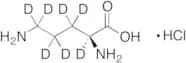
CAS:Controlled Product<p>Applications L-Ornithine-2,3,3,4,4,5,5-d7 hydrochloride is the labelled analogue of L-Ornithine Hydrochloride (O695550), a non-essential amino acid for human development but is required intermediate in arginine biosynthesis. L-Ornithine is found in virtually all vertebrate tissues as well as incorporated into proteins, such as tyrocidine. Isolation from chicken excreta.<br>References Fattori, D., et al.: J. Med. Chem., 50, 550 (2007), Gomez-Alonso, S., et al.: J. Agric. Food Chem., 55, 608 (2007), Subramaniam, R., et al.: Bioorg. Med. Chem. Lett., 18, 3333 (2008),<br></p>Formula:C5D7H5N2O2·ClHColor and Shape:NeatMolecular weight:175.1104926088Ethyl 2-Chloro-2-(2-(4-methoxyphenyl)hydrazono)acetate
CAS:Controlled Product<p>Applications Ethyl 2-chloro-2-(2-(4-methoxyphenyl)hydrazono)acetate (cas# 27143-07-3) is a useful research chemical.<br></p>Formula:C11H13N2O3ClColor and Shape:NeatMolecular weight:256.68D-Serine
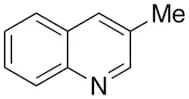
CAS:Controlled Product<p>Applications A proteinogenic amino acids involved in the biosynthesis of purines and pyrimidines. Inhibitor of serine palmitoyltransferase. A neuromodulator.<br>References Junjaud, G. et al.: J. Neurochem., 98, 1159 (2006); Hanada, K. et al.: FEBS Lett., 474, 63 (2000); Pollegionni, L. et al.: Cell. Mol. Life Sci., 67, 2387 (2010);<br></p>Formula:C3H7NO3Color and Shape:NeatMolecular weight:105.093-Methylquinoline
CAS:Controlled Product<p>Applications It can be degraded efficiently by the QL-degrading bacteria.<br>References Shukla, O., et al.: Microbios., 59, 47 (1989), Oh, Y; Biotechnol Bioeng 1994, 44, 533,,,<br></p>Formula:C10H9NColor and Shape:NeatMolecular weight:143.193-Bromo-8-chloro-1,5-naphthyridine
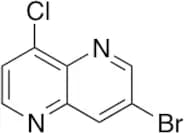
CAS:Controlled ProductFormula:C8H4BrClN2Color and Shape:NeatMolecular weight:243.4888-ethyl-4-(naphthalene-2-carbonyl)-1-oxa-4,8-diazaspiro[4.5]decane-3-carboxylic acid
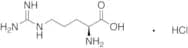
CAS:Purity:95.0%Molecular weight:368.4330139160156L-Arginine Hydrochloride
CAS:<p>Applications An essential amino acid for human development. Precursor for nitric oxide. Ammonia detoxicant (hepatic failure); diagnostic aid (pituitary function).<br>References Miura, T., et al.: Anal. Biochem., 139, 432 (1984), Jones, et al.: Adv. Enzyme Regul., 9, 19 (1970), Borders, C.L., et al.: Protein. Sci., 3, 541 (1994),<br></p>Formula:C6H14N4O2·ClHColor and Shape:NeatMolecular weight:210.66

![6-(METHYLAMINO)IMIDAZO[1,2-B]PYRIDAZINE-3-CARBOXYLIC ACID](/_next/image/?url=https%3A%2Fstatic.cymitquimica.com%2Fproducts%2F10%2Fthumb-webp%2FF530530.webp&w=3840&q=75)


![6-[(E)-4-Hydroxy-3-methylbut-2-enylamino]-9-β-D-ribofuranosylpurine](/_next/image/?url=https%3A%2Fstatic.cymitquimica.com%2Fproducts%2FTR%2Fthumb-webp%2FH946500.webp&w=3840&q=75)
![1-[6-(methylsulfonyl)-1,3-benzothiazol-2-yl]azetidine-3-carboxylic acid](/_next/image/?url=https%3A%2Fstatic.cymitquimica.com%2Fproducts%2F10%2Fthumb-webp%2FF495394.webp&w=3840&q=75)



![2,4,8,10-Tetraoxaspiro[5.5]undecane-3,9-diylbis(2-methylpropane-2,1-diyl) bis(3-(3-(tert-butyl)-4-…](/_next/image/?url=https%3A%2Fstatic.cymitquimica.com%2Fproducts%2FTR%2Fthumb-webp%2FT306005.webp&w=3840&q=75)
![8-methyl-4-(naphthalene-1-carbonyl)-1-oxa-4,8-diazaspiro[4.5]decane-3-carboxylic acid](/_next/image/?url=https%3A%2Fstatic.cymitquimica.com%2Fproducts%2F10%2Fthumb-webp%2FF525637.webp&w=3840&q=75)
![8-ethyl-4-(2-methoxybenzoyl)-1-oxa-4,8-diazaspiro[4.5]decane-3-carboxylic acid](/_next/image/?url=https%3A%2Fstatic.cymitquimica.com%2Fproducts%2F10%2Fthumb-webp%2FF525696.webp&w=3840&q=75)




![Ethyl 5-Methyl-6-oxo-5,6-dihydro-4H-benzo[f]imidazo[1,5-a][1,4]diazepine-3-carboxylate](/_next/image/?url=https%3A%2Fstatic.cymitquimica.com%2Fproducts%2FTR%2Fthumb-webp%2FE923525.webp&w=3840&q=75)

![(3-methylphenyl)[4-(4-methylphenyl)piperazin-1-yl]acetic acid](/_next/image/?url=https%3A%2Fstatic.cymitquimica.com%2Fproducts%2F10%2Fthumb-webp%2FF300221.webp&w=3840&q=75)

![2-(((1S,2R,4S)-4-(DIMETHYLCARBAMOYL)-2-(5-METHYL-4,5,6,7-TETRAHYDROTHIAZOLO[5,4-C]PYRIDINE-2-CARBO…](/_next/image/?url=https%3A%2Fstatic.cymitquimica.com%2Fproducts%2F10%2Fthumb-webp%2FF816177.webp&w=3840&q=75)











![4-bromo-2-(3-hydroxyazetidin-1-yl)benzo[d]thiazole-6-carboxylic acid](/_next/image/?url=https%3A%2Fstatic.cymitquimica.com%2Fproducts%2F10%2Fthumb-webp%2FF496137.webp&w=3840&q=75)

![4-(4-methyl-3-nitrobenzoyl)-8-propyl-1-oxa-4,8-diazaspiro[4.5]decane-3-carboxylic acid](/_next/image/?url=https%3A%2Fstatic.cymitquimica.com%2Fproducts%2F10%2Fthumb-webp%2FF525734.webp&w=3840&q=75)

![8-ethyl-4-(naphthalene-2-carbonyl)-1-oxa-4,8-diazaspiro[4.5]decane-3-carboxylic acid](/_next/image/?url=https%3A%2Fstatic.cymitquimica.com%2Fproducts%2F10%2Fthumb-webp%2FF525687.webp&w=3840&q=75)