Amino Acids (AA)
Amino acids (AAs) are the fundamental building blocks of proteins, playing a crucial role in various biological processes. These organic compounds are essential for protein synthesis, metabolic pathways, and cell signaling. In this category, you will find a comprehensive range of amino acids, including essential, non-essential, and modified forms, which are vital for research in biochemistry, molecular biology, and nutritional sciences. At CymitQuimica, we provide high-quality amino acids to support your research and development needs, ensuring accuracy and reliability in your experimental outcomes.
Subcategories of "Amino Acids (AA)"
- Amino Acid Derivatives(3,957 products)
- Amino Acid and Amino Acid Related Compounds(3,472 products)
- Amino Acids with Oxygen or Sulphur(168 products)
- Boc- Amino Acids(351 products)
- Fmoc Amino Acids(1,710 products)
Found 38265 products of "Amino Acids (AA)"
Sort by
Purity (%)
0
100
|
0
|
50
|
90
|
95
|
100
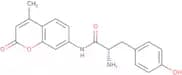
H-Tyr-AMC
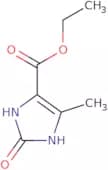
CAS:<p>H-Tyr-AMC is a synthetic substrate that is used in the study of serine proteases. It is reversibly bound to Sephadex G-100 and is hydrolyzed by protease enzymes in an acidic environment, generating an AMC chromatographic peak. This product has been shown to inhibit serine protease activity and, when incubated with the enzyme, reduces the hydrolysis of synthetic substrates. Synthetic H-Tyr-AMC can be used to study the inhibition of serine proteases by various inhibitors and their binding sites on the enzyme.</p>Formula:C19H18N2O4Purity:Min. 99 Area-%Color and Shape:White PowderMolecular weight:338.36 g/molEthyl 5-Methyl-2-oxo-2,3-dihydro-1H-imidazole-4-carboxylate
CAS:<p>Please enquire for more information about Ethyl 5-Methyl-2-oxo-2,3-dihydro-1H-imidazole-4-carboxylate including the price, delivery time and more detailed product information at the technical inquiry form on this page</p>Purity:Min. 90%1,2-Dipalmitoyl-sn-glycero-3-phosphatidic acid sodium
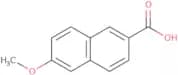
CAS:<p>1,2-Dipalmitoyl-sn-glycero-3-phosphatidic acid sodium (DPPA) is a drug substance that has been used in primary culture to study the cell membrane of hepatocytes. This compound is a phospholipid with a cavity at one end and contains two hydroxy groups that can be conjugated to other molecules. It has been shown to be effective against Hepatitis B virus and mesenchymal stromal cells. DPPA has also been used as an adjuvant for gadolinium contrast agents for magnetic resonance imaging. Gadolinium may bind to the hydroxy groups on DPPA, which increases its birefringence and brightness on MRI scans.</p>Formula:C35H69Na2O8PPurity:Min. 98 Area-%Color and Shape:White PowderMolecular weight:694.87 g/mol6-Methoxy-2-naphthoic acid
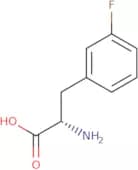
CAS:<p>6-Methoxy-2-naphthoic acid (MN) is a cavity amide that has been shown to have an inhibitory effect on the growth of cancer cells. MN has been found to be more effective in inhibiting β-amyrin than caffeine, which may be due to its increased lipophilicity. It also has a higher affinity for adriamycin and enhances its anticancer effects. MN has been shown to be beneficial in treating diabetic patients, as it can reduce blood glucose levels by stimulating insulin release. The pharmacokinetic properties of MN are similar to those of other cavity amides, with rapid absorption and distribution throughout the body. This compound is metabolized in the liver by CYP2C8, CYP2C9, CYP3A4 and CYP3A5 enzymes. Molecular docking analysis of MN with β-amyrin showed that there was a strong interaction between them due to their complementary shapes and charge distributions</p>Formula:C12H10O3Purity:Min. 98 Area-%Color and Shape:PowderMolecular weight:202.21 g/mol3-Fluoro-L-phenylalanine
CAS:<p>3-Fluoro-L-phenylalanine is a fluorinated analog of the amino acid phenylalanine. It is an endophytic fungus that has been found in the leaves of wheat and rice plants. 3-Fluoro-L-phenylalanine is synthesized by 4-fluoro-l-phenylalanine, a plant metabolite, through the addition of a fluoride ion. This molecule can be used to produce gels with high glass transition temperatures. The synthesis of 3-fluoro-L-phenylalanine and its derivatives can be studied using NMR spectroscopy because these molecules are acidic and have low energy levels.</p>Formula:C9H10FNO2Purity:Min. 95%Color and Shape:White/Off-White SolidMolecular weight:183.18 g/molDL-4-Hydroxy-3-methoxymandelic acid
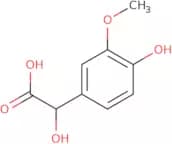
CAS:<p>DL-4-Hydroxy-3-methoxymandelic acid is a metabolite of the catecholamines, norepinephrine and epinephrine. It is found in the blood, urine and cerebrospinal fluid of humans. DL-4-Hydroxy-3-methoxymandelic acid is derived from the amino acid tyrosine. When the body's production of catecholamines exceeds its ability to break them down, these molecules accumulate and are excreted in urine as DL-4-hydroxy-3-methoxymandelic acid or as other metabolites. The concentration of DL-4-hydroxy 3 methoxymandelic acid in urine may be used to diagnose pheochromocytoma or neuroblastoma.</p>Formula:C9H10O5Purity:Min. 95%Color and Shape:White PowderMolecular weight:198.17 g/mol(6α,11β,16α,17α)-6,9-Difluoro-11-hydroxy-16-methyl-spiro[androsta-1,4-diene-17,5'-[1,3]oxathiolane]-2',3,4'-trione
CAS:<p>(6α,11β,16α,17α)-6,9-Difluoro-11-hydroxy-16-methyl-spiro[androsta-1,4-diene-17,5'-[1,3]oxathiolane]-2',3,4'-trione is a fine chemical that can be used as a building block for the synthesis of complex compounds. This compound is also useful as a reagent and specialty chemical. (6α,11β,16α,17α)-6,9-Difluoro-11-hydroxy-16-methyl spiro[androsta-1,4 diene 17.beta., 5'(1'3'oxathiolane)] 2',3',4'-trione has been shown to be an excellent intermediate for organic reactions and may be used as a scaffold in drug design.</p>Formula:C22H24F2O5SPurity:Min. 95%Molecular weight:438.49 g/mol9-Fluoro-11β,17-Dihydroxy-16α-Methyl-3,20-Dioxopregna-1,4-Dien-21-Yl 2-[2-(2-Ethoxyethoxy)Ethoxy]Acetate
CAS:Controlled Product<p>Methylprednisolone is a corticosteroid that has been used for the treatment of many conditions, including asthma and arthritis. It is used to reduce inflammation and suppress the immune system. Methylprednisolone can be administered orally or as an injection. It is also used in the diagnosis of tumours, especially those that are difficult to diagnose by other means. Methylprednisolone may be given together with another drug called dexamethasone, which has synergistic effects. These drugs have been shown to cause death in animals with certain types of tumours. In humans, they can cause cutaneous lesions, such as follicle cysts and tnf-α expression in skin cells. This drug also causes a microsporum infection (a type of fungus) on the skin to grow more rapidly when it is applied topically, resulting in a larger diameter section than untreated areas.</p>Formula:C30H43FO9Purity:Min. 95%Molecular weight:566.66 g/mol(5-Bromo-2-methoxyphenyl)acetone
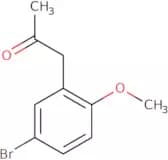
CAS:<p>5-Bromo-2-methoxyphenyl)acetone (BMPA) is a versatile building block used in the synthesis of complex compounds and speciality chemicals. BMPA has been shown to be a useful intermediate for the synthesis of pharmaceuticals, agrochemicals, perfumes, and other products. It is also used as a reagent for research purposes. The compound was first synthesized by the condensation of aniline with acetaldehyde in 1885 by two French chemists, but has since been prepared in various ways. CAS number: 205826-73-9</p>Formula:C10H11BrO2Purity:Min. 95%Molecular weight:243.1 g/molD-Isoserine
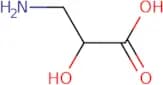
CAS:<p>D-Isoserine is a stereoselective synthetic amino acid that can be used as a structural analog of l-serine. D-Isoserine is synthesized from d-threonine and has been shown to inhibit the bacterial enzyme tyrosine kinase, which is important in cell signaling. D-Isoserine is also being investigated as a treatment for inflammatory diseases such as rheumatoid arthritis and Crohn's disease. The marine sponge Aerogenes sp. produces this compound, which is also produced by the microbial species Aerobacter aerogenes and Staphylococcus aureus.</p>Formula:C3H7NO3Purity:Min. 95%Molecular weight:105.09 g/molFmoc-(R)-3-amino-4-(4-tert-butyl-phenyl)-butyric acid
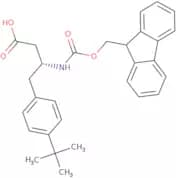
CAS:<p>Fmoc-3-Amino-4-(4-tertbutylphenyl)butyric acid is a versatile building block that can be used in the synthesis of complex compounds. Fmoc-3-Amino-4-(4-tertbutylphenyl)butyric acid is an intermediate for the production of speciality chemicals and reagents. It is also a useful scaffold in chemical reactions, as well as a reaction component. Fmoc-(R)-3-Amino-4-(4-tertbutylphenyl)butyric acid is soluble in ethanol and ether, but insoluble in water.</p>Formula:C29H31NO4Purity:Min. 95%Color and Shape:White To Off-White SolidMolecular weight:457.56 g/mol2-Phenylbenzamide
CAS:<p>2-Phenylbenzamide (2PB) is a drug that belongs to the class of anthelmintics. It binds to the nicotinic acetylcholine receptor and inhibits the release of acetylcholine at neuromuscular junctions, leading to paralysis and death of the parasite. 2PB also has been shown to have anti-inflammatory properties in mice with colitis, which may be due to its ability to inhibit prostaglandin synthesis. The molecular docking analysis showed that 2PB binds covalently with nitro-containing molecules, such as nitrosamines, which are found in cigarette smoke and are known carcinogens. This binding may contribute to the development of cancer through inhibition of DNA repair mechanisms.</p>Formula:C13H11NOPurity:Min. 95%Color and Shape:PowderMolecular weight:197.23 g/molH-Lys(Boc)-AMC
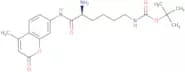
CAS:<p>H-Lys(Boc)-AMC is a useful building block for the synthesis of peptides, nucleic acids, and other complex molecules. It is a fine chemical that can be used as a reagent or speciality chemical in research laboratories. H-Lys(Boc)-AMC is also a versatile building block that can be used to synthesize complex compounds and scaffolds. This compound has been assigned CAS number 222037-62-9.</p>Formula:C21H29N3O5Purity:Min. 95%Color and Shape:PowderMolecular weight:403.47 g/molDextromethorphan
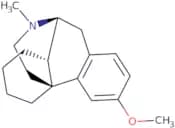
CAS:Controlled Product<p>9-alpha,-14-alpha-3-Methoxy-17-methylmorphinan (914) is a drug that is used in the treatment of bowel disease. It has been shown to inhibit the activity of enzymes such as polymerase chain, which is responsible for DNA replication and repair. 914 also inhibits dextromethorphan, an opioid that is used in cough suppressant medications. The effects of 914 on dextromethorphan are seen in human subjects who have been given the drug intravenously or orally. 914 binds to receptors that are found on cells in the brain and spinal cord, which explains its analgesic properties. This drug can be dangerous when taken with nonsteroidal anti-inflammatory drugs because it can cause kidney damage or failure.</p>Formula:C18H25NOPurity:Min. 95%Color and Shape:PowderMolecular weight:271.4 g/molL-Histidine
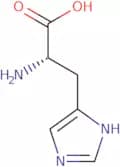
CAS:<p>L-histidine is a molecule that chelates metal ions and inhibits their function. L-Histidine is used as an analytical reagent for the determination of metal ions in water, a polymerase chain reaction (PCR) inhibitor, and an immunosuppressant. L-histidine is also used to treat bowel disease and cancer by inhibiting the production of certain molecules. L-histidine has been shown to bind to toll-like receptor 4 (TLR4) in intestinal cells, which activates the immune system to produce cytokines such as IL-8. In addition, L-histidine can act as a cofactor for enzymes involved in protein synthesis by protecting them from oxidation. L histidine can also be found in the protein that binds with gold particles, forming colloidal gold</p>Formula:C6H9N3O2Color and Shape:White PowderMolecular weight:155.15 g/mol3-Methylbenzanilide
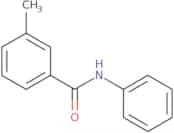
CAS:<p>3-Methylbenzanilide is an efficient and selective nitroarene-based reagent for the synthesis of aldehydes, acyl chlorides, and tetrazoles. It is also an efficient amidation agent for amines. 3-Methylbenzanilide can be prepared by benzoylation of nitroarenes with benzoyl chloride in the presence of aluminium trichloride as catalyst. The reaction proceeds through a series of oxidative steps and yields high yields of the desired product. This compound is used in agrochemicals and other chemical reactions.</p>Formula:C14H13NOPurity:Min. 95%Color and Shape:PowderMolecular weight:211.26 g/mol5-Hydroxy-1-methyl-1H-pyrazole
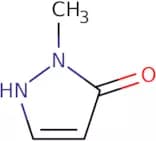
CAS:<p>5-Hydroxy-1-methyl-1H-pyrazole is a chemical compound that is used as a reagent, useful intermediate, and fine chemical. It is a versatile building block and can be used in the synthesis of pharmaceuticals, agrochemicals, dyes, and other chemicals. CAS No. 33641-15-5</p>Formula:C4H6N2OPurity:Min. 95%Color and Shape:Off-White PowderMolecular weight:98.1 g/mol(1R,4S)-4-Amino-2-cyclopentene-1-methanol hydrochloride
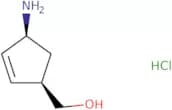
CAS:<p>(1R,4S)-4-Amino-2-cyclopentene-1-methanol hydrochloride is a chemical compound that is used as a building block in the synthesis of other compounds. It is also known to be a speciality chemical and a research chemical. (1R,4S)-4-Amino-2-cyclopentene-1-methanol hydrochloride can be used as an intermediate in the production of fine chemicals, pharmaceuticals and agrochemicals. The compound has been found to have high quality and good purity by the manufacturer.</p>Formula:C6H11NO•HClPurity:Min. 95%Color and Shape:Brown SolidMolecular weight:149.62 g/molThiophene-2-glyoxylic acid
CAS:<p>Thiophene-2-glyoxylic acid is a reactive metabolite of thiophene that is formed from the environmental degradation of this compound. Thiophene-2-glyoxylic acid reacts with halides to form an electrophilic intermediate. This intermediate can react with a variety of nucleophiles, including the drug metabolites, leading to the formation of new compounds. Thiophene-2-glyoxylic acid has been shown to enhance the fluorescence properties of some organic compounds. It also has been shown to inhibit the metabolism of some drugs that are conjugated with acids and can be detected in plasma by mass spectrometry.</p>Formula:C6H4O3SPurity:Min. 95%Color and Shape:PowderMolecular weight:156.16 g/mol(R)-4-(Boc-amino)-3-(Z-amino)butyric acid
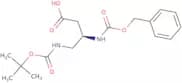
CAS:<p>(R)-4-(Boc-amino)-3-(Z-amino)butyric acid is a synthetic ligand that binds to dna. The binding of this ligand can be monitored by the thermodynamic interaction between the ligand and dna. (R)-4-(Boc-amino)-3-(Z-amino)butyric acid has been shown to bind to the phosphate groups on dna, which are apolar in nature. This ligand also interacts with the vector group of dna, and it has a multivalency of two. It is water soluble and neutral, making it suitable for use in supramolecular chemistry. (R)-4-(Boc-amino)-3-(Z-amino)butyric acid is not very polar and does not have any charges or functional groups that would make it an ionizable species. It can form complexes with carbohydrates because it is neutral, and its interactions with them are</p>Formula:C17H24N2O6Purity:Min. 98 Area-%Color and Shape:PowderMolecular weight:352.38 g/molH-Ala-Arg-AMC hydrochloride
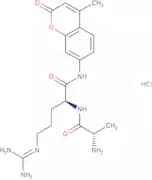
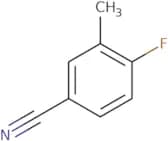
CAS:<p>H-Ala-Arg-AMC hydrochloride is a reagent that can be used in the synthesis of various complex compounds. This reagent is a useful scaffold for high quality research chemicals. It is also a versatile building block, which can be used as an intermediate or a building block. H-Ala-Arg-AMC hydrochloride is easily soluble in organic solvents and has a CAS number of 83363-71-7.</p>Formula:C19H26N6O4·HClPurity:Min. 95 Area-%Color and Shape:PowderMolecular weight:438.91 g/mol4-Fluoro-3-methylbenzonitrile
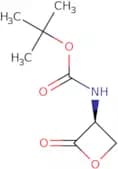
CAS:<p>4-Fluoro-3-methylbenzonitrile (FMN) is a cytostatic agent that inhibits the growth of cancer cells by inhibiting the kinase activity. FMN has been shown to be an effective inhibitor of a number of kinases, including protein kinase C and cAMP-dependent protein kinase. The biological activity of FMN has been demonstrated in both cell culture and animal models. As with other chemotherapeutic agents, the evolution of resistance to FMN is a major concern for its use as a cancer treatment drug.</p>Formula:C8H6FNPurity:Min. 95%Color and Shape:PowderMolecular weight:135.14 g/molBoc-L-serine-b-lactone
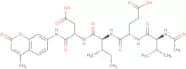
CAS:<p>Boc-L-serine-b-lactone is a chemical compound that can be used as a reagent and reaction component. It can also be used to produce other compounds, such as pharmaceuticals, pesticides, or coatings. Boc-L-serine-b-lactone can be produced in high quality through our advanced manufacturing processes. This chemical is useful for research purposes and has many applications in the production of speciality chemicals. Boc-L-serine-b-lactone is a versatile building block that can also be used as an intermediate or building block to create complex compounds. This chemical is fine and should only be handled by professionals with experience in handling chemicals.</p>Formula:C8H13NO4Purity:Min. 95%Color and Shape:White PowderMolecular weight:187.19 g/molAc-Val-Glu-Ile-Asp-AMC
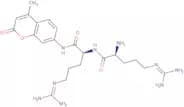
CAS:<p>Ac-Val-Glu-Ile-Asp-AMC is a cell death inducer that is used to study the mechanisms of apoptosis. It has been shown to cause neuronal death in culture and also to inhibit the growth of cultured cells by inducing the activation of caspase-9, which causes protease activity. Ac-Val-Glu-Ile-Asp-AMC has been shown to induce heart function in vivo, as well as to stimulate mitochondrial membrane potential and mitochondrial cytochrome c release. This compound also induces autophagy in vitro and can affect fatty acid metabolism.</p>Formula:C32H43N5O11Purity:Min. 93 Area-%Color and Shape:PowderMolecular weight:673.71 g/molH-Arg-Arg-AMC hydrochloride salt
CAS:<p>H-Arg-Arg-AMC hydrochloride salt is a proteolytic inhibitor that binds to the active site of aminopeptidases and prevents their proteolytic activity. This inhibition leads to increased muscle mass in juveniles, as well as higher concentrations of magnesium ions in sarcoplasmic and myofibrillar proteins. H-Arg-Arg-AMC hydrochloride salt also has an inhibitory effect on ion exchange and chloride transport in muscle cells. The biochemical effects of this drug are due to its ability to inhibit the aminopeptidase enzymes, which play a role in the metabolism of amino acids.</p>Formula:C22H33N9O4Purity:Min. 95%Color and Shape:PowderMolecular weight:487.56 g/molH-Oic-OH
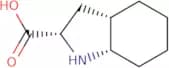
CAS:<p>H-Oic-OH is an enantiopure, stereoselective, chiral molecule that has been used in the synthesis of a cyclohexane ring and allyl carbonate. H-Oic-OH also has a b2 receptor activity and bradykinin b2 binding affinity. H-Oic-OH is an analog for bradykinin b2. The synthesis of H-Oic-OH begins with the reaction of hydrogen chloride and oleum to form hydrochloric acid. This acid is then reacted with allyl alcohol to produce allyl chloride. Allyl chloride can then react with 2 equiv of methyl chloroformate to produce the desired enantiopure, stereoselective, chiral molecule.</p>Formula:C9H15NO2Purity:Min. 95%Color and Shape:White PowderMolecular weight:169.22 g/mol2-Phenyladamantane
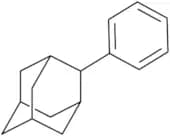
CAS:<p>2-Phenyladamantane is an organic chemical compound. It is a colorless liquid with a sweet aromatic odor. 2-Phenyladamantane has two isomers, one axial and the other equatorial. The axial isomer is more stable than the equatorial isomer because of steric hindrance in the equatorial position. The resonance structures for the axial configuration are shown on the left and those for the equatorial configuration are shown on the right.</p>Formula:C16H20Purity:Min. 98 Area-%Color and Shape:PowderMolecular weight:212.33 g/mol7-Chloro-1,3-dihydro-1-methyl-5-phenyl-2H-1,4-benzodiazepine-2-thione
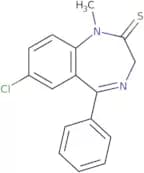
CAS:Controlled Product<p>7-Chloro-1,3-dihydro-1-methyl-5-phenyl-2H-1,4-benzodiazepine-2-thione (7CDMT) is a molecule that has been reconstituted in order to serve as an allosteric modulator. This compound is an analog of diazepam and has the same biological properties. 7CDMT binds to the benzodiazepine site on the GABA receptor and can be used for research purposes. It is a competitive antagonist of GABA at the benzodiazepine site, but also acts as an agonist at the fatty acid site. 7CDMT has been shown to have no effect on fatty alcohols or fatty acids. The activity index of this molecule is 0.913. <br>The product research study was conducted in rats with chronic drug treatment over 60 days and showed that 7CDMT had no observable toxic effects, but did cause convulsions</p>Formula:C16H13ClN2SPurity:Min. 95%Color and Shape:PowderMolecular weight:300.81 g/mol3-Phenethyl-phenol
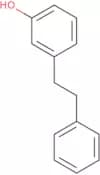
CAS:<p>3-Phenethylphenol is a hydrophobic, sterically-interacting compound that binds to molybdenum. It has been shown to inhibit the growth of fungi such as Poria and Coriolus. 3-Phenethylphenol also has functionalities such as peroxide, acetonitrile, and nature. This compound is not soluble in water and must be dissolved in solvents such as acetonitrile or polyvinyl acetate before use. 3-Phenethylphenol has been shown to have chromatographic properties, allowing it to be used as an adsorbent for the separation of organic compounds.</p>Formula:C14H14OPurity:Min. 95%Color and Shape:PowderMolecular weight:198.26 g/mol2-Hydroxy-6-methoxybenzoic acid methyl ester
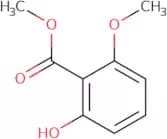
CAS:<p>2-Hydroxy-6-methoxybenzoic acid methyl ester is a biologically active molecule that has been shown to have antibacterial activity. It is structurally similar to the natural compound 2,6-dimethoxyphenol and can be used as a substitute for this compound in bioassays. The antibacterial activity of 2-hydroxy-6-methoxybenzoic acid methyl ester is due to its ability to inhibit enzymes involved in DNA repair and cell division. This compound also inhibits the growth of cancer cells and weevils by interfering with their metabolism.</p>Formula:C9H10O4Purity:Min. 95%Color and Shape:PowderMolecular weight:182.17 g/mol3-Methoxy-5-(trifluoromethyl)aniline
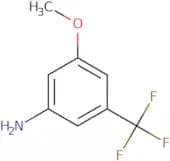
CAS:<p>3-Methoxy-5-(trifluoromethyl)aniline is a chemical building block that is used in the preparation of pharmaceuticals, agrochemicals, dyes, and other chemicals. 3-Methoxy-5-(trifluoromethyl)aniline is also a versatile intermediate that can be used to produce heterocyclic compounds. 3-Methoxy-5-(trifluoromethyl)aniline has been found to be high quality and useful for many reactions. It is an important compound for research use because it can be used as a reagent or scaffold for complex compounds.</p>Formula:C8H8F3NOPurity:Min. 95%Color and Shape:PowderMolecular weight:191.15 g/molN-Acetyl-L-alanine
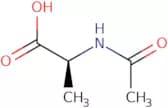
CAS:<p>N-Acetyl-L-alanine is the N-acetylated form of L-alanine and is a nonessential amino acid. It is an amide containing one nitrogen atom and two carbonyl groups. The nitrogen can be found in either the alpha or beta position on the amide. The biological properties of N-acetyl-L-alanine are similar to those of L-alanine, as it is used as a substrate for protein synthesis and has been shown to inhibit p21 and epidermal growth factor. The conformational properties of N-acetyl-L-alanine are different from that of L-alanine due to its changed shape, which may affect its biological activity.</p>Formula:C5H9NO3Purity:Min. 95%Color and Shape:White PowderMolecular weight:131.13 g/mol4-Methoxyresorcinol
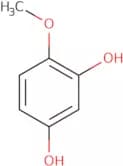
CAS:<p>4-Methoxyresorcinol is a chemical compound that has the molecular formula CHNO. It has a hydroxyl group in the 4-position and a methyl group on the 8-position. The intramolecular hydrogen of this molecule is denatured by heating to about 220°C. This process converts it into resorcinol, which is structurally similar but has different properties. 4-Methoxyresorcinol can be used as a polymerization initiator for polycarboxylic acid or quinoline derivatives, and its analytical methods are used in determining its structure.</p>Formula:C7H8O3Purity:Min. 95%Color and Shape:PowderMolecular weight:140.14 g/molL-Proline tert-butyl ester
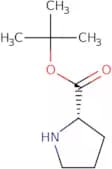
CAS:<p>L-Proline tert-butyl ester is an organic compound that is used in the synthesis of amino acids and pharmaceuticals. It is chiral, and can be synthesized by a stepwise, asymmetric synthesis. The hydrochloric acid treatment of L-lysine with trifluoroacetic acid yields the corresponding L-proline tert-butyl ester. The stereoselectivity of this process depends on the type of catalyst used for demethylation and alkylation reactions.</p>Formula:C9H17NO2Purity:Min. 95%Color and Shape:PowderMolecular weight:171.24 g/molBoc-D-Lys(Fmoc)-OH
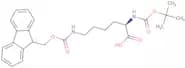
CAS:<p>Boc-D-Lys(Fmoc)-OH is a molecule that is used for the production of recombinant proteins. It can be used to enhance gadolinium contrast and has potential use in hybridization and as an analog. Boc-D-Lys(Fmoc)-OH is synthesized by reacting lysine with the N,O-dimethylhydroxylamine derivative of boronic acid. Boc-D-Lys(Fmoc)-OH is soluble in water, which makes it easier to dissolve in buffers and other solutions. This molecule has been shown to be effective in vivo animal studies, primary cells assays and cell culture assays.</p>Formula:C26H32N2O6Purity:Min. 98 Area-%Color and Shape:White Off-White PowderMolecular weight:468.54 g/mol3-Methyl-2-nitroanisole
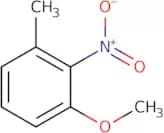
CAS:<p>3-Methyl-2-nitroanisole is a synthetic monosubstituted nitro compound that can be produced by the oxidation of 3,4-dimethoxybenzaldehyde. It has three methyl groups and one nitro group on its ring. 3-Methyl-2-nitroanisole has been used in high concentrations as a reactant for the synthesis of other compounds. It can also be used to synthesize anthranilic acid, which is an intermediate in the synthesis of many dyes and pharmaceuticals. 3-Methyl-2-nitroanisole has been characterized using vibrational spectroscopy and NMR spectroscopy with frequency values ranging from 9 to 22 cm/sec, depending on substituents. The molecular weight is estimated at 196 g/mol. 3MNA has been shown to undergo demethylation and hydrolysis under acidic conditions to produce 2,5-dihydroxyanth</p>Formula:C8H9NO3Purity:Min. 95%Color and Shape:PowderMolecular weight:167.16 g/molN-ε-(1-Carboxymethyl)-L-lysine
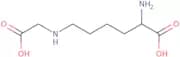
CAS:<p>N-ε-(1-Carboxymethyl)-L-lysine (NEM) is a versatile building block that is used in the synthesis of complex compounds. It is a reagent and speciality chemical that can be used as an intermediate to produce other useful chemicals or as a reaction component. It has been shown to be useful in the synthesis of peptides, oligonucleotides, and organic molecules. NEM has also been shown to have high quality and purity, making it a useful scaffold for further research into new compounds.</p>Formula:C8H16N2O4Purity:Min. 97%Color and Shape:White PowderMolecular weight:204.22 g/molVal-Cit-PAB-MMAE
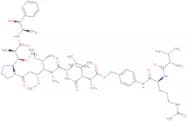
CAS:<p>Val-Cit-PAB-MMAE is a linker that has been conjugated to a monoclonal antibody (Val-Cit) and a cytotoxic agent (MMAE). This linker is designed to provide predictable strategies for site-specific conjugation of therapeutic agents to antibodies. The Val-Cit sequence facilitates the attachment of the linker to the antibody, while MMAE targets cancer cells through its chemotherapeutic effect. The linker provides an anti-cancer drug with an increased halflife in vivo, which may be due to its physicochemical properties. Val-Cit-PAB-MMAE also has the potential for use in other applications such as diagnostics and biosensors.</p>Formula:C58H94N10O12Purity:Min. 95 Area-%Color and Shape:PowderMolecular weight:1,123.43 g/mol9-Phenylcarbazole
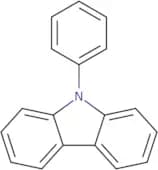
CAS:<p>9-Phenylcarbazole is a chemical compound that belongs to the group of activated carbazoles. It is a hydroxyl containing molecule that has a redox potential and can reversibly oxidize in the presence of oxygen or other electron acceptors, such as ferricyanide ions. 9-Phenylcarbazole is used in analytical chemistry as an indicator for measuring pH levels and also as a reagent for Suzuki coupling reactions. The most common application of 9-phenylcarbazole is in photophysical experiments, where it acts as an efficient photosensitizer. This compound has been shown to be insensitive to light when it is not activated by UV radiation, but its absorption spectrum changes when it becomes activated through irradiation with UV light.</p>Formula:C18H13NPurity:Min. 95%Color and Shape:Yellow PowderMolecular weight:243.3 g/molcis-4-Hydroxy-L-proline
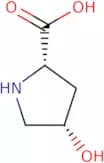
CAS:<p>Cis-4-Hydroxy-L-proline is a bound form of proline that is formed by the condensation of two molecules of glyoxylate. It is a basic structure and an intermediate in the synthesis of collagen, which is a protein found in connective tissue. Cis-4-Hydoxy-L-proline has been shown to be an active form of proline for the treatment of primary sclerosing cholangitis, as it can decrease bile acid levels. This compound has also been used as an analytical method for determining collagen content in biological samples. The polymerase chain reaction technique uses cis-4-Hydroxy-L-proline as a matrix effect to amplify DNA sequences. Cis-4-Hydroxy-L-proline has also been shown to have optimum concentrations at 3mM and 0.5mM in model systems.br></p>Formula:C5H9NO3Purity:Min. 95%Color and Shape:White PowderMolecular weight:131.13 g/molFmoc-S-xanthyl-L-cysteine
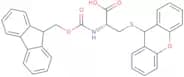
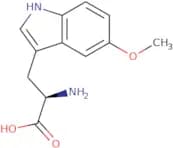
CAS:<p>Fmoc-S-xanthyl-L-cysteine is a versatile building block that can be used as a reagent, speciality chemical, or useful intermediate. It is also a high quality and useful scaffold for the synthesis of complex compounds. The compound is soluble in water, acetone, and alcohols. Fmoc-S-xanthyl-L-cysteine reacts with acids to form salts and with bases to form oxides.</p>Formula:C31H25NO5SPurity:Min. 95%Color and Shape:PowderMolecular weight:523.6 g/mol5-Methoxy-D-tryptophan
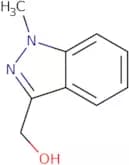
CAS:<p>5-Methoxy-D-tryptophan is a biaryl amino acid derivative that belongs to the class of alkaloids. It is a chiral monomeric building block derived from D-tryptophan. 5-Methoxy-D-tryptophan is commonly used in research chemicals and has been found in natural products such as lochnerine and indole. This compound exhibits unique properties and can be utilized for various applications in the field of chemistry and biochemistry. Its versatility makes it an essential component for researchers and scientists looking to explore new avenues in their studies.</p>Formula:C12H14N2O3Purity:Min. 95%Color and Shape:PowderMolecular weight:234.25 g/mol(1-Methyl-1H-indazol-3-yl)methanol
CAS:Controlled Product<p>(1-Methyl-1H-indazol-3-yl)methanol is a heterocyclic compound with a chemical formula of CHN. It is a colorless liquid that reacts violently with water or alcohols. The compound has been shown to form lithium aluminum hydride and aluminum hydride, which react vigorously with water. (1-Methyl-1H-indazol-3-yl)methanol also forms acetylated amines in the presence of thionyl chloride. This reaction is used as an example of a translation reaction in chemistry, where one molecule is converted into another through the addition of other molecules.</p>Formula:C9H10N2OPurity:Min. 95%Molecular weight:162.19 g/mol2-(2-aza-1-(4-methoxyphenyl)-2-(amino)vinyl)indane-1,3-dione
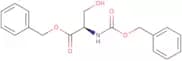
CAS:<p>Please enquire for more information about 2-(2-aza-1-(4-methoxyphenyl)-2-(amino)vinyl)indane-1,3-dione including the price, delivery time and more detailed product information at the technical inquiry form on this page</p>Formula:C17H14N2O3Purity:Min. 95%Color and Shape:PowderMolecular weight:294.3 g/molZ-D-serine benzyl ester
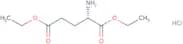
CAS:<p>Please enquire for more information about Z-D-serine benzyl ester including the price, delivery time and more detailed product information at the technical inquiry form on this page</p>Formula:C18H19NO5Purity:Min. 95%Molecular weight:329.35 g/molL-Glutamic acid diethyl ester HCl
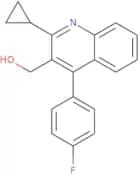
CAS:<p>L-glutamic acid diethyl ester hydrochloride (GDE) is an experimental drug that inhibits the activity of glutamic acid decarboxylase, an enzyme that catalyses the production of glutamate. GDE has been shown to decrease locomotor activity in rats and to cause neuronal death in cerebellar Purkinje neurons. It also has low potency as a neurotransmitter. L-Glutamic acid diethyl ester hydrochloride has been shown to be effective against autoimmune diseases and metabolic disorders, although it did not show significant effects on pharmacokinetic properties or glutamate levels in experimental models.</p>Formula:C9H17NO4·HClPurity:Min. 95%Color and Shape:PowderMolecular weight:239.7 g/mol2-Cyclopropyl-4-(4-fluorophenyl)-quinolyl-3-methanol
CAS:<p>2-Cyclopropyl-4-(4-fluorophenyl)-quinolyl-3-methanol is a crystalline compound that has been obtained by reacting 3-methoxyquinoline with cyclopropyl bromide. It has the dihedral angle of about 120 degrees and is stabilized by hydrogen bonds. The compound crystallizes in an asymmetric unit cell with two molecules in the asymmetric unit and space group P2/n. The target compound can be obtained in high yield, and it is soluble in organic solvents such as benzene and triphenylphosphine. 2-Cyclopropyl-4-(4-fluorophenyl)-quinolyl-3-methanol can be used to suppress wastewater containing halogenated aromatic compounds, such as quinoline.</p>Formula:C19H16FNOPurity:Min. 95%Molecular weight:293.33 g/molFurosine hydrochloride
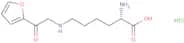
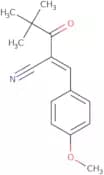
CAS:<p>Furosine hydrochloride is a white crystalline chemical with a molecular formula of C6H7N3O4S. It is soluble in water and has a melting point of about 140 degrees Celsius. Furosine hydrochloride is a useful building block for the synthesis of polymers, pharmaceuticals, organic semiconductors and other organic compounds. Furosine hydrochloride is used as an intermediate to produce fine chemicals such as polyurethanes, polyamides and amino acids. It can also be used as a reaction component in the synthesis of complex compounds such as 2-amino-5-nitrothiophene or 2,2'-dithiobis(benzothiazole). Furosine hydrochloride can be used as a scaffold for the production of various drugs such as antihypertensives or antidepressants.</p>Formula:C12H18N2O4·xHClPurity:Min. 98 Area-%Color and Shape:PowderMolecular weight:254.28 g/mol2-(2,2-dimethylpropanoyl)-3-(4-methoxyphenyl)prop-2-enenitrile
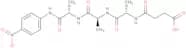
CAS:<p>Please enquire for more information about 2-(2,2-dimethylpropanoyl)-3-(4-methoxyphenyl)prop-2-enenitrile including the price, delivery time and more detailed product information at the technical inquiry form on this page</p>Purity:Min. 95%N-Succinyl-L-alanyl-L-alanyl-L-alanine 4-nitroanilide
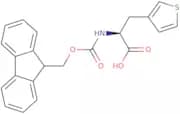
CAS:<p>N-Succinyl-L-alanyl-L-alanyl-L-alanine 4 nitroanilide is a synthetic substrate that has been shown to have proteolytic activity against dextran sulfate, collagen, and sephadex g-100. It also has insecticidal activity in that it inhibits the development of larvae of the insect Drosophila melanogaster. NSLAAALAALAAN can be used as a chemotactic agent for tissue culture cells. This synthetic substrate was also found to have antiinflammatory properties and may be useful in treating chronic bronchitis or other metabolic disorders.</p>Formula:C19H25N5O8Purity:Min. 95%Color and Shape:PowderMolecular weight:451.43 g/molFmoc-β-(3-thienyl)-L-alanine
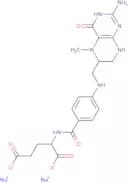
CAS:<p>Please enquire for more information about Fmoc-β-(3-thienyl)-L-alanine including the price, delivery time and more detailed product information at the technical inquiry form on this page</p>Formula:C22H19NO4SPurity:Min. 95%Color and Shape:PowderMolecular weight:393.46 g/mol5-Methyltetrahydrofolic acid disodium salt
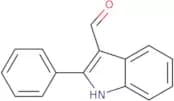
CAS:<p>5-Methyltetrahydrofolic acid disodium salt is a form of vitamin B9 that is produced by the body from 5,10-methylenetetrahydrofolate. It also can be obtained through the diet in foods such as milk, eggs, and leafy vegetables. This vitamin is necessary for many cellular processes, including amino acid metabolism. 5-Methyltetrahydrofolic acid disodium salt has been shown to have a significant effect on neuron cell growth and health. It has been shown to stimulate the enzyme activities of catecholamine-O-methyltransferase and dopamine beta hydroxylase in vitro. The effects were seen with both acidic and neutral pHs. 5-Methyltetrahydrofolic acid disodium salt has been found to be a selective inhibitor of receptor α (rho) uptake in Caco-2 cells at acidic pHs but not at neutral pHs. In addition</p>Formula:C20H23N7Na2O6Color and Shape:PowderMolecular weight:503.42 g/mol2-Phenylindole-3-carboxaldehyde
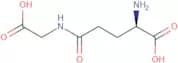
CAS:<p>2-Phenylindole-3-carboxaldehyde is an organic compound that belongs to the class of bioactive molecules. It is a nitrogen heterocycle that has been shown to inhibit the growth of cancer cells in culture. 2-Phenylindole-3-carboxaldehyde has also been shown to have anti-inflammatory and antimicrobial properties. This molecule can be used in the treatment of cancer, as it inhibits the growth of tumor cells by inhibiting DNA synthesis, which leads to cell death. The molecular structure can be altered by allylation or replacement with other functional groups. The 2-phenylindole moiety can be modified at its C2 position, altering its pharmacological properties and may lead to new anticancer drugs.</p>Formula:C15H11NOPurity:Min. 95%Color and Shape:PowderMolecular weight:221.25 g/molH-D-Glu(Gly-OH)-OH
CAS:<p>H-D-Glu(Gly-OH)-OH is a peptide that is used to study the mechanism of glutamate receptors. It has been shown to have an excitatory effect on mouse hippocampal and cerebellar purkinje neurons, with affinity values for membrane channels. It also has been shown to reduce gamma-aminobutyric acid (GABA) levels in the hippocampus and striatum, which may be due to its ability to inhibit glutamic acid decarboxylase. H-D-Glu(Gly-OH)-OH is a potent antagonist of glutamate, binding competitively at the glutamate site on ionotropic receptors. It also inhibits acidic pH and calcium ion concentrations, which are necessary for ionotropic receptor activation.</p>Formula:C7H12N2O5Purity:Min. 98 Area-%Color and Shape:White PowderMolecular weight:204.18 g/mol(3-Methoxyphenyl)acetonitrile
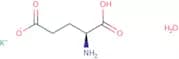
CAS:<p>3-Methoxyphenylacetonitrile (3MPAN) is a small molecule that has been shown to inhibit the activity of kinases, which are enzymes that transfer phosphate groups from ATP onto other substrates. 3MPAN has been found to be selective for the estrogen receptor alpha (ERα), with little or no effect on ERβ, and shows promise as a potential drug for hormone-dependent breast cancer. It also inhibits fatty acid synthesis and is active against some viruses. 3MPAN binds to the enzyme's ATP binding site and blocks phosphorylation by preventing access of ATP. This prevents DNA synthesis and protein synthesis, leading to cell death.</p>Formula:C9H9NOPurity:Min. 95%Color and Shape:PowderMolecular weight:147.17 g/molL-Glutamic acid monopotassium salt monohydrate
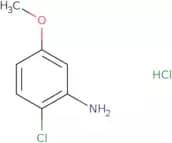
CAS:<p>Amino acid; neurotransmitter; flavor enhancer</p>Formula:C5H8KNO4·H2OColor and Shape:White PowderMolecular weight:203.23 g/mol2-Chloro-5-methoxyaniline hydrochloride
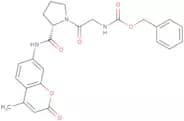
CAS:<p>2-Chloro-5-methoxyaniline hydrochloride is an intercalating agent that is used in the treatment of cancer. It binds to DNA and causes a breakage of the hydrogen bonds between the two strands, which leads to cell death. The 2-Chloro-5-methoxyaniline hydrochloride molecule has affinity for lactams, which are sugar molecules found in cell walls of bacteria, fungi, and plants. This compound can be metabolized by lactamase enzymes that are found in cancer cells and other cells. The metabolized products are fluorescent, which allows them to be detected by fluorescence microscopy. 2-Chloro-5-methoxyaniline hydrochloride has been shown to inhibit the growth of lung cancer cells and leukemia cells by interfering with their ability to synthesize DNA and RNA.</p>Formula:C7H8ClNO•HClPurity:Min. 95%Color and Shape:PowderMolecular weight:194.06 g/molZ-Gly-Pro-AMC
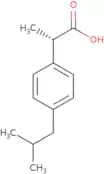
CAS:<p>Z-Gly-Pro-AMC is a substrate molecule that mimics the natural substrate of dipeptidyl peptidase IV (DPP-IV) and is used in the study of plant physiology. It has been shown to inhibit DPP-IV activity by binding to the enzyme’s active site, preventing it from cleaving biologically active peptides. This drug also has an antidiabetic effect, which may be due to its ability to inhibit α-amylase activity. Z-Gly-Pro-AMC also has been shown to increase locomotor activity and reduce body weight in rats with metabolic disorders. Z-Gly-Pro-AMC inhibits serine proteases, such as trypsin, chymotrypsin, elastase, and cathepsin G, which are involved in tumor progression.</p>Formula:C25H25N3O6Purity:Min. 98%Color and Shape:White PowderMolecular weight:463.48 g/mol(S)-(+)-4-Isobutyl-a-methylphenylacetic acid
CAS:<p>Ibuprofen is a non-steroidal anti-inflammatory drug (NSAID) that inhibits the production of prostaglandins and has been shown to be effective in the treatment of pain, fever, and inflammation. Ibuprofen binds to and blocks cyclooxygenase enzymes COX-1 and COX-2, which are responsible for the production of prostaglandins. It also inhibits leukocyte migration, which may reduce symptoms associated with infectious diseases. The molecular docking analysis has shown that ibuprofen interacts with crystalline cellulose through hydrogen bonding interactions. Ibuprofen can be used in conjunction with sodium citrate as an anticoagulant during blood sampling procedures to prevent clotting. This medication can cause side effects such as nausea, stomach upset, heartburn, dizziness, headache, or increased risk of bleeding.></p>Formula:C13H18O2Purity:Min. 95%Color and Shape:White PowderMolecular weight:206.28 g/mol2-(3-Methylphenyl)ethanol
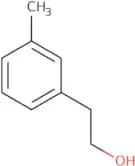
CAS:<p>2-(3-Methylphenyl)ethanol is a benzene derivative that has been shown to be toxic at high doses. It is used as a solvent in dermatology and as an intermediate in the production of other chemicals. 2-(3-Methylphenyl)ethanol has been shown to have dermatologic effects such as erythema, scaling, and dryness. This compound also has a low degree of acute toxicity from ingestion or inhalation and is safe for use. The chemical structure consists of a benzene ring with two methyl groups on it, making it a primary alcohol.<br>2-(3-Methylphenyl)ethanol belongs to the class of alcohols. Alcohols are organic compounds containing one hydroxyl group attached to an alkyl or substituted alkyl radical. Alcohols can be classified according to their structure into primary, secondary, and tertiary alcohols, depending on how many carbon atoms are attached to the hydroxyl group</p>Formula:C9H12OPurity:Min. 95%Color and Shape:Clear LiquidMolecular weight:136.19 g/mol3-(N-Methyl-N-pentylamino)propionic acid hydrochloride
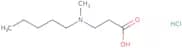
CAS:<p>Trichloroethylene is a chlorinated hydrocarbon that is primarily used as a solvent. The propionic acid is the monosodium salt of 3-(N-Methyl-N-pentylamino)propionic acid hydrochloride, which is an organic compound. The monohydrate and trichloride are two polymorphic forms of this substance. Acetone and unreacted Trichloroethylene are substances that may be formed during the chemical process. The alkaline form of Trichloroethylene may be obtained by refluxing the substance with sodium hydroxide in water or with potassium hydroxide in alcohol. This substance can also exist in a polymorphic form.</p>Formula:C9H20ClNO2Purity:Min. 95%Color and Shape:PowderMolecular weight:209.71 g/molMc-Val-Cit-PABC-PNP
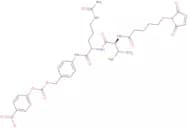
CAS:<p>Val-Cit-based peptide linker with PABC spacer. This activated peptide linker is cleaved by cathepsin enzymes for intracellular payload release.</p>Formula:C35H43N7O11Purity:Min. 95%Color and Shape:White PowderMolecular weight:737.76 g/mol5-Bromo-3-methoxybenzyl alcohol
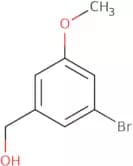
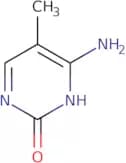
CAS:<p>5-Bromo-3-methoxybenzyl alcohol is a synthetic hydroxyphenyl compound that can be used as a coupling agent. It is prepared by the reaction of bromoacetaldehyde with 3-hydroxybenzyl alcohol in the presence of an amine base, such as pyridine. 5-Bromo-3-methoxybenzyl alcohol can also be used to synthesize pyridines and bromides.</p>Formula:C8H9BrO2Purity:Min. 95%Color and Shape:PowderMolecular weight:217.06 g/mol5-Methylcytosine
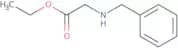
CAS:<p>5-Methylcytosine is a nucleic acid that is found in the DNA and RNA of the cell. It is an important component of methylation, which is the process by which a methyl group is added to a molecule. This process can lead to cellular transformation, a process that can cause cancer. 5-Methylcytosine has also been shown as a molecular pathogenesis factor in infectious diseases such as HIV and herpes simplex virus type 1. The presence of 5-methylcytosine in nuclear DNA has been detected by analytical techniques such as gas chromatography/mass spectrometry (GC/MS). There are many analytical methods, including GC/MS, that can be used to detect 5-methylcytosine in cellular nuclei.</p>Formula:C5H7N3OPurity:Min. 95%Color and Shape:PowderMolecular weight:125.13 g/molN-Benzyl glycine ethyl ester
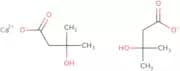
CAS:<p>N-Benzyl glycine ethyl ester is a pharmacological agent that inhibits the release of inflammatory cytokines and growth factors such as tumor necrosis factor (TNF) and interleukin (IL)-1. These effects are mediated by its inhibitory actions on the serine protease, which degrades these proteins. N-Benzyl glycine ethyl ester is used for the treatment of inflammatory bowel disease, including Crohn's disease and ulcerative colitis, in combination with sodium carbonate or other drugs to maintain remission. This drug has been shown to be effective against HIV infection due to its ability to induce apoptosis in infected cells. The molecular mechanism of this drug is related to nucleophilic substitution reactions between an amine group and a carboxylic acid group.</p>Formula:C11H15NO2Purity:Min. 95%Color and Shape:Colorless Clear LiquidMolecular weight:193.24 g/molCalcium β-hydroxy-β-methylbutyrate monohydrate
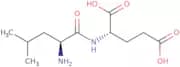
CAS:<p>Calcium b-hydroxy-b-methylbutyrate monohydrate is a dietary supplement that has been shown to be effective in the treatment of skin conditions such as eczema. It is a calcium salt of the natural fatty acid, b-hydroxy-b-methylbutyrate, which is naturally found in kidney beans. This product may also be used for kidney disease and other health care products. The extract from this compound has been shown to increase collagen production in skin cells, as well as protein synthesis and casein production. Calcium b-hydroxy-b-methylbutyrate monohydrate can also bind with acetate (a chemical compound) and form calcium acetate, which has been shown to have antihypertensive effects.</p>Formula:C5H10O3•Ca0•(H2O)0Purity:Min 97%Color and Shape:White PowderMolecular weight:294.36 g/molH-Leu-Glu-OH
CAS:<p>24-Epibrassinolide is a synthetic molecule that has an optical rotation of +19.4° at 20°C. It is also known as H-Leu-Glu-OH and is a product of the reaction between epibatidine and L-glutamic acid. This molecule has been synthesized to study the role of 24-epibrassinolide in photosynthesis, chlorophyll synthesis, and membrane stability. The phosphate group is attached to the amino group on the n-terminal amino acid. 24-Epibrassinolide has an amino acid composition consisting of leucine, glutamate, glutamine, glycine, proline, serine, cysteine, tyrosine, asparagine, histidine and lysine.<br>24-Epibrassinolide was first isolated from chloroplasts using refluxing water with ammonium chloride as a solvent. This molecule can be found in nature as well.</p>Formula:C11H20N2O5Purity:Min. 95 Area-%Color and Shape:PowderMolecular weight:260.29 g/mol2,3,5,6-Tetramethyl-1,4-phenylenediamine
CAS:<p>2,3,5,6-Tetramethyl-1,4-phenylenediamine is a chemical compound that has been used in clinical pathology and plant physiology. The potential of this molecule as a photosynthetic agent has been studied extensively. It has also been shown to have biochemical properties that are similar to those of chlorophylls. 2,3,5,6-Tetramethyl-1,4-phenylenediamine is able to transfer electrons between molecules in the electron transport chain. It can be found in both prokaryotes and eukaryotes but not in plants or algae. 2,3,5,6-Tetramethyl-1,4-phenylenediamine may be toxic when ingested orally or inhaled and is capable of producing irreversible inhibition when it reacts with oxygen.</p>Formula:C10H16N2Purity:98 To 102%Color and Shape:White To Tan SolidMolecular weight:164.25 g/mol7,8,9,10-Tetrahydro-8-(trifluoroacetyl)-6,10-methano-6H-pyrazino[2,3-h][3]benzazepine
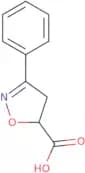
CAS:<p>7,8,9,10-Tetrahydro-8-(trifluoroacetyl)-6,10-methano-6H-pyrazino[2,3-h][3]benzazepine is a chemical compound that is used as a reagent in the synthesis of other compounds. It is an intermediate for the production of fine chemicals and useful scaffolds. This compound has been shown to be a versatile building block for a variety of reactions. 7,8,9,10-Tetrahydro-8-(trifluoroacetyl)-6,10-methano-6H-pyrazino[2,3-h][3]benzazepine also has CAS number 230615-70-0 and can be found on the Chemical Abstracts Service Registry Number.</p>Formula:C15H12F3N3OPurity:Min. 98 Area-%Color and Shape:Slightly Yellow PowderMolecular weight:307.27 g/mol3-Phenyl-4,5-dihydroisoxazole-5-carboxylic acid
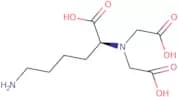
CAS:<p>3-Phenyl-4,5-dihydroisoxazole-5-carboxylic acid is a fine chemical that is used as a building block in the synthesis of other chemicals. This compound can be used in research and development as a reagent for organic synthesis or as an intermediate for the production of high quality, complex compounds. 3-Phenyl-4,5-dihydroisoxazole-5-carboxylic acid is also a versatile building block that can be used in reactions involving amines, alcohols, carboxylic acids, sulfonic acids, and nitriles. It could also be used as a scaffold molecule to create complex molecules with interesting properties.</p>Formula:C10H9NO3Purity:Min. 95 Area-%Color and Shape:PowderMolecular weight:191.18 g/molNα,Nα-Bis-(carboxymethyl)-L-lysine
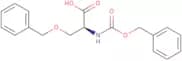
CAS:<p>Nalpha,Nalpha-Bis-(carboxymethyl)-L-lysine is a synthetic amino acid that has been used to immobilize proteins and enzymes. It can be used as an inhibitor in cell culture because it binds to the ryanodine receptor, which regulates calcium release from the sarcoplasmic reticulum. This amino acid has also been shown to inhibit kinesin, a protein involved in the movement of organelles along microtubules. In addition, Nalpha,Nalpha-Bis-(carboxymethyl)-L-lysine has been found to be effective against colony-stimulating factor (CSF) and may serve as a model system for enzymatic reactions.</p>Formula:C10H18N2O6Purity:Area-% Max. 95 Area-%Color and Shape:White Off-White PowderMolecular weight:262.26 g/molCbz-Ser(bzl)-OH
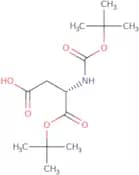
CAS:<p>Cbz-Ser(bzl)-OH is an alcohol that can be used in the synthesis of a variety of compounds. This compound has been shown to have high yields, and can be synthesized from sulfides, phenols, and carboxylic acids. It is neutral and has a carboxylic linkage.</p>Formula:C18H19NO5Purity:Min. 95%Color and Shape:PowderMolecular weight:329.35 g/molN-tert-Boc-L-aspartic acid tert-butyl ester
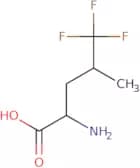
CAS:<p>N-tert-Boc-L-aspartic acid tert-butyl ester is a chemical compound that is synthesized in the laboratory. It has been shown to have an insulinotropic effect on plasma samples and may be used in the treatment of cancer. The ring opening of N-tert-Boc-L-aspartic acid tert-butyl ester yields L-aspartic acid, which can be used for the synthesis of collagen or glycopeptide. This chemical is also found to stimulate T cells and has been shown to inhibit proliferation of cancer cells in vitro.</p>Formula:C13H23NO6Purity:Min. 95%Color and Shape:White PowderMolecular weight:289.32 g/mol5,5,5-Trifluoro-DL-leucine
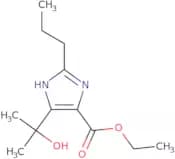
CAS:<p>5,5,5-Trifluoro-DL-leucine is a chemical compound that has been shown to be stable in the presence of hydrogen and can be used as an analog for leucine. It has been shown to bind with the ribosome and inhibit protein synthesis in bacteria. 5,5,5-Trifluoro-DL-leucine binds to the ribosomal A site and blocks peptide bond formation. It also inhibits glucose monitoring by interfering with the binding of glucose to the G protein. 5,5,5-Trifluoro-DL-leucine also has structural properties that are similar to those of 2,3,-dihydrobenzofuran (DHF). This similarity may account for its ability to denature proteins.</p>Formula:C6H10F3NO2Purity:Min. 95%Color and Shape:PowderMolecular weight:185.14 g/mol4-(1-Hydroxy-1-methylethyl)-2-propyl-1H-imidazole-5-carboxylic acid ethyl ester
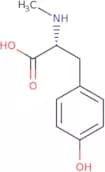
CAS:<p>4-(1-Hydroxy-1-methylethyl)-2-propyl-1H-imidazole-5-carboxylic acid ethyl ester is a synthetic drug with pharmacological properties that are similar to those of the natural product medoxomil. It has been shown to be a potent blocker of the GABA receptor and is used for the treatment of epilepsy. 4-(1-Hydroxy-1-methylethyl)-2-propyl-1H-imidazole-5-carboxylic acid ethyl ester has been shown to be an inhibitor of rat liver microsomes and also has a high affinity for the enzyme cilexetil, which is responsible for the conversion of cilexetil into its active form.</p>Formula:C12H20N2O3Purity:Min. 95%Color and Shape:PowderMolecular weight:240.3 g/molN-Me-D-Tyr-OH·HCl
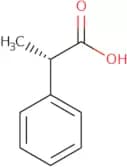
CAS:<p>N-Me-D-Tyr-OH·HCl is an antibiotic that belongs to the group of esters. It has been shown to inhibit the growth of bacteria by binding to the 50S ribosomal subunit. N-Me-D-Tyr-OH·HCl was analyzed using gas chromatography and found to have a retention time of 3.6 minutes. This antibiotic has been used as a substrate for chemical analysis and identification of methyl esters, which are derivatives of carboxylic acids with methyl groups added to the molecule.</p>Formula:C10H13NO3·HClPurity:Min. 95%Color and Shape:PowderMolecular weight:231.68 g/mol(S)-(+)-2-Phenylpropionic acid
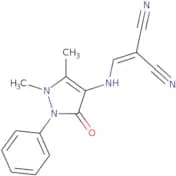
CAS:<p>(S)-(+)-2-Phenylpropionic acid is an organic solvent that is catalyzed by a hydroxy group. It has been shown to be active against bacterial strains in the presence of borohydride reduction and immobilized on polystyrene beads. The enzyme activities were stereoselectively inhibited in the presence of (R)-(-)2-phenylpropionic acid, which is an enantiomer of (S)-(+)2-phenylpropionic acid. This inhibition may be due to the ability of this compound to form a more stable radical coupling with fatty acids such as oleic acid. The reaction temperature can affect the stereoselectivity, with higher temperatures favoring (R)-(-)2-phenylpropionic acid.</p>Formula:C9H10O2Purity:Min. 98 Area-%Color and Shape:Clear LiquidMolecular weight:150.17 g/mol(((2,3-dimethyl-5-oxo-1-phenyl-3-pyrazolin-4-yl)amino)methylene)methane-1,1-dicarbonitrile
CAS:<p>Please enquire for more information about (((2,3-dimethyl-5-oxo-1-phenyl-3-pyrazolin-4-yl)amino)methylene)methane-1,1-dicarbonitrile including the price, delivery time and more detailed product information at the technical inquiry form on this page</p>Formula:C15H13N5OPurity:Min. 95%Molecular weight:279.30 g/mol2-(2-Butyl)-4-{4-[4-(4-methyloxy-phenyl)-piperazin-1-yl]-phenyl}-2,4-dihydro-[1,2,4]-triazol-3-one
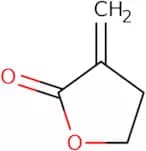
CAS:<p>2-(2-Butyl)-4-{4-[4-(4-methyloxy-phenyl)-piperazin-1-yl]-phenyl}-2,4-dihydro-[1,2,4]-triazol-3-one (ITZ) is an antifungal drug that inhibits the synthesis of ergosterol. It is used in the treatment of systemic fungal infections such as candidiasis and cryptococcosis. ITZ is a metabolite of itraconazole and fluconazole. The presence of impurities in ITZ can be detected by liquid chromatography with a diode array detector or a fluorescence detector. An antiinfective drug product should be bioequivalent to the reference product and have comparable levels of impurities. Chromatograms are used to identify peaks on a graph and measure their height (area under the curve) to determine how much of each substance is present in the sample.</p>Formula:C23H29N5O2Purity:Min. 95%Color and Shape:White To Yellow SolidMolecular weight:407.51 g/molα-Methylene-γ-butyrolactone
CAS:<p>Alpha-methylene-gamma-butyrolactone (AMGBL) is a naturally occurring sesquiterpene lactone. It has been shown to have anticancer effects on solid tumours, such as those of the liver and lung. AMGBL is also used in the treatment of tuliposide-induced skin lesions. The biological activity of AMGBL is due to its ability to inhibit matrix metalloproteinase (MMP)-1 and -2 and to enhance the production of epidermal growth factor receptor (EGFR). AMGBL also binds to DNA at the hydroxyl group and can be used as an anti-aging agent.</p>Formula:C5H6O2Purity:Min. 95%Color and Shape:Clear LiquidMolecular weight:98.1 g/mol(5-Bromo-2-methoxyphenyl)acetonitrile
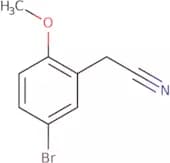
CAS:<p>5-Bromo-2-methoxyphenyl)acetonitrile is a chemical building block that can be used in the synthesis of complex compounds. It is a versatile intermediate that can be used as a reagent in organic reactions. This compound has been shown to be useful as a reaction component and is a high quality product. 5-Bromo-2-methoxyphenyl)acetonitrile has CAS number 7062-40-0 and is listed on the Chemical Abstracts Service (CAS).</p>Formula:C9H8BrNOPurity:Min. 95%Molecular weight:226.07 g/mol2-Iodo-6-methylbenzoic acid
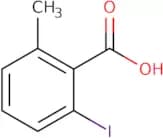
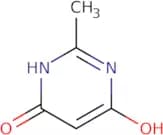
CAS:<p>2-Iodo-6-methylbenzoic acid is a chemical used as an additive in the manufacture of plastics, paints and rubber. It is also a ligand for some transition metals. 2-Iodo-6-methylbenzoic acid has been found to be an active natural product that can be synthesized from phthalimides or other amines. 2-Iodo-6-methylbenzoic acid reacts with donepezil to form a multistep reaction intermediate called A, which is then oxidized by a transition metal to form the final product, aricept. The operational mechanism of this reaction is not yet fully understood, but it may involve an alkene intermediate.</p>Formula:C8H7IO2Purity:Min. 95%Color and Shape:PowderMolecular weight:262.04 g/mol4,6-Dihydroxy-2-methylpyrimidine
CAS:<p>4,6-Dihydroxy-2-methylpyrimidine is an organic compound that is synthesized by the reaction of 2-chloroethanol with ethyl chloroformate and nitroethane in the presence of a magnesium salt. The synthesis can be done systematically or by chance. 4,6-Dihydroxy-2-methylpyrimidine can be formed by the hydrolysis of ethyl esters with a metallacycle. Its acidic properties are due to its electron withdrawing groups. The systematic synthesis is carried out in two steps: 1) formation of the monomers from ethyl chloroformate and nitroethane; 2) condensation of the monomers to form 4,6-dihydroxy-2-methylpyrimidine. This synthesis requires hydroxide solution and chloroformate as well as a base such as sodium hydroxide or potassium hydroxide. The chemical reaction mechanism is based</p>Formula:C5H6N2O2Purity:Min. 95%Molecular weight:126.11 g/mol3-Phenoxybenzaldehyde
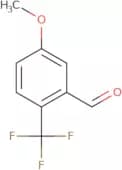
CAS:<p>3-Phenoxybenzaldehyde is a chemical compound that is used as an analytical reagent in the surface methodology. It can be synthesized from 3-phenoxybenzoic acid and phenylmagnesium bromide. The synthesis of 3-phenoxybenzaldehyde was accomplished by the hydrogenation of p-nitrophenyl phosphate, which was catalyzed by rat liver microsomes. The resulting product had a molecular formula of C9H8O2 and a molar mass of 156.2 g/mol. 3-Phenoxybenzaldehyde has been shown to inhibit bacterial growth through the inhibition of fatty acid synthesis, as well as inhibiting fatty acid oxidation in recombinant cytochrome P450 enzymes.</p>Formula:C13H10O2Purity:Min. 95%Color and Shape:Clear LiquidMolecular weight:198.22 g/mol5-Methoxy-2-(trifluoromethyl)benzaldehyde
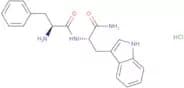
CAS:<p>5-Methoxy-2-(trifluoromethyl)benzaldehyde (5MFBA) is a potential anticancer compound that has been shown to inhibit the growth of pancreatic cancer cells. 5MFBA is formed by the reaction of methoxybenzene and trifluoromethyl bromide in the presence of copper chloride, which acts as a dehydrogenase. This compound also has prognostic and clinicopathological implications in patients with pancreatic cancer, as well as staining properties in tissues. 5MFBA modulates biological function via reactive oxygen species (ROS) production, which induces cell apoptosis. Research on this compound has been done on cancer tissues from various organs, including breast and prostate cancers.</p>Formula:C9H7F3O2Purity:Min. 95%Color and Shape:PowderMolecular weight:204.15 g/molH-Phe-Trp-NH2·HCl
CAS:<p>H-Phe-Trp-NH2·HCl is a chemical reagent that is used as a reaction component in organic synthesis. H-Phe-Trp-NH2·HCl is a versatile building block, useful intermediate, and useful scaffold for the synthesis of complex compounds. It has been shown to be a fine chemical with high quality and high purity. CAS No. 38678-69-2.</p>Formula:C20H22N4O2•HClPurity:Min. 95%Color and Shape:SolidMolecular weight:386.88 g/molN-(5-Amino-2-methylphenyl)-4-(3-pyridyl)-2-pyrimidineamine
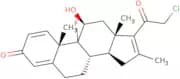
CAS:<p>Imatinib is an anticancer drug that belongs to the class of trimethyls. It is a potent inhibitor of tyrosine-specific protein kinases, including Bcr-Abl and Src family kinases. It has been shown to have antineoplastic properties in human cells in vitro. Imatinib is structurally similar to the anticancer agent lapatinib and inhibits G1 phase cell cycle progression by preventing phosphorylation of retinoblastoma protein (Rb). Imatinib is also genotoxic due to its structural similarity to other known genotoxic compounds such as bromo-2′-deoxyuridine and 2-chloroimidazole.</p>Formula:C16H15N5Purity:Min. 95%Color and Shape:PowderMolecular weight:277.32 g/molClobetasol Propionate - Impurity B
CAS:Controlled Product<p>(11β)-21-Chloro-9-fluoro-11-hydroxy-16-methylpregna-1,4,16-triene-3,20-dione is a chemical compound that can be used as a building block in the synthesis of other chemicals. It is structurally related to progesterone and has been found to have antiandrogenic properties. This product can also be used as a reagent or speciality chemical in research. It is high quality and versatile. (11β)-21-Chloro-9-fluoro-11-hydroxy-16-methylpregna 1,4,16 triene 3,20 dione has been shown to have an effect on the body's reproductive system by binding to the androgen receptor.</p>Formula:C22H26ClFO3Purity:Min. 95%Color and Shape:PowderMolecular weight:392.89 g/molH-Gly-Pro-pNA•hydrochloride
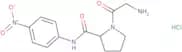
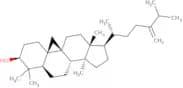
CAS:<p>H-Gly-Pro-pNA is an antidiabetic drug that inhibits the activity of dipeptidyl peptidase IV (DPP IV), a family of enzymes that catalyses the cleavage of the amino acid sequence of proline and arginine. The inhibitory effect on DPP IV by H-Gly-Pro-pNA was demonstrated using magnetic resonance spectroscopy, chromatographic assays, and electrospray ionization mass spectrometry. H-Gly-Pro-pNA also has hydrophobic properties and can interact with other drugs that are lipophilic. In vitro assays have been used to determine the inhibition activity of H-Gly-Pro-pNA against various proteins involved in diabetes mellitus, including aminopeptidases, carboxypeptidases and endopeptidases.</p>Formula:C13H16N4O4•HClPurity:Min. 95%Color and Shape:White PowderMolecular weight:328.75 g/mol24-Methylenecycloartan-3-ol
CAS:<p>24-Methylenecycloartan-3-ol is an enzyme form of a fatty acid that is found in the leaves and bark of Eucalyptus. It has been shown to inhibit cholesterol esterase, which is an enzyme involved in the production of cholesterol. This compound also inhibits acetylcholinesterase, an enzyme that regulates the activity of acetylcholine at the neuromuscular junction. 24-Methylenecycloartan-3-ol is toxic to rats when administered orally at doses of 1 g/kg or greater. The LD50 for this compound when administered intravenously to rats was found to be 7 mg/kg.</p>Formula:C31H52OPurity:Min. 90 Area-%Color and Shape:PowderMolecular weight:440.74 g/molN-[3,5-Bis(trifluoroMethyl)phenyl]-N'-[(9R)-6'-Methoxy-9-cinchonanyl]thiourea
CAS:<p>Please enquire for more information about N-[3,5-Bis(trifluoroMethyl)phenyl]-N'-[(9R)-6'-Methoxy-9-cinchonanyl]thiourea including the price, delivery time and more detailed product information at the technical inquiry form on this page</p>Formula:C29H28F6N4OSPurity:Min. 95%Color and Shape:PowderMolecular weight:594.62 g/mol2-Methoxycinnamic acid
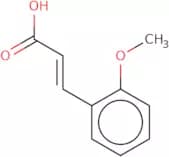
CAS:<p>2-Methoxycinnamic acid is a fine chemical that is used as a building block for research chemicals, pharmaceuticals, and other products. It is a versatile building block that can be used in the synthesis of complex compounds with diverse structures. 2-Methoxycinnamic acid is also an intermediate for the production of cinnamates, which are useful in the production of synthetic dyes.</p>Formula:C10H10O3Purity:Min. 95%Color and Shape:White PowderMolecular weight:178.18 g/mol4-Bromo-3-methylpyrazole
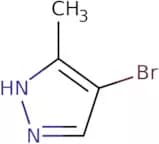
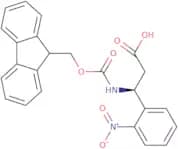
CAS:<p>4-Bromo-3-methylpyrazole is a 3-methylpyrazole that has been shown to have an inhibitory effect on the growth of plants. It is used as a predictive model for pyrazole compounds and has been shown to be an additive in crop plants. 4-Bromo-3-methylpyrazole can be activated by diazo compounds, such as nitrosamines, leading to a variety of chemical reactions. The descriptor for this compound is C6H4BrN2.</p>Formula:C4H5BrN2Color and Shape:PowderMolecular weight:161 g/molFmoc-(S)-3-amino-3-(2-nitrophenyl)propionic acid
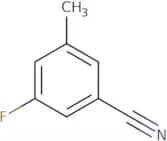
CAS:<p>Please enquire for more information about Fmoc-(S)-3-amino-3-(2-nitrophenyl)propionic acid including the price, delivery time and more detailed product information at the technical inquiry form on this page</p>Formula:C24H20N2O6Purity:Min. 95%Color and Shape:White PowderMolecular weight:432.43 g/mol3-Fluoro-5-methylbenzonitrile
CAS:<p>3-Fluoro-5-methylbenzonitrile is a reactive halogen molecule that can be used in model compounds, such as 3-fluoro-5-methylbenzoic acid. It has been shown to react with nucleophiles in the presence of microwaves, yielding high yields. The compound can be labeled with a variety of labels, including fluorine isotopes, which can be useful for tracking the compound's metabolism.</p>Formula:C8H6FNPurity:Min. 95%Color and Shape:PowderMolecular weight:135.14 g/mol1,3a,4,8b-Tetrahydro-3a,8b-dihydroxy-2-methyl-4-oxo-indeno[1,2-b]pyrrole-3-carbonitrile
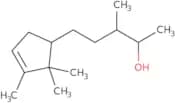
CAS:<p>1,3a,4,8b-Tetrahydro-3a,8b-dihydroxy-2-methyl-4-oxo-indeno[1,2-b]pyrrole-3-carbonitrile is a fine chemical that belongs to the group of research chemicals. It is a versatile building block that can be used as a reagent or intermediate in organic chemistry. 1,3a,4,8b-Tetrahydro-3a,8b-dihydroxy-2-methyl-4-oxoindeno[1,2b]pyrrole 3 carbonitrile has been used for the synthesis of various complex compounds and it is also a useful scaffold for the synthesis of various analogues. CAS 57310 - 24 - 4</p>Formula:C13H10N2O3Purity:Min. 92 Area-%Color and Shape:PowderMolecular weight:242.23 g/mol5-(2,2,3-Trimethyl-3-cyclopentenyl)-3-methyl-pentan-2-ol
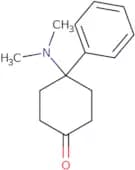
CAS:<p>5-(2,2,3-Trimethyl-3-cyclopentenyl)-3-methyl-pentan-2-ol (5MMPP) is a natural product that has been identified as an inhibitor of human immunodeficiency virus (HIV) replication. 5MMPP inhibits the formation of farnesyl diphosphate (FPP), which is essential for the production of protein kinase C and other cellular processes. This compound also blocks the HIV co-receptor CCR5, reducing the ability of HIV to latch onto cells. 5MMPP also has shown chemotactic activity against leukemia cells and skin cells in vitro, which may be due to its ability to stimulate growth factor release.</p>Formula:C14H26OPurity:Min. 95%Color and Shape:Colorless PowderMolecular weight:210.36 g/mol4-(Dimethylamino)-4-phenylcyclohexan-1-one
CAS:Controlled Product<p>Dimethylphencyclidine is a potent analgesic with high affinity for opioid receptors. It is an agonist at the μ-opioid receptor and κ-opioid receptor. Dimethylphencyclidine may also act as a nociceptive agent and has been shown to modulate pain in animals. This drug has also been shown to be neuropathic, as it inhibits the development of chronic constriction injury (CCI) in rats by reducing the formation of reactive oxygen species and increasing the expression of brain-derived neurotrophic factor (BDNF). Dimethylphencyclidine has undergone clinical trials for the treatment of neuropathic pain and is currently in phase II clinical development.<br>The pharmacological properties of dimethylphencyclidine are due to its ability to act on opioid receptors and other neurotransmitter systems, including serotonin, dopamine, acetylcholine, glutamate, and glycine. The chemical name for this drug is 4-(Dimethylamino)-4-phen</p>Formula:C14H19NOPurity:Min. 95%Molecular weight:217.31 g/molLY2112688 trifluoroacetate
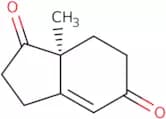
CAS:<p>Please enquire for more information about LY2112688 trifluoroacetate including the price, delivery time and more detailed product information at the technical inquiry form on this page</p>Formula:C51H70N18O11S2•(C2HF3O2)xPurity:Min. 95%Color and Shape:PowderMolecular weight:1,175.35 g/mol(S)-(+)-5,6,7,8-Tetrahydro-8-methylindan-1,5-dione
CAS:<p>(S)-(+)-5,6,7,8-Tetrahydro-8-methylindan-1,5-dione is a chemical compound with a molecular formula of C9H14O2 that has the chemical name of methyl 8-(hydroxymethyl)indane-1,5-dione. This compound is an enantiopure substance that exists as a single stereoisomer and can be synthesized from two different starting materials. It is not commercially available but can be prepared from boronic acid and methanol or from methylamine and hydroxyacetone. The reaction time for this synthesis varies depending on the starting material used and the desired purity level. (S)-(+)-5,6,7,8-Tetrahydro-8-methylindan-1,5-dione is used in organic synthesis as an alternative to other chiral diols.</p>Formula:C10H12O2Purity:Min. 95%Color and Shape:White PowderMolecular weight:164.2 g/mol


![(6α,11β,16α,17α)-6,9-Difluoro-11-hydroxy-16-methyl-spiro[androsta-1,4-diene-17,5'-[1,3]oxathiolane…](/_next/image/?url=https%3A%2Fstatic.cymitquimica.com%2Fproducts%2F3D%2Fthumb-webp%2FFD103607.webp&w=3840&q=75)
![9-Fluoro-11β,17-Dihydroxy-16α-Methyl-3,20-Dioxopregna-1,4-Dien-21-Yl 2-[2-(2-Ethoxyethoxy)Ethoxy]A…](/_next/image/?url=https%3A%2Fstatic.cymitquimica.com%2Fproducts%2F3D%2Fthumb-webp%2FFF103016.webp&w=3840&q=75)





![7,8,9,10-Tetrahydro-8-(trifluoroacetyl)-6,10-methano-6H-pyrazino[2,3-h][3]benzazepine](/_next/image/?url=https%3A%2Fstatic.cymitquimica.com%2Fproducts%2F3D%2Fthumb-webp%2FFT11986.webp&w=3840&q=75)
![2-(2-Butyl)-4-{4-[4-(4-methyloxy-phenyl)-piperazin-1-yl]-phenyl}-2,4-dihydro-[1,2,4]-triazol-3-one](/_next/image/?url=https%3A%2Fstatic.cymitquimica.com%2Fproducts%2F3D%2Fthumb-webp%2FFB19470.webp&w=3840&q=75)


![N-[3,5-Bis(trifluoroMethyl)phenyl]-N'-[(9R)-6'-Methoxy-9-cinchonanyl]thiourea](/_next/image/?url=https%3A%2Fstatic.cymitquimica.com%2Fproducts%2F3D%2Fthumb-webp%2FFB100790.webp&w=3840&q=75)
![1,3a,4,8b-Tetrahydro-3a,8b-dihydroxy-2-methyl-4-oxo-indeno[1,2-b]pyrrole-3-carbonitrile](/_next/image/?url=https%3A%2Fstatic.cymitquimica.com%2Fproducts%2F3D%2Fthumb-webp%2FFT170904.webp&w=3840&q=75)