Amino Acids (AA)
Subcategories of "Amino Acids (AA)"
- Amino Acid Derivatives(4,017 products)
- Amino Acid and Amino Acid Related Compounds(3,491 products)
- Amino Acids with Oxygen or Sulphur(168 products)
- Boc- Amino Acids(351 products)
- Fmoc Amino Acids(1,710 products)
Found 38385 products of "Amino Acids (AA)"
DL-glutamine
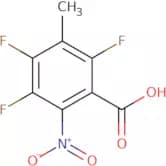
CAS:DL-glutamine is a non-essential amino acid that is needed for protein synthesis, energy production, and the function of gut cells. It is found in many foods such as dairy products and meat. L-glutamic acid is synthesized from DL-glutamine by bacteria in the intestines and can be used as a nitrogen source by other bacteria. Butyric acid is produced as a result of bacterial fermentation of DL-glutamine, which can have effects on the liver cells. The cellular morphology of liver cells changes when exposed to butyric acid.Formula:C5H10N2O3Purity:Min. 95%Color and Shape:White PowderMolecular weight:146.14 g/mol3-Methyl-6-nitro-2,4,5-trifluorobenzoic acid
CAS:3-Methyl-6-nitrobenzoic acid is a chemical intermediate in the production of nitrobenzene, which is used as a precursor to other chemicals. It can be used for the synthesis of 3-methyl-6-nitrobenzoic acid (used in the synthesis of pesticides) and 3,5-dimethyl-2,4,6-trinitrobenzoic acid (used in the synthesis of dyes). This chemical has been recrystallized and contains less than 1% impurities such as halogens or methylbenzoic acid.Formula:C8H4F3NO4Purity:Min. 95%Molecular weight:235.12 g/molZ-Val-Val-Arg-AMC
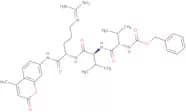
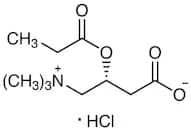
CAS:Z-Val-Val-Arg-AMC is a protease inhibitor that inhibits the activity of the ubiquitin-proteasome pathway. It was first synthesized in an attempt to inhibit the activity of cathepsin B, but it was found to inhibit other proteases and is now used as a research reagent. Z-Val-Val-Arg-AMC has been shown to have pharmacokinetic properties similar to those of zwitterionic drugs, which may be due to its high degree of water solubility. This drug also has antiinflammatory and antiproteolytic effects and may have potential use in the treatment of cancer and autoimmune diseases. Z-Val-Val-Arg-AMC inhibits autophagy by inhibiting lysosomal degradation mediated by autophagy protein LC3B and plays a role in apoptosis.Formula:C34H45N7O7Purity:Min. 95%Color and Shape:PowderMolecular weight:663.76 g/molPropionyl-L-carnitine Hydrochloride
CAS:Formula:C10H19NO4·HClPurity:>98.0%(T)Color and Shape:White to Almost white powder to crystalMolecular weight:253.722-Methyl-1-hexene
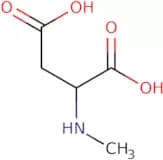
CAS:2-Methyl-1-hexene is a reaction product of ethylene and phosphite. It is used in the manufacture of butyl acrylate and methyl methacrylate. 2-Methyl-1-hexene reacts with oxygen to form a peroxide intermediate, which then reacts with aldehyde groups to form products that are characterized by their mass spectra. The rate of this reaction is dependent on the concentrations of both reactants, as well as on the temperature and acidity of the reaction environment. This process can be carried out in either liquid or gas phase at various temperatures.Formula:C7H14Purity:Min. 95%Color and Shape:Colorless Clear LiquidMolecular weight:98.19 g/molN-Methyl-DL-aspartic acid
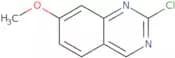
CAS:N-Methyl-DL-aspartic acid (NMDA) is a pharmacological agent that binds to the glutamate receptor and increases the intracellular calcium concentration in cells. NMDA has been shown to cause neuronal death in mouse hippocampal cells, as well as rat striatal cells. It can also act as a messenger molecule and enhance growth factor production. NMDA binds to the N-methyl-D-aspartate receptor, which is located on the surface of neurons in the brain. This binding causes an influx of sodium ions into the cell, resulting in an increase in the intracellular calcium concentration. This increase leads to changes in cellular function, including increased growth factor production and neuronal death.Formula:C5H9NO4Purity:Min. 95%Color and Shape:PowderMolecular weight:147.13 g/mol2-Chloro-7-methoxyquinazoline
CAS:2-Chloro-7-methoxyquinazoline is a useful chemical that is used in the production of other compounds. It can be used as a building block for the synthesis of various organic compounds, such as pharmaceuticals and pesticides. This compound has been shown to have useful properties, such as high purity and low cost.Formula:C9H7ClN2OPurity:Min. 95%Color and Shape:Yellow PowderMolecular weight:194.62 g/mol1-Amino-2-methyl-propan-2-ol
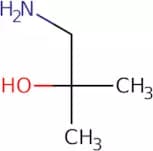
CAS:1-Amino-2-methyl-propan-2-ol is a cytotoxic molecule that has been shown to inhibit the growth of cancer cells. It is synthesized by converting 1,4-benzenediamine and cyclopentanol into the corresponding amines. The amines are then condensed with an alkanolamine in a kinetic reaction to form 1-amino-2-methylpropan-2-ol. This product's anticancer activity may be due to its ability to induce nucleophilic attack on DNA, leading to DNA strand breakage. 1AMPP has also been shown to have antiviral properties against HIV infection.Formula:C4H11NOPurity:Min. 95%Color and Shape:Colorless Clear LiquidMolecular weight:89.14 g/molD-Threonine
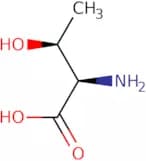
CAS:D-Threonine is a non-essential amino acid that is used in the synthesis of proteins. It is an essential amino acid for humans, and its production can be catalyzed by aldolase enzymes. D-Threonine has been shown to have anti-inflammatory properties, which may be due to its ability to inhibit the reaction mechanism of hydroxyl group enzymes. D-Threonine also inhibits cell lysis through the inhibition of certain bacterial enzymes, such as genus or kinetic. D-Threonine can also be synthetized from L-threonine by enzyme inhibitors or asymmetric synthesis.Formula:C4H9NO3Purity:Min. 95%Color and Shape:PowderMolecular weight:119.12 g/molN-Methyloctadecylamine
CAS:N-Methyloctadecylamine is a cationic surfactant that is used in the production of specialty chemicals, such as emulsifiers and wetting agents. It has been reported to have reactive properties, which may be due to its ability to react with fatty acids or amines. N-Methyloctadecylamine is also known as a lubricity agent, which improves the lubricity of materials. This chemical is an organic solution that contains hydroxyl groups, which are responsible for its high water solubility.
Formula:C19H41NPurity:Min. 95%Color and Shape:White/Off-White SolidMolecular weight:283.54 g/mol4-Bromo-L-tryptophan
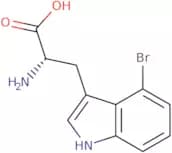
CAS:4-Bromo-L-tryptophan is an amino acid that is used in the synthesis of biomimetic molecules. It is synthesized by allylation with bromine and then chromatographically purified. 4-Bromo-L-tryptophan can also be used to study the biosynthesis of tryptophan. 4-Bromo-L-tryptophan has a molecular weight of 204.2 daltons and a pKa of 5.72, which makes it acidic at physiological pH values. The compound spontaneously forms anhydride with hydroxytryptophan, which stabilizes it and prevents hydrolysis reactions. The optimum temperature for enzymatic activity is 160 degrees Celsius, and kinetic constants have been determined at this temperature as well as at 100 degrees Celsius. Catalytic asymmetric synthesis has also been accomplished using 4-bromo L tryptophan as a substrate.Formula:C11H11BrN2O2Purity:Min. 95%Color and Shape:Slightly Yellow PowderMolecular weight:283.12 g/molBoc-(2R,3R)-3-amino-2-hydroxy-4-phenylbutyric acid
CAS:Boc-(2R,3R)-3-amino-2-hydroxy-4-phenylbutyric acid is a reagent and speciality chemical that is used as a building block in organic synthesis. It is a versatile intermediate that can be used to synthesize complex compounds with high quality and purity. Boc-(2R,3R)-3-amino-2-hydroxy-4-phenylbutyric acid has been shown to be stable under acidic conditions, making it an excellent choice for use in reactions involving strong acids. This compound can also be used as a scaffold for the synthesis of peptides and proteins.Formula:C15H21NO5Purity:Min. 95%Color and Shape:PowderMolecular weight:295.33 g/mol1-Ethyl-2-methyl-5,6-dichlorobenzimidazole
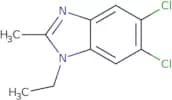
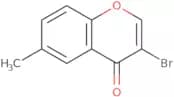
CAS:1-Ethyl-2-methyl-5,6-dichlorobenzimidazole is an organic compound that is a salt of the thiazolium cation with the ammonium anion. It has been used for the synthesis of dyes and other organic compounds. 1-Ethyl-2-methyl-5,6-dichlorobenzimidazole has also been detected in a number of plant species as a natural product or metabolite. The compound is found in plants from the families Araceae, Chenopodiaceae, Fabaceae, and Solanaceae. In terms of its physical properties, it is insoluble in water and soluble in acetone.Formula:C10H10Cl2N2Purity:Min. 95%Molecular weight:229.11 g/mol3-Bromo-6-methylchromone
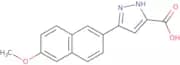
CAS:3-Bromo-6-methylchromone is a versatile building block that can be used in the synthesis of a variety of chemicals. It is an intermediate for the synthesis of 3,4-dimethylbenzaldehyde and is also used as a reagent in research. This chemical has been found to be useful in the synthesis of high-quality compounds with a wide range of applications. The compound is also used as an intermediate for the production of pharmaceuticals and pesticides. 3-Bromo-6-methylchromone can also be used as a scaffold for synthesizing new compounds with interesting properties.Formula:C10H7BrO2Purity:Min. 95%Color and Shape:PowderMolecular weight:239.07 g/mol5-(6-Methoxynaphthalen-2-yl)-1H-pyrazole-3-carboxylic acid
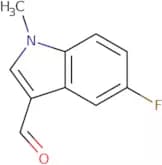
CAS:5-(6-Methoxynaphthalen-2-yl)-1H-pyrazole-3-carboxylic acid is a fine chemical that is used as an intermediate in research, development and production of pharmaceuticals. It can be also used as a reagent and speciality chemical, as well as a reaction component and useful scaffold when combined with other molecules. This compound has been found to be stable in air and water, which makes it easy to handle. 5-(6-Methoxynaphthalen-2-yl)-1H-pyrazole-3-carboxylic acid has CAS No. 1257877-12-5.Formula:C15H12N2O3Purity:Min. 95%Color and Shape:Off-White PowderMolecular weight:268.27 g/mol5-Fluoro-1-Methyl-1H-Indole-3-Carbaldehyde
CAS:5-Fluoro-1-Methyl-1H-Indole-3-Carbaldehyde is a high quality chemical that is used as a reagent, an intermediate for the synthesis of pharmaceuticals, and in the production of fine chemicals. 5FMICA is also a useful scaffold for developing valuable building blocks. This chemical has been shown to be a versatile building block for the synthesis of complex compounds. 5FMICA can be used as a reaction component for the preparation of speciality chemicals and research chemicals.Formula:C10H8FNOPurity:Min. 95%Color and Shape:PowderMolecular weight:177.18 g/mol3-Methoxyphenylmethylcarbinol
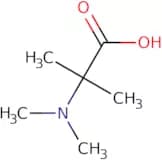
CAS:3-Methoxyphenylmethylcarbinol is a hydrogen tartrate that can be used as an intermediate in the Friedel-Crafts reaction. It is also an imine, which is formed when a nitrogen atom of an amine reacts with a carbon atom of formaldehyde. 3-Methoxyphenylmethylcarbinol has been shown to have stereoselective properties in the Friedel-Crafts reaction, which means that only one product is produced from two reactants. In this case, the hydrogen tartrate and phosphorus oxychloride are reacted to produce oxone and chloride compounds. The selectivity of 3-methoxyphenylmethylcarbinol can be increased by adding triphosgene or dimethylamine to the reaction mixture. This compound dissociates easily into its component parts and can be regenerated by adding ethyl formate or ferrocene.Formula:C9H12O2Purity:Min. 95%Color and Shape:PowderMolecular weight:152.19 g/mol2-(Dimethylamino)-2-methylpropanoic acid
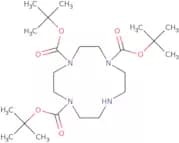
CAS:2-(Dimethylamino)-2-methylpropanoic acid is a solvent that has been investigated for use in vapor phase systems. It has been shown to have the ability to adsorb onto surfaces and to be able to desorb from these surfaces at a later time. This process allows 2-(dimethylamino)-2-methylpropanoic acid to be used as an additive for waterproofing and other applications. A thermogravimetric analysis of 2-(dimethylamino)-2-methylpropanoic acid showed that it decomposes at temperatures between 220°C and 260°C, which is lower than the temperature required for many other solvents. This property makes it suitable for use in vapor phase systems.Formula:C6H13NO2Purity:Min. 95%Color and Shape:PowderMolecular weight:131.17 g/mol1,4,7-tri-Boc-1,4,7,10-tetraaza-cyclododecane
CAS:Cyclen is a polycyclic macrocycle that is synthesized by the reaction of 1,4,7-tri-Boc-1,4,7,10-tetraaza-cyclododecane with copper(II) acetate. Cyclen has shown inhibitory activity against copper ion in the presence of hydrogen peroxide. Cyclen also inhibits the growth of cancer cells and hybridizes with messenger RNA in a zn2+ ion. The thermal denaturation of cyclen has been studied using UV spectroscopy and differential scanning calorimetry methods. Cyclen dissociates rapidly from metal ions in aqueous solution at room temperature when exposed to UV light.Formula:C23H44N4O6Purity:Min. 95%Color and Shape:White PowderMolecular weight:472.62 g/mol2-Fluoro-5-methylbenzylamine hydrochloride
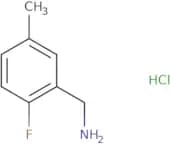
CAS:2-Fluoro-5-methylbenzylamine hydrochloride is a reagent that is used as a starting material in the synthesis of fine chemicals, research chemicals, and speciality chemicals. It reacts with a variety of compounds to form complex compounds. 2-Fluoro-5-methylbenzylamine hydrochloride has a high quality and is a versatile building block for making other chemical products. The compound also has an interesting reactivity with various substrates. 2-Fluoro-5-methylbenzylamine hydrochloride can be used as an intermediate in the synthesis of pharmaceuticals, herbicides, insecticides, and dyes. The CAS number for this compound is 1214341-09-9.Formula:C8H11ClFNPurity:Min. 95%Molecular weight:175.63 g/mol1-Cyclopropyl-6,7-difluoro-1,4-dihydro-8-methoxy-4-oxo-3-quinolinecarboxylic acid
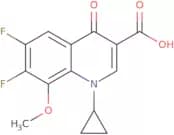
CAS:Moxifloxacin is an analog of the antibiotic quinolone. It is a prodrug that is hydrolyzed in vivo to its active form, moxifloxacin. Moxifloxacin has been shown to be effective against a variety of bacteria, including methicillin-resistant Staphylococcus aureus (MRSA), Mycobacterium tuberculosis and Mycobacterium avium complex. The reaction yield for the synthesis of moxifloxacin is very high, with an industrial production capacity in excess of 500 tons per year. Impurities are not usually found in the final product due to the use of methyl alcohol as a solvent during the reaction process. The drug has discoloring properties and deuterium atoms are often substituted for hydrogen atoms on the molecule to make it more stable. Deuterium atoms can be easily identified by mass spectrometry analysis. MoxifloxacFormula:C14H11F2NO4Purity:Min. 95%Color and Shape:PowderMolecular weight:295.24 g/molN-Boc-2-methyl-L-proline
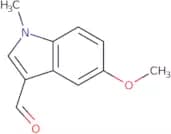
CAS:N-Boc-2-methyl-L-proline is a chemical compound that is used as a building block in the synthesis of other compounds. This substance is also an intermediate in the production of pharmaceuticals and pesticides. The compound has been shown to have high quality, versatility, and complexity. N-Boc-2-methyl-L-proline can be used as a reagent for research or as a speciality chemical. The CAS number for this substance is 103336-06-7.Formula:C11H19NO4Purity:Min. 95%Color and Shape:White To Off-White SolidMolecular weight:229.27 g/mol5-Methoxy-1-methyl-1H-indole-3-carbaldehyde
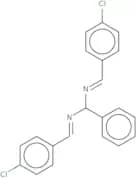
CAS:5-Methoxy-1-methyl-1H-indole-3-carbaldehyde is a synthetic compound that has been shown to inhibit the growth of human tumour cells in vitro. This compound is a regioisomeric mixture of two enantiomers, with the (S) isomer being the more potent inhibitor. The (R) isomer was found to be less active against human tumour cells and may have an antimicrobial activity. 5-Methoxy-1-methyl-1H-indole-3-carbaldehyde has been shown to be bioreductive towards electron donors such as NADPH and glutathione. It also inhibits dt diaphorase and aerobic metabolism in human tumour cells.Formula:C11H11NO2Purity:Min. 95%Color and Shape:Off-White PowderMolecular weight:189.21 g/molN,N'-Bis-(4-chlorobenzylidene)-C-phenylmethanediamine
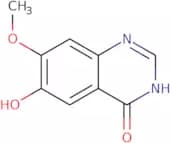
CAS:N,N'-Bis-(4-chlorobenzylidene)-C-phenylmethanediamine is a fine chemical that is useful as a building block for the preparation of other compounds. It can also be used as a reaction component in research and as a reagent for synthesizing organic compounds. This compound has CAS No. 320734-42-7 and is classified as speciality chemicals.Formula:C21H16Cl2N2Purity:Min. 95%Molecular weight:367.27 g/mol6-Hydroxy-7-methoxy-3,4-dihydroquinazolin-4-one
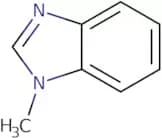
CAS:6-Hydroxy-7-methoxy-3,4-dihydroquinazolin-4-one is an amination of chloropropane and morpholinyl with 3-chloro-4-fluoroaniline. It cyclizes to form a quinazolinone. This compound was synthesized in order to produce a cytotoxic agent for cancer treatment.Formula:C9H8N2O3Purity:Min. 95%Color and Shape:PowderMolecular weight:192.17 g/mol1-Methylbenzimidazole
CAS:1-Methylbenzimidazole is an organic molecule with a molecular weight of 97.06 g/mol. It is a chalcogen, and has one nitrogen atom, one carbon atom, and four hydrogen atoms. The molecule has a planar structure with three amine groups and one chloride ion in the form of a trigonal pyramid. 1-Methylbenzimidazole has significant antifungal activity against Trichomonas vaginalis at concentrations of 10 μg/mL or higher, which may be due to its ability to inhibit the growth factor epidermal growth factor (EGF). This drug also shows high cytotoxicity against human cancer cells when used in combination with epidermal growth factor (EGF).Formula:C8H8N2Purity:Min. 95%Color and Shape:White To Beige To Pink To Brown SolidMolecular weight:132.16 g/molFmoc-Lys(Fmoc)-OH
CAS:Fmoc-Lys(Fmoc)-OH is an ester of lysine that is used in peptide synthesis. It has shown to have antimicrobial properties against bacteria and fungi. Fmoc-Lys(Fmoc)-OH has been found to be taken up by cancer cells, suggesting that it may have anticancer effects. It has also been found to inhibit the growth of bladder cancer cells as well as histidine aminopeptidase from the cell surface. Fmoc-Lys(Fmoc)-OH is stable in trifluoroacetic acid, making it a good candidate for solid-phase synthesis. This product can be synthesized by attaching the amino acid lysine to an ester linker with a fluorinated side chain. The product is then linked end-to-end via intramolecular hydrogen bonds and chemical stability is achieved through covalent amide bond formation between Lys and Fmoc groups
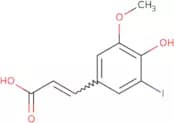
Formula:C36H34N2O6Purity:Min. 95%Color and Shape:SolidMolecular weight:590.67 g/mol3-(5-Iodo-4-hydroxy-3-methoxy)cinnamic acid
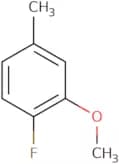
CAS:3-(5-Iodo-4-hydroxy-3-methoxy)cinnamic acid is a chemical compound that can be used as a starting material for synthesis of complex compounds. It is a white solid with a melting point of about 100°C, and it is soluble in water. This product is an excellent reagent for the synthesis of new chemicals, and it has been widely used as a reaction component in organic syntheses. 3-(5-Iodo-4-hydroxy-3-methoxy)cinnamic acid also has antibacterial properties.Formula:C10H9IO4Purity:Min. 95%Molecular weight:320.08 g/mol4-Fluoro-3-methoxytoluene
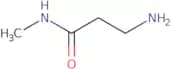
CAS:4-Fluoro-3-methoxytoluene (4FMET) is a polymeric organic compound that has an index of refraction of 1.5. It is soluble in common solvents, such as chloroform, acetone and ethanol, but insoluble in water. 4FMET can be used as a copolymerization additive to improve the chemical stability of polymers and plastics. It also has antibacterial properties that are due to its ability to disrupt bacterial membranes and inhibit protein synthesis. 4FMET is FDA approved for use in ophthalmic solutions that transmit ultraviolet light, such as UV-A or UV-B radiation.Formula:C8H9FOPurity:Min. 95%Color and Shape:Clear LiquidMolecular weight:140.15 g/molN1-Methyl-beta-alaninamide
CAS:N1-Methyl-beta-alaninamide (NMA) is an organic compound that is used as a reagent, useful scaffold, or high quality research chemical. NMA belongs to the group of compounds called amino acid amides. It can be used as a building block for complex compounds and fine chemicals. The CAS number for this product is 4874-18-4.Formula:C4H10N2OPurity:Min. 95%Color and Shape:Orange PowderMolecular weight:102.14 g/molFmoc-Asp(OtBu)-Ser(Psi(Me,Me)pro)-OMe
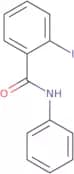
Fmoc-Asp(OtBu)-Ser(Psi(Me,Me)pro)-OMe is a versatile building block that can be used in a variety of chemical reactions. Fmoc-Asp(OtBu)-Ser(Psi(Me,Me)pro)-OMe is a reagent and speciality chemical that is useful as an intermediate or reaction component for the synthesis of complex compounds. Fmoc-Asp(OtBu)-Ser(Psi(Me,Me)pro)-OMe has been used in the synthesis of many fine chemicals and research chemicals. This compound has also been shown to have high quality and is a useful scaffold for drug discovery.Formula:C30H36N2O8Purity:Min. 95%Color and Shape:PowderMolecular weight:552.62 g/mol2-Iodo-N-phenylbenzamide
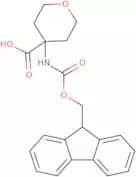
CAS:2-Iodo-N-phenylbenzamide is a palladium compound that inhibits bacterial growth by binding to DNA and preventing transcription. The drug binds to the DNA as a monomer, but also forms polymeric matrixes with other drugs. 2-Iodo-N-phenylbenzamide has been shown to have genotoxic effects on subtilis and methicillin resistant Staphylococcus aureus (MRSA) in vitro, which may be due to its ability to form crosslinks between adjacent strands of DNA. 2-Iodo-N-phenylbenzamide has been shown to be an effective anti-bacterial agent against MRSA, methicillin resistant coagulase negative staphylococci and erythromycin resistant strains of Streptococcus pyogenes.Formula:C13H10INOPurity:Min. 95%Molecular weight:323.13 g/molFmoc-4-amino-tetrahydropyran-4-carboxylic acid
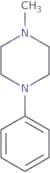
CAS:Fmoc-4-amino-tetrahydropyran-4-carboxylic acid is a versatile building block that can be used for the synthesis of many complex compounds and research chemicals. It is a speciality chemical which has been shown to be a useful intermediate in reactions, as well as being a reagent. Fmoc-4-amino-tetrahydropyran-4-carboxylic acid has also been shown to be an effective scaffold for drug design and development.Formula:C21H21NO5Purity:Min. 95%Color and Shape:White/Off-White SolidMolecular weight:367.4 g/mol1-Methyl-4-phenyl-piperazine
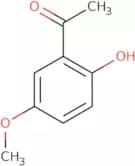
CAS:Controlled Product1-Methyl-4-phenyl-piperazine (MPP) is a drug that inhibits the serine protease and blocks the activation of tyrosine kinases. It is used in diagnostic testing to identify mutations in genes encoding for serine proteases, such as trypsin, chymotrypsin, and elastase. MPP has been shown to reduce blood pressure in rats by blocking the 5-HT4 receptor. This compound also enhances mitochondrial membrane potential and emits light when it is excited by an electron beam.Formula:C11H16N2Purity:Min. 95%Color and Shape:Colorless PowderMolecular weight:176.26 g/mol2'-Hydroxy-5'-methoxyacetophenone
CAS:2'-Hydroxy-5'-methoxyacetophenone is a molecule that has been shown to have anticancer activity. It inhibits the production of molecules in cancer cells, such as carbonic anhydrase and nitric oxide synthase. This molecule also binds to DNA and prevents the transcription of genes involved in cell proliferation, including NF-κB DNA. 2'-Hydroxy-5'-methoxyacetophenone also has inhibitory properties on the growth of cancer cells, including MCF-7 cells.
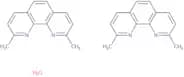
Formula:C9H10O3Purity:Min. 95%Color and Shape:Off-White PowderMolecular weight:166.17 g/mol2,9-Dimethyl-1,10-phenanthroline hemihydrate
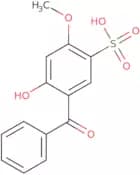
CAS:Chelating agent used to detect aqueous copper ions by electrochemiluminescenceFormula:C14H12N2•(H2O)0Purity:Min. 95%Color and Shape:PowderMolecular weight:217.27 g/mol2-Hydroxy-4-methoxybenzophenone-5-sulfonic acid
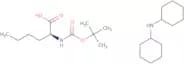
CAS:2-Hydroxy-4-methoxybenzophenone-5-sulfonic acid is a diazonium salt that can be used as a reference standard to measure the microbial metabolism of aromatic compounds. It is stable in air and light, but can undergo photolysis in solution. The monosodium salt form of 2-hydroxy-4-methoxybenzophenone-5-sulfonic acid has been shown to have acute toxicities for fish, rats and rabbits. This compound also has photochemical properties that make it useful for surface methodology, such as determining the degree of hydrophobicity of various types of surfaces. Hydrochloric acid is needed for the preparation of this compound.Formula:C14H12O6SPurity:Min. 95%Color and Shape:White To Yellow SolidMolecular weight:308.31 g/molBoc-L-norleucine dicyclohexylammonium salt
CAS:Controlled ProductBoc-L-norleucine dicyclohexylammonium salt is a cyclic peptide that has been shown to function as an anticoagulant. It is found in the sequence of protein and inhibits the coagulation process by inhibiting platelet aggregation. Boc-L-norleucine dicyclohexylammonium salt also acts as a molecular marker for c1-6 alkyl chains, which are found in viruses, and can be used to identify these molecules. This drug has antiviral activity against herpes simplex virus and inorganic acids such as hydrochloric acid.Formula:C11H21NO4·C12H23NPurity:Min. 95%Color and Shape:SolidMolecular weight:412.61 g/molDL-Homocysteine
CAS:DL-Homocysteine is a sulfur-containing amino acid that is essential for the synthesis of methionine, and is an intermediate in the metabolism of L-methionine. DL-homocysteine has been shown to cause cardiac infarction in rats by inhibiting mitochondrial functions. This amino acid also inhibits the activity of enzymes that regulate homocysteine levels, such as cystathione beta-synthase and cystathione gamma-lyase. DL-homocysteine can be used as a fluorescent probe for detecting proteins involved in apoptosis. It also has proapoptotic effects on cells, causing them to undergo apoptosis.Formula:C4H9NO2SPurity:Min. 95%Color and Shape:PowderMolecular weight:135.19 g/molN-Methyloctylamine
CAS:N-Methyloctylamine is a low energy, organic extractant that is soluble in water and ethanol. It has been shown to be an effective agent for the extraction of adenine nucleotides from acidic aqueous solutions. The hydroxyl group on the molecule enables oxidation reactions with molecules containing aldehyde groups, such as diphenyl ethers and amines. N-Methyloctylamine has also been shown to be an effective catalyst for transfer reactions between particles, such as nanoparticles.
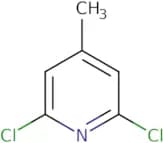
Formula:C9H21NPurity:Min. 95%Color and Shape:Clear LiquidMolecular weight:143.27 g/mol2,6-Dichloro-4-methylpyridine
CAS:2,6-Dichloro-4-methylpyridine is a chemical compound that belongs to the class of dendrons. It is used for the functionalisation of imidazole and propiolate moieties. The derivates of 2,6-dichloro-4-methylpyridine can be made by coupling with pyrazole or dimethylacetal. This compound reacts with methylene halides in nucleophilic substitution reactions to produce methyl propiolate.Formula:C6H5Cl2NPurity:Min. 95%Color and Shape:PowderMolecular weight:162.02 g/mol4-Benzoyl-D-phenylalanine
CAS:4-Benzoyl-D-phenylalanine is a high quality chemical that is used as an intermediate in the synthesis of other compounds. It is a complex compound that has been shown to be useful in the synthesis of various organic compounds, including pharmaceuticals and agrochemicals. 4-Benzoyl-D-phenylalanine can be used as a reagent and it has been shown to have a wide range of uses, including as a building block for more complex molecules. This chemical is also used in research and development, as it can be used to produce speciality chemicals and research chemicals. 4-Benzoyl-D-phenylalanine can also be used as a versatile building block for reactions that require an aromatic group.Formula:C16H15NO3Purity:Min. 98 Area-%Color and Shape:PowderMolecular weight:269.3 g/mol5-Methoxymethylacicerone
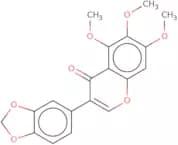
CAS:5-Methoxymethylacicerone (5MMA) is an organic compound that is used in the production of polymers. It has a viscosity of approximately 12,000 cP and can be used as a thermoplastic at temperatures up to 400°C. 5MMA is also used as a viscosite component in automotive fluids and as an optical component in customized items. It is soluble in natural gas and forms a hydrophilic film on water surfaces, causing eutrophication. 5MMA can be found in natural products such as Griffonia simplicifolia.
Formula:C19H16O7Purity:Min. 95%Molecular weight:356.33 g/mol(3-Phenyl-1,2,4-oxadiazol-5-yl)methanol
CAS:3-Phenyl-1,2,4-oxadiazol-5-yl)methanol is a versatile building block that has been used in the synthesis of complex compounds and research chemicals. It is also a reagent that can be used in the laboratory to synthesize other fine chemicals. 3-Phenyl-1,2,4-oxadiazol-5-yl)methanol is an intermediate that can be used to create high quality and useful building blocks for chemical reactions. This compound has many uses as a scaffold in organic synthesis and it can be used to make valuable products such as pharmaceuticals and pesticides. 3-(3'-phenyl)-1,2,4-oxadiazole 5'-amine is listed on the Chemical Abstracts Service (CAS) database with number 5543-33-9.
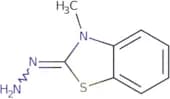
Formula:C9H8N2O2Purity:Min. 95%Color and Shape:PowderMolecular weight:176.17 g/mol3-Methyl-2-benzothiazolinone hydrazone
CAS:3-Methyl-2-benzothiazolinone hydrazone is a chemical substance that is used as a reagent for protein synthesis. It binds to the iron in the urine and prevents its oxidation, which may be due to its ability to form dehydroascorbic acid. 3-Methyl-2-benzothiazolinone hydrazone has been shown to have synthetase activity, which may be responsible for its ability to catalyze the formation of isoxsuprine hydrochloride from two molecules of acetoacetyl phosphate and one molecule of glyceraldehyde phosphate. The reaction is carried out in the presence of an iron catalyst, such as ferrous sulfate, under conditions where there are sufficient amounts of oxygen present. This compound has been shown to be stable in acidic solutions, such as urine samples. 3-Methyl-2-benzothiazolinone hydrazone can also be used as a reagent in analytical methods
Formula:C8H9N3SPurity:Min. 95%Color and Shape:Slightly Yellow Clear LiquidMolecular weight:179.24 g/molN-Acetyl-L-tryptophan
CAS:N-Acetyl-L-tryptophan is a neuroprotective agent that binds to the group p2 receptor for neurokinin-1 (NK-1) and inhibits the apoptosis pathway. It is used in the treatment of Parkinson's disease, Alzheimer's disease, and Huntington's disease. N-Acetyl-L-tryptophan has been shown to inhibit inflammatory lesions in rats with experimental autoimmune encephalomyelitis, an animal model of multiple sclerosis. This drug also interacts with toll-like receptor 4 (TLR4), which activates downstream signaling cascades involving NFκB, MAP kinase, and JAK/STAT pathways. The molecular docking analysis revealed that N-acetyl tryptophan binds to specific sites on TLR4 and prevents its activation by preventing binding of LPS.Formula:C13H14N2O3Purity:Min. 95%Color and Shape:PowderMolecular weight:246.26 g/molN-Boc-D-allylglycine
CAS:N-Boc-D-allylglycine is a peptidomimetic drug that inhibits caspase-3, an enzyme involved in apoptosis. This drug has been shown to inhibit the proteolytic activity of caspase-3 and thereby inhibit the induction of cell death by various stimuli. N-Boc-D-allylglycine is orally bioavailable and is metabolized into two active analogs: N-(2-(N′-(allyloxycarbonyl)-L-alanyl))glycine (NAGL) and N′-(2-(N′-(allyloxycarbonyl)-L-alanyl))glycinamide (NAG). These active analogs are potent inhibitors of caspase-3, with more than 100 times the potency of the parent compound. This compound also has a prodrug form, which can be hydrolyzed by esterases or glucuronidases to release the active formFormula:C10H17NO4Purity:Min. 95%Color and Shape:PowderMolecular weight:215.25 g/mol4-Methylphenyl hydrazine hydrochloride
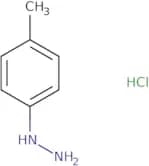
CAS:4-Methylphenyl hydrazine hydrochloride is a chemical compound that has been shown to be an effective treatment for lung tumors. It has been shown to inhibit tumorigenesis in animal models by the inhibition of angiogenesis and tumor growth. This drug is administered as a subcutaneous injection and can cause hemorrhaging, inflammation, and necrosis at the injection site. 4-Methylphenyl hydrazine hydrochloride has also been postulated to have anti-tumorigenic properties in animals.
4-Methylphenyl hydrazine hydrochloride inhibits the production of adenomas and adenocarcinomas in rats when given orally or intragastrically, but not when given intravenously.Formula:C7H10N2·HClPurity:Min 98%Molecular weight:158.63 g/molN,N-Dimethylglycine HCl
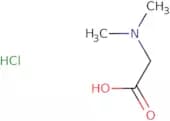
CAS:N,N-Dimethylglycine HCl is a versatile building block that is used in the synthesis of complex compounds. It has been shown to be useful as a reagent, speciality chemical, and reaction component in research. N,N-Dimethylglycine HCl can be used as an intermediate in the synthesis of pharmaceuticals and other organic compounds. This compound can also be used as a scaffold for the construction of new molecules with desired properties.Formula:C4H9NO2·HClPurity:Min. 95%Color and Shape:White PowderMolecular weight:139.58 g/mol3-Phenoxytoluene
CAS:3-Phenoxytoluene is a colorless, viscous liquid that is soluble in nonpolar solvents. It is used as a raw material for the production of phenoxyethanol and other compounds. 3-Phenoxytoluene can be synthesized by reacting an alcohol with a chloroformate in the presence of copper chloride. This reaction proceeds through the following steps:Formula:C13H12OPurity:Min. 95%Color and Shape:Clear LiquidMolecular weight:184.23 g/molBoc-L-1,2,3,4-tetrahydronorharman-3-carboxylic acid
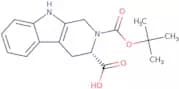
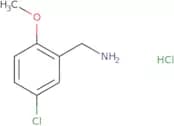
CAS:Boc-L-1,2,3,4-tetrahydronorharman-3-carboxylic acid is a versatile building block that can be used as a reaction component in the synthesis of complex compounds. It can also be used as a starting material in the preparation of high quality research chemicals. Boc-L-1,2,3,4-tetrahydronorharman-3-carboxylic acid has CAS number 66863-43-2 and is a speciality chemical with many uses.Formula:C17H20N2O4Purity:Min. 95%Color and Shape:White PowderMolecular weight:316.35 g/mol5-Chloro-2-methoxybenzylamine hydrochloride
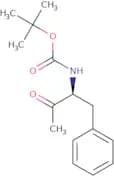
CAS:5-Chloro-2-methoxybenzylamine hydrochloride is a chemical substance that is used as an intermediate in the synthesis of pharmaceuticals and other chemicals. It can be used as a building block to create complex compounds, or it can be used in reactions to produce speciality chemicals. 5-Chloro-2-methoxybenzylamine hydrochloride is a high quality reagent that can be used as a reaction component in research and development. A fine chemical, 5-Chloro-2-methoxybenzylamine hydrochloride has many uses as a versatile building block for organic synthesis. It is also useful for generating research chemicals and complex compounds for use in medicines and other products.Formula:C8H10ClNO·(HCl)Purity:Min. 95%Color and Shape:PowderMolecular weight:208.08 g/molBoc-(3S)-3-amino-4-phenyl-2-butanone
CAS:Boc-(3S)-3-amino-4-phenyl-2-butanone is a chemical intermediate that is useful as a building block in organic synthesis. It has been used as a reaction component, reagent and high quality research chemical. Boc-(3S)-3-amino-4-phenyl-2-butanone is also a versatile building block and useful intermediate for the preparation of complex compounds. This chemical has shown to have speciality applications in fine chemicals such as pharmaceuticals and agrochemicals.
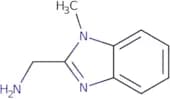
Formula:C15H21NO3Purity:Min. 95%Color and Shape:White to off-white solid.Molecular weight:263.33 g/mol(1-Methyl-1H-benzimidazol-2-yl)methylamine
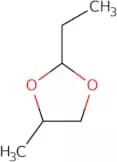
CAS:Controlled Product(1-Methyl-1H-benzimidazol-2-yl)methylamine is a heterocyclic compound with the chemical formula C6H5NCH3. It is used in organic synthesis as a building block for other compounds. (1-Methyl-1H-benzimidazol-2-yl)methylamine can be synthesized by reacting methylamine and benzimidazole in solvothermal conditions, followed by purification with ionization mass spectrometry. The compound has a molecular weight of 136 g/mol and an ionization mass of 133. This compound is homolytic under standard conditions, meaning that it undergoes reaction processes that break covalent bonds using heat or light energy. This process creates ions from neutral molecules, which are then analyzed by ionization mass spectrometry to determine the composition of the molecule.Formula:C9H11N3Purity:Min. 95%Color and Shape:Slightly Yellow PowderMolecular weight:161.2 g/mol2-Ethyl-4-methyl-1,3-dioxolane
CAS:2-Ethyl-4-methyl-1,3-dioxolane is an organic compound that belongs to the dioxolane class. It is a colorless liquid with a sweet odor and can be used as a solvent and as a reactant in organic synthesis. 2-Ethyl-4-methyl-1,3-dioxolane is activated by reaction with chloride ions. The activation energy for this reaction is between 27 and 44 kJ/mol. The reaction mechanism of 2-ethyl-4-methyl-1,3 -dioxolane involves the formation of an oxirane ring from two alcohol groups, which are attached to adjacent carbon atoms on the same side of the molecule. The hydroxyl group reacts with chloride ion to form an intermediate chlorohydrin, which then undergoes hydrolysis to produce the desired product. Spectrometry analyses have shown that 2ethyl 4 methyl 1,3 dioxolane has both cis and transFormula:C6H12O2Purity:Min. 95%Color and Shape:PowderMolecular weight:116.16 g/mol5-Methyl-1,3-oxazolidin-2-one
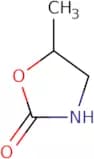
CAS:5-Methyl-1,3-oxazolidin-2-one is a synthetic compound that has been studied for its antiproliferative effects. It inhibits the growth of cancer cells by inducing cell cycle arrest and apoptosis. The structural changes in 5-Methyl-1,3-oxazolidin-2-one are responsible for these effects. The asymmetric carbon atom in the molecule allows for stereoisomeric forms to be produced. When this molecule is exposed to metal halides, it undergoes an epoxidation reaction to form an aziridine ring. This ring can then react with hydrotalcite and water to produce hydrogen gas and a carboxylic acid salt.Formula:C4H7NO2Purity:Min. 95%Color and Shape:PowderMolecular weight:101.1 g/molL-Valinamide hydrochloride
CAS:L-Valinamide hydrochloride is an amide with a reactive group. It binds to the CB2 receptor and the CB1 receptor, which are found in the brain and immune system. L-Valinamide hydrochloride has been shown to have anti-inflammatory effects in animal models of inflammatory diseases, such as rheumatoid arthritis. L-Valinamide hydrochloride has also been shown to be a synthetic cannabinoid that inhibits pain transmission by binding to the same receptors as delta-9 tetrahydrocannabinol (THC), one of the active components of cannabis.Formula:C5H12N2O·HClColor and Shape:White Off-White PowderMolecular weight:152.62 g/mol1-Hexyl-3-methylimidazolium hexafluorophosphate
CAS:1-Hexyl-3-methylimidazolium hexafluorophosphate is a cationic surfactant that is soluble in water. It has been shown to be effective for the removal of heavy metals, organic pollutants, and radioactive substances from wastewater by anion exchange resin. This compound also interacts with potassium hexafluorophosphate (KFP) to form a highly efficient ion pair. The transport properties of 1-hexyl-3-methylimidazolium hexafluorophosphate are due to its concentration dependent interactions with water molecules, which are affected by the temperature and pressure. The Langmuir adsorption isotherm has been used to describe the equilibrium between 1-hexyl-3-methylimidazolium hexafluorophosphate and KFP.Formula:C10H19F6N2PPurity:Min. 95%Color and Shape:Colourless To Yellow LiquidMolecular weight:312.24 g/mol(2S,4R)-Boc-4-hydroxypiperidine-2-carboxylic acid
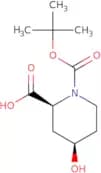
CAS:(2S,4R)-Boc-4-hydroxypiperidine-2-carboxylic acid is a fine chemical that is used as an intermediate in organic synthesis. It has been shown to be a versatile building block for the construction of complex compounds. (2S,4R)-Boc-4-hydroxypiperidine-2-carboxylic acid is also a speciality chemical with many applications in the research field.Formula:C11H19NO5Purity:Min. 95%Color and Shape:PowderMolecular weight:245.27 g/mol2-Bromo-2-phenylacetophenone
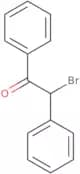
CAS:2-Bromo-2-phenylacetophenone is a drug that has been used in the treatment of brain disorders. It is also an antioxidant that prevents radiation damage to the brain by absorbing radiation energy and dissipating it as heat. 2-Bromo-2-phenylacetophenone has shown neuroprotective effects in animals by inhibiting the activity of cyclooxygenase (COX)-2, which is related to cancer and inflammation. This substance can be synthesized by reacting sodium carbonate or hydroxide with an alkanoic acid in the presence of trifluoroacetic acid. The reaction products are separated from unreacted reactants and other impurities by solid phase synthesis, purified, and characterized using nuclear magnetic resonance spectra.
Formula:C14H11BrOPurity:Min. 95%Color and Shape:Off-White To Light Brown SolidMolecular weight:275.14 g/mol2-Methyl-1-nitroprop-1-ene
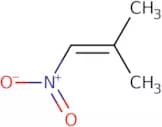
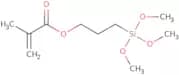
CAS:2-Methyl-1-nitroprop-1-ene is a labile molecule that can be readily synthesized from 2-methyl propanal and nitrous acid. The postulated reaction mechanism for the formation of 2-methyl-1-nitroprop-1-ene begins with the nucleophilic attack of the azide anion on the carbonyl group of 2 methyl propanal, forming a tetrahedral intermediate. This intermediate undergoes a stepwise reaction to form 2 methyl 1 nitropropane. Nitro groups have been observed in both the product and starting material, which could indicate a transfer mechanism.Formula:C4H7NO2Purity:Min. 95%Color and Shape:Clear LiquidMolecular weight:101.1 g/mol3-Methacryloxypropyltrimethoxysilane
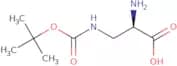
CAS:3-Methacryloxypropyltrimethoxysilane is a silane that has been modified with an acrylic group. It is used as an additive for the production of coatings, adhesives, and sealants. 3-Methacryloxypropyltrimethoxysilane is resistant to hydrochloric acid and other chemicals. It is also stable in water and light exposure. This product has shown to have high adsorption properties, which may be due to its hydroxyl groups. 3-Methacryloxypropyltrimethoxysilane has also been shown to have coupling properties that are advantageous for use with polymers and plastics.Formula:C10H20O5SiPurity:Min. 95%Color and Shape:Colorless Clear LiquidMolecular weight:248.35 g/molN-b-Boc-D-2,3-diaminopropionic acid
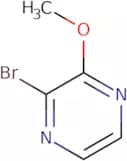
CAS:N-b-Boc-D-2,3-diaminopropionic acid is a chemical compound that belongs to the group of polypeptides. It has been shown to act as a receptor activator in cell-based assays and is capable of binding to taste receptors. N-b-Boc-D-2,3-diaminopropionic acid has also been found to be an effective inhibitor of alpha amylase, which is an enzyme that breaks down starch into maltose and dextrin. This chemical compound could serve as a potential therapeutic agent for type 2 diabetes, obesity, and other metabolic disorders. NBDAPA has also been found in fossilized invertebrates such as squid and urchins.Formula:C8H16N2O4Purity:Min. 95%Color and Shape:White to off-white solid.Molecular weight:204.22 g/mol2-Bromo-3-methoxypyrazine
CAS:2-Bromo-3-methoxypyrazine is a chemical compound that is used as a precursor in the biosynthesis of geosmin. Geosmin, also known as 2-methylisoborneol or 2-MIB, is a volatile organic compound which has a musty or earthy smell. It is produced by some species of bacteria, including Myxobacterium and Chondromyces crocatus. It can be found in soil and water samples from areas with high levels of organic matter. 2-Bromo-3-methoxypyrazine was first isolated from cultures of M. crocatus in 1950. It can be synthesized from 3,4,5-trimethoxybenzaldehyde via bromination followed by reduction with sodium hydrosulfide. This process creates an intermediate called 2-(2'-bromoethyl)pyrazine, which undergoes methylation to create 2Formula:C5H5BrN2OPurity:Min. 95%Color and Shape:White Off-White PowderMolecular weight:189.01 g/molFmoc-β-Ala-Ser(Psi(Me,Me)pro)-OH
Fmoc-b-Ala-Ser(Psi(Me,Me)pro)-OH is a fine chemical that is a versatile building block for the synthesis of complex compounds. It is also a useful intermediate in organic chemistry. This chemical can be used as a reaction component to synthesize peptides and other research chemicals. Fmoc-b-Ala-Ser(Psi(Me,Me)pro)-OH has been shown to have high quality and be an excellent reagent in the synthesis of complex molecules.
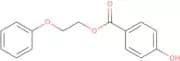
Formula:C24H26N2O6Purity:Min. 95%Color and Shape:PowderMolecular weight:438.47 g/mol2-Phenoxyethyl 4-hydroxybenzoate
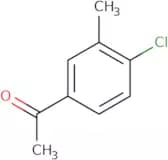
CAS:2-Phenoxyethyl 4-hydroxybenzoate is a polymerized, surfactant with a fatty acid group. It is used in skincare products as an anticancer agent and antimicrobial agent, and has been shown to have viscosity increasing effects. 2-Phenoxyethyl 4-hydroxybenzoate also has the ability to inhibit the growth of t. rubrum and p. aeruginosa in vitro. The mechanism of action is not well understood, but it may be due to its phenolic acid content, which inhibits cell wall synthesis.Formula:C15H14O4Purity:Min. 95%Molecular weight:258.27 g/mol4'-Chloro-3'-methylacetophenone, 95%
CAS:4'-Chloro-3'-methylacetophenone, 95% is a white crystalline solid that is soluble in alcohols and ethers. It has been used as a reagent for the synthesis of acetophenones. The compound exhibits moderate solubility in water and reacts with aqueous alkalis to form salts. 4'-Chloro-3'-methylacetophenone, 95% also reacts with strong oxidizing agents to form peroxides and with acid chlorides to form esters.
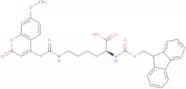
Formula:C9H9ClOPurity:Min. 95%Molecular weight:168.62 g/molN-alpha-Fmoc-Nepsilon-7-methoxycoumarin-4-acetyl-L-lysine
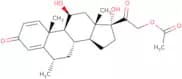
CAS:N-alpha-Fmoc-Nepsilon-7-methoxycoumarin-4-acetyl-L-lysine is a fluorogenic molecule that is synthesized by the solid phase method. It is an analog of lysine, which is a bioactive amino acid. This compound binds to copper and exhibits fluorescence emission at 585 nm when excited at 488 nm. N-alpha-Fmoc-Nepsilon-7-methoxycoumarin-4-acetyl-L-lysine can be used as a substrate for bone growth in vitro and in vivo. It can also be used as a labeling reagent for bone tissue, such as bone sections or cells. It has been shown to produce osteogenic activity in vitro and in vivo.Formula:C33H32N2O8Purity:Min. 97 Area-%Color and Shape:PowderMolecular weight:584.62 g/mol6α-Methyl prednisolone 21-acetate
Controlled Product6a-Methyl prednisolone 21-acetate is a corticosteroid that binds to the glucocorticoid receptor, which regulates gene transcription. It has been used as an injection solution for bowel disease, but has also been shown to have anti-inflammatory and immunosuppressive effects. 6a-Methyl prednisolone 21-acetate reduces the production of inflammatory cytokines and may be a useful treatment for patients with inflammatory bowel disease (IBD). 6a-Methyl prednisolone 21-acetate has also been shown to decrease inflammation in experimental models of tissue infection, such as sepsis in mice. This drug may be useful as an adjuvant therapy for the treatment of sepsis in humans. 6a-Methyl prednisolone 21-acetate is not recommended for use in patients with congestive heart failure or severe kidney impairment because it can cause fluid retention and aggravation of these conditions.
Formula:C24H32O6Purity:Min. 95%Color and Shape:PowderMolecular weight:416.51 g/mol[2-(1-Methyl-1H-pyrazol-5-yl)ethyl]amine
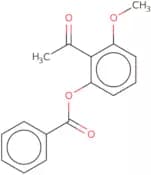
CAS:2-(1-Methyl-1H-pyrazol-5-yl)ethyl]amine is a versatile building block that can be used as a research chemical or in the synthesis of complex compounds. It has shown to be useful for the production of N-(2-(1-methyl-1H-pyrazol-5-yl)ethyl)-N'-phenylurea, which has been found to have antihydrotropic properties. CAS Number: 807315-40-8.Formula:C6H11N3Purity:Min. 95%Color and Shape:Colorless PowderMolecular weight:125.17 g/mol2'-Benzoyloxy-6'-methoxyacetophenone
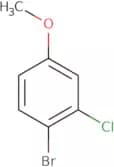
CAS:2'-Benzoyloxy-6'-methoxyacetophenone is a fine chemical that is a useful building block for the synthesis of other chemicals. It has been used as a reagent and in the preparation of speciality chemicals, such as pyrazoles, pyridones, and carbamates. 2'-Benzoyloxy-6'-methoxyacetophenone is also an intermediate for the synthesis of complex compounds or scaffolds for use in drug design.Formula:C16H14O4Purity:Min. 95%Molecular weight:270.28 g/mol1-Bromo-2-chloro-4-methoxybenzene
CAS:1-Bromo-2-chloro-4-methoxybenzene is a polychlorinated bromoarene. It is used as a precursor to produce the hydroxamic acid, 1-bromo-2,4-dichlorobenzene. This compound has been shown to be a powerful inhibitor of bacterial growth in activated sludge and soil bacteria. It also inhibits plant growth and has been used as an herbicide. The synthesis of this compound starts with acetonitrile and phenol, which are heated together to produce the desired product in high yields. The solvents are then removed by vacuum distillation or crystallization.
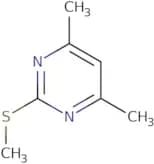
Formula:C7H6BrClOPurity:Min. 95%Molecular weight:221.48 g/mol4,6-Dimethyl-2-methylmercapyrimidine
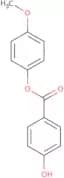
CAS:4,6-Dimethyl-2-methylmercapyrimidine is a synthetic chemical compound with two different structural isomers. The 4,6-dimethyl isomer has shown to be an effective bifunctional inhibitor of cellular peroxide production and sirtuin activity. This compound also stabilizes cellular proteins by preventing the formation of reactive oxygen species, which are generated as a result of oxidative stress. 4,6-Dimethyl-2-methylmercapyrimidine is able to inhibit the enzyme SIRT2 in cells, which plays a key role in regulating cell metabolism. This compound can also inhibit the production of nitric oxide in cells, which mediates inflammatory responses.Formula:C7H10N2SPurity:Min. 95%Color and Shape:Off-White PowderMolecular weight:154.23 g/mol4-Methoxyphenyl 4-Hydroxybenzoate
CAS:4-Methoxyphenyl 4-hydroxybenzoate is a thermodynamic monomer with the molecular formula CHCOOH. It is a colorless to white solid that is soluble in water, methanol, and acetone. 4-Methoxyphenyl 4-hydroxybenzoate polymerizes under high pressure and temperature to form homopolymers and copolymers with phenoxy, trifluoromethyl, and amide groups. This compound has been used to make polyoxyethylene surfactants with a variety of properties including surface tension, viscosity, and efficiency.
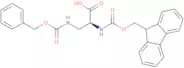
Formula:C14H12O4Purity:Min. 95%Molecular weight:244.24 g/molFmoc-Dap(Z)-OH
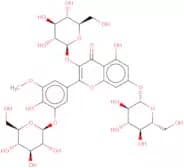
CAS:Fmoc-Dap(Z)-OH is a versatile building block that has been used as a reagent, speciality chemical and useful intermediate. It has also been used in the synthesis of pharmaceuticals, such as anti-inflammatory drugs and antibiotics. Fmoc-Dap(Z)-OH is an important building block for the synthesis of complex compounds with high quality and useful scaffolds.Formula:C26H24N2O6Purity:Min. 98 Area-%Color and Shape:PowderMolecular weight:460.48 g/molLaricitrin-3,7,5'-tri-O-glucoside
CAS:Laricitrin-3,7,5'-tri-O-glucoside is a fine chemical that can be used as a versatile building block. It is an intermediate in the synthesis of many complex compounds and useful scaffolds. Laricitrin-3,7,5'-tri-O-glucoside has been shown to react with other chemicals in order to form new compounds. This compound also has potential applications in research as a reaction component or speciality chemical. Laricitrin-3,7,5'-tri-O-glucoside has high purity and quality and is available at a reasonable price.
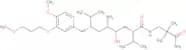
Formula:C34H42O23Purity:Min. 95%Molecular weight:818.68 g/mol5-Amino-N-(3-amino-2,2-dimethyl-3-oxopropyl)-4-hydroxy-2-isopropyl-7-[4-methoxy-3-(3-methoxypropoxy)benzyl]-8-methylnonanamide fumar ate
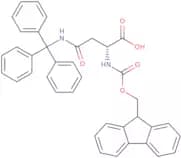
CAS:5-Amino-N-(3-amino-2,2-dimethyl-3-oxopropyl)-4-hydroxy-2-isopropyl-7-[4-methoxy-3-(3-methoxypropoxy)benzyl]-8-methylnonanamide fumar ate is a drug that inhibits the activity of angiotensin II, which is a hormone produced by the body. It is used as monotherapy for treatment of hypertension. 5AMINO has been shown to be effective in lowering blood pressure when administered alone and has been shown to be well tolerated. For this drug, the most frequently reported adverse reactions are nausea and dizziness. This drug should not be taken with other antihypertensive drugs or nonsteroidal antiinflammatory drugs such as ibuprofen (Motrin®). In addition, patients with diabetes should monitor their blood sugar levels carefully while taking this medication.Formula:C30H53N3O6Purity:Min. 95%Color and Shape:PowderMolecular weight:551.76 g/molFmoc-D-Asn(Trt)-OH
CAS:Fmoc-D-Asn(Trt)-OH is a proteolytic enzyme that is synthesized by the solid phase method. This synthetic peptide has been shown to be effective in vitro against influenza and tumor cell lines. Fmoc-D-Asn(Trt)-OH is able to cleave proteins at serine residues, which are often found in plasma proteins. The enzyme also has an asymmetric synthesis, which allows for easy purification and high yields of the desired product. This molecule does not have homologous enzymes, so it cannot be inhibited by other proteases or inhibitors of proteases. Fmoc-D-Asn(Trt)-OH is taken up by cells in the gastrointestinal tract and may be used as a cancer treatment due to its ability to inhibit tumor growth.
Formula:C38H32N2O5Purity:Min. 95%Color and Shape:PowderMolecular weight:596.67 g/molDL-Propargylglycine
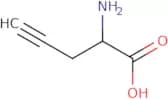
CAS:DL-Propargylglycine is a molecule that has been used as a model system for studying the interaction of neurokinin-1 receptor with response elements. It has also been shown to have inhibitory properties on polymerase chain, which is important in the process of energy metabolism. This compound has been shown to increase cytosolic Ca2+ and inhibit nuclear DNA synthesis in certain cells. DL-Propargylglycine can be used to study the effects of growth factor-β1 on myocardial infarcts and bowel disease.Formula:C5H7NO2Purity:Min. 95%Color and Shape:White Off-White PowderMolecular weight:113.11 g/molN-Boc-4-methylene-L-proline methyl ester
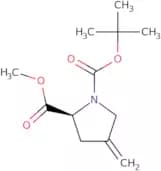
CAS:N-Boc-4-methylene-L-proline methyl ester is a versatile building block for the synthesis of complex compounds. It is an intermediate that can be used in the production of pharmaceuticals, agrochemicals, and other speciality chemicals. The compound has been shown to have an inhibitory effect on HIV replication.Formula:C12H19NO4Purity:Min. 95%Color and Shape:Colorless PowderMolecular weight:241.28 g/mol4-Phenoxyphenylacetic acid
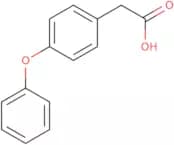
CAS:4-Phenoxyphenylacetic acid is a ligand that is used as a catalyst. It has been shown to catalyze the hydrochlorination of 4-ethoxybenzene to 4-chlorobenzene. 4-Phenoxyphenylacetic acid binds to metals and forms complexes with them, which increases its catalytic activity. The stability of the complex is also increased by the presence of heteroatoms such as chlorine or bromine on the ring system. Ligands that interact with metals are more electronegative than those that do not, and this can affect their stability in the complex.Formula:C14H12O3Purity:Min. 95%Molecular weight:228.24 g/mol4-Hydroxy-3-methylbenzoic acid
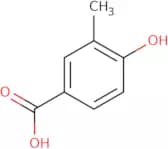
CAS:4-Hydroxy-3-methylbenzoic acid is a metabolite of 4-hydroxybenzoic acid that is found in human blood and serum. It is also a methylated derivative of benzoic acid. This compound is an intermediate in the metabolism of benzoic acid, which can be found in many plants such as cranberries, apples, and oranges.Formula:C8H8O3Color and Shape:PowderMolecular weight:152.15 g/molH-D-Chg-OH·HCl
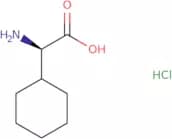
CAS:H-D-Chg-OH·HCl is an organochloride compound that is used as a reagent and building block in the synthesis of organic compounds. It has been used as a useful intermediate in the synthesis of fine chemicals, pharmaceuticals, and pesticides. H-D-Chg-OH·HCl has also been shown to be a useful scaffold for drug discovery, as well as being a versatile building block in organic synthesis. This chemical is often used as a reaction component in research on new drug targets.Formula:C8H15NO2·HClPurity:Min. 95%Color and Shape:PowderMolecular weight:193.67 g/mol1,3-Phenylene bismaleimide
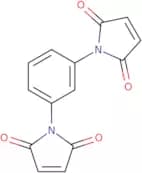
CAS:1,3-Phenylene bismaleimide is a chemical compound that is soluble in nonpolar solvents and reacts with calcium carbonate to form a solid precipitate. It can be used for the removal of calcium carbonate from water and wastewater. 1,3-Phenylene bismaleimide reacts with the magnesium oxide to produce magnesium chloride, which is soluble in water. The reaction also produces diphenyl ethers as byproducts. This process can be accomplished without the need for hydrochloric acid or lanthanum.
Formula:C14H8N2O4Purity:Min. 95%Color and Shape:PowderMolecular weight:268.22 g/molMethyl 4-methyl-3-[(N-propylalanyl)amino]thiophene-2-carboxylate HCl
CAS:Methyl 4-methyl-3-[(N-propylalanyl)amino]thiophene-2-carboxylate HCl is a local anesthetic. It has been shown to be effective in the treatment of dental pain. Methyl 4-methyl-3-[(N-propylalanyl)amino]thiophene-2-carboxylate HCl acts by inhibiting the sodium channels in nerve cells, thereby blocking the transmission of pain signals and causing muscle relaxation. This drug also provides relief from anxiety, tension, and fear. Methyl 4-methyl-3-[(N-propylalanyl)amino]thiophene-2-carboxylate HCl has a rapid onset of action, with effects lasting up to 45 minutes. The drug is metabolized by hydrolysis to methyl 3-(aminocarbonyl)thiophene carboxylate and excreted in urine as metabolites.Formula:C13H20N2O3S·HClPurity:Min. 95%Color and Shape:PowderMolecular weight:320.84 g/molN-Boc-L-phenylalanine
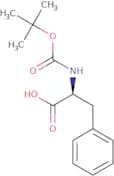
CAS:N-Boc-L-phenylalanine is a metabolic intermediate that belongs to the class of chemical compounds. It is an amino acid that has been shown to be useful in the treatment of metabolic disorders such as phenylketonuria and hyperphenylalaninemia. N-Boc-L-Phenylalanine is used as a fluorescent derivative and can be synthesized by reacting with trifluoroacetic acid (TFA) and hydrogen bromide. This active methylene group can bind to pyrazine-2-carboxylic acid, which has been shown to inhibit the growth of lymphocytic leukemia cells in culture experiments. N-Boc-L-Phenylalanine also has a hydroxy group on its side chain, which makes it soluble in water and amenable for chromatographic purification methods.Formula:C14H19NO4Purity:Min. 95%Color and Shape:White PowderMolecular weight:265.31 g/molD-tert-Leucine
CAS:D-tert-Leucine is an amino acid that is a substrate for enzyme catalysis, including the trifluoroacetic acid-catalyzed reaction. It has been used as a chiral building block for the synthesis of enantiopure amides and peptides. D-tert-Leucine also inhibits metalloproteases and can be used to inhibit receptor binding by altering the structure of ligands.
Formula:C6H13NO2Purity:Min. 97.0%Color and Shape:White PowderMolecular weight:131.17 g/molAcetyl-O-tert-butyl-L-serine
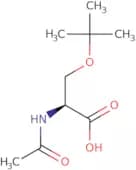
CAS:Acetyl-O-tert-butyl-L-serine is a versatile building block that can be used in the synthesis of complex compounds. It has been shown to be an effective reagent and speciality chemical, and is often used as a reaction component or useful scaffold. Acetyl-O-tert-butyl-L-serine can be used in the production of research chemicals, such as acetylated amino acids, and is also useful for the manufacture of fine chemicals.Formula:C9H17NO4Purity:Min. 95%Color and Shape:White to off-white solid.Molecular weight:203.24 g/mol1-(2-Methylphenyl)-2-nitropropene
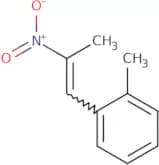
CAS:1-(2-Methylphenyl)-2-nitropropene is a high quality reagent that is used as a complex compound, useful intermediate, and fine chemical. It has been shown to be a versatile building block for the synthesis of various organic compounds. 1-(2-Methylphenyl)-2-nitropropene is a speciality chemical with CAS No. 103205-27-2. This compound can be used in research chemicals or as a reaction component for the synthesis of other substances.Formula:C10H11NO2Purity:Min. 95%Molecular weight:177.2 g/mol[1-(3-Methylpyridin-2-yl)ethyl]amine
CAS:1-(3-Methylpyridin-2-yl)ethyl]amine is a fine chemical that is a useful building block for research chemicals, reagents and speciality chemicals. It is used as a reaction component and as an intermediate in the synthesis of various complex compounds. 1-(3-Methylpyridin-2-yl)ethyl]amine is also versatile and can be used as a scaffold in organic synthesis.Formula:C8H12N2Purity:Min. 95%Color and Shape:Colorless PowderMolecular weight:136.19 g/molBoc-2-chloro-L-phenylalanine
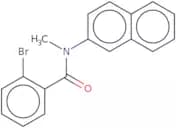
CAS:Boc-2-chloro-L-phenylalanine is a versatile building block that can be used as an intermediate or a reaction component. It has the following properties: CAS No. 114873-02-8, fine chemical, useful scaffold, versatile building block, useful intermediate, research chemicals, reaction component, speciality chemical, complex compound, useful building block. Boc-2-chloro-L-phenylalanine is a high quality reagent that can be used for research purposes.Formula:C14H18ClNO4Purity:Min. 98 Area-%Color and Shape:PowderMolecular weight:299.75 g/molN-Methyl-N-(2-naphthyl)-2-bromobenzamide
CAS:Methyl 2-naphthylbenzoate is a high quality reagent that is used as a complex compound, useful intermediate and speciality chemical. It is also a useful building block for the synthesis of other compounds. The CAS number 74881-61-1 identifies Methyl 2-naphthylbenzoate as a fine chemical with an interesting scaffold. This chemical is suitable for research purposes and versatile in its use as a reaction component.Formula:C18H14BrNOPurity:Min. 95%Molecular weight:340.21 g/molBoc-4-(aminomethyl)-L-phenylalanine
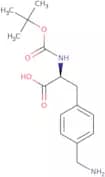
CAS:Boc-4-(aminomethyl)-L-phenylalanine is a useful building block in research and development of pharmaceuticals, agricultural chemicals, and other chemical products. It is a versatile intermediate that can be used in the production of many types of organic compounds. Boc-4-(aminomethyl)-L-phenylalanine has been used as a reagent for the preparation of various complex compounds and a reaction component in organic synthesis. It is also used to produce fluoroquinolones and other antibiotics. CAS No.: 137452-49-4
Formula:C15H22N2O4Purity:Min. 95%Molecular weight:294.35 g/molBis(2-methacryloyloxyethyl) hydrogen phosphate
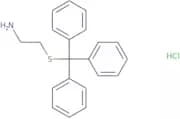
CAS:Crosslinking monomerFormula:C12H19O8PPurity:Min. 95%Color and Shape:Clear LiquidMolecular weight:322.25 g/molTrt-cysteamine hydrochloride
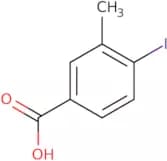
CAS:Trt-cysteamine hydrochloride is a prodrug that is metabolized to cysteamine in vivo. Cysteamine inhibits the production of tumor necrosis factor (TNF) by binding to its receptor and blocking NF-κB signaling pathways. In vitro models have shown that trt-cysteamine hydrochloride has minimal effects on cells, but when used in vivo, it can inhibit oxidative stress and induce cell death. Trt-cysteamine hydrochloride also binds to molecular targets with disulfide bonds, which may be potential therapeutic targets for cancer treatment.Formula:C21H21NS·HClPurity:Min. 95%Color and Shape:White Off-White PowderMolecular weight:355.92 g/mol4-Iodo-3-methylbenzoic acid
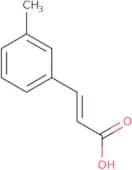
CAS:4-Iodo-3-methylbenzoic acid is a bifunctional phosphine that can be activated by phosphine gas. This compound has been shown to react with diethyl ethers and form a lanthanide phosphine complex. 4-Iodo-3-methylbenzoic acid also reacts with azides to form triazinylphosphines, which are used in fluorescence techniques. 4-Iodo-3-methylbenzoic acid has luminescent properties, which may be due to its ability to produce singlet oxygen when irradiated with visible light.Formula:C8H7IO2Purity:Min. 80%Color and Shape:PowderMolecular weight:262.04 g/mol3-Methylcinnamic acid
CAS:3-Methylcinnamic acid is an organic acid that is a phenylpropanoid metabolite. It is synthesized from malonic acid by hydroxylation and sulfonation, and then converted to cinnamic acid derivatives. 3-Methylcinnamic acid has been shown to inhibit the activity of heterocyclic amine-producing enzymes and has a strong inhibitory effect on the formation of triticum aestivum. 3-Methylcinnamic acid has been found to have diverse chemical properties that are useful for industrial purposes.
Formula:C10H10O2Purity:Min. 95%Color and Shape:PowderMolecular weight:162.19 g/mol4-Fluoro-3-methylphenol
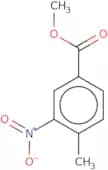
CAS:4-Fluoro-3-methylphenol is a low molecular weight compound that has been shown to have antibacterial activity. It inhibits the growth of Mycobacterium tuberculosis, and this inhibition may be due to a transfer mechanism. 4-Fluoro-3-methylphenol also inhibits the enzyme activities of esterases and glutathione reductase, which may contribute to its antitubercular activity. This molecule has been shown to have vibrational and optical properties. It has been used in microscopy experiments for the detection of mineralization in bone tissue.Formula:C7H7FOPurity:Min. 95%Molecular weight:126.13 g/molMethyl 4-methyl-3-nitrobenzoate
CAS:Methyl 4-methyl-3-nitrobenzoate is a chemical compound with the molecular formula CHNO. It is a white solid that can be used as a reagent in organic synthesis, and is also used as a building block in organic chemistry. The CAS number for methyl 4-methyl-3-nitrobenzoate is 7356-11-8.Formula:C9H9NO4Purity:Min. 95%Molecular weight:195.17 g/molFmoc-L-Gln-OH
CAS:Fmoc-L-Gln-OH is a vasoactive intestinal peptide (VIP) analog that has been shown to be a potent pressor agent. It binds to and activates the VIP receptors in the vascular endothelium, causing vasoconstriction of blood vessels. Fmoc-L-Gln-OH also inhibits mitochondrial superoxide production and colorectal adenocarcinoma growth in vitro. This compound can be synthesized using solid phase chemistry, which is a technique where the building blocks are attached sequentially to an insoluble support material. This process can be activated by trifluoroacetic acid or other activating agents and eliminates the need for protecting groups. Fmoc-L-Gln-OH has been shown to inhibit the uptake of iron from transferrin into cells and to bind hippuric acid as well as many other organic compounds.Formula:C20H20N2O5Purity:Min. 95%Color and Shape:PowderMolecular weight:368.38 g/mol

















![[2-(1-Methyl-1H-pyrazol-5-yl)ethyl]amine](/_next/image/?url=https%3A%2Fstatic.cymitquimica.com%2Fproducts%2F3D%2Fthumb-webp%2FFM129769.webp&w=3840&q=75)
![Methyl 4-methyl-3-[(N-propylalanyl)amino]thiophene-2-carboxylate HCl](/_next/image/?url=https%3A%2Fstatic.cymitquimica.com%2Fproducts%2F3D%2Fthumb-webp%2FFM130460.webp&w=3840&q=75)

![[1-(3-Methylpyridin-2-yl)ethyl]amine](/_next/image/?url=https%3A%2Fstatic.cymitquimica.com%2Fproducts%2F3D%2Fthumb-webp%2FFM121577.webp&w=3840&q=75)