Amino Acids (AA)
Amino acids (AAs) are the fundamental building blocks of proteins, playing a crucial role in various biological processes. These organic compounds are essential for protein synthesis, metabolic pathways, and cell signaling. In this category, you will find a comprehensive range of amino acids, including essential, non-essential, and modified forms, which are vital for research in biochemistry, molecular biology, and nutritional sciences. At CymitQuimica, we provide high-quality amino acids to support your research and development needs, ensuring accuracy and reliability in your experimental outcomes.
Subcategories of "Amino Acids (AA)"
- Amino Acid Derivatives(3,955 products)
- Amino Acid and Amino Acid Related Compounds(3,451 products)
- Amino Acids with Oxygen or Sulphur(168 products)
- Boc- Amino Acids(351 products)
- Fmoc Amino Acids(1,710 products)
Found 38234 products of "Amino Acids (AA)"
Sort by
Purity (%)
0
100
|
0
|
50
|
90
|
95
|
100
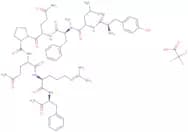
H-D-Phe-Met-Arg-Phe-NH2 trifluoroacetate salt
CAS:<p>Please enquire for more information about H-D-Phe-Met-Arg-Phe-NH2 trifluoroacetate salt including the price, delivery time and more detailed product information at the technical inquiry form on this page</p>Formula:C29H42N8O4SPurity:Min. 95%Molecular weight:598.76 g/molAc-Leu-Val-Lys-aldehyde
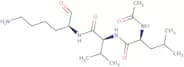
CAS:<p>Please enquire for more information about Ac-Leu-Val-Lys-aldehyde including the price, delivery time and more detailed product information at the technical inquiry form on this page</p>Formula:C19H36N4O4Purity:Min. 95%Molecular weight:384.51 g/molH-Gly-Gly-His-OH
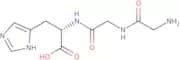
CAS:<p>H-Gly-Gly-His-OH is a molecule that is found in human serum. It is a ligand with coordination properties and has been shown to bind to copper. H-Gly-Gly-His-OH has been studied spectroscopically in the presence of human serum albumin, and it has been observed that the protonation state and interaction of this molecule are dependent on the speciation and concentration of copper.</p>Formula:C10H15N5O4Purity:Min. 95%Molecular weight:269.26 g/molZ-Ala-Pro-OH
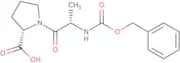
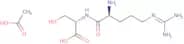
CAS:<p>Z-Ala-Pro-OH is a synthetic, analog substrate for serine proteases. It is used as a target cell for schistosomiasis, which are parasitic worms that infect humans and cause the disease. The molecule is localized in the digestive tract of the parasite, where it has biochemical properties that are analogous to those found in the natural substrate (serine protease) of this organism. Z-Ala-Pro-OH has been shown to inhibit the growth of various species of schistosomes, including Schistosoma mansoni. It also has immunoregulatory properties and can be used to stimulate antibody production by B cells when combined with an antigen.</p>Formula:C16H20N2O5Purity:Min. 95%Molecular weight:320.34 g/molH-Arg-Ser-OH acetate salt
CAS:Controlled Product<p>Please enquire for more information about H-Arg-Ser-OH acetate salt including the price, delivery time and more detailed product information at the technical inquiry form on this page</p>Formula:C9H19N5O4Purity:Min. 95%Molecular weight:261.28 g/molH-Pro-Asn-OH
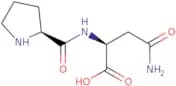
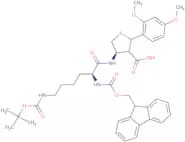
CAS:<p>H-Pro-Asn-OH is a reactive functional group that is activated by the presence of acidic conditions. It can react with epoxides to form cyclic ethers. H-Pro-Asn-OH can be used in vitro studies to assess the activation of caspases, which are proteolytic enzymes that play a role in cell apoptosis. It has also been used for molecular imaging and as an antigen for immunotherapy in cancer treatment. This molecule has a reactive functional group on its side chain and reacts with epoxides to form cyclic ethers.</p>Formula:C9H15N3O4Purity:Min. 95%Molecular weight:229.23 g/molFmoc-Lys(Boc)-Cys(Psi(Dmp,H)pro)-OH
CAS:<p>Please enquire for more information about Fmoc-Lys(Boc)-Cys(Psi(Dmp,H)pro)-OH including the price, delivery time and more detailed product information at the technical inquiry form on this page</p>Formula:C38H45N3O9SPurity:Min. 95%Molecular weight:719.84 g/molDynorphin B (1-9)
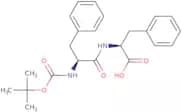
CAS:<p>Please enquire for more information about Dynorphin B (1-9) including the price, delivery time and more detailed product information at the technical inquiry form on this page</p>Formula:C54H78N16O12Purity:Min. 95%Molecular weight:1,143.3 g/molBoc-Phe-Phe-OH
CAS:<p>Boc-Phe-Phe-OH is a linker that is used to create homologues. It has been shown to be able to form supramolecular structures and encapsulate biomolecules, such as amino acids. The ester linkage of Boc-Phe-Phe-OH can be modified by the addition of a carboxylic acid, which can lead to changes in its fluorescence and magnetic properties. Boc-Phe-Phe-OH is primarily used as an intermediate for fluorescent probes or other molecules.</p>Formula:C23H28N2O5Purity:Min. 95%Molecular weight:412.48 g/molH-Gly-b-Ala-b-Ala-OH
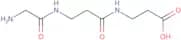
CAS:<p>Please enquire for more information about H-Gly-b-Ala-b-Ala-OH including the price, delivery time and more detailed product information at the technical inquiry form on this page</p>Formula:C8H15N3O4Purity:Min. 95%Molecular weight:217.22 g/molH-Lys-Val-OH hydrochloride salt
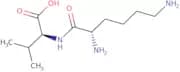
CAS:<p>H-Lys-Val-OH hydrochloride salt is a polymerase chain that has been synthesized from the amino acid lysine. It is an optical sensor that can be used to detect and quantify proteins. H-Lys-Val-OH hydrochloride salt binds to DNA in the cell nucleus and is sensitive to the concentration of adenosine triphosphate (ATP) in cells. This nucleotide plays an important role in cellular energy production. The binding constants for H-Lys-Val-OH hydrochloride salt are determined from the fluorescence emission spectrum, which changes with different concentrations of ATP. The method can be used to measure glomerular filtration rates and can be used as a low energy radiation source for cervical cancer treatment.</p>Formula:C11H23N3O3Purity:Min. 95%Molecular weight:245.32 g/mol4-Chloro-6-methyl-2-trifluoromethylpyrimidine
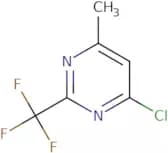
CAS:<p>Please enquire for more information about 4-Chloro-6-methyl-2-trifluoromethylpyrimidine including the price, delivery time and more detailed product information at the technical inquiry form on this page</p>Formula:C6H4ClF3N2Purity:Min. 95%Molecular weight:196.56 g/mol(Nle 8·18,Tyr34)-pTH (1-34) (human)
CAS:<p>Please enquire for more information about (Nle 8·18,Tyr34)-pTH (1-34) (human) including the price, delivery time and more detailed product information at the technical inquiry form on this page</p>Formula:C183H295N55O52Purity:Min. 95%Molecular weight:4,097.64 g/molLIP1 (human) trifluoroacetate salt
<p>Please enquire for more information about LIP1 (human) trifluoroacetate salt including the price, delivery time and more detailed product information at the technical inquiry form on this page</p>Formula:C133H229N45O37Purity:Min. 95%Molecular weight:3,050.52 g/molN-Me-D-Ala-OMe·HCl
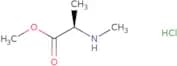
CAS:<p>Please enquire for more information about N-Me-D-Ala-OMe·HCl including the price, delivery time and more detailed product information at the technical inquiry form on this page</p>Formula:C5H11NO2·HClPurity:Min. 95%Molecular weight:153.61 g/molNeuropeptide Y (2-36) (human, rat) trifluoroacetate salt
CAS:<p>Please enquire for more information about Neuropeptide Y (2-36) (human, rat) trifluoroacetate salt including the price, delivery time and more detailed product information at the technical inquiry form on this page</p>Formula:C180H276N54O55SPurity:Min. 95%Molecular weight:4,108.51 g/molAc-muramyl-Thr-D-Glu-NH2
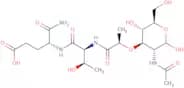
CAS:<p>Muramyl dipeptide (MDP) is a cell-wall constituent of Mycobacterium tuberculosis, which induces an antibody response. Muramyl tripeptide (MTP) is a modified form of MDP that has been used as a vaccine adjuvant. Ac-muramyl-Thr-D-Glu-NH2 is a specific antibody to MDP, which can be reconstituted by mixing with water and sodium chloride. It binds to the influenza virus, enhancing the immune response. The flu virus contains an antigen that stimulates the production of antibodies against influenza virus, and it also contains amphipathic molecules that are responsible for receptor binding and fusion with cells in the respiratory system. Ac-muramyl-Thr-D-Glu-NH2 binds to these molecules and enhances their function by increasing the efficiency of antibody binding. This leads to increased viral clearance from the body and reduced symptoms associated with infection with influenza</p>Formula:C20H34N4O12Purity:Min. 95%Molecular weight:522.5 g/molZ-Pro-Leu-Gly-OH
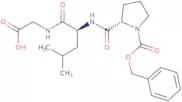
CAS:<p>Z-Pro-Leu-Gly-OH is a peptide that belongs to the class of amides, oxalate salts, and grignard reagents. It can be synthesized from the reaction between an oxalate salt and a grignard reagent. The synthesis of Z-Pro-Leu-Gly-OH is usually done by reacting an oxalate salt with a grignard reagent in presence of a ketone or ketomethylene.</p>Formula:C21H29N3O6Purity:Min. 95%Molecular weight:419.47 g/molCyclo(-Gly-Arg-Gly-Asp-Ser-Pro-Ala)
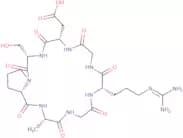
CAS:<p>Cyclo(-Gly-Arg-Gly-Asp-Ser-Pro-Ala) is a cyclic peptide that has a conformational interaction with fibrinogen. Cyclo(-Gly-Arg-Gly-Asp-Ser-Pro-Ala) binds to the FGA binding site on fibrinogen, preventing the formation of the fibrin clot. Cyclo(-Gly-Arg-Gly-Asp-Ser-Pro-Ala) has been shown to activate platelets, which may be due to its ability to increase levels of cAMP and activate protein kinase A. Cyclo(-Gly-Arg-Gly-Asp-) also has an affinity for monoclonal antibodies, which may be due to its high molecular electrostatic potential or its synthetic nature.</p>Formula:C25H40N10O10Purity:Min. 95%Molecular weight:640.65 g/molN-Methyl-4-oxo-4,5-dihydropyridine-3-carboxamide
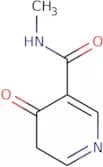
CAS:<p>N-Methyl-4-oxo-4,5-dihydropyridine-3-carboxamide is a fine chemical that can be used as a reagent or intermediate. It is a versatile building block that can be used in the production of useful scaffolds or useful intermediates. This compound has been shown to react with many different types of chemicals, including alcohols and amines. N-Methyl-4-oxo-4,5-dihydropyridine-3-carboxamide can also be used as a reaction component in the synthesis of diverse compounds.</p>Formula:C7H8N2O2Purity:Min. 95%Color and Shape:White to grey solid.Molecular weight:152.15 g/molN1-Glutathionyl-spermidine disulfide [
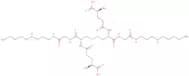
CAS:<p>N1-Glutathionyl-spermidine disulfide (N1-GS) is a molecule that has been shown to have clinical use in the treatment of chronic hepatitis C infection. The N1-GS molecule is composed of a glutathione (GSH) scaffold with two sulfhydryl groups and an amino acid side chain. N1-GS has a hydrophobic nature, which allows it to penetrate the cellular membrane and enter cells. It is also able to form hydrogen bonds and act as a catalyst for reactions. Fluorescence analysis revealed that this molecule is selective for disulfides over thiols, amines, or alcohols. Disulfides are very important in biological systems since they can be found in enzymes, proteins, and cellular membranes. The insolubility of the N1-GS molecule makes it difficult to analyze its structure using traditional methods such as gas chromatography or nuclear magnetic resonance spectroscopy. However, fluorescence</p>Formula:C34H66N12O10S2Purity:Min. 95%Molecular weight:867.09 g/molAc-His-His-Gly-His-OH
CAS:<p>Ac-His-His-Gly-His-OH is a lysine ligand with an acetyl group and two histidine residues. Acetylation of the hydroxyl group on the lysine residue is necessary for binding to metal ions, such as protonation. This molecule has been shown to have five different protonation states at neutral pH. The protonated form has been found to be more soluble in water than the deprotonated form. Acetylation of both lysines in the molecule leads to hydrolytic cleavage of the amide bond, which causes it to become insoluble in water. Acetylation also alters chemical properties, such as changes in color; for example, this molecule exhibits dichroism when viewed under polarized light.</p>Formula:C22H28N10O6Purity:Min. 95%Molecular weight:528.52 g/molHSV-1-amide UL 26 Open Reading Frame (242-255)
CAS:<p>Please enquire for more information about HSV-1-amide UL 26 Open Reading Frame (242-255) including the price, delivery time and more detailed product information at the technical inquiry form on this page</p>Formula:C80H117N21O20SPurity:Min. 95%Molecular weight:1,724.98 g/molH-Tyr-Gln-OH
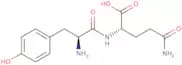
CAS:<p>H-Tyr-Gln-OH is a model system for the study of polymerase chain reactions. It is a basic protein that has been shown to have antimicrobial peptide activity, and it can be used as a light signal in colony-stimulating factor experiments. H-Tyr-Gln-OH also has been shown to affect fertility in mice and to alter the frequency shift of light. The plant physiology studies on H-Tyr-Gln-OH have revealed that this molecule can stimulate epidermal growth factor production in plants, which may be due to its ability to bind lipid kinases. H-Tyr-Gln-OH can also be used as an antigen for antibody production or as a hybridization probe for DNA detection.</p>Formula:C14H19N3O5Purity:Min. 95%Molecular weight:309.32 g/mol(Met5,Pro6,D-Phe7,D-Trp9,Phe10)-α-MSH (5-13)
CAS:<p>(Met5,Pro6,D-Phe7,D-Trp9,Phe10)-a-MSH (5-13) is a fragment of alpha-MSH. It is produced by the coupling of 5 amino acids with a fatty acid at the C-terminus. This peptide has been found to have an anti aging effect on the skin due to its ability to stimulate the production of collagen and glycerin. It also has an active oxygen species that can activate tyrosinase and therefore increase melanin production. The enzyme tyrosinase is responsible for catalyzing the last step in the synthesis of melanin from dopaquinone. This compound may be used cosmetically or as a growth regulator in skincare products.</p>Formula:C61H87N15O9SPurity:Min. 95%Molecular weight:1,206.51 g/molPAR-4 (1-6) amide (mouse) trifluoroacetate salt
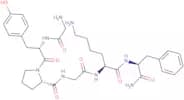
CAS:<p>PAR-4 (1-6) amide (mouse) trifluoroacetate salt H-Gly-Tyr-Pro-Gly-Lys-Phe-NH2 trifluoroacetate salt is a guanine nucleotide binding protein that belongs to the PAR family of proteins. It is expressed in wild type mice and binds to the cytosolic calcium, which regulates polymerase chain reaction. PAR-4 (1-6) amide (mouse) trifluoroacetate salt H-Gly-Tyr-Pro-Gly-Lys-Phe NH2 trifluoroacetate salt can be used as a potential drug target for epidermal growth factor. It has been shown to activate transcription polymerase chain and transcriptase polymerase chain during transcriptional regulation of messenger RNA.</p>Formula:C33H46N8O7Purity:Min. 95%Molecular weight:666.77 g/molAmyloid b-Protein (1-40) amide trifluoroacetate salt
CAS:<p>Please enquire for more information about Amyloid b-Protein (1-40) amide trifluoroacetate salt including the price, delivery time and more detailed product information at the technical inquiry form on this page</p>Formula:C194H296N54O57SPurity:Min. 95%Molecular weight:4,328.82 g/molProlactin-Releasing Peptide (1-31) (rat)
CAS:<p>Please enquire for more information about Prolactin-Releasing Peptide (1-31) (rat) including the price, delivery time and more detailed product information at the technical inquiry form on this page</p>Formula:C156H242N54O43SPurity:Min. 95%Molecular weight:3,593.99 g/molLauroyl lysine
CAS:<p>Lauroyl lysine (N6-Lauroyl-L-lysine) functions as skin and hair conditioning agents and as surfactants-cleansing agents in personal care products.</p>Formula:C18H36N2O3Purity:99.18%Color and Shape:White To Off-White Solid With Characteristic Faint OdorMolecular weight:328.49(Nle 8·18,Tyr34)-pTH (7-34) amide (bovine)
CAS:<p>Please enquire for more information about (Nle 8·18,Tyr34)-pTH (7-34) amide (bovine) including the price, delivery time and more detailed product information at the technical inquiry form on this page</p>Formula:C158H248N48O49Purity:Min. 95%Molecular weight:3,603.95 g/molRenin Substrate 1 trifluoroacetate salt
CAS:<p>Please enquire for more information about Renin Substrate 1 trifluoroacetate salt including the price, delivery time and more detailed product information at the technical inquiry form on this page</p>Formula:C109H157N31O22S2Purity:Min. 95%Molecular weight:2,317.74 g/molFibrinopeptide A (human) trifluoroacetate salt
CAS:<p>Fibrinopeptide A is a peptide that is released from the fibrinolysis of fibrinogen. It can be used as a blood marker for the diagnosis of bowel disease and primary pulmonary hypertension, but not for other diseases such as infectious diseases. Fibrinopeptide A has been shown to be an effective model system for studying thrombin-mediated fibrin polymerization in vitro. This drug also can be used as a tool for investigating the disulfide bond in fibrinogen.</p>Formula:C63H97N19O26Purity:Min. 95%Molecular weight:1,536.56 g/molGastric Inhibitory Polypeptide (6-30) amide (human) trifluoroacetate salt
CAS:<p>Please enquire for more information about Gastric Inhibitory Polypeptide (6-30) amide (human) trifluoroacetate salt including the price, delivery time and more detailed product information at the technical inquiry form on this page</p>Formula:C139H209N35O38SPurity:Min. 95%Molecular weight:3,010.43 g/molPolistes Mastoparan
CAS:<p>Polistes mastoparan is a peptide that was extracted from the venom of the European beewolf. It has been shown to have high affinity for tumor cells and can be used as a diagnostic agent. Polistes mastoparan has also been shown to have anti-inflammatory properties and inhibit the formation rate of glycopeptide antibiotics. This peptide can bind to calmodulin, which may be due to its β-amino acid sequence. Polistes mastoparan inhibits the growth of Stenotrophomonas maltophilia in vitro by binding to fatty acids on the cell membrane.</p>Formula:C77H127N21O18Purity:Min. 95%Molecular weight:1,634.96 g/molH-Ala-Gly-Ala-OH
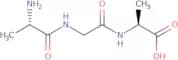
CAS:<p>H-Ala-Gly-Ala-OH is a small molecule that regulates the replication of viruses. It was discovered by x-ray crystallography and has been shown to inhibit the replication of viruses in cell culture. H-Ala-Gly-Ala-OH effectively inhibits viral replication by binding to the protein that is required for viral RNA synthesis. This molecule also affects other cellular processes, such as regulating gene expression and DNA repair. The molecular orbital energies have been calculated using density functional theory and analysed using diffraction data from X-ray crystallography. H-Ala-Gly-Ala-OH binds to the virus's surface by electrostatic interactions with the phosphate backbone of the nucleic acid, preventing it from infecting cells. At low temperatures, HAAGAO can inhibit both DNA and RNA synthesis in vitro, but at higher temperatures it only inhibits RNA synthesis.</p>Formula:C8H15N3O4Purity:Min. 95%Molecular weight:217.22 g/molBiotinyl-MCH (salmon) trifluoroacetate salt
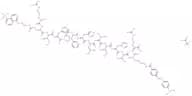
CAS:<p>Please enquire for more information about Biotinyl-MCH (salmon) trifluoroacetate salt including the price, delivery time and more detailed product information at the technical inquiry form on this page</p>Formula:C99H153N29O26S5Purity:Min. 95%Molecular weight:2,325.78 g/molBoc-Pro-Pro-Pro-Pro-OH
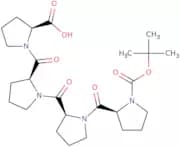
CAS:<p>Boc-Pro-Pro-Pro-Pro-OH is a synthetic peptide. It has been shown to have high specificity and is useful in the diagnosis of diseases that are caused by abnormal extracellular glutamic acid, hydroxyproline, or ion-exchange. Boc-Pro-Pro-Pro-Pro-OH has been used as a model for other peptides and has been shown to have acidic properties. The structure is dodecyl peptidic with a residue of -N(CH2)3-.</p>Formula:C25H38N4O7Purity:Min. 95%Molecular weight:506.59 g/molFmoc-Pro-Pro-Pro-OH
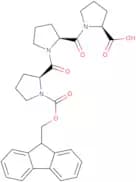
CAS:<p>Please enquire for more information about Fmoc-Pro-Pro-Pro-OH including the price, delivery time and more detailed product information at the technical inquiry form on this page</p>Formula:C30H33N3O6Purity:Min. 95%Molecular weight:531.6 g/molFmoc-3-(2-naphthyl)-L-alanine
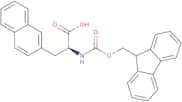
CAS:<p>Fmoc-3-(2-naphthyl)-L-alanine is a supramolecular compound that functions as an inhibitor of prostate cancer cells. It inhibits the uptake of metal chelates by prostate cancer cells and stabilizes them, which may lead to a diagnostic and therapeutic agent for prostate cancer. Fmoc-3-(2-naphthyl)-L-alanine has also been shown to inhibit the growth of human serum prostate cancer cells in vitro and in vivo models. This molecule is a bifunctional compound that can be used as both an antigen and a surrogate for cytosolic prostate specific antigen (PSA) levels. Fmoc-3-(2-naphthyl)-L-alanine has been shown to bind to the PSA protein, which is normally found on the surface of prostate epithelial cells. This binding prevents it from being released into the blood circulation, where it would otherwise be measured by a PSA test</p>Formula:C28H23NO4Purity:Min. 95%Color and Shape:PowderMolecular weight:437.49 g/molBiotinyl-AEEAc-AEEAc-OH
CAS:<p>Please enquire for more information about Biotinyl-AEEAc-AEEAc-OH including the price, delivery time and more detailed product information at the technical inquiry form on this page</p>Formula:C22H38N4O9SPurity:Min. 95%Molecular weight:534.62 g/molZ-Gly-Phe-Ala-OH
CAS:<p>Please enquire for more information about Z-Gly-Phe-Ala-OH including the price, delivery time and more detailed product information at the technical inquiry form on this page</p>Formula:C22H25N3O6Purity:Min. 95%Molecular weight:427.45 g/molKALA Amphipathic Peptide
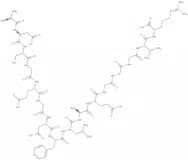
CAS:<p>Please enquire for more information about KALA Amphipathic Peptide including the price, delivery time and more detailed product information at the technical inquiry form on this page</p>Formula:C144H248N40O35SPurity:Min. 95%Molecular weight:3,131.82 g/molH-Cys-Ser-Arg-Ala-Arg-Lys-Gln-Ala-Ala-Ser-Ile-Lys-Val-Ala-Val-Ser-Ala-Asp-Arg-OH trifluoroacetate salt
CAS:<p>Please enquire for more information about H-Cys-Ser-Arg-Ala-Arg-Lys-Gln-Ala-Ala-Ser-Ile-Lys-Val-Ala-Val-Ser-Ala-Asp-Arg-OH trifluoroacetate salt including the price, delivery time and more detailed product information at the technical inquiry form on this page</p>Formula:C82H149N31O26SPurity:Min. 95%Molecular weight:2,017.32 g/molEndomorphin-2 trifluoroacetate salt
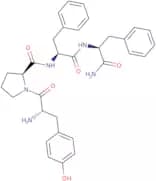
CAS:<p>Endomorphin-2 is a cyclic peptide that is the endogenous ligand for the neurokinin-1 receptor and kappa-opioid receptors. It has been shown to have analgesic, anti-inflammatory, and antidiarrheal properties. Endomorphin-2 also has been shown to inhibit platelet aggregation and vasoconstriction in vivo. The biological activities of endomorphin-2 are similar to those of endomorphin-1, but it differs structurally in that it contains a single intramolecular hydrogen bond between the amide nitrogen of Tyr and Pro. This intramolecular hydrogen bond may be responsible for the high potency of endomorphin-2, as well as its conformational stability.</p>Formula:C32H37N5O5Purity:Min. 95%Molecular weight:571.67 g/molPhacolysine sodium salt
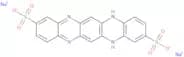
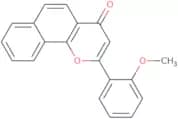
CAS:<p>Phacolysine sodium salt is a drug that activates the choroidal neovascularization receptor. It has been shown to inhibit the growth of tumors by synchronous fluorescence and disulfide bond binding. Phacolysine sodium salt has shown clinical efficacy in the treatment of choroidal neovascularization, with an average success rate of 75%. It has also been shown to be effective in treating other types of cancer, such as prostate cancer. In addition, it has antioxidative properties and can inhibit prostaglandin synthesis. This medicine is sometimes used in combination with ondansetron hydrochloride and benzalkonium chloride for pharmacological treatment.</p>Formula:C18H10N4Na2O6S2Purity:Min. 95%Color and Shape:Red PowderMolecular weight:488.41 g/mol2'-Methoxy-α-naphthoflavone
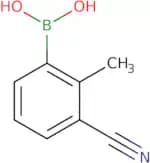
CAS:<p>2'-Methoxy-alpha-naphthoflavone is a fine chemical that can be synthesized from naphthalene, benzaldehyde, and methoxyacetic acid. It is a versatile building block for research chemicals and has been shown to have high quality. 2'-Methoxy-alpha-naphthoflavone has been used as a reaction component in the synthesis of complex compounds with interesting biological activities.</p>Formula:C20H14O3Purity:Min. 95%Molecular weight:302.32 g/mol3-Cyano-2-methylphenylboronic acid
CAS:<p>3-Cyano-2-methylphenylboronic acid is a high quality compound that can be used as a reagent, intermediate, or building block in the synthesis of complex compounds. This chemical is also useful as a speciality chemical and research chemical. 3-Cyano-2-methylphenylboronic acid has versatile uses in organic synthesis due to its versatility in reactions and building blocks.</p>Formula:C8H8BNO2Purity:Min. 95%Color and Shape:PowderMolecular weight:160.97 g/molpTH (1-31) (human)
CAS:<p>Please enquire for more information about pTH (1-31) (human) including the price, delivery time and more detailed product information at the technical inquiry form on this page</p>Formula:C162H269N49O47S2Purity:Min. 95%Molecular weight:3,719.3 g/molFITC-β-Ala-Amyloid β-Protein (1-40)
CAS:<p>Please enquire for more information about FITC-beta-Ala-Amyloid beta-Protein (1-40) including the price, delivery time and more detailed product information at the technical inquiry form on this page</p>Formula:C218H311N55O64S2Purity:Min. 95%Molecular weight:4,790.27 g/molH-Ala-Gly-OH
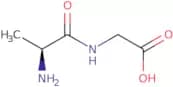
CAS:<p>H-Ala-Gly-OH is a synthetic amino acid that is used to produce the peptide hormone luteinizing hormone (LH). It has been shown that H-Ala-Gly-OH is an antigen specific antibody response and has a hydrogen bond. The functional groups of H-Ala-Gly-OH include amine, carboxyl, and hydroxyl. Structural analysis of this compound was completed using a kinetic method. The conformational properties of H-Ala-Gly-OH were determined by nmr spectra and titration method. This synthetic amino acid may inhibit protein synthesis in vivo through treatment with carbohydrate.</p>Formula:C5H10N2O3Purity:Min. 95%Molecular weight:146.14 g/molH-Tyr-Tyr-Tyr-Tyr-Tyr-Tyr-OH trifluoroacetate salt
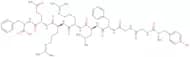
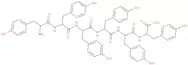
CAS:<p>The compound H-Tyr-Tyr-Tyr-Tyr-Tyr-Tyr-OH trifluoroacetate salt is a synthetic antigen for use in the production of immunoadsorbent conjugates. It is a postulated fluorescence molecule that interacts with specific antibodies to form an antigen. This antigen can be used as a probe for detecting antibodies in biological fluids and tissues by fluorescence microscopy and has been shown to have no antigenicity in skin reactions.</p>Formula:C54H56N6O13Purity:Min. 95%Molecular weight:997.06 g/mol6-(7-Nitro-benzo[2,1,3]oxadiazol-4-ylamino)-hexanoyl-Arg-Pro-Lys-Pro-Leu-Ala-Nva-Trp-Lys((7-dimethylaminocoumarin-4-yl)-acetyl)-NH2 trifluoroacetate salt
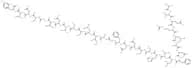
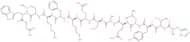
CAS:<p>Please enquire for more information about 6-(7-Nitro-benzo[2,1,3]oxadiazol-4-ylamino)-hexanoyl-Arg-Pro-Lys-Pro-Leu-Ala-Nva-Trp-Lys((7-dimethylaminocoumarin-4-yl)-acetyl)-NH2 trifluoroacetate salt including the price, delivery time and more detailed product information at the technical inquiry form on this page</p>Formula:C78H111N21O16Purity:Min. 95%Molecular weight:1,598.85 g/molFibronectin Fragment (1377-1388)
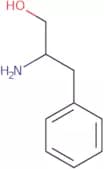
CAS:<p>Please enquire for more information about Fibronectin Fragment (1377-1388) including the price, delivery time and more detailed product information at the technical inquiry form on this page</p>Formula:C56H97N19O20Purity:Min. 95%Molecular weight:1,356.49 g/molDL-Phenylalaninol
CAS:<p>DL-Phenylalaninol is a chemical compound with the molecular formula CHNO. It is a white to pale yellow solid that is soluble in water and methanol, but not in diethyl ether. DL-Phenylalaninol has been synthesized by reacting cycloleucine with l-phenylalaninol. The reaction solution was heated at a temperature of 140°C for six hours, which yielded DL-Phenylalaninol as a hydroxy methyl compound. The synthesis of DL-Phenylalaninol was achieved through an asymmetric synthesis with sodium dodecyl sulfate surfactant. A detection sensitivity of 1 ppm and an enhancement at 260 nm were observed when analyzing the product by high performance liquid chromatography (HPLC).</p>Formula:C9H13NOPurity:Min. 95%Molecular weight:151.21 g/mol((R)-4-Hydroxy-4-methyl-Orn7)-phalloidin
CAS:<p>Please enquire for more information about ((R)-4-Hydroxy-4-methyl-Orn7)-phalloidin including the price, delivery time and more detailed product information at the technical inquiry form on this page</p>Formula:C35H49N9O10SPurity:Min. 95%Color and Shape:PowderMolecular weight:787.88 g/molH-Lys(Boc)-2-chlorotrityl resin (200-400 mesh) (Low Substitution)
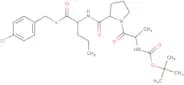
<p>Please enquire for more information about H-Lys(Boc)-2-chlorotrityl resin (200-400 mesh) (Low Substitution) including the price, delivery time and more detailed product information at the technical inquiry form on this page</p>Purity:Min. 95%Boc-Ala-Pro-Nva-4-chloro-SBzl
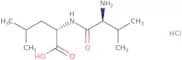
CAS:<p>Please enquire for more information about Boc-Ala-Pro-Nva-4-chloro-SBzl including the price, delivery time and more detailed product information at the technical inquiry form on this page</p>Formula:C25H36ClN3O5SPurity:Min. 95%Molecular weight:526.09 g/molH-Val-Leu-OH·HCl
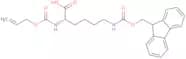
CAS:<p>H-Val-Leu-OH·HCl is a hydrolytic cleavage product of the covalent adduct of valproic acid and HCl. It is an acidic compound that can be produced by hydrolysis or by exposure to alcohols. This compound is also known as ethylene glycol monobutyl ether, which is formed when ethylene reacts with butanol. H-Val-Leu-OH·HCl has been shown to cause termination in animal experiments and has been detected in humans following alcohol exposure. It also has some toxic effects on animals such as liver damage, kidney damage, and death.</p>Formula:C11H22N2O3·HClPurity:Min. 95%Molecular weight:266.76 g/molN-α-Allyloxycarbonyl-N-ε-2-Fmoc-L-lysine
CAS:<p>The synthesis of semaglutide is accomplished by a solid-phase synthetic route. The peptide is synthesized on a polymeric support. The side chains are assembled in the liquid phase and then condensed with the peptide chain. The condensation reaction between the side chains and peptide chain is catalyzed by an acid such as trifluoroacetic acid or ethyl chloroformate. Semaglutide was synthesized using this method to produce high purity, concentration, and yield.</p>Formula:C25H28N2O6Purity:Min. 95%Color and Shape:White/Off-White SolidMolecular weight:452.5 g/molPACAP-38 (28-38) (human, chicken, mouse, ovine, porcine, rat) trifluoroacetate salt
CAS:<p>PACAP-38 (28-38) is a peptide hormone that is produced in the brain and regulates various physiological processes. It has been shown to have effects on intestinal, pancreatic, and lung cells. PACAP-38 (28-38) is a potent antagonist of vasoactive intestinal polypeptide (VIP), which has been implicated in the regulation of gastrointestinal motility and fluid secretion. The peptide also inhibits cancer cell proliferation by activating cell death pathways.</p>Formula:C61H110N24O14Purity:Min. 95%Molecular weight:1,403.68 g/molNeurotensin (1-6) trifluoroacetate salt Pyr-Leu-Tyr-Glu-Asn-Lys-OH trifluoroacetate salt
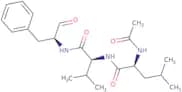
CAS:<p>Please enquire for more information about Neurotensin (1-6) trifluoroacetate salt Pyr-Leu-Tyr-Glu-Asn-Lys-OH trifluoroacetate salt including the price, delivery time and more detailed product information at the technical inquiry form on this page</p>Formula:C35H52N8O12Purity:Min. 95%Molecular weight:776.83 g/molAc-Leu-Val-Phe-aldehyde
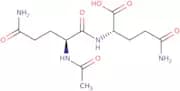
CAS:<p>Ac-Leu-Val-Phe-aldehyde is a synthetic compound that inhibits the catalytic activity of carboxyl enzymes. It binds to the catalytic site of the enzyme via a noncovalent interaction with residues on the polypeptide chain, thereby preventing the formation of an active complex with other cofactors such as metal ions, amino acids, and ATP. Ac-Leu-Val-Phe-aldehyde can be used in analytical chemistry for determination of carboxyl groups in organic compounds or for determining protein content in biological samples. Ac-Leu-Val-Phe-aldehyde has also been shown to bind to antibodies which are specific for carboxyl groups.</p>Formula:C22H33N3O4Purity:Min. 95%Molecular weight:403.52 g/molAc-Gln-Gln-OH
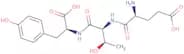
CAS:<p>Glutamine is a non-essential amino acid that is found in the cell in large amounts. It functions as a precursor of glutamate, an important neurotransmitter and intermediate in protein synthesis. Glutamine also has antioxidant properties, which may be due to its ability to donate hydrogen atoms or act as a reducing agent. Glutamine can be synthesized by glutaminase from glutamate and ammonia, but it can also be obtained from dietary sources. The uptake of glutamine is rapid at low concentrations, but becomes slower at higher concentrations. Glutamine is catabolized by the liver and kidney into glutamate and ammonia.<br>Glutamate dehydrogenase (GLDH) catalyzes the conversion of glutamate to α-ketoglutarate, producing NADH and H+.<br>The genetic mechanisms underlying the synthesis of glutamine are not well understood; however, one hypothesis states that glutamine could be synthesized from alpha-ketoglutarate via the reverse transamination reaction during periods when glucose</p>Formula:C12H20N4O6Purity:Min. 95%Molecular weight:316.31 g/molH-Glu-Thr-Tyr-OH
CAS:<p>Please enquire for more information about H-Glu-Thr-Tyr-OH including the price, delivery time and more detailed product information at the technical inquiry form on this page</p>Formula:C18H25N3O8Purity:Min. 95%Molecular weight:411.41 g/molAc-Glu-pNA
CAS:<p>Ac-Glu-pNA is a synthetic substrate that is used in protease assays. Its amino acid sequence contains reactive groups, such as the carboxy terminal, that are cleaved by proteases. Ac-Glu-pNA has been shown to be a good substrate for thermophilic and licheniformis proteases and has been reported to be stable at neutral pH values.</p>Formula:C13H15N3O6Purity:Min. 95%Molecular weight:309.27 g/molH-Asp-Ala-His-Lys-OH
CAS:<p>Please enquire for more information about H-Asp-Ala-His-Lys-OH including the price, delivery time and more detailed product information at the technical inquiry form on this page</p>Formula:C19H31N7O7Purity:Min. 95%Molecular weight:469.49 g/molH-Gly-Phe-Tyr-OH
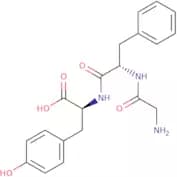
CAS:<p>H-Gly-Phe-Tyr-OH is a water soluble polymer that can be conjugated to drugs. The polymer is composed of methacrylamide and Gly, Phe, and Tyr residues. This polymer is used in the treatment of cancer by conjugating a drug to the polymer to make it water soluble. H-Gly-Phe-Tyr-OH can also be used as a polymeric carrier for docetaxel or gemcitabine.</p>Formula:C20H23N3O5Purity:Min. 95%Molecular weight:385.41 g/molFmoc-glu-OAll
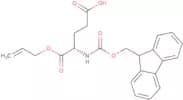
CAS:<p>Fmoc-glu-OAll is a cyclic peptide that is synthesized using solid-phase synthesis. It has been shown to have minimal inhibitory concentration (MIC) values of 0.5 µg/mL against mouse tumor cells and human serum, as well as high affinity for integrin receptors. This peptide also binds to the human serum albumin and blood clotting factor Xa, which are proteins involved in cancer therapy.</p>Formula:C23H23NO6Purity:Min. 95%Molecular weight:409.43 g/mol(Pro7)-Neurokinin B
CAS:<p>Please enquire for more information about (Pro7)-Neurokinin B including the price, delivery time and more detailed product information at the technical inquiry form on this page</p>Formula:C55H77N13O14S2Purity:Min. 95%Molecular weight:1,208.41 g/molMCLV3 trifluoroacetate salt
CAS:<p>Please enquire for more information about MCLV3 trifluoroacetate salt including the price, delivery time and more detailed product information at the technical inquiry form on this page</p>Formula:C57H89N19O19Purity:Min. 95%Molecular weight:1,344.43 g/mol(D-2-Nal 5,Cys6·11,Tyr7,D-Trp8,Val10, 2-Nal 12)-Somatostatin-14 (5-12) amide trifluoroacetate salt
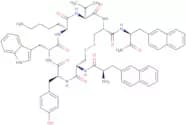
CAS:<p>Please enquire for more information about (D-2-Nal 5,Cys6·11,Tyr7,D-Trp8,Val10, 2-Nal 12)-Somatostatin-14 (5-12) amide trifluoroacetate salt including the price, delivery time and more detailed product information at the technical inquiry form on this page</p>Formula:C63H73N11O9S2Purity:Min. 95%Molecular weight:1,192.45 g/mol2-Chloro-6-methoxypyridine
CAS:<p>2-Chloro-6-methoxypyridine (2CMP) is a potent antagonist that binds to copper chloride, inhibiting its ability to activate aryl chlorides. This chemical has been shown to have anti-angiogenic effects in human cancer cells and can be used for the treatment of cancer. 2CMP has also been shown to be effective at blocking angiogenesis in mice with breast cancer. 2CMP is synthesized through an asymmetric synthesis process, which involves the use of a dipole and molecular docking analysis.</p>Formula:C6H6ClNOPurity:Min. 95%Color and Shape:Clear LiquidMolecular weight:143.57 g/molBoc-Homoarg (Et)2-OH (symmetrical) hydrochloride salt
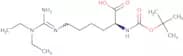
CAS:<p>Please enquire for more information about Boc-Homoarg (Et)2-OH (symmetrical) hydrochloride salt including the price, delivery time and more detailed product information at the technical inquiry form on this page</p>Formula:C16H32N4O4Purity:Min. 95%Molecular weight:344.45 g/molSomatostatin-14 (3-14) trifluoroacetate salt
CAS:<p>Please enquire for more information about Somatostatin-14 (3-14) trifluoroacetate salt including the price, delivery time and more detailed product information at the technical inquiry form on this page</p>Formula:C71H96N16O17S2Purity:Min. 95%Molecular weight:1,509.75 g/mol(D-Cys(tBu)2,Thr(tBu)6)-Leu-Enkephalin-Thr
CAS:<p>Leu-Enkephalin is a synthetic opioid peptide that exhibits potent analgesic effects and is used in the treatment of a variety of pain syndromes. Leu-Enkephalin has been shown to have an inhibitory effect on δ-opioid receptors, which are involved in the transmission of pain signals. Leu-Enkephalin has also been shown to have an inhibitory effect on other enzymes such as aminopeptidases, proteases, and kinases. This drug has been used in the treatment of autoimmune diseases, cancer, and inflammatory diseases. Leu-Enkephalin is also known to increase locomotor activity and reduce sensitivity to pain.</p>Formula:C41H62N6O9SPurity:Min. 95%Molecular weight:815.03 g/molAmylin (8-37) (human) trifluoroacetate salt
CAS:<p>Please enquire for more information about Amylin (8-37) (human) trifluoroacetate salt including the price, delivery time and more detailed product information at the technical inquiry form on this page</p>Formula:C138H216N42O45Purity:Min. 95%Molecular weight:3,183.45 g/molH-Trp-Lys-Tyr-Met-Val-D-Met-NH2 trifluoroacetate salt
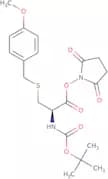
CAS:<p>Please enquire for more information about H-Trp-Lys-Tyr-Met-Val-D-Met-NH2 trifluoroacetate salt including the price, delivery time and more detailed product information at the technical inquiry form on this page</p>Formula:C41H61N9O7S2·C2HF3O2Purity:Min. 95%Molecular weight:970.13 g/molBoc-Cys(Mob)-OSu
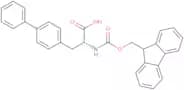
CAS:<p>Please enquire for more information about Boc-Cys(Mob)-OSu including the price, delivery time and more detailed product information at the technical inquiry form on this page</p>Formula:C20H26N2O7SPurity:Min. 95%Molecular weight:438.5 g/molFmoc-p-phenyl-D-phenylalanine
CAS:<p>Please enquire for more information about Fmoc-p-phenyl-D-phenylalanine including the price, delivery time and more detailed product information at the technical inquiry form on this page</p>Formula:C30H25NO4Purity:Min. 95%Molecular weight:463.52 g/molCholecystokinin Octapeptide (desulfated)
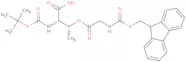
CAS:<p>Cholecystokinin octapeptide (CCK-8) is a peptide hormone that is secreted from the pancreas. It is a conjugate of CCK and desulfated cholinesterase, which has been shown to have surfactant properties. The concentration-response curves for CCK-8 are biphasic, with an initial increase in contractility followed by a decrease. This response is caused by activation of both the B2 and B1 receptors in the paraventricular nucleus of the hypothalamus and subsequently release of pancreatic enzymes into the bloodstream. CCK-8 has also been shown to stimulate protein synthesis in gland cells such as those found in the pancreas.</p>Formula:C49H62N10O13S2Purity:Min. 95%Molecular weight:1,063.21 g/molBoc-Thr(Gly-Fmoc)-OH
CAS:<p>Please enquire for more information about Boc-Thr(Gly-Fmoc)-OH including the price, delivery time and more detailed product information at the technical inquiry form on this page</p>Formula:C26H30N2O8Purity:Min. 95%Molecular weight:498.53 g/molAdipokinetic Hormone (Apis mellifera ligustica) TFA salt
CAS:<p>Adipokinetic hormone is a peptide hormone that has been shown to stimulate the metabolism of fat cells in laboratory animals. This peptide is produced by the gland cells of honeybees and is used to regulate the energy metabolism of honeybees and other insects. Adipokinetic hormone has been shown to increase locomotor activity, inhibit the growth of human pathogens, activate transfer reactions, and inhibit receptor activity. The biological properties of this hormone have not yet been fully elucidated.</p>Formula:C47H65N11O14•C2HF3O2Purity:Min. 95 Area-%Color and Shape:PowderMolecular weight:1,122.10 g/molH-Leu-Val-Leu-Ala-pNA
CAS:<p>Please enquire for more information about H-Leu-Val-Leu-Ala-pNA including the price, delivery time and more detailed product information at the technical inquiry form on this page</p>Formula:C26H42N6O6Purity:Min. 95%Molecular weight:534.65 g/molFmoc-Leu-Cys(Psi(Dmp,H)pro)-OH
CAS:<p>Please enquire for more information about Fmoc-Leu-Cys(Psi(Dmp,H)pro)-OH including the price, delivery time and more detailed product information at the technical inquiry form on this page</p>Formula:C33H36N2O7SPurity:Min. 95%Molecular weight:604.71 g/molN-Boc-L-proline
CAS:<p>N-Boc-L-proline is a proline derivative that has been synthesized as a drug candidate for cancer treatment. It has been shown to inhibit the activity of the enzyme, buserelin, which is involved in the synthesis of histamine and other substances. N-Boc-L-proline has also been shown to cause neuronal death by hydrogen bond formation with nitrogen nucleophiles in the brain, leading to apoptosis. The chromatographic method was used to analyze reaction products from N-Boc-L-proline with sodium carbonate. This compound has solubility data and an intramolecular hydrogen bond that can be detected by nmr spectroscopy. Trifluoroacetic acid was used as a solvent for this experiment.</p>Formula:C10H17NO4Purity:Min. 95%Color and Shape:White PowderMolecular weight:215.25 g/molH-Lys-Phe-Gly-Lys-OH acetate salt
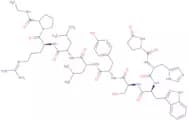
CAS:<p>Please enquire for more information about H-Lys-Phe-Gly-Lys-OH acetate salt including the price, delivery time and more detailed product information at the technical inquiry form on this page</p>Formula:C23H38N6O5Purity:Min. 95%Molecular weight:478.59 g/mol(Des-Gly10,D-His2,D-Leu6,Pro-NHEt 9)-LHRH
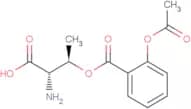
CAS:<p>Please enquire for more information about (Des-Gly10,D-His2,D-Leu6,Pro-NHEt 9)-LHRH including the price, delivery time and more detailed product information at the technical inquiry form on this page</p>Formula:C59H84N16O12Purity:Min. 95%Molecular weight:1,209.4 g/molL-Threonine derivative-1
CAS:<p>L-Threonine derivative-1 is acetylsalicylic acid-L-threonine ester with potential analgesic activity.</p>Formula:C13H15NO6Purity:97.03% - 98.91%Color and Shape:SolidMolecular weight:281.26H-Ile-2-chlorotrityl resin (200-400 mesh)
<p>Please enquire for more information about H-Ile-2-chlorotrityl resin (200-400 mesh) including the price, delivery time and more detailed product information at the technical inquiry form on this page</p>Purity:Min. 95%(Gly22)-Amyloid b-Protein (1-40) trifluoroacetate salt
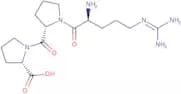
CAS:<p>Please enquire for more information about (Gly22)-Amyloid b-Protein (1-40) trifluoroacetate salt including the price, delivery time and more detailed product information at the technical inquiry form on this page</p>Formula:C191H291N53O56SPurity:Min. 95%Molecular weight:4,257.74 g/molBradykinin (1-3) sulfate salt
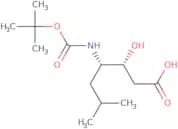
CAS:<p>Bradykinin (BK) is a peptide hormone that is released by the endothelium of blood vessels in response to injury. Bradykinin (1-3) sulfate salt H-Arg-Pro-Pro-OH is a synthetic version of the BK sequence with sulfate groups on the amino acids and an additional acid substitution. This molecule has been shown to be fully functional as a copolymer in thrombin activation, oligopeptide, and angiotensin production. Bradykinin (1-3) sulfate salt H-Arg-Pro-Pro-OH is stable at pH 3 and above, which makes it suitable for use in nutrient media, such as media for growing bacteria or yeast. It also has been shown to have platelet aggregation properties similar to those found in natural BK.</p>Formula:C16H28N6O4Purity:Min. 95%Molecular weight:368.43 g/molBoc-epi-statine (3R,4S)-4-(Boc-amino)-3-hydroxy-6-methyl-heptanoic acid
CAS:<p>Please enquire for more information about Boc-epi-statine (3R,4S)-4-(Boc-amino)-3-hydroxy-6-methyl-heptanoic acid including the price, delivery time and more detailed product information at the technical inquiry form on this page</p>Formula:C13H25NO5Purity:Min. 95%Molecular weight:275.34 g/molH-Lys(Boc)-OH
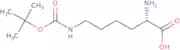
CAS:<p>H-Lys(Boc)-OH is an ε-amino-protected lysine that plays a pivotal role in solution phase peptide synthesis. Strategically protected at the ε-amino group, it allows controlled peptide assembly, and it serves as intermediate for synthesizing β-peptides. The bulky Boc (tert-butyloxycarbonyl) group shields its epsilon amine (NH2) group, acting as a protective measure to prevent unwanted side reactions.</p>Formula:C11H22N2O4Color and Shape:White PowderMolecular weight:246.3 g/molPhenserine
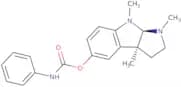
CAS:<p>Phenserine is a natural drug that is an ester hydrochloride. It has been shown to be effective in the treatment of Alzheimer's disease in clinical trials. Phenserine has also been found to inhibit acetylcholinesterase, an enzyme that breaks down the neurotransmitter acetylcholine. This inhibition leads to increased levels of acetylcholine, which can improve cognitive function and reduce neuronal death. The mechanism of action for phenserine is unknown, but it may involve a change in iron homeostasis or other biochemical reactions. Phenserine has not been tested on humans; however, it has shown promising results in animal studies.</p>Formula:C20H23N3O2Purity:Min. 95%Molecular weight:337.42 g/mol(D-Tyr1,N-Me-Phe3)-Neuropeptide FF trifluoroacetate salt
CAS:<p>Please enquire for more information about (D-Tyr1,N-Me-Phe3)-Neuropeptide FF trifluoroacetate salt including the price, delivery time and more detailed product information at the technical inquiry form on this page</p>Formula:C55H78N14O11Purity:Min. 95%Molecular weight:1,111.3 g/molAloc-Ser-OMe
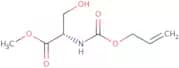
CAS:<p>Aloc-Ser-OMe is an enzyme that catalyzes the cleavage of 1,4-linked alpha-D-galactosides. It has been shown to be a useful reagent for the synthesis of alkyl glycosides. Aloc-Ser-OMe can be used in enzymatic synthesis or chemoenzymatic synthesis. This enzyme has excellent stereospecificity and is quantitatively active at pH 4.5 to 5.0 and at temperatures ranging from 20°C to 40°C. The enzyme can also catalyze transglycosylation reactions with beta-glucosidase, producing galactoarabinan oligosaccharides with various degrees of polymerization.</p>Formula:C8H13NO5Purity:Min. 95%Molecular weight:203.19 g/molH-Arg-Arg-Arg-Arg-Arg-Arg-OH trifluoroacetate salt
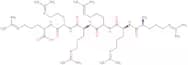
CAS:<p>H-Arg-Arg-Arg-Arg-Arg-Arg-OH trifluoroacetate salt is a compound that can be used as a cancer treatment. It has been shown to inhibit the growth of human retinal pigmented epithelial cells (p. pastoris) and induce apoptosis in these cells. H-Arg-Arg-Arg-Arg-Arg-Arg-OH trifluoroacetate salt interacts with the membrane of cells, blocking the binding site for growth factor and preventing the activation of downstream signaling pathways. This agent also binds to lysine residues on peptides, which are then degraded by proteases. H-Argo Arg Arg Arg Arg Arg Arg OH trifluoroacetate salt has been shown to have an affinity for flavone luteolin at neutral pH, as well as fatty acid molecules.</p>Formula:C36H74N24O7Purity:Min. 95%Molecular weight:955.13 g/mol(D-Arg1,D-Trp7·9,Leu11)-Substance P
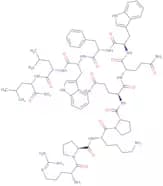
CAS:<p>Substance P is a neuropeptide that is involved in the transmission of pain signals from the nerves to the brain. It also has been implicated in inflammatory and autoimmune diseases. Substance P is a potent agonist of the neurokinin-1 receptor, which causes an increase in intracellular calcium ion levels, leading to neuronal excitation. The release of substance P from nerve fibers can be blocked by administration of an analog (e.g., N-acetyl-D-Arg1,D-Trp7·9,Leu11)-substance P H-D-Arg-Pro-Lys-Pro-Gln-Gln-D-Trp-Phe-D-Trp-Leu -Leu -NH2). This compound blocks the activation of substance P receptors with high affinity and specificity.</p>Formula:C75H108N20O13Purity:Min. 95%Molecular weight:1,497.79 g/molFmoc-D-Asn(Mtt)-OH
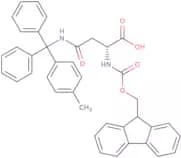
CAS:<p>Please enquire for more information about Fmoc-D-Asn(Mtt)-OH including the price, delivery time and more detailed product information at the technical inquiry form on this page</p>Formula:C39H34N2O5Purity:Min. 95%Molecular weight:610.7 g/molIGF-I (30-41)
CAS:<p>Please enquire for more information about IGF-I (30-41) including the price, delivery time and more detailed product information at the technical inquiry form on this page</p>Formula:C51H83N19O19Purity:Min. 95%Molecular weight:1,266.32 g/mol












![6-(7-Nitro-benzo[2,1,3]oxadiazol-4-ylamino)-hexanoyl-Arg-Pro-Lys-Pro-Leu-Ala-Nva-Trp-Lys((7-dimeth…](/_next/image/?url=https%3A%2Fstatic.cymitquimica.com%2Fproducts%2F3D%2Fthumb-webp%2FFN110943.webp&w=3840&q=75)