Amino Acids (AA)
Subcategories of "Amino Acids (AA)"
- Amino Acid Derivatives(4,016 products)
- Amino Acid and Amino Acid Related Compounds(3,490 products)
- Amino Acids with Oxygen or Sulphur(168 products)
- Boc- Amino Acids(351 products)
- Fmoc Amino Acids(1,710 products)
Found 38383 products of "Amino Acids (AA)"
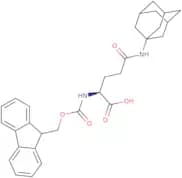
Fmoc-Gln(1-adamantyl)-OH
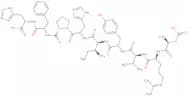
CAS:Please enquire for more information about Fmoc-Gln(1-adamantyl)-OH including the price, delivery time and more detailed product information at the technical inquiry form on this pageFormula:C30H34N2O5Purity:Min. 95%Molecular weight:502.6 g/molAngiotensin I (1-9) trifluoroacetate salt
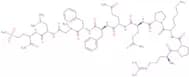
CAS:Please enquire for more information about Angiotensin I (1-9) trifluoroacetate salt including the price, delivery time and more detailed product information at the technical inquiry form on this page
Formula:C56H78N16O13Purity:Min. 95%Molecular weight:1,183.32 g/molMAGE-1 Antigen (161-169) (human) acetate salt
CAS:MAGE-1 is a costimulatory molecule that is expressed on the surface of antigen presenting cells. It has been shown to be a very potent target for monoclonal antibodies. MAGE-1 can be used as an antigen in diagnostic tests, such as ELISA and Western blotting. It can also be used to generate monoclonal antibodies for use as therapeutic agents in cancer therapy and for the treatment of viral infections such as influenza virus. The MAGE-1 antigen has been shown to have high affinity binding with the paratope of Papilloma virus, which may help explain its clinical relevance in these diseases.Formula:C41H57N11O17Purity:Min. 95%Molecular weight:975.96 g/molFmoc-Asn(Dod)-OH
CAS:Fmoc-Asn(Dod)-OH is a pentafluorophenyl ester of the N-terminal tryptophan residue of an asparagine peptide. It is activated by alkylation with pentafluorophenyl bromoacetic acid, which attaches to the carbonyl carbon of the peptide backbone. The activated ester undergoes dehydration and amide formation in the presence of 4-methylbenzenesulfonyl chloride. This reagent can be used for efficient synthesis of peptides, such as proteins and enzymes.Formula:C34H32N2O7Purity:Min. 95%Molecular weight:580.63 g/molSubstance P (2-11)
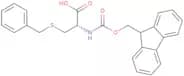
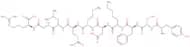
CAS:Substance P (2-11) H-Pro-Lys-Pro-Gln-Gln-Phe-Phe-Gly-Leu-Met-NH2 is a peptide that is the product of proteolytic cleavage of substance P. It binds to the neurokinin receptor and induces degranulation in mast cells and sensory neurons. It has been used as a diagnostic tool for mast cell degranulation. Substance P (2-11) H-Pro-Lys-Pro-Gln-Gln-Phe has also been used to assess lung function in anesthetized animals, circulations in muscle, and changes in perfusion during surgical procedures.Formula:C57H86N14O12SPurity:Min. 95%Molecular weight:1,191.45 g/molFmoc-D-Cys(Bzl)-OH
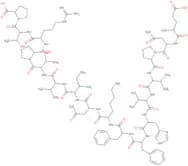
CAS:The compound Fmoc-D-Cys(Bzl)-OH is a chiral homologue of the protonated amino acid D-Cys. The configuration of the proton in this molecule has been determined by proton nmr experiments. This compound is synthesized from the racemic mixture by reductive amination and deprotonation with sodium borohydride. The reagents are an organophosphate and an ester, which react in order to form a new carbon-carbon bond. The postulated enantiomers are screened for their activity against phospholipase A2, which cleaves ester bonds on phospholipids. One enantiomer has been shown to have more potent activity than its counterpart, suggesting that it is the desired product.Formula:C25H23NO4SPurity:Min. 95%Molecular weight:433.52 g/molMyelin Basic Protein (83-99) (bovine) trifluoroacetate salt
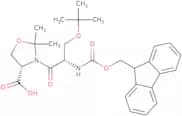
CAS:Please enquire for more information about Myelin Basic Protein (83-99) (bovine) trifluoroacetate salt including the price, delivery time and more detailed product information at the technical inquiry form on this pageFormula:C93H143N25O24Purity:Min. 95%Molecular weight:1,995.28 g/molFmoc-Ser(tBu)-Ser(Psi(Me,Me)pro)-OH
CAS:Please enquire for more information about Fmoc-Ser(tBu)-Ser(Psi(Me,Me)pro)-OH including the price, delivery time and more detailed product information at the technical inquiry form on this pageFormula:C28H34N2O7Purity:Min. 95%Molecular weight:510.58 g/molAtrial Natriuretic Factor (5-27) (human) trifluoroacetate salt
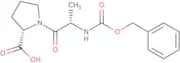
CAS:Please enquire for more information about Atrial Natriuretic Factor (5-27) (human) trifluoroacetate salt including the price, delivery time and more detailed product information at the technical inquiry form on this pageFormula:C97H154N34O32S3Purity:Min. 95%Molecular weight:2,404.67 g/molZ-Ala-Pro-OH
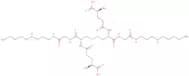
CAS:Z-Ala-Pro-OH is a synthetic, analog substrate for serine proteases. It is used as a target cell for schistosomiasis, which are parasitic worms that infect humans and cause the disease. The molecule is localized in the digestive tract of the parasite, where it has biochemical properties that are analogous to those found in the natural substrate (serine protease) of this organism. Z-Ala-Pro-OH has been shown to inhibit the growth of various species of schistosomes, including Schistosoma mansoni. It also has immunoregulatory properties and can be used to stimulate antibody production by B cells when combined with an antigen.Formula:C16H20N2O5Purity:Min. 95%Molecular weight:320.34 g/molN1-Glutathionyl-spermidine disulfide [
CAS:N1-Glutathionyl-spermidine disulfide (N1-GS) is a molecule that has been shown to have clinical use in the treatment of chronic hepatitis C infection. The N1-GS molecule is composed of a glutathione (GSH) scaffold with two sulfhydryl groups and an amino acid side chain. N1-GS has a hydrophobic nature, which allows it to penetrate the cellular membrane and enter cells. It is also able to form hydrogen bonds and act as a catalyst for reactions. Fluorescence analysis revealed that this molecule is selective for disulfides over thiols, amines, or alcohols. Disulfides are very important in biological systems since they can be found in enzymes, proteins, and cellular membranes. The insolubility of the N1-GS molecule makes it difficult to analyze its structure using traditional methods such as gas chromatography or nuclear magnetic resonance spectroscopy. However, fluorescenceFormula:C34H66N12O10S2Purity:Min. 95%Molecular weight:867.09 g/molFmoc-3-(2-naphthyl)-L-alanine
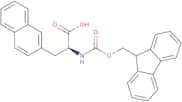
CAS:Fmoc-3-(2-naphthyl)-L-alanine is a supramolecular compound that functions as an inhibitor of prostate cancer cells. It inhibits the uptake of metal chelates by prostate cancer cells and stabilizes them, which may lead to a diagnostic and therapeutic agent for prostate cancer. Fmoc-3-(2-naphthyl)-L-alanine has also been shown to inhibit the growth of human serum prostate cancer cells in vitro and in vivo models. This molecule is a bifunctional compound that can be used as both an antigen and a surrogate for cytosolic prostate specific antigen (PSA) levels. Fmoc-3-(2-naphthyl)-L-alanine has been shown to bind to the PSA protein, which is normally found on the surface of prostate epithelial cells. This binding prevents it from being released into the blood circulation, where it would otherwise be measured by a PSA testFormula:C28H23NO4Purity:Min. 95%Color and Shape:PowderMolecular weight:437.49 g/molH-Tyr-Tyr-Tyr-Tyr-Tyr-Tyr-OH trifluoroacetate salt
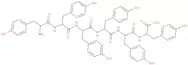
CAS:The compound H-Tyr-Tyr-Tyr-Tyr-Tyr-Tyr-OH trifluoroacetate salt is a synthetic antigen for use in the production of immunoadsorbent conjugates. It is a postulated fluorescence molecule that interacts with specific antibodies to form an antigen. This antigen can be used as a probe for detecting antibodies in biological fluids and tissues by fluorescence microscopy and has been shown to have no antigenicity in skin reactions.Formula:C54H56N6O13Purity:Min. 95%Molecular weight:997.06 g/molBradykinin (1-3) sulfate salt
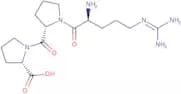
CAS:Bradykinin (BK) is a peptide hormone that is released by the endothelium of blood vessels in response to injury. Bradykinin (1-3) sulfate salt H-Arg-Pro-Pro-OH is a synthetic version of the BK sequence with sulfate groups on the amino acids and an additional acid substitution. This molecule has been shown to be fully functional as a copolymer in thrombin activation, oligopeptide, and angiotensin production. Bradykinin (1-3) sulfate salt H-Arg-Pro-Pro-OH is stable at pH 3 and above, which makes it suitable for use in nutrient media, such as media for growing bacteria or yeast. It also has been shown to have platelet aggregation properties similar to those found in natural BK.Formula:C16H28N6O4Purity:Min. 95%Molecular weight:368.43 g/molH-Arg-Arg-Arg-Arg-Arg-Arg-OH trifluoroacetate salt
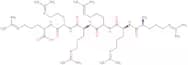
CAS:H-Arg-Arg-Arg-Arg-Arg-Arg-OH trifluoroacetate salt is a compound that can be used as a cancer treatment. It has been shown to inhibit the growth of human retinal pigmented epithelial cells (p. pastoris) and induce apoptosis in these cells. H-Arg-Arg-Arg-Arg-Arg-Arg-OH trifluoroacetate salt interacts with the membrane of cells, blocking the binding site for growth factor and preventing the activation of downstream signaling pathways. This agent also binds to lysine residues on peptides, which are then degraded by proteases. H-Argo Arg Arg Arg Arg Arg Arg OH trifluoroacetate salt has been shown to have an affinity for flavone luteolin at neutral pH, as well as fatty acid molecules.Formula:C36H74N24O7Purity:Min. 95%Molecular weight:955.13 g/mol(Sar 9,Met(O2)11)-Substance P
CAS:Substance P is a neuropeptide that is found in the brain and throughout the peripheral nervous system. It has been found to be involved in numerous physiological processes, including pain transmission, vasodilation, and inflammation. Substance P binds to neurokinin-1 receptor (NK-1R) with high affinity. NK-1R has been shown to be localized on cells of the submandibular gland and salivary gland. Techniques such as binding experiments have shown that substance P binds to NK-1R with high affinity and is therefore likely involved in salivation and other functions of these glands.Formula:C64H100N18O15SPurity:Min. 95%Molecular weight:1,393.66 g/mol(Tyr65,Phe67)-C5a (65-74) (human)
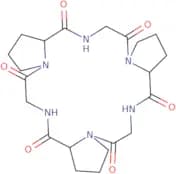
CAS:Please enquire for more information about (Tyr65,Phe67)-C5a (65-74) (human) including the price, delivery time and more detailed product information at the technical inquiry form on this pageFormula:C55H85N15O16SPurity:Min. 95%Molecular weight:1,244.42 g/molCyclo(-Pro-Gly)3
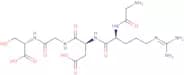
CAS:Please enquire for more information about Cyclo(-Pro-Gly)3 including the price, delivery time and more detailed product information at the technical inquiry form on this pageFormula:C21H30N6O6Purity:Min. 95%Molecular weight:462.5 g/molH-Gly-Arg-Asp-Gly-Ser-OH
CAS:A monoclonal antibody is a type of antibody produced by a single clone of B cells. Monoclonal antibodies are created by injecting mice with a protein, and then harvesting the antibody-producing cells from the mouse's spleen or lymph nodes. These cells are then fused with cancer cells to form hybridoma cells that produce the desired antibodies. Monoclonal antibodies are used in vitro assays to detect certain molecules, such as matrix molecules, growth factors and polysialic acid. They can also be used for in vivo diagnostic purposes, such as detecting urothelial carcinoma in mammals or human lymphocytes on the surface of lymphocytes.
Formula:C17H30N8O9Purity:Min. 95%Molecular weight:490.47 g/molH-Lys-Ala-AMC hydrochloride salt
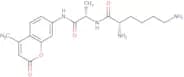
CAS:Please enquire for more information about H-Lys-Ala-AMC hydrochloride salt including the price, delivery time and more detailed product information at the technical inquiry form on this page
Formula:C19H26N4O4Purity:Min. 95%Molecular weight:374.43 g/mol