


Amino Acids (AA)
Subcategories of "Amino Acids (AA)"
- Amino Acid Derivatives(4,017 products)
- Amino Acid and Amino Acid Related Compounds(3,491 products)
- Amino Acids with Oxygen or Sulphur(168 products)
- Boc- Amino Acids(351 products)
- Fmoc Amino Acids(1,710 products)
Found 38385 products of "Amino Acids (AA)"
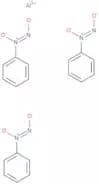
N-Nitroso-N-phenylhydroxylamine aluminium
CAS:N-Nitroso-N-phenylhydroxylamine aluminium (NNPA) is a nitrated organic compound that belongs to the thioxanthone family. It is a colorless, oily liquid that has a strong odor of hydrochloric acid. NNPA is used in the production of polyester resins and coatings, as well as in the manufacture of methacrylate polymers. The reaction system for this compound consists of aluminum chloride and calcium carbonate. This substance can be prepared by reacting trimethylolpropane with methacrylates and magnesium in an organic solvent such as isopropyl alcohol or acetone. NNPA can also be synthesized by reacting zinc powder with ammonium bicarbonate, followed by carbamoylation with an organic amine such as isopropylcarbamate.
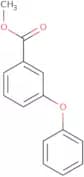
Formula:C18H15AlN6O6Purity:Min. 95%Color and Shape:White PowderMolecular weight:438.33 g/molMethyl 3-phenoxybenzoate
CAS:Methyl 3-phenoxybenzoate is a fatty acid that is used in the production of insecticides. It is also used as a solvent, fuel additive, and plasticizer. Methyl 3-phenoxybenzoate has shown to have an effect on insects by inhibiting the uptake of pyrethroid insecticides into the insect's body. In addition, it was found to be resistant to rats and unaffected by metabolic pathways in rat brain tissue.
Formula:C14H12O3Purity:Min. 95%Molecular weight:228.24 g/molRef: 3D-FM70581
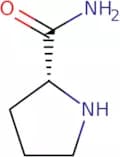
Discontinued productD-Proline amide
CAS:Intermediate in the synthesis of vildagliptin
Formula:C5H10N2OPurity:Min. 95%Color and Shape:PowderMolecular weight:114.15 g/molRef: 3D-FP48181
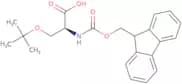
Discontinued productFmoc-Ser(tBu)-OH
CAS:Fmoc-Ser(tBu)-OH is a synthetic amino acid that is used in the synthesis of degarelix acetate, an amide ester of the vasodilator, prostaglandin F2α. Degarelix acetate binds to the fibrinogen receptor on the surface of cells and inhibits platelet aggregation. This drug has been shown to be effective in treating prostate cancer by inhibiting epidermal growth factor receptor signaling. It also has immune modulating effects by binding to monoclonal antibodies and altering antibody responses. Fmoc-Ser(tBu)-OH is synthesized from the amino acid serine and t-butyl alcohol, which are combined with trifluoroacetic acid (TFA) and hydroxyl group. The resulting product is then reacted with dansyl chloride or benzoyl chloride (BzCl), which cleaves off one carboxylic acid group from serine, forming an
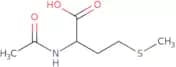
Formula:C22H25NO5Purity:Min. 98 Area-%Color and Shape:White Off-White PowderMolecular weight:383.44 g/molN-Acetyl-DL-methionine
CAS:N-Acetyl-DL-methionine is an amide of the amino acid methionine and acetyl coenzyme A. It has a number of biological properties including being a precursor to protein synthesis, a regulator of fatty acid metabolism, and an inhibitor of glutamate pyruvate transaminase. It can be found in bacterial strains as well as in human serum. N-Acetyl-DL-methionine is synthesized by the reaction of methylamine with acetyl coenzyme A in the presence of ammonia or other nitrogenous bases. The chemical structure of this compound consists of two nitrogen atoms and an acetyl group bonded to a carbon atom that is attached to a methyl group and another carbon atom that forms part of an amide bond with the amino acid methionine. This molecule has been observed using nmr spectroscopic data to form hydrogen bonds with proteins.
Formula:C7H13NO3SPurity:Min. 95%Color and Shape:PowderMolecular weight:191.25 g/molRef: 3D-FA10863
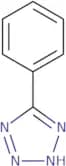
Discontinued product5-Phenyl-1H-tetrazole
CAS:5-Phenyl-1H-tetrazole is a heterocyclic compound that has been shown to have hydrogen bonding interactions with biological molecules. 5-Phenyl-1H-tetrazole is also able to react with glycol ethers to form a glycol ether derivative, which has the ability to inhibit the activity of choroidal neovascularization. 5-Phenyl-1H-tetrazole is used in electrochemical impedance spectroscopy (EIS) as a tracer molecule, and in structural analysis of solid materials such as polymers and metals. It has been shown that 5-phenyl tetrazole can bind to receptors on cell membranes and can be used as a ligand in coordination geometry.
Formula:C7H6N4Purity:Min. 95%Color and Shape:PowderMolecular weight:146.15 g/molRef: 3D-FP34444
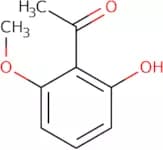
Discontinued product2-Hydroxy-6-methoxyacetophenone
CAS:2-Hydroxy-6-methoxyacetophenone is a chalcone that belongs to the group of flavonoids. It has been shown to have anticancer properties, inhibiting the growth of colorectal carcinoma cells in a dose-dependent manner. The mechanism of action for 2-hydroxy-6-methoxyacetophenone is not fully understood, but it may be due to its ability to inhibit the enzyme demethylase and induce apoptosis. This compound also has been shown to inhibit the growth of Escherichia coli and Salmonella typhimurium when used at high concentrations. 2-Hydroxy-6-methoxyacetophenone can be synthesized by reacting ethyl acetoacetate with two equivalents of methylamine in the presence of a base such as sodium methoxide or potassium hydroxide.
2-Hydroxy-6-methoxyacetophenone has also been shown to inhibitFormula:C9H10O3Purity:Min. 95%Color and Shape:PowderMolecular weight:166.17 g/molRef: 3D-FH71010
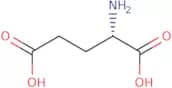
Discontinued productL-Glutamic acid
CAS:Amino acid; neurotransmitter; flavor enhancer
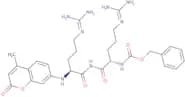
Formula:C5H9NO4Color and Shape:Off-White Clear LiquidMolecular weight:147.13 g/molZ-Arg-Arg-AMC hydrochloride salt
CAS:Z-Arg-Arg-AMC hydrochloride salt is a versatile compound that acts as a catalyst and forms strong hydrogen bonds. It exhibits proteolytic activity and has been found to be effective in breaking down proteins. In addition, Z-Arg-Arg-AMC hydrochloride salt has been shown to possess neuroprotective properties, making it a potential candidate for the treatment of neurological disorders. It also demonstrates anthelmintic activity, which means it can be used to combat parasitic worm infections. Furthermore, this compound has antioxidant activity and can help reduce lipid peroxidation, protecting cells from oxidative damage. With its diverse range of characteristics, Z-Arg-Arg-AMC hydrochloride salt holds great promise in various research fields such as biochemistry and medicine.
Formula:C30H39N9O6·xHClPurity:Min. 95%Color and Shape:PowderMolecular weight:621.69 g/molRef: 3D-FA110491
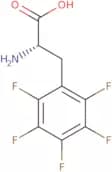
Discontinued product2,3,4,5,6-Pentafluoro-L-phenylalanine
CAS:2,3,4,5,6-Pentafluoro-L-phenylalanine (PFPA) is a substrate molecule that has been shown to inhibit the α1 subunit of the Na+/K+ ATPase in human heart cells. PFPA also inhibits the growth of bacteria in culture and is active against bacterial strains that have developed resistance to other antimicrobial agents. PFPA is also effective against bowel disease caused by H. pylori. PFPA has been shown to inhibit the production of an antimicrobial peptide by hl-60 cells in vitro and has been shown to be effective against a number of infectious diseases including tuberculosis and some autoimmune diseases.
Formula:C9H6F5NO2Purity:Min. 95%Color and Shape:PowderMolecular weight:255.14 g/molRef: 3D-FP99622
Discontinued productFmoc-3-(1-naphthyl)-L-alanine
CAS:Fmoc-3-(1-naphthyl)-L-alanine is a versatile building block that can be used in the synthesis of complex compounds. It has been shown to be a useful intermediate in the synthesis of a range of biologically active compounds, including research chemicals and reagents. It is also a useful scaffold for the preparation of complex chemical structures. Fmoc-3-(1-naphthyl)-L-alanine is available as an off-white solid with a purity of 99%.
Formula:C28H23NO4Purity:Min. 98.0 Area-%Color and Shape:White PowderMolecular weight:437.49 g/molRef: 3D-FF47418
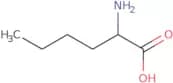
Discontinued productDL-Norleucine
CAS:DL-Norleucine is a polypeptide that is resistant to enzymes that hydrolyze the peptide bonds. It belongs to the group of fatty acids, and has two hydrophobic chains. DL-Norleucine is not metabolized by human enzymes and cannot be broken down by bacterial enzymes. This makes DL-Norleucine an ideal candidate for use as a long-acting antibiotic in humans. The surface methodology used for this compound was FTIR spectroscopy, which showed that DL-Norleucine has a ph optimum of 8.5±0.2 and can form stable crystals at -10 °C to -20 °C. Structural analysis revealed that the molecule consists of two α-helices and one β-sheet with no hydrogen bonds or ionic interactions present in its structure.
Formula:C6H13NO2Purity:Min. 95%Color and Shape:White PowderMolecular weight:131.17 g/molRef: 3D-FN09068
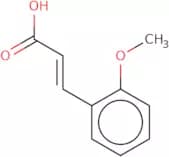
Discontinued product2-Methoxycinnamic acid
CAS:2-Methoxycinnamic acid is a fine chemical that is used as a building block for research chemicals, pharmaceuticals, and other products. It is a versatile building block that can be used in the synthesis of complex compounds with diverse structures. 2-Methoxycinnamic acid is also an intermediate for the production of cinnamates, which are useful in the production of synthetic dyes.
Formula:C10H10O3Purity:Min. 95%Color and Shape:White PowderMolecular weight:178.18 g/molRef: 3D-FM71289
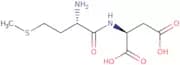
Discontinued productH-Met-Asp-OH
CAS:H-Met-Asp-OH is a synthetic formyl peptide that was designed to be hydrolyzed by proteolytic enzymes. It has been shown to be able to inhibit the formation of β-amyloid, which is associated with Alzheimer's disease. H-Met-Asp-OH also has been shown to have physicochemical properties similar to aspirin, and can be used as an antiplatelet agent. In addition, it has been shown to act as a catalase inhibitor in vitro and may have some therapeutic potential for the treatment of diabetes mellitus type 2.
Formula:C9H16N2O5SPurity:Min. 95%Color and Shape:White PowderMolecular weight:264.3 g/molRef: 3D-FM108122
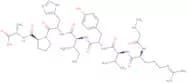
Discontinued product(Sar 1,Ala8)-Angiotensin II
CAS:Angiotensin II is a peptide hormone that is involved in the regulation of blood pressure and fluid and electrolyte balance. It also acts as a vasoconstrictor by binding to angiotensin receptors on vascular smooth muscle cells. Angiotensin II is produced from angiotensin I by the action of renin. The high-resolution linear reformulating (HRLR) technique is used to estimate the spectrum and parameters of this molecule. This technique uses iterative methods for estimating the frequency response function and parameters for each frequency, including nonlinear ones. HRLR has been shown to be an accurate estimator with a frequency range from 0 to 10 kHz, which has not been achieved with other techniques.
Formula:C43H67N13O10Purity:Min. 95 Area-%Color and Shape:PowderMolecular weight:926.07 g/molRef: 3D-FS108518
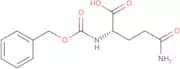
Discontinued productCbz-L-glutamine
CAS:Cbz-L-glutamine is a water soluble compound that is used in the synthesis of pomalidomide. It is synthesized through a stepwise amide formation from methylamine and ethylene diamine. Cbz-L-glutamine has been shown to have an inhibitory effect on cancer cells, which may be due to its ability to break down hydroxamic acids. This chemical reaction causes the release of hydrogen ions, which leads to the disruption of various cellular processes, such as DNA replication and protein synthesis. The uptake of Cbz-L-glutamine by cancer cells has been shown in tissue culture experiments.
Formula:C13H16N2O5Purity:Min. 95%Color and Shape:PowderMolecular weight:280.28 g/molRef: 3D-FC39401
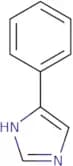
Discontinued product4-Phenylimidazole
CAS:4-Phenylimidazole is a molecule that binds to malonic acid, an intermediate in the Krebs cycle. The binding of 4-phenylimidazole to malonic acid inhibits the reaction mechanism of the Krebs cycle and inhibits cancer cell proliferation. 4-Phenylimidazole has been shown to bind to serine proteases by hydrogen bonds, which may be an effective approach for inhibiting these enzymes. Furthermore, this molecule has been shown to have antiproliferative effects on cells. This is due to its ability to inhibit fatty acid synthesis and alter membrane fluidity by insertion into double bonds in the lipid bilayer. It also has x-ray crystal structures available for use in molecular modeling studies.
Formula:C9H8N2Purity:Min. 96.5%Color and Shape:White PowderMolecular weight:144.17 g/molRef: 3D-FP26982
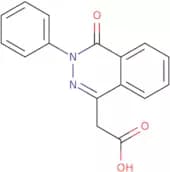
Discontinued product3-Phenyl-4-phthalazinone-1-acetic acid
CAS:3-Phenyl-4-phthalazinone-1-acetic acid (3PPAA) is an organic compound that can be used to synthesize gold nanoparticles. Gold nanoparticles are ferroelectric and have a dipole moment. 3PPAA can be modeled using simulations with the panthera program, which is able to predict the effect of various parameters on the morphology of the particles. The shape of the gold nanoparticles can be controlled by changing the concentration of 3PPAA in water and by adding or removing a stabilizing agent such as sodium bicarbonate. 3PPAA has been shown to have a strong interaction with mitochondrial DNA, which could lead to death of cells by interfering with mitochondrial function.Formula:C16H12N2O3Purity:Min. 95%Color and Shape:SolidMolecular weight:280.28 g/molRef: 3D-FP66707
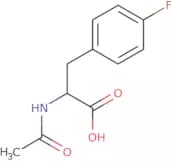
Discontinued productN-Acetyl-DL-p-fluorophenylalanine
CAS:N-Acetyl-DL-p-fluorophenylalanine is a chemical compound that can be used as a research chemical, or in the synthesis of other compounds. It is a reactive ingredient and can be used as a reagent. N-Acetyl-DL-p-fluorophenylalanine belongs to the class of speciality chemicals and can be used as an intermediate in the synthesis of other compounds. This compound has been found to be useful for the production of fine chemicals and complex compounds.
Formula:C11H12FNO3Purity:Min. 95%Color and Shape:PowderMolecular weight:225.22 g/mol3,4-diaza-5-(tert-butyl)-2-hydroxy-3-((4-methylphenyl)sulfonyl)tricyclo[6.4.0.0<2,6>]dodeca-1(8),4,9,11-tetraen-7-one
CAS:Please enquire for more information about 3,4-diaza-5-(tert-butyl)-2-hydroxy-3-((4-methylphenyl)sulfonyl)tricyclo[6.4.0.0<2,6>]dodeca-1(8),4,9,11-tetraen-7-one including the price, delivery time and more detailed product information at the technical inquiry form on this pagePurity:Min. 95%Ref: 3D-FD169677
Discontinued product


![3,4-diaza-5-(tert-butyl)-2-hydroxy-3-((4-methylphenyl)sulfonyl)tricyclo[6.4.0.0<2,6>]dodeca-1(8),4…](/_next/image/?url=https%3A%2Fstatic.cymitquimica.com%2Fproducts%2F3D%2Fthumb-webp%2FFD169677.webp&w=3840&q=75)