


Amino Acids (AA)
Amino acids (AAs) are the fundamental building blocks of proteins, playing a crucial role in various biological processes. These organic compounds are essential for protein synthesis, metabolic pathways, and cell signaling. In this category, you will find a comprehensive range of amino acids, including essential, non-essential, and modified forms, which are vital for research in biochemistry, molecular biology, and nutritional sciences. At CymitQuimica, we provide high-quality amino acids to support your research and development needs, ensuring accuracy and reliability in your experimental outcomes.
Subcategories of "Amino Acids (AA)"
- Amino Acid Derivatives(3,955 products)
- Amino Acid and Amino Acid Related Compounds(3,464 products)
- Amino Acids with Oxygen or Sulphur(168 products)
- Boc- Amino Acids(351 products)
- Fmoc Amino Acids(1,710 products)
Found 38247 products of "Amino Acids (AA)"
Sort by
Purity (%)
0
100
|
0
|
50
|
90
|
95
|
100
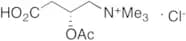
Acetyl L-Carnitine Hydrochloride
CAS:<p>Applications Acetyl-L-carnitine is a mitochondrial metabolite that helps to transport fatty acids into the mitochondria for energy (1). Acetyl-L-carnitine also upregulate metabotropic glutamate receptor 2 (mGlu2) via NF-κB p65 acetylation (2,3). It exhibits antidepressant and neuroprotective properties.<br>References (1) Stephens, F. B., et al.: J Physiol. 581, 431 (2007) (2) Wang, S. M., et al.: J Psychiatr Res. 53, 30 (2014) (3) Cuccurazzu, B., et al.: Neuropsychopharmacology 38, 2220 (2013)<br></p>Formula:C9H18NO4·ClColor and Shape:NeatMolecular weight:239.70N-Methyl-L-alanine
CAS:Controlled Product<p>Applications N-Methyl-L-alanine is a reactant used in the preparation of site-specific trastuzumab maytansinoid antibody-drug conjugates with improved therapeutic activity.<br>References Pillow, T.H., et. al.: J. Med. Chem., 57, 7890 (2014)<br></p>Formula:C4H9NO2Color and Shape:NeatMolecular weight:103.12H-Leu-OH
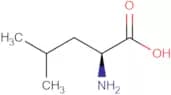
CAS:<p>M03060 - H-Leu-OH</p>Formula:C6H13NO2Purity:97%Color and Shape:Solid, Crystalline or PowderMolecular weight:131.175DL-Homocysteine-d4
CAS:Controlled Product<p>Applications DL-Homocysteine-d4 is used in the detection of the biosynthetic pathway for the formation of volatile aroma compound 2-methyltetrahydrothiophen-3-one by the bacterium Chitinophaga.<br>References Nawrath, T., et al.: ChemBioChem., 11, 1914-1919 (2010)<br></p>Formula:C4D4H5NO2SColor and Shape:NeatMolecular weight:139.211-BENZYL-4-(BENZYLOXY)PYRROLIDINE-2-CARBOXYLIC ACID HCL
CAS:Purity:95.0%Color and Shape:SolidMolecular weight:347.83999633789063-Methoxypropanoic Acid
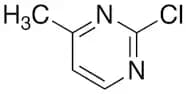
CAS:<p>Applications 3-Methoxypropanoic acid<br></p>Formula:C4H8O3Color and Shape:NeatMolecular weight:104.112-Chloro-4-methylpyrimidine
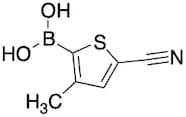
CAS:Controlled Product<p>Stability Toxic<br>Applications 2-Chloro-4-methylpyrimidine (cas# 13036-57-2) is a compound useful in organic synthesis.<br></p>Formula:C5H5ClN2Color and Shape:BeigeMolecular weight:128.56(5-Cyano-3-methylthiophen-2-yl)boronic Acid
CAS:Controlled ProductFormula:C6H6BNO2SColor and Shape:NeatMolecular weight:166.993L-3-Benzothienylalanine
CAS:Controlled Product<p>Applications L-3-Benzothienylalanine<br></p>Formula:C11H11NO2SColor and Shape:NeatMolecular weight:221.28t-Boc-aminooxyacetic Acid
CAS:Controlled Product<p>Applications A Boc-protected bifunctional linking reagent.<br>References Jimenez-Castells, C., et al.: Bioorg. Med. Chem. Lett., 17, 5155 (2007), Carmona, S., et al.: Mol. Pharm., 6, 706 (2009), Nagahori, N., et al.: Biochem., 48, 583 (2009),<br></p>Formula:C7H13NO5Color and Shape:NeatMolecular weight:191.184-(3-fluorobenzoyl)-8-methyl-1-oxa-4,8-diazaspiro[4.5]decane-3-carboxylic acid
CAS:Purity:95.0%Molecular weight:322.335998535156258-benzyl-4-propanoyl-1-oxa-4,8-diazaspiro[4.5]decane-3-carboxylic acid
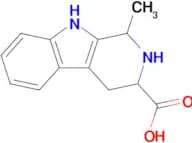
CAS:Purity:95.0%Molecular weight:332.39999389648441-methyl-2,3,4,9-tetrahydro-1H-β-carboline-3-carboxylic acid
CAS:Purity:95.0%Molecular weight:230.266998291015624-(4-chlorophenyl)-3H,4H,5H,6H,7H-imidazo[4,5-c]pyridine-6-carboxylic acid
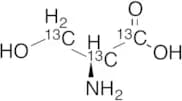
CAS:Purity:95.0%Molecular weight:277.7099914550781L-Serine-13C3
CAS:Controlled Product<p>Applications L-Serine-13C3 is the isotope labelled analog of L-Serine (S270995); a compound used in the synthesis of purines and pyrimidines as antibacterial/antifungal agents, as well as acting as a proteinogenic compound.<br>References Olivella, M. et al.: Bioorg. Med. Chem., 20, 6109 (2012)<br></p>Formula:C3H7NO3Color and Shape:NeatMolecular weight:108.073-QUINOLINECARBOXYLIC ACID, 7-[(2-AMINOETHYL)AMINO]-1-CYCLOPROPYL-6-FLUORO-1,4-DIHYDRO-8-METHOXY-4-OXO-
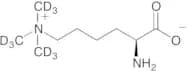
CAS:Purity:97.0%Molecular weight:335.3349914550781Nε,Nε,Nε-Trimethyllysine-d9
CAS:Controlled Product<p>Stability Very Hygroscopic<br>Applications 6-N-Trimethyl L-Lysine-d9, is the labeled analogue of Nε,Nε,Nε-Trimethyllysine, a metabolite and cofactor on the metabolic pathways.<br>References Rebouche C.J., et. al, J. Nutrition, 116(5), 751-759 (1986); Vaz, F.M et. al, J. Bio. Chem., 276(36), 33512-33517 (2001);<br></p>Formula:C9H11D9N2O2Color and Shape:NeatMolecular weight:197.321'-(Tert-butoxycarbonyl)-3H-spiro[isobenzofuran-1,4'-piperidine]-3-carboxylic acid
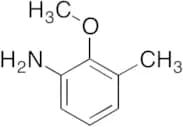
CAS:Purity:97%Molecular weight:333.38400268554692-Methoxy-3-methylaniline
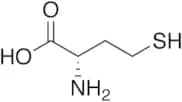
CAS:Controlled Product<p>Applications 2-Methoxy-3-methylaniline is an important building block.<br></p>Formula:C8H11NOColor and Shape:NeatMolecular weight:137.179L-Homocysteine
CAS:Controlled Product<p>Stability Air Sensitive<br>Applications L-Homocysteine is the hydrolysis product of adenosine (A280400), a purine nucleoside. Metabolic fate of L-Homocysteine is converted back to L-Methionine( M260440) via tetrahydrofolate.<br>References Liu, X.D., et al.: Org. BIomolec. Chem., 11, 4258 (2013); Chen, C.S., et al.: Nueroendocrinol., 97, 232 (2013);<br></p>Formula:C4H9NO2SColor and Shape:NeatMolecular weight:135.18482-Ethyl-4-methylpentyl Acrylate
Controlled Product<p>Stability Temperature Sensitive, Light Sensitive<br>Applications 2-Ethyl-4-methylpentyl Acrylate<br></p>Formula:C11H20O2Color and Shape:NeatMolecular weight:184.28L-Citrulline-d6
CAS:Controlled Product<p>Applications Labelled L-Citrulline. An amino acid, first isolated from the juice of watermelon, Citrullus vulgaris Schrad., Cucurbitaceae. Used in the treatment of asthenia.<br>References Kurtz, et al.: J. Biol. Chem., 122, 477 (1938), Rajantie, J., et al.: J. Pediatr., 97, 927 (1980), Carpenter, T.O., et al.: N. Engl. J. Med., 312, 290 (1985),<br></p>Formula:C62H6H7N3O3Color and Shape:NeatMolecular weight:181.22(1R,5S)-2-(tert-Butoxycarbonyl)-2-azabicyclo[3.1.0]hexane-1-carboxylic acid
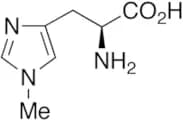
CAS:Purity:97%Molecular weight:227.259994506835941-Methyl-L-histidine
CAS:Controlled Product<p>Applications The urinary 1- and 3-methylhistidine (1- and 3-MH) metabolites as potential biomarkers of skeletal muscle toxicity. These metabolites were highly correlated to sex-, dose-, and time-dependent development of cerivastatin-induced myotoxicity. Natural but non-proteinogenic amino acid; employed as index of muscle protein breakdown.<br>References Berna, M., et al.: Anal. Chem., 79, 4199 (2007), Pritt, M., et al.: Toxicol. Sci., 103, 382 (2008), Tonomura, Y., et al.: Toxicology, 266, 48 (2009),<br></p>Formula:C7H11N3O2Color and Shape:NeatMolecular weight:169.182-Ethyl-6-methylpyrazine
CAS:<p>Applications 2-ethyl-6-methylpyrazine (cas# 13925-03-6) is a useful research chemical.<br></p>Formula:C7H10N2Color and Shape:ColourlessMolecular weight:122.174-Chloro-3-cyano-6-methoxy-7-[3-(4-methylpiperazin-1-yl)propoxy]quinoline
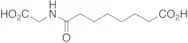
CAS:<p>Stability Hygroscopic<br>Applications 4-Chloro-3-cyano-6-methoxy-7-[3-(4-methylpiperazin-1-yl)propoxy]quinoline is a useful reagent to prepare benzofuranyl derivatives for treating solid tumours. It is also an impurity of Bosutinib.<br>References Hennequin, L. F. A. PCT Int. Appl. (2003), WO 2003047585 A1 20030612 (2003); Hennequin, L. F. A., Gibson, K. H., Foote, K. M. PCT Int. Appl. WO 2003047582 A1 20030612 (2003)<br></p>Formula:C19H23ClN4O2Color and Shape:Off White SolidMolecular weight:374.86Suberyl Glycine
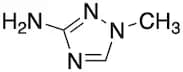
CAS:Controlled Product<p>Applications Suberylglycine is one of the acylglycines, an important class of metabolites that have been used in the diagnosis of several inborn errors of metabolism (IEM).<br>References Costa, C., et al.: J. Pharmaceut. Biomed. Anal., 21, 1215 (2000), Garcia-Villoria, J., et al.: Clin. Biochem., 42, 2 (2009), Scalbert, A., et al.: Metabolomics, 5, 435 (2009),<br></p>Formula:C10H17NO5Color and Shape:Light Yellow To BrownMolecular weight:231.251-Methyl-1h-1,2,4-triazol-3-amine
CAS:Controlled Product<p>Applications 1-Methyl-1h-1,2,4-triazol-3-amine (cas# 49607-51-4) is a useful research chemical.<br></p>Formula:C3H6N4Color and Shape:NeatMolecular weight:98.1068-ethyl-4-(2-methylbenzoyl)-1-oxa-4,8-diazaspiro[4.5]decane-3-carboxylic acid
CAS:Purity:95.0%Molecular weight:332.3999938964844(8-Benzyl-2,4-dioxo-1,3,8-triaza-spiro[4.5]dec-3-yl)-acetic acid
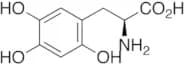
CAS:Purity:95.0%Molecular weight:317.34500122070316-Hydroxy-L-DOPA
CAS:Controlled Product<p>Impurity Levodopa EP Impurity A; Levodopa USP Related Compound A<br>Stability Hygroscopic<br>Applications 6-Hydroxy-L-DOPA (Levodopa EP Impurity A; Levodopa USP Related Compound A) is the 6-hydroxy derivative of the amino acid L-DOPA (D533751) with neurotoxic properties. Studies show that exogenously administered 6-Hydroxy-L-DOPA is biotransformed by amino acid decarboxylase to the highly potent and catecholamine-selective neurotoxin, 6-Hydroxydopamine. The treatment of 6-Hydroxy-L-DOPA in rats resulted in the stimulation of acetylcholinesterase.<br>References Jaim-Etcheverry, G. et al.: Brain Res., 100, 699 (1975); Kostrzewa, R.M. et al.: Amino Acids, 14, 175 (1998); Berthet, A. et al.: J. Neurosci., 29, 4829 (2009);<br></p>Formula:C9H11NO5Color and Shape:Brown To BlackMolecular weight:213.193-[(TERT-BUTOXY)CARBONYL]-3-AZABICYCLO[3.3.1]NONANE-9-CARBOXYLIC ACID
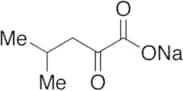
CAS:Purity:95.0%Molecular weight:269.341003417968754-Methyl-2-oxovaleric Acid Sodium Salt
CAS:Controlled Product<p>Stability Hygroscopic<br>Applications 4-Methyl-2-oxovaleric Acid is an α-ketomonocarboxylic acid that triggers insulin release by acting upon receptor sites which differ from those occupied by amino acids. 4-Methyl-2-oxovaleric Acid is an intermediate in the metabolism of Leucine.<br>References Panten, U. et al.: Naun.-Schmied. Arch. Pharmacol., 291, 405 (1975); Vague, P. et al.: Diab. Metab., 1, 185 (1975); Francois, G. et al.: Lancet, 1, 858 (1984);<br></p>Formula:C6H9O3·NaColor and Shape:NeatMolecular weight:152.1212-(t-Boc-amino)-1-dodecanol
CAS:Controlled Product<p>Applications 12-(t-Boc-amino)-1-dodecanol (cas# 67341-03-1) is a compound useful in organic synthesis.<br></p>Formula:C17H35NO3Color and Shape:NeatMolecular weight:301.464-(2-ethoxyphenyl)-3H,4H,5H,6H,7H-imidazo[4,5-c]pyridine-6-carboxylic acid
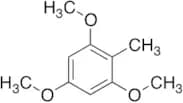
CAS:Purity:95.0%Molecular weight:287.31900024414061,3,5-Trimethoxy-2-methylbenzene
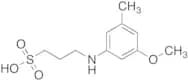
CAS:<p>Applications 1,3,5-Trimethoxy-2-methylbenzene AldrichCPR (cas# 14107-97-2) is a useful research chemical.<br></p>Formula:C10H14O3Color and Shape:NeatMolecular weight:182.22N-3-(Sulfopropyl)-3-methoxy-5-methylaniline
CAS:Controlled Product<p>Applications N-3-(Sulfopropyl)-3-methoxy-5-methylaniline is used as a reagent for the evaluation of basic property and long-term stability of reagents for enzymically assaying triglyceride, cholesterol and uric acid.<br>References Yamaguchi, T., Iryo to Kensa Kiki-Shiyaku., 3, 591-597 (2007).<br></p>Formula:C11H17NO4SColor and Shape:NeatMolecular weight:259.32L,L-Dityrosine Dihydrochloride
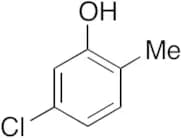
CAS:Controlled Product<p>Stability Hygroscopic<br>Applications Dityrosine (DY), a tyrosine dimer formed by 3,3’-biaryl bond formation can be used as a biomarker to detect oxidative protein damage and selective proteolysis. Fluorescence intensity decays of Dityrosine are generally characterized by two decay components, one with a lifetime in the range of 150 to 800 ps and another between 2.5 and 4.5 ns.<br>References Libertini, L., et al.: Biophys. J., 47, 765 (1985), Huggins, T., et al.: J. Biol. Chem., 268, 12341 (1993), Malencik, D., et al.: Biochemistry, 35, 4375 (1996),<br></p>Formula:C18H20N2O6·2ClHColor and Shape:NeatMolecular weight:433.285-Chloro-2-methylphenol
CAS:Controlled Product<p>Applications 5-Chloro-2-methylphenol can be used in the preparation of dichlorotoluqinones.<br>References James, C., et al.: J. Org. Chem., 16, 328 (1951)<br></p>Formula:C7H7ClOColor and Shape:NeatMolecular weight:142.586-Chloro L-Tryptophan
CAS:Controlled ProductFormula:C11H11ClN2O2Color and Shape:NeatMolecular weight:238.67L-Tryptophan-d3
CAS:Controlled Product<p>Applications L-Tryptophan-d3 is a deuterium labelled amino acid, which is a protein building block. The unlabelled L-Tryptophan (T947210) is also available.<br>References Goze, C., et al.: Eur. J. Pharmacol., 643, 153 (2010), Bhandare, P., et al.: J. Chem. Pharm. Res., 2, 372 (2010),<br></p>Formula:C11D3H9N2O2Color and Shape:NeatMolecular weight:207.244-(2-ethoxybenzoyl)-8-methyl-1-oxa-4,8-diazaspiro[4.5]decane-3-carboxylic acid
CAS:Purity:95.0%Molecular weight:348.398986816406252-Methyl-4-nitroaniline
CAS:Controlled Product<p>Applications A red azoic dye. Dyes and metabolites, Environmental Testing<br>References Hoover, K., et al.: Chem. Res. Toxicol., 18, 1497 (2005), Altenburger, R., et al.: Environ. Toxicol. Chem., 24, 324 (2005), Gonzalez, M., et al.: Bioorg. Med. Chem., 13, 1775 (2005),<br></p>Formula:C7H8N2O2Color and Shape:YellowMolecular weight:152.156-((tert-Butoxycarbonyl)amino)-2-fluoronicotinic acid
CAS:Purity:97%Molecular weight:256.2330017089844(2R,3S,4S,5R,6S)-2-(4-Chloro-3-(4-ethoxybenzyl)phenyl)-6-(hydroxymethyl)tetrahydro-2H-pyran-3,4,5-triol
CAS:Controlled Product<p>Applications (2R,3S,4S,5R,6S)-2-(4-Chloro-3-(4-ethoxybenzyl)phenyl)-6-(hydroxymethyl)tetrahydro-2H-pyran-3,4,5-triol is an enantiomer of dapagliflozin(D185370), which is a sodium-glucose transporter 2 inhibitor.<br>References Kasichayanula, S. et al.: Diabetes, Obesity and Metabolism 13, 47 (2011)<br></p>Formula:C21H25ClO6Color and Shape:NeatMolecular weight:408.873Ethyl [2-Methyl-3-(chlorosulfonyl)phenoxy]acetate
CAS:Controlled Product<p>Applications Ethyl [2-Methyl-3-(chlorosulfonyl)phenoxy]acetate (cas# 91427-62-2) is a compound useful in organic synthesis.<br></p>Formula:C11H13ClO5SColor and Shape:NeatMolecular weight:292.744-(2-fluorobenzoyl)-8-propyl-1-oxa-4,8-diazaspiro[4.5]decane-3-carboxylic acid
CAS:Purity:95.0%Molecular weight:350.3900146484375







![4-(3-fluorobenzoyl)-8-methyl-1-oxa-4,8-diazaspiro[4.5]decane-3-carboxylic acid](/_next/image/?url=https%3A%2Fstatic.cymitquimica.com%2Fproducts%2F10%2Fthumb-webp%2FF525636.webp&w=3840&q=75)
![8-benzyl-4-propanoyl-1-oxa-4,8-diazaspiro[4.5]decane-3-carboxylic acid](/_next/image/?url=https%3A%2Fstatic.cymitquimica.com%2Fproducts%2F10%2Fthumb-webp%2FF525787.webp&w=3840&q=75)
![4-(4-chlorophenyl)-3H,4H,5H,6H,7H-imidazo[4,5-c]pyridine-6-carboxylic acid](/_next/image/?url=https%3A%2Fstatic.cymitquimica.com%2Fproducts%2F10%2Fthumb-webp%2FF522485.webp&w=3840&q=75)
![3-QUINOLINECARBOXYLIC ACID, 7-[(2-AMINOETHYL)AMINO]-1-CYCLOPROPYL-6-FLUORO-1,4-DIHYDRO-8-METHOXY-4…](/_next/image/?url=https%3A%2Fstatic.cymitquimica.com%2Fproducts%2F10%2Fthumb-webp%2FF386963.webp&w=3840&q=75)
![1'-(Tert-butoxycarbonyl)-3H-spiro[isobenzofuran-1,4'-piperidine]-3-carboxylic acid](/_next/image/?url=https%3A%2Fstatic.cymitquimica.com%2Fproducts%2F10%2Fthumb-webp%2FF750353.webp&w=3840&q=75)


![(1R,5S)-2-(tert-Butoxycarbonyl)-2-azabicyclo[3.1.0]hexane-1-carboxylic acid](/_next/image/?url=https%3A%2Fstatic.cymitquimica.com%2Fproducts%2F10%2Fthumb-webp%2FF614314.webp&w=3840&q=75)

![4-Chloro-3-cyano-6-methoxy-7-[3-(4-methylpiperazin-1-yl)propoxy]quinoline](/_next/image/?url=https%3A%2Fstatic.cymitquimica.com%2Fproducts%2FTR%2Fthumb-webp%2FC380750.webp&w=3840&q=75)
![8-ethyl-4-(2-methylbenzoyl)-1-oxa-4,8-diazaspiro[4.5]decane-3-carboxylic acid](/_next/image/?url=https%3A%2Fstatic.cymitquimica.com%2Fproducts%2F10%2Fthumb-webp%2FF525677.webp&w=3840&q=75)
![(8-Benzyl-2,4-dioxo-1,3,8-triaza-spiro[4.5]dec-3-yl)-acetic acid](/_next/image/?url=https%3A%2Fstatic.cymitquimica.com%2Fproducts%2F10%2Fthumb-webp%2FF495291.webp&w=3840&q=75)
![3-[(TERT-BUTOXY)CARBONYL]-3-AZABICYCLO[3.3.1]NONANE-9-CARBOXYLIC ACID](/_next/image/?url=https%3A%2Fstatic.cymitquimica.com%2Fproducts%2F10%2Fthumb-webp%2FF502801.webp&w=3840&q=75)

![4-(2-ethoxyphenyl)-3H,4H,5H,6H,7H-imidazo[4,5-c]pyridine-6-carboxylic acid](/_next/image/?url=https%3A%2Fstatic.cymitquimica.com%2Fproducts%2F10%2Fthumb-webp%2FF522522.webp&w=3840&q=75)



![4-(2-ethoxybenzoyl)-8-methyl-1-oxa-4,8-diazaspiro[4.5]decane-3-carboxylic acid](/_next/image/?url=https%3A%2Fstatic.cymitquimica.com%2Fproducts%2F10%2Fthumb-webp%2FF525663.webp&w=3840&q=75)


![Ethyl [2-Methyl-3-(chlorosulfonyl)phenoxy]acetate](/_next/image/?url=https%3A%2Fstatic.cymitquimica.com%2Fproducts%2FTR%2Fthumb-webp%2FE925070.webp&w=3840&q=75)
![4-(2-fluorobenzoyl)-8-propyl-1-oxa-4,8-diazaspiro[4.5]decane-3-carboxylic acid](/_next/image/?url=https%3A%2Fstatic.cymitquimica.com%2Fproducts%2F10%2Fthumb-webp%2FF525729.webp&w=3840&q=75)