Amino Acids (AA)
Amino acids (AAs) are the fundamental building blocks of proteins, playing a crucial role in various biological processes. These organic compounds are essential for protein synthesis, metabolic pathways, and cell signaling. In this category, you will find a comprehensive range of amino acids, including essential, non-essential, and modified forms, which are vital for research in biochemistry, molecular biology, and nutritional sciences. At CymitQuimica, we provide high-quality amino acids to support your research and development needs, ensuring accuracy and reliability in your experimental outcomes.
Subcategories of "Amino Acids (AA)"
- Amino Acid Derivatives(3,955 products)
- Amino Acid and Amino Acid Related Compounds(3,465 products)
- Amino Acids with Oxygen or Sulphur(168 products)
- Boc- Amino Acids(351 products)
- Fmoc Amino Acids(1,710 products)
Found 38248 products of "Amino Acids (AA)"
Sort by
Purity (%)
0
100
|
0
|
50
|
90
|
95
|
100
8-ethyl-4-(3-methylbenzoyl)-1-oxa-4,8-diazaspiro[4.5]decane-3-carboxylic acid
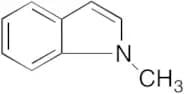
CAS:Purity:95.0%Molecular weight:332.39999389648441-Methylindole
CAS:Controlled Product<p>Applications The selenocyanation and thiocyanation of electron rich arene, 1-Methylindole, achieved using N-iodosuccinimide (NIS) as a catalyst and aqueous tert-Bu hydroperoxide (TBHP) as an oxidant at room temperature.<br>References Muniraj, N., et al.: ChemistrySelect, 1, 1033-1038 (2016)<br></p>Formula:C9H9NColor and Shape:NeatMolecular weight:131.188-methyl-4-(pyridine-4-carbonyl)-1-oxa-4,8-diazaspiro[4.5]decane-3-carboxylic acid
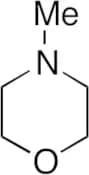
CAS:Purity:95.0%Molecular weight:305.33401489257814-Methylmorpholine
CAS:<p>Applications 4-Methylmorpholine is used in the synthesis of novel and selective TYK2 inhibitors, used in the treatment of inflammatory diseases. Also used in the preparation of cathespin K inhibitors which are highly selective.<br> Not a dangerous good if item is equal to or less than 1g/ml and there is less than 100g/ml in the package<br>References Liang, J. et al.: Eur. J. Med. Chem., 67, 175 (2013); Yuan, X. et al.: Org. Biomol. Chem., 11, 5847 (2013);<br></p>Formula:C5H11NOColor and Shape:NeatMolecular weight:101.151-[6-(methylsulfonyl)-1,3-benzothiazol-2-yl]azetidine-3-carboxylic acid
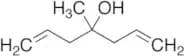
CAS:Purity:95.0%Molecular weight:312.35998535156254-Hydroxy-4-methylhepta-1,6-diene
CAS:Controlled Product<p>Applications 4-Hydroxy-4-methylhepta-1,6-diene is a compound useful in organic synthesis.<br>References Ji, X., et al.: Xiangliao Xiangjing Huazhuangpin, 4, 6 (2011)<br></p>Formula:C8H14OColor and Shape:NeatMolecular weight:126.204-(4-fluorophenyl)-4,5,6,7-tetrahydro-3H-imidazo[4,5-c]pyridine-6-carboxylic acid
CAS:Molecular weight:261.2560119628906Bis(4-methylpentyl) Phthalate
CAS:Controlled Product<p>Applications Bis(4-methylpentyl) Phthalate, is a phthalic acid ester (PAEs), widely used in many consumable products with potential carcinogenic properties. It is also the product of the fermentation of Streptomyces regnesis 099.<br></p>Formula:C20H30O4Color and Shape:ColourlessMolecular weight:334.45N,N-Diethyl-N’-1-naphthylethylenediamine Oxalate
CAS:Controlled Product<p>Applications Used in the methods of detecting nitrotyrosine and aminotyrosine residues of peptides and proteins. Also used in the studies on the separation and photometric determination of antiepileptics.<br>References Quednow, B., et al.: Pharmazie, 34, 724 (1979),<br></p>Formula:C18H24N2O4Color and Shape:NeatMolecular weight:332.394-Amino-5-aminomethyl-2-methylpyrimidine Dihydrochloride
CAS:Controlled Product<p>Applications Substrate for TenA enzyme in the thiamin salvage pathway<br>References Jenkins, A., et al.: Nat. Chem. Biol., 3, 492 (2007), Jenkins, A., et al.: Bioorg. Chem., 36, 29 (2008),<br></p>Formula:C6H10N4·2ClHColor and Shape:NeatMolecular weight:211.094-(4-chloro-2-fluorobenzoyl)-8-ethyl-1-oxa-4,8-diazaspiro[4.5]decane-3-carboxylic acid
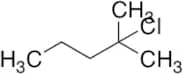
CAS:Purity:95.0%Molecular weight:370.809997558593752-Chloro-2-methylpentane
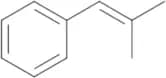
CAS:Controlled Product<p>Stability Volatile<br>Applications 2-Chloro-2-Methylpentane (cas# 4325-48-8) is a useful research chemical.<br></p>Formula:C6H13ClColor and Shape:NeatMolecular weight:120.622-Methyl-1-phenyl-1-propene (>85%)
CAS:Controlled Product<p>Applications 2-Methyl-1-phenyl-1-propene can be used in analytical study of analysis and comparison of aroma compounds from traditional Tangshan sorghum liquor and samples of improved fermentation process by GC-MS.<br>References Jiang, X., et al.: Shipin Gongye Keji, 37, 87 (2016)<br></p>Formula:C10H12Purity:>85%Color and Shape:NeatMolecular weight:132.2028-benzyl-4-(4-fluorobenzoyl)-1-oxa-4,8-diazaspiro[4.5]decane-3-carboxylic acid
CAS:Purity:95.0%Molecular weight:398.43399047851568-methyl-4-(2-phenylacetyl)-1-oxa-4,8-diazaspiro[4.5]decane-3-carboxylic acid
CAS:Purity:95.0%Molecular weight:318.372985839843758-ethyl-4-(4-nitrobenzoyl)-1-oxa-4,8-diazaspiro[4.5]decane-3-carboxylic acid
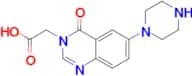
CAS:Purity:95.0%Molecular weight:363.36999511718756-PIPERAZIN-1-YL-4(3H)-QUINAZOLINONE-3-ACETIC ACID
CAS:Purity:97.0%Color and Shape:SolidMolecular weight:288.30700683593753-([(TERT-BUTOXY)CARBONYL](METHYL)AMINO)CYCLOBUTANE-1-CARBOXYLIC ACID
CAS:Purity:95.0%Molecular weight:229.27600097656253-[(1-methyl-1H-pyrazolo[3,4-d]pyrimidin-4-yl)amino]benzoic acid
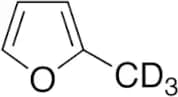
CAS:Purity:95.0%Molecular weight:269.26400756835942-Methylfuran-d3
CAS:Controlled Product<p>Stability Light Sensitive, Volatile<br>Applications Labelled 2-Methylfuran (M305440). 2-Methylfuran is a volatile organic compound (VOCs) used as a potential non-intrusive tool for screening of lung cancer.<br> Not a dangerous good if item is equal to or less than 1g/ml and there is less than 100g/ml in the package<br>References McWilliams, et al.: Curr. Oncol. Rep., 4, 487 (2002), Buszewski, B., et al.: Biomed. Chromatogr., 21, 553 (2007), Ligor, T., et al.: J. Breath. Res., 1, 1 (2007),<br></p>Formula:C52H3H3OPurity:>90%Color and Shape:Light YellowMolecular weight:85.12N-Benzyloxycarbonyl L-Threonine Amide
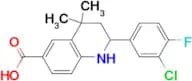
CAS:Controlled Product<p>Applications Threonine derivative used in the synthesis of peptide.<br>References Dekker, C.A., et al.: J. Biol. Chem., 180, 155 (1949),<br></p>Formula:C12H16N2O4Color and Shape:NeatMolecular weight:252.272-(3-CHLORO-4-FLUOROPHENYL)-4,4-DIMETHYL-1,2,3,4-TETRAHYDROQUINOLINE-6-CARBOXYLIC ACID
CAS:Purity:95.0%Molecular weight:333.79000854492192-BOC-2-AZASPIRO[4.5]DECANE-8-CARBOXYLIC ACID
CAS:Formula:C15H25NO4Purity:95%Molecular weight:283.3686-((BENZYLOXY)CARBONYL)-2-(TERT-BUTOXYCARBONYL)-2,6-DIAZASPIRO[3.4]OCTANE-8-CARBOXYLIC ACID
CAS:Purity:95.0%Color and Shape:Solid, No data available.Molecular weight:390.43600463867194-Methyl-valerophenone
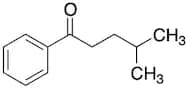
CAS:Controlled Product<p>Applications 4-Methyl-valerophenone is an intermediate used in the synthesis of a-Pyrrolidinoisohexanophenone (Hydrochloride) (P841230), which is a phenone derivative used for research purposes.<br>References Guo, Z.K., et al.: Marine Drugs, 16, 45/1 (2018)<br></p>Formula:C12H16OColor and Shape:NeatMolecular weight:176.25Homocysteine-13C4,15N
CAS:Controlled ProductFormula:C4H9NO2SColor and Shape:NeatMolecular weight:140.142’-Deoxymugineic Acid
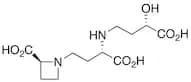
CAS:Controlled Product<p>Applications Phytosiderophores are produced in higher plants as iron chelating amino acids that promote uptake of iron from soil.<br>References Klair, S., et al.: J. Plant Nutr., 19, 1295 (1996),<br></p>Formula:C12H20N2O7Color and Shape:NeatMolecular weight:304.30D-Leucyl-L-Tyrosine
CAS:Controlled Product<p>Applications D-LEUCYL-L-TYROSINE (cas# 3303-29-5) is a useful research chemical.<br></p>Formula:C15H22N2O4Color and Shape:NeatMolecular weight:294.35(4S)-4-Hydroxy-L-isoleucine
CAS:Controlled Product<p>Applications (4S)-4-Hydroxy-L-isoleucine is 4S isomer of 4-Hydroxyisoleucine, which is used as a treatment for type II diabetes.<br>References Martinez-Force, E., et al.: Biotechnol. Tech., 5, 209 (1991); Sauvaire, Y., et al.: Diabetes, 47, 206 (1998), Narender, T., et al.: Bioorg. Med. Chem. Lett., 2006, 16, 293 (2006);<br></p>Formula:C6H13NO3Color and Shape:NeatMolecular weight:147.173-Methyl-1,3-butanediol
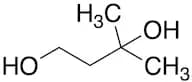
CAS:Controlled Product<p>Applications 3-Methyl-1,3-butanediol is a useful compound in carbon oxygen coupling reactions.<br></p>Formula:C5H12O2Color and Shape:NeatMolecular weight:104.15Pteroyltri-γ-L-glutamic acid (>85%)
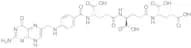
CAS:<p>Applications Pteroyltri-γ-L-glutamic acid is a folate derivative found in various foods such as yeast, spinach, beef liver, beef fillet and peas.<br>References Tamura, T., et al.: Br. J. Haematol., 25, 513 (1973); Ndaw, S., et al.: J. Chromatogr. A, 928, 77 (2001)<br></p>Formula:C29H33N9O12Purity:>85%Color and Shape:Off WhiteMolecular weight:699.6253-Methoxy-1,2-propanediol
CAS:<p>Applications 3-Methoxy-1,2-propanediol is used to prepare phosphorothioate analogs of sn-2 radyl lysophosphatidic acid as metabolically stabilized LPA receptor agonists. It is also used to synthesize diacylglycerol analogs as potential second-messenger antagonists.<br>References Jiang, G., et al.: Bioorg. Med. Chem. Lett., 23, 1865 (2013); Briggs, J., et al.: Bioorg. Med. Chem. Lett., 2, 127 (1992)<br></p>Formula:C4H10O3Color and Shape:Colourless LiquidMolecular weight:106.120[4-(3,4-dimethylphenyl)piperazin-1-yl](3-methylphenyl)acetic acid
Molecular weight:338.45098876953125L-Valine-13C5,15N
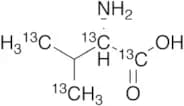
CAS:Controlled Product<p>Applications Labelled analogue of L-Vailne. L-Valine is an essential amino acid and one of 20 proteinogenic amino acids. L-Valine cannot be manufactured by the body and must be acquired through diet or supplementation. L-valine is found in grains, dairy products, mushrooms, meats, peanuts and soy proteins. L-Valine has been used in studies to attenuate arrhythmias and induce hypotensive effects.<br>References Choi, C.W. et al.: Anim. Feed Sci. Technol., 102, 15 (2002); Kolarski, D. et al.: Krmiva, 30, 155 (1988); Oba, M. et al.: J. Dairy Sci., 93, 2044 (2010); Mitrega, K. et al.: Pharmacol. Res., 64, 218 (2011);<br></p>Formula:C5H1115NO2Color and Shape:NeatMolecular weight:123.14-Methylenepiperidine Hydrochloride
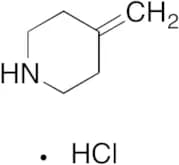
CAS:Controlled Product<p>Applications 4-Methylenepiperidine Hydrochloride is a building block that can be coupled with aryl halides via Suzuki cross-coupling to give benzyl piperidines and related compounds.<br>References Vice, S., et al.: J. Org. Chem., 66, 2487 (2001);<br></p>Formula:C6H11N•(HCl)Color and Shape:NeatMolecular weight:97.1636461-[1-(2-methoxyethyl)piperidin-3-yl]methanamine
CAS:Controlled Product<p>Applications 1-[1-(2-methoxyethyl)piperidin-3-yl]methanamine (cas# 936940-49-7) is a useful research chemical.<br></p>Formula:C9H20N2OColor and Shape:NeatMolecular weight:172.268L-Citrulline-d6
CAS:Controlled Product<p>Applications Labelled L-Citrulline. An amino acid, first isolated from the juice of watermelon, Citrullus vulgaris Schrad., Cucurbitaceae. Used in the treatment of asthenia.<br>References Kurtz, et al.: J. Biol. Chem., 122, 477 (1938), Rajantie, J., et al.: J. Pediatr., 97, 927 (1980), Carpenter, T.O., et al.: N. Engl. J. Med., 312, 290 (1985),<br></p>Formula:C62H6H7N3O3Color and Shape:NeatMolecular weight:181.221,3,5-Trichloro-2-methylbenzene
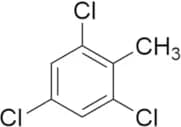
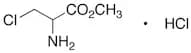
CAS:<p>Applications 1,3,5-Trichloro-2-methylbenzene can be used as reactant/reagent in hydrodechlorination process and catalysts for the production of 2,6-dichlorotoluene from polychlorotoluene-containing mixtures. Also, it is derived from 2,4,6-Trichlorobenzoic Acid (T774715), which is a possible degradation intermediate of Polychlorinated Biphenyls (PCBs) in contaminated soil, suggesting the occurrence of microbial transformation processes over time.<br> Not a dangerous good if item is equal to or less than 1g/ml and there is less than 100g/ml in the package<br>References Eichinger, W., et al.: PCT Int. Appl., WO 2001017932 A1 20010315 (2001); Stella, T., et al.: Sci Total Environ, 533, 177-186 (2015)<br></p>Formula:C7H5Cl3Color and Shape:White To Off-WhiteMolecular weight:195.47D,L-b-Chloroalanine Methyl Ester Hydrochloride
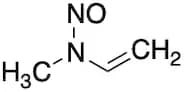
CAS:Controlled Product<p>Applications D,L-β-Chloroalanine Methyl Ester Hydrochloride (cas# 33646-31-0) is a compound useful in organic synthesis.<br></p>Formula:C4H8ClNO2·ClHColor and Shape:NeatMolecular weight:174.03N-Methyl-N-nitroso-ethenamine
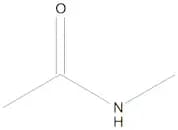
CAS:<p>Applications N-Methyl-N-nitroso-ethenamine is used as research reagent for base induced fragmentation to give aldehydes or ketones and smaller alkylnitrosamine<br>References Leoppky, R.N., et al.: J Org. Chem, 23, 135(1982)<br></p>Formula:C3H6N2OColor and Shape:YellowMolecular weight:86.09N-Methylacetamide
CAS:Controlled Product<p>Applications N-Methylacetamide can be used for the synthesis of N-sulfonyl amidines and acyl sulfonyl ureas.Environmental contaminants; food contaminants.<br>References Chow, S. Y., et al.: J. Org. Chem. 82, 2515 (2017)<br></p>Formula:C3H7NOColor and Shape:NeatMolecular weight:73.092-Methoxy Propane
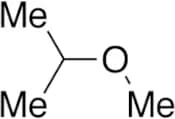
CAS:Controlled Product<p>Stability Very Volatile<br>Applications 2-Methoxy Propane is a synthetic intermediate used for the preparation of various biosynthetic molecules and pharmaceutical goods.<br> Not a dangerous good if item is equal to or less than 1g/ml and there is less than 100g/ml in the package<br>References Gharagheizi, F., et al.: Indust. Engin. Chem. Res., 51, 6265 (2012); Vandendriessche, S., et al.: Phy. Chem. Chem. Phy., 14, 1860 (2010); Moon, J.K., et al.: J. Agr. Food. Chem., 58, 5465 (2010);<br></p>Formula:C4H10OColor and Shape:NeatMolecular weight:74.124-(4-tert-butylbenzoyl)-8-ethyl-1-oxa-4,8-diazaspiro[4.5]decane-3-carboxylic acid
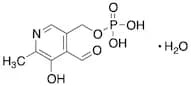
CAS:Purity:95.0%Molecular weight:374.4809875488281(4-Formyl-5-hydroxy-6-methylpyridin-3-yl)methyl Dihydrogen Phosphate Hydrate
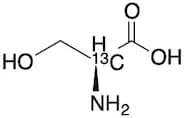
CAS:<p>Stability Air Sensitive, Moisture Sensitive<br>Applications (4-Formyl-5-hydroxy-6-methylpyridin-3-yl)methyl dihydrogen phosphate hydrate (cas# 41468-25-1) is a useful research chemical.<br></p>Formula:C8H10NO6P·H2OColor and Shape:White To Off-WhiteMolecular weight:265.16L-Serine-2-13C
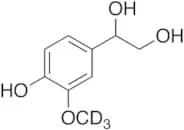
CAS:Controlled Product<p>Applications Isotope labelled L-Serine is used in the synthesis of purines and pyrimidines as antibacterial/antifungal agents, as well as acting as a proteinogenic compound.<br>References Olivella, M. et al.: Bioorg. Med. Chem., 20, 6109 (2012);<br></p>Formula:C213CH7NO3Color and Shape:NeatMolecular weight:106.09rac 4-Hydroxy-3-methoxyphenylethylene Glycol-d3
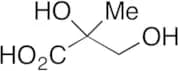
CAS:Controlled Product<p>Applications A labelled metabolite of Catecholamines.<br>References Kopin, I.J., et al.: J. Biol. Chem., 236, 2109 (1961), Short, F.W., et al.: J. Med. Pharm. Chem., 5, 642 (1962)<br></p>Formula:C92H3H9O4Color and Shape:NeatMolecular weight:187.21α-Methylglyceric Acid
CAS:Controlled Product<p>Applications α-Methylglyceric Acid is a biogenic secondary organic aerosol used in air quality diagnosis.<br>References Ru, P., et. al.: Environ. Sci. Technol., 48, 8491 (2014); Napelenok, S.L., et. al.: Environ. Sci. Technol., 48, 464 (2014); Stone, E.A., et. al.: Environ. Chem., 9, 263 (2012)<br></p>Formula:C4H8O4Color and Shape:NeatMolecular weight:120.1
![8-ethyl-4-(3-methylbenzoyl)-1-oxa-4,8-diazaspiro[4.5]decane-3-carboxylic acid](/_next/image/?url=https%3A%2Fstatic.cymitquimica.com%2Fproducts%2F10%2Fthumb-webp%2FF525702.webp&w=3840&q=75)


![8-methyl-4-(pyridine-4-carbonyl)-1-oxa-4,8-diazaspiro[4.5]decane-3-carboxylic acid](/_next/image/?url=https%3A%2Fstatic.cymitquimica.com%2Fproducts%2F10%2Fthumb-webp%2FF525650.webp&w=3840&q=75)
![1-[6-(methylsulfonyl)-1,3-benzothiazol-2-yl]azetidine-3-carboxylic acid](/_next/image/?url=https%3A%2Fstatic.cymitquimica.com%2Fproducts%2F10%2Fthumb-webp%2FF495394.webp&w=3840&q=75)
![4-(4-fluorophenyl)-4,5,6,7-tetrahydro-3H-imidazo[4,5-c]pyridine-6-carboxylic acid](/_next/image/?url=https%3A%2Fstatic.cymitquimica.com%2Fproducts%2F10%2Fthumb-webp%2FF427092.webp&w=3840&q=75)


![4-(4-chloro-2-fluorobenzoyl)-8-ethyl-1-oxa-4,8-diazaspiro[4.5]decane-3-carboxylic acid](/_next/image/?url=https%3A%2Fstatic.cymitquimica.com%2Fproducts%2F10%2Fthumb-webp%2FF525713.webp&w=3840&q=75)
![8-benzyl-4-(4-fluorobenzoyl)-1-oxa-4,8-diazaspiro[4.5]decane-3-carboxylic acid](/_next/image/?url=https%3A%2Fstatic.cymitquimica.com%2Fproducts%2F10%2Fthumb-webp%2FF525792.webp&w=3840&q=75)
![8-methyl-4-(2-phenylacetyl)-1-oxa-4,8-diazaspiro[4.5]decane-3-carboxylic acid](/_next/image/?url=https%3A%2Fstatic.cymitquimica.com%2Fproducts%2F10%2Fthumb-webp%2FF525619.webp&w=3840&q=75)
![8-ethyl-4-(4-nitrobenzoyl)-1-oxa-4,8-diazaspiro[4.5]decane-3-carboxylic acid](/_next/image/?url=https%3A%2Fstatic.cymitquimica.com%2Fproducts%2F10%2Fthumb-webp%2FF525672.webp&w=3840&q=75)
AMINO)CYCLOBUTANE-1-CARBOXYLIC ACID](/_next/image/?url=https%3A%2Fstatic.cymitquimica.com%2Fproducts%2F10%2Fthumb-webp%2FF504133.webp&w=3840&q=75)
![3-[(1-methyl-1H-pyrazolo[3,4-d]pyrimidin-4-yl)amino]benzoic acid](/_next/image/?url=https%3A%2Fstatic.cymitquimica.com%2Fproducts%2F10%2Fthumb-webp%2FF314870.webp&w=3840&q=75)

![2-BOC-2-AZASPIRO[4.5]DECANE-8-CARBOXYLIC ACID](/_next/image/?url=https%3A%2Fstatic.cymitquimica.com%2Fproducts%2F10%2Fthumb-webp%2FF503445.webp&w=3840&q=75)
![6-((BENZYLOXY)CARBONYL)-2-(TERT-BUTOXYCARBONYL)-2,6-DIAZASPIRO[3.4]OCTANE-8-CARBOXYLIC ACID](/_next/image/?url=https%3A%2Fstatic.cymitquimica.com%2Fproducts%2F10%2Fthumb-webp%2FF537585.webp&w=3840&q=75)




acetic acid](/_next/image/?url=https%3A%2Fstatic.cymitquimica.com%2Fproducts%2F10%2Fthumb-webp%2FF300232.webp&w=3840&q=75)
![1-[1-(2-methoxyethyl)piperidin-3-yl]methanamine](/_next/image/?url=https%3A%2Fstatic.cymitquimica.com%2Fproducts%2FTR%2Fthumb-webp%2FM139405.webp&w=3840&q=75)

![4-(4-tert-butylbenzoyl)-8-ethyl-1-oxa-4,8-diazaspiro[4.5]decane-3-carboxylic acid](/_next/image/?url=https%3A%2Fstatic.cymitquimica.com%2Fproducts%2F10%2Fthumb-webp%2FF525683.webp&w=3840&q=75)