Amino Acids (AA)
Amino acids (AAs) are the fundamental building blocks of proteins, playing a crucial role in various biological processes. These organic compounds are essential for protein synthesis, metabolic pathways, and cell signaling. In this category, you will find a comprehensive range of amino acids, including essential, non-essential, and modified forms, which are vital for research in biochemistry, molecular biology, and nutritional sciences. At CymitQuimica, we provide high-quality amino acids to support your research and development needs, ensuring accuracy and reliability in your experimental outcomes.
Subcategories of "Amino Acids (AA)"
- Amino Acid Derivatives(3,957 products)
- Amino Acid and Amino Acid Related Compounds(3,472 products)
- Amino Acids with Oxygen or Sulphur(168 products)
- Boc- Amino Acids(351 products)
- Fmoc Amino Acids(1,710 products)
Found 38265 products of "Amino Acids (AA)"
Sort by
Purity (%)
0
100
|
0
|
50
|
90
|
95
|
100
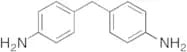
4,4'-Methylenedianiline
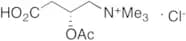
CAS:Controlled Product<p>Applications 4,4'-Methylenedianiline is used in the production of polyurethane foams and epoxy resins (1). Potential contributor in pulmonary arterial hypertension (PAH) in rats through alteration of the serotenergic transport system (2). Drinking water contaminant candidate list 3 (CCL 3) compound as per United States Environmental Protection Agency (EPA), environmental, and food contaminants. Dyes and metabolites, Environmental Testing.<br> Not a dangerous good if item is equal to or less than 1g/ml and there is less than 100g/ml in the package<br>References 1. Hebert V. et al.: Cardiovas. Toxicol., 2011 Dec;11(4):316-24.2. Carroll-Turpin, M. et al.: Toxicol. Sci. 2015 Sep;147(1):235-45<br></p>Formula:C13H14N2Color and Shape:NeatMolecular weight:198.26Acetyl L-Carnitine Hydrochloride
CAS:<p>Applications Acetyl-L-carnitine is a mitochondrial metabolite that helps to transport fatty acids into the mitochondria for energy (1). Acetyl-L-carnitine also upregulate metabotropic glutamate receptor 2 (mGlu2) via NF-κB p65 acetylation (2,3). It exhibits antidepressant and neuroprotective properties.<br>References (1) Stephens, F. B., et al.: J Physiol. 581, 431 (2007) (2) Wang, S. M., et al.: J Psychiatr Res. 53, 30 (2014) (3) Cuccurazzu, B., et al.: Neuropsychopharmacology 38, 2220 (2013)<br></p>Formula:C9H18NO4·ClColor and Shape:NeatMolecular weight:239.70(S)-(+)-2-Methylbutyric Acid
CAS:Controlled Product<p>Stability Hygroscopic<br>Applications (S)-(+)-2-Methylbutyric Acid is a chiral starting reagent used in various synthetic preparations.<br> Not a dangerous good if item is equal to or less than 1g/ml and there is less than 100g/ml in the package<br>References Neves, F., et al.: Beilstein. J. Org. Chem., 7, 1504 (2011); King, A.M., et al.: J. Medn. Chem., 54, 6432 (2011); Ferrarni, A., et al.: Chirality., 26, 9 (2011);<br></p>Formula:C5H10O2Color and Shape:NeatMolecular weight:102.132L-Alanine-d3
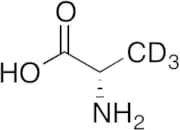
CAS:Controlled Product<p>Applications L-Alanine-d3 is the labeled analogue of L-Alanine (A481500), which is used to make in-vivo measurement of glucose and alanine metabolism in studies of patients with diabetes. L-Alanine is a non-essential amino acid for human development. L-Alanine is one of the 20 amino acids encoded by the genetic code.<br>References Bier, D.M. et al.: Diabetes, 26, 1005 (1977); Capaldo, B. et al.: J. Clin. Endocrinol. Metab., 71, 1220 (1990); Giacca, A. et al.: Diabetes, 47, 1763 (1998)<br></p>Formula:C3D3H4NO2Color and Shape:NeatMolecular weight:92.11N,N-Diethyl-N’-1-naphthylethylenediamine Oxalate
CAS:Controlled Product<p>Applications Used in the methods of detecting nitrotyrosine and aminotyrosine residues of peptides and proteins. Also used in the studies on the separation and photometric determination of antiepileptics.<br>References Quednow, B., et al.: Pharmazie, 34, 724 (1979),<br></p>Formula:C18H24N2O4Color and Shape:NeatMolecular weight:332.39Ethyl [2-Methyl-3-(chlorosulfonyl)phenoxy]acetate
CAS:Controlled Product<p>Applications Ethyl [2-Methyl-3-(chlorosulfonyl)phenoxy]acetate (cas# 91427-62-2) is a compound useful in organic synthesis.<br></p>Formula:C11H13ClO5SColor and Shape:NeatMolecular weight:292.745-Methylfurfural
CAS:Controlled Product<p>Applications 5-Methylfurfural is a common chemical reagent used in a wide variety of chemical reactions and organic synthesis. Polycyclic pyridazine based derivatives are synthesized with this compound to form antimicrobial agents. Also used in the preparation of antiinflammatory diarylpentanoid analogues.<br>References Deeb, A. et al.: Eur. Chem. Bull., 3, 897 (2014); Leong, S. et al.: Molecules, 19, 16058 (2014);<br></p>Formula:C6H6O2Color and Shape:Yellow-OrangeMolecular weight:110.111-Methoxypropan-2-amine Hydrochloride
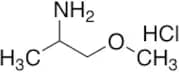
CAS:Controlled Product<p>Applications 1-methoxypropan-2-amine hydrochloride (cas# 677743-83-8) is a useful research chemical.<br></p>Formula:C4H11NO·ClHColor and Shape:NeatMolecular weight:125.597L-Ethionine
CAS:Controlled Product<p>Applications Ethionine-induced inhibition of protein synthesis and lowering of ATP level in the liver.<br>References Rotig, A., et al.: Lancet, 356, 391 (2000), Forsgren, M., et al.: Biochem. J., 382, 519 (2004), Johnson, A., et al.: J. Biol. Chem., 280, 31397 (2005), Horvath, R., et al.: Neurology, 66, 253 (2006), Mollet, M., et al.: J. Clin. Invest., 117, 765 (2007),<br></p>Formula:C6H13NO2SColor and Shape:NeatMolecular weight:163.244-Methyl-valerophenone
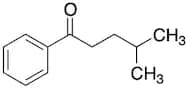
CAS:Controlled Product<p>Applications 4-Methyl-valerophenone is an intermediate used in the synthesis of a-Pyrrolidinoisohexanophenone (Hydrochloride) (P841230), which is a phenone derivative used for research purposes.<br>References Guo, Z.K., et al.: Marine Drugs, 16, 45/1 (2018)<br></p>Formula:C12H16OColor and Shape:NeatMolecular weight:176.25(4-Methoxyphenyl)hydrazine Hydrochloride
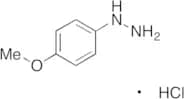
CAS:<p>Stability Light Sensitive<br>Applications 4-Methoxyphenylhydrazine hydrochloride was used in the preparation of 5-cyano-3-(5-methoxy-2-methylindol-3-yl)-1,2,4-thiadiazole. It was also used to synthesize diarylpyrazoles as possible cyclooxygenase 2 ((COX-2)) inhibitors.<br>References Iwakawa, T., et al.: Chem. Pharm. Bull., 48, 160 (2000); Penning, T., et al.: J. Med. Chem., 40, 1347 (1997)<br></p>Formula:C7H10N2O·HClColor and Shape:Off-White To Light PurpleMolecular weight:138.17 + 36.46L-Citrulline
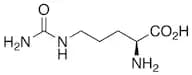
CAS:Controlled Product<p>Applications An amino acid, first isolated from the juice of watermelon, Citrullus vulgaris Schrad., Cucurbitaceae. Used in the treatment of asthenia.<br>References Kurtz, et al.: J. Biol. Chem., 122, 477 (1938), Rajantie, J., et al.: J. Pediatr., 97, 927 (1980), Carpenter, T.O., et al.: N. Engl. J. Med., 312, 290 (1985),<br></p>Formula:C6H13N3O3Color and Shape:NeatMolecular weight:175.194-Methoxyphenylacetamide
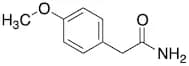
CAS:Controlled Product<p>Applications 4-METHOXYPHENYLACETAMIDE (cas# 6343-93-7) is a useful research chemical.<br></p>Formula:C9H11NO2Color and Shape:NeatMolecular weight:165.189Ethyl 3-(dimethylamino)-2-(2,4,5-trifluoro-3-methoxybenzoyl)acrylate
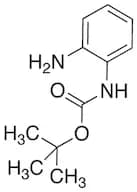
CAS:Formula:C15H16F3NO4Color and Shape:NeatMolecular weight:331.287N-Boc-1,2-phenyldiamine
CAS:Controlled Product<p>Applications Protected 1,2-Phenyldiamine, an intermediate in the synthesis of histone deacetylase agents and antitumor agents.<br>References Andrews, D., et al.: Bioorg. Med. Chem. Lett., 18, 2580 (2008), Mahboobi, S., et al.: J. Med. Chem., 52, 2265 (2009),<br></p>Formula:C11H16N2O2Color and Shape:NeatMolecular weight:208.263-Ethynyl-6-methylpyridazine
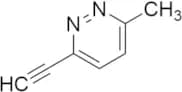
CAS:Controlled ProductFormula:C7H6N2Color and Shape:NeatMolecular weight:118.136p-Methoxytoluene
CAS:<p>Applications p-Methoxytoluene is a building block that has been used as a reactant for the preparation of electrophilic fluorinating agents.<br> Not a dangerous good if item is equal to or less than 1g/ml and there is less than 100g/ml in the package<br>References Baudoux, J., Cahard, D.: Org. Reactions, 69, 347 (2007)<br></p>Formula:C8H10OColor and Shape:NeatMolecular weight:122.164-Methylimidazole-d3
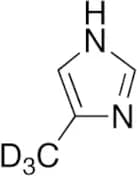
CAS:Controlled Product<p>Applications Labelled 4-Methylimidazole (M312990). 4-Methylimidazole is a monomethylated imidazole that can be used as a building block in the preparation of a wide range of biologically active compounds. 4-Methylimidazole is a product which results from the interaction of reducing sugars with ammonia. 4-Methylimidazole showed convulsant activity in animals and is listed as a possible carcinogen.<br> Not a dangerous good if item is equal to or less than 1g/ml and there is less than 100g/ml in the package<br>References Nishie, K. et al.: Toxicol. Appl. Pharmacol., 14, 301 (1969): Cunha, S.C. et al.: J. Food Comp. Anal., 24, 609 (2011); Chan, P.C. et al.: Arch. Toxicol., 82, 55 (2008);<br></p>Formula:C4H3D3N2Color and Shape:BeigeMolecular weight:85.123-Methyl-4-(trifluoromethyl)aniline
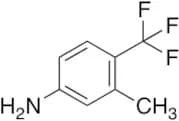
CAS:<p>Applications 3-METHYL-4-(TRIFLUOROMETHYL)ANILINE (cas# 106877-31-0) is a useful research chemical.<br></p>Formula:C8H8NF3Color and Shape:Pale Yellow to Pale Beige OilMolecular weight:175.152'-Deoxy-N-methyl-cytidine
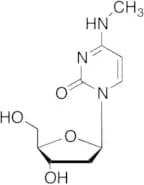
CAS:Controlled Product<p>Applications 2'-Deoxy-N-methyl-cytidine is a nucleotide derivative used as an analytical reagent.<br>References Dupret, D.: Biomed. Health. Res., 23(Human Genome Analysis), 244-255 (1998)<br></p>Formula:C10H15N3O4Color and Shape:NeatMolecular weight:241.244L-Aspartic Acid
CAS:<p>Applications L-Aspartic Acid is a non-essential amino acid found in food sources. L-Aspartic Acid is one of the 20 proteinogenic amino acids; the building blocks of proteins. Its conjugate base L-aspartate is an excitatory neurotransmitter in the central nervous system.<br>References Ager, D.J. et al.: J. Mol. Catal. Enzym., 11, 199 (2001); Velisek, J. et al.: Cze. J. Food. Sci., 24, 1 (2006); Nagahama, M. et al.: Cell Tiss. Res., 318, 483 (2004);<br></p>Formula:C4H7NO4Color and Shape:WhiteMolecular weight:133.101-Methoxy-2-propanol
CAS:Controlled Product<p>Applications 1-Methoxy-2-propanol is used as a reagent in the synthesis of 2-amino-3-carboxy-4-phenylthiophenes as novel atypical protein kinase C inhibitors. Also used as a reagent in the synthesis of Metolachlor (M338700); a selective pre-emergence herbicide.<br> Not a dangerous good if item is equal to or less than 1g/ml and there is less than 100g/ml in the package<br>References Titchenell, P.M., et al.: Bioorg. Med. Chem. Lett., 23, 3034 (2013); Zhang, H.: Nongyao Kexue Yu Guanli, 32, 26 (2011)<br></p>Formula:C4H10O2Color and Shape:ColourlessMolecular weight:90.124-Methylaminoantipyrine Hydrochloride
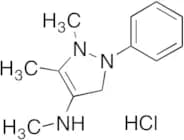
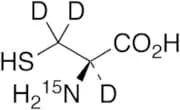
CAS:Formula:C12H15N3O·ClHColor and Shape:Light Orange Colour To Light BrownMolecular weight:253.73L-Cysteine-15N,d3
CAS:Controlled ProductFormula:C3D3H415NO2SColor and Shape:NeatMolecular weight:125.17N-Acetylglycine-d5
CAS:Controlled Product<p>Applications N-Acetylglycine-d5 is an isotopic analog of N-Acetyl-glycine (A178260), a derivative of Glycine (G615990). It is an intermediate used to synthesize rac 3-O-Methyl DOPA (M303805) which is an impurity of Levodopa.<br>References Tabar, et al.: Pharmacol. Biochem. Behav., 33, 139 (1989), De Souza Silva, et al.: J. Neurochem., 68, 233 (1997), Feigin, A., et al.: Neurology, 57, 2083 (2001), Perera, A., et al.: J. Labelled Comp. Radiopharm., 46, 389 (2003),<br></p>Formula:C4D5H2NO3Color and Shape:NeatMolecular weight:122.134N-Methyl-L-cysteine Hydrochloride
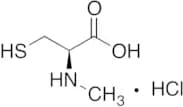
CAS:Controlled Product<p>Stability Air Sensitive<br>Applications N-Methyl-L-cysteine Hydrochloride is an intermediate used to prepare analogs of pyochelin (P840365), a siderophore of Pseudomonas aeruginosa.<br>References Rivault, F., et al.: Tetrahedron, 60, 12139 (2004); Noel, S., et al.: Bioorgan. Chem. Lett., 24, 132 (2014); Ankenbauer, R., et al.: J. Bacteriol., 170, 5344 (1988)<br></p>Formula:C4H9NO2S·ClHColor and Shape:NeatMolecular weight:171.655-Methoxyuracil
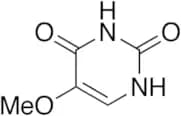
CAS:Controlled Product<p>Impurity Fluorouracil EP Impurity D<br>Applications 5-Methoxyuracil (Fluorouracil EP Impurity D) is methoxylated uracil, a component of nucleid acid. 5-Methoxyuracil is used in the preparation of nucleosides.<br>References Vorbrueggen, H. et al.: Chem. Ber., 114, 1279 (1981); Novacek, A. et al.: Coll. Czech. Chem. Comm., 32, 1045 (1967);<br></p>Formula:C5H6N2O3Color and Shape:NeatMolecular weight:142.111-(4-Methyl-3-cyclohexen-1-yl)ethanone
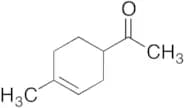
CAS:<p>Applications 1-(4-methyl-3-cyclohexen-1-yl)ethanone is an essential oil found in Cedrus atlantica wood and orange peels.<br>References Uehara, Ayaka, et al.: Phytochemistry, 144, 208-215 (2017); Liu, Bo, et al.: Yancao Keji, (9), 52-56 (2014)<br></p>Formula:C9H14OColor and Shape:NeatMolecular weight:138.2071-(3-Methoxypropyl)-4-piperidinamine
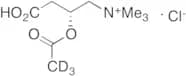
CAS:Controlled Product<p>Applications 1-(3-Methoxypropyl)-4-piperidinamine is a useful synthetic intermediate in the synthesis of Prucalopride Succinate (P838950); a selective 5-HT4 receptor agonist used effective for chronic constipation, but is not currently approved in the U.S. Prucalopride is approved for the treatment of chronic constipation in Europe.<br>References Shah, N., et al.: Am. J. Gastroenterol., 103, 1746 (2008); McKinnell, R., et al.: J. Med. Chem., 52, 5330 (2009); Shah, N., et al.: Am. J. Gastroenterol., 103, 1746 (2008); Yuan, Y., et al.: Zhongguo Yiyao Gongye Zazhi, 43, 5 (2012)<br></p>Formula:C9H20N2OColor and Shape:Colourless To Light YellowMolecular weight:172.268Acetyl-d3 L-Carnitine Hydrochloride
CAS:Controlled Product<p>Applications Acetyl-d3 L-Carnitine Hydrochloride is labelled Acetyl L-Carnitine Hydrochloride (A171990) which is used for transmembrane action potential studies. Acetylcarnitine has antinociceptive activity that may be mediated by enhanced activity of muscarinic cholinergic receptors or mGlu2 glutamate receptors.<br>References Matsui, K., et al.: Japanese J. Pharmcol., 39, 263 (1985); Chlechio, S., et al.: J. Endocrinol. Invest., 27, 171 (2004): Walker, R., et al.: Comparative General Pharmacol., 4, 65 (1973)<br></p>Formula:C92H3H15NO4·ClColor and Shape:NeatMolecular weight:242.724-Methyl-2-(4-(trifluoromethyl)phenyl)thiazole-5-carboxylic Acid
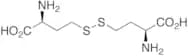
CAS:Controlled Product<p>Applications 4-methyl-2-(4-(trifluoromethyl)phenyl)thiazole-5-carboxylic acid (cas# 144059-86-9) is a useful research chemical.<br></p>Formula:C12H8F3NO2SColor and Shape:NeatMolecular weight:287.26L-Homocystine
CAS:Controlled Product<p>Applications Increased levels lead to hyperhomocysteinemia; a cardiovascular risk factor in prediction of coronary heart disease as well as being associated with congenital birth defects, pregnancy complications and cancer.<br>References Geisel, J. et al.: Clin. Chem. Lab. Med., 41, 1513 (2003); Geisel, J. et al.: Clin. Chem. Lab. Med., 41, 1513 (2003);<br></p>Formula:C8H16N2O4S2Color and Shape:NeatMolecular weight:268.352-Methoxyethyl 3-Oxobutanoate
CAS:Controlled Product<p>Applications 2-Methoxyethyl 3-oxobutanoate (cas# 22502-03-0) is a useful research chemical.<br></p>Formula:C7H12O4Color and Shape:NeatMolecular weight:160.165-Methoxyindole-3-acetic Acid
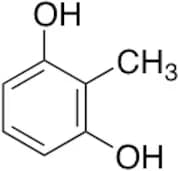
CAS:Controlled Product<p>Applications 5-Methoxyindole-3-acetic Acid is a chemical reagent used in the analysis of the physiological properties of auxins.<br>References Ferro, N. et al.: J. Clin.Info. Model., 46, 1751 (2006);<br></p>Formula:C11H11NO3Color and Shape:NeatMolecular weight:205.212-Methylresorcinol
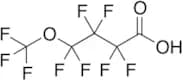
CAS:Controlled Product<p>Applications 2-Methylresorcinol (cas# 608-25-3) is a useful research chemical.<br> Not a dangerous good if item is equal to or less than 1g/ml and there is less than 100g/ml in the package<br></p>Formula:C7H8O2Color and Shape:Light YellowMolecular weight:124.14Perfluoro-4-methoxybutanoic Acid
CAS:<p>Applications Perfluoro-4-Methoxybutanoic Acid (cas# 863090-89-5) is a useful research chemical.<br> Not a dangerous good if item is equal to or less than 1g/ml and there is less than 100g/ml in the package<br></p>Formula:C5HF9O3Color and Shape:NeatMolecular weight:280.054-Methyl-1-[3-nitro-5-(trifluoromethyl)phenyl]-1H-imidazole
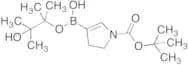
CAS:Controlled Product<p>Applications 4-Methyl-1-[3-nitro-5-(trifluoromethyl)phenyl]-1H-imidazole, is a 4-methyl-1H-imidazole (4-MEI) derivative.<br></p>Formula:C11H8F3N3O2Color and Shape:Light YellowMolecular weight:271.201-BOC-2,3-Dihydropyrrole-4-boronic acid, pinacol ester
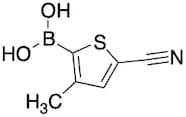
CAS:Controlled Product<p>Applications 1-BOC-2,3-Dihydropyrrole-4-boronic acid, pinacol ester is a useful research chemical for organic synthesis and other chemical processes.<br>References Lewis, R. T., et al.: From PCT Int. Appl. (2017), WO 2017004359 A1 20170105<br></p>Formula:C15H26BNO4Color and Shape:White To Off-WhiteMolecular weight:295.182(5-Cyano-3-methylthiophen-2-yl)boronic Acid
CAS:Controlled ProductFormula:C6H6BNO2SColor and Shape:NeatMolecular weight:166.9932,6-Diaminopimelic Acid
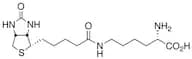
CAS:Controlled Product<p>Applications 2,6-Diaminopimelic Acid is useful in biological studies involving amino acids and amino sugars as molecular indicators of the origins of organic matter in buried tephra soils.<br>References Hobara, S., et al.: Geoderma, 373, 114449 (2020)<br></p>Formula:C7H14N2O4Color and Shape:NeatMolecular weight:190.20Biocytin
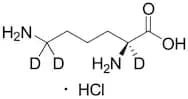
CAS:<p>Applications Useful for the synthesis of Biocytin containing peptides to study the mechanism of reactions catalyzed by biotin - containing enzymes.<br>References Bodanszky, M., and Fagan, D.T.: J. Am. Chem. Soc., 99, 235 (1977)<br></p>Formula:C16H28N4O4SColor and Shape:White To Off-WhiteMolecular weight:372.48L-Lysine-2,6,6-d3 HCl
CAS:Controlled Product<p>Applications L-Lysine-2,6,6-d3 HCl is a useful isotopically labeled compound of L-Lysine HydrochlorideDISCONTINUED PLEASE SEE L486915 (L468923)<br></p>Formula:C6D3H11N2O2·HClColor and Shape:NeatMolecular weight:185.667N-Methyl-N-trimethylsilylacetamide
CAS:Controlled Product<p>Applications N-Methyl-N-trimethylsilylacetamide, is a powerful silylating agent for polar compounds.<br> Not a dangerous good if item is equal to or less than 1g/ml and there is less than 100g/ml in the package<br>References Melanie MacGregor-Ramiasa et. al; Acta biomaterialia, 56, undefined (2017-2-25)<br></p>Formula:C6H15NOSiPurity:>85%Color and Shape:NeatMolecular weight:145.274-Nitrobenzyl (4R,5R,6S)-3-[(diphenylphosphono)oxy]-6-[(R)-1-hydroxyethyl]-4-methyl-7-oxo-1-azabicyclo[3.2.0]hept-2-ene-2-carboxylat e
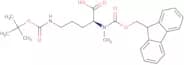
CAS:<p>4-Nitrobenzyl (4R,5R,6S)-3-[(diphenylphosphono)oxy]-6-[(R)-1-hydroxyethyl]-4-methyl-7-oxo-1-azabicyclo[3.2.0]hept-2-ene-2-carboxylat e is a synthetic compound that is used as an alkalizer and impurity scavenger in the manufacture of pesticides and other organic chemicals. It has been shown to be a stereoselective herbicide with acetonitrile as its primary degradation product. The compound has also been found to be a potent inhibitor of the enzyme carbapenemase, which may lead to increased resistance to antibiotics such as monosodium salt of ertapenem.</p>Formula:C29H27N2O10PPurity:Min. 98 Area-%Color and Shape:White PowderMolecular weight:594.51 g/molFmoc-N-Me-Orn(Boc)-OH
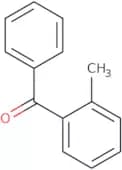
CAS:<p>Fmoc-N-Me-Orn(Boc)-OH is a fine chemical that is used as a building block for the synthesis of peptides, polymers, and other organic compounds. This compound reacts with primary amines to form the corresponding N-substituted carbamic acid derivatives. It can also be used as an intermediate in the synthesis of complex compounds. Fmoc-N-Me-Orn(Boc)-OH is a high quality reagent that can be used in research chemicals, speciality chemicals, and reaction components.</p>Formula:C26H32N2O6Purity:Min. 98 Area-%Color and Shape:White PowderMolecular weight:468.54 g/mol2-Methylbenzophenone
CAS:<p>2-Methylbenzophenone is a derivative of benzophenone that has been synthesized from a symmetrical molecule by the addition of two methyl groups on opposite sides of the benzene ring. The intramolecular hydrogen bonding in 2-methylbenzophenone allows for unsymmetrical molecules to form, which have a directional orientation. This makes 2-methylbenzophenone an excellent candidate for use in asymmetric synthesis. The reaction mechanism for the synthesis of 2-methylbenzophenone involves nucleophilic substitution with sodium carbonate and chlorine atom, followed by removal of the chloride ion with methyl ethyl ether or benzyl chloride. In this stepwise process, the first step is carried out at low temperature and then heated to increase the yield. The final step involves hydrogenation of the carbonyl group to form a keto group. Synthesis methods include condensation reactions, such as with sodium acetate and benzoic acid, or hydroly</p>Formula:C14H12OPurity:Min. 95%Color and Shape:Colorless Clear LiquidMolecular weight:196.24 g/molAluminiumHydroxybis[2,2'-methylen-bis(4,6-di-tert-butylphenyl)phosphate]
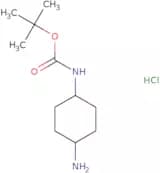
CAS:<p>Please enquire for more information about AluminiumHydroxybis[2,2'-methylen-bis(4,6-di-tert-butylphenyl)phosphate] including the price, delivery time and more detailed product information at the technical inquiry form on this page</p>Formula:C58H85AlO9P2Purity:Min. 95%Color and Shape:PowderMolecular weight:1,015.22 g/molBoc-1,4-trans-diaminocyclohexane hydrochloride
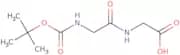
CAS:<p>Boc-1,4-trans-diaminocyclohexane hydrochloride is a versatile building block that can be used to synthesize complex compounds and research chemicals. It has been used as a reagent, specialty chemical and useful intermediate in many different reactions. Boc-1,4-trans-diaminocyclohexane hydrochloride is also a high quality building block that can be utilized to produce pharmaceuticals, agrochemicals and other speciality chemicals. This compound is also an important scaffold for the synthesis of biologically active molecules.</p>Formula:C11H22N2O2·HClPurity:Min. 95%Color and Shape:PowderMolecular weight:250.77 g/molBoc-Gly-Gly-OH
CAS:<p>Boc-Gly-Gly-OH is a synthetic molecule with inhibitory properties. It has been shown to prevent the polymerization of tubulin into microtubules by binding to the hydroxyl group on lysine residues in the monomeric form. Boc-Gly-Gly-OH can be used as a reagent in organic solution, and can be seen under an electron microscope as nanodots.</p>Formula:C9H16N2O5Purity:Min. 95%Color and Shape:PowderMolecular weight:232.23 g/mol



![Ethyl [2-Methyl-3-(chlorosulfonyl)phenoxy]acetate](/_next/image/?url=https%3A%2Fstatic.cymitquimica.com%2Fproducts%2FTR%2Fthumb-webp%2FE925070.webp&w=3840&q=75)











![4-Methyl-1-[3-nitro-5-(trifluoromethyl)phenyl]-1H-imidazole](/_next/image/?url=https%3A%2Fstatic.cymitquimica.com%2Fproducts%2FTR%2Fthumb-webp%2FM323715.webp&w=3840&q=75)


![4-Nitrobenzyl (4R,5R,6S)-3-[(diphenylphosphono)oxy]-6-[(R)-1-hydroxyethyl]-4-methyl-7-oxo-1-azabic…](/_next/image/?url=https%3A%2Fstatic.cymitquimica.com%2Fproducts%2F3D%2Fthumb-webp%2FFM140061.webp&w=3840&q=75)

![AluminiumHydroxybis[2,2'-methylen-bis(4,6-di-tert-butylphenyl)phosphate]](/_next/image/?url=https%3A%2Fstatic.cymitquimica.com%2Fproducts%2F3D%2Fthumb-webp%2FFA150593.webp&w=3840&q=75)