Amino Acids (AA)
Amino acids (AAs) are the fundamental building blocks of proteins, playing a crucial role in various biological processes. These organic compounds are essential for protein synthesis, metabolic pathways, and cell signaling. In this category, you will find a comprehensive range of amino acids, including essential, non-essential, and modified forms, which are vital for research in biochemistry, molecular biology, and nutritional sciences. At CymitQuimica, we provide high-quality amino acids to support your research and development needs, ensuring accuracy and reliability in your experimental outcomes.
Subcategories of "Amino Acids (AA)"
- Amino Acid Derivatives(3,957 products)
- Amino Acid and Amino Acid Related Compounds(3,472 products)
- Amino Acids with Oxygen or Sulphur(168 products)
- Boc- Amino Acids(351 products)
- Fmoc Amino Acids(1,710 products)
Found 38265 products of "Amino Acids (AA)"
Sort by
Purity (%)
0
100
|
0
|
50
|
90
|
95
|
100
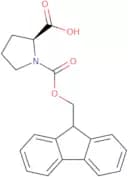
Fmoc-Pro-OH
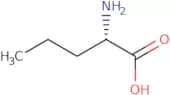
CAS:<p>Fmoc-Pro-OH is a synthetic cyclic peptide with the amino acid sequence (Fmoc-Lys-Lys-Ala-Glu)n. Fmoc-Pro-OH binds to the androgen receptor and can be used as a research tool to identify other molecules that bind to the same receptor. It has been shown to inhibit the activity of ester hydrochloride, trifluoroacetic acid, and superparamagnetic iron in coordination complexes.</p>Formula:C20H19NO4Purity:Min. 95 Area-%Color and Shape:White Off-White PowderMolecular weight:337.37 g/molL-Norvaline
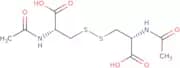
CAS:<p>L-Norvaline is a hydrophobic amino acid that is synthesized in the body from the essential amino acid valine. It is an important intermediate in the biosynthesis of other amino acids, such as L-leucine and L-isoleucine. L-Norvaline has been shown to inhibit bacterial growth and can be used as an antimicrobial agent. It also inhibits the polymerase chain reaction by binding to DNA and RNA, thereby blocking transcription. This drug has been shown to increase energy metabolism, improve renal function, and reduce metabolic disorders in animals. These effects are thought to be due to its ability to bind with carbonyl oxygens on lysine residues of proteins.</p>Formula:C5H11NO2Purity:Min. 95%Color and Shape:PowderMolecular weight:117.15 g/molN,N'-Diacetyl-L-cystine
CAS:<p>N,N'-Diacetyl-L-cystine (NAC) is a cysteine derivative that is used in the preparation of samples for analysis by liquid chromatography. It has been shown to have an antiatherogenic effect in chronic bronchitis patients and has been found to be a growth factor, inhibiting apoptosis and stimulating cell proliferation. NAC also increases the activity of aminotransferases in serum samples, which can be used as an indicator of liver health. Its chemical stability and low toxicity make it an ideal candidate for use as a pharmaceutical preparation at doses below those required for its enzyme-stimulating effects.</p>Formula:C10H16N2O6S2Purity:Min. 95%Color and Shape:PowderMolecular weight:324.38 g/molN-Fmoc-5-fluoro-L-tryptophan
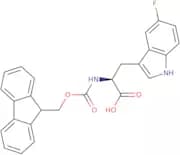
CAS:<p>N-Fmoc-5-fluoro-L-tryptophan is a biologically active form of tryptophan that has been shown to have potent effects on the cardiovascular system. It is used as a tool for studying the function of angiotensin, collagen, and microstructural elements in the heart and lungs. N-Fmoc-5-fluoro-L-tryptophan has been shown to synergize with other heterocycles, maximizing its biological properties. This chemical is also effective at inducing muscle contraction in rats. N-Fmoc-5-fluoro-L-tryptophan binds to cardiothoracic proteins, causing changes in their structure that lead to increased muscle contractility. The covalent bond between this compound and the protein can be cleaved by enzymes such as proteases or nucleases, which can be useful for studying the interactions of drugs with these proteins.</p>Formula:C26H21FN2O4Purity:Min. 98 Area-%Color and Shape:White PowderMolecular weight:444.45 g/molEstradiol 17-valerate
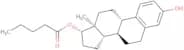
CAS:<p>Estradiol is a form of the hormone estrogen that has been modified to be more lipophilic. It is used in combination with other drugs to treat menopausal symptoms and as an adjuvant for the treatment of breast cancer in women. Estradiol 17-valerate is also used in the treatment of schizophrenia, although not as often as estradiol valerate, because it has a shorter duration of action. The mechanism of action is thought to be due to its ability to increase the concentration of dopamine at nerve terminals by blocking reuptake or inhibiting its metabolism. This may result in relief from distal tubule dysfunction and an improvement in urinary tract symptoms associated with benign prostatic hypertrophy. There are many other possible mechanisms of action including the prevention of bone loss, increased bone age, and increased NMDA receptor binding potentials.</p>Formula:C23H32O3Purity:Min. 95%Color and Shape:PowderMolecular weight:356.5 g/mol1-Methyl-4-nitro-3-propylpyrazole-5-carboxamide
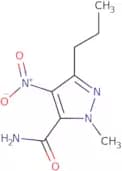
CAS:<p>1-Methyl-4-nitro-3-propylpyrazole-5-carboxamide is an impurity of sildenafil, which is used as a treatment for erectile dysfunction. It has been found in the environment due to its widespread use and it can be detected using chromatographic methods. 1-Methyl-4-nitro-3-propylpyrazole-5-carboxamide binds to thiol groups and may cause male infertility in animals. The detection time for this compound ranges from 2 hours to 24 hours, depending on the detection method. This impurity also has fluorescence properties that can be detected with UV light.</p>Formula:C8H12N4O3Purity:Min. 96 Area-%Color and Shape:PowderMolecular weight:212.21 g/mol2-[(4-Amino-2-methyl-5-nitrylbenzyl)amino]ethylalcohol
CAS:<p>2-[(4-Amino-2-methyl-5-nitrylbenzyl)amino]ethylalcohol is a reactive, hydrated, colorant that belongs to the group of hydroxy compounds. It has a chromophore and is used in the production of cosmetics. 2-[(4-Amino-2-methyl-5-nitrylbenzyl)amino]ethylalcohol is used for alkalization and in the production of particle pigments. This compound can be found in fatty acid esters, as it has a long hydrocarbon chain, which makes it soluble. It also has fatty acids and an amine group that provides color.</p>Formula:C9H13N3O3Purity:Min. 95%Molecular weight:211.22 g/molH-Asp(OPp)-OH
<p>Please enquire for more information about H-Asp(OPp)-OH including the price, delivery time and more detailed product information at the technical inquiry form on this page</p>Purity:Min. 95%1-palmitoyl-2-(10-(4-((trifluoromethyl)diazirinyl)phenyl)-8-oxadecanoyl)-sn-glycero-3-phosphocholine
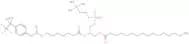
CAS:<p>1-palmitoyl-2-(10-(4-((trifluoromethyl)diazirinyl)phenyl)-8-oxadecanoyl)-sn-glycero-3-phosphocholine (PPC) is a liposome that induces necrotic cell death. It binds to the mitochondria and inhibits adenine nucleotide translocation, leading to the loss of mitochondrial membrane potential and the release of cytosolic calcium. This leads to activation of proapoptotic proteins, such as Bax and Bak, which initiates caspase-independent apoptosis. PPC also induces light emission from phospholipid hydroperoxide decomposition, which can be used as a biomarker for cellular physiology.</p>Formula:C41H68TF3N3O9PPurity:Min. 95%Molecular weight:837.98 g/molN-Acetyl-DL-methionine
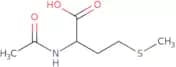
CAS:<p>N-Acetyl-DL-methionine is an amide of the amino acid methionine and acetyl coenzyme A. It has a number of biological properties including being a precursor to protein synthesis, a regulator of fatty acid metabolism, and an inhibitor of glutamate pyruvate transaminase. It can be found in bacterial strains as well as in human serum. N-Acetyl-DL-methionine is synthesized by the reaction of methylamine with acetyl coenzyme A in the presence of ammonia or other nitrogenous bases. The chemical structure of this compound consists of two nitrogen atoms and an acetyl group bonded to a carbon atom that is attached to a methyl group and another carbon atom that forms part of an amide bond with the amino acid methionine. This molecule has been observed using nmr spectroscopic data to form hydrogen bonds with proteins.</p>Formula:C7H13NO3SPurity:Min. 95%Color and Shape:PowderMolecular weight:191.25 g/mol2-(4-Methoxyphenoxy)ethanol
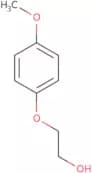
CAS:<p>2-(4-Methoxyphenoxy)ethanol is a carboxylic acid. It has been used as a hydrogen peroxide donor in catalytic reactions, and as an ethylene glycol ether in the production of polyester resins. 2-(4-Methoxyphenoxy)ethanol has been shown to be useful in multilayer coatings with optimal reaction rates, and is a good oxidant for many organic compounds.</p>Formula:C9H12O3Purity:Min. 95%Color and Shape:PowderMolecular weight:168.19 g/mol2-Amino-3-methoxybenzoic acid hydrochloride
CAS:<p>2-Amino-3-methoxybenzoic acid hydrochloride is a synthetic monosubstituted hydroxy analog of the natural alkaloids, which are substituted with an amino group. It is produced by the demethylation of 2-amino-3-hydroxypyridine and reacts with caprolactam to form 2,6-dihydroxybenzaldehyde. It has been used in the synthesis of methoxyanthranilic acid, which is a synthetic analogue of anthranilic acid. Hydrochloric acid can be added to 2-amino-3-methoxybenzoic acid hydrochloride to produce 2,6-dihydroxybenzoyl chloride. This compound also undergoes condensation reactions with methoxyanthranilic acid to form 2,6-dimethoxybenzaldehyde.</p>Formula:C8H9NO3•HClPurity:Min. 95%Color and Shape:PowderMolecular weight:203.62 g/mol1,2-Bis-(4-methoxyphenylcyclohexan-1,2-diol)
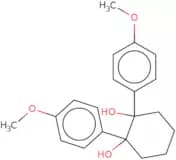
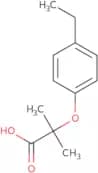
CAS:<p>1,2-Bis-(4-methoxyphenylcyclohexan-1,2-diol) is a high quality reagent that is an important intermediate for the synthesis of complex compounds. It is also a useful building block in the synthesis of fine chemicals and speciality chemicals. This compound can be used as a versatile building block in the synthesis of various organic compounds. 1,2-Bis-(4-methoxyphenylcyclohexan-1,2-diol) is also a reaction component that can be used to synthesize pharmaceuticals and other research chemicals.</p>Formula:C20H24O4Purity:Min. 95%Molecular weight:328.4 g/mol2-(4-Ethylphenoxy)-2-methylpropanoic acid
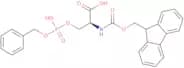
CAS:<p>2-(4-Ethylphenoxy)-2-methylpropanoic acid is a versatile building block that can be used as a reagent, speciality chemical, or useful intermediate for the synthesis of various compounds. It is also an important reaction component for the synthesis of 2-(4-ethylphenoxy)ethanol and 2-(4-ethylphenoxy)acetic acid. This compound has been identified by the Chemical Abstracts Service (CAS No. 17413-77-3).</p>Formula:C12H16O3Purity:Min. 95%Color and Shape:PowderMolecular weight:208.25 g/molFmoc-O-benzylphospho-L-serine
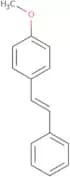
CAS:<p>Fmoc-O-benzylphospho-L-serine is a fmoc-protected phosphoserine derivative for efficient synthesis of phosphoserine-containing peptides via standard fmoc SPPS. Compatible with common activators such as PyBOP or TBTU, it remains stable during piperidine deprotection and enables incorporation of multiple phosphoserine residues, for example successful syntheses of phospholamban and human salivary statherin. In certain cases, β-piperidinylalanine formation may occur during N-terminal Ser(PO(OBzl)OH) Fmoc deprotection, especially under microwave conditions.</p>Formula:C25H24NO8PPurity:Min. 97 Area-%Color and Shape:White Off-White PowderMolecular weight:497.43 g/mol4-Methoxystilbene
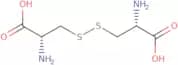
CAS:<p>4-Methoxystilbene is a nonpolar solvent that has a high boiling point and is used to extract quaternary ammonium salts in organic chemistry. It has been shown to react with chloride ions and form a complex, which can be used as a nucleophilic reagent. The metal ion Mg2+ can also form complexes with 4-methoxystilbene, which can be used to synthesize organic compounds. This molecule also reacts with dimethylamine to produce the compound methyl 4-methoxysilane, which is an important precursor for the manufacture of pharmaceuticals like cinnamates and quinine.</p>Formula:C15H14OPurity:Min. 95%Color and Shape:PowderMolecular weight:210.27 g/molL-Cystine
CAS:<p>L-Cystine is a nonessential amino acid in humans. It is a sulfur-containing amino acid, which forms the cystine molecule with another L-cysteine molecule. Cystine has been shown to have antioxidant properties due to its redox potentials and ability to form disulfide bonds. L-Cystine can be synthesized by the enzyme ATP-binding cassette transporter using the redox potential of NADH. It also plays an important role in protein synthesis, as it is a component of many proteins, including those that are involved in neural death and bowel disease. L-Cystine has also been found to have physiological effects on the human body at levels that are not toxic.</p>Formula:C6H12N2O4S2Purity:Min 98.5%Color and Shape:White PowderMolecular weight:240.3 g/molMagnesium L-threonate monohydrate
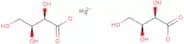
CAS:<p>Magnesium L-threonate monohydrate is a complex chemical that is a versatile building block. The CAS No. for this compound is 500304-76-7. Magnesium L-threonate monohydrate can be used as a research chemical, reagent or speciality chemical in the laboratory. It is also useful as a building block for complex chemical reactions and as an intermediate for the synthesis of other compounds. Magnesium L-threonate monohydrate has been shown to be useful in the synthesis of pharmaceuticals, agrochemicals and materials science products.</p>Formula:C8H14MgO10·H2OPurity:Min. 95%Color and Shape:White PowderMolecular weight:312.51 g/mol4-Chloro-(α-phenyl)-cinnamic acid
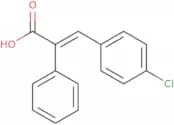
CAS:<p>4-Chloro-(alpha-phenyl)-cinnamic acid is a fine chemical that is useful as a building block for research chemicals, reagents and speciality chemicals. It is also a versatile intermediate for the synthesis of complex compounds and a useful scaffold for the synthesis of high quality products. This compound can be used in reactions such as Friedel-Crafts acylation, nitration, amination, esterification and cyclization.</p>Formula:C15H11ClO2Purity:Min. 95%Color and Shape:PowderMolecular weight:258.7 g/molFmoc-Arg(Pbf)-OH
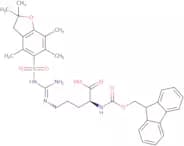
CAS:<p>The Fmoc-Arg(Pbf)-OH is a cyclic peptide that has been shown to have significant cytotoxicity against human tumor cells. It binds to integrin receptors, which are involved in transcriptional regulation and cellular proliferation. The Fmoc-Arg(Pbf)-OH has been shown to be hypoglycemic and it also possesses redox potential. The chemical biology of this compound is not yet known, but toxicity studies have shown that it is nontoxic in mice.</p>Formula:C34H40N4O7SPurity:Min. 98 Area-%Color and Shape:White Off-White PowderMolecular weight:648.77 g/mol7-Methylgramine
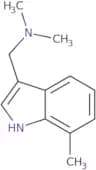
CAS:<p>Please enquire for more information about 7-Methylgramine including the price, delivery time and more detailed product information at the technical inquiry form on this page</p>Formula:C12H16N2Purity:Min. 95%Color and Shape:PowderMolecular weight:188.27 g/molDL-Tryptophan
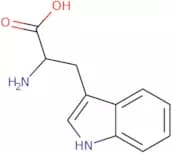
CAS:<p>DL-Tryptophan is an amino acid that is a precursor to serotonin, niacin and melatonin. It is a substrate for the enzyme indoleamine 2,3-dioxygenase (IDO) and has been shown to inhibit the production of inflammatory cytokines such as IL-6 and TNF-α. DL-Tryptophan has been used in the treatment of depression, anxiety, sleep disorders, eating disorders, fibromyalgia and chronic fatigue syndrome. This amino acid has also been shown to increase muscle mass in rats by increasing protein synthesis. DL-Tryptophan can be found in crystalline cellulose or as a solution with pH 7.5 at room temperature. The optimum concentration for DL-tryptophan is 10mM with a reaction time of 3 hours at 37 degrees Celsius. The fluorescence detector is used to measure the amount of light emitted from the reaction solution when it is excited by 350 nm light.<br>DL</p>Formula:C11H12N2O2Purity:Min. 95%Color and Shape:White PowderMolecular weight:204.23 g/molLaricitrin-3,5'-di-O-glucoside
<p>Laricitrin-3,5'-di-O-glucoside is an organic compound that can be used as a research chemical. Laricitrin-3,5'-di-O-glucoside is a building block for the synthesis of other compounds and has been used in the synthesis of novel antibiotics. This compound is also a useful intermediate in the production of 3,6-dihydroxychalcone.</p>Formula:C28H32O18Purity:Min. 95%Molecular weight:656.54 g/mol4-Methyl-5-nonanol
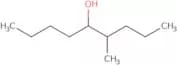
CAS:<p>4-Methyl-5-nonanol is a synthetic pheromone that is used in the analytical methods of weevil traps. The odorant binding proteins on the surface of the weevil are attracted to this chemical, which binds to them through hydrophobic interactions. This trap is stereoselective, as it only attracts male weevils. 4-Methyl-5-nonanol has been shown to have a high specificity and sensitivity as an analytical tool for weevil traps, with no cross reactivity with other insects such as beetles or ants.</p>Formula:C10H22OPurity:Min. 95%Color and Shape:Clear LiquidMolecular weight:158.28 g/mol5-Methoxy-D-tryptophan
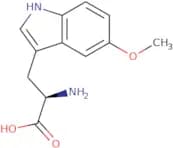
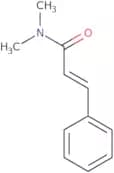
CAS:<p>5-Methoxy-D-tryptophan is a biaryl amino acid derivative that belongs to the class of alkaloids. It is a chiral monomeric building block derived from D-tryptophan. 5-Methoxy-D-tryptophan is commonly used in research chemicals and has been found in natural products such as lochnerine and indole. This compound exhibits unique properties and can be utilized for various applications in the field of chemistry and biochemistry. Its versatility makes it an essential component for researchers and scientists looking to explore new avenues in their studies.</p>Formula:C12H14N2O3Purity:Min. 95%Color and Shape:PowderMolecular weight:234.25 g/mol(2E)-N,N-Dimethyl-3-phenylprop-2-enamide
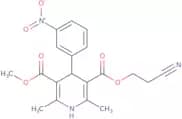
CAS:<p>2,2-diphenyl-N,N-dimethylpropeneamide (DPPA) is a disulfide compound that has photolytic, thermolytic and modelling properties. DPPA can be used to produce alkylcobalt complexes with various substituents at the α position of the phenyl ring. The lactam structure of DPPA has been shown to undergo thermolysis at temperatures of 250°C in a vacuum. Cinnamic acids have been shown to form lactams with DPPA as well as cinnamic acid derivatives. Molecular modelling studies have been conducted on 2,2-diphenyl-N,N-dimethylpropeneamide and its molecular interactions with styrene and amido groups.</p>Formula:C11H13NOPurity:Min. 95%Color and Shape:PowderMolecular weight:175.23 g/mol1,4-Dihydro-2,6-dimethyl-4-(3-nitrophenyl)-3,5-pyridinedicarboxylic acid 3-(2-cyanoethyl) 5-methyl ester
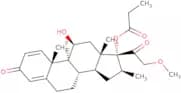
CAS:<p>1,4-Dihydro-2,6-dimethyl-4-(3-nitrophenyl)-3,5-pyridinedicarboxylic acid 3-(2-cyanoethyl) 5-methyl ester is a chemical compound that has the CAS number 75130-24-4. It is a white powder with a melting point of 144°C. This chemical is soluble in acetone, ether and chloroform. It can be used as a building block for organic synthesis due to its versatility and useful scaffold.</p>Formula:C19H19N3O6Purity:Min. 95%Color and Shape:White to yellow solid.Molecular weight:385.37 g/mol[(8S,9R,10S,11S,13S,14S,16S,17R)-9-Fluoro-11-Hydroxy-17-(2-Methoxyacetyl)-10,13,16-Trimethyl-3-Oxo-6,7,8,11,12,14,15,16-Octahydrocyc lopenta[a]Phenanthren-17-Yl] Propanoate
CAS:Controlled Product<p>Betamethasone is a corticosteroid that is used to treat inflammation, ankylosing spondylitis, and rheumatoid arthritis. It has been shown to have efficacy in the treatment of pediatric patients with asthma, as well as animal models of cardiac arrest and stroke. Betamethasone has also been shown to be effective in the treatment of potassium ion-associated death due to cardiac arrhythmia or repolarization abnormalities. This drug can be administered orally or topically; it binds to the glucocorticoid receptor on cells and modulates gene transcription. The primary mechanism of action for betamethasone is not fully understood but may involve inhibition of protein synthesis and suppression of inflammatory cells.</p>Formula:C26H35FO6Purity:Min. 95%Molecular weight:462.55 g/molN-[(8-Fluoro-2,3-Dihydro-1-Methyl-5-Phenyl-1H-1,4-Benzodiazepin-2-Yl)Methyl]-3-Furancarboxamide
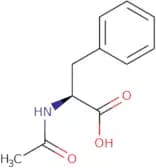
CAS:Controlled Product<p>N-[(8-Fluoro-2,3-Dihydro-1-Methyl-5-Phenyl-1H-1,4-Benzodiazepin-2-Yl)Methyl]-3-Furancarboxamide is a hydrophobic, implanting drug with an iontophoresis device. It has been shown to have therapeutic effects in cancer. The drug is a targetable molecule that can be used for diagnostic purposes and the treatment of various cancers. N-[(8-Fluoro-2,3-Dihydro-1,5 -Phenyl 1H -1,4 Benzodiazepin 2 Yl) Methyl] 3 Furancarboxamide has been shown to inhibit cell proliferation by blocking the synthesis of proteins required for DNA replication and also inhibits the activity of protein kinase C.</p>Purity:Min. 95%N-Acetyl-L-Phenylalanine
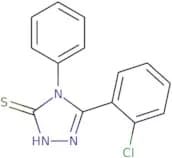
CAS:<p>N-Acetyl-L-Phenylalanine is a reactive compound that is involved in the metabolism of amino acids. It has been shown to inhibit liver cell growth and induce apoptosis. The reaction mechanism of N-acetyl-L-phenylalanine has been extensively studied, with studies showing it to react with carbonyl oxygens, hydrogen bond, and intramolecular hydrogen. N-Acetyl-L-phenylalanine has also been shown to have an optimum pH of 6.5 and its chemical formula is C10H11NO2.</p>Formula:C11H13NO3Purity:Min. 95%Color and Shape:PowderMolecular weight:207.23 g/mol3-(2-chlorophenyl)-4-phenyl-1,2,4-triazoline-5-thione
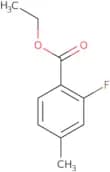
CAS:<p>Please enquire for more information about 3-(2-chlorophenyl)-4-phenyl-1,2,4-triazoline-5-thione including the price, delivery time and more detailed product information at the technical inquiry form on this page</p>Purity:Min. 95%2-Fluoro-4-methylbenzoic acid ethyl ester
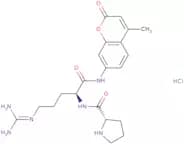
CAS:<p>2-Fluoro-4-methylbenzoic acid ethyl ester is a versatile building block that is used in the synthesis of complex compounds with a wide variety of biological and chemical properties. This compound has been used as a reagent for research, as well as in the production of pharmaceuticals and other speciality chemicals. It has also been found to be useful in the synthesis of compounds with high quality. 2-Fluoro-4-methylbenzoic acid ethyl ester can be used as an intermediate in reactions, or as a scaffold for further synthesis. The CAS number for this compound is 500579-61-3.</p>Formula:C10H11FO2Purity:Min. 95%Color and Shape:Colourless LiquidMolecular weight:182.19 g/molH-Pro-Arg-AMC dihydrochloride
CAS:<p>H-Pro-Arg-AMC dihydrochloride is a high quality reagent that is used as an intermediate in the synthesis of peptides and other chemistries. H-Pro-Arg-AMC dihydrochloride can also be used as a building block for the synthesis of complex compounds. It has been found to be useful in various reactions involving amines, amino acids, and alcohols. H-Pro-Arg-AMC dihydrochloride is a versatile building block that can be used in reactions with other chemicals to produce speciality chemicals or research chemicals.</p>Formula:C21H28N6O4·2HClPurity:Min. 95 Area-%Color and Shape:PowderMolecular weight:501.4 g/mol1-[(2,6-Difluorophenyl)Methyl]-4-Methyl-2-Propan-2-Ylbenzimidazole
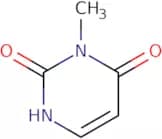
CAS:Controlled Product<p>1-[(2,6-Difluorophenyl)Methyl]-4-Methyl-2-Propan-2-Ylbenzimidazole is a broad spectrum HIV drug that inhibits the HIV transcriptase. It binds to the active site of the enzyme and blocks the binding of nucleotides, preventing RNA synthesis. 1-[(2,6-Difluorophenyl)Methyl]-4-Methyl-2-Propan-2-Ylbenzimidazole has been shown to be effective against HIV in vitro and in vivo. This inhibitor has been shown to inhibit both wild type and mutant forms of HIV transcriptase by binding to the same region of the enzyme. The molecule also shows good activity against other types of viruses, including influenza virus, vesicular stomatitis virus and poliovirus.</p>Formula:C18H18F2N2Purity:Min. 95%Molecular weight:300.35 g/mol3-Methyluracil
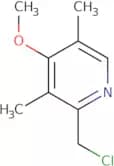
CAS:<p>3-Methyluracil is a molecule with the molecular formula CH3CHO. It has a protonated form, which is NH2CH2COOH, and an unprotonated form, which is NHCH2COOH. The protonation of 3-methyluracil can be seen in the hydrogen bonding between the two molecules. 3-Methyluracil is found in clinical studies as an effective treatment for obesity. It also has been shown to have nucleobase sequence specificity and can be used to detect adenosine in RNA sequences. 3-Methyluracil is a nucleophilic base that can bond with hydroxide ions from water or other protic solvents. This reaction results in the molecule becoming more acidic, which can be seen by the decrease in pH level when it comes into contact with hydrochloric acid.</p>Formula:C5H6N2O2Purity:Min. 95 Area-%Color and Shape:White Off-White PowderMolecular weight:126.11 g/mol2-Chloromethyl-3,5-dimethyl-4-methoxypyridine
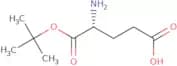
CAS:<p>2-Chloromethyl-3,5-dimethyl-4-methoxypyridine is a drug substance that is used as a pump inhibitor. The optimal reaction conditions for the synthesis of this molecule are a Grignard reagent, chlorinating agent, and magnesium salt. Impurities may arise during the synthetic process due to chloride or inorganic acid catalyst. This drug substance is not soluble in water but can be dissolved in organic solvents such as ethers, chloroform, or benzene. It reacts with magnesium to form a chelate ring with an organic molecule.</p>Formula:C9H12ClNOPurity:Min. 95%Color and Shape:PowderMolecular weight:185.65 g/molH-D-Glu-OtBu
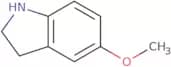
CAS:<p>H-D-Glu-OtBu is a fine chemical that is useful as a scaffold for the synthesis of complex compounds. It is used as a versatile building block in the preparation of research chemicals and speciality chemicals, and as an intermediate in the preparation of complex compounds. H-D-Glu-OtBu has been shown to be highly reactive and can be used in reactions involving metal salt or organic reagents. This compound is used as a reaction component, which can be produced by reacting acetyl chloride with D-glucamine. H-D-Glu-OtBu is also known by CAS No. 25456-76-2 and has a high quality purity level of 99%.</p>Formula:C9H17NO4Purity:Min. 95%Color and Shape:PowderMolecular weight:203.24 g/mol5-Methoxy-2,3-dihydroindoline
CAS:<p>5-Methoxy-2,3-dihydroindoline is a methoxy compound that is substituted with a methyl group. It has been shown to be an effective hydrogen transfer agent in cyclopentenone reactions, and can also be used as a sensor for nitroaromatic compounds. 5-Methoxy-2,3-dihydroindoline can be synthesized by the reaction of methoxylated aniline with sodium ethoxide in acetonitrile. This reaction produces the desired product in high yield (70%), and it can also be used for the methylation of secondary amines in good yield (80%). 5-Methoxy-2,3-dihydroindoline is potently active when titrated against benzo[a]pyrene.</p>Formula:C9H11NOPurity:Min. 95%Color and Shape:PowderMolecular weight:149.19 g/mol2,3-Dimethyl-1,3-benzothiazol-3-ium,4-methylbenzene-1-sulfonate
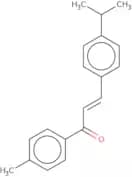
CAS:<p>2,3-Dimethyl-1,3-benzothiazol-3-ium,4-methylbenzene-1-sulfonate is a non-selective fluorescent dye that has been shown to be an effective diagnostic tool for the detection of single strands of DNA. This compound is used in the lab to identify single nucleotide polymorphisms. 2,3-Dimethyl-1,3-benzothiazol-3-ium,4-methylbenzene-1sulfonate can be synthesized from ferrocene and its optical properties can be modified by substituting the sulfur atom with other heterocycles such as thiophene or benzothiazole. The fluorescence of this compound can be further enhanced by protonation or by attaching a fluorescent probe such as rhodamine B.</p>Formula:C16H17NO3S2Purity:Min. 95%Color and Shape:PowderMolecular weight:335.44 g/mol4-Isopropyl-4'-methylchalcone
CAS:<p>4-Isopropyl-4'-methylchalcone (4'MCH) is a versatile building block that can be used for the synthesis of complex compounds. 4'MCH is an intermediate in the synthesis of various pharmaceuticals and research chemicals, such as cholesterol esters, sterols, and steroids. It also has been used to produce speciality chemicals including herbicides, pesticides, and fungicides. 4-Isopropyl-4'-methylchalcone is a high quality chemical with CAS No. 205688-50-2 that has a wide range of applications.</p>Formula:C19H20OPurity:Min. 95%Color and Shape:PowderMolecular weight:264.36 g/mol(S)-3-Thienylglycine
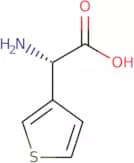
CAS:<p>(S)-3-Thienylglycine is a versatile building block that has been used in the synthesis of complex compounds. It is a product of the amino acid glycine, and can be synthesized from 3-thiophenecarboxylic acid. The compound has been shown to be a useful intermediate in research chemical synthesis, as well as a reagent or speciality chemical. It is also used as a reaction component and scaffold for the production of other chemicals. (S)-3-Thienylglycine has been shown to be useful in the preparation of pharmaceuticals, agrochemicals, and other products.</p>Formula:C6H7NO2SPurity:Min. 95%Color and Shape:White To Yellow SolidMolecular weight:157.19 g/molBenzyl glycinate hydrochloride
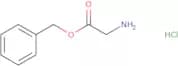
CAS:<p>Benzyl glycinate hydrochloride is a piperidinecarboxylic acid ester that is bound to a benzyl group. It is chemically stable and has biological properties that are similar to those of oxytocin. This drug may be used as an antiviral agent or in the treatment of infectious diseases, such as hepatitis. The binding of benzyl glycinate hydrochloride to the ns3 protease prevents the conversion of amide-containing prodrugs into active form. The ester hydrochloride moiety in this molecule may act as a competitive inhibitor against carboxylesterases found in erythrocytes, which are responsible for the hydrolysis of oxytocin. Benzyl glycinate hydrochloride also binds to the oxytocin receptor and may be used as an oxytocin mimetic.</p>Formula:C9H11NO2•HClPurity:Min. 97 Area-%Color and Shape:PowderMolecular weight:201.65 g/molN-Boc-L-homoserine
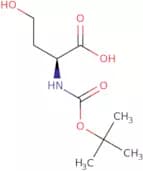
CAS:<p>N-Boc-L-homoserine is a lactam with an alkyl group, which makes it a useful synthetic intermediate for the synthesis of various products. It has been used in the synthesis of β-unsaturated ketones and conjugates. N-Boc-L-homoserine is also found naturally in nature and can be found as its two isomers, L-homoserine and D-homoserine. This compound has been shown to have histone deacetylase inhibition activity, which may be due to its ability to inhibit histone acetyl transferase. N-Boc-L-homoserine is synthesized from butyric acid, which is a tetrapeptide that contains four amino acids: valine, leucine, proline, and hydroxyproline.</p>Formula:C9H17NO5Purity:Min. 95%Color and Shape:PowderMolecular weight:219.24 g/mol2-Amino-1-aza-3-((4-methylphenyl)sulfonyl)prop-1-enyl thiophene-2-carboxylate
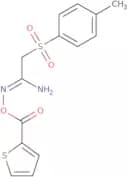
CAS:<p>Please enquire for more information about 2-Amino-1-aza-3-((4-methylphenyl)sulfonyl)prop-1-enyl thiophene-2-carboxylate including the price, delivery time and more detailed product information at the technical inquiry form on this page</p>Formula:C14H14N2O4S2Purity:Min. 95%Color and Shape:PowderMolecular weight:338.4 g/mol4-Methylsalicylic acid
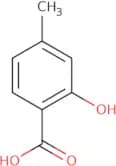
CAS:<p>4-Methylsalicylic acid is a chemical compound that belongs to the group of salicylates. It is an organic compound with a molecular weight of 96.12 g/mol and the chemical formula C8H8O3. The epoxidation of 4-methylsalicylic acid occurs through the use of catalysts, such as zinc oxide and manganese dioxide, which are not functionalized. The addition of these catalysts causes a reaction between the methyl group and the hydroxyl group in 4-methylsalicylic acid, forming methyl salicylate. This product is also used as a chiral building block for other compounds, such as axial chirality and olefins.</p>Formula:C8H8O3Purity:Min. 98 Area-%Color and Shape:PowderMolecular weight:152.15 g/molH-Trp-Pro-OH
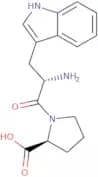
CAS:<p>H-Trp-Pro-OH is an amide that can be used as a model system in the preparation of collagen. It has been shown to inhibit the linker between collagen molecules, which may lead to the formation of proline-rich peptides. H-Trp-Pro-OH has also been found to have anticancer properties, and inhibits cancer cell growth by inhibiting protein synthesis and promoting apoptosis. H-Trp-Pro-OH was found to inhibit cancer cells through a mechanism that is not yet fully understood, but it may involve both competitive inhibition of amino acids and activation of apoptosis through reactive oxygen species.</p>Formula:C16H19N3O3Purity:Min. 98 Area-%Color and Shape:PowderMolecular weight:301.34 g/molFmoc-(S)-3-amino-3-(2-nitrophenyl)propionic acid
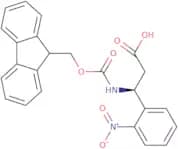
CAS:<p>Please enquire for more information about Fmoc-(S)-3-amino-3-(2-nitrophenyl)propionic acid including the price, delivery time and more detailed product information at the technical inquiry form on this page</p>Formula:C24H20N2O6Purity:Min. 95%Color and Shape:White PowderMolecular weight:432.43 g/mol5-(4'-Methyl-2-biphenyl)tetrazole
CAS:<p>5-(4'-Methyl-2-biphenyl)tetrazole is an alkali metal salt of 5-(4'-methyl-2-phenyl) tetrazole. It is a white crystalline solid that can be produced from the reaction of sodium tetrazole with 2,4-dichlorobenzophenone and potassium hydroxide in an ionic liquid. The yield of this reaction is high, at more than 98% after hydrothermal treatment. The chemical formula for 5-(4'-methyl-2-phenyl) tetrazole is C8H6N3NaO3. This compound has been used as an angiotensin receptor antagonist, with chloride and fluoride as the counterions. It also has ionic and azide groups, which are useful for introducing an azide group to other compounds to form amides or esters.</p>Formula:C14H12N4Purity:Min. 95 Area-%Color and Shape:White To Yellow SolidMolecular weight:236.27 g/molN-[3,5-Bis(trifluoroMethyl)phenyl]-N'-[(9R)-6'-Methoxy-9-cinchonanyl]thiourea
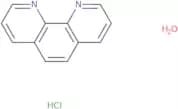
CAS:<p>Please enquire for more information about N-[3,5-Bis(trifluoroMethyl)phenyl]-N'-[(9R)-6'-Methoxy-9-cinchonanyl]thiourea including the price, delivery time and more detailed product information at the technical inquiry form on this page</p>Formula:C29H28F6N4OSPurity:Min. 95%Color and Shape:PowderMolecular weight:594.62 g/molo-Phenanthroline monohydrochloride monohydrate
CAS:<p>o-Phenanthroline monohydrochloride monohydrate is a ligand that is used in crystallography to study the crystal structure of metal ions. It has been shown to be an efficient catalyst for the ring-opening of chloroformates, and can also be used as an analytical reagent that is capable of detecting chlorine in organic compounds. The hydrate form of o-phenanthroline monohydrochloride has a molecular formula of C12H14ClN3O4·2H2O and a molecular weight of 392.7 g/mol.</p>Formula:C12H8N2·HCl·H2OColor and Shape:PowderMolecular weight:234.68 g/mol

![2-[(4-Amino-2-methyl-5-nitrylbenzyl)amino]ethylalcohol](/_next/image/?url=https%3A%2Fstatic.cymitquimica.com%2Fproducts%2F3D%2Fthumb-webp%2FFA146928.webp&w=3840&q=75)

![N-[(8-Fluoro-2,3-Dihydro-1-Methyl-5-Phenyl-1H-1,4-Benzodiazepin-2-Yl)Methyl]-3-Furancarboxamide](/_next/image/?url=https%3A%2Fstatic.cymitquimica.com%2Fproducts%2F3D%2Fthumb-webp%2FFF102093.webp&w=3840&q=75)
![1-[(2,6-Difluorophenyl)Methyl]-4-Methyl-2-Propan-2-Ylbenzimidazole](/_next/image/?url=https%3A%2Fstatic.cymitquimica.com%2Fproducts%2F3D%2Fthumb-webp%2FFD98108.webp&w=3840&q=75)


![N-[3,5-Bis(trifluoroMethyl)phenyl]-N'-[(9R)-6'-Methoxy-9-cinchonanyl]thiourea](/_next/image/?url=https%3A%2Fstatic.cymitquimica.com%2Fproducts%2F3D%2Fthumb-webp%2FFB100790.webp&w=3840&q=75)