


Amino Acids (AA)
Amino acids (AAs) are the fundamental building blocks of proteins, playing a crucial role in various biological processes. These organic compounds are essential for protein synthesis, metabolic pathways, and cell signaling. In this category, you will find a comprehensive range of amino acids, including essential, non-essential, and modified forms, which are vital for research in biochemistry, molecular biology, and nutritional sciences. At CymitQuimica, we provide high-quality amino acids to support your research and development needs, ensuring accuracy and reliability in your experimental outcomes.
Subcategories of "Amino Acids (AA)"
- Amino Acid Derivatives(3,957 products)
- Amino Acid and Amino Acid Related Compounds(3,472 products)
- Amino Acids with Oxygen or Sulphur(168 products)
- Boc- Amino Acids(351 products)
- Fmoc Amino Acids(1,710 products)
Found 38265 products of "Amino Acids (AA)"
Sort by
Purity (%)
0
100
|
0
|
50
|
90
|
95
|
100
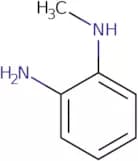
N-Methyl-1,2-phenylenediamine
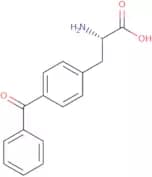
CAS:<p>N-Methyl-1,2-phenylenediamine is a solvent that can be used in the synthesis of proteins and other biomolecules. It has been shown to have maximal response at a pH of 5.5 and is an enzyme substrate for nitrogen atoms. The conformational properties of N-Methyl-1,2-phenylenediamine are determined by its solid-phase synthesis. NMR spectra show that N-Methyl-1,2-phenylenediamine has hydrogen bonding capabilities with other molecules such as water and hydrochloric acid. This substance also has fluorescence properties when exposed to ultraviolet light or hydrogen peroxide. Trichomonas vaginalis is inhibited by this compound because it causes the organism to lose its motility due to the hydrogen bonds formed with the hydroxyl groups on the surface of trichomonas vaginalis.</p>Formula:C7H10N2Purity:Min. 95%Color and Shape:Clear LiquidMolecular weight:122.17 g/mol4-Benzoyl-L-phenylalanine
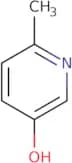
CAS:<p>4-Benzoyl-L-phenylalanine is a protein that has been shown to interact with the following domains: 4-helical bundle, alpha/beta hydrolase fold, and beta sheet. It interacts with residues: Arg128, Tyr129, Asp130, Gly131, Ser132, Ser133, Arg134 and Trp135. The enzyme activities of 4-benzoyl-L-phenylalanine are inhibited by interactions with 3t3-l1 preadipocytes and neurokinin receptor 1 (NK1). This protein also targets enzymes such as acetylcholinesterase (AChE) and phosphodiesterase (PDE). The peptide sequence for 4-benzoyl-L-phenylalanine is KGKPVPAKDYIKTG.</p>Formula:C16H15NO3Purity:Min. 98 Area-%Color and Shape:White Yellow PowderMolecular weight:269.3 g/mol3-Hydroxy-6-methylpyridine
CAS:<p>3-Hydroxy-6-methylpyridine is a metabolite of the amino acid L-alanine. It has been shown to be hepatoprotective in a model system and to inhibit the allergic response. 3-Hydroxy-6-methylpyridine has also been shown to protect cells against oxidative damage by metal ions, as well as metabolic disorders such as diabetes. This compound is not active in competitive inhibition because it does not bind to the same site on the enzyme as the substrate. 3-Hydroxy-6-methylpyridine has also been shown to have neuroprotective effects, which may be due to its ability to inhibit acetylcholinesterase, an enzyme that breaks down acetylcholine, a neurotransmitter important for memory and learning.</p>Formula:C6H7NOPurity:Min. 95%Color and Shape:PowderMolecular weight:109.13 g/mol4-((4-(dimethylamino)phenyl)methylene)-3-methyl-1-phenyl-2-pyrazolin-5-one
CAS:<p>Please enquire for more information about 4-((4-(dimethylamino)phenyl)methylene)-3-methyl-1-phenyl-2-pyrazolin-5-one including the price, delivery time and more detailed product information at the technical inquiry form on this page</p>Purity:Min. 95%Fmoc-L-proline pentafluorophenyl ester
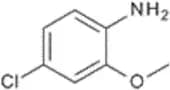
CAS:<p>Fmoc-L-proline pentafluorophenyl ester is an estrogen analog that binds to the estrogen receptor α. It has been shown to inhibit cancer cell growth in vitro and in vivo. In addition, Fmoc-L-proline pentafluorophenyl ester inhibits the formation of new cancer cells by inducing cell death and inhibiting proliferation. This drug also has anti-inflammatory properties and is able to bind with calmodulin, which may be related to its ability to inhibit breast cancer cell growth.</p>Formula:C26H18F5NO4Purity:Min. 95%Molecular weight:503.42 g/mol4-Chloro-2-methoxyaniline
CAS:<p>4-Chloro-2-methoxyaniline is an organic compound with the chemical formula CHClNO. It is a colorless liquid that smells like benzene. 4-Chloro-2-methoxyaniline reacts with diazonium salt to produce a red-orange dye and is used to create other azo compounds. It also reacts with anionic substances and can be used in fibre production. 4-Chloro-2-methoxyaniline has been shown to have fungicidal properties, which may be due to its ability to oxidize the fungal cell membrane.</p>Formula:C7H8ClNOPurity:Min. 98 Area-%Molecular weight:157.6 g/mol1-Methyl-2-imidazolidinone
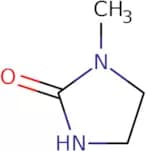
CAS:<p>1-Methyl-2-imidazolidinone is an organic molecule that has nucleophilic attack properties. It is a chiral molecule that has mesomeric and lactam structures. The ligand has dipole, tetramethylurea, and hydroxy groups. 1-Methyl-2-imidazolidinone is used as a solvent for the preparation of some pharmaceuticals, such as ampicillin, amoxicillin, and cefditoren pivoxil. It is also used in the synthesis of other compounds such as ethyl acetate, chloroformates, and epoxy compounds. 1-Methyl-2-imidazolidinone is used as an additive to increase the volatility of solvents or to lower the melting point of polymers in order to make them more suitable for processing.</p>Formula:C4H8N2OPurity:Min. 95%Color and Shape:PowderMolecular weight:100.12 g/molH-Phe-Met-Arg-Phe-NH2 acetate
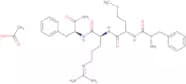
CAS:Controlled Product<p>H-Phe-Met-Arg-Phe-NH2 acetate is a high quality reagent that is useful in the synthesis of complex compounds. It can be used as an intermediate for the production of fine chemicals and speciality chemicals, as well as being a versatile building block in the synthesis of organic compounds. H-Phe-Met-Arg-Phe-NH2 acetate can also be used to make research chemicals or reaction components.</p>Formula:C29H42N8O4S•(C2H4O2)xPurity:Min. 95%Color and Shape:PowderMolecular weight:598.76 g/molH-Glu-Glu-Leu-OH
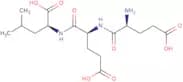
CAS:<p>H-Glu-Glu-Leu-OH is a vitamin that is essential for the production of hydroxyproline, which aids in the formation of collagen. It is also used to treat osteoarthritis and rheumatoid arthritis. H-Glu-Glu-Leu-OH is synthesized from glutamate, glutamic acid, and leucine in the liver and kidney. This reaction proceeds by two steps: first, glutamate carboxylase converts glutamate to α-ketoglutarate; then, aspartate aminotransferase converts α-ketoglutarate to aspartate semialdehyde. Aspartate semialdehyde is converted to H-Glu-Glu-Leu by an enzyme called glutamyl aminopeptidase. The reaction mechanism of this enzyme has been studied experimentally and theoretically using sodium bicarbonate (NaHCO) as a buffer. The sequential nature</p>Formula:C16H27N3O8Purity:Min. 95%Color and Shape:White Off-White PowderMolecular weight:389.40 g/mol3,5-Dinitro-4-methylbenzoic acid
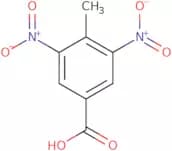
CAS:<p>3,5-Dinitro-4-methylbenzoic acid is a compound that can be used in the synthesis of many organic compounds. It is an important reagent for the preparation of nitroarenes and it is also used as a precursor to other organic compounds. 3,5-Dinitro-4-methylbenzoic acid has been shown to have a hydrogen bond with malonic acid and can form an asymmetric hydrogen bond with the hydroxyl group of protonated water. 3,5-Dinitro-4-methylbenzoic acid has three different resonance structures and its x-ray diffraction data show that it has a cavity shape. This molecule can be found in the nmr spectra at around 8.3 ppm and its kinetic constants are given as k1 = 0.01 s−1 and k2 = 0.06 s−1 for the two reactions. 3,5-Dinitro-4-methylben</p>Formula:C8H6N2O6Purity:Min. 95%Color and Shape:PowderMolecular weight:226.14 g/molN-Biotinyl-L-cysteine
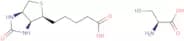
CAS:<p>N-Biotinyl-L-cysteine is a biotinylated derivative of the amino acid L-cysteine. It is used in chemical ligation reactions to enhance the reactivity of the glyceraldehyde-3-phosphate dehydrogenase (GAPDH) enzyme, which is important for glycolysis. N-Biotinyl-L-cysteine is also used to target GAPDH to cardiac cells and other cells that express this enzyme. This targeting allows for selective delivery of drugs to cardiac cells and other heart tissues. N-Biotinyl-L-cysteine has been shown to be reactive with cellular components such as DNA, RNA, and proteins. This reactive nature can be beneficial in biomolecular studies such as those involving disulfide bonds.</p>Formula:C13H21N3O4S2Purity:Min. 95%Color and Shape:White PowderMolecular weight:347.46 g/mol3-Bromo-5-methylphenol
CAS:<p>3-Bromo-5-methylphenol is an enolate that can be used to synthesize methicillin-resistant dibenzofurans. The synthesis of these compounds is a multistep process, which includes the formation of an enolate from 3-bromo-5-methylphenol and subsequent displacement with a variety of electrophiles. The use of 3-bromo-5-methylphenol as an enolate allows for high yields in the synthesis of dibenzofurans. Further, this compound has antibacterial properties and is effective against both gram positive and negative bacteria. 3-Bromo-5-methylphenol also has chloride and sulfonation properties, which have been used to make advances in the development of antibacterial agents.</p>Formula:C7H7BrOPurity:Min. 95%Color and Shape:PowderMolecular weight:187.03 g/mol5-Bromo-2-methoxycinnamic acid
CAS:<p>5-Bromo-2-methoxycinnamic acid is a fine chemical that is used as a scaffold, versatile building block, and useful intermediate. It has been shown to be a useful reaction component in the preparation of complex compounds. 5-Bromo-2-methoxycinnamic acid can also be used as a speciality chemical or reagent. This compound has high quality and is an important research chemical.</p>Formula:C10H9BrO3Purity:Min. 95%Color and Shape:PowderMolecular weight:257.08 g/mol(R)-N-Boc-2-Hydroxymethylmorpholine
CAS:<p>(R)-N-Boc-2-Hydroxymethylmorpholine is an enantioselective synthesis of a drug. It is used in the reductive amination of aldehydes with ammonia, which has been shown to be operationally enantioselective. (R)-N-Boc-2-Hydroxymethylmorpholine undergoes an intramolecular reaction that results in the formation of an azido group. This asymmetric reaction is catalyzed by palladium, and the product can be used for the reductive amination of aldehydes with ammonia.</p>Formula:C10H19NO4Purity:Min. 95%Color and Shape:White PowderMolecular weight:217.26 g/mol4-(4-Chlorophenyl)-2-(3-methyl-5-oxo-1-phenyl(2-pyrazolin-4-yl))-4-oxobutanoic acid
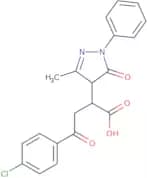
CAS:<p>Please enquire for more information about 4-(4-Chlorophenyl)-2-(3-methyl-5-oxo-1-phenyl(2-pyrazolin-4-yl))-4-oxobutanoic acid including the price, delivery time and more detailed product information at the technical inquiry form on this page</p>Purity:Min. 95%Fmoc-3-(2'-pyridyl)-L-alanine
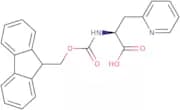
CAS:<p>Fmoc-3-(2'-pyridyl)-L-alanine is an acid molecule that has been shown to have anti-cancer properties. It is a polysaccharide polymer used in the preparation of polyvinyl alcohol and polyvinyl acetate. The phosphatase activity of Fmoc-3-(2'-pyridyl)-L-alanine was first observed in the 1970s, when it was found to be an effective inhibitor of acid phosphatase. This structural study has also revealed the effects of Fmoc-3-(2'-pyridyl)-L-alanine on cancer cells, which may be due to its ability to prevent cell division and genetic control. Fmoc-3-(2'-pyridyl)-L-alanine is also known as a monoclonal antibody that can bind to specific structures on cancer cells, such as antigens and receptors, which may be responsible for these effects.</p>Formula:C23H20N2O4Purity:Min. 95%Color and Shape:SolidMolecular weight:388.42 g/molH-Met-Leu-AMC·TFA
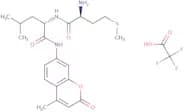
CAS:<p>H-Met-Leu-AMC·TFA is a fine chemical that is useful as a building block in the synthesis of other chemicals. It is also used as a reagent in research, and it can be used as a speciality chemical. H-Met-Leu-AMC·TFA has been shown to be an excellent reaction component in the synthesis of complex compounds, and it can be used as an intermediate in the synthesis of pharmaceuticals. This chemical is soluble in organic solvents such as dichloromethane or chloroform, but it is insoluble in water. H-Met-Leu-AMC·TFA has been assigned CAS number 1926163-55-4.</p>Formula:C21H29N3O4S·C2HF3O2Purity:Min. 95 Area-%Color and Shape:PowderMolecular weight:533.56 g/mol5-Chloro-DL-tryptophan
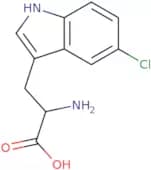
CAS:<p>5-Chloro-DL-tryptophan is a research chemical that is used as a building block in the synthesis of other chemicals.</p>Formula:C11H11ClN2O2Molecular weight:238.68 g/mol1-Methyl-1,4-dihydronicotinamide
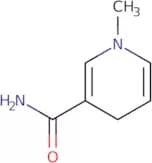
CAS:<p>1-Methyl-1,4-dihydronicotinamide (1MDNA) is a flavine adenine dinucleotide analog that has been shown to be a potent inhibitor of the enzyme catalase. 1MDNA binds to the active site of the enzyme and prevents hydrogen peroxide from being converted into water and oxygen. This inhibition slows down or stops the reaction, which leads to reduced production of reactive oxygen species. 1MDNA inhibits other enzymes in a similar manner, including transferases and kinases. The kinetic properties of 1MDNA have been studied by performing kinetic studies on model systems at different temperatures. X-ray crystal structures have also been obtained for 1MDNA bound to catalase and ferredoxin.</p>Formula:C7H10N2OPurity:Min. 95%Color and Shape:PowderMolecular weight:138.17 g/mol4-Methoxybenzoic acid sodium
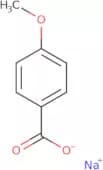
CAS:<p>4-Methoxybenzoic acid sodium is an amide that has been used as a preservative and antimicrobial agent in food products. It is also a second-order rate constant with a Ca2+ concentration of 0.1 mM for staphylococcus. The fatty acids of 4-methoxybenzoic acid sodium are hydrophobic and inhibit the growth of microorganisms by disrupting the cell membrane, which leads to leakage of cellular content. This compound also inhibits the activity of fatty acyl coenzyme A reductase and has been shown to have a microbicidal effect on gram-positive bacteria, such as Staphylococcus aureus. 4-Methoxybenzoic acid sodium has also been shown to be effective against Candida albicans, Streptococcus pyogenes, and Bacillus subtilis when combined with an antimicrobial peptide or cationic surfactant.</p>Formula:C8H7NaO3Purity:Min. 98 Area-%Color and Shape:PowderMolecular weight:174.13 g/molDL-Lysine hydrochloride
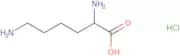
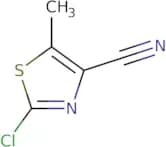
CAS:<p>The solubility of DL-Lysine hydrochloride in water is low, with a solubility of 0.01 g/100 mL at 25 °C. The pH of the solution is 7.0 and the concentration is 10.00%. The pH of the solution was determined using a pH meter. The concentration was determined by weight measurements using a balance and a volumetric flask. DL-Lysine hydrochloride reacts with hydrochloric acid to form an amide linkage between lysine residues on adjacent polypeptides or proteins, which may be used as a cross-linking agent for cell culture experiments. This compound has been shown to inhibit the growth of herpes simplex virus type 1 (HSV-1) in cell culture experiments, although it has no effect on HSV-2 because it lacks an amino group at position 2 on its side chain.</p>Formula:C6H14N2O2·HClPurity:Min. 98%Color and Shape:PowderMolecular weight:182.65 g/mol2-Chloro-5-methylthiazole-4-carbonitrile
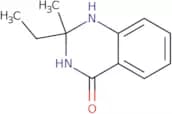
CAS:<p>Please enquire for more information about 2-Chloro-5-methylthiazole-4-carbonitrile including the price, delivery time and more detailed product information at the technical inquiry form on this page</p>Formula:C5H3ClN2SPurity:Min. 95%Molecular weight:158.61 g/mol2-Ethyl-2-methyl-1,2,3-trihydroquinazolin-4-one
CAS:<p>Please enquire for more information about 2-Ethyl-2-methyl-1,2,3-trihydroquinazolin-4-one including the price, delivery time and more detailed product information at the technical inquiry form on this page</p>Purity:Min. 95%2-[N-[(3,5-Difluorophenyl)carbamoylamino]-C-methylcarbonimidoyl]pyridine-3-carboxylic acid
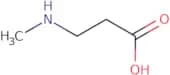
CAS:<p>2-[N-[(3,5-Difluorophenyl)carbamoylamino]-C-methylcarbonimidoyl]pyridine-3-carboxylic acid (2FPC) is a potent herbicide that inhibits the fatty acid synthase enzyme and blocks cellular energy production. Fatty acid synthase is an important enzyme in the synthesis of essential fatty acids and this inhibition can lead to a number of health complications. 2FPC also inhibits epidermal growth factor receptor (EGFR) and glucocorticoid receptors, which can lead to autoimmune diseases. The compound has been shown to produce neurotoxic effects in animals and humans, including optical sensor activation and cation channel modulation.<br>2FPC is used as a herbicide to control weeds such as knapweed. It is also used as an anti-inflammatory agent in the treatment of rheumatoid arthritis.</p>Formula:C15H12F2N4O3Purity:Min. 97 Area-%Color and Shape:PowderMolecular weight:334.28 g/molN-Methyl-β-alanine
CAS:<p>N-Methyl-β-alanine is a synthetic amino acid that can be used as an additive to animal feed. It has been shown to synergistically increase the potency of dermorphin, a peptide that is derived from the skin of frogs. N-Methyl-β-alanine has also been found to have a useful application in industrial chemistry because it can be used to produce fluorophores, which are substances that emit visible light and are often used in paints and plastics. This substance is also a powerful antinociceptive agent, meaning it reduces pain. It is also active against amines, which are organic compounds containing nitrogen.</p>Formula:C4H9NO2Purity:Min. 95%Color and Shape:PowderMolecular weight:103.12 g/mol2-Methylphenylacetone
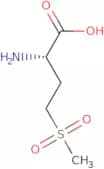
CAS:<p>2-Methylphenylacetone (2MP) is a cocatalyst that is used in cross-coupling reactions. It has been shown to be an effective methyl donor and titanium oxide activator. 2MP is also used in the dehydrogenative coupling of acetone and toluene, which leads to the formation of aliphatic products with nature and mechanisms of reactivity similar to those observed in benzene.</p>Formula:C10H12OPurity:Min. 95%Color and Shape:LiquidMolecular weight:148.2 g/molL-Methionine sulfone
CAS:<p>L-Methionine sulfone is an enzyme substrate that is a potent antagonist of glutamate, the α subunit of aspartate aminotransferase, and proteolytic enzymes. L-Methionine sulfone inhibits protein synthesis by competitively inhibiting uptake of methionine into the cell. This compound has been shown to have inhibitory properties in tissue culture assays and also has potent antagonistic effects on glutamate, the α subunit of aspartate aminotransferase, and proteolytic enzymes. L-Methionine sulfone inhibits protein synthesis by competitively inhibiting uptake of methionine into the cell. This compound has been shown to have inhibitory properties in tissue culture assays and also has potent antagonistic effects on glutamate, the α subunit of aspartate aminotransferase, and proteolytic enzymes.</p>Formula:C5H11NO4SPurity:Min. 95%Molecular weight:181.21 g/molMALP-2
CAS:<p>Macrophage-activating lipopetide-2 (MALP-2) is a TLR2 agonist and activator of MyD88-dependent signaling pathways. It has potential as a vaccine adjuvant.</p>Formula:C99H167N19O30SPurity:Min. 95%Molecular weight:2,135.6 g/mol1-Boc-1,8-diaminooctane
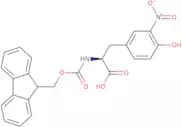
CAS:<p>1-Boc-1,8-diaminooctane is a polymerase that is used in the synthesis of DNA. It has been shown to be able to cleave supercoiled DNA and bind to acidic surfaces. This compound is fluorescent and can form covalent adducts with nucleic acids. 1-Boc-1,8-diaminooctane also has a piperidine group, which can act as a linker for other molecules such as anthracene. 1-Boc-1,8-diaminooctane is a neutral pH compound that reacts well with biomolecules.</p>Formula:C13H28N2O2Purity:Min. 95%Color and Shape:PowderMolecular weight:244.37 g/molFmoc-3-nitro-L-tyrosine
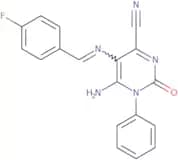
CAS:<p>Fmoc-3-nitro-L-tyrosine is an intermediate in the synthesis of a fluorogenic substrate for the determination of tyrosine residues in peptides by reverse phase high performance liquid chromatography (RP-HPLC). The product is synthesized by solid phase methods. Fmoc-3-nitro-L-tyrosine is prepared by reacting 3,4,5,6-tetrafluoroacetophenone with L-tyrosine in piperidine. The product can be cleaved to yield the residues and hydroxyl groups. The fluorogenic nature of Fmoc-3-nitro-L-tyrosine enables it to be used as a quenching reagent for the fluorescence of other compounds. This product can also be modified to become fluorescent or enzymatically active.</p>Formula:C24H20N2O7Purity:Min. 95%Color and Shape:PowderMolecular weight:448.42 g/mol5-(1-Aza-2-(4-fluorophenyl)vinyl)-4-imino-2-oxo-3-phenyl-1H-1,3-diazine-6-carbonitrile
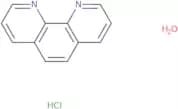
CAS:<p>Please enquire for more information about 5-(1-Aza-2-(4-fluorophenyl)vinyl)-4-imino-2-oxo-3-phenyl-1H-1,3-diazine-6-carbonitrile including the price, delivery time and more detailed product information at the technical inquiry form on this page</p>Formula:C18H12FN5OPurity:Min. 95%Color and Shape:PowderMolecular weight:333.32 g/molo-Phenanthroline monohydrochloride monohydrate
CAS:<p>o-Phenanthroline monohydrochloride monohydrate is a ligand that is used in crystallography to study the crystal structure of metal ions. It has been shown to be an efficient catalyst for the ring-opening of chloroformates, and can also be used as an analytical reagent that is capable of detecting chlorine in organic compounds. The hydrate form of o-phenanthroline monohydrochloride has a molecular formula of C12H14ClN3O4·2H2O and a molecular weight of 392.7 g/mol.</p>Formula:C12H8N2·HCl·H2OColor and Shape:PowderMolecular weight:234.68 g/mol1-O-Tetradecyl-rac-glycerol
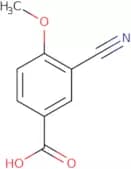
CAS:<p>1-O-Tetradecyl-rac-glycerol is a fatty acid ester that is used as a conditioning agent and a hydroxylated alcohol. The fatty acid ester is derived from 1-O-tetradecanoyl-racemic glycerol, which is an ester of the fatty acids, oleic acid and palmitic acid. The hydroxy group on the molecule allows it to be soluble in water. It also has transport properties because it can dissolve in lipids and penetrate hair follicles. It can also act as a solid catalyst for citric acid production and malic acid production because of its hydroxyl groups.</p>Formula:C17H36O3Purity:Min. 95 Area-%Color and Shape:PowderMolecular weight:288.47 g/mol3-Cyano-4-methoxybenzoicacid
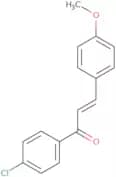
CAS:<p>3-Cyano-4-methoxybenzoic acid is a white crystalline solid that is soluble in water. This compound is a useful intermediate for the synthesis of other organic compounds, as well as a useful scaffold for the synthesis of complex compounds. 3-Cyano-4-methoxybenzoic acid also has potential use as a research chemical, and can be used as an effective building block for the preparation of fine chemicals.<br>3-Cyano-4-methoxybenzoic acid may be used to produce speciality chemicals such as pharmaceuticals, dyes, pesticides, and perfumes. It can also be used to synthesize compounds with diverse functionalities.</p>Formula:C9H7NO3Purity:Min. 95%Color and Shape:SolidMolecular weight:177.16 g/mol4'-Chloro-4-methoxychalcone
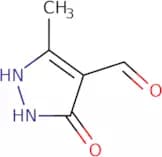
CAS:<p>4'-Chloro-4-methoxychalcone is a dihedral molecule that has been studied by laser spectroscopy. The wavelength and efficiency of the laser have been shown to be dependent on the chalcone's dipole moment. Chalcones are also used in the synthesis of other compounds, such as benzene, which is an aromatic hydrocarbon. Chalcones are used as optical brighteners in detergents and soaps and can also be used to induce evaporation of organic solvents. 4'-Chloro-4-methoxychalcone is used as an intermediate in crystal x-ray diffraction studies.</p>Formula:C16H13ClO2Purity:Min. 95%Color and Shape:PowderMolecular weight:272.73 g/mol5-Hydroxy-3-methyl-1H-pyrazole-4-carbaldehyde
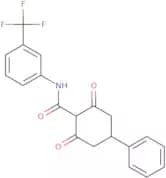
CAS:<p>5-Hydroxy-3-methyl-1H-pyrazole-4-carbaldehyde is an organic compound that is used as a building block in the synthesis of a variety of complex compounds. It can be used as a reaction component and is also useful in the production of speciality chemicals. 5-Hydroxy-3-methyl-1H-pyrazole-4-carbaldehyde has been shown to form complexes with metals, such as copper, silver, and gold. These complexes are useful for research into catalytic reactions and electrochemistry. This chemical is also used in the production of pharmaceuticals, agrochemicals, and other high quality reagents.</p>Formula:C5H6N2O2Purity:Min. 95%Color and Shape:PowderMolecular weight:126.11 g/mol(2,6-dioxo-4-phenylcyclohexyl)-N-(3-(trifluoromethyl)phenyl)formamide
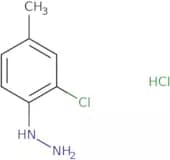
CAS:<p>Please enquire for more information about (2,6-dioxo-4-phenylcyclohexyl)-N-(3-(trifluoromethyl)phenyl)formamide including the price, delivery time and more detailed product information at the technical inquiry form on this page</p>Purity:Min. 95%(2-Chloro-4-methylphenyl)hydrazine hydrochloride
CAS:(2-Chloro-4-methylphenyl)hydrazine hydrochloride is a high quality reagent that is a useful intermediate for the synthesis of complex compounds. It has been used as a building block for the synthesis of speciality chemicals and research chemicals. This compound can be used to produce versatile building blocks and reaction components.Formula:C7H9ClN2·HClPurity:Min. 95%Color and Shape:PowderMolecular weight:193.07 g/mol4-Methylbiphenyl
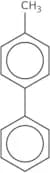
CAS:<p>4-Methylbiphenyl is a chemical compound that belongs to the group of biphenyls. It can be synthesized by reacting methanol with trifluoroacetic acid in the presence of hydrogen fluoride, or it can be extracted from coal tar. The reaction mechanism for this synthesis is similar to the reaction between benzene and nitric acid, which produces nitrobenzene and nitrous oxide as reaction products. 4-Methylbiphenyl has a high selectivity for diazonium salt formation and reacts with diphenyl ether to produce diphenyldiazonium chloride. This compound is soluble in solvents such as carbon disulfide, chloroform, benzene, acetone, ethanol, ethylene dichloride, ethylene glycol monomethylether acetate (EGMEA), dimethoxyethane (DME) and diethylether. 4-Methylbiphenyl</p>Formula:C13H12Purity:Min. 95%Color and Shape:White PowderMolecular weight:168.23 g/mol(aS,2S)-α-Phenyl-2-piperidineacetic acid Ethyl ester hydrochloride
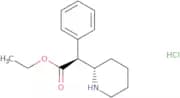
CAS:Controlled Product<p>Please enquire for more information about (aS,2S)-alpha-Phenyl-2-piperidineacetic acid Ethyl ester hydrochloride including the price, delivery time and more detailed product information at the technical inquiry form on this page</p>Formula:C15H21NO2·HClPurity:Min. 95%Molecular weight:283.79 g/mol(1R,2R)-Boc-aminocyclohexane carboxylic acid
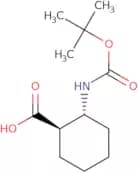
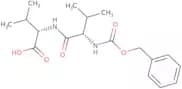
CAS:<p>Please enquire for more information about (1R,2R)-Boc-aminocyclohexane carboxylic acid including the price, delivery time and more detailed product information at the technical inquiry form on this page</p>Formula:C12H21NO4Purity:Min. 95%Color and Shape:PowderMolecular weight:243.3 g/molZ-Val-Val-OH trifluoroacetic acid
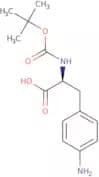
CAS:<p>Z-Val-Val-OH trifluoroacetic acid is a gelator that belongs to the group of amides. It has long chain and intermolecular hydrogen bonding and can be used in the treatment of bacterial infections. Z-Val-Val-OH trifluoroacetic acid has been shown to have thermodynamic parameters for liquids that are more favorable than those for gels, which may account for its ability to form a gel at room temperature. This compound is not electron-micrographable in the solid state but can be tracked by electron microscopy when in solution.</p>Formula:C18H26N2O5•C2HF3O2Purity:Min. 95%Color and Shape:PowderMolecular weight:464.43 g/molBoc-L-4-Aminophenylalanine
CAS:<p>Boc-L-4-Aminophenylalanine is an amino acid that has been shown to be synthesized by cancer cells in breast cancer cell lines, and can also be conjugated with anticancer drugs. It has been shown to have a high affinity for cancer cells. Boc-L-4-Aminophenylalanine is a substrate for L type amino acid transporters and can be used for the treatment of breast cancer. This compound may also be useful in the treatment of other cancers due to its ability to inhibit the uptake of endogenous amino acids.</p>Formula:C14H20N2O4Purity:Min. 97 Area-%Color and Shape:White PowderMolecular weight:280.32 g/molN-α-Benzoyl-L-arginine amide hydrochloride
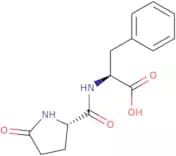
CAS:<p>N-alpha-Benzoyl-L-arginine amide hydrochloride (BA) is a synthetic, noncompetitive inhibitor of phosphodiesterase. It has been shown to inhibit protease activity in vitro and rhizosphere enzyme activities in vivo. BA also inhibits the formation of hippuric acid from benzoic acid, which is a reaction catalyzed by the enzyme phosphatase. The kinetics of this inhibition have been studied using a number of different substrates and enzymes. BA binds to the catalytic site on the enzyme, sterically hindering binding of the substrate and preventing hydrolysis.</p>Formula:C13H19N5O2·HClPurity:Min. 95%Color and Shape:PowderMolecular weight:313.78 g/molPyr-Phe-OH
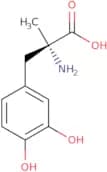
CAS:<p>Pyr-Phe-OH is a pyroglutamic acid derivative that can be used as a chromogenic reagent. Pyr-Phe-OH has been shown to have an acid sequence and is related to tryptic peptides. Pyr-Phe-OH is used in the analysis of proteins, such as haemoglobin, by means of phenacyl esters. Pyr-Phe-OH reacts with pepsin and other proteolytic enzymes, but not with phenacyl esters or thiols. This compound is also used as a crosslinker for alkylation reactions. The molecule contains an alkylate group and an amine group that are bonded by a carbon atom. Pyr-Phe-OH contains two amino acids: pyrrolysine and phenylalanine that are linked by an oxygen atom.<br>END></p>Formula:C14H16N2O4Purity:Min. 95%Color and Shape:White To Off-White SolidMolecular weight:276.29 g/mol3-(3,4-Dihydroxyphenyl)-2-methyl-L-alanine sesquihydrate
CAS:<p>3-(3,4-Dihydroxyphenyl)-2-methyl-L-alanine sesquihydrate is a biological sample that is an active inhibitor of the enzyme methyldopa. This compound has been shown to reduce blood pressure in rats and humans by blocking the α7 nicotinic acetylcholine receptor. 3-(3,4-Dihydroxyphenyl)-2-methyl-L-alanine sesquihydrate is also a polymer composition that has been shown to be toxic in animal studies. The toxicity of 3-(3,4-dihydroxyphenyl)-2-methyl-L-alanine sesquihydrate can be attributed to its structural similarity to methyldopa or its ability to act as a receptor agonist.</p>Formula:C10H13NO4•(H2O)1Purity:Min. 95%Molecular weight:238.24 g/molD(-)-allo-Threonine
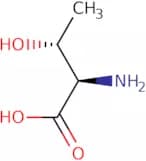
CAS:<p>D(-)-allo-Threonine is an amino acid with a hydroxyl group. It has been synthesized in an asymmetric synthesis and its biological properties have been studied in the context of monoclonal antibodies. D(-)-allo-Threonine has shown to be an inhibitor of enzymes involved in fatty acid biosynthesis, including 3-hydroxyacyl coenzyme A synthase, acetoacetyl-CoA reductase, and 3-ketoacyl CoA thiolase. This amino acid also inhibits the polymerase chain reaction (PCR) and has been found to be a competitive inhibitor of the enzyme ribonucleotide reductase. D(-)-allo-Threonine is also a constituent of proteins that play a role in plant physiology and structural biology.</p>Formula:C4H9NO3Purity:Min. 95%Color and Shape:White PowderMolecular weight:119.12 g/mol3-Cysteinylacetaminophen trifluoroacetic acid salt
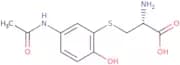
CAS:<p>Acetaminophen is a common pain reliever and fever reducer. It is available over-the-counter in many countries. Acetaminophen is a member of the class of drugs known as analgesic, antipyretic, and anti-inflammatory drugs (APAP). The drug has been shown to be effective for acute pain relief, but not for chronic pain. Acetaminophen has also been found to be an effective analgesic when taken at high doses (above 1000 mg per day) for more than one week. In vivo studies have shown that acetaminophen inhibits mitochondrial membrane potential in hk-2 cells and cd-1 mice. This inhibition leads to apoptosis and cell death. Acetaminophen is not associated with serious side effects when used at the recommended dose, although it can lead to liver damage if taken in large quantities or on a prolonged basis.</p>Formula:C11H14N2O4S·xC2HO2F3Purity:(%) Min. 95%Color and Shape:Brown PowderMolecular weight:270.31 g/molBoc-4-hydroxymethyl-L-phenylalanine dicyclohexyl ammonium salt
CAS:Controlled Product<p>Boc-4-Hydroxymethyl-L-Phenylalanine Dicyclohexyl Ammonium Salt is a versatile building block and intermediate for the synthesis of complex compounds. It is a useful reagent for research chemicals, speciality chemicals, and fine chemicals. This compound can be used as a high quality and useful scaffold in the synthesis of various types of pharmaceuticals.</p>Formula:C27H44N2O5Purity:Min. 95%Color and Shape:PowderMolecular weight:476.65 g/mol1-[(5-Methoxy-1-methyl-1H-indol-3-yl)methyl]piperidine-4-carboxylic acid
CAS:Controlled Product<p>Please enquire for more information about 1-[(5-Methoxy-1-methyl-1H-indol-3-yl)methyl]piperidine-4-carboxylic acid including the price, delivery time and more detailed product information at the technical inquiry form on this page</p>Formula:C17H22N2O3Purity:Min. 95%Molecular weight:302.37 g/mol





![2-[N-[(3,5-Difluorophenyl)carbamoylamino]-C-methylcarbonimidoyl]pyridine-3-carboxylic acid](/_next/image/?url=https%3A%2Fstatic.cymitquimica.com%2Fproducts%2F3D%2Fthumb-webp%2FFD101726.webp&w=3840&q=75)





![1-[(5-Methoxy-1-methyl-1H-indol-3-yl)methyl]piperidine-4-carboxylic acid](/_next/image/?url=https%3A%2Fstatic.cymitquimica.com%2Fproducts%2F3D%2Fthumb-webp%2FFM128176.webp&w=3840&q=75)