Amino Acids (AA)
Amino acids (AAs) are the fundamental building blocks of proteins, playing a crucial role in various biological processes. These organic compounds are essential for protein synthesis, metabolic pathways, and cell signaling. In this category, you will find a comprehensive range of amino acids, including essential, non-essential, and modified forms, which are vital for research in biochemistry, molecular biology, and nutritional sciences. At CymitQuimica, we provide high-quality amino acids to support your research and development needs, ensuring accuracy and reliability in your experimental outcomes.
Subcategories of "Amino Acids (AA)"
- Amino Acid Derivatives(3,970 products)
- Amino Acid and Amino Acid Related Compounds(3,476 products)
- Amino Acids with Oxygen or Sulphur(168 products)
- Boc- Amino Acids(351 products)
- Fmoc Amino Acids(1,710 products)
Found 38286 products of "Amino Acids (AA)"
Sort by
Purity (%)
0
100
|
0
|
50
|
90
|
95
|
100
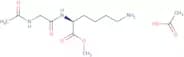
Ac-Gly-Lys-OMe acetate
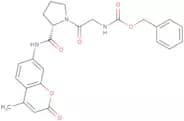
CAS:Controlled Product<p>Ac-Gly-Lys-OMe acetate salt is a reactive chemical compound that is used in the synthesis of peptides. This salt is synthesized by reacting glycine with lysine and formaldehyde. Ac-Gly-Lys-OMe acetate salt has been shown to have hemolytic activity and can be used as a synthetic substrate for kinetic studies. It has also been found to activate complement, which may be due to its disulfide bond formation. Ac-Gly-Lys-OMe acetate salt has been shown to inhibit fibrinogen and nitrosylation, which may result in thrombotic disorders.</p>Formula:C11H21N3O4•C2H4O2Purity:Min. 95%Color and Shape:PowderMolecular weight:319.35 g/molZ-Gly-Pro-AMC
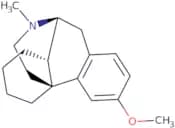
CAS:<p>Z-Gly-Pro-AMC is a substrate molecule that mimics the natural substrate of dipeptidyl peptidase IV (DPP-IV) and is used in the study of plant physiology. It has been shown to inhibit DPP-IV activity by binding to the enzyme’s active site, preventing it from cleaving biologically active peptides. This drug also has an antidiabetic effect, which may be due to its ability to inhibit α-amylase activity. Z-Gly-Pro-AMC also has been shown to increase locomotor activity and reduce body weight in rats with metabolic disorders. Z-Gly-Pro-AMC inhibits serine proteases, such as trypsin, chymotrypsin, elastase, and cathepsin G, which are involved in tumor progression.</p>Formula:C25H25N3O6Purity:Min. 98%Color and Shape:White PowderMolecular weight:463.48 g/molDextromethorphan
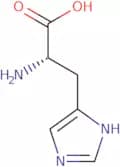
CAS:Controlled Product<p>9-alpha,-14-alpha-3-Methoxy-17-methylmorphinan (914) is a drug that is used in the treatment of bowel disease. It has been shown to inhibit the activity of enzymes such as polymerase chain, which is responsible for DNA replication and repair. 914 also inhibits dextromethorphan, an opioid that is used in cough suppressant medications. The effects of 914 on dextromethorphan are seen in human subjects who have been given the drug intravenously or orally. 914 binds to receptors that are found on cells in the brain and spinal cord, which explains its analgesic properties. This drug can be dangerous when taken with nonsteroidal anti-inflammatory drugs because it can cause kidney damage or failure.</p>Formula:C18H25NOPurity:Min. 95%Color and Shape:PowderMolecular weight:271.4 g/molL-Histidine
CAS:<p>L-histidine is a molecule that chelates metal ions and inhibits their function. L-Histidine is used as an analytical reagent for the determination of metal ions in water, a polymerase chain reaction (PCR) inhibitor, and an immunosuppressant. L-histidine is also used to treat bowel disease and cancer by inhibiting the production of certain molecules. L-histidine has been shown to bind to toll-like receptor 4 (TLR4) in intestinal cells, which activates the immune system to produce cytokines such as IL-8. In addition, L-histidine can act as a cofactor for enzymes involved in protein synthesis by protecting them from oxidation. L histidine can also be found in the protein that binds with gold particles, forming colloidal gold</p>Formula:C6H9N3O2Color and Shape:White PowderMolecular weight:155.15 g/molN-Me-D-Tyr-OH·HCl
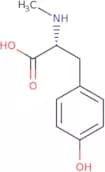
CAS:<p>N-Me-D-Tyr-OH·HCl is an antibiotic that belongs to the group of esters. It has been shown to inhibit the growth of bacteria by binding to the 50S ribosomal subunit. N-Me-D-Tyr-OH·HCl was analyzed using gas chromatography and found to have a retention time of 3.6 minutes. This antibiotic has been used as a substrate for chemical analysis and identification of methyl esters, which are derivatives of carboxylic acids with methyl groups added to the molecule.</p>Formula:C10H13NO3·HClPurity:Min. 95%Color and Shape:PowderMolecular weight:231.68 g/mol3-Methylbenzanilide
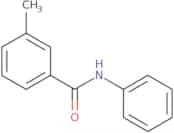
CAS:<p>3-Methylbenzanilide is an efficient and selective nitroarene-based reagent for the synthesis of aldehydes, acyl chlorides, and tetrazoles. It is also an efficient amidation agent for amines. 3-Methylbenzanilide can be prepared by benzoylation of nitroarenes with benzoyl chloride in the presence of aluminium trichloride as catalyst. The reaction proceeds through a series of oxidative steps and yields high yields of the desired product. This compound is used in agrochemicals and other chemical reactions.</p>Formula:C14H13NOPurity:Min. 95%Color and Shape:PowderMolecular weight:211.26 g/molH-Cys-Gly-OH
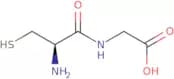
CAS:<p>H-Cys-Gly-OH is a cyclic peptide that has potent antitumor activity. It was synthesized from glutathione and cysteine, which are naturally occurring amino acids in the human body. The mechanism of action of H-Cys-Gly-OH is not well understood, but it may be due to its ability to bind to α1-acid glycoprotein and other proteins in the blood. The compound also has a redox potential, fluorescence spectra, and structural analysis that can be used for identification purposes. This molecule is stable at acid pH and is easily soluble in water or organic solvents. H-Cys-Gly-OH can be analyzed by titration calorimetry or cyclic voltammetry methods.</p>Formula:C5H10N2O3SPurity:Min. 95%Molecular weight:178.21 g/molCbz-L-glutamine
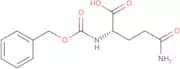
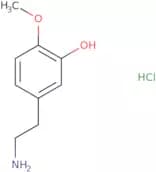
CAS:<p>Cbz-L-glutamine is a water soluble compound that is used in the synthesis of pomalidomide. It is synthesized through a stepwise amide formation from methylamine and ethylene diamine. Cbz-L-glutamine has been shown to have an inhibitory effect on cancer cells, which may be due to its ability to break down hydroxamic acids. This chemical reaction causes the release of hydrogen ions, which leads to the disruption of various cellular processes, such as DNA replication and protein synthesis. The uptake of Cbz-L-glutamine by cancer cells has been shown in tissue culture experiments.</p>Formula:C13H16N2O5Purity:Min. 95%Color and Shape:PowderMolecular weight:280.28 g/mol3-Hydroxy-4-methoxyphenethylamine HCl
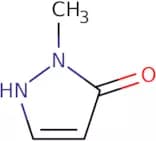
CAS:Controlled Product<p>3-Hydroxy-4-methoxyphenethylamine HCl is an amine that is found in plants. It has been shown to be a reactive compound with a carbonyl group and an amine group. 3-Hydroxy-4-methoxyphenethylamine HCl can act as a dopamine receptor agonist, causing the release of serotonin from neurons. This chemical also has anti-inflammatory properties and may be used to treat inflammatory diseases such as asthma. 3-Hydroxy-4-methoxyphenethylamine HCl may also have blood pressure lowering effects.</p>Formula:C9H14ClNO2Purity:Min. 95%Color and Shape:White to off-white solid.Molecular weight:203.67 g/mol5-Hydroxy-1-methyl-1H-pyrazole
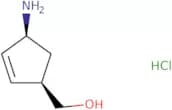
CAS:<p>5-Hydroxy-1-methyl-1H-pyrazole is a chemical compound that is used as a reagent, useful intermediate, and fine chemical. It is a versatile building block and can be used in the synthesis of pharmaceuticals, agrochemicals, dyes, and other chemicals. CAS No. 33641-15-5</p>Formula:C4H6N2OPurity:Min. 95%Color and Shape:Off-White PowderMolecular weight:98.1 g/mol(1R,4S)-4-Amino-2-cyclopentene-1-methanol hydrochloride
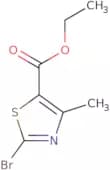
CAS:<p>(1R,4S)-4-Amino-2-cyclopentene-1-methanol hydrochloride is a chemical compound that is used as a building block in the synthesis of other compounds. It is also known to be a speciality chemical and a research chemical. (1R,4S)-4-Amino-2-cyclopentene-1-methanol hydrochloride can be used as an intermediate in the production of fine chemicals, pharmaceuticals and agrochemicals. The compound has been found to have high quality and good purity by the manufacturer.</p>Formula:C6H11NO•HClPurity:Min. 95%Color and Shape:Brown SolidMolecular weight:149.62 g/molEthyl 2-bromo-4-methylthiazole-5-carboxylate
CAS:<p>Ethyl 2-bromo-4-methylthiazole-5-carboxylate is an organic compound that is used as a catalyst in the bromination of organic compounds. The brominating agent (Br) is bonded to the ethyl ester through its Br atom, which has a Lewis acidity greater than that of the methyl ester. This makes it a better electrophile and allows it to react with electron rich groups on other molecules more readily. Ethyl 2-bromo-4-methylthiazole-5-carboxylate can also be used as a brominating agent in the production of ethyl bromide from alcohols and phenols.</p>Formula:C7H8BrNO2SPurity:Min. 95%Molecular weight:250.11 g/mol(R)-4-(Boc-amino)-3-(Z-amino)butyric acid
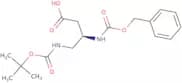
CAS:<p>(R)-4-(Boc-amino)-3-(Z-amino)butyric acid is a synthetic ligand that binds to dna. The binding of this ligand can be monitored by the thermodynamic interaction between the ligand and dna. (R)-4-(Boc-amino)-3-(Z-amino)butyric acid has been shown to bind to the phosphate groups on dna, which are apolar in nature. This ligand also interacts with the vector group of dna, and it has a multivalency of two. It is water soluble and neutral, making it suitable for use in supramolecular chemistry. (R)-4-(Boc-amino)-3-(Z-amino)butyric acid is not very polar and does not have any charges or functional groups that would make it an ionizable species. It can form complexes with carbohydrates because it is neutral, and its interactions with them are</p>Formula:C17H24N2O6Purity:Min. 98 Area-%Color and Shape:PowderMolecular weight:352.38 g/mol4-Ethoxy-3-methoxytoluene
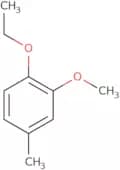
CAS:<p>4-Ethoxy-3-methoxytoluene is a fine chemical that has been used as a building block in the synthesis of other chemicals. It is also used as a research chemical and a reagent. 4-Ethoxy-3-methoxytoluene can be used to form various compounds with different functional groups. It can be used as an intermediate for the synthesis of drugs or polymers, or as a reaction component in organic reactions. The CAS number for 4-Ethoxy-3-methoxytoluene is 33963-27-8.</p>Formula:C10H14O2Purity:Min. 95%Color and Shape:PowderMolecular weight:166.22 g/molH-Asp(Lys-OH)-OH
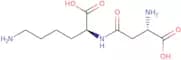
CAS:<p>H-Asp(Lys-OH)-OH is a metabolite that is an intermediate in the fatty acid oxidation pathway. It may be involved in the progression of colorectal carcinoma by inhibition of fatty acid synthesis, leading to the accumulation of fatty acids and subsequent death. This metabolite can also be used to identify potential biomarkers for colorectal cancer. H-Asp(Lys-OH)-OH can be detected using liquid chromatography coupled with mass spectrometry (LC/MS).</p>Formula:C10H19N3O5Purity:Min. 95%Color and Shape:White PowderMolecular weight:261.28 g/mol(((2,3-dimethyl-5-oxo-1-phenyl-3-pyrazolin-4-yl)amino)methylene)methane-1,1-dicarbonitrile
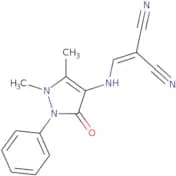
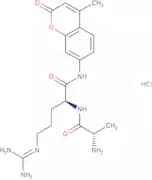
CAS:<p>Please enquire for more information about (((2,3-dimethyl-5-oxo-1-phenyl-3-pyrazolin-4-yl)amino)methylene)methane-1,1-dicarbonitrile including the price, delivery time and more detailed product information at the technical inquiry form on this page</p>Formula:C15H13N5OPurity:Min. 95%Molecular weight:279.30 g/molH-Ala-Arg-AMC hydrochloride
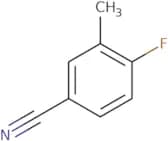
CAS:<p>H-Ala-Arg-AMC hydrochloride is a reagent that can be used in the synthesis of various complex compounds. This reagent is a useful scaffold for high quality research chemicals. It is also a versatile building block, which can be used as an intermediate or a building block. H-Ala-Arg-AMC hydrochloride is easily soluble in organic solvents and has a CAS number of 83363-71-7.</p>Formula:C19H26N6O4·HClPurity:Min. 95 Area-%Color and Shape:PowderMolecular weight:438.91 g/mol4-Fluoro-3-methylbenzonitrile
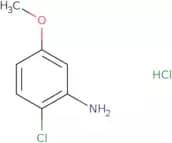
CAS:<p>4-Fluoro-3-methylbenzonitrile (FMN) is a cytostatic agent that inhibits the growth of cancer cells by inhibiting the kinase activity. FMN has been shown to be an effective inhibitor of a number of kinases, including protein kinase C and cAMP-dependent protein kinase. The biological activity of FMN has been demonstrated in both cell culture and animal models. As with other chemotherapeutic agents, the evolution of resistance to FMN is a major concern for its use as a cancer treatment drug.</p>Formula:C8H6FNPurity:Min. 95%Color and Shape:PowderMolecular weight:135.14 g/mol2-Chloro-5-methoxyaniline hydrochloride
CAS:<p>2-Chloro-5-methoxyaniline hydrochloride is an intercalating agent that is used in the treatment of cancer. It binds to DNA and causes a breakage of the hydrogen bonds between the two strands, which leads to cell death. The 2-Chloro-5-methoxyaniline hydrochloride molecule has affinity for lactams, which are sugar molecules found in cell walls of bacteria, fungi, and plants. This compound can be metabolized by lactamase enzymes that are found in cancer cells and other cells. The metabolized products are fluorescent, which allows them to be detected by fluorescence microscopy. 2-Chloro-5-methoxyaniline hydrochloride has been shown to inhibit the growth of lung cancer cells and leukemia cells by interfering with their ability to synthesize DNA and RNA.</p>Formula:C7H8ClNO•HClPurity:Min. 95%Color and Shape:PowderMolecular weight:194.06 g/mol4-Methoxy-2-methylbenzaldehyde
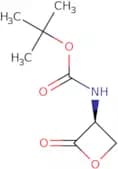
CAS:<p>4-Methoxy-2-methylbenzaldehyde (4MMBA) is a synthetic chemical that is used as an antifungal agent. It interacts with the cellular membranes of fungi and disrupts their ability to maintain homeostasis. 4MMBA inhibits the growth of invasive aspergillosis by inhibiting protein synthesis, which leads to cell death. The mechanism of action for 4MMBA is not well understood, but it has been shown to inhibit the growth of fungi in a model system. It also inhibits the production of pyrylium, which may be responsible for its activity against fungi.</p>Formula:C9H10O2Purity:90%Molecular weight:150.17 g/molBoc-L-serine-b-lactone
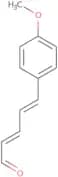
CAS:Boc-L-serine-b-lactone is a chemical compound that can be used as a reagent and reaction component. It can also be used to produce other compounds, such as pharmaceuticals, pesticides, or coatings. Boc-L-serine-b-lactone can be produced in high quality through our advanced manufacturing processes. This chemical is useful for research purposes and has many applications in the production of speciality chemicals. Boc-L-serine-b-lactone is a versatile building block that can also be used as an intermediate or building block to create complex compounds. This chemical is fine and should only be handled by professionals with experience in handling chemicals.Formula:C8H13NO4Purity:Min. 95%Color and Shape:White PowderMolecular weight:187.19 g/mol4-Methoxycinnamylidene acetaldehyde
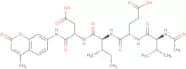
CAS:<p>4-Methoxycinnamylidene acetaldehyde is a versatile building block with a CAS number of 27394-81-6. It is used in the research and production of fine chemicals, pharmaceuticals, and high quality reagents. 4-Methoxycinnamylidene acetaldehyde can be used as a useful scaffold for the synthesis of complex compounds. This building block is also a useful intermediate in organic chemistry reactions.</p>Formula:C12H12O2Purity:Min. 95%Color and Shape:PowderMolecular weight:188.22 g/molAc-Val-Glu-Ile-Asp-AMC
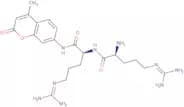
CAS:<p>Ac-Val-Glu-Ile-Asp-AMC is a cell death inducer that is used to study the mechanisms of apoptosis. It has been shown to cause neuronal death in culture and also to inhibit the growth of cultured cells by inducing the activation of caspase-9, which causes protease activity. Ac-Val-Glu-Ile-Asp-AMC has been shown to induce heart function in vivo, as well as to stimulate mitochondrial membrane potential and mitochondrial cytochrome c release. This compound also induces autophagy in vitro and can affect fatty acid metabolism.</p>Formula:C32H43N5O11Purity:Min. 93 Area-%Color and Shape:PowderMolecular weight:673.71 g/molH-Arg-Arg-AMC hydrochloride salt
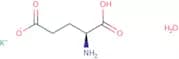
CAS:<p>H-Arg-Arg-AMC hydrochloride salt is a proteolytic inhibitor that binds to the active site of aminopeptidases and prevents their proteolytic activity. This inhibition leads to increased muscle mass in juveniles, as well as higher concentrations of magnesium ions in sarcoplasmic and myofibrillar proteins. H-Arg-Arg-AMC hydrochloride salt also has an inhibitory effect on ion exchange and chloride transport in muscle cells. The biochemical effects of this drug are due to its ability to inhibit the aminopeptidase enzymes, which play a role in the metabolism of amino acids.</p>Formula:C22H33N9O4Purity:Min. 95%Color and Shape:PowderMolecular weight:487.56 g/molL-Glutamic acid monopotassium salt monohydrate
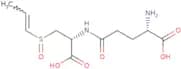
CAS:<p>Amino acid; neurotransmitter; flavor enhancer</p>Formula:C5H8KNO4·H2OColor and Shape:White PowderMolecular weight:203.23 g/molL-γ-Glutamyl-3-(1-propenylsulfinyl)-L-alanine
CAS:<p>Please enquire for more information about L-γ-Glutamyl-3-(1-propenylsulfinyl)-L-alanine including the price, delivery time and more detailed product information at the technical inquiry form on this page</p>Formula:C11H18N2O6SPurity:Min. 95%Color and Shape:PowderMolecular weight:306.34 g/molH-Oic-OH
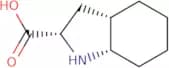
CAS:<p>H-Oic-OH is an enantiopure, stereoselective, chiral molecule that has been used in the synthesis of a cyclohexane ring and allyl carbonate. H-Oic-OH also has a b2 receptor activity and bradykinin b2 binding affinity. H-Oic-OH is an analog for bradykinin b2. The synthesis of H-Oic-OH begins with the reaction of hydrogen chloride and oleum to form hydrochloric acid. This acid is then reacted with allyl alcohol to produce allyl chloride. Allyl chloride can then react with 2 equiv of methyl chloroformate to produce the desired enantiopure, stereoselective, chiral molecule.</p>Formula:C9H15NO2Purity:Min. 95%Color and Shape:White PowderMolecular weight:169.22 g/mol(3-Methoxyphenyl)acetonitrile
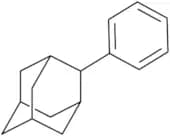
CAS:<p>3-Methoxyphenylacetonitrile (3MPAN) is a small molecule that has been shown to inhibit the activity of kinases, which are enzymes that transfer phosphate groups from ATP onto other substrates. 3MPAN has been found to be selective for the estrogen receptor alpha (ERα), with little or no effect on ERβ, and shows promise as a potential drug for hormone-dependent breast cancer. It also inhibits fatty acid synthesis and is active against some viruses. 3MPAN binds to the enzyme's ATP binding site and blocks phosphorylation by preventing access of ATP. This prevents DNA synthesis and protein synthesis, leading to cell death.</p>Formula:C9H9NOPurity:Min. 95%Color and Shape:PowderMolecular weight:147.17 g/mol2-Phenyladamantane
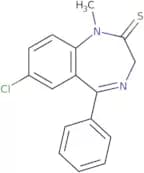
CAS:<p>2-Phenyladamantane is an organic chemical compound. It is a colorless liquid with a sweet aromatic odor. 2-Phenyladamantane has two isomers, one axial and the other equatorial. The axial isomer is more stable than the equatorial isomer because of steric hindrance in the equatorial position. The resonance structures for the axial configuration are shown on the left and those for the equatorial configuration are shown on the right.</p>Formula:C16H20Purity:Min. 98 Area-%Color and Shape:PowderMolecular weight:212.33 g/mol7-Chloro-1,3-dihydro-1-methyl-5-phenyl-2H-1,4-benzodiazepine-2-thione
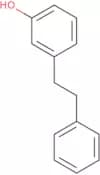
CAS:Controlled Product<p>7-Chloro-1,3-dihydro-1-methyl-5-phenyl-2H-1,4-benzodiazepine-2-thione (7CDMT) is a molecule that has been reconstituted in order to serve as an allosteric modulator. This compound is an analog of diazepam and has the same biological properties. 7CDMT binds to the benzodiazepine site on the GABA receptor and can be used for research purposes. It is a competitive antagonist of GABA at the benzodiazepine site, but also acts as an agonist at the fatty acid site. 7CDMT has been shown to have no effect on fatty alcohols or fatty acids. The activity index of this molecule is 0.913. <br>The product research study was conducted in rats with chronic drug treatment over 60 days and showed that 7CDMT had no observable toxic effects, but did cause convulsions</p>Formula:C16H13ClN2SPurity:Min. 95%Color and Shape:PowderMolecular weight:300.81 g/mol3-Phenethyl-phenol
CAS:<p>3-Phenethylphenol is a hydrophobic, sterically-interacting compound that binds to molybdenum. It has been shown to inhibit the growth of fungi such as Poria and Coriolus. 3-Phenethylphenol also has functionalities such as peroxide, acetonitrile, and nature. This compound is not soluble in water and must be dissolved in solvents such as acetonitrile or polyvinyl acetate before use. 3-Phenethylphenol has been shown to have chromatographic properties, allowing it to be used as an adsorbent for the separation of organic compounds.</p>Formula:C14H14OPurity:Min. 95%Color and Shape:PowderMolecular weight:198.26 g/mol(3,4-Dehydro-Pro2·4)-Substance P
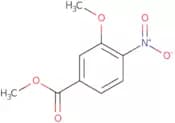
CAS:<p>Please enquire for more information about (3,4-Dehydro-Pro2·4)-Substance P including the price, delivery time and more detailed product information at the technical inquiry form on this page</p>Formula:C63H94N18O13SPurity:Min. 95%Molecular weight:1,343.6 g/mol3-Methoxy-4-nitrobenzoic acid methyl ester
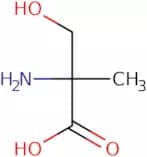
CAS:<p>3-Methoxy-4-nitrobenzoic acid methyl ester is a dianellidin, a type of natural product. It is an ionizing acid that catalyzes the reaction between carboxylic acids and hydroxyl compounds. This compound is used to produce some drugs, such as methyldopate, which is an antiarrhythmic drug that slows heart rate. The catalytic rate of 3-methoxy-4-nitrobenzoic acid methyl ester can be increased by buffers and solvents (e.g., methanol). These compounds increase the concentration of the reactants in solution and reduce the activation energy required for the reaction to take place. Uncatalyzed reactions are slow because there are no molecules to act as intermediates in the process.</p>Formula:C9H9NO5Purity:95%NmrColor and Shape:PowderMolecular weight:211.17 g/mol2-Methyl-DL-serine
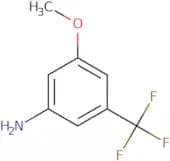
CAS:<p>2-Methyl-DL-serine is a metabolite of the amino acid serine. It is synthesized by the enzyme serine dehydratase, which converts L-serine to 2-methyl-L-serine. This product has been shown to inhibit microbial metabolism and has been proposed as a drug target for glycopeptide antibiotics. 2-Methyl-DL-serine is an inhibitor of glycosyltransferases that have high affinity for D-alanine, such as enolase, phosphoglycerate kinase, and pyruvate kinase. In addition, this product inhibits some enzymes involved in glycogen metabolism by binding to the lysosomal enzyme α-glucosidase. The enzyme genes that encode for these enzymes are expressed in both prokaryotes and eukaryotes. 2Methyl DL serine also inhibits dioxygenases (e.g., cytochrome P450) that utilize</p>Formula:C4H9NO3Purity:Min. 95%Color and Shape:PowderMolecular weight:119.12 g/mol3-Methoxy-5-(trifluoromethyl)aniline
CAS:<p>3-Methoxy-5-(trifluoromethyl)aniline is a chemical building block that is used in the preparation of pharmaceuticals, agrochemicals, dyes, and other chemicals. 3-Methoxy-5-(trifluoromethyl)aniline is also a versatile intermediate that can be used to produce heterocyclic compounds. 3-Methoxy-5-(trifluoromethyl)aniline has been found to be high quality and useful for many reactions. It is an important compound for research use because it can be used as a reagent or scaffold for complex compounds.</p>Formula:C8H8F3NOPurity:Min. 95%Color and Shape:PowderMolecular weight:191.15 g/mol5-Methylindole-3-carboxaldehyde
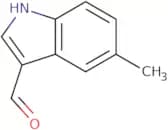
CAS:<p>5-Methylindole-3-carboxaldehyde (5MI) is a β-unsaturated aldehydes that is used as an analyte in assays for the detection of α,β-unsaturated aldehydes. It has been shown to be effective in degranulation of cells and induces cellular degranulation. 5MI has also been shown to be an analog of other β-unsaturated aldehydes and acts competitively with these compounds.</p>Formula:C10H9NOPurity:Min. 95%Color and Shape:PowderMolecular weight:159.18 g/molD-Methyl lactate
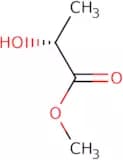
CAS:<p>D-Methyl lactate is a synthetic, broad-spectrum antibacterial agent that is synthesized by the ring-opening of l-glutamic acid methyl esters with methyl glycosides. It has been shown to have a greater effect on gram-positive bacteria than gram-negative bacteria. This drug also has stereoselective activity against Staphylococcus aureus and Escherichia coli, which may be related to its ability to inhibit the synthesis of dl-amino acids. D-Methyl lactate has also been shown to increase bacterial cell growth at low concentrations and inhibit bacterial growth at high concentrations. This may be due to its ability to induce dehydration in cells through the cleavage of fatty acids.</p>Formula:C4H8O3Purity:(¹H-Nmr) Min. 95 Area-%Color and Shape:Colorless Clear LiquidMolecular weight:104.1 g/molL-Proline tert-butyl ester
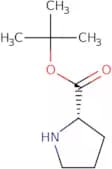
CAS:<p>L-Proline tert-butyl ester is an organic compound that is used in the synthesis of amino acids and pharmaceuticals. It is chiral, and can be synthesized by a stepwise, asymmetric synthesis. The hydrochloric acid treatment of L-lysine with trifluoroacetic acid yields the corresponding L-proline tert-butyl ester. The stereoselectivity of this process depends on the type of catalyst used for demethylation and alkylation reactions.</p>Formula:C9H17NO2Purity:Min. 95%Color and Shape:PowderMolecular weight:171.24 g/molBoc-D-Lys(Fmoc)-OH
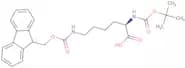
CAS:<p>Boc-D-Lys(Fmoc)-OH is a molecule that is used for the production of recombinant proteins. It can be used to enhance gadolinium contrast and has potential use in hybridization and as an analog. Boc-D-Lys(Fmoc)-OH is synthesized by reacting lysine with the N,O-dimethylhydroxylamine derivative of boronic acid. Boc-D-Lys(Fmoc)-OH is soluble in water, which makes it easier to dissolve in buffers and other solutions. This molecule has been shown to be effective in vivo animal studies, primary cells assays and cell culture assays.</p>Formula:C26H32N2O6Purity:Min. 98 Area-%Color and Shape:White Off-White PowderMolecular weight:468.54 g/mol3-Methyl-2-nitroanisole
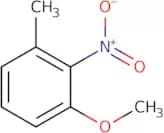
CAS:<p>3-Methyl-2-nitroanisole is a synthetic monosubstituted nitro compound that can be produced by the oxidation of 3,4-dimethoxybenzaldehyde. It has three methyl groups and one nitro group on its ring. 3-Methyl-2-nitroanisole has been used in high concentrations as a reactant for the synthesis of other compounds. It can also be used to synthesize anthranilic acid, which is an intermediate in the synthesis of many dyes and pharmaceuticals. 3-Methyl-2-nitroanisole has been characterized using vibrational spectroscopy and NMR spectroscopy with frequency values ranging from 9 to 22 cm/sec, depending on substituents. The molecular weight is estimated at 196 g/mol. 3MNA has been shown to undergo demethylation and hydrolysis under acidic conditions to produce 2,5-dihydroxyanth</p>Formula:C8H9NO3Purity:Min. 95%Color and Shape:PowderMolecular weight:167.16 g/mol(2-Chloro-4-methylphenyl)hydrazine hydrochloride
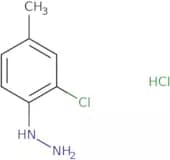
CAS:(2-Chloro-4-methylphenyl)hydrazine hydrochloride is a high quality reagent that is a useful intermediate for the synthesis of complex compounds. It has been used as a building block for the synthesis of speciality chemicals and research chemicals. This compound can be used to produce versatile building blocks and reaction components.Formula:C7H9ClN2·HClPurity:Min. 95%Color and Shape:PowderMolecular weight:193.07 g/molN-ε-(1-Carboxymethyl)-L-lysine
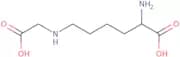
CAS:<p>N-ε-(1-Carboxymethyl)-L-lysine (NEM) is a versatile building block that is used in the synthesis of complex compounds. It is a reagent and speciality chemical that can be used as an intermediate to produce other useful chemicals or as a reaction component. It has been shown to be useful in the synthesis of peptides, oligonucleotides, and organic molecules. NEM has also been shown to have high quality and purity, making it a useful scaffold for further research into new compounds.</p>Formula:C8H16N2O4Purity:Min. 97%Color and Shape:White PowderMolecular weight:204.22 g/molCyclo(-Pro-Val)
CAS:<p>Cyclo(-Pro-Val) is a type of natural product that has been shown to inhibit the growth of tumor cells. Cyclo(-Pro-Val) is a metabolite produced by the fungus Cryptococcus neoformans and may serve as a potential anti-cancer drug. The compound blocks mitochondrial membrane potential, which prevents cancer cells from multiplying. Cyclo(-Pro-Val) has also been shown to inhibit the growth of bacteria such as Pseudomonas aeruginosa and Burkholderia cepacia complex, although it has little or no effect on other types of bacteria and fungi.</p>Formula:C10H16N2O2Purity:Min. 95%Color and Shape:White PowderMolecular weight:196.25 g/mol4-Methoxy-2-(trifluoromethyl)aniline
CAS:<p>4-Methoxy-2-(trifluoromethyl)aniline is a chemical compound that is used as a research chemical, reagent, and speciality chemical. It is a versatile building block that can be used in reactions to produce complex compounds. 4-Methoxy-2-(trifluoromethyl)aniline has been identified by the Chemical Abstracts Service (CAS) as having high quality and is useful for preparing fine chemicals. This substance also has uses in the field of medicinal chemistry and can be used as a scaffold for pharmaceutical products.</p>Formula:C8H8F3NOPurity:Min. 95%Color and Shape:Clear LiquidMolecular weight:191.15 g/molVal-Cit-PAB-MMAE
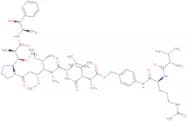
CAS:<p>Val-Cit-PAB-MMAE is a linker that has been conjugated to a monoclonal antibody (Val-Cit) and a cytotoxic agent (MMAE). This linker is designed to provide predictable strategies for site-specific conjugation of therapeutic agents to antibodies. The Val-Cit sequence facilitates the attachment of the linker to the antibody, while MMAE targets cancer cells through its chemotherapeutic effect. The linker provides an anti-cancer drug with an increased halflife in vivo, which may be due to its physicochemical properties. Val-Cit-PAB-MMAE also has the potential for use in other applications such as diagnostics and biosensors.</p>Formula:C58H94N10O12Purity:Min. 95 Area-%Color and Shape:PowderMolecular weight:1,123.43 g/mol9-Phenylcarbazole
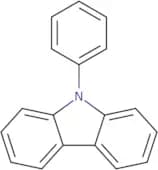
CAS:<p>9-Phenylcarbazole is a chemical compound that belongs to the group of activated carbazoles. It is a hydroxyl containing molecule that has a redox potential and can reversibly oxidize in the presence of oxygen or other electron acceptors, such as ferricyanide ions. 9-Phenylcarbazole is used in analytical chemistry as an indicator for measuring pH levels and also as a reagent for Suzuki coupling reactions. The most common application of 9-phenylcarbazole is in photophysical experiments, where it acts as an efficient photosensitizer. This compound has been shown to be insensitive to light when it is not activated by UV radiation, but its absorption spectrum changes when it becomes activated through irradiation with UV light.</p>Formula:C18H13NPurity:Min. 95%Color and Shape:Yellow PowderMolecular weight:243.3 g/molcis-4-Hydroxy-L-proline
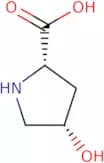
CAS:<p>Cis-4-Hydroxy-L-proline is a bound form of proline that is formed by the condensation of two molecules of glyoxylate. It is a basic structure and an intermediate in the synthesis of collagen, which is a protein found in connective tissue. Cis-4-Hydoxy-L-proline has been shown to be an active form of proline for the treatment of primary sclerosing cholangitis, as it can decrease bile acid levels. This compound has also been used as an analytical method for determining collagen content in biological samples. The polymerase chain reaction technique uses cis-4-Hydroxy-L-proline as a matrix effect to amplify DNA sequences. Cis-4-Hydroxy-L-proline has also been shown to have optimum concentrations at 3mM and 0.5mM in model systems.br></p>Formula:C5H9NO3Purity:Min. 95%Color and Shape:White PowderMolecular weight:131.13 g/molFmoc-S-xanthyl-L-cysteine
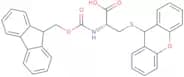
CAS:<p>Fmoc-S-xanthyl-L-cysteine is a versatile building block that can be used as a reagent, speciality chemical, or useful intermediate. It is also a high quality and useful scaffold for the synthesis of complex compounds. The compound is soluble in water, acetone, and alcohols. Fmoc-S-xanthyl-L-cysteine reacts with acids to form salts and with bases to form oxides.</p>Formula:C31H25NO5SPurity:Min. 95%Color and Shape:PowderMolecular weight:523.6 g/mol(1-Methyl-1H-indazol-3-yl)methanol
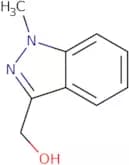
CAS:Controlled Product(1-Methyl-1H-indazol-3-yl)methanol is a heterocyclic compound with a chemical formula of CHN. It is a colorless liquid that reacts violently with water or alcohols. The compound has been shown to form lithium aluminum hydride and aluminum hydride, which react vigorously with water. (1-Methyl-1H-indazol-3-yl)methanol also forms acetylated amines in the presence of thionyl chloride. This reaction is used as an example of a translation reaction in chemistry, where one molecule is converted into another through the addition of other molecules.Formula:C9H10N2OPurity:Min. 95%Molecular weight:162.19 g/molH-D-Glu(Gly-OH)-OH
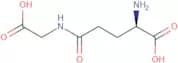
CAS:<p>H-D-Glu(Gly-OH)-OH is a peptide that is used to study the mechanism of glutamate receptors. It has been shown to have an excitatory effect on mouse hippocampal and cerebellar purkinje neurons, with affinity values for membrane channels. It also has been shown to reduce gamma-aminobutyric acid (GABA) levels in the hippocampus and striatum, which may be due to its ability to inhibit glutamic acid decarboxylase. H-D-Glu(Gly-OH)-OH is a potent antagonist of glutamate, binding competitively at the glutamate site on ionotropic receptors. It also inhibits acidic pH and calcium ion concentrations, which are necessary for ionotropic receptor activation.</p>Formula:C7H12N2O5Purity:Min. 98 Area-%Color and Shape:White PowderMolecular weight:204.18 g/mol