Amino Acids (AA)
Subcategories of "Amino Acids (AA)"
- Amino Acid Derivatives(4,017 products)
- Amino Acid and Amino Acid Related Compounds(3,491 products)
- Amino Acids with Oxygen or Sulphur(168 products)
- Boc- Amino Acids(351 products)
- Fmoc Amino Acids(1,710 products)
Found 38385 products of "Amino Acids (AA)"
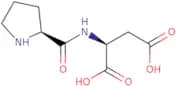
H-Pro-Asp-OH
CAS:H-Pro-Asp-OH is a conjugate of the amino acid proline and aspartic acid. H-Pro-Asp-OH is synthesized in the liver, where it can be found in the extracellular environment. This drug has been shown to be effective against hyperproliferative disorders and cancer. H-Pro-Asp-OH binds to the surface of cells, which inhibits the growth rate of cancer cells by inhibiting the synthesis of DNA, RNA, and proteins. The uptake of this drug by cells is increased when dietary protein levels are low. H-Pro-Asp-OH has also been shown to inhibit cell proliferation in humans and pigs.Formula:C9H14N2O5Purity:Min. 95%Color and Shape:White PowderMolecular weight:230.22 g/mol1,2-Bis-(4-methoxyphenylcyclohexan-1,2-diol)
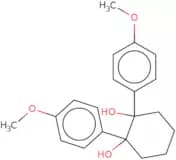
CAS:1,2-Bis-(4-methoxyphenylcyclohexan-1,2-diol) is a high quality reagent that is an important intermediate for the synthesis of complex compounds. It is also a useful building block in the synthesis of fine chemicals and speciality chemicals. This compound can be used as a versatile building block in the synthesis of various organic compounds. 1,2-Bis-(4-methoxyphenylcyclohexan-1,2-diol) is also a reaction component that can be used to synthesize pharmaceuticals and other research chemicals.Formula:C20H24O4Purity:Min. 95%Molecular weight:328.4 g/mol2-(4-Ethylphenoxy)-2-methylpropanoic acid
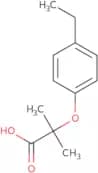
CAS:2-(4-Ethylphenoxy)-2-methylpropanoic acid is a versatile building block that can be used as a reagent, speciality chemical, or useful intermediate for the synthesis of various compounds. It is also an important reaction component for the synthesis of 2-(4-ethylphenoxy)ethanol and 2-(4-ethylphenoxy)acetic acid. This compound has been identified by the Chemical Abstracts Service (CAS No. 17413-77-3).Formula:C12H16O3Purity:Min. 95%Color and Shape:PowderMolecular weight:208.25 g/molN-(2-Fluorophenyl)-N-[4-(4-Methyl-1,3-Thiazol-2-Yl)-1-(2-Thiophen-3-Ylethyl)Piperidin-4-Yl]Propanamide
CAS:Controlled ProductN-(2-Fluorophenyl)-N-[4-(4-methyl-1,3-thiazol-2-yl)-1-(2-thiophen-3-ylethyl)piperidin-4-yl]propanamide is a drug that is used for the treatment of cancer. This drug is hydrophobic and has a molecular weight of 455. It has been shown to be effective in treating cancer cells by binding to the cell membrane and inhibiting the proliferation of these cells. N-(2-Fluorophenyl)-N-[4-(4-methyl-1,3-thiazol-2-yl)-1-(2-thiophen-3-ylethyl)piperidin]-4-- yl]propanamide also inhibits tumor growth by reducing extracellular matrix production and inducing apoptosis in cancer cells. This drug has a fluorescent property and can be detected with an optical microscope at aFormula:C24H28FN3OS2Purity:Min. 95%Molecular weight:457.63 g/molN-Acetyl-L-tyrosine
CAS:N-Acetyl-L-tyrosine is a tyrosine derivative with a chemical structure similar to that of an amino acid. It is used as a model system in biochemistry and molecular biology to study the transfer reactions of tyrosine, which are important for energy metabolism, protein synthesis, and metal chelation. N-Acetyl-L-tyrosine is also an effective substrate molecule for many analytical methods, such as thin layer chromatography or liquid chromatography.Formula:C11H13NO4Purity:Min. 95%Color and Shape:White PowderMolecular weight:223.23 g/molD-Valine ethyl ester hydrochloride
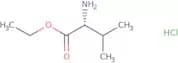
CAS:D-Valine ethyl ester hydrochloride is a reagent that is used in the synthesis of complex compounds. It can be used as an intermediate for fine chemicals and research chemicals, or as a building block for versatile building blocks. D-Valine ethyl ester hydrochloride can also be used in reactions to form other compounds, such as pharmaceuticals.Formula:C7H15NO2·HClPurity:Min. 95%Color and Shape:PowderMolecular weight:181.66 g/mol5-Fluoro-4-hydroxy-2-methoxypyrimidine
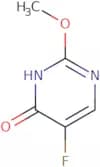
CAS:5-Fluoro-4-hydroxy-2-methoxypyrimidine (5FMMP) is a chemical intermediate that is used in the synthesis of various pharmaceuticals, including antibiotics. It can be obtained by reacting phosphorus oxychloride with activated 2-methoxybenzaldehyde. This chemical intermediate is highly reactive and has been shown to be virulent against some strains of bacteria, such as E. coli and Proteus mirabilis. 5FMMP binds to the bacterial cell wall using its primary amine group, which prevents the formation of an antibiotic-inhibitor complex with the enzyme cell wall synthesis that is required for cell wall biosynthesis, inhibiting protein synthesis and cell division. The chlorinating reaction between 5FMMP and sodium hypochlorite results in hydrochloric acid generation. This chemical intermediate can also be synthesized from recycled chemicals such as ethyl chloride or chloroform.Formula:C5H5FN2O2Purity:Min. 95%Color and Shape:PowderMolecular weight:144.1 g/molH-D-Glu-OtBu
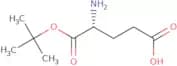
CAS:H-D-Glu-OtBu is a fine chemical that is useful as a scaffold for the synthesis of complex compounds. It is used as a versatile building block in the preparation of research chemicals and speciality chemicals, and as an intermediate in the preparation of complex compounds. H-D-Glu-OtBu has been shown to be highly reactive and can be used in reactions involving metal salt or organic reagents. This compound is used as a reaction component, which can be produced by reacting acetyl chloride with D-glucamine. H-D-Glu-OtBu is also known by CAS No. 25456-76-2 and has a high quality purity level of 99%.Formula:C9H17NO4Purity:Min. 95%Color and Shape:PowderMolecular weight:203.24 g/mol3-Fluoro-5-methylbenzonitrile
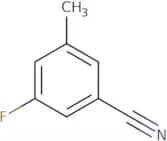
CAS:3-Fluoro-5-methylbenzonitrile is a reactive halogen molecule that can be used in model compounds, such as 3-fluoro-5-methylbenzoic acid. It has been shown to react with nucleophiles in the presence of microwaves, yielding high yields. The compound can be labeled with a variety of labels, including fluorine isotopes, which can be useful for tracking the compound's metabolism.Formula:C8H6FNPurity:Min. 95%Color and Shape:PowderMolecular weight:135.14 g/molN-(5-Amino-2-methylphenyl)-4-(3-pyridyl)-2-pyrimidineamine
CAS:Imatinib is an anticancer drug that belongs to the class of trimethyls. It is a potent inhibitor of tyrosine-specific protein kinases, including Bcr-Abl and Src family kinases. It has been shown to have antineoplastic properties in human cells in vitro. Imatinib is structurally similar to the anticancer agent lapatinib and inhibits G1 phase cell cycle progression by preventing phosphorylation of retinoblastoma protein (Rb). Imatinib is also genotoxic due to its structural similarity to other known genotoxic compounds such as bromo-2′-deoxyuridine and 2-chloroimidazole.
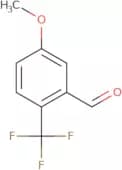
Formula:C16H15N5Purity:Min. 95%Color and Shape:PowderMolecular weight:277.32 g/mol5-Methoxy-2-(trifluoromethyl)benzaldehyde
CAS:5-Methoxy-2-(trifluoromethyl)benzaldehyde (5MFBA) is a potential anticancer compound that has been shown to inhibit the growth of pancreatic cancer cells. 5MFBA is formed by the reaction of methoxybenzene and trifluoromethyl bromide in the presence of copper chloride, which acts as a dehydrogenase. This compound also has prognostic and clinicopathological implications in patients with pancreatic cancer, as well as staining properties in tissues. 5MFBA modulates biological function via reactive oxygen species (ROS) production, which induces cell apoptosis. Research on this compound has been done on cancer tissues from various organs, including breast and prostate cancers.Formula:C9H7F3O2Purity:Min. 95%Color and Shape:PowderMolecular weight:204.15 g/molH-Glu(Abu-OH)-OH
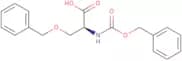
CAS:H-Glu(Abu-OH)-OH is a reaction component that is used in the synthesis of peptides, proteins, and other complex compounds. It has been shown to be an effective scaffold for the synthesis of a variety of useful compounds. H-Glu(Abu-OH)-OH can be used as a building block in the synthesis of peptides, proteins, and other complex molecules. This chemical also has many different applications in the pharmaceutical industry.Formula:C9H16N2O5Purity:Min. 95 Area-%Color and Shape:Colorless PowderMolecular weight:232.23 g/molCbz-Ser(bzl)-OH
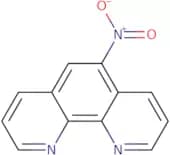
CAS:Cbz-Ser(bzl)-OH is an alcohol that can be used in the synthesis of a variety of compounds. This compound has been shown to have high yields, and can be synthesized from sulfides, phenols, and carboxylic acids. It is neutral and has a carboxylic linkage.Formula:C18H19NO5Purity:Min. 95%Color and Shape:PowderMolecular weight:329.35 g/mol5-Nitro-1,10-phenanthroline
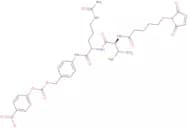
CAS:5-Nitro-1,10-phenanthroline is a coordination compound that belongs to the group of p2. It has been shown to have low toxicity and can be used as an ancillary ligand in coordination chemistry. 5-Nitro-1,10-phenanthroline has been used as a synchronous fluorescence probe for amines and is also useful for kinetic studies due to its high stability and sensitivity. FTIR spectroscopy has shown that this compound binds to glyoxal at neutral pH; it may also react with reactive oxygen species such as superoxide, hydrogen peroxide, or hydroxyl radicals.Formula:C12H7N3O2Purity:Min. 97 Area-%Color and Shape:PowderMolecular weight:225.2 g/molMc-Val-Cit-PABC-PNP
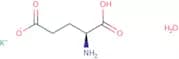
CAS:Val-Cit-based peptide linker with PABC spacer. This activated peptide linker is cleaved by cathepsin enzymes for intracellular payload release.Formula:C35H43N7O11Purity:Min. 95%Color and Shape:White PowderMolecular weight:737.76 g/molL-Glutamic acid monopotassium salt monohydrate
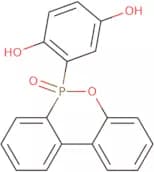
CAS:Amino acid; neurotransmitter; flavor enhancerFormula:C5H8KNO4·H2OColor and Shape:White PowderMolecular weight:203.23 g/mol10-(2,5-Dihydroxyphenyl)-10H-9-oxa-10-phospha-phenanthrene-10-oxide
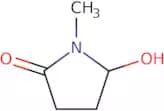
CAS:10-(2,5-Dihydroxyphenyl)-10H-9-oxa-10-phospha-phenanthrene-10-oxide is a synthetic compound that has an orange color and a molecular weight of 568. It is soluble in chloroform, ethanol, acetone, ether and benzene. The compound does not react with water or hydrochloric acid. It has been shown to have synergistic interactions with chloride and glycol ethers. 10-(2,5-Dihydroxyphenyl)-10H-9-oxa-10-phospha phenanthrene 10 oxide can be synthesized using a polymeric matrix as the reaction medium.Formula:C18H13O4PPurity:Min. 95%Color and Shape:White Off-White PowderMolecular weight:324.27 g/mol5-Hydroxy-N-methyl-2-pyrrolidinone
CAS:5-Hydroxy-N-methyl-2-pyrrolidinone (5HMP) is a metabolite that is produced in the body after ingestion of pyrrolidinones. It can be detected in urine and blood samples to assess the exposure to these compounds. 5HMP is also used as an analytical method for detecting the presence of pyrrolidinones in biological samples, such as urine and blood. The reaction products are measured using a spectrometer at 270 nm. The monoclonal antibody can be used to detect 5HMP in human liver cells. In animal experiments, 5HMP was found to have no significant effect on the uptake of glucose by the liver or other organs.Formula:C5H9NO2Purity:Min. 95%Color and Shape:PowderMolecular weight:115.13 g/molD,L-Homotryptophan
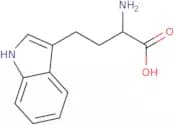
CAS:D,L-Homotryptophan is a fine chemical that is used as a building block in the synthesis of complex compounds. It has been used as a reagent, speciality chemical, and intermediate. D,L-Homotryptophan is also versatile in its use as a building block for the synthesis of various chemicals. This compound has been shown to react with other chemicals to form useful scaffolds.Formula:C12H14N2O2Purity:Min. 95%Color and Shape:PowderMolecular weight:218.25 g/mol4-Chloro-4'-methoxychalcone
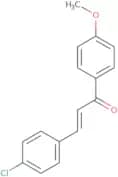
CAS:4-Chloro-4'-methoxychalcone (4MC) is a chalcone with an antibacterial activity. It is synthesized from 4,4'-dimethoxychalcone by substitution of one or two methoxy groups on the aromatic ring with chlorine atoms. 4MC has shown to be active against a number of different bacterial strains, including Staphylococcus aureus and Pseudomonas aeruginosa. The dilution method is used for the determination of the minimal inhibitory concentrations (MICs). This method involves serial dilutions in which bacteria are grown in liquid media containing increasing concentrations of the test compound. The lowest concentration of the test compound that inhibits bacterial growth is determined and recorded as MIC. Plutella xylostella larvae were found to be resistant to 4MC because they lack esterase enzymes that hydrolyze 4MC. Irradiation can be used to produce esters that are more reactive towardsFormula:C16H13ClO2Purity:Min. 95%Color and Shape:PowderMolecular weight:272.73 g/molZ-D-serine benzyl ester
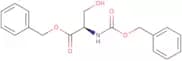
CAS:Please enquire for more information about Z-D-serine benzyl ester including the price, delivery time and more detailed product information at the technical inquiry form on this pageFormula:C18H19NO5Purity:Min. 95%Molecular weight:329.35 g/mol(1-Methyl-1H-indazol-3-yl)methanol
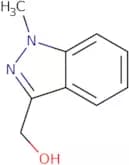
CAS:Controlled Product(1-Methyl-1H-indazol-3-yl)methanol is a heterocyclic compound with a chemical formula of CHN. It is a colorless liquid that reacts violently with water or alcohols. The compound has been shown to form lithium aluminum hydride and aluminum hydride, which react vigorously with water. (1-Methyl-1H-indazol-3-yl)methanol also forms acetylated amines in the presence of thionyl chloride. This reaction is used as an example of a translation reaction in chemistry, where one molecule is converted into another through the addition of other molecules.Formula:C9H10N2OPurity:Min. 95%Molecular weight:162.19 g/molFmoc-S-xanthyl-L-cysteine
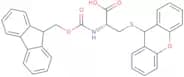
CAS:Fmoc-S-xanthyl-L-cysteine is a versatile building block that can be used as a reagent, speciality chemical, or useful intermediate. It is also a high quality and useful scaffold for the synthesis of complex compounds. The compound is soluble in water, acetone, and alcohols. Fmoc-S-xanthyl-L-cysteine reacts with acids to form salts and with bases to form oxides.Formula:C31H25NO5SPurity:Min. 95%Color and Shape:PowderMolecular weight:523.6 g/molcis-4-Hydroxy-L-proline
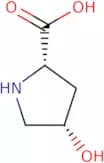
CAS:Cis-4-Hydroxy-L-proline is a bound form of proline that is formed by the condensation of two molecules of glyoxylate. It is a basic structure and an intermediate in the synthesis of collagen, which is a protein found in connective tissue. Cis-4-Hydoxy-L-proline has been shown to be an active form of proline for the treatment of primary sclerosing cholangitis, as it can decrease bile acid levels. This compound has also been used as an analytical method for determining collagen content in biological samples. The polymerase chain reaction technique uses cis-4-Hydroxy-L-proline as a matrix effect to amplify DNA sequences. Cis-4-Hydroxy-L-proline has also been shown to have optimum concentrations at 3mM and 0.5mM in model systems.br>Formula:C5H9NO3Purity:Min. 95%Color and Shape:White PowderMolecular weight:131.13 g/molVal-Cit-PAB-MMAE
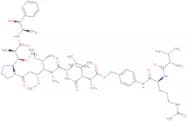
CAS:Val-Cit-PAB-MMAE is a linker that has been conjugated to a monoclonal antibody (Val-Cit) and a cytotoxic agent (MMAE). This linker is designed to provide predictable strategies for site-specific conjugation of therapeutic agents to antibodies. The Val-Cit sequence facilitates the attachment of the linker to the antibody, while MMAE targets cancer cells through its chemotherapeutic effect. The linker provides an anti-cancer drug with an increased halflife in vivo, which may be due to its physicochemical properties. Val-Cit-PAB-MMAE also has the potential for use in other applications such as diagnostics and biosensors.Formula:C58H94N10O12Purity:Min. 95 Area-%Color and Shape:PowderMolecular weight:1,123.43 g/mol(R)-Methyl 2-hydroxybutanoate
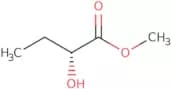
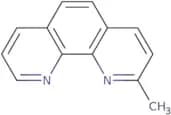
CAS:(R)-Methyl 2-hydroxybutanoate is a synthetic chemical that is used in the esterification reaction to produce methyl esters and as an industrial solvent. This chemical can be synthesized by the reaction of (R)-methyl acetoacetate and hydrochloric acid. The technique for this chemical is a two-step process, which includes hydroxylation followed by hydrogenolysis. The yield rate for this chemical is about 98%.Formula:C5H10O3Purity:Min. 95%Color and Shape:Clear LiquidMolecular weight:118.13 g/mol2-Methyl-1,10-phenanthroline
CAS:2-Methyl-1,10-phenanthroline is a bidentate ligand that can be used as a catalyst in some organic reactions. It has been shown to selectively inhibit the activity of the enzyme carbonic anhydrase. This drug is also able to bind to metal ions with nitrogen atoms, such as copper and zinc, which may be useful for cancer treatments. 2-Methyl-1,10-phenanthroline has also been shown to have anti-tumor activity in prostate carcinoma cells when used as a ternary complex with hypophosphorous acid and anhydrase.Formula:C13H10N2Purity:Min. 95%Color and Shape:PowderMolecular weight:194.23 g/mol7-Chloro-1,3-dihydro-1-methyl-5-phenyl-2H-1,4-benzodiazepine-2-thione
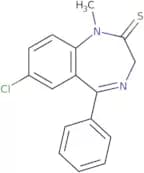
CAS:Controlled Product7-Chloro-1,3-dihydro-1-methyl-5-phenyl-2H-1,4-benzodiazepine-2-thione (7CDMT) is a molecule that has been reconstituted in order to serve as an allosteric modulator. This compound is an analog of diazepam and has the same biological properties. 7CDMT binds to the benzodiazepine site on the GABA receptor and can be used for research purposes. It is a competitive antagonist of GABA at the benzodiazepine site, but also acts as an agonist at the fatty acid site. 7CDMT has been shown to have no effect on fatty alcohols or fatty acids. The activity index of this molecule is 0.913.
The product research study was conducted in rats with chronic drug treatment over 60 days and showed that 7CDMT had no observable toxic effects, but did cause convulsionsFormula:C16H13ClN2SPurity:Min. 95%Color and Shape:PowderMolecular weight:300.81 g/mol2-Phenyladamantane
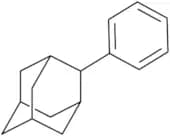
CAS:2-Phenyladamantane is an organic chemical compound. It is a colorless liquid with a sweet aromatic odor. 2-Phenyladamantane has two isomers, one axial and the other equatorial. The axial isomer is more stable than the equatorial isomer because of steric hindrance in the equatorial position. The resonance structures for the axial configuration are shown on the left and those for the equatorial configuration are shown on the right.Formula:C16H20Purity:Min. 98 Area-%Color and Shape:PowderMolecular weight:212.33 g/mol3-Amino-4-methoxybenzanilide
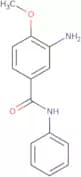
CAS:3-Amino-4-methoxybenzanilide is a white, crystalline solid that is soluble in organic solvents. It reacts with hydrochloric acid to form hydrogen chloride and 3-amino-4-methoxybenzoic acid. 3-Amino-4-methoxybenzanilide is used as an analytical reagent for determining the chloride content of various materials. The heat energy needed for the reaction to occur optimally is between 55 and 75 degrees Celsius. The optimal reaction system includes hydrochloric acid, an organic solvent, and diazonium salt activated by hydrogen chloride gas. The reaction time is 2 hours at room temperature and the analytical method used is titrimetric analysis using triticum aestivum as the particle.Formula:C14H14N2O2Purity:Min. 95%Color and Shape:PowderMolecular weight:242.27 g/molAc-Val-Glu-Ile-Asp-AMC
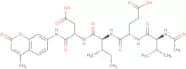
CAS:Ac-Val-Glu-Ile-Asp-AMC is a cell death inducer that is used to study the mechanisms of apoptosis. It has been shown to cause neuronal death in culture and also to inhibit the growth of cultured cells by inducing the activation of caspase-9, which causes protease activity. Ac-Val-Glu-Ile-Asp-AMC has been shown to induce heart function in vivo, as well as to stimulate mitochondrial membrane potential and mitochondrial cytochrome c release. This compound also induces autophagy in vitro and can affect fatty acid metabolism.Formula:C32H43N5O11Purity:Min. 93 Area-%Color and Shape:PowderMolecular weight:673.71 g/molBoc-L-serine-b-lactone
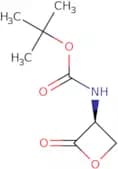
CAS:Boc-L-serine-b-lactone is a chemical compound that can be used as a reagent and reaction component. It can also be used to produce other compounds, such as pharmaceuticals, pesticides, or coatings. Boc-L-serine-b-lactone can be produced in high quality through our advanced manufacturing processes. This chemical is useful for research purposes and has many applications in the production of speciality chemicals. Boc-L-serine-b-lactone is a versatile building block that can also be used as an intermediate or building block to create complex compounds. This chemical is fine and should only be handled by professionals with experience in handling chemicals.Formula:C8H13NO4Purity:Min. 95%Color and Shape:White PowderMolecular weight:187.19 g/mol5-Hydroxy-1-methyl-1H-pyrazole
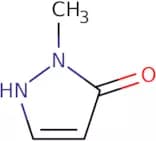
CAS:5-Hydroxy-1-methyl-1H-pyrazole is a chemical compound that is used as a reagent, useful intermediate, and fine chemical. It is a versatile building block and can be used in the synthesis of pharmaceuticals, agrochemicals, dyes, and other chemicals. CAS No. 33641-15-5Formula:C4H6N2OPurity:Min. 95%Color and Shape:Off-White PowderMolecular weight:98.1 g/mol3-Methylbenzanilide
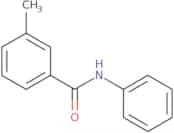
CAS:3-Methylbenzanilide is an efficient and selective nitroarene-based reagent for the synthesis of aldehydes, acyl chlorides, and tetrazoles. It is also an efficient amidation agent for amines. 3-Methylbenzanilide can be prepared by benzoylation of nitroarenes with benzoyl chloride in the presence of aluminium trichloride as catalyst. The reaction proceeds through a series of oxidative steps and yields high yields of the desired product. This compound is used in agrochemicals and other chemical reactions.Formula:C14H13NOPurity:Min. 95%Color and Shape:PowderMolecular weight:211.26 g/molH-Lys(Boc)-AMC
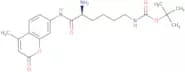
CAS:H-Lys(Boc)-AMC is a useful building block for the synthesis of peptides, nucleic acids, and other complex molecules. It is a fine chemical that can be used as a reagent or speciality chemical in research laboratories. H-Lys(Boc)-AMC is also a versatile building block that can be used to synthesize complex compounds and scaffolds. This compound has been assigned CAS number 222037-62-9.Formula:C21H29N3O5Purity:Min. 95%Color and Shape:PowderMolecular weight:403.47 g/molN-tert-Butoxycarbonyl D-serine methyl ester
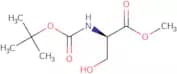
CAS:N-tert-Butoxycarbonyl D-serine methyl ester is a galactose-derived specific glycosylation inhibitor that inhibits the synthesis of glycoconjugates in cells. It prevents the transfer of sugar moieties from activated glycosyl donors to acceptors, which are often proteins. NBDMSEM has been shown to have anti-cancer properties and may be useful in cancer therapy. In addition, NBDMSEM is a potent inhibitor of transglycosylation reactions, which are involved in the synthesis of sideritis and morpholines, two chemical compounds with biological relevance. The reaction yield for this compound is high and it can be used as an alternative to other more toxic inhibitors.Formula:C9H17NO5Purity:Min. 95%Color and Shape:Colorless Clear LiquidMolecular weight:219.24 g/molN,N-Diallyl-5-methoxytryptamine
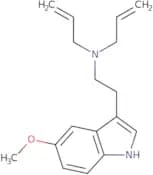
CAS:Controlled ProductN,N-Diallyl-5-methoxytryptamine (DMAT) is a synthetic cannabinoid that has been shown to produce effects similar to those of tetrahydrocannabinol. It has been used in clinical studies to study the effects of cannabinoids on the central nervous system. DMAT binds with high affinity to 5-HT2A receptors and low affinity to histamine H1 receptors. DMAT also binds moderately with 5-HT1A receptors, which are serotonin receptors found in the cerebral cortex and hippocampus regions of the brain. DMAT is a potent monoamine neurotransmitter reuptake inhibitor, which means it prevents the reuptake of monoamines such as dopamine, norepinephrine, and serotonin by blocking their transporters. This results in an increase in extracellular concentrations of these monoamines. DMAT is structurally similar to other drugs that have been shown to cause seizures, such as meprobamate, benzodiazepines,Formula:C17H22N2OPurity:Min. 95%Molecular weight:270.37 g/molFmoc-Ser(tBu)-Wang resin (200-400 mesh)
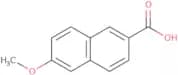
Fmoc-Ser(tBu)-Wang resin is a versatile building block that is used in the synthesis of complex compounds. It has a CAS number and is available as a fine chemical or reagent. Fmoc-Ser(tBu)-Wang resin is an intermediate for research chemicals, reaction components, and speciality chemicals. This material can be used as an important building block in the synthesis of many useful compounds and has high quality.Formula:C22H24NO4RPurity:Min. 95%Color and Shape:PowderMolecular weight:366.43 g/mol6-Methoxy-2-naphthoic acid
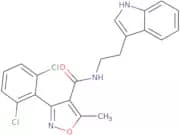
CAS:6-Methoxy-2-naphthoic acid (MN) is a cavity amide that has been shown to have an inhibitory effect on the growth of cancer cells. MN has been found to be more effective in inhibiting β-amyrin than caffeine, which may be due to its increased lipophilicity. It also has a higher affinity for adriamycin and enhances its anticancer effects. MN has been shown to be beneficial in treating diabetic patients, as it can reduce blood glucose levels by stimulating insulin release. The pharmacokinetic properties of MN are similar to those of other cavity amides, with rapid absorption and distribution throughout the body. This compound is metabolized in the liver by CYP2C8, CYP2C9, CYP3A4 and CYP3A5 enzymes. Molecular docking analysis of MN with β-amyrin showed that there was a strong interaction between them due to their complementary shapes and charge distributionsFormula:C12H10O3Purity:Min. 98 Area-%Color and Shape:PowderMolecular weight:202.21 g/mol(3-(2,6-dichlorophenyl)-5-methylisoxazol-4-yl)-N-(2-indol-3-ylethyl)formamide
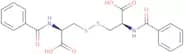
CAS:Please enquire for more information about (3-(2,6-dichlorophenyl)-5-methylisoxazol-4-yl)-N-(2-indol-3-ylethyl)formamide including the price, delivery time and more detailed product information at the technical inquiry form on this pagePurity:Min. 95%N,N'-Dibenzoyl-L-cystine
CAS:N,N'-Dibenzoyl-L-cystine is a chiral molecule that was synthesized by the asymmetric synthesis of a racemic mixture of N,N'-dibenzoyl-D-cysteine. The supramolecular structure of this compound is due to the hydrogen bonding interactions between the amines and peroxides. This molecule has been studied for use as a drug in the treatment of cancer and other diseases. It also has potential applications in the field of biotechnology and chemical engineering.
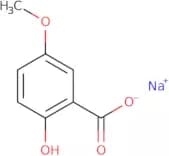
Formula:C20H20N2O6S2Purity:Min. 95%Color and Shape:PowderMolecular weight:448.51 g/mol5-Methoxysalicylic acid sodium
CAS:5-Methoxysalicylic acid sodium (MSAS) is a drug that is used to treat intestinal ulcers. It is also used to reduce the viscosity of blood and as an adjuvant in the treatment of rheumatoid arthritis. The bioavailability of MSAS is increased when it is administered with cefmetazole, which enhances the absorption of this drug in the small intestine. MSAS has a hypoglycemic effect and can be used to treat high blood sugar levels. This drug binds to muscle cells and prevents their contraction, which can lead to relief from muscle pain or spasms. MSAS may also have a pharmacological effect on ligation, which occurs when tissue is cut off from its blood supply.
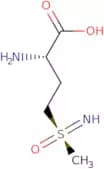
Formula:C8H7O4·NaPurity:Min. 95%Color and Shape:PowderMolecular weight:190.13 g/molL-Methionine (R)-sulfoximine
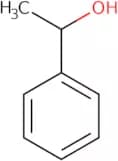
CAS:L-Methionine [R]-sulfoximine is a molecule that has been isolated from the environment. It is an electron-deconvolution and paramagnetic resonance study of the molecule. The spectrum was obtained in the frequency range from 10 to 500 MHz, with a resolution of 0.03 ppm, and a sensitivity of 20 μT. L-Methionine [R]-sulfoximine is an imine nitrogen that can be coordinated by metal ions to form an iminium ion. This compound has two enantiomers, which are both shown in this study. L-Methionine [R]-sulfoximine is a synthetase that catalyzes the formation of the methylamino group and its amino nitrogen.Formula:C5H12N2O3SPurity:Min. 95%Color and Shape:White to pale yellow solid.Molecular weight:180.23 g/molalpha-Methylbenzyl alcohol
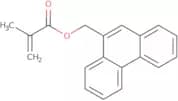
CAS:Alpha-methylbenzyl alcohol is a fatty acid that is used as a chemical intermediate in the synthesis of pharmaceutical agents. It has been shown to inhibit phosphotungstic acid (PTA) hydrolysis and surface methodology, as well as to have carcinogenic potential. Alpha-methylbenzyl alcohol has also been found to be an inhibitor of phospholipase A2, which catalyzes the hydrolysis of glycerophospholipids into free fatty acids and lysophospholipids. Alpha-methylbenzyl alcohol inhibits the reaction by binding reversibly with the hydroxyl group on enzyme active site. The kinetic mechanism studies of alpha-methylbenzyl alcohol have revealed that it is a competitive inhibitor for enzymes such as protein kinase C and leucine aminopeptidase.Formula:C8H10OPurity:Min. 95%Color and Shape:Clear LiquidMolecular weight:122.16 g/mol(9-Phenanthryl)methyl methacrylate
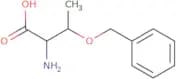
CAS:9-Phenanthryl)methyl methacrylate is a fluorescent pigment that is used as a nanomaterial. It is an acidic material and can be used in coatings to improve the properties of materials. 9-Phenanthryl)methyl methacrylate has been shown to have fluorescence resonance energy transfer (FRET) properties, which may be due to its monolayer structure and chromophore. The diameter of this particle ranges from 10-20 nm, with a water permeability of 20% at pH 7.0 and 0.1% at pH 2.0. This pigment has a high degree of surface roughness, which is due to its morphology and the microenvironment in which it exists.Formula:C19H16O2Purity:Min. 95 Area-%Color and Shape:PowderMolecular weight:276.33 g/molO-Benzyl-L-threonine
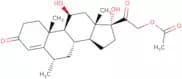
CAS:O-Benzyl-L-threonine is a polymer that can be used to treat inflammatory diseases. It is an ionic polymer that reacts with calcium carbonate and forms nanosized architectures. O-Benzyl-L-threonine has been shown to cause the disassembly of inflammatory cells and induce cell death through necrosis factor. This polymer has been shown to have an optimal reaction when combined with a target cell in the presence of calcium carbonate. The phenolic group on the threonine molecule is responsible for this reaction's success.Formula:C11H15NO3Purity:Min. 95%Color and Shape:White To Off-White SolidMolecular weight:209.24 g/mol6a-Methyl hydrocortisone 21-acetate
CAS:Controlled ProductHydrocortisone is a corticosteroid that is used to suppress the immune system and reduce inflammation. It has anti-inflammatory, antipyretic, and vasoconstrictive properties. Hydrocortisone is a synthetic form of cortisol, which is produced naturally by the adrenal gland. Hydrocortisone acetate is an ester of hydrocortisone with acetic acid. This drug can be administered orally or topically, depending on the condition being treated. The methyl group in this compound makes it less reactive than natural hydrocortisone.
Formula:C24H34O6Purity:Min. 95%Color and Shape:PowderMolecular weight:418.52 g/molL-Threonine
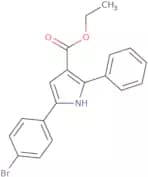
CAS:L-Threonine is an amino acid that is classified as a non-essential amino acid. It is a precursor for the synthesis of proteins and other important compounds in the body, such as neurotransmitters. L-Threonine has been shown to be necessary for the function of enzymes that catalyze reactions in cells. This amino acid also plays a role in protein synthesis and can help regulate transcriptional regulation of genes. L-Threonine has been shown to have antioxidant properties, which may be due to its ability to scavenge anion radicals and inhibit lipid peroxidation.Formula:C4H9NO3Purity:(Titration)Color and Shape:White PowderMolecular weight:119.12 g/molEthyl 5-(4-bromophenyl)-2-phenylpyrrole-3-carboxylate
CAS:Please enquire for more information about Ethyl 5-(4-bromophenyl)-2-phenylpyrrole-3-carboxylate including the price, delivery time and more detailed product information at the technical inquiry form on this pagePurity:Min. 95%Trimethylolpropane tris(2-methyl-1-aziridinepropionate)
CAS:Trimethylolpropane tris(2-methyl-1-aziridinepropionate) is a crosslinker that belongs to the group of aziridines. It is a reaction product of trimethylolpropane and 2-methyl-1,3-aziridinium chloride. Trimethylolpropane tris(2-methyl-1-aziridinepropionate) can be used as a coating additive or an additive in the production of polymers. In this way, it can be used to modify the properties of polymer films and plastics. Trimethylolpropane tris(2-methyl-1-aziridinepropionate) has been shown to have excellent adhesion and flexibility when used in coatings. This product also has good resistance to degradation by light, heat and acidsFormula:C24H41N3O6Purity:Min. 98.00%Color and Shape:Colorless Clear LiquidMolecular weight:467.6 g/mol

![N-(2-Fluorophenyl)-N-[4-(4-Methyl-1,3-Thiazol-2-Yl)-1-(2-Thiophen-3-Ylethyl)Piperidin-4-Yl]Propana…](/_next/image/?url=https%3A%2Fstatic.cymitquimica.com%2Fproducts%2F3D%2Fthumb-webp%2FFF102591.webp&w=3840&q=75)