Amino Acids (AA)
Subcategories of "Amino Acids (AA)"
- Amino Acid Derivatives(4,017 products)
- Amino Acid and Amino Acid Related Compounds(3,491 products)
- Amino Acids with Oxygen or Sulphur(168 products)
- Boc- Amino Acids(351 products)
- Fmoc Amino Acids(1,710 products)
Found 38387 products of "Amino Acids (AA)"
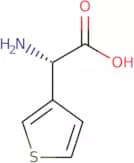
(S)-3-Thienylglycine
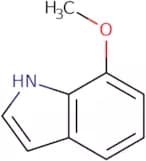
CAS:(S)-3-Thienylglycine is a versatile building block that has been used in the synthesis of complex compounds. It is a product of the amino acid glycine, and can be synthesized from 3-thiophenecarboxylic acid. The compound has been shown to be a useful intermediate in research chemical synthesis, as well as a reagent or speciality chemical. It is also used as a reaction component and scaffold for the production of other chemicals. (S)-3-Thienylglycine has been shown to be useful in the preparation of pharmaceuticals, agrochemicals, and other products.Formula:C6H7NO2SPurity:Min. 95%Color and Shape:White To Yellow SolidMolecular weight:157.19 g/mol7-Methoxy-1H-indole
CAS:7-Methoxy-1H-indole (7MI) is a synthetic compound that exhibits anti-inflammatory activity. It is an analog of the amino acid methionine found in proteins and its synthesis involves the condensation of a chlorinated alkyl acetate with an esterified hydrazide to form the corresponding amide. 7MI has been shown to inhibit both bacterial and mammalian protein synthesis, as well as to inhibit tumor cell growth. 7MI binds reversibly to the N7 atom of the adenine base in DNA, thereby inhibiting DNA replication through inhibition of DNA polymerase.Formula:C9H9NOPurity:Min. 95%Color and Shape:Clear LiquidMolecular weight:147.17 g/molEtomidate
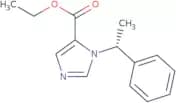
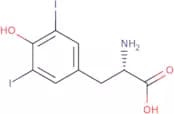
CAS:Controlled ProductEtomidate is a potent, non-competitive, centrally acting α-adrenergic receptor agonist that has been used as a diagnostic agent and anesthetic. It is also used in the treatment of diabetic neuropathy. Etomidate binds to the α-adrenergic receptors on the presynaptic membrane and blocks the release of norepinephrine. This prevents nerve impulses from being transmitted to the muscle cells, leading to relaxation of muscles. Etomidate also inhibits locomotor activity by inhibiting postsynaptic neurons in the spinal cord that are responsive to acetylcholine. Etomidate is not active against polymorphonuclear leucocytes or water vapor. The risk group for etomidate includes patients who have had intubations, those with systolic pressures greater than 120 mmHg, and those with heart rates greater than 100 beats per minute. The mechanism of action for etomidate is thought to be through formation of stable complexes with nitrogen atoms.Formula:C14H16N2O2Purity:Min. 95%Color and Shape:PowderMolecular weight:244.29 g/mol3,5-Diiodo-L-tyrosine dihydrate
CAS:There are many good reasons to eat fish and seafood, one of them is certainly the fact that they are rich in iodine salts, which are a fundamental for the endocrine activity of the thyroid gland. Iodine salts are enzymatically converted into molecular iodine, which adds to tyrosine residues in thyroglobulin forming diiodotyrosine. This is the first step towards the biosynthesis of thyroid hormones triodityronine T3 and tetraiodotyronine T4 which serve important regulatory functions in body metabolism and energy expenditure. Recently, the dietary introduction of potassium iodide and diiodotyrosine were compared in mice showing that diiodotyrosine can also be used effectively as food supplement preventing the potential damage from excessive intake of inorganic iodine salts.Formula:C9H13I2NO5Purity:Min. 95.0 Area-%Molecular weight:469.02 g/molCapryloyl glycine
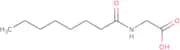
CAS:Capryloyl glycine is a non-protein amino acid that has been identified as a potential biomarker for photosynthetic activity. Capryloyl glycine is a potent inhibitor of the growth of bacteria, fungi and yeasts. It was found to inhibit the growth of bacteria by blocking their ability to synthesize fatty acids in liver cells. Capryloyl glycine also inhibits the production of glycerides in skin cells, which may have therapeutic applications for certain skin disorders.Formula:C10H19NO3Purity:Min. 95%Color and Shape:PowderMolecular weight:201.26 g/molH-D-Glu(Gly-OH)-OH
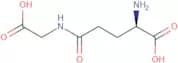
CAS:H-D-Glu(Gly-OH)-OH is a peptide that is used to study the mechanism of glutamate receptors. It has been shown to have an excitatory effect on mouse hippocampal and cerebellar purkinje neurons, with affinity values for membrane channels. It also has been shown to reduce gamma-aminobutyric acid (GABA) levels in the hippocampus and striatum, which may be due to its ability to inhibit glutamic acid decarboxylase. H-D-Glu(Gly-OH)-OH is a potent antagonist of glutamate, binding competitively at the glutamate site on ionotropic receptors. It also inhibits acidic pH and calcium ion concentrations, which are necessary for ionotropic receptor activation.Formula:C7H12N2O5Purity:Min. 98 Area-%Color and Shape:White PowderMolecular weight:204.18 g/mol2-Chloro-L-phenylalanine
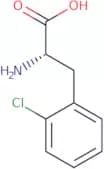
CAS:2-Chloro-L-phenylalanine (2CLP) is a fatty acid that can be used as a pharmacological agent. It has been shown to have an anti-inflammatory effect in the form of an inflammatory lesion in animals. 2CLP is also able to inhibit monoamine neurotransmitters, such as phenolic acid, which is involved in energy metabolism and mitochondrial functions. 2CLP has been shown to increase bile acids and decrease serum cholesterol levels. The chemical structure of 2CLP makes it difficult for the body to absorb it. This chemical has not been tested on humans, but studies have shown that it may be effective when combined with other drugs.
Formula:C9H10ClNO2Purity:Min. 95%Color and Shape:White PowderMolecular weight:199.63 g/mol2-Chloro-5-methoxyaniline hydrochloride
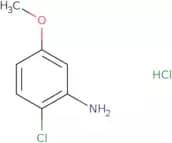
CAS:2-Chloro-5-methoxyaniline hydrochloride is an intercalating agent that is used in the treatment of cancer. It binds to DNA and causes a breakage of the hydrogen bonds between the two strands, which leads to cell death. The 2-Chloro-5-methoxyaniline hydrochloride molecule has affinity for lactams, which are sugar molecules found in cell walls of bacteria, fungi, and plants. This compound can be metabolized by lactamase enzymes that are found in cancer cells and other cells. The metabolized products are fluorescent, which allows them to be detected by fluorescence microscopy. 2-Chloro-5-methoxyaniline hydrochloride has been shown to inhibit the growth of lung cancer cells and leukemia cells by interfering with their ability to synthesize DNA and RNA.Formula:C7H8ClNO•HClPurity:Min. 95%Color and Shape:PowderMolecular weight:194.06 g/mol1,2-Dipalmitoyl-sn-glycero-3-phosphoethanolamine
CAS:1,2-Dipalmitoyl-sn-glycero-3-phosphoethanolamine is a phospholipid that plays an important role in many cellular processes. It is a major component of the lipid bilayer that surrounds cells and provides stability to the membrane. 1,2-Dipalmitoyl-sn-glycero-3-phosphoethanolamine can form hydrogen bonding interactions with other molecules in the cytoplasm. The redox potential of this compound is also high enough to allow it to participate in oxidation reactions. This phospholipid also has a phase transition temperature at which it changes from a liquid state to a solid state at room temperature. 1,2-Dipalmitoyl-sn-glycero-3-phosphoethanolamine can be used as a reaction mechanism for synthesizing glycosylated proteins or lipids. In vitro assays have been performed using this compound asFormula:C37H74NO8PMolecular weight:691.96 g/molFmoc-O-benzylphospho-L-serine
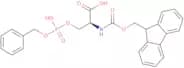
CAS:Fmoc-O-benzylphospho-L-serine is a fmoc-protected phosphoserine derivative for efficient synthesis of phosphoserine-containing peptides via standard fmoc SPPS. Compatible with common activators such as PyBOP or TBTU, it remains stable during piperidine deprotection and enables incorporation of multiple phosphoserine residues, for example successful syntheses of phospholamban and human salivary statherin. In certain cases, β-piperidinylalanine formation may occur during N-terminal Ser(PO(OBzl)OH) Fmoc deprotection, especially under microwave conditions.Formula:C25H24NO8PPurity:Min. 97 Area-%Color and Shape:White Off-White PowderMolecular weight:497.43 g/molFmoc-4-methyl-L-phenylalanine
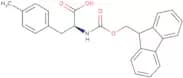
CAS:Fmoc-4-methyl-L-phenylalanine is a versatile building block that can be used as a reagent, speciality chemical, or useful intermediate. It is a high quality compound with many applications in the field of research chemicals and pharmaceuticals. Fmoc-4-methyl-L-phenylalanine can be used as an important reaction component in the synthesis of various complex compounds. The versatility of this compound makes it an excellent scaffold for synthesizing new compounds.
Formula:C25H23NO4Purity:Min. 95%Color and Shape:White PowderMolecular weight:401.45 g/mol2-(2,2-dimethylpropanoyl)-3-(4-phenylpiperazinyl)prop-2-enenitrile
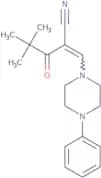
CAS:Please enquire for more information about 2-(2,2-dimethylpropanoyl)-3-(4-phenylpiperazinyl)prop-2-enenitrile including the price, delivery time and more detailed product information at the technical inquiry form on this pagePurity:Min. 95%L-Tyrosine disodium salt hydrate
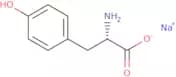
CAS:L-Tyrosine is a precursor of thyroid hormones and catalyzes the conversion of iodide to iodine. It also converts 3-iodo-l-tyrosine to thyroxine. L-Tyrosine is used in vitro assays as an inhibitor of diiodination, a process that involves the use of hydrogen peroxide and produces iodinating agents such as 3-iodo-l-tyrosine. L-Tyrosine has been shown to inhibit peroxidase activity mediated by the enzyme myeloperoxidase. This inhibition may be due to its ability to act as an antioxidant.Formula:C9H9NNa2O3·xH2OPurity:Min. 98 Area-%Color and Shape:PowderMolecular weight:225.15 g/mol7,8,9,10-Tetrahydro-8-(trifluoroacetyl)-6,10-methano-6H-pyrazino[2,3-h][3]benzazepine
CAS:7,8,9,10-Tetrahydro-8-(trifluoroacetyl)-6,10-methano-6H-pyrazino[2,3-h][3]benzazepine is a chemical compound that is used as a reagent in the synthesis of other compounds. It is an intermediate for the production of fine chemicals and useful scaffolds. This compound has been shown to be a versatile building block for a variety of reactions. 7,8,9,10-Tetrahydro-8-(trifluoroacetyl)-6,10-methano-6H-pyrazino[2,3-h][3]benzazepine also has CAS number 230615-70-0 and can be found on the Chemical Abstracts Service Registry Number.Formula:C15H12F3N3OPurity:Min. 98 Area-%Color and Shape:Slightly Yellow PowderMolecular weight:307.27 g/molN-tert-Boc-L-aspartic acid tert-butyl ester
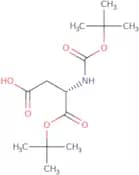
CAS:N-tert-Boc-L-aspartic acid tert-butyl ester is a chemical compound that is synthesized in the laboratory. It has been shown to have an insulinotropic effect on plasma samples and may be used in the treatment of cancer. The ring opening of N-tert-Boc-L-aspartic acid tert-butyl ester yields L-aspartic acid, which can be used for the synthesis of collagen or glycopeptide. This chemical is also found to stimulate T cells and has been shown to inhibit proliferation of cancer cells in vitro.Formula:C13H23NO6Purity:Min. 95%Color and Shape:White PowderMolecular weight:289.32 g/mol3-Fluoro-4-methylbenzoic acid
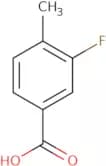
CAS:3-Fluoro-4-methylbenzoic acid is an organic compound that is used as a ligand in coordination chemistry. This compound is an alkynyl ligand with a selenium atom at the 3 position, and it can be used to make metal complexes with cycloalkyl and heterocycloalkyl rings. 3-Fluoro-4-methylbenzoic acid has been shown to be a potent inhibitor of matrix metalloproteinase activity.
Formula:C8H7FO2Purity:Min. 95%Color and Shape:PowderMolecular weight:154.14 g/molH-Pro-Arg-OH acetate salt
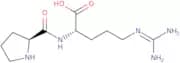
CAS:H-Pro-Arg-OH acetate salt is a synthetic, antioxidative molecule that has been shown to lower blood pressure in animals. It is also an effective inhibitor of the oxidation of diploid cells and has been shown to be safe for long-term use. H-Pro-Arg-OH acetate salt is used as a structural probe for studies on the binding of fibrinogen to plasminogen. This compound has also been shown to reduce protamine's ability to inhibit fibrinolysis, which may lead to improved blood clotting times.Formula:C11H21N5O3Purity:Min. 95%Color and Shape:PowderMolecular weight:271.32 g/molDL-Arginine hydrochloride
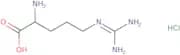
CAS:L-Arginine is a conditionally essential amino acid that is used in the biosynthesis of proteins. It has been shown to inhibit the activity of specific enzymes, such as casein kinase II and phospholipase A2, which are involved in cellular processes. L-Arginine has been found to be beneficial for patients with type 2 diabetes mellitus who have poor glucose homeostasis and renal dysfunction. L-Arginine also enhances uptake of cationic surfactants by cells. L-Arginine HCl is an inorganic acid that may be used for pharmacokinetic studies in humans or animals.Formula:C6H14N4O2•(HCl)xPurity:Min. 95%Color and Shape:PowderMolecular weight:174.2 g/molα-Dansyl-L-arginine hydrochloride
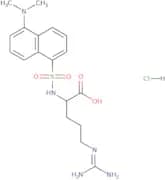
CAS:a-Dansyl-L-arginine hydrochloride is a substrate that binds to albumin and is an antimicrobial peptide. It has been shown to have a fatty acid adsorption mechanism and inactivated. The molecule is an amide with a structural analysis using analytical chemistry, titration calorimetry, and hyperbolic graphs. The enhancement constant is a constant term that is used in the Arrhenius equation for kinetic studies.Formula:C18H25N5O4S•HClPurity:Min. 95%Color and Shape:PowderMolecular weight:443.95 g/mol4-Phenoxybenzaldehyde
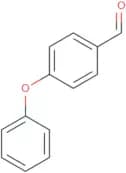
CAS:4-Phenoxybenzaldehyde is a phenolic compound that has potent inhibitory activity against bacteria. It was shown to have the highest antibacterial activity among alkanoic acids, with an MIC of less than 2 µg/mL. 4-Phenoxybenzaldehyde is produced by the condensation of phenol and acetaldehyde in the presence of a solid catalyst and potassium hydroxide. This reaction produces a mixture of products, including 4-phenoxybenzaldehyde, which can be purified by recrystallization or column chromatography. The biosynthetic pathway for 4-phenoxybenzaldehyde in plants has been elucidated and includes two steps: one involving pyrazole ring formation and another involving hydroxyl group formation.Formula:C13H10O2Purity:Min. 95%Molecular weight:198.22 g/molL-Threonine benzyl ester hydrochloride
CAS:L-Threonine benzyl ester hydrochloride is a glycopeptide that is used as a precursor to L-threonine. It is synthesized from cycloserine, which contains a phenyl group, and D-serine, which contains an amino acid with two threonine molecules. The synthesis starts with the activation of the benzyl ester by treatment with hydrazoic acid. This activated compound reacts with D-serine in the presence of an organic base to form the benzyl ester of D-serine. The reaction can be carried out in one pot without isolation steps. The final step is an oxidative cleavage of the benzyl group by irradiation with ultraviolet light or exposure to hydrogen peroxide, yielding L-threonine benzyl ester hydrochloride as a white solid.
Formula:C11H15NO3•HClPurity:Min. 95%Color and Shape:White To Off-White SolidMolecular weight:245.7 g/mol4,6-Dihydroxy-2-methylpyrimidine
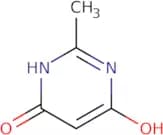
CAS:4,6-Dihydroxy-2-methylpyrimidine is an organic compound that is synthesized by the reaction of 2-chloroethanol with ethyl chloroformate and nitroethane in the presence of a magnesium salt. The synthesis can be done systematically or by chance. 4,6-Dihydroxy-2-methylpyrimidine can be formed by the hydrolysis of ethyl esters with a metallacycle. Its acidic properties are due to its electron withdrawing groups. The systematic synthesis is carried out in two steps: 1) formation of the monomers from ethyl chloroformate and nitroethane; 2) condensation of the monomers to form 4,6-dihydroxy-2-methylpyrimidine. This synthesis requires hydroxide solution and chloroformate as well as a base such as sodium hydroxide or potassium hydroxide. The chemical reaction mechanism is basedFormula:C5H6N2O2Purity:Min. 95%Molecular weight:126.11 g/molDL-Phenylalanine
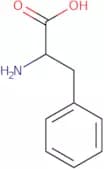
CAS:DL-Phenylalanine is a sodium salt of the amino acid phenylalanine. It is used as a supplement for treatment of chronic arthritis, which may be due to bacterial infection. DL-Phenylalanine has been shown to have analgesic and anti-inflammatory properties. DL-Phenylalanine also has some effects on dopamine levels in the brain, which are regulated by the phase transition temperature of DL-phenylalanine. This substance has been shown to inhibit actin filament assembly, hydrolysis by hydrochloric acid, gamma-aminobutyric acid binding, and excitability in muscles cells.Formula:C9H11NO2Color and Shape:PowderMolecular weight:165.19 g/molD-glucosyl-β-1,1'-N-nervonoyl-D-erythro-sphingosine
CAS:D-glucosyl-β-1,1'-N-nervonoyl-D-erythro-sphingosine is a mouse metabolite that was found to be an acyl group. This metabolite was shown to be a mouse metabolite.Formula:C48H91NO8Purity:Min. 98 Area-%Color and Shape:PowderMolecular weight:810.24 g/mol2-[2-(2-t-Boc-aminoethoxy)ethoxy]ethanol
CAS:2-[2-(2-t-Boc-aminoethoxy)ethoxy]ethanol is a versatile chemical building block that can be used to synthesize a variety of compounds. It has been shown to be useful as a reaction component in the synthesis of pharmaceuticals and agrochemicals. The compound is also used as an intermediate for the preparation of other compounds. 2-[2-(2-t-Boc-aminoethoxy)ethoxy]ethanol is soluble in organic solvents, such as chloroform, ethanol, or acetone. It has a CAS number of 139115-92-7 and is relatively easy to purify by recrystallization from methanol.Formula:C11H23NO5Purity:Min. 95%Color and Shape:Clear LiquidMolecular weight:249.3 g/mol4-Chloro-3-methoxybenzoic acid methyl ester
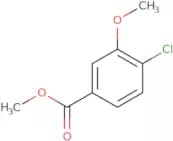
CAS:4-Chloro-3-methoxybenzoic acid methyl ester is a chemical compound that is used as a reagent in organic synthesis. It can be used to produce high quality research chemicals, speciality chemicals, and fine chemicals. This compound has a wide variety of uses because it is versatile and can be used as a reaction component or building block. Its CAS number is 116022-18-5.Formula:C9H9ClO3Purity:Min. 95%Color and Shape:SolidMolecular weight:200.62 g/mol2-((2,3-dimethyl-5-oxo-1-phenyl(3-pyrazolin-4-yl))amino)-2-(1,3-dioxoindan-2-ylidene)ethanenitrile
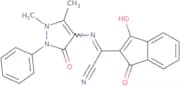
CAS:Please enquire for more information about 2-((2,3-dimethyl-5-oxo-1-phenyl(3-pyrazolin-4-yl))amino)-2-(1,3-dioxoindan-2-ylidene)ethanenitrile including the price, delivery time and more detailed product information at the technical inquiry form on this pagePurity:Min. 95%N-[3,5-Bis(trifluoroMethyl)phenyl]-N'-[(9R)-6'-Methoxy-9-cinchonanyl]thiourea
CAS:Please enquire for more information about N-[3,5-Bis(trifluoroMethyl)phenyl]-N'-[(9R)-6'-Methoxy-9-cinchonanyl]thiourea including the price, delivery time and more detailed product information at the technical inquiry form on this pageFormula:C29H28F6N4OSPurity:Min. 95%Color and Shape:PowderMolecular weight:594.62 g/molFmoc-(S)-3-amino-3-(2-nitrophenyl)propionic acid
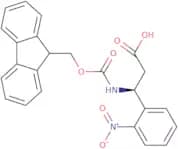
CAS:Please enquire for more information about Fmoc-(S)-3-amino-3-(2-nitrophenyl)propionic acid including the price, delivery time and more detailed product information at the technical inquiry form on this pageFormula:C24H20N2O6Purity:Min. 95%Color and Shape:White PowderMolecular weight:432.43 g/molHis-Cys-Lys-Phe-Trp-Trp
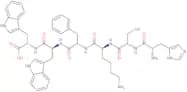
CAS:His-Cys-Lys-Phe-Trp-Trp is a tryptic peptide, which is a fragment of the human immunodeficiency virus (HIV) p24 protein. This peptide has been shown to inhibit HIV replication in vitro. His-Cys-Lys-Phe-Trp-Trp binds to the transfer RNA and prevents the amino acid transfer reaction from occurring. The binding of His-Cys-Lys-Phe-Trp-Trp to glutathione may be due to its hydrophilicity, which allows it to interact with this molecule. His-Cys-Lys-Phe-Trp also interacts with reactive oxygen species, which are generated as byproducts of glutathione metabolism.Formula:C46H55N11O7SPurity:Min. 95%Color and Shape:PowderMolecular weight:906.06 g/molTetrakis[N-phthaloyl-(R)-tert-leucinato]dirhodium bis(ethyl acetate) adduct
CAS:Tetrakis[N-phthaloyl-(R)-tert-leucinato]dirhodium bis(ethyl acetate) adduct is a reagent that is used in organic synthesis and research. It has been shown to be useful as a scaffold for the synthesis of complex compounds, such as polymers. Tetrakis[N-phthaloyl-(R)-tert-leucinato]dirhodium bis(ethyl acetate) adduct can be used as an intermediate in the production of fine chemicals and speciality chemicals, as well as a versatile building block for the synthesis of diverse chemical compounds.
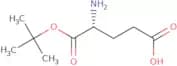
Formula:C56H56N4O16Rh2·C8H16O4Purity:Min. 95%Color and Shape:Yellow To Brown To Dark Green SolidMolecular weight:1423.08H-D-Glu-OtBu
CAS:H-D-Glu-OtBu is a fine chemical that is useful as a scaffold for the synthesis of complex compounds. It is used as a versatile building block in the preparation of research chemicals and speciality chemicals, and as an intermediate in the preparation of complex compounds. H-D-Glu-OtBu has been shown to be highly reactive and can be used in reactions involving metal salt or organic reagents. This compound is used as a reaction component, which can be produced by reacting acetyl chloride with D-glucamine. H-D-Glu-OtBu is also known by CAS No. 25456-76-2 and has a high quality purity level of 99%.Formula:C9H17NO4Purity:Min. 95%Color and Shape:PowderMolecular weight:203.24 g/molD-(+)-Glyceraldehyde
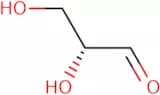
CAS:D-Glyceraldehyde is sold by active weight in solution
Formula:C3H6O3Purity:85%MinColor and Shape:Colorless Clear Viscous LiquidMolecular weight:90.08 g/molH-Ile-Val-OH
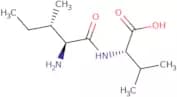
CAS:H-Ile-Val-OH is an inhibitor of the enzyme catalysis in cancer cells. The mechanism of inhibition is likely to be competitive with respect to the substrate and reversible by addition of exogenous substrate. The IC50 values for H-Ile-Val-OH were determined in uptake assays and found to be around 100 μM. The IC50 values for H-Ile-Val-OH were also determined in x-ray diffraction data and found to be around 10 μM. H-Ile-Val-OH has been shown to inhibit squamous carcinoma cell growth, which may be due to its ability to inhibit protein synthesis.
Formula:C11H22N2O3Purity:Min. 95%Molecular weight:230.3 g/molL-Histidine β-naphthylamide
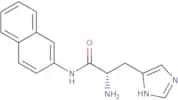
CAS:L-Histidine beta-naphthylamide is an allosteric activator of the imidazole group of histidine. It has been shown to regulate sequences and functional groups in subtilisin. L-Histidine beta-naphthylamide binds to the benzyl ester and regulatory allosteric site on the enzyme, which is located between the active site and the substrate binding site. The binding of this molecule stabilizes a transition state intermediate that would otherwise be too reactive to form products.Formula:C16H16N4OPurity:Min. 95%Color and Shape:PowderMolecular weight:280.32 g/mol5-Methyl-2,3-hexanedione
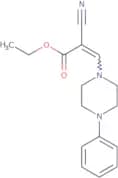
CAS:5-Methyl-2,3-hexanedione is a chemical compound that has been shown to be effective against avian influenza and the influenza virus. 5-Methyl-2,3-hexanedione inhibits the growth of influenza viruses by binding to the virus particles and preventing them from attaching to cells in the respiratory tract. This chemical also prevents the release of infectious viral particles from infected cells. The rate of encapsulation was determined by measuring the amount of 5-methyl-2,3-hexanedione that was adsorbed onto tylosin particles in a plate test. The encapsulation rate is greater than 80%. 5-Methyl-2,3-hexanedione has also been shown to inhibit tylosin resistance in vitro.Formula:C7H12O2Purity:Min. 95%Color and Shape:Clear LiquidMolecular weight:128.17 g/molethyl 2-nitrilo-3-(4-phenylpiperazinyl)prop-2-enoate
CAS:Please enquire for more information about ethyl 2-nitrilo-3-(4-phenylpiperazinyl)prop-2-enoate including the price, delivery time and more detailed product information at the technical inquiry form on this pagePurity:Min. 95%N-Acetyl-L-tyrosine
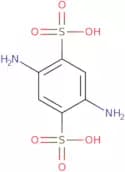
CAS:N-Acetyl-L-tyrosine is a tyrosine derivative with a chemical structure similar to that of an amino acid. It is used as a model system in biochemistry and molecular biology to study the transfer reactions of tyrosine, which are important for energy metabolism, protein synthesis, and metal chelation. N-Acetyl-L-tyrosine is also an effective substrate molecule for many analytical methods, such as thin layer chromatography or liquid chromatography.Formula:C11H13NO4Purity:Min. 95%Color and Shape:White PowderMolecular weight:223.23 g/molp-Phenylenediamine-2,5-disulphonic acid
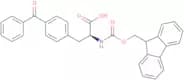
CAS:P-Phenylenediamine-2,5-disulphonic acid is a diazonium salt that is used as a chemical in the textile industry. It can be activated with chlorine and hydrolyzed to form 2,5-dichloro-p-phenylenediamine (DCPD). DCPD is a viscose activator, which increases the viscosity of the viscose solution. The activation of p-Phenylenediamine-2,5-disulphonic acid with chlorine produces cyanuric chloride as an intermediate product. Cyanuric chloride has been shown to have a yellow colour when dissolved in water.Formula:C6H8N2O6S2Purity:Min. 95%Color and Shape:PowderMolecular weight:268.27 g/molFmoc-4-benzoyl-L-phenylalanine
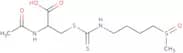
CAS:Fmoc-4-benzoyl-L-phenylalanine is a benzoic acid derivative that binds to the 5-HT1A receptor and the intestinal polypeptide receptor. It may also act as a vasoactive intestinal peptide (VIP) agonist. The pharmacophore of Fmoc-4-benzoyl-L-phenylalanine is similar to other antiarrhythmic drugs, such as quinidine and procainamide, with substituents at positions 2, 3, 4, 6, 7, and 8. Fmoc-4-benzoyl-L-phenylalanine has been shown to inhibit nitric oxide production in amines and ethane. This drug has been shown to have therapeutic potential in the treatment of cardiovascular diseases by visualizing cellular changes in heart tissue.Formula:C31H25NO5Purity:Min. 95%Color and Shape:Off-White PowderMolecular weight:491.53 g/molD,L-Sulforaphane N-acetyl-L-cysteine
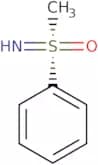
CAS:Sulforaphane is a natural compound found in broccoli and other cruciferous vegetables. It has been shown to have anti-cancer properties, including inhibition of skin cancer. Sulforaphane N-acetyl-L-cysteine (SFNAC) is an analogue of sulforaphane that can be used to inhibit the epidermal growth factor response element. SFNAC also has inhibitory properties against the apoptosis pathway and can induce cellular death by inhibiting mitochondrial membrane potential. The lc-ms/ms method was used to measure SFNAC levels in bovine fetal serum and it was found that this compound was present at low doses (1 mg/kg body weight).Formula:C11H20N2O4S3Purity:Min. 95%Color and Shape:PowderMolecular weight:340.49 g/mol(S)-(+)-Methyl phenyl sulfoximine
CAS:(S)-(+)-Methyl phenyl sulfoximine, or MMPS, is a synthetic chiral organocatalyst that has been shown to be a highly effective catalyst for the asymmetric synthesis of benzothiazines. It is used in a variety of reactions including cross-coupling, catalytic asymmetric synthesis, desymmetrization and solvents. MMPS has been shown to be enantiopure and stereochemically pure. The yield of this reaction using MMPS as a catalyst was about 98%.
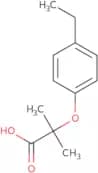
Formula:C7H9NOSPurity:Min. 95%Color and Shape:Colorless PowderMolecular weight:155.22 g/mol2-(4-Ethylphenoxy)-2-methylpropanoic acid
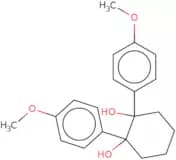
CAS:2-(4-Ethylphenoxy)-2-methylpropanoic acid is a versatile building block that can be used as a reagent, speciality chemical, or useful intermediate for the synthesis of various compounds. It is also an important reaction component for the synthesis of 2-(4-ethylphenoxy)ethanol and 2-(4-ethylphenoxy)acetic acid. This compound has been identified by the Chemical Abstracts Service (CAS No. 17413-77-3).Formula:C12H16O3Purity:Min. 95%Color and Shape:PowderMolecular weight:208.25 g/mol1,2-Bis-(4-methoxyphenylcyclohexan-1,2-diol)
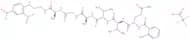
CAS:1,2-Bis-(4-methoxyphenylcyclohexan-1,2-diol) is a high quality reagent that is an important intermediate for the synthesis of complex compounds. It is also a useful building block in the synthesis of fine chemicals and speciality chemicals. This compound can be used as a versatile building block in the synthesis of various organic compounds. 1,2-Bis-(4-methoxyphenylcyclohexan-1,2-diol) is also a reaction component that can be used to synthesize pharmaceuticals and other research chemicals.Formula:C20H24O4Purity:Min. 95%Molecular weight:328.4 g/molAbz-Gln-Val-Val-Ala-Gly-Ala-EDDnp trifluoroacetate
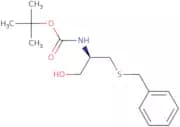
CAS:Please enquire for more information about Abz-Gln-Val-Val-Ala-Gly-Ala-EDDnp trifluoroacetate including the price, delivery time and more detailed product information at the technical inquiry form on this pageFormula:C38H54N12O12•C2HF3O2Purity:Min. 95%Molecular weight:870.91 g/molBoc-S-benzyl-L-cysteinol
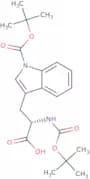
CAS:Please enquire for more information about Boc-S-benzyl-L-cysteinol including the price, delivery time and more detailed product information at the technical inquiry form on this pageFormula:C15H23NO3SPurity:Min. 95%Color and Shape:PowderMolecular weight:297.41 g/molBoc-Trp(Boc)-OH
CAS:This chemical is a useful scaffold for the synthesis of complex compounds. It can be used as a reactant in organic synthesis, as a reagent to produce fine chemicals, and as a research chemical. This compound is used as an intermediate in the production of pharmaceuticals and other chemicals. Boc-Trp(Boc)-OH has been shown to be an effective building block for the synthesis of complex compounds containing Trp residues.Formula:C21H28N2O6Purity:Min. 95%Color and Shape:PowderMolecular weight:404.46 g/molFmoc-Thr(tBu)-Thr(Psi(Me,Me)pro)-OH
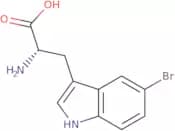
CAS:Fmoc-Thr(tBu)-Thr(Psi(Me, Me)pro)-OH is a versatile building block that can be used as a starting material for the synthesis of a wide range of compounds. It is often used as an intermediate in organic chemistry reactions and can be converted to a variety of other compounds with different functional groups. This compound has been shown to be useful in the production of pharmaceuticals and research chemicals. Fmoc-Thr(tBu)-Thr(Psi(Me, Me)pro)-OH is also important for generating high-quality chemical products, such as speciality chemicals and reagents that are difficult to synthesize. The CAS number for this compound is 1676104-73-6.Formula:C30H38N2O7Purity:Min. 98 Area-%Color and Shape:PowderMolecular weight:538.63 g/mol5-Bromo-L-tryptophan
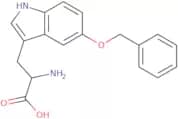
CAS:5-Bromo-L-tryptophan is a chemical compound that is an important intermediate in the biosynthesis of serotonin and melatonin. This molecule is a member of the class of compounds called indole alkaloids. 5-Bromo-L-tryptophan has been shown to be synthesized from tryptamine and secologanin by Aureol, a wild type strain of bacteria. The biosynthesis starts with the addition of two bromine atoms at the C5 position, which are then removed as volatile bromide ions. X-ray crystallography data have shown that this reaction proceeds via an asymmetric syn addition, with a reaction time on the order of milliseconds. 5-Bromo-L-tryptophan can be obtained from marine sponges such as Semenospongia sp., using x-ray data to determine its molecular structure.Formula:C11H11BrN2O2Purity:Min. 97 Area-%Color and Shape:White PowderMolecular weight:283.12 g/mol5-Benzyloxy-DL-tryptophan
CAS:5-Benzyloxy-DL-tryptophan is a tryptophan metabolite that has been shown to have physiological effects. It is formed by the hydrolysis of l-tryptophan by hydrochloric acid, which leads to an increase in extracellular Ca2+ and the production of reaction products. 5-Benzyloxy-DL-tryptophan is also involved in the biosynthesis of serotonin, which is a neurotransmitter that affects mood and appetite. Clinical oncology studies have shown that 5-benzyloxy-DL-tryptophan can be used as adjuvant therapy to attenuate tumor growth and metastasis. 5-Benzyloxy-DL-tryptophan has been found to bind to the serotonin receptor cells in the intestine, leading to an increase in Ca2+, which promotes intestinal motility. 5BTT also acts as a precursor for serotonin synthesis when combined with amino acids such as L -
Formula:C18H18N2O3Color and Shape:PowderMolecular weight:310.35 g/mol


![7,8,9,10-Tetrahydro-8-(trifluoroacetyl)-6,10-methano-6H-pyrazino[2,3-h][3]benzazepine](/_next/image/?url=https%3A%2Fstatic.cymitquimica.com%2Fproducts%2F3D%2Fthumb-webp%2FFT11986.webp&w=3840&q=75)


![2-[2-(2-t-Boc-aminoethoxy)ethoxy]ethanol](/_next/image/?url=https%3A%2Fstatic.cymitquimica.com%2Fproducts%2F3D%2Fthumb-webp%2FFB18924.webp&w=3840&q=75)
![N-[3,5-Bis(trifluoroMethyl)phenyl]-N'-[(9R)-6'-Methoxy-9-cinchonanyl]thiourea](/_next/image/?url=https%3A%2Fstatic.cymitquimica.com%2Fproducts%2F3D%2Fthumb-webp%2FFB100790.webp&w=3840&q=75)
![Tetrakis[N-phthaloyl-(R)-tert-leucinato]dirhodium bis(ethyl acetate) adduct](/_next/image/?url=https%3A%2Fstatic.cymitquimica.com%2Fproducts%2F3D%2Fthumb-webp%2FFT60015.webp&w=3840&q=75)