Amino Acids (AA)
Subcategories of "Amino Acids (AA)"
- Amino Acid Derivatives(4,016 products)
- Amino Acid and Amino Acid Related Compounds(3,490 products)
- Amino Acids with Oxygen or Sulphur(168 products)
- Boc- Amino Acids(351 products)
- Fmoc Amino Acids(1,710 products)
Found 38369 products of "Amino Acids (AA)"
4-Methoxydiphenyliodonium chloride
CAS:4-Methoxydiphenyliodonium chloride is a versatile building block with many uses in research and industry. It is used as a reagent to synthesize organic compounds, as well as a speciality chemical and an intermediate. 4-Methoxydiphenyliodonium chloride has been shown to be useful in the synthesis of complex compounds, such as pharmaceuticals, agrochemicals, and pesticides. This compound can also be used in the preparation of high quality products, such as fine chemicals.Formula:C13H12IO·ClPurity:Min. 95%Molecular weight:346.59 g/molN-Benzylideneglycine ethyl ester
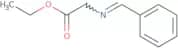
CAS:N-Benzylideneglycine ethyl ester is a cyclic, solid form of an alkylating agent that has a hydrocarbon group and an alkoxycarbonyl group. It is used in pharmaceutical formulations as a chiral reagent for the synthesis of amines and other compounds. N-Benzylideneglycine ethyl ester reacts with amines to produce methyl sulfones, which are then reacted with aldehydes to produce chiral cyclic ethers. This reaction can be used to synthesize adrenergic receptors, aromatic hydrocarbons, and alkoxycarbonyls.Formula:C11H13NO2Purity:Min. 95%Color and Shape:PowderMolecular weight:191.23 g/mol4-Fluoro-3-methoxybenzylamine hydrochloride
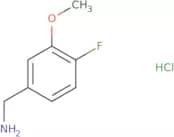
CAS:4-Fluoro-3-methoxybenzylamine hydrochloride is a fine chemical that can be used as a building block in research, as a reagent in the synthesis of complex compounds, and as a versatile scaffold for the synthesis of natural products. This compound is an intermediate for the production of other pharmaceuticals and has been shown to be useful in the production of various drugs. It is also used as a reactant in organic chemistry reactions due to its high quality. 4-Fluoro-3-methoxybenzylamine hydrochloride has CAS No. 869296-41-3 and can be found on the Chemical Abstract Service (CAS) database.Formula:C8H11ClFNOPurity:Min. 95%Molecular weight:191.63 g/molFmoc-Thr(tBu)-Ser(Psi(Me,Me)pro)-OBzl
Fmoc-Thr(tBu)-Ser(Psi(Me,Me)pro)-OBzl is a high quality, research chemical that is used as an intermediate in the synthesis of complex compounds. It is a useful building block and can be used to make speciality chemicals. This reagent has many uses including being a useful scaffold for organic synthesis and a reaction component in the production of other fine chemicals. Fmoc-Thr(tBu)-Ser(Psi(Me,Me)pro)-OBzl has CAS No. 7791-02-8 and may be found in the following chemical structure:Formula:C36H42N2O7Purity:Min. 95%Color and Shape:PowderMolecular weight:614.73 g/molFmoc-4-phosphomethyl-L-phenylalanine
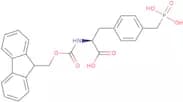
CAS:Fmoc-4-phosphomethyl-L-phenylalanine** is a specialized amino acid derivative used primarily in the field of peptide synthesis. It is a synthesized compound that serves as a building block for creating phosphorylated peptides. The compound is characterized by the presence of a phosphomethyl group attached to the phenylalanine side chain, along with a 9-fluorenylmethoxycarbonyl (Fmoc) group for temporary N-terminal protection during peptide assembly.This product plays a crucial role in the synthesis of peptides by allowing the incorporation of a phosphomethyl moiety, which is crucial for mimicking the phosphorylation of proteins—a key post-translational modification. Through its well-designed chemical structure, it facilitates the formation of peptide bonds while maintaining the integrity of sensitive side chain functionalities during synthesis.Fmoc-4-phosphomethyl-L-phenylalanine is widely used in biochemical and pharmaceutical research where the study of protein phosphorylation is paramount. It provides researchers with the means to construct peptides that closely resemble the natural phosphorylated proteins found within biological systems, thereby enabling more accurate studies of protein function and interaction. This makes it an invaluable tool in the exploration of cellular signaling pathways and protein regulation mechanisms.Formula:C25H24NO7PPurity:Min. 95%Molecular weight:481.43 g/mol2-Iodo-N-(4-methoxyphenyl)-N-methylbenzamide
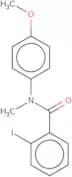
CAS:2-Iodo-N-(4-methoxyphenyl)-N-methylbenzamide is a versatile building block that can be used in research and as a reagent. It is a high quality chemical and useful as a building block or intermediate for the synthesis of more complex compounds. This chemical is also a useful scaffold for the synthesis of more complex molecules.Formula:C15H14INO2Purity:Min. 95%Molecular weight:367.18 g/mol2,9-Diphenyl-1,10-phenanthroline
CAS:2,9-Diphenyl-1,10-phenanthroline is a yellow crystalline compound. This molecule has been shown to be an effective anticancer drug and is used in the study of ultrafast electron reduction. It exhibits photophysical properties that are dependent on its coordination geometry and the surrounding environment. 2,9-Diphenyl-1,10-phenanthroline is a coordination complex that can be synthesized by electropolymerization of copper complexes with phenanthrolines. The polymer film has been shown to have high stability constants and is resistant to water or organic solvents.Formula:C24H16N2Purity:Min. 95%Color and Shape:White PowderMolecular weight:332.4 g/mol4'-Methyl-2,2'-bipyridine-4-carboxaldehyde
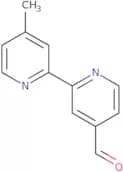
CAS:4'-Methyl-2,2'-bipyridine-4-carboxaldehyde is a heterocyclic compound that contains a nitro group. It has the chemical formula C8H6N2O and the molecular weight of 122.15 g/mol. This compound belongs to the class of formyl compounds and it is composed of two formyl groups and one hydrogen atom. The bipyridines are linked by a methylene bridge to form a six-membered ring. The compound can be used as an intermediate for the synthesis of other organic compounds such as pharmaceuticals, dyes, water repellents, pesticides, and herbicides.Formula:C12H10N2OPurity:Min. 95%Color and Shape:PowderMolecular weight:198.22 g/mol8-Methoxycarbonyloctanoic acid
CAS:8-Methoxycarbonyloctanoic acid is a fatty acid derivative that has been found to be a potent inhibitor of platelet aggregation. It exhibits anti-platelet activity in human pathogens and in the model system studied. The mechanism of this inhibition is not clearly understood, but it may involve the inhibition of the enzyme ns3 protease or an interaction with the cell membrane. 8-Methoxycarbonyloctanoic acid has also shown antibacterial efficacy against human pathogens such as Escherichia coli, Pseudomonas aeruginosa, Klebsiella pneumoniae, and Bacillus cereus. This drug also inhibits bacterial growth by binding to DNA-dependent RNA polymerase, thereby preventing transcription and replication. The high frequency of human activity has been shown using a patch-clamp technique on human erythrocytes. This active form is metabolized through a number of metabolic transformations, including hydrolysis by esterases or glucuronFormula:C10H18O4Purity:Min. 95%Color and Shape:White/Off-White SolidMolecular weight:202.25 g/mol8-Methoxycarbonyloctanol
CAS:8-Methoxycarbonyloctanol (8MCO) is a fatty acid molecule that has been shown to have significant inhibitory activities against Streptococcus pneumoniae in human serum. 8MCO is a synthetic molecule that can be synthesized from galactose and chloride. It has been found to have a molecular weight of 190.08 g/mol, melting point of -2°C, and boiling point of 217°C at 1 mmHg. 8MCO is soluble in water, methanol, and ethanol. This molecule can be used as an analytical tool for the detection of fatty acids by gas chromatography-mass spectrometry (GC-MS). It also exhibits enzymatic activity when incorporated into enzyme preparations such as esterases and lipases. 8MCO contains functional groups such as carbonyl (-CO), hydroxyl (-OH), carboxylic acid (-COOH), ether (-O-) and alcohol (-
Formula:C10H20O3Purity:Min. 95%Color and Shape:Clear LiquidMolecular weight:188.26 g/molBoc-O-benzyl-L-tyrosine
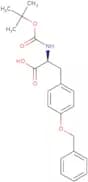
CAS:Boc-O-benzyl-L-tyrosine is a sweetener that is synthesized in a liquid phase. It has been shown to prevent muscle loss and increase the uptake of glutamate. Boc-O-benzyl-L-tyrosine may also act as an δ opioid receptor agonist, which prevents the release of peptides from cells. This substance is synthesised by benzylation of L-tyrosine with dicarbonate and irradiation with UV light. The Boc group protects the molecule from being broken down by enzymatic activity, allowing it to be used in lab experiments. Boc-O-benzyl-L-tyrosine has potent antagonist effects on opioid receptors, which may be related to its analgesic properties.Formula:C21H25NO5Purity:Min. 95%Color and Shape:White PowderMolecular weight:371.43 g/mol3-Chloro-4-methoxybenzoic acid
CAS:3-Chloro-4-methoxybenzoic acid is a hydroxamic acid that is synthesized by the reaction of 3-chloro-4-methoxybenzaldehyde with hydroxylamine. It has anticancer activity and can inhibit the growth of cancer cells. 3-Chloro-4-methoxybenzoic acid has a low potency, which means that it needs to be used in high concentrations in order to be effective as an anticancer agent. The drug is also structurally similar to sorafenib, but has less potent anticancer activity.
Formula:C8H7ClO3Purity:Min. 95%Molecular weight:186.59 g/mol2-Bromo-5-methoxybenzoic acid methyl ester
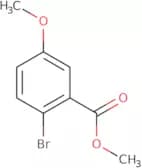
CAS:2-Bromo-5-methoxybenzoic acid methyl ester is an antibiotic with a broad spectrum of activity against bacteria, including Staphylococcus aureus and Pseudomonas aeruginosa. 2-Bromo-5-methoxybenzoic acid methyl ester is an inhibitor of the enzyme benzohydrazide, which is involved in the production of prostaglandins. This drug also has antioxidant activity and can inhibit the growth of Escherichia coli and Cereus. 2-Bromo-5-methoxybenzoic acid methyl ester has analgesic properties and was shown to have analgesic activities in animal tests.Formula:C9H9BrO3Purity:Min. 95%Color and Shape:Clear LiquidMolecular weight:245.07 g/moltrans-4-Methylcyclohexylisocyanate
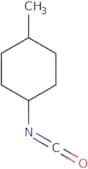
CAS:Trans-4-methylcyclohexylisocyanate (TMCIC) is a chemical intermediate that is used in the synthesis of glibenclamide, a drug that lowers blood sugar levels. TMCIC has been shown to have antidiabetic properties, but it also has carcinogenic impurities. The purity of TMCIC can be improved through preparative high performance liquid chromatography (HPLC). The use of HPLC allows for the separation and concentration of TMCIC from other substances. This purified form is more suitable for clinical studies and optimizing dosage amounts.Formula:C8H13NOPurity:Min. 95%Color and Shape:Colorless Clear LiquidMolecular weight:139.19 g/molN-[(9H-Fluoren-9-ylmethoxy)carbonyl]-L-homoarginine
CAS:Formula:C22H26N4O4Purity:>97.0%(T)(HPLC)Color and Shape:White to Almost white powder to crystalMolecular weight:410.472-Methyl-5-(prop-1-en-2-yl)cyclohex-2-enone
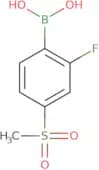
CAS:2-Methyl-5-(prop-1-en-2-yl)cyclohex-2-enone is a monoterpene that is found in essential oils of many plants, such as caraway, dill, and peppermint. It has been shown to have antimicrobial activity against a wide range of bacteria. 2-Methyl-5-(prop-1-en-2-yl)cyclohex-2-enone has also been shown to be an effective treatment for infectious diseases such as tuberculosis and leprosy. In vitro assays have shown that this compound inhibits the growth of bacteria by lysing the cells of the bacteria. This chemical also minimally affects the locomotor activity in mice and does not cause death at high doses when given orally to rats.Formula:C10H14OPurity:Min. 95%Color and Shape:Slightly Yellow PowderMolecular weight:150.22 g/mol(2-Fluoro-4-methylsulfonylphenyl)boronic acid
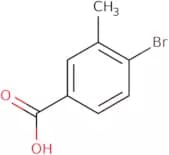
CAS:2-Fluoro-4-methylsulfonylphenyl)boronic acid is a fine chemical that is useful as a scaffold for the production of other compounds. It can be used as a versatile building block in organic synthesis, and is often used as an intermediate or research chemical. 2-Fluoro-4-methylsulfonylphenyl)boronic acid has been shown to react with many different types of compounds, making it a valuable reagent. This compound is also known for its high quality, which makes it an excellent choice for use in reactions that require speciality chemicals.Formula:C7H8BFO4SPurity:Min. 95%Color and Shape:White PowderMolecular weight:218.01 g/mol4-Bromo-3-methylbenzoic acid
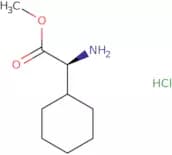
CAS:4-Bromo-3-methylbenzoic acid is a synthetic compound that belongs to the group of imidazolidinones. It has been shown to have antimicrobial activity against both Gram-positive and Gram-negative bacteria, including methicillin resistant Staphylococcus aureus (MRSA) and Pseudomonas aeruginosa. 4-Bromo-3-methylbenzoic acid has also demonstrated photochromism, which is the property of changing color in response to light exposure. The chromophore is a phenyl group on the 3rd carbon atom from the carboxylic acid group. It is believed that this chromophore reacts with oxygen in air to form an oxonium ion, which then reacts with benzoate to produce an excited state. This excited state then relaxes back down to ground state by emitting light at wavelengths of approximately 400 nm and above.Formula:C8H7BrO2Color and Shape:PowderMolecular weight:215.04 g/molH-Chg-OMe hydrochloride
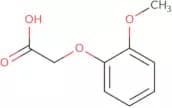
CAS:H-Chg-OMe hydrochloride is a fine chemical and reagent that is used in the synthesis of complex organic compounds and pharmaceuticals. This compound can be used as a versatile building block for a variety of reactions, such as reductive amination, reductive amination, reductive amination, and reductive amination. H-Chg-OMe hydrochloride has been shown to react with primary amines to form secondary amines. It has also been shown to react with alcohols to form ethers. CAS No. 14328-63-3Formula:C9H18ClNO2Purity:Min. 95%Color and Shape:White/Off-White SolidMolecular weight:207.7 g/mol(2-Methoxyphenoxy)acetic acid
CAS:2-Methoxyphenoxyacetic acid is an organic compound that is used as a plant growth regulator and insecticide. It belongs to the group of phenoxyacetic acids and has a molecular weight of 152.2 g/mol. The chemical formula for 2-methoxyphenoxyacetic acid is C8H10O3. This compound is used as a control agent in pest control, where it is applied to crops to prevent damage from insects and mites. 2-Methoxyphenoxyacetic acid can be synthesized by reacting 5-carboxyvanillic acid with methanol in the presence of an oxidizing agent such as potassium permanganate or hydrogen peroxide. This chemical can also be prepared by oxidation of syringyl alcohols with chromium(VI) oxide in the presence of a reducing agent such as sodium bisulfite. 2-Methoxyphenoxyacetic acid can be detectedFormula:C9H10O4Purity:Min. 95%Color and Shape:PowderMolecular weight:182.17 g/molBoc-L-glutamic acid a-t-butyl ester
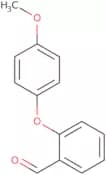
CAS:Boc-L-glutamic acid a-t-butyl ester is a specific antibody that has been shown to be effective in the diagnosis of cancer. This antibody binds to an antigen expressed by liver cells and can be used as a marker for cancer. It has also been shown to have an adjuvant effect on vaccines, which may lead to better protection against disease. Boc-L-glutamic acid a-t-butyl ester can also be used in the treatment of pancreatitis and other acute ischemic conditions because it promotes the release of hydrogen chloride, which helps to relieve pain.Formula:C14H25NO6Purity:Min. 95%Color and Shape:PowderMolecular weight:303.35 g/mol2-(4-Methoxyphenoxy)benzaldehyde
CAS:2-(4-Methoxyphenoxy)benzaldehyde is a fine chemical that is used as a versatile building block in the synthesis of complex compounds and research chemicals. 2-(4-Methoxyphenoxy)benzaldehyde is also a reagent that can be used to synthesize speciality chemicals, useful building blocks, and reaction components. This chemical may be used as an intermediate for the synthesis of high-quality pharmaceuticals or other useful scaffolds. It has CAS number 19434-36-7.
Formula:C14H12O3Purity:Min. 95%Color and Shape:White To Brown SolidMolecular weight:228.24 g/molL-Methionine Sulphoxide extrapure, 99%
CAS:Formula:C5H11NO3SPurity:min. 99%Color and Shape:White, PowderMolecular weight:165.21N-a-e-T-BOC-L-Lysine-Dicyclohexylammonium Salt extrapure, 99%
CAS:Formula:C16H30N2O6·C12H23NMolecular weight:527.8FMOC-O-Tert-Butyl-L-Serine (FMOC-Ser(tBu)-OH) extrapure, 99%
CAS:Formula:C22H25NO5Purity:min. 99%Color and Shape:White to off-white, PowderMolecular weight:383.44BOC-L-Serine extrapure, 99%
CAS:Formula:C8H15NO5Purity:min. 99.0%Color and Shape:White, Crystalline powderMolecular weight:205.204-Nitro-L-Phenylalanine Monohydrate extrapure, 99%
CAS:Formula:C9H10N2O4·H2OPurity:min.99.0%Color and Shape:White to Yellow, PowderMolecular weight:228.20L-Lysine Monohydrate for molecular biology, 99%
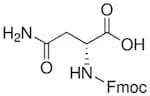
CAS:Formula:C6H14N2O2·H2OPurity:min. 99%Color and Shape:White to pale yellow, Crystalline powder, Clear, Colourless to pale yellowMolecular weight:164.21FMOC-D-Asparagine extrapure, 99%
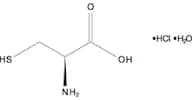
CAS:Formula:C19H18N2O5Purity:min. 99%Color and Shape:White, Crystalline powderMolecular weight:354.40L-Cysteine Hydrochloride Monohydrate ExiPlus, Multi-Compendial, 99%
CAS:Formula:C3H7NO2S·HCl·H2OPurity:min. 99%Color and Shape:White, Crystalline compound, Clear, ColourlessMolecular weight:175.63BOC-D-Aspargine extrapure, 99%
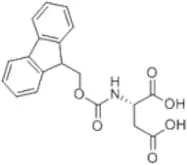
Formula:C9H16N2O5Purity:min. 99%Color and Shape:White to almost white, Crystalline powderMolecular weight:232.20FMOC-L-Aspartic Acid extrapure, 99%
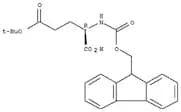
CAS:Formula:C19H17N06Purity:min.99%Color and Shape:White to off - white, Crystaline powderMolecular weight:355.34FMOC-D-Glutamic Acid 5-Tert-Butyl Ester (FMOC-D-Glu(OtBu)-OH) extrapure, 99%
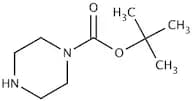
CAS:Formula:C24H27NO6Purity:min. 99%Color and Shape:White, PowderMolecular weight:425.471-BOC-Piperazine extrapure, 99%
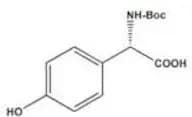
CAS:Formula:C9H18N2O2Purity:min. 99%Color and Shape:White to off-white, Crystalline powderMolecular weight:186.26BOC-L-Tyrosine extrapure, 99%
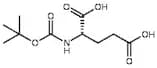
CAS:Formula:C14H19NO5Purity:min. 99%Color and Shape:White to off white, Crystalline powderMolecular weight:281.30BOC-L-Glutamic acid extrapure, 99%
CAS:Formula:C10H17NO6Purity:min. 99%Color and Shape:White, Crystalline powderMolecular weight:247.25DL-Alanine extrapure CHR, 99%
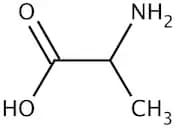
CAS:Formula:C3H7NO2Purity:min. 99%Color and Shape:White, Crystalline powder, Clear, ColourlessMolecular weight:89.09Glycyl-L-Isoleucine extrapure, 99%
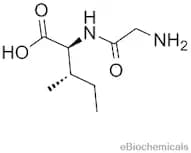
CAS:Formula:C8H16N2O3Purity:min. 99%Color and Shape:White, Crystalline powder, Clear, ColourlessMolecular weight:188.20L-Glutamine extrapure CHR, 99%
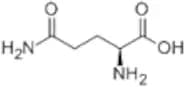
CAS:Formula:C5H10N2O3Purity:min. 99%Color and Shape:White, Crystalline powder, Clear, ColourlessMolecular weight:146.15Glycine Benzyl Ester p-Toluene Sulfonate extrapure, 98%
CAS:Formula:C16H19NO5SPurity:min. 98%Color and Shape:White, Crystalline powder, Clear, ColourlessMolecular weight:337.4L-Phenylalanine Benzyl Ester Hydrochloride extrapure, 99%
CAS:Formula:C16H17NO2·HClMolecular weight:291.77Creatine Phosphate Disodium Salt Tetrahydrate extrapure, 99%
CAS:Formula:C4H8N3O5PNa2·4H2OPurity:min. 99%Color and Shape:White, Crystalline powder, Clear, ColourlessMolecular weight:327.14Z-DL-Leucine extrapure, 99%
CAS:Formula:C14H19NO4Purity:min. 99.0 %Color and Shape:White or Colourless, Solid or Liquid, Clear, ColourlessMolecular weight:265.30L-Lysine Monohydrochloride extrapure CHR, 99%
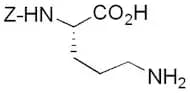
CAS:Formula:C6H14N2O2·HClPurity:min. 99%Color and Shape:White, Crystalline powder, Clear, ColourlessMolecular weight:182.65Z-L-Ornithine extrapure, 98%
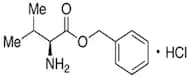
CAS:Formula:C13H18N2O4Purity:min. 99 %Color and Shape:White to off- white, Crystalline powderMolecular weight:266.30L-Valine Benzyl Ester Hydrochloride extrapure, 98%
CAS:Formula:C12H17NO2·HClPurity:min. 98%Color and Shape:White, Crystalline powder, Clear, ColourlessMolecular weight:243.7







![N-[(9H-Fluoren-9-ylmethoxy)carbonyl]-L-homoarginine](/_next/image/?url=https%3A%2Fstatic.cymitquimica.com%2Fproducts%2F3B%2Fthumb-webp%2FF1014.webp&w=3840&q=75)