Amino Acids (AA)
Amino acids (AAs) are the fundamental building blocks of proteins, playing a crucial role in various biological processes. These organic compounds are essential for protein synthesis, metabolic pathways, and cell signaling. In this category, you will find a comprehensive range of amino acids, including essential, non-essential, and modified forms, which are vital for research in biochemistry, molecular biology, and nutritional sciences. At CymitQuimica, we provide high-quality amino acids to support your research and development needs, ensuring accuracy and reliability in your experimental outcomes.
Subcategories of "Amino Acids (AA)"
- Amino Acid Derivatives(3,955 products)
- Amino Acid and Amino Acid Related Compounds(3,465 products)
- Amino Acids with Oxygen or Sulphur(168 products)
- Boc- Amino Acids(351 products)
- Fmoc Amino Acids(1,710 products)
Found 38248 products of "Amino Acids (AA)"
Sort by
Purity (%)
0
100
|
0
|
50
|
90
|
95
|
100
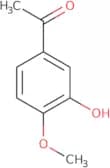
3'-Hydroxy-4'-methoxyacetophenone
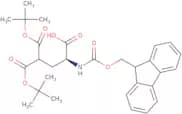
CAS:<p>3'-Hydroxy-4'-methoxyacetophenone is a chemical compound with the molecular formula CHO and it belongs to the group of bisbenzylisoquinoline alkaloids. It is a white crystalline powder that has a dry weight of 155.2g/mol and melting point of 154-158°C. 3'-Hydroxy-4'-methoxyacetophenone is used as an intermediate in the synthesis of other chemicals, such as methyl transferase inhibitors like metronidazole or oxidative stress agents like benzoquinones. 3'-Hydroxy-4'-methoxyacetophenone can be found in bowel disease patients, where it may be produced by bacteria in the gut. This chemical also has UV absorption properties and can be used as a sample preparation agent for hydroalcoholic samples.</p>Formula:C9H10O3Purity:Min. 95%Color and Shape:PowderMolecular weight:166.17 g/molN-Fmoc-L-γ-carboxyglutamic acid γ,γ-di-t-butyl ester
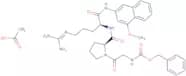
CAS:<p>Please enquire for more information about N-Fmoc-L-gamma-carboxyglutamic acid gamma,gamma-di-t-butyl ester including the price, delivery time and more detailed product information at the technical inquiry form on this page</p>Formula:C29H35NO8Purity:Min. 95%Molecular weight:525.59 g/molZ-Gly-Pro-Arg-4MbNA acetate salt
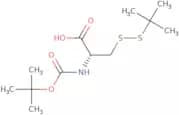
CAS:Controlled Product<p>Please enquire for more information about Z-Gly-Pro-Arg-4MbNA acetate salt including the price, delivery time and more detailed product information at the technical inquiry form on this page</p>Formula:C32H39N7O6·C2H4O2Purity:Min. 95%Molecular weight:677.75 g/molBoc-S-tert-butylthio-L-cysteine
CAS:<p>Boc-S-tert-butylthio-L-cysteine is a di-sulfide linked cysteine</p>Formula:C12H23NO4S2Purity:Min. 95%Molecular weight:309.45 g/molH-Thr(Ac)-OH·HCl
CAS:<p>Please enquire for more information about H-Thr(Ac)-OH·HCl including the price, delivery time and more detailed product information at the technical inquiry form on this page</p>Formula:C6H11NO4·HClPurity:Min. 95%Molecular weight:197.62 g/molN-(3-(2-Furyl)Acryloyl-Ala-Lys TFA salt
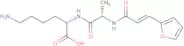
CAS:<p>FA-Ala-Lys-OH is a lysine derivative with a molecular weight of 243.2 daltons and a pKa of 6.5. It has been shown to be biologically active in humans and animals, and can be used as an amino acid supplement for patients with liver disease or kidney failure who require dialysis. FA-Ala-Lys-OH binds to the creatine kinase receptor on the surface of cells and causes cell lysis, which may be due to its ability to bind to the enzyme's allosteric site. This compound also has anti-viral properties, inhibiting the growth of recombinant virus mcf-7 in vitro by binding to erythrocyte membranes and disrupting protein synthesis. The 6-Fluoro-3-indoxyl beta D galactopyranoside is an antituberculosis drugs that belongs to the class of rifamycins. Rifapentine inhibits bacterial</p>Formula:C16H23N3O5Purity:Min. 95%Molecular weight:337.37 g/molAbz-Ser-Pro-3-nitro-Tyr-OH
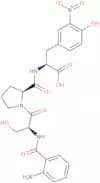
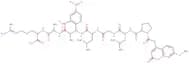
CAS:<p>Abz-Ser-Pro-3-nitro-Tyr-OH is a chromophobe peptide that is expressed in renal cell carcinomas. It is a potent inhibitor of all three major classes of proteases: serine, cysteine and aspartyl proteases. Abz-Ser-Pro-3-nitro-Tyr-OH inhibits the activity of peptidases, which are enzymes involved in protein degradation and turnover. Abz has been shown to inhibit the activity of intrarenal proteolytic enzymes, including endopeptidase, metallopeptidase and aminopeptidase activities. Abz also has been shown to inhibit the expression of markers on the surface of kidney cells and to reduce renal cell proliferation.</p>Formula:C24H27N5O9Purity:Min. 95%Molecular weight:529.5 g/molEnantio-PAF C-16
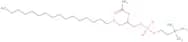
CAS:<p>Enantio-PAF C-16, or 3-O-Hexadecyl-2-O-acetyl-sn-glycero-1-phosphocholine, is a biologically inactive enatiomer of platelet-activating factor (PAF). It is a PAF receptor agonist.</p>Formula:C26H54NO7PPurity:Min. 95%Molecular weight:523.68 g/molBoc-Ala-Gly-OSu
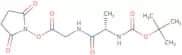
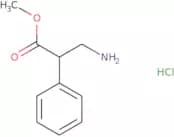
CAS:<p>Please enquire for more information about Boc-Ala-Gly-OSu including the price, delivery time and more detailed product information at the technical inquiry form on this page</p>Formula:C14H21N3O7Purity:Min. 95%Molecular weight:343.33 g/molMethyl 3-amino-2-phenylpropanoate HCl
CAS:<p>Methyl 3-amino-2-phenylpropanoate HCl is a chemical intermediate that is synthesized in the biosynthesis of scopolamine and tenellin. It has been found to be an isotopically labeled analog of tropane alkaloids, which are a class of natural products that includes atropine, hyoscyamine, and scopolamine. Methyl 3-amino-2-phenylpropanoate HCl is one of many compounds that can provide structural insights into the biosynthesis and metabolism of these compounds.</p>Formula:C10H13NO2·HClPurity:Area-% Min. 95 Area-%Color and Shape:PowderMolecular weight:215.68 g/molMethyltetrazine amine
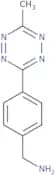
CAS:<p>A building block used for derivatization of carboxylic acids or activated esters with methytetrazine moiety. The stability of Methyltetrazine Amine is substantially improved compared to hydrogen substituted tetrazine-tmine. Superior stability of methyltetrazine-amine allows this reagent to be used in wider range of chemical transformations. Long-term storage of methyltetrazine-amine, especially in aqueous buffer, is also greatly improved compared to Tetrazine Amine.Supplied as the HCl salt</p>Formula:C10H11N5Purity:Min. 95%Color and Shape:PowderMolecular weight:201.23 g/molBoc-Pressinoic acid Boc-Cys-Tyr-Phe-Gln-Asn-Cys-OH (Disulfide bond)
CAS:<p>Please enquire for more information about Boc-Pressinoic acid Boc-Cys-Tyr-Phe-Gln-Asn-Cys-OH (Disulfide bond) including the price, delivery time and more detailed product information at the technical inquiry form on this page</p>Formula:C38H50N8O12S2Purity:Min. 95%Molecular weight:874.98 g/molPAR-2 (6-1) amide (mouse, rat) trifluoroacetate salt
CAS:<p>PAR-2 (6-1) amide is a proteolytic enzyme that is activated by inflammatory stimuli. It has been shown to be a major contributor to the pathogenesis of inflammatory bowel disease, and is found in neurons, the bowel, and pancreatic acinar cells. PAR-2 (6-1) amide activates proteases such as trypsin and chymotrypsin and also functions as an antimicrobial peptide. Activation of PAR-2 (6-1) amide leads to the cleavage of proteins at specific sites on their amino acid chains. This cleavage can lead to changes in protein conformation or function. PAR-2 (6-1) amide has been shown to increase endothelial cell proliferation and inhibit bacterial growth, but does not have any effect on cultured normal human skin fibroblasts.</p>Formula:C29H56N10O7Purity:Min. 95%Molecular weight:656.82 g/molHippuryl-Lys-OH
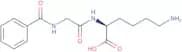
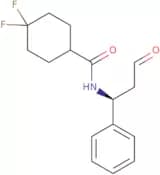
CAS:<p>Hippuryl-Lys-OH is a novel, potent and selective serine protease inhibitor that targets human cathepsin B. It has been shown to have inhibitory properties against other serine proteases such as chymotrypsin, trypsin, and elastase. Hippuryl-Lys-OH is used in the treatment of cancer patients with diabetes who require a creatine level less than 400 μM per liter of serum. It also has potential applications in the treatment of Alzheimer's disease and Parkinson's disease due to its ability to inhibit polymerase chain reactions (PCR).</p>Formula:C15H21N3O4Purity:Min. 95%Molecular weight:307.35 g/mol4,4-Difluoro-N-((1S)-3-oxo-1-phenylpropyl)cyclohexanecarboxa
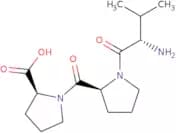
CAS:<p>Please enquire for more information about 4,4-Difluoro-N-((1S)-3-oxo-1-phenylpropyl)cyclohexanecarboxa including the price, delivery time and more detailed product information at the technical inquiry form on this page</p>Formula:C16H19F2NO2Purity:Min. 95%Molecular weight:295.32 g/molH-Val-Pro-Pro-OH
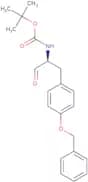
CAS:<p>H-Val-Pro-Pro-OH is a peptide that has been shown to have inhibitory properties on bacterial strains such as E. coli and Staphylococcus aureus. H-Val-Pro-Pro-OH is an ester hydrochloride derivative of the amino acid Valine, which has been shown to have antihypertensive effects in mice. H-Val-Pro-Pro-OH can be used for the treatment of hypertension and other cardiovascular diseases by modifying the activity of ion channels. H-Val-Pro-Pro--OH is a peptide that inhibits the production of nitric oxide (NO) and reactive oxygen species (ROS) in endothelial cells, which are involved in physiological functions such as blood pressure control and vasodilation. The mechanism by which H--Val--Pro--Pro--OH produces these effects may involve inhibition of NO synthase (NOS) and inhibition of ROS production from NADPH oxidase 2 (N</p>Formula:C15H25N3O4Purity:Min. 95%Molecular weight:311.38 g/molBoc-Tyr(Bzl)-aldehyde
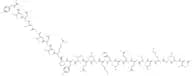
CAS:<p>Please enquire for more information about Boc-Tyr(Bzl)-aldehyde including the price, delivery time and more detailed product information at the technical inquiry form on this page</p>Formula:C21H25NO4Purity:Min. 95%Molecular weight:355.43 g/mol(D-Trp32)-Neuropeptide Y (human, rat) trifluoroacetate salt
CAS:<p>Please enquire for more information about (D-Trp32)-Neuropeptide Y (human, rat) trifluoroacetate salt including the price, delivery time and more detailed product information at the technical inquiry form on this page</p>Formula:C196H288N56O56SPurity:Min. 95%Molecular weight:4,356.79 g/molMca-Pro-Leu-Gly-Leu-Dap (Dnp)-Ala-Arg-NH2 trifluoroacetate salt
CAS:<p>Please enquire for more information about Mca-Pro-Leu-Gly-Leu-Dap (Dnp)-Ala-Arg-NH2 trifluoroacetate salt including the price, delivery time and more detailed product information at the technical inquiry form on this page</p>Formula:C49H68N14O15Purity:Min. 95%Molecular weight:1,093.15 g/molH-Ser-Asn-OH
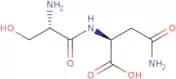
CAS:<p>H-Ser-Asn-OH is a fatty acid that belongs to the amide group. It has an inhibitory effect on bacterial membranes, which can be seen in the x-ray crystal structures of H-Ser-Asn-OH cocrystallized with lipids from the bacterial membrane. The inhibition of bacterial membranes is due to its ability to bind strongly to the phospholipid head group and reduce the fluidity of the membrane. H-Ser-Asn-OH has also been shown to have a diagnostic effect on tissues and monolayers in vitro.</p>Formula:C7H13N3O5Purity:Min. 95%Molecular weight:219.2 g/molAc-Trp-NHMe
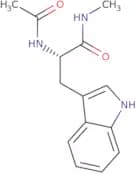
CAS:<p>Ac-Trp-NHMe is a hydrogen bond acceptor, which is a functional group that can form hydrogen bonds with other molecules. It is found in proteins and has been extensively studied by protein data bank. The amide group of Ac-Trp-NHMe forms a hydrogen bond with the carbonyl group of the amino acid tryptophan. The molecule has been used as a model system for studying the fluorescence properties of tryptophan, and to understand vibrational spectra. Ac-Trp-NHMe has also been shown to be an important chemical in plants, where it is involved in the formation of the dry weight of plants and water molecules.</p>Formula:C14H17N3O2Purity:Min. 95%Molecular weight:259.3 g/molH-Lys-Leu-OH acetate salt
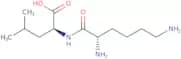
CAS:<p>H-Lys-Leu-OH acetate salt is a derivatized amino acid ester that is used for the detection of lysine and leucine. It is used as an analyte in microextraction, with a sensitivity of 0.25 ng/mL, which can be increased to 0.5 ng/mL by derivatization. H-Lys-Leu-OH acetate salt has been used in the detection of acids and bases, particularly carboxylic acids and basic amino acids, respectively.</p>Formula:C12H25N3O3·C2H4O2Purity:Min. 95%Molecular weight:319.4 g/molH-Phe-Phe-Phe-Phe-OH
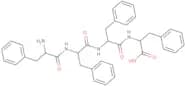
CAS:<p>Please enquire for more information about H-Phe-Phe-Phe-Phe-OH including the price, delivery time and more detailed product information at the technical inquiry form on this page</p>Formula:C36H38N4O5Purity:Min. 95%Molecular weight:606.71 g/molH-Cys(Trt)-2-chlorotrityl resin (200-400 mesh) (Low Substitution)
<p>Please enquire for more information about H-Cys(Trt)-2-chlorotrityl resin (200-400 mesh) (Low Substitution) including the price, delivery time and more detailed product information at the technical inquiry form on this page</p>Purity:Min. 95%Neuropeptide Y (human, rat) trifluoroacetate salt
CAS:<p>Please enquire for more information about Neuropeptide Y (human, rat) trifluoroacetate salt including the price, delivery time and more detailed product information at the technical inquiry form on this page</p>Formula:C189H285N55O57SPurity:Min. 95%Molecular weight:4,271.69 g/mol(D-Trp6)-LHRH (1-6) amide
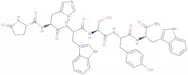
CAS:<p>Please enquire for more information about (D-Trp6)-LHRH (1-6) amide including the price, delivery time and more detailed product information at the technical inquiry form on this page</p>Formula:C45H49N11O9Purity:Min. 95%Molecular weight:887.94 g/mol1-[(3,3-Diphenylpropyl)methylamino]-2-methyl-2-propanol
CAS:<p>1-[(3,3-Diphenylpropyl)methylamino]-2-methyl-2-propanol is an epoxy that can be synthesized from benzene and lercanidipine. It has been used in the production of cinnamic acid and other molecules. This molecule can be prepared by reacting cinnamic acid with chloromethyl methyl ether in a ring-opening reaction. The chloride ion is utilized as a nucleophile to react with the amide nitrogen atom of the cinnamic acid molecule to form the amide bond. The large-scale production of 1-[(3,3-diphenylpropyl)methylamino]-2-methyl-2-propanol utilizes refluxing to remove water and other byproducts that are formed during the process.</p>Formula:C20H27NOPurity:Min. 95%Molecular weight:297.43 g/molH-His-Phe-OH
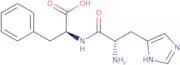
CAS:<p>H-His-Phe-OH is a polypeptide that is used in the diagnosis of chronic kidney disease. It is synthesized by the chemical reaction between histidine and phenylalanine. H-His-Phe-OH has been shown to have a molecular weight of 4,000 Da, with a diameter of 5 nm. The binding constants for this molecule are 3.5 x 10^6 M^(-1), and its stability in biological fluids has been shown to be greater than 100 hours at pH 7.4, 37°C.</p>Formula:C15H18N4O3Purity:Min. 95%Molecular weight:302.33 g/molZ-Gly-Gly-Gly-OSu
CAS:<p>Please enquire for more information about Z-Gly-Gly-Gly-OSu including the price, delivery time and more detailed product information at the technical inquiry form on this page</p>Formula:C18H20N4O8Purity:Min. 95%Molecular weight:420.37 g/molTau-fluvalinate
CAS:<p>Tau-fluvalinate is a pesticide that is used to control ectoparasites. It has been shown to be effective against fleas, ticks, and mites. Tau-fluvalinate binds to the active site of the enzyme protein kinase C (PKC). This binding prevents the production of phosphatidylinositol 3,4,5-trisphosphate (PIP3), which is required for cell signaling pathways and protein synthesis. Tau-fluvalinate also inhibits detoxification enzymes such as glutathione S-transferase (GST) and cytochrome P450 reductase. Tau-fluvalinate has been shown to have no sublethal effects on insects in vitro or in vivo at doses below its LD50. Tau-fluvalinate can also be used as an analytical standard for detecting polycyclic aromatic hydrocarbons in water samples with chemical ionization gas chromatography.</p>Formula:C26H22ClF3N2O3Purity:Min. 95%Color and Shape:Clear LiquidMolecular weight:502.91 g/molZ-Ala-Ala-NH2
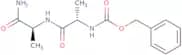
CAS:<p>Z-Ala-Ala-NH2 is a peptide that has been modified. Z-Ala-Ala-NH2 is a hydrolase and has the ability to hydrolyze peptides. It can be used in organic solvents as an unmodified hydrolase, or it can be modified with a nucleophile (such as an amine) to produce an active hydrolase. The unmodified form of Z-Ala-Ala-NH2 has been shown to have high yields and specificity for peptidyl substrates. This modification is also useful for the synthesis of amide bonds in peptides, which are more stable than ester bonds.</p>Formula:C14H19N3O4Purity:Min. 95%Molecular weight:293.32 g/molFmoc-His-OMe
CAS:<p>Please enquire for more information about Fmoc-His-OMe including the price, delivery time and more detailed product information at the technical inquiry form on this page</p>Formula:C22H21N3O4Purity:Min. 95%Molecular weight:391.42 g/molH-Leu-Leu-Leu-Phe-OMe·HCl
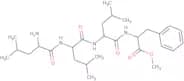
CAS:<p>Please enquire for more information about H-Leu-Leu-Leu-Phe-OMe·HCl including the price, delivery time and more detailed product information at the technical inquiry form on this page</p>Formula:C28H46N4O5·HClPurity:Min. 95%Molecular weight:555.15 g/molBoc-Ala-Gly-Gly-OH
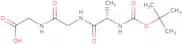
CAS:<p>Boc-Ala-Gly-Gly-OH is a reactive compound that can be used to synthesize antibiotics. It can be used for the production of diazide, which is an antibiotic that inhibits bacterial growth by binding to DNA and preventing its replication. Boc-Ala-Gly-Gly-OH also has been used for the preparation of urethanes, which are used as coatings for medical devices or catheters. This compound is chiral and has been shown to have stereogenic properties in catalytic asymmetric epoxidation reactions.</p>Formula:C12H21N3O6Purity:Min. 95%Molecular weight:303.31 g/molH-D-Arg(Me)-OH acetate salt
CAS:Controlled Product<p>H-D-Arg(Me)-OH is a peptide that has been shown to inhibit the proliferation of cancer cells in culture. It inhibits the growth of tumor cells by blocking the activity of the oxytocin receptor, which regulates cell adhesion and migration. The H-D-Arg(Me)-OH acetate salt has also been shown to promote the differentiation of basophilic leukemia cells into normal myeloid cells. This peptide is used as a control for incubated cell cultures, such as liver cells, and can be used to study protein synthesis.</p>Formula:C7H16N4O2Purity:Min. 95%Molecular weight:188.23 g/molZ-Ala-Ala-Asn-AMC
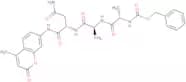
CAS:<p>Z-Ala-Ala-Asn-AMC is a molecule that is an analog of the amino acid alanine. It has been shown to be effective in inhibiting cancer cell viability and inducing apoptosis in MDA-MB-231 breast cancer cells, which can inhibit tumor growth. This molecule also inhibits protease activity, protein synthesis, and tubule cell proliferation. Z-Ala-Ala-Asn-AMC has applicability in the treatment of cancers and inflammatory diseases.</p>Formula:C28H31N5O8Purity:Min. 98 Area-%Color and Shape:PowderMolecular weight:565.57 g/molBoc-D-Ala-PAM resin (200-400 mesh)
<p>Please enquire for more information about Boc-D-Ala-PAM resin (200-400 mesh) including the price, delivery time and more detailed product information at the technical inquiry form on this page</p>Purity:Min. 95%H-Gly-Leu-Tyr-OH
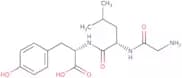
CAS:<p>H-Gly-Leu-Tyr-OH is a tripeptide that is found in some human and animal proteins. The peptide contains glycine, leucine, tyrosine, and hydroxyproline. It binds to copper ions with an inhibition constant of 1.5 x 10^5 M and has a pH optimum of 7.0. In the active form, it inhibits α subunit of bacterial aminopeptidase which is required for protein synthesis in bacteria. The peptide also has been shown to be a model system for the study of enzyme mechanisms and as a chromatographic method for analyzing proteins in food chemistry.</p>Formula:C17H25N3O5Purity:Min. 95%Molecular weight:351.4 g/molSuc-Ala-Trp-Pro-Phe-pNA
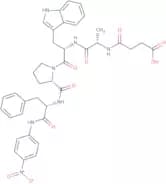
CAS:<p>Suc-Ala-Trp-Pro-Phe-pNA is a cyclosporine analog that inhibits the activity of protein isomerases. It has been shown to inhibit the phosphatase activity of casein and stabilize peptide bonds in bovine serum albumin. Suc-Ala-Trp-Pro-Phe-pNA can also be used as a substrate for tyrosine kinase and amide bond formation. Suc-Ala-Trp-Pro-Phe-pNA is an inhibitor of FK506 binding to its receptor, which may be due to its ability to compete with tyrosine residues for binding sites. This compound also exhibits stabilization effects on protein structures by inhibiting the degradation of proteins by proteolytic enzymes or other chemical agents.</p>Formula:C38H41N7O9Purity:Min. 95%Molecular weight:739.77 g/molH-Ala-Ala-Ala-OH
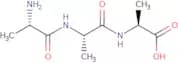
CAS:<p>H-Ala-Ala-Ala-OH is a synthetic peptide that has been shown to inhibit protease activity and is being investigated as a potential treatment for chronic arthritis. This peptide has been shown to be effective in the removal of nitrogen from wastewater. The conformational properties of H-Ala-Ala-Ala-OH are similar to those of the human serum amide, which is thought to have an antiarthritic effect and may also act as a model system for other peptides. H-Ala-Ala-Ala-OH has also been shown to have enzyme activities, including dihedral and structural analysis.</p>Formula:C9H17N3O4Purity:Min. 95%Molecular weight:231.25 g/molCoagulation Factor XIIIa (190-230)
CAS:Controlled Product<p>Please enquire for more information about Coagulation Factor XIIIa (190-230) including the price, delivery time and more detailed product information at the technical inquiry form on this page</p>Formula:C220H322N54O73Purity:Min. 95%Molecular weight:4,891.23 g/molAmyloid β-Protein (1-46)
CAS:<p>Please enquire for more information about Amyloid beta-Protein (1-46) including the price, delivery time and more detailed product information at the technical inquiry form on this page</p>Formula:C223H347N59O65SPurity:Min. 95%Molecular weight:4,926.57 g/molAcetyl-(Asn30,Tyr32)-Calcitonin (8-32) (salmon I) trifluoroacetate salt
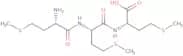
CAS:<p>Please enquire for more information about Acetyl-(Asn30,Tyr32)-Calcitonin (8-32) (salmon I) trifluoroacetate salt including the price, delivery time and more detailed product information at the technical inquiry form on this page</p>Formula:C127H205N37O40Purity:Min. 95%Molecular weight:2,890.21 g/molH-Met-Met-Met-OH
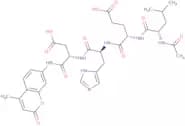
CAS:<p>H-Met-Met-Met-OH is a synthetic, antifungal drug that inhibits the synthesis of fatty acids. It has been shown to inhibit the growth of E coli K-12, which is responsible for the production of toxic substances in the intestine. H-Met-Met-Met-OH inhibits peptidase activity and fatty acid synthesis by competing with other substrates for uptake into the cell. H-Met-Met-Met-OH also inhibits sugar transport, leading to a decrease in glycolysis and energy production. The drug has been used in clinical trials against Candida albicans and Cryptococcus neoformans.</p>Formula:C15H29N3O4S3Purity:Min. 95%Molecular weight:411.61 g/molAc-Leu-Glu-His-Asp-AMC trifluoroacetate salt
CAS:<p>Ac-Leu-Glu-His-Asp-AMC trifluoroacetate salt is a synthetic peptide that is derived from the amino acid sequence of caspases. Ac-Leu-Glu-His-Asp-AMC trifluoroacetate salt induces apoptosis in insect and E. coli cells by protease activity, which leads to cell death. The sequence of this peptide is found in Drosophila melanogaster and has been shown to induce apoptosis in insect cells. Caspases are enzymes that regulate apoptosis and play a key role in cell death.</p>Formula:C33H41N7O11Purity:Min. 95%Molecular weight:711.72 g/molMastoparan 17 (free acid)
CAS:<p>Please enquire for more information about Mastoparan 17 (free acid) including the price, delivery time and more detailed product information at the technical inquiry form on this page</p>Formula:C70H131N19O16Purity:Min. 95%Molecular weight:1,494.91 g/molCyclo(-Pro-Thr)
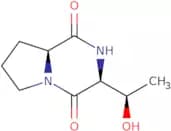
CAS:<p>Cyclo(-Pro-Thr) is a cyclic peptide that is derived from the amino acid sequence of serotonin. Cyclo(-Pro-Thr) has been detected in human urine, and it is possible that this compound may be formed by the hydrolysis of serotonin by enzymes such as pipecolate oxidase. The presence of cyclo(-Pro-Thr) in human urine has been correlated with the occurrence of stomach ulcers, which are caused by substances such as famotidine and other proton pump inhibitors. Cyclo(-Pro-Thr) has also been found to inhibit the production of gamma-aminobutyric acid (GABA), which is an important neurotransmitter for controlling muscle tone, blood pressure, and anxiety.</p>Formula:C9H14N2O3Purity:Min. 95%Molecular weight:198.22 g/molH-Gly-Phe-Tyr-OH
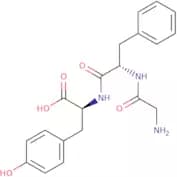
CAS:<p>H-Gly-Phe-Tyr-OH is a water soluble polymer that can be conjugated to drugs. The polymer is composed of methacrylamide and Gly, Phe, and Tyr residues. This polymer is used in the treatment of cancer by conjugating a drug to the polymer to make it water soluble. H-Gly-Phe-Tyr-OH can also be used as a polymeric carrier for docetaxel or gemcitabine.</p>Formula:C20H23N3O5Purity:Min. 95%Molecular weight:385.41 g/mol(Tyr38,Phe42·46)-Osteocalcin (38-49) (human)
CAS:<p>Please enquire for more information about (Tyr38,Phe42·46)-Osteocalcin (38-49) (human) including the price, delivery time and more detailed product information at the technical inquiry form on this page</p>Formula:C73H101N19O17Purity:Min. 95%Molecular weight:1,516.7 g/molZ-Lys-Pro-4MbNA formiate salt
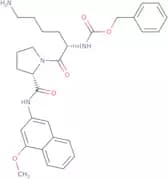
CAS:<p>Please enquire for more information about Z-Lys-Pro-4MbNA formiate salt including the price, delivery time and more detailed product information at the technical inquiry form on this page</p>Formula:C30H36N4O5Purity:Min. 95%Molecular weight:532.63 g/mol




![1-[(3,3-Diphenylpropyl)methylamino]-2-methyl-2-propanol](/_next/image/?url=https%3A%2Fstatic.cymitquimica.com%2Fproducts%2F3D%2Fthumb-webp%2FFD22513.webp&w=3840&q=75)