Amino Acids (AA)
Amino acids (AAs) are the fundamental building blocks of proteins, playing a crucial role in various biological processes. These organic compounds are essential for protein synthesis, metabolic pathways, and cell signaling. In this category, you will find a comprehensive range of amino acids, including essential, non-essential, and modified forms, which are vital for research in biochemistry, molecular biology, and nutritional sciences. At CymitQuimica, we provide high-quality amino acids to support your research and development needs, ensuring accuracy and reliability in your experimental outcomes.
Subcategories of "Amino Acids (AA)"
- Amino Acid Derivatives(3,955 products)
- Amino Acid and Amino Acid Related Compounds(3,472 products)
- Amino Acids with Oxygen or Sulphur(168 products)
- Boc- Amino Acids(351 products)
- Fmoc Amino Acids(1,710 products)
Found 38263 products of "Amino Acids (AA)"
Sort by
Purity (%)
0
100
|
0
|
50
|
90
|
95
|
100
SB-525334
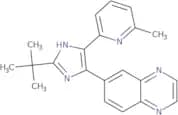
CAS:<p>SB-525334 is a synthetic compound that has been shown to be an inhibitor of the actin molecule. It has been used in cell-based assays to investigate the effects of SB-525334 on renal proximal tubule cells. The compound inhibits the growth and proliferation of carcinoma cells and virus cells, as well as the activity of various types of cell growth factors. SB-525334 is being investigated as a potential diagnostic tool for cancer and other diseases.</p>Formula:C21H21N5Purity:Min. 95%Color and Shape:PowderMolecular weight:343.43 g/mol4-Fluoro-L-Tryptophan
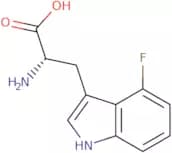
CAS:<p>4-Fluoro-L-tryptophan is an amino acid that is used in the synthesis of proteins. It has a number of uses in molecular biology, including the study of phosphatases, tryptophan synthetase, and mutant strains. 4-Fluoro-L-tryptophan can be used to study the interaction between subunits of these enzymes and to determine kinetic parameters. This compound has been shown to interact with magnetic resonance spectroscopy (NMR) and fluorescence measurements. The biosynthesis of 4-fluoro-L-tryptophan involves two steps: (1) incorporation into protein by tryptophanyl tRNA synthetase; and (2) conversion to tryptamine by phosphatase enzyme.</p>Formula:C11H11FN2O2Purity:Min. 95%Molecular weight:222.22 g/mol[(4-Methylphenyl)sulfonyl]acetonitrile
CAS:<p>[(4-Methylphenyl)sulfonyl]acetonitrile is a synthetic compound that has been shown to inhibit the enzyme SHP2. This inhibition leads to decreased proliferation of cells and may be useful in the treatment of degenerative diseases. [(4-Methylphenyl)sulfonyl]acetonitrile is an organic solvent and a nucleophilic reagent that reacts with metal carbonates, such as calcium carbonate, to form carbanions. The carbanion intermediate can react with nucleophiles, such as acetonitrile, to form a new compound that is structurally related to the original starting material.</p>Formula:C9H9SNO2Purity:Min. 95%Molecular weight:195.24 g/molS-Methylisovalerate
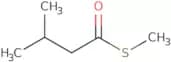
CAS:<p>S-Methylisovalerate is a branched fatty acid that is an intermediate in the biosynthesis of valine. It has been isolated from Corynebacterium glutamicum and Brevibacterium sp. S-Methylisovalerate has been identified by gas chromatography/mass spectrometry (GC/MS) as a major component of the volatile organic compounds produced by strains of Corynebacterium glutamicum and Brevibacterium sp. The GC/MS profile of these strains consists mainly of ester compounds, such as methyl ethyl acetate and butyric acid.</p>Formula:C6H12OSPurity:Min. 95%Color and Shape:Colorless Clear LiquidMolecular weight:132.22 g/mol5-Amino-3-methylisoxazole
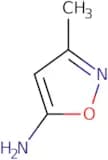
CAS:<p>5-Amino-3-methylisoxazole is a tetronic acid that can be switched between two forms, the cis and trans form. It is a structural analogue of salicylaldehyde and has a similar functional theory. 5-Amino-3-methylisoxazole is an intermediate in the synthesis of quinoline derivatives, sulfa drugs and other chemicals. It can also be used as an antibacterial agent because it has been shown to have activity against E. coli and Staphylococcus aureus. The cis form of 5-amino-3-methylisoxazole is formed when it reacts with chloride ions or sodium salts under ultrasonication. This activated form has been shown to have antimicrobial activity against gram negative bacteria such as E. coli and Salmonella typhi, although not for gram positive bacteria such as S. aureus or Proteus vulgaris. The trans form of the molecule contains no</p>Formula:C4H6N2OPurity:Min. 95%Molecular weight:98.1 g/mol4,5-Dibenzyloxy-2-methylbenzoic acid
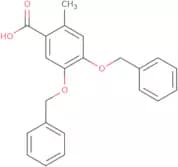
CAS:<p>4,5-Dibenzyloxy-2-methylbenzoic acid (DBMA) is a chemical compound that is known to be an inhibitor of the growth factor receptor. It has been shown to inhibit the growth factor receptor in a dose-dependent manner. DBMA binds to the cytoplasm and inhibits protein synthesis by binding to sequences that are involved in regulating gene expression. This compound also interacts with other proteins including those involved in DNA replication, transcription, and translation. DBMA has been shown to interact with the protein polymerase chain and has been found to bind to the bacterial cells of Salmonella typhimurium.</p>Formula:C22H20O4Purity:Min. 95%Molecular weight:348.39 g/molEnisamium iodide
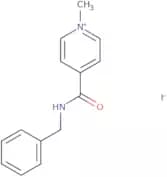
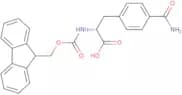
CAS:<p>Enisamium iodide is an antiviral agent synthesized from isonicotinic acid derivatives, which is a small molecule inhibitor of viral RNA polymerase. It interferes with the replication process of various viruses by inhibiting the activity of RNA-dependent RNA polymerase, crucial for viral genome synthesis. Enisamium iodide exhibits its antiviral properties by impeding the replication of single-stranded RNA viruses, thereby mitigating viral propagation in host cells.</p>Formula:C14H15N2O•IPurity:90%Color and Shape:PowderMolecular weight:354.19 g/molFmoc-D-4-carbamoylphenylalanine
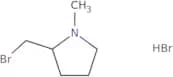
CAS:<p>Please enquire for more information about Fmoc-D-4-carbamoylphenylalanine including the price, delivery time and more detailed product information at the technical inquiry form on this page</p>Formula:C25H22N2O5Purity:Min. 95%Color and Shape:PowderMolecular weight:430.45 g/mol2-(Bromomethyl)-1-methylpyrrolidine HBr
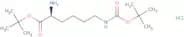
CAS:<p>2-(Bromomethyl)-1-methylpyrrolidine HBr is a high quality, reagent grade compound that belongs to the category of complex compounds. It is an intermediate for the production of fine chemicals and speciality chemicals. 2-(Bromomethyl)-1-methylpyrrolidine HBr has been found to be a useful scaffold for the synthesis of various bioactive molecules, including pharmaceuticals, natural products and agrochemicals. This compound is also a versatile building block that can be used in reactions in order to produce high quality compounds.</p>Formula:C6H12BrN·HBrPurity:Min. 95%Color and Shape:PowderMolecular weight:258.98 g/molLys(Boc)-OtBu,HCl
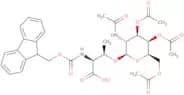
CAS:<p>Lys(Boc)-OtBu,HCl is a versatile building block and research chemical that can be used for the synthesis of complex compounds. This compound is a useful intermediate and reaction component in organic chemistry. It is also a reagent that can be used to synthesize high-quality chemical products.</p>Formula:C15H30N2O4·HClPurity:Min. 95%Color and Shape:White PowderMolecular weight:338.87 g/mol2-Acetamido-3,4,6-tri-O-acetyl-2-deoxy-β-D-galactopyranosyl-Fmoc threonine
CAS:<p>2-Acetamido-3,4,6-tri-O-acetyl-2-deoxy-β-D-galactopyranosyl-(1→4)-threonine is a fine chemical that is used as a building block in the synthesis of other compounds. The CAS No. 133575-43-6 identifies this compound as an intermediate in the synthesis of complex compounds and scaffolds. 2AATG2T has been shown to be a versatile building block that can be used in reactions such as amide bond formation, esterification, and peptide coupling reactions. This compound has been shown to be useful for research purposes and as a reagent for biological studies.</p>Formula:C33H38N2O13Purity:Min. 95 Area-%Molecular weight:670.66 g/mol3-Hydroxy-4-methoxy-2-nitrobenzaldehyde
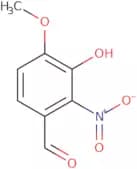
CAS:<p>3-Hydroxy-4-methoxy-2-nitrobenzaldehyde is a ternary complex that has been adsorbed onto the surface of an ion exchange resin. The adsorption process occurs through the formation of hydrogen bonds between the hydroxyl groups on the resin and the hydroxyl groups on the molecule. This complex is also soluble in chloroform, which may be due to its ability to form hydrogen bonds with itself and other molecules. The 3-hydroxy group on this molecule has been shown to react reductively with nitrophenol, forming a nitroso derivative. 3-Hydroxy-4-methoxy-2-nitrobenzaldehyde has been used as a template for the microbiological assay of azides and quinones.</p>Formula:C8H7NO5Purity:Min. 95%Molecular weight:197.14 g/molButaphosphan
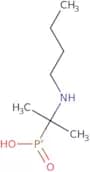
CAS:<p>Butaphosphan is a drug that has been shown to have clinical relevance for the treatment of metabolic disorders. It is a prodrug that is converted into butaprost-diol, which has been shown to improve insulin sensitivity and reduce aminotransferase activity in rats. Butaphosphan can be used as an alternative to aminotransferase inhibitors such as ursodeoxycholic acid and cholestyramine for the treatment of patients with primary biliary cirrhosis. This drug has also been shown to have a protective effect on fatty acid metabolism, which may be due to its ability to inhibit the activity of enzymes involved in fatty acid synthesis. Butaphosphan is metabolized by cytochrome P450 enzymes and hydroxylases and can be detected using LC-MS/MS methods. The drug has also been shown to have beneficial effects on cortisol concentrations and liver histology when administered orally.</p>Formula:C7H18NO2PPurity:Min. 95%Color and Shape:White PowderMolecular weight:179.2 g/molN,N-Dimethylglycine
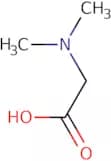
CAS:<p>N,N-Dimethylglycine (DMG) is a molecule that inhibits the activity of various enzymes. DMG has been shown to have an inhibitory effect on HIV entry into human cells and can be used in the treatment of HIV infection. DMG has also been found to have an inhibitory effect on energy metabolism and mitochondrial membrane potential, which can lead to increased oxidative stress and inflammation. This molecule is also involved in the synthesis of choline, dimethylglycine, and betaine, which are important for cell signaling and detoxification. DMG has been shown to bind to bile acids and promote bowel motility by increasing peristalsis in patients with chronic constipation. In addition, it has been shown to have anti-inflammatory properties through its inhibition of pro-inflammatory cytokines such as TNF-α and IL-6</p>Formula:C4H9NO2Purity:Min. 95%Color and Shape:Off-White PowderMolecular weight:103.12 g/mol3-Methoxy-4-nitrobenzoic acid
CAS:<p>3-Methoxy-4-nitrobenzoic acid is a potent and selective inhibitor of aromatase that can be used for the treatment of breast cancer. 3-Methoxy-4-nitrobenzoic acid inhibits the activity of serine proteases, which are enzymes important in protein degradation and cellular signaling. This drug has been shown to inhibit the activity of many other types of kinases, and this makes it a good candidate for use as an anti-cancer agent. 3-Methoxy-4-nitrobenzoic acid also has been shown to inhibit the formation and development of brain tumors when administered via whole body or brain uptake techniques. In addition to inhibiting tumor growth, this drug can prevent metastasis by preventing circulating tumor cells from entering new tissues. The inhibition of estrogen synthesis by 3methoxy-4 nitrobenzoic acid leads to breast cancer cell death in vitro and in vivo.</p>Formula:C8H7NO5Purity:Min. 95%Color and Shape:PowderMolecular weight:197.14 g/mol4-Methoxyphenylmagnesium bromide - 0.5M solution in THF
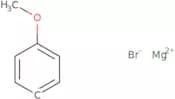
CAS:<p>4-Methoxyphenylmagnesium bromide - 0.5M solution in THF is a cytotoxic agent that binds to the estrogen receptor, which is involved in breast cancer cell proliferation and differentiation. It is an azide that has been shown to react with hydrochloric acid to form an amide. This reaction may be stereoselective and involve dehydration of the amine group. The mechanism of this reaction involves the formation of a trifluoroacetic acid derivative, which undergoes unsaturated alkyl halogenation followed by chloride ion attack on the double bond. 4-Methoxyphenylmagnesium bromide - 0.5M solution in THF has been shown to inhibit the proliferation of human MCF-7 breast cancer cells, as well as other estrogen receptor modulators such as amines and trifluoroacetic acid.</p>Formula:C7H7BrMgOPurity:Min. 95%Color and Shape:PowderMolecular weight:211.34 g/mol4-Fluoro-3-phenoxy benzoic acid
CAS:<p>4-Fluoro-3-phenoxy benzoic acid is a metabolite of pyrethroid insecticides. This metabolite can be found in urine samples and has been detected in the general population. The concentration of 4-fluoro-3-phenoxy benzoic acid in urine is higher in females than males, which may be due to the excretion of metabolites from insecticide exposure. It has also been shown that this metabolite is found at higher concentrations in people with high levels of carboxylic acids. It is not known if 4-fluoro-3-phenoxy benzoic acid is harmful to humans or other animals.</p>Formula:C13H9FO3Purity:Min. 95%Color and Shape:White PowderMolecular weight:232.21 g/mol2-Ethoxy-3-methoxybenzaldehyde
CAS:<p>2-Ethoxy-3-methoxybenzaldehyde is a coordination compound that contains two thiolate ligands, one carbonyl group, and a chelate ring with sulfur. The compound has been shown to bind to the active site of thiosemicarbazide in the enzyme sulfite oxidase, which catalyzes the oxidation of sulfite to sulfate. 2-Ethoxy-3-methoxybenzaldehyde has also been shown to be an effective ligand for rhenium.</p>Formula:C10H12O3Purity:Min. 95%Molecular weight:180.2 g/molMethyl 3-hydroxy-2-methylbenzoate
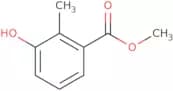
CAS:<p>Methyl 3-hydroxy-2-methylbenzoate is a metabolite that is created when methyl 3-hydroxybenzoate is irradiated with UV light. It can be used as a reagent in Wittig reactions and can be brominated to produce bromoethyl 3-hydroxy-2-methylbenzoate. Methyl 3-hydroxy-2-methylbenzoate is also an intermediate in the acetylation of phenols and the organometallic demethylation of methyltetrahydrofolate.<br>Methyl 3-hydroxybenzoate reacts with chlorides to produce methyl 2,3,4,5,6-pentahydroxybenzoate. This reaction is catalyzed by Streptomyces species. This compound can be converted into other compounds through various reactions including the wittig reaction and hydrolysis with amines such as ethanolamine or isopropylamine.</p>Formula:C9H10O3Purity:Min. 95%Color and Shape:White PowderMolecular weight:166.17 g/molH-Gly-Gly-Gly-Gly-Gly-Gly-OH
CAS:<p>H-Gly-Gly-Gly-Gly-Gly-Gly-OH is a cyclic peptide that binds to calcium ions. It has been shown to cause cell lysis in human serum and inhibit bacterial growth in the presence of fatty acids. H-Gly-Gly-Gly-Gly-gly-OH has also been shown to bind to the receptor site on the bacteria, which prevents them from binding with host cells. This peptide also inhibits the production of inflammatory cytokines, such as IL1β and TNFα, which may be due to its ability to inhibit the formation of reactive oxygen species.</p>Formula:C12H20N6O7Purity:Min. 95%Color and Shape:PowderMolecular weight:360.32 g/mol

![[(4-Methylphenyl)sulfonyl]acetonitrile](/_next/image/?url=https%3A%2Fstatic.cymitquimica.com%2Fproducts%2F3D%2Fthumb-webp%2FFM58773.webp&w=3840&q=75)