Amino Acids (AA)
Amino acids (AAs) are the fundamental building blocks of proteins, playing a crucial role in various biological processes. These organic compounds are essential for protein synthesis, metabolic pathways, and cell signaling. In this category, you will find a comprehensive range of amino acids, including essential, non-essential, and modified forms, which are vital for research in biochemistry, molecular biology, and nutritional sciences. At CymitQuimica, we provide high-quality amino acids to support your research and development needs, ensuring accuracy and reliability in your experimental outcomes.
Subcategories of "Amino Acids (AA)"
- Amino Acid Derivatives(3,955 products)
- Amino Acid and Amino Acid Related Compounds(3,472 products)
- Amino Acids with Oxygen or Sulphur(168 products)
- Boc- Amino Acids(351 products)
- Fmoc Amino Acids(1,710 products)
Found 38263 products of "Amino Acids (AA)"
Sort by
Purity (%)
0
100
|
0
|
50
|
90
|
95
|
100
N-(2-Fluorophenyl)-N-[4-(4-Methyl-1,3-Thiazol-2-Yl)-1-(2-Thiophen-3-Ylethyl)Piperidin-4-Yl]Propanamide
CAS:Controlled Product<p>N-(2-Fluorophenyl)-N-[4-(4-methyl-1,3-thiazol-2-yl)-1-(2-thiophen-3-ylethyl)piperidin-4-yl]propanamide is a drug that is used for the treatment of cancer. This drug is hydrophobic and has a molecular weight of 455. It has been shown to be effective in treating cancer cells by binding to the cell membrane and inhibiting the proliferation of these cells. N-(2-Fluorophenyl)-N-[4-(4-methyl-1,3-thiazol-2-yl)-1-(2-thiophen-3-ylethyl)piperidin]-4-- yl]propanamide also inhibits tumor growth by reducing extracellular matrix production and inducing apoptosis in cancer cells. This drug has a fluorescent property and can be detected with an optical microscope at a</p>Formula:C24H28FN3OS2Purity:Min. 95%Molecular weight:457.63 g/molPhosphatidyl-L-serine
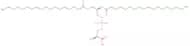
CAS:<p>Phosphatidyl-L-serine (Ptd-L-Ser) is a glycerophospholipid consisting of the amino acid serine connected to glycerol via a phosphodiester linkage and 2 fatty acids attached to the primary and secondary hydroxyls of the glycerol via ester linkages. Phosphatidyl-L-serine is a phospholipid component of the cell membrane and plays a key role in cell cycle signalling, specifically in relation to apoptosis. It has been suggested that dietary supplements of phosphatidyl-L-serine may reduce the risk of dementia and cognitive dysfunction in the elderly.</p>Formula:C42H82NO10PPurity:Min. 90%Color and Shape:PowderMolecular weight:792.07 g/molFmoc-His(Trt)-OH
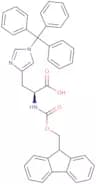
CAS:<p>Fmoc-His(Trt)-OH is an amino acid with the chemical formula HOOC-CH2-CH2-N(CH3)2. It has broad-spectrum antimicrobial activity and can be used as a chemosensor for trifluoroacetic acid. Fmoc-His(Trt)-OH also showed anticancer activity, which may be due to its ability to inhibit protein synthesis in cancer cells by inhibiting histidine decarboxylase. Fmoc-His(Trt)-OH is synthesized through a chemical reaction using trifluoroacetic acid, which reacts with His and Trt residues on the surface of the resin.</p>Formula:C40H33N3O4Purity:Min. 98 Area-%Color and Shape:White PowderMolecular weight:619.71 g/mol2-[(2-Carboxyphenyl)amino]-3-methoxybenzoic acid
CAS:<p>2-[(2-Carboxyphenyl)amino]-3-methoxybenzoic acid is a fine chemical that is used as a building block, reagent, and speciality chemical in the synthesis of other compounds. This compound is a versatile building block for the synthesis of complex compounds with many applications. 2-[(2-Carboxyphenyl)amino]-3-methoxybenzoic acid is a complex compound that can be used as an intermediate or scaffold in the manufacture of pharmaceuticals, agrochemicals, and other organic syntheses.</p>Formula:C15H13NO5Purity:Min. 95%Molecular weight:287.27 g/mol5-Cyano-DL-tryptophan
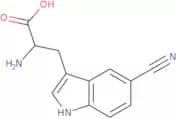
CAS:<p>5-Cyano-DL-tryptophan is an antimicrobial peptide that exhibits potent antimicrobial activity against Gram-positive and Gram-negative bacteria. It also has a high affinity for the bacterial ribosome, which leads to inhibition of protein synthesis. 5-Cyano-DL-tryptophan can be synthesized by dehydration of tryptophan in a model system. The molecule is an analog of the natural amino acid tryptophan and has fluorescence properties that are sensitive to hydration levels. 5-Cyano-DL-tryptophan binds to the peptide binding site on the ribosome and induces a frequency shift in its fluorescence emission spectrum when bound. This property makes it a useful tool for studying peptide binding sites on the ribosome.</p>Formula:C12H11N3O2Purity:Min. 95%Color and Shape:Yellow PowderMolecular weight:229.23 g/mol4-Bromo-2-methylbenzoic acid ethyl ester
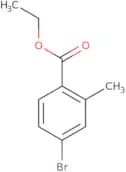
CAS:<p>4-Bromo-2-methylbenzoic acid ethyl ester is a high quality and versatile building block. It is a useful intermediate in the synthesis of organic compounds, and can be used as a reaction component in the synthesis of complex compounds. 4-Bromo-2-methylbenzoic acid ethyl ester is also a useful scaffold for the construction of new chemical entities. It has been shown to react with potassium tert-butoxide to produce 4-(2,6-dimethylphenyl)piperidine (CAS No. 220389-34-4).</p>Formula:C10H11BrO2Purity:Min. 95%Color and Shape:Clear LiquidMolecular weight:243.1 g/mol2,3-Diphospho-D-glyceric acid pentasodium salt
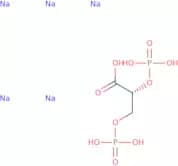
CAS:<p>2,3-Diphospho-D-glyceric acid pentasodium salt is a pyridine complex that is found in nature as a constant. It is also synthesized by humans and can be formed in the laboratory. 2,3-Diphospho-D-glyceric acid pentasodium salt is reactive and has been shown to be useful for producing radical species. This compound has been analysed in the human body at physiological concentrations and has been shown to interact with endogenous molecules such as lipids. The interaction of this compound with lipids could be due to its ability to form emulsions.</p>Formula:C3H3Na5O10P2Purity:Min. 95%Color and Shape:PowderMolecular weight:375.95 g/molN-Acetyl-L-glutamine
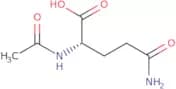
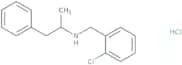
CAS:<p>N-Acetylglutamine is an amino acid that is not synthesized by the human body and must be obtained through diet. It is a precursor to glutamate, which is an important neurotransmitter in the brain. N-Acetyl-L-glutamine has been shown to have neuroprotective effects against various metabolic disorders including diabetes, bowel disease, and microdialysis probes. The effect of N-acetyl-L-glutamine on neuronal death can be observed using a reaction solution containing sodium citrate and glucose injection. N-acetylglutamine has been shown to increase the activity of enzymes such as citrate synthase in this reaction solution.</p>Formula:C7H12N2O4Purity:Min. 95%Color and Shape:White PowderMolecular weight:188.18 g/molN-(2-Chlorobenzyl)-1-phenylpropan-2-amine hydrochloride
CAS:Controlled Product<p>N-(2-Chlorobenzyl)-1-phenylpropan-2-amine hydrochloride (CBP) is a potent stimulant drug that is used to treat chronic pain. It has been shown to be effective in the treatment of alopecia areata and inflammatory diseases, such as Crohn's disease, ulcerative colitis, and rheumatoid arthritis. CBP blocks protein synthesis by inhibiting the activity of the enzyme dinucleotide phosphate (DNP). This inhibition leads to the accumulation of adenosine monophosphate (AMP), which inhibits cyclic AMP production and protein synthesis. CBP also prevents the binding of DNP to RNA polymerase II at promoter sites, leading to a decrease in mRNA production. As a result, CBP may inhibit protein synthesis by preventing transcription or translation.</p>Formula:C16H18ClN•HClPurity:Min. 95%Color and Shape:PowderMolecular weight:296.24 g/molFmoc-D-Leu-OH
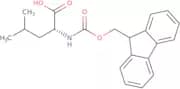
CAS:<p>Fmoc-D-Leu-OH is a disulfide bond containing molecule with an intracellular Ca2+ chelating activity. It has been shown to have cytoprotective effects against oxidative stress and cell death, and has also been found to have antiinflammatory properties. Fmoc-D-Leu-OH can inhibit the activities of various enzymes such as cyclooxygenase, lipoxygenase, phospholipases, and diamine oxidase. This molecule also exhibits cytotoxic activity against bladder cancer cells in vitro. The pharmacokinetic properties of Fmoc-D-Leu-OH are similar to other molecules that are used as antibiotics.<br>Fmoc-D-Leu-OH is a cyclic peptide with antimicrobial peptide (AMP) activity that inhibits bacterial growth by disrupting their cell membranes or inhibiting protein synthesis. It binds to bacterial 16S ribosomal RNA and inhibits protein synthesis, leading</p>Formula:C21H23NO4Purity:Min. 98 Area-%Color and Shape:White PowderMolecular weight:353.41 g/molFmoc-Trp(5-Br)-OH
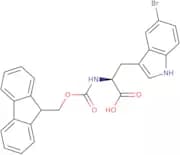
CAS:<p>Please enquire for more information about Fmoc-Trp(5-Br)-OH including the price, delivery time and more detailed product information at the technical inquiry form on this page</p>Formula:C26H21BrN2O4Purity:Min. 95%Color and Shape:PowderMolecular weight:505.36 g/mol2,5-Diphenyl-3-(4-methoxyphenyl)pyronium tetrafluoroborate
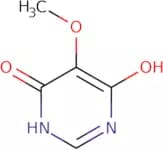
CAS:<p>2,5-Diphenyl-3-(4-methoxyphenyl)pyronium tetrafluoroborate is a chemical compound that can be used as a reagent or building block for the synthesis of other chemical compounds. It is also useful for research and as a versatile building block in organic chemistry. 2,5-Diphenyl-3-(4-methoxyphenyl)pyronium tetrafluoroborate is classified as a speciality chemical product. This compound has CAS Number 2907-20-2 and a molecular weight of 244.12 g/mol.</p>Formula:C24H19O2·BF4Purity:90%Color and Shape:PowderMolecular weight:426.21 g/mol4,6-Dihydroxy-5-methoxypyrimidine
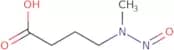
CAS:<p>4,6-Dihydroxy-5-methoxypyrimidine is a white crystalline solid. It is soluble in alkali, acid ethyl, and alcohol. This compound can be used as a solvent for organic substances and has been shown to methylate phosphorus oxychloride. 4,6-Dihydroxy-5-methoxypyrimidine is also used in the synthesis of nucleosides.</p>Formula:C5H6N2O3Purity:Min. 95%Molecular weight:142.11 g/molN-Nitroso-N-methyl-4-aminobutyric acid
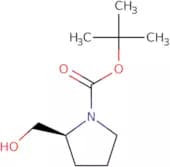
CAS:<p>N-Nitroso-N-methyl-4-aminobutyric acid (NMBA) is a solid with a low melting point which has been identified as a potentially carcinogenic component of both tobacco and tobacco smoke. NMBA is also one of a number of nitrosamine impurities which have been found to be present in angiotensin II receptor blocker (ARB) drugs used to treat high blood pressure.</p>Formula:C5H10N2O3Purity:Min. 98 Area-%Color and Shape:Slightly Yellow PowderMolecular weight:146.14 g/molN-Boc-L-prolinol
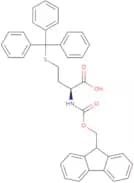
CAS:<p>N-Boc-L-prolinol is a chiral proline derivative that has been modified with an allyl group. It is a potent nicotinic acetylcholine antagonist, and it has been shown to have immune functions in vitro. The synthesis of N-Boc-L-prolinol occurs through a three-step process involving the use of organocatalysts, asymmetric synthesis, and stereoselective reactions. This molecule is also useful for the study of apoptotic signaling pathways in cells.</p>Formula:C10H19NO3Purity:Min. 95%Color and Shape:White PowderMolecular weight:201.26 g/molFmoc-S-trityl-L-homocysteine
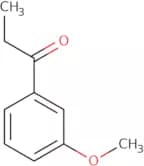
CAS:<p>Fmoc-S-trityl-L-homocysteine is a positron analog that can be used for the diagnosis of cancer. It is labeled with carbon-11, fluorine-18, or nitrogen-13 and can be identified by PET scanning. Fmoc-S-trityl-L-homocysteine has been shown to exhibit epidermal growth factor activity in vitro and in vivo models. This compound also helps in the diagnosis of cancer, as it binds to the surface of tumor cells and increases uptake by these cells. Fmoc-S-trityl-L-homocysteine is a congener of epidermal growth factor that may be used as a model system for other growth factors.</p>Formula:C38H33NO4SPurity:Min. 97 Area-%Color and Shape:Off-White PowderMolecular weight:599.74 g/mol3'-Methoxypropiophenone
CAS:<p>3'-Methoxypropiophenone is an acylating agent that is used in the synthesis of racemic and optically active phenylacetic acids. It can be prepared by the reaction of ketones with methoxypropiolic acid, which is catalyzed by a base such as sodium ethoxide. 3'-Methoxypropiophenone also has been shown to undergo transformation reactions with hydrogenolysis and salt formation. The deprotection step involves removal of a protective group such as dimethylamine or diastereomer.</p>Formula:C10H12O2Purity:Min. 95%Color and Shape:PowderMolecular weight:164.2 g/mol2-Bromo-2-methylpropionic acid
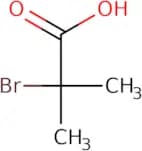
CAS:<p>2-Bromo-2-methylpropionic acid is a chemical compound that is used to stabilize nanoparticles. It also has covalent interactions with the surface of the nanoparticles, which helps to stabilize them and prevent aggregation. 2-Bromo-2-methylpropionic acid can be modified with polymers or other molecules that can help to stabilize the particles. This stabilizer is also able to create magnetic nanoparticles by using a strategy called "magnetic stabilization". In this method, the stabilizer can react with the metal ions in solution and form a stable complex, which will then coat the particles of interest. The stabilizer can also be used to circumvent mesoporous materials, such as silica gel, by coating them with a polymer layer.</p>Formula:C4H7BrO2Purity:Min. 95%Color and Shape:White Clear LiquidMolecular weight:167 g/mol3-Amino-4-methoxybenzanilide
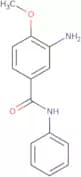
CAS:<p>3-Amino-4-methoxybenzanilide is a white, crystalline solid that is soluble in organic solvents. It reacts with hydrochloric acid to form hydrogen chloride and 3-amino-4-methoxybenzoic acid. 3-Amino-4-methoxybenzanilide is used as an analytical reagent for determining the chloride content of various materials. The heat energy needed for the reaction to occur optimally is between 55 and 75 degrees Celsius. The optimal reaction system includes hydrochloric acid, an organic solvent, and diazonium salt activated by hydrogen chloride gas. The reaction time is 2 hours at room temperature and the analytical method used is titrimetric analysis using triticum aestivum as the particle.</p>Formula:C14H14N2O2Purity:Min. 95%Color and Shape:PowderMolecular weight:242.27 g/mol2-Bromo-4-fluoro-5-methylaniline
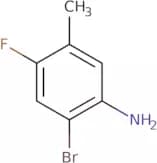
CAS:<p>2-Bromo-4-fluoro-5-methylaniline (BFM) is a reactive intermediate that is used as a building block in the synthesis of various organic compounds. It is also used in research and development for the preparation of pharmaceuticals, pesticides, herbicides, and dyes. BFM is a versatile intermediate that can be used in many different types of reactions. This chemical belongs to the group of halogenated methylanilines and has a CAS number of 1065076-39-2.</p>Formula:C7H7BrFNPurity:Min. 95%Color and Shape:PowderMolecular weight:204.04 g/mol
![N-(2-Fluorophenyl)-N-[4-(4-Methyl-1,3-Thiazol-2-Yl)-1-(2-Thiophen-3-Ylethyl)Piperidin-4-Yl]Propana…](/_next/image/?url=https%3A%2Fstatic.cymitquimica.com%2Fproducts%2F3D%2Fthumb-webp%2FFF102591.webp&w=3840&q=75)

![2-[(2-Carboxyphenyl)amino]-3-methoxybenzoic acid](/_next/image/?url=https%3A%2Fstatic.cymitquimica.com%2Fproducts%2F3D%2Fthumb-webp%2FFC19799.webp&w=3840&q=75)