Amino Acids (AA)
Subcategories of "Amino Acids (AA)"
- Amino Acid Derivatives(4,017 products)
- Amino Acid and Amino Acid Related Compounds(3,491 products)
- Amino Acids with Oxygen or Sulphur(168 products)
- Boc- Amino Acids(351 products)
- Fmoc Amino Acids(1,710 products)
Found 38385 products of "Amino Acids (AA)"
H-Pro-Leu-Gly-pNA
CAS:Please enquire for more information about H-Pro-Leu-Gly-pNA including the price, delivery time and more detailed product information at the technical inquiry form on this page
Formula:C19H27N5O5Purity:Min. 95%Molecular weight:405.45 g/molRef: 3D-FP110797
Discontinued productAQEE-30 (mouse, rat) trifluoroacetate salt
CAS:Please enquire for more information about AQEE-30 (mouse, rat) trifluoroacetate salt including the price, delivery time and more detailed product information at the technical inquiry form on this page
Formula:C156H245N47O56Purity:Min. 95%Molecular weight:3,674.9 g/molRef: 3D-FA110034
Discontinued productH-Leu-Ala-Leu-Ala-OEt·HCl
CAS:Please enquire for more information about H-Leu-Ala-Leu-Ala-OEt·HCl including the price, delivery time and more detailed product information at the technical inquiry form on this page
Formula:C20H38N4O5·HClPurity:Min. 95%Molecular weight:451 g/molRef: 3D-FL109103
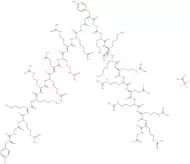
Discontinued productTAT 2-4 trifluoroacetate salt
CAS:Trifluoroacetate saltFormula:C132H240N66O29Purity:Min. 95%Molecular weight:3,215.75 g/molRef: 3D-FT110195
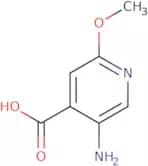
Discontinued product5-Amino-2-methoxyisonicotinic acid
CAS:5-Amino-2-methoxyisonicotinic acid is a carboxylic acid that is used in the synthesis of aminopyridines. The compound can be synthesized from formamidine acetate and diethyl dicarbonate. This process involves lithiation, followed by addition of an amine and finally conversion to the desired product with formamidine acetate. 5-Amino-2-methoxyisonicotinic acid can also be synthesized from formamide and diethyl ether. 5-Amino-2-methoxyisonicotinic acid is an analog of 2,4,6-trimethylaniline and has been shown to have similar properties to this compound, including strong basicity.
Formula:C7H8N2O3Purity:Min. 95%Molecular weight:168.15 g/molpTH (1-34) (rat)
CAS:Please enquire for more information about pTH (1-34) (rat) including the price, delivery time and more detailed product information at the technical inquiry form on this pageFormula:C180H291N55O48S2Purity:Min. 95%Molecular weight:4,057.71 g/molRef: 3D-FP109497
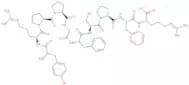
Discontinued productZ-Gly-Pro-Phe-Pro-Leu-OH
CAS:Please enquire for more information about Z-Gly-Pro-Phe-Pro-Leu-OH including the price, delivery time and more detailed product information at the technical inquiry form on this page
Formula:C35H45N5O8Purity:Min. 95%Molecular weight:663.76 g/molRef: 3D-FG111481
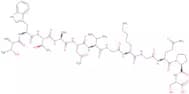
Discontinued productThrombin B-Chain (147-158) (human)
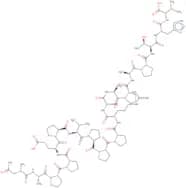
CAS:Please enquire for more information about Thrombin B-Chain (147-158) (human) including the price, delivery time and more detailed product information at the technical inquiry form on this pageFormula:C54H84N16O18Purity:Min. 95%Molecular weight:1,245.34 g/molRef: 3D-FT110320
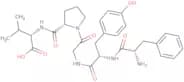
Discontinued productTyr-Bradykinin
CAS:Bradykinin is a peptide with a variety of physiological effects. It is formed by the cleavage of kininogen by kallikrein, and it is involved in the regulation of vascular tone and blood pressure, as well as responses to pain and inflammation. Bradykinin stimulates the release of histamine from mast cells, which causes an inflammatory response. Bradykinin also has been shown to stimulate the release of leukotrienes, prostaglandins, and cytokines from human lung tissue. The interaction between bradykinin and its receptors has been studied extensively using in vitro assays. The conformational changes in this peptide have been characterized by spectroscopic studies such as nuclear magnetic resonance (NMR) and circular dichroism (CD). In addition, bradykinin can be detected using luminescence techniques such as chemiluminescence or bioluminescence. Studies have shown that micromolar concentrations of bradykininFormula:C59H82N16O13Purity:Min. 95%Molecular weight:1,223.38 g/molRef: 3D-FT108624
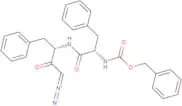
Discontinued productZ-Phe-Phe-diazomethylketone
CAS:Z-Phe-Phe-diazomethylketone is a cathepsin inhibitor that has been shown to inhibit the proteolytic activity of various enzymes, including serine proteases and thrombotic thrombocytopenic. This compound inhibits the growth of Leishmania parasites in cell culture and has been shown to have a high affinity for carboxy terminal and proximal tubules. Z-Phe-Phe-diazomethylketone has a neutral pH, with an optimum at 7.0, which may be due to its ability to bind to proteins or other components of cells without affecting their functions.
Formula:C27H26N4O4Purity:Min. 95%Molecular weight:470.52 g/molRef: 3D-FP111009
Discontinued productFmoc-D-Leu-Wang resin (200-400 mesh)
Please enquire for more information about Fmoc-D-Leu-Wang resin (200-400 mesh) including the price, delivery time and more detailed product information at the technical inquiry form on this page
Purity:Min. 95%Ref: 3D-FF111755
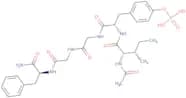
Discontinued productAc-Ile-Tyr(PO3H2)-Gly-Glu-Phe-NH2 ammonium salt
CAS:Please enquire for more information about Ac-Ile-Tyr(PO3H2)-Gly-Glu-Phe-NH2 ammonium salt including the price, delivery time and more detailed product information at the technical inquiry form on this page
Formula:C33H45N6O12PPurity:Min. 95%Molecular weight:748.72 g/molRef: 3D-FA110925
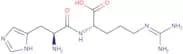
Discontinued productH-His-Arg-OH
CAS:H-His-Arg-OH is a synthetic peptide that has been shown to have cytotoxic effects on mammalian cells. The H-His-Arg-OH peptide can be used for the treatment of heart disease and autoimmune diseases, such as rheumatoid arthritis. This peptide has been found to be resistant to congestive heart failure, which is caused by a number of factors, including hypertension and valvular stenosis. It has also been shown to have an immunoglobulin G1 (IgG1) genotype.
Formula:C12H21N7O3Purity:Min. 95%Molecular weight:311.34 g/molRef: 3D-FH108062
Discontinued productNFAT Inhibitor trifluoroacetate salt
CAS:NFAT Inhibitor trifluoroacetate salt H-Met-Ala-Gly-Pro-His-Pro-Val-Ile-Val-Ile-Thr-Gly-Pro-His-Glu-Glu (NFAT) is an inhibitor drug that has been shown to inhibit the nuclear factor of activated T cells (NFAT). NFAT is a transcriptional regulator that controls the expression of inflammatory genes in macrophages and other cell types. NFAT inhibitors have been shown to be effective for treating bowel diseases, such as ulcerative colitis and Crohn's disease, by inhibiting the activation of macrophages. NFAT inhibitors are also used in vitro as a tool for studying cellular signaling pathways. The most common type of NFAT inhibitor is fluconazole, which blocks calcineurin activity and prevents the activation of NFAT. However, other types of inhibitors are being developed, including mmp9 activity or
Formula:C75H118N20O22SPurity:Min. 95%Molecular weight:1,683.93 g/molRef: 3D-FN109384
Discontinued product[2,6-Dimethyl-4-(3-[2-(Z-amino)-ethylcarbamoyl]-propoxy)-benzenesulfonyl]-Dap (Boc)-OMe
CAS:Please enquire for more information about [2,6-Dimethyl-4-(3-[2-(Z-amino)-ethylcarbamoyl]-propoxy)-benzenesulfonyl]-Dap (Boc)-OMe including the price, delivery time and more detailed product information at the technical inquiry form on this page
Formula:C31H44N4O10SPurity:Min. 95%Molecular weight:664.77 g/molRef: 3D-FD111582
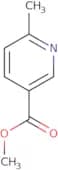
Discontinued productMethyl 6-methylnicotinate
CAS:Methyl 6-methylnicotinate is a synthetic compound that has been shown to have cholinergic properties. It is an oxidation catalyst that can be used in the synthesis of methyl nicotinate, which is a drug for the treatment of influenza virus. Methyl 6-methylnicotinate also has been shown to inhibit the replication of influenza virus in vitro and in vivo. Methyl 6-methylnicotinate inhibits viral growth by binding to the antigenic site on hemagglutinin, preventing it from attaching to host cells. This compound also has been shown to inhibit the release of chloride ions in animal models and inhibits neuromuscular transmission. The molecular modeling studies revealed that methyl 6-methylnicotinate binds with high affinity to the active site of acetylcholinesterase enzyme and is able to form a covalent bond with its serine residue, thereby inhibiting its activity.
Formula:C8H9NO2Purity:Min. 95%Color and Shape:Colorless PowderMolecular weight:151.16 g/molRef: 3D-FM07820
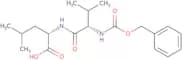
Discontinued productZ-Val-Leu-OH
CAS:Z-Val-Leu-OH is a model substrate for plant proteases, aminopeptidases and dipeptidases. It has been used as a standard to study the mechanism of hydrolysis by these enzymes. Z-Val-Leu-OH is hydrolyzed by these enzymes at optimally pH 8.0, with the rate increasing with temperature up to 45°C. The hydrolysis of Z-Val-Leu-OH by germination endosperm proteinase is inhibited by hemoglobin, which leads to increased levels of peptides in the endosperm.
Formula:C19H28N2O5Purity:Min. 95%Molecular weight:364.44 g/molRef: 3D-FV111530
Discontinued productOsteocalcin (45-49) (human)
CAS:Please enquire for more information about Osteocalcin (45-49) (human) including the price, delivery time and more detailed product information at the technical inquiry form on this page
Formula:C30H39N5O7Purity:Min. 95%Molecular weight:581.66 g/molRef: 3D-FO110386
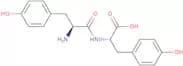
Discontinued productH-Tyr-Tyr-OH
CAS:Hydroxyl-Tyr-Tyr-OH is a fatty acid that belongs to the group of dietary lipids. It has been shown to have antioxidative properties and can be used in the treatment of pancreatic cancer. Hydroxyl-Tyr-Tyr-OH has also been shown to be an important regulatory molecule that controls certain cellular processes, including cell growth and differentiation. It may be involved in some disease processes, such as cancer and vasoactive intestinal peptide secretion, as well as being a reaction product of other molecules. Hydroxyl-Tyr-Tyr-OH can be found in urine samples after oral ingestion.
Formula:C18H20N2O5Purity:Min. 95%Molecular weight:344.36 g/molRef: 3D-FT108219
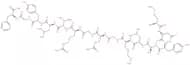
Discontinued productH-D-Val-Leu-Lys-AMC acetate salt
CAS:Please enquire for more information about H-D-Val-Leu-Lys-AMC acetate salt including the price, delivery time and more detailed product information at the technical inquiry form on this page
Formula:C27H41N5O5Purity:Min. 95%Molecular weight:515.65 g/molRef: 3D-FV110534
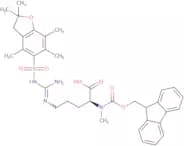
Discontinued productFmoc-N-Me-Arg(Pbf)-OH
CAS:Fmoc-N-Me-Arg(Pbf)-OH is a radiopharmaceutical that is used in binding assays for the detection of cancer. It is a synthetic analog of the natural amino acid, lysine. The Fmoc group attaches to the terminal amine on one end of the molecule and is linked to the carboxylic acid on the other end through an ester bond. This allows for attachment of different drugs or other molecules to create a variety of analogs. Fmoc-N-Me-Arg(Pbf)-OH has been shown to have good binding properties with respect to cancer cells in vivo and diagnostic applications.
Formula:C35H42N4O7SPurity:Min. 95%Color and Shape:White PowderMolecular weight:662.8 g/molAcarbose 1,1-a,a-glycoside
CAS:Please enquire for more information about Acarbose 1,1-a,a-glycoside including the price, delivery time and more detailed product information at the technical inquiry form on this page
Formula:C25H43NO18Purity:Min. 95%Molecular weight:645.6 g/molAloc-DL-Orn (Boc)-OH·DCHA
CAS:Controlled ProductPlease enquire for more information about Aloc-DL-Orn (Boc)-OH·DCHA including the price, delivery time and more detailed product information at the technical inquiry form on this page
Formula:C14H24N2O6·C12H23NPurity:Min. 95%Molecular weight:497.67 g/molRef: 3D-FA107927
Discontinued productNeuropeptide Y-Lys(biotinyl) (free acid) (human, rat) trifluoroacetate salt
Please enquire for more information about Neuropeptide Y-Lys(biotinyl) (free acid) (human, rat) trifluoroacetate salt including the price, delivery time and more detailed product information at the technical inquiry form on this page
Formula:C205H310N58O61S2Purity:Min. 95%Molecular weight:4,627.14 g/molRef: 3D-FN110180
Discontinued productHistogranin
CAS:Histogranin H is a glycoprotein that is secreted by gland cells. Histogranin H has been shown to have pharmacological effects on locomotor activity and pain in animal models. This protein has also been shown to inhibit cancer growth in vitro and in vivo. In addition, it has a protective effect on the central nervous system, which may be due to its ability to increase the expression of brain-derived neurotrophic factor (BDNF). It also inhibits the proliferation of glioma cells, which are cancerous tumors that originate from glial cells in the brain. Histogranin H binds to histone proteins and glutamate receptors, which leads to an antinociceptive effect when injected into rats. The antinociceptive effect of this protein is attenuated by trypsin treatment. Histogranin H has also been shown to have an analgesic effect when injected into rats with chronic pain models.Formula:C78H119N21O21SPurity:Min. 95%Molecular weight:1,718.97 g/molRef: 3D-FH108644
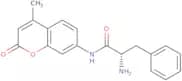
Discontinued productH-Phe-AMC trifluoroacetate salt
CAS:H-Phe-AMC Trifluoroacetate salt is a synthetic, protease inhibitor that inhibits the activity of serine and cysteine proteases. It binds to the active site of these enzymes and blocks their function. H-Phe-AMC trifluoroacetate salt has been used in food chemistry to hydrolyze proteins, and can be used to measure enzyme activities. This product also has been shown to have biological functions such as the inhibition of molting, physiological function, and the prevention of carcinogenesis.
Formula:C19H18N2O3Purity:Min. 95%Molecular weight:322.36 g/molRef: 3D-FP110514
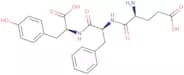
Discontinued productH-Glu-Phe-Tyr-OH
CAS:H-Glu-Phe-Tyr-OH is a peptide transporter that is located on the apical surface of intestinal cells. It is a monovalent cation/H+ symporter that transports H+ and peptides in an electroneutral manner. The uptake rate of this peptide transporter is influenced by the concentration gradient of the substrate, with higher concentrations increasing the uptake rate. It has been shown to transport lidocaine, which suggests it may be used to treat patients who are resistant to other drugs. H-Glu-Phe-Tyr-OH also has a high affinity for peptides, making it possible to use this drug as a means of delivering therapeutic proteins orally.
Formula:C23H27N3O7Purity:Min. 95%Molecular weight:457.48 g/molRef: 3D-FG108922
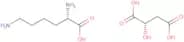
Discontinued productL-Lysine L-malate
CAS:L-Lysine L-malate is a chemical compound that is used in wastewater treatment. It inhibits the activity of enzymes such as carbon disulphide oxidase, copper complexes, and cationic surfactants. L-Lysine L-malate can be synthesized from sodium citrate and malonic acid by reacting with hydrogen peroxide to form a bicyclic heterocycle. This compound has been shown to have biological effects on metabolic disorders in animal studies, which may be due to its ability to inhibit the synthesis of fatty acids and proteins. The adsorption mechanism for this product is unknown.
Formula:C6H14N2O2·C4H6O5Purity:Min. 95%Color and Shape:White PowderMolecular weight:280.28 g/molRef: 3D-FL24966
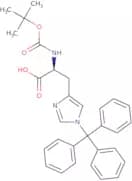
Discontinued productBoc-His(Trt)-OH
CAS:Boc-His(Trt)-OH is a chemical compound that has been used in the laboratory to study uptake and binding of compounds. It is stable in complex with albumin, which has led to its use as a model system for studying hepatic steatosis. This chemical can be synthesized by solid-phase synthesis with trifluoroacetic acid and polypeptide synthesis. FT-IR spectroscopy has been used to characterize Boc-His(Trt)-OH, revealing its chemical diversity.
Formula:C30H31N3O4Purity:Min. 95%Color and Shape:PowderMolecular weight:497.58 g/molRef: 3D-FB42925
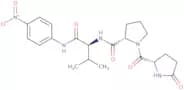
Discontinued productPyr-Pro-Val-pNA trifluoroacetate salt
CAS:Pyr-Pro-Val-pNA is a synthetic peptide that is structurally homologous to the proteases serine and chymotrypsin. This peptide has been shown to have proteolytic activity on fibronectin, n-terminal of angiotensin, and epithelium. Pyr-Pro-Val-pNA also causes an inflammatory response in leukocytes and shigella.
Formula:C21H27N5O6Purity:Min. 95%Molecular weight:445.47 g/molRef: 3D-FP110822
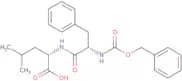
Discontinued productZ-Phe-Leu-OH
CAS:Z-Phe-Leu-OH is a protease inhibitor that belongs to the group of peptidyl-protease inhibitors. It inhibits the activity of a wide range of proteases and is specifically active against carboxypeptidases A and B. Z-Phe-Leu-OH has been shown to be specific for these enzymes, with no inhibitory activity against other proteases such as aminopeptidases, serine proteases, or metalloproteases. The amino acid composition of this protease inhibitor is different from other inhibitors that have been studied in detail. This agent was found to be more effective than phenylmethylsulfonyl fluoride (PMSF) at inhibiting carboxypeptidase A and B.
Z-Phe-Leu-OH has been shown to be an acidic compound with a pKa of 5.5; however, it does not react with chloromethyl ketoneFormula:C23H28N2O5Purity:Min. 95%Molecular weight:412.48 g/molRef: 3D-FP110846
Discontinued productThr-Ala-Pro-Arg-Atrial Natriuretic Factor (1-28) (human, bovine, porcine) trifluoroacetate salt
CAS:Thr-Ala-Pro-Arg-Atrial Natriuretic Factor (1-28) (human, bovine, porcine) trifluoroacetate salt is a peptide hormone that regulates blood pressure by causing the kidneys to excrete sodium and water. It is used as a model system for studying the physiological effects of urodilatin and has been shown to inhibit the cyclase enzyme. Thr-Ala-Pro-Arg-Atrial Natriuretic Factor (1-28) (human, bovine, porcine) trifluoroacetate salt may also have an antihypertensive effect through its ability to reduce levels of natriuretic peptides in plasma. This drug is also being investigated as a possible treatment for congestive heart failure. The small molecular weight makes it suitable for use as a natriuretic or antihypertensive drug with minimal side effects.
Formula:C145H234N52O44S3Purity:Min. 95%Molecular weight:3,505.93 g/molRef: 3D-FT108857
Discontinued productAc-Met-AMC
CAS:Ac-Met-AMC is a nucleoside analog that is an active inhibitor of the enzyme DNA polymerase. This drug has been shown to be effective in preventing the growth of cancer cells in tissue cultures, and it has also been used to study the relationship between isoforms and oxygenated species. Ac-Met-AMC binds to the cytosolic side of the enzyme, which reduces its activity, but this binding does not affect the enzyme's ability to bind substrate or ATP. Ac-Met-AMC has been shown to hydrolyze with a rate constant of 6 x 10 M(-1) s(-1).
Formula:C17H20N2O4SPurity:Min. 95%Molecular weight:348.42 g/molRef: 3D-FA110582
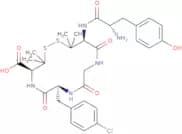
Discontinued product(D-Pen 2,p-chloro-Phe4,D-Pen 5)-Enkephalin
CAS:D-Pen 2,p-chloro-Phe4,D-Pen 5)-Enkephalin H-Tyr-D-Pen-Gly-p-chloro-Phe-D-Pen (Disulfide bond) is a peptide that belongs to the family of opioid drugs. It has low potency and is used in pharmacological studies as a nonselective antagonist of δ-, μ-, and κ-(kappa) receptors. This drug blocks pain by binding to the same receptor sites that are activated by endogenous opioids and has been shown to be effective against both inflammatory and neuropathic pain. DPDPE has also been shown to have a high safety profile with minimal side effects.
Formula:C30H38ClN5O7S2Purity:Min. 95%Molecular weight:680.24 g/molRef: 3D-FP110360
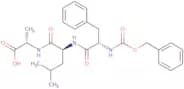
Discontinued productZ-Phe-Leu-Ala-OH
CAS:Z-Phe-Leu-Ala-OH is a homologous protein that has been shown to have proteolytic activity. It has a neutral pH and is stable in the presence of metal ions. This enzyme is structurally similar to subtilisin, with a sequence of residues containing two histidine residues, which are important for stability. The kinetic parameters of this enzyme were determined by analyzing its activity under different conditions and at different temperatures. The mutant Z-Phe-Leu-Ala-OH was found to be more active than the wild type at high temperature, but less active at low temperature, suggesting that the protein could be used as an industrial catalyst in food processing or chemical production.
Formula:C26H33N3O6Purity:Min. 95%Molecular weight:483.56 g/molRef: 3D-FP111552
Discontinued productH-Tyr-Ser-NH2·HCl
CAS:Please enquire for more information about H-Tyr-Ser-NH2·HCl including the price, delivery time and more detailed product information at the technical inquiry form on this page
Formula:C12H17N3O4·HClPurity:Min. 95%Molecular weight:303.74 g/molRef: 3D-FT108215
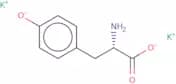
Discontinued productL-Tyrosine dipotassium
CAS:L-Tyrosine dipotassium salt is a high quality, reagent, complex compound, useful intermediate and fine chemical. It is a useful scaffold that can be used in the synthesis of various important natural products. L-Tyrosine dipotassium salt is a versatile building block that has been widely applied in research on the development of new drugs, such as antiviral agents and antibiotics. L-Tyrosine dipotassium salt can act as a reaction component for many organic reactions. It also has applications in many areas such as medicine, food production, and environmental protection.
Formula:C9H11NO3•K2Purity:Min. 95%Molecular weight:259.39 g/molFA-Ala-Phe-NH2
CAS:FA-Ala-Phe-NH2 is a synthetic, hydrophobic peptide that mimics the structure of a spermatozoal regulatory protein. It has been shown to be an irreversible metal chelator and is used as a substrate in assays for metalloendopeptidases. In vitro studies have also shown that this peptide interacts with lectins and can inhibit the binding of spermatozoa to egg zona pellucida.
Formula:C19H21N3O4Purity:Min. 95%Molecular weight:355.39 g/molRef: 3D-FF110853
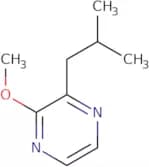
Discontinued product2-Isobutyl-3-methoxypyrazine
CAS:2-Isobutyl-3-methoxypyrazine is a hydrophobic compound that is not soluble in water. It has a bound form and can be titrated with calorimetry. 2-Isobutyl-3-methoxypyrazine is synthesized by reacting 2,2,4-trimethylpentane with methoxyacetone in the presence of sodium methylate. The compound has been detected as an odorant in numerous plant species and is believed to play a role in plant physiology. 2-Isobutyl-3-methoxypyrazine has been shown to have potent antiviral activity against infectious diseases such as HIV, herpes simplex virus type 1 (HSV1), and varicella zoster virus (VZV). This specific antiviral activity may be due to its ability to bind fatty acids by hydrogen bonds, which may interfere with the synthesis of viral membranes.
Formula:C9H14N2OPurity:Min. 95%Molecular weight:166.22 g/molRef: 3D-FI63381
Discontinued productGAP 26 trifluoroacetate salt
CAS:13-mer connexin mimetic peptide, composed of residue numbers 63-75 of the first extracellular loop of connexin 43 (gap junction blocker), containing the SHVR amino acid motif.Formula:C70H107N19O19SPurity:Min. 95%Molecular weight:1,550.78 g/molRef: 3D-FG110169
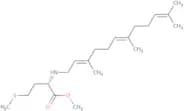
Discontinued productFarnesyl-Met-OMe
CAS:Please enquire for more information about Farnesyl-Met-OMe including the price, delivery time and more detailed product information at the technical inquiry form on this page
Formula:C21H37NO2SPurity:Min. 95%Molecular weight:367.59 g/molRef: 3D-FF107916
Discontinued productTLQP-21 (human) trifluoroacetate salt
CAS:Please enquire for more information about TLQP-21 (human) trifluoroacetate salt including the price, delivery time and more detailed product information at the technical inquiry form on this page
Formula:C110H176N40O27Purity:Min. 95%Molecular weight:2,490.83 g/molRef: 3D-FT110031
Discontinued productH-Asp-Asp-Asp-Asp-OH
CAS:Please enquire for more information about H-Asp-Asp-Asp-Asp-OH including the price, delivery time and more detailed product information at the technical inquiry form on this page
Formula:C16H22N4O13Purity:Min. 95%Molecular weight:478.37 g/molRef: 3D-FA110343
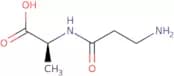
Discontinued productH-beta-Ala-Ala-OH
CAS:Please enquire for more information about H-beta-Ala-Ala-OH including the price, delivery time and more detailed product information at the technical inquiry form on this page
Formula:C6H12N2O3Purity:Min. 95%Molecular weight:160.17 g/molRef: 3D-FA107956
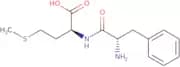
Discontinued productH-Phe-Met-OH
CAS:H-Phe-Met-OH is a postulated, synthetic, odorant binding molecule that has been reported to have high specificity for leukemia cells. H-Phe-Met-OH binds specifically to the surface of leukemia cells and stabilizes them. It also potentiates the effect of other drugs used in leukemia therapy. These properties make it an ideal candidate for developing new treatments for leukemias.
Formula:C14H20N2O3SPurity:Min. 95%Molecular weight:296.39 g/molRef: 3D-FP108145
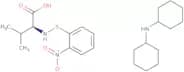
Discontinued productNps-Val-OH·DCHA
CAS:Controlled ProductPlease enquire for more information about Nps-Val-OH·DCHA including the price, delivery time and more detailed product information at the technical inquiry form on this page
Formula:C11H14N2O4S·C12H23NPurity:Min. 95%Molecular weight:451.62 g/molRef: 3D-FN107891
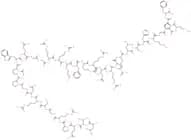
Discontinued productApelin-36 (human)
CAS:Apelin-36 is a human apelin protein. It is involved in the regulation of appetite and energy expenditure. Apelin-36 has been shown to be an independent predictor of body mass index and insulin resistance in women with polycystic ovary syndrome. Apelin-36 is also an indicator of the risk for cardiovascular disease, stroke, and type 2 diabetes mellitus. This molecule can be measured using a Western blot assay method on ovary homogenates. The level of apelin-36 can be used as a diagnostic tool for determining insulin resistance and overweight status.Formula:C184H297N69O43SPurity:Min. 95%Molecular weight:4,195.83 g/molRef: 3D-FA109395
Discontinued product(D-Ser4,D-Trp6)-LHRH trifluoroacetate salt
CAS:Please enquire for more information about (D-Ser4,D-Trp6)-LHRH trifluoroacetate salt including the price, delivery time and more detailed product information at the technical inquiry form on this pageFormula:C64H82N18O13Purity:Min. 95%Molecular weight:1,311.45 g/molRef: 3D-FS109324
Discontinued productH-Arg-Arg-4MbetaNA·3 HCl
CAS:Please enquire for more information about H-Arg-Arg-4MbetaNA·3 HCl including the price, delivery time and more detailed product information at the technical inquiry form on this page
Formula:C23H35N9O3·3HClPurity:Min. 95%Molecular weight:594.96 g/molRef: 3D-FA110617
Discontinued productNeuroendocrine Regulatory Peptide-4 (human, mouse, rat) trifluoroacetate salt
CAS:Please enquire for more information about Neuroendocrine Regulatory Peptide-4 (human, mouse, rat) trifluoroacetate salt including the price, delivery time and more detailed product information at the technical inquiry form on this pageFormula:C87H135N25O24Purity:Min. 95%Molecular weight:1,915.16 g/molRef: 3D-FN110030
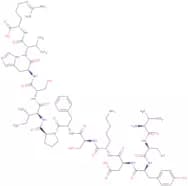
Discontinued productAmyloid beta-Protein (1-40) (scrambled) trifluoroacetate salt
CAS:Please enquire for more information about Amyloid beta-Protein (1-40) (scrambled) trifluoroacetate salt including the price, delivery time and more detailed product information at the technical inquiry form on this pageFormula:C194H295N53O58SPurity:Min. 95%Molecular weight:4,329.81 g/molRef: 3D-FA110091
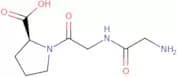
Discontinued productH-Gly-Gly-Pro-OH
CAS:H-Gly-Gly-Pro-OH is a recombinant polypeptide with affinity for amino acids. It is a positionally defined sequence of amino acids that has been shown to bind to Alzheimer's disease (AD) amyloid peptides and inhibit the formation of beta amyloid fibrils. The N-terminal sequence of this polypeptide is immunogenic, which may be useful for generating antibodies against AD.
Formula:C9H15N3O4Purity:Min. 95%Molecular weight:229.23 g/molRef: 3D-FG109016
Discontinued productNeuroendocrine Regulatory Peptide-1 (human) trifluoroacetate salt
CAS:Please enquire for more information about Neuroendocrine Regulatory Peptide-1 (human) trifluoroacetate salt including the price, delivery time and more detailed product information at the technical inquiry form on this pageFormula:C113H192N36O39Purity:Min. 95%Molecular weight:2,678.95 g/molRef: 3D-FN109905
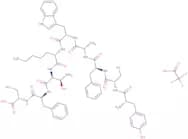
Discontinued productH-Tyr-Cys-Phe-Ala-Trp-Lys-Thr-Phe-Cys-OH trifluoroacetate salt (Disulfide bond)
CAS:Please enquire for more information about H-Tyr-Cys-Phe-Ala-Trp-Lys-Thr-Phe-Cys-OH trifluoroacetate salt (Disulfide bond) including the price, delivery time and more detailed product information at the technical inquiry form on this page
Formula:C57H71N11O12S2Purity:Min. 95%Molecular weight:1,166.37 g/molRef: 3D-FT109717
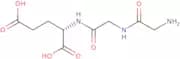
Discontinued productH-Gly-Gly-Glu-OH
CAS:H-Gly-Gly-Glu-OH is a hydrolysate of the proteasome peptide. It has reversed-phase and liquid chromatography properties, which make it a useful biochemical tool for the analysis of proteins. The carboxylate group at the end of H-Gly-Gly-Glu-OH can be used as an isopeptide to determine the sequence of peptides that are synthesized by a prokaryotic or eukaryotic cell. H-Gly-Gly-Glu-OH can also be used to cleave ligation products in order to analyse them.
Formula:C9H15N3O6Purity:Min. 95%Molecular weight:261.23 g/molRef: 3D-FG108977
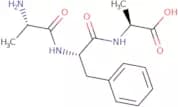
Discontinued productH-Ala-Phe-Ala-OH
CAS:H-Ala-Phe-Ala-OH is a peptidomimetic that has been shown to have hydrogen bonding interactions with caco-2 cells. It also has the ability to form micelles and x-ray diffraction data show that the molecule has a right handed helical conformation. This compound was synthesized by reacting H-Ala-Phe with H-Gly-Gly in an amino acid condensation reaction, followed by hydrolysis of the amide bonds. The bioisosteres for this compound are tripeptides, which are amino acids linked by peptide bonds. The interaction of this compound with caco-2 cells is thought to be due to the hydrogen bonding interactions between this molecule and the hydroxyl groups on the cell surface.
Formula:C15H21N3O4Purity:Min. 95%Molecular weight:307.35 g/molRef: 3D-FA109492
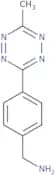
Discontinued productMethyltetrazine amine
CAS:A building block used for derivatization of carboxylic acids or activated esters with methytetrazine moiety. The stability of Methyltetrazine Amine is substantially improved compared to hydrogen substituted tetrazine-tmine. Superior stability of methyltetrazine-amine allows this reagent to be used in wider range of chemical transformations. Long-term storage of methyltetrazine-amine, especially in aqueous buffer, is also greatly improved compared to Tetrazine Amine.Supplied as the HCl saltFormula:C10H11N5Purity:Min. 95%Color and Shape:PowderMolecular weight:201.23 g/molCKS-17 (7-12)
CAS:Please enquire for more information about CKS-17 (7-12) including the price, delivery time and more detailed product information at the technical inquiry form on this page
Formula:C37H60N6O9Purity:Min. 95%Molecular weight:732.91 g/molRef: 3D-FC108452
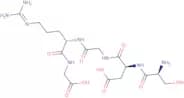
Discontinued productH-Ser-Asp-Gly-Arg-Gly-OH
CAS:H-Ser-Asp-Gly-Arg-Gly-OH is a peptide and model system for epidermal growth factor. It has been shown to stimulate epidermal growth and protein synthesis in the skin cells. The peptide has also been shown to inhibit fibrinogen production by monoclonal antibody, which is a biochemical marker of wound healing. H-Ser-Asp-Gly-Arg-Gly-OH analogs have been shown to inhibit the activation of epidermal growth factor receptor and have an inhibitory effect on cell growth.
Formula:C17H30N8O9Purity:Min. 95%Molecular weight:490.47 g/molRef: 3D-FS110244
Discontinued productTrypsin-Modulating Oostatic Factor (Neobelliera bullata)
CAS:Proctolin is a peptide hormone that regulates the growth of the ovary. Proctolin has been found to be a proteolytic molecule that specifically cleaves at the carboxy-terminal end of the protein substrate. It also has inhibitory effects on the activity of carboxypeptidase, an enzyme involved in the digestion and absorption of proteins. Proctolin has been shown to modulate biological studies, such as nitrogen atoms and sequences, which may be due to its ability to regulate and stimulate biosynthesis.
Formula:C29H46N10O10Purity:Min. 95%Molecular weight:694.74 g/molRef: 3D-FT108569
Discontinued productPz-Pro-Leu-Gly-Pro-D-Arg-OH trifluoroacetate salt
CAS:Pz-Pro-Leu-Gly-Pro-D-Arg-OH trifluoroacetate salt is a synthetic substrate that can be used for the synthesis of cyclic peptides. It has been shown to act as a competitive inhibitor of the serine protease, chymotrypsin, and cytochalasin B. Pz-Pro-Leu-Gly-Pro-D-Arg is a soluble substrate that can be used in tissue culture experiments with caco2 cells. This compound also has high solubility and is stable at pH values between 5 and 12. The optimum pH for this compound is 8.
Formula:C38H52N10O8Purity:Min. 95%Molecular weight:776.88 g/molRef: 3D-FP110878
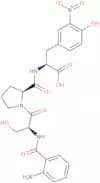
Discontinued productAbz-Ser-Pro-3-nitro-Tyr-OH
CAS:Abz-Ser-Pro-3-nitro-Tyr-OH is a chromophobe peptide that is expressed in renal cell carcinomas. It is a potent inhibitor of all three major classes of proteases: serine, cysteine and aspartyl proteases. Abz-Ser-Pro-3-nitro-Tyr-OH inhibits the activity of peptidases, which are enzymes involved in protein degradation and turnover. Abz has been shown to inhibit the activity of intrarenal proteolytic enzymes, including endopeptidase, metallopeptidase and aminopeptidase activities. Abz also has been shown to inhibit the expression of markers on the surface of kidney cells and to reduce renal cell proliferation.
Formula:C24H27N5O9Purity:Min. 95%Molecular weight:529.5 g/molRef: 3D-FA110992
Discontinued productTyr-Leptin (26-39) (human)
CAS:Please enquire for more information about Tyr-Leptin (26-39) (human) including the price, delivery time and more detailed product information at the technical inquiry form on this pageFormula:C80H137N19O25Purity:Min. 95%Molecular weight:1,765.06 g/molRef: 3D-FT109022
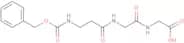
Discontinued productZ-beta-Ala-Gly-Gly-OH
CAS:Please enquire for more information about Z-beta-Ala-Gly-Gly-OH including the price, delivery time and more detailed product information at the technical inquiry form on this page
Formula:C15H19N3O6Purity:Min. 95%Molecular weight:337.33 g/molRef: 3D-FA111438
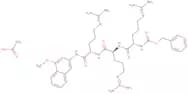
Discontinued productZ-Arg-Arg-Arg-4MbetaNA acetate salt
CAS:Controlled ProductPlease enquire for more information about Z-Arg-Arg-Arg-4MbetaNA acetate salt including the price, delivery time and more detailed product information at the technical inquiry form on this page
Formula:C37H53N13O6Purity:Min. 95%Molecular weight:775.9 g/molRef: 3D-FA110624
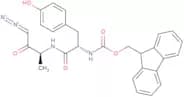
Discontinued productFmoc-Tyr-Ala-diazomethylketone
CAS:Please enquire for more information about Fmoc-Tyr-Ala-diazomethylketone including the price, delivery time and more detailed product information at the technical inquiry form on this page
Formula:C28H26N4O5Purity:Min. 95%Molecular weight:498.53 g/molRef: 3D-FF111337
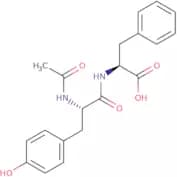
Discontinued productAc-Tyr-Phe-OH
CAS:This synthetic peptide is an acceptor of protons and has a molecular weight of 904. It is one of the most potent proton donors known to date and has been shown to be effective in iontophoresis experiments. Ac-Tyr-Phe-OH has been found to have a bitter taste, which may limit its use as a drug candidate. However, it could be used as a screening tool to identify compounds that are likely to have a bitter taste, but without the need for extensive animal testing.
Formula:C20H22N2O5Purity:Min. 95%Molecular weight:370.4 g/molRef: 3D-FA107952
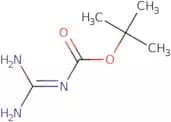
Discontinued productBoc-guanidine
CAS:Guanidine is a guanidinium cation that is used in the treatment of autoimmune diseases, cancer, and aspartyl receptor activity. Boc-guanidine is an efficient method for the synthesis of guanidine. It has been shown to be effective in treating inflammatory diseases and neutral pH conditions. Boc-guanidine inhibits glycogen synthase kinase-3 (GSK3) and membrane interactions, which are associated with a number of human disorders. It also has antimicrobial properties against marine microorganisms.
Formula:C6H13N3O2Purity:Min. 95%Molecular weight:159.19 g/molRef: 3D-FB39242
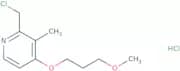
Discontinued product2-Chloromethyl-4-(3-methoxypropoxy)-3-methylpyridine hydrochloride
CAS:Please enquire for more information about 2-Chloromethyl-4-(3-methoxypropoxy)-3-methylpyridine hydrochloride including the price, delivery time and more detailed product information at the technical inquiry form on this page
Formula:C11H17Cl2NO2Purity:Min. 95%Molecular weight:266.16 g/molBoc-Leu-Lys-Arg-AMC hydrochloride salt
CAS:Boc-Leu-Lys-Arg-AMC is a synthetic substrate that has been used in a number of clinical studies to identify the serine proteases that are involved in autoimmune diseases. It is a synthetic peptide composed of the amino acid sequence found in soybean trypsin. The peptide was shown to have high salt tolerance and was able to be hydrolyzed by polyclonal antibodies with specificity for amyloid protein, suggesting it may be useful as a biochemical marker for Alzheimer's disease. Boc-Leu-Lys-Arg-AMC has also been shown to be an efficient substrate for collagenase, which is an enzyme that breaks down collagen and causes tissue damage. This property makes this compound useful as a proteolytic agent for the removal of unwanted scar tissue or other lesions from diseased organs. Boc-Leu-Lys-Arg-AMC also has an optimum pH level of 7.5 and is active against influenzaFormula:C33H52N8O7Purity:Min. 95%Molecular weight:672.82 g/molRef: 3D-FB110554
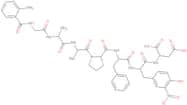
Discontinued productAbz-Gly-Ala-Ala-Pro-Phe-3-nitro-Tyr-Asp-OH trifluoroacetate salt
CAS:Please enquire for more information about Abz-Gly-Ala-Ala-Pro-Phe-3-nitro-Tyr-Asp-OH trifluoroacetate salt including the price, delivery time and more detailed product information at the technical inquiry form on this pageFormula:C42H49N9O14Purity:Min. 95%Molecular weight:903.89 g/molRef: 3D-FA110962
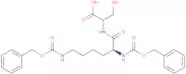
Discontinued productZ-Lys(Z)-Ser-OH
CAS:Please enquire for more information about Z-Lys(Z)-Ser-OH including the price, delivery time and more detailed product information at the technical inquiry form on this page
Formula:C25H31N3O8Purity:Min. 95%Molecular weight:501.53 g/molRef: 3D-FL111536
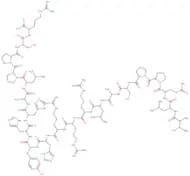
Discontinued product(Arg17)-Amyloid b-Protein (1-42) trifluoroacetate salt
CAS:Please enquire for more information about (Arg17)-Amyloid b-Protein (1-42) trifluoroacetate salt including the price, delivery time and more detailed product information at the technical inquiry form on this page
Formula:C203H312N58O60SPurity:Min. 95%Molecular weight:4,557.07 g/molRef: 3D-FA109844
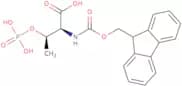
Discontinued productFmoc-Thr(PO3H2)-OH
CAS:Please enquire for more information about Fmoc-Thr(PO3H2)-OH including the price, delivery time and more detailed product information at the technical inquiry form on this page
Formula:C19H20NO8PPurity:Min. 95%Molecular weight:421.34 g/molRef: 3D-FF111333
Discontinued productH-Asp-Phe-NH2 trifluoroacetate
CAS:Please enquire for more information about H-Asp-Phe-NH2 trifluoroacetate including the price, delivery time and more detailed product information at the technical inquiry form on this page
Formula:C13H17N3O4•(C2HF3O2)xPurity:Min. 95%Ref: 3D-FH184031
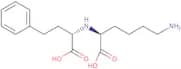
Discontinued productN2-(S)-1-Carboxy-3-phenylpropyl-L-lysine
CAS:Please enquire for more information about N2-(S)-1-Carboxy-3-phenylpropyl-L-lysine including the price, delivery time and more detailed product information at the technical inquiry form on this page
Formula:C16H24N2O4Purity:Min. 95%Molecular weight:308.37 g/molEVP4593
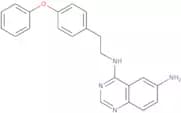
CAS:6-Amino-4-(4-phenoxyphenylethylamino)quinazoline is a potential anticancer drug that has been shown to inhibit the polymerase chain reaction in human osteosarcoma cells. It also inhibits the signaling pathway of nuclear factor-κB (NF-κB), which is involved in cell death and tumorigenesis. 6-Amino-4-(4-phenoxyphenylethylamino)quinazoline has shown significant cytotoxicity against murine hepatoma cells and bowel disease cells, but not against normal tissue. This drug is also an inhibitor of the drug transporter Pgp. 6-Amino-4-(4-phenoxyphenylethylamino)quinazoline has been shown to be effective in experimental models for cancer, AIDS, and other infectious diseases.Formula:C22H20N4OPurity:Min. 95%Color and Shape:PowderMolecular weight:356.42 g/molRef: 3D-FA17546
Discontinued productThymopentin acetate salt
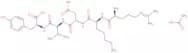
CAS:Controlled ProductThymopentin acetate salt H-Arg-Lys-Asp-Val-Tyr-OH acetate salt is an experimental model system that has been shown to replicate the physiological effects of thymopoietin in vitro. It has also been shown to inhibit the growth of Candida glabrata, a fungus that causes infection in patients with HIV or AIDS. Thymopentin acetate salt H-Arg-Lys-Asp-Val-Tyr-OH acetate salt has been shown to activate both toll like receptor and IL2 receptor, which may be due to its ability to stimulate polyamine synthesis.Formula:C30H49N9O9Purity:Min. 95%Molecular weight:679.77 g/mol8-Phenyltheophylline
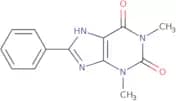
CAS:Controlled Product8-Phenyltheophylline (8PT) is an adenosine receptor agonist that is used as a bronchodilator for the treatment of asthma. It has been shown to increase the intracellular calcium concentration in hl-60 cells and in rat papillary muscles. 8PT also has locomotor activating effects, which are thought to be due to its ability to block potassium channels in the hippocampal formation. These effects may be related to ATP-sensitive potassium channels, which have been shown to be sensitive to ATP in untreated mice. 8PT also has anti-arrhythmic properties, which may be due to its ability to inhibit sodium channels and its effect on heart rate and contractility.
Formula:C13H12N4O2Purity:Min. 95%Color and Shape:PowderMolecular weight:256.26 g/molRef: 3D-FP165348
Discontinued product4-[2-[[(1S)-1-(2-Aminophenyl)-3-methylbutyl]amino]-2-oxoethyl]-2-ethoxybenzoic acid
CAS:Bosentan is a potent inhibitor of the uptake of organic anions. It is used in the treatment of pulmonary arterial hypertension and has been shown to be effective against pravastatin-resistant HIV protease inhibitors, such as saquinavir, quinidine, and rosuvastatin. Bosentan inhibits uptake by binding to the transporter protein at a site that does not overlap with the binding site for organic anion substrates. This leads to a change in kinetic parameters for substrates, such as pravastatin and saquinavir. The binding site on bosentan may also be elucidated through monolayer experiments with efflux transporters.
Formula:C22H28N2O4Purity:Min. 95%Molecular weight:384.47 g/molRef: 3D-FD21379
Discontinued productAngiotensin A (1-7) trifluoroacetate
CAS:Endogenous heptapetide which causes vasodilation and has anti-hypertensive properties.
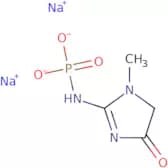
Formula:C40H62N12O9•(C2HF3O2)xPurity:Min. 95%Color and Shape:PowderMolecular weight:855 g/molDisodium (1-methyl-4-oxoimidazolidin-2-ylidene)phosphoramidate
CAS:Please enquire for more information about Disodium (1-methyl-4-oxoimidazolidin-2-ylidene)phosphoramidate including the price, delivery time and more detailed product information at the technical inquiry form on this page
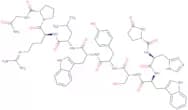
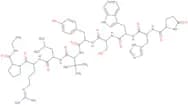
Formula:C4H6N3O4PNa2Purity:Min. 80 Area-%Color and Shape:PowderMolecular weight:237.06 g/mol(Des-Gly10, tBu-D-Gly6,Pro-NHEt 9)-LHRH acetate salt
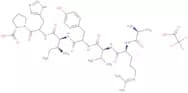
CAS:(Des-Gly10, tBu-D-Gly6,Pro-NHEt 9)-LHRH acetate salt Pyr-His-Trp-Ser-Tyr-tBu-D-Gly-Leu-Arg-Pro-NHEt acetate salt is a synthetic hormone that belongs to the group of gonadotropin releasing hormones (GnRH). It is used in veterinary medicine to stimulate ovulation and follicular growth in animals. (Des-Gly10, tBu-D-Gly6, Pro -NHEt9)-LHRH acetate salt Pyr -His -Trp -Ser -Tyr -tBu -D -Gly -Leu -Arg -Pro NHEt acetate salt is a prodrug that is hydrolyzed in vivo to buserelin, its active form. This drug has been shown to be effective against estradiol benzoate and sodium salts
Formula:C59H84N16O12·xC2H4O2Purity:Min. 95%Molecular weight:1,209.4 g/molRef: 3D-FD109861
Discontinued product5-[(1-Methylindole-3-yl)carbonyl]-4,5,6,7-tetrahydro-1H-bezimidazole
CAS:Controlled Product5-[(1-Methylindole-3-yl)carbonyl]-4,5,6,7-tetrahydro-1H-bezimidazole is a reactive heterocyclic compound. It is a carboxylic acid and an amide with a peptic and cephalalgic effect. The symptoms of 5-[(1-methylindole-3-yl)carbonyl]-4,5,6,7-tetrahydro-1H-bezimidazole are hemicrania and amnesia. It has been expressed in the calf thymus DNA.
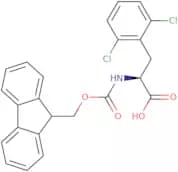
Formula:C17H17N3OPurity:Min. 95%Molecular weight:279.34 g/molFmoc-2,6-dichloro-L-phenylalanine
CAS:Please enquire for more information about Fmoc-2,6-dichloro-L-phenylalanine including the price, delivery time and more detailed product information at the technical inquiry form on this page
Formula:C24H19Cl2NO4Purity:Min. 95%Molecular weight:456.32 g/molRef: 3D-FF48009
Discontinued product




![[2,6-Dimethyl-4-(3-[2-(Z-amino)-ethylcarbamoyl]-propoxy)-benzenesulfonyl]-Dap (Boc)-OMe](/_next/image/?url=https%3A%2Fstatic.cymitquimica.com%2Fproducts%2F3D%2Fthumb-webp%2FFD111582.webp&w=3840&q=75)















![4-[2-[[(1S)-1-(2-Aminophenyl)-3-methylbutyl]amino]-2-oxoethyl]-2-ethoxybenzoic acid](/_next/image/?url=https%3A%2Fstatic.cymitquimica.com%2Fproducts%2F3D%2Fthumb-webp%2FFD21379.webp&w=3840&q=75)
![5-[(1-Methylindole-3-yl)carbonyl]-4,5,6,7-tetrahydro-1H-bezimidazole](/_next/image/?url=https%3A%2Fstatic.cymitquimica.com%2Fproducts%2F3D%2Fthumb-webp%2FFM148522.webp&w=3840&q=75)