Amino Acids (AA)
Subcategories of "Amino Acids (AA)"
- Amino Acid Derivatives(4,015 products)
- Amino Acid and Amino Acid Related Compounds(3,490 products)
- Amino Acids with Oxygen or Sulphur(168 products)
- Boc- Amino Acids(351 products)
- Fmoc Amino Acids(1,710 products)
Found 38368 products of "Amino Acids (AA)"
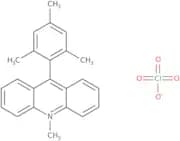
9-Mesityl-10-methylacridinium perchlorate
CAS:9-Mesityl-10-methylacridinium perchlorate is a cross-coupling reagent that can be used to form amines from alkenes via bond cleavage. The mechanism of this reaction involves irradiation, which generates radical species, and the use of molecular probes to rationalize the rate of the reaction. 9-Mesityl-10-methylacridinium perchlorate is a highly reactive compound with a short half life, which makes it an ideal candidate for generating radicals in order to study mechanistic studies on acridinium.Formula:C23H22ClNO4Purity:Min. 95%Color and Shape:PowderMolecular weight:411.88 g/molRef: 3D-FM60362
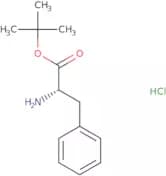
Discontinued product(S)-3-Phenylalanine t-butyl ester HCl
CAS:(S)-3-Phenylalanine t-butyl ester HCl is a solute with the molecular formula of C9H11NO2. It is an ester that has been hydrochloride to produce a solute that is soluble in water and alcohols. (S)-3-Phenylalanine t-butyl ester HCl is also a provitamin, which means it can be converted into vitamin B6 in the body. This compound has been shown to reduce the viscosity of fluids at high temperatures and low pressure, making it useful in thermally labile solutes. The solubility of (S)-3-phenylalanine t-butyl ester HCl in various solvents depends on its concentration. The fluorescence properties of this compound depend on the concentration and temperature. These properties have been used for deconvolution purposes in amide studies.
Formula:C13H19NO2·HClPurity:Min. 95%Color and Shape:White PowderMolecular weight:257.76 g/molRef: 3D-FP40262
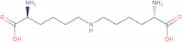
Discontinued productLysino norleucine TFA salt
CAS:Lysino norleucine TFA salt is a molecule that contains lysine residues. It has been shown to bind to collagen and sequences in the cell culture and crosslink with different molecules. Lysino norleucine TFA salt is also classified as a pharmacological agent and can be used for the treatment of diseases such as arthritis, cancer, or other inflammatory diseases.
Formula:C12H25N3O4Purity:Min. 95%Color and Shape:White PowderMolecular weight:275.34 g/molRef: 3D-FL24967
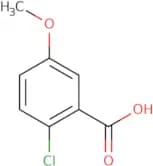
Discontinued product2-Chloro-5-methoxybenzoic acid
CAS:2-Chloro-5-methoxybenzoic acid (2CMB) is a copper chelator that has been shown to have antagonistic properties against microglia cells. 2CMB is synthesized from 2,5-dichlorobenzoic acid and methoxylamine. It has been shown to inhibit the synthesis of inflammatory mediators in rat spinal cord microglia cells by inhibiting the activity of polyphosphoric acid, anions and additives. 2CMB also has a high affinity for chloride ions and can be used as a tracer to measure chloride profiles. 2CMB reacts with copper ions at a slow rate and can be used as an indicator for the presence of microglia cells.
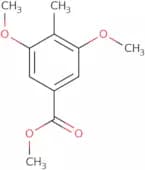
Formula:C8H7ClO3Purity:Min. 95%Molecular weight:186.59 g/mol3,5-Dimethoxy-4-methylbenzoic acid methyl ester
CAS:3,5-Dimethoxy-4-methylbenzoic acid methyl ester (DMMBME) is a synthetic compound that is used as an immunogen to generate antibodies against fungal proteins. DMMBME is specifically used to identify the presence of bryoria and australian fungi in plants. The chemical structure of DMMBME can be oxidized by depsidones, which leads to the production of reactive oxygen species that are believed to be responsible for the oxidative coupling of target proteins. This reaction can be catalyzed by a number of enzymes such as nidulin, which is found in plant roots.
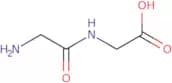
Formula:C11H14O4Purity:Min. 95%Color and Shape:PowderMolecular weight:210.23 g/molGlycylglycine
CAS:Glycyl-glycine is a biological buffer with a pH range of 7.5-8.9 and a pKa of 8.2. It is a zwitterionic compound and is low in toxicity, meaning it is suitable for many applications
Formula:C4H8N2O3Purity:Min. 95%Color and Shape:PowderMolecular weight:132.12 g/molRef: 3D-FG40134
Discontinued product2-Aminothiophene-3-methyl carboxylate
CAS:2-Aminothiophene-3-methyl carboxylate is a hydrogen bond that is derived from the amino acid methionine. It has been shown to have potent antitumor activity and can be used for the treatment of cancer. 2-Aminothiophene-3-methyl carboxylate has a molecular weight of 244.6 g/mol, an isolated yield of 0.68%, and a melting point of 245 °C.
Formula:C4H2SCOOCH3NH2Purity:Min. 95%Color and Shape:Yellow PowderMolecular weight:157.19 g/molRef: 3D-FA16014
Discontinued product2-Anilino-6-dibutylamino-3-methylfluoran
CAS:2-Anilino-6-dibutylamino-3-methylfluoran is a switchable fluorescent dye that has been used to detect and measure biochemically active substances in living cells. The dye is introduced into the cell, where it binds to specific proteins or nucleic acids, causing a change in fluorescence. This change can then be detected using a microscope with an ultraviolet light source. 2-Anilino-6-dibutylamino-3-methylfluoran has also been used to detect bacteria in wastewater samples. An experiment was conducted to determine the effects of temperature on the reaction time of 2AADMF and metal ion concentration. Increasing the temperature resulted in an increase in reaction time, while increasing the concentration of metal ions had no effect on reaction time. 2AADMF also reacts differently depending on whether it is inside microcapsules or not. Microcapsules with 2AADMF reacted faster than those without it when
Formula:C35H36N2O3Purity:Min. 95%Color and Shape:White PowderMolecular weight:532.67 g/molRef: 3D-FA161411
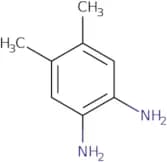
Discontinued product4,5-Dimethyl-1,2-phenylenediamine
CAS:4,5-Dimethyl-1,2-phenylenediamine is a fluorescent derivative of an unlabeled amine that is used in analytical chemistry. It has been shown to react with hydrogen bond donors and acceptors in aqueous solution to produce a new compound with a different fluorescence spectrum. This reaction mechanism can be used for sample preparation prior to analysis by various analytical methods. The coordination geometry of 4,5-dimethyl-1,2-phenylenediamine has been determined using x-ray crystal structures obtained from the compound in fetal bovine serum. A model system that mimics the disease activity of diabetic patients has been constructed using this compound as the analyte.
Formula:C8H12N2Purity:Min. 95%Color and Shape:PowderMolecular weight:136.19 g/molRef: 3D-FD07754
Discontinued product[2-(3-Methyl-1,2,4-oxadiazol-5-yl)ethyl]amine hydrochloride
CAS:2-(3-Methyl-1,2,4-oxadiazol-5-yl)ethyl]amine hydrochloride is a high quality chemical reagent that can be used as a complex intermediate in organic synthesis. It is also a useful scaffold for the synthesis of other complex compounds. 2-(3-Methyl-1,2,4-oxadiazol-5-yl)ethyl]amine hydrochloride is an excellent building block for the synthesis of various fine chemicals and research chemicals. This compound has many uses as a versatile building block in chemical reactions due to its reactivity.
Formula:C5H9N3O·HClPurity:Min. 95%Color and Shape:White PowderMolecular weight:163.61 g/molRef: 3D-FM120047
Discontinued productO-Methyldomesticine
CAS:O-Methyldomesticine is a type of alkaloid, which is a naturally occurring organic compound primarily found in certain plant species. These compounds often have complex structures and are typically derived from plant secondary metabolites. O-Methyldomesticine’s mode of action is thought to involve interactions with central nervous system receptors, although the precise mechanisms remain under investigation. Its chemical structure allows it to potentially modulate biochemical pathways, making it of interest to pharmacological research.
Formula:C20H21NO4Purity:Min. 95%Molecular weight:339.39 g/molRef: 3D-FM64916
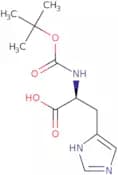
Discontinued productBoc-L-Histidine
CAS:Boc-L-histidine is a histidine derivative with a boronic acid group that can be used to synthesize imines. It is an organic solvent and can be used in magnetic resonance spectroscopy. Boc-L-histidine has been shown to inhibit the tyrosine activity of tyrosinase, which is involved in melanin synthesis. This compound also inhibits cancer cells by inhibiting the cellular process of protein synthesis and, as such, may be useful for the treatment of cancers.
Formula:C11H17N3O4Purity:Min. 98 Area-%Color and Shape:White PowderMolecular weight:255.27 g/molRef: 3D-FB36891
Discontinued productCyclo(-Phe-Pro)
CAS:Cyclo-Phe-Pro is an intermolecular hydrogen bond that has been shown to inhibit the growth of viruses. Cyclo-Phe-Pro binds to the hydrophobic region on viral capsid proteins and inhibits their uptake into cells, which may be due to its ability to form hydrogen bonds with the amino acid serine in these proteins. It also has antimicrobial activity against a number of bacterial species and can be used as a pre-preparation for high performance liquid chromatography (HPLC).
Formula:C14H16N2O2Purity:Min. 95%Color and Shape:PowderMolecular weight:244.29 g/molRef: 3D-FC49481
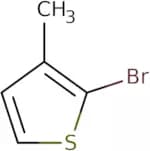
Discontinued product2-Bromo-3-methylthiophene
CAS:2-Bromo-3-methylthiophene (2BMT) is an organic chemical compound that has been used for the Suzuki coupling reaction. It can be prepared by reacting 2-bromo-3-methylthiophene with potassium hydroxide in a hydroxide solution. 2BMT has shown to inhibit the activity of tiagabine hydrochloride, which is a drug that regulates GABA neurotransmission. 2BMT is also used as an intermediate in the synthesis of carbonyl group compounds and halides. The structure and physical properties of 2BMT have been studied in detail by x-ray crystallography and nmr spectroscopy.
Formula:C5H5BrSPurity:Min. 95%Color and Shape:Clear LiquidMolecular weight:177.06 g/molRef: 3D-FB03109
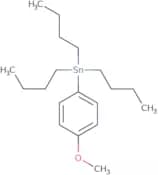
Discontinued productTributyl-(4-methoxy-phenyl)-stannane
CAS:Controlled ProductTributyl-(4-methoxy-phenyl)-stannane is a nucleophilic compound that can be used to synthesize 5-HT1A receptor agonists. It has been shown to have biochemical, positron and chloride properties. This chemical is synthesised by introducing a sulfur atom into the molecule. The sulfur atom reacts with the chlorine atom in chlorobenzene to form the sulfonation bond. This reaction is efficient and can be used as a method for cleaving bonds and cross-coupling carbon atoms.
Formula:C19H34OSnPurity:Min. 95%Color and Shape:PowderMolecular weight:397.18 g/molRef: 3D-FT43973
Discontinued productGlycine t-butyl ester hydrochloride
CAS:Glycine t-butyl ester hydrochloride is a glycine prodrug that is converted to the neurotransmitter, cinchonidine, by carboxylesterase. It has been shown to be effective in resistant cancer cells and has good bioavailability in humans. Glycine t-butyl ester hydrochloride is synthesized from glycine and butyric acid with sodium carbonate as a catalyst and then reacted with anhydrous hydrogen chloride to form the final product. This synthesis requires an asymmetric reaction solution, which can be achieved by using a chiral reactant such as potassium carbonate or magnesium chloride. The dehydration of the ester group can be performed by heating in vacuum at 120°C for 2 hours.
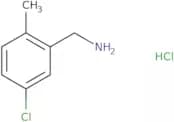
Formula:C6H14ClNO2Purity:Min. 95%Color and Shape:White PowderMolecular weight:167.63 g/mol5-Chloro-2-methylbenzylamine hydrochloride
CAS:5-Chloro-2-methylbenzylamine hydrochloride is a chemical reagent used in the production of pharmaceuticals and other chemicals. It is also known as 5-Chloro-2-methylbenzaldehyde, or 5-Methoxyindole. 5-Chloro-2-methylbenzylamine hydrochloride is an important building block for the synthesis of many complex compounds with high purity and quality. This compound is also versatile and can be used as a reaction component or as a reagent. CAS No: 28096-37-9.
Formula:C8H10ClN·HClPurity:Min. 95%Molecular weight:192.09 g/mol5-Methyl-2-nitropyridine
CAS:Please enquire for more information about 5-Methyl-2-nitropyridine including the price, delivery time and more detailed product information at the technical inquiry form on this page
Formula:C6H6N2O2Purity:Min. 95%Color and Shape:PowderMolecular weight:138.12 g/molRef: 3D-FM32781
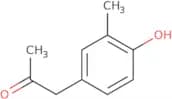
Discontinued product(4-Hydroxy-3-methylphenyl)acetone
CAS:(4-Hydroxy-3-methylphenyl)acetone is a high quality, reagent that has been used in the synthesis of complex compounds. It is also a useful intermediate for the production of fine chemicals, useful scaffolds, and useful building blocks. The compound can be used as a speciality chemical in research and is versatile as a building block for reactions. (4-Hydroxy-3-methylphenyl)acetone has been shown to react with various organic compounds, such as alcohols, amines, and carboxylic acids.
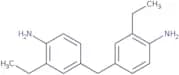
Formula:C10H12O2Purity:Min. 98 Area-%Color and Shape:PowderMolecular weight:164.2 g/mol4,4'-Methylenebis(2-ethylbenzenamine)
CAS:4,4'-Methylenebis(2-ethylbenzenamine) is a linear polymer that is soluble in organic solvents and insoluble in water. It has a molecular weight of about 320 and a viscosity of about 800 cps at 25 degrees Celsius. This sealant is heat resistant and can be used for sealing joints in industrial processes involving high temperatures. 4,4'-Methylenebis(2-ethylbenzenamine) can be used as a diluent for other sealants or adhesives because it does not interfere with their properties. 4,4'-Methylenebis(2-ethylbenzenamine) is also an effective filler material for polymeric matrix systems due to its ability to form micelles with linear chains of molecules that provide interconnections within the system.
Formula:C17H22N2Purity:Min. 95%Color and Shape:Off-White Clear LiquidMolecular weight:254.37 g/molRef: 3D-FM55213
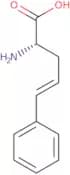
Discontinued product3-Styryl-L-alanine
CAS:3-Styryl-L-alanine is a synthetic petroselinic acid. It has been shown to be an inhibitor of phenylalanine ammonia-lyase, and the active site of this enzyme has been modeled by molecular modeling. Kinetic studies have shown that 3-styryl-L-alanine deaminates to form an acylated product with a higher affinity for the active site than the substrate. The ligand is rationalized by focusing on its constant, which is given by (k/K)^2 = 1/(1+constant).
Formula:C11H13NO2Purity:Min. 95%Color and Shape:White Off-White PowderMolecular weight:191.23 g/molRef: 3D-FS49225
Discontinued product1-(2-Chlorophenyl)-5-phenyl-1-H-pyrazole-3-carboxylic acid
CAS:Controlled Product1-(2-Chlorophenyl)-5-phenyl-1H-pyrazole-3-carboxylic acid is a high quality, reagent, complex compound that has been shown to be useful as an intermediate in the synthesis of a number of different compounds. It has been shown to be useful as a speciality chemical and research chemicals with versatile building blocks that can be used for the synthesis of other compounds. The CAS number for 1-(2-chlorophenyl)-5-phenyl-1H-pyrazole-3-carboxylic acid is 116572-69-1.
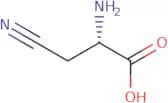
Formula:C16H11ClN2O2Purity:Min. 95%Molecular weight:298.72 g/molbeta-Cyano-L-alanine
CAS:Beta-cyano-l-alanine is a naturally occurring amino acid that is found in plants. It is synthesized by the enzyme beta-cyanoalanine synthase and is involved in plant metabolism. Beta-cyano-l-alanine is a precursor of the neurotransmitter gamma aminobutyric acid, or GABA, which has been shown to regulate the opening and closing of calcium channels in brain cells. In addition, it has been shown to inhibit enzymes such as phosphofructokinase and pyruvate kinase that are involved in the breakdown of glucose and other nutrients. Beta-cyano-l-alanine has also been shown to inhibit ryanodine receptors and other enzymes involved in muscle contraction. This amino acid can be used as an indicator for tissue culture experiments because it can be detected by sephadex G-100 chromatography.
Formula:C4H6N2O2Purity:Min. 95%Color and Shape:White PowderMolecular weight:114.1 g/molRef: 3D-FC47678
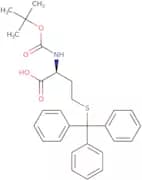
Discontinued productBoc-S-trityl-L-homocysteine
CAS:Boc-S-trityl-L-homocysteine is a synthetic molecule that is used as a prodrug to introduce the amino acid homocysteine into cells. It has been shown to have anti-cancer and estrogen receptor modulating properties. Boc-S-trityl-L-homocysteine is synthesized by reacting L-homocysteine with diisopropylamino chlorides in the presence of sodium hydroxide, followed by ligation with dicyclohexylcarbodiimide. The compound adopts a centrosymmetric conformation due to the presence of two chiral centers at C3 and C4 positions on the pyridyl ring. The active site consists of an aromatic ring with three substituents, one of which is an amide group. This chemical transformation occurs through a nucleophilic attack by the amide group on an electrophilic carbonyl carbon atom.
Formula:C28H31NO4SPurity:Min. 95%Color and Shape:PowderMolecular weight:477.62 g/molRef: 3D-FB47898
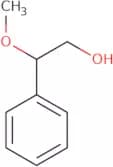
Discontinued product2-Methoxy-2-phenylethanol
CAS:2-Methoxy-2-phenylethanol is a molecule that has been found to be a good catalyst for the ring-opening of epoxides. It is also used as a solid catalyst in kinetic studies and as an additive in organic syntheses. 2-Methoxy-2-phenylethanol is soluble in water and reacts with fatty acids to form acetylated products. This molecule has been shown to have an inhibitory effect on human liver alcohol dehydrogenase, which may be due to it's ability to bind to the enzyme's active site.
Formula:C9H12O2Purity:Min. 95%Color and Shape:Colorless Clear LiquidMolecular weight:152.19 g/molRef: 3D-FM154645
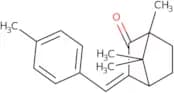
Discontinued product3-(4-Methylbenzylidene)camphor
CAS:3-(4-Methylbenzylidene)camphor is a chemical compound that has two isomers, alpha and beta. It can be found in biological samples, such as human urine or wastewater, and can be used for the treatment of skin cancer. 3-(4-Methylbenzylidene)camphor is prepared by extraction from a dry sample with an organic solvent. The extraction process requires a hydroxyl group to react with the dry sample and create a liquid. The resulting liquid is then evaporated to leave behind the extract. The kinetic data of 3-(4-Methylbenzylidene)camphor was determined by measuring its rate of reaction with an analytical method. The rate of reaction increased as the concentration increased to a constant value at high concentrations, which suggests that it may have some occlusive properties in humans due to its tendency to bind to plasma proteins.
Formula:C18H22OPurity:Min. 95%Color and Shape:White PowderMolecular weight:254.37 g/molRef: 3D-FM25793
Discontinued product2-Chloro-5-(4-chloro-5-difluoromethoxy-1-methylpyrazol-3-yl)-4-fluorophenoxyacetic acid monohydrate
CAS:2-Chloro-5-(4-chloro-5-difluoromethoxy-1-methylpyrazol-3-yl)-4-fluorophenoxyacetic acid monohydrate (2,4,5P) is a phenoxy herbicide that has been shown to be an effective broadleaf and grass weed control agent. 2,4,5P is a granule formulation that can be applied by helicopter or ground equipment. It has synergistic effects with glyphosate when applied together to soybean plants and can be used in combination with other herbicides for more effective weed control.
Formula:C13H9Cl2F3N2O·H2OPurity:Min. 95%Color and Shape:White PowderMolecular weight:355.14 g/molRef: 3D-FC156954
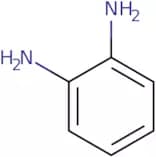
Discontinued product1,2-Phenylenediamine
CAS:1,2-Phenylenediamine is an aromatic amine that can be used as a precursor for the synthesis of various heterocyclic compounds. It has been shown to have an acidic character, which is due to its coordination geometry with three of its nitrogen atoms in the form of pyramidal nitrogen atoms. 1,2-Phenylenediamine is also a ligand for toll-like receptor (TLR) 4 and TLR9. It has been shown to activate these receptors by binding and activating downstream signaling pathways such as NF-κB and MAPK. This compound also has the ability to induce apoptosis in HL60 cells through inhibition of protein synthesis and activation of caspases.
Formula:C6H8N2Purity:Min. 98 Area-%Color and Shape:White PowderMolecular weight:108.14 g/molRef: 3D-FP26951
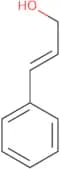
Discontinued product3-Phenyl-2-propen-1-ol
CAS:3-Phenyl-2-propen-1-ol is a cinnamyl compound that is found in plants, such as cinnamon and cassia. It has been shown to have an inhibitory effect on the enzyme activities of sorbitol dehydrogenase, which is involved in the synthesis of polysaccharides. 3-Phenyl-2-propen-1-ol also has a transcriptional regulatory effect on genes that encode enzymes involved in the synthesis of polymers. The reaction mechanism for this reaction has been proposed to be through an initial nucleophilic attack by the hydroxyl group on the electrophilic carbonyl carbon atom followed by protonation and elimination of water.
3-Phenyl-2-propen-1-ol has also been shown to be a signal peptide, which is used to identify proteins for transport within cells. This polymerase chain reaction (PCR) model system can be used to determineFormula:C9H10OPurity:Min. 95%Color and Shape:PowderMolecular weight:134.18 g/molRef: 3D-FP159401
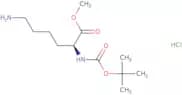
Discontinued productBoc-Lys-OMe HCl
CAS:Boc-Lys-OMe HCl is an ester hydrochloride of N-Boc-Lysine. It is a macrocyclic compound that has been used in the laboratory as an acidifying agent to convert sodium borohydride to methyl ester hydrochloride. Boc-Lys-OMe HCl is also used in the synthesis of macrocyclic compounds, such as n-boc-l-lysine and other polyamino compounds.
Formula:C12H24N2O4·HClPurity:Min. 95%Color and Shape:White PowderMolecular weight:296.79 g/molRef: 3D-FB36993
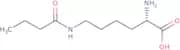
Discontinued productLysine(butyryl)-OH
CAS:Lysine(butyryl)-OH is a high-quality reagent that is useful in the synthesis of a variety of complex compounds, including fine chemicals and research chemicals. This compound can also be used as an intermediate for the production of other substances and is a versatile building block for reactions involving amino acids. It has CAS number 75396-30-4.
Formula:C10H20N2O3Purity:Min. 95%Color and Shape:White PowderMolecular weight:216.28 g/molRef: 3D-FL76838
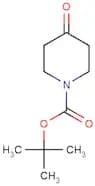
Discontinued product1-BOC-4-Piperidone extrapure, 99%
CAS:Controlled ProductFormula:C10H17NO3Purity:min. 99%Color and Shape:White to pale yellow to brown, Crystalline powderMolecular weight:199.25FMOC-N-Trityl-L-Asparagine (FMOC-Asn(Trt)-OH) extrapure, 99%
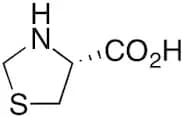
CAS:Formula:C38H32N2O5Purity:min. 99%Color and Shape:White to off-white, Crystalline powderMolecular weight:596.67L-Thioproline extrapure, 98%
CAS:Formula:C4H7NO2SPurity:min. 98%Color and Shape:White to off - white, Crystalline powderMolecular weight:133.175-Hydroxy-L-Tryptophan extrapure, 98%
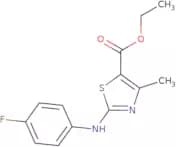
CAS:Formula:C11H12N2O3Purity:min. 99%Color and Shape:White to off - white to pale brown, PowderMolecular weight:220.23ethyl 3-((4-fluorophenyl)amino)-5-methyl-2,4-thiazolecarboxylate
CAS:Please enquire for more information about ethyl 3-((4-fluorophenyl)amino)-5-methyl-2,4-thiazolecarboxylate including the price, delivery time and more detailed product information at the technical inquiry form on this page
Purity:Min. 95%Ref: 3D-FE169431
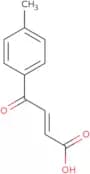
Discontinued producttrans-3-(4-Methylbenzoyl)acrylic acid
CAS:The compound trans-3-(4-methylbenzoyl)acrylic acid is a potent and selective inhibitor of serine/threonine protein kinase. It has been shown to inhibit the proliferation of eosinophils in vitro, as well as to suppress the release of leukotrienes from human mast cells. The mechanism of action is by inhibiting phosphatidylcholine-specific phospholipase C, which leads to the inhibition of protein kinase C. This inhibition prevents the phosphorylation of various proteins, including cytoskeletal proteins that are required for cell division.
Formula:C11H10O3Purity:Min. 95%Molecular weight:190.2 g/molRef: 3D-FM54337
Discontinued product2-((3,4-Dimethoxyphenyl)amino)-4-methyl-1,3-thiazole-5-carboxylic acid
CAS:Please enquire for more information about 2-((3,4-Dimethoxyphenyl)amino)-4-methyl-1,3-thiazole-5-carboxylic acid including the price, delivery time and more detailed product information at the technical inquiry form on this page
Purity:Min. 95%Ref: 3D-FD169379
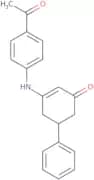
Discontinued product3-((4-Acetylphenyl)amino)-5-phenylcyclohex-2-en-1-one
CAS:Please enquire for more information about 3-((4-Acetylphenyl)amino)-5-phenylcyclohex-2-en-1-one including the price, delivery time and more detailed product information at the technical inquiry form on this page
Formula:C20H19NO2Purity:Min. 95%Color and Shape:PowderMolecular weight:305.37 g/molRef: 3D-FA169862
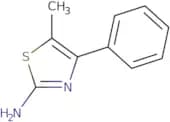
Discontinued product2-Amino-5-methyl-4-phenylthiazole
CAS:2-Amino-5-methyl-4-phenylthiazole is an organic compound that is a reactive intermediate. It can be used in treatments such as second order rate constants, stabilization, and kinetic. This chemical has a dimethylamine group, which is an amine with two methyl groups attached to it. 2-Amino-5-methyl-4-phenylthiazole has chloride and thiazolone groups, which are both heterocyclic rings of carbon atoms with nitrogen and sulfur atoms attached to them. The phenyl isothiocyanate group is also a heterocyclic ring of carbon atoms with sulfur attached to it. 2-Amino-5-methyl-4-phenylthiazole has the constant of K = 1.2 x 10 M^sup -1
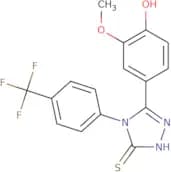
s^{sup -1} at 25 degrees Celsius. It reacts with acetonitrile and ethylpyridineFormula:C10H10N2SPurity:Min. 95%Molecular weight:190.27 g/mol3-(4-Hydroxy-3-methoxyphenyl)-4-(4-(trifluoromethyl)phenyl)-1,2,4-triazoline-5-thione
CAS:Please enquire for more information about 3-(4-Hydroxy-3-methoxyphenyl)-4-(4-(trifluoromethyl)phenyl)-1,2,4-triazoline-5-thione including the price, delivery time and more detailed product information at the technical inquiry form on this page
Purity:Min. 95%Ref: 3D-FH169302
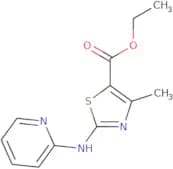
Discontinued productEthyl 3-(2-pyridylamino)-5-methyl-2,4-thiazolecarboxylate
CAS:Please enquire for more information about Ethyl 3-(2-pyridylamino)-5-methyl-2,4-thiazolecarboxylate including the price, delivery time and more detailed product information at the technical inquiry form on this page
Purity:Min. 95%Ref: 3D-FE169322
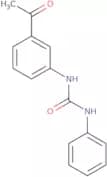
Discontinued product1-(3-Acetylphenyl)-3-phenylurea
CAS:Please enquire for more information about 1-(3-Acetylphenyl)-3-phenylurea including the price, delivery time and more detailed product information at the technical inquiry form on this page
Formula:C15H14N2O2Purity:Min. 95%Color and Shape:PowderMolecular weight:254.28 g/molRef: 3D-FA169735
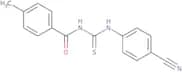
Discontinued product1-(4-Nitrilophenyl)-3-(4-methylbenzoyl)thiourea
CAS:Please enquire for more information about 1-(4-Nitrilophenyl)-3-(4-methylbenzoyl)thiourea including the price, delivery time and more detailed product information at the technical inquiry form on this page
Formula:C16H13N3OSPurity:Min. 95%Color and Shape:PowderMolecular weight:295.36 g/molRef: 3D-FN169545
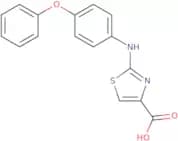
Discontinued product2-((4-Phenoxyphenyl)amino)-1,3-thiazole-4-carboxylic acid
CAS:Please enquire for more information about 2-((4-Phenoxyphenyl)amino)-1,3-thiazole-4-carboxylic acid including the price, delivery time and more detailed product information at the technical inquiry form on this pageFormula:C16H12N2O3SPurity:Min. 95%Color and Shape:PowderMolecular weight:312.34 g/molRef: 3D-FP169355
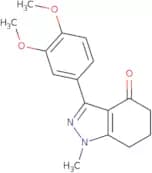
Discontinued product3-(3,4-Dimethoxyphenyl)-1-methyl-5,6,7-trihydro1H-indazol-4-one
CAS:Please enquire for more information about 3-(3,4-Dimethoxyphenyl)-1-methyl-5,6,7-trihydro1H-indazol-4-one including the price, delivery time and more detailed product information at the technical inquiry form on this pageFormula:C16H18N2O3Purity:Min. 95%Color and Shape:PowderMolecular weight:286.33 g/molRef: 3D-FD169614
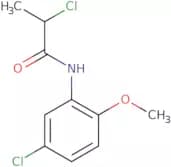
Discontinued product2-Chloro-N-(5-chloro-2-methoxyphenyl)propanamide
CAS:Please enquire for more information about 2-Chloro-N-(5-chloro-2-methoxyphenyl)propanamide including the price, delivery time and more detailed product information at the technical inquiry form on this pageFormula:C10H11Cl2NO2Purity:Min. 95%Molecular weight:248.11 g/molRef: 3D-FC114021
Discontinued productethyl 4-((4-phenoxyphenyl)amino)-3,5-thiazolecarboxylate
CAS:Please enquire for more information about ethyl 4-((4-phenoxyphenyl)amino)-3,5-thiazolecarboxylate including the price, delivery time and more detailed product information at the technical inquiry form on this page
Purity:Min. 95%Ref: 3D-FE170016
Discontinued product3-(4-Benzyloxy-3-methoxyphenyl)-4-(4-chlorophenyl)-1,2,4-triazoline-5-thione
CAS:Please enquire for more information about 3-(4-Benzyloxy-3-methoxyphenyl)-4-(4-chlorophenyl)-1,2,4-triazoline-5-thione including the price, delivery time and more detailed product information at the technical inquiry form on this pagePurity:Min. 95%Ref: 3D-FB169299
Discontinued product



![[2-(3-Methyl-1,2,4-oxadiazol-5-yl)ethyl]amine hydrochloride](/_next/image/?url=https%3A%2Fstatic.cymitquimica.com%2Fproducts%2F3D%2Fthumb-webp%2FFM120047.webp&w=3840&q=75)