


Amino Acids (AA)
Subcategories of "Amino Acids (AA)"
- Amino Acid Derivatives(4,015 products)
- Amino Acid and Amino Acid Related Compounds(3,490 products)
- Amino Acids with Oxygen or Sulphur(168 products)
- Boc- Amino Acids(351 products)
- Fmoc Amino Acids(1,710 products)
Found 38369 products of "Amino Acids (AA)"
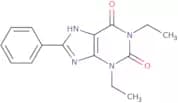
1,3-Diethyl-8-phenylxanthine
CAS:Controlled Product1,3-Diethyl-8-phenylxanthine is a p2y receptor antagonist that inhibits bacterial growth by interfering with the energy metabolism of the cell. It is an analytical reagent that can be used to measure specific DNA sequences and has been shown to have genotoxic effects on cultured human cells. 1,3-Diethyl-8-phenylxanthine has also been shown to inhibit the growth of infectious bacteria such as staphylococcus aureus and Mycobacterium tuberculosis in vitro. This compound may be used as a potential biomarker for the identification of antimicrobial peptides that are active against Mycobacterium tuberculosis in humans.
Formula:C15H16N4O2Purity:Min. 95%Molecular weight:284.31 g/molRef: 3D-FD21820
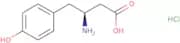
Discontinued productL-b-Homotyrosine hydrochloride
CAS:Please enquire for more information about L-b-Homotyrosine hydrochloride including the price, delivery time and more detailed product information at the technical inquiry form on this page
Formula:C10H13NO3·HClPurity:Min. 95%Molecular weight:231.68 g/molRef: 3D-FH50229
Discontinued product1,2,3,4,5,6-Hexahydro-1,5-methano-pyrido-[1,2-a][1,5]diazocin-8-one
CAS:1,2,3,4,5,6-Hexahydro-1,5-methano-pyrido-[1,2-a][1,5]diazocin-8-one is a cholinergic drug that is used as a research tool in vitro. It has been shown to increase the concentration of acetylcholine in the synapse. It is also known as cytisine and varenicline. 1,2,3,4,5,6-Hexahydro-1,5-methano-pyrido-[1,2-a][1,5]diazocin-8-one binds to nicotinic receptors and stimulates them. This increased activity of nicotinic receptors leads to the release of acetylcholine (ACh), which is an important neurotransmitter in the brain. 1,2,3,4 5 6 hexahydro - 1 5Formula:C11H14N2OPurity:Min. 95%Molecular weight:190.24 g/mol3-Hydroxy-3-phenylpropanoic acid
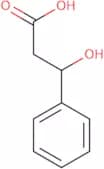
CAS:3-Hydroxy-3-phenylpropanoic acid, or 3HPPA, is an intermediate in the synthesis of salicylic acid. It is also an endogenous metabolite found in urine samples and is a product of the metabolism of glucosinolates by hydrolysis. The hydroxyl group on 3HPPA reacts with a carbonyl group to form a Schiff base, which is then hydrolyzed by hydrochloric acid to form hippuric acid. The biosynthesis of 3HPPA occurs through the oxidation of fatty acids with the addition of a hydroxyl group from water.
Formula:C9H10O3Purity:Min. 95%Color and Shape:PowderMolecular weight:166.17 g/molRef: 3D-FH139536
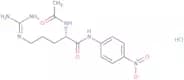
Discontinued productAc-Arg-pNA·HCl
CAS:Ac-Arg-pNA·HCl is a substrate that is activated by hydrogen fluoride to form a nitro group. This compound can be used in the synthesis of nitrobenzene and other aromatic compounds. Ac-Arg-pNA·HCl also has enzymic activity, which is catalyzed by an enzyme called benzyloxycarbonyl (Boc).
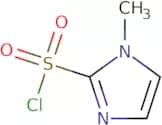
Formula:C14H20N6O4·HClPurity:Min. 95%Color and Shape:PowderMolecular weight:372.81 g/mol1-Methylimidazole-2-sulfonyl chloride
CAS:1-Methylimidazole-2-sulfonyl chloride is a synthetic estrogen that is used for the treatment of estrogen deficiency in women. It has been shown to increase plasma estradiol levels and reduce plasma testosterone levels. This drug is not active at physiological levels, but was found to have biological relevance when administered at higher doses. 1-Methylimidazole-2-sulfonyl chloride has been found to be effective in the treatment of cancer in humans, with a specific effect on breast cancer cells.
Formula:C4H5ClN2O2SPurity:Min. 95%Molecular weight:180.61 g/molRef: 3D-FM158781
Discontinued product5[(R)-(2-Aminopropyl)]-2-methoxybenzenesulfonamide hydrochloride
CAS:Controlled ProductPlease enquire for more information about 5[(R)-(2-Aminopropyl)]-2-methoxybenzenesulfonamide hydrochloride including the price, delivery time and more detailed product information at the technical inquiry form on this page
Formula:C10H17ClN2O3SPurity:Min. 95%Molecular weight:280.77 g/molRef: 3D-FA17834
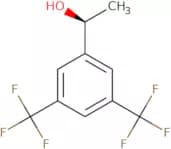
Discontinued product(S)-3',5'-Bis(trifluoromethyl)-1-phenethanol
CAS:(S)-3',5'-Bis(trifluoromethyl)-1-phenethanol is a choline derivative that is used in the treatment of liver cancer. It has been shown to increase the permeability of cell membranes and to suppress the growth of tumor cells by inhibiting protein synthesis. (S)-3',5'-Bis(trifluoromethyl)-1-phenethanol can be used as a surfactant and a hydrophobic solvent for optimization of reaction parameters. This chemical also has been shown to be active against Gram-positive bacteria such as Staphylococcus aureus and Enterococcus faecalis, but not against Gram-negative bacteria such as Escherichia coli or Pseudomonas aeruginosa. The mechanism of this effect is mediated by chloride ions that act as bioreductive agents on cellular membranes, leading to increased permeability and cell death.
Formula:C10H8F6OPurity:Min. 95%Molecular weight:258.16 g/molRef: 3D-FB18756
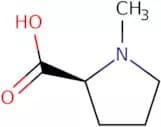
Discontinued productN-Methyl-L-proline
CAS:N-Methyl-L-proline is a choline analog that is used to prepare cell culture media and as a nutrient for microorganisms. It has been shown to have an inhibitory effect on the growth of the bacteria Pseudomonas aeruginosa and Salmonella enterica. N-Methyl-L-proline has also been shown to be taken up by the bacteria and to decrease their bioavailability in low salinity environments.
Formula:C6H11NO2Purity:Min. 95%Molecular weight:129.16 g/molRef: 3D-FM48864
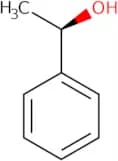
Discontinued product(R)-1-Phenylethanol
CAS:(R)-1-Phenylethanol is an organic compound that belongs to the class of aldehydes. It has an optimal redox potential and is used as a reactive intermediate in surface methodology. The kinetic data for this compound have been reported, including its reaction solution, kinetic, and stereoselective properties. (R)-1-Phenylethanol can be used to synthesize aromatic hydrocarbons with acyl chains or amines, using enzymatic reactions. It can also be used as an asymmetric synthesis reagent for the preparation of chiral alcohols and amines.
Formula:C8H10OPurity:Min. 95%Color and Shape:Colourless To Yellow LiquidMolecular weight:122.16 g/molRef: 3D-FP32250
Discontinued productEthyl 3-methyl-3-phenylglycidate
CAS:Controlled ProductEthyl 3-methyl-3-phenylglycidate is a fatty acid ester with a melting point of 119°C. It has a boiling point of 168°C and is soluble in organic solvents. The chemical formula for this compound is C10H14O2. Ethyl 3-methyl-3-phenylglycidate has been shown to have anti-oxidant effects due to its ability to inhibit lipid peroxidation, as well as long term toxicity. However, the compound may be toxic because it contains caproic acid and 3-hydroxy-3-methylhexanoic acid.
Formula:C12H14O3Purity:Min. 95%Color and Shape:Clear LiquidMolecular weight:206.24 g/molRef: 3D-FE40792
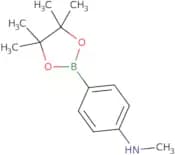
Discontinued product4-(N-Methylamino)phenylboronic acid pinacol ester
CAS:Please enquire for more information about 4-(N-Methylamino)phenylboronic acid pinacol ester including the price, delivery time and more detailed product information at the technical inquiry form on this page
Formula:C13H20BNO2Purity:Min. 95%Molecular weight:233.11 g/molRef: 3D-FM32978
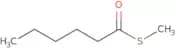
Discontinued productS-Methyl thiohexanoate
CAS:S-Methyl thiohexanoate is a fatty acid that is the product of the serine protease activity of the potato tuber. It has been shown to have a transcriptional regulatory effect on carbon source utilization and natural compounds production, which may be due to its ability to alter the phospholipid composition in plant cells. S-Methyl thiohexanoate can inhibit or induce natural compounds production depending on the concentration used. The effects of this compound are mediated by its ability to form hydrogen bonds with hydroxyl groups in phospholipids, altering their configuration and consequently disrupting membrane integrity. S-Methyl thiohexanoate also has been shown to act as an electron donor for covalent polymerization reactions catalyzed by DNA polymerases and reverse transcriptases. This may be due to its ability to form hydrogen bonds with phosphate groups in nucleic acids, altering their configuration and consequently disrupting DNA or RNA synthesis.
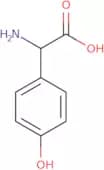
Formula:C7H14OSPurity:Min. 95%Color and Shape:Clear LiquidMolecular weight:146.25 g/molDL-4-Hydroxyphenylglycine
CAS:DL-4-Hydroxyphenylglycine is an active analogue of the natural amino acid L-glycine, which is a precursor in the biosynthesis of sulfamides. DL-4-Hydroxyphenylglycine has been shown to be active as an anti-infective agent against many bacteria and fungi that are resistant to other sulfa drugs. It is synthesized by reacting sodium carbonate and ammonia with the amide of 4-hydroxybenzeneacetic acid. The cyclic peptide is then hydrolyzed to form free DL-4-hydroxyphenylglycine. This drug has also been shown to have a strong inhibitory effect on fatty acid metabolism in liver cells, which may be due to its ability to bind to fatty acids and reduce their uptake by cells.
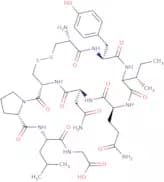
Purity:Min. 95%Oxytocin (free acid)
CAS:Oxytocin is an endogenous hormone.Formula:C43H65N11O13S2Purity:Min. 95%Molecular weight:1,008.17 g/molRef: 3D-FO109986
Discontinued product(S)-N-Boc-3-amino-1-butyne
CAS:Please enquire for more information about (S)-N-Boc-3-amino-1-butyne including the price, delivery time and more detailed product information at the technical inquiry form on this page
Formula:C9H15NO2Purity:Min. 95%Molecular weight:169.22 g/molRef: 3D-FB18885
Discontinued productDiethoxy-Methyl-Thioxo-Phosphorane
CAS:Controlled ProductDiethoxy-methyl-thioxo-phosphorane is a chemical compound that is used in the manufacture of industrial chemicals. It has a vapor pressure of 0.0014 mmHg at 25°C, and can be quantified by chemical ionization with gas chromatography/mass spectrometry. Diethoxy-methyl-thioxo-phosphorane reacts with radiation to produce reactive oxygen species and other free radicals, which can damage DNA and cause cancer. The reaction rate is rapid, with an analogy to humans being exposed to nitrate compounds. Diethoxy-methyl-thioxo-phosphorane is also used in devices such as radiators and heaters, where it causes damage when combined with nitrates.
Formula:C5H13O2PSPurity:Min. 95%Molecular weight:168.2 g/molRef: 3D-FD58753
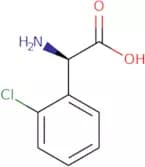
Discontinued productD-(+)-2-ChlorophenylglycIne
CAS:D-(+)-2-Chlorophenylglycine is a synthetic, chiral aldehyde that serves as an industrial solvent. It is used to produce other organic compounds and has been shown to cause environmental pollution. D-(+)-2-Chlorophenylglycine is also used in the synthesis of thiourea and organocatalysts. This compound is synthesized from quinidine and enantiomeric (D or L) thionyl chloride, which are both manufactured on an industrial scale. The stereoselective process for D-(+)-2-chlorophenylglycine involves the use of a chiral catalyst.
Purity:Min. 95%Ref: 3D-FC39658
Discontinued productSodium L-glutamate monohydrate
CAS:L-glutamic acid is a nonessential amino acid that is used as a food additive. L-glutamic acid is found in the form of sodium salt, called monosodium glutamate (MSG), and is used to enhance the flavor of foods. L-glutamic acid has been shown to be essential for the growth of certain bacteria, such as corynebacteria. The l-glutamic acid gene can be found in corynebacteria and corynebacterium glutamicum. It has been shown that l-glutamic acid can be synthesized by these organisms under conditions of low magnesium concentration, high pH, and high temperature.
Formula:C5H8NNaO4·H2OPurity:Min. 95%Color and Shape:PowderMolecular weight:187.13 g/molRef: 3D-FS138120
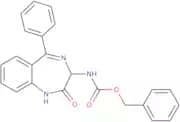
Discontinued productZ-(R,S)-3-amino-2-oxo-5-phenyl-1,4-benzodiazepine
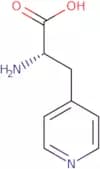
CAS:Controlled ProductPlease enquire for more information about Z-(R,S)-3-amino-2-oxo-5-phenyl-1,4-benzodiazepine including the price, delivery time and more detailed product information at the technical inquiry form on this pageFormula:C23H19N3O3Purity:Min. 95%Molecular weight:385.42 g/mol3-(4'-Pyridyl)-L-alanine
CAS:Please enquire for more information about 3-(4'-Pyridyl)-L-alanine including the price, delivery time and more detailed product information at the technical inquiry form on this page
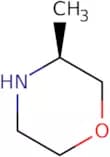
Formula:C8H10N2O2Purity:Min. 95%Color and Shape:PowderMolecular weight:166.18 g/mol(S)-3-Methylmorpholine
CAS:(S)-3-Methylmorpholine is a ring-opening agent that is used for the synthesis of chiral, multigram quantities of morpholines. This compound can be prepared using a simple and efficient method from an inexpensive and commercially available starting material. The synthesis of (S)-3-Methylmorpholine is based on the ring-opening reaction between 3,4-dimethoxyphenylacetonitrile and dimethylformamide. (S)-3-Methylmorpholine has been shown to have anticancer properties, which are most likely due to its ability to inhibit serotonin reuptake.
Formula:C5H11NOPurity:Min. 95%Color and Shape:Clear LiquidMolecular weight:101.15 g/molRef: 3D-FM33887
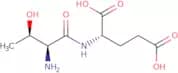
Discontinued productH-Thr-Glu-OH
CAS:H-Thr-Glu-OH is a nucleotide that is a component of RNA. It is one of the 20 natural amino acids and it is found in proteins as well as in RNA molecules. H-Thr-Glu-OH can be synthesized by hydrolysis of proteins with an enzyme called glutamic acid hydrolase. H-Thr-Glu-OH has been shown to have a high affinity for lysine, which has been shown to be required for the enzymatic activity of many protein enzymes. This amino acid can also be found in large quantities in cheese, soy sauce, and yogurt.
Formula:C9H16N2O6Purity:Min. 98 Area-%Color and Shape:PowderMolecular weight:248.23 g/molRef: 3D-FT108272
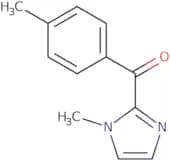
Discontinued product(1-Methyl-1H-imidazol-2-yl)(4-methylphenyl)methanone
CAS:Controlled ProductPlease enquire for more information about (1-Methyl-1H-imidazol-2-yl)(4-methylphenyl)methanone including the price, delivery time and more detailed product information at the technical inquiry form on this pageFormula:C12H12N2OPurity:Min. 95%Molecular weight:200.24 g/molRef: 3D-FM133541
Discontinued productZ-NH-PEG5-CH2CH2COOH
Z-NH-PEG5-CH2CH2COOH is a PEG compound with two different functional groups (also known as heterobifunctional). Unlike homobifunctional PEG compounds (same functional group on both ends), this type of compounds are more versatile as have two different anchor points. Z-NH-PEG5-CH2CH2COOH is used as a linker and spacer to add a PEG moiety, via pegylation (a bioconjugation technique) to proteins, peptides, oligonucleotides, small molecules and nanoparticles.
Formula:C21H33NO9Purity:Min. 95%Molecular weight:443.49 g/molRef: 3D-FN73061
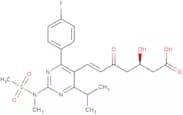
Discontinued product5-Oxo Rosuvastatin
CAS:5-Oxo Rosuvastatin is a drug product that has been synthesized from natural ingredients. It is an analytical standard for the impurity, 5-oxo-rosuvastatin, which is a potential impurity in the API, rosuvastatin. This drug product has been custom synthesized in order to provide an Impurity Standard for HPLC. This drug product is also used as a Synthetic Reference Standard for Drug Development and Research and Development.
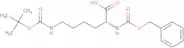
Formula:C22H26FN3O6SPurity:Min. 95%Color and Shape:Off-White To Light (Or Pale) Yellow To Dark Yellow SolidMolecular weight:479.52 g/molZ-D-Lys(Boc)-OH
CAS:Z-D-Lys(Boc)-OH is a synthetic peptidomimetic that has been shown to selectively kill cancer cells. Z-D-Lys(Boc)-OH binds to the lysine residue on the target cell surface, which is not present in normal cells. This binding inhibits serine protease activity and disrupts the synthesis of peptides, which are essential for cellular function. The electron microscopic images show that this compound causes an enhancement of biological function in human pathogenic chlamydia.
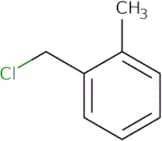
Formula:C19H28N2O6Purity:Min. 95%Molecular weight:380.44 g/mol2-Methylbenzyl chloride
CAS:2-Methylbenzyl chloride is a reactive compound that has been shown to have inhibitory properties against cancer cells. It is an aromatic compound that is synthesized by the reaction of benzene and methyl chloride. This chemical appears as a white solid at room temperature. 2-Methylbenzyl chloride has been shown to have antimicrobial properties, which are due to its ability to react with fatty acids. The addition of 2-methylbenzyl chloride to fatty acid esters leads to the formation of hydroxylated derivatives, which are reactive and inhibit the growth of bacteria and fungi. This chemical also reacts with carbon disulphide, hydrogen chloride, and chloride in the presence of light or heat. The metabolic profiles of this chemical have not been well characterized, but it has been shown to be reactive with Mcf-7 cells.br>br> The following product details are for a product called "3DCTKP." br>br
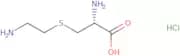
Formula:C8H9ClPurity:Min. 95%Color and Shape:Clear LiquidMolecular weight:140.61 g/molS-Aminoethyl-L-cysteine hydrochloride
CAS:S-Aminoethyl-L-cysteine hydrochloride is an amino acid that is used in the diagnosis of metabolic disorders. It has been found to have a high concentration in plasma and can be used to measure the activity of bowel disease. S-Aminoethyl-L-cysteine hydrochloride is also used as a diagnostic marker for inflammatory diseases. It is extensively metabolized by acidic hydrolysis, which results in the release of chloride ions and amines.
Formula:C5H12N2O2S·HClPurity:Min. 95%Color and Shape:White PowderMolecular weight:200.69 g/molRef: 3D-FA47667
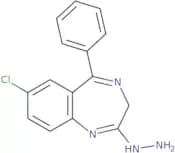
Discontinued product7-Chloro-2-hydrazino-5-phenyl-3H-1,4-benzodiazepine
CAS:Controlled Product7-Chloro-2-hydrazino-5-phenyl-3H-1,4-benzodiazepine is a metabolically stable benzodiazepine that binds to the benzodiazepine receptor. It has been shown to have a higher affinity for this receptor than alprazolam and other related compounds. 7-Chloro-2-hydrazino-5-phenyl-3H-1,4-benzodiazepine has been used as an active ingredient in a number of pesticide products that are used against termites and ants. This compound has also been found to be an effective insecticide against mosquitoes. 7C2HDBZ has been shown to be stable in the environment and is not readily degraded by hydrolysis or pyrolysis.
Formula:C15H13ClN4Purity:Min. 95%Molecular weight:284.74 g/molRef: 3D-FC20018
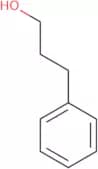
Discontinued product3-Phenyl-1-propanol
CAS:3-Phenyl-1-propanol is an organic compound that belongs to the class of trifluoroacetic acids. It has a molecular weight of 134.24 and a molecular formula of C8H12O2F3. 3-Phenyl-1-propanol is a reactive compound that reacts with germinating seeds, causing them to stop growing. The reaction products are fatty acid esters, which may be responsible for the inhibition of seed germination. 3-Phenyl-1-propanol can be prepared by reacting phenylacetaldehyde with trifluoroacetic acid in the presence of potassium hydroxide at high temperature and pressure. This method also produces 4-vinylbenzyl alcohol as a side product, which is used in the production of polymers and plastics.
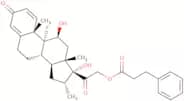
Formula:C9H12OPurity:Min. 95%Molecular weight:136.19 g/molDexamethasone 21-(3-phenylpropionate)
CAS:Dexamethasone 21-(3-phenylpropionate) is a corticosteroid that is used for the treatment of a variety of inflammatory skin conditions. Dexamethasone 21-(3-phenylpropionate) has been shown to be effective in the treatment of cutaneous lesions in mice and rabbits. This drug also has an anti-inflammatory effect, which may be due to its ability to inhibit cytokine production. Dexamethasone 21-(3-phenylpropionate) is not metabolized by liver enzymes and has a long half life, making it more predictable than prednisolone. This medication should not be used during pregnancy or if you are trying to become pregnant, as it may cause abortion or premature birth. It should also not be used by women who are breastfeeding, as it can pass through breast milk and affect the baby.
Formula:C31H37FO6Purity:Min. 95%Color and Shape:PowderMolecular weight:524.62 g/molRef: 3D-FD31959
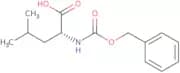
Discontinued productZ-D-Leu-OH
CAS:Please enquire for more information about Z-D-Leu-OH including the price, delivery time and more detailed product information at the technical inquiry form on this page
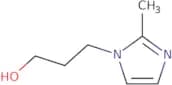
Formula:C14H19NO4Purity:Min. 95%Molecular weight:265.31 g/mol3-(2-Methyl-1H-imidazol-1-yl)propan-1-ol hydrochloride
CAS:Please enquire for more information about 3-(2-Methyl-1H-imidazol-1-yl)propan-1-ol hydrochloride including the price, delivery time and more detailed product information at the technical inquiry form on this page
Formula:C7H12N2OPurity:Min. 95%Molecular weight:140.18 g/molRef: 3D-FM120530
Discontinued productcis-4-Methylcyclohexylamine
CAS:Cis-4-Methylcyclohexylamine is a cyclic amine that is found in the form of its decarboxylated derivative, 4-methylcyclohexanamine, which is used as an inhibitor for various enzymes. The methyl group on the cyclohexane ring is responsible for the compound's activity. Magnetic resonance spectroscopy has shown that cis-4-Methylcyclohexylamine binds to the active site of carbonyl reductase and inhibits its enzymatic activity, thereby blocking a step in the citric acid cycle. Cis-4-Methylcyclohexylamine has also been shown to have anti-inflammatory effects by inhibiting protein kinase C (PKC) and NFkB activation.
Formula:C7H15NPurity:Min. 95%Molecular weight:113.2 g/molRef: 3D-FM25810
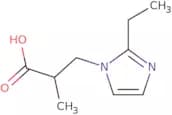
Discontinued product3-(2-Ethyl-1H-imidazol-1-yl)-2-methylpropanoic acid
CAS:Controlled ProductPlease enquire for more information about 3-(2-Ethyl-1H-imidazol-1-yl)-2-methylpropanoic acid including the price, delivery time and more detailed product information at the technical inquiry form on this pageFormula:C9H14N2O2Purity:Min. 95%Molecular weight:182.22 g/molRef: 3D-FE134661
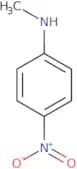
Discontinued productN-Methyl-4-nitroaniline
CAS:Controlled ProductIntermediate in the synthesis of nintedanib
Formula:C7H8N2O2Purity:Min. 95%Molecular weight:152.15 g/molRef: 3D-FM76174
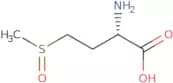
Discontinued productL-Methionine sulfoxide
CAS:Methionine sulfoxide is a methionine that has been oxidized to methionine sulfoxide. Methionine sulfoxides are produced through protein oxidation, which is the chemical process of reacting with oxygen in the air or other compounds to form an organic peroxide and superoxide radical. Methionine sulfoxides are found in proteins and are formed as a result of oxidative stress on cells and tissues. The rate constant for the conversion of methionine to methionine sulfoxide is 0.01983 min-1 at pH 7, 25°C. There are two methods of detection: chemiluminescence method and chromatographic analysis. In addition, methionine sulfoxides have natural antioxidant properties that can be used to treat diseases such as Alzheimer's disease and Parkinson's disease, as well as cancer treatments. Methionine sulfoxides have been shown to have a significant effect on wild-type strains of bacteria, reducing their growth rates
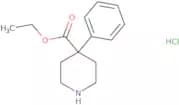
Formula:C5H11NO3SPurity:Min. 98 Area-%Color and Shape:White PowderMolecular weight:165.21 g/mol4-Phenyl-4-carbethoxy piperidineHCl
CAS:Controlled Product4-Phenyl-4-carbethoxy piperidineHCl is a germanium compound that can be used as a diagnostic agent to detect the presence of magnesium in the blood. It has been shown to bind to acidic and basic sites on the brain, regulating the functions of these regions. The drug has also been shown to have analgesic properties, as it activates opioid receptors in the brain. 4-Phenyl-4-carbethoxy piperidineHCl binds with high affinity to meperidine and naloxone, which are opioid receptor agonists. It is also able to bind to pentazocine, an opioid receptor antagonist. This drug is not active against molybdenum or thebaine.
Formula:C14H20ClNO2Purity:Min. 95%Molecular weight:269.77 g/molRef: 3D-FP152884
Discontinued product1-Methyl-2-(piperazin-1-ylcarbonyl)-1H-indole hydrochloride
CAS:Controlled ProductPlease enquire for more information about 1-Methyl-2-(piperazin-1-ylcarbonyl)-1H-indole hydrochloride including the price, delivery time and more detailed product information at the technical inquiry form on this pageFormula:C14H17N3OPurity:Min. 95%Molecular weight:243.3 g/molRef: 3D-FM125004
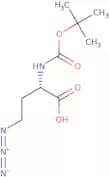
Discontinued productN-alpha-Boc-Ngamma-Azido-L-2,4-diaminobutyric acid cyclohexylamine salt
CAS:Please enquire for more information about N-alpha-Boc-Ngamma-Azido-L-2,4-diaminobutyric acid cyclohexylamine salt including the price, delivery time and more detailed product information at the technical inquiry form on this page
Formula:C9H16N4O4·C6H13NPurity:Min. 95%Molecular weight:343.42 g/molRef: 3D-FB57246
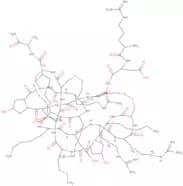
Discontinued productµ-Conotoxin GIIIB
CAS:Controlled ProductThe µ-conotoxin GIIIB is a potent nicotinic acetylcholine receptor antagonist and has been shown to inhibit the g1 phase of the cell cycle. It inhibits the binding of veratridine, a neurotoxin, to its receptor on the cell membrane. The µ-conotoxin GIIIB has also been shown to have an inhibitory effect on acetylcholine release from synaptosomes incubated with glucose and insulin. A magnetic resonance spectroscopy (MRS) study showed that µ-conotoxin GIIIB was able to bind to noradrenaline and dopamine receptors in rat erythrocytes. The µ-conotoxin GIIIB is a disulfide bond peptide that can be synthesized by solid-phase synthesis and purified by lc-ms/ms methods. Disulfide bonds are formed between Cys3 and Cys15, Cys4 and Cys20, Cys10Formula:C101H175N39O30S7Purity:Min. 95%Molecular weight:2,640.18 g/molRef: 3D-FC110369
Discontinued product4-Methoxybenzylamine
CAS:4-Methoxybenzylamine is an organic amine that has a redox potential of -0.14 V (vs. SHE) and a pK a of 10.5. It is used in the synthesis of trifluoroacetic acid esters, which are used as pharmaceutical intermediates. 4-Methoxybenzylamine has been shown to be effective in alleviating pain in animal models, and its mechanism of action may be due to inhibition of the enzyme cyclooxygenase. The kinetic data for this reaction were obtained by studying the deuterium isotope effect, which is characterized by a low energy barrier and rapid reaction rate. The hydrolysis step is also important for the reaction mechanism, with protocatechuic acid being an intermediate product. Hydrochloric acid is needed for dehydration of the reactants, while an aryl halide can be used instead in some cases. In these reactions, there are many possible reaction
Formula:C8H11NOPurity:Min. 95%Molecular weight:137.18 g/mol2-Fluoro-5-methoxyaniline
CAS:2-Fluoro-5-methoxyaniline is a high quality reagent that is used as an intermediate in the synthesis of various complex compounds. The CAS number for this chemical is 62257-15-2 and it has been shown to be useful as a building block for the synthesis of fine chemicals, speciality chemicals, and research chemicals with many different uses. It is also a versatile building block that can be used in reactions involving amines, alcohols, thiols, and nitriles. 2-Fluoro-5-methoxyaniline may also be used as a reaction component in organic syntheses.
Formula:C7H8FNOPurity:Min. 95%Color and Shape:PowderMolecular weight:141.14 g/molRef: 3D-FF66275
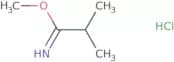
Discontinued productMethyl 2-methylpropanimidic acid hydrochloride
CAS:Methyl 2-methylpropanimidic acid hydrochloride is a neutralizing agent that can be used to react with water, acids, and bases. It has been shown to react with gaseous compounds at temperatures as high as 200°C. Methyl 2-methylpropanimidic acid hydrochloride is soluble in organic solvents such as alcohols, ethers, and acetone and can be used to prepare esters by reacting with the corresponding alcohol or phenol. In addition, it has been shown to interact with haloalkyl groups and oxazinones. This compound also has nod-like receptor binding properties that have been shown to play a role in mediating the transport of organic solutions into cells. A receptor protein that reacts with methyl 2-methylpropanimidic acid hydrochloride has been identified in some organisms. The stereostructure of this compound resembles that of triazines and other organometallic compounds.
Formula:C5H11NO·HClPurity:Min. 95%Molecular weight:137.61 g/molRef: 3D-FM53669
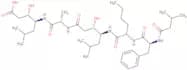
Discontinued productIsovaleryl-Phe-Nle-Sta-Ala-Sta-OH
CAS:Isovaleryl-Phe-Nle-Sta-Ala-Sta-OH (IVAS) is a small molecule that has been shown to be an angiotensin system inhibitor. IVAS blocks the binding site of the angiotensin receptor and prevents the activation of this system. This effect is dose dependent and can be used to treat high blood pressure in humans. IVAS is a long-acting drug and has been shown to be effective in primates as well as humans. The drug is rapidly absorbed from the gastrointestinal tract and eliminated by metabolism, mainly through hydrolysis by esterases or glucuronidases, oxidation by cytochrome P450 enzymes, reduction by glutathione reductase, or conjugation with glucuronic acid. IVAS also specifically binds to markers expressed at high levels in Mycobacterium tuberculosis strains (e.g., ESX-1 secretion system protein) and inhibits cell growth in culture.
Formula:C39H65N5O9Purity:Min. 95%Molecular weight:747.96 g/molRef: 3D-FI49358
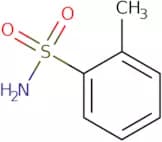
Discontinued product2-Methylbenzenesulfonamide
CAS:2-Methylbenzenesulfonamide is a chemical compound that has been shown to induce apoptosis in bladder cancer cells. It is an acid conjugate of the drug 2-methylbenzene-1,4-sulfonamide and it can be used for the treatment of bladder cancer. The compound binds to the apoptosis protein and inhibits its function, leading to cell death. The cytotoxic effects of 2-methylbenzenesulfonamide have been shown in short term toxicity studies in rats. In long term animal studies, this compound showed no adverse effects on the liver or kidneys, but did show some indication of reproductive toxicity. 2-Methylbenzenesulfonamide is not mutagenic and does not affect male fertility when given orally at doses up to 2000 mg/kg body weight for 90 days. 2-Methylbenzenesulfonamide binds to receptors on the surface of cancerous cells and induces apoptosis by inhib
Formula:C7H9NO2SPurity:Min. 95%Molecular weight:171.0354Ref: 3D-FM37539
Discontinued product4-(2-Chlorophenyl)-9-methyl-6H-thieno[3,2-f][1,2,4]triazolo[4,3-a][1,4]diazepine-2-propanoic acid methyl ester
CAS:Controlled ProductPlease enquire for more information about 4-(2-Chlorophenyl)-9-methyl-6H-thieno[3,2-f][1,2,4]triazolo[4,3-a][1,4]diazepine-2-propanoic acid methyl ester including the price, delivery time and more detailed product information at the technical inquiry form on this pageFormula:C19H17ClN4O2SPurity:Min. 95%Molecular weight:400.88 g/molRef: 3D-FC20337
Discontinued productN-[1-(4-Fluorophenyl)propan-2-Yl]-N-methylprop-2-Yn-1-amine
CAS:Controlled ProductN-[1-(4-Fluorophenyl)propan-2-Yl]-N-methylprop-2-Yn-1-amine is a synthetic molecule that has been shown to be an inhibitor of the enzyme nitroethane reductase. This drug is also capable of inhibiting the activity of other enzymes and is being investigated for its potential use in the treatment of various types of cancer. N-[1-(4-Fluorophenyl)propan-2-Yl]-N-methylprop-2-Yn-1-amine inhibits nitroethane reductase by binding reversibly to the active site and competitively inhibiting the substrate. The potency of this drug against nitroethane reductase has been shown to be increased by alkylation.br> The inhibition of nitroethane reductase by N-[1-(4-fluorophenyl)propan-2-Yl]-Formula:C13H16FNPurity:Min. 95%Molecular weight:205.27 g/molRef: 3D-FF95966
Discontinued product10-[2-(1-Methyl-2-piperidinyl)ethyl]-2-(methylthio)-10H-phenothiazine hydrochloride
CAS:Controlled ProductThe drug, 10-[2-(1-methyl-2-piperidinyl)ethyl]-2-(methylthio)-10H-phenothiazine hydrochloride (CGP 46660), is a competitive antagonist at the human histamine H3 receptor. It has been shown to bind to the histamine H3 receptor in the range of 0.001 to 1 μM and is selective for this receptor over other receptors. CGP 46660 is an optical sensor that can be used in titration calorimetry experiments to measure changes in heat production when it binds to histamine H3 receptors. The drug also has been shown to inhibit guanine nucleotide-binding protein (G protein) signaling pathways and brain functions such as memory formation, learning, and attention span. These effects were demonstrated in humans by measuring EEG activity. The optimum concentration of CGP 46660 for these effects was found to be between 0.01 and 10 μM.
Formula:C21H27ClN2S2Purity:Min. 95%Color and Shape:PowderMolecular weight:407.04 g/molRef: 3D-FT28238
Discontinued product

![1,2,3,4,5,6-Hexahydro-1,5-methano-pyrido-[1,2-a][1,5]diazocin-8-one](/_next/image/?url=https%3A%2Fstatic.cymitquimica.com%2Fproducts%2F3D%2Fthumb-webp%2FFD117142.webp&w=3840&q=75)
![5[(R)-(2-Aminopropyl)]-2-methoxybenzenesulfonamide hydrochloride](/_next/image/?url=https%3A%2Fstatic.cymitquimica.com%2Fproducts%2F3D%2Fthumb-webp%2FFA17834.webp&w=3840&q=75)






![4-(2-Chlorophenyl)-9-methyl-6H-thieno[3,2-f][1,2,4]triazolo[4,3-a][1,4]diazepine-2-propanoic acid …](/_next/image/?url=https%3A%2Fstatic.cymitquimica.com%2Fproducts%2F3D%2Fthumb-webp%2FFC20337.webp&w=3840&q=75)
![N-[1-(4-Fluorophenyl)propan-2-Yl]-N-methylprop-2-Yn-1-amine](/_next/image/?url=https%3A%2Fstatic.cymitquimica.com%2Fproducts%2F3D%2Fthumb-webp%2FFF95966.webp&w=3840&q=75)
![10-[2-(1-Methyl-2-piperidinyl)ethyl]-2-(methylthio)-10H-phenothiazine hydrochloride](/_next/image/?url=https%3A%2Fstatic.cymitquimica.com%2Fproducts%2F3D%2Fthumb-webp%2FFT28238.webp&w=3840&q=75)