Amino Acids (AA)
Subcategories of "Amino Acids (AA)"
- Amino Acid Derivatives(4,012 products)
- Amino Acid and Amino Acid Related Compounds(3,490 products)
- Amino Acids with Oxygen or Sulphur(168 products)
- Boc- Amino Acids(351 products)
- Fmoc Amino Acids(1,710 products)
Found 38366 products of "Amino Acids (AA)"
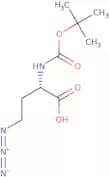
N-alpha-Boc-Ngamma-Azido-L-2,4-diaminobutyric acid cyclohexylamine salt
CAS:Please enquire for more information about N-alpha-Boc-Ngamma-Azido-L-2,4-diaminobutyric acid cyclohexylamine salt including the price, delivery time and more detailed product information at the technical inquiry form on this page
Formula:C9H16N4O4·C6H13NPurity:Min. 95%Molecular weight:343.42 g/molRef: 3D-FB57246
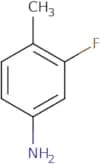
Discontinued product3-Fluoro-4-methylaniline
CAS:3-Fluoro-4-methylaniline is a synthesized compound that is used to produce anti-cancer agents. It is an amide and has anti-cancer properties. 3-Fluoro-4-methylaniline also binds to DNA and inhibits the synthesis of proteins in cancer cells. The binding constants for ligands are found to be high. 3-Fluoro-4-methylaniline can also bind with DNA through intercalation or hybridization, which prevents transcription of RNA from DNA, thereby inhibiting protein synthesis. This results in cell death by apoptosis.
Formula:C7H8FNPurity:Min. 95%Color and Shape:Clear LiquidMolecular weight:125.14 g/molRef: 3D-FF104392
Discontinued product1-Phenylcyclohexanol
CAS:Controlled Product1-Phenylcyclohexanol (1-PC) is an organic compound that is used as a reagent in the synthesis of other compounds. It is a colorless liquid with a pleasant odor. 1-PC has been shown to have synergic effects when reacted with various types of oxidizing agents, such as magnesium and boron trichloride. The reaction products are cyclohexanol, dehydration, and modifiers. When 1-PC reacts with phenylcyclohexene, it forms the antigen hemiketal.
Formula:C12H16OPurity:Min. 95%Molecular weight:176.25 g/molRef: 3D-FP132052
Discontinued product1-(Boc-amino)-4,9-dioxa-12-dodecanamine
CAS:Controlled ProductPlease enquire for more information about 1-(Boc-amino)-4,9-dioxa-12-dodecanamine including the price, delivery time and more detailed product information at the technical inquiry form on this page
Formula:C15H32N2O4Purity:Min. 95%Molecular weight:304.43 g/molRef: 3D-FB50424
Discontinued productN3-Trp-OH·CHA
CAS:Azido-L-tyrosine CHA salt is a useful azide functionalised amino acid. Provides a handle for click chemistry.
Formula:C11H10N4O2•C6H13NPurity:Min. 95%Color and Shape:PowderMolecular weight:329.4 g/molRef: 3D-FT73126
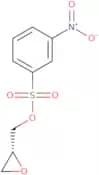
Discontinued product(R)-(-)-Glycidyl nosylate
CAS:(R)-(-)-Glycidyl nosylate is an epoxide that is used in the synthesis of pharmaceuticals. It has shown mutagenic activity and can be used to produce chiral glycidyl compounds. (R)-(-)-Glycidyl nosylate has been evaluated as a potential drug for the treatment of cancer, but was found to have limited pharmacological activity. This compound binds to protein kinases and may inhibit their activity. (R)-(-)-Glycidyl nosylate also possesses aliphatic properties and is an enantiopure molecule. The stereoisomers of glycidyl nosylate are also available, with the most common being (+)glycidylether.
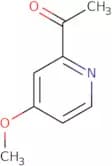
Formula:C9H9NO6SPurity:Min. 95%Color and Shape:White PowderMolecular weight:259.24 g/mol1-(4-Methoxy-pyridin-2-yl)-ethanone
CAS:Please enquire for more information about 1-(4-Methoxy-pyridin-2-yl)-ethanone including the price, delivery time and more detailed product information at the technical inquiry form on this page
Formula:C8H9NO2Purity:Min. 95%Molecular weight:151.16 g/molRef: 3D-FM64054
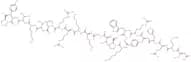
Discontinued productAcetyl-ACTH (3-24) (human, bovine, rat) trifluoroacetate salt
CAS:Please enquire for more information about Acetyl-ACTH (3-24) (human, bovine, rat) trifluoroacetate salt including the price, delivery time and more detailed product information at the technical inquiry form on this page
Formula:C126H198N38O28SPurity:Min. 95%Molecular weight:2,725.23 g/mol1,2,3,4,5,6-Hexahydro-1,5-methano-pyrido-[1,2-a][1,5]diazocin-8-one
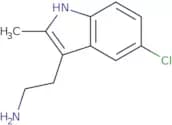
CAS:1,2,3,4,5,6-Hexahydro-1,5-methano-pyrido-[1,2-a][1,5]diazocin-8-one is a cholinergic drug that is used as a research tool in vitro. It has been shown to increase the concentration of acetylcholine in the synapse. It is also known as cytisine and varenicline. 1,2,3,4,5,6-Hexahydro-1,5-methano-pyrido-[1,2-a][1,5]diazocin-8-one binds to nicotinic receptors and stimulates them. This increased activity of nicotinic receptors leads to the release of acetylcholine (ACh), which is an important neurotransmitter in the brain. 1,2,3,4 5 6 hexahydro - 1 5Formula:C11H14N2OPurity:Min. 95%Molecular weight:190.24 g/mol2-(5-chloro-2-methyl-1H-indol-3-yl)ethanamine
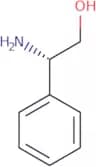
CAS:Controlled ProductPlease enquire for more information about 2-(5-chloro-2-methyl-1H-indol-3-yl)ethanamine including the price, delivery time and more detailed product information at the technical inquiry form on this pageFormula:C11H13ClN2Purity:Min. 95%Molecular weight:208.69 g/molL-Phenylglycinol
CAS:L-phenylglycinol is a chiral compound that is synthesized by the reaction of phenylglycinol with hydroxide solution in the presence of an asymmetric synthesis catalyst. It is used as a precursor to chiral amides and aziridines, which are important for addressing the need for enantiopure compounds. The reaction mechanism involves nucleophilic substitution at the amino function, which can be catalyzed by copper complexes in solution. This reaction can also be monitored using liquid chromatography methods.
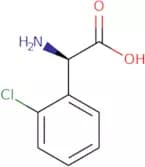
Formula:C8H11NOPurity:Min. 95%Color and Shape:White PowderMolecular weight:137.18 g/molD-(+)-2-ChlorophenylglycIne
CAS:D-(+)-2-Chlorophenylglycine is a synthetic, chiral aldehyde that serves as an industrial solvent. It is used to produce other organic compounds and has been shown to cause environmental pollution. D-(+)-2-Chlorophenylglycine is also used in the synthesis of thiourea and organocatalysts. This compound is synthesized from quinidine and enantiomeric (D or L) thionyl chloride, which are both manufactured on an industrial scale. The stereoselective process for D-(+)-2-chlorophenylglycine involves the use of a chiral catalyst.
Purity:Min. 95%Ref: 3D-FC39658
Discontinued product2-Bromo-1-methyl-1H-imidazole
CAS:Please enquire for more information about 2-Bromo-1-methyl-1H-imidazole including the price, delivery time and more detailed product information at the technical inquiry form on this page
Formula:C4H5BrN2Purity:Min. 95%Molecular weight:161 g/mol4-Methoxybenzene-1,3-diamine sulfate
CAS:Controlled Product4-Methoxybenzene-1,3-diamine sulfate (4MBD) is a chemical substance that inhibits the activity of cytochrome P450 enzymes. It has been shown to inhibit the activity of rat liver microsomal p-450 enzymes, and is used in studies on the effects of chemicals on protein synthesis. When 4MBD is administered to rats at dietary concentrations, it causes an increase in thyroid hormone levels and a decrease in renal function. The enzyme inhibition caused by 4MBD may be due to its ability to acylate amines, which are located near the active site of the enzyme. Linear regression analysis showed that there was a strong correlation between dietary concentrations and the inhibition of protein synthesis caused by 4MBD.
Formula:C7H12N2O5SPurity:Min. 95%Molecular weight:236.25 g/molRef: 3D-FM140848
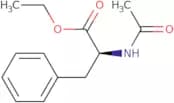
Discontinued productAcetyl-L-phenylalanine ethyl ester
CAS:Acetyl-L-phenylalanine ethyl ester is a substrate analogue that competes with the natural substrate, L-phenylalanine, for binding sites on the enzyme. The acetyl group of acetyl-L-phenylalanine ethyl ester reacts with the amino acid residues of L-phenylalanine to form covalent linkages. This prevents the enzyme from catalyzing reactions involving L-phenylalanine and other substrates. Acetyl-L-phenylalanine ethyl ester binds to cytochalasin B and inhibits its ability to bind to actin filaments, thus inhibiting cell growth. The high salt concentration in this experiment allows for separation of the protein from other cellular components by sephadex g-100 chromatography. Kinetic studies have been done on human serum albumin, which is a protein that can bind acetyl-L-phenylalanine ethl ester with a
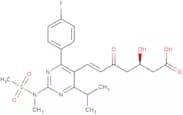
Formula:C13H17NO3Purity:Min. 95%Molecular weight:235.28 g/mol5-Oxo Rosuvastatin
CAS:5-Oxo Rosuvastatin is a drug product that has been synthesized from natural ingredients. It is an analytical standard for the impurity, 5-oxo-rosuvastatin, which is a potential impurity in the API, rosuvastatin. This drug product has been custom synthesized in order to provide an Impurity Standard for HPLC. This drug product is also used as a Synthetic Reference Standard for Drug Development and Research and Development.
Formula:C22H26FN3O6SPurity:Min. 95%Color and Shape:Off-White To Light (Or Pale) Yellow To Dark Yellow SolidMolecular weight:479.52 g/molSodium L-glutamate monohydrate
CAS:L-glutamic acid is a nonessential amino acid that is used as a food additive. L-glutamic acid is found in the form of sodium salt, called monosodium glutamate (MSG), and is used to enhance the flavor of foods. L-glutamic acid has been shown to be essential for the growth of certain bacteria, such as corynebacteria. The l-glutamic acid gene can be found in corynebacteria and corynebacterium glutamicum. It has been shown that l-glutamic acid can be synthesized by these organisms under conditions of low magnesium concentration, high pH, and high temperature.
Formula:C5H8NNaO4·H2OPurity:Min. 95%Color and Shape:PowderMolecular weight:187.13 g/molRef: 3D-FS138120
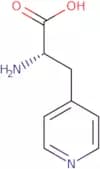
Discontinued product3-(4'-Pyridyl)-L-alanine
CAS:Please enquire for more information about 3-(4'-Pyridyl)-L-alanine including the price, delivery time and more detailed product information at the technical inquiry form on this page
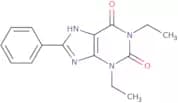
Formula:C8H10N2O2Purity:Min. 95%Color and Shape:PowderMolecular weight:166.18 g/mol1,3-Diethyl-8-phenylxanthine
CAS:Controlled Product1,3-Diethyl-8-phenylxanthine is a p2y receptor antagonist that inhibits bacterial growth by interfering with the energy metabolism of the cell. It is an analytical reagent that can be used to measure specific DNA sequences and has been shown to have genotoxic effects on cultured human cells. 1,3-Diethyl-8-phenylxanthine has also been shown to inhibit the growth of infectious bacteria such as staphylococcus aureus and Mycobacterium tuberculosis in vitro. This compound may be used as a potential biomarker for the identification of antimicrobial peptides that are active against Mycobacterium tuberculosis in humans.
Formula:C15H16N4O2Purity:Min. 95%Molecular weight:284.31 g/molRef: 3D-FD21820
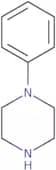
Discontinued product1-Phenylpiperazine
CAS:Controlled Product1-Phenylpiperazine is a piperazine derivative that can bind to the DNA of cervical cancer cells and inhibit their growth. It also has antihypertensive effects. 1-Phenylpiperazine is a white crystalline solid that is soluble in water, ethanol, ether, and chloroform. It binds to the hydrogen chloride ion (HCl) with high affinity and forms an equilibrium mixture with HCl gas. The binding constants of 1-phenylpiperazine to HCl are greater than those for piperazine. This compound has been shown to inhibit tumor cell growth in vitro through its ability to bind to DNA and prevent RNA synthesis. 1-Phenylpiperazine has been shown to have antihypertensive activity in rats by blocking alpha1-adrenergic receptors on vascular smooth muscle cells.br>br>
In addition, this molecule has been shown to have binding properties for amines which may be due to the presenceFormula:C10H14N2Purity:Min. 95%Molecular weight:162.23 g/molRef: 3D-FP10343
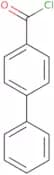
Discontinued product4-Phenylbenzoyl chloride
CAS:4-Phenylbenzoyl chloride is a primary amino compound that has been studied extensively in the context of biological studies and as an electroluminescent device. It is also used to study the effects of alkylation on biological systems. 4-Phenylbenzoyl chloride has been shown to be cytotoxic against monocytic cell lines, with a mechanism of action that involves its ability to react with DNA, forming adducts that interfere with DNA replication. In addition, it also reacts with amines in human tissue samples, which may lead to carcinogenic effects. This compound is also effective against protozoan parasites and Leishmania species, although not thiosemicarbazide.
Formula:C13H9ClOPurity:Min. 95%Color and Shape:PowderMolecular weight:216.66 g/molRef: 3D-FP00419
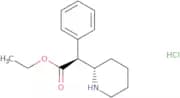
Discontinued product(aS,2S)-alpha-Phenyl-2-piperidineacetic acid Ethyl ester hydrochloride
CAS:Controlled ProductPlease enquire for more information about (aS,2S)-alpha-Phenyl-2-piperidineacetic acid Ethyl ester hydrochloride including the price, delivery time and more detailed product information at the technical inquiry form on this pageFormula:C15H21NO2·HClPurity:Min. 95%Molecular weight:283.79 g/molN-Methyl-L-proline
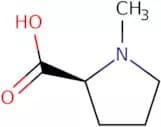
CAS:N-Methyl-L-proline is a choline analog that is used to prepare cell culture media and as a nutrient for microorganisms. It has been shown to have an inhibitory effect on the growth of the bacteria Pseudomonas aeruginosa and Salmonella enterica. N-Methyl-L-proline has also been shown to be taken up by the bacteria and to decrease their bioavailability in low salinity environments.
Formula:C6H11NO2Purity:Min. 95%Molecular weight:129.16 g/molRef: 3D-FM48864
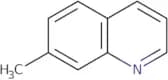
Discontinued product7-Methylquinoline
CAS:7-Methylquinoline is an organic compound that can be used to synthesize antimalarial drugs. It is a quinoline derivative with a methyl group at the 7th position. The structure of 7-methylquinoline contains a nitrogen atom and hydrogen atoms, which are bonded to fluorine, chlorine, and bromine atoms. This molecule has been shown to be stable in the presence of Friedel-Crafts catalysts and chloride ions. The reaction mechanism for 7-methylquinoline is intramolecular hydrogen transfer from the chloroform molecule to the quinoline ring system. The formation rate for this compound is slow because it requires two steps: nucleophilic substitution and electrophilic addition reactions.
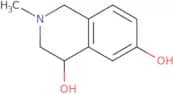
Formula:C10H9NPurity:Min. 95%Molecular weight:143.19 g/mol1,2,3,4-Tetrahydro-4,6-dihydroxy-2-methyl-isoquinoline
CAS:1,2,3,4-Tetrahydro-4,6-dihydroxy-2-methyl-isoquinoline is a useful building block in the synthesis of various compounds such as pharmaceuticals and pesticides. It is an intermediate for the preparation of other valuable chemicals such as the antihistamine diphenhydramine, which is used to treat allergies. Tetrahydroisoquinoline can also be used as a reagent to synthesize other chemical compounds. This compound has been used in research as well as commercial applications. Tetrahydroisoquinoline is also a versatile scaffold that can be modified to produce different derivatives with different properties.
Formula:C10H13NO2Purity:Min. 95%Color and Shape:White PowderMolecular weight:179.22 g/molRef: 3D-FT28104
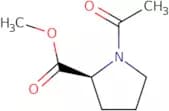
Discontinued productAcetyl-L-proline methyl ester
CAS:Acetyl-L-proline methyl ester is a conformationally restricted chiral compound. It is an ester of the amino acid L-proline and acetyl chloride. The conformational restriction in this molecule may be due to the interaction between the amide group and the methyl ester side chain. This chemical is used in collagen production as well as a theoretical model for other molecules with similar structural properties. Acetyl-L-proline methyl ester has been shown to have anti-inflammatory properties, which are thought to be due to its ability to stabilize collagen fibers and inhibit the formation of matrix metalloproteinases.
Formula:C8H13NO3Purity:Min. 95%Color and Shape:PowderMolecular weight:171.19 g/molRef: 3D-FA47444
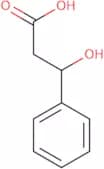
Discontinued product3-Hydroxy-3-phenylpropanoic acid
CAS:3-Hydroxy-3-phenylpropanoic acid, or 3HPPA, is an intermediate in the synthesis of salicylic acid. It is also an endogenous metabolite found in urine samples and is a product of the metabolism of glucosinolates by hydrolysis. The hydroxyl group on 3HPPA reacts with a carbonyl group to form a Schiff base, which is then hydrolyzed by hydrochloric acid to form hippuric acid. The biosynthesis of 3HPPA occurs through the oxidation of fatty acids with the addition of a hydroxyl group from water.
Formula:C9H10O3Purity:Min. 95%Color and Shape:PowderMolecular weight:166.17 g/molRef: 3D-FH139536
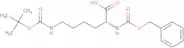
Discontinued productZ-D-Lys(Boc)-OH
CAS:Z-D-Lys(Boc)-OH is a synthetic peptidomimetic that has been shown to selectively kill cancer cells. Z-D-Lys(Boc)-OH binds to the lysine residue on the target cell surface, which is not present in normal cells. This binding inhibits serine protease activity and disrupts the synthesis of peptides, which are essential for cellular function. The electron microscopic images show that this compound causes an enhancement of biological function in human pathogenic chlamydia.
Formula:C19H28N2O6Purity:Min. 95%Molecular weight:380.44 g/mol2-Hydroxy-4-methylquinoline
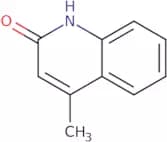
CAS:2-Hydroxy-4-methylquinoline is an organic compound that has a chelate ring. It is soluble in deionized water and reacts with metal ions to form a fluorescent product. The molecule also has antibacterial activity, which may be due to its ability to inhibit the growth of bacteria by acting as a metal ion chelator. 2-Hydroxy-4-methylquinoline can react with halides and ammonium persulfate to form isomeric products, such as 4,5-dihydroxyquinoline, which have been shown to have antimicrobial properties. 2-Hydroxy-4-methylquinoline can also react with phosphorus oxychloride and alkylating agents such as chloroethane or chloroform to form substituted derivatives.
Formula:C10H9NOPurity:Min. 95%Color and Shape:PowderMolecular weight:159.18 g/mol8-Chloro-1-methyl-2,3,4,5-tetrahydro-1H-benzo[d]azepine
CAS:Controlled Product8-Chloro-1-methyl-2,3,4,5-tetrahydro-1H-benzo[d]azepine is an antipsychotic drug that is a member of the class of drugs known as serotonin receptor antagonists. It is a synthetic process that has been used to produce antidepressant and antipsychotic drugs. This drug was first synthesized in 1966 by chemists at Smith Kline & French Laboratories as part of a program to develop novel antidepressants. 8-Chloro-1-methyl-2,3,4,5-tetrahydro-1H-benzo[d]azepine is one of the few antipsychotics that does not cause extrapyramidal side effects such as tardive dyskinesia. The enantiomers are active with the (S) form being more potent than the (R) form.Formula:C11H14ClNPurity:Min. 95%Molecular weight:195.69 g/molRef: 3D-FC148171
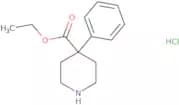
Discontinued product4-Phenyl-4-carbethoxy piperidineHCl
CAS:Controlled Product4-Phenyl-4-carbethoxy piperidineHCl is a germanium compound that can be used as a diagnostic agent to detect the presence of magnesium in the blood. It has been shown to bind to acidic and basic sites on the brain, regulating the functions of these regions. The drug has also been shown to have analgesic properties, as it activates opioid receptors in the brain. 4-Phenyl-4-carbethoxy piperidineHCl binds with high affinity to meperidine and naloxone, which are opioid receptor agonists. It is also able to bind to pentazocine, an opioid receptor antagonist. This drug is not active against molybdenum or thebaine.
Formula:C14H20ClNO2Purity:Min. 95%Molecular weight:269.77 g/molRef: 3D-FP152884
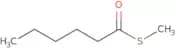
Discontinued productS-Methyl thiohexanoate
CAS:S-Methyl thiohexanoate is a fatty acid that is the product of the serine protease activity of the potato tuber. It has been shown to have a transcriptional regulatory effect on carbon source utilization and natural compounds production, which may be due to its ability to alter the phospholipid composition in plant cells. S-Methyl thiohexanoate can inhibit or induce natural compounds production depending on the concentration used. The effects of this compound are mediated by its ability to form hydrogen bonds with hydroxyl groups in phospholipids, altering their configuration and consequently disrupting membrane integrity. S-Methyl thiohexanoate also has been shown to act as an electron donor for covalent polymerization reactions catalyzed by DNA polymerases and reverse transcriptases. This may be due to its ability to form hydrogen bonds with phosphate groups in nucleic acids, altering their configuration and consequently disrupting DNA or RNA synthesis.
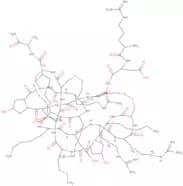
Formula:C7H14OSPurity:Min. 95%Color and Shape:Clear LiquidMolecular weight:146.25 g/molµ-Conotoxin GIIIB
CAS:Controlled ProductThe µ-conotoxin GIIIB is a potent nicotinic acetylcholine receptor antagonist and has been shown to inhibit the g1 phase of the cell cycle. It inhibits the binding of veratridine, a neurotoxin, to its receptor on the cell membrane. The µ-conotoxin GIIIB has also been shown to have an inhibitory effect on acetylcholine release from synaptosomes incubated with glucose and insulin. A magnetic resonance spectroscopy (MRS) study showed that µ-conotoxin GIIIB was able to bind to noradrenaline and dopamine receptors in rat erythrocytes. The µ-conotoxin GIIIB is a disulfide bond peptide that can be synthesized by solid-phase synthesis and purified by lc-ms/ms methods. Disulfide bonds are formed between Cys3 and Cys15, Cys4 and Cys20, Cys10Formula:C101H175N39O30S7Purity:Min. 95%Molecular weight:2,640.18 g/molRef: 3D-FC110369
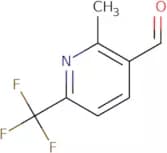
Discontinued product2-Methyl-6-(trifluoromethyl)nicotinaldehyde
CAS:Please enquire for more information about 2-Methyl-6-(trifluoromethyl)nicotinaldehyde including the price, delivery time and more detailed product information at the technical inquiry form on this page
Formula:C8H6F3NOPurity:Min. 95%Molecular weight:189.13 g/molRef: 3D-FM88006
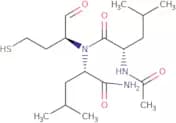
Discontinued productN-Acetyl-L-leucyl-L-leucyl-L-methioninal
CAS:Inhibitor of cathepsinFormula:C19H35N3O4SPurity:Min. 95%Molecular weight:401.57 g/molRef: 3D-FA137466
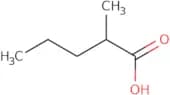
Discontinued product2-Methyl pentanoic acid
CAS:2-Methyl pentanoic acid is a coordination complex that is synthesized by the condensation of propionyl chloride and 2-methylpentanoyl chloride. It has been shown to have anticancer activity against human cervical cancer cells, inhibiting the growth of cells in culture. The mechanism of action may be due to its ability to inhibit the production of mitochondrial proteins, leading to cell death. 2-Methyl pentanoic acid also has a strong affinity for fatty acids and can be used as an inhibitor of fatty acid synthase, which is an enzyme that catalyzes the synthesis of long chain fatty acids in mitochondria. 2-Methyl pentanoic acid can also be used as a treatment for seizures caused by divalproex sodium and isovaleric acid. It inhibits the production of 3-hydroxyisovaleric acid, which is responsible for these seizures, through competitive inhibition with valine at the 3 position on the enzyme's active site.
Formula:C6H12O2Purity:Min. 95%Color and Shape:Clear LiquidMolecular weight:116.16 g/molRef: 3D-FM01022
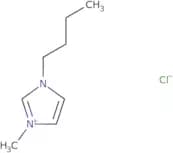
Discontinued product1-Butyl-3-methylimidazolium chloride
CAS:1-Butyl-3-methylimidazolium chloride is an ionic liquid that is made up of a cation, 1-butyl-3-methylimidazolium, and an anion, chloride. It has been shown to be biocompatible with human serum and water vapor. The interaction between the cation and anion creates a solvation shell around the solvent molecules in the ionic liquid. This solvation shell leads to hydrogen bonding interactions with cellulose, which prevents crystalline cellulose from forming. 1-Butyl-3-methylimidazolium chloride has been shown to be effective in wastewater treatment because it removes copper ions from the solution by electrochemical reactions.Formula:C8H15N2·ClPurity:Min. 95%Color and Shape:White Clear LiquidMolecular weight:174.67 g/molRef: 3D-FB10899
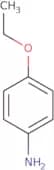
Discontinued productp-Phenetidine
CAS:p-Phenetidine is an organic compound that reacts with nucleophiles to produce a variety of products. It is a reactive molecule that can be used in the preparation of samples for analysis by hydroxyl group detection, such as infectious diseases and glucuronide conjugate. p-Phenetidine has been shown to react with human serum and wastewater treatment, leading to the formation of surface bound form. This form can be detected using electrochemical impedance spectroscopy (EIS) and surface methodology.
Formula:C8H11NOPurity:Min. 95%Molecular weight:137.18 g/molRef: 3D-FP26875
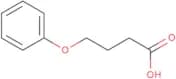
Discontinued product4-Phenoxybutyric acid
CAS:Controlled Product4-Phenoxybutyric acid is a molecule that is produced by filamentous fungi. It has been shown to inhibit the growth of many bacteria, including Staphylococcus aureus, Salmonella typhimurium, and Enterobacter aerogenes. 4-Phenoxybutyric acid binds to the receptor on the surface of the bacterial cell membrane and prevents it from functioning correctly. It also prevents the production of proteins necessary for growth and survival. This inhibition leads to a loss of energy in the cell, which eventually leads to death. The molecule has been shown to be effective in inhibiting bacteria even if they are resistant to antibiotics. 4-Phenoxybutyric acid has been shown to be more efficient than other methods for microbial biotransformation, such as dispersive solid-phase extraction or liquid-liquid extraction.
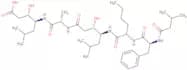
Formula:C10H12O3Purity:Min. 95%Molecular weight:180.2 g/molIsovaleryl-Phe-Nle-Sta-Ala-Sta-OH
CAS:Isovaleryl-Phe-Nle-Sta-Ala-Sta-OH (IVAS) is a small molecule that has been shown to be an angiotensin system inhibitor. IVAS blocks the binding site of the angiotensin receptor and prevents the activation of this system. This effect is dose dependent and can be used to treat high blood pressure in humans. IVAS is a long-acting drug and has been shown to be effective in primates as well as humans. The drug is rapidly absorbed from the gastrointestinal tract and eliminated by metabolism, mainly through hydrolysis by esterases or glucuronidases, oxidation by cytochrome P450 enzymes, reduction by glutathione reductase, or conjugation with glucuronic acid. IVAS also specifically binds to markers expressed at high levels in Mycobacterium tuberculosis strains (e.g., ESX-1 secretion system protein) and inhibits cell growth in culture.
Formula:C39H65N5O9Purity:Min. 95%Molecular weight:747.96 g/molRef: 3D-FI49358
Discontinued product1-Methyl-2-(piperazin-1-ylcarbonyl)-1H-indole hydrochloride
CAS:Controlled ProductPlease enquire for more information about 1-Methyl-2-(piperazin-1-ylcarbonyl)-1H-indole hydrochloride including the price, delivery time and more detailed product information at the technical inquiry form on this pageFormula:C14H17N3OPurity:Min. 95%Molecular weight:243.3 g/molRef: 3D-FM125004
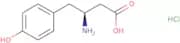
Discontinued productL-b-Homotyrosine hydrochloride
CAS:Please enquire for more information about L-b-Homotyrosine hydrochloride including the price, delivery time and more detailed product information at the technical inquiry form on this page
Formula:C10H13NO3·HClPurity:Min. 95%Molecular weight:231.68 g/molRef: 3D-FH50229
Discontinued product2-[(4-Methylbenzenesulfonyl)oxy]ethan-1-ol
CAS:2-[(4-Methylbenzenesulfonyl)oxy]ethan-1-ol is a compound that contains a benzene ring and an ethyl chain. It has the following chemical structure: It is structurally related to benzodiazepine, but with an amide group instead of a diazepine ring. 2-[(4-Methylbenzenesulfonyl)oxy]ethan-1-ol is a membrane stabilizer that inhibits thrombin and can be used as an anticoagulant. This compound also has growth factor activity and can be used in the synthesis of heterocyclic compounds.
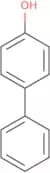
Formula:C9H12O4SPurity:Min. 95%Color and Shape:Clear LiquidMolecular weight:216.26 g/mol4-Phenylphenol
CAS:4-Phenylphenol is a phenolic compound that is used in the synthesis of other compounds. 4-Phenylphenol was found to react with rat liver microsomes and showed a hydroxyl group as its reactive site. 4-Phenylphenol also inhibited the activities of enzymes such as diazonium salt, sodium carbonate, monoclonal antibodies, analytical methods, light emission and p-hydroxybenzoic acid. The reaction mechanism of 4-Phenylphenol involves hydrogen bonding with human serum biphenyl.
Formula:C12H10OPurity:Min. 95%Color and Shape:PowderMolecular weight:170.21 g/molRef: 3D-FP62585
Discontinued productZ-NH-PEG8-CH2CH2COOH
Z-NH-PEG8-CH2CH2COOH is a PEG compound with two different functional groups (also known as heterobifunctional). Unlike homobifunctional PEG compounds (same functional group on both ends), this type of compounds are more versatile as have two different anchor points. Z-NH-PEG8-CH2CH2COOH is used as a linker and spacer to add a PEG moiety, via pegylation (a bioconjugation technique) to proteins, peptides, oligonucleotides, small molecules and nanoparticles.
Formula:C27H45NO12Purity:Min. 95%Molecular weight:575.65 g/molRef: 3D-FN73063
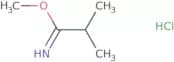
Discontinued productMethyl 2-methylpropanimidic acid hydrochloride
CAS:Methyl 2-methylpropanimidic acid hydrochloride is a neutralizing agent that can be used to react with water, acids, and bases. It has been shown to react with gaseous compounds at temperatures as high as 200°C. Methyl 2-methylpropanimidic acid hydrochloride is soluble in organic solvents such as alcohols, ethers, and acetone and can be used to prepare esters by reacting with the corresponding alcohol or phenol. In addition, it has been shown to interact with haloalkyl groups and oxazinones. This compound also has nod-like receptor binding properties that have been shown to play a role in mediating the transport of organic solutions into cells. A receptor protein that reacts with methyl 2-methylpropanimidic acid hydrochloride has been identified in some organisms. The stereostructure of this compound resembles that of triazines and other organometallic compounds.
Formula:C5H11NO·HClPurity:Min. 95%Molecular weight:137.61 g/molRef: 3D-FM53669
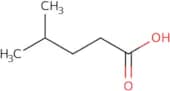
Discontinued product4-Methylpentanoic acid
CAS:4-Methylpentanoic acid is a fatty acid that is the product of anaerobic fermentation in the colon and can be found as an end product in the body. It can be used as a substrate in film tests for detecting bacteria, such as Escherichia coli, which are associated with bowel diseases. 4-Methylpentanoic acid has been shown to have inhibitory effects against nuclear dna replication, mitochondrial membrane potential, and energy metabolism. 4-Methylpentanoic acid also has antiinflammatory properties and has been shown to decrease body mass index. The 6-Fluoro-3-indoxyl-beta-D-galactopyranoside is an antituberculosis drug that belongs to the class of rifamycins. It is the most active of the rifamycins for the treatment of tuberculosis. Rifapentine inhibits bacterial growth by binding to DNA-dependent RNA polymerase, thereby preventing transcription
Formula:C6H12O2Purity:Min. 95%Molecular weight:116.16 g/molRef: 3D-FM35595
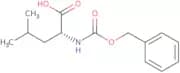
Discontinued productZ-D-Leu-OH
CAS:Please enquire for more information about Z-D-Leu-OH including the price, delivery time and more detailed product information at the technical inquiry form on this page
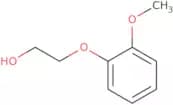
Formula:C14H19NO4Purity:Min. 95%Molecular weight:265.31 g/mol2-(2-Methoxyphenoxy)ethanol
CAS:2-(2-Methoxyphenoxy)ethanol (2-MPE) is a metabolite of propanediol, which is a precursor in the synthesis of polyurethanes. 2-MPE can be oxidized by monooxygenases to form syringyl and other reactive metabolites. Basic hydrolysis may also produce monomers such as phenols, alcohols, and carboxylic acids. Syringyl is one of the metabolic products of 2-MPE, which has been shown to be resistant to degradation by basidiomycete fungi.
Formula:C9H12O3Purity:Min. 95%Molecular weight:168.19 g/molRef: 3D-FM58242
Discontinued productZ-NH-PEG2-CH2CH2COOH
Z-NH-PEG2-CH2CH2COOH is a PEG compound with two different functional groups (also known as heterobifunctional). Unlike homobifunctional PEG compounds (same functional group on both ends), this type of compounds are more versatile as have two different anchor points. Z-NH-PEG2-CH2CH2COOH is used as a linker and spacer to add a PEG moiety, via pegylation (a bioconjugation technique) to proteins, peptides, oligonucleotides, small molecules and nanoparticles.
Formula:C15H21NO6Purity:Min. 95%Molecular weight:311.33 g/molRef: 3D-FN73058
Discontinued product



![1,2,3,4,5,6-Hexahydro-1,5-methano-pyrido-[1,2-a][1,5]diazocin-8-one](/_next/image/?url=https%3A%2Fstatic.cymitquimica.com%2Fproducts%2F3D%2Fthumb-webp%2FFD117142.webp&w=3840&q=75)


![8-Chloro-1-methyl-2,3,4,5-tetrahydro-1H-benzo[d]azepine](/_next/image/?url=https%3A%2Fstatic.cymitquimica.com%2Fproducts%2F3D%2Fthumb-webp%2FFC148171.webp&w=3840&q=75)
![2-[(4-Methylbenzenesulfonyl)oxy]ethan-1-ol](/_next/image/?url=https%3A%2Fstatic.cymitquimica.com%2Fproducts%2F3D%2Fthumb-webp%2FFM171828.webp&w=3840&q=75)