Peptides
Subcategories of "Peptides"
Found 29729 products of "Peptides"
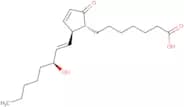
Prostaglandin A1
CAS:Prostaglandin A1 is a bioactive lipid, which is derived from arachidonic acid through enzymatic pathways. It functions as a signaling molecule with various biological activities, influencing vascular tone, inflammation, and smooth muscle activity. Prostaglandins are a subset of eicosanoids, which are synthesized from essential fatty acids found within phospholipid membranes of cells.
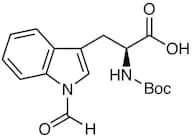
Formula:C20H32O4Purity:Min. 95%Molecular weight:336.47 g/molNα-(tert-Butoxycarbonyl)-N1-formyl-L-tryptophan
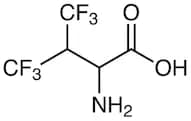
CAS:Formula:C17H20N2O5Purity:>98.0%(T)Color and Shape:White to Light gray to Light yellow powder to crystalMolecular weight:332.364,4,4,4',4',4'-Hexafluoro-DL-valine
CAS:Formula:C5H5F6NO2Purity:>98.0%(T)Color and Shape:White to Almost white powder to crystalMolecular weight:225.09H-MRWQEMGYIFYPRKLR-OH
Peptide H-MRWQEMGYIFYPRKLR-OH is a Research Peptide with significant interest within the field academic and medical research. This peptide is available for purchase at Cymit Quimica in multiple sizes and with a specification of your choice.
H-WRQAAFVDSY-OH
Peptide H-WRQAAFVDSY-OH is a Research Peptide with significant interest within the field academic and medical research. This peptide is available for purchase at Cymit Quimica in multiple sizes and with a specification of your choice.
Amyloid β-Protein (1-42) TFA salt
CAS:Key subunit of extracellular plaques found in the brains of patients with Alzheimer's disease. TFA salt; 95%.
Formula:C203H311N55O60SMolecular weight:4,514.1 g/molH-WHWLQLKPGQPMY-OH
Peptide H-WHWLQLKPGQPMY-OH is a Research Peptide with significant interest within the field academic and medical research. This peptide is available for purchase at Cymit Quimica in multiple sizes and with a specification of your choice. Recent citations using H-WHWLQLKPGQPMY-OH include the following: Position one analogs of the Saccharomyces cerevisiae tridecapeptide pheromone YL Zhang, HUIFEN LU, JM Becker - The Journal of peptide , 1997 - Wiley Online Libraryhttps://onlinelibrary.wiley.com/doi/abs/10.1111/j.1399-3011.1997.tb01190.x Synthesis, Biological Activity, and Conformational Analysis of Peptidomimetic Analogues of the Saccharomyces cerevisiae alpha-Factor Tridecapeptide YL Zhang, HR Marepalli, H Lu, JM Becker - Biochemistry, 1998 - ACS Publicationshttps://pubs.acs.org/doi/abs/10.1021/bi980787u Receptor in Saccharomyces cereuisiae SK RathsSQ, M BeckerSII - researchgate.nethttps://www.researchgate.net/profile/Jeffrey-Becker-2/publication/20308809_Peptide_analogs_compete_with_binding_of_-factor_to_its_receptor_in_Saccharomyces_cerevisiae/links/09e415111549c85414000000/Peptide-analogs-compete-with-binding-of-factor-to-its-receptor-in-Saccharomyces-cerevisiae.pdf Peptide analogues compete with the binding of alpha-factor to its receptor in Saccharomyces cerevisiae. SK Raths, F Naider, JM Becker - Journal of Biological Chemistry, 1988 - Elsevierhttps://www.sciencedirect.com/science/article/pii/S0021925819778405 Binding of fluorinated phenylalanine alpha-factor analogues to ste2p: Evidence for a cation-̉ binding interaction between a peptide ligand and its cognate G protein S Tantry, FX Ding, M Dumont , JM Becker, F Naider - Biochemistry, 2010 - ACS Publicationshttps://pubs.acs.org/doi/abs/10.1021/bi100280f Position 13 analogs of the tridecapeptide mating pheromone from Saccharomyces cerevisiae: design of an iodinatable ligand for receptor binding S Liu, B Arshava, F Naider, LK Henry - Journal of Peptide , 2000 - Wiley Online Libraryhttps://onlinelibrary.wiley.com/doi/abs/10.1034/j.1399-3011.2000.00730.x Ab initio calculations on Pro-Ala and Pro-Gly dipeptides O Antohi, F Naider, AM Sapse - Journal of Molecular Structure , 1996 - Elsevierhttps://www.sciencedirect.com/science/article/pii/0166128095043608 Structural requirement tryptophan1,3 of tridecapeptide mating pheromone of Saccharomyces cerevisiae NJ Hong, YA Park, JW Lee - : Proceedings of the 1st International Peptide , 2002 - Springerhttps://link.springer.com/content/pdf/10.1007/0-306-46864-6_157.pdf Studies on conformational consequences of i to i+ 3 side-chain cyclization in model cyclic tetrapeptides MH RAO, WEI YANG, H JOSHUA - Journal of Peptide , 1995 - Wiley Online Libraryhttps://onlinelibrary.wiley.com/doi/abs/10.1111/j.1399-3011.1995.tb01057.x Specificity characterization of the alpha-mating factor hormone by Kex2 protease MA Manfredi, AA Antunes, LOP Jesus, MA Juliano - Biochimie, 2016 - Elsevierhttps://www.sciencedirect.com/science/article/pii/S0300908416302358 Control of the yeast cell cycle with a photocleavable alpha-factor analogue LL Parker , JW Kurutz, SBH Kent - Chemie (International ed , 2006 - ncbi.nlm.nih.govhttps://www.ncbi.nlm.nih.gov/pmc/articles/PMC2788609/ Matrix-assisted laser desorption/ionization mass spectrometry peptide sequencing utilizing selective N-terminal bromoacetylation J Song, HJ Kim - Analytical biochemistry, 2012 - Elsevierhttps://www.sciencedirect.com/science/article/pii/S0003269711007548 Solution Structures of i to i + 3 Cyclized Model Peptides: Building Blocks Mimicking Specific Conformations HR Marepalli, O Antohi, JM Becker - Journal of the American , 1996 - ACS Publicationshttps://pubs.acs.org/doi/abs/10.1021/ja954217i Highly active analogs of alpha-factor and their activities against Saccharomyces cerevisiae HJ Ahn, EY Hong, DH Jin, NJ Hong - Bulletin of the Korean Chemical , 2014 - Citeseerhttps://citeseerx.ist.psu.edu/document?repid=rep1&type=pdf&doi=509ee315e2cbcb9fac108f48dfb1fa89d076f1b2 Identification of residue-to-residue contact between a peptide ligand and its G protein-coupled receptor using periodate-mediated dihydroxyphenylalanine cross GKE Umanah, L Huang , F Ding, B Arshava - Journal of biological , 2010 - ASBMBhttps://www.jbc.org/article/S0021-9258(20)60639-1/abstract Cross-linking of a DOPA-containing peptide ligand into its G protein-coupled receptor GKE Umanah, C Son , FX Ding, F Naider - Biochemistry, 2009 - ACS Publicationshttps://pubs.acs.org/doi/abs/10.1021/bi802061z Structural requirements for alpha-mating factor activity G Houen, O Nielsen, C Flanagan - FEBS letters, 1996 - Elsevierhttps://www.sciencedirect.com/science/article/pii/0014579396007260 The alpha-factor mating pheromone of Saccharomyces cerevisiae: a model for studying the interaction of peptide hormones and G protein-coupled receptors F Naider, JM Becker - Peptides, 2004 - Elsevierhttps://www.sciencedirect.com/science/article/pii/S0196978104002943 Studies on the yeast alpha-mating factor: A model for mammalian peptide hormones F Naider, J Gounarides, CB Xue - Biopolymers , 1992 - Wiley Online Libraryhttps://onlinelibrary.wiley.com/doi/abs/10.1002/bip.360320407 Probing the Binding Site of a Heptahelical Peptide Pheromone Receptor Using Photoaffinity Labelling, Site-Directed Mutagenesis and Spectroscopic Approaches F Naider, BK Lee, LK Henry, F Ding, SK Khare - Peptides: The Wave of , 2001 - Springerhttps://link.springer.com/chapter/10.1007/978-94-010-0464-0_409 Biophysical studies on a transmembrane peptide of the Saccharomyces cerevisiae alpha-factor receptor F Naider, B Arshava, H Xie, S Liu, WY Eng - Peptides for the New , 2002 - Springerhttps://link.springer.com/content/pdf/10.1007/0-306-46881-6_151.pdf Characterization of novel peptide agonists of the alpha mating factor of Saccharomyces cerevisiae EG Siegel, R Gunther, H Schafer, UR F̦lsch - Analytical , 1999 - Elsevierhttps://www.sciencedirect.com/science/article/pii/S0003269799942896 Antagonistic and synergistic peptide analogs of the tridecapeptide mating pheromone of Saccharomyces cerevisiae E Eriotou-Bargiota , CB Xue, F Naider, JM Becker - Biochemistry, 1992 - ACS Publicationshttps://pubs.acs.org/doi/pdf/10.1021/bi00117a036 Probing the functional conformation of the tridecapeptide mating pheromone of Saccharomyces cerevisiae through study of disulfide-constrained analogs CHUB XUE, A MCKINNEY, HUIFEN LU - journal of peptide , 1996 - Wiley Online Libraryhttps://onlinelibrary.wiley.com/doi/abs/10.1111/j.1399-3011.1996.tb01336.x Spiegel, zyxwvutsrqponm B Molitoris, AC Alfrey, RA Harris, FR Simon - Am. J. Physiol, 1985 - academia.eduhttps://www.academia.edu/download/41221846/Antagonistic_and_synergistic_peptide_ana20160115-15517-198v4vt.pdf Long-distance rotational echo double resonance measurements for the determination of secondary structure and conformational heterogeneity in peptides B Arshava, M Breslav, O Antohi, RE Stark - Solid State Nuclear , 1999 - Elsevierhttps://www.sciencedirect.com/science/article/pii/S0926204099000181 Synthesis of biologically active analogs of the dodecapeptide alpha-factor mating pheromone of Saccharomyces cerevisiae A EWENSON, S MARCUS - Journal of Peptide , 1990 - Wiley Online Libraryhttps://onlinelibrary.wiley.com/doi/abs/10.1111/j.1399-3011.1990.tb00944.x
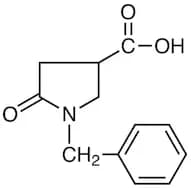
1-Benzyl-5-oxopyrrolidine-3-carboxylic Acid
CAS:Formula:C12H13NO3Purity:>98.0%(GC)(T)Color and Shape:White to Almost white powder to crystalMolecular weight:219.24H-VYIHPF-OH
Peptide H-VYIHPF-OH is a Research Peptide with significant interest within the field academic and medical research. This peptide is available for purchase at Cymit Quimica in multiple sizes and with a specification of your choice.
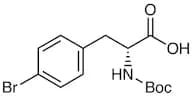
N-(tert-Butoxycarbonyl)-4-bromo-D-phenylalanine
CAS:Formula:C14H18BrNO4Purity:>98.0%(HPLC)Color and Shape:White to Almost white powder to crystalMolecular weight:344.21Lugdunin
CAS:Lugdunin is a synthetic antibiotic that has been shown to inhibit the growth of bacteria by binding to the cell membrane. This binding causes a change in membrane potential, leading to inhibition of bacterial growth and death. Lugdunin is effective against Staphylococcus aureus, including methicillin-resistant strains, and has been found to be safe for use in humans. It is also active against other Gram-positive bacteria such as Streptococcus pneumoniae and Enterococcus faecalis. The enantiomer of lugdunin does not have antibacterial activity.
Formula:C40H62N8O6SPurity:Min. 95%Molecular weight:783.05 g/molIberiotoxin
CAS:Iberiotoxin a synthetic scorpion toxin sourced from the Buthus tamulus scorpion, has disufide bonds formed between Cys7-Cys28, Cys13-Cys33, and Cys17-Cys35. This prodict can be used as a Ca2+-Activated K+ Channel Blocker (Maxi-K+ Channel Blocker). This peptide can be used in pharmacological studies to investigate the effects of Iveriotoxin on various ion channels and receptors. This product is available as a 0.1mg vial.
Formula:C179H274N50O55S7Purity:Min. 95%Molecular weight:4,230.8 g/molBig Endothelin-1 (Human, 1-38)
CAS:This product has disulfide bonds between Cys1-Cys15 and Cys3-Cys11 and is available as a 0.1mg vial. Big Endothelin-1 (Human, 1-38) is part of the full lengthed 29 amino acid peptide Big Endothlin-1 which is a precursor peptide of the vasoconstrictorEndothelin-1 (ET-1). ET-1 exhibits vasoconstrictive properties and is an activator of endothelin G-protein coupled receptors. Furthermore ET-1 is produced when inflammation, vascular stress or hypoxia occurs. In vivo Big Endothelin-1 has a greater half life compared to ET-1 and therefore makes it useful to study secretory activity in the endothelial system.
Overall Big Endothelin-1 (Human, 1-38) can be used as a research tool for studying protein interactions, receptor activation and function, and ligand binding. This peptide is also used in pharmacology to study the effects of therapeutic agents on receptor activity and expression.Formula:C189H282N48O56S5Purity:Min. 95%Molecular weight:4,282.9 g/molBovine Serum Albumin
CAS:Bovine Serum Albumin (BSA) is a protein that is used in the pharmaceutical industry as a research tool and an immunological reagent. BSA can be used to bind, stabilize, and prevent denaturation of other proteins in the laboratory. It has been shown to inhibit ion channels and ligand-gated ion channels, which are important for membrane potentials. BSA is also an activator of receptor tyrosine kinases, which are involved in cell signaling pathways.
Purity:Min. 95%Angiotensin II (3-8), human
Custom research peptide; min purity 95%.
Formula:C40H54N8O8Purity:Min. 95%Molecular weight:774.93 g/molH-MEVGWYRPPFSRVVHLYRNGK-OH
MOG(35-55) human corresponds to amino acids 35 to 55 of the human myelin oligodendrocyte glycoprotein (MOG). It can be used in multiple sclerosis research to induce experimental autoimmune encephalomyelitis (EAE) in mouse and rat models.
Azido-dPEG®3-Amine
CAS:Azido-dPEG®3-Amine is a PEG compound with two different functional groups (also known as heterobifunctional). Unlike homobifunctional PEG compounds (same functional group on both ends), this type of compounds are more versatile as have two different anchor points. Azido-dPEG®3-Amine is used as a linker and spacer to add a PEG moiety, via pegylation (a bioconjugation technique) to proteins, peptides, oligonucleotides, small molecules and nanoparticles.
Purity:Min. 95%Molecular weight:218.25 g/molPeptide YY(3-36), PYY, human
Custom research peptide; min purity 95%.
Formula:C180H279N53O54Purity:Min. 95%Molecular weight:4,049.55 g/molPSMD1 Blocking Peptide
A synthetic peptide for use as a blocking control in assays to test for specificity of PSMD1 antibody, catalog no. 70R-5638
Purity:Min. 95%Insulin, human
Insulin is a peptide hormone that is produced by beta cells in the pancreas. Insulin has several important functions, including regulation of blood sugar levels, lipid metabolism and protein synthesis. It is also involved in the regulation of cellular growth and proliferation. Insulin binds to insulin receptors on the surface of cells, activating them and allowing for the uptake of glucose into cells and storage as glycogen. Insulin is a ligand for the insulin receptor. It can also bind to other receptors, such as IGF1R, which causes activation of PI3K/AKT pathway. Insulin is an antibody that can be used as research tool or cell biology reagent.
INSULIN CAN BE USED TO:
- Measure blood sugar levels
- Monitor diabetes
- Treat diabetes
- Control weight gain
- Improve muscle massCysteine
Cysteine peptide (Ac RFAAKAA COOH) is used in combination with Lysinepeptide (Ac RFAACAA COOH) in the Direct Peptide Reactivity Assay (DPRA) test.
Direct Peptide Reactivity Assay is used in cosmetic applications for the characterization of the skin sensitizing potential of a substance, framed by OECD Guideline no 442.
The molecular initiating event (MIE) in skin sensitization is a binding between epidermal proteins and the sensitizing chemical substance. MIE is part of the adverse outcome pathway (AOP) of skin sensitization.
It is thanks to the properties of Lysine peptide and Cysteine peptide that the chemical binding will be able to take place, so these synthetic heptapeptides will mimic the reaction of a skin exposed to a substance.
Binding between nucleophilic proteins and electrophile substance will be measured by High Performance Liquid Chromatography (HPLC). Therefore, the decrease in Lysine peptide and Cysteine peptide levels will be a sign of sensitizing event. Depending on the rate of depletion, the sensitizing character of a molecule will be determined (see table at the bottom of the page).
In chemico DPRA test also has wider applications such as hazard classification in cosmetics, but also for pharmaceuticals and biocides. It is a good alternative to animal experimentation.Formula:C32H50O9N10S1Molecular weight:750.87 g/molMelanocyte Protein PMEL 17 (256-264) (human, bovine, mouse)
Custom research peptide; min purity 95%.
Formula:C44H67N9O14Purity:Min. 95%Molecular weight:946.08 g/molAMC
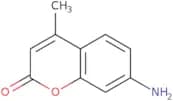
CAS:AMC is a peptide that acts as an activator of the nicotinic acetylcholine receptor. AMC is a high-purity, ion channel ligand with a CAS No. 26093-31-2. It is used in life science research to study cell biology and pharmacology. AMC has been shown to be an inhibitor of the enzyme acetylcholinesterase (AChE) in rat brain slices and it has been reported that it can inhibit the proliferation of human leukemia cells.END>
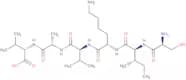
Formula:C10H9NO2Purity:Min. 95%Molecular weight:175.18 g/molH-Ser-Ile-Lys-Val-Ala-Val-OH
CAS:H-Ser-Ile-Lys-Val-Ala-Val-OH is a peptide that is synthesized from the amino acid sequence of the human skin cells. It has been shown to be effective in inhibiting bacterial growth and inducing death in bacteria. This peptide binds to the bacterial cell wall and inhibits its growth. The polymer film can be used for the delivery of H-Ser-Ile-Lys-Val-Ala-Val-OH in the form of lamellar, galacturonic acid, collagen, or lipid nanoparticles. The lamellar phase can be prepared by using water as solvent and lipids as surfactant. The lipid nanoparticle formulation consists of a core material (e.g., cholesterol) surrounded by a lipid bilayer composed of phospholipids or glycolipids with H Ser Ile Lys Val Ala Val OH incorporated into it. This peptide has also been shown to have skin care properties when
Formula:C28H53N7O8Purity:Min. 95%Molecular weight:615.76 g/molRef: 3D-FS108741
Discontinued productCJC-1295
CAS:CJC-1295 is a synthetic peptide, which is an analogue of growth hormone-releasing hormone (GHRH). It is synthesized through recombinant DNA technology, which allows for precise control over its sequence and length. This particular peptide is designed to bind to GHRH receptors in the pituitary gland. By activating these receptors, CJC-1295 stimulates the release of growth hormone (GH) into the bloodstream.The primary function of CJC-1295 is to influence the endocrine system, particularly enhancing the release of endogenous growth hormone. It achieves this by increasing the amplitude and frequency of GH pulses without affecting the natural negative feedback mechanisms that regulate GH production. This mode of action distinguishes CJC-1295 from other growth hormone therapies, as it promotes a more physiological pattern of hormone secretion.CJC-1295 is used in various scientific contexts, primarily in research focusing on growth hormone deficiencies, muscle wasting conditions, and certain metabolic disorders. Its ability to increase GH release also makes it a subject of interest in studies related to aging, tissue repair, and regeneration. The longer half-life of CJC-1295 compared to natural GHRH peptides further enhances its applications in research, allowing for more sustained and controlled experimentation.
Purity:Min. 95%Ref: 3D-FC138107
Discontinued productMyelin Oligodendrocyte Glycoprotein (35-55) (mouse, rat) trifluoroacetate
CAS:Myelin oligodendrocyte glycoprotein (MOG) is a myelin protein found in the central nervous system. MOG is a ligand for CD200, which is an inhibitory receptor expressed by astrocytes. It has been shown that MOG can induce the proliferation and differentiation of primary cultures of rat astrocytes in vitro. MOG induces the production of reactive oxygen species in mitochondria and increases the expression of acid-binding protein, which are both important factors in the demyelination process. MOG has also been implicated as a potential factor in the development of multiple sclerosis. Further research into this protein may lead to new treatments or cures for disorders such as encephalomyelitis, nervous system diseases, or even cancer.
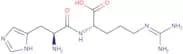
Formula:C118H177N35O29S•C2HO2F3Purity:Min. 95%Color and Shape:PowderMolecular weight:2,695.98 g/molH-His-Arg-OH
CAS:H-His-Arg-OH is a synthetic peptide that has been shown to have cytotoxic effects on mammalian cells. The H-His-Arg-OH peptide can be used for the treatment of heart disease and autoimmune diseases, such as rheumatoid arthritis. This peptide has been found to be resistant to congestive heart failure, which is caused by a number of factors, including hypertension and valvular stenosis. It has also been shown to have an immunoglobulin G1 (IgG1) genotype.
Formula:C12H21N7O3Purity:Min. 95%Molecular weight:311.34 g/molRef: 3D-FH108062
Discontinued product