Peptides
Peptides are short chains of amino acids linked by peptide bonds, serving as important biological molecules that play key roles in cellular processes. They function as hormones, neurotransmitters, and signaling molecules, and are widely used in therapeutic and diagnostic applications. Peptides are also crucial in research for studying protein interactions, enzyme activities, and cell signaling pathways. At CymitQuimica, we provide a diverse selection of high-quality peptides to support your research and development needs in biotechnology and pharmaceuticals.
Subcategories of "Peptides"
Found 30094 products of "Peptides"
Sort by
Purity (%)
0
100
|
0
|
50
|
90
|
95
|
100
Human IgG3 (hinge) Heavy Tryptic Peptide Standard (4nmol)
<p>Human IgG3 (hinge) heavy tryptic peptide standard for use in protein identification and quantitation studies. Human IgG3 is one of the four subclasses of IgG and it induces complement-mediated cellular lysis. Its hinge region is extended and is made up of 62 amino acids.</p>Purity:Min. 95%Fructose-1,6-Bisphosphatase 1, human, recombinant
<p>Please enquire for more information about Fructose-1,6-Bisphosphatase 1, human, recombinant including the price, delivery time and more detailed product information at the technical inquiry form on this page</p>Purity:Min. 95%Insulin, human
<p>Insulin is a peptide hormone that is produced by beta cells in the pancreas. Insulin has several important functions, including regulation of blood sugar levels, lipid metabolism and protein synthesis. It is also involved in the regulation of cellular growth and proliferation. Insulin binds to insulin receptors on the surface of cells, activating them and allowing for the uptake of glucose into cells and storage as glycogen. Insulin is a ligand for the insulin receptor. It can also bind to other receptors, such as IGF1R, which causes activation of PI3K/AKT pathway. Insulin is an antibody that can be used as research tool or cell biology reagent.<br>INSULIN CAN BE USED TO:<br>- Measure blood sugar levels<br>- Monitor diabetes<br>- Treat diabetes<br>- Control weight gain<br>- Improve muscle mass</p>HNRPDL Blocking Peptide
<p>A synthetic peptide for use as a blocking control in assays to test for specificity of HNRPDL antibody, catalog no. 70R-1322</p>Purity:Min. 95%Arf4 Blocking Peptide
<p>A synthetic peptide for use as a blocking control in assays to test for specificity of Arf4 antibody, catalog no. 70R-9371</p>Purity:Min. 95%LSM2 Blocking Peptide
<p>A synthetic peptide for use as a blocking control in assays to test for specificity of LSM2 antibody, catalog no. 70R-1438</p>Purity:Min. 95%Bovine Serum Albumin
CAS:<p>Bovine Serum Albumin (BSA) is a protein that is used in the pharmaceutical industry as a research tool and an immunological reagent. BSA can be used to bind, stabilize, and prevent denaturation of other proteins in the laboratory. It has been shown to inhibit ion channels and ligand-gated ion channels, which are important for membrane potentials. BSA is also an activator of receptor tyrosine kinases, which are involved in cell signaling pathways.</p>Purity:Min. 95%RAB3IL1 Blocking Peptide
<p>A synthetic peptide for use as a blocking control in assays to test for specificity of RAB3IL1 antibody, catalog no. 70R-3158</p>Purity:Min. 95%RNASEH2A Blocking Peptide
<p>A synthetic peptide for use as a blocking control in assays to test for specificity of RNASEH2A antibody, catalog no. 70R-1626</p>Purity:Min. 95%ovalbumine 154-159
<p>Ovalbumin 154-159, also nammed TNGIIR peptide, is a portion of interest of the egg white albumen.</p>ZNF791 Blocking Peptide
<p>A synthetic peptide for use as a blocking control in assays to test for specificity of ZNF791 antibody, catalog no. 70R-8149</p>Purity:Min. 95%NIT2 Blocking Peptide
<p>A synthetic peptide for use as a blocking control in assays to test for specificity of NIT2 antibody, catalog no. 70R-2400</p>Purity:Min. 95%SFPQ Blocking Peptide
<p>A synthetic peptide for use as a blocking control in assays to test for specificity of SFPQ antibody, catalog no. 70R-1422</p>Purity:Min. 95%H-MEVGWYRPPFSRVVHLYRNGK-OH
<p>MOG(35-55) human corresponds to amino acids 35 to 55 of the human myelin oligodendrocyte glycoprotein (MOG). It can be used in multiple sclerosis research to induce experimental autoimmune encephalomyelitis (EAE) in mouse and rat models.</p>TentaGel® MB NH2
<p>grafted copolymers consisting of a low crosslinked polystyrene matrix on which polyethylene glycol (PEG or POE) is grafted via an ethyl ether group which increases stability towards acid treatment and minimizes PEG-leaching. These copolymers are pressure stable. They have high diffusion rates and excellent swelling in a wide range of solvents from e.g. toluene to water. Can be used in a wide variety of applications such as acylations.</p>Purity:Min. 95%GAPDH Blocking Peptide
<p>The GAPDH Blocking Peptide is a powerful tool used in Life Sciences research. It is a ligase that acts as a blocking peptide for glyceraldehyde-3-phosphate dehydrogenase (GAPDH). This peptide specifically inhibits the activity of GAPDH, an essential enzyme involved in glycolysis and other cellular processes. By blocking the function of GAPDH, researchers can study the impact of its inhibition on various cellular pathways and processes. The GAPDH Blocking Peptide is widely used in biochemical and molecular biology studies, providing valuable insights into the role of this enzyme in cellular functions. With its high quality and effectiveness, this peptide is a valuable addition to any research project in the field of Life Sciences.</p>Purity:Min. 95%Cysteine
<p>Cysteine peptide (Ac RFAAKAA COOH) is used in combination with Lysinepeptide (Ac RFAACAA COOH) in the Direct Peptide Reactivity Assay (DPRA) test.<br>Direct Peptide Reactivity Assay is used in cosmetic applications for the characterization of the skin sensitizing potential of a substance, framed by OECD Guideline no 442.<br>The molecular initiating event (MIE) in skin sensitization is a binding between epidermal proteins and the sensitizing chemical substance. MIE is part of the adverse outcome pathway (AOP) of skin sensitization.<br>It is thanks to the properties of Lysine peptide and Cysteine peptide that the chemical binding will be able to take place, so these synthetic heptapeptides will mimic the reaction of a skin exposed to a substance.<br>Binding between nucleophilic proteins and electrophile substance will be measured by High Performance Liquid Chromatography (HPLC). Therefore, the decrease in Lysine peptide and Cysteine peptide levels will be a sign of sensitizing event. Depending on the rate of depletion, the sensitizing character of a molecule will be determined (see table at the bottom of the page).<br>In chemico DPRA test also has wider applications such as hazard classification in cosmetics, but also for pharmaceuticals and biocides. It is a good alternative to animal experimentation.</p>Formula:C32H50O9N10S1Molecular weight:750.87 g/molIFT172 Blocking Peptide
<p>A synthetic peptide for use as a blocking control in assays to test for specificity of IFT172 antibody, catalog no. 70R-9095</p>Purity:Min. 95%GIMAP6 Blocking Peptide
<p>A synthetic peptide for use as a blocking control in assays to test for specificity of GIMAP6 antibody, catalog no. 70R-9374</p>Purity:Min. 95%Methionine-Enkephalin (Human, Porcine, Bovine, Rat, Mouse)
CAS:<p>Methionine-Enkephalin (ME) is a peptide that has been shown to bind to the opioid receptor and inhibit the production of pro-inflammatory cytokines. ME has been shown to have an inhibitory effect on human liver cells, as well as on cultured human epidermal cells. ME may also have a role in epidermal growth factor receptors, which could be related to its anti-inflammatory effects.</p>Formula:C27H35N5O7S•H2OPurity:Min. 95%Molecular weight:591.68 g/molSFTPC Blocking Peptide
<p>A synthetic peptide for use as a blocking control in assays to test for specificity of SFTPC antibody, catalog no. 70R-7062</p>Purity:Min. 95%Cyclo(Pro-Thr) (Bulk)
CAS:<p>Cyclo(Thr-Pro) is a flavonol glycoside that has been shown to have neuroprotective activity. Cyclo(Thr-Pro) binds to the mitochondrial membrane potential, which is important in the regulation of the cell's life and death. Cyclo(Thr-Pro) has also been shown to inhibit tumor growth and induce apoptosis in cancer cells. Cyclo(Thr-Pro) has been shown to be reactive with gamma-aminobutyric acid (GABA), an inhibitor of neurotransmitter release from neurons, which may contribute to its anti-inflammatory properties. Cyclo(Thr-Pro) is found in the genus Fusarium, and its natural compounds profile includes caffeine.</p>Formula:C9H14N2O3Purity:Min. 95%Molecular weight:198.22 g/molTMEM138 Blocking Peptide
<p>A synthetic peptide for use as a blocking control in assays to test for specificity of TMEM138 antibody, catalog no. 70R-6431</p>Purity:Min. 95%SFRS12 Blocking Peptide
<p>A synthetic peptide for use as a blocking control in assays to test for specificity of SFRS12 antibody, catalog no. 70R-4438</p>Purity:Min. 95%C2ORF55 Blocking Peptide
<p>A synthetic peptide for use as a blocking control in assays to test for specificity of C2orf55 antibody, catalog no. 70R-4287</p>Purity:Min. 95%APP, A4, AD1 MS Calibrator (25nmol)
<p>This is a Biologically Active Peptides, Short=PN-II, Proteomics, Amyloid Precursor Protein, New England Peptide calibrated to 25nmol. This peptide has been shown to be a major component of amyloid plaques in Alzheimer's Disease. It is one of the most abundant proteins in the brain and is found in association with beta-amyloid protein (A4). The precursor protein for APP is encoded by the gene on chromosome 21. APP and its products are involved in many cellular processes such as signal transduction, cell proliferation, apoptosis and inflammation. APP can be cleaved by Beta-secretase or Gamma secretase to release A4 and N-APP.</p>Purity:Min. 95%SLC35F1 Blocking Peptide
<p>A synthetic peptide for use as a blocking control in assays to test for specificity of SLC35F1 antibody, catalog no. 70R-7103</p>Purity:Min. 95%LYVE1 Blocking Peptide
<p>A synthetic peptide for use as a blocking control in assays to test for specificity of LYVE1 antibody, catalog no. 70R-6181</p>Purity:Min. 95%CARD17 Blocking Peptide
<p>A synthetic peptide for use as a blocking control in assays to test for specificity of CARD17 antibody, catalog no. 70R-10271</p>Purity:Min. 95%Amino-dPEG® Acid
CAS:<p>Amino-dPEG® Acid is a PEG compound with two different functional groups (also known as heterobifunctional). Unlike homobifunctional PEG compounds (same functional group on both ends), this type of compounds are more versatile as have two different anchor points. Amino-dPEG® Acid is used as a linker and spacer to add a PEG moiety, via pegylation (a bioconjugation technique) to proteins, peptides, oligonucleotides, small molecules and nanoparticles.</p>Purity:Min. 95%Molecular weight:441.51 g/molH-LLEVPEGR-OH
<p>Peptide H-LLEVPEGR-OH is a Research Peptide with significant interest within the field academic and medical research. This peptide is available for purchase at Cymit Quimica in multiple sizes and with a specification of your choice.</p>CAMLG Blocking Peptide
<p>A synthetic peptide for use as a blocking control in assays to test for specificity of CAMLG antibody, catalog no. 70R-2352</p>Purity:Min. 95%Alpha-Conotoxin SI
CAS:<p>Sourced from the marine snail, conus striatus, this synthetic cone snail toxin is a nicotinic acetylcholine receptor blocker. This product has disulfide bonds between Cys2-Cys7 and Cys3-Cys7.</p>Formula:C55H84N16O16S4Purity:Min. 95%Molecular weight:1,353.6 g/molH-Ile-Phe-OH
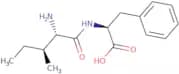
CAS:<p>H-Ile-Phe-OH is a β-amyloid inhibitor that has been synthesized to interact with the amyloid protein. It is a peptidic molecule and may be able to inhibit the aggregation of amyloid proteins. This could be beneficial for the treatment of Alzheimer's disease and other neurodegenerative diseases. H-Ile-Phe-OH has been shown to have chemotactic activity, which may be due to its ability to interact with the bacterial cell wall and cause it to release chemotactic substances. This molecule has also been shown to normalize birefringence in Caco-2 cells, which may be due to its ability to stabilize actin cytoskeleton strands.</p>Formula:C15H22N2O3Purity:Min. 95%Molecular weight:278.35 g/molRef: 3D-FI108079
Discontinued productALPP Blocking Peptide
<p>A synthetic peptide for use as a blocking control in assays to test for specificity of ALPP antibody, catalog no. 70R-1570</p>Purity:Min. 95%Atosiban
<p>Atosiban is a drug that is used to prevent preterm labor in pregnant women. It works by inhibiting the release of oxytocin from the hypothalamus, which decreases contractions and relaxes the uterus. Atosiban has been shown to be effective in decreasing the incidence of preterm birth in women with bacterial vaginosis who are at high risk for preterm delivery (e.g., those with a history of preterm labor). Clinical trials have shown that it may also be useful as an adjunct therapy in treating women with unexplained infertility and recurrent pregnancy loss. The drug binds to receptors on cells, which inhibits the release of intracellular calcium, thus preventing contraction of uterine muscle cells. This effect can be reversed by administration of estradiol benzoate or other drugs that affect receptor activity. It is not known whether atosiban affects fetal development during pregnancy or if it causes any effects on the mother's heart rate or body mass index after childbirth.</p>Formula:C43H67N11O12S2Purity:Min. 95%Junctophilin 2 Blocking Peptide
<p>A synthetic peptide for use as a blocking control in assays to test for specificity of JPH2 antibody, catalog no. 70R-6923</p>HAS3 Blocking Peptide
<p>A synthetic peptide for use as a blocking control in assays to test for specificity of HAS3 antibody, catalog no. 70R-7389</p>Purity:Min. 95%DBCO-dPEG®12-Carboxyfluorescein
<p>DBCO-dPEG®12-Carboxyfluorescein is a PEG compound containing a fluorescein dye used for tagging biomolecules, and serving as fluorescent probe for bioimaging applications.</p>Purity:Min. 95%Molecular weight:1,234.34 g/molAmyloid Beta-Protein (Human, 34-40) Antiserum
<p>This product is an antiserum targeting amino acids 34-40 of the amyloid beta-protein which is a key component of extracellular plaques found in the brains of patients with Alzheimer’s disease (AD). It may also be involved in the pathogenesis of other neurodegenerative diseases such as Huntington’s disease and Parkinson’s disease. Targeting this protein may be key to drug discovery and the treatment of AD and other diseases this protein is associated with. Furthermore amyloid beta peptides located in the cerebrospinal fluid are well known biomarkers used to diagnose AD. Although AD is not yet curable, an early diagnosis can be useful in that patients can be treated to delay or improve symptoms.</p>Purity:Min. 95%TYMS Blocking Peptide
<p>A synthetic peptide for use as a blocking control in assays to test for specificity of TYMS antibody, catalog no. 70R-2717</p>Purity:Min. 95%ZNF266 Blocking Peptide
<p>A synthetic peptide for use as a blocking control in assays to test for specificity of ZNF266 antibody, catalog no. 70R-8283</p>Purity:Min. 95%Hspb7 Blocking Peptide
<p>A synthetic peptide for use as a blocking control in assays to test for specificity of Hspb7 antibody, catalog no. 70R-8511</p>Purity:Min. 95%Dipeptidyl-Peptidase IV, human, recombinant
<p>Dipeptidyl-peptidase IV (DPP4) is a complex enzyme that is expressed in the pancreas and regulates glucose-dependent insulinotropic polypeptides. DPP4 cleaves the amino terminal dipeptide from these polypeptides, which prevents the activation of pancreatic β-cells. The recombinant human form of this enzyme has been shown to activate T cells and induce apoptosis in insect cells. Its activity against chemokines in vitro may be due to its ability to cleave glycosylated polypeptides. This enzyme also has anti-inflammatory effects by inhibiting the production of proinflammatory cytokines such as tumor necrosis factor α (TNFα), interleukin 1β (IL1β), and IL6.</p>Purity:Min. 95%Cbz-N-Amido-dPEG®12-Acid
CAS:<p>Cbz-N-Amido-dPEG®12-Acid is a PEG compound with two different functional groups (also known as heterobifunctional). Unlike homobifunctional PEG compounds (same functional group on both ends), this type of compounds are more versatile as have two different anchor points. Cbz-N-Amido-dPEG®12-Acid is used as a linker and spacer to add a PEG moiety, via pegylation (a bioconjugation technique) to proteins, peptides, oligonucleotides, small molecules and nanoparticles.</p>Purity:Min. 95%Molecular weight:751.86 g/molHexokinase 2 Blocking Peptide
<p>A synthetic peptide for use as a blocking control in assays to test for specificity of HK2 antibody, catalog no. 70R-5559</p>Purity:Min. 95%Amino-dPEG®12-ODMT
CAS:<p>Amino-dPEG®12-ODMT is a PEG compound with two different functional groups (also known as heterobifunctional). Unlike homobifunctional PEG compounds (same functional group on both ends), this type of compounds are more versatile as have two different anchor points. Amino-dPEG®12-ODMT is used as a linker and spacer to add a PEG moiety, via pegylation (a bioconjugation technique) to proteins, peptides, oligonucleotides, small molecules and nanoparticles.</p>Formula:C10H20O5Purity:Min. 95%Molecular weight:220.26 g/molIFN g Rat
<p>IFN-g rat is a peptide that has been used as an activator of immune cells. It binds to the interferon gamma receptor, and promotes the proliferation of T helper cells and B cells, as well as the production of cytokines. IFN-g rat is also used in research to study protein interactions and ligand-receptor binding. IFN-g rat is a recombinant human protein that has been shown to have no detectable levels of pyrogens or endotoxins.<br>IFN-g Rat is available in bulk quantities from Life Science Research Tools, Inc.</p>Purity:Min. 95%Tektin 4 Blocking Peptide
<p>A synthetic peptide for use as a blocking control in assays to test for specificity of TEKT4 antibody, catalog no. 70R-3595</p>Purity:Min. 95%ANP (Rat, 3-28)
CAS:<p>ANP (Rat, 3-28) is a peptide that is a potent inhibitor of protein interactions. This peptide binds to the ligand-binding domain of the receptor and blocks the binding of the ligand. ANP (Rat, 3-28) also has high purity and can be used as a research tool or an antibody in life science studies.</p>Formula:C119H189N43O36S2Purity:Min. 95%Molecular weight:2,862.2 g/molFBN1 Blocking Peptide
<p>A synthetic peptide for use as a blocking control in assays to test for specificity of FBN1 antibody, catalog no. 70R-8232</p>Purity:Min. 95%ZFP589 Blocking Peptide
<p>A synthetic peptide for use as a blocking control in assays to test for specificity of ZFP589 antibody, catalog no. 20R-1179</p>Purity:Min. 95%Big-Endothelin-3 (Rat, 1-41 Amide)
<p>Big Endothelin-3 (Rat, 1-41 Amide) is a precursor molecule of the Endothelin-3 (ET-3) peptide, that belongs to the large family of endothelin peptides which activate the G-protein coupled receptors ETA and ETB. However ET-3 has lower affinity for the ETA receptors compared to Endothelin-1 (ET-1) and Endothelin-2 (ET-2), whereas all three endothelins have similar affinity for ETB receptors. As ETB receptors make up around 90% of the endothelin receptors found in the cerebral cortex in humans, ET-3 can be nicknamed the ‘brain endothelin’. Also through ET-3’s activation of ETB receptors, ET-3 is involved in the development of the enteric nervous system which controls within the gut, blood flow, secretion and intestinal motility. This product has disulfide bonds between Cys1-Cys15 and Cys3-Cys11 and is available as a 0.1mg vial.</p>Formula:C217H322N58O62S4Purity:Min. 95%Molecular weight:4,863.5 g/molTRAPPC5 Blocking Peptide
<p>A synthetic peptide for use as a blocking control in assays to test for specificity of TRAPPC5 antibody, catalog no. 70R-3203</p>Purity:Min. 95%Acyl Carrier Protein (65-74) (amide)
<p>Catalogue peptide; min. 95% purity</p>Formula:C47H75N13O15Molecular weight:1,062.20 g/molDynorphin A (2-17), porcine
<p>Catalogue peptide; min. 95% purity</p>Formula:C90H146N30O21Molecular weight:1,984.36 g/molH-Ile-Arg-Pro-OH
CAS:<p>Please enquire for more information about H-Ile-Arg-Pro-OH including the price, delivery time and more detailed product information at the technical inquiry form on this page</p>Formula:C17H32N6O4Purity:Min. 95%Molecular weight:384.47 g/molRef: 3D-FI108373
Discontinued productAmyloid beta-Protein (33-42)
<p>Catalogue peptide; min. 95% purity</p>Formula:C41H74N10O11SMolecular weight:915.17 g/molLeucokinin V
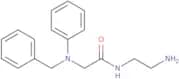
<p>Catalogue peptide; min. 95% purity</p>Formula:C35H46N10O11Molecular weight:782.8 g/molN-(2-Amino-ethyl)-2-(benzyl-phenyl-amino)-acetamide
CAS:<p>Please enquire for more information about N-(2-Amino-ethyl)-2-(benzyl-phenyl-amino)-acetamide including the price, delivery time and more detailed product information at the technical inquiry form on this page</p>Formula:C17H21N3OPurity:Min. 95%Color and Shape:White PowderMolecular weight:283.37 g/molRef: 3D-FA111189
Discontinued productBiotin-Intermedin (rat)
<p>Catalogue peptide; min. 95% purity</p>Formula:C236H377N77O66S3Molecular weight:5,445.29 g/mol([ring-D5]Phe8)-Angiotensin II acetate salt
CAS:<p>Please enquire for more information about ([ring-D5]Phe8)-Angiotensin II acetate salt including the price, delivery time and more detailed product information at the technical inquiry form on this page</p>Formula:C50H66D5N13O12Purity:Min. 95%Molecular weight:1,051.21 g/molRef: 3D-FR110025
Discontinued productbeta-Amyloid Protein Precursor 770 (135-155)
<p>Catalogue peptide; min. 95% purity</p>Formula:C116H173N35O31S2Molecular weight:2,617.95 g/molAmyloid Dan Protein (1-34) (reduced)
<p>Catalogue peptide; min. 95% purity</p>Formula:C185H270N48O51S2Molecular weight:4,046.63 g/molCJC-1295
CAS:<p>CJC-1295 is a synthetic peptide, which is an analogue of growth hormone-releasing hormone (GHRH). It is synthesized through recombinant DNA technology, which allows for precise control over its sequence and length. This particular peptide is designed to bind to GHRH receptors in the pituitary gland. By activating these receptors, CJC-1295 stimulates the release of growth hormone (GH) into the bloodstream.The primary function of CJC-1295 is to influence the endocrine system, particularly enhancing the release of endogenous growth hormone. It achieves this by increasing the amplitude and frequency of GH pulses without affecting the natural negative feedback mechanisms that regulate GH production. This mode of action distinguishes CJC-1295 from other growth hormone therapies, as it promotes a more physiological pattern of hormone secretion.CJC-1295 is used in various scientific contexts, primarily in research focusing on growth hormone deficiencies, muscle wasting conditions, and certain metabolic disorders. Its ability to increase GH release also makes it a subject of interest in studies related to aging, tissue repair, and regeneration. The longer half-life of CJC-1295 compared to natural GHRH peptides further enhances its applications in research, allowing for more sustained and controlled experimentation.</p>Purity:Min. 95%Ref: 3D-FC138107
Discontinued productHIV-gp120-41-N-B
<p>Catalogue peptide; min. 95% purity</p>Formula:C107H193N37O28Molecular weight:2,445.96 g/molbeta-Amyloid (12-28)
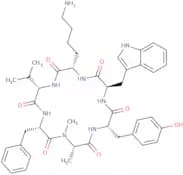
<p>Catalogue peptide; min. 95% purity</p>Formula:C89H135N25O25Molecular weight:1,955.22 g/molSeglitide acetate
CAS:Controlled Product<p>Seglitide is a cyclic peptide that is a model system for the receptor activity of somatostatin. Somatostatin inhibits cells by binding to its receptors, which are found on the surface of endocrine cells and in the hypothalamus. Seglitide has been shown to inhibit cell growth in tissue culture and is a potent inhibitor of epidermal growth factor (EGF) production. Seglitide also activates locomotor activity in mice, suggesting that it may have some clinical relevance. Structural analysis has revealed that seglitide's amino acid sequence is similar to somatostatin's, making them closely related compounds. It also binds to DNA-dependent RNA polymerase, preventing transcription and replication.</p>Formula:C44H56N8O7·C2H4O2Purity:Min. 95%Molecular weight:869.02 g/molRef: 3D-GDA37702
Discontinued productDefensin (human) HNP-2
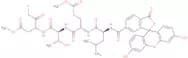
<p>Catalogue peptide; min. 95% purity</p>Formula:C147H217N43O37S6Molecular weight:3,370.94 g/molFluorescein-6-carbonyl-Leu-Glu(OMe)-Thr-DL-Asp(OMe)-fluoromethylketone
CAS:<p>Please enquire for more information about Fluorescein-6-carbonyl-Leu-Glu(OMe)-Thr-DL-Asp(OMe)-fluoromethylketone including the price, delivery time and more detailed product information at the technical inquiry form on this page</p>Formula:C43H47FN4O15Purity:Min. 95%Molecular weight:878.85 g/molRef: 3D-FF111108
Discontinued productbeta II probe
<p>Catalogue peptide; min. 95% purity</p>Formula:C94H150N26O31SMolecular weight:2,172.46 g/molLL-37, Antimicrobial Peptide, human
<p>Catalogue peptide; min. 95% purity</p>Formula:C205H340N60O53Molecular weight:4,493.37 g/molH-Asp-Ala-OH
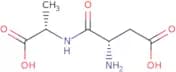
CAS:<p>Adriamycin is an anticancer drug that is a structural analogue of aspartic acid. It can be synthesized in a solid-phase synthesis using a polymeric resin with an acidic functional group, such as H-Asp-Ala-OH. Adriamycin inhibits the production of inflammatory cytokines and prostaglandins, which are involved in the development of inflammatory diseases. Adriamycin has been shown to have anti-inflammatory effects on human serum and to inhibit the production of proteins important for tumor cell proliferation. Adriamycin also has anti-inflammatory properties due to its ability to bind with hydrogen bonds to acidic residues on proteins.<br>END></p>Formula:C7H12N2O5Purity:Min. 98 Area-%Color and Shape:PowderMolecular weight:204.18 g/molRef: 3D-FA107993
Discontinued productVesicular Stomatitis Virus Nucleoprotein (52-59) trifluoroacetate salt
CAS:<p>Please enquire for more information about Vesicular Stomatitis Virus Nucleoprotein (52-59) trifluoroacetate salt including the price, delivery time and more detailed product information at the technical inquiry form on this page</p>Formula:C44H66N12O12Purity:Min. 95%Molecular weight:955.07 g/molRef: 3D-FV110198
Discontinued productMyelin Oligodendrocyte Glycoprotein (35-55) (mouse, rat) trifluoroacetate
CAS:<p>Myelin oligodendrocyte glycoprotein (MOG) is a myelin protein found in the central nervous system. MOG is a ligand for CD200, which is an inhibitory receptor expressed by astrocytes. It has been shown that MOG can induce the proliferation and differentiation of primary cultures of rat astrocytes in vitro. MOG induces the production of reactive oxygen species in mitochondria and increases the expression of acid-binding protein, which are both important factors in the demyelination process. MOG has also been implicated as a potential factor in the development of multiple sclerosis. Further research into this protein may lead to new treatments or cures for disorders such as encephalomyelitis, nervous system diseases, or even cancer.</p>Formula:C118H177N35O29S•C2HO2F3Purity:Min. 95%Color and Shape:PowderMolecular weight:2,695.98 g/molproPT18
<p>Catalogue peptide; min. 95% purity</p>Formula:C96H163N35O23Molecular weight:2,175.59 g/mol[D-Tyr6, beta-Ala11, beta-Phe13, Nle14]-Bombesin
<p>Catalogue peptide; min. 95% purity</p>Formula:C81H115N23O18Molecular weight:1,698.98 g/molCarassin (Carrassius Auratus)
<p>Catalogue peptide; min. 95% purity</p>Formula:C103H175N35O27SMolecular weight:2,367.83 g/molLaminin Penta Peptide, amide
<p>Catalogue peptide; min. 95% purity</p>Formula:C26H43N9O7Molecular weight:593.7 g/molA-A-A-Y-G-G-F-L
<p>Catalogue peptide; min. 95% purity</p>Formula:C37H52N8O10Molecular weight:768.87 g/molGSK3 Peptide Substrate
<p>Catalogue peptide; min. 95% purity</p>Formula:C470H76N16O16Molecular weight:1,121.23 g/mol[Des-Pro2] Bradykinin
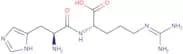
<p>Catalogue peptide; min. 95% purity</p>Formula:C45H66N14O10Molecular weight:963.12 g/molH-His-Arg-OH
CAS:<p>H-His-Arg-OH is a synthetic peptide that has been shown to have cytotoxic effects on mammalian cells. The H-His-Arg-OH peptide can be used for the treatment of heart disease and autoimmune diseases, such as rheumatoid arthritis. This peptide has been found to be resistant to congestive heart failure, which is caused by a number of factors, including hypertension and valvular stenosis. It has also been shown to have an immunoglobulin G1 (IgG1) genotype.</p>Formula:C12H21N7O3Purity:Min. 95%Molecular weight:311.34 g/molRef: 3D-FH108062
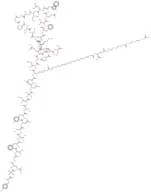
Discontinued productTirzepatide acetate
CAS:<p>Cymit Quimica provides this product solely for uses within the scope of any statute or law providing for an immunity, exemption, or exception to patent infringement (“Exempted Uses”), including but not limited to 35 U.S.C. § 271(e)(1) in the United States, the Bolar type exemption in Europe, and any corresponding exception to patent infringement in any other country. It is the sole responsibility of the purchaser or user of this product, and the purchaser or user of this product agrees to engage only in such Exempted Uses, and to comply with all applicable intellectual property laws and/or regulations. The purchaser of this product agrees to indemnify Cymit Quimica against all claims in connection with the performance of the respective commercial agreement (e.g. supply agreement) and possible infringements of intellectual property rights.</p>Purity:Min. 95%Head activator
<p>Catalogue peptide; min. 95% purity</p>Formula:C54H84N12O14Molecular weight:1,125.36 g/mol[Tyr52] PTH (52-84) (human)
<p>Catalogue peptide; min. 95% purity</p>Formula:C158H262N44O56Molecular weight:3,674.02 g/mol[Des-Asp187]-Melanocyte Protein PMEL 17 (185-193) (human, bovine, mouse)
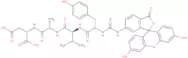
<p>Catalogue peptide; min. 95% purity</p>Formula:C42H67N9O12Molecular weight:890.06 g/molFITC-Tyr-Val-Ala-Asp-OH (Contains FITC isomer I)
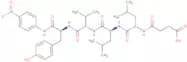
CAS:<p>FITC-Tyr-Val-Ala-Asp-OH (Contains FITC isomer I) is a bioactive molecule that has been shown to inhibit the growth of filamentous fungi. This compound binds to the tyrosine kinase, which is an enzyme involved in the regulation of cell division and differentiation. It also inhibits neutrophil recruitment by dectin-1, a protein that recognizes fungal cell walls on neutrophils. The FITC isomer I has been shown to impair macrophages and fungus aspergillus fumigatus infiltration in tissues with impaired immune function.<br>FITC-Tyr-Val-Ala-Asp-OH (Contains FITC isomer I) has also been shown to decrease the production of caspase 1, which activates inflammatory responses and stimulates phagocytic cells.</p>Formula:C42H39N5O12SPurity:Min. 95%Molecular weight:837.85 g/molSuc-Leu-Leu-Val-Tyr-pNA
CAS:<p>Please enquire for more information about Suc-Leu-Leu-Val-Tyr-pNA including the price, delivery time and more detailed product information at the technical inquiry form on this page</p>Formula:C36H50N6O10Purity:Min. 95%Molecular weight:726.82 g/molRef: 3D-FS110818
Discontinued product


























![([ring-D5]Phe8)-Angiotensin II acetate salt](/_next/image/?url=https%3A%2Fstatic.cymitquimica.com%2Fproducts%2F3D%2Fthumb-webp%2FFR110025.webp&w=3840&q=75)









![[D-Tyr6, beta-Ala11, beta-Phe13, Nle14]-Bombesin](/_next/image/?url=https%3A%2Fstatic.cymitquimica.com%2Fproducts%2F3D%2Fthumb-webp%2FVAC-00196.webp&w=3840&q=75)


![[Des-Pro2] Bradykinin](/_next/image/?url=https%3A%2Fstatic.cymitquimica.com%2Fproducts%2F3D%2Fthumb-webp%2FVAC-00674.webp&w=3840&q=75)

![[Tyr52] PTH (52-84) (human)](/_next/image/?url=https%3A%2Fstatic.cymitquimica.com%2Fproducts%2F3D%2Fthumb-webp%2FVAC-00889.webp&w=3840&q=75)
![[Des-Asp187]-Melanocyte Protein PMEL 17 (185-193) (human, bovine, mouse)](/_next/image/?url=https%3A%2Fstatic.cymitquimica.com%2Fproducts%2F3D%2Fthumb-webp%2FVAC-00513.webp&w=3840&q=75)