Peptides
Subcategories of "Peptides"
Found 29708 products of "Peptides"
Z-Val-Val-Arg-AMC
CAS:Z-Val-Val-Arg-AMC is a synthetic peptide that activates the glycine receptor. It has been shown to inhibit ion channel function in a rat model of epilepsy, and also to block the binding of an antibody against the glycine receptor. The peptide was synthesized by coupling L-valine, L-valylglycine, and L-arginine with methyl 2-(4'-methylaminophenyl) acetate. Z-Val-Val-Arg-AMC is a high purity product that has been shown to be useful in cell biology research as a tool for studying ligand/receptor interactions.
Formula:C34H45N7O7Purity:Min. 95%Molecular weight:663.76 g/molPACAP (Human, 6-38)
CAS:PACAP is a peptide that belongs to the class of activators. It is used as a research tool for its ability to activate ion channels in mammalian cells. PACAP interacts with receptors and can be found in both the central nervous system and peripheral tissues. The receptor for PACAP, known as the PAC1 receptor, is coupled to G-proteins and regulates adenylate cyclase activity. PACAP has been shown to inhibit cell proliferation and promote apoptosis in various types of cancer cells.
PACAP also stimulates the release of oxytocin from neurohypophysis cells, which may lead to its use as a treatment for autism spectrum disorders or depression.Formula:C182H300N56O45SPurity:Min. 95%Molecular weight:4,024.7 g/molAmino-dPEG®4 Acid
CAS:Amino-dPEG®4 Acid is a PEG compound with two different functional groups (also known as heterobifunctional). Unlike homobifunctional PEG compounds (same functional group on both ends), this type of compounds are more versatile as have two different anchor points. Amino-dPEG®4 Acid is used as a linker and spacer to add a PEG moiety, via pegylation (a bioconjugation technique) to proteins, peptides, oligonucleotides, small molecules and nanoparticles.
Purity:Min. 95%Molecular weight:265.3 g/molOrexin-B (Rat, Mouse)
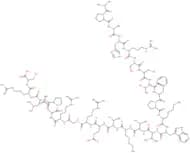
CAS:Orexin B is a neuropeptide that is produced by a small group of neurons in the hypothalamus, a region of the brain that plays a critical role in regulating various physiological functions, including sleep, appetite, and energy balance.
Orexin B, also known as hypocretin-2, plays a role in promoting wakefulness and arousal. Studies have shown that disruptions in the orexin system are associated with various sleep disorders, including narcolepsy and insomnia. In addition, orexin B has been shown to be involved in the regulation of appetite and energy metabolism, and is being explored as a potential target for the treatment of obesity and other metabolic disorders. Therefore, orexin B is an important neuropeptide and is an active area of research in neuroscience and medicine.Formula:C126H215N45O34SPurity:Min. 95%Molecular weight:2,936.4 g/molAlarin
CAS:Alarin is a peptide that is an activator of the nicotinic acetylcholine receptor. It has been shown to activate the receptor in a number of systems, including calf-thymus DNA and purified protein. Alarin binds to the ligand-binding site of the acetylcholine receptor, which leads to channel opening. Alarin has been shown to interact with ion channels and can be used as a research tool for cell biology and pharmacology studies.
Formula:C127H205N43O35Purity:Min. 95%Molecular weight:2,894.3 g/molBoc-Gly-OH
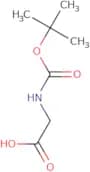
CAS:Boc-Gly-OH is a cyclic peptide with a fatty acid acyl chain. It is synthesized by reacting the amino acid glycine with sodium carbonate in the presence of trifluoroacetic acid to form the intermediate Boc-Gly-OSu. The product is then reacted with allyl bromide in a second step to produce Boc-Gly-OCH2CH2Br and then reacted with calcium chloride to yield the final product. Boc-Gly-OH has been used as an HIV inhibitor, which may be due to its ability to bind to both CD4 and gp120 proteins on the surface of HIV. This binding inhibits viral entry into host cells by blocking protease activity and fusion of viral envelope with host cell membrane, leading to inhibition of HIV infection.
Formula:C7H13NO4Purity:Min. 95%Molecular weight:175.18 g/molBradykinin (Human, Bovine, Rat, Mouse)
CAS:Bradykinin is a peptide hormone that is produced in the body by the kininase enzyme. It is an activator of ion channels and ligand for the G-protein coupled receptors B1, B2, and B3. Bradykinin is used as a research tool to study cell biology, pharmacology, and life science. It interacts with proteins such as erythrocyte protein band 4.4, alpha-2-macroglobulin receptor, alpha-bungarotoxin binding protein, beta-chain integrin receptor, and platelet membrane glycoprotein IIb/IIIa receptor. Bradykinin has been shown to inhibit the activity of bradykinin B1 receptor (Ki = 0.4 nM) and bradykinin B2 receptor (Ki = 0.6 nM).
Formula:C50H73N15O11Purity:Min. 95%Molecular weight:1,060.2 g/molEbelactone A
CAS:Ebelactone A is a natural product that belongs to the class of antimicrobial agents. It is an orally active prodrug that is converted into the active form, 7-hydroxyebelactone, in the liver. Ebelactone A has been shown to inhibit bacterial growth and platelet aggregation in a model system. The compound also has anti-inflammatory properties and has been shown to be beneficial in models of cardiac, inflammatory bowel disease and other metabolic disorders. In addition, it may have therapeutic potential for trigeminal nerve injury and bowel disease.
Formula:C20H34O4Purity:Min. 95%Molecular weight:338.48 g/molAnti ACTH (1-23) (Rat) Serum
Anti ACTH (1-23) (Rat) Serum is a recombinant peptide that is an activator of the hypothalamus. It has been shown to have a high affinity for the receptor, and it can be used as a research tool in cell biology and pharmacology. Anti ACTH (1-23) (Rat) Serum is used in the study of ion channels, ligands, and antibodies. This peptide has been used to inhibit the release of ACTH from the pituitary gland and can be used to study the effects of anti-ACTH on other hormones. Anti ACTH (1-23) (Rat) Serum is purified from E. coli cells with a CAS number of 58612-37-8.
Purity:Min. 95%dPEG®4 Biotin Acid
CAS:dPEG®4 Biotin Acid is a PEG compound with two different functional groups (also known as heterobifunctional). Unlike homobifunctional PEG compounds (same functional group on both ends), this type of compounds are more versatile as have two different anchor points. dPEG®4 Biotin Acid is used as a linker and spacer to add a PEG moiety, via pegylation (a bioconjugation technique) to proteins, peptides, oligonucleotides, small molecules and nanoparticles.
Purity:Min. 95%Molecular weight:491.6 g/molUroguanylin Isomer A (Human)
CAS:Uroguanylin is a peptide that is released by cells in the intestine. It binds to the guanylate cyclase receptor, which stimulates the production of cyclic GMP (cGMP). This leads to an increase in intestinal water and electrolyte secretion. Uroguanylin Isomer A (Human) is a high-purity peptide that can be used as a research tool for studying ligand-receptor interactions and as an inhibitor of ion channels.
Formula:C64H102N18O26S4Purity:Min. 95%Molecular weight:1,667.9 g/molSuc-Ala-Ala-pNA
CAS:Suc-Ala-Ala-pNA is a synthetic peptide that has been shown to inhibit the activity of enzymes in the metabolic pathway of cholesterol biosynthesis. It also inhibits the activity of phospholipase A2 and cyclooxygenase, which are involved in arachidonic acid metabolism. Suc-Ala-Ala-pNA is a hydrophobic molecule that can be used as an inhibitor for enzymes such as esterases, aminopeptidases, amidases, carboxypeptidases, and proteases. Suc-Ala-Ala-pNA has been shown to have antiatherosclerotic properties because it inhibits the production of lipid peroxides.
Formula:C16H20N4O7Purity:Min. 95%Molecular weight:380.35 g/molAnti TNF-Alpha (Rat) Serum Host Rabbit
Anti-TNF-alpha (rat) serum is a protein that blocks the effects of tumor necrosis factor-alpha. This protein has been shown to regulate the immune system and inhibit inflammation. Anti-TNF-alpha (rat) serum is a high quality, purified protein for use as a research tool in cell biology or other life science applications. The product is supplied at a concentration of 1 mg/ml in phosphate buffered saline with 0.02% sodium azide and is suitable for use in mammalian experiments.
Purity:Min. 95%Amino-dPEG®24-t-Butyl Ester
CAS:Amino-dPEG®24-t-Butyl Ester is a PEG compound with two different functional groups (also known as heterobifunctional). Unlike homobifunctional PEG compounds (same functional group on both ends), this type of compounds are more versatile as have two different anchor points. Amino-dPEG®24-t-Butyl Ester is used as a linker and spacer to add a PEG moiety, via pegylation (a bioconjugation technique) to proteins, peptides, oligonucleotides, small molecules and nanoparticles.
Formula:C18H36O10Purity:Min. 95%Molecular weight:412.47 g/mol[Asn1,Val5]-Angiotensin II
CAS:[Asn1,Val5]-Angiotensin II is a peptide that is used as a research tool to study the effects of angiotensin II on ion channels, ligand-receptor interactions and protein interactions. It is also used as an antibody to measure the level of angiotensin II in cells. This peptide has been shown to be an activator of potassium channels and inhibits calcium channels. The high purity of this product makes it suitable for use in pharmacology and cell biology research.
Formula:C49H70N14O11Purity:Min. 95%Molecular weight:1,031.2 g/molAMC
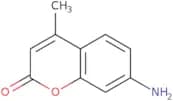
CAS:AMC is a peptide that acts as an activator of the nicotinic acetylcholine receptor. AMC is a high-purity, ion channel ligand with a CAS No. 26093-31-2. It is used in life science research to study cell biology and pharmacology. AMC has been shown to be an inhibitor of the enzyme acetylcholinesterase (AChE) in rat brain slices and it has been reported that it can inhibit the proliferation of human leukemia cells.END>
Formula:C10H9NO2Purity:Min. 95%Molecular weight:175.18 g/molß-Alanyl-L-Histidine [Carnosine]
CAS:ß-Alanyl-L-Histidine is a dipeptide that is naturally occurring in the human body and is involved in many biochemical processes. It is a precursor of carnosine, which can be found in muscle and brain tissue. Carnosine has been shown to have antioxidant properties and has been used as a supplement for those who are at risk of developing diabetes. Carnosine supplementation has also been shown to improve exercise performance by increasing muscle strength and improving the function of muscle cells. ß-Alanyl-L-Histidine may also have metal chelate properties due to its ability to bind metals such as iron and copper.
Formula:C9H14N4O3Purity:Min. 95%Molecular weight:226.23 g/molm-dPEG®-Acid (MW = 412)
CAS:m-dPEG®-Acid (MW = 412) is a PEG compound with two different functional groups (also known as heterobifunctional). Unlike homobifunctional PEG compounds (same functional group on both ends), this type of compounds are more versatile as have two different anchor points. m-dPEG®-Acid (MW = 412) is used as a linker and spacer to add a PEG moiety, via pegylation (a bioconjugation technique) to proteins, peptides, oligonucleotides, small molecules and nanoparticles.
Purity:Min. 95%Molecular weight:412.47 g/mol[Tyr8]-Substance P (0.5 mg vial)
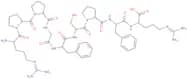
CAS:Substance P is a neuropeptide that is synthesized from the precursor protein pro-opiomelanocortin (POMC). Substance P has been shown to be a potent inhibitor of the synthesis of proteins that are necessary for cell division. It also stimulates the release of inflammatory mediators and has been shown to have an activator effect on receptors. This product is used as a research tool in cell biology, biochemistry, and pharmacology.
Formula:C63H98N18O14SPurity:Min. 95%Molecular weight:1,363.6 g/molBeta-Casomorphin-7 (Bovine)
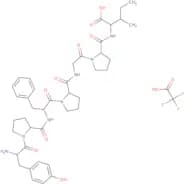
CAS:Beta-Casomorphin-7 is a research tool that is used in the study of cell biology and pharmacology. It is an activator of the opioid receptor and a ligand for the receptor. The Beta-Casomorphin-7 (Bovine) antibody can be used to identify receptors on cells involved in protein interactions, ion channels, and high purity. It's CAS number is 72122-62-4.
Formula:C41H55N7O9Purity:Min. 95%Molecular weight:789.92 g/mol










![[Asn1,Val5]-Angiotensin II](/_next/image/?url=https%3A%2Fstatic.cymitquimica.com%2Fproducts%2F3D%2Fthumb-webp%2FPAN-4036-V.webp&w=3840&q=75)
![ß-Alanyl-L-Histidine [Carnosine]](/_next/image/?url=https%3A%2Fstatic.cymitquimica.com%2Fproducts%2F3D%2Fthumb-webp%2FOAH-3085.webp&w=3840&q=75)

![[Tyr8]-Substance P (0.5 mg vial)](/_next/image/?url=https%3A%2Fstatic.cymitquimica.com%2Fproducts%2F3D%2Fthumb-webp%2FPSP-4059-V.webp&w=3840&q=75)