


Peptides
Subcategories of "Peptides"
Found 29729 products of "Peptides"
Cecropin A
CAS:Custom research peptide; min purity 95%. For different specs please use the Peptide Quote ToolFormula:C136H233N33O29Molecular weight:2,794.55 g/molH-QQTVTLLPAADLDDFSK^-OH
Peptide H-QQTVTLLPAADLDDFSK^-OH is a Research Peptide with significant interest within the field academic and medical research. This peptide is available for purchase at Cymit Quimica in multiple sizes and with a specification of your choice.
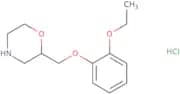
Viloxazine hydrochloride - Bio-X ™
CAS:Viloxazine is a selective inhibitor for norepinephrine uptake over serotonin (5-HT) uptake in rat hypothalamic synaptosomes. It has been studied for its potential uses in treating attention-deficit hyperactivity disorder (ADHD) and depression.Viloxazine hydrochloride is part of our Bio-X ™ Range. These products are aimed at life science researchers who need high quality ready-to-use products for assay development, screening or other R&D work. With a solubility datasheet and convenient vials, all of our Bio-X ™ products are in stock across our global warehouses for rapid delivery and ease of use.Formula:C13H19NO3•HClPurity:Min. 95%Color and Shape:PowderMolecular weight:273.76 g/molSARS-CoV-2 Nucleoprotein (346-360)
The coronavirus (CoV) nucleoprotein is the major component of CoV structural proteins. The nucleoprotein has a critical role in virus assembly and RNA transcription. The nucleoprotein is essential in the formation of helical ribonucleoproteins and in regulating viral RNA synthesis. The nucleoprotein can also regulate infected host cellular mechanisms. It is highly expressed during infection and may induce protective immune responses against SARS-CoV and SARS-CoV-2.The nucleoprotein residues FKDQVILLNKHIDAY (346-360) from SARS-CoV-2 have been identified as a T-cell epitope with a predicted HLA restriction. Immune targeting of confirmed epitopes may potentially offer protection against SARS-CoV-2 and help the development of vaccines for long-lasting immunity.
Molecular weight:1,816 g/molDystrophin (50-61)
Forms of inherited muscular dystrophy such as Duchenne muscular dystrophy (DMD) and Becker muscular dystrophy (BMD) result from mutations targeting the dystrophin gene. These disorders are X-linked, progressive, and cause the gradual weakening of the muscles leading to respiratory failure and ultimately reduces the patient lifespan.In DMD, mutations lead to the production of premature stop codons and hence the truncated dystrophin protein product is vulnerable to nonsense mediated decay and degradation. Therefore, dystrophin production in muscle cells is reduced. On the other hand, nonsense mutations which also contribute to DMD, cause exon skipping in BMD and result in an internally truncated protein product which are partially functional. The symptoms of BMD are later onset compared with DMD which develop in patients between 2 to 7 years.Treatments of dystrophin disorders are in clinical trials including antisense oligonucleotide exon skipping and gene therapy. However, the efficacies of these treatments are not easily quantified. Currently levels of muscular dystrophin are quantified by western blot which can be unreliable. The peptide provided here, aligning residues dystrophin (50-61), has been used to try and create a quantifiable method that is reproducible. The method used was not successful, but dystrophin (50-61) remains a useful tool to create a potential quantification method for diagnosis and progress of dystrophin disorders as it was effectively detected by mass spectrometry and Western blot. Within our catalogue we also have other peptides tested for dystrophin quantification available plus the full-length dystrophin protein.
Insulin B (9-23)
This insulin B-chain peptide binds to a class II histocompatibility complex (MHC) allele called I-Ag7. A number of autoimmune diseases has been linked to class II proteins encoded by the MHC. Type 1 diabetes, or insulin-dependent diabetes mellitus, is a T cell-mediated disease that results in autoimmune destruction of pancreatic ß cells leading to hyperglycemia. This insulin β peptide may be a self-antigen candidate that could initiate the disease. Immunisation with this peptide in mice led to autoantibodies and insulitis. In the non-obese diabetic (NOD) mouse model, this peptide represents the dominant insulin peptide driving disease initiation.Insulin is a polypeptide composed of two peptide chains referred to as the alpha chain and β chain. Insulin is normally secreted rapidly from the β-cells of the pancreatic islets in response to nutrients absorbed after a meal. In type 1 diabetes mellitus, there may be an absolute insulin deficiency as a consequence of autoimmune destruction of the β-cells.Color and Shape:PowderMolecular weight:1,644.8 g/molSARS-CoV-2 Spike (991-1000)
The SARS-CoV-2 spike protein is present on the outside of the virus particles and can bind to angiotensin-converting enzyme II (ACE2) present on the host cells. The C-terminal receptor binding domain (RBD) of the spike protein binds to the N-terminal peptidase M2 domain of ACE2. This receptor binding results in the internalisation of the virus-receptor complex and is, therefore the mechanism of entry of SARS-CoV-2 into host cells.The spike protein residues VQIDRLITGR (991-1000) from SARS-CoV-2 have been identified as a T-cell epitope with a predicted HLA restriction. Immune targeting of confirmed epitopes may potentially offer protection against SARS-CoV-2 and help the development of vaccines for long-lasting immunity.
Molecular weight:1,170 g/molHistone H3 (22-30) K27Me3
The Histone H3 (22-30)-K27Me3 is derived from Histone 3 (H3) which is one of the four core histones (H2A, H2B, H3 and H4) fundamental in compacting eukaryotic DNA into the nucleosome. The nucleosome arises when 147 base pairs of DNA wrap around a H3-H4 tetramer and two H2A-H2B dimers, forming the histone octamer core. Both H4 and H3 are highly conserved and perform roles in binding to segments of DNA which enter and leave the nucleosome and in chromatin formation. Similar to the other core histone, H3 has a globular domain and a flexible N-terminal domain, 'histone tail' which can undergo modifications such as acetylation, methylation, phosphorylation and ubiquitination. Due to histones containing a large number of lysine and arginine residues they have a positive net charge which interacts in an electrostatic manner with the negatively charged phosphate groups in DNA. The transcriptional activation or silencing of the chromatin is controlled by ATP-dependent chromatin remodelling factors and histone modifying enzymes which target histone proteins. Both processes function to alter to change the positioning of the nucleosome, allowing the DNA it to be either available to the transcription machinery or inaccessible.The Histone H3 (20-36) lysine 27 has been trimethylated which is usually a marker of repressive chromatin. H3K27 trimethylation also prevents H3 from interacting with SET1-like complexes, thus inhibiting the trimethylation of H3K4.
Color and Shape:PowderMolecular weight:1,012.6 g/molVP4 (93-101) Nora virus
VP4 is a viral coat protein of Nora virus encoded for by ORF4. The product of this gene is likely cleaved into three capsid proteins, VP4A, B and C. VP4 is also the most conserved gene from Nora virus and related viruses. Nora virus is a non-pathogenic virus found in gut of Drosophila melanogaster. It causes persistent, non-pathological infection, it replicates in the fly gut and is transmitted via the faecal-oral route. Nora virus has a 12333 nucleotides long single-stranded RNA genome of positive polarity.
Molecular weight:904.5 g/molHistone H3 (1-21) K4Me2
Histone H3 (1-21) K4Me2 is derived from Histone 3 (H3) which is one of the four core histones (H2A, H2B, H3 and H4) fundamental in compacting eukaryotic DNA into the nucleosome. The nucleosome arises when 147 base pairs of DNA wrap around a H3-H4 tetramer and two H2A-H2B dimers, forming the histone octamer core. Both H4 and H3 are highly conserved and perform roles in binding to segments of DNA which enter and leave the nucleosome and in chromatin formation. Similar to the other core histone, H3 has a globular domain and a flexible N-terminal domain, 'histone tail' which can undergo modifications such as acetylation, methylation, phosphorylation and ubiquitination. Due to histones containing a large number of lysine and arginine residues they have a positive net charge which interacts in an electrostatic manner with the negatively charged phosphate groups in DNA. The transcriptional activation or silencing of the chromatin is controlled by ATP-dependent chromatin remodelling factors and histone modifying enzymes which target histone proteins. Both processes function to alter to change the positioning of the nucleosome, allowing the DNA it to be either available to the transcription machinery or inaccessible.The Histone H3 (1-21) lysine 4 has been dimethylated.Molecular weight:2,281.3 g/molalpha-MSH
Alpha-melanocyte stimulating hormone (alpha-MSH) is a melanocortin family neuropeptide which plays important roles in metabolic and immune homeostasis. It is formed from the cleavage of adrenocorticotropic hormone, the cleavage product of proopiomelanocortin hormone. alpha-MSH is expressed ubiquitously to varying degrees in a wide variety of cells including the hypothalamus, monocytes and retinal pigment epithelial cells. alpha-MSH is a non-selective agonist of melanocortin receptors.alpha-MSH is a suppresser of inflammation from both innate and adaptive immune pathways, it is involved in hair and skin pigmentation (through MC1 receptor activation), has reproductive functions, cardio protective functions and regulates food intake and energy metabolism. The N-terminal of the peptide is protected by an acetyl group.Color and Shape:PowderMolecular weight:1,664.8 g/mol[N-Me-Asp1]-Angiotensin II
[N-Me-Asp1]-Angiotensin II is a peptide that belongs to the peptides and biochemicals group. It is an angiotensin II antagonist, which means that it blocks the action of Angiotensin II on its receptors. This peptide can be used as a vasoconstrictive agent in the treatment of hypertension.Formula:C51H73N13O12Purity:Min. 95%Molecular weight:1,060.23 g/molPEN, Rat
Endogenous peptide GPR83 agonist derived from processing of precursor protein, proSAAS. It is widely expressed in a number of species where it is involved in feeding, stress modulation and addiction and reward circuits.
Molecular weight:2,300.2 g/molBoc-L-Glutamic Acid bis-Propargyl Amide
Boc-L-Glutamic Acid bis-Propargyl Amide is a building block for Click Chemistry. It is a white solid that is soluble in DMF, DMSO and other organic solvents. This product can be used as a reagent for peptide synthesis and as an intermediate for the synthesis of amino acids. Boc-L-Glutamic Acid bis-Propargyl Amide reacts with dimethylaminoethanol to form the corresponding amide. It has been shown that this product can be used in click chemistry reactions to form amides and ureas.Formula:C16H23N3O4Purity:Min. 95%Molecular weight:321.3 g/molThyroglobulin (Tg-FSP)
Thyroglobulin (Tg) is a widely used biomarker of various differentiated thyroid cancer (DTC)- Tg is a substrate for thyroid hormone production. Detection and quantification of serum thyroglobulin levels remain challenging due to Tg's size, heterogeneity, and thyroglobulin autoantibodies (TgAb). Immunoassays offer the opportunity to tailor DTC treatments, but many patients are TgAb positive, excluding them from analysis during regression.Liquid chromatography-tandem mass spectrometry (LC-MS/MS) can overcome immunoassay issues by digestion of Tg to a tryptic peptide removing the interference from TgAbs. The addition of a doubly charged peptide precursor ion, FSP peptide, allows easy detection of Tg-FSP by an anti-FSP antibody that is reliable and quantifiable.Molecular weight:1,405.7 g/mol[Ala353,357]-Presenilin 1 (349-361)
This is a peptide fragment of presenilin 1 (349-361) with an amino acid sequence of Ala353,357. It has a molecular weight of 4.1 kDa and a pI of 5.2. The peptide is synthesized by the enzyme glycogen synthase and may be used as a substrate for this enzyme.Formula:C56H93N21O17Purity:Min. 95%Molecular weight:1,332.5 g/molGag (18-26) [Human immunodeficiency virus type 1] acetyl/amide
CD8+ T-cell (cytotoxic T lymphocyte (CTL)) responses are important in the control of viral replication. Inducing a sustained HIV-1 specific CD8+ T-cell response is the target for vaccine development by using conserved HIV-1 epitopes. The HIV gag gene encodes p17 and p24. P17 Gag is a matrix protein that is vital to HIV life cycle, use of p17 Gag epitopes is a possibility for HIV therapies. P17 Gag targets viral RNA to the nucleus and Gag polyproteins to the cell membrane- p17 Gag accumulates in the extracellular space of tissue while interacting with receptors on various cell types to deregulate cell function.CTL recognition epitope of p17 Gag is identified as residues 77-85 to activate the immune response. Within Gag p17 is the conserved/persistently recognised epitope KIRLRPGGK (amino acids 18-26). This sequence has been used as an effective epitope in immunological assays to assess CTL response work has also shown patients targeting conserved or variable Gag epitopes including Gag p17 (18-26) effects the strength of CD8+ T-cell response and disease progression.Molecular weight:1,064.7 g/molTet-20
Tet-20, is a synthetic cathelicidin-derived peptide. It was tested as infection-resistant coating for medical devices. When tethered on an implant surface Tet-20 exhibited broad antimicrobial activities both in vivo and in vitro. It can stop biofilm formation and appears to be non-toxic to eukaryotic cell. Tet-20 antimicrobial peptide is often sued as a control peptide and has antifouling.Molecular weight:1,768.1 g/molM2-Influenza
Influenza virus budding from infected cells requires membrane remodelling, is a multistep process with many proteins involved. Therefore there are numerous stages and proteins that could be antiviral targets if the mechanism can be better understood.The matrix 2 (M2) protein has recently been shown to be essential for completion of membrane scission at the end of buddinng. Initially, proteins aid membrane curvature, including matrix 2 (M2) protein, a bud forms, and finally membrane scission occurs to release the bud at the neck from the membrane occurs- M2 amphipathic helix domain in the cytoplasmic tail is essential for completion of scission to release the virus bud. The residues 44-62, provided here, have been identified as the motif responsible for allowing the scission mechanism to occur. Work is ongoing to understand the exact molecular mechanism by comparison to other scission proteins such as Arf1, Epsin1. Use of this M2 peptide motif may provide functional knowledge of virus budding and lead to novel antiviral drugs.
Molecular weight:2,316.2 g/molAc-RGK-[AMC]
Substrate peptide for histone deacetylase (HDAC) enzymes for use in assaying HDAC activity. Histone deacetylases (HDACs) are a family of enzymes which are highly evolutionary conserved across all eukaryotes. HDACs modify histones by removing acetyl groups from the tail regions. Histone deacetylation is generally associated with reduced gene expression due to a more compact chromatin state less accessibility for transcription factors (TFs). HDACs are essential for many physiological processes including development and cellular homeostasis. They also play an important role in disease states, including neurodegenerative disorders, genetic diseases and cancers.This peptide is the fluorogenic substrate for assaying histone deacetylase (HDAC) activity in a two-step enzymatic reaction. The assay consists of the initial lysine deacetylation by HDAC followed by the release of the fluorescent group by trypsin. Fluorescence can be detected upon fluorophore release.Molecular weight:558.3 g/mol











![[N-Me-Asp1]-Angiotensin II](/_next/image/?url=https%3A%2Fstatic.cymitquimica.com%2Fproducts%2F3D%2Fthumb-webp%2FPAN-3949-PI.webp&w=3840&q=75)



![[Ala353,357]-Presenilin 1 (349-361)](/_next/image/?url=https%3A%2Fstatic.cymitquimica.com%2Fproducts%2F3D%2Fthumb-webp%2FSPR-3630-PI.webp&w=3840&q=75)
![Gag (18-26) [Human immunodeficiency virus type 1] acetyl/amide](/_next/image/?url=https%3A%2Fstatic.cymitquimica.com%2Fproducts%2F3D%2Fthumb-webp%2FCRB1001214.webp&w=3840&q=75)


![Ac-RGK-[AMC]](/_next/image/?url=https%3A%2Fstatic.cymitquimica.com%2Fproducts%2F3D%2Fthumb-webp%2FCRB1101605.webp&w=3840&q=75)