Peptides
Peptides are short chains of amino acids linked by peptide bonds, serving as important biological molecules that play key roles in cellular processes. They function as hormones, neurotransmitters, and signaling molecules, and are widely used in therapeutic and diagnostic applications. Peptides are also crucial in research for studying protein interactions, enzyme activities, and cell signaling pathways. At CymitQuimica, we provide a diverse selection of high-quality peptides to support your research and development needs in biotechnology and pharmaceuticals.
Subcategories of "Peptides"
Found 30332 products of "Peptides"
Sort by
Purity (%)
0
100
|
0
|
50
|
90
|
95
|
100
H-ILDTAGHEEY-OH
<p>Peptide H-ILDTAGHEEY-OH is a Research Peptide with significant interest within the field academic and medical research. This peptide is available for purchase at Cymit Quimica in multiple sizes and with a specification of your choice.</p>Formula:C50H72N12O18Molecular weight:1,147.19 g/molH-EPVLKGVKL-OH
<p>Peptide H-EPVLKGVKL-OH is a Research Peptide with significant interest within the field academic and medical research. This peptide is available for purchase at Cymit Quimica in multiple sizes and with a specification of your choice.</p>Formula:C46H81N11O11Molecular weight:982.22 g/molH-QPTESIVRF-OH
<p>Peptide H-QPTESIVRF-OH is a Research Peptide with significant interest within the field academic and medical research. This peptide is available for purchase at Cymit Quimica in multiple sizes and with a specification of your choice.</p>Formula:C48H75N13O14Molecular weight:1,076.2 g/molH-KIGDFGLATEK-OH
<p>Peptide H-KIGDFGLATEK-OH is a Research Peptide with significant interest within the field academic and medical research. This peptide is available for purchase at Cymit Quimica in multiple sizes and with a specification of your choice.</p>Formula:C53H85N13O16Molecular weight:1,178.33 g/molH-SGSDEVQVGQQR-OH
<p>Peptide H-SGSDEVQVGQQR-OH is a Research Peptide with significant interest within the field academic and medical research. This peptide is available for purchase at Cymit Quimica in multiple sizes and with a specification of your choice.</p>Formula:C50H82N18O21Molecular weight:1,289.31 g/molH-TGREIVDLMCHATFT-OH
<p>Peptide H-TGREIVDLMCHATFT-OH is a Research Peptide with significant interest within the field academic and medical research. This peptide is available for purchase at Cymit Quimica in multiple sizes and with a specification of your choice.</p>Formula:C72H114N20O22S2Molecular weight:1,693.94 g/molH-LLGAEEK-OH
<p>Peptide H-LLGAEEK-OH is a Research Peptide with significant interest within the field academic and medical research. This peptide is available for purchase at Cymit Quimica in multiple sizes and with a specification of your choice.</p>Formula:C33H56N8O11Molecular weight:758.86 g/molPTHrP-specific tryptic peptide
<p>Peptide H-YLTQETNK-OH is a Research Peptide with significant interest within the field academic and medical research. This peptide is available for purchase at Cymit Quimica in multiple sizes and with a specification of your choice.</p>Formula:C43H67N11O15Molecular weight:996.07 g/molH-NSLYLQMNSLR-OH TFA salt
<p>Peptide H-NSLYLQMNSLR-OH is a Research Peptide with significant interest within the field academic and medical research. This peptide is available for purchase at Cymit Quimica in multiple sizes and with a specification of your choice.</p>Formula:C57H93N17O17SMolecular weight:1,338.53 g/molH-KLAELFTSW-OH TFA salt
<p>Peptide H-KLAELFTSW-OH is a Research Peptide with significant interest within the field academic and medical research. This peptide is available for purchase at Cymit Quimica in multiple sizes and with a specification of your choice.</p>Formula:C53H77N11O13Molecular weight:1,094.26 g/molH-RVDPVNF-OH TFA salt
<p>Peptide H-RVDPVNF-OH is a Research Peptide with significant interest within the field academic and medical research. This peptide is available for purchase at Cymit Quimica in multiple sizes and with a specification of your choice.</p>Formula:C38H57N11O10Molecular weight:845.94 g/molH-HLIPAANTGESK-OH TFA salt
<p>Peptide H-HLIPAANTGESK-OH is a Research Peptide with significant interest within the field academic and medical research. This peptide is available for purchase at Cymit Quimica in multiple sizes and with a specification of your choice.</p>Formula:C53H86N16O17Molecular weight:1,237.36 g/molH-LFDLVDGFAESTK-OH
<p>Peptide H-LFDLVDGFAESTK-OH is a Research Peptide with significant interest within the field academic and medical research. This peptide is available for purchase at Cymit Quimica in multiple sizes and with a specification of your choice.</p>Formula:C66H98N14O21Molecular weight:1,441.58 g/molH-TELLPGDR-OH
<p>Peptide H-TELLPGDR-OH is a Research Peptide with significant interest within the field academic and medical research. This peptide is available for purchase at Cymit Quimica in multiple sizes and with a specification of your choice.</p>Formula:C38H63N11O13Molecular weight:899.99 g/molH-LLAHAFPPG-OH
<p>Peptide H-LLAHAFPPG-OH is a Research Peptide with significant interest within the field academic and medical research. This peptide is available for purchase at Cymit Quimica in multiple sizes and with a specification of your choice.</p>Formula:C45H65N11O9Molecular weight:922.08 g/molH-HAAAAA-OH
<p>Peptide H-HAAAAA-OH is a Research Peptide with significant interest within the field academic and medical research. This peptide is available for purchase at Cymit Quimica in multiple sizes and with a specification of your choice.</p>Formula:C21H32N8O6Molecular weight:510.54 g/molH-VDWENVSPELNSTDQ-OH TFA salt
<p>Peptide H-VDWENVSPELNSTDQ-OH is a Research Peptide with significant interest within the field academic and medical research. This peptide is available for purchase at Cymit Quimica in multiple sizes and with a specification of your choice.</p>Formula:C73H107N19O29Molecular weight:1,732.76 g/molH-SCDTPPPCPR-OH TFA salt
<p>Peptide H-SCDTPPPCPR-OH is a Research Peptide with significant interest within the field academic and medical research. This peptide is available for purchase at Cymit Quimica in multiple sizes and with a specification of your choice.</p>Formula:C43H67N13O14S2Molecular weight:1,072.22 g/molΒ-sheet amyloid aggregate peptide
<p>Β-sheet amyloid aggregate peptide is a short peptide that has been shown to form β-sheet amyloid aggregates in vitro. Proteins that contain such sequences are likely to be problematic for a cell, due to their potential to aggregate into toxic structures. This peptide is available for purchase at Cymit Quimica in multiple sizes and with a specification of your choice.</p>Formula:C43H76N14O13Molecular weight:1,015.16 g/molH-LQEEDAGEYGCMVDGAR-NH2 TFA salt
<p>Peptide H-LQEEDAGEYGCMVDGAR-NH2 is a Research Peptide with significant interest within the field academic and medical research. This peptide is available for purchase at Cymit Quimica in multiple sizes and with a specification of your choice.</p>Formula:C74H113N21O29S2Molecular weight:1,842.96 g/molH-LLPRELFPPL-OH
<p>Peptide H-LLPRELFPPL-OH is a Research Peptide with significant interest within the field academic and medical research. This peptide is available for purchase at Cymit Quimica in multiple sizes and with a specification of your choice.</p>Formula:C59H93N13O12Molecular weight:1,194.46 g/molOvalbumin (257-264) (chicken) acetate salt
CAS:<p>Ovalbumin (257-264) is an acetate salt of a fragment of the protein ovalbumin.</p>Formula:C45H74N10O13Purity:Min. 95%Color and Shape:SolidMolecular weight:963.13 g/molCyclo[Arg-Gly-Asp-D-Phe-Lys(H-Ser)]
Cyclo[Arg-Gly-Asp-D-Phe-Lys(H-Ser)], is a peptide that mimics the amino acid sequence of the RGD motif found in fibronectin, which has been shown to be involved in cell attachment and proliferation. Cyclo[Arg-Gly-Asp-D-Phe-Lys(H-Ser)] binds to integrin receptors and inhibits tumor growth. It also shows potential as a targeting agent for anticancer drugs. Cyclo[Arg-Gly-Asp-D-Phe-Lys(H-Ser)] is a cyclic peptide that can be derivatized with reactive groups such as azides, alcohols, esters, haloalkanes, and isocyanates.Formula:C30H46N10O9Purity:Min. 95%Molecular weight:690.76 g/molFK18
<p>FK18 is a basic fibroblastic growth factor that has been shown to promote neuronal survival and is neuroprotective. It also can prevent glutamate-induced neurotoxicity in the central nervous system (CNS) by inhibiting glutamate release from the synaptic cleft, which leads to neuronal death. FK18 has been shown to have anti-inflammatory properties, which may be due to its ability to inhibit the production of prostaglandins and other inflammatory mediators. FK18 has also been shown to reduce necrotic cell death by decreasing mitochondrial membrane potential.</p>Formula:C107H155N31O31Purity:Min. 95%Molecular weight:2,371.62 g/molTentaGel® HL-NH2 Resin
<p>TentaGel resin; constructed with a backbone of low cross-linked polystyrene grafted with polyoxyethylene (polyethylene glycol). The typical chain length of POE (n) is approximately 68 ethylene oxide units or an average MW of 3000. This long chain creates a spacer that effectively separates the reactive site (X) from the crosslinked backbone matrix.<br>TentaGel; HL (High Load) (mean particle size 110 µm: capacity 04-06 meq/g)</p>Purity:Min. 95%H-Asp(2-ClTrt-Resin)-OtBu (α Ester)
<p>H-Asp(2-ClTrt-Resin)-OtBu (α Ester) is a building block that is used in peptide synthesis. It can be resubstituted with the amino acid, aspartic acid, and used in the formation of peptides. This resin is insoluble in water and soluble in dichloromethane and dimethylformamide. The H-Asp(2-ClTrt-Resin)-OtBu (α Ester) can also be used to form disulfides or thioethers.</p>Purity:Min. 95%Proinsullin, human
<p>Proinsulin is a peptide hormone that is made up of the amino acid chain, insulin. It is synthesized in the beta cells of the pancreas and is stored in granules with other hormones. The proinsulin molecule consists of two chains linked by disulfide bonds, which are broken down to release insulin when needed. Proinsulin can activate receptors on cells, which leads to a number of physiological responses including changes in metabolism and ion channels. It has been shown to be an important research tool for studying protein interactions and pharmacology. Proinsulin also has potential as a therapeutic agent for the treatment of diabetes mellitus type I due to its ability to inhibit glucose production in the liver.</p>Purity:Min. 95%Ubiquitin Carboxyl-Terminal Esterase L5 , human, recombinant
<p>Ubiquitin carboxyl-terminal esterase L5 is a peptide that belongs to the ubiquitin carboxyl-terminal hydrolase family. It is expressed in humans as an approximately 20 kDa protein. Ubiquitin carboxyl-terminal esterase L5 is an activator of the ion channel TRPM4 and also inhibits the protein interactions of SH2 domain proteins. This enzyme has been used as a research tool for studying ion channels, cell biology, and pharmacology.</p>Purity:Min. 95%H-Trp(Boc)-2-ClTrt-Resin (200-400 mesh) 1% DVB
<p>H-Trp(Boc)-2-ClTrt-Resin (200-400 mesh) is a resin that contains amines and thiols. It can be used as a building block of peptides and proteins. H-Trp(Boc)-2-ClTrt-Resin (200-400 mesh) can also be used in the synthesis of alcohols, which are important chemicals for industry.</p>Purity:Min. 95%Presenilin 1 (349-361)
<p>Presenilin 1 (349-361) is a peptide that is a substrate for glycogen synthase. It is cleaved from the precursor protein presenilin 1 and has a molecular weight of 4.5 kDa. Presenilin 1 (349-361) is an enzyme substrate that can be used in biochemical assays to research glycogen metabolism.</p>Formula:C56H93N21O19Purity:Min. 95%Molecular weight:1,364.49 g/mol[Sar1]-Angiotensin II
CAS:Controlled Product<p>Angiotensin II is a peptide hormone that is secreted by the kidneys. It stimulates the release of aldosterone and causes vasoconstriction, leading to an increase in blood pressure. Angiotensin II is also involved in other physiological functions such as the regulation of fluid balance, electrolyte levels, and blood coagulation. The drug is used to treat congestive heart failure and high blood pressure. Sar1-Angiotensin II has been shown to inhibit transcriptional regulation by binding to the angiotensin receptor type 1 (AT1). This binding disrupts conformational changes in the receptor, preventing signal transduction from occurring and decreasing the activity of enzymes such as protein kinase A, which are needed for activation of transcription factors.</p>Formula:C49H71N13O10•(C2H4O2)2Purity:Min. 95%Molecular weight:1,122.28 g/molCyclo(Arg-Ala-Asp-D-Tyr-Cys)
Cyclo(Arg-Ala-Asp-D-Tyr-Cys) is a peptide that has been shown to activate ion channels, which may lead to an increase in the permeability of the membrane. Cyclo(Arg-Ala-Asp-D-Tyr-Cys) has also been shown to inhibit ligand binding to receptors and antibody production. Cyclo(Arg-Ala-Asp-D-Tyr-Cys) is not intended for use as a research tool or in cell biology.Formula:C25H36N8O8SPurity:Min. 95%Molecular weight:608.68 g/molTylotoin
<p>Tylotoin is a peptide that has been shown to have a proliferative effect on endothelial cells. It also acts as an inhibitor of cell proliferation in keratinocytes and fibroblasts, without affecting the proliferation of other cell types. Tylotoin is structurally similar to the disulfide-rich peptides from the salamander Tylototriton verrucosus, which are known for their wound healing properties. The proliferative effects of tylotoin are thought to be due to its ability to inhibit the proteolytic enzymes that degrade extracellular matrix proteins in endothelial cells.</p>Formula:C59H108N24O16S2Purity:Min. 95%Molecular weight:1,473.8 g/molRink-Amide-MBHA Resin (200-400 mesh) 1% DVB
<p>Unsubstituted Resins for Solid Phase Synthesis; 0.3-0.65 meq/g</p>Purity:Min. 95%CLEAR-Base Resin (HCl) (100-200 mesh)
CLEAR-Base Resin (HCl) is a high-purity resin that has been used in the study of protein interactions, such as receptor and ligand binding. CLEAR-Base Resin (HCl) is also an inhibitor that can be used to block ion channels.Purity:Min. 95%Fmoc-Lys(Alloc)-Wang Resin (100-200 mesh)
<p>Fmoc-Lys(Alloc)-Wang Resin (100-200 mesh) is a research tool that is used in the study of protein interactions. It has been shown to be an effective inhibitor for ion channels and cell biology. This resin can also be used to identify ligands and receptors, as well as their binding affinities. Fmoc-Lys(Alloc)-Wang Resin (100-200 mesh) is a high purity product that can be used in pharmacology and peptide synthesis.</p>Purity:Min. 95%Abz-Ser-Pro-Tyr(NO2)-OH
<p>Abz-Ser-Pro-Tyr(NO2)-OH is a peptide that has been shown to be an angiotensin I converting enzyme II (ACE) substrate and an inhibitor of ACE. It also inhibits the release of renin from the juxtaglomerular apparatus, which is needed for the production of angiotensin II. This peptide is used in biochemical research and as a standard for measuring enzymatic activity.</p>Formula:C24H27N5O9Purity:Min. 95%Molecular weight:529.51 g/molFmoc-Asp(OtBu)-Rink-Amide MBHA Resin
<p>Fmoc-Asp(OtBu)-Rink-Amide MBHA Resin is a building block for peptides. It is an acid labile resin that can be cleaved with TFA to provide amine-protected dipeptides and tripeptides. This product is used as a building block for peptide synthesis.</p>Purity:Min. 95%Fmoc-Thr(tBu)-Rink-Amide MBHA Resin
Fmoc-Thr(tBu)-Rink-Amide MBHA Resin is a resin that can be used for the synthesis of peptides. It is an inhibitor of Protein interactions, Activator, Ligand, and Receptor. This resin can be used in research to study ion channels and antibodies. Fmoc-Thr(tBu)-Rink-Amide MBHA Resin is also a high purity product with CAS No.Purity:Min. 95%Fmoc-Met-Wang Resin (100-200 mesh) 1% DVB
<p>Fmoc-Met-Wang Resin (100-200 mesh) 1% DVB is a resin that has been synthesized by the Fmoc group. The resin is used to attach peptides, proteins and other organic molecules to a solid support for use in research. The resin is also an activator of ligands and can be used as a receptor for the binding of antibodies. The resin has high purity and is made from methacrylate polymer. It contains no detectable levels of hydroquinone and 4-Vinylpyridine.<br>Fmoc-Met-Wang Resin (100-200 mesh) 1% DVB can be used as a research tool in cell biology, immunology, pharmacology, protein interactions, receptor binding, ion channel activation and more. CAS No.: 58897-27-6</p>Purity:Min. 95%Ac-His-D-Phe(p-Iodo)-Arg-Trp-NH2
<p>Ac-His-D-Phe(p-Iodo)-Arg-Trp-NH2 is a peptide that binds to the melanocortin receptor. It is a potent antagonist of MSH and related peptides and has been shown to be effective in the treatment of cancer, including melanoma.</p>Formula:C34H42N11O5IPurity:Min. 95%Molecular weight:811.69 g/molFmoc-ß-Ala-Rink-Amide MBHA Resin
<p>Fmoc-ß-Ala-Rink-Amide MBHA Resin is a peptide synthesis resin that can be used in the production of peptides and proteins. It is an activator for antibody production, as well as an inhibitor of ion channels. Fmoc-ß-Ala-Rink-Amide MBHA Resin also has high purity and excellent solubility. This product is used in life science research to study protein interactions and receptor pharmacology.</p>Purity:Min. 95%H-ε-Aca-2-ClTrt-Resin (100-200 mesh) 1% DVB
<p>H-ε-Aca-2-ClTrt-Resin (100-200 mesh) is a resin that can be used for peptide synthesis. It is a building block which contains amines, thiols and alcohols. It also contains DVB (dibenzylideneacetone) which is an additive that stabilizes the resin and prevents it from swelling or dissolving. The resin will be soluble in organic solvents such as chloroform and methanol. H-ε-Aca-2-ClTrt-Resin (100 - 200 mesh) is used for peptide synthesis because it provides good yields of product with low side reactions.</p>Purity:Min. 95%OD1 Toxin
<p>OD1 toxin is a peptide that belongs to the scorpion family. It is a potent activator of voltage-gated sodium channels and has been shown to be effective in the treatment of pain, inflammation, and other neurological disorders. OD1 toxin also has the ability to regulate the release of neurotransmitters in the central nervous system. The peptides are produced by Odonthobuthus doriae and are structurally rich in disulfide bonds. These molecules have been shown to act as channel activators, which bind to voltage-gated sodium channels at depolarized membrane potentials, increasing neuronal excitability and triggering action potentials.</p>Formula:C308H466N90O95S8Purity:Min. 95%Molecular weight:7,206.21 g/molH-Asp-[Pen-Phe-Trp-Lys-Tyr-Cys]-Val-OH
<p>H-Asp-[Pen-Phe-Trp-Lys-Tyr-Cys]-Val-OH is a peptide that belongs to the class of biochemicals. It is a disulfide-rich peptide that is found in the brain, and has been shown to increase blood flow and activate the hypothalamic pituitary adrenal axis in animals. Urotensin II and related peptides are also found in the brain, but have not been shown to have any effect on blood flow or hormone levels.</p>Formula:C52H68N10O12S2Purity:Min. 95%Molecular weight:1,089.31 g/molFmoc-Asn(Trt)-Rink-Amide MBHA Resin
<p>Fmoc-Asn(Trt)-Rink-Amide MBHA Resin is an ion channel blocker and a research tool that can be used to study the effects of peptides and other small molecules on ion channels. It is a high purity resin with a CAS number of 47794-33-4. The Fmoc-Asn(Trt)-Rink-Amide MBHA Resin is an inhibitor of the Ca2+ channel and the K+ channel and it can be used in pharmacology, cell biology, and immunology research.</p>Purity:Min. 95%H-Ser-Leu-Ile-Gly-Arg-NH2
<p>Hypertension is a condition that affects the heart and blood vessels. It is caused by a number of factors, including increased blood pressure, high levels of cholesterol, diabetes, and genetics. Hypertension can lead to stroke, kidney disease, heart failure, or death. This drug was designed to target hypertension by activating protease-activated receptor (PAR) peptides in the body. PAR peptides are found in many tissues throughout the body and are involved in inflammation and coagulation. PAR2 has been shown to be involved in cardiovascular diseases such as atherosclerosis and coronary artery disease. The drug was designed for use as an oral treatment for hypertension and related conditions.</p>Formula:C23H45N9O6Purity:Min. 95%Molecular weight:543.67 g/molH-Thr-Phe-Arg-Gly-Ala-Pro-NH2
<p>H-Thr-Phe-Arg-Gly-Ala-Pro-NH2 is a peptide that activates coagulation. It is a biologically active peptide and has been shown to activate protease activated receptor (PAR) peptides, PAR2, and PAR3. H-Thr-Phe-Arg-Gly-Ala-Pro-NH2 regulates hypertension by inhibiting the activity of angiotensin II type 1 receptors.</p>Formula:C29H46N10O7Purity:Min. 95%Molecular weight:646.75 g/molBeta-2 Microglobulin Human
<p>Beta-2 Microglobulin Human is a research tool that can be used to study the activation of receptors, ion channels, and protein interactions. It is a ligand that binds to cell surface receptors. It is also an inhibitor that blocks the formation of antibodies by binding to human immunoglobulin G (IgG) and prevents it from binding to antigens. Beta-2 Microglobulin Human is a high purity protein with a CAS number of 1768-01-7.</p>Purity:Min. 95%H-Phe-2-ClTrt-Resin (100-200 mesh) 1% DVB
<p>H-Phe-2-ClTrt-Resin (100-200 mesh) 1% DVB is a building block that is used in peptide synthesis. It has been shown to react with amines and thiols, as well as alcohols, yielding a resin that can be used for the protection of amino acids during peptide synthesis. This product is supplied as a dry powder containing 1% DVB, 100 to 200 mesh.</p>Purity:Min. 95%GO-CoA-Tat (Rat, Mouse)
<p>GO-CoA-Tat is a cell-penetrating peptide that inhibits ghrelin O-acyltransferase, a key enzyme in the production of ghrelin. GO-CoA-Tat has been shown to reduce body weight and improve glucose tolerance in animal models of obesity. It has also been shown to be an effective inhibitor of cell proliferation.</p>Formula:C146H245N54O47P3SPurity:Min. 95%Molecular weight:3,633.92 g/molM CSF Human
<p>M-CSF is a protein that is involved in the regulation of the immune system. It is an activator of macrophages, and it also binds to receptors on cells of the immune system. It can be used as a research tool for studying how cells communicate with each other, and how certain proteins interact with each other. M-CSF is also an antibody that can bind to ion channels and other proteins. This antibody can be used for pharmacological studies to find inhibitors for specific proteins or peptides. M-CSF has been shown to have effects on many different types of cells, including lymphocytes, monocytes, neutrophils, eosinophils, basophils, and mast cells.</p>Purity:Min. 95%H-Nle-2-ClTrt-Resin (200-400 mesh) 1% DVB
<p>H-Nle-2-ClTrt-Resin (200-400 mesh) 1% DVB is a resin that is used as a building block for peptide synthesis. It is an alcohol resin that contains amines, thiols, and alcohols. This resin has been shown to be useful in the synthesis of peptides and proteins.</p>Purity:Min. 95%Retatrutide trifluoroacetate
CAS:Retatrutide is a 39 amino acid single peptide with triple agonist activity at the glucagon receptor (GCGR), glucosedependent insulinotropic polypeptide receptor (GIPR), and glucagon-like peptide-1 receptor (GLP-1R). The backbone is conjugated to a C20 fatty diacid moiety at position 17. Retatrutide has a Glucose-dependent insulinotropic polypeptide (GIP) peptide backbone, which then contains three non-coded amino acids. Aib2 (α-amino isobutyric acid) residues at positions 2 and 20 provide stability against Dipeptidyl Peptidase 4 (DPP4) cleavage and contribute to GIP activity. αMeL13 (α-methyl-L-leucine)at position 20 also contributes to GIP and glucagon activity. Retatrutide can be used for the research of obesity obesity, diabetes, and fatty liver disease. It is a works in three ways: stimulating insulin release, suppressing appetite, and promoting fat breakdown.Formula:C221H342N46O68xC2HF3O2Purity:Min. 95%Color and Shape:PowderMolecular weight:4,731.33 g/molWang Resin (100-200 mesh) 1% DVB
<p>Unsubstituted Resins for Solid Phase Synthesis</p>Purity:Min. 95%Nesfatin-1 (Human)
<p>Nesfatin-1 is a peptide hormone that is synthesized in the brain, pancreas, and gut. It can be found in human plasma and cerebrospinal fluid. Nesfatin-1 has been shown to decrease food intake through its effects on the hypothalamus. This peptide hormone also stimulates insulin secretion from pancreatic beta cells, which may be due to its ability to inhibit the release of glucagon. Nesfatin-1 has been shown to have a strong effect on glucose homeostasis and may be used as an adjunct therapy for diabetes mellitus type 2 patients who are resistant to metformin treatment.</p>Formula:C427H691N113O134Purity:Min. 95%Molecular weight:9,551.95 g/molH-Leu-Ser-Ile-Gly-Arg-Leu-NH2
<p>H-Leu-Ser-Ile-Gly-Arg-Leu-NH2 is a peptide that has been shown to have coagulation and cardiovascular effects. It also has protease-activated receptor (PAR) and PAR2 activity, which may be the mechanism for its observed antihypertensive effects. H-Leu-Ser-Ile-Gly-Arg-Leu NH2 is a biologically active peptide that belongs to the group of protease activated receptor (PAR) peptides. It has been shown to activate PAR2 in human endothelial cells and stimulate vasodilation and nitric oxide production.</p>Formula:C29H56N10O7Purity:Min. 95%Molecular weight:656.83 g/molα-Defensin-4 (Human)
<p>Antimicrobial peptide consisting of disulfide bonds between Cys2-Cys30, Cys4-Cys19, and Cys9-Cys29. Alpha-defensin-4 is a small, cationic peptide that is part of the alpha-defensin family of antimicrobial peptides in humans. It is primarily produced by neutrophils, which are a type of white blood cell that plays a critical role in the immune response to bacterial infections.<br>Alpha-defensin-4 is known to have broad-spectrum antimicrobial activity against a wide range of bacterial pathogens, including both Gram-positive and Gram-negative bacteria. Like other alpha-defensins, alpha-defensin-4 achieves its antimicrobial activity by disrupting the cell membranes of the pathogens, leading to cell lysis and death.<br>In addition to its antimicrobial activity, alpha-defensin-4 has been found to have other functions in the body, including modulating the immune response and promoting tissue repair. It has also been implicated in the pathogenesis of certain inflammatory and autoimmune diseases, including rheumatoid arthritis and psoriasis.<br>Alpha-defensin-4 is typically found in various bodily fluids, including blood, urine, and semen, and its levels can be used as a diagnostic marker for certain conditions. For example, elevated levels of alpha-defensin-4 in joint fluid can be indicative of a bacterial infection in the joint, which can help to guide treatment decisions.</p>Formula:C157H255N49O43S6Purity:Min. 95%Molecular weight:3,709.4 g/molTNF α Canine
<p>TNF-α is a cytokine that regulates the immune system by stimulating the production of other proteins called cytokines. It also inhibits the growth of bacteria such as Escherichia coli and some viruses. TNF-α has been shown to have a wide range of effects on cells, including inducing cell death (apoptosis) and inhibiting protein synthesis.<br>It is a non-glycosylated polypeptide with molecular mass of 17.3kDa.</p>Purity:Min. 95%TentaGel® Microsphere NH2 Resin (20 um)
<p>TentaGel; resins are grafted copolymers consisting of a low cross-linked polystyrene matrix on which polyethylene glycol (PEG or POE) is grafted. The PEG spacer is attached to the matrix via an ethyl ether group which increases stability towards acid treatment and minimizes PEG-leaching. As PEG is a "chameleon type" polymer with hydrophobic and hydrophilic properties, the graft copolymer shows modified physico chemical properties which are highly dominated by the PEG moiety (and no longer by the polystyrene matrix). These graft copolymers are pressure stable and can be used in batch processes as well as under continuous flow conditions. The PEG spacer is in the range of M.W. 3000 Da. The micro spherical shape and the monosized character of this resin allow applications in automated sorters, for creating huge libraries, high speed synthesis etc.<br>Particle size: 20 µm monosized capacity: 0.2 - 0.3 mmol/g.</p>Purity:Min. 95%Fmoc-Cys(Trt)-Wang Resin (100-200 mesh) 1% DVB
<p>Fmoc-Cys(Trt)-Wang Resin (100-200 mesh) 1% DVB is a research tool that is used as an activator, ligand or receptor for cell biology, antibody production or ion channels. It has been used in the study of protein interactions and pharmacology. Fmoc-Cys(Trt)-Wang Resin (100-200 mesh) 1% DVB is a high purity resin that can be used to synthesize peptides and compounds for life science purposes. It is also an inhibitor that can be used to block enzymatic reactions.</p>Purity:Min. 95%IL 13 Human
IL-13 is a cytokine that belongs to the IL-4 family of cytokines. IL-13 is an activator of B cells and mast cells. It binds to the IL-4 receptor and can activate lymphocytes, macrophages, eosinophils, basophils, and neutrophils. This cytokine has been shown to inhibit ion channels in airway epithelium cells and also bind to the alpha1 subunit of the N-methyl d-aspartate receptor. IL-13 is also a ligand for the IL-4 receptor, which may be important for its function as a regulator of other cytokines such as TNFα or IFNγ.Purity:>95% By Sds-Page And Rp-Hplc.H-His(Trt)-2-ClTrt-Resin (100-200 mesh) 1% DVB
<p>H-His(Trt)-2-ClTrt-Resin (100-200 mesh) 1% DVB is a resin that is used in the synthesis of peptides. It is a building block for synthesizing peptides and proteins. H-His(Trt)-2-ClTrt-Resin (100-200 mesh) 1% DVB is also used as an alcohol for amine coupling. This resin has been shown to be useful in the synthesis of thiols, amines, and building blocks.</p>Purity:Min. 95%HiGom
<p>HiGom is a venom that belongs to the group of proteins that can produce reactive oxygen species. It has been shown to inhibit mitochondrial membrane potential, cellular viability, and the production of reactive oxygen species. HiGom has also been shown to inhibit the production of inflammatory cytokines and chemokines in response to chronic pain. This protein may be useful for cancer treatment as it has been shown to inhibit tumor growth by inducing apoptosis and inhibiting angiogenesis.</p>Formula:C92H150N38O23S4Purity:Min. 95%Molecular weight:2,284.72 g/molFmoc-Arg(Pbf)-Wang Resin (100-200 mesh) 1% DVB
<p>Fmoc-Arg(Pbf)-Wang resin is a building block for the synthesis of peptides. It is a resin that is used for the solid phase synthesis of peptides and oligonucleotides with Fmoc chemistry. This resin is provided in powder form, as well as in various particle sizes from 100 to 200 mesh. The resin has been shown to be stable in the presence of DIC/HOBT coupling reactions and can be used with other resins for automated peptide synthesizers.Substitution: 0.3meq/gSwelling: 4.4ml/g (DCM - 30min)</p>Purity:Min. 95%Suc-Glu-Ala-Leu-Phe-Gln-pNA
Suc-Glu-Ala-Leu-Phe-Gln-pNA is a substrate for human rhinovirus 3C protease. The peptide is a mixture of four amino acids and has been synthesized to serve as an inhibitor of the HRV3C protease enzyme. Suc-Glu-Ala-Leu-Phe-Gln-pNA is expected to inhibit the HRV3C protease by binding to the active site, thereby preventing cleavage of viral proteins that are needed for replication.Formula:C38H50N8O13Purity:Min. 95%Molecular weight:826.87 g/molH-Asp(OtBu)-2-ClTrt-Resin (200-400 mesh) 1% DVB
H-Asp(OtBu)-2-ClTrt-Resin (200-400 mesh) 1% DVB is a tool for peptide synthesis. It contains a set of building blocks including thiols, alcohols, amines, and resin. The resin is used as the solid support for peptide synthesis. The thiols react with the resin to form a covalent bond that anchors the building blocks to the solid support. The alcohols and amines can be reacted with amino acids or other activated carboxylic acids to synthesize peptides on this type of resin.Purity:Min. 95%MOCAc-Pro-Cha-Gly-Nva-His-Ala-Dap(Dnp)-NH2
<p>MOCAc-Pro-Cha-Gly-Nva-His-Ala-Dap(Dnp)-NH2 is a peptide that inhibits the activity of various proteases, including collagenase, MMPs and stromelysin. It has been shown to inhibit cancer cells in vitro and to reduce tumor growth in vivo. MOCAc-Pro-Cha-Gly-Nva-His-Ala-Dap(Dnp)-NH2 may be useful for the treatment of angiogenesis and metastasis, which are hallmarks of cancer.<br>MOCAc is an inhibitor of matrix metalloproteinases (MMPs), which are enzymes that break down the extracellular matrix and basement membrane during tissue remodeling. MOCAc inhibits both type I (collagenases) and type II (gelatinases) collagenase activity, as well as other proteolytic activities such as stromelysin or elast</p>Formula:C51H65N8O13Purity:Min. 95%Molecular weight:1,100.16 g/molCyclo(Arg-Gly-Asp-D-Tyr-Lys)
CAS:<p>Cyclo(Arg-Gly-Asp-D-Tyr-Lys) is a new synthetic peptide with anticancer activity. It has been shown to inhibit the growth of bladder cancer cells in vitro and in vivo, with no evidence of toxicity to normal bladder cells. Cyclo(Arg-Gly-Asp-D-Tyr-Lys) is a light sensitive molecule that can be delivered by an injection or as a pill. The peptide has been shown to have synergistic anticancer effects when combined with epirubicin, a chemotherapeutic drug used for the treatment of solid tumours, such as glioma and other cancers. Cyclo(Arg-Gly-Asp-D-Tyr-Lys) is also taken up by cells and causes DNA damage at the cellular level, leading to apoptosis.</p>Formula:C27H41N9O8Purity:Min. 95%Molecular weight:619.68 g/molFmoc-Ala-Wang Resin (100-200 mesh) 1% DVB
<p>This is a vivitide catalogue product. Please send your vivitide product enquiry to sales@vivitide.com for an up-to-date price and availability.</p>Purity:Min. 95%Fmoc-ß-Ala-Wang Resin (100-200 mesh) 1% DVB
<p>Fmoc-ß-Ala-Wang Resin (100-200 mesh) 1% DVB is a high purity reagent for peptide synthesis. It is used in the production of cell biology research tools, such as inhibitors and activators of ion channels, ligands for receptor binding, and antibodies. Fmoc-ß-Ala-Wang Resin (100-200 mesh) 1% DVB is a reagent that is used to synthesize peptides. This resin can be used in the production of various types of research tools, including inhibitors and activators of ion channels, ligands for receptor binding, and antibodies.</p>Purity:Min. 95%H-Ser(tBu)-2-ClTrt-Resin (100-200 mesh) 1% DVB
<p>H-Ser(tBu)-2-ClTrt-Resin (100-200 mesh) 1% DVB is a resin that is designed for the synthesis of peptides. It can be used as a building block and has been shown to react with thiols, alcohols, amines, and other building blocks.</p>Purity:Min. 95%Ac-Arg-[Cys-Met-Ava-Arg-Val-Tyr-Ava-Cys]-NH2
<p>Ac-Arg-[Cys-Met-Ava-Arg-Val-Tyr-Ava-Cys]-NH2 is a peptide that has antagonist activity against melanin, the hormone receptor. This peptide can be used to treat skin pigmentation disorders such as vitiligo, which is an autoimmune disorder in which the melanocytes are destroyed. Ac-Arg-[Cys-Met-Ava-Arg-Val-Tyr-Ava-Cys]-NH2 is also an aminovaleric acid derivative, which can inhibit the production of aminovaleric acid and related compounds.</p>Formula:C49H82N16O11S3Purity:Min. 95%Molecular weight:971.22 g/molFmoc-β-(7-methoxy-coumarin-4-yl)-Ala-OH
CAS:Fmoc-b-(7-methoxy-coumarin-4-yl)-Ala-OH is a reagent with the CAS No. 524698-40-6, which is used in organic synthesis. It is a versatile building block and useful intermediate that can be used to synthesize other organic compounds. Fmoc-b-(7-methoxy-coumarin-4-yl)-Ala-OH is also used as a reaction component in the synthesis of peptides and proteins, as well as in the preparation of polymers. It has been shown to be an effective building block for complex compounds.Formula:C28H23NO7Purity:Min. 95%Color and Shape:PowderMolecular weight:485.48 g/molH-Gln(Trt)-2-ClTrt-Resin (100-200 mesh) 1% DVB
<p>H-Gln(Trt)-2-ClTrt-Resin (100-200 mesh) 1% DVB is a resin for the synthesis of peptides. It is a building block that can be used to synthesize peptides. H-Gln(Trt)-2-ClTrt-Resin (100-200 mesh) 1% DVB is an alcohols, amines, and thiols resin that can be used to synthesize peptides. H-Gln(Trt)-2-ClTrt-Resin (100-200 mesh) 1% DVB has been shown to react with thiols, alcohols and amines, which are building blocks for peptide synthesis.</p>Purity:Min. 95%Myelin Oligodendrocyte Glycoprotein(35-55), rat MOG(35-55)
CAS:<p>Myelin oligodendrocyte glycoprotein (MOG) is a type I integral membrane glycoprotein of the immunoglobulin superfamily (Ig) found exclusively in mammals. The 26-28 kDa protein is located on the external surface of the oligodendrocyte membrane, mostly on the peripheral lamellae of myelin sheaths of the Central nervous system (CNS). The immunodominant 35-55 epitope of MOG (MOG 35-55) is a primary target for both cellular and humoral immune responses1. Anti-MOG antibodies and the abnormal activation of encepalitogenic T cells upon recognition of MOG (35-55) peptide cause the destruction of myelin sheath during Multiple sclerosis (MS), a common inflammatory autoimmune disorder of the CNS. Although MOG is a minor component of the CNS, the 35-55 epitope of MOG (MOG 35-55) is strongly immunogenic and therefore is widely used for in vivo biological evaluation and immunological studies of the Experimental Autoimmune Encephalomyelitis (EAE), a mouse animal model for T-cell-mediated inflammatory demyelinating autoimmune diseases of the CNS. Administration of MOG (35-55) peptide in mice produces anti-MOG antibodies that cause demyelination and a chronic Experimental Autoimmune Encephalomyelitis. Anti-MOG antibodies are observed in cerebrospinal fluid (CFS) and the serum of MS pateints. There is a direct correlation between the severity of the MS symptomes and anti-MOG titers. The progression of Multiple sclerosis is rapid and relapses occur more frequently in presence of anti-MOG antibodies. Therefore, anti-MOG antibodies are an indicator for the prognosis and progression of Multiple sclerosis. They can be detected by MOG (35-55) epitope-coated ELISA for quantification. MOG (35-55)-induced EAE models can help elucidating the immunopathological mechanism of Multiple sclerosis and promote the developement of novel therapeutics. One therapeutic approach consists on the administration of a mixture of peptides, representing immunodominant epitopes of different myelin proteins including MOG peptide at a proper dose to modulate the immune response and induce tolerance.</p>Formula:C118H177N35O29SPurity:Min. 95%Molecular weight:2,582 g/molMelittin [Cy5]
<p>Melittin is a 26-residue cationic, haemolytic peptide isolated from honeybee venom. Melittin lowers the surface tension at the plasma membrane and causes cell lysis. It also exhibits potent anti-inflammatory and antimicrobial activity. Melittin has been extensively used as a model peptide for observing membrane lipid-protein interaction. In Melittin [Cy5] the fluorophore Cy5, a member of the Cy-Dye fluorescent molecule group which are most commonly used in DNA-related applications is added to the melittin peptide.</p>Color and Shape:PowderMolecular weight:3,712 g/molTregitope 289
<p>T regulatory cell epitopes (Tregitopes) are a set of natural T cell epitopes derived from immunoglobulin G. These peptides are Treg-activating and show some promise in prophylactic and therapeutic studies in type 1 diabetes mellitus: which is associated with effector T cell (Teff) destruction of insulin-producing pancreatic β-islet cells. In non-diabetics, self-reactive T cells are deleted during thymic development, rendered anergic, or converted into natural regulatory T cells (Tregs) that suppress autoimmune responses.Tregitopes are processed and presented by MHC class II molecules. They can suppress effector T cell responses, and up-regulate Treg-associated cytokines and chemokines. Tregitopes help stimulate 'antigen-specific adaptive tolerance induction' (ASATI) to modulate antigen-specific transplant rejection and to reduce immune responses to allergens in vitro and in vivo.</p>Molecular weight:2,564.3 g/molBiotin-Desmoglein-3 DSG3 (50-79)
<p>Desmoglein-3 DSG3 (50-79) is derived from the pemphigus vulgaris antigen DSG3 and is involved in cell-cell adhesion. It can exist as non-junctional and junctional and is one of the desmosomal cadherins. Within the epithelial cells non-junctional DSG3 takes part in E-cadherin signalling.The overexpression of DSG3 has been observed in squamous cell carcinoma and can be used as a biomarker for cervical sentinel lymph nodes. DSG3 in tumours is considered as being pro-metastatic through DSG3 ability to activate AP-1 and the PKC/Ezrin pathway.Biotin (B7) has been added to the N-terminus.</p>Color and Shape:PowderMolecular weight:3,705.9 g/molAcetyl-Histone H4 (1-23) K16Ac-GG-[Lys(5-FAM)]
<p>Histone 4 (H4) is one of the four core histones (H2A, H2B, H3 and H4) which are essential for compacting eukaryotic DNA into the nucleosome. Due to the high lysine and arginine content, histones have a net positive charge and therefore electrostatically interact with negatively charged DNA. The nucleosome arises when 147 base pairs of DNA wrap around a H3-H4 tetramer and two H2A-H2B dimers, forming the histone octamer core. Like other core histones, H4 has a globular domain and a flexible N-terminal domain, the histone tail, which can undergo modifications such as acetylation, methylation, phosphorylation and ubiquitination.Gene transcriptional activation or inactivation is controlled by ATP-dependent chromatin remodelling factors and histone modifying enzymes. Both processes function to alter the positioning of the nucleosome, allowing the DNA within to be either accessible to the transcription machinery or inaccessible. H4 lysine rich tail plays a role in the higher order chromatin folding.The lysine at position 16 has been acetylated, which neutralizes the positive charge on the amino acid, loosening the chromatin structure. This alteration to the accessibility of chromatin promotes the initiation of transcription.Acetyl-Histone H4 (1-23) K16Ac-GG-[Lys(5-FAM)] has a C-terminal GGK linker labelled with 5-Carboxyfluorescein (5-FAM), a widely used green fluorescent tag. Additionally, this peptide has an uncharged C-terminal amide and is protected from N-terminal modifications by a covalently bonded acetyl group.</p>Molecular weight:3,042.6 g/molRhodopsin Epitope Tag
<p>ID4 is a highly versatile epitope tag. The peptide sequence is highly specific to rhodopsin and related photoreceptor proteins, meaning when used with monoclonal antibodies off-target signals are virtually non-existent. ID4 is also devoid of charged residues therefore reducing nonspecific ionic interactions. Monoclonal antibodies also bind to ID4 with high affinity therefore there is less need for inserting multiple copies of ID4.</p>Molecular weight:902.4 g/molMotilin (1-10)
<p>Residues 1-10 of the gastrointestinal hormone motilin, secreted from endocrine cells in the small intestines, mainly from the jejunum and duodenum, in response to the fasting, drinking water or the mechanical stimulus of eating.</p>Molecular weight:1,184.6 g/molSendai Virus nucleoprotein (324-332)
<p>The identification of T cell epitopes is vital for a range of immunological functions including viral vaccine design. Current influenza vaccines are designed to induce protective humoral immunity by exposure to inactivated influenza leading to an induction of potent CD4+ T cell memory. However, little is known about how these primed CD4+ T cells effect the response to other viruses that share a common T cell epitope.Sendai Virus nucleoprotein (324-332) has been identified as a T cell epitope and used in T cell assays to stimulate a response. Further use of Sendai virus nucleoprotein (324-332) epitope in vitro could help uncover the effect of immune response to heterologous viruses with common epitopes. It may also help understand the impact of using primed CD4+ T cell as vaccines. This could have consequences for future vaccine design to improve specificity and potency of the immune cells.</p>Molecular weight:949.08 g/molNeurokinin A (Substance K)
<p>Neurokinin A (NKA) is a member of the classical tachykinins family of peptides which also includes substance P and neurokinin B. These peptides are primarily found in the nervous system where they act as neurotransmitters and neuromodulators. They also play key roles in neuronal inflammation, and high levels of NKA have been linked to poor prognosis of some tumours.The tachykinin peptides are characterised by a common C-terminal sequence, Phe-X-Gly-Leu-Met-NH2, where X represents either an aromatic (Phe, Tyr) or a branched aliphatic (Val, Ile) amino acid.This C-terminal region is thought to be responsible for activating the receptor. The divergent N-terminal region is thought to play a role in determining the receptor subtype selectivity. NKA binds preferentially to the NK2 receptor.</p>Molecular weight:1,132.6 g/molCSK substrate
<p>Substrate peptide for C-terminal Src kinase (Csk) for use in kinase assays. Csk is a cytosolic tyrosine kinase that is closely related to the kinase Src and is a well-known negative regulator of Src family kinases. Csk has both tumour suppressor and oncogenic properties and has also been implicated in regulating blood pressure, making Csk a novel therapeutic target for hypertension disorders.</p>Color and Shape:PowderMolecular weight:1,504.8 g/molTetanus Toxin (1084-1099)
<p>Tetanus Toxin (1084-1099) is a protein that is derived from the single-chain polypeptide neurotoxin produced by Clostridium tetani. The neurotoxins produced by Clostridium tetani are among the most potent molecules known to humankind. Once in the body, the toxin binds to the basal lamina at the neuromuscular junction. From here, the toxin is transported to inhibitory interneurons in the spinal cord, where it prevents the release of neurotransmitters, which causes spastic paralysis.</p>Molecular weight:1,878.1 g/molDYKDDDDK FLAG peptide
<p>Highly specific protein tag that can be added to a protein using recombinant DNA technology. FLAG is an artificial antigen to which high affinity monoclonal antibodies have been raised, therefore allowing for highly effective protein purification by affinity chromatography as well as accurate localisation of FLAG tagged proteins within living cells, or Western blots. FLAG peptide can be used to effectively purify complexes with multiple proteins as its mild purification procedure tends not to disrupt such complexes. It can be used to obtain proteins of sufficient purity for x-ray crystallography.</p>Molecular weight:1,012.4 g/mol(N-Cbz-Nle-KRR)2-[Rh110]
<p>Fluorogenic peptide substrate for flavivirus non-structural 3 (NS3) and non-structural 2B/3 (NS2B/3)- highly conserved serine proteases that performs several enzymatic functions critical for virus replication. The flaviviruses include: zika virus- west nile virus- dengue virus- yellow fever virus, and tick-borne encephalitis. Flaviviruses require proteolytic processing of polyprotein precursors to yield a functional viral particle. This processing is carried out by the two-component protease, consisting NS2B a small integral membrane protein, and NS3, a cytosolic protein. In its intact state this peptide is not fluorescent, however this substrate peptide is cleaved by NS3 or NS2B serine proteases in two successive steps to release Rhodamine 110. Upon rhodamine 110 fluorophore release fluorescence can then be detected. This peptide therefore allows for the quantification of NS3/ NS2B/3 serine protease activity. Rhodamine 110 is a widely used red fluorescent probe.</p>Molecular weight:1,706 g/molBiotin-PEG2-Claudin-6
<p>Biotin-PEG2-Claudin-6 is derived from the tight junction protein Claudin-6 which is encoded by the CLDN6 gene and can be found within epithelial cell to cell contacts. The Claudin family are transmembrane proteins containing two extracellular loops and are involved in maintaining cell polarity and controlling paracellular ion flux.The expression of Claudin-6 is most commonly seen in early embryonic development where it plays a role in the regulation of blastocyst formation through tight junction enhancement. It is also an important factor for epidermal differentiation and barrier formation. Although it is more commonly seen in embryonic development it is also expressed in mammary epithelial cells. Studies have also shown Cldn6 to be a tumour suppressor in breast cancer.This peptide has a covalently bonded N-terminal Biotin tag that can be used for detection and purification and contains a polyethylene glycol spacer (PEG2).</p>Color and Shape:PowderMolecular weight:2,924.5 g/molClick SynB3
<p>SynB3 is a cell-penetrating peptide (CPP) with high efficacy at crossing the cell membrane with no significant toxicity. SynB3, like other CPPs, can cross the blood-brain barrier (BBB). Although the mode of crossing remains unclear, synB3 has been conjugated to a few cargoes and shown to be adequately present in the brain. Synb3 provides promise for the delivery of antisense oligonucleotides as therapy for conditions such as Duchenne muscular dystrophy (DMD) and spinal muscular atrophy (SMA). The treatment of these conditions has been hampered by the lack of cargo delivery methods that can be tissue-specific and cross the BBB. SynB3 in mouse models was shown to be an effective method of delivering therapeutics across the BBB for SMA treatment.SynB3 is labelled at the N-terminus with an alkyne attachment for ease of reaction with an opposite Click reactive partner (azide). Azide-alkyne cycloaddition has become the most popular Click reaction. Alkyne-synB3 allows various applications, particularly for protein conjugation, modification, and drug delivery.</p>Color and Shape:PowderMolecular weight:1,474.8 g/molC5A
<p>C5A is an anaphylatoxin produced along with C5b, by the cleavage of complement C5, a fundamental factor of the complement system pathways.</p>Molecular weight:2,310.1 g/molPolyproline-13
<p>Polyproline-13 (Pro13) forms a helix, and it is a naturally occurring secondary structure. Pro13 is used as a model peptide to help understand the folding mechanisms and intermediates of the proteome. Pro13 can exist in a cis-orientation leading to the formation of the right-handed PPI helix- this is more favourable in non-polar solvents. Alternatively, Pro13 can have a trans-orientation leading to a left-handed PPII helix favoured in polar solvents. Pro13 can interchange these forms by altering the solvent composition, as determined by circular dichronism spectroscopy. The ability to observe the reversible transition between PPI and PPII, and its intermediates, has been hampered by a lack of methodologies, and thus the mechanistic pathway remains unclear. There is PPII helix content in proteins, and the role that PPII conformations play in the non-structured state of polypeptides is still being investigated. Free energy landscapes of polyprolines in various solvents have helped to understand their relative stability and improve the information about the transition pathway between the helices.</p>Molecular weight:1,279.7 g/molAlbumin (237-251) Bovine
<p>Albumin (237-251) Bovine is derived from the globular protein Albumin and is found in the blood-plasma of humans (known as Human Serum Albumin, HSA) where it serves to maintain plasma pressure and nutritional balance. Another role it carries out is the transportation of bound molecules through the blood. Bovine serum albumin (BSA), composed of 583 amino acids, is very similar to HSA thus allowing BSA to be used as a successful model and a standard protein in laboratory experiments.Although BSA and HAS share homology in their three domains, I, II and III, BSA contains 2 tryptophan whereas HAS only contains 1 tryptophan residue.In agriculture the presence of the albumin protein has been used to assess the health of cows to ensure that a suitable quality of milk and meat are produced. Moreover it is important to detect bovine albumin in food and pharmaceutical products due to it being an allergenic protein.</p>Color and Shape:PowderMolecular weight:1,792 g/molFz7-21
<p>Binds to the cysteine rich domain of the Frizzled 7 receptor and inhibits Wnt signalling in cultured cells and stem cell function in intestinal organoids.</p>Color and Shape:PowderMolecular weight:1,794.8 g/molOvalbumin (324-338), chicken, quail
<p>Ovalbumin (OVA) is the primary protein in egg-white, and is involved in initiating food allergies and asthma. It is a highly immunogenic protein and can be used for peptide conjugation in the development of antibodies.OVA (324-338) is a class I (Kb)-restricted peptide epitope of OVA. The ovalbumin fragment is presented by the class I MHC molecule, H-2Kb.</p>Molecular weight:1,559.8 g/molKHLF-[AMC]
<p>Peptide substrate for the kallikrein-related peptidase 7 (KLK7), the most abundant KLK family protease in the stratum corneum (outermost layer of the epidermis). KLK family have been implicated in several key homeostatic processes and in skin diseases that feature impaired desquamation. Increased levels of KLK7, have been identified in the stratum corneum of patients with atopic dermatitis (AD). T-helper type 2 cytokines, including interleukin 4 (IL-4) and-IL-13, can stimulate expression of KLK7, suggesting a direct link between inflammation in AD and KLK7 levels.KLK7 cleaves its substrates after tyrosine or phenylalanine residues. This peptide contains a C-terminal 7-amino-4-methylcoumarin (AMC) fluorescent tag, which is quenched when linked to the peptide via the amide bond. AMC is cleaved from the peptide by KLK7, upon cleavage the AMC fluorescence is activated.</p>Color and Shape:PowderMolecular weight:700.4 g/molBIM 187
<p>Bombesin/GRP receptor agonist derived from the pro-apoptotic protein BIM, which is a member of the BCL-2 family proteins and activates the BAX and BAK proteins to promote apoptosis.The process of apoptosis can be activated by the intrinsic or extrinsic pathways, the former is activated by stress stimuli such as DNA damage and nutrient deficiency, while the latter is induced through activation of the death receptors FAS and TRAIL.The BCL-2 family's transmembrane anchor at the C-terminus allows them to locate at the mitochondrial outer membrane and play a vital role in apoptosis.Within the mitochondria BIM is a member of the BH3 molecules alongside, BIM, PUMA and NOXA which can all be activated by the intrinsic pathway. These in turn can initiate the homo-oligomerisation of BAX and BAK which induce mitochondrial outer membrane permeabilisation (MOMP) and the release of cytochrome c into the cytosol. Here cytochrome c associates with APAF-1 and dATP, ultimately activating effector caspase3/7 and apoptosis.BIM can be activated by CHOP-mediated transcription and phosphatase 2A-mediated dephosphorylation during endoplasmic reticulum stress. However when BIM is phosphorylated it undergoes degradation by the proteasome.</p>Molecular weight:1,068.6 g/molAllergen Ara h 1 (560-572)
<p>Ara h 1 is one of the major allergenic proteins from peanut (Arachis hypogaea) which contains approximately 13 potential allergenic proteins.Ara h 1 is a member of the 7/8 S globulin (vicilin) family of seed storage proteins belonging to the cupin superfamily and is the most abundant allergen present in the peanut kernel. Ara h 1 plays an important role in the allergy sensitising procedure and can be recognised by 90% of patients with a peanut allergy.This peptide represents a tryptic peptide of Ara h 1.</p>Color and Shape:PowderMolecular weight:1,375.7 g/molLL-37 fragment (30-34)
<p>LL-37 is a member of the large cationic family of anti-microbial peptides called cathelicidins which have broad-spectrum anti-microbial activity and are expressed in many species. The only cathelicidin found in humans is LL-37, this is produced in epithelial cells, by proteolytic cleavage from the C-terminal of the hCAP-18 protein. LL-37 can be processed into different forms of anti-microbial peptides. As well as its anti-microbial properties LL-37 also regulates many aspects of the innate immune system and overexpression of LL-37 has been linked to autoimmune diseases such as asthma and psoriasis, making LL-37 the most studied form of the human cathelicidin peptides.More recently, studies have shown that LL-37 binds to SARS-CoV-2 S protein and inhibits binding to its receptor hACE2, which may inhibit viral entry into the cell. LL-37 is upregulated by vitamin D, therefore this may be one mode of action for the positive outcomes seen with vitamin D treatment for Covid-19.</p>Color and Shape:PowderMolecular weight:597.4 g/molSARS-CoV-2 NSP7 (46-60)
<p>SARS-CoV-2 NSP7 is part of the RNA-dependent RNA polymerase heterotetramer for mediating coronavirus RNA synthesis. NSP7 and NSP8 form a channel to confer processivity on RNA polymerase. NSP7 aids in stabilising NSP12 regions involved in RNA binding and is essential for a highly active NSP12 polymerase complex. These factors make NSP7 a good target for developing new antiviral drugs. In addition, the identification of epitopes within the NSP7 sequence can help design more effective SARS-CoV-2 vaccines.Models have predicted epitopes exhibiting antigenicity, stability and interactions with MHC class-I and class-II molecules. NSP7 (46-60) is an epitope candidate with various HLA restrictions. This epitope can be used to better vaccine design for more durable CD4+ and CD8+ T cell responses for long-lasting immunity.</p>Molecular weight:1,678.9 g/molFormyl-MLF-[Cys(AF488)]
<p>Formyl-MLF-[Cys(AF488)] is composed of the chemotactic peptide: N-formyl-methionine-leucine-phenylalanine. N-formyl-methionine is the N-terminal amino acid present on bacteria and allows the bacteria to interact with phagocytic cells such as macrophages and monocyte-derived dendritic cells through surface formyl-MLF receptors. As a result Formyl-MLF labelled with the fluorescent dye, Alexa Fluor 488 can be used as a marker of bacterial infections. It has also been demonstrated that the use of multiple formyl-MLF moieties can target polymeric drug delivery molecules to phagocytic cells. In addition to Alexa Fluor 488's application in marking bacterial infections, its properties of being photo-bleaching resistant and having a high quantum yield allow it to carry out its most common use in the visualisation and location of dendritic structures and synapses.</p>Molecular weight:1,237.3 g/molSARS-CoV-2 NSP13 (231-245)
<p>The SARS-CoV-2 non-structural protein 13 (NSP13) has been identified as a target for anti-viral therapeutics due to its highly conserved sequence and is essential for viral replication. NSP13 is part of the helicase superfamily 1B. As an NTPase and RNA helicase, NSP13 binds to RNA-dependent RNA polymerase and acts in concert with the replication-transcription complex to stimulate backtracking and further activate NSP13 helicase activity. These factors make NSP13 a good target for developing new antiviral drugs. In addition, the identification of epitopes within the NSP13 sequence can help design more effective SARS-CoV-2 vaccines.Models have predicted epitopes exhibiting antigenicity, stability and interactions with MHC class-I and class-II molecules. NSP13 (231-245) is an epitope candidate with various predicted HLA restrictions. This epitope can be used to better vaccine design for more durable CD4+ and CD8+ T cell responses for long-lasting immunity.</p>Molecular weight:1,618.8 g/mol[5-FAM]-(KFF)3K
<p>(KFF)3K is a cationic cell penetrating peptide which can be conjugated to PNA oligomers to aid in their penetration of the bacterial cell wall to function as anti-microbials. It contains 5-Carboxyfluorescein (5-FAM), a widely used green fluorescent tag.</p>Molecular weight:1,769.9 g/molAD01 N-terminal Q
<p>AD01 is a derivative of the FK506 binding protein-like (FKBPL), and exerts potent anti-angiogenic activity in vitro and in vivo to control tumour growth.Recent studies have shown that AD-01 inhibits Rac-1 activity, and up-regulates RhoA and the actin binding proteins, profilin and vinculin.In this way, the anti-angiogenic proteins, FKBPL, and AD-01, offer a promising and alternative approach for targeting both CD44 positive tumours and vasculature networks. Recent clinical studies have shown that AD01 and other FKBPL-based peptides may offer an alternative for targeting treatment-resistant breast cancer stem cells.</p>Molecular weight:2,702.4 g/molfTAT
<p>Peptide derived from the HIV transactivator of transcription protein. TAT is a cationic cell-penetrating peptide.</p>Molecular weight:1,396.66 g/molSendai Virus Nucleoprotein (SV9), 324-332
<p>Custom research peptide; min purity 95%.</p>Formula:C46H64N10O12Purity:Min. 95%Molecular weight:949.08 g/molPD-1 (21-35)
<p>PD-1 (21-35) peptide is derived from the programmed cell death-1 (PD-1) which interacts with its ligand, PD-L1 to regulate immune homeostasis. PD-1 and its ligand PD-L1 are critical in regulating T cell activation, tolerance and immuno-pathology. PD-1 is an immune checkpoint and guards against autoimmunity through two mechanisms. First, it promotes apoptosis of antigen-specific T-cells in lymph nodes. Second, it reduces apoptosis in regulatory T cells.Several types of cancer cells overexpress PD-L1 in order to escape from the PD-1/PD-L1 immuno-surveillance mechanism. Consequently PD-1 inhibitors and PD-L1 inhibitors could be used as a therapeutic in the treatment of cancers.</p>Color and Shape:PowderMolecular weight:1,778.9 g/molB-peptide
<p>B-peptide is an arginine-rich cell-penetrating peptide which can be used in a chimeric fusion peptide which includes a morpholino oligomer (PMO). B-peptide enables the convalently conjugated PMOs or peptides to be transported across cell membranes and can therefore be a useful tool in delivering targeted therapies.</p>Molecular weight:1,861.2 g/molH-Glu[Cyclo(Arg-Gly-Asp-D-Tyr-Lys)]2
<p>H-Glu[Cyclo(Arg-Gly-Asp-D-Tyr-Lys)]2 is a cyclic peptide that contains the sequence of amino acids Arg, Gly, Asp, D, Tyr and Lys. It is a peptide macrocycle that has been shown to be effective against tumor cells. This peptide has been derivatized for targeting purposes and has been shown to be an effective imaging agent for tumor cells in vivo. H-Glu[Cyclo(Arg-Gly-Asp-D-Tyr-Lys)]2 is also biochemically active and can inhibit the growth of cancer cells through multiple mechanisms.</p>Formula:C59H87N19O18Purity:Min. 95%Molecular weight:1,350.47 g/molbeta-Amyloid (1-11) Biotin
<p>β-Amyloid 1-11 (Aβ1-11) is one of many short Aβ species found in vivo and is formed by the cleavage of amyloid β precursor protein by β- and α-secretase. Amyloid β-protein (Aβ) has been identified as the key subunit of the extracellular plaques found in the brains of patients with Alzheimer disease (AD) and Down syndrome (DS). Aβ has therefore been extensively studied as a potential target for treatment of AD.Aβ is formed from the cleavage of the large, transmembrane protein- APP (amyloid precursor protein). Cleavage of APP by β- and then &γ--secretases results in the formation of Aβ. Aβ can aggregate to produce amyloid-β oligomers, which are thought to be highly neurotoxic. Over time Aβ can further aggregate to produce the characteristic senile plaques present in AD and DS. Aβ can be degraded by enzymes such as neprilysin, insulin degrading enzyme or endothelin converting enzyme. At physiological levels Aβ may be involved in controlling synaptic activity and neuronal survival.Biotin is C-terminally linked to the peptide via ethylenediaminefor convenient detection and purification. Alternative β-Amyloid fragments and labels are also available, please refer to our peptide catalogue for availability.</p>Molecular weight:1,592.7 g/molHistone H3 (32-38) K36Me2
<p>Histone H3 (32-38) K36Me2 is derived from Histone 3 (H3) which is one of the four core histones (H2A, H2B, H3 and H4) fundamental in compacting eukaryotic DNA into the nucleosome. The nucleosome arises when 147 base pairs of DNA wrap around a H3-H4 tetramer and two H2A-H2B dimers, forming the histone octamer core. Both H4 and H3 are highly conserved and perform roles in binding to segments of DNA which enter and leave the nucleosome and in chromatin formation. Similar to the other core histone, H3 has a globular domain and a flexible N-terminal domain, 'histone tail' which can undergo modifications such as acetylation, methylation, phosphorylation and ubiquitination. Due to histones containing a large number of lysine and arginine residues they have a positive net charge which interacts in an electrostatic manner with the negatively charged phosphate groups in DNA. The transcriptional activation or silencing of the chromatin is controlled by ATP-dependent chromatin remodelling factors and histone modifying enzymes which target histone proteins. Both processes function to alter to change the positioning of the nucleosome, allowing the DNA it to be either available to the transcription machinery or inaccessible.The Histone H3 (32-38) lysine 36 has been dimethylated.</p>Molecular weight:713.4 g/molHSA (55-66)
<p>The HSA (55-66) peptide is derived from human serum albumin (HSA), a protein present in the blood plasma. It is involved in the transportation of compounds through the blood stream, the maintenance of osmotic blood pressure and could be used to improve drug delivery.</p>Color and Shape:PowderMolecular weight:1,455.7 g/molSBP2
<p>Truncated version of SBP1, the fragment of the angiotensin-converting enzyme 2 (ACE2) peptidase domain (PD) alpha1 helix important for the interaction of ACE2 with the severe acute respiratory syndrome (SARS coronavirus receptor binding domain (SARS-CoV-2-RBD). Unlike SBP1, SBP2 does not associate with the spike RBD protein.</p>Intracellular Sigma Peptide
<p>Intracellular Sigma peptide is a membrane-permeable peptide mimetic of protein tyrosine phosphatase sigma (PTPσ) wedge. PTPσ is a neural receptor that binds with very high affinity to chondroitin sulfate proteoglycans (CSPGs). Inhibition of this interaction has been shown to promote regeneration of damaged nerves and improve nerve function in animal models. ISP has a protein transduction domain from HIV's trans-activating regulatory protein (Tat). This domain allows facilitates membrane-penetration.</p>Molecular weight:4,316.2 g/molC5aR2 agonist
<p>C5a receptor 2 (C5aR2, or C5L2) is a seven transmembrane non-G-protein-signalling receptor which binds the complement activation peptide C5a ligand. The complement cascade is a highly sophisticated network of innate immune proteins that are activated in response to invading pathogens or tissue injury. C5aR2 regulates the release of certain cytokines and is involved in a number of inflammatory conditions. C5aR2 can recruit and form a complex with β-arrestins, which can modulate ERK1/2 signalling in macrophages and neutrophils. C5aR2 has both pro- and anti-inflammatory actions. P32 is a functionally selective C5aR2 ligand which is able to recruit β-arrestin 2 with high efficacy, inhibit C5a-induced ERK1/2 activation and can selectively inhibit LPS-induced IL-6 release from human monocyte-derived macrophages (HMDMs). Functionally selective ligands for C5aR2 such as this are novel tools that can selectively modulate C5a activity and are therefore valuable tools in investigating C5aR2 function.</p>Molecular weight:1,118.5 g/molHistone H3 (1-20) K4Me3, K9Ac, pS10-GG-[Lys(5-FAM)]
<p>Histone 3 (H3) is one of the four core histones (H2A, H2B, H3 and H4) fundamental in compacting eukaryotic DNA into the nucleosome. The nucleosome arises when 147 base pairs of DNA wrap around a H3-H4 tetramer and two H2A-H2B dimers, forming the histone octamer core. Both H4 and H3 are highly conserved and perform roles in binding to segments of DNA which enter and leave the nucleosome and in chromatin formation. Similar to the other core histone, H3 has a globular domain and a flexible N-terminal domain, 'histone tail' which can undergo modifications such as acetylation, methylation, phosphorylation and ubiquitination. The transcriptional activation or silencing of the chromatin is controlled by ATP-dependent chromatin remodelling factors and histone modifying enzymes which target histone proteins. Both processes function to alter the positioning of the nucleosome, allowing the DNA it to be either available or inaccessible to the transcription machinery.The lysine at position 4 of this peptide has been tri-methylated and it is implicated in studies that this modification may remodel the chromatin so that it is more accessible to transcription factors, which may ultimately increase the level of gene expression. The lysine at position 9 has been acetylated, which neutralizes the positive charge on the amino acid, loosening the chromatin structure. This alteration to the accessibility of chromatin promotes the initiation of transcription. Moreover, the serine at position 10 has been phosphorylated, and studies have suggested that this may induce chromatin condensation, and subsequently repress transcription and gene expression.This peptide contains a C-terminal GGK linker labelled with 5-Carboxyfluorescein (5-FAM), a widely used green fluorescent tag. This peptide also has an uncharged C-terminal amide.</p>Molecular weight:2,946.5 g/molPAF26
<p>PAF26 is a cell penetrating antimicrobial peptide (CP-AMP) with strong activity against fungi that cause postharvest decay in fruits, such as strains of Penicillium italicum, Penicillium digitatum, and Botrytis cinerea and is also active against Fusarium oxysporum.PAF26 has reduced toxicity to Escherichia coli and Saccharomyces cerevisiae, demonstrating selectivity towards certain filamentous fungi. PAF26 is endocytically internalized at low fungicidal concentrations and accumulates in vacuoles before being actively transported into the cytoplasm where it exerts its antifungal activity. PAF26 is not lytic or cytotoxic to human cells.</p>Color and Shape:PowderMolecular weight:990.6 g/molAlyteserin-1b
<p>Alyerserin-1b is a C-terminally α-amidated 23 residue Cationic anti-microbial peptide (AMP). Anti-microbial peptides (AMPs) are produced by the innate immune system and are expressed when the host is challenged by a pathogen. The Alyerserin family of peptides was first identified in norepinephrine-stimulated skin secretions of the midwife toad-Alytes obstetricans-(Alytidae). Alyteserin-1 peptides have limited structural similarity to the ascaphins from the skins of frogs of the Leiopelmatidae family. Alyteserin-1 peptides are selective at inhibiting growth activity of Gram-negative bacteria-such as Escherichia coli and show weak haemolytic activity against human erythrocytes.Alyteserin contain at least 50% hydrophobic amino acids. Hydrophobic residues contribute to the insertion of the peptide into the hydrophobic membrane core which results in membrane disruption and death of the pathogen. Due to their mechanism of action it is less likely for resistance to develop towards them compared to conventional antibiotics.</p>Color and Shape:PowderMolecular weight:2,292.76 g/molMastoparan
<p>Mastoparan is a 14-residue cationic peptide toxin isolated from the wasp Vespula lewisii venom which shows an important potency as an antimicrobial and anticancer agent but also as a Cell Permeable Peptide.<br>Mastoparan is mainly known to be a receptor-independant and allosteric regulator of G-protein by stimulating GTPase activity.<br>Besides modulating the activity of G-protein, Mastoparan have the ability to bind other intracellular targets such as Ca2+-ATP (implicated in Ca2+ release), small GTP binding proteins rho and rac, and many others.<br>Mastoparan also belongs to the cell permeable peptide (CPP) family. As such, Mastoparan increases the membrane conductance and permeability of planar lipid bilayer and liposomal membranes which leads to enhanced the penetration of Ca2+, Na+ or K+ ions.<br>Mastoparan have also a potential antibiotic effect due to its potent antimicrobial activity which can turn Mastoparan to a potential drug for infectious diseases.<br>Some studies have also reported that Mastoparan exhibits potent anti-cancer activities toward leukemia, myeloma, and breast cancer cells with an approximately half maximal inhibitory concentration (IC50) of 9µM, 11µM and 22µM respectively.<br>Mastoparan have shown to be more specific to cancer cells than to normal cells.</p>Molecular weight:1,478 g/mol[Tyr]-CNP22, Human
<p>C-type natriuretic peptide (CNP) is a novel urinary biomarker which is part of the natriuretic peptide family. CNP is produced in the kidney and the endothelium and has been localised to renal tubules. CNP expression has also been detected in cardiomyocytes, vascular endothelium, and bone.CNP is synthesized as the precursor 103 amino acid (AA) protein, proCNP (AA 1-103), which is then cleaved into NT-proCNP (AA 1-50) and CNP53 (AA 51-103) by the intracellular endoprotease furin. CNP53 is then cleaved to give the biologically active mature form CNP22 (AA 82-103) and inactive form NT-CNP53 (51-81). CNP primarily acts as an autocrine or paracrine factor and has anti-proliferative and anti-fibrotic properties, including suppression of fibroblast proliferation and collagen production, inhibition of vascular smooth muscle cell proliferation and accelerated regeneration of endothelial cells. CNP is a vasodilator and potent venodilator and slightly elevated levels have been detected in heart failure and renal disease states. CNP has renoprotective properties and is activated during renal injury, where it helps preserve glomerular function and suppress pro-fibrotic processes. Hypoxia, cytokines and fibrotic growth factors, are stimuli for CNP production and release.CNP selectively activates the cell surface particulate guanylyl cyclase receptor B (GC-B), catalysing the conversion of GTP to the downstream second messenger, cyclic guanosine monophosphate (cGMP).</p>Molecular weight:2,358.2 g/molBiotin-Nrf2 (69-84)
<p>Nuclear Factor Erythroid 2-Related Factor 2 (Nrf2) and its negative regulator Kelch-Like ECH-Associated Protein 1 (Keap1) provide vital protection in maintaining cellular redox. In parallel, Nrf2 also aids the resolution of inflammation and also tissue repair. In homeostatic conditions, the transcription factor Nrf2 is controlled in a cytoplasmic complex with Keap1 with ubiquitination and protein degradation. Nrf2 has been linked to numerous cancers due to mutations affecting the binding region of Nrf2 to Keap1, resulting in Nrf2 dissociating from the complex. Nrf2 constitutively accumulates in the nucleus and activation of prosurvival genes that promote cancer cell proliferation.The Neh2 region of Nrf2 interacts with Keap1, as shown by nuclear magnetic resonance spectroscopy. The 16 amino acid peptide (AFFAQLQLDEETGEFL) (69-84) flanks the conserved ETGE motif and can replicate the binding to keap1.Therapeutics targeting the Nrf2 signalling pathway and activation of Nrf2 is a keen area of research, with many cancers being linked to Nrf2, particularly pancreatic cancer. Additionally, activation of Nrf2 has become a possible target as a treatment for COVID. Nrf2 (69-84) replicating full-length Nrf2 binding has been helpful in all cases. This Nrf2 (69-84) contains a covalently bonded N-terminal Biotin tag that can be used for detection and purification. If you would prefer the simple peptide, Nrf2 (69-84), it is available from our catalogue.</p>Color and Shape:PowderMolecular weight:2,083 g/molAIP-II
<p>Auto-inducing peptide (AIP) is a cyclic thiolactone quorum sensing peptide from Staphylococcus aureus which is responsible for activating the agr response. AIP is released from the bacteria and its extracellular concentration is then sensed by a two-component system on the bacterial surface, AgrC and AgrA. AgrC is the membrane histidine kinase receptor and AgrA is a response regulator- upon binding of AIP, AgrC phosphorylates AgrA.AIP accumulates during growth activating an AgrC and AgrA cascade when it reaches a critical signal level. This cascade activates P2 and P3 promoters which autoactivate the agr system and upregulate RNAIII transcription. RNAIII regulates the expression of virulence factors including toxins, super-antigens, and exo-enzymes. Extensive research to identify AIP:AgrC inhibitors aims to find therapeutics against pathogens.AgrD is the precursor peptide of AIP, and AgrB is an integral membrane endopeptidase essential to biosynthesize AIP. This AIP system is conserved among many Gram-positive bacteria. S. aureus strains are categorized into four groups (I-IV) according to their AIP signal and cognate extracellular receptor, AgrC.AIP-II has the conserved thiolactone macrocycle of the AIP family. Asn-3, Leu-8, and Phe-9 have been shown to be critical for activation of the agr response while inhibition relies on Leu-8 and Phe-9. The reactive thiol ester bond is only necessary for activation of the agr response. Further work may provide further AIP:AgrC inhibitors.</p>Color and Shape:PowderMolecular weight:878.4 g/molHistone H2A (78-86)
<p>The histone H2A residues 78 to 86 are derived from histone 2A (H2A) which is one of the four core histones (H2A, H2B, H3 and H4) fundamental in compacting eukaryotic DNA into a structure known as the nucleosome. The nucleosome arises when 147 base pairs of DNA wrap around a H3-H4 tetramer and two H2A-H2B dimers, forming the histone octamer core.At the site of DNA entry on the outer nucleosome, the C-terminus of H2A is present and is able to interact with linker histones or other factors. This allows for variation and changes in nucleosome stability to occur. Furthermore Histone H2A has histone variants such as H2A.Z and H2A.X (which are present in all organisms) and these variants alter the organisation of the DNA.Due to histones containing a large number of lysine and arginine residues they have a positive net charge which interacts in an electrostatic manner with the negatively charged phosphate groups in DNA. The transcriptional activation or silencing of the chromatin is controlled by ATP-dependent chromatin remodelling factors and histone modifying enzymes which target histone proteins. Both processes function to alter to change the positioning of the nucleosome, allowing the DNA it to be either available to the transcription machinery or inaccessible.</p>Color and Shape:PowderMolecular weight:1,144.7 g/molnef peptide [Human immunodeficiency virus type 1] (73-82) acetyl/amide
<p>Nef is an accessory protein highly conserved amongst all primate lentiviruses, it is essential for viral replication in vivo- it is expressed by human immunodeficiency virus (HIV) HIV-1 and HIV-2.-Nef acts as a downregulator of class I human leukocyte antigens (HLA) expression in HIV-infected cells to help circumvent the immune response, such as Cytotoxic T lymphocytes (CTL) activity. An intact-nef-gene is critical for high viral loads, linked to development of acquired immunodeficiency syndrome (AIDS). Certain alleles of HLA have been associated with maintaining a seronegative status such as HLA-A*1101. This nef peptide sequence (73-82) has highly conserved residues, a study crystalised it bound within HLA-A*1101. Further investigation using this peptide sequence, with the attached acetyl group for added stability, could elucidate the nature of resistance to HIV infection and the nef residues.</p>Molecular weight:1,272.7 g/molFas blocking peptide
<p>Blocks Fas-FasL interaction, and in the Neuro2a cell model of ischemia protects against ischemic stroke-induced neuronal cell death by binding to Fas expressing cells and rescuing them from Fas mediated apoptosis.</p>Molecular weight:1,078.4 g/molCompstatin
<p>The cyclic tridecapeptide Compstatin, binds to and selectively inhibits the interaction between C3 and convertase, hence preventing the formation of C3a and C3b and activation of the complement system. Compstatin has the ability to form β-turns and hydrophobic clusters which are crucial for its inhibitory properties. When binding between C3 MG4 and MG5 domains, located within the MG-ring of the β-chain, Compstatin undergos a conformational change which is believed to prevent C3 from binding to C3 convertase through steric hindrance. Consequently the complement cascade is inhibited.The complement cascade is an important feature of the immune system. C3b, produced from the interaction of C3 and C3 convertase, binds to pathogens and somatic cells and signals for their removal from the body. However the increased activation of the complement system can result in diseases, associated with Alzheimers, strokes, heart attacks and autoimmune diseases. Therefore Compstatin can be used as a therapeutic agent within medicine.</p>Color and Shape:PowderMolecular weight:1,549.7 g/molNeuropeptide S human
<p>Neuropeptide S (NPS) is a neuropeptide found in mammalian brains, primarily in neurons in the lateral parabrachial nucleus, the peri-locus coeruleus and the principle sensory 5 nucleus of the trigeminus. NPS in involved in several neuroendocrine, behavioural and inflammatory responses, including: reducing anxiety in mice- suppressing appetite and inducing wakefulness and hyperactivity. NPS treatment can be used to improve fear extinction in mice and limit fear memory retrieval after fear reduction training, thus making it an interesting target for treatment of post-traumatic stress disorder. NPS exerts its actions by binding to a G-protein coupled receptor, NPSR.</p>Molecular weight:2,186.1 g/molsurvivin (baculoviral IAP repeat-containing protein 5) (21-28)
<p>Survivin is an intracellular tumour-associated antigen that is part of the inhibitor of apoptosis (IAP) family. Survivin expression increases as cells age but becomes over-expressed in cancer cells. Expression is also important during embryonic development and tissue regeneration. With roles in aging, apoptosis, and cancer, there is considerable interest in understanding the function of Survivin. Survivin expression is regulated by TGF-β and increased following intestinal inflammation during the healing process.The high expression of Survivin in cancer cells has led to the search for a vaccine that induces epitope-specific CD8+ T cells. The epitope TFKNWPFL restricted to H-2 Db was identified using prediction algorithms and MHC class I binding assays. The epitope was delivered to mice by intradermal electroporation (EP). The Survivin epitope induced a CD8+ cytotoxic T lymphocyte (CTL) response as shown by IFN-staining- they also showed an activated effector phenotype as CD44 and CD107 were upregulated. The Survivin vaccine was able to confer protection against melanoma in mice and suppress angiogenesis. This Survivin epitope could be a vital step in creating a human vaccine that generates CD8 CTLs with specific functional cytotoxic activity against tumour cells.The sequence provided here aligns to residues 21-28 of the Survivin epitope, the initial residue of the epitope has been omitted as it is not conserved between mice and human sequences.</p>Molecular weight:1,051.5 g/molBiotin-GLP-1 (7-36)
<p>The native form of GLP-1 in humans is the GLP-1 (7-36) amide. GLP-1 (7-36) amide is highly unstable (half-life <-2 minutes) due to proteolytic degradation by the serine protease, dipeptidyl peptidase-IV (DPP-IV). DPP-IV cleaves the N-terminal histidine and alanine residues from GLP-1 to generate two equipotent forms: GLP-1 (9-37) and GLP-1 (9-36) amide. This degradation mitigates against the therapeutic use of GLP-1 itself, therefore DPP-IV-resistant peptide analogues have been developed and licensed for clinical use. Contains an N-terminal biotin tag for easy detection and purification.</p>Color and Shape:PowderMolecular weight:3,521.7 g/molUCI-1
<p>University of California, Irvine Coronavirus Inhibitor-1 (UCI1-) is a cyclic peptide inhibitor that mimics the conformation of an Mpro substrate and binds at the C-terminal autolytic cleavage site of Mpro. UCI-1 is able to inhibit Mpro in vitro and is non-toxic to human cells in culture.The main protease (Mpro or 3CL protease) is a member of a class of homologous cysteine proteases that are needed for viral replication in coronavirus caused diseases such as severe acute respiratory syndrome (SARS)-CoV and SARS CoV-2 and Middle East respiratory syndrome (MERS) and therefore represents a key drug target for coronaviruses.UCI-1 contains amino acid side chains from the P2, P1, P1', and P2' positions of the Mpro substrate that are designed to fill the S2, S1, S1', and S2' pockets of the Mpro active site. UCI-1 acts as an inhibitor against Mpro, and lays the groundwork for developing further cyclic peptide inhibitor analogues of UCI-1.</p>Molecular weight:651.3 g/molR-S-R
<p>Custom research peptide; min purity 95%.</p>Formula:C15H31N9O5Purity:Min. 95%Molecular weight:417.5 g/molMART-1 (27-35) (human)
CAS:Tumour antigens recognised by cytotoxic T cells (CTLs) are a keen area of research to develop antigen-specific cancer therapies. However, hurdles are weak immunogenicity and high rates of degradation in vivo. In the search for a melanoma vaccine, the human tumour antigen Melan-A/MART-1 (27-35) has been used as a model to design peptides with improved characteristics for use in anti-tumour vaccines. The epitope can induce the production of melanoma-specific CD8+ T-cell responses. It has been included in melanoma antigen peptide vaccines, clinical trial data suggest that MART-1 (27-35) in human systems alongside other epitopes does affect the cellular and humoral responses, but much more work is required with this peptide to optimise it for clinical efficacy against melanoma.An alternate route that is possible but less studied is using MART-1 (27-35) to isolate CD8(+) T-cell clones with greater recognition for the epitope due to the contact with the T-cell receptor. This suggests melanomas could be targeted by optimising the T-cell receptor-peptide recognition of the T-cell repertoire by enhancing antigen targeting.Formula:C37H67N9O11Molecular weight:813.98 g/molKDAMP
<p>Keratin-Derived anti-microbial Peptides (KDAMPs), are peptide fragment of the intermediate filament protein cytokeratin 6A. They were originally isolated from lysates of human corneal epithelial cells. KDAMPs exhibit coil structures with low α-helical content and are smaller and more stable than other known host-expressed anti-microbials.Multiple length KDAMPs have been studied for their anti-microbial properties, and different fragments show different anti-microbial spectrums. The 19 mer KDAMP peptide is rapidly bactericidal against multiple clinical isolates of Pseudomonas aeruginosa, and shows even greater activity against-Streptococcus pyogenes. However it is not active against Staphylococcus aureus-or-Escherichia coli.</p>Molecular weight:1,765.9 g/molLL-17-29
<p>Residues 17-29 of the LL-37 peptide, also known as FK-13. FK-13 has near-similar anti-microbial and anti-cancer properties to LL-37. This core fragment also contains part of the LL-37 actin binding domain and can associate weakly with actin, actin binding protects this fragment from protease degradation.LL-37 is a member of the large cationic family of anti-microbial peptides called cathelicidins which have broad-spectrum anti-microbial activity and are expressed in many species. The only cathelicidin found in humans is LL-37- this is produced in epithelial cells, by proteolytic cleavage from the C-terminal of the hCAP-18 protein. LL-37 can be processed into several different forms of anti-microbial peptides. As well as its anti-microbial properties LL-37 also has anti-cancer properties and regulates many aspects of the innate immune system- overexpression of LL-37 has been linked to autoimmune diseases such as asthma and psoriasis.</p>Molecular weight:1,719.09 g/molMotilin (human, porcine)
<p>Peptide derived from the gastrointestinal hormone Motilin, secreted from endocrine cells in the small intestines, mainly from the jejunum and duodenum, in response to the fasting, drinking water or the mechanical stimulus of eating.</p>Molecular weight:2,697.4 g/molC-terminal Sortagging-[Cys(Sulfocyanine5)]
<p>This C-terminal Sortagging peptide acts as a (oligo)glycine nucleophile in the final steps of a sortagging protein labelling reaction. This reaction results in the fluorescent moiety being attached to the C-terminus of the target protein or peptide.A substrate peptide containing the LPXTG motif is recognised and cleaved by the enzyme Sortase A (SrtA) from Staphylococcus aureus. The catalytic cysteine residue in the active site of SrtA, serves as a nucleophile to cleave the peptide bond between threonine and glycine of the substrate peptide. Cleavage results in the formation of a thioacyl intermediate between the substrate peptide and SrtA. This intermediate is then resolved by the N-terminus of this (oligo)glycine nucleophile peptide, resulting in the creation of a new peptide bond that links the substrate peptide to this peptide and its fluorescent dye. This method of protein labelling is known as sortagging.This peptide contains Sulfocyanine5, which is a fluorescent red dye.</p>Molecular weight:1,055.4 g/molGalanin (1-13)
<p>Galanin is a widely distributed neuropeptide in the central nervous system (CNS), peripheral regions and endocrine system. Galanin has a role in energy homeostasis. Central injections of galanin to the amygdala led to food intake in rats. Galanin also acts in the CNS to inhibit neurotransmitter release, such as acetylcholine. Galanin has been implicated in numerous neurological conditions, including Alzheimer's disease, depression, and epilepsy.Galanin interacts with 3 receptor subtypes, GalR1-3 which are G protein-coupled receptors inserted into the plasma membrane. GalR1 is believed to activate a Gβγ pathway to regulate MAPK activation. GalR2 can also activate the MAPK pathway, but unlike GalR1, there is detectable inositol phosphate production. GalR3 is associated with the Galphai/o pathway. Activation of the receptor leads to a cellular influx of potassium ions.The galanin active N-terminal fragment (1-16) has been identified as a highly potent agonist for the galanin receptors. This has become a basis for galanin-based peptides, which are neuroactive. These are being investigated as a potential source for anticonvulsant neuropeptides as a therapeutic for conditions such as epilepsy. A library of galanin fragments has allowed screening of their properties to be assessed. Galanin fragments have different affinities for GalR receptors. Galanin (1-13) has been shown to act as a high-affinity receptor antagonist in competitive receptor displacement tests using rats. Numerous chimeric peptides have been generated with galanin (1-13) to generate peptides for studying galinergic signalling. Examples of chimeric peptide tools used with galanin (1-13) are the neuropeptide Y fragment (named M32) and a bradykinin fragment (called M35).</p>Color and Shape:PowderMolecular weight:1,346.7 g/molC7
<p>Selective peptide ligand for FRalpha, demonstrating specific binding to FRalpha expression cells and tumour targeting ability in vivo.</p>Molecular weight:1,374.7 g/molM12 muscle-homing peptide
<p>Gene therapy is potentially an ideal treatment for muscle tissue myopathies but targeting remains an issue. The large volume of muscle in the body versus the requirement for tissue-specificity is of particular concern. This heptapeptide has been shown to preferentially bind myofibers and thus can be used to study targeting of peptide/gene- delivery to muscle tissue. Research into gene therapy of Duchenne muscular dystrophy (DMD) and Spinal muscular atrophy (SMA) has been of particular interest with muscle targeting peptides.- This product has been shown to orientate to muscle and heart tissue and when conjugated to a phosphorodiamidate morpholino oligomer (PMO)-increases dystrophin expression by 25%. This product already shows ideal placement to continue cardiac research to overcome some of these issues.</p>Color and Shape:PowderMolecular weight:1,416.8 g/molSARS-CoV-2 ORF7a-10 (69-86)
<p>ORF7a is an accessory protein that is key to SARS-CoV-2 evading the immune system. ORF7a acts on the secretory pathway to lower surface MHC-I expression by specifically interacting with the MHC-I heavy chain and delaying its export from the endoplasmic reticulum. These factors make the ORF6 protein a viable target for developing new antiviral drugs. In addition, the identification of epitopes within the ORF7a-10 protein sequence can help design more effective SARS-CoV-2 vaccines.Models have predicted epitopes exhibiting antigenicity, stability and interactions with MHC class-I and class-II molecules. ORF7a-10 protein (69-86) is an epitope candidate with various predicted HLA restrictions. This epitope can be used to better vaccine design for more durable CD4+ and CD8+ T cell responses for long-lasting immunity.</p>Molecular weight:2,052.2 g/molHistone H3 (1-22) K9Me1-Biotin
<p>Histone H3 (1-22) K9Me1-Biotin is derived from Histone 3 (H3) which is one of the four core histones (H2A, H2B, H3 and H4) fundamental in compacting eukaryotic DNA into the nucleosome. The nucleosome arises when 147 base pairs of DNA wrap around a H3-H4 tetramer and two H2A-H2B dimers, forming the histone octamer core. Both H4 and H3 are highly conserved and perform roles in binding to segments of DNA which enter and leave the nucleosome and in chromatin formation. Similar to the other core histone, H3 has a globular domain and a flexible N-terminal domain, 'histone tail' which can undergo modifications such as acetylation, methylation, phosphorylation and ubiquitination. Due to histones containing a large number of lysine and arginine residues they have a positive net charge which interacts in an electrostatic manner with the negatively charged phosphate groups in DNA. The transcriptional activation or silencing of the chromatin is controlled by ATP-dependent chromatin remodelling factors and histone modifying enzymes which target histone proteins. Both processes function to alter the positioning of the nucleosome, allowing the DNA it to be either available or inaccessible to the transcription machinery.Another modification process histones can undergo is biotinylation where the covalent attachment of a biotin molecule is catalysed by the enzyme Biotinidase. This cleaves biocytin to generate a biotinyl-thiester intermediate. The biotinyl can then be transferred onto the histone lysine ɛ-amino group which in this case it is covalently attached to Histone 3. Overall the biotinylation sites identified in histone 3 are: K4, K9 and K18. The presence of biotinylated histones have been detected in human cells such as lymphocytes and lymphomas.</p>Color and Shape:PowderMolecular weight:2,823.7 g/molOVA (251-264)
<p>Ovalbumin (OVA) is the primary protein in egg-white, and is involved in initiating food allergies and asthma. It is a highly immunogenic protein and can be used for peptide conjugation in the development of antibodies.OVA (251-264) is a class I (Kb)-restricted peptide epitope of OVA. The ovalbumin fragment is presented by the class I MHC molecule, H-2Kb.</p>Molecular weight:1,631.9 g/molANP 1-28 Human
<p>ANP (1-28) is derived from the atrial natriuretic peptide (ANP) which is a cardiac hormone involved in maintaining cardio-renal homeostasis. This occurs through the activation of the guanylyl cyclase-coupled receptor, resulting in the increased concentration of cyclic guanylate monophosphate. Moreover its function in the processes of anti-proliferation and anti-angiogenesis allow it to take part in cardiovascular remodelling.ANP is a member of the natriuretic peptide family and it is encoded by the NPPA gene, located on chromosome 1. Once synthesized from the 151 amino acid pre-prohormone into its biologically active form, ANP is secreted by the atrial cardiomyocytes in the circulating forms: ANP (1-98) and ANP (99-126). This synthesis process involves the signal peptide being removed from the pre-prohormone resulting in pro-ANP (1-126) which is converted into the circulating forms by the type II transmembrane serine protease Corin.</p>Molecular weight:3,078.4 g/molHistone H3 (1-21) K4Me3
<p>Histone H3 (1 - 21) K4Me3 is derived from Histone 3 (H3) which is one of the four core histones (H2A, H2B, H3 and H4) fundamental in compacting eukaryotic DNA into the nucleosome. The nucleosome arises when 147 base pairs of DNA wrap around a H3-H4 tetramer and two H2A-H2B dimers, forming the histone octamer core. Both H4 and H3 are highly conserved and perform roles in binding to segments of DNA which enter and leave the nucleosome and in chromatin formation. Similar to the other core histone, H3 has a globular domain and a flexible N-terminal domain, 'histone tail' which can undergo modifications such as acetylation, methylation, phosphorylation and ubiquitination. Due to histones containing a large number of lysine and arginine residues they have a positive net charge which interacts in an electrostatic manner with the negatively charged phosphate groups in DNA. The transcriptional activation or silencing of the chromatin is controlled by ATP-dependent chromatin remodelling factors and histone modifying enzymes which target histone proteins. Both processes function to alter the positioning of the nucleosome, allowing the DNA it to be either available or inaccessible to the transcription machinery.Lysine 4 of Histone H3 (1 - 21) K4Me3 has been tri-methylated.</p>Molecular weight:2,296.4 g/molBDC2.5 mimotope 1040-51
<p>BDC2.5 mimotope 1040-51 is a mimotope of BDC2.5 T cells which can recognise glutamic acid decarboxylase epitopes.</p>Color and Shape:PowderMolecular weight:1,297.7 g/molJelleine 1
<p>Jelleines are a family of very small (8-9 amino acid residues long) host defence peptides (HDPs) isolated from the royal jelly of honey bees (Apis mellifera). Jelleines do not present any similarity with other HDPs from other honeybees and are produced by the workers and secreted into Royal Jelly and provide abroad-spectrum protection of the bee hive against microbial infections. The Jelleines are not considered cytolytic or directly involved with inflammatory effects.Jelleine-I may be produced by tryptic digestion of MRJP-1 (produced in the hypopharyngeal glands of the worker honeybee and secreted into the royal jelly), followed by an exoproteinase action on N-terminal of the tryptic fragment. Jelleine-I is only 953.24-Da and exhibits excellent anti-microbial activity against both gram positive and gram negative bacteria and fungi. Jelleine-I increases the production of cellular ROS and binds with genomic DNA, which may contribute to its anti-fungal activity.PLEASE NOTE that in several published articles the sequence of Jelleine-I has been printed as PFKLSLHL -NH2, due to a mistake in the original reference: Fontana et al., (2004). The correct sequence, is PFKISIHL-NH2.</p>Molecular weight:952.6 g/molUty HY Peptide (246-254) Mouse
<p>Graft versus host (GVH) rejection has been linked to the mismatch of minor histocompatibility (H) antigens even when matched for the major antigens of the major histocompatibility complex (MHC). The minor H antigens are encoded by autosomal and Y chromosome genes, they function as supports to MHC during synthesis. The prevention of GVH disease induced by minor H antigens is currently managed with immunosuppression. Using models and H antigen epitopes can provide research in to how GVH disease could be better managed by inducing tolerance. Mice are the preferred model for H antigen research due to their homogeneity apart from the Y chromosomal genes of the males. The peptide provided here is the T-cell epitope for the male-specific transplantation antigen (H-Y). It was derived from the mouse ubiquitously transcribed tetratricopeptide repeat gene on the Y chromosome (Uty) protein. Uty HY Peptide has been used to investigate transplantation tolerance of male to female grafts by inhibiting the effector CD4+ and CD8+ T-cell responses.</p>Molecular weight:1,194.5 g/molMART-1 (26-35)
CAS:<p>Native Melan-A (26-35) decapeptide derives from the melanocyte lineage-specific protein Melan-A/MART-1, which is expressed in almost 75-100% of primary and metastatic melanomas.<br>The region 26-35 of Melan-A protein acts as an antigenic peptide that is recognized by CD8+ tumor-reactive cytolytic T lymphocytes (CTLs) for designing antigen-specific cancer vaccines1. It has been shown that CD8+ Melan-A-specific CTLs isolated from melanoma patients efficiently lyse the Melan-A-expressing HLA-A*0201+ melanoma cell line. However, CTLs preferentially recognize the Melan-A (26-35) peptide as compared with the Melan-A (27-35) peptide. Moreover, the Melan-A (26-35) A27L analog (ELAGIGILTV) has a higher binding affinity to HLA-A*0201 than the native Melan-A (26-35) peptide (EAAGIGILTV), and consequently displays more potent antigenicity and immunogenicity.<br>It has been reported that the concentration of Melan-A (26-35) A27L analog required to obtain 50% of maximal antigenic activity (EC50) is 0.01nM, whereas that of the native Melan-A (26-35) peptide is 0.25nM1. Therefore, the relative activity of Melan-A (26-35) A27L analog is 25 fold higher than that of the native Melan-A (26-35) peptide.<br>Furthermore, functional competition assay has shown that the concentration of Melan-A (26-35) A27L analog required to achieve 50% inhibition (IC50) of tumor lysis is 2nM, which is 10 fold lower than that of the native Melan-A (26-35) peptide. Regarding peptide stability in human serum, the half-lifes (t1/2) of the native Melan-A (26-35) peptide and the A27L analog are quite similar (45 and 40min, respectively) as measured by HPLC-ESI-MS, but much higher than that of the Melan-A (27-35) nonapeptide (5min).</p>Formula:C42H74N10O14Color and Shape:PowderMolecular weight:943.1 g/molNatalizumab LC46-58 KGN deimmunised
<p>Natalizumab LC46-58 KGN deimmunised</p>Molecular weight:1,452.8 g/molBiotin-Influenza A NP (147-155) (H-2Kd)
<p>Influenza A nucleoprotein (NP) residues 147-155 (TYQRTRALV) is from a conserved region of the nucleoprotein that is positively selected. NP (147-155) is an effective immunodominant CTL epitope MHC allele H-2Kd in mice that can induce an effective antigen-specific immunity. This was validated by HLA binding and cytotoxicity assays in human cells. Immunisation of mice with the NP (147-155) offers protection against a fatal dosage of influenza. In addition, the NP (147-155) epitope can stimulate antigen-specific T cells in T cell assays such as ELISPOT to understand humoral responses to viral infection. Further work with the NP (147-155) epitope can help new flu vaccine design to provide more effective protection. This epitope is provided with a C-terminal biotin sequence for easier purification and detection.</p>Molecular weight:1,332.7 g/molJAG-1, scrambled
<p>Scrambled peptide of JAG-1(188-204). Jagged - 1 is a cell surface ligand for in the Notch pathway. Notch receptors and ligands are present on the extracellular service of cells and require cell-cell contact for engagement. Ligand binding to Notch receptors results in the proteolytic cleavage of membrane-bound Notch receptors, thus allowing the intercellular region to be transported to the nucleus and become a transcriptional activator. The ligand-induced Notch activation is regulated by E3 ubiquitin ligases, Mindbomb1 (Mib-1) and Neuralized.JAG1 is widely expressed throughout mammalian development, across many tissues and developmental stages. Notch signalling plays a critical role in cellular fate determination including muscle cell differentiation, neurogenesis, and the development of the sensory regions of the inner ear- heart- kidney- eye- lung and other tissues.Jag-1 has been implicated in breast- cervical- colorectal- endometrial- gastric- head and neck- ovarian- hepatocellular- lung- pancreatic- prostate, and kidney and adrenocortical cancers, leukemia and lymphoma. Co-overexpression of Notch-1 and Jagged-1 predicts the poorest overall cancer survival. JAG1 mutations have also been associated Alagille syndrome.</p>Molecular weight:2,105.9 g/molTruncated flagellin 22 (flg22)
<p>Flagellin is the structural protein which forms the major portion of bacterial flagella filaments. The N- and C- terminals of flagellin are highly conserved regions, whereas the central core can vary greatly between bacterial species. Flagellin 22 (flg22) is the most conserved stretch of amino acids across bacterial species and is located towards the N-terminal of flagellin.Flg22 is a potent elicitor of plant immune responses and is recognised in plants by the membrane bound leucine-rich repeat-receptor kinase FLAGELLIN SENSITIVE 2 (FLS2). Flg22 induces defence gene expression to trigger both local and systemic immune responses and is thus widely used in plant defence studies.Truncated flagellin 22 (flg22-θ”2) represents amino acids 1-20 of flg22. It is a strong and selective agonist of tomato FLS2, with weak agonist activity towards Arabidopsis FLS2 even at high concentrations.</p>Molecular weight:2,087.1 g/molTAT protein (28-35) [Simian immunodeficiency virus]
<p>Trans-activator of transcription (TAT) is a key protein from simian immunodeficiency virus (SIV). SIVs are retroviruses which cause often non-pathogenic infections of members of the simian species (monkey). Human immunodeficiency virus strains (HIV) developed from the SIV's. During HIV infection a small amount of TAT protein is produced early on which binds to an RNA stem-loop structure, the trans-activating response element (TAR), located at the 5' ends of HIV-1 transcripts, this binding results in increased production of full-length viral RNA. This positive feedback loop allows HIV to have an explosive response once a threshold level of TAT is produced, helping it defeat the bodies immune response. TAT protein also associates with RNA polymerase II complexes during early transcription elongation. TAT is also released into the host bloodstream where it can be absorbed by neighbouring, uninfected cells. TAT is toxic to these cells and induces apoptosis and inhibition of T-cell proliferation, thus assisting in the progression toward AIDS. Thus, TAT appears to be involved in both host immune suppression and viral dissemination.TAT is being investigated as a therapeutic target and as an agent to be used in a potential HIV vaccine.</p>Molecular weight:817.4 g/molDes-n-Octanoyl-[Ser3]-Ghrelin (Human, 1-14)
<p>Des-n-Octanoyl-[Ser3]-Ghrelin (Human, 1-14) is a non-Acylated Analog of Ghrelin (Human, 1-14), amino acids 1-14 of the peptide hormone Ghrelin. This peptide does not contain the unique N-octanoyl group which is linked to Ghrelin's third serine residue covalently and which allows Ghrelin to associate with the growth hormone secretagogue receptor (GHS-R). Through interaction with the GHS-R, Ghrelin can exert its various effects on the body such as stimulating appetite, nutrient sensing, meal initiation and the regulation of insulin resistance, diabetes and obesity. Its wider functions are also associated with glucose homeostasis, energy homeostasis, cardio-protective effects, bone metabolism and its potential to be a target for cancer means that it can be used to develop therapies for a whole spectrum of diseases. This molecule is used as a research tool for studying cell biology and pharmacology.</p>Formula:C68H106N22O23Purity:Min. 95%Molecular weight:1,599.74 g/molHuman Influenza Hemagglutinin (HA) Tag (YPYDVPDYA)
<p>Haemagglutinin (HA) peptide YPYDVPDYA – HA Tag</p>Molecular weight:1,101.5 g/mol[Glu1]-Fibrinopeptide B
<p>Fibrinopeptide B is a peptidic, biologically active peptide with the sequence Glu-Lys-Arg-Val. It is an epitope of the fibrinogen protein and has been reported to be involved in various biological processes such as cell proliferation, inflammation, and coagulation. Fibrinopeptide B is also a mass spectrometry standard for calibrating mass spectrometers. Biochemicals such as peptides and proteins can be identified by using this peptide. Fibrinopeptide B may also play a role in cancer metastasis and atherosclerosis.</p>Formula:C66H95N19O26Purity:Min. 95%Molecular weight:1,570.6 g/molTetanus Toxin (1174-1189)
<p>Tetanus Toxin (1174-1189) is a protein that is derived from the single-chain polypeptide neurotoxin produced by Clostridium tetani. The neurotoxins produced by Clostridium tetani are among the most potent molecules known to humankind. Once in the body, the toxin binds to the basal lamina at the neuromuscular junction. From here, the toxin is transported to inhibitory interneurons in the spinal cord, where it prevents the release of neurotransmitters, which causes spastic paralysis.</p>Molecular weight:1,984 g/molEBV BRLF1 (148-156) (HLA-A3)
<p>EBV BRLF1 (148-156) (HLA-A3) is an immunodominant CEF control peptide that is derived from the Epstein-Barr virus (EBV). EBV targets B cells, which can cause lytic infection and the consequent death of these cells. Natural killer (NK) cells, invariant (iNKT) cells, CD4T cells and CD8 T cells are essential to control the action of EBV-infected cells. EBV BRLF1 (148-156) (HLA-A3) is defined as a CEF control peptide due to its antigenic properties. Clinically, this peptide is a suitable epitope for CD8+ T cells and can be used to stimulate the release of IFNg. HLA-A3 refers to the cell HLA type that this peptide acts on.The BRLF1 protein is a transcriptional activator that interacts with the amino and carboxy termini of the CREB-binding protein (CBP). CBP activates the lytic EBV gene SM, meaning the interaction between CBP and BRLF1 is responsible for EBV particles switching from latent to lytic viral replication.</p>Molecular weight:1,142.6 g/molCyclo[Arg-Gly-Asp-D-Phe-Lys(Biotin)]
<p>Cyclo[Arg-Gly-Asp-D-Phe-Lys(Biotin)] is a peptide macrocycle that is known to bind to integrin and be active against cancer cells. It has been shown to inhibit the growth of cancer cells by inhibiting cell adhesion, which leads to a reduction in the production of biochemicals such as fibronectin. Cyclo[Arg-Gly-Asp-D-Phe-Lys(Biotin)] binds strongly to the integrin receptor on the surface of many types of cancer cells, including those that are resistant to conventional chemotherapy drugs. This peptide macrocycle also inhibits proteolytic cleavage by metalloproteinases and enhances tumor vascularization, making it an attractive candidate for use in cancer treatment.</p>Formula:C37H55N11O9SPurity:Min. 95%Molecular weight:829.98 g/molHepcidin (canine)
<p>This product is a Liver-Expressed Antimicrobial Peptide of Canine source containing the disulfide Bonds: Cys7-Cys23, Cys10-Cys13, Cys11-Cys19, and Cys14-Cys22. Hepcidin is a peptide hormone that controls the release of iron from storage cells in the liver. It inhibits erythropoiesis by limiting the availability of iron for red blood cell production. This peptide also exhibits anti-microbial properties in that in response to inflammatory cytokines hepcidin leads to a decreased release of iron from enterocytes, hepatocytes and macrophages and further leads to ferroportin degradation and internalization. This product may be useful for use in research into disorders where iron dysregulation is paramount for pathogenesis and also in inflammatory diseases.</p>Purity:Min. 95%C-terminal Sortagging-[Cys(AF488)]
<p>This C-terminal Sortagging peptide acts as a (oligo)glycine nucleophile in the final steps of a sortagging protein labelling reaction. This reaction results in the [Cys(AF488)] fluorescent moiety being attached to the C-terminus of the target protein or peptide.A substrate peptide containing the LPXTG motif is recognised and cleaved by the enzyme Sortase A (SrtA) from Staphylococcus aureus. The catalytic cysteine residue in the active site of SrtA, serves as a nucleophile to cleave the peptide bond between threonine and glycine of the substrate peptide. Cleavage results in the formation of a thioacyl intermediate between the substrate peptide and SrtA. This intermediate is then resolved by the N-terminus of this (oligo)glycine nucleophile peptide, resulting in the creation of a new peptide bond that links the substrate peptide to this peptide and its fluorescent dye. This method of protein labelling is known as sortagging.This peptide contains the AF488 fluorescent dye AF488 is a bright green dye with excitation at 488 nm, it is water soluble and stable from pH 4 to pH 10.</p>Color and Shape:PowderMolecular weight:989.2 g/molBombesin
<p>Bombesin was originally isolated from the skin of the european fire-bellied toad (Bombina bombina) and has two known homologues Neuromedin B (NMB) and gastrin-releasing peptide (GRP).Bombesin-like peptides are involved in many physiological functions including: regulation of food intake- anxiety and fear-related behaviour, thermoregulation, stress response, learning and memory and in the stimulation of smooth muscle contraction. Bombesin is also a tumour marker for small cell carcinoma in the lung, gastric cancer, pancreatic cancer, and neuroblastoma.The receptors for these two peptides are known as bombesin receptor type 1 (BB1 also known as NMB receptor) and bombesin receptor type 2 (BB2 also known as GRP receptor). Bombesin shows high affinity to both of these receptor subtypes. These bombesin-like peptides and their receptors are widely distributed in the central nervous system (CNS) and gastrointestinal (GI) tract.This peptide contains an N-terminal pyroglutamyl to prevent the intramolecular cyclisation of the N-terminal of glutamine to N-pyroglutamate (pGlu).</p>Molecular weight:1,618.8 g/molBiotin-Histone H3 (14-34) pT22 K23Me3
<p>H3 is a core component of the nucleosome, functioning in DNA compaction and availability to transcription machinery. DNA accessibility is regulated via a complex set of post-translational modifications of histones, also called histone code, and nucleosome remodelling. Similar to the other core histone, H3 has a globular domain and a flexible N-terminal domain, 'histone tail' which can undergo modifications such as acetylation, methylation, phosphorylation and ubiquitination. There is a wealth of data recording these modifications but understanding their significance is not as clear. In Caenorhabditis elegans H3K23me3 can be induced by exogenous dsRNA and this modification can persist for four generations after the dsRNA exposure has been stopped. H3K23me3 is enriched in C. elegans heterochromatic regions, the histone methyltransferase SET-32, methylates H3K23 in vitro.A 20-mer fragment of the N terminal histone tail is provided here with threonine 22 phosphorylated and lysine 23 tri-methylated (pT22 K23Me3) with an N terminal biotin label attached. The biotin label should allow for easy use in detection by fluorescence microscopy, ELISA or western blots. Alternatively, it can be purified for protein-protein interactions with the appropriate affinity purification protocol.</p>Color and Shape:PowderMolecular weight:2,456.3 g/mol8-Azido-3,6-Dioxaoctanoic Acid
CAS:<p>8-Azido-3,6-Dioxaoctanoic Acid is a PEG compound with two different functional groups (also known as heterobifunctional). Unlike homobifunctional PEG compounds (same functional group on both ends), this type of compounds are more versatile as have two different anchor points. 8-Azido-3,6-Dioxaoctanoic Acid is used as a linker and spacer to add a PEG moiety, via pegylation (a bioconjugation technique) to proteins, peptides, oligonucleotides, small molecules and nanoparticles.</p>Formula:C6H11N3O4Purity:Min. 95%Molecular weight:189.17 g/molEC dipeptide
<p>EC-acid has a formal charge of 0 and a range of biological and chemical uses. CE-acid is also available in our catalogue.</p>Molecular weight:250.1 g/molFlagellin 22 (flg22)
<p>Flagellin is a structural protein which forms the major portion of bacterial flagellar filaments. The N- and C-terminals of flagellin are highly conserved regions, whereas the central core can vary greatly between bacterial species. Flagellin 22 (flg22) is the stretch of amino acids most conserved across bacterial species and is located towards the N-terminal of the flagellin protein.Flg22 is a potent elicitor of plant immune responses and is recognised in plants by the membrane bound leucine-rich repeat-receptor kinase FLAGELLIN SENSITIVE 2 (FLS2). Flg22 induces defence gene expression to trigger both local and systemic immune responses and is thus widely used in plant defence studies.</p>Color and Shape:PowderMolecular weight:2,272.48 g/molFmoc-Cys(Xan)-Wang Resin (100-200 mesh) 1% DVB
<p>Fmoc-Cys(Xan)-Wang Resin (100-200 mesh) 1% DVB is a research tool used in the synthesis of peptides. It is an inhibitor that blocks the activity of the protein tyrosine phosphatase, which plays a role in the regulation of cell proliferation and differentiation. This resin can be used to produce peptides with cysteine residues that are important for binding to receptors or ion channels. Fmoc-Cys(Xan)-Wang Resin (100-200 mesh) 1% DVB can also be used as a ligand to activate receptors or ion channels. The resin has a purity of 99% and contains less than 0.1% water, so it is suitable for use in research on proteins and cells.</p>Purity:Min. 95%CREB327/active transcription factor CREB-A (113-126) [5-FAM] amide, Human
<p>CREB is a transcription factor that regulates diverse cellular responses including: proliferation- survival and differentiation- adaptive immune responses- glucose homeostasis- spermatogenesis- circadian rhythms and synaptic plasticity associated with memory. CREB is induced by a variety of growth factors and inflammatory signals and subsequently mediates the transcription of genes containing a cAMP-responsive element, including IL-2, IL-6, IL-10, and TNF-alpha. In the immune system, CREB induces an anti-apoptotic survival signal in monocytes and macrophages, has a role in promoting the proliferation, survival and regulation of T and B lymphocytes and is required for the generation and maintenance of regulatory T cells. CREB also often promotes anti-inflammatory immune responses, such as through the inhibition of NF-KB activity, the induction of IL-10, and the generation of Tregs. These anti-inflammatory responses could be protective by inhibiting unwanted inflammation, tissue damage, and autoimmune responses, or they could be pathogenic in the context of infection and tumour immunosurveillance. Peptide is labelled with an N-terminal 5-carboxyfluorescein (5-FAM), a widely used green fluorescent tag.</p>Molecular weight:2,087.1 g/molFmoc-Ser(tBu)-Rink-Amide MBHA Resin
<p>The resin is used for the synthesis of peptides and other small molecules. The resin is a polystyrene-divinylbenzene copolymer that is functionalized with an amino acid sequence. It can be used in automated peptide synthesizers to perform solid phase peptide synthesis.</p>Purity:Min. 95%Dystrophin (2690-2700)
<p>Forms of inherited muscular dystrophy such as Duchenne muscular dystrophy (DMD) and Becker muscular dystrophy (BMD) result from mutations targeting the dystrophin gene. These disorders are X-linked, progressive, and cause the gradual weakening of the muscles leading to respiratory failure and ultimately reduces the patient lifespan.In DMD, mutations lead to the production of premature stop codons and hence the truncated dystrophin protein product is vulnerable to nonsense mediated decay and degradation. Therefore, dystrophin production in muscle cells is reduced. On the other hand, nonsense mutations which also contribute to DMD, cause exon skipping in BMD and result in an internally truncated protein product which are partially functional. The symptoms of BMD are later onset compared with DMD which develop in patients between 2 to 7 years.Treatments of dystrophin disorders are in clinical trial including antisense oligonucleotide exon skipping and gene therapy. However, the efficacies of these treatments are not easily quantified. Currently levels of muscular dystrophin are quantified by western blot which can be unreliable. The peptide provided here, aligning residues dystrophin (2690-2700), has been tested via western blot, mass spectrometry, immunostaining and RT-PCR to try and provide the most robust method of validation of dystrophin levels possible. Further study with this dystrophin fragment could prove to be a vital step in the understanding and treatment of dystrophin disorders. Within our catalogue we also have other peptides tested for dystrophin quantification available plus the full-length dystrophin protein.</p>Fmoc-Acc-Resin
<p>Fmoc-ACC-Resin is a resin for the synthesis of peptides that has been used for the synthesis of Fmoc-protected amino acids and peptides. The resin is a solid support that can be used in automated peptide synthesizers. It can be used in the synthesis of peptides with N-terminal amine or carboxylic acid groups, such as Fmoc-amino acids, Fmoc-NHS esters, and side chain protected amino acids.</p>Purity:Min. 95%MOG (34-56) Human amide
<p>Myelin oligodendrocyte glycoprotein (MOG) is a member of the immunoglobulin (Ig) protein superfamily and is expressed exclusively in the central nervous system (CNS) on the surface of myelin sheaths and oligodendrocyte processes. MOG is expressed at the onset of myelination, and therefore is a potential marker for oligodendrocyte maturation.MOG contains an extracellular domain, a transmembrane domain, a cytoplasmic loop, a membrane-associated region and a cytoplasmic tail. MOG may function as a cell surface receptor or cell adhesion molecule. Fifteen different alternatively spliced isoforms have been detected in humans. These are present either on the cell surface, the endoplasmic reticulum in the endocytic system, or in secreted form.The secreted form of MOG may trigger autoimmunity if released into the cerebrospinal fluid and periphery. MOG is thought to be a key target for autoantibodies and cell-mediated immune responses in inflammatory demyelinating diseases such as multiple sclerosis (MS) and is therefore widely studied in this field.The MOG (34-56) fragment is in the most potent auto-antigenic region of MOG, and is highly effective at inducing experimental autoimmune/allergic encephalomyelitis (EAE), an animal model that resembles MS. This peptide has an uncharged C-terminal amide.</p>Color and Shape:PowderMolecular weight:2,763.14 g/molHS1 protein (160-168)
<p>Reactivity to human leukocyte antigens (HLAs) is a risen concern in clinical treatments such as organ transplant rejection. Understanding the epitopes causing reactivity and the signalling pathways could lead to better clinical therapies. The peptides presented by the non-classical HLA-G are important for a largely tolerogenic role and are considered part of an immune checkpoint. This, therefore, makes understanding ligand characteristics and HLA-G a target for cancer therapies. The HS1 fragment (160-168) has been identified as an epitope that human leukocyte antigen HLA-G naturally presents, determined by liquid chromatographic tandem mass spectrometry (LC-Ms/MS). This epitope has been used extensively in the literature to help understand the natural ligand presentation of HLA-G.For example, leukocyte immunoglobulin (Ig)-like receptors (LILRs) are key regulators of the immune response and therefore targets for therapeutics. Inhibitory LILRB1 and LILRB2 with HLA-G are pivotal for immunotolerance during pregnancy and autoimmune diseases plus cancer cell immune evasion. HS1 fragment (160-168) was used in binding affinity assays to clarify the conformational plasticity of the interaction between the receptor, the HLA antigen, and the various peptides HLA-G can accommodate.</p>Color and Shape:PowderMolecular weight:1,091.6 g/mol[5-FAM]/[Lys(Dnp)]-SARS-CoV-2 S1/S2
<p>Fluorescence resonance energy transfer (FRET) peptide substrate derived from SARS-CoV-2 spike (S) S1/S2 site. This FRET peptide exhibits internal fluorescence quenching when intact, however hydrolysis of the peptide between the donor/acceptor pair generates fluorescence, enabling the quantitative measure of enzymatic activity. The S1/S2 site of SARS-CoV-2 S is efficiently cleaved by a wide range of proteases including furin.SARS-CoV-2 Spike (S) protein is one of the four essential structural proteins from the coronavirus SARS-CoV-2. S protein is a large, class I viral transmembrane protein essential for viral entry into the cell via binding to the host angiotensin-converting enzyme 2 (ACE2) receptor. S assembles as a trimer on the surface of the virion, giving it its distinctive 'corona' or crown-like appearance. The ectodomains of S proteins are divided into two subunits, S1 and S2. S1 helps in host receptor binding and is further divided into two subdomains: N-terminal domain (NTD) and C-terminal domain (CTD), both of which act as receptor-binding domains. The S1 CTD contains the receptor-binding motif (RBM). The S2 subunit accounts for fusion. Peptide contains an N-terminal 5-carboxyfluorescein (5-FAM), a widely used green fluorescent tag and a 2, 4-dinitrophenyl (Dnp) quencher.</p>Molecular weight:1,864.8 g/molCyclo(Arg-Gly-Glu-D-Phe-Lys)
<p>Cyclo(Arg-Gly-Glu-D-Phe-Lys) is a cyclic peptide that has been used as an inhibitor of the signaling pathway in cells. Cyclo(Arg-Gly-Glu-D-Phe-Lys) binds to the receptor, which may be associated with an ion channel and the activation of a G protein. This peptide can act as a competitive inhibitor of other ligands for this receptor. Cyclo(Arg-Gly-Glu-D-Phe-Lys) is also known to be an activator for some receptors, including the angiotensin II type 1 receptor (AT1). This peptide has been used as a research tool to study receptor function and cellular signaling pathways. It is also being investigated for use in antibody production.</p>Formula:C28H43N9O7Purity:Min. 95%Molecular weight:617.71 g/molCNP (1-22), Human, Porcine
<p>C-type natriuretic peptide (CNP) is expressed from numerous tissue types but primarily within the central nervous system and the bone. CNP binds the natriuretic peptide receptor B (NPR-B) and acts as an autocrine/paracrine factor. CNP signalling acts as a positive regulator of endochondral bone growth. Both CNP and NPR-B are being explored as therapeutic targets for growth disorders including achondroplasia. CNP (1-22) is the major form of CNP found in the plasma. Exogenous CNP (1-22) can be cleared quite effectively, administration of a constant 'high' dose was able to overcome this obstacle to induce endochondral ossification and accelerated bone growth. However, CNP (1-22) may have the potential to induce systemic vascular resistance and blood pressure issues which would need to be addressed before future clinical applications. Researchers are trying to better establish the function and role of CNP (1-22) one strategy has been the addition of conjugates, such as the C-terminal of ghrelin, to try and improve the clinical efficacy.</p>Color and Shape:PowderMolecular weight:2,196.1 g/molovalbumin (371-382), chicken
<p>Ovalbumin (OVA) is the primary protein in egg-white, and is involved in initiating food allergies and asthma. It is a highly immunogenic protein and can be used for peptide conjugation in the development of antibodies.OVA (371-382) is a class I (Kb)-restricted peptide epitope of OVA. The ovalbumin fragment is presented by the class I MHC molecule, H-2Kb.</p>Molecular weight:1,344.7 g/molC-Terminal Sortagging-AAA-[Lys(Biotin]
<p>This peptide is recognised and cleaved by the enzyme Sortase A (SrtA) from-Staphylococcus aureus. The catalytic cysteine residue in the active site of SrtA, serves as a nucleophile to cleave the peptide bond between threonine and glycine. Cleavage results in the formation of a thioacyl intermediate between the peptide and SrtA. This intermediate is then resolved by the N-terminus of an (oligo)alanine residues as acyl acceptors, resulting in the creation of a new peptide bond that links the peptide and its biotin tag to the incoming nucleophile.- This method of protein labelling is known as sortagging.This peptide contains an C-terminal biotin tag for detection and purification.</p>Color and Shape:PowderMolecular weight:584.3 g/mol(Ala11, D-Leu15)-Orexin B human
<p>Orexin B is one of two closely related peptides- the orexins (also known as hypocretins). These small neuropeptides are secreted from orexin-containing neurons, located mainly in the lateral hypothalamus (LH). Orexins function via the binding and activation of two G-protein-coupled receptors (GPCRs)- orexin receptor type 1 (OX1) and 2 (OX2).[Ala(11), D-Leu(15)]orexin-B is a highly potent and selectiveOX2 receptor agonist which can discriminate between the OX1 and OX2 receptors, with a 400-fold selectivity for the OX2 over OX1. [Ala(11), D-Leu(15)]orexin-B is therefore a beneficial tool for addressing the functional roles of OX2.The L-leucine residue at position 11 of orexin B is important for selectivity to OX2 over OX1. L-Alanine substitution at position 11 and D-leucine substitution at positions 15 maintain the potency of orexin-B to OX2, while significantly reducing the potency for OX1.Orexins play several vital roles in a range of physiological activities, including: circadian rhythm- feeding behaviour- energy balance- glucose metabolism- neuroendocrine functions- stress-adaptive responses and reward and addiction. Orexins have also been linked to the pathological processes of neurological diseases such as: narcolepsy- depression- ischemic stroke- drug addiction and Alzheimer's disease.</p>Molecular weight:898.5 g/molBMAP-18
<p>Bovine myeloid antimicrobial peptide-27 (BMAP-27) belongs to the cathelicidin family of peptides which displays rapid bactericidal activity against Staphylococcus aureus, Streptococcus uberis, and Escherichia coli. Cathelicidins belong to the large group of cationic peptides with amphipathic properties and have an important role in the mammalian innate immune system. BMAP-27 is cytotoxic to human erythrocytes and neutrophils, although at higher than microbicidal concentrations. It has a potential for the treatment of bacterial infections in individuals with cystic fibrosis-associated lung infections.</p>Molecular weight:3,281.1 g/molSecretin (rat)
CAS:Secretin is a gastrointestinal hormone secreted by S cells in the small intestine, targeting G-protein coupled secretin receptors in numerous cell types. Secretin is synthesised from the preprohormone pro-secretin and is involved in regulating gastric acid and bicarbonate ion secretion in the duodenum and regulating water homeostasis. During glucose intake, secretin stimulates the pancreas to release insulin.Secretin has clinical relevance as a method to detect gastrin-producing tumours. Administration of exogenous secretin to the duodenum for secretin stimulation test to occur. Secretin can also be used to detect pancreatic insufficiencies via s administration during endoscopic retrograde cholangiopancreatography (ERCP). This allows the detection of inflammatory and neoplastic conditions of the pancreas.Secretin plays a different role in the central nervous system, such that in secretin deficient mice, synaptic plasticity and hippocampal synaptic activity are altered. Thus, secretin can be categorised as a neuropeptide.Formula:C129H216N42O42Molecular weight:3,027.36 g/molPAF19
<p>PAF19 is an antimicrobial peptide with activity against fungi that cause postharvest decay in fruits. It inhibits the in vitro growth of strains of Penicillium italicum, Penicillium digitatum, and Botrytis cinerea, however it is ineffective against other filamentous fungi (including some that belong to the genus Penicillium) and several yeast and bacterial strains.</p>Color and Shape:PowderMolecular weight:964.1 g/molLeptin (116-130) Mouse
<p>Leptin is a member of the adipocytokines or adipokines group of cytokines which are primarily produced in adipose tissue. Leptin is both a hormone involved in multiple endocrine functions, bone metabolism and thermoregulation, and a cytokine that promotes inflammatory responses. People with obesity have elevated levels of leptin. This contributes to the state of low-grade inflammation that makes those individuals more likely to develop cardiovascular diseases, type II diabetes, degenerative disease and autoimmune disease. Reduced levels of leptin, found in malnourished individuals, has been linked to an increased risk of infection and reduced cell-mediated immunity.Leptin binds to leptin receptors (ObRs), of which there are at least six isoforms (ObRa, ObRb, ObRc, ObRd, ObRe, and ObRf). This fragment of leptin has been shown to restrict weight gain and food intake in female mice lacking active leptin.</p>Color and Shape:PowderMolecular weight:1,559.8 g/molH-His(Trt)-2-ClTrt-Resin (200-400 mesh) 1% DVB
<p>H-His(Trt)-2-ClTrt-Resin (200-400 mesh) 1% DVB is a resin for peptide synthesis. It contains thiols, building blocks, alcohols, amines, and other functional groups. The resin is used as a building block in the synthesis of peptides.</p>Purity:Min. 95%Click MitP
<p>MitP cell penetrating peptide labelled at the N-terminus with an alkyne attachment for ease of reaction with an opposite Click reactive partner (azide).</p>Color and Shape:PowderMolecular weight:1,601.1 g/molBiotinylated TAT (47-57)
<p>Biotinylated Tat Peptide available in the trifluroacetate salt form. TAT(Transactivated-transcripiton) Peptide Derived from the HIV TAT Protein, is a Cell-Penetrating Peptide which has the ability to transport itself across cell membranes independently. Cell penetrating peptides (CPPs) can be used to carry other molecules into the cell and therefore can be used in many applications. Such applications may include: drug delivery, where small drug peptides or nucleic acids can be delivered into target cells or where CPPs are conjugated to imaging agents such as fluorescent dyes or radiolabeled molecules they can be used for in vivo or in vitro imaging in diagnostics.</p>Formula:C74H132N34O16SPurity:Min. 95%Molecular weight:1,786.16 g/molH-Met-Gly-Pro-AMC·HCl
CAS:<p>H-Met-Gly-Pro-AMC·HCl is a complex organic compound. It is often used as a reagent in organic synthesis, as well as being a useful intermediate for the production of other fine chemicals. H-Met-Gly-Pro-AMC·HCl is useful for producing speciality chemicals and research chemicals, and can be used as a versatile building block.</p>Formula:C22H28N4O5S·HClPurity:Min. 97 Area-%Color and Shape:PowderMolecular weight:497.01 g/molA6 peptide
<p>CD44 binding peptide derived from residues 136-143 of the connecting peptide domain of human urokinase plasminogen activator (uPA). Modulates CD44-mediated cell signalling but does not bind to the uPA receptor or interfere with the uPA/uPAR interaction. Inhibits migration, invasion, and metastasis of tumour cells in animal models.</p>Molecular weight:910.4 g/molAAV8 capsid protein
<p>This peptide represents part of the capsid protein, which forms the shell, of adeno-associated virus 8 (AAV8). This peptide has high major histocompatibility (MHC) affinity, and the MHC restriction has been identified as a H-2 Dd binder. This epitope can therefore simulate CD8+ T cells and can elicit a robust response from interferon γ (IFN-γ), a cytokine critical for innate immunity and adaptive immunity against viral, and some bacterial and protozoal infections.CD8+ T cells (often called cytotoxic T lymphocytes, or CTLs) are generated in the thymus and express the dimeric co-receptor, CD8, on their surface. CD8+ T cells can recognise peptides presented by MHC class I molecules, which are found on all nucleated cells. CD8+ T cells are important for defence against intracellular pathogens, including viruses and bacteria, and for tumour surveillance, however, they can also contribute to excessive immune responses that leads to immune-mediated damage.AAV8 is a non-disease causing virus that can infect humans and can integrate into the host cell genome. Gene therapy vectors have been created using AAV8 which can persist in an extrachromosomal state without integrating into the genome of the host cell and show promise in recent human clinical trials.</p>Molecular weight:855.4 g/molSARS-CoV-2 NSP7 (6-20)
<p>SARS-CoV-2 NSP7 is part of the RNA-dependent RNA polymerase heterotetramer for mediating coronavirus RNA synthesis. NSP7 and NSP8 form a channel to confer processivity on RNA polymerase. In addition, NSP7 aids in stabilising NSP12 regions involved in RNA binding and is essential for a highly active NSP12 polymerase complex. These factors make NSP7 a good target for developing new antiviral drugs. In addition, the identification of epitopes within the NSP7 sequence can help design more effective SARS-CoV-2 vaccines.Models have predicted epitopes exhibiting antigenicity, stability and interactions with MHC class-I and class-II molecules. NSP7 (6-20) is an epitope candidate with various HLA restrictions. This epitope can be used to better vaccine design for more durable CD4+ and CD8+ T cell responses for long-lasting immunity.</p>Molecular weight:1,629 g/mol





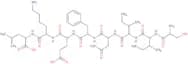
![Cyclo[Arg-Gly-Asp-D-Phe-Lys(H-Ser)]](/_next/image/?url=https%3A%2Fstatic.cymitquimica.com%2Fproducts%2F3D%2Fthumb-webp%2FPCI-3898-PI.webp&w=3840&q=75)





![[Sar1]-Angiotensin II](/_next/image/?url=https%3A%2Fstatic.cymitquimica.com%2Fproducts%2F3D%2Fthumb-webp%2FPAN-3948-PI.webp&w=3840&q=75)







![H-Asp-[Pen-Phe-Trp-Lys-Tyr-Cys]-Val-OH](/_next/image/?url=https%3A%2Fstatic.cymitquimica.com%2Fproducts%2F3D%2Fthumb-webp%2FPUT-3640-PI.webp&w=3840&q=75)















![Ac-Arg-[Cys-Met-Ava-Arg-Val-Tyr-Ava-Cys]-NH2](/_next/image/?url=https%3A%2Fstatic.cymitquimica.com%2Fproducts%2F3D%2Fthumb-webp%2FPMC-3881-PI.webp&w=3840&q=75)
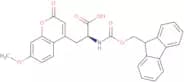

![Melittin [Cy5]](/_next/image/?url=https%3A%2Fstatic.cymitquimica.com%2Fproducts%2F3D%2Fthumb-webp%2FCRB1130465.webp&w=3840&q=75)
![Acetyl-Histone H4 (1-23) K16Ac-GG-[Lys(5-FAM)]](/_next/image/?url=https%3A%2Fstatic.cymitquimica.com%2Fproducts%2F3D%2Fthumb-webp%2FCRB1101267.webp&w=3840&q=75)

![(N-Cbz-Nle-KRR)2-[Rh110]](/_next/image/?url=https%3A%2Fstatic.cymitquimica.com%2Fproducts%2F3D%2Fthumb-webp%2FCRB1100372.webp&w=3840&q=75)

![KHLF-[AMC]](/_next/image/?url=https%3A%2Fstatic.cymitquimica.com%2Fproducts%2F3D%2Fthumb-webp%2FCRB1101150.webp&w=3840&q=75)
![Formyl-MLF-[Cys(AF488)]](/_next/image/?url=https%3A%2Fstatic.cymitquimica.com%2Fproducts%2F3D%2Fthumb-webp%2FCRB1110384.webp&w=3840&q=75)
![[5-FAM]-(KFF)3K](/_next/image/?url=https%3A%2Fstatic.cymitquimica.com%2Fproducts%2F3D%2Fthumb-webp%2FCRB1101018.webp&w=3840&q=75)
![H-Glu[Cyclo(Arg-Gly-Asp-D-Tyr-Lys)]2](/_next/image/?url=https%3A%2Fstatic.cymitquimica.com%2Fproducts%2F3D%2Fthumb-webp%2FPCI-3899-PI.webp&w=3840&q=75)
![Histone H3 (1-20) K4Me3, K9Ac, pS10-GG-[Lys(5-FAM)]](/_next/image/?url=https%3A%2Fstatic.cymitquimica.com%2Fproducts%2F3D%2Fthumb-webp%2FCRB1101265.webp&w=3840&q=75)
![[Tyr]-CNP22, Human](/_next/image/?url=https%3A%2Fstatic.cymitquimica.com%2Fproducts%2F3D%2Fthumb-webp%2FCRB1001623.webp&w=3840&q=75)
![nef peptide [Human immunodeficiency virus type 1] (73-82) acetyl/amide](/_next/image/?url=https%3A%2Fstatic.cymitquimica.com%2Fproducts%2F3D%2Fthumb-webp%2FCRB1001223.webp&w=3840&q=75)

![C-terminal Sortagging-[Cys(Sulfocyanine5)]](/_next/image/?url=https%3A%2Fstatic.cymitquimica.com%2Fproducts%2F3D%2Fthumb-webp%2FCRB1101487.webp&w=3840&q=75)




![TAT protein (28-35) [Simian immunodeficiency virus]](/_next/image/?url=https%3A%2Fstatic.cymitquimica.com%2Fproducts%2F3D%2Fthumb-webp%2FCRB1001237.webp&w=3840&q=75)
![Des-n-Octanoyl-[Ser3]-Ghrelin (Human, 1-14)](/_next/image/?url=https%3A%2Fstatic.cymitquimica.com%2Fproducts%2F3D%2Fthumb-webp%2FPGH-3646-PI.webp&w=3840&q=75)
![[Glu1]-Fibrinopeptide B](/_next/image/?url=https%3A%2Fstatic.cymitquimica.com%2Fproducts%2F3D%2Fthumb-webp%2FPFB-3742-PI.webp&w=3840&q=75)
![Cyclo[Arg-Gly-Asp-D-Phe-Lys(Biotin)]](/_next/image/?url=https%3A%2Fstatic.cymitquimica.com%2Fproducts%2F3D%2Fthumb-webp%2FPCI-3895-PI.webp&w=3840&q=75)

![C-terminal Sortagging-[Cys(AF488)]](/_next/image/?url=https%3A%2Fstatic.cymitquimica.com%2Fproducts%2F3D%2Fthumb-webp%2FCRB1110801.webp&w=3840&q=75)


![CREB327/active transcription factor CREB-A (113-126) [5-FAM] amide, Human](/_next/image/?url=https%3A%2Fstatic.cymitquimica.com%2Fproducts%2F3D%2Fthumb-webp%2FCRB1001211.webp&w=3840&q=75)


![[5-FAM]/[Lys(Dnp)]-SARS-CoV-2 S1/S2](/_next/image/?url=https%3A%2Fstatic.cymitquimica.com%2Fproducts%2F3D%2Fthumb-webp%2FCRB1101580.webp&w=3840&q=75)


![C-Terminal Sortagging-AAA-[Lys(Biotin]](/_next/image/?url=https%3A%2Fstatic.cymitquimica.com%2Fproducts%2F3D%2Fthumb-webp%2FCRB1000650.webp&w=3840&q=75)