


Peptides
Peptides are short chains of amino acids linked by peptide bonds, serving as important biological molecules that play key roles in cellular processes. They function as hormones, neurotransmitters, and signaling molecules, and are widely used in therapeutic and diagnostic applications. Peptides are also crucial in research for studying protein interactions, enzyme activities, and cell signaling pathways. At CymitQuimica, we provide a diverse selection of high-quality peptides to support your research and development needs in biotechnology and pharmaceuticals.
Subcategories of "Peptides"
Found 30471 products of "Peptides"
Sort by
Purity (%)
0
100
|
0
|
50
|
90
|
95
|
100
PAF26
<p>PAF26 is a cell penetrating antimicrobial peptide (CP-AMP) with strong activity against fungi that cause postharvest decay in fruits, such as strains of Penicillium italicum, Penicillium digitatum, and Botrytis cinerea and is also active against Fusarium oxysporum.PAF26 has reduced toxicity to Escherichia coli and Saccharomyces cerevisiae, demonstrating selectivity towards certain filamentous fungi. PAF26 is endocytically internalized at low fungicidal concentrations and accumulates in vacuoles before being actively transported into the cytoplasm where it exerts its antifungal activity. PAF26 is not lytic or cytotoxic to human cells.</p>Color and Shape:PowderMolecular weight:990.6 g/molHistone H3 (1-20) K4Me3, K9Ac, pS10-GG-[Lys(5-FAM)]
<p>Histone 3 (H3) is one of the four core histones (H2A, H2B, H3 and H4) fundamental in compacting eukaryotic DNA into the nucleosome. The nucleosome arises when 147 base pairs of DNA wrap around a H3-H4 tetramer and two H2A-H2B dimers, forming the histone octamer core. Both H4 and H3 are highly conserved and perform roles in binding to segments of DNA which enter and leave the nucleosome and in chromatin formation. Similar to the other core histone, H3 has a globular domain and a flexible N-terminal domain, 'histone tail' which can undergo modifications such as acetylation, methylation, phosphorylation and ubiquitination. The transcriptional activation or silencing of the chromatin is controlled by ATP-dependent chromatin remodelling factors and histone modifying enzymes which target histone proteins. Both processes function to alter the positioning of the nucleosome, allowing the DNA it to be either available or inaccessible to the transcription machinery.The lysine at position 4 of this peptide has been tri-methylated and it is implicated in studies that this modification may remodel the chromatin so that it is more accessible to transcription factors, which may ultimately increase the level of gene expression. The lysine at position 9 has been acetylated, which neutralizes the positive charge on the amino acid, loosening the chromatin structure. This alteration to the accessibility of chromatin promotes the initiation of transcription. Moreover, the serine at position 10 has been phosphorylated, and studies have suggested that this may induce chromatin condensation, and subsequently repress transcription and gene expression.This peptide contains a C-terminal GGK linker labelled with 5-Carboxyfluorescein (5-FAM), a widely used green fluorescent tag. This peptide also has an uncharged C-terminal amide.</p>Molecular weight:2,946.5 g/molSBP2
<p>Truncated version of SBP1, the fragment of the angiotensin-converting enzyme 2 (ACE2) peptidase domain (PD) alpha1 helix important for the interaction of ACE2 with the severe acute respiratory syndrome (SARS coronavirus receptor binding domain (SARS-CoV-2-RBD). Unlike SBP1, SBP2 does not associate with the spike RBD protein.</p>HSA (55-66)
<p>The HSA (55-66) peptide is derived from human serum albumin (HSA), a protein present in the blood plasma. It is involved in the transportation of compounds through the blood stream, the maintenance of osmotic blood pressure and could be used to improve drug delivery.</p>Color and Shape:PowderMolecular weight:1,455.7 g/molHistone H3 (32-38) K36Me2
<p>Histone H3 (32-38) K36Me2 is derived from Histone 3 (H3) which is one of the four core histones (H2A, H2B, H3 and H4) fundamental in compacting eukaryotic DNA into the nucleosome. The nucleosome arises when 147 base pairs of DNA wrap around a H3-H4 tetramer and two H2A-H2B dimers, forming the histone octamer core. Both H4 and H3 are highly conserved and perform roles in binding to segments of DNA which enter and leave the nucleosome and in chromatin formation. Similar to the other core histone, H3 has a globular domain and a flexible N-terminal domain, 'histone tail' which can undergo modifications such as acetylation, methylation, phosphorylation and ubiquitination. Due to histones containing a large number of lysine and arginine residues they have a positive net charge which interacts in an electrostatic manner with the negatively charged phosphate groups in DNA. The transcriptional activation or silencing of the chromatin is controlled by ATP-dependent chromatin remodelling factors and histone modifying enzymes which target histone proteins. Both processes function to alter to change the positioning of the nucleosome, allowing the DNA it to be either available to the transcription machinery or inaccessible.The Histone H3 (32-38) lysine 36 has been dimethylated.</p>Molecular weight:713.4 g/molβ-Amyloid (1-11) Biotin
<p>β-Amyloid 1-11 (Aβ1-11) is one of many short Aβ species found in vivo and is formed by the cleavage of amyloid β precursor protein by β- and α-secretase. Amyloid β-protein (Aβ) has been identified as the key subunit of the extracellular plaques found in the brains of patients with Alzheimer disease (AD) and Down syndrome (DS). Aβ has therefore been extensively studied as a potential target for treatment of AD.Aβ is formed from the cleavage of the large, transmembrane protein- APP (amyloid precursor protein). Cleavage of APP by β- and then &γ--secretases results in the formation of Aβ. Aβ can aggregate to produce amyloid-β oligomers, which are thought to be highly neurotoxic. Over time Aβ can further aggregate to produce the characteristic senile plaques present in AD and DS. Aβ can be degraded by enzymes such as neprilysin, insulin degrading enzyme or endothelin converting enzyme. At physiological levels Aβ may be involved in controlling synaptic activity and neuronal survival.Biotin is C-terminally linked to the peptide via ethylenediaminefor convenient detection and purification. Alternative β-Amyloid fragments and labels are also available, please refer to our peptide catalogue for availability.</p>Molecular weight:1,592.7 g/molB-peptide
<p>B-peptide is an arginine-rich cell-penetrating peptide which can be used in a chimeric fusion peptide which includes a morpholino oligomer (PMO). B-peptide enables the convalently conjugated PMOs or peptides to be transported across cell membranes and can therefore be a useful tool in delivering targeted therapies.</p>Molecular weight:1,861.2 g/molPD-1 (21-35)
<p>PD-1 (21-35) peptide is derived from the programmed cell death-1 (PD-1) which interacts with its ligand, PD-L1 to regulate immune homeostasis. PD-1 and its ligand PD-L1 are critical in regulating T cell activation, tolerance and immuno-pathology. PD-1 is an immune checkpoint and guards against autoimmunity through two mechanisms. First, it promotes apoptosis of antigen-specific T-cells in lymph nodes. Second, it reduces apoptosis in regulatory T cells.Several types of cancer cells overexpress PD-L1 in order to escape from the PD-1/PD-L1 immuno-surveillance mechanism. Consequently PD-1 inhibitors and PD-L1 inhibitors could be used as a therapeutic in the treatment of cancers.</p>Color and Shape:PowderMolecular weight:1,778.9 g/molAllergen Ara h 1 (560-572)
<p>Ara h 1 is one of the major allergenic proteins from peanut (Arachis hypogaea) which contains approximately 13 potential allergenic proteins.Ara h 1 is a member of the 7/8 S globulin (vicilin) family of seed storage proteins belonging to the cupin superfamily and is the most abundant allergen present in the peanut kernel. Ara h 1 plays an important role in the allergy sensitising procedure and can be recognised by 90% of patients with a peanut allergy.This peptide represents a tryptic peptide of Ara h 1.</p>Color and Shape:PowderMolecular weight:1,375.7 g/molBIM 187
<p>Bombesin/GRP receptor agonist derived from the pro-apoptotic protein BIM, which is a member of the BCL-2 family proteins and activates the BAX and BAK proteins to promote apoptosis.The process of apoptosis can be activated by the intrinsic or extrinsic pathways, the former is activated by stress stimuli such as DNA damage and nutrient deficiency, while the latter is induced through activation of the death receptors FAS and TRAIL.The BCL-2 family's transmembrane anchor at the C-terminus allows them to locate at the mitochondrial outer membrane and play a vital role in apoptosis.Within the mitochondria BIM is a member of the BH3 molecules alongside, BIM, PUMA and NOXA which can all be activated by the intrinsic pathway. These in turn can initiate the homo-oligomerisation of BAX and BAK which induce mitochondrial outer membrane permeabilisation (MOMP) and the release of cytochrome c into the cytosol. Here cytochrome c associates with APAF-1 and dATP, ultimately activating effector caspase3/7 and apoptosis.BIM can be activated by CHOP-mediated transcription and phosphatase 2A-mediated dephosphorylation during endoplasmic reticulum stress. However when BIM is phosphorylated it undergoes degradation by the proteasome.</p>Molecular weight:1,068.6 g/molKHLF-[AMC]
<p>Peptide substrate for the kallikrein-related peptidase 7 (KLK7), the most abundant KLK family protease in the stratum corneum (outermost layer of the epidermis). KLK family have been implicated in several key homeostatic processes and in skin diseases that feature impaired desquamation. Increased levels of KLK7, have been identified in the stratum corneum of patients with atopic dermatitis (AD). T-helper type 2 cytokines, including interleukin 4 (IL-4) and-IL-13, can stimulate expression of KLK7, suggesting a direct link between inflammation in AD and KLK7 levels.KLK7 cleaves its substrates after tyrosine or phenylalanine residues. This peptide contains a C-terminal 7-amino-4-methylcoumarin (AMC) fluorescent tag, which is quenched when linked to the peptide via the amide bond. AMC is cleaved from the peptide by KLK7, upon cleavage the AMC fluorescence is activated.</p>Color and Shape:PowderMolecular weight:700.4 g/molOvalbumin (324-338), chicken, quail
<p>Ovalbumin (OVA) is the primary protein in egg-white, and is involved in initiating food allergies and asthma. It is a highly immunogenic protein and can be used for peptide conjugation in the development of antibodies.OVA (324-338) is a class I (Kb)-restricted peptide epitope of OVA. The ovalbumin fragment is presented by the class I MHC molecule, H-2Kb.</p>Molecular weight:1,559.8 g/molFz7-21
<p>Binds to the cysteine rich domain of the Frizzled 7 receptor and inhibits Wnt signalling in cultured cells and stem cell function in intestinal organoids.</p>Color and Shape:PowderMolecular weight:1,794.8 g/molDYKDDDDK FLAG peptide
<p>Highly specific protein tag that can be added to a protein using recombinant DNA technology. FLAG is an artificial antigen to which high affinity monoclonal antibodies have been raised, therefore allowing for highly effective protein purification by affinity chromatography as well as accurate localisation of FLAG tagged proteins within living cells, or Western blots. FLAG peptide can be used to effectively purify complexes with multiple proteins as its mild purification procedure tends not to disrupt such complexes. It can be used to obtain proteins of sufficient purity for x-ray crystallography.</p>Molecular weight:1,012.4 g/molTetanus Toxin (1084-1099)
<p>Tetanus Toxin (1084-1099) is a protein that is derived from the single-chain polypeptide neurotoxin produced by Clostridium tetani. The neurotoxins produced by Clostridium tetani are among the most potent molecules known to humankind. Once in the body, the toxin binds to the basal lamina at the neuromuscular junction. From here, the toxin is transported to inhibitory interneurons in the spinal cord, where it prevents the release of neurotransmitters, which causes spastic paralysis.</p>Molecular weight:1,878.1 g/molCSK substrate
<p>Substrate peptide for C-terminal Src kinase (Csk) for use in kinase assays. Csk is a cytosolic tyrosine kinase that is closely related to the kinase Src and is a well-known negative regulator of Src family kinases. Csk has both tumour suppressor and oncogenic properties and has also been implicated in regulating blood pressure, making Csk a novel therapeutic target for hypertension disorders.</p>Color and Shape:PowderMolecular weight:1,504.8 g/molCecropin-B
CAS:<p>Cecropins are a lytic peptide family, originally isolated from Hyalophora cecropia. Cecropin-B is a cationic helical peptide that can form pores, this is believed to be the reason for its such potent lytic activity. Cecropin-B has been shown to be effective against both Gram-positive and Gram-negative bacteria plus numerous cancer cell lines including multidrug-resistant types. The ability to insert into the cell membrane and lead to pore formation is attributed to the amphipathic groups present creating amphipathic regions. The effectiveness of cecropin-B on cancer cells has led to further use of the peptide as a model for potential new anticancer drugs including cyclic cationic forms.</p>Color and Shape:PowderMolecular weight:3,832.3 g/molApolipoprotein KV domain (67 - 77)
<p>Vascular lipid deposition and altered lipid profiles are typical when unregulated angiogenesis is occurring, it is often seen in vascular disorders such as cancer and atherosclerosis. Apolipoprotein a (ApoA) functions as part of the lipid transporter complex high-density lipoproteins (HDL) to ensure lipid homeostasis and therefore the balance of angiogenesis. Within ApoA the Kringle5 (KV) domain (67 - 77), also known as KV11, has been identified as the region of ApoA that exerts anti-angiogenic effect. KV11 was shown in tumour cells to inhibit angiogenesis and consequently inhibits tumour progression. KV11 targets the angiogenesis c-Src/ERK pathway by blocking the activation signals received from vascular endothelial growth factor (VEGF). KV11 provides a new research potential for an anti-angiogenesis and anti-tumour therapeutic agent.</p>Molecular weight:1,447.66 g/molAT2 Blocking Peptide
<p>A synthetic AT2 Blocking peptide for use as a blocking control in assays to test for specificity of AT2 antibody, catalog no. 70R-AR006</p>Purity:Min. 95%H-Ser(tBu)-2-ClTrt-Resin (100-200 mesh) 1% DVB
<p>H-Ser(tBu)-2-ClTrt-Resin (100-200 mesh) 1% DVB is a resin that is designed for the synthesis of peptides. It can be used as a building block and has been shown to react with thiols, alcohols, amines, and other building blocks.</p>Purity:Min. 95%Fmoc-Ala-Wang Resin (100-200 mesh) 1% DVB
<p>This is a vivitide catalogue product. Please send your vivitide product enquiry to sales@vivitide.com for an up-to-date price and availability.</p>Purity:Min. 95%Fmoc-Arg(Pbf)-Wang Resin (100-200 mesh) 1% DVB
<p>Fmoc-Arg(Pbf)-Wang resin is a building block for the synthesis of peptides. It is a resin that is used for the solid phase synthesis of peptides and oligonucleotides with Fmoc chemistry. This resin is provided in powder form, as well as in various particle sizes from 100 to 200 mesh. The resin has been shown to be stable in the presence of DIC/HOBT coupling reactions and can be used with other resins for automated peptide synthesizers.Substitution: 0.3meq/gSwelling: 4.4ml/g (DCM - 30min)</p>Purity:Min. 95%H-His(Trt)-2-ClTrt-Resin (100-200 mesh) 1% DVB
<p>H-His(Trt)-2-ClTrt-Resin (100-200 mesh) 1% DVB is a resin that is used in the synthesis of peptides. It is a building block for synthesizing peptides and proteins. H-His(Trt)-2-ClTrt-Resin (100-200 mesh) 1% DVB is also used as an alcohol for amine coupling. This resin has been shown to be useful in the synthesis of thiols, amines, and building blocks.</p>Purity:Min. 95%GO-CoA-Tat (Rat, Mouse)
<p>GO-CoA-Tat is a cell-penetrating peptide that inhibits ghrelin O-acyltransferase, a key enzyme in the production of ghrelin. GO-CoA-Tat has been shown to reduce body weight and improve glucose tolerance in animal models of obesity. It has also been shown to be an effective inhibitor of cell proliferation.</p>Formula:C146H245N54O47P3SPurity:Min. 95%Molecular weight:3,633.92 g/molOD1 Toxin
<p>OD1 toxin is a peptide that belongs to the scorpion family. It is a potent activator of voltage-gated sodium channels and has been shown to be effective in the treatment of pain, inflammation, and other neurological disorders. OD1 toxin also has the ability to regulate the release of neurotransmitters in the central nervous system. The peptides are produced by Odonthobuthus doriae and are structurally rich in disulfide bonds. These molecules have been shown to act as channel activators, which bind to voltage-gated sodium channels at depolarized membrane potentials, increasing neuronal excitability and triggering action potentials.</p>Formula:C308H466N90O95S8Purity:Min. 95%Molecular weight:7,206.21 g/molH-ε-Aca-2-ClTrt-Resin (100-200 mesh) 1% DVB
<p>H-ε-Aca-2-ClTrt-Resin (100-200 mesh) is a resin that can be used for peptide synthesis. It is a building block which contains amines, thiols and alcohols. It also contains DVB (dibenzylideneacetone) which is an additive that stabilizes the resin and prevents it from swelling or dissolving. The resin will be soluble in organic solvents such as chloroform and methanol. H-ε-Aca-2-ClTrt-Resin (100 - 200 mesh) is used for peptide synthesis because it provides good yields of product with low side reactions.</p>Purity:Min. 95%Fmoc-ß-Ala-Rink-Amide MBHA Resin
<p>Fmoc-ß-Ala-Rink-Amide MBHA Resin is a peptide synthesis resin that can be used in the production of peptides and proteins. It is an activator for antibody production, as well as an inhibitor of ion channels. Fmoc-ß-Ala-Rink-Amide MBHA Resin also has high purity and excellent solubility. This product is used in life science research to study protein interactions and receptor pharmacology.</p>Purity:Min. 95%Abz-Ala-Pro-Glu-Glu-Ile-Met-Arg-Arg-Gln-EDDnp
CAS:<p>Abz-Ala-Pro-Glu-Glu-Ile-Met-Arg-Arg-Gln-EDDnp is a peptide that is an elastase substrate derived from PAI-1</p>Formula:C61H93N21O19SPurity:Min. 95%Molecular weight:1,456.59 g/molFmoc-Thr(tBu)-Rink-Amide MBHA Resin
<p>Fmoc-Thr(tBu)-Rink-Amide MBHA Resin is a resin that can be used for the synthesis of peptides. It is an inhibitor of Protein interactions, Activator, Ligand, and Receptor. This resin can be used in research to study ion channels and antibodies. Fmoc-Thr(tBu)-Rink-Amide MBHA Resin is also a high purity product with CAS No.</p>Purity:Min. 95%Calcitonin (salmon) acetate
CAS:Controlled Product<p>Calcitonin (salmon) acetate is a peptide hormone that is naturally produced by the parafollicular cells of salmon. It contains a disulphide bridge between two cysteine residues, which is crucial for its biological activity. This hormone plays an important role in regulating calcium levels in the body and is commonly used in life sciences research. Calcitonin (salmon) acetate has been shown to have potent effects on bone metabolism, making it a valuable tool for studying osteoporosis and other bone disorders. Its unique structure and function make it an essential component of biochemical studies and research in the field of endocrinology.</p>Formula:C145H240N44O48S2•(C2H4O2)xPurity:Min. 95%Color and Shape:PowderKGF 2 Human
<p>KGF 2 is a recombinant human protein that binds to the KGFR-2 receptor, which regulates cell growth and differentiation. It is a potent inhibitor of cell proliferation and has been shown to inhibit the growth of breast cancer cells in vitro. The KGF 2 peptide is synthesized as a fusion protein with six histidine residues on the N-terminus and two cysteine residues on the C-terminus. This product can be used as a research tool, as well as an antibody for immunodetection of KGFR-2 protein in tissue culture.</p>Purity:Min. 95%Tylotoin
<p>Tylotoin is a peptide that has been shown to have a proliferative effect on endothelial cells. It also acts as an inhibitor of cell proliferation in keratinocytes and fibroblasts, without affecting the proliferation of other cell types. Tylotoin is structurally similar to the disulfide-rich peptides from the salamander Tylototriton verrucosus, which are known for their wound healing properties. The proliferative effects of tylotoin are thought to be due to its ability to inhibit the proteolytic enzymes that degrade extracellular matrix proteins in endothelial cells.</p>Formula:C59H108N24O16S2Purity:Min. 95%Molecular weight:1,473.8 g/molFmoc-Gly-Arg(Pbf)-OH
<p>Fmoc-Gly-Arg(Pbf)-OH is a dipeptide building block that can be used in the synthesis of peptides. It is an analogue of Gly-Pro and Arg(Pbf)-OH, which are also dipeptide building blocks. The properties of Fmoc-Gly-Arg(Pbf)-OH make it suitable for peptide synthesis through solid phase chemistry. Dipeptides are important tools for the synthesis of peptides, as they are easy to handle and modify. They are also used as building blocks for constructing more complex molecules such as proteins or nucleic acids.</p>Formula:C36H43N5O8SPurity:Min. 95%Molecular weight:705.84 g/molIL 6 Mouse
<p>IL-6 Mouse is a recombinant protein that belongs to the cytokine family. It has been shown to activate IL-6 receptor. This receptor is a member of the GPCR family and possesses seven transmembrane domains with a large extracellular loop between TM2 and TM3. The extracellular domain contains binding sites for two different classes of ligands, including peptides and proteins. IL-6 Mouse is an antibody against IL-6 receptor that can be used as a research tool in pharmacology, protein interactions, cell biology, or immunology.<br>IL-6 Mouse is produced by high purity process and it contains no detectable levels of endotoxin or pyrogens.</p>Purity:>96% By Sds-Page And Rp-Hplc.TentaGel® HL-NH2 Resin
<p>TentaGel resin; constructed with a backbone of low cross-linked polystyrene grafted with polyoxyethylene (polyethylene glycol). The typical chain length of POE (n) is approximately 68 ethylene oxide units or an average MW of 3000. This long chain creates a spacer that effectively separates the reactive site (X) from the crosslinked backbone matrix.<br>TentaGel; HL (High Load) (mean particle size 110 µm: capacity 04-06 meq/g)</p>Purity:Min. 95%FK18
<p>FK18 is a basic fibroblastic growth factor that has been shown to promote neuronal survival and is neuroprotective. It also can prevent glutamate-induced neurotoxicity in the central nervous system (CNS) by inhibiting glutamate release from the synaptic cleft, which leads to neuronal death. FK18 has been shown to have anti-inflammatory properties, which may be due to its ability to inhibit the production of prostaglandins and other inflammatory mediators. FK18 has also been shown to reduce necrotic cell death by decreasing mitochondrial membrane potential.</p>Formula:C107H155N31O31Purity:Min. 95%Molecular weight:2,371.62 g/molOvalbumin (257-264) (chicken) acetate salt
CAS:<p>Ovalbumin (257-264) is an acetate salt of a fragment of the protein ovalbumin.</p>Formula:C45H74N10O13Purity:Min. 95%Color and Shape:SolidMolecular weight:963.13 g/molH-Lys-Asp-OH
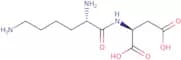
CAS:<p>H-Lys-Asp-OH is a molecule that binds to the receptor binding molecule for the colony stimulating factor. It has been shown to be effective in protecting against experimental models of hepatic steatosis and monoclonal antibody induced liver injury. The therapeutic potential of H-Lys-Asp-OH is being investigated as a treatment for human hepatic steatosis, which is a condition characterized by high levels of fat in the liver. This drug also has pharmacokinetic properties that are important in its use as an experimental model for studying the effects of antibiotics on bacterial DNA synthesis, and as a diagnostic tool for detecting antibiotic resistant bacteria.</p>Formula:C10H19N3O5Purity:Min. 95%Color and Shape:White PowderMolecular weight:261.28 g/molLL-37 amide trifluoroacetate
CAS:<p>Please enquire for more information about LL-37 amide trifluoroacetate including the price, delivery time and more detailed product information at the technical inquiry form on this page</p>Formula:C205H341N61O52•(C2HF3O2)xPurity:Min. 95%Color and Shape:PowderMolecular weight:4,492.28 g/molH-Ile-Asn-OH
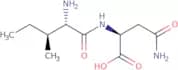
CAS:<p>H-Ile-Asn-OH is a chloroplastic amide that is used as a substrate in polymerase chain reactions. It can be used to study the structure of proteins and enzymes by the use of monoclonal antibodies. H-Ile-Asn-OH has been sequenced and assayed, and found to have high binding affinity for carboxylate groups. This chemical has been shown to have multidomain structures as well as an isotype that is specific for triticum aestivum. H-Ile-Asn-OH may also be involved in plant physiology due to its role in photosynthesis.</p>Formula:C10H19N3O4Molecular weight:245.28 g/molH-D-Tyr-Val-NH2
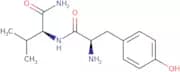
CAS:<p>H-D-Tyr-Val-NH2 is a regulatory group that acts as the prosthetic group for a number of peptidyl and peptide hormones. H-D-Tyr-Val-NH2 is also involved in catalytic mechanism, as it is the amino acid responsible for the formation of peptide bonds in proteins. H-D-Tyr-Val-NH2 is found in high concentrations in the cerebriform tissue and has been shown to be important for the biosynthesis of amides, which are prohormones. H-D-Tyr-Val NH2 also participates in a number of cellular reactions, including those that have a kinetic rate.</p>Formula:C14H21N3O3Molecular weight:279.33 g/molEpitope2-S133-A145-A
<p>Research peptide matching Epitope2-S133-A145-A</p>Formula:C76H114N20O23SColor and Shape:PowderMolecular weight:1,725.92 g/molBoc-LFGGY-OH
<p>Peptide Boc-LFGGY-OH is a Research Peptide with significant interest within the field academic and medical research. This peptide is available for purchase at Cymit Quimica in multiple sizes and with a specification of your choice.</p>Retatrutide
CAS:<p>GLP-1, GIP, and GCGR2 mimic; Obesity research</p>Formula:C221H342N46O68Purity:Min. 99 Area-%Molecular weight:4,731.33 g/molH3 native 6-peptide mixture
<p>H-STQAAIDQINGK-OHH-STQAAIDQISGK-OHH-SDAPIGK-OHH-DEALNNR-OHH-EFSEVEGR-OHH-TITNDR-OHPeptide purity: >98%AAA: Concentration - Duplicate100 aliquots/pack total to equal 1nmol/peptide/vial dry aliquots</p>JT003 trifluoroacetate
<p>Adiponectin receptor (AdipoR1/AdipoR2) agonist.</p>Formula:C46H62N8O9•(C2HF3O2)xMolecular weight:871.03 g/molCMVpp65 - 29 (VYALPLKMLNIPSIN)
<p>Custom research peptide; min purity 95%. For different specs please use the Peptide Quote Tool</p>Molecular weight:1,686.1 g/molα-CGRP (mouse, rat)
CAS:<p>Endogenous calcitonin gene-related peptide receptor (CGRP) agonist which is secreted in both peripheral and central neurons. It is a potent vasodilator and can function in the transmission of nociception as well as acting as an appetite suppressant and contributing to gastric acid secretion. It also has a function in temperature homeostasis, increases heart rate, and can play a role in the release of the pituitary hormone.</p>Formula:C162H262N50O52S2Purity:Min. 95%Color and Shape:PowderMolecular weight:3,806.25 g/molH-Glu[Cyclo(Arg-Ala-Asp-D-Phe-Lys)]2
<p>H-Glu[Cyclo(Arg-Ala-Asp-D-Phe-Lys)]2 is a peptide macrocycle with a cyclic structure. It belongs to the group of biologically active peptides and biochemicals. The peptide macrocycle has an RGD sequence that binds to integrin receptors on cells, which are involved in cell adhesion, migration, and proliferation. This peptide can be used as an agent for cancer research or as a drug to treat cardiovascular diseases.</p>Formula:C61H91N19O16Purity:Min. 95%Molecular weight:1,346.52 g/mol

![Histone H3 (1-20) K4Me3, K9Ac, pS10-GG-[Lys(5-FAM)]](/_next/image/?url=https%3A%2Fstatic.cymitquimica.com%2Fproducts%2F3D%2Fthumb-webp%2FCRB1101265.webp&w=3840&q=75)
![KHLF-[AMC]](/_next/image/?url=https%3A%2Fstatic.cymitquimica.com%2Fproducts%2F3D%2Fthumb-webp%2FCRB1101150.webp&w=3840&q=75)






![H-Glu[Cyclo(Arg-Ala-Asp-D-Phe-Lys)]2](/_next/image/?url=https%3A%2Fstatic.cymitquimica.com%2Fproducts%2F3D%2Fthumb-webp%2FPCI-3979-PI.webp&w=3840&q=75)