


Peptides
Peptides are short chains of amino acids linked by peptide bonds, serving as important biological molecules that play key roles in cellular processes. They function as hormones, neurotransmitters, and signaling molecules, and are widely used in therapeutic and diagnostic applications. Peptides are also crucial in research for studying protein interactions, enzyme activities, and cell signaling pathways. At CymitQuimica, we provide a diverse selection of high-quality peptides to support your research and development needs in biotechnology and pharmaceuticals.
Subcategories of "Peptides"
Found 30479 products of "Peptides"
Sort by
Purity (%)
0
100
|
0
|
50
|
90
|
95
|
100
Lysostaphin Recombinant
<p>Lysostaphin is a bacteriolytic enzyme that is produced by the bacteria Staphylococcus simulans. It cleaves the cross-linked pentaglycine bridges in bacterial cell walls which are essential for their structural integrity. Lysostaphin displays a broad spectrum of activity against Gram-positive and Gram-negative bacteria, including methicillin-resistant Staphylococcus aureus (MRSA). The recombinant form of lysostaphin has been expressed in E. coli and can be used to produce large quantities of lysostaphin for therapeutic use. Expression of lysostaphin in E. coli has also allowed for the production of other polypeptides with antimicrobial properties, such as the clostridial bacteriocins and staphylokinase.</p>Purity:>95% By Rp-HplcAc-Arg-[Cys-Met-Ava-Arg-Val-Tyr-Ava-Cys]-NH2
<p>Ac-Arg-[Cys-Met-Ava-Arg-Val-Tyr-Ava-Cys]-NH2 is a peptide that has antagonist activity against melanin, the hormone receptor. This peptide can be used to treat skin pigmentation disorders such as vitiligo, which is an autoimmune disorder in which the melanocytes are destroyed. Ac-Arg-[Cys-Met-Ava-Arg-Val-Tyr-Ava-Cys]-NH2 is also an aminovaleric acid derivative, which can inhibit the production of aminovaleric acid and related compounds.</p>Formula:C49H82N16O11S3Purity:Min. 95%Molecular weight:971.22 g/molSuc-Ala-Pro-Ala-pNA
CAS:<p>Suc-Ala-Pro-Ala-pNA is a synthetic substrate that inhibits serine proteases. It has been shown to inhibit thrombin, trypsin, and chymotrypsin at low concentrations. Suc-Ala-Pro-Ala-pNA is used as an anticoagulant in rat neutrophils and it has also been found to have chemotactic activity for neutrophils at high concentrations. The substrate was also found to be an efficient method of detecting the presence of protease activity in plant physiology experiments. In addition to its use as a proteinase inhibitor, Suc-Ala-Pro-Ala-pNA can also be used as an antiplatelet agent.</p>Formula:C21H27N5O8Purity:Min. 95%Molecular weight:477.47 g/molSuc-Ala-Ala-Pro-Trp-pNA
<p>Suc-Ala-Ala-Pro-Trp-pNA is a peptide that is used as a substrate for elastase. This peptide has been shown to be an effective substrate for this enzyme, with a Km of 0.8 mM and an kcat of 2.6 x 10 M/s. Suc-Ala-Ala-Pro-Trp-pNA is also used as a substrate for pancreatic enzymes such as trypsin and chymotrypsin, with Km values of 1.1 and 0.5 mM respectively. It has been shown to inhibit the activity of these enzymes by forming inactive complexes with them.</p>Formula:C32H37N7O9Purity:Min. 95%Molecular weight:663.69 g/molApolipoprotein KV domain (67 - 77)
<p>Vascular lipid deposition and altered lipid profiles are typical when unregulated angiogenesis is occurring, it is often seen in vascular disorders such as cancer and atherosclerosis. Apolipoprotein a (ApoA) functions as part of the lipid transporter complex high-density lipoproteins (HDL) to ensure lipid homeostasis and therefore the balance of angiogenesis. Within ApoA the Kringle5 (KV) domain (67 - 77), also known as KV11, has been identified as the region of ApoA that exerts anti-angiogenic effect. KV11 was shown in tumour cells to inhibit angiogenesis and consequently inhibits tumour progression. KV11 targets the angiogenesis c-Src/ERK pathway by blocking the activation signals received from vascular endothelial growth factor (VEGF). KV11 provides a new research potential for an anti-angiogenesis and anti-tumour therapeutic agent.</p>Molecular weight:1,447.66 g/molCecropin-B
CAS:<p>Cecropins are a lytic peptide family, originally isolated from Hyalophora cecropia. Cecropin-B is a cationic helical peptide that can form pores, this is believed to be the reason for its such potent lytic activity. Cecropin-B has been shown to be effective against both Gram-positive and Gram-negative bacteria plus numerous cancer cell lines including multidrug-resistant types. The ability to insert into the cell membrane and lead to pore formation is attributed to the amphipathic groups present creating amphipathic regions. The effectiveness of cecropin-B on cancer cells has led to further use of the peptide as a model for potential new anticancer drugs including cyclic cationic forms.</p>Color and Shape:PowderMolecular weight:3,832.3 g/molPTD-p65-P1 Peptide
<p>The nuclear transcription factor NF-kappaB up regulates gene expression during inflammation and has critical roles in carcinogenesis, anti-apoptosis, invasion, and metastasis. This has led to the search for specific inhibitors of NF-kappaB to help study NF-kappaB for possible treatments for inflammatory diseases and cancer in the future.NF-kappaB is held in an inactive state in the cytoplasm as a heterodimer containing a p65 subunit. Signalling leads to revealing of a hidden nuclear localisation sequence within p65, phosphorylation of p65, and translocation to the nucleus. p65 binds to DNA and ultimately transcription of specific genes. Therefore, finding an inhibitor of the nuclear localisation sequence and phosphorylation of the p65 subunit is an attractive target.A peptide named PTD-p65-P1 was generated from the p65 DNA binding domain mimicking the phosphorylated state, attached to a membrane-translocating peptide sequence generated from antennapedia (PTD). PTD-p65-P1 has been shown to inhibit NF-kappaB binding to DNA in a dose dependent manner. This activity was also known to be specific for NF-kappaB inhibition. The inhibition of NF-kappaB activity by PTD p65-P1 was shown to be effective against a range of stimuli including cigarette smoke, interleukin 1 and hydrogen peroxide which suggests the inhibitor acts on a common step against these stimuli. The presence of PTD p65-P1 inhibits the cytoplasmic p65 subunit phosphorylation or translocation. The reporter genes tested for NF-kappaB activity showed down regulation of gene expression in the presence of PTD-p65-P1 peptide. The evidence is compelling that this peptide could be a suitable model for a selective specific inhibitor of NF-kappaB activity for therapeutic use in the future.</p>Color and Shape:PowderMolecular weight:3,827.1 g/molNeuropeptide Y (3-36) Human,Rat
<p>Neuropeptide Y (NPY) is a peptide involved in the gut-brain axis. Neurons express it in both the brain and the gut. However, expression is significantly increased upon nerve injury. NPY is the most abundant neuropeptide within the brain and is expressed by many neuronal systems, and several important pathways utilising NPY as a neurotransmitter have been identified. Mammalian NPY acts as a vasoconstrictor by affecting blood pressure around peripheral nerves, while it also acts on food intake and emotional regulation.The primary receptor subtypes on which NPY acts in the brain are the Y1 and Y2 receptors but also include Y4, Y5 and y6 (a human pseudogene). Y1 and Y2 increase blood pressure, Y1 and Y5 increase food intake, and Y2 and Y4 decrease food intake.NPY has been linked to psychiatric disorders such as anxiety and depression. Low levels of NPY have been observed in patients with major depressive disorder. Rodent models are used to understand better NPY and its receptors' role in emotional regulation.</p>Molecular weight:4,271.69 g/molH-Arg-Gly-Tyr-Val-Tyr-Gln-Gly-Leu-OH
<p>H-Arg-Gly-Tyr-Val-Tyr-Gln-Gly-Leu-OH is a peptide that can be used as a research tool to study protein interactions. It is also an excellent pharmacological tool for the study of ion channels, receptors, and ligands. The peptide has been shown to have antibacterial activity against Staphylococcus aureus and Escherichia coli.</p>Formula:C44H66N12O12Purity:Min. 95%Molecular weight:955.09 g/molKisspeptin 14 human
<p>The biologically active C-terminal region of Kisspeptin. Kisspeptin, is cleaved from a 145 amino acid precursor to a 54 amino acid peptide in humans and a 52 amino acid peptide in mice. Smaller isoforms of 14, 13 and 10 amino acids have also been isolated in humans, each sharing the common C-terminal sequence. Kisspeptin-14 (KP-14) has equivalent receptor binding efficiency and potency to full length Kisspeptin.Kisspeptin, a product of the KISS1 gene, is a hypothalamic neuropeptide that stimulates gonadotropin-releasing hormone (GNRH) neurons and drives fertility. When energy balance is severely altered (either negatively or positively), Kiss1 expression and fertility are compromised. Kisspeptin neurons are responsible for the transmission of key homeostatic information to GNRH neurons, which is likely to mediate the link between energy balance and fertility. Leptin, ghrelin, pro-opiomelanocortin (POMC), and neuropeptide Y (NPY) have been suggested as modulators of this process.Kisspeptin binds specifically to the G-protein-coupled receptor-54, now known as Kiss1r, which is expressed in almost all GNRH neurons. Kisspeptin plays an essential role in reproduction, and Kiss1r mutations have been isolated in cases of defects in sexual development. Kiss1r is also expressed in other areas of the brain and periphery, highlighting other possible roles for kisspeptin outside of reproduction. Due to kisspeptins importance in reproduction it is synthesized in excess to ensure reproductive success.</p>Color and Shape:PowderMolecular weight:1,740.8 g/molRhTx
<p>A 27 amino acid peptide toxin from the venom of the Chinese red-headed centipede and a potent activator of TRPV1 capsaicin receptor, inducing intense pain. This product is available in the salt form: trifluoroacetate and has the following disulfide Bonds: Cys1-Cys3, Cys2-Cys4.</p>Formula:C123H201N37O40S4Purity:Min. 95%Molecular weight:2,966.45 g/molβ-Amyloid (1-12) Human
<p>Amyloid β-peptide (Aβ) has been identified as the key subunit of the extracellular plaques found in the brains of patients with Alzheimer's disease (AD) and Down's syndrome (DS). Aβ has therefore been extensively studied as a potential target for treatment of AD. Aβ is formed from the cleavage of the large, transmembrane protein- APP (amyloid precursor protein). Cleavage of APP by β- and then γ-secretases results in the formation of Aβ. Aβ can aggregate to produce amyloid-β oligomers, which are thought to be highly neurotoxic. Over time Aβ can further aggregate to produce the characteristic senile plaques present in AD and DS. Aβ can be degraded by enzymes such as neprilysin, insulin degrading enzyme or endothelin converting enzyme. At physiological levels Aβ may be involved in controlling synaptic activity and neuronal survival.</p>Molecular weight:1,424.43 g/molFz7-21
<p>Binds to the cysteine rich domain of the Frizzled 7 receptor and inhibits Wnt signalling in cultured cells and stem cell function in intestinal organoids.</p>Color and Shape:PowderMolecular weight:1,794.8 g/molOvalbumin (324-338), chicken, quail
<p>Ovalbumin (OVA) is the primary protein in egg-white, and is involved in initiating food allergies and asthma. It is a highly immunogenic protein and can be used for peptide conjugation in the development of antibodies.OVA (324-338) is a class I (Kb)-restricted peptide epitope of OVA. The ovalbumin fragment is presented by the class I MHC molecule, H-2Kb.</p>Molecular weight:1,559.8 g/molL57
<p>The blood-brain barrier (BBB) is a major obstacle to drug delivery into the central nervous system (CNS), in particular for macromolecules such as peptides and proteins. However, certain macromolecules can reach the CNS via a receptor-mediated transcytosis (RMT) pathway, and low-density lipoprotein receptor-related protein 1 (LRP1) is one of the promising receptors for RMT. L57 can therefore be used for the development of RMT-based drugs for the treatment of CNS diseases.</p>Color and Shape:PowderMolecular weight:2,842.3 g/mol(Arg8) Vasotocin
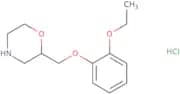
<p>(Arg8) Vasotocin (AVT) is a member of the neurohypophyseal hormone family which contains 9 amino acids with the cysteines at positions 1 and 6 linked through a disulphide bridge. Within the central nervous system of lower vertebrates, AVT has been shown to play a role as a neuromodulator and controls reproductive behaviour. Furthermore it regulates osmotic and electrolyte balance and blood pressure within the periphery. In the mammalian brain AVT functions through arginine vasopressin (AVP) or oxytocin receptor cross-reactions. Mice have an AVT reactive receptor specific to AVT and neuropeptide S. This AVT which functions to regulate processes such as sleep and reproduction.</p>Color and Shape:PowderMolecular weight:1,049.5 g/molViloxazine hydrochloride - Bio-X ™
CAS:<p>Viloxazine is a selective inhibitor for norepinephrine uptake over serotonin (5-HT) uptake in rat hypothalamic synaptosomes. It has been studied for its potential uses in treating attention-deficit hyperactivity disorder (ADHD) and depression.Viloxazine hydrochloride is part of our Bio-X ™ Range. These products are aimed at life science researchers who need high quality ready-to-use products for assay development, screening or other R&D work. With a solubility datasheet and convenient vials, all of our Bio-X ™ products are in stock across our global warehouses for rapid delivery and ease of use.</p>Formula:C13H19NO3•HClPurity:Min. 95%Color and Shape:PowderMolecular weight:273.76 g/molClick pVec
<p>pVEC is an amphipathic cell-penetrating peptide (CPP). This CPP is derived from murine vascular endothelial cadherin, which is able to cross the blood brain barrier. pVec can permeate cell membrane at low micromolar concentration and mostly localising to the nucleus but is also found throughout the cell. Importantly, pVec shows efficient cellular uptake when carrying large molecular cargo making it a highly potent transporter for drug delivery.pVec is provided here with a N-terminal alkyne attachment. Two of the most regularly encountered functional groups for click chemistry are azides and alkynes, and the azide-alkyne cycloaddition has become the most popular click reaction. The use of click chemistry with alkyne-pVec allows a wide variety of applications particularly for conjugation, modification, and peptide design.</p>Color and Shape:PowderMolecular weight:2,287.4 g/molEBV BNRF1 (1238-1252)
<p>Cellular immunotherapy is an effective treatment option against Epstein-Barr virus (EBV)-driven lymphoproliferation in recipients of hematopoietic stem cells. However, increasing the number of identified epitope targets will help improve the response rate and success. Viral tegument protein BNRF1 is a critical target in EBV inducing specific CD4+ T-cell responses. 18 epitopes within BNRF1 are known, including (1238-1252). BNRF1-specific CD4+ T cells are cytotoxic and limit EBV-driven B cell transformation. Work with EBV BNRF1 (1238-1252) epitope and others will help improve T cell immunotherapy and our understanding of host-virus interaction.</p>Molecular weight:1,838.9 g/molBeclin-1
<p>The Beclin-1 peptide is derived from a region of the Beclin-1 protein, which interacts with a newly identified negative regulator of autophagy, GAPR-1 (also called GLIPR2) to act as a potent inducer of autophagy. Autophagy is an essential process that maintains cellular homeostasis and carries out lysosome-mediated degradation of unwanted proteins in the cytoplasm. It is often examined when looking at disease pathways because of this regulatory function. While the immune system initiates the removal of viruses and pathogens through the autophagic pathway, some viruses (such as HIV) are able to evade this process.</p>Molecular weight:2,064.22 g/molCCK octapeptide Cholecystokinin (26-33)
CAS:<p>The octapeptide cholecystokinin (26-33), known as CCK-8, has the full biological activity of the full-length cholecystokinin (CCK). CCK acts as a hormone and neurotransmitter and is found in the GI and central nervous systems. CCK-8 is a satiety peptide that inhibits food intake.CCK-8 can also inhibit amanitin uptake into hepatocytes.</p>Formula:C49H62N10O13S2Molecular weight:1,063.21 g/molCyclo(Arg-Gly-Asp-D-Tyr-Cys)
<p>Cyclo(Arg-Gly-Asp-D-Tyr-Cys) is a peptide that is used as a research tool to study the activation of ion channels. It activates the channel by binding to the receptor and inducing conformational changes in it. Cyclo(Arg-Gly-Asp-D-Tyr-Cys) is also used as an inhibitor of protein interactions, such as antibody and ligand interactions. CAS No.: 438286 28</p>Formula:C24H34N8O8SPurity:Min. 95%Molecular weight:594.65 g/molHistone H3 (1-15) K4Me3, K9Ac, pS10
<p>Histone 3 (H3) is one of the four core histones (H2A, H2B, H3 and H4) fundamental in compacting eukaryotic DNA into the nucleosome. The nucleosome arises when 147 base pairs of DNA wrap around a H3-H4 tetramer and two H2A-H2B dimers, forming the histone octamer core. Both H4 and H3 are highly conserved and perform roles in binding to segments of DNA which enter and leave the nucleosome and in chromatin formation. Similar to the other core histone, H3 has a globular domain and a flexible N-terminal domain, 'histone tail' which can undergo modifications such as acetylation, methylation, phosphorylation and ubiquitination. The transcriptional activation or silencing of the chromatin is controlled by ATP-dependent chromatin remodelling factors and histone modifying enzymes which target histone proteins. Both processes function to alter the positioning of the nucleosome, allowing the DNA it to be either available or inaccessible to the transcription machinery.The lysine at position 4 of this peptide has been tri-methylated and it is implicated in studies that this modification may remodel the chromatin so that it is more accessible to transcription factors, which may ultimately increase the level of gene expression. The lysine at position 9 has been acetylated, which neutralizes the positive charge on the amino acid, loosening the chromatin structure. This alteration to the accessibility of chromatin promotes the initiation of transcription. Moreover, the serine at position 10 has been phosphorylated, and studies have suggested that this may induce chromatin condensation, and subsequently repress transcription and gene expression.</p>Molecular weight:1,724.9 g/molPD-1 (21-35)
<p>PD-1 (21-35) peptide is derived from the programmed cell death-1 (PD-1) which interacts with its ligand, PD-L1 to regulate immune homeostasis. PD-1 and its ligand PD-L1 are critical in regulating T cell activation, tolerance and immuno-pathology. PD-1 is an immune checkpoint and guards against autoimmunity through two mechanisms. First, it promotes apoptosis of antigen-specific T-cells in lymph nodes. Second, it reduces apoptosis in regulatory T cells.Several types of cancer cells overexpress PD-L1 in order to escape from the PD-1/PD-L1 immuno-surveillance mechanism. Consequently PD-1 inhibitors and PD-L1 inhibitors could be used as a therapeutic in the treatment of cancers.</p>Color and Shape:PowderMolecular weight:1,778.9 g/molB-peptide
<p>B-peptide is an arginine-rich cell-penetrating peptide which can be used in a chimeric fusion peptide which includes a morpholino oligomer (PMO). B-peptide enables the convalently conjugated PMOs or peptides to be transported across cell membranes and can therefore be a useful tool in delivering targeted therapies.</p>Molecular weight:1,861.2 g/molβ-Amyloid (1-11) Biotin
<p>β-Amyloid 1-11 (Aβ1-11) is one of many short Aβ species found in vivo and is formed by the cleavage of amyloid β precursor protein by β- and α-secretase. Amyloid β-protein (Aβ) has been identified as the key subunit of the extracellular plaques found in the brains of patients with Alzheimer disease (AD) and Down syndrome (DS). Aβ has therefore been extensively studied as a potential target for treatment of AD.Aβ is formed from the cleavage of the large, transmembrane protein- APP (amyloid precursor protein). Cleavage of APP by β- and then &γ--secretases results in the formation of Aβ. Aβ can aggregate to produce amyloid-β oligomers, which are thought to be highly neurotoxic. Over time Aβ can further aggregate to produce the characteristic senile plaques present in AD and DS. Aβ can be degraded by enzymes such as neprilysin, insulin degrading enzyme or endothelin converting enzyme. At physiological levels Aβ may be involved in controlling synaptic activity and neuronal survival.Biotin is C-terminally linked to the peptide via ethylenediaminefor convenient detection and purification. Alternative β-Amyloid fragments and labels are also available, please refer to our peptide catalogue for availability.</p>Molecular weight:1,592.7 g/molHistone H3 (32-38) K36Me2
<p>Histone H3 (32-38) K36Me2 is derived from Histone 3 (H3) which is one of the four core histones (H2A, H2B, H3 and H4) fundamental in compacting eukaryotic DNA into the nucleosome. The nucleosome arises when 147 base pairs of DNA wrap around a H3-H4 tetramer and two H2A-H2B dimers, forming the histone octamer core. Both H4 and H3 are highly conserved and perform roles in binding to segments of DNA which enter and leave the nucleosome and in chromatin formation. Similar to the other core histone, H3 has a globular domain and a flexible N-terminal domain, 'histone tail' which can undergo modifications such as acetylation, methylation, phosphorylation and ubiquitination. Due to histones containing a large number of lysine and arginine residues they have a positive net charge which interacts in an electrostatic manner with the negatively charged phosphate groups in DNA. The transcriptional activation or silencing of the chromatin is controlled by ATP-dependent chromatin remodelling factors and histone modifying enzymes which target histone proteins. Both processes function to alter to change the positioning of the nucleosome, allowing the DNA it to be either available to the transcription machinery or inaccessible.The Histone H3 (32-38) lysine 36 has been dimethylated.</p>Molecular weight:713.4 g/molHSA (55-66)
<p>The HSA (55-66) peptide is derived from human serum albumin (HSA), a protein present in the blood plasma. It is involved in the transportation of compounds through the blood stream, the maintenance of osmotic blood pressure and could be used to improve drug delivery.</p>Color and Shape:PowderMolecular weight:1,455.7 g/molCyclo[Arg-Gly-Asp-D-Phe-Lys(Azide)]
<p>Cyclo[Arg-Gly-Asp-D-Phe-Lys(Azide)] is a peptide that contains the RGD sequence. It is a synthetic cyclic peptide that has been shown to bind to integrin receptors, which are cell surface receptors found in many cells. These integrins are involved in cellular adhesion and signaling. Cyclo[Arg-Gly-Asp-D-Phe-Lys(Azide)] can be used as a tool for click chemistry, as it can be modified with other molecules such as azides, which can then be used for click reactions with other molecules. This peptide has also been shown to have biological activity against cancer cells and inflammation.</p>Formula:C27H39N12O7Purity:Min. 95%Molecular weight:629.68 g/molGpTX-1 Toxin
<p>GpTX-1 is a synthetic 34 amino acid peptide derived from tarantula spider venom. Due to its antagonist activitiy against voltage gated sodium channels such as Na v1.7, it can be used as a possible therapeutic in inflammatory, neuropathic, visceral and nociceptive pain treatment. DpTX-1 has also been found to block voltage-dependent calcium channels.<br>One-Letter Formula: H-DCLGFMRKCIPDNDKCCRPNLVCSRTHKWCKYVF-NH2</p>Formula:C176H271N53O45S7Purity:Min. 95%Molecular weight:4,073.9 g/molSBP2
<p>Truncated version of SBP1, the fragment of the angiotensin-converting enzyme 2 (ACE2) peptidase domain (PD) alpha1 helix important for the interaction of ACE2 with the severe acute respiratory syndrome (SARS coronavirus receptor binding domain (SARS-CoV-2-RBD). Unlike SBP1, SBP2 does not associate with the spike RBD protein.</p>[N-Me-Asp1]-Angiotensin II
<p>[N-Me-Asp1]-Angiotensin II is a peptide that belongs to the peptides and biochemicals group. It is an angiotensin II antagonist, which means that it blocks the action of Angiotensin II on its receptors. This peptide can be used as a vasoconstrictive agent in the treatment of hypertension.</p>Formula:C51H73N13O12Purity:Min. 95%Molecular weight:1,060.23 g/molIntracellular Sigma Peptide
<p>Intracellular Sigma peptide is a membrane-permeable peptide mimetic of protein tyrosine phosphatase sigma (PTPσ) wedge. PTPσ is a neural receptor that binds with very high affinity to chondroitin sulfate proteoglycans (CSPGs). Inhibition of this interaction has been shown to promote regeneration of damaged nerves and improve nerve function in animal models. ISP has a protein transduction domain from HIV's trans-activating regulatory protein (Tat). This domain allows facilitates membrane-penetration.</p>Molecular weight:4,316.2 g/molBoc-L-Glutamic Acid bis-Propargyl Amide
<p>Boc-L-Glutamic Acid bis-Propargyl Amide is a building block for Click Chemistry. It is a white solid that is soluble in DMF, DMSO and other organic solvents. This product can be used as a reagent for peptide synthesis and as an intermediate for the synthesis of amino acids. Boc-L-Glutamic Acid bis-Propargyl Amide reacts with dimethylaminoethanol to form the corresponding amide. It has been shown that this product can be used in click chemistry reactions to form amides and ureas.</p>Formula:C16H23N3O4Purity:Min. 95%Molecular weight:321.3 g/molFmoc-Pro-Wang Resin (100-200 mesh) 1% DVB
<p>Fmoc-Pro-Wang Resin (100-200 mesh) is a resin that can be used for peptide synthesis. It is a building block for the synthesis of peptides, proteins and other organic compounds. Fmoc-Pro-Wang Resin (100-200 mesh) 1% DVB is an acid labile resin that is polymerized with N,N'-Dicyclohexylcarbodiimide and 4-(dimethylamino)pyridine to form a three dimensional crosslinked network. This resin has 100-200 mesh particle size and 1% DVB content.</p>Purity:Min. 95%C5aR2 agonist
<p>C5a receptor 2 (C5aR2, or C5L2) is a seven transmembrane non-G-protein-signalling receptor which binds the complement activation peptide C5a ligand. The complement cascade is a highly sophisticated network of innate immune proteins that are activated in response to invading pathogens or tissue injury. C5aR2 regulates the release of certain cytokines and is involved in a number of inflammatory conditions. C5aR2 can recruit and form a complex with β-arrestins, which can modulate ERK1/2 signalling in macrophages and neutrophils. C5aR2 has both pro- and anti-inflammatory actions. P32 is a functionally selective C5aR2 ligand which is able to recruit β-arrestin 2 with high efficacy, inhibit C5a-induced ERK1/2 activation and can selectively inhibit LPS-induced IL-6 release from human monocyte-derived macrophages (HMDMs). Functionally selective ligands for C5aR2 such as this are novel tools that can selectively modulate C5a activity and are therefore valuable tools in investigating C5aR2 function.</p>Molecular weight:1,118.5 g/molDes 1-10 Obestatin (Rat, Mouse)
<p>A truncated analog of Obestatin, a 23 amino acid gastrointestinal peptide, encoded for by the ghrelin gene and is known to reduce food intake through supressing appetite. This peptide has been found to influence the pancreas, cardiovascular system and adipose tissues as well as the gastrointestinal system. One study showed that when high-fat diet fed rats were given chronic administration of obestatin it prevented the development of non-alcoholic fatty liver disease. Consequently Obestatin has the potential to be used in preventing obesity-related diseases.</p>Formula:C61H98N22O18Purity:Min. 95%Molecular weight:1,427.6 g/molPR9
<p>CPPs can transport molecules such as nucleic acids, proteins and imaging agents into cells of interest. PR9, Pas non-arginine, is an arginine rich CPP. It is composed of the nona-arginine: R9 and Pas which is a peptide penetrating accelerating sequence and it functions to export molecules out of endocytic vesicles. During a study in which PR9 was in complex with a Quantum dot probe (QD) it was evident that the PR9/QD complex was transported into the cell through endocytosis and co-localises with actins, lysosomes, early endosomes and the nucleus. Due to the non-toxicity of the PR9/QD complex it can be used as a safe vector for biomedical purposes.</p>Molecular weight:2,224.4 g/molMob-S-Mercaptoproprionic acid
<p>Mob-S-Mercaptoproprionic acid is a reagent that can be used to synthesize peptides. It is also a Building Block for the synthesis of other molecules. Mob-S-Mercaptoproprionic acid is hydrolyzed to form the corresponding carboxylate and mercaptoacyl amide, which can be used in peptide synthesis by condensation with an amino acid.</p>Formula:C11H14O3SPurity:Min. 95%Molecular weight:226.3 g/molAcetyl-Adhesin trifluoroacetate
<p>Bacterial cell invasion begins by initially adhering to mucosa of the oro-intestinal, nasorespiratory, or genitourinary tract by specific adhesins. This leads to colonization of the region and ultimately infection. Studies showed acetyl-adhesin can inhibit binding of S. mutans to salivary receptors and can prevent S. mutans colonising the teeth. This suggests the peptide may be a useful antimicrobial agent against bacterial mucosal colonisation, particularly tooth decay.</p>Molecular weight:2,202.46 g/molAcetyl-Claudin-9
<p>Acetly-Claudin-9 is derived from the tight junction protein Claudin-9 which is encoded by the CLDN6 gene and can be found within epithelial cell to cell contacts. Structurally, the Claudin family, of which Claudin-9 is a member, are transmembrane proteins containing two extracellular loops and are involved in maintaining cell polarity and controlling paracellular ion flux.Reduction in the number of Claudins has been associated with tumour formation. This may be due to Claudin role in maintaining cell detachment and migration.Claudin-9 has been shown to be overexpressed in hepatocellular carcinoma (HCC) and has the ability to increase the metastasis of hepatocytes. It further influences the activation of the Stat3 signalling pathway through tyrosine kinase 2. Overall CLDN9 demonstrates itself to be a HCC proto-oncogene.</p>Color and Shape:PowderMolecular weight:2,552.4 g/mol[Tyr]-CNP22, Human
<p>C-type natriuretic peptide (CNP) is a novel urinary biomarker which is part of the natriuretic peptide family. CNP is produced in the kidney and the endothelium and has been localised to renal tubules. CNP expression has also been detected in cardiomyocytes, vascular endothelium, and bone.CNP is synthesized as the precursor 103 amino acid (AA) protein, proCNP (AA 1-103), which is then cleaved into NT-proCNP (AA 1-50) and CNP53 (AA 51-103) by the intracellular endoprotease furin. CNP53 is then cleaved to give the biologically active mature form CNP22 (AA 82-103) and inactive form NT-CNP53 (51-81). CNP primarily acts as an autocrine or paracrine factor and has anti-proliferative and anti-fibrotic properties, including suppression of fibroblast proliferation and collagen production, inhibition of vascular smooth muscle cell proliferation and accelerated regeneration of endothelial cells. CNP is a vasodilator and potent venodilator and slightly elevated levels have been detected in heart failure and renal disease states. CNP has renoprotective properties and is activated during renal injury, where it helps preserve glomerular function and suppress pro-fibrotic processes. Hypoxia, cytokines and fibrotic growth factors, are stimuli for CNP production and release.CNP selectively activates the cell surface particulate guanylyl cyclase receptor B (GC-B), catalysing the conversion of GTP to the downstream second messenger, cyclic guanosine monophosphate (cGMP).</p>Molecular weight:2,358.2 g/molBiotin-Nrf2 (69-84)
<p>Nuclear Factor Erythroid 2-Related Factor 2 (Nrf2) and its negative regulator Kelch-Like ECH-Associated Protein 1 (Keap1) provide vital protection in maintaining cellular redox. In parallel, Nrf2 also aids the resolution of inflammation and also tissue repair. In homeostatic conditions, the transcription factor Nrf2 is controlled in a cytoplasmic complex with Keap1 with ubiquitination and protein degradation. Nrf2 has been linked to numerous cancers due to mutations affecting the binding region of Nrf2 to Keap1, resulting in Nrf2 dissociating from the complex. Nrf2 constitutively accumulates in the nucleus and activation of prosurvival genes that promote cancer cell proliferation.The Neh2 region of Nrf2 interacts with Keap1, as shown by nuclear magnetic resonance spectroscopy. The 16 amino acid peptide (AFFAQLQLDEETGEFL) (69-84) flanks the conserved ETGE motif and can replicate the binding to keap1.Therapeutics targeting the Nrf2 signalling pathway and activation of Nrf2 is a keen area of research, with many cancers being linked to Nrf2, particularly pancreatic cancer. Additionally, activation of Nrf2 has become a possible target as a treatment for COVID. Nrf2 (69-84) replicating full-length Nrf2 binding has been helpful in all cases. This Nrf2 (69-84) contains a covalently bonded N-terminal Biotin tag that can be used for detection and purification. If you would prefer the simple peptide, Nrf2 (69-84), it is available from our catalogue.</p>Color and Shape:PowderMolecular weight:2,083 g/molAIP-II
<p>Auto-inducing peptide (AIP) is a cyclic thiolactone quorum sensing peptide from Staphylococcus aureus which is responsible for activating the agr response. AIP is released from the bacteria and its extracellular concentration is then sensed by a two-component system on the bacterial surface, AgrC and AgrA. AgrC is the membrane histidine kinase receptor and AgrA is a response regulator- upon binding of AIP, AgrC phosphorylates AgrA.AIP accumulates during growth activating an AgrC and AgrA cascade when it reaches a critical signal level. This cascade activates P2 and P3 promoters which autoactivate the agr system and upregulate RNAIII transcription. RNAIII regulates the expression of virulence factors including toxins, super-antigens, and exo-enzymes. Extensive research to identify AIP:AgrC inhibitors aims to find therapeutics against pathogens.AgrD is the precursor peptide of AIP, and AgrB is an integral membrane endopeptidase essential to biosynthesize AIP. This AIP system is conserved among many Gram-positive bacteria. S. aureus strains are categorized into four groups (I-IV) according to their AIP signal and cognate extracellular receptor, AgrC.AIP-II has the conserved thiolactone macrocycle of the AIP family. Asn-3, Leu-8, and Phe-9 have been shown to be critical for activation of the agr response while inhibition relies on Leu-8 and Phe-9. The reactive thiol ester bond is only necessary for activation of the agr response. Further work may provide further AIP:AgrC inhibitors.</p>Color and Shape:PowderMolecular weight:878.4 g/molHistone H2A (78-86)
<p>The histone H2A residues 78 to 86 are derived from histone 2A (H2A) which is one of the four core histones (H2A, H2B, H3 and H4) fundamental in compacting eukaryotic DNA into a structure known as the nucleosome. The nucleosome arises when 147 base pairs of DNA wrap around a H3-H4 tetramer and two H2A-H2B dimers, forming the histone octamer core.At the site of DNA entry on the outer nucleosome, the C-terminus of H2A is present and is able to interact with linker histones or other factors. This allows for variation and changes in nucleosome stability to occur. Furthermore Histone H2A has histone variants such as H2A.Z and H2A.X (which are present in all organisms) and these variants alter the organisation of the DNA.Due to histones containing a large number of lysine and arginine residues they have a positive net charge which interacts in an electrostatic manner with the negatively charged phosphate groups in DNA. The transcriptional activation or silencing of the chromatin is controlled by ATP-dependent chromatin remodelling factors and histone modifying enzymes which target histone proteins. Both processes function to alter to change the positioning of the nucleosome, allowing the DNA it to be either available to the transcription machinery or inaccessible.</p>Color and Shape:PowderMolecular weight:1,144.7 g/molLiver-Expressed Antimicrobial Peptide 2, human
<p>Liver-Expressed Antimicrobial Peptide 2 (LEAP2) is a peptide that belongs to the family of antimicrobial peptides. LEAP2 is a potent activator of ion channels, which are membrane proteins that regulate the passage of ions through the cell membrane. LEAP2 can also inhibit protein interactions by binding to receptors and ligands on the surface of cells. LEAP2 has been shown to be a receptor for Ligand-gated ion channels, which are involved in many cellular processes such as neurotransmitter release, muscle contraction, and hormone release.<br>LEAP2 can be used as an inhibitor of the hyperpolarization activated cyclic nucleotide-gated (HCN) channels in neurons. These channels are important for regulating neuronal excitability and inhibiting neuronal activity following action potentials.</p>Formula:C191H316N64O57S5Purity:Min. 95%Molecular weight:4,581.3 g/molnef peptide [Human immunodeficiency virus type 1] (73-82) acetyl/amide
<p>Nef is an accessory protein highly conserved amongst all primate lentiviruses, it is essential for viral replication in vivo- it is expressed by human immunodeficiency virus (HIV) HIV-1 and HIV-2.-Nef acts as a downregulator of class I human leukocyte antigens (HLA) expression in HIV-infected cells to help circumvent the immune response, such as Cytotoxic T lymphocytes (CTL) activity. An intact-nef-gene is critical for high viral loads, linked to development of acquired immunodeficiency syndrome (AIDS). Certain alleles of HLA have been associated with maintaining a seronegative status such as HLA-A*1101. This nef peptide sequence (73-82) has highly conserved residues, a study crystalised it bound within HLA-A*1101. Further investigation using this peptide sequence, with the attached acetyl group for added stability, could elucidate the nature of resistance to HIV infection and the nef residues.</p>Molecular weight:1,272.7 g/mol


![Ac-Arg-[Cys-Met-Ava-Arg-Val-Tyr-Ava-Cys]-NH2](/_next/image/?url=https%3A%2Fstatic.cymitquimica.com%2Fproducts%2F3D%2Fthumb-webp%2FPMC-3881-PI.webp&w=3840&q=75)





![Cyclo[Arg-Gly-Asp-D-Phe-Lys(Azide)]](/_next/image/?url=https%3A%2Fstatic.cymitquimica.com%2Fproducts%2F3D%2Fthumb-webp%2FRGD-3749-PI.webp&w=3840&q=75)

![[N-Me-Asp1]-Angiotensin II](/_next/image/?url=https%3A%2Fstatic.cymitquimica.com%2Fproducts%2F3D%2Fthumb-webp%2FPAN-3949-PI.webp&w=3840&q=75)




![[Tyr]-CNP22, Human](/_next/image/?url=https%3A%2Fstatic.cymitquimica.com%2Fproducts%2F3D%2Fthumb-webp%2FCRB1001623.webp&w=3840&q=75)

![nef peptide [Human immunodeficiency virus type 1] (73-82) acetyl/amide](/_next/image/?url=https%3A%2Fstatic.cymitquimica.com%2Fproducts%2F3D%2Fthumb-webp%2FCRB1001223.webp&w=3840&q=75)