Peptides
Peptides are short chains of amino acids linked by peptide bonds, serving as important biological molecules that play key roles in cellular processes. They function as hormones, neurotransmitters, and signaling molecules, and are widely used in therapeutic and diagnostic applications. Peptides are also crucial in research for studying protein interactions, enzyme activities, and cell signaling pathways. At CymitQuimica, we provide a diverse selection of high-quality peptides to support your research and development needs in biotechnology and pharmaceuticals.
Subcategories of "Peptides"
Found 30476 products of "Peptides"
Sort by
Purity (%)
0
100
|
0
|
50
|
90
|
95
|
100
Myelin Oligodendrocyte Glycoprotein(35-55), rat MOG(35-55)
CAS:<p>Myelin oligodendrocyte glycoprotein (MOG) is a type I integral membrane glycoprotein of the immunoglobulin superfamily (Ig) found exclusively in mammals. The 26-28 kDa protein is located on the external surface of the oligodendrocyte membrane, mostly on the peripheral lamellae of myelin sheaths of the Central nervous system (CNS). The immunodominant 35-55 epitope of MOG (MOG 35-55) is a primary target for both cellular and humoral immune responses1. Anti-MOG antibodies and the abnormal activation of encepalitogenic T cells upon recognition of MOG (35-55) peptide cause the destruction of myelin sheath during Multiple sclerosis (MS), a common inflammatory autoimmune disorder of the CNS. Although MOG is a minor component of the CNS, the 35-55 epitope of MOG (MOG 35-55) is strongly immunogenic and therefore is widely used for in vivo biological evaluation and immunological studies of the Experimental Autoimmune Encephalomyelitis (EAE), a mouse animal model for T-cell-mediated inflammatory demyelinating autoimmune diseases of the CNS. Administration of MOG (35-55) peptide in mice produces anti-MOG antibodies that cause demyelination and a chronic Experimental Autoimmune Encephalomyelitis. Anti-MOG antibodies are observed in cerebrospinal fluid (CFS) and the serum of MS pateints. There is a direct correlation between the severity of the MS symptomes and anti-MOG titers. The progression of Multiple sclerosis is rapid and relapses occur more frequently in presence of anti-MOG antibodies. Therefore, anti-MOG antibodies are an indicator for the prognosis and progression of Multiple sclerosis. They can be detected by MOG (35-55) epitope-coated ELISA for quantification. MOG (35-55)-induced EAE models can help elucidating the immunopathological mechanism of Multiple sclerosis and promote the developement of novel therapeutics. One therapeutic approach consists on the administration of a mixture of peptides, representing immunodominant epitopes of different myelin proteins including MOG peptide at a proper dose to modulate the immune response and induce tolerance.</p>Formula:C118H177N35O29SPurity:Min. 95%Molecular weight:2,582 g/molTET 830 modified/T-helper epitope from tetanus toxoid
CAS:<p>TET 830 modified/T-helper epitope from tetanus toxoid – AQYIKANSKFIGITEL</p>Formula:C83H134N20O24Purity:Min. 95%Molecular weight:1,796.11 g/molR-S-R
<p>Custom research peptide; min purity 95%.</p>Formula:C15H31N9O5Purity:Min. 95%Molecular weight:417.5 g/molGhrelin (Human, 1-14)
<p>Amino acids 1-14 of Ghrelin, a peptide hormone that is found in the stomach, brain and other tissues. Ghrelin associates with growth hormone secretagogue receptors (GHS-R) through its unique N-octanoyl group which is linked to its serine 3 residue covalently. As a result it is able to influence the body in various ways such as stimulating appetite, nutrient sensing, meal initiation and the regulation of insulin resistance, diabetes and obesity. Its wider functions are also associated with glucose homeostasis, energy homeostasis, cardio-protective effects, bone metabolism and its potential to be a target for cancer means that it can be used to develop therapies for a whole spectrum of diseases. This molecule is used as a research tool for studying cell biology and pharmacology.</p>Formula:C76H121N22O24Purity:Min. 95%Molecular weight:1,725.94 g/molFmoc-Ser(tBu)-Rink-Amide MBHA Resin
<p>The resin is used for the synthesis of peptides and other small molecules. The resin is a polystyrene-divinylbenzene copolymer that is functionalized with an amino acid sequence. It can be used in automated peptide synthesizers to perform solid phase peptide synthesis.</p>Purity:Min. 95%Ac-Leu-Pro-N-Me-Phe-Phe-Asp-NH2
<p>Ac-Leu-Pro-N-Me-Phe-Phe-Asp-NH2 is a peptide that inhibits amyloid beta protein related peptides. It has been shown to inhibit the fibrillogenesis of amyloid beta, which is the main cause of Alzheimer's Disease. Ac-Leu-Pro-N-Me-Phe-Phe-Asp NH2 also has neuroprotective effects by reducing the accumulation of amyloid beta in neuronal cells.</p>Formula:C36H48N6O8Purity:Min. 95%Molecular weight:692.82 g/molPhe4,9 [Ring D5]-Hepcidin (Rat)
<p>A Deuterium Stable Isotope-Labeled Hepcidin for use as an internal standard and in the study of the biological activity of Hepcidin. This product consists of the disulfide bonds: Cys7-Cys23, Cys10-Cys13, Cys11-Cys19, and Cys14-Cys22.</p>Formula:C111H161D10N29O34S8Purity:Min. 95%Molecular weight:2,722.37 g/molCyclo(Arg-Gly-Glu-D-Phe-Lys)
<p>Cyclo(Arg-Gly-Glu-D-Phe-Lys) is a cyclic peptide that has been used as an inhibitor of the signaling pathway in cells. Cyclo(Arg-Gly-Glu-D-Phe-Lys) binds to the receptor, which may be associated with an ion channel and the activation of a G protein. This peptide can act as a competitive inhibitor of other ligands for this receptor. Cyclo(Arg-Gly-Glu-D-Phe-Lys) is also known to be an activator for some receptors, including the angiotensin II type 1 receptor (AT1). This peptide has been used as a research tool to study receptor function and cellular signaling pathways. It is also being investigated for use in antibody production.</p>Formula:C28H43N9O7Purity:Min. 95%Molecular weight:617.71 g/molCyclo[Arg-Ala-Asp-D-Tyr-Lys(PEG)]
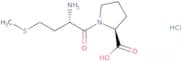
<p>Cyclo[Arg-Ala-Asp-D-Tyr-Lys(PEG)] is a peptide containing polyethylene glycol (PEG) as spacer to alter their pharmacokinetic properties and pharmodynamics.</p>Formula:C34H54N10O11Purity:Min. 95%Molecular weight:778.87 g/molH-Met-Pro-OH·HCl
CAS:<p>Please enquire for more information about H-Met-Pro-OH·HCl including the price, delivery time and more detailed product information at the technical inquiry form on this page</p>Formula:C10H18N2O3S•HClPurity:Min. 95%Color and Shape:PowderMolecular weight:282.79 g/molH-Tyr(tBu)-2-ClTrt-Resin (100-200 mesh) 1% DVB
<p>H-Tyr(tBu)-2-ClTrt-Resin (100-200 mesh) 1% DVB is a building block that is used in peptide synthesis. It is a thiol-reactive resin with a pendant amine group. H-Tyr(tBu)-2-ClTrt-Resin (100-200 mesh) 1% DVB is soluble in common organic solvents and can be used for the synthesis of peptides with amino acids containing aromatic rings.</p>Purity:Min. 95%Leuprolide Human
<p>Leuprolide is a synthetic hormone that is used for the treatment of prostate cancer. It works by blocking the production of hormones called luteinizing hormone and follicle-stimulating hormone in the body. Leuprolide is also used to treat endometriosis, uterine fibroids, and early puberty. This drug has been shown to have an inhibitory effect on prostate cancer cells in vitro and in vivo.</p>Formula:C59H84N16O12Purity:Min. 95%Molecular weight:1208.64546Cyclo[Arg-Ala-Asp-D-Phe-Lys(Ac-SCH2CO)]
<p>Cyclo[Arg-Ala-Asp-D-Phe-Lys(Ac-SCH2CO)] is a peptide that is derived by the sequential removal of amino acids from the C-terminal end of the RGD sequence. This peptide has been shown to interact with integrin αvβ3 and inhibit tumor cell proliferation and migration. Cyclo[Arg-Ala-Asp-D-Phe-Lys(Ac-SCH2CO)] also inhibits production of inflammatory cytokines by inhibiting NFκB signaling pathways.</p>Formula:C32H47N9O9SPurity:Min. 95%Molecular weight:733.85 g/molSuc-Ala-Pro-Ala-pNA
CAS:<p>Suc-Ala-Pro-Ala-pNA is a synthetic substrate that inhibits serine proteases. It has been shown to inhibit thrombin, trypsin, and chymotrypsin at low concentrations. Suc-Ala-Pro-Ala-pNA is used as an anticoagulant in rat neutrophils and it has also been found to have chemotactic activity for neutrophils at high concentrations. The substrate was also found to be an efficient method of detecting the presence of protease activity in plant physiology experiments. In addition to its use as a proteinase inhibitor, Suc-Ala-Pro-Ala-pNA can also be used as an antiplatelet agent.</p>Formula:C21H27N5O8Purity:Min. 95%Molecular weight:477.47 g/molSuc-Ala-Ala-Pro-Trp-pNA
<p>Suc-Ala-Ala-Pro-Trp-pNA is a peptide that is used as a substrate for elastase. This peptide has been shown to be an effective substrate for this enzyme, with a Km of 0.8 mM and an kcat of 2.6 x 10 M/s. Suc-Ala-Ala-Pro-Trp-pNA is also used as a substrate for pancreatic enzymes such as trypsin and chymotrypsin, with Km values of 1.1 and 0.5 mM respectively. It has been shown to inhibit the activity of these enzymes by forming inactive complexes with them.</p>Formula:C32H37N7O9Purity:Min. 95%Molecular weight:663.69 g/molCyclo[Arg-Gly-Asp-D-Phe-Lys(Azide)]
<p>Cyclo[Arg-Gly-Asp-D-Phe-Lys(Azide)] is a peptide that contains the RGD sequence. It is a synthetic cyclic peptide that has been shown to bind to integrin receptors, which are cell surface receptors found in many cells. These integrins are involved in cellular adhesion and signaling. Cyclo[Arg-Gly-Asp-D-Phe-Lys(Azide)] can be used as a tool for click chemistry, as it can be modified with other molecules such as azides, which can then be used for click reactions with other molecules. This peptide has also been shown to have biological activity against cancer cells and inflammation.</p>Formula:C27H39N12O7Purity:Min. 95%Molecular weight:629.68 g/molBoc-L-Glutamic Acid bis-Propargyl Amide
<p>Boc-L-Glutamic Acid bis-Propargyl Amide is a building block for Click Chemistry. It is a white solid that is soluble in DMF, DMSO and other organic solvents. This product can be used as a reagent for peptide synthesis and as an intermediate for the synthesis of amino acids. Boc-L-Glutamic Acid bis-Propargyl Amide reacts with dimethylaminoethanol to form the corresponding amide. It has been shown that this product can be used in click chemistry reactions to form amides and ureas.</p>Formula:C16H23N3O4Purity:Min. 95%Molecular weight:321.3 g/molDes 1-10 Obestatin (Rat, Mouse)
<p>A truncated analog of Obestatin, a 23 amino acid gastrointestinal peptide, encoded for by the ghrelin gene and is known to reduce food intake through supressing appetite. This peptide has been found to influence the pancreas, cardiovascular system and adipose tissues as well as the gastrointestinal system. One study showed that when high-fat diet fed rats were given chronic administration of obestatin it prevented the development of non-alcoholic fatty liver disease. Consequently Obestatin has the potential to be used in preventing obesity-related diseases.</p>Formula:C61H98N22O18Purity:Min. 95%Molecular weight:1,427.6 g/molMob-S-Mercaptoproprionic acid
<p>Mob-S-Mercaptoproprionic acid is a reagent that can be used to synthesize peptides. It is also a Building Block for the synthesis of other molecules. Mob-S-Mercaptoproprionic acid is hydrolyzed to form the corresponding carboxylate and mercaptoacyl amide, which can be used in peptide synthesis by condensation with an amino acid.</p>Formula:C11H14O3SPurity:Min. 95%Molecular weight:226.3 g/molAc-Pro-Arg-Asn-Lys-Acc-NH2
<p>Ac-Pro-Arg-Asn-Lys-Acc-NH2 is a peptide that is used to study the catalytic mechanism of enzymes. It has been shown to be an effective substrate for tryptase, which is an enzyme that plays a role in the degradation of proteins. Ac-Pro-Arg-Asn-Lys-Acc-NH2 binds to the active site of tryptase and undergoes a series of reactions that lead to its hydrolysis. The rate constants for these reactions have been measured in order to determine kinetic constants.</p>Formula:C34H49N11O9Purity:Min. 95%Molecular weight:755.84 g/molBNP Human, recombinant
<p>BNP Human, recombinant is a research tool that is an activator of the BNP receptor. It has been used to study the interactions and functions of ion channels, cell biology, and pharmacology. The purified protein is a ligand for the BNP receptor. BNP Human, recombinant has been shown to inhibit peptide bonds in proteins by specific binding to the carboxyl terminus of peptides with a sequence of C-terminal arginine residues.</p>Purity:Min. 95%Fmoc-Ala-Rink-Amide MBHA Resin
<p>Fmoc-Ala-Rink-Amide MBHA Resin is a resin used in peptide synthesis. It is mainly used as an inhibitor of peptidase A or B, and can also be used to inhibit the proteolytic activity of other enzymes. This product has CAS No. 68945-59-6, and is available in a high purity 99% form. Fmoc-Ala-Rink-Amide MBHA Resin is mainly used as a research tool for the study of protein interactions, activator ligands, and receptor ligands. It can also be used for biochemistry experiments involving ion channels and antibodies.</p>Purity:Min. 95%Apelin-17 (human, bovine)
<p>Apelin-17 (human, bovine) is derived from the apelin peptide which acts as a ligand for the apelin receptor (APJ) G protein coupled receptor and is a substrate for angiotensin converting enzyme 2. Preprapelin, encoded for by APLN located on Xq25-26.1, is cleaved to form either apelin 36,or apelin 17, 12 and apelin 13. As a member of the adipokine hormone family, which are involved in processes such as vascular homeostasis and angiogenesis, apelin is secreted from adipose tissue.Apelin has been found to be expressed in the spinal cord and the human brain and when performing immunohistochemistry it was observed that apelin-17 is significantly expressed in the human heart, brain, lungs and endothelial cells.Both apelin and the apelin receptor are widely distributed around the body thus apelin has been found to be associated with cardiovascular diseases, obesity, diabetes and cancer. Studies exploring myocardial infarction showed there to be greater apelin mRNA expression during human heart failure compared to in healthy tissue. Apelin protects against heart failure due to, the pyroglutamyl form of apelin, playing a role in decreasing infarct size of myocardial infarctions. Furthermore in rats with hypertension, the expression of apelin and APJ was decreased.</p>Molecular weight:2,137.2 g/molTAT-AKAP79 (326-336) scrambled
<p>The activation of transient receptor potential cation channel subfamily V member 1 (TRPV1) is believed to play a role in hyperalgesia, asthma and hypertension. TRPV1 is important for neuronal pain detection as well as the detection of heat, capsaicin, protons and the neurotransmitter anandamide. -The scaffold protein AKAP79 targets kinases to phosphorylate TRPV1, however it has been shown that inflammatory intermediates prostaglandin-E2 or bradykinin can activate these kinases creating a route for inflammation to cause hyperalgesia.This product is composed of the TRPV1 interacting domain of AKAP79 reordered into a scrambled sequence and conjugated to the cell penetrating TAT domain. This product was shown in vivo to have no effect on TRPV1 algesia and thus is a vital control for research work. This product is a vital tool for research into suitable TRPV1 antagonists.</p>Molecular weight:2,878.6 g/molHCV NS3 protease FRET substrate
<p>HCV NS3 protease FRET substrate</p>Color and Shape:PowderMolecular weight:2,112.8 g/molCooP
<p>CooP peptide specifically homes to invasive tumours such as glioblastoma and their blood vessels. Mammary-derived growth inhibitor (MDGI), also known as the fatty-acid binding protein 3 (FABP3) or the heart fatty acid-binding protein (H-FABP) is the binding partner for the CooP peptide. Coop peptide homes to all tumours which express MDGI and their associated vasculature. MDGI is not however expressed in the normal human brain. Therefore the CooP peptide appears to have a highly selective specificity as a homing peptide and the potential to deliver targeted therapy to treat invasive brain tumours.CooP peptide has been successfully used for the targeted delivery of chemotherapy and different nanoparticles.</p>Molecular weight:845.4 g/molHIV-1 reverse transcriptase (A2-YI9)
<p>HIV-1 replication is rapid and error prone which is beneficial to the virus as it allows mutations to arise that aid evasion of the host immune system and resistance to drug treatment. RT is the key target for most anti-HIV drugs and therefore conserved sequences are useful to aid further research into new less toxic antiviral treatments. HIV-1 reverse transcriptase (RT) converts the RNA genome into DNA during retroviral replication. HIV-1 RT is a heterodimer composed of 2 subunits, p66 and p51. HIV-1 RT heterodimer has 2 enzymatic functions, DNA polymerase and Rnase H resulting in nucleic acid translation to a linear DNA duplex. Complete inhibition of viral replication is the only known method of preventing HIV-1 drug resistance and disease progression.HIV RT epitopes have become a useful research tool as an in vitro antigenic challenge to study cytotoxic T lymphocyte (CTL) responses to retroviruses. The HIV-1 RT A2-YI9 sequence has been shown to be an effective epitope for CTL recognition leading to lysis of HIV-infected T cells. The A2-YI9 is also considered a potential for vaccine development due to it being a well conserved sequence.</p>Molecular weight:1,012.17 g/molOxytocin (free acid)
<p>Neuropeptide and hormone involved in many processes, including- social bonding--sexual reproduction- childbirth and breastfeeding. Oxytocin is synthesised in the hypothalamus as a prepropeptide consisting of a signal peptide, the oxytocin peptide hormone, a processing signal and the carrier protein- neurophysin. The prohormone then undergoes endoproteolytic cleavage and amidation to form the final oxytocin peptide.Dysregulation of oxytocin has been implicated in the pathophysiology of neuropsychiatric disorders that impact social functioning, such as autism, schizophrenia, and depression as well as anorexia nervosa. Intranasal oxytocin administration may reduce amygdala activity and amygdala-midbrain connectivity in response to fearful situations- reduce cortisol release and anxiety in response to psychosocial stress- increase trust behaviour- increase the ability to interpret mental states, and increase the amount of time spent gazing at the eyes when viewing faces.</p>Molecular weight:1,007.4 g/mol(Tos-GFHR)2-[Rh110]
<p>Candidate peptide substrate for kallikrein-related peptidase 5 (KLK5). In its intact state this peptide is not fluorescent, however when this substrate peptide is cleaved, Rhodamine 110 is released and thus fluorescence can then be detected. Contains rhodamine 110 group, a widely used red fluorescent tag. The terminal carboxylic acids in this peptide have been activated by the addition of the p-tosyl moiety, allowing for easy addition of functional groups or further peptide residues.</p>Color and Shape:PowderMolecular weight:1,632.6 g/molMotilin (1-12)
<p>Residues 1-12 of the gastrointestinal hormone motilin, secreted from endocrine cells in the small intestines, mainly from the jejunum and duodenum, in response to the fasting, drinking water or the mechanical stimulus of eating.</p>Molecular weight:1,468.8 g/molRAG8
<p>RAG8 is a pepducin- a cell-penetrating palmitoylated peptide with a C-terminal NH2.- Palmitoyl is a 16-carbon aliphatic chain which enhances the hydrophobicity of the peptide, and therefore improves its penetration through lipid structures.The peptide sequence corresponds to a key regulatory sequence at the intracellular C-terminus of PAR4. This motif regulates calcium signalling and PAR4 interactions with the signalling protein-β-arrestin. RAG8 is a PAR4 antagonist that can attenuate calcium signalling and β-arrestin-1 and 2 recruitment to PAR4 which has been activated with the PAR4 agonist AYPGKF-NH2.Disrupting this PAR4/β-arrestin signalling pathway with RAG8 blocks PAR4 dependent platelet activation and reduces stability of blood clots.</p>Color and Shape:PowderMolecular weight:1,170.8 g/molHistone H3 (1-20) K4Me2-GG-[Lys(5-FAM)]
<p>Histone H3 (1-20) K4Me2 is derived from Histone 3 (H3), which is one of the four core histones (H2A, H2B, H3 and H4) fundamental in compacting eukaryotic DNA into the nucleosome. The nucleosome arises when 147 base pairs of DNA wrap around a H3-H4 tetramer and two H2A-H2B dimers, forming the histone octamer core. H4 and H3 are highly conserved and perform roles in binding to segments of DNA which enter and leave the nucleosome and in chromatin formation. Like the other core histone, H3 has a globular domain and a flexible N-terminal domain, 'histone tail' which can undergo modifications such as acetylation, methylation, phosphorylation and ubiquitination. Due to histones containing many lysine and arginine residues, they have a positive net charge which interacts electrostatically with the negatively charged phosphate groups in DNA. The transcriptional activation or silencing of the chromatin is controlled by ATP-dependent chromatin remodelling factors and histone-modifying enzymes which target histone proteins. Both processes change the positioning of the nucleosome, allowing the DNA to be either available to the transcription machinery or inaccessible.Histone tails can undergo multiple modifications, including acetylation, methylation, ubiquitylation and sumoylation. The modification pattern is believed to alter chromatin function/structure. Histone H3 (1-20) K4Me2-GG-[Lys(5-FAM)] lysine 4 has been dimethylated, has a C-terminal GGK linker labelled with 5-Carboxyfluorescein (5-FAM), a widely used green fluorescent tag. This peptide also has an uncharged C-terminal amide. H3 (1-20) K4Me2 has been investigated to understand its effect on epigenetic regulation through NMR with histone readers such as zinc finger domains. Histone H3 (1-20) K4Me2-GG-[Lys(5-FAM)] can be used to study the function of this pattern on chromatin availability and histone effectors via crystallisation, pull-down assays and protein blots.</p>Molecular weight:2,809.5 g/molVP4 (449-454) Nora virus
<p>VP4 is a viral coat protein of Nora virus encoded for by ORF4. The product of these gene is likely cleaved into three capsid proteins, VP4A, B and C. VP4 is also the most conserved gene from Nora virus and related viruses. Nora virus is a non-pathogenic virus found in gut of Drosophila melanogaster. It causes persistent, non-pathological infection, it replicates in the fly gut and is transmitted via the faecal-oral route. Nora virus has a 12333 nucleotides long single-stranded RNA genome of positive polarity.</p>Molecular weight:806.4 g/mol[Atto655]-LifeAct (Abp140 1-17)
<p>[Atto655]-LifeAct (Abp140 1-17) contains the 17 amino acid peptide Lifeact derived from amino acids 1-17 of the Saccharomyces cerevisiae actin binding protein, Abp140. These first 17 amino acids of Abp140 are crucial in allowing Lifeact to localise to actin filaments (F-actin) and therefore it can be used as a cytoskeletal marker. One application of lifeact is in the study of plant development and pathogen defence as filamentous actin within the plant's actin cytoskeleton is important in key processes such as cell division, membrane trafficking and stomatal movements. The addition of the oxazine fluorophore Atto655 which has single molecule (SM) imaging properties allows the location of the LifeAct (Abp140 1-17) to be detected.</p>Color and Shape:PowderMolecular weight:2,432.2 g/molV5 epitope tag
<p>The V5 tag is derived from a small epitope (Pk) found on the P and V proteins of the paramyxovirus (of the simian virus 5 (SV5) family) and is extensively used as a general epitope tag in expression vectors.</p>Color and Shape:PowderMolecular weight:1,420.6 g/molAngiotensin III
<p>Aspartyl aminopeptidase A (APA) and glutamyl APA, produce angiotensin III (Ang-III) by removing an aspartic acid from the N-terminal of angiotensin-II (Ang-II). Ang-III has many similar biological properties to Ang-II including aldosterone secretion and vasoconstriction, however some of its functions oppose those of Ang-II, such as sodium excretion and secretion of atrial natriuretic peptide (ANP). Due to its ability to promote ANP secretion Ang-III has some cardio protective effects.Ang-III likely binds to both G-protein-coupled Ang-II type 1 (AT1) and Ang-II type 2 (AT2) receptors with a similar affinity to that of Ang-II. Ang-III appears to be cleared from the plasma at a faster rate than Ang-II, therefore the physiological effects of Ang-III are likely to limited to the site at which it is produced.</p>Color and Shape:PowderMolecular weight:931.09 g/molHistone H3 (1-20) K4Me3-GG-[Cys(Aurora™ Fluor 647)]
<p>Histone H3 (1 - 20) K4Me3 is derived from Histone 3 (H3), which is one of the four core histones (H2A, H2B, H3 and H4) fundamental in compacting eukaryotic DNA into the nucleosome. The nucleosome arises when 147 base pairs of DNA wrap around a H3-H4 tetramer and two H2A-H2B dimers, forming the histone octamer core. H4 and H3 are highly conserved and perform roles in binding to segments of DNA which enter and leave the nucleosome and in chromatin formation. Like the other core histone, H3 has a globular domain and a flexible N-terminal domain, 'histone tail' which can undergo modifications such as acetylation, methylation, phosphorylation and ubiquitination. Due to histones containing many lysine and arginine residues, they have a positive net charge which interacts electrostatically with the negatively charged phosphate groups in DNA. The transcriptional activation or silencing of the chromatin is controlled by ATP-dependent chromatin remodelling factors and histone-modifying enzymes which target histone proteins. Both processes alter the positioning of the nucleosome, allowing the DNA to be either available or inaccessible to the transcription machinery.Histone tails can undergo multiple modifications, including acetylation, methylation, ubiquitylation and sumoylation. The modification pattern is believed to alter chromatin function/structure. Lysine 4 of histone H3 (1 - 20) K4Me3 has been tri-methylated. This is a common cis-tail histone methylation pattern, read by histone effectors such as Spindlin1. H3 (1 - 20) K4Me3 has been used to understand interactions with histone effectors in co-crystallisation. H3 (1 - 20) K4Me3 is labelled with the Aurora Fluor 647 fluorescent tag.</p>Molecular weight:3,435.7 g/molCodesane
<p>Codesane (COD), is a cationic α-helical amphipathic-anti-microbial-peptide isolated from the venom of the wild bee Colletes daviesanus (Hymenoptera Colletidae). COD exhibits-anti-microbial-activity against Gram-positive and Gram-negative bacteria and Candida albicans but also noticeable haemolytic activity.COD peptide works by permeating both the outer and inner cytoplasmic membranes of Escherichia coli.</p>Molecular weight:1,915.2 g/molPseudin-2
<p>Pseudin-2 (Ps) is one of the four pseudin peptides isolated from the skin of the paradoxical frog Pseudis-paradoxa. Pseudins are structurally related, cationic, amphipathic, a-helical anti-microbial peptides (AMP) that share sequence homology with an apoptosis regulating protein. Pseudin-2 is the most abundant and potent of the four pseudins.Pseudin-2 is active against Escherichia coli (with minimum inhibitory concentrations (MIC) of 2.5 mM), Staphylococcus aureus (MIC: 80 mM), and Candida albicans (MIC: 130 mM). Pseudin-2 also has low haemolytic activity against human erythrocytes (the concentration of Pseudin-2 producing 50% haemolysis: >300 mM).In addition to its anti-microbial properties, pseudin-2 has also been shown to stimulate insulin release and may be useful as a therapy for type 2 diabetes. This peptides has a non-amidated C-terminal end, as per the naturally occurring pseudin-2.</p>Color and Shape:PowderMolecular weight:2,684 g/molCyclo(-RGDyK)
<p>The cyclic pentapeptide cyclo(-Arg-Gly-Asp-d-Phe-Lys-) is a highly potent and selective inhibitor for the alphavβ3 integrin receptor. A related compound, cyclo(-Arg-Gly-Asp-d-Phe-Val), is a promising anti-cancer drug candidate- it inhibits angiogenesis and induces apoptosis in vascular cells.Cyclic RGD-containing peptides are selective antagonists of integrins, proteins that play important roles in cell-cell and cell-matrix interactions. In a suitably labelled form, these peptides may serve as useful tools for diagnostic imaging and peptide targeted therapy of some types of cancer.</p>Molecular weight:619.3 g/molFSY tripeptide
<p>Angiotensin I-converting enzyme (ACE) plays a critical role in blood pressure regulation. There is a rise in conditions linked to hypertension such as heart attacks, strokes, and dementia. This has led to search for novel inhibitors of ACE to regulate blood pressure. Food-derived bioactive peptides have been identified and utilised for their health-promoting abilities. The tripeptide FSY (Phe-Ser-Tyr) was identified from shrimp (Pandalus borealis) protein hydrolysate as a highly potent inhibitor of ACE activity. FSY is capable of being absorbed in the digestive tract to be transported in the blood to the receptors which is a useful feature for clinical application. Further study can provide deeper understanding of FSY potency on ACE function and may lead to drug development.</p>Molecular weight:415.2 g/molPepstatin A Biotin
<p>Pepstatin A was originally purified from Actinomycetes species. The peptide is unusual in containing the amino acid statine (4-amino-hydroxy-6-methylheptanoic acid also known as AMHA). Pepstatin A competitively binds with acid proteases in a highly selective reversible manner to inhibit protease activity. Pepstatin A is ineffective on thiol, neutral and serine proteases. The functions of proteases have been investigated by the application of pepstatin A such as renin, pepsin, bovine chymosin and retroviral proteases from HIV. Characterisation of HIV protease using pepstatin A has been vital in development of HIV treatment to block viral replication. Pepstatin A is also a reagent to disrupt autophagy- this helps characterise the function of proteosome degradation in research such as during influenza A replication and improving drug delivery of therapeutic cancer treatments. Biotin is C-terminally linked to this peptide for convenient detection and purification. The polyethylene glycol (PEG) linker improves the water solubility of biotin labelled proteins.</p>Molecular weight:1,041.7 g/mol(Arg)9
<p>(Arg)9 is a cationic cell-penetrating peptide (CPP)consisting of 9 arginines. Arginine rich CPPs enter cells in a passive manner through membrane multilamellarity and fusion. Evidently as a CPP, (Arg)9 can function to deliver specific molecules to target cells and can be used for drug delivery purposes.</p>Molecular weight:1,423.69 g/molα-gliadin (58-73)
<p>α-Gliadin (58-73) is derived from Gliadin peptides, the component of wheat involved in the gastrointestinal symptoms of wheat allergy and Celiac Disease (CD). During wheat allergies histamines and leukotrienes are secreted due to gliadin peptide sequences cross-linking two IgE molecules on mast cells and basophils.The glutamine and proline rich peptides of which Gliadin is composed of are resistant to proteolysis during digestion, leaving them active in the gastrointestinal tract. Subsequently these are deamidated by tissue transglutaminase and can bind to HLA-DQ2 or DQ8. As a result in patients with the autoimmune disease CD, there is a Th1-mediated inflammatory immune response against these gliadin peptides.Gliadin can exert additional effects on the intestinal microbiota and ileal barrier function. It has been found that gut microbiota members such as Bifidobacterium and lactobacillus have the ability to digest and inactivate gliadin peptides hence reducing their inflammatory effects in the gastrointestinal system.</p>Color and Shape:PowderMolecular weight:1,906 g/molPro-BNP (47-76)
<p>Pro B-type natriuretic peptide (Pro-BNP) is secreted from cardiac myocytes and cleaved into BNP and the remaining part of the prohormone N-terminal proBNP (NT-proBNP). When the heart fibres become stretched more BNP and NT-proBNP are released to try and compensate for the increased pressure. During heart failure the walls of the atria become over stretched and thus increase the levels of NT-proBNP detectable. NT-proBNP has a longer half-life than BNP and therefore is detectable at higher levels in blood plasma than BNP. NT-pro-BNP is believed to be cleared by renal excretion, but this is not confirmed. As a diagnostic tool, NT-proBNP (47-76) has become very useful in helping diagnose heart failure and provide a prognosis. The measurement of NT-proBNP (47-76) has been incorporated into management and guidelines of clinical settings. As a research tool it still provides valuable data such as symptoms onset in relation to NT-proBNP levels and how inflammation effects the level of BNP as well as the BNP/ NT-proBNP ratio.</p>Molecular weight:3,463.9 g/molCyclo(RGDfK)
<p>The cyclic pentapeptide cyclo(Arg-Gly-Asp-[D-Phe]-Lys) is a highly potent and selective inhibitor for the alphavβ3 integrin receptor. A related compound, cyclo(Arg-Gly-Asp-[D-Phe]-Val), is a promising anticancer drug candidate- it inhibits angiogenesis and induces apoptosis in vascular cells.Cyclic RGD-containing peptides are selective antagonists of integrins, proteins that play important roles in cell-cell and cell-matrix interactions. In a suitably labelled form, these peptides may serve as useful tools for diagnostic imaging and peptide targeted therapy of some types of cancer.</p>Color and Shape:PowderMolecular weight:603.3 g/molHistone H3 (1-22)
<p>Histone H3 (1-22) is derived from Histone 3 (H3) which is one of the four core histones (H2A, H2B, H3 and H4) fundamental in compacting eukaryotic DNA into a structure known as the nucleosome. The nucleosome arises when 147 base pairs of DNA wrap around a H3-H4 tetramer and two H2A-H2B dimers, forming the histone octamer core. Both H4 and H3 are highly conserved and perform roles in binding to segments of DNA which enter and leave the nucleosome and in chromatin formation. Similar to the other core histone, H3 has a globular domain and a flexible N-terminal domain 'histone tail' which can undergo modifications such as acetylation, methylation, phosphorylation and ubiquitination. Due to histones containing a large number of lysine and arginine residues they have a positive net charge which interacts in an electrostatic manner with the negatively charged phosphate groups in DNA. The transcriptional activation or silencing of the chromatin is controlled by ATP-dependent chromatin remodelling factors and histone modifying enzymes which target histone proteins. Both processes function to alter the positioning of the nucleosome, allowing the DNA it to be either available or inaccessible to the transcription machinery.</p>Color and Shape:PowderMolecular weight:2,354.4 g/molACTH (1-17) Human
<p>Amino acids 1-17 of human adrenocorticotropic hormone (ACTH). ACTH, also known as corticotropin, is a tropic hormone produced and secreted by the anterior pituitary gland and member of the melanocortins peptide family. ACTH is cleaved from the precursor proopiomelanocortin (POMC). ACTH is an important component of the hypothalamic-pituitary-adrenal (HPA) axis and is often produced in response to biological stress. ACTH acts to increase the production and release of cortisol via its interaction with the ACTH receptor- ACTHR, also known as melanocortin type 2 receptor (MC2R). Receptor activation increases the intracellular concentration of cAMP via adenylyl cyclase.Abnormal ACTH levels in the body has been linked to primary adrenal insufficiency/Addison's disease, Cushing's disease and secondary adrenal insufficiency.</p>Molecular weight:2,093.42 g/mol


![Phe4,9 [Ring D5]-Hepcidin (Rat)](/_next/image/?url=https%3A%2Fstatic.cymitquimica.com%2Fproducts%2F3D%2Fthumb-webp%2FPLP-3780-PI.webp&w=3840&q=75)

![Cyclo[Arg-Ala-Asp-D-Tyr-Lys(PEG)]](/_next/image/?url=https%3A%2Fstatic.cymitquimica.com%2Fproducts%2F3D%2Fthumb-webp%2FRGD-3005-PI.webp&w=3840&q=75)

![Cyclo[Arg-Ala-Asp-D-Phe-Lys(Ac-SCH2CO)]](/_next/image/?url=https%3A%2Fstatic.cymitquimica.com%2Fproducts%2F3D%2Fthumb-webp%2FPCI-3959-PI.webp&w=3840&q=75)


![Cyclo[Arg-Gly-Asp-D-Phe-Lys(Azide)]](/_next/image/?url=https%3A%2Fstatic.cymitquimica.com%2Fproducts%2F3D%2Fthumb-webp%2FRGD-3749-PI.webp&w=3840&q=75)


![(Tos-GFHR)2-[Rh110]](/_next/image/?url=https%3A%2Fstatic.cymitquimica.com%2Fproducts%2F3D%2Fthumb-webp%2FCRB1100667.webp&w=3840&q=75)
![Histone H3 (1-20) K4Me2-GG-[Lys(5-FAM)]](/_next/image/?url=https%3A%2Fstatic.cymitquimica.com%2Fproducts%2F3D%2Fthumb-webp%2FCRB1101683.webp&w=3840&q=75)
![[Atto655]-LifeAct (Abp140 1-17)](/_next/image/?url=https%3A%2Fstatic.cymitquimica.com%2Fproducts%2F3D%2Fthumb-webp%2FCRB1101303.webp&w=3840&q=75)
![Histone H3 (1-20) K4Me3-GG-[Cys(Aurora™ Fluor 647)]](/_next/image/?url=https%3A%2Fstatic.cymitquimica.com%2Fproducts%2F3D%2Fthumb-webp%2FCRB1101679.webp&w=3840&q=75)