Peptides
Subcategories of "Peptides"
Found 29779 products of "Peptides"
Myhc-α 334-352
Peptide named cardiac myosin heavy chain (Myhc)-α 334–352 induces autoimmune myocarditis in mice bearing H-2 allele IAk.
FK-506 (Tacrolimus)
CAS:FK-506 is an immunosuppressant that is produced by fermentation. It is used to prevent the rejection of transplanted organs and to treat a number of autoimmune diseases, including rheumatoid arthritis and multiple sclerosis. FK-506 binds to the IL-2 receptor on T-cells and inhibits their proliferation, thereby preventing activation of other immune cells. FK-506 has been shown to be effective in treating a number of diseases, including myocardial infarcts, coronary heart disease, and oral hypoglycaemic. The optimum concentration for this drug is not known, but it appears that higher concentrations are more beneficial in treating some conditions.
Formula:C44H69NO12Purity:Min. 95%Molecular weight:804 g/molNHS-m-dPEG® (MW = 333)
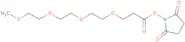
CAS:NHS-m-dPEG® (MW = 333) is a PEG compound with two different functional groups (also known as heterobifunctional). Unlike homobifunctional PEG compounds (same functional group on both ends), this type of compounds are more versatile as have two different anchor points. NHS-m-dPEG® (MW = 333) is used as a linker and spacer to add a PEG moiety, via pegylation (a bioconjugation technique) to proteins, peptides, oligonucleotides, small molecules and nanoparticles.
Purity:Min. 95%Molecular weight:333.33 g/molIL 13 Mouse
IL 13 Mouse is a recombinant mouse IL-13 protein that binds to the IL-4 receptor. This recombinant protein is used as a research tool in pharmacology and cell biology. It can be used in the study of protein interactions and the activation of cells by cytokines.
Purity:Min. 95%Glutathione Synthetase , human, recombinant
Glutathione synthetase is an enzyme that catalyzes the synthesis of glutathione from gamma-glutamylcysteine and glycine. It is a homodimeric protein composed of two identical subunits with a molecular weight of about 30 kDa. Each subunit contains one active site for the catalysis. The recombinant human glutathione synthetase has been shown to be stable in different pH buffers and can be used as a research tool or an inhibitor in cell biology experiments.
Purity:Min. 95%Peroxiredoxin-2, human, recombinant
Peroxiredoxin-2 is a protein that belongs to the peroxidase family of enzymes. It has been shown to be an activator of ion channels, which suggests that it may play a role in cell regulation. Peroxiredoxin-2 has also been shown to bind to peptides and antibodies, with potential therapeutic applications.
Purity:Min. 95%H-SFLLRN-OH
Thrombin Receptor Activator Peptide 6 (TRAP-6), also called Selective Protease-Activated Receptor 1 (PAR-1) Agonist, is an hexapeptide fragment of the thrombin receptor (residues 42-47).
Dnp-Pro-Gln-Gly
CAS:Dnp-Pro-Gln-Gly is a synthetic peptide that can be used as an artificial substrate in protease assays. It is activated by the addition of trypsin and catalyzes hydrolysis of peptide bonds at the C-terminus of the proline residue. The chromatographic profile of Dnp-Pro-Gln-Gly on a Zorbax 300SBX column shows two peaks, with retention times of 8.2 minutes and 9.4 minutes. In tissue culture experiments, Dnp-Pro-Gln-Gly was found to enhance the activity of matrix metalloproteinases and collagenase. The optimum pH for Dnp-Pro-Gln-Gly is 5.5, which is near the pH optimum for most mammalian tissues and organs.
Formula:C18H22N6O9Purity:Min. 95%Molecular weight:466.4 g/molMAL-dPEG®24-TFP Ester
MAL-dPEG®24-TFP Ester is a PEG compound with two different functional groups (also known as heterobifunctional). Unlike homobifunctional PEG compounds (same functional group on both ends), this type of compounds are more versatile as have two different anchor points. MAL-dPEG®24-TFP Ester is used as a linker and spacer to add a PEG moiety, via pegylation (a bioconjugation technique) to proteins, peptides, oligonucleotides, small molecules and nanoparticles.
Formula:C37H45F4N5O13Purity:Min. 95%Molecular weight:843.77 g/molFGF13 Human
FGF13 is a protein that belongs to the FGF family of growth factors. It is a ligand for FGFR1 and FGFR2, two receptors that are involved in bone and cartilage formation. FGF13 also has been shown to be an activator of the receptor tyrosine kinase MET, which is important for cell proliferation and differentiation. This protein shows no activity against FGFR3 or FGFR4.
FGF13 can be used as a research tool for studying protein interactions and as an antibody for immunoprecipitation or Western blotting. It can also be used to block certain cellular pathways by inhibiting the activation of different receptors, such as the EGFR receptor.Purity:Min. 95%CoV-2 Spike (1000-1200)
CoV-2 Spike (1000-1200) is a ProSpec that is used for the detection of Angiotensin Converting Enzyme 2 (ACE-2). The spike protein binds to ACE-2, which can be found in the human blood plasma. The CoV-2 Spike (1000-1200) can be used for the detection of coronavirus such as MERS-CoV and SARS-CoV. It can also be used to detect Proteins in samples such as COVID-19.
Purity:Min. 95%Human Prorenin (open form) ELISA (1ea)
Human Prorenin ELISA kit is a solid-phase competitive immunoassay for the quantitative measurement of prorenin in human serum. This kit has been designed to provide accurate and reproducible results. The assay employs a monoclonal antibody to the analyte and a polyclonal antiserum that recognizes the analyte. The antibodies are used in an indirect sandwich assay with horseradish peroxidase-conjugated goat anti-mouse IgG as the second antibody.
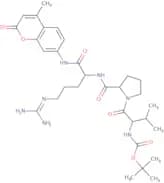
Purity:Min. 95%Boc-Val-Pro-Arg-AMC
CAS:Boc-Val-Pro-Arg-AMC is a peptide that activates ion channels. It is an agonist of the nicotinic acetylcholine receptor (nAChR) and can be used in research to investigate the pharmacology of nAChRs. Boc-Val-Pro-Arg-AMC can also be used as a high purity ligand for antibody production, which has applications in cell biology and other life science research.Formula:C31H45N7O7Purity:Min. 95%Molecular weight:627.73 g/molAc-Val-Asp-Val-Ala-Asp-AMC
CAS:Controlled ProductAc-Val-Asp-Val-Ala-Asp-AMC is a research tool used to study the function of ion channels. It is an activator that binds to the receptor site on ATP sensitive potassium channels. Ac-Val-Asp-Val-Ala-Asp-AMC has been shown to inhibit calcium and sodium ion flux through ion channels, as well as high purity and good solubility. This peptide is useful for studying protein interactions, pharmacology, and life science research.
Formula:C33H44N6O12Purity:Min. 95%Molecular weight:716.74 g/molMCD-Peptide
CAS:A synthetic voltage-dependent K+ channel blocker derived from bee venom. This product is sourced from the Honeybee, Apis mellifera and has disulfide bonds between Cys3-Cys15 and Cys5-Cys19.
Available as a 0.5mg vial.Formula:C110H192N40O24S4Purity:Min. 95%Molecular weight:2,587.2 g/molProcalcitonin, human, recombinant
Procalcitonin Human Recombinant produced in E.Coli is a single, non-glycosylated, polypeptide chain containing 116 amino acids. Molecular weight is 12.8 kDa.amino acid sequence: APFRSALESS PADPATLSED EARLLLAALV QDYVQMKASE LEQEQEREGS SLDSPRSKRC GNLSTCMLGT YTQDFNKFHT FPQTAIGVGA PGKKRDMSSD LERDHRPHVS MPQNAN
Purity:Min. 95%m-dPEG®24-Propionaldehyde
m-dPEG®24-Propionaldehyde is a PEG compound with two different functional groups (also known as heterobifunctional). Unlike homobifunctional PEG compounds (same functional group on both ends), this type of compounds are more versatile as have two different anchor points. m-dPEG®24-Propionaldehyde is used as a linker and spacer to add a PEG moiety, via pegylation (a bioconjugation technique) to proteins, peptides, oligonucleotides, small molecules and nanoparticles.
Formula:C63H113N3O29S2Purity:Min. 95%Molecular weight:1,440.7 g/molParathyroid Hormone (Human, 39-84)
Parathyroid hormone (PTH) is a peptide hormone that regulates the calcium and phosphate levels in the blood. It is produced by the parathyroid glands, located near the thyroid gland in the neck. PTH increases blood calcium levels by increasing bone breakdown, stimulating bone formation, and increasing reabsorption of calcium. This protein also stimulates phosphaturia to increase serum phosphate levels.
Formula:C211H357N67O72Purity:Min. 95%Molecular weight:4,984.5 g/molIsoleucyl-Seryl-Bradykinin
CAS:Isoleucyl-Seryl-Bradykinin is a peptide that activates the bradykinin receptor, which is involved in pain sensation and inflammation. This compound is a potent inhibitor of ion channels and also interacts with protein receptors. Isoleucyl-Seryl-Bradykinin has been used as a research tool for studying the function of bradykinin receptors, as well as for pharmacological studies. The CAS number for this product is 86030-63-9.
Formula:C59H89N17O14Purity:Min. 95%Molecular weight:1,260.4 g/mol4-[D10]Leu-M1
Please enquire for more information about 4-[D10]Leu-M1 including the price, delivery time and more detailed product information at the technical inquiry form on this page
Formula:C255H340D40N64O76S6Purity:Min. 95%Molecular weight:5,790.8 g/molBiotin-dPEG®3-MAL
CAS:Biotin-dPEG®3-MAL is a PEG compound with two different functional groups (also known as heterobifunctional). Unlike homobifunctional PEG compounds (same functional group on both ends), this type of compounds are more versatile as have two different anchor points. Biotin-dPEG®3-MAL is used as a linker and spacer to add a PEG moiety, via pegylation (a bioconjugation technique) to proteins, peptides, oligonucleotides, small molecules and nanoparticles.
Formula:C15H32N2O5Purity:Min. 95%Molecular weight:320.43 g/molMAL-dPEG®4-Lys(t-Boc)-NH-m-dPEG®24
MAL-dPEG®4-Lys(t-Boc)-NH-m-dPEG®24 is a peptide containing polyethylene glycol (PEG) as spacer to alter their pharmacokinetic properties and pharmodynamics.
Formula:C78H147N5O35Purity:Min. 95%Molecular weight:1,715.01 g/molFMRF-Amide
CAS:A molluscan cardioexcitatory neuropeptide which has the potential to be used in cell biology, pharmacological, and protein-protein interaction studies. This product is available as an FMRF-Amide.
Formula:C29H42N8O4SPurity:Min. 95%Molecular weight:598.76 g/mol[D-Ala2,D-Leu5]-Enkephalin
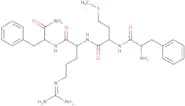
CAS:Controlled ProductEnkephalins are endogenous opioid peptides that inhibit pain and have a variety of other physiological effects. They bind to specific receptors on the surface of neurons, which are called opioid receptors. Enkephalin is a peptide consisting of two amino acids, D-Ala2,D-Leu5. Enkephalins can be produced by linking two amino acids together with an amide bond or by modifying one of the amino acids in the sequence. This drug has been shown to induce mitochondrial membrane depolarization in hippocampal cells and autophagy in neuronal cells. It also has antinociceptive properties and is able to penetrate the blood-brain barrier due to its absorption enhancer property. The drug is also able to induce locomotor activity in mice and cause neuronal death in vivo models.
Formula:C29H39N5O7•CH3COOH•H2OPurity:Min. 95%Molecular weight:647.72 g/molMAL-dPEG®2-TFP Ester
MAL-dPEG®2-TFP Ester is a PEG compound with two different functional groups (also known as heterobifunctional). Unlike homobifunctional PEG compounds (same functional group on both ends), this type of compounds are more versatile as have two different anchor points. MAL-dPEG®2-TFP Ester is used as a linker and spacer to add a PEG moiety, via pegylation (a bioconjugation technique) to proteins, peptides, oligonucleotides, small molecules and nanoparticles.
Formula:C81H149F4N3O38Purity:Min. 95%Molecular weight:1,849.04 g/molAPOA1 MS Calibrator-2 (25nmol)
APOA1 MS Calibrator-2 is a New England Peptide that is a member of the apolipoprotein A family. APOA1 MS Calibrator-2 has been used in proteomics research as a control peptide for quantitative analysis of Apo-AI by MALDI TOF MS. It has also been used as an internal standard in mass spectrometry experiments to quantify Apo-AI and other proteins.
Purity:Min. 95%S-100ß ELISA (1ea)
The S-100ß ELISA kit is a solid phase sandwich enzyme-linked immunosorbent assay (ELISA) that detects the presence of S-100ß protein in serum, plasma, or cerebrospinal fluid. The assay employs an antibody specific for S-100ß protein and an enzyme-labeled anti-IgG antibody as a second antibody to detect bound S-100ß protein.
Purity:Min. 95%Cbz-N-Amido-dPEG®4-Acid
CAS:Cbz-N-Amido-dPEG®4-Acid is a PEG compound with two different functional groups (also known as heterobifunctional). Unlike homobifunctional PEG compounds (same functional group on both ends), this type of compounds are more versatile as have two different anchor points. Cbz-N-Amido-dPEG®4-Acid is used as a linker and spacer to add a PEG moiety, via pegylation (a bioconjugation technique) to proteins, peptides, oligonucleotides, small molecules and nanoparticles.
Purity:Min. 95%Molecular weight:399.44 g/molIL 10 Rat
IL 10 rat (IL-10) is a cytokine that belongs to the family of IL-10 cytokines. IL-10 binds to the IL-10 receptor and inhibits the release of proinflammatory cytokines, including TNF-α, IL-1β, and IL-6. This cytokine has been shown to inhibit the production of reactive oxygen species by macrophages and neutrophils. The physiological role of this cytokine is not yet fully understood, but it is believed to be important for immune regulation in response to bacterial infections.
Purity:Min. 95%Heat Shock Protein-90 alpha , human, recombinant
Heat Shock Protein-90 alpha (HSP-90α) is a molecular chaperone protein that is involved in the folding and stabilization of proteins. HSP-90α is a member of the HSP family, which are known to be involved in many processes such as apoptosis, cell cycle regulation, DNA repair, and intracellular signaling. HSP-90α has been shown to inhibit the replication of viruses such as HIV by binding to viral proteins and preventing their assembly into virus particles. This protein also has antiviral effects on other viruses such as influenza and herpes simplex virus type 1.
Purity:Min. 95%Flu-HA-B (306-318) DRB1*01:01
Influenza virus-specific hemagglutinin
Flu-HA-B (306-318) is a short part of Influenza hemagglutinin (HA). Influenza hemagglutinin is glycoprotein found on the surface of influenza viruses. HA allows Influenza virus to bind factor on the surface of the cell membrane. HA is also responsible for the membrane fusion with the viral envelope.
Flu-HA-B (306-318) DRB1*01:01
Flu-HA-B (306-318) is a classical antigenic peptide which is used as positive control to bind DRB1*01:01 for peptide/MHC-binding assay. It has been demonstrated the ability of HLA-DRB1*01:01 to present Flu-HA-B (306-318).Formula:C69H119N21O18Molecular weight:1,530.83 g/molRef: 3D-PP51130
Discontinued productH-ELAGIGILTV-OH
Analog of the native Melan-A (26-35) decapeptide derives from the melanocyte lineage-specific protein Melan-A/MART-1, which is expressed in almost 75-100% of primary and metastatic melanomas.
The region 26-35 of Melan-A protein acts as an antigenic peptide that is recognized by CD8+ tumor-reactive cytolytic T lymphocytes (CTLs) for designing antigen-specific cancer vaccines1. It has been shown that CD8+ Melan-A-specific CTLs isolated from melanoma patients efficiently lyse the Melan-A-expressing HLA-A*0201+ melanoma cell line. However, CTLs preferentially recognize the Melan-A (26-35) peptide as compared with the Melan-A (27-35) peptide. Moreover, the Melan-A (26-35) A27L analog (ELAGIGILTV) has a higher binding affinity to HLA-A*0201 than the native Melan-A (26-35) peptide (EAAGIGILTV), and consequently displays more potent antigenicity and immunogenicity.
It has been reported that the concentration of Melan-A (26-35) A27L analog required to obtain 50% of maximal antigenic activity (EC50) is 0.01nM, whereas that of the native Melan-A (26-35) peptide is 0.25nM1. Therefore, the relative activity of Melan-A (26-35) A27L analog is 25 fold higher than that of the native Melan-A (26-35) peptide.
Furthermore, functional competition assay has shown that the concentration of Melan-A (26-35) A27L analog required to achieve 50% inhibition (IC50) of tumor lysis is 2nM, which is 10 fold lower than that of the native Melan-A (26-35) peptide. Regarding peptide stability in human serum, the half-lifes (t1/2) of the native Melan-A (26-35) peptide and the A27L analog are quite similar (45 and 40min, respectively) as measured by HPLC-ESI-MS, but much higher than that of the Melan-A (27-35) nonapeptide (5min).MAL-dPEG®4-t-boc-Hydrazide
CAS:MAL-dPEG®4-t-boc-Hydrazide is a PEG compound with two different functional groups (also known as heterobifunctional). Unlike homobifunctional PEG compounds (same functional group on both ends), this type of compounds are more versatile as have two different anchor points. MAL-dPEG®4-t-boc-Hydrazide is used as a linker and spacer to add a PEG moiety, via pegylation (a bioconjugation technique) to proteins, peptides, oligonucleotides, small molecules and nanoparticles.
Formula:C18H34O11Purity:Min. 95%Molecular weight:426.46 g/molBis-dPEG®13-PFP Ester
CAS:Bis-dPEG®13-PFP Ester is a PEG polymer categorised as homobifunctional PEG (X-PEG X). Used as a linker, bis-dPEG®13-PFP Ester is used to attached PEG to proteins, peptides, oligonucleotides, nanoparticles and small molecules via pegylation, a bioconjugation technique.
Formula:C42H56F10O17Purity:Min. 95%Molecular weight:1,022.87 g/molPhosphoramidon
CAS:Phosphoramidon is a peptide that is used as a research tool. It has been shown to activate the protein kinase C, which plays a role in the regulation of ion channels and other cellular functions. Phosphoramidon binds to the receptor site of protein A and inhibits the binding of phosphorylated erythropoietin (EPO) to its receptor. EPO is an important hormone for red blood cell production.
Formula:C23H34N3O10PPurity:Min. 95%Molecular weight:543.50 g/molProlactin Mouse
Prolactin Mouse is a cell-based assay that detects apoptosis-inducing factor in the cell culture. Prolactin Mouse is a homogenous, fluorescence-based assay that can be used to study the effects of drugs on cell growth and apoptosis. The protocol involves adding prolactin mouse cells to a 96-well plate, incubating the cells at 37°C for 2 hours, and then adding an agent to induce apoptosis. The cells are then incubated for 24 hours at 37°C with 5% CO2. After this time, the cells are stained with Annexin V and 7AAD antibodies, which bind to phosphatidylserine (PS) on the outer leaflet of the plasma membrane. These antibodies form a complex with PS that can be detected by flow cytometry or microscopy after staining with fluorescent dyes. Prolactin Mouse can also be used for treatments such as endometriosis and mitogen-activated protein kinase
Purity:Min. 95%SIVmac239-1
Custom research peptide; min purity 95%.
Formula:C65H115N21O23S1Purity:Min. 95%Molecular weight:1,590.83 g/molAnti-Flt1 Peptide
Custom research peptide; min purity 95%.
Formula:C37H49N9O9Purity:Min. 95%Molecular weight:763.86 g/molSH2 Domain Ligand (2)
Custom research peptide; min purity 95%.
Formula:C66H97N12O24PPurity:Min. 95%Molecular weight:1,473.57 g/molProtease-Activated Receptor-2, PAR-2 Agonist, amide
Custom research peptide; min purity 95%.
Formula:C28H54N8O7Purity:Min. 95%Molecular weight:614.79 g/molMBP (1-11), mouse
Custom research peptide; min purity 95%.
Formula:C53H95N21O18Purity:Min. 95%Molecular weight:1,314.48 g/molUniversal TT epitope P2 (830- 844)
Custom research peptide; min purity 95%.
Formula:C80H129N19O23Purity:Min. 95%Molecular weight:11,725.03 g/molDynorphin A (1-8), porcine
Custom research peptide; min purity 95%.
Formula:C46H72N14O10Purity:Min. 95%Molecular weight:981.17 g/molAmyloid Beta-Protein (Human, 25-35)
CAS:Amyloid beta-Protein (Human, 25-35) is the shortest amyloid fragment that forms β-sheet fibrils, while retaining toxicity, and may also induce the aggregation of N-tau protein and N-tau peptide 1/2R. Consequently this peptide may play a role in the pathogenesis of Alzheimer's disease, a neurodegenerative disorder that affects memory and cognitive function.
This product is available as a trifluoroacetate salt and as a 0.5mg vial.Formula:C45H81N13O14SPurity:Min. 95%Molecular weight:1,060.3 g/molAngiotensin II (3-8), human
Custom research peptide; min purity 95%.
Formula:C40H54N8O8Purity:Min. 95%Molecular weight:774.93 g/molNeuropeptide SF (human) trifluoroacetate salt
CAS:Neuropeptide:
Neuropeptides are small signaling molecules produced and released by neurons engaged in many physiological functions. Indeed, neuropeptides act on neural substrates such as G protein-coupled receptors (GPCRs), tyrosine-kinase receptor, insuline-like peptides and also ion channels. Actions of neuropeptides result in slow-onset, long-lasting modulation of synaptic transmission.
Neuropeptide NPSF (SQAFLFQPQRF-NH2):
Neuropeptide NPSF (SQAFLFQPQRF-NH2) is part of the FMRFamide-related peptides family. Neuropeptide NPSF has shown an important role in pain regulation and plays a role of anti-opiate. Moreover, Neuropeptide NPSF seems to be implicate in variety of physiological processes such as food intake, insulin release, blood pressure regulation and electrolyte balance. Neuropeptide NPSF (SQAFLFQPQRF-NH2) is useful in opioid research.Formula:C65H94N18O15Purity:Min. 95%Molecular weight:1,367.55 g/molRef: 3D-FN109418
Discontinued product











![4-[D10]Leu-M1](/_next/image/?url=https%3A%2Fstatic.cymitquimica.com%2Fproducts%2F3D%2Fthumb-webp%2FTSI-3421-V.webp&w=3840&q=75)


![[D-Ala2,D-Leu5]-Enkephalin](/_next/image/?url=https%3A%2Fstatic.cymitquimica.com%2Fproducts%2F3D%2Fthumb-webp%2FPEK-4115.webp&w=3840&q=75)