Enzyme Substrates
Subcategories of "Enzyme Substrates"
Found 1588 products of "Enzyme Substrates"
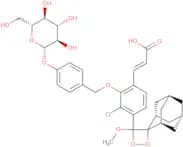
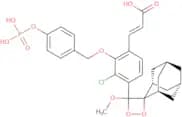
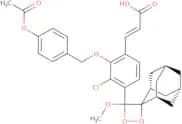
AquaSpark® 515 Singlet Oxygen Probe, Ramot at Tel-Aviv University Ltd. Patent family WO 2017/130191
CAS:The AquaSpark® 515 Singlet Oxygen Probe (SOCL) is a highly selective and sensitive chemiluminescence probe for the detection of singlet oxygen (1O2). The SOCL probe reacts specifically with 1O2 to form an intermediate dioxetane that spontaneously decomposes to emit green light with extraordinary intensity
Formula:C21H23ClO4Purity:Min. 95.0 Area-%Molecular weight:374.13 g/mol6-Chloro-3-indoxyl palmitate
CAS:6-Chloro-3-indoxyl palmitate is a high quality, pure chemical reagent that can be used as a substrate for enzyme activity. It is a chromogenic substrate that is used in the detection of esterase activity. 6-Chloro-3-indoxyl palmitate is also used as a fluorogenic substrate in the presence of horseradish peroxidase and hydrogen peroxide to produce chemiluminescence. 6-Chloro-3-indoxyl palmitate has been shown to be an effective bioluminescent substrate for luciferase enzymes, such as firefly luciferase and Renilla luciferase.
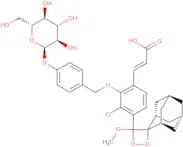
Formula:C24H36ClNO2Purity:Min. 98 Area-%Molecular weight:406.01 g/molAquaSpark® α-D-galactoside, 10 mM in DMSO, Ramot at Tel-Aviv University Ltd. Patent family WO 2017/130191
CAS:AquaSpark™ α-D-galactoside is a dioxetane-based substrate for the luminescence detection of α-galactosidase activity. It is the first single-compound chemiluminescent substrate commercially available for the detection of α-galactosidase activity. α-galactosidase assays are used in molecular biology to monitor the transcriptional activity of the GLA gene that is correlated with metabolic diseases or gene mutations. In microbiology the α-galactosidase activity is used to detect specific bacteria such as α-galactosidase positive Salmonella strains (Salmonella Enteritidis RKI 05/07992).
Formula:C34H39ClO12Molecular weight:675.12 g/molBis(4-methylumbelliferyl)phosphate
CAS:Bis(4-methylumbelliferyl)phosphate is a fluorescent probe that can be used for the diagnosis of β-glucosidase. It has a phosphate group and can be used to study phosphodiesterases and phosphodiesters. Bis(4-methylumbelliferyl)phosphate is also a liposomal probe that can be used in kinetic studies. This compound has been shown to inhibit β-glucosidase, which is an enzyme found in human saliva and pancreatic juice, at high concentrations. The inhibition of this enzyme leads to the accumulation of glucose and galactose in the blood, which can lead to diabetes mellitus or cancer.
Formula:C20H15O8PMolecular weight:414.31 g/molAldol® 455 β-D-glucopyranoside, Biosynth Patent: EP 2427431 and US 8940909
CAS:Aldol® 455 beta-D-glucopyranoside is a chromogenic and fluorogenic enzyme substrate used for detection of beta-glucosidase activity. The colorless enzyme substrate is cleaved by beta-glucosidase producing bacteria grown in liquid or solid media, yielding a yellow color and green to orange fluorescence. Aldol® 455 beta-D-glucopyranoside can be used under aerobic and anaerobic conditions.
Formula:C27H24ClNO7Purity:Min. 92.0 Area-%Molecular weight:509.94 g/molRef: 3D-A-4689_P00
Discontinued productAldol® 495 acetate, Biosynth Patent: EP 2427431 and US 8940909
CAS:Controlled ProductAldol 495 acetate is a chromogenic substrate that contains the chemical compound Aldol. It is used in food testing, diagnostics, and environmental testing. Aldol 495 acetate can be used as a ligand to detect the presence of enzymes or bacteria in culture media and diagnostics. This product has been shown to have a high purity and quality.
Formula:C22H17ClN2O3Purity:Min. 95.0 Area-%Molecular weight:392.83 g/mol5-Bromo-4-chloro-3-indoxyl-α-L-arabinopyranoside
5-Bromo-4-chloro-3-indoxyl-alpha-L-arabinopyranoside is a fluorogenic substrate that can be used in enzyme and chromogenic assays. It is a high purity, stable product with a CAS number of 53673-61-7. This product has been shown to have fluorescence properties under acidic conditions, as well as chemiluminescence properties when exposed to an oxidizing agent. This compound can be used for the detection of bacterial activity in culture media and for the detection of pathogens in environmental samples. The conjugate can also be used for food testing.
Formula:C13H13BrClNO5Molecular weight:378.61 g/mol5-Bromo-4-chloro-3-indoxyl oleate
CAS:5-Bromo-4-chloro-3-indoxyl oleate is a fluorescent substrate that is used for staining and enzyme substrate. It is a conjugate that is used in environmental testing, food testing, and diagnostics. 5-Bromo-4-chloro-3-indoxyl oleate has a CAS number of 341972-97-2 and its molecular weight is 229.5 g/mol. It's purity is > 98%, with a specific optical rotation of +147° (c=1, CHCl3). This compound can be used as a chromogenic or fluorogenic substrate in bioluminescence assays. 5BRIO3 has been shown to be an excellent ligand for the detection of DNA polymerase I activity.
Formula:C26H37BrClNO2Purity:Min. 98 Area-%Molecular weight:510.95 g/molRef: 3D-B-7412
Discontinued productAlizarin-2-β-D-galactopyranoside
CAS:Chromogenic substrate targeting beta- galactosidase and whose color is dependent on the metal chelating.Alizarin-2-beta-D-galactopyranoside is a chromogenic substrate for enzymes based on alizarin and has been reported for the detection of bacterial beta-galactosidase by researchers at the University of Northumbria and the Freeman Hospital, Newcastle upon Tyne in the UK (James, 2000).
Formula:C20H18O9Purity:Min. 98.0 Area-%Molecular weight:402.36 g/mol5-Bromo-3-indoxyl choline phosphate
Please enquire for more information about 5-Bromo-3-indoxyl choline phosphate including the price, delivery time and more detailed product information at the technical inquiry form on this page
Formula:C13H18BrN2O4PMolecular weight:377.18 g/mol1-Fluoro-2,4,6-trimethylpyridinium triflate
CAS:Please enquire for more information about 1-Fluoro-2,4,6-trimethylpyridinium triflate including the price, delivery time and more detailed product information at the technical inquiry form on this page
Formula:C9H11F4NO3SPurity:Min. 95 Area-%Molecular weight:289.24 g/molBoc-Val-Pro-Arg-PAB-Resorufin
Boc-Val-Pro-Arg-PAB-Resorufin is fluorogenic substrate for thrombin and the thrombin-staphylocoagulase complex.
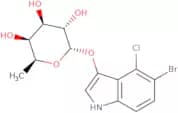
Formula:C40H50N8O8Purity:Min. 97 Area-%Molecular weight:770.87 g/mol5-Bromo-4-chloro-3-indoxyl-alpha-L-fucopyranoside
CAS:5-Bromo-4-chloro-3-indoxyl-alpha-L-fucopyranoside is a chromogenic substrate for alpha-L-Fucosidase. It produces a green-blue color.
Formula:C14H15BrClNO5Purity:Min. 98 Area-%Color and Shape:PowderMolecular weight:392.63 g/molRef: 3D-EB03266
Discontinued productLuc-Enterococcus K
Luc-Enterococcus K is a conjugate of the bacterial luciferase enzyme and Enterococcus faecalis. It is used in food testing, environmental testing and diagnostics. Luc-Enterococcus K can be used as a replacement for the fluorogenic substrate luminol, which is difficult to handle because it has to be kept cold during use and is explosive. Luc-Enterococcus K produces light when it reacts with the chromogenic substrate luciferin, which can be stored at room temperature without degrading. The light produced by Luc-Enterococcus K is blue green in color, making it easy to detect with a camera or eye.
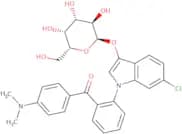
Purity:Min. 95%Aldol® 518 α-D-galactopyranoside, Biosynth Patent: EP 2427431 and US 8940909
CAS:Aldol® 518 alpha-D-galactopyranoside is a chromogenic and fluorogenic enzyme substrate used for detection of alpha-galactosidase activity. The enzyme substrate is cleaved by alpha-galactosidase positive bacteria and yeasts in liquid or solid media, yielding red color and red fluorescence signal. Aldol® 518 alpha-D-galactopyranoside can also be used to detect alpha-galactosidase (encoded by the Mel1 gene) in yeast gene reporter assays or for identification of alpha-gal positive transformants on agar plates. Aldol® 518 alpha-D-galactopyranoside can be used under aerobic and anaerobic conditions.
Formula:C29H29ClN2O7Purity:Min. 95%Color and Shape:PowderMolecular weight:553.01 g/mol4-Methylumbelliferyl elaidate
CAS:4-Methylumbelliferone is a fluorescent probe that can be used to study the metabolism of fatty acids in plants. It is also used as a marker for radiation and significant cytotoxicity. 4-Methylumbelliferone binds to the DNA termini, specifically at the 5' phosphate group, and inhibits phosphatase activity. This process increases levels of p-nitrophenyl phosphate (a substrate), which produces protocatechuic acid (an intermediate). The disulfide bond is then broken by hydrogen peroxide, leading to an increase in fluorescence. The optimum pH for this process is 7.5.
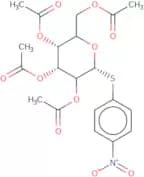
Formula:C28H40O4Purity:Min. 95 Area-%Molecular weight:440.63 g/mol4-Nitrophenyl 2,3,4,6-tetra-O-acetyl-a-D-thiomannopyranoside
CAS:4-Nitrophenyl 2,3,4,6-tetra-O-acetyl-a-D-thiomannopyranoside is a pNP substrate that serves as a chromogenic substrate for enzyme assays. It has been tested for the detection of a-D-mannosidase activity in a variety of biological samples, including cell lysates, body fluids, and tissue homogenates.
Purity:Min. 95%Molecular weight:485.47 g/molAquaSpark® β-D-glucoside, 10 mM in DMSO, Ramot at Tel-Aviv University Ltd. Patent family WO 2017/130191
CAS:Please enquire for more information about AquaSpark® beta-D-glucoside, 10 mM in DMSO, Ramot at Tel-Aviv University Ltd. Patent family WO 2017/130191 including the price, delivery time and more detailed product information at the technical inquiry form on this page
Formula:C34H39ClO12Purity:Min. 95%Color and Shape:Clear LiquidMolecular weight:675.12 g/mol6-Chloro-3-indolyl phosphate disodium salt
CAS:6-Chloro-3-indolyl phosphate disodium salt is a chromogenic substrate that is used in food testing, diagnostics, and environmental testing. It can be used to detect the presence of the enzyme phosphatase by adding it to a sample containing glucose, which will produce an orange color. The ligand 6-chloro-3-indolyl phosphate disodium salt can also be used as a bioluminescence probe for detecting ATP or ADP using luciferase. This product has high purity and quality, and is available at a competitive price.
Formula:C8H5ClNNa2O4PPurity:Min. 98 Area-%Molecular weight:291.54 g/molBronze-Gal
Bronze-Gal (Bronze-beta-D-galactopyranoside) is a chromogenic indicator for beta-galactosidase activity. The colorless product is cleaved by lactose-utilizing bacteria in liquid media or on agar plates and yields a bronze colored precipitate. Bronze-Gal can also be used as detecting agent for beta-galactosidase activity in reporter gene assays or for identification of positive transformants on agar plates when using the α-complementation approach. Read more in the Application Notes.
Purity:Min. 95%Molecular weight:443.57AquaSpark® Alkaline Phosphatase Detection Solution, Ramot at Tel-Aviv University Ltd. Patent family WO 2017/130191
CAS:Ready-to-use chemiluminescence substrate solution for AP detection
Formula:C21H24NaO9PColor and Shape:Clear LiquidMolecular weight:474.37 g/molCrimson-Gal
Crimson-Gal (Crimson-beta-D-galactopyranoside) is a chromogenic indicator for beta-galactosidase activity. The colorless product is cleaved by lactose-utilizing bacteria in liquid media or on agar plates and yields a crimson colored precipitate. Crimson-Gal can also be used as detecting agent for beta-galactosidase activity in reporter gene assays or for identification of positive transformants on agar plates when using the α-complementation approach. Read more in the Application Notes.
Purity:Min. 95%5-Amino-3-indoxyl-β-D-galactopyranoside
5-Amino-3-indoxyl-b-D-galactopyranoside is a chromogenic substrate for the enzyme galactosidase. 5-Amino-3-indoxyl-b-D-galactopyranoside is used in diagnostic tests to identify the presence of lactose intolerance. It can also be used to detect traces of blood in food, water, and other substances. This product has a high purity that makes it suitable for conjugation applications.
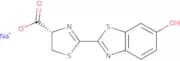
Formula:C14H18N2O6Purity:Min. 95%Molecular weight:310.31 g/molD-Luciferin Firefly, sodium salt monohydrate
CAS:Luciferin is a product that will react with oxygen in the presence of luciferase BX180145 to release energy in the form of light. UV wavelength - 383 to 387 nmMolar extinction coefficient - min. 17500 L/(mol cm)
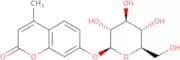
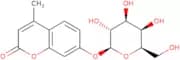
Formula:C11H9N2NaO4S2Purity:Min. 95%Molecular weight:320.3 g/mol4-Methylumbelliferyl β-D-glucopyranoside
CAS:Fluorogenic substrate for β-glucosidase
Formula:C16H18O8Purity:Min. 98 Area-%Color and Shape:PowderMolecular weight:338.31 g/molRef: 3D-EM05983
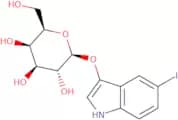
Discontinued product5-Iodo-3-indolyl b-D-galactopyranoside
CAS:5-Iodo-3-indolyl b-D-galactopyranoside is a chromogenic substrate used for beta-galactosidase. It is incorporated into media or detection kits for rapid and direct identification of microorganisms.
Formula:C14H16INO6Purity:Min. 98 Area-%Color and Shape:PowderMolecular weight:421.18 g/molRef: 3D-EI03217
Discontinued productAquaSpark® Enhanced HRP Detection Solution, Ramot at Tel-Aviv University Ltd. Patent family WO 2017/130191
CAS:AquaSpark® Enhanced HRP Detection Solution is a sensitive chemiluminescent substrate solution for detecting horseradish peroxidase (HRP) conjugates on immunoblots (Western blot, dot blot) and in enzyme-linked immunosorbent assays (ELISA). The ready-to-use detection solution contains the AquaSpark® substrate and the oxidizing reagent hydrogen peroxide (H2O2).
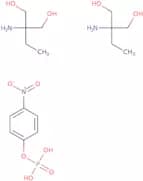
Purity:Min. 95%Color and Shape:Clear Liquid4-Nitrophenyl phosphate mono(2-amino-2-ethyl-1,3-propanediol) salt monohydrate
CAS:Chromogenic substrate for alkaline phosphatase
Formula:C26H32N3NaO6S2Purity:Min. 95%Color and Shape:PowderMolecular weight:457.41 g/mol4-Methylumbelliferyl b-D-galactopyranoside
CAS:Fluorogenic substrate for β-galactosidase
Formula:C16H18O8Purity:Min. 95%Color and Shape:White PowderMolecular weight:338.31 g/mol4-Nitrophenyl-β-D-glucopyranoside
CAS:4-Nitrophenyl-beta-D-glucopyranoside is a fluorescent probe that can be used in the study of the biochemical properties of enzymes. This compound binds to the enzyme's active site, which allows for transfer reactions to occur. 4-Nitrophenyl-beta-D-glucopyranoside is an artificial substrate that is biochemically inert and has a similar physical structure to natural substrates. It can be used as a model system to study enzymatic reactions and has been shown to have pharmacokinetic properties and a pH optimum. The detection sensitivity of this compound is high, making it ideal for use in biochemical studies.
Formula:C12H15NO8Purity:Min. 99.0 Area-%Molecular weight:301.25 g/mol4-Methylumbelliferyl b-D-glucuronide hydrate
CAS:4-Methylumbelliferyl beta;-D-glucuronide (MUG) is commonly used as a substrate for detecting beta;-glucuronidase. MUG is used for identifying E. coli contamination in food, drinkingwater, clinical samples and for rapid bacterial identification in blood cultures. It is recommended in international normatives (ISO, DIN) as a fluorogenic substrate for detection of E. coli. MUG is also a tool assaying the glucuronidase gene in plants.
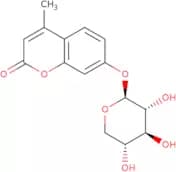
Formula:C16H18O10Purity:(%) Min. 99%Color and Shape:White PowderMolecular weight:352.29 g/mol4-Methylumbelliferyl b-D-xylopyranoside
CAS:Please enquire for more information about 4-Methylumbelliferyl b-D-xylopyranoside including the price, delivery time and more detailed product information at the technical inquiry form on this page
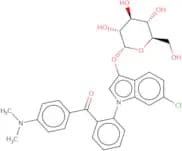
Formula:C15H16O7Purity:Min. 98 Area-%Color and Shape:PowderMolecular weight:308.28 g/molAldol® 518 alpha-D-glucopyranoside, Biosynth Patent: EP 2427431 and US 8940909
CAS:Aldol® 518 alpha-D-glucopyranoside is a fluorogenic enzyme substrate used for detection of alpha-D-glucosidase activity. The colorless enzyme substrate is cleaved by alpha-D-glucosidase, generating red fluorescent signal and in some conditions, an orange colour in the visible spectrum can get formed, staining bacterial colonies in faint orange coloration. Aldol® 518 alpha-D-glucopyranoside can be used under aerobic and anaerobic conditions.
Formula:C29H29ClN2O7Purity:Min. 95%Color and Shape:PowderMolecular weight:553 g/mol4-Methylumbelliferyl-β-D-xylopyranoside
CAS:4-Methylumbelliferyl-β-D-xylopyranoside is a fluorescent probe that has been used to visualize the enzyme activities of glycosidases, such as endoglycosidase H and α-amylase. It is also used as a tool in structural analysis of oligosaccharides. 4-Methylumbelliferyl-β-D-xylopyranoside has been shown to inhibit collagenase activity in mice, which may be due to its ability to inhibit protein synthesis and cell division.
Formula:C15H16O7Purity:Min. 99.0 Area-%Molecular weight:308.29 g/molAquaSpark® Broad Range Phosphatase Substrate, 2 mM in DMSO, Ramot at Tel-Aviv University Ltd. Patent family WO 2017/130191
CAS:Chemiluminescent phosphatase substrate in a wide pH range (pH 6 - 10)
Formula:C28H30ClO10PColor and Shape:Clear LiquidMolecular weight:592.96 g/molAquaSpark® Broad Range Phosphatase Substrate, Ramot at Tel-Aviv University Ltd. Patent family WO 2017/130191
CAS:Chemiluminescent phosphatase substrate in a wide pH range (pH 6 - 10)
Formula:C28H30ClO10PPurity:Min. 80 Area-%Molecular weight:592.13 g/molLuc-Listeria Na
Luc-Listeria Na is a conjugated substrate for the detection of Listeria monocytogenes in food, environmental and clinical samples. It is a high purity product that can be used for the detection of Listeria monocytogenes from culture media, bioluminescence, chromogenic substrate, and fluorogenic substrate. Luc-Listeria Na is also a ligand for ELISA and IHC assays.
Formula:C17H18N2NaO11PS2Purity:Min. 94 Area-%Molecular weight:544.42 g/molAldol® 515 nonanoate hydrochloride, Biosynth Patent: EP 2427431 and US 8940909
CAS:Aldol® 515 nonanoate hydrochloride is a chromogenic and fluorogenic enzyme substrate for detection of lipase activity. The colorless product is cleaved by C9 esterases produced by bacteria in liquid or solid media, yielding a red color and red fluorescence when Aldol® 355 fluorescence enhancer or a suitable matrix is present. Aldol® 515 nonanoate can be used under aerobic and anaerobic conditions. Well detectable color/fluorescence of bacterial colonies or liquid cultures is obtained within 24-48 h. In the presence of a purified lipase, color and fluorescence develops within minutes to few hours.
Formula:C32H36ClN2O3Purity:Min. 95%Color and Shape:PowderMolecular weight:533.1 g/molLuc-coliforms Na
CAS:Luc-coliforms Na is a fluorogenic substrate that is used in the diagnosis of bacterial contamination. It is a conjugate of the enzyme luciferase and the substrate coelenterazine, which are combined in a buffer solution. Luc-coliforms Na is used to detect bacteria by adding it to a culture broth or other growth media. The bacteria will emit light as they break down the luc-coliforms Na and produce ATP, which can then be measured with an appropriate detector. Luc-coliforms Na can also be used as a stain for gram-negative rods, such as coliforms, e.g., Escherichia coli, Enterobacter aerogenes, Klebsiella pneumoniae, Proteus mirabilis.
Formula:C17H17NaN2O8S2Purity:Min. 95 Area-%Molecular weight:464.44 g/mol3,4-Cyclohexenoesculetine β-D-glucopyranoside
CAS:Chromogenic substrate for beta-glucosidase
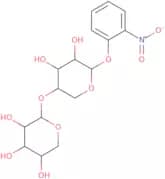
Formula:C19H22O9Purity:Min. 95%Color and Shape:PowderMolecular weight:394.37 g/mol2-Nitrophenyl b-D-xylobioside
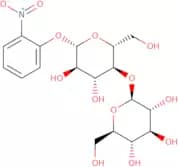
CAS:2-Nitrophenyl b-D-xylobioside is a chromogenic substrate for the enzyme xylanase.
Purity:Min. 95%Color and Shape:PowderMolecular weight:403.34 g/molRef: 3D-EN06167
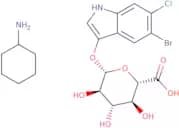
Discontinued product5-Bromo-6-chloro-3-indolyl b-D-glucuronide cyclohexylammonium salt
CAS:5-Bromo-6-chloro-3-indolyl b-D-glucuronide cyclohexylammonium salt is a magenta enzyme substrate commonly used in biochemical assays. This compound is a derivative of indole, containing bromine and chlorine atoms at positions 5 and 6, respectively. The glucuronide moiety is attached to the indolyl ring, and the cyclohexylammonium cation serves as a counterion to balance the charge. This substrate is often utilized in the detection and quantification of β-glucuronidase activity, an enzyme involved in the metabolism of glucuronides. Upon cleavage by β-glucuronidase, the substrate produces a magenta-colored product, allowing for easy visualization and measurement of enzyme activity.
Formula:C14H13BrClNO7·C6H13NPurity:Min. 98 Area-%Color and Shape:PowderMolecular weight:521.79 g/molRef: 3D-EB03300
Discontinued product5-Cyano-3-indolyl-β-D-galactopyranoside
5-Cyano-3-indolyl-b-D-galactopyranoside is a chemiluminescent substrate that can be used to measure the activity of esterases and other enzymes. It has been shown to be a potent inhibitor of human erythrocyte esterase. The compound is also a potent inducer of bioluminescence in bacteria, which can be used for diagnostic applications. 5-Cyano-3-indolyl-b-D-galactopyranoside is a fluorogenic substrate that can be used to measure the activity of phosphatases and other enzymes. This product has an enzyme substrate function, which can be used for enzyme assays. 5CIGP is useful for measuring high levels of enzyme activity in the presence of strong inhibitors such as phenylmethylsulfonyl fluoride (PMSF).
Formula:C15H16N2O6Purity:Min. 95%Color and Shape:PowderMolecular weight:320.3 g/mol2-Nitrophenyl b-D-cellobioside
CAS:Chromogenic substrate targeting cellulases
Formula:C18H25NO14Purity:Min. 98 Area-%Color and Shape:White PowderMolecular weight:463.39 g/molAquaSpark® Alkaline Phosphatase Substrate, 2 mM in DMSO, Ramot at Tel-Aviv University Ltd. Patent family WO 2017/130191
CAS:Chemiluminescence substrate for AP detection
Formula:C21H24NaO9PColor and Shape:Clear LiquidMolecular weight:474.37 g/molLuc-S.aureus K
Luc-S.aureus K is an enzyme conjugate containing luciferase and a specific antibody against Staphylococcus aureus. It is used for detection of S.aureus in laboratory cultures, food, and environmental samples. The light produced by this product is proportional to the amount of bacteria present in the sample. This product can be used as a chemiluminescent substrate for detecting alkaline phosphatase activity or as a fluoro-luminescent substrate for detecting beta-galactosidase activity. Luc-S.aureus K has high purity and high quality, with 100% specific binding affinity for S.aureus and no cross reactivity with other bacteria or host cells, making it suitable for use in diagnostic applications.
Formula:C17H17KN2O8S2Purity:Min. 85 Area-%Molecular weight:480.55 g/mol2-Nitrophenyl-β-D-glucopyranoside
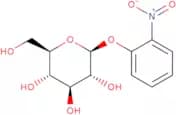
CAS:Chromogenic beta-Glucosidase substrate yielding a yellow solution upon cleavage.
Formula:C12H15NO8Molecular weight:301.26 g/molRef: 3D-N-4320
Discontinued productD-Luciferin Firefly, potassium salt
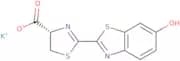
CAS:Water soluble substrate for firefly luciferase. Used for imaging the expression of the LUC marker gene and luciferase-fusion conjugates in living cells, tissues and organisms. Extensively utilized in reporter gene assays, immunoassays and hygiene monitoring. Endotoxin free product.
Formula:C11H7KN2O3S2Purity:Min. 98 Area-%Color and Shape:Slightly Yellow PowderMolecular weight:318.41 g/molRef: 3D-FL08608
Discontinued productBCM® Staphylococcus aureus Plating medium
Please enquire for more information about BCM® Staphylococcus aureus Plating medium including the price, delivery time and more detailed product information at the technical inquiry form on this page
2-Amino-5-pyridyl 2-acetamido-3,4,6-tri-O-acetyl-2-deoxy-a-D-galactopyranose
2-Amino-5-pyridyl 2-acetamido-3,4,6-tri-O-acetyl-2-deoxy-a-D-galactopyranose is a chromogenic substrate for the enzyme β galactosidase. It is used to detect the presence of β galactosidase in bacterial cultures. The substrate is soluble in water and has a long shelf life. 2APAAG can be used for food testing and environmental testing as it produces a bioluminescent signal when cleaved by β galactosidase.
Purity:Min. 95%Espresso-Gal
Espresso-Gal (Espresso-beta-D-galactopyranoside) is a chromogenic indicator for beta-galactosidase activity. The colorless product is cleaved by lactose-utilizing bacteria in liquid media or on agar plates and yields an espresso brown colored precipitate. Espresso-Gal can also be used as detecting agent for beta-galactosidase activity in reporter gene assays or for identification of positive transformants on agar plates when using the α-complementation approach. Read more in the Application Notes.
Purity:Min. 95%AquaSpark® 510 acetate, 10 mM in DMSO, Ramot at Tel-Aviv University Ltd. Patent family WO 2017/130191
CAS:Chemiluminescence substrate for C2-esterase (acetyl esterase)
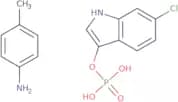
Formula:C30H31ClO8Purity:Min. 95%Color and Shape:Clear LiquidMolecular weight:554.17 g/mol6-Chloro-3-indolyl phosphate p-toluidine salt
CAS:A substrate for visualising alkaline phosphatase activity. Produces a red colored insoluble end product that is detected visually, when used together with Nitroblue tetrazolium. The substrate system is versatile and functions in a variety of applications, including Northern, Southern, and Western blotting, in situ hybridization, ELISAs and immunohistochemistry. DMF soluble.
Formula:C15H16ClN2O4PPurity:Min. 98%Color and Shape:White Off-White PowderMolecular weight:354.73 g/molRef: 3D-EC09439
Discontinued product2-Chloro-4-nitrophenyl-α-L-fucopyranoside
CAS:2-Chloro-4-nitrophenyl-alpha-L-fucopyranoside is a compound that is commonly used as an enzyme substrate for glycogen synthase kinase (GSK). It is activated by GSK-3β and has been shown to inhibit the activity of this enzyme. This compound has also been found to have inhibitory effects on other enzymes such as carbonic anhydrase and lactate dehydrogenase. Additionally, 2-Chloro-4-nitrophenyl-alpha-L-fucopyranoside exhibits antifungal activity against various fungi, including those resistant to other antifungal agents such as fluopyram and prothioconazole. Its mechanism of action involves interfering with ergosterol biosynthesis, an essential component of fungal cell membranes. Furthermore, this compound has potential applications in the development of new drugs targeting GSK-3β and β-catenin signaling pathways, which are implicated in various diseases including cancer and neuro
Formula:C12H14ClNO7Purity:Min. 98 Area-%Molecular weight:319.7 g/mol4-Methylumbelliferyl myo-inositol-1-phosphate N-methyl-morpholine salt
CAS:Please enquire for more information about 4-Methylumbelliferyl myo-inositol-1-phosphate N-methyl-morpholine salt including the price, delivery time and more detailed product information at the technical inquiry form on this page
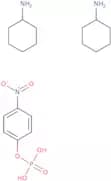
Formula:C16H19O11P·C5H11NOColor and Shape:PowderMolecular weight:519.44 g/mol4-Nitrophenyl phosphate bis(cyclohexylammonium)
CAS:4-Nitrophenyl phosphate bis(cyclohexylammonium) is an excellent chromogenic substrate designed for the detection and quantification of phosphatase enzyme activities. Aided by the presence of the cyclohexylammonium cation, it undergoes enzymatic hydrolysis, yielding the colored 4-nitrophenolate ion, which can be readily observed at 405 nm. The substrate has become an essential tool for biomedical research, playing a crucial role in unearthing cellular mechanisms, function, and potential drug targets.
Formula:C18H32N3O6PPurity:97.0 To 103.0%Color and Shape:PowderMolecular weight:417.44 g/molAc-D-Cha-GR-aminoluciferin
Please enquire for more information about Ac-D-Cha-GR-aminoluciferin including the price, delivery time and more detailed product information at the technical inquiry form on this page
Formula:C30H41N9O6S2Molecular weight:687.83 g/mol5-Bromo-4-chloro-3-indoxyl-1,3-diacetate
CAS:5-Bromo-4-chloro-3-indoxyl-1,3-diacetate (BCID) is a potent and selective inhibitor of the tyrosine kinase enzyme. BCID has been shown to inhibit the growth of various cell cultures in vitro including murine and human cells. BCID has been shown to be an effective inhibitor of TNF-α production in murine models for asthma and allergic rhinitis. The drug has also been shown to reversibly inhibit the activity of the enzyme without affecting its ability to bind substrate or to regenerate active enzyme form inactive enzyme, indicating that it does not act as a suicide inhibitor.
Formula:C12H9BrClNO3Purity:Min. 98.0 Area-%Molecular weight:330.56 g/molRef: 3D-B-7120
Discontinued producto-Dianisidine Dihydrochloride [for Biochemical Research]
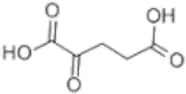
CAS:Formula:C14H16N2O2·2HClPurity:>98.0%(HPLC)Color and Shape:White to Gray to Red powder to crystalMolecular weight:317.21a-Ketoglutaric Acid (High Purity) extrapure AR, 99.5%
CAS:Formula:C5H6O5Purity:min. 99.5%Color and Shape:White to pale yellow, Crystalline powder, Clear, Colourless to pale yellowMolecular weight:146.10S-Acetylthiocholine Iodide extrapure AR, 99%
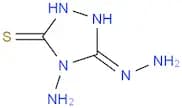
CAS:Formula:C7H16NOSIPurity:min. 99%Color and Shape:White to off - white, Crystalline powder, ClearMolecular weight:289.174-Amino-3-Hydrazino-5-Mercapto-1,2,4-Triazole (AHMT), 98%
CAS:Formula:C2H6N6SPurity:min. 98%Color and Shape:White, Powder, PurpleMolecular weight:146.17Phenylphosphate Disodium Salt Dihydrate (High Purity) extrapure AR, 98%
CAS:Formula:C6H5Na2O4P·2H2OPurity:min. 98%Color and Shape:White, Crystalline powder, Clear, ColourlessMolecular weight:254.09a-Ketoglutaric Acid extrapure, 99%
CAS:Formula:C5H6O5Purity:min. 99%Color and Shape:White to pale yellow, Crystalline powder, Clear, Colourless to pale yellowMolecular weight:146.103,3-Diaminobenzidine Tetrahydrochloride (DAB.4HCl) Buffer Substrate Solution for Peroxidase
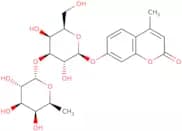
Color and Shape:Clear, Brown to purple to dark brown to dark purple, Liquid4-Methylumbelliferyl 3-O-(a-L-fucopyranosyl)-b-D-galactopyranoside
CAS:4-Methylumbelliferyl 3-O-(α-L-fucopyranosyl)-β-D-galactopyranoside is an organic compound that is used as a radioactive marker for DNA. It can be synthesized in the laboratory and its use allows for the tracking of DNA molecules. The production of this marker is achieved by recombinant expression of the gene encoding the enzyme β-D-galactosidase, which hydrolyzes 4-methylumbelliferyl β-D-galactopyranoside to release 4-methylumbelliferone and α-L-fucopyranose. The enzyme uses UDP glucose as a cofactor to catalyse the reaction. This product has been isolated from Corynebacterium glutamicum, with recombinant expression vectors used to produce it in host cells such as Escherichia coli or Corynebacterium glutamicum. It has been found that
Formula:C22H28O12Purity:Min. 95%Color and Shape:PowderMolecular weight:484.45 g/molRef: 3D-EM06429
Discontinued productLuc-Enterobacteria K
Please enquire for more information about Luc-Enterobacteria K including the price, delivery time and more detailed product information at the technical inquiry form on this page
Formula:C17H17KN2O8S2Purity:Min. 94 Area-%Molecular weight:480.55 g/molRef: 3D-L-8270
Discontinued productLuciferin-caprylate
Luciferin-caprylate is a chemiluminescent substrate that is used in the detection of various substances. It is a high purity compound with CAS No. 583-22-8 and an E number of E711. This product can be used in diagnostic, food testing, and other applications. Luciferin-caprylate has been shown to be an excellent substrate for bioluminescence, fluorescence, and chemiluminescence reactions. It generates light through the oxidation of luciferin by the enzyme luciferase in the presence of oxygen or other oxidizing agents. The light generated by this reaction can be detected using a photomultiplier tube or luminometer, which can then be used to detect substances such as bacteria, protozoa, or fungi.
Purity:Min. 96 Area-%Ref: 3D-L-8128
Discontinued product2'-(4-Methylumbelliferyl)-α-D-N-acetylneuraminic acid, sodium salt
CAS:2'-(4-Methylumbelliferyl)-alpha-D-N-acetylneuraminic acid, sodium salt is a fluorogenic substrate for alpha-galactosidase. It is used in the analysis of cultured media and as a conjugate for enzyme substrates. This product has been shown to be useful in food testing, diagnostics, and environmental testing. 2'-(4-Methylumbelliferyl)-alpha-D-N-acetylneuraminic acid, sodium salt has been used as a chromogenic substrate for the detection of alpha-galactosidase activity. This product is also used as a bioluminescent substrate for the detection of bioluminescence.
Formula:C21H24NNaO11Purity:Min. 96.5 Area-%Molecular weight:489.42 g/molβ-Alanine 7-amido-4-methylcoumarin trifluoroacetate
CAS:Beta-alanine 7-amido-4-methylcoumarin, trifluoroacetate salt is a high purity, ligand, and conjugate. It can be used in the food testing and environmental testing fields. This product has been shown to be a good substrate for enzyme activity and can also function as a fluorescent dye in chemiluminescence assays. Beta-alanine 7-amido-4-methylcoumarin, trifluoroacetate salt is soluble in water and has a CAS number of 201847-54-3.
Formula:C15H15F3N2O5Molecular weight:360.29 g/molAldol® 515 N-glutaryl-L-phenylalanine amide potassium salt, Biosynth Patent: EP 2427431 and US 8940909
CAS:Aldol® 515 N-glutaryl-L-phenylalanine amide is a chromogenic and fluorogenic enzyme substrate used for detection of L-glutamate-phenylalanine (GluPhe)-specific peptidase activity. The colorless enzyme substrate is cleaved the GluPhe-specific peptidase, yielding development of orange-red coloration. In addition, red fluorescence is generated when Aldol® 355 fluorescence enhancer or a suitable matrix is present. Aldol® 515 N-glutaryl-L-phenylalanine amide can be used in enzyme assays and live bacterial cultures. Aldol® 515 N-glutaryl-L-phenylalanine amide is suitable for use in liquid and solid media, under aerobic as well as anaerobic conditions.
Formula:C37H35KN4O5Purity:Min. 95.0 Area-%Molecular weight:654.80 g/molRef: 3D-A-4763_P00
Discontinued product4-Chloro-3-indoxyl-1,3-diacetate
CAS:4-Chloro-3-indoxyl-1,3-diacetate is a chromogenic substrate used in the identification of bile acids. It reacts with 4-chlorophenol to form a red dye. This compound is also used as a ligand for metal ions.
Formula:C12H10ClNO3Molecular weight:251.67 g/molRef: 3D-C-4848
Discontinued productPhenytoin sodium
CAS:Controlled ProductPlease enquire for more information about Phenytoin sodium including the price, delivery time and more detailed product information at the technical inquiry form on this page
Formula:C15H11N2O2NaMolecular weight:274.25 g/molRef: 3D-Q-201564
Discontinued productLuciferin-choline phosphate, sodium salt
Luciferin-choline phosphate, sodium salt is a chemical compound used for the detection of phosphatases and esterases. This compound is also used for the detection of bacteria and fungi in food testing and environmental testing. Luciferin-choline phosphate, sodium salt is a chromogenic substrate that can be detected using bioluminescence or fluorogenic substrates. It has an absorbance maximum at around 420 nm.
Formula:C16H17N3NaO6PS2Purity:Min. 95 Area-%Molecular weight:465.41 g/molLuciferin-beta-D-glucoside, potassium salt
Luciferin-beta-D-glucoside, potassium salt is a fluorogenic substrate that can be used as a ligand in enzyme assays. It is also used in the manufacture of diagnostic reagents, such as conjugates and culture media. It is often used to test for the presence of bacteria or fungi.
Purity:Min. 95%Luciferin-β-D-glucoside, potassium salt
Luciferin-beta-D-glucoside, potassium salt is a conjugate of luciferin and beta-D-glucose. This compound is a substrate for enzymes that catalyze the oxidation of luciferin to generate light. It can be used in diagnostic tests as a chromogenic or fluorogenic substrate to detect specific substances, such as metals and microbes.
Formula:C17H17KN2O8S2Purity:Min. 94 Area-%Molecular weight:464.47 g/molAquaSpark® α-D-glucoside, 10 mM in DMSO, Ramot at Tel-Aviv University Ltd. Patent family WO 2017/130191
CAS:AquaSpark alpha-D-glucoside is a chemiluminescent substrate for thealpha-glucosidase enzyme, based on the AquaSpark technology. Uponhydrolytic cleavage by alpha-glucosidase, AquaSpark alpha-D-glucosideemits green light that allows for sensitive detection ofalpha-glucosidase activity in a variety of biological samples.In microbiology alpha-glucosidase probes are used for the detection ofSaccharomyces cerevisiae, Cronobacter sakazakii, Staphylococcus aureus,Enterobacter spp., Bacillus stearothermophilus and other species.
Formula:C34H39ClO12Molecular weight:675.12 g/molAquaSpark® 510 Nitroreductase/NADH Probe, lyophilized, Ramot at Tel-Aviv University Ltd. Patent family WO 2017/130191
CAS:The AquaSpark® 510 Nitroreductase/NADH Probe (CL-NTR) is a water-soluble probe for the selective chemiluminescent detection of nitroreductase (NTR) activity. It is a versatile tool for monitoring a number of biological processes.
Formula:C28H28ClNO8Molecular weight:541.15 g/molAldol® 470 L-pyroglutamic acid amide, Biosynth Patent: EP 2427431 and US 8940909
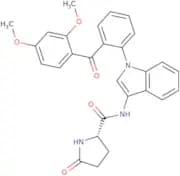
CAS:Controlled ProductAldol® 470 L-pyroglutamic acid amide is a chromogenic and fluorogenic enzyme substrate used for detection of pyrrolidonyl peptidase (PYRase) activity. The colorless enzyme substrate is cleaved by PYRase-producing bacteria grown in liquid or solid media, yielding orange color. In addition, green fluorescence is generated when a suitable matrix is present, such as, the surface of cellulose acetate filters, polypropylene tubes or microplates, and polyethylene vials. Aldol® 470 L-pyroglutamic acid amide is suitable for use under aerobic and anaerobic conditions.
Formula:C28H25N3O5Purity:Min. 95.0 Area-%Molecular weight:483.52 g/mol5-Bromo-4-chloro-3-indoxyl-α-D-xylopyranoside
CAS:5-Bromo-4-chloro-3-indoxyl-alpha-D-xylopyranoside is an enzyme substrate that can be used in the detection of β-galactosidase activity. This product has been shown to be a good ligand for various xanthine oxidoreductases, including xanthine dehydrogenase and uricase. 5BBIX is also a chromogenic substrate for horseradish peroxidase and can be used to detect hydrogen peroxide in the presence of osmium tetroxide or potassium permanganate. 5BBIX has been extensively tested for use in diagnostics, food, and environmental testing.
Formula:C13H13BrClNO5Purity:Min. 98.0 Area-%Molecular weight:378.61 g/molAldol® 467 N-acetyl-beta-D-glucosaminide, Biosynth Patent: EP 2427431 and US 8940909
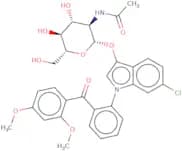
CAS:Aldol® 467 N-acetyl-beta-D-glucosaminide is a chromogenic and fluorogenic enzyme substrate used for detection of beta-N-acetyl-glucosaminidase activity. The colorless enzyme substrate is cleaved in the presence of beta-N-acetyl-glucosaminidase yielding development of a yellow product. In addition, green fluorescence is generated when a suitable matrix or Aldol® 355 fluorescence enhancer is present. Aldol® 467 N-acetyl-beta-D-glucosaminide amide can be used in enzymatic assays or in live bacterial cultures. Aldol® 467 N-acetyl-beta-D-glucosaminide is suitable for use in liquid and solid media, under aerobic as well as anaerobic conditions.
Formula:C31H31ClN2O9Purity:Min. 95%Color and Shape:PowderMolecular weight:611.04 g/molAldol® 455 beta-D-glucopyranoside - Biosynth Patent: EP 2427431 and US 8940909
Aldol® 455 is a substrate for the enzyme beta-galactosidase. It is used in food testing, staining, and environmental testing. Aldol® 455 has been shown to be a good substrate for fluorogenic and chromogenic substrates. It can be conjugated with an antibody or other ligand for use in immunoassays. Aldol® 455 is of high purity and high quality, making it suitable for use in diagnostics and as an enzyme substrate. This product can also be used as a culture media additive.
Purity:Min. 95%5-Bromo-3-indoxyl-β-D-galactopyranoside-6-sulfate sodium salt
CAS:5-Bromo-3-indoxyl-beta-D-galactopyranoside (5BIG) is a fluorogenic substrate that has been shown to be an effective enzyme substrate. It is used in the chemiluminescence, bioluminescence, and fluorescence detection of enzymes. 5BIG is also a chromogenic substrate for nucleic acid staining and can be used in food testing as well as diagnostics. 5BIG is highly pure and high quality with a CAS number of 1301706-59-1.
Formula:C14H15BrNNaO9SPurity:Min. 98 Area-%Molecular weight:476.24 g/mol5-Bromo-4-chloro-3-indoxyl-a-D-xylopyranoside
5-Bromo-4-chloro-3-indoxyl-a-D-xylopyranoside is a fluorogenic substrate that can be used in food testing and environmental testing. This product is a conjugate of the xylosidase enzyme (EC 3.2.1.37) with 5-bromo-4-chloroindoxyl, which has been shown to have a high affinity for the enzyme's active site and enzymatic activity. The purity of this product is > 95% and the CAS number is 68618-41-5.
Purity:Min. 95%Luciferin-β-D-glucuronide, dipotassium salt
Luciferin-beta-D-glucuronide, dipotassium salt, is a bioluminescent substrate for beta-glucuronidase (GUS). It is used in various fields, including biomedical research, diagnostics, and imaging.
Formula:C17H14K2N2O9S2Purity:Min. 95%Color and Shape:PowderMolecular weight:531.94149D-Luciferin Firefly, potassium salt - white
CAS:Water soluble substrate for firefly luciferase. Used for imaging the expression of the LUC marker gene and luciferase-fusion conjugates in living cells, tissues and organisms. Extensively utilized in reporter gene assays, immunoassays and hygiene monitoring. Endotoxin free product.
Formula:C11H7KN2O3S2Purity:Min. 95%Color and Shape:PowderMolecular weight:318.42 g/molRef: 3D-EL175434
Discontinued productD-Luciferin Firefly, sodium salt monohydrate - Endotoxin-free
CAS:Water soluble substrate for firefly luciferase, with low endotoxin.
Formula:C11H9N2NaO4S2Purity:Min. 95%Molecular weight:320.3 g/molRef: 3D-EL175436
Discontinued product




















![o-Dianisidine Dihydrochloride [for Biochemical Research]](/_next/image/?url=https%3A%2Fstatic.cymitquimica.com%2Fproducts%2F3B%2Fthumb-webp%2FD3893.webp&w=3840&q=75)