Apoptosis
Los inhibidores de la apoptosis son compuestos que previenen o retrasan el proceso de muerte celular programada, conocido como apoptosis. Estos inhibidores son vitales para estudiar los mecanismos de supervivencia celular y se utilizan para investigar enfermedades donde la apoptosis está desregulada, como el cáncer, los trastornos neurodegenerativos y las enfermedades autoinmunes. Al modular la apoptosis, estos inhibidores pueden ayudar en el desarrollo de terapias dirigidas a controlar la muerte celular. En CymitQuimica, ofrecemos una amplia selección de inhibidores de la apoptosis de alta calidad para apoyar su investigación en biología celular, oncología y campos relacionados.
Subcategorías de "Apoptosis"
- ASK(6 productos)
- BCL(11 productos)
- Caspasa(125 productos)
- FOXO1(3 productos)
- IAP(66 productos)
- Mdm2(12 productos)
- PD-1 / PD-L1(125 productos)
- PDK(9 productos)
- PERK(25 productos)
- Serina / treonina quinasa(15 productos)
- Survivin(13 productos)
- TNF(92 productos)
- c-RET(51 productos)
- p53(62 productos)
Mostrar 6 subcategorías más
Se han encontrado 5600 productos de "Apoptosis"
Ordenar por
Pureza (%)
0
100
|
0
|
50
|
90
|
95
|
100
PSP205
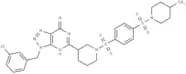
CAS:<p>PSP205 is an effective anticancer agent with cytotoxic properties. It induces apoptosis and triggers autophagy mediated by ER stress. Furthermore, PSP205 enhances the expression of LC3BII protein and increases the expression of CHOP and spliced XBP1 at both mRNA and protein levels.</p>Fórmula:C28H32ClN7O5S2Forma y color:SolidPeso molecular:646.181Topoisomerase I/II inhibitor 4
<p>Topoisomerase I/II inhibitor 4 halts cell growth and spread, induces apoptosis, and is used in liver cancer research.</p>Fórmula:C27H21N5O6Forma y color:SolidPeso molecular:511.49CIL-102
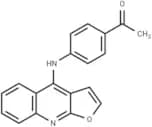
CAS:<p>CIL-102 is an apoptosis inducer that functions as an MMP-2/MMP-9 inhibitor, effectively reducing both the protein expression and mRNA levels of MMP-2/MMP-9. CIL-102 also demonstrates anticancer activity.</p>Fórmula:C19H14N2O2Forma y color:SolidPeso molecular:302.327MP-010
CAS:<p>MP-010 is an FKBP12 ligand that regulates cytosolic calcium by stabilizing RyR channel activity. It facilitates functional improvement in SOD1G93A mice with amyotrophic lateral sclerosis (ALS), evidenced by enhanced motor coordination, increased integrity of neuromuscular junctions, and significantly higher spinal motor neuron survival rates. MP-010 is applicable for research in the field of neurological disorders.</p>Fórmula:C14H20N4O2SForma y color:SolidPeso molecular:308.399PD-L1/HDAC-IN-1
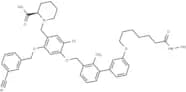
CAS:<p>PD-L1/HDAC-IN-1 (Compound 14) is an inhibitor of PD-L1 and HDAC, effectively blocking PD-1/PD-L1 interaction as well as HDAC2 and HDAC3 with IC50 values of 88.10, 27.98, and 14.47 nM, respectively. It exhibits mild cytotoxicity in MCF-7 cells (IC50=19.34 μM) and enhances the expression of PD-L1 and CXCL10, promoting antitumor immune responses by recruiting T cell infiltration into the tumor microenvironment (TME).</p>Fórmula:C42H46ClN3O7Forma y color:SolidPeso molecular:740.284Aeroplysinin 1
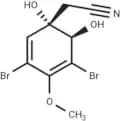
CAS:<p>Aeroplysinin I is an antibacterial compound from the sponge. It has cytotoxic activity against colon cancer cells by promoting β-catenin degradation.</p>Fórmula:C9H9Br2NO3Forma y color:SolidPeso molecular:338.98Autophagy inducer 7
CAS:<p>Autophagyinducer 7 (Compound SSA) serves as an inducer of autophagy (Autophagy) and apoptosis (Apoptosis). It stimulates autophagy by inhibiting Akt/mTOR signaling and the expression of downstream proteins. Additionally, Autophagyinducer 7 suppresses DNA synthesis and causes G0-G1 cell cycle arrest, ultimately inhibiting the growth of tumor cells.</p>Fórmula:C24H27FN2OSForma y color:SolidPeso molecular:410.547EGFR-IN-3
<p>EGFR-IN-3 is an EGFR inhibitor with antitumor activity.EGFR-IN-3 inhibits EGFRwt-TK, induces apoptosis (cell death), and can block cells in the G2/M phase.</p>Fórmula:C24H18F4N6O2SPureza:98.1%Forma y color:SolidPeso molecular:530.517-Demethoxy-reblastatin
CAS:<p>17-Demethoxy-reblastatin (17-DR) acts as an inhibitor of heat shock protein 90 (Hsp90). It suppresses the proliferation of HepG2 and SMMC7721 cancer cells, diminishes colony formation, and triggers apoptosis via a mitochondria and caspase-mediated pathway.</p>Fórmula:C28H42N2O7Forma y color:SolidPeso molecular:518.64GPD-1116
CAS:<p>GPD-1116 is an orally active inhibitor of phosphodiesterase (PDE)4 and PDE1. The compound effectively reduces smoke-induced apoptosis in lung cells. Additionally, GPD-1116 has shown efficacy in various animal disease models, including emphysema, acute lung injury, chronic obstructive pulmonary disease (COPD), asthma, and pulmonary arterial hypertension.</p>Fórmula:C22H16N4OForma y color:SolidPeso molecular:352.39VNPP433-3β
CAS:<p>VNPP433-3β acts as a molecular glue degrader, targeting the androgen receptor (AR) and its splice variants (AR-Vs) as well as MAP kinase-interacting serine/threonine protein kinase Mnk1/2. It effectively inhibits the proliferation of cancer cells LNCaP, C4-2B, and CWR22Rv1, with GI50 values of 0.2, 0.3, and 0.31 μM, respectively. Additionally, VNPP433-3β shows favorable pharmacokinetics in CD-1 mice and suppresses tumor growth in the CWR22Rv1 xenograft mouse model.</p>Fórmula:C29H34N4Forma y color:SolidPeso molecular:438.61Evo312
CAS:<p>Evo312 is an inhibitor of protein kinase C beta I (PKCβI) with an IC50 of 117.34 nM and exhibits dose-dependent characteristics. It acts by inhibiting the expression of the PKCβI protein, which leads to cell cycle arrest and apoptosis in PANC-GR (gemcitabine-resistant pancreatic cancer cells). Evo312 also demonstrates antiproliferative effects in pancreatic cancer cells PANC-1 and PANC-GR, with IC50 values of 0.08 μM and 0.07 μM respectively, while presenting an IC50 of 2.95 μM in normal human pancreatic ductal epithelial cells HPDE6-c7. Additionally, Evo312 has shown antitumor activity in a mouse xenograft model using PANC-GR cells.</p>Fórmula:C21H19N3O3Forma y color:SolidPeso molecular:361.39VEGFR-2-IN-52
CAS:<p>VEGFR-2-IN-52 (compound 14d) serves as a powerful inhibitor of VEGFR-2, exhibiting an IC 50 of 191.1 nM. It effectively reduces the protein expression levels of p-VEGFR-2, MMP9, p-ERK1/2, and p-MEK1. In addition, VEGFR-2-IN-52 demonstrates cytotoxic properties by inducing apoptosis and arresting the cell cycle at the G0/G1 phase, and it enhances the levels of ROS.</p>Fórmula:C20H25ClN4O2SForma y color:SolidPeso molecular:420.96PI3K/AKT-IN-1
CAS:<p>PI3K/AKT-IN-1 is a dual inhibitor of PI3K and AKT with anti-cancer activity, inhibiting the PI3K/AKT pathway and inducing caspase 3-dependent apoptosis.</p>Fórmula:C23H23N5O4SPureza:99.84%Forma y color:SoildPeso molecular:465.53MG-B-28
<p>MG-B-28, a BTLA-HVEM inhibitor, demonstrates an IC50 value of 906 nM. It promotes T cell activation dose-dependently by inhibiting the interaction between BTLA and HVEM.</p>Fórmula:C28H25N5O3Forma y color:SolidPeso molecular:479.53p53-MDM2-IN-6
CAS:<p>p53-MDM2-IN-6, an LSM-83177 hydrazone analog, acts as an efficacious p53-MDM2 inhibitor with an IC50 of 11.08 µg/mL. This compound inhibits the p53-MDM2 interaction leading to an increase in p-53 levels while concurrently decreasing GST enzyme expression. It halts the cell cycle at the S phase and induces early and late apoptosis (Apoptosis), exhibiting antiproliferative activity against the HT29 cell line with an IC50 of 10.44 µg/mL. p53-MDM2-IN-6 holds promise for research in colorectal cancer.</p>Fórmula:C17H17N3O4Forma y color:SolidPeso molecular:327.33MB710
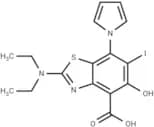
CAS:<p>MB710 is an amino-benzothiazole derivative that tightly binds to the Y220C pocket and stabilizes p53-Y220C in vitro.</p>Fórmula:C16H16IN3O3SPureza:99.02%Forma y color:SolidPeso molecular:457.29Ferroptosis-IN-6
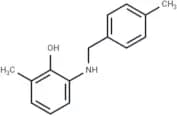
CAS:<p>Ferroptosis-IN-6 is an efficient ferroptosis inhibitor, protecting cells from cell death induced by ferroptosis inducers, and inhibiting STY-BODIPY oxidation.</p>Fórmula:C15H17NOPureza:99.84%Forma y color:SolidPeso molecular:227.3Topoisomerase II inhibitor 20 TFA
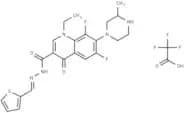
<p>TopoisomeraseII Inhibitor 20 TFA is a potent inhibitor of topoisomerase II with an IC50 of 0.98 µM. It can induce cell apoptosis and exhibits broad-spectrum anticancer activity.</p>Fórmula:C24H24F5N5O4SForma y color:SolidPeso molecular:573.54BRD4/CK2-IN-1
CAS:<p>BRD4/CK2-IN-1 is a small-molecule inhibitor targeting BRD4 and CK2, inducing apoptosis and autophagy-related cell death.</p>Fórmula:C29H30ClN5O5Pureza:99.02%Forma y color:SolidPeso molecular:564.0306:0 PE
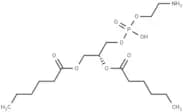
CAS:<p>06:0 PE (PE(6:0/6:0)) is a water-soluble phospholipid characterized by its short acyl chains. It possesses notable antitumor activity and can inhibit tumor progression in the body. Additionally, it exhibits antiproliferative and pro-apoptotic properties, and serves as a precursor for phosphatidylcholine and phosphatidylethanolamine.</p>Fórmula:C17H34NO8PForma y color:SolidPeso molecular:411.43HAC-Y6
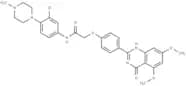
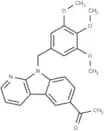
CAS:<p>HAC-Y6 exerts its anticancer effects by inducing cell cycle arrest. It prompts apoptosis in COLO 205 cells with an IC50 of 0.52 µM.</p>Fórmula:C23H22N2O4Forma y color:SolidPeso molecular:390.43DPP-21
CAS:<p>DPP-21 is an inhibitor of microtubule protein polymerization (IC50: 2.4 μM). It exhibits antiproliferative activity against various cancer cell lines, with IC50 values of 0.38 nM (HCT116), 11.69 nM (B16), 5.37 nM (HeLa), 9.53 nM (MCF7), 8.94 nM (H23), and 9.37 nM (HepG2). DPP-21 induces cell cycle arrest at the G2/M phase of mitosis and subsequently triggers apoptosis in tumor cells by decreasing Bcl-2 while increasing pro-apoptotic protein Bax levels.</p>Fórmula:C17H16N4SForma y color:SolidPeso molecular:308.40RIPK1-IN-24
CAS:<p>RIPK1-IN-24 is an inhibitor of receptor-interacting protein kinase 1 (RIPK1) with an IC50 of 1.3 μM. It is utilized in research on inflammatory diseases.</p>Fórmula:C26H21FN6O2Forma y color:SolidPeso molecular:468.48DOR agonist 2
CAS:<p>Compound 3 (DOR agonist 2) acts as a Delta Opioid Receptor agonist. It inhibits the expression of TNF-α, obstructs NF-κB transportation to the nucleus, and activates the G protein-mediated ERK1/2 pathway. This compound is useful for research into neurodegenerative diseases.</p>Fórmula:C29H26N2O3Forma y color:SolidPeso molecular:450.53Sabialimon P
CAS:<p>Sabialimon P (compound 16), with an IC50 of 18.12 μM, functions as a NO release inhibitor and exhibits anti-inflammatory properties. It effectively diminishes the secretion of TNF-α, iNOS, IL-6, and NF-κB, and suppresses the expression of COX-2 and NF-κB/p65 in LPS-induced RAW264.7 cells.</p>Fórmula:C31H50O4Forma y color:SolidPeso molecular:486.73Antitumor agent-184
CAS:Antitumor Agent-184 (compound 12aa) triggers apoptosis in various cell lines, exhibiting IC50 values of 2.35 μM in B16-F10 cells, 7.32 μM in 4T1 cells, and 10.31 μM in CT26 cells.Fórmula:C22H16N4O2SForma y color:SolidPeso molecular:400.45UCN-01
CAS:<p>inhibitor of Akt, protein kinase C, PDK1 and cyclin-dependent kinases</p>Fórmula:C28H26N4O4Pureza:98%Forma y color:SolidPeso molecular:482.53SILA-123
CAS:<p>SILA-123, an inhibitor of FLT3 (FLT3-WT: IC50=2.1 nM; FLT3-ITD: IC50=1.0 nM), induces cell apoptosis by hindering the cell cycle progression at the G0/G1 phase through the suppression of FLT3 phosphorylation and its downstream signaling pathways. This compound is utilized in the study of acute myeloid leukemia.</p>Fórmula:C24H25N5O2Forma y color:SolidPeso molecular:415.49Topoisomerase inhibitor 4
CAS:<p>Topoisomerase inhibitor4 (compound 45) acts as an effective inhibitor of Topoisomerase1/2, arresting the cell cycle at the G2/M phase and inducing Apoptosis. This compound exhibits potent antitumor activity.</p>Fórmula:C30H28F3IN4O3Forma y color:SolidPeso molecular:676.47Cetzole
CAS:<p>Cetzole (Compound 1) acts as an inducer of ferroptosis (iron-dependent cell death) through the accumulation of ROS, leading to cell death. The compound exhibits varying half-maximal cytotoxic concentrations (CC50) against several cell lines: 2.56 μM in NCI-H522, 10.31 μM in NCI-H522 GFP-SCL7A11 #8, 2.71 μM in NCI-H522 RV-GFP, 3.07 μM in HT-1080, 14.9 μM in NARF2, and 6.28 μM in MDA-MB-231. This highlights Cetzole's potential for research in cancer therapeutics.</p>Fórmula:C11H11NOSForma y color:SolidPeso molecular:205.28YL-1-9
CAS:<p>YL-1-9 is an inhibitor that prevents the degradation of p53 by MDM2 through tight binding to the crucial hydrophobic pocket of MDM2. It can induce cell cycle arrest and apoptosis in breast cancer cells [1].</p>Fórmula:C22H23F3N2O3Forma y color:SolidPeso molecular:420.425Ketorolac hydrochloride
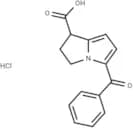
CAS:<p>Ketorolac (RS37619) hydrochloride is a nonsteroidal anti-inflammatory drug and a non-selective COX inhibitor, exhibiting IC50 values of 20 nM for COX-1 and 120 nM for COX-2. This compound is utilized in a 0.5% ophthalmic solution format for the investigation of allergic conjunctivitis, cystoid macular edema, intraoperative miosis, and post-operative ocular inflammation pain. Additionally, Ketorolac hydrochloride serves as a DDX3 inhibitor, making it pertinent for research in cancer therapies.</p>Fórmula:C15H14ClNO3Forma y color:SolidPeso molecular:291.73Enpp-1-IN-25
CAS:<p>Enpp-1-IN-25 (Compound 30) is an ENPP1 inhibitor with an IC50 of 8.05 nM and exhibits low oral bioavailability. By inhibiting cGAMP degradation, it effectively activates the intracellular STING pathway. Enpp-1-IN-25 can enhance immune cell infiltration and type I interferon response in the tumor microenvironment, thereby increasing the antitumor efficacy of anti-PD-L1 antibodies. It is applicable for research in cancer immunotherapy.</p>Fórmula:C15H21N5O4SForma y color:SolidPeso molecular:367.423Glyphosate isopropylammonium
CAS:<p>Glyphosate isopropylammonium is a broad-spectrum, non-selective systemic biocide derived from the amino acid glycine. It inhibits the enzyme activity of 5-enolpyruvylshikimate-3-phosphate synthase (EPSPS) in the shikimate pathway, blocking the synthesis of aromatic amino acids tyrosine, phenylalanine, and tryptophan. Additionally, Glyphosate isopropylammonium induces oxidative stress, neuroinflammation, and mitochondrial dysfunction, leading to neuronal death through autophagy, necrosis, or apoptosis, resulting in behavioral and motor disturbances.</p>Fórmula:C6H17N2O5PPeso molecular:228.18MJC13
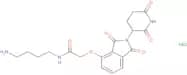
CAS:<p>MJC13 is an FKBP52-targeting agent with antitumor activity, suitable for prostate cancer research.</p>Fórmula:C13H15Cl2NOForma y color:SolidPeso molecular:272.17Thalidomide-NH-amido-C4-NH2
CAS:<p>Thalidomide-NH-amido-C4-NH2 is a synthetic E3 ligase ligand-linker conjugate composed of a Thalidomide-based cereblon ligand and a linker, which is utilized in the synthesis of PROTAC.</p>Fórmula:C19H23N5O5Peso molecular:401.42BMS 310705
CAS:<p>BMS 310705, an Epothilone B analog, targets ovarian/renal/bladder/lung cancer, inducing apoptosis via mitochondria.</p>Fórmula:C27H42N2O6SForma y color:SolidPeso molecular:522.70HP590
CAS:<p>HP590: potent oral STAT3 inhibitor, IC50=27.8 nM, blocks ATP, IC50=24.7 nM, hinders gastric cancer growth, triggers cell death.</p>Fórmula:C29H24F6N4O3Forma y color:SolidPeso molecular:590.52N-a-Tosyl-L-lysinyl-chloromethylketone hydrochloride
CAS:<p>N-a-Tosyl-L-lysinyl-chloromethylketone hydrochloride (TLCK hydrochloride) is an irreversible serine protease inhibitor that functions by alkylating the histidine residue at the active site, thus inhibiting trypsin and trypsin-like proteases. It effectively inhibits caspase-3, caspase-6, and caspase-7 with IC50 values of 12.0, 54.5, and 19.3 μM, respectively. Additionally, N-a-Tosyl-L-lysinyl-chloromethylketone hydrochloride induces apoptosis in HL-60 cells and prevents the reduction of mitochondrial transmembrane potential during the apoptosis process.</p>Fórmula:C14H22Cl2N2O3SPeso molecular:369.31Thalidomide-Piperazine-PEG1-NH2
CAS:<p>Thalidomide-Piperazine-PEG1-NH2 is a synthetic E3 ligase ligand-linker conjugate, featuring a cereblon ligand based on Thalidomide and a single linker.</p>Fórmula:C21H27N5O5Peso molecular:429.47MNK1/2-IN-6
<p>MNK1/2-IN-6: Strong, selective MNK1/2 inhibitor; IC50s: MNK1 at 2.3 nM, MNK2 at 3.4 nM; triggers dose-dependent apoptosis.</p>Fórmula:C27H24N6OForma y color:SolidPeso molecular:448.52tDHU, acid
CAS:<p>tDHU, acid is a dihydropyrimidine cereblon ligand consisting of an E3 ligase ligand and a benzoic acid linker. It serves as an E3 ubiquitin ligase ligand-linker conjugate in the development of PROTACs.</p>Fórmula:C12H12N2O4Peso molecular:248.23Antiproliferative agent-4
<p>Antiproliferative agent-4 suppresses cancer cell growth with low toxicity, inhibits tumors in mice, and induces apoptosis in EC109 cells.</p>Fórmula:C29H35ClO8Forma y color:SolidPeso molecular:547.04RIPK1-IN-23
CAS:<p>RIPK1-IN-23 (compound 19) is an RIPK1 inhibitor with potent anti-necroptotic effects in HT-29 cells (EC50 = 1.7 nM). Additionally, RIPK1-IN-23 exhibits anti-inflammatory properties.</p>Fórmula:C27H22N6O3Peso molecular:478.50Thalidomide-NH-amido-PEG2-C2-NH2 hydrochloride
CAS:<p>Thalidomide-NH-amido-PEG2-C2-NH2 hydrochloride is a synthetic E3 ligase ligand-linker conjugate, comprised of a cereblon ligand based on Thalidomide and a linker, utilized in the synthesis of PROTACs.</p>Fórmula:C21H28ClN5O7Peso molecular:497.93Thalidomide-NH-amido-PEG2-C2-NH2
CAS:<p>Thalidomide-NH-amido-PEG2-C2-NH2 is a synthetic E3 ligase ligand-linker conjugate comprising a Thalidomide-based cereblon ligand and a linker. It is utilized in the synthesis of PROTACs.</p>Fórmula:C21H27N5O7Peso molecular:461.47Thalidomide-NH-amido-PEG1-C2-NH2 hydrochloride
CAS:<p>Thalidomide-NH-amido-PEG1-C2-NH2 hydrochloride is a synthetic E3 ligase ligand-linker conjugate that includes a thalidomide-based cereblon ligand and a linker, used in the synthesis of PROTAC.</p>Fórmula:C19H24ClN5O6Peso molecular:453.88Bayer-18
CAS:<p>Bayer-18 is an inhibitor of TYK2. It inhibits the viability of anaplastic large cell lymphoma cells, including K299, SR786, Mac1, and Mac2a, with an IC50 ranging from 2-3 µM. Additionally, Bayer-18 induces apoptosis in K299 and SR786 cells.</p>Fórmula:C19H27FN6O2Forma y color:SolidPeso molecular:390.46TOPOI/PARP-1-IN-1
CAS:<p>Compound B6, also known as TOPOI/PARP-1-IN-1, is a dual inhibitor targeting TOPOI and PARP, exhibiting low cytotoxicity and oral activity with a PARP1 IC 50 of 0.09 μM. This compound effectively inhibits cancer cell proliferation and migration, induces cell cycle arrest at the G0/G1 phase, and triggers apoptosis. In murine models, TOPOI/PARP-1-IN-1 demonstrated a tumor growth inhibition rate (TGI) of 75.4% [1].</p>Fórmula:C36H38Br2N4O2Forma y color:SolidPeso molecular:718.52Tubulin/NRP1-IN-1
CAS:<p>Tubulin/NRP1-IN-1 (compound TN-2) serves as a dual inhibitor targeting both Tubulin and NRP1, exhibiting IC50 values of 0.71 μM and 0.85 μM, respectively. This compound notably reduces the viability of prostate tumor cell lines and triggers apoptosis [1].</p>Fórmula:C28H37N5O8Forma y color:SolidPeso molecular:571.62TNF-α-IN-12
CAS:<p>TNF-α-IN-12, a TNF-α inhibitor with an IC50 of 0.1 μM, can reduce TNF-α blood levels [1].</p>Fórmula:C21H22O6Forma y color:SolidPeso molecular:370.4NLRP3-IN-26
CAS:<p>NLRP3-IN-26 (compound 15Z), with an IC50 of 0.13 μM, functions as an inhibitor of NLRP3. It is applicable in studies involving the DSS-induced colitis model [1].</p>Fórmula:C31H33ClN2O6SForma y color:SolidPeso molecular:597.12NTU281
CAS:<p>NTU281 inhibits transglutaminase-2, lowers creatinine in diabetic rats, reduces proteinuria, and fights glomerulosclerosis.</p>Fórmula:C25H31N2O6SForma y color:SolidPeso molecular:487.59ZNU-IMB-Z15
CAS:<p>Compound Z15 (ZNU-IMB-Z15) acts as an antagonist and degrader of the androgen receptor (AR). It inhibits the proliferation of castration-resistant prostate cancer (CRPC) cell lines that are AR-positive and induces apoptosis. Compound Z15 exhibits anticancer activity both in vivo and in vitro.</p>Fórmula:C20H17N3O3S2Forma y color:SolidPeso molecular:411.5WK88-1
CAS:<p>WK88-1, an inhibitor of Hsp90, effectively induces the degradation of various oncogenic signaling molecules, including EGFR, ErbB2, and ErbB3, in the gefitinib-resistant H1975 cell line. This leads to subsequent growth arrest and apoptosis.</p>Fórmula:C28H42N2O6Forma y color:SolidPeso molecular:502.64SLCB050
CAS:<p>SLCB050 is a compound with anticancer activity that inhibits the interaction between DX2 and p14/ARF. It decreases the viability of human lung cancer cells, particularly small cell lung cancer cells, in a p14/ARF-dependent manner, and induces cell apoptosis (apoptosis) and senescence.</p>Fórmula:C21H18O6Forma y color:SolidPeso molecular:366.36Sampangine
CAS:<p>Sampangine, an alkaloid, induces apoptosis by causing cell cycle arrest at the G0/G1 phase and inhibits the biosynthesis of heme.</p>Fórmula:C15H8N2OForma y color:SolidPeso molecular:232.24PF-3837
CAS:<p>PF-3837 is an inhibitor of the Mps1 kinase, with a Ki value of 0.33 nM and an IC50 value of 5.5 nM. It disrupts cell cycle checkpoints by inhibiting the catalytic activity of Mps1, thereby reducing genomic stability and leading to cancer cell apoptosis (Apoptosis). PF-3837 is utilized in the study of breast cancer.</p>Fórmula:C21H26N8O2Forma y color:SolidPeso molecular:422.48Tubulin polymerization-IN-68
CAS:<p>Tubulin polymerization-IN-68 (compound 32) serves as a tubulin inhibitor, disrupting cellular microtubule networks by hindering tubulin polymerization. It also upregulates PARP-1 and caspase-3 expression, thereby inducing apoptosis and exhibiting anticancer properties. Notably, Tubulin polymerization-IN-68 effectively suppresses HepG2 cells with an IC50 of 93 nM and markedly reduces the growth of HepG2 xenograft tumors in nude mice through oral administration.</p>Fórmula:C16H13N3OForma y color:SolidPeso molecular:263.29Mps-BAY1
CAS:<p>Mps-BAY1, an MPS1 inhibitor, exhibits anticancer activity. It inhibits cell proliferation and induces cell apoptosis by activating mitotic aberrations in cancer cells, leading to overall aneuploidy and polyploidy. Mps-BAY1 is used in research pertaining to colorectal and cervical cancer.</p>Fórmula:C27H20N6OForma y color:SolidPeso molecular:444.49ONC213
CAS:<p>ONC213, an αKGDH inhibitor, functions by hindering αKGDH activity, thus suppressing mitochondrial respiration and elevating α-ketoglutarate levels, ultimately inducing apoptosis (Apoptosis) in AML cells. It is utilized in the study of acute myeloid leukemia.</p>Fórmula:C23H22F2N4OForma y color:SolidPeso molecular:408.44Minnelide
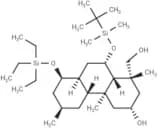
CAS:<p>Minnelide is a prodrug of triptolide,and shows potent antitumor activity in a number of tumor types.</p>Fórmula:C21H25Na2O10PPureza:98.49% - 99.59%Forma y color:SolidPeso molecular:514.37Cernuumolide J
CAS:<p>Cernuumolide J (TMJ-105) functions as a JAK2/STAT3 inhibitor and exhibits potent activity against HEL leukemia cells by inhibiting their growth in both time-dependent and concentration-dependent manners, with an IC 50 value of 1.79 μM. This compound effectively induces G2/M phase arrest and apoptosis by downregulating the phosphorylation of JAK2, STAT3, and Erk, while simultaneously upregulating the phosphorylation of JNK and p38 MAPK. Cernuumolide J holds potential for research applications in anti-cancer therapy.</p>Fórmula:C24H34O8Forma y color:SolidPeso molecular:450.52Ferroptosis-IN-18
CAS:<p>Ferroptosis-IN-18 (51) is a phenothiazine derivative known for its potent anti-ferroptotic and antioxidant properties. It is useful for research related to intracerebral hemorrhage (ICH).</p>Fórmula:C25H27N3SForma y color:SolidPeso molecular:401.567Caspase-3 activator 4
CAS:<p>Caspase-3 Activator 4 (compound 4o) is an effective caspase-3 activator that can cross the blood-brain barrier. This compound exhibits antiproliferative activity and can induce cell apoptosis (apoptosis). Additionally, Caspase-3 Activator 4 enhances the gene expression of TNF-α and reduces the expression of cleaved caspase-3/caspases 3.</p>Fórmula:C31H27N5O3Forma y color:SolidPeso molecular:517.58CLM3
CAS:<p>CLM3, a pyrazolopyrimidine derivative, functions as a multitargeted tyrosine kinase inhibitor. It exhibits antiproliferative and proapoptotic activities on endothelial and cancer cells, activities that are synergistically enhanced by SN38. The primary mechanism of action for CLM3 involves the inhibition of phosphorylation in tyrosine kinases such as VEGFR-2, EGFR, and RET, along with their associated signaling pathways.</p>Fórmula:C21H21N5Forma y color:SolidPeso molecular:343.43Nur77 agonist-1
CAS:<p>Nur77 agonist-1 (Compound 8f) is an orally active Nur77 agonist. It induces ferroptosis by upregulating Nur77 protein expression, increasing reactive oxygen species (ROS) and lipid peroxidation levels, while decreasing GPX4 protein expression. Nur77 agonist-1 binds with affinity to the ligand binding domain of Nur77, with a KD of 13.80 μM. It demonstrates significant antiproliferative activity against various breast cancer cells (IC50: 2.15-3.26 μM) and exhibits low cytotoxicity towards normal cells. This compound is useful for breast cancer research.</p>Fórmula:C24H18ClN5O2Forma y color:SolidPeso molecular:443.885KMUP-1
CAS:<p>KMUP-1 is a xanthine derivative known for its vasodilatory properties. It functions as a phosphodiesterase (PDE) inhibitor and an activator of soluble guanylate cyclase (sGC), engaging the NO/sGC/cyclic guanosine monophosphate pathway. Additionally, KMUP-1 can open K+ channels and has the potential to alleviate ischemia-induced cardiac myocyte apoptosis (apoptosis). This compound is useful in cardiovascular and anti-inflammatory research.</p>Fórmula:C19H23ClN6O2Forma y color:SolidPeso molecular:402.878BHA536
CAS:<p>BHA536 is an orally effective inhibitor of PKCα/β and the NF-kB signaling pathway. This compound inhibits the proliferation of ABC DLBCL cells harboring CD79 mutations by causing cell cycle arrest in the G1 phase and induces apoptosis in TMD8 cells. Additionally, BHA536 exhibits antitumor activity in mice.</p>Fórmula:C30H30ClN3O5Forma y color:SolidPeso molecular:548.03LQB-118
CAS:<p>LQB-118, an orally active compound sourced from sandalwood, demonstrates multiple therapeutic capabilities. It has shown proficiency in inhibiting glioblastoma cell migration and inducing apoptosis. Additionally, LQB-118 can curtail both migration and invasion of prostate cancer cells by modulating the AKT/GSK3β pathway and regulating MMP-9/reck gene expression. The compound is also effective against yeast polysaccharide-induced inflammation in both in vivo and in vitro settings. Notably, LQB-118 specifically triggers ROS-mediated and mitochondrial-dependent apoptosis in Leishmania amazonensis, highlighting its potential in studies focusing on inflammation, infections, and various cancers.</p>Fórmula:C19H12O4Forma y color:SolidPeso molecular:304.30Isoforretin A
CAS:<p>Isoforretin A is a potent inhibitor of thioredoxin-1 (Trx1) with significant biological activity, inducing anti-tumor effects mediated by reactive oxygen species (ROS). The compound inhibits Trx1 activity by covalently binding to the activation site residues Cys32/Cys35, which triggers ROS accumulation, leading to DNA damage and apoptosis (Apoptosis) in cancer cells. Additionally, Isoforretin A has demonstrated the ability to suppress the growth of HepG2 tumors in a mouse hepatic cell carcinoma xenograft model.</p>Fórmula:C28H38O10Forma y color:SolidPeso molecular:534.6SC428
CAS:<p>SC428 acts as an inhibitor of the androgen receptor (AR), specifically targeting the N-terminal domain of AR. This compound effectively diminishes the transactivation of various AR forms, including AR-V7, ARv567es, full-length AR (AR-FL), and its LBD mutants. Additionally, SC428 significantly inhibits AR-FL nuclear translocation, chromatin binding, and AR-regulated gene transcription under androgen stimulation. In vitro, SC428 suppresses the proliferation of tumor cells. In vivo, it inhibits tumor growth in mice transplanted with 22Rv1 cells by inducing apoptosis.</p>Fórmula:C15H10F3N3OSForma y color:SolidPeso molecular:337.32SIJ1777
CAS:<p>SIJ1777, a derivative of GNF-7, exhibits potent anticancer effects against melanoma cells harboring BRAFI/II/III mutations. The compound significantly inhibits the activation of MEK, ERK, and AKT. Furthermore, SIJ1777 notably induces apoptosis (cell death) and effectively prevents migration, invasion, and anchorage-independent growth of melanoma cells with BRAFI/II/III mutations.</p>Fórmula:C26H23F3N8O2Forma y color:SolidPeso molecular:536.51HC-5404-Fu
CAS:HC-5404-Fu is an inhibitor of PERK with anti-tumor activity. This compound inhibits the signaling pathway of the endoplasmic reticulum stress response. Additionally, HC-5404-Fu increases the sensitivity of renal cell carcinoma cells to vascular endothelial growth factor (VEGF) receptor tyrosine kinase inhibitors (TKIs). It holds potential for research into renal cell carcinoma, stomach cancer, metastatic breast cancer, small cell lung cancer, and other solid tumors.Fórmula:C28H28F2N4O7Forma y color:SolidPeso molecular:570.54WB436B
CAS:<p>WB436B, a highly selective STAT3 inhibitor, effectively targets and inhibits STAT3-Tyr705 phosphorylation along with the expression of STAT3 target genes. It exhibits cytotoxic effects on pancreatic cancer cells by inducing apoptosis. Furthermore, WB436B suppresses tumor growth and metastasis in pancreatic cancer mouse models, thereby prolonging the survival of tumor-bearing mice.</p>Fórmula:C21H20N6O3SForma y color:SolidPeso molecular:436.49CP-31398
CAS:<p>CP-31398 stabilizes the active conformation of p53 in cancer cells with either mutated or wild-type p53, enhancing its activity. Additionally, CP-31398 upregulates target genes of p53 such as p21WAF1/Cip1 and KILLER/DR5. This compound possesses tumor-suppressive properties.</p>Fórmula:C22H26N4OForma y color:SolidPeso molecular:362.47GPX4 activator 2
CAS:<p>GPX4 Activator 2 (Compound C3) serves as an activator of GPX4 and exhibits cardioprotective effects by inhibiting cellular iron death (ferroptosis) with an efficacy concentration (EC50) of 7.8 μM. It is used in the study of myocardial damage.</p>Fórmula:C20H26N6O2SForma y color:SolidPeso molecular:414.52PF-7006
CAS:<p>PF-7006, an Mps1 kinase inhibitor, exhibits a Ki value of 0.27 nM and an IC50 value of 2.5 nM. It disrupts cell cycle checkpoints by inhibiting the catalytic activity of Mps1, reduces histone H3 levels, and shortens the duration of mitosis, thereby inducing apoptosis (Apoptosis) in cancer cells. When used in combination with Palbociclib, the tolerance of cancer cells to PF-7006 is enhanced. PF-7006 is applicable for research on breast cancer.</p>Fórmula:C22H26N8O2Forma y color:SolidPeso molecular:434.49Apoptosis inducer 5
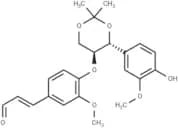
<p>Apoptosis Inducer 5, a lignan enantiomer extracted from Crataegus pinnatifida, demonstrates cytotoxic properties through inducing apoptosis and autophagy in</p>Fórmula:C23H26O7Forma y color:SolidPeso molecular:414.45MC3629
CAS:<p>MC3629, an inhibitor of the histone methyltransferase (EZH2), exhibits antitumor activity. This compound effectively inhibits the proliferation and self-renewal of SHH MB cancer cells while inducing cell apoptosis (apoptosis). MC3629 is also useful in research on tumor aggressiveness and resistance.</p>Fórmula:C19H20N4O2Forma y color:SolidPeso molecular:336.39Gallium 8-Hydroxyquinolinate
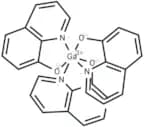
CAS:<p>Gallium 8-Hydroxyquinolinate is an inducer of apoptosis that initiates both p53-dependent and independent cell death in cancer cells through the induction of Ca2+ signaling transduction. In addition to its apoptotic properties, this compound's nanostructures exhibit excellent optical performance, making it suitable for use in tumor research.</p>Fórmula:C27H18GaN3O3Forma y color:SolidPeso molecular:502.17SPI-001
CAS:<p>SPI-001 is a selective inhibitor of PPM1D (IC50=0.48 µM) that exhibits anticancer activity. The compound inhibits the phosphatase activity of PPM1D in human breast cancer cells overexpressing PPM1D and enhances the phosphorylation of p53. Additionally, SPI-001 suppresses cell proliferation by inducing apoptosis.</p>Fórmula:C30H60O4Si2Forma y color:SolidPeso molecular:540.97XSJ05
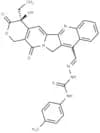
CAS:<p>XSJ05, a derivative of camptothecin (CPT), exhibits anti-cancer activity by inhibiting topoisomerase I (Topo I). This compound induces DNA double-strand breaks, leading to DNA damage. Furthermore, XSJ05 stifles the growth of colorectal cancer (CRC), halts the cell cycle in the G2/M phase, and induces apoptosis.</p>Fórmula:C29H25N5O4SForma y color:SolidPeso molecular:539.60TfR-1-IN-1
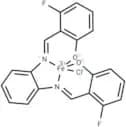
CAS:<p>TfR-1-IN-1 is a TfR-1 inhibitor, also a Fe(III) salivary phenol complex, inducing apoptosis and inhibiting tumor and normal cell growth.</p>Fórmula:C20H12ClF2FeN2O2Pureza:96.96%Forma y color:SolidPeso molecular:441.62GPX4-IN-13
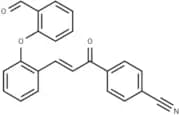
CAS:<p>GPX4-IN-13 (compound 16), a GPX4 inhibitor, exhibits anticancer properties by diminishing the expression of GPX4, thereby reducing thyroid cell proliferation and inducing ferroptosis. Additionally, this compound effectively inhibits the growth of three distinct thyroid cancer cell lines: N-thy-ori-3-1 (IC 50 =8.39 μM), MDA-T32 (IC 50 =10.28 μM), and MDA-T41 (IC 50 =8.18 μM).</p>Fórmula:C23H15NO3Forma y color:SolidPeso molecular:353.37ERK-MYD88 interaction inhibitor 1
CAS:<p>ERK-MYD88 Interaction Inhibitor 1, an agent that disrupts the interaction between ERK and MYD88, has demonstrated the ability to trigger an HRI-mediated integrated stress response (ISR) that specifically promotes immunogenic cell apoptosis (apoptosis) in cancer cells. Additionally, in models using Lewis lung cancer mice, this compound has been shown to stimulate anti-tumor T cell responses, thereby exhibiting significant anti-tumor activity.</p>Fórmula:C22H21N5O2Forma y color:SolidPeso molecular:387.43JND4135
CAS:<p>JND4135, a type II TRK inhibitor, exhibits IC50 values targeting TRKA, TRKB, and TRKC at 2.79, 3.19, and 3.01 nM, respectively. It can overcome resistance due to TRKxDFG and other mutations in the BaF3 stable model, inhibiting the phosphorylation of TRKs WT, xDFG mutations, and their downstream signaling molecules. Additionally, JND4135 induces G0/G1 phase arrest and cell apoptosis (apoptosis) in BaF3–CD74-TRKA-G667C cells. This compound also demonstrates antitumor activity in a BaF3-CD74-TRKA-G667C mouse xenograft model by suppressing tumor growth.</p>Fórmula:C37H39N7OForma y color:SolidPeso molecular:597.75XJTU-L453
CAS:<p>XJTU-L453, a PI3Kα inhibitor, exhibits an IC50 of 0.4 nM. It inhibits the proliferation of breast cancer cell lines T47D and MCF7, with IC50 values of 0.2 μM and 0.5 μM respectively. Additionally, XJTU-L453 disrupts the PI3K pathway, leading to cell cycle arrest and cell apoptosis (apoptosis). It also demonstrates antitumor activity in MCF7 xenograft mice.</p>Fórmula:C22H22N4O3Forma y color:SolidPeso molecular:390.44GA001
CAS:<p>GA001 is a potent G9a antagonist with an IC50 of 1.32 μM. It can induce autophagy and apoptosis, and is applicable in the treatment of breast cancer.</p>Fórmula:C29H24BrN3OForma y color:SolidPeso molecular:510.42p53 Stabilizer 2
CAS:<p>p53 Stabilizer 2 (Compound 17a16) is a p53 stabilizing agent. It can induce S-phase arrest and apoptosis in both p53-functional and p53-deficient cancer cells. Additionally, p53 Stabilizer 2 triggers mitochondrial stress and activates two immune checkpoint pathways: NA-PKcs dependent p53 stabilization and the ATR-Chk1 axis activation. It also inhibits tumor growth in p53-deficient xenograft models.</p>Fórmula:C30H37NO7SeForma y color:SolidPeso molecular:602.58YLL545
CAS:<p>YLL545 is an inhibitor of Vascular Endothelial Growth Factor Receptor 2 (VEGFR2). It inhibits VEGF-induced phosphorylation of VEGFR2 and the activation of downstream signaling mediators (such as phosphorylated STAT3 and phosphorylated ERK1/2) in human umbilical vein endothelial cells (HUVEC). Additionally, YLL545 suppresses HUVEC proliferation, migration, invasion, and angiogenesis. It also induces apoptosis and inhibits tumor growth in a mouse model of breast cancer.</p>Fórmula:C19H13F3N6O2Forma y color:SolidPeso molecular:414.34BMI-135
CAS:<p>BMI-135, a selective estrogen mimic, demonstrates agonist activity for the estrogen receptor and induces a rapid endoplasmic reticulum stress response (UPR) alongside apoptosis in breast cancer cells.</p>Fórmula:C23H13FO2SForma y color:SolidPeso molecular:372.41Apoptosis inducer 25
CAS:<p>Apoptosisinducer 25 (Compound 4H) demonstrates potent anticancer capabilities by inhibiting the proliferation of BGC-823 cancer cells with an IC50 of 0.37 μM. It induces apoptosis in BGC-823 cells, causes mitochondrial dysfunction, and arrests the cell cycle at the G2/M phase. Additionally, Apoptosisinducer 25 exhibits favorable pharmacokinetic properties in rats.</p>Fórmula:C42H53NO7Forma y color:SolidPeso molecular:683.87PD-1/PD-L1-IN-30
CAS:<p>PD-1/PD-L1-IN-30: Cancer research inhibitor with 0.018 μM IC50.</p>Fórmula:C29H28F3NO5Forma y color:SolidPeso molecular:527.53Kahweol Acetate
CAS:<p>Kahweol Acetate, a semi-synthetic coffee bean derivative, inhibits osteoclasts, cancer cells, DNA damage, and oxidative stress.</p>Fórmula:C22H28O4Forma y color:SolidPeso molecular:356.46RIP3 activator 1
CAS:<p>RIP3 Activator 1 (compound C8) is an effective RIP3 activator that inhibits cell growth and induces necroptotic cell death (necroptosis) and autophagy through the RIP3/p62/Keap1 signaling pathway. Additionally, this compound enhances the expression of p-MLKL and promotes the accumulation of LC3-II and p62 proteins.</p>Fórmula:C26H50N4O3Forma y color:SolidPeso molecular:466.7CRI9
<p>CRI9 effectively inhibits the c-MET/PI3K/Akt/mTOR axis, suppressing the proliferation of hepatocellular carcinoma (HCC) cells. This compound exhibits potent cytotoxicity against HCC cells and induces apoptosis.</p>Fórmula:C26H18N6O4Forma y color:SolidPeso molecular:478.46PAK4-IN-5
<p>PAK4-IN-5 (Compound 12i) is a potent inhibitor of PAK4 (IC50: PAK4 at 7.68 nM, PAK1 at 1872.01 nM) that forms stable interactions with the PAK4 enzyme. This compound effectively inhibits the proliferation and migration potential of MDA-MB-231 cells by hindering the phosphorylation of PAK4 and LIMK1. Additionally, PAK4-IN-5 arrests the cell cycle in the G0/G1 phase, induces apoptosis, and prompts the production of reactive oxygen species. The LD50 in mice is greater than 500 mg/kg (oral).</p>Fórmula:C31H28ClN5OForma y color:SolidPeso molecular:522.04Nitrovin
CAS:<p>Nitrovin is an antimicrobial growth promoter that induces ROS-mediated non-apoptotic and quasi-apoptotic cell death by targeting TrxR1. It exhibits anticancer activity with IC50 values ranging from 1.31 to 6.60 μM for both tumor and normal cells.</p>Fórmula:C14H12N6O6Forma y color:SolidPeso molecular:360.28SMIP34
CAS:<p>SMIP34 is an inhibitor of PELP1, binding to this target with a dissociation constant (Kd) of 37.4 μM. It demonstrates efficacy in inhibiting the proliferation of cancer cells and tumor progression. Specifically, SMIP34 is effective in breast cancer research, showing activity against wild-type (WT), mutant (MT) estrogen receptor-positive (ER+), and treatment-resistant (TR)-ER+ breast cancers.</p>Fórmula:C25H32ClN5O3Forma y color:SolidPeso molecular:486.01Soquelitinib
CAS:<p>Soquelitinib (CPI-818) is a selective ITK inhibitor, inhibits tumor growth,T-cell, up-regulatCXCR3, IFNγ, TNFα, and CD107a expression in normal CD8 cells.</p>Fórmula:C25H30N4O4S2Pureza:99.54%Forma y color:SolidPeso molecular:514.66p53 Activator 14
CAS:<p>p53 Activator 14 (Compound 7A) is a derivative of Neratinib that can induce DNA damage and activate p53, thereby inhibiting the proliferation of various cancer cells, with an IC50 of 7.21 μM for HCT116 cells. This compound hinders adhesion, migration, and invasion of HCT116 cells, disrupts the cell cycle, and triggers apoptosis. In addition, p53 Activator 14 exhibits anti-tumor properties and inhibits angiogenesis in the chick embryo chorioallantoic membrane (CAM) model.</p>Fórmula:C28H29ClN4O3Forma y color:SolidPeso molecular:505.008NDs-IN-1
CAS:NDs-IN-1 (Compound 3g) is a novel non-covalent multi-target inhibitor that inhibits the activities of key enzymes such as hBACE-1, hAChE, and hMAO-B, and is primarily used in the study of neurodegenerative diseases [1].Fórmula:C20H18N2O2Peso molecular:318.37TFCP2L1-IN-1
CAS:<p>TFCP2L1-IN-1 is a TFCP2L1 transcription factor inhibitor that regulates cell proliferation and promotes antitumor effect of Sorafenib by STAT3/NANOG pathway.</p>Fórmula:C15H13BrN2OSPureza:98.86%Forma y color:SolidPeso molecular:349.25Elocalcitol
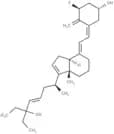
CAS:<p>Elocalcitol is a calcitriol analog for inhibition of prostate cell growth.</p>Fórmula:C29H43FO2Forma y color:SolidPeso molecular:442.65YCW-E11
CAS:<p>YCW-E11 is an antiapoptotic Bcl-2 family proteins inhibitor.</p>Fórmula:C25H21Cl2N3O6S2Pureza:98%Forma y color:SolidPeso molecular:594.49Thalidomide-O-PEG4-amine TFA
CAS:<p>Thalidomide-O-PEG4-amine TFA is a synthetic E3 ligase ligand-linker conjugate, composed of a cereblon ligand derived from Thalidomide and a single linker.</p>Fórmula:C25H32F3N3O11Peso molecular:607.53Thalidomide-NH-C5-NH2
CAS:<p>Thalidomide-NH-C5-NH2 is a synthetic E3 ligase ligand-linker conjugate, consisting of a Thalidomide-based cereblon ligand and a linker, used in the synthesis of PROTACs.</p>Fórmula:C18H22N4O4Peso molecular:358.39ASP9831
CAS:<p>ASP9831 is an orally active PDE4 inhibitor. It suppresses LPS-induced TNF-α production and exhibits anti-inflammatory properties. ASP9831 is useful in the study of steatohepatitis.</p>Fórmula:C20H23N3O3Forma y color:SolidPeso molecular:353.42HDAC/PSMD14-IN-1
CAS:<p>HDAC/PSMD14-IN-1 is a derivative of gambogic acid. It serves as an orally active dual inhibitor targeting PSMD14 and HDAC1, with IC50 values of 238.7 nM and 141.2 nM, respectively. The compound exhibits significant cytotoxicity against ESCC cell lines (IC50: 30-250 nM) and effectively reverses epithelial-mesenchymal transition (EMT). Additionally, HDAC/PSMD14-IN-1 can induce apoptosis. In KYSE30 cell xenograft models in mice, it displays antitumor activity. HDAC/PSMD14-IN-1 is useful for researching esophageal cancer treatment.</p>Fórmula:C20H24N4O3S2Forma y color:SolidPeso molecular:432.56pan-KRAS-IN-5
CAS:<p>Pan-KRAS-IN-5 (compound 15a) is a pan-KRAS translation inhibitor targeting 5′-UTR RNA G-quadruplexes (rG4s). It induces cell cycle arrest and promotes apoptosis in KRAS-driven cancer cells [1].</p>Fórmula:C31H36FIN4O2Forma y color:SolidPeso molecular:642.55ASK1-IN-7
CAS:<p>ASK1-IN-7 (Compound 4c) is an ASK1 inhibitor and a derivative of the ASK1 inhibitor scaffold 5-(5-Phenyl-furan-2-ylmethylene)-2-thioxo-thiazolidin-4-one. This compound is potentially applicable in research involving ASK1 signaling pathways, including studies on cellular stress response, inflammatory response, neurodegenerative diseases, and cardiovascular diseases.</p>Fórmula:C13H8N2O2S2Forma y color:SolidPeso molecular:288.345Tubulin polymerization-IN-4
CAS:<p>Tubulin polymerization-IN-4: inhibits tubulin (IC50=4.6 μM), blocks G2/M phase, induces apoptosis, hinders cell cloning/migration, damages vasculature.</p>Fórmula:C21H21ClN2O4Forma y color:SolidPeso molecular:400.86HER2-IN-10
<p>HER2-IN-10 is a psoralen derivative that induces apoptosis. HER2-IN-10 shows anti-breast cancer activity and light-activated cytotoxicity [1].</p>Fórmula:C15H13NO5Forma y color:SolidPeso molecular:287.27DC-U4106
CAS:<p>DC-U4106: USP8 inhibitor, Kd 4.7μM, IC50 1.2μM, degrades Erα, low-toxicity tumor suppressor for breast cancer research.</p>Fórmula:C29H27N5O5Forma y color:SolidPeso molecular:525.56SphK1-IN-2
<p>SphK1-IN-2: SphK1 inhibitor, IC50: 19.81 nM; less effective on SphK2. Induces apoptosis, hinders cancer cell growth.</p>Fórmula:C27H30BrNO4SForma y color:SolidPeso molecular:544.5EGFR-IN-47
<p>EGFR-IN-47: strong oral EGFRL858R/T790M/C797S blocker, induces cell death; promising for NSCLC research. IC50: 0.01 μM.</p>Fórmula:C29H35N7Forma y color:SolidPeso molecular:481.64Lepidozin G
<p>Lepidozin G blocks cancer growth (IC50=4.2-5.7μM) and triggers apoptosis in PC-3 cells via mitochondria.</p>Fórmula:C30H48O4Forma y color:SolidPeso molecular:472.7KIRA9
<p>KIRA9 inhibits IRE1 with a 4.8 μM IC50, blocking ER-stress-induced mRNA decay and apoptosis by fully binding IRE1's ATP site.</p>Fórmula:C27H27F3N6O3SForma y color:SolidPeso molecular:572.6Verrucarin A
CAS:<p>Verrucarin A, a mycotoxin from Myrothecium verrucaria, inhibits protein synthesis, leukemia growth, and triggers apoptosis.</p>Fórmula:C27H34O9Forma y color:SolidPeso molecular:502.55MLKL-IN-6
<p>MLKL-IN-6 (compound P28) is a mixed lineage kinase inhibitor that specifically targets the Mixed Lineage Kinase domain-like (MLKL) protein.</p>Fórmula:C20H18N4O5Pureza:98%Forma y color:SolidPeso molecular:394.38JR5-26B
CAS:<p>JR5-26B is an orally active apoptosis (apoptosis) inducer. It induces cell death via copper-mediated apoptosis and necroptosis (necroptosis). JR5-26B exhibits antiproliferative activity against MIA PaCa-2, PANC-1, PAN02, SU.86.86, and KPC-2 cells, with IC50 values of 0.6, 4.4, 8.0, 1.1, and 3.4 μM, respectively.</p>Fórmula:C19H17FN6OForma y color:SolidPeso molecular:364.38KDM1/CDK1-IN-1
<p>KDM1/CDK1-IN-1 inhibits KDM1 (IC50: 0.096 μM) & CDK1 (IC50: 0.078 μM), blocks HOP-92 G2/M phase, induces apoptosis, toxic to cancer cells.</p>Fórmula:C22H17N5O3SForma y color:SolidPeso molecular:431.47Rezatapopt
CAS:<p>Rezatapopt (PC14586) is a p53 reactivator with antitumor activity for the study of locally advanced or metastatic solid tumors.</p>Fórmula:C28H31F4N5O2Pureza:98.12%Forma y color:SolidPeso molecular:545.57HL001
CAS:<p>HL001 is an orally active small molecule inhibitor of cyclophilin A (CypA) and a receptor antagonist of lysophosphatidic acid 1 (LPA1). It induces cell cycle arrest and apoptosis in tumor cells via p53. By downregulating G3BP1, HL001 promotes reactive oxygen species production and DNA damage to stabilize p53. It disrupts the interaction between MDM2 and p53-72R in a CypA-dependent manner. HL001 exhibits antitumor activity and can also be used in research on pulmonary fibrosis.</p>Fórmula:C21H16N2O4Forma y color:SolidPeso molecular:360.363ASCT2-IN-1
CAS:ASCT2-IN-1 (compound 20k) is an inhibitor of ASCT2, demonstrating IC50 values of 5.6 μM in A549 cells and 3.5 μM in HEK293 cells. It induces apoptosis and inhibits tumor growth.Fórmula:C36H32Cl2N2O4Peso molecular:627.56WEHI-539
CAS:<p>WEHI-539 is a selective Bcl-XL inhibitor (IC50: 1.1 nM).</p>Fórmula:C31H29N5O3S2Pureza:98%Forma y color:SolidPeso molecular:583.72HBV/HDV-IN-2
CAS:<p>HBV/HDV-IN-2 (Compd 143) functions as an inhibitor for HBV, HDV, and PD-1/PD-L1, demonstrating an EC 50 of 35 nM in T cell activation.</p>Fórmula:C38H44ClN7O5Forma y color:SolidPeso molecular:714.25VEGFR-2-IN-15
<p>VEGFR-2-IN-15 (Compound 14b) is a potent inhibitor of VEGFR-2. VEGFR-2-IN-15 inhibits the growth of HepG2 cells in the Pre-G1 phase and induces apoptosis.</p>Fórmula:C23H18ClN3O4SForma y color:SolidPeso molecular:467.92Antiproliferative agent-63
CAS:<p>Antiproliferative agent-63 (compound 4d) is a cyclic analog of cannabidiol that acts as an anticancer agent. It demonstrates favorable activity against breast and colorectal cancer. Moreover, this compound can arrest the cell cycle in the G1 phase and induce apoptosis through the mitochondrial pathway in breast cancer cell lines.</p>Fórmula:C27H41NO2Forma y color:SolidPeso molecular:411.62EGFR/VEGFR2-IN-3
CAS:<p>EGFR/VEGFR2-IN-3 (compound 9) is an effective inhibitor of EGFR and VEGFR-2, demonstrating IC50 values of 0.129 µM for EGFR, 0.142 µM for VEGFR-2, and 3.428 µM for COX-2. This compound exhibits cytotoxic properties and induces cell apoptosis (apoptosis) as well as cell cycle arrest at the G2/M phase.</p>Fórmula:C24H20ClN5O2S2Forma y color:SolidPeso molecular:510.03HDAC1-IN-5
<p>HDAC1-IN-5 inhibits HDAC1 (IC50=15 nM) & HDAC6 (IC50=20 nM), promotes apoptosis, damages chromatin, and reduces tumor growth in mice.</p>Fórmula:C20H21N3O2SForma y color:SolidPeso molecular:367.46MA242
CAS:<p>MA242 is a nuclear factor of activated T cells 1 (NFAT1) for Pancreatic Cancer Therapy and dual inhibitor of murine double minute 2 (MDM2).</p>Fórmula:C26H21ClF3N3O5SPureza:98%Forma y color:SolidPeso molecular:579.98QTX125 TFA
<p>QTX125 TFA: Potent, selective HDAC6 inhibitor with antitumor effects.</p>Fórmula:C25H20F3N3O7Forma y color:SolidPeso molecular:531.44Tubulin polymerization-IN-6
<p>Compound 5f, a potent tubulin polymerization inhibitor (IC50 = 1.09 μM), blocks cell migration, tube formation, and has anti-angiogenic effects.</p>Fórmula:C19H21NO7Forma y color:SolidPeso molecular:375.37ZSH-512
CAS:<p>ZSH-512 is a potent inhibitor of RARγ with antiproliferative properties. It induces apoptosis and reduces the expression of CD133, NANOG, SOX2, and EPCAM proteins. ZSH-512 exhibits anticancer activity and shows potential for colorectal cancer research.</p>Fórmula:C20H21N3O3SForma y color:SolidPeso molecular:383.464EGFR-IN-134
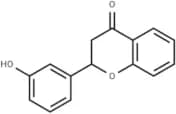
<p>EGFR-IN-134 (compound 3f) is a triazolo[3,4-a]quinoline derivative and functions as a potent EGFR inhibitor with an IC50 of 0.023 µM. It induces apoptosis and necrosis in cells, and causes cell cycle arrest in the G2/M and pre-G1 phases. EGFR-IN-134 modulates the expression of apoptosis-regulating proteins by downregulating anti-apoptotic protein Bcl2 and upregulating pro-apoptotic proteins p53, Bax, and caspases 3, 8, and 9, demonstrating significant antiproliferative and anticancer activities.</p>Fórmula:C36H30N6O5Forma y color:SolidPeso molecular:626.663′-Hydroxyflavanone
CAS:<p>3′-Hydroxyflavanone is a cyclized flavonoid with anti-tumor properties that induces apoptosis in HeLa cells.</p>Fórmula:C15H12O3Forma y color:SolidPeso molecular:240.25Bcl-2-IN-6
<p>Bcl-2-IN-6 suppresses Bcl-2, upregulates p53/Bax/caspase-7, arrests cell cycle, and induces MCF-7 apoptosis; IC50s: MCF-7 20.91 μM, others <48 μM.</p>Fórmula:C25H24N4O5S2Forma y color:SolidPeso molecular:524.61Anti-inflammatory agent 16
<p>Compound 14 is a peptidomimetic that significantly lowers TNFα, NO, CD40, and CD86, showcasing strong anti-inflammatory effects.</p>Fórmula:C21H23N5O3Forma y color:SolidPeso molecular:393.44GRP78-IN-1
<p>GRP78-IN-1 binds to GRP78 protein, inhibits cell growth, and triggers apoptosis in breast cancer; has -8.07 kcal/mol binding energy.</p>Fórmula:C21H23FO3Forma y color:SolidPeso molecular:342.4Z-VAD
CAS:<p>Z-VAD is an irreversible pan-caspase inhibitor, suppressing multiple caspases including caspase-3, -6, -7, -8, and -9. Z-VAD induces autophagy in tumour cells.</p>Fórmula:C20H27N3O8Pureza:98.961%Forma y color:SolidPeso molecular:437.44Antiangiogenic agent 7
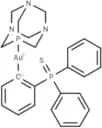
CAS:<p>Antiangiogenic agent 7 (Compound 1) induces apoptosis, elevates Reactive Oxygen Species (Reactive Oxygen Species), and inhibits the intracellular enzyme thioredoxin reductase. It exhibits anticancer activity with IC50 values ranging from 0.08 to 3.5 μM against cervical cancer cells (HeLa), prostate cancer cells (PC-3), and non-small cell lung cancer cells (A549). Additionally, Antiangiogenic agent 7 suppresses tumor growth in a mouse xenograft model.</p>Fórmula:C24H26AuN3P2SForma y color:SolidPeso molecular:647.46NCAO
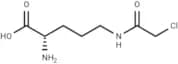
CAS:<p>N-ω-chloroacetyl-L-ornithine (NCAO) serves as a powerful reversible competitive inhibitor of ornithine decarboxylase (ODC), displaying cytotoxic and antiproliferative properties against various tumor cell lines, with EC50 values spanning from 1 to 50.6 µM. In vitro studies reveal that NCAO promotes Apoptosis and restricts tumor cell migration. Additionally, it demonstrates significant antitumor efficacy in a mouse model, targeting both solid and ascitic tumors using the myeloma (Ag8) cell line. NCAO holds promise in the development of antitumor agents.</p>Fórmula:C7H13ClN2O3Forma y color:SolidPeso molecular:208.64TLBC
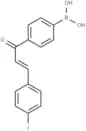
CAS:<p>TLBC, a borane-chalcone derivative, exhibits dose-dependent inhibitory effects across various glioma cell lines with IC50 values ranging from 5.5 to 25.5 μM. TLBC induces apoptosis independently of alterations in the tumor suppressor factor p53.</p>Fórmula:C15H12BIO3Forma y color:SolidPeso molecular:377.97MDK-3345
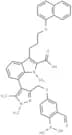
CAS:<p>MDK-3345 is a reversible covalent inhibitor for Mcl-1.</p>Fórmula:C36H34BN3O7Pureza:98%Forma y color:SolidPeso molecular:631.48PF-07328948
CAS:<p>PF-07328948 is a branched-chain keto-acid dehydrogenase kinase (BDK) inhibitor, useful for studying CVD metabolic disorders.</p>Fórmula:C16H8F4O3SPureza:98.42%Forma y color:SolidPeso molecular:356.29Zotatifin
CAS:<p>Zotatifin (eFT226) is a selective eIF4A inhibitor with antiviral and antitumor properties, inhibiting Sox4 translation and inducing apoptosis.</p>Fórmula:C28H29N3O5Pureza:98.85%Forma y color:SolidPeso molecular:487.55Vatalanib hydrochloride
CAS:<p>Vatalanib hydrochloride (PTK787 hydrochloride) is an orally available and highly potent tyrosine kinase (VEGF) inhibitor that reduces the number and size of Aβ plaques in the cortex of 5xFAD mice, which may be useful in the study of Alzheimer's disease and cancer.</p>Fórmula:C20H16Cl2N4Pureza:99.7%Forma y color:SolidPeso molecular:383.27Lometrexol
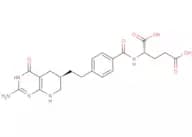
CAS:<p>Lometrexol (LY 264618) is an antifolate that inhibits GARFT, blocks purine synthesis, induces apoptosis, and has anticancer properties.</p>Fórmula:C21H25N5O6Pureza:97.76% - 99.56%Forma y color:SolidPeso molecular:443.45UH15-38
CAS:<p>UH15-38 is a potent and selective RIPK3 inhibitor that blocks necroptosis in alveolar epithelial cells triggered by IAV, useful for studying lung inflammation.</p>Fórmula:C26H27N5O2Pureza:99.85%Forma y color:SolidPeso molecular:441.53HC-5404
CAS:<p>HC-5404 is a potent and selective PERK inhibitor, blocking the activation of the PERK pathway, anti-tumor effects, advanced solid tumors and renal cell Cancer.</p>Fórmula:C24H24F2N4O3Pureza:99.33%Forma y color:SolidPeso molecular:454.47Milademetan
CAS:<p>Milademetan (DS-3032), an MDM2 inhibitor, exhibits antitumor activity, induces G1 cell cycle arrest and apoptosis, and can be used to study solid tumors.</p>Fórmula:C30H34Cl2FN5O4Pureza:>99.99%Forma y color:SolidPeso molecular:618.53BCL6-IN-3
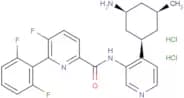
CAS:<p>BCL6-IN-3: potent BCL6 inhibitor, 70 nM GI50 in SU-DHL4, affects cell functions, antitumor.</p>Fórmula:C24H31ClF2N6O2Pureza:98.17%Forma y color:SolidPeso molecular:508.99SY-5609
CAS:<p>SY-5609 (CDK7-IN-3) is a selective non-covalent CDK7 inhibitor, with weak inhibitory activity against CDK2, CDK9 and CDK12.Cost-effective and quality-assured.</p>Fórmula:C23H26F3N6OPPureza:99.34% - >99.99%Forma y color:SolidPeso molecular:490.46Tuvusertib
CAS:<p>Tuvusertib (M1774), an oral ATR inhibitor (Ki<1µM), selectively blocks CHK1 phosphorylation, disrupts DNA repair, and induces tumor cell apoptosis.</p>Fórmula:C16H12F2N8OPureza:98.44% - 99.66%Forma y color:SolidPeso molecular:370.32Gemcitabine elaidate hydrochloride
CAS:<p>CP-4126, a lipophilic pro-drug of Gemcitabine, converts to active form by esterases, allowing oral administration with dose-dependent effects.</p>Fórmula:C27H44ClF2N3O5Pureza:98.50% - 99.6%Forma y color:SolidPeso molecular:564.11JAK2-IN-7
CAS:<p>JAK2-IN-7 selectively inhibits JAK2 (IC50: 3 nM), shows 14-fold selectivity over JAK1/3, FLT3, induces G0/G1 arrest, apoptosis, and has antitumor effects.</p>Fórmula:C26H33N7OPureza:99.54%Forma y color:SolidPeso molecular:459.59FX-11
CAS:<p>FX-11: potent LDHA inhibitor (Ki 8 μM), activates PKM2, reduces ATP, induces oxidative stress/ROS, cell death, shows antitumor effects.</p>Fórmula:C22H22O4Pureza:98.95%Forma y color:SolidPeso molecular:350.41OBAA
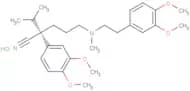
CAS:<p>OBAA is a potent inhibitor of phospholipase A2 (PLA2) with an IC 50 of 70 nM. OBAA blocks Melittin-induced Ca 2+ influx in Trypanosoma brucei with an IC 50 of 0.4 μM [1] [2] [3].</p>Fórmula:C28H44O3Pureza:98%Forma y color:SolidPeso molecular:428.65(R)-Verapamil hydrochloride
CAS:<p>(R)-Verapamil hydrochloride ((R)-(+)-Verapamil hydrochloride) is an inhibitor of P-Glycoprotein.</p>Fórmula:C27H39ClN2O4Forma y color:SolidPeso molecular:491.06Actinonin
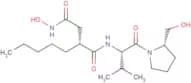
CAS:<p>Actinonin ((-)-Actinonin) is a naturally occurring antibacterial agent produced by Actinomyces and a potent reversible peptide deformylase (PDF) inhibitor with a Ki of 0.28 nM. It also induces apoptosis and inhibits aminopeptidase M, aminopeptidase N, and leucine aminopeptidase, as well as MMP-1, MMP-3, MMP-8, MMP-9, and meprin α with Ki values of 300 nM, 1,700 nM, 190 nM, 330 nM, and 20 nM, respectively. Actinonin exhibits antiproliferative and antitumor activities [1][2][3][4][5].</p>Fórmula:C19H35N3O5Forma y color:SolidPeso molecular:385.5AP1867-3-(aminoethoxy)
CAS:<p>AP1867-3-(aminoethoxy) is a synthetic ligand for FKBP and can be used in the synthesis of PROTAC FKBP12 F36V degrader.</p>Fórmula:C38H50N2O9Forma y color:SolidPeso molecular:678.81WEHI-539 hydrochloride
CAS:<p>WEHI-539 hydrochloride is a selective Bcl-XL inhibitor with an IC50 of 1.1 nM.</p>Fórmula:C31H30ClN5O3S2Pureza:98%Forma y color:SolidPeso molecular:620.18β-Zearalanol
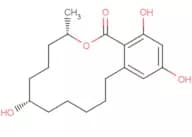
CAS:Beta-Zearalenol, a derivative of zearalenone (ZEA) capable of conjugating with glucuronic acid[2], is a mycotoxin produced by Fusarium spp. It induces apoptosis and oxidative stress in mammalian reproductive cells[1].Fórmula:C18H26O5Forma y color:SolidPeso molecular:322.4PIM-447 dihydrochloride
CAS:<p>PIM-447 dihydrochloride is an orally available and selective inhibitor of pan-PIM kinase(Ki values of 6, 18, and 9 pM for PIM1, PIM2, and PIM3, respectively).</p>Fórmula:C24H25Cl2F3N4OPureza:98%Forma y color:SolidPeso molecular:513.38Platinum, diammine[1,1-cyclobutanedi(carboxylato-kO)(2-)]-, (SP-4-2)-
CAS:Fórmula:C6H10N2O4PtPureza:98%Forma y color:SolidPeso molecular:369.2326Ref: IN-DA00I84B
Producto descatalogado5-Amino-1-β-D-ribofuranosyl-1H-imidazole-4-carboxamide
CAS:Fórmula:C9H14N4O5Pureza:95%Forma y color:SolidPeso molecular:258.2313SCH79797
CAS:<p>SCH79797 is a potent and specific protease-activated receptor 1 (PAR1) antagonistwith antimicrobial, anticancer, anti-inflammatory, and neuroprotective effects.</p>Fórmula:C23H25N5Pureza:99.80%Forma y color:SolidPeso molecular:371.48Yatein
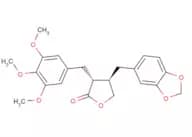
CAS:<p>Yatein inhibits herpes simplex virus type 1 replication by interruption the immediate-early gene expression. Yatein is a lignan isolated from A. chilensis. It also has antiproliferative activity.</p>Fórmula:C22H24O7Pureza:98%Forma y color:SolidPeso molecular:400.42Carubicin hydrochloride
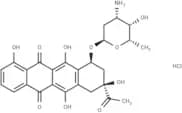
CAS:<p>Carubicin HCl is an anthracycline antineoplastic antibiotic. Through intercalates into DNA and interacts with topoisomerase II, Carubicin inhibits DNA replication and repair and RNA and protein synthesis.</p>Fórmula:C26H28ClNO10Forma y color:SolidPeso molecular:549.95Vatiquinone
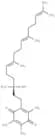
CAS:<p>Vatiquinone, also known as EPI 743, is an orally bioavailable para-benzoquinone being developed for inherited mitochondrial diseases. The mechanism of action of EPI-743 involves augmenting the synthesis of glutathione, optimizing metabolic control, enhanc</p>Fórmula:C29H44O3Forma y color:SolidPeso molecular:440.66Swainsonine
CAS:<p>Swainsonine (Tridolgosir) is an alkaloid isolated from Astragalus membranaceus and is a potent and reversible inhibitor of alpha-mannosidase. swainsonine has antitumour activity and induces apoptosis and cell cycle arrest in the G2/M phase.</p>Fórmula:C8H15NO3Pureza:98%Forma y color:Lyophilized PowderPeso molecular:173.21Ciprofloxacin lactate
CAS:<p>Ciprofloxacin lactate is a useful organic compound for research related to life sciences. The catalog number is T66299 and the CAS number is 97867-33-9.</p>Fórmula:C20H24FN3O6Forma y color:SolidPeso molecular:421.43MI-773
CAS:<p>MI-773 is a potent inhibitor of the MDM2-p53 protein interaction (PPI) with a high affinity for MDM2 and a Kd value of 8.2 nM. MI-773 exhibits antitumour effects.</p>Fórmula:C29H34Cl2FN3O3Forma y color:SolidPeso molecular:562.5Thalidomide-O-C5-NH2 hydrochloride
CAS:<p>Thalidomide-O-C5-NH2 hydrochloride is a synthetic compound consisting of a ligand-linker conjugate with E3 ligase activity. It combines a cereblon ligand based on Thalidomide and a linker commonly utilized in PROTAC technology.</p>Fórmula:C18H22ClN3O5Forma y color:SolidPeso molecular:395.84DB818
CAS:<p>DB818 is a synthetic Homeobox A9 (HOXA9) inhibitor and can be used for research on the treatment of acute myeloid leukaemia associated with HOXA9 overexpression.</p>Fórmula:C19H16N6SPureza:98%Forma y color:SolidPeso molecular:360.44Mcl-1 inhibitor 6
CAS:<p>Mcl-1 inhibitor 6 binds Mcl-1 with KD 0.23 nM and Ki 0.02 μM, shows strong selectivity over Bcl-2 family, and demonstrates antitumor efficacy.</p>Fórmula:C26H28ClNO6SForma y color:SolidPeso molecular:518.02Thalidomide-O-amido-C4-NH2 hydrochloride
CAS:<p>Thalidomide-O-amido-C4-NH2 hydrochloride, a synthesized E3 ligase ligand-linker conjugate, combines the cereblon ligand derived from Thalidomide with a linker and is commonly used in the synthesis of PROTACs[1].</p>Fórmula:C19H23ClN4O6Pureza:98%Forma y color:SolidPeso molecular:438.86Thalidomide-O-C6-COOH
CAS:<p>Thalidomide-O-C6-COOH is a synthetic conjugate that combines a Thalidomide-derived cereblon ligand with a PROTAC technology linker (E3 ligase ligand-linker).</p>Fórmula:C20H22N2O7Forma y color:SolidPeso molecular:402.403Thalidomide-5-COOH
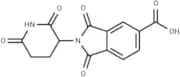
CAS:<p>Thalidomide-5-COOH is a useful organic compound for research related to life sciences. The catalog number is T64600 and the CAS number is 1216805-11-6.</p>Fórmula:C14H10N2O6Forma y color:SolidPeso molecular:302.242Prostaglandin A2
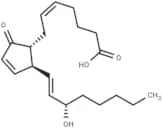
CAS:<p>PGA2 is a naturally occurring prostaglandin in gorgonian corals where it may function in self defense. It is generally not present in mammals. PGA2 has low biological potency in most bioassays, but it does show some antiviral/antitumor activity.[1] At a 25 uM concentration, PGA2 blocks the cell cycle progression of NIH 3T3 cells at the G1 and G2/M phase .[2] It has also been shown to act as a vasodilator with natriuretic properties.[3]</p>Fórmula:C20H30O4Forma y color:SolidPeso molecular:334.45Ingenol 3,20-dibenzoate
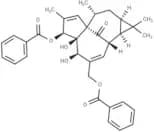
CAS:<p>Ingenol 3,20-dibenzoate is a powerful activator of protein kinase C (PKC) isoforms that effectively induces the translocation of nPKC-delta, -epsilon, and -theta, as well as PKC-mu, from the cytosolic fraction to the particulate fraction. Through de novo synthesis of macromolecules, it triggers apoptosis with characteristic morphology. Moreover, Ingenol 3,20-dibenzoate enhances IFN-γ production and degranulation in NK cells, particularly when stimulated by NSCLC cells[1][2].</p>Fórmula:C34H36O7Forma y color:SolidPeso molecular:556.65A-192621
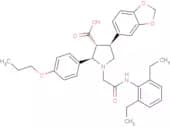
CAS:<p>A-192621 is a potent, nonpeptide, orally active, and selective endothelin B (ETB) receptor antagonist with an IC50 of 4.5 nM and a Ki of 8.8 nM. A-192621 promotes apoptosis in PASMCs and elevates both arterial blood pressure and plasma ET-1 levels[1][2][3]. Its selectivity is 636-fold higher for ETB than ETA (IC50 of 4280 nM and Ki of 5600 nM).</p>Fórmula:C33H38N2O6Pureza:98%Forma y color:SolidPeso molecular:558.66ENMD-2076 tartrate
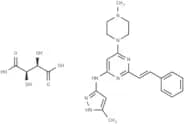
CAS:<p>ENMD-2076 is an orally active kinase inhibitor. It also has antiangiogenic and antiproliferative mechanisms of action.</p>Fórmula:C25H31N7O6Forma y color:SolidPeso molecular:525.56XMU-MP-3
CAS:<p>XMU-MP-3 is a robust, non-covalent inhibitor of BTK, exhibiting exceptional potency with IC50 values of 10.7 nM and 17.0 nM for BTK WT and BTK C481S mutation, respectively, in the presence of 10 μM ATP. Moreover, XMU-MP-3 elicits apoptosis.</p>Fórmula:C27H27F3N8OForma y color:SolidPeso molecular:536.563RRD-251
CAS:<p>RRD-251 is an Rb-Raf-1 interaction inhibitor that induces apoptosis in metastatic melanoma cells and synergizes with dacarbazine[1].</p>Fórmula:C8H9Cl3N2SForma y color:SolidPeso molecular:271.59Ac-IETD-CHO TFA
<p>Ac-IETD-CHO TFA is a granzyme B and caspase-8 inhibitor that inhibits caspase8 activity by blocking caspase3 precursor cleavage.Ac-IETD-CHO TFA inhibits Fas-mediated apoptosis.</p>Fórmula:C23H35F3N4O12Forma y color:SoildPeso molecular:616.54Imifoplatin
CAS:<p>Imifoplatin (PT-112) is a platinum compound with antitumor activity and may be used to study prostate cancer and immune system disorders.</p>Fórmula:C6H16N2O7P2PtPureza:≥95.0%Forma y color:SolidPeso molecular:485.23CTB
CAS:<p>CTB (Cholera Toxin B subunit) is an activator of p300 histone acetyltransferase and induces apoptosis in MCF-7 cells.</p>Fórmula:C16H13ClF3NO2Pureza:99.82%Forma y color:SolidPeso molecular:343.73anti-TNBC agent-2
CAS:<p>Anti-TNBC agent-2 (3j), a purine derivative, acts as an anti-triple negative breast cancer (TNBC) therapeutic.</p>Fórmula:C28H37ClFN7OPureza:98%Forma y color:SolidPeso molecular:542.09Ref: TM-T79699
Producto descatalogadoCyy-272
CAS:<p>Cyy-272 is an orally active JNK inhibitor with IC50 values of 1.25, 1.07, and 1.24 μM against JNK1, JNK2, and JNK3, respectively. It exerts anti-inflammatory effects by inhibiting the phosphorylation of JNK, thereby alleviating acute lung injury (ALI) induced by lipopolysaccharide (LPS). Moreover, Cyy-272 significantly reduces inflammation in cardiomyocytes and cardiac tissues caused by high lipid concentrations, further mitigating resultant cardiac hypertrophy, fibrosis, and apoptosis. Cyy-272 is utilized in the study of obesity-related myocarditis.</p>Fórmula:C23H23F2N7Forma y color:SolidPeso molecular:435.47Ref: TM-T200453
Producto descatalogadoZSQ836
CAS:<p>ZSQ836 is a dual covalent inhibitor of CDK12/CDK13 with oral bioactivity, displaying an EC50 value of 32 nM against CDK12. This compound can induce cell apoptosis (apoptosis) and demonstrates in vivo anticancer properties. ZSQ836 is applicable for research in ovarian cancer.</p>Fórmula:C27H28AsClN6OS2Forma y color:SolidPeso molecular:627.05Ref: TM-T200333
Producto descatalogadoDETD-35
CAS:<p>DETD-35 is a promising chemical compound in anti-melanoma therapy, functioning as an inhibitor of the MEK-ERK, Akt, and STAT3 signaling pathways. It enhances cancer cell apoptosis (Apoptosis) and diminishes resistance to Vemurafenib in cancer cells. The compound exhibits IC 50 values of 2.7, 6.0, 3.9, 3.1, and 2.5 μM against melanoma cell lines B16-F10, MeWo, SK-MEL-2, A2058c, and A375c, respectively. DETD-35 offers significant potential for advancing research in melanoma treatment strategies.</p>Fórmula:C27H24O6Forma y color:SolidPeso molecular:444.48CHMFL-48
CAS:<p>CHMFL-48, an orally active inhibitor of BCR-ABL kinase, demonstrates efficacy against both the wild-type (wt) and various imatinib-resistant mutants. It exhibits potent inhibitory activity, with IC 50 values of 1 nM for the ABL wild-type and 0.8 nM for the ABL T315I mutant. CHMFL-48 operates by inhibiting the autophosphorylation of both wild-type and mutant BCR-ABL, affecting downstream signaling mediators including STAT5 and CRKL. This disruption leads to cell cycle arrest and triggers apoptosis. Given its properties, CHMFL-48 is a promising candidate for research on chronic myeloid leukemia (CML).</p>Fórmula:C31H30F3N7OForma y color:SolidPeso molecular:573.61IHMT-MST1-39
CAS:<p>IHMT-MST1-39 is an orally effective MST kinase inhibitor with IC50 values of 42 nM for MST1 and 109 nM for MST2. It activates the AMPK signaling pathway in hepatocytes and inhibits apoptosis in pancreatic β cells. Additionally, IHMT-MST1-39 improves type 1 diabetes in mice induced by Streptozotocin.</p>Fórmula:C20H18F2N6O3SForma y color:SolidPeso molecular:460.46Ref: TM-T200512
Producto descatalogadoSMIP34
CAS:<p>SMIP34 is an inhibitor of PELP1 that demonstrates the capability to reduce cell viability and colony formation. Additionally, SMIP34 induces cell apoptosis (apoptosis) and causes cell cycle arrest in the S phase. It reduces the expression of PELP1 and exhibits anti-tumor activity. SMIP34 also has potential for research in triple-negative breast cancer (TNBC).</p>Fórmula:C20H15ClFN5O2SForma y color:LiquidPeso molecular:443.88Taltobulin
CAS:<p>Taltobulin (HTI-286) is a synthetic analog of the tripeptide cysteine, a microtubule protein inhibitor that inhibits liver tumor cell proliferation in vitro and tumor growth in vivo.Taltobulin is cytotoxic, induces mitotic arrest and apoptosis, and may be used in the study of breast cancer and microtubule tissue-related diseases.</p>Fórmula:C27H43N3O4Pureza:99.86%Forma y color:SolidPeso molecular:473.65


















![Platinum, diammine[1,1-cyclobutanedi(carboxylato-kO)(2-)]-, (SP-4-2)-](/_next/image/?url=https%3A%2Fstatic.cymitquimica.com%2Fproducts%2FIN%2Fthumb-webp%2FDA00I84B.webp&w=3840&q=75)