Heterociclos con nitrógeno (N)
En esta categoría, encontrará una amplia variedad de heterociclos que contienen nitrógeno. Los heterociclos son cadenas de carbono que forman un ciclo en el cual al menos una posición está ocupada por un heteroátomo, en este caso, nitrógeno. Estos compuestos son esenciales en la síntesis de productos farmacéuticos, agroquímicos y colorantes, ofreciendo una reactividad y estabilidad únicas. En CymitQuimica, ofrecemos una selección completa de heterociclos que contienen nitrógeno de alta calidad para apoyar sus investigaciones y aplicaciones industriales.
Subcategorías de "Heterociclos con nitrógeno (N)"
- Azepano(434 productos)
- Benzotriazoles(436 productos)
- Diazepanes(331 productos)
- Imidazoles(4.011 productos)
- Imidazolinas(385 productos)
- Isoxazol(1.077 productos)
- Piperazinas(3.736 productos)
- Piperidinas(8.405 productos)
- Pirazinas(1.299 productos)
- Pirazol(5.921 productos)
- Pirazolidina(21 productos)
- Pirazolina(142 productos)
- Piridazina(856 productos)
- Piridinas(21.917 productos)
- Pirimidina(6.041 productos)
- Pirrol(2.443 productos)
- Pirrolidinas(5.816 productos)
- Pirrolina(48 productos)
- Pirrolo [1,2-b] piridazina(10 productos)
- Tetrazol(510 productos)
- Triazinas(462 productos)
- Triazoles(1.680 productos)
Mostrar 14 subcategorías más
Se han encontrado 17855 productos de "Heterociclos con nitrógeno (N)"
Ordenar por
Pureza (%)
0
100
|
0
|
50
|
90
|
95
|
100
(4-(2-Fluorophenyl)piperazinyl)-N-propylformamide
CAS:Producto controlado<p>Please enquire for more information about (4-(2-Fluorophenyl)piperazinyl)-N-propylformamide including the price, delivery time and more detailed product information at the technical inquiry form on this page</p>Fórmula:C14H20FN3OPureza:Min. 95%Forma y color:PowderPeso molecular:265.33 g/mol2-Amino-3-nitropyridine
CAS:<p>2-Amino-3-nitropyridine is a synthetic molecule that has the chemical formula C6H7N5O2. It can exist in four different forms, three of which are isomers. These three isomers have different properties, such as melting point and solubility. The synthesis of 2-amino-3-nitropyridine can be achieved through a solid phase synthesis using sodium periodate as the acid catalyst. The reaction mechanism involves nitration of 2-amino pyridine with hydrogen peroxide to produce 3-nitro pyridine followed by hydrolysis to form 2-amino-3 nitropyridine. This reaction produces two dihedral angles in the molecule, one between the nitrogen and oxygen atoms and another between the nitrogen atom and carbon atom bonded to it. The functional groups present on this molecule are an amino group, a nitro group, and an amide group.</p>Pureza:Min. 98 Area-%Forma y color:Yellow SolidPeso molecular:139.11 g/mol1,2,4-Triazole-3-carboxamide
CAS:<p>1,2,4-Triazole-3-carboxamide is a pharmacologic agent that inhibits the synthesis of polypeptides by interfering with neurotransmission. It is used to inhibit the replication of influenza virus and other viruses in tissue culture. The compound has been shown to have an inhibitory effect on viruses by binding to the viral polypeptide chain at the active site and preventing its polymerization into a functional protein. 1,2,4-Triazole-3-carboxamide also inhibits the activity of influenza virus neuraminidase (NA) by binding reversibly to the active site of NA and blocking its catalytic activity. The inhibition of NA leads to a decrease in release of virus particles from infected cells and thus prevents infection.</p>Fórmula:C3H4N4OPureza:Min. 95%Forma y color:White PowderPeso molecular:112.09 g/mol2,4,6-Tri(4-pyridyl)-1,3,5-triazine (purified by sublimation)
CAS:<p>2,4,6-Tri(4-pyridyl)-1,3,5-triazine (TPTZ) is a diamagnetic molecule. It has been shown to have anticancer activity in vitro and in vivo. TPTZ is luminescent when exposed to UV light and its emission spectrum is dependent on the environment. TPTZ has been synthesized by organic solution chemistry and by transfer from inorganic materials. The organic solution synthesis involves the formation of TPTZ from an organic ligand and triazine. The transfer mechanism occurs when an azo compound reacts with an amine precursor to form an iminium salt intermediate that reacts with triazine to form TPTZ.</p>Fórmula:C18H12N6Pureza:Min. 95%Forma y color:PowderPeso molecular:312.33 g/molBoc-4-hydroxypiperidine-2-carboxylic acid
CAS:<p>Boc-4-hydroxypiperidine-2-carboxylic acid is a high quality, reagent, and complex compound. It has CAS No. 917835-93-9 and can be used as an intermediate or building block in synthesis of other chemicals. In addition, Boc-4-hydroxypiperidine-2-carboxylic acid is a versatile building block that is used in the manufacture of speciality chemicals and research chemicals.</p>Fórmula:C11H19NO5Pureza:Min. 95%Forma y color:PowderPeso molecular:245.27 g/molPiperonylonitrile
CAS:<p>Piperonylnitrile is a chemical substance that is used as an intermediate in the production of anisidine and piperonal. It can be activated by radiation, hydrochloric acid, or chloride to form an active intermediate that can react with an aldoxime to produce a nitrile oxide. Piperonylnitrile has been shown to have an inhibitory effect on the reaction between hydrochloric acid and piperonal. Reaction time was increased from 2 hours at room temperature to 6 days when piperonylnitrile was added to the reaction mixture. Piperonylnitrile also has a dehydrating effect on low molecular weight compounds.</p>Fórmula:C8H5NO2Pureza:Min. 95%Forma y color:PowderPeso molecular:147.13 g/molIndole-3-carboxylic acid methyl ester
CAS:Producto controlado<p>Indole-3-carboxylic acid methyl ester is a quinoline derivative that is structurally related to the well-known antibiotic, ciprofloxacin. It has been shown to be cytotoxic against a variety of bacterial strains including Pseudomonas aeruginosa and Staphylococcus aureus. The mechanism of action for this compound is not yet fully understood, but it has been shown to inhibit collagen production in cell cultures and induce neuronal death in mice. Indole-3-carboxylic acid methyl ester also possesses anti-cancer properties and inhibits fatty acid synthesis. This compound also has antifungal effects against Candida albicans and other fungi.</p>Fórmula:C10H9NO2Pureza:Min. 98 Area-%Forma y color:PowderPeso molecular:175.18 g/mol2-Amino-5-bromopyrazine-3-carboxylic acid
CAS:<p>2-Amino-5-bromopyrazine-3-carboxylic acid is an organic compound that belongs to the group of boronic acids. It has a molecular weight of 138.14 and a melting point of 198°C. The compound has been characterized by x-ray crystallography, revealing its molecular structure. 2-Amino-5-bromopyrazine-3-carboxylic acid is soluble in water and can be isolated from the reaction mixture using conventional methods such as recrystallization. The compound reacts with alkyl halides through cross coupling reactions to form pyridyl compounds. This reagent is used for Suzuki, Miyaura, and other cross coupling reactions with high yield.</p>Fórmula:C5H4BrN3O2Pureza:Min. 95%Forma y color:Brown PowderPeso molecular:218.01 g/mol2-Quinolinecarboxylic acid
CAS:<p>2-Quinolinecarboxylic acid is an antibiotic that is used in the treatment of bacterial infections and has inhibitory properties. It has been shown to be a competitive inhibitor of the enzyme quinolinate phosphoribosyltransferase, which catalyzes the conversion of quinolinic acid to nicotinic acid. 2-Quinolinecarboxylic acid binds to the active site of the enzyme and prevents substrate binding, thereby blocking the production of nicotinic acid. This drug also inhibits bacterial growth by binding to DNA-dependent RNA polymerase, thereby preventing transcription and replication. The high frequency of human activity has been shown using a patch-clamp technique on human erythrocytes. This active form is metabolized through a number of metabolic transformations, including hydrolysis by esterases or glucuronidases, oxidation by cytochrome P450 enzymes, reduction by glutathione reductase, or conjugation with glucur</p>Fórmula:C10H7NO2Pureza:Min. 98 Area-%Forma y color:PowderPeso molecular:173.17 g/mol2,4-Dimethyl-3-nitropyridine
CAS:<p>2,4-Dimethyl-3-nitropyridine is a heterocyclic organic compound. It is an important and versatile building block for the synthesis of complex compounds. 2,4-Dimethyl-3-nitropyridine can be used as a reagent in organic synthesis and other chemical reactions. In addition to its use as a reactant, this compound has been employed as a useful scaffold for the preparation of other heterocycles and fine chemicals. The CAS number for 2,4-dimethyl-3-nitropyridine is 1074-76-6.</p>Fórmula:C7H8N2O2Pureza:Min. 95%Forma y color:Yellow Clear LiquidPeso molecular:152.15 g/molN-Ethylamine-2,4,6-triphenyl pyridinium tetrafluoroborate
CAS:<p>N-Ethylamine-2,4,6-triphenyl pyridinium tetrafluoroborate is a chemical reagent that belongs to the group of fine chemicals. It is soluble in water and ethanol, and has a melting point of around 100°C. N-Ethylamine-2,4,6-triphenyl pyridinium tetrafluoroborate is used in organic synthesis as a useful building block or as a research chemical for the production of other compounds. This compound is a versatile building block that can be used in the preparation of complex compounds such as pharmaceuticals. N-Ethylamine-2,4,6-triphenyl pyridinium tetrafluoroborate has been classified as an extremely hazardous substance by the US Department of Transportation due to its high reactivity with water.</p>Fórmula:C25H23N2·BF4Pureza:Min. 95%Peso molecular:438.27 g/mol2-(((4,6-dimethylpyrimidin-2-yl)amino)ethylidene)indane-1,3-dione
CAS:<p>Please enquire for more information about 2-(((4,6-dimethylpyrimidin-2-yl)amino)ethylidene)indane-1,3-dione including the price, delivery time and more detailed product information at the technical inquiry form on this page</p>Pureza:Min. 95%Monomethyl triazeno imidazole carboxamide
CAS:<p>Monomethyl triazeno imidazole carboxamide (MTIC) is a drug that is used to treat cancer. It has been shown to inhibit the proliferation of tumor cells and induce apoptosis by inhibiting the expression of proteins, such as Bcl-2, which are involved in regulating mitochondrial membrane potential. MTIC has also been shown to inhibit protein synthesis and cell signaling pathways, such as the PI3K/Akt pathway. The use of MTIC for diagnosis purposes can be achieved using electrochemical impedance spectroscopy. A concentration–time curve can be obtained by incubating a biological sample with MTIC and measuring cell response using an impedance spectrophotometer. The clinical properties of MTIC include its ability to be administered orally or intravenously, have low toxicity, and inhibit the growth of tumor cells in vivo and in vitro.</p>Fórmula:C5H8N6OPureza:(¹H-Nmr) Min. 95 Area-%Forma y color:White PowderPeso molecular:168.16 g/molN-Nitroso-3-azabicyclo[3.3.0]octane
CAS:<p>N-Nitroso-3-azabicyclo[3.3.0]octane is a nitrosating agent that can be used for the determination of gliclazide in pharmaceuticals and other applications. It is synthesized by reacting 3-azabicyclo[3.3.0]octane with sodium nitrite in an alkaline environment, followed by hydrolysis with hydrochloric acid. Nitrosation reactions are usually slow, but N-nitroso-3-azabicyclo[3.3.0]octane has been shown to have a fast reaction kinetics, which makes it useful for the determination of gliclazide in pharmaceuticals and other applications. The product is analyzed using chromatographic techniques such as high performance liquid chromatography (HPLC) or gas chromatography/mass spectrometry (GC/MS). The product was found to be linear over the range of 0–</p>Fórmula:C7H12N2OPureza:Min. 95%Forma y color:Colorless PowderPeso molecular:140.18 g/mol4-Vinylpyridine, stabilized with 100ppm Hydroquinone
CAS:<p>4-Vinylpyridine, stabilized with 100ppm Hydroquinone is a chemical compound that belongs to the class of pyridines. It has been shown to be stable in aqueous solution and to have a high water permeability. The reaction mechanism is not known, but it is thought that the quaternization of the vinyl group may be involved. 4-Vinylpyridine has been used as a component for the synthesis of polymers and can also be used in palladium-catalyzed coupling reactions.</p>Fórmula:C7H7NPureza:Min. 97 Area-%Forma y color:Colorless Clear LiquidPeso molecular:105.14 g/molNd-Pyrazinylcarbonyl-L-ornithine
CAS:<p>Nd-Pyrazinylcarbonyl-L-ornithine is a versatile building block for the synthesis of complex compounds. This compound is used as a reagent for research and as a speciality chemical. It has been shown to be an intermediate in organic chemistry and as a reaction component in organic synthesis. Nd-Pyrazinylcarbonyl-L-ornithine is also useful as a scaffold in drug development, with its applications including antiviral agents, antibiotics, anticancer drugs, and antifungal drugs.</p>Fórmula:C10H14N4O3Pureza:Min. 95%Forma y color:SolidPeso molecular:238.24 g/molDodecylpyridinium bromide
CAS:<p>Dodecylpyridinium bromide is a glycol ether surfactant that is used as an inhibitor molecule. It inhibits multidrug efflux pumps, which are proteins in the membrane of cells that pump drugs out of the cell. Dodecylpyridinium bromide is also used as a surfactant in water-based paints and coatings, as well as in printing ink formulations. This chemical has been shown to have amoebicidal activity by interacting with the phospholipids on the surface of the amoeba, causing it to go into spore formation. Dodecylpyridinium bromide is also used for its ability to inhibit the growth of bacteria such as Staphylococcus epidermidis and Pseudomonas aeruginosa, which can cause infection in burn patients.<br>Dodecylpyridinium bromide can be synthesized from benzalkon</p>Fórmula:C17H30BrNPureza:Min. 95%Forma y color:PowderPeso molecular:328.33 g/mol2-Ethoxy-5-nitropyridine
CAS:<p>2-Ethoxy-5-nitropyridine is a potassium salt of 2-ethoxy-5-nitropyridine. It has been used as a reagent in the synthesis of sulfonates, pyridines, and phenols. The nitrogen atom in this molecule can be oxidized to nitro group. This compound also reacts with anilines to form 2-chloro-5-nitropyridine and 2-hydroxy-5-nitropyridine. In addition, it can react with halogen to form substituted anilines or chloropyridines. 2-Ethoxy-5-nitropyridine is a nucleophile that can be used for the preparation of nucleophiles for biomolecular chemistry studies.</p>Fórmula:C7H8N2O3Pureza:Min. 95%Forma y color:PowderPeso molecular:168.15 g/mol(2R)-1-(Phenylmethyl)-N-[3-(spiro[isobenzofuran-1(3H),4'-piperidin]-1-yl)propyl-2-pyrrolidinecarboxamide HCl
CAS:<p>(2R)-1-(Phenylmethyl)-N-[3-(spiro[isobenzofuran-1(3H),4'-piperidin]-1-yl)propyl-2-pyrrolidinecarboxamide HCl is an endogenous opioid that has been shown to have antidepressant-like effects. It can bind to γ-aminobutyric acid (GABA) receptors, catecholamine receptors, and nociceptin receptors. This drug also has anti-cancer properties and may be used for the treatment of autoimmune diseases. The interaction of this drug with other drugs is not well understood, but it has been shown to modulate the effects of opioids and increase the aversive nature of some substances.</p>Fórmula:C27H35N3O2Pureza:Min. 95%Forma y color:PowderPeso molecular:433.59 g/mol7-Azaindole
CAS:<p>7-Azaindole is a reactive chemical that has been shown to be effective in the treatment of skin cancer, as well as hepatic steatosis. The compound can promote the transfer of hydrogen atoms and form a dimer with protonated nitrogen. 7-Azaindole reacts rapidly with nucleophiles such as amines, alcohols, and thiols to form covalent bonds. The reaction mechanism is characterized by an initial protonation step followed by nucleophilic attack or hydrogen transfer from the nucleophile to 7-azaindole. Kinetic studies have demonstrated that the rate of this reaction depends on the concentration of both reactants.</p>Fórmula:C7H6N2Forma y color:PowderPeso molecular:118.14 g/molSuccinimidyl 3-(bromoacetamido)propionate
CAS:<p>Succinimidyl 3-(bromoacetamido)propionate (SBAP) is a reactive chemical that can be used to synthesize a variety of polymers. SBAP is used in the treatment of inflammatory bowel disease, where it acts as an immunosuppressant by suppressing antibody response to the bowel. SBAP has also been shown to increase collagen production and glycoconjugates, which are compounds found on the surface of cells that act as receptors for many types of bacteria and viruses. The polymerase chain reaction (PCR), which is used in DNA analysis, uses SBAP as a way to separate DNA fragments. For this reason, SBAP is often found in wastewater treatment plants. It has been shown that exposure to SBAP can cause infectious diseases in humans, such as tuberculosis and leprosy. This compound has also been studied for its effects on growth factor-β1 and body mass index, which may help with autoimmune diseases such as multiple</p>Fórmula:C9H11N2O5BrPureza:Min. 98 Area-%Forma y color:White PowderPeso molecular:307.1 g/mol4-[(2,3,4Trimethoxyphenyl)methyl]piperazine-1-carbaldehyde
CAS:<p>Please enquire for more information about 4-[(2,3,4Trimethoxyphenyl)methyl]piperazine-1-carbaldehyde including the price, delivery time and more detailed product information at the technical inquiry form on this page</p>Fórmula:C15H22N2O4Pureza:Min. 95%Forma y color:PowderPeso molecular:294.35 g/mol5-Bromo-6-chloropyrazin-2-amine
CAS:<p>5-Bromo-6-chloropyrazin-2-amine is a high quality, versatile building block for the synthesis of a variety of chemical compounds. It is also a reagent used in organic chemistry for the conversion of alcohols to alkyl chlorides and bromides. It can be used as an intermediate for the preparation of various complex compounds with potential use as pharmaceuticals or fine chemicals. This compound has been shown to have potential as a useful scaffold for the development of novel drugs which could be used to treat bacterial infections such as tuberculosis. 5-Bromo-6-chloropyrazin-2-amine has also been shown to be an excellent starting material for the synthesis of research chemicals and speciality chemicals.</p>Fórmula:C4H3BrClN3Pureza:Min. 95%Peso molecular:208.44 g/molN-(1,4-Benzodioxan-2-carbonyl)-piperazine hydrochloride
CAS:<p>Please enquire for more information about N-(1,4-Benzodioxan-2-carbonyl)-piperazine hydrochloride including the price, delivery time and more detailed product information at the technical inquiry form on this page</p>Fórmula:C13H16N2O3•HClPureza:Min. 95%Forma y color:PowderPeso molecular:284.74 g/mol4,4' -Bis(N,N-dimethylamino)-2,2' -bipyridine
CAS:<p>4,4' -Bis(N,N-dimethylamino)-2,2' -bipyridine (DMAB) is a ligand that is used in electrochemical studies. It has been shown to have ancillary properties, which means that it does not interact directly with the substrate but modifies its environment. DMAB can form a complex with the proton at the electrode surface and x-ray crystal structures have been obtained for this interaction. These structures demonstrate that DMAB binds to the tetrazole ring of pyridine and stabilizes the molecule by increasing its redox potentials.</p>Fórmula:C14H18N4Pureza:Min. 95%Forma y color:PowderPeso molecular:242.32 g/mol(5α)-17-(3-Pyridinyl)androst-16-en-3-one
CAS:Producto controlado<p>(5α)-17-(3-Pyridinyl)androst-16-en-3-one is a natural metabolite of testosterone that is produced in the liver. It has been identified as an impurity in API, which can be found in drugs used for the treatment of high blood pressure and prostate cancer. (5α)-17-(3-Pyridinyl)androst-16-en-3-one is not active as a drug itself, but it can be used as a standard to study the metabolism of testosterone and other steroids.</p>Fórmula:C24H31NOPureza:Min. 98 Area-%Forma y color:White PowderPeso molecular:349.51 g/mol2-Bromo-4-iodopyridine
CAS:<p>2-Bromo-4-iodopyridine is a coordination compound that inhibits bacterial enzyme catechol-O-methyltransferase (COMT). It is also an inhibitor of methicillin-resistant Staphylococcus aureus (MRSA) and other bacteria. 2-Bromo-4-iodopyridine binds to the active site of COMT, which is located in the bacterial cell wall, and prevents methylamine from binding to the enzyme. This prevents methylation of the catechol ring, which is required for bacterial growth. 2-Bromo-4-iodopyridine has been shown to have antimicrobial activity against Escherichia coli, Enterococcus faecalis, Bacillus subtilis, and Candida albicans.</p>Fórmula:C5H3BrINPureza:Min. 95%Forma y color:PowderPeso molecular:283.88 g/molN,N'-4,4'-Bis(benzyl-2-boronic acid)-bipyridinium dibromide
CAS:<p>N,N'-4,4'-Bis(benzyl-2-boronic acid)-bipyridinium dibromide is a high quality reagent that can be used as an intermediate for the synthesis of complex organic compounds. It is a complex compound that contains boronic acid and bipyridinium moieties. N,N'-4,4'-Bis(benzyl-2-boronic acid)-bipyridinium dibromide is useful in the synthesis of fine chemicals and speciality chemicals. It has versatile building block properties and can be used as a reaction component in many chemical reactions.</p>Fórmula:C24H24B2N2O4Br2Pureza:Min. 95%Forma y color:PowderPeso molecular:585.89 g/mol[2-(Pyridin-2-ylthio)ethyl]amine dihydrochloride
CAS:<p>2-(Pyridin-2-ylthio)ethyl]amine dihydrochloride is a chemical compound that has been used as a research reagent. It reacts with other compounds to produce new substances, and it can be used as a building block for more complex compounds. 2-(Pyridin-2-ylthio)ethyl]amine dihydrochloride is soluble in water and organic solvents such as acetone and ethanol, making it useful for reactions that require both types of solvents. This product also has CAS No. 40379-31-5, which means it is listed on the Chemical Abstracts Service registry. 2-(Pyridin-2-ylthio)ethyl]amine dihydrochloride has an interesting chemical structure that makes it a versatile building block or intermediate for many different reactions.</p>Fórmula:C7H10N2S•(HCl)2Pureza:Min. 95%Forma y color:PowderPeso molecular:227.15 g/mol2-Amino-3-chloropyrazine
CAS:<p>2-Amino-3-chloropyrazine is an active analogue of pyrazinamide, which is a potent antimycobacterial drug. It has been shown to have bacteriostatic activity against Mycobacterium tuberculosis in vitro and in vivo. 2-Amino-3-chloropyrazine has been shown to inhibit mitochondrial membrane potential, which may be due to its ability to inhibit hepg2 cell growth by decreasing intracellular ATP levels. It also inhibits the synthesis of bacterial DNA and protein, thereby inhibiting bacterial growth. 2-Amino-3-chloropyrazine has also been shown to have antitumor properties against mouse tumor cells. The pharmacokinetic properties of this drug are not well understood yet, but it has been shown that it can be detected in serum after administration</p>Pureza:Min. 95%Forma y color:PowderPeso molecular:129.55 g/mol1-Pyrazin-2-ylpiperidin-4-amine dihydrochloride
CAS:<p>1-Pyrazin-2-ylpiperidin-4-amine dihydrochloride is a fine chemical that is used as an intermediate for the synthesis of research chemicals, speciality chemicals and other complex compounds. This compound has been shown to be useful in the synthesis of a variety of building blocks, including pharmaceuticals and agrochemicals. It can be used in reactions with a wide range of reagents and catalysts, which makes it an excellent starting point for new product development.</p>Fórmula:C9H14N4·2HClPureza:Min. 95%Forma y color:PowderPeso molecular:251.16 g/mol1-Fluoro-2,4,6-trimethylpyridinium tetrafluoroborate
CAS:<p>1-Fluoro-2,4,6-trimethylpyridinium tetrafluoroborate is a reactive compound that is used in the synthesis of organic compounds. It can be used as a precursor to introduce fluorine into organic molecules. This reagent may also be used in reductive eliminations and dehydrogenative coupling reactions. 1-Fluoro-2,4,6-trimethylpyridinium tetrafluoroborate is thermodynamically stable and can be stored at room temperature for long periods of time.</p>Fórmula:C8H11BF5NPureza:Min. 98 Area-%Forma y color:PowderPeso molecular:226.98 g/mol2-Chloro-6-(trichloromethyl)pyridine
CAS:<p>2-Chloro-6-(trichloromethyl)pyridine (2CTCP) is an inorganic acid that is used as a synthetic reagent in the synthesis of pharmaceuticals, such as antihistamines, vasodilators and antipsychotics. 2CTCP inhibits the process of nitrification by competing with nitrite for the enzyme nitrate reductase. It also inhibits plant metabolism by inhibiting nitrogen fixation and hydrogen production. 2CTCP is not toxic to humans or animals under normal conditions; however, it may be hazardous if inhaled or ingested. 2CTCP can be synthesized by reacting sodium carbonate with chloroacetyl chloride followed by hydrolysis of the resulting intermediate. The analytical method for 2CTCP involves gas chromatography with electron capture detection (GC-ECD). The compound can also be analyzed using high performance liquid chromatography (HPLC).</p>Fórmula:C6H3Cl4NPureza:Min. 95%Peso molecular:230.91 g/mol2-Methoxy-1-((2-(trimethylsilyl)ethoxy)methyl)-1H-imidazole-5-carbaldehyde
<p>Please enquire for more information about 2-Methoxy-1-((2-(trimethylsilyl)ethoxy)methyl)-1H-imidazole-5-carbaldehyde including the price, delivery time and more detailed product information at the technical inquiry form on this page</p>Fórmula:C11H20N2O3SiPureza:Min. 95%Forma y color:PowderPeso molecular:256.37 g/mol4-Acetoxyindole
CAS:<p>4-Acetoxyindole is a chromophore that belongs to the pyrrole family of compounds. It has been shown to react with an ionic liquid under acidic conditions to form a protonated intermediate, which can be deprotonated by a nucleophile. This reaction yields an acetate anion and a fluorescing product. 4-Acetoxyindole also reacts with deuterium gas, yielding an acetate, a deuterium atom, and fluorescing product. The reaction is reversible and the yield of the product depends on the concentration of the reactants. 4-Acetoxyindole has strong carbonyl groups that make it reactive towards other functional groups. These reactions are useful for synthesizing heterocycles such as indoles and isoquinolines.</p>Fórmula:C10H9NO2Pureza:Min. 97 Area-%Forma y color:White PowderPeso molecular:175.18 g/mol4-Bromopyrimidine hydrobromide
CAS:<p>4-Bromopyrimidine hydrobromide is a synthetic analog of phenylpyrimidine. It has been shown in vivo to lower the blood glucose levels of diabetic patients by inhibiting the activity of phosphoenolpyruvate carboxykinase, which is involved in the conversion of glucose to pyruvate. 4-Bromopyrimidine hydrobromide also inhibits the synthesis of glycogen and lowers serum triglycerides in both db/db mice and normal mice. The drug has not been evaluated for its effects on other metabolic parameters such as cholesterol or insulin resistance. 4-Bromopyrimidine hydrobromide may have potential as an anti-obesity drug because it reduces food intake and weight gain in db/db mice.</p>Fórmula:C4H3BrN2•HBrPureza:Min. 95 Area-%Forma y color:Slightly Yellow PowderPeso molecular:239.9 g/mol4-Imidazoleacetic acid HCl
CAS:<p>4-Imidazoleacetic acid HCl is a fluorescent probe that binds to the α1 subunit of the dinucleotide phosphate (NADH) oxidoreductase. It has been shown to inhibit mitochondrial functions, which may be due to its ability to inhibit the pentose phosphate pathway and reduce reactive oxygen species levels. 4-Imidazoleacetic acid HCl has also shown inhibitory properties against congestive heart failure by acting on the mitochondria and inhibiting energy metabolism. It can also be used as a chemical biology tool for studying protein interactions with NADH dehydrogenase. The x-ray crystal structures have revealed that 4-imidazoleacetic acid HCl binds to the active site of NADH oxidoreductase with an orientation that mimics a substrate molecule. This allows it to bind tightly and disrupt enzyme activity.</p>Fórmula:C5H6N2O2·HClPureza:Min. 95%Forma y color:PowderPeso molecular:162.57 g/mol1-(2-Chloroethyl)-4-[3-(Trifluoromethyl)Phenyl]Piperazine Dihydrochloride
CAS:Producto controlado<p>Please enquire for more information about 1-(2-Chloroethyl)-4-[3-(Trifluoromethyl)Phenyl]Piperazine Dihydrochloride including the price, delivery time and more detailed product information at the technical inquiry form on this page</p>Fórmula:C13H18Cl3F3N2Pureza:Min. 95%Peso molecular:365.65 g/mol1-Boc-4-methylpiperazine
CAS:<p>1-Boc-4-methylpiperazine is an inhibitor of the enzyme hydrolase. It has been shown to have a dose-dependent effect on inflammatory pain and can be used for the treatment of neuropathic pain. 1-Boc-4-methylpiperazine also has potent inhibitory activity against fatty acid amide hydrolase (FAAH) and fatty acid amide hydrolase (FAAH). It is orally administered and has been shown to have analgesic effects in animal studies. 1-Boc-4-methylpiperazine also inhibits the enzymatic activity of other hydrolases, such as cyclooxygenase 2 (COX2) and acetylcholinesterase (AChE), which are involved in inflammation, pain, and memory.</p>Fórmula:C10H20N2O2Pureza:Min. 95%Forma y color:Clear LiquidPeso molecular:200.28 g/mol5-Ethylindole-2-carboxylic acid
CAS:<p>5-Ethylindole-2-carboxylic acid is an organic compound that is a decarboxylation product of indole. It can be obtained by catalytic dehydrogenation of ethyl ester or 5-ethylindole-2-carboxylic acid. It has been shown to inhibit the growth of bacteria and fungi, as well as to have anti-inflammatory properties.</p>Fórmula:C11H11NO2Pureza:Min. 95%Peso molecular:189.21 g/molPyridin-3-Yl-[4-[3-(Trifluoromethyl)Phenyl]Piperazin-1-Yl]Methanone Dihydrochloride
CAS:Producto controlado<p>This polymer is a high efficiency, low cost particle that can be used to store electricity at temperatures of up to 300 degrees Celsius. It has a cycle life of more than 10,000 cycles and can be recharged in less than one minute. This polymer has been shown to have excellent structural stability and structural reversibility with lithium ion insertion/extraction. The coulombic efficiency is greater than 99%.</p>Fórmula:C17H18Cl2F3N3OPureza:Min. 95%Peso molecular:408.25 g/molDde biotin picolyl azide
CAS:<p>Azide-activated cleavable biotin probe</p>Fórmula:C38H57N9O9SPureza:Min. 95%Forma y color:Clear LiquidPeso molecular:815.98 g/molIndole-3-carboxaldehyde
CAS:<p>Indole-3-carboxaldehyde is a chemical compound that is used as an antimicrobial agent. The biological properties of this compound are not well studied, but it has been shown to be effective against bacteria and fungi. Indole-3-carboxaldehyde has been shown to inhibit the enzyme activity of sodium carbonate, which is involved in the production of lactic acid in bacteria. This effect may contribute to its antibacterial activity. Indole-3-carboxaldehyde is also a potential anticancer agent because it can bind to toll-like receptor 4 (TLR4). Indole-3-carboxaldehyde reacts with sulfa drugs through a mechanism similar to the reaction between hydrogen peroxide and potassium permanganate. It has been shown that indole-3-carboxaldehyde can be used as a pesticide for plants and as an electrochemical impedance spectroscopy probe for histological analysis.</p>Fórmula:C9H7NOForma y color:PowderPeso molecular:145.16 g/mol1-Phenyl-piperidine
CAS:<p>1-Phenyl-piperidine is a psychoactive compound that has been shown to have strong binding affinity for the κ-opioid receptors. It has also been shown to increase locomotor activity in mice and produce hallucinations. 1-Phenyl-piperidine has a number of biological properties including inhibition of dopamine uptake, induction of myocardial infarcts, and toxicity to the ischemic brain. It binds with high affinity to the multidrug efflux pumps such as P-glycoprotein (Pgp) and MDR1, which are responsible for removing drugs from cells. Pgp is induced by cytochrome P450 3A4 (CYP3A4) inhibitors such as ketoconazole, erythromycin, fluconazole, itraconazole, clarithromycin, telithromycin, nefazodone, and grapefruit juice.</p>Fórmula:C11H15NPureza:Min. 95%Forma y color:PowderPeso molecular:161.24 g/mol(5-Methylpyridin-2-yl)methanamine
CAS:<p>5-Methylpyridin-2-yl)methanamine is a high quality reagent that is used as a building block in the synthesis of complex compounds. It can be used as an intermediate, useful for the preparation of fine chemicals and useful scaffolds. It can also be used as a speciality chemical and is often used as a reaction component in research chemicals.</p>Fórmula:C7H10N2Pureza:Min. 98 Area-%Forma y color:Clear LiquidPeso molecular:122.17 g/mol2-Piperazin-1-ylnicotinamide dihydrochloride
CAS:<p>Please enquire for more information about 2-Piperazin-1-ylnicotinamide dihydrochloride including the price, delivery time and more detailed product information at the technical inquiry form on this page</p>Fórmula:C10H14N4OPureza:95%MinForma y color:PowderPeso molecular:206.24 g/mol1-Propyl-3-piperidone hydrochloride hydrate
CAS:<p>1-Propyl-3-piperidone hydrochloride hydrate is a high quality chemical that can be used as a reagent in organic synthesis. It is an intermediate for the production of pharmaceuticals, agrochemicals, and other chemicals. 1-Propyl-3-piperidone hydrochloride hydrate is also a versatile building block with many uses as a reaction component. This compound has been shown to have antiulcer properties and may also have potential as an analgesic.</p>Fórmula:C8H15NO·HCl·H2OPureza:Min. 95%Forma y color:PowderPeso molecular:195.69 g/mol4-Methyl-6-chloropyrimidine
CAS:<p>4-Methyl-6-chloropyrimidine is an intermediate in the synthesis of 6-chloropurine, which is a dihydrochloride salt that can be hydrolyzed to form tetrapeptides. The nature of the reaction conditions employed for this conversion determines the yield of 4-methyl-6-chloropyrimidine. It can be synthesized by alkaline hydrolysis or by condensation of n-terminal amino acids with chloroacetic acid derivatives. This compound can also undergo hydrolytic cleavage to form oligopeptides and glycinates, which are n-substituted with dicyclohexylcarbodiimide.</p>Fórmula:C5H5ClN2Pureza:Min. 95%Forma y color:PowderPeso molecular:128.56 g/mol3-(Trifluoromethyl)pyridine-2-sulfonamide
CAS:<p>3-(Trifluoromethyl)pyridine-2-sulfonamide is a fine chemical used in the synthesis of complex compounds, research chemicals, and reagents. It is also a useful building block for the synthesis of valuable chemical products such as pharmaceuticals, agrochemicals, and high-tech materials. 3-(Trifluoromethyl)pyridine-2-sulfonamide has been classified by the US Chemical Abstract Service (CAS) Number 104040-76-8. This product is available in bulk quantities that are both high quality and pure.</p>Fórmula:C6H5F3N2O2SPureza:Min. 95%Forma y color:White To Yellow SolidPeso molecular:226.18 g/mol6-Aminoquinolyl-N-hydroxysuccinimidyl carbamate, particle size < 0.25 mm
CAS:<p>6-Aminoquinolyl-N-hydroxysuccinimidylcarbamate reacts rapidly with amino acids to form stable urea derivatives. The use of fluorescence detection techniques allows quantification of amines at pmol levels. 6-Aminoquinolyl-N-hydroxysuccinimidylcarbamate was used in a study to derivatize glycated amino acids with the purpose of developing chromatographic assays for their quantification. Glycation of proteins initially gives rise to early glycation adducts, then progresses to advanced glycation end-products, which are markers for conditions such as diabetes, cataracts, uraemia and Alzheimer's disease. We also offer the product FA36291.</p>Fórmula:C14H11N3O4Forma y color:PowderPeso molecular:285.25 g/mol2-Piperazin-1-ylacetamide
CAS:<p>2-Piperazin-1-ylacetamide hydrochloride is a drug that binds to the protein PCSK9, which transports cholesterol into cells. It blocks the transport of cholesterol and therefore lowers the level of cholesterol in blood. 2-Piperazin-1-ylacetamide hydrochloride is used for the treatment of bowel disease, atrial fibrillation (a type of irregular heartbeat), congestive heart failure, and as an anti-viral agent. This drug has been shown to reduce levels of LDL cholesterol by up to 60%. 2-Piperazin-1-ylacetamide hydrochloride has also been shown to be effective against cancers such as prostate cancer and inflammatory bowel disease.</p>Fórmula:C6H13N3OPureza:Min. 95%Peso molecular:143.19 g/mol(5-Pyridin-2-yl-2H-tetrazol-2-yl)acetic acid
CAS:<p>5-Pyridin-2-yl-2H-tetrazol-2-yl)acetic acid is a chemical compound that can be used as a research chemical, reagent, or speciality chemical in the synthesis of pharmaceuticals, pesticides, and other organic compounds. It is also an intermediate for the production of other compounds and has been shown to have antioxidant properties. 5-(pyridin-2-yl)-2H tetrazole is a useful building block in the synthesis of complex compounds and scaffolds.</p>Fórmula:C8H7N5O2Pureza:Min. 95%Forma y color:PowderPeso molecular:205.17 g/mol3-Methylpiperidin-3-ol
CAS:<p>3-Methylpiperidin-3-ol is a chemical compound that has been found to be useful as a building block for the synthesis of various complex compounds. This product is used in research and as a reagent. 3-Methylpiperidin-3-ol is also known by the CAS number 473730-88-0.</p>Fórmula:C6H13NOPureza:Min. 95%Forma y color:Yellow solid.Peso molecular:115.17 g/mol1-(4-Bromophenyl)-4-methylpiperazine
CAS:Producto controlado<p>Please enquire for more information about 1-(4-Bromophenyl)-4-methylpiperazine including the price, delivery time and more detailed product information at the technical inquiry form on this page</p>Fórmula:C11H15BrN2Pureza:Min. 95%Forma y color:PowderPeso molecular:255.15 g/molCetirizine propanediol ester dihydrochloride, mixture of regioisomers
<p>Please enquire for more information about Cetirizine propanediol ester dihydrochloride, mixture of regioisomers including the price, delivery time and more detailed product information at the technical inquiry form on this page</p>Fórmula:C24H31ClN2O4•(HCl)2Pureza:Min. 95%Forma y color:PowderPeso molecular:519.89 g/mol6-Hydrazino-3-pyridinecarboxylic acid
CAS:<p>6-Hydrazino-3-pyridinecarboxylic acid is a potent inhibitor of angiogenesis. It inhibits the activity of vascular endothelial growth factor, which is a potent pro-angiogenic factor. 6HPCA has been shown to inhibit the growth of prostate cancer cells in vitro and tumor growth in vivo. The mechanism for this inhibition may be due to its ability to decrease levels of all-trans retinoic acid (RA), a potent pro-angiogenic molecule. 6HPCA also inhibits the proliferation of human serum, monoclonal antibody, and polymer drug uptake in cell culture systems. In addition, 6HPCA has low toxicity and low pharmacokinetic properties that have been demonstrated by several studies using radiolabeled analogues and autoradiography.</p>Fórmula:C6H7N3O2Pureza:Min. 97 Area-%Forma y color:PowderPeso molecular:153.14 g/molTetraethyl 2,2'-bipyridine-4,4'-diylbisphosphonate
CAS:<p>Tetraethyl 2,2'-bipyridine-4,4'-diylbisphosphonate is a chemical that is used as an intermediate in the synthesis of other fine chemicals. Tetraethyl 2,2'-bipyridine-4,4'-diylbisphosphonate can be used as a building block for synthesis of more complex compounds with high chemical and biological activity. Tetraethyl 2,2'-bipyridine-4,4'-diylbisphosphonate can also be used to synthesize speciality chemicals or research chemicals. This compound has many versatile uses due to its ability to react with different substances to form new chemical compounds.</p>Fórmula:C18H26N2O6P2Pureza:Min. 95%Forma y color:PowderPeso molecular:428.36 g/mol2-(2-Butyl)-4-{4-[4-(4-methyloxy-phenyl)-piperazin-1-yl]-phenyl}-2,4-dihydro-[1,2,4]-triazol-3-one
CAS:<p>2-(2-Butyl)-4-{4-[4-(4-methyloxy-phenyl)-piperazin-1-yl]-phenyl}-2,4-dihydro-[1,2,4]-triazol-3-one (ITZ) is an antifungal drug that inhibits the synthesis of ergosterol. It is used in the treatment of systemic fungal infections such as candidiasis and cryptococcosis. ITZ is a metabolite of itraconazole and fluconazole. The presence of impurities in ITZ can be detected by liquid chromatography with a diode array detector or a fluorescence detector. An antiinfective drug product should be bioequivalent to the reference product and have comparable levels of impurities. Chromatograms are used to identify peaks on a graph and measure their height (area under the curve) to determine how much of each substance is present in the sample.</p>Fórmula:C23H29N5O2Pureza:Min. 95%Forma y color:White To Yellow SolidPeso molecular:407.51 g/molN-Benzyl-4-phenyl pyridinium tetrafluoroborate
CAS:<p>N-Benzyl-4-phenyl pyridinium tetrafluoroborate is a fine chemical that can be used as a building block in the synthesis of complex compounds. It has been shown to have versatile applications in organic synthesis, such as being a useful intermediate and reaction component. N-Benzyl-4-phenyl pyridinium tetrafluoroborate is an extremely high quality reagent with few side effects and low toxicity.</p>Fórmula:C18H16N•BF4Pureza:Min. 95%Peso molecular:333.13 g/mol1-Methylindole
CAS:<p>1-Methylindole is a chemical compound that belongs to the group of pyrimidine compounds. It has been shown to have antibacterial activity against many types of bacteria, including methicillin-resistant Staphylococcus aureus and Clostridium perfringens. 1-Methylindole inhibits bacterial growth by binding to DNA and RNA, preventing the synthesis of proteins necessary for cell division. The high chemical stability and low redox potential make 1-methylindole an excellent candidate for use as an anticancer agent. This drug has been shown to be effective in killing cancer cells in vitro, but more research needs to be done before it can be used in vivo.</p>Fórmula:C9H9NPureza:Min. 97 Area-%Forma y color:Colorless Clear LiquidPeso molecular:131.17 g/mol5-Bromo-2-methoxypyridine
CAS:<p>5-Bromo-2-methoxypyridine is a synthetic organic chemical that is used in organic chemistry. It is a precursor to the HIV integrase inhibitor, PSC 833, and has been shown to be effective in treating idiopathic pulmonary fibrosis. 5-Bromo-2-methoxypyridine is synthesized by reacting phosphorus oxychloride with 2-bromomethoxybenzene. This reaction produces a mixture of products that are then separated using column chromatography. The desired product can be purified by recrystallization or distillation. 5-Bromo-2-methoxypyridine has three pairs of asymmetric carbon atoms and four different functional groups: halides, sulfur trifluoride, bromine, and methoxy groups.</p>Fórmula:C6H6BrNOPureza:Min. 95%Forma y color:Clear LiquidPeso molecular:188.02 g/mol3,6-Dichloropyrazine-2-carbonitrile
CAS:<p>3,6-Dichloropyrazine-2-carbonitrile is a synthetic nucleophilic compound that can be used to produce antiviral drugs. This chemical belongs to the class of chlorination compounds and reacts with nucleophiles in a nucleophilic substitution reaction. 3,6-Dichloropyrazine-2-carbonitrile has been optimized for synthesis by recrystallization and solvents. The reactants are heated and then mixed, where it undergoes an acid catalyzed hydrolysis followed by a dehydration reaction. 3,6-Dichloropyrazine-2-carbonitrile is synthesized by reacting a nitrile with phosgene to form the chloroformate ester which is reacted with ammonia or amines. The final product is purified using recrystallization or solvent extraction.</p>Fórmula:C5HCl2N3Pureza:Min. 97 Area-%Forma y color:PowderPeso molecular:173.99 g/mol2-Chloro-3-pyridinecarboxyaldehyde
CAS:<p>2-Chloro-3-pyridinecarboxyaldehyde is a synthetic molecule that contains two chlorines and three pyridines. It is a potential drug for the treatment of cancer or tuberculosis. The synthesis of this compound starts from 2,4-dichlorobenzaldehyde and 3-amino-5-(chloromethyl)pyridine. The reaction with acetic acid yields 2-chloro-3-pyridinecarboxyaldehyde. This product has been shown to inhibit cancer cells in vitro, but it does not have any effect on healthy cells. In addition, this product can be used as an anticancer agent against cervical cancer cells in vitro.</p>Fórmula:C6H4ClNOPureza:Min. 98 Area-%Forma y color:PowderPeso molecular:141.55 g/molIsatin
CAS:<p>Isatin is a natural compound that can be found in the bark of the Cinchona tree. It has inhibitory properties against the enzyme polymerase chain reaction (PCR) and has been shown to have antimicrobial activity. Isatin also has an effect on 5-HT concentrations, which may be due to its ability to inhibit platelet aggregation and induce vasoconstriction. Isatin has been shown to have anticancer effects in vitro, and also inhibits cellular transformation by reducing DNA synthesis.</p>Fórmula:C8H5NO2Pureza:Min. 98 Area-%Forma y color:Red PowderPeso molecular:147.13 g/mol2,6-Dichloropyrimidine-4-carboxylic acid
CAS:<p>2,6-Dichloropyrimidine-4-carboxylic acid is a pyrimidine that can be used as a starting material for the synthesis of other compounds. It is an intermediate in the manufacture of anilines and pyrimidines. 2,6-Dichloropyrimidine-4-carboxylic acid is also used in the production of dyes and agrochemicals.</p>Fórmula:C5H2Cl2N2O2Pureza:Min. 95%Forma y color:White PowderPeso molecular:192.99 g/mol3-((4-Benzylpiperazinyl)carbonyl)pyridine-2-carboxylic acid
CAS:Producto controlado<p>Please enquire for more information about 3-((4-Benzylpiperazinyl)carbonyl)pyridine-2-carboxylic acid including the price, delivery time and more detailed product information at the technical inquiry form on this page</p>Fórmula:C18H19N3O3Pureza:Min. 95%Forma y color:PowderPeso molecular:325.36 g/mol5-Hydroxyoxindole
CAS:<p>5-Hydroxyoxindole (5HO) is a naturally occurring molecule that is found in oxindole and other indoles. It has been shown to have regulatory effects on inflammatory diseases, notably in the treatment of colitis. 5HO possesses significant cytotoxicity against carcinoma cells and also has radical scavenging activity. This compound can be synthesized using a solid-phase synthesis method. The presence of 5HO in skin cells has been correlated with the production of skin pigment called melanin. In addition, this molecule has been shown to bind to picolinic acid, which may contribute to its anti-inflammatory properties. 5HO is also present in neurologic disorders such as Alzheimer's disease, Parkinson's disease, and amyotrophic lateral sclerosis.</p>Fórmula:C8H7NO2Pureza:Min. 95%Forma y color:Beige PowderPeso molecular:149.15 g/mol8-Hydroxyquinoline
CAS:<p>8-HQ, liberated by enzymatic activity, is a strong metal chelator and forms insoluble, grey precipitates with several metal cations such as Fe3+</p>Fórmula:C9H7NOForma y color:PowderPeso molecular:145.16 g/mol2-(Tributylstannyl)pyrimidin-5-amine
CAS:Producto controlado<p>Please enquire for more information about 2-(Tributylstannyl)pyrimidin-5-amine including the price, delivery time and more detailed product information at the technical inquiry form on this page</p>Fórmula:C16H31N3SnPureza:Min. 95%Peso molecular:384.15 g/mol7H-Imidazo[4,5-d]pyrimidine
CAS:<p>7H-imidazo[4,5-d]pyrimidine is a small molecule that exhibits receptor activity against toll-like receptors. It has been shown to inhibit the production of proinflammatory cytokines and chemokines in HL60 cells. 7H-imidazo[4,5-d]pyrimidine also inhibits the activities of enzymes involved in purine metabolism and cellular metabolic processes, as well as intracellular targets including protein kinases, phosphatases and transcription factors. 7H-imidazo[4,5-d]pyrimidine has been shown to be effective against solid tumours such as murine sarcoma virus and plant tumors. This drug also inhibits the enzymatic activity of p2y receptors that are involved in inflammation and platelet aggregation.</p>Fórmula:C5H4N4Pureza:Min. 95%Forma y color:PowderPeso molecular:120.11 g/molIndole-3-propionamide
CAS:<p>Indole-3-propionamide is a synthetic molecule that has been shown to have preventative effects against autoimmune diseases. It inhibits the production of IL-2, an important cytokine in the immune system, and also has an inhibitory effect on energy metabolism. Indole-3-propionamide has been shown to be neuroprotective in animal models and clinical studies have shown it to be safe for use in humans. Studies have also revealed its ability to bind to the IL2 receptor and inhibit cell proliferation.</p>Fórmula:C11H12N2OPureza:Min. 98 Area-%Forma y color:PowderPeso molecular:188.23 g/molEthyl 4-butoxy-5-fluoro-2,6-dioxohexahydropyrimidine-5-carboxylate
CAS:Producto controlado<p>Ethyl 4-butoxy-5-fluoro-2,6-dioxohexahydropyrimidine-5-carboxylate is a drug that has been used in clinical studies for the treatment of primary brain tumors. It has shown clinical response rates of up to 87%, with the most favourable response observed in patients with low tumor grade and well differentiated histology. The drug is administered orally and penetrates tissues, including the central nervous system. Ethyl 4-butoxy-5-fluoro-2,6-dioxohexahydropyrimidine-5 carboxylate has been found to be toxic to ameloblasts and cancer cells in vitro. Tumor regression was observed in animals treated with ethyl 4 butoxy 5 fluoro 2 6 dioxohexahydropyrimidine 5 carboxylate, which led to decreased symptoms such as weight loss and cachexia.</p>Fórmula:C11H17FN2O5Pureza:Min. 95%Peso molecular:276.26 g/molChloro-7-deazapurine
CAS:<p>Intermediate in the synthesis of baricitinib</p>Fórmula:C6H4ClN3Pureza:Min. 95%Forma y color:Off-White PowderPeso molecular:153.57 g/mol4.6-Dihydroxy-2-methylpyrimidine
CAS:<p>4,6-Dihydroxy-2-methylpyrimidine is a monomer that is used in the synthesis of polyurethanes. It is an intermediate in the reaction between hydrochloric acid and nitrous acid, which produces 4,6-dichloro-2-methylpyrimidine. The reaction mechanism involves transfer of a methyl group from an organic molecule to hydrochloric acid. This reaction can be carried out at either low or high pH values. The addition of magnesium salt increases the rate of the reaction by increasing the solubility of chloroformate in water. When ethyl esters are used as starting materials, a constant conversion rate can be obtained with a large excess of magnesium salt.</p>Fórmula:C5H6N2O2Pureza:Min 99%Forma y color:PowderPeso molecular:126.11 g/mol4-Amino-2-benzylamino-6-phenyl-1,3,5-triazine
CAS:<p>4-Amino-2-benzylamino-6-phenyl-1,3,5-triazine is a high quality chemical that can be used as a reagent in organic synthesis. This compound is also a useful intermediate and has been used as a building block in the preparation of various pharmaceuticals. 4-Amino-2-benzylamino-6-phenyl-1,3,5-triazine has CAS No. 693241-47-3 and is an important speciality chemical for research purposes. It is also versatile and can be used as a reaction component for the synthesis of other compounds.</p>Fórmula:C16H15N5Pureza:Min. 95%Forma y color:PowderPeso molecular:277.32 g/mol4,6-Dichloropyrimidine
CAS:<p>4,6-Dichloropyrimidine is an intermediate in the production of malonic acid. It is also used as a process optimization agent in the synthesis of hydrochloric acid and water vapor. 4,6-Dichloropyrimidine reacts with hydrogen chloride to form a chlorinating agent that can be used for the chlorination of amines and alcohols. The reaction product is hydrochloric acid and dichloropyrimidine. This intermediate can also be used to synthesize amides through a Suzuki coupling reaction with hydroxyl groups, amines, and n-dimethyl formamide.</p>Fórmula:C4H2Cl2N2Pureza:Min. 95%Forma y color:White PowderPeso molecular:148.98 g/mol6-Chloro-3-aminopyridine-2-carboxamide
CAS:<p>6-Chloro-3-aminopyridine-2-carboxamide is a small molecule that inhibits tumor growth in human prostate cancer cells. It binds to a pharmacophore, which is a three dimensional arrangement of atoms that is responsible for the biological activity of the drug. This compound has been shown to inhibit tumor cell proliferation and induce apoptosis. 6-Chloro-3-aminopyridine-2-carboxamide also inhibits the oncogenic signaling pathways, including the PI3K/Akt and MAPK pathways, leading to antiproliferative activity in cancer cell lines. 6-Chloro-3-aminopyridine-2-carboxamide also inhibits phosphorylation of Akt and Erk1/2, which are downstream targets of PI3K/Akt pathway activation. The compound was found to have no significant effects on noncancerous cells or normal prostate tissue.</p>Fórmula:C6H6ClN3OPureza:Min. 95%Forma y color:PowderPeso molecular:171.58 g/mol4,5-Dichloro-3-hydroxypyridazine
CAS:<p>4,5-Dichloro-3-hydroxypyridazine is an organic compound that is used as a precursor to other compounds. It has been shown to be genotoxic and mutagenic in a number of assays with mammalian cells. 4,5-Dichloro-3-hydroxypyridazine reacts with phenols in the presence of Friedel-Crafts catalysts to form pyridine derivatives. It has also been shown to regulate transcriptional activity by binding to the prostacyclin receptor and α2-adrenergic receptor. This compound has been studied for its potential diagnostic value in the diagnosis of triticum aestivum (wheat) sensitivity.</p>Fórmula:C4H2Cl2N2OPureza:Min. 95%Forma y color:PowderPeso molecular:164.98 g/mol2-Methylthiopyrimidine-4,6-diamine
CAS:<p>2-Methylthiopyrimidine-4,6-diamine is a potent inhibitor of the enzyme DNA polymerase. It has shown to be effective against hepg2 cells and other cancer cells. The compound binds covalently to the active site of the enzyme, where it stabilizes the transition state and deshields the electrostatic field around the nucleophilic nitrogen atom. This interaction leads to a decreased affinity for ATP, which is required for DNA synthesis. 2-Methylthiopyrimidine-4,6-diamine also has antimalarial activity and inhibits amide bond formation in hepg2 cells.</p>Fórmula:C5H8N4SPureza:Min. 95%Forma y color:PowderPeso molecular:156.21 g/molPiperacillin
CAS:<p>Piperacillin is a β-lactam antibiotic that inhibits the synthesis of bacterial cell walls by binding to penicillin-binding proteins. It is used for the treatment of serious infections caused by gram-negative organisms such as Aerogenes, Enterobacter, and Klebsiella. Piperacillin has a high MIC90 value against Staphylococcus and other gram-positive bacteria, but it is not active against β-lactamase producing strains of bacteria such as E. coli or Klebsiella pneumoniae. The MIC90 values are determined through an analytical method on different strains of bacteria and validated with a sample preparation before use in clinical trials.</p>Fórmula:C23H27N5O7SPureza:Min. 95 Area-%Forma y color:White PowderPeso molecular:517.56 g/molIndole-3-butyric acid, potassium salt
CAS:<p>Plant hormone; auxin; inducer of root development; used in plant rooting</p>Fórmula:C12H12KNO2Forma y color:White Yellow PowderPeso molecular:241.33 g/mol2,4-Dimethyl-5-nitropyridine
CAS:<p>2,4-Dimethyl-5-nitropyridine is a hydroxyurea analog that inhibits the synthesis of ribonucleotides by competitively binding to the enzyme ribonucleotide reductase. This inhibition leads to the accumulation of diphosphate and deoxyribonucleotides, which are necessary for DNA synthesis. 2,4-Dimethyl-5-nitropyridine was found to be more potent than hydroxyurea as an inhibitor of cellular growth in vitro and cancer cell lines in vivo. The potency of 2,4-dimethyl-5-nitropyridine can be attributed to its ability to bind very tightly with ribonucleotide reductase and form a stable complex.</p>Fórmula:C7H8N2O2Pureza:Min. 95%Forma y color:Yellow Clear LiquidPeso molecular:152.15 g/molPitolisant hydrochloride
CAS:<p>Pitolisant is an inverse agonist and antagonist of the histamine (H3) receptor. It acts as an allosteric modulator of the H3 receptor to increase the activity of histamine at the M1 receptor. Pitolisant has been used in the treatment of narcolepsy, schizophrenia and Alzheimer's disease. Its mechanism of action involves binding to the amide group on histamine, which increases its affinity for the H3 receptor and enhances its activity at this site. Pitolisant has been shown to improve cognitive ability and reduce fatigue in patients with Alzheimer's disease.</p>Fórmula:C17H26ClNO·HClPureza:Min. 95%Forma y color:White Off-White PowderPeso molecular:332.31 g/mol6-Bromo-1H-indole-3-carboxylic acid
CAS:<p>6-Bromo-1H-indole-3-carboxylic acid is a natural product that is isolated from the marine sponge Smenospongia purpurea. It was first reported in 1979 and has been used for the synthesis of other compounds. 6-Bromoindole, a precursor to 6-bromo-1H-indole-3-carboxylic acid, is biosynthesized from methyl ester and NMR spectra indicate that it has a dihedral angle of 173°. This compound has been shown to have antibacterial activity against staphylococcus.</p>Fórmula:C9H6BrNO2Pureza:Min. 95%Forma y color:PowderPeso molecular:240.05 g/molMethyl indole-5-carboxylate
CAS:<p>Methyl indole-5-carboxylate is a hdac inhibitor that has been shown to have anticancer activity. It has been shown to inhibit the growth of hCT116 cells and xenograft tumors in mice. Methyl indole-5-carboxylate is also an active analog for other anticancer agents, such as 5-azacytidine and 5-aza-2'-deoxycytidine. The drug is cytotoxic to L6 cells and increases the expression of p21 protein, which inhibits tumor cell proliferation. This compound is metabolized by cytochrome P450 enzymes into methyl indole carboxylate, which can be further converted into a reactive intermediate that binds DNA.</p>Fórmula:C10H9NO2Forma y color:PowderPeso molecular:175.18 g/molEthyl 6-Bromoindole-2-carboxylate
CAS:<p>Please enquire for more information about Ethyl 6-Bromoindole-2-carboxylate including the price, delivery time and more detailed product information at the technical inquiry form on this page</p>Fórmula:C11H10BrNO2Pureza:Min. 95%Peso molecular:268.11 g/mol2,3,5,6-Tetrafluoro-4-hydrazinopyridine
CAS:<p>2,3,5,6-Tetrafluoro-4-hydrazinopyridine is a hydroxide ion analog of pentafluoropyridine. It has been shown to undergo a coupling reaction to yield the corresponding organometallic compound with methoxide in dimethylformamide. The yields for this reaction are high and range from 76% to 98%. This technique has been shown to be applicable for the synthesis of other organometallic compounds.</p>Fórmula:C5H3F4N3Pureza:Min. 95%Forma y color:PowderPeso molecular:181.09 g/molPyridine-2-carboxamidine
CAS:<p>Pyridine-2-carboxamidine is an organic compound that is used as a pharmaceutical drug. It is a vasodilator that is used to treat congestive heart failure and eye disorders. Pyridine-2-carboxamidine can also be used to treat muscle diseases and has been shown to reduce insulin resistance in people with type 2 diabetes. This drug is also known for its anti-inflammatory properties, which may be due to the hydroxyl group on the carboxylic acid moiety.</p>Fórmula:C6H7N3Pureza:Min. 97 Area-%Forma y color:PowderPeso molecular:121.14 g/mol2,2'-Dithio-bis(5-nitropyridine)
CAS:<p>2,2'-Dithio-bis(5-nitrophenyl) is a redox probe that can be used to study ATP-sensitive K+ channels. This probe has been shown to bind to the carboxy terminal of the channel and disulfide bond through its thiol group. The binding of 2,2'-dithio-bis(5-nitropyridine) to the activated liver cells causes an increase in the redox potential, which leads to an accumulation of electrons in these cells. These electrons are then transferred to pyridine nucleotides and phosphate ions, leading to an increase in ATP levels and activation of ATP-sensitive K+ channels.</p>Fórmula:C10H6N4O4S2Pureza:Min. 95%Peso molecular:310.31 g/mol2-Chloro-1-methylpyridinium iodide
CAS:<p>2-Chloro-1-methylpyridinium iodide (2CMPI) is a water-soluble, colorless, and odorless substance that is used as an analytical reagent. 2CMPI reacts with amines and pyridines to form chloromethylpyridine and hydroxymethylpyridine respectively, which can be analyzed by FTIR spectroscopy. The sensitivity of this reaction is affected by the matrix, but can be increased by adding dibutyltin oxide or amide. 2CMPI has been shown to have physiological activities in some animal models of metabolic disorders such as diabetes mellitus.</p>Fórmula:C6H7ClINPureza:Min. 97 Area-%Forma y color:Yellow PowderPeso molecular:255.48 g/mol2-Methylindole
CAS:<p>2-Methylindole is a reactive molecule that can undergo electrophilic substitution at the 2-position. It reacts with a variety of nitrogen nucleophiles, acylating them at the 2-position. These reactions are catalyzed by enzymes such as carbonyl reductase and methyl ketone reductase. The reaction mechanism is not yet fully understood, but it has been proposed that it proceeds through an acylation reaction between two molecules of 2-methylindole to form a linear product. The regiospecificity of this reaction has been demonstrated in vivo using a model system.</p>Fórmula:C9H9NForma y color:PowderPeso molecular:131.17 g/molMinoxidil
CAS:<p>Anti-androgen; anti-hypertensive; alopecia treatment</p>Fórmula:C9H15N5OPureza:Min. 95%Forma y color:White Off-White PowderPeso molecular:209.25 g/mol6-Iodopurine
CAS:<p>6-Iodopurine is a biologically active substance that belongs to the group of carbinols. It is biosynthesized from 6-chloropurine and an iridoid glucoside, and has been shown to have biochemical properties. 6-Iodopurine can be converted into 6-iodoindoxyl by oxidation with halogens or transfer mechanism with palladium-catalyzed cross-coupling. A high efficiency method for the synthesis of this substance has been developed using a strain of bacteria. The reaction requires an activation energy of 150 kJ/mol.br><br>6-Iodopurine inhibits tumor growth by inhibiting DNA synthesis. It also possesses anti-inflammatory activity, which may be due to its inhibitory effects on prostaglandin synthesis.</p>Fórmula:C5H3IN4Pureza:Min. 95%Forma y color:White PowderPeso molecular:246.01 g/mol1H-Indazole-3-carboxylic acid
CAS:<p>1H-Indazole-3-carboxylic acid is an organic compound with a molecular formula of C9H6N2O2. It is a colorless solid, but appears yellow in solution. This compound has been shown to inhibit protein synthesis by binding to the apical site of the ribosome, preventing the peptide bond from forming between amino acids. It also inhibits carboxylate metabolism and cellular glycolysis by inhibiting ATP production. 1H-Indazole-3-carboxylic acid has been shown to be effective against cancer cells and can be used as a potential anti-cancer drug.</p>Fórmula:C8H6N2O2Pureza:Min. 98 Area-%Forma y color:PowderPeso molecular:162.15 g/molIndole-3-butyric acid
CAS:<p>Indole-3-butyric acid is a chemical compound that has a wide range of applications. It is used in the synthesis of many organic compounds and can be used as a reagent or speciality chemical. Indole-3-butyric acid is also used as an intermediate in the synthesis of other compounds, such as indoles, indanones, and benzofuranones. The high quality of this compound makes it a useful scaffold for constructing complex molecules.</p>Fórmula:C12H13NO2Peso molecular:203.24 g/molRef: 3D-I-2005
1kgA consultar5kgA consultar100gA consultar10kgA consultar2500gA consultar-Unit-kgkgA consultar4-Chloro-2-(methylthio)pyrimidine-5-carbonitrile
CAS:<p>4-Chloro-2-(methylthio)pyrimidine-5-carbonitrile (MTPC) is a cardiac drug that has been shown to be effective in preventing autoimmune myocarditis and heart transplant rejection. It inhibits the activity of protein kinase, which is an enzyme involved in the development of autoimmune diseases. MTPC was found to be selective for rat heart isozymes and does not inhibit other isozymes, such as those found in brain, kidney, or liver tissues. MTPC also has high selectivity for allografts over autoantigens.</p>Fórmula:C6H4ClN3SPureza:Min. 95%Forma y color:PowderPeso molecular:185.63 g/mol(R)-3-Aminoquinuclidine dihydrochloride
CAS:<p>3-Aminoquinuclidine dihydrochloride is a high quality, reagent, complex compound that can be used as a useful intermediate to produce other fine chemicals. The CAS number for this compound is 123536-14-1. 3-Aminoquinuclidine dihydrochloride is a fine chemical that has many uses in the production of research chemicals and speciality chemicals. This compound can be used as a versatile building block in synthesis reactions and as a reaction component.</p>Fórmula:C7H16Cl2N2Pureza:Min. 97 Area-%Peso molecular:199.12 g/molRef: 3D-Q-100108
25gA consultar50gA consultar100gA consultar250gA consultar500gA consultar-Unit-ggA consultar4,5-Diamino-6-chloropyrimidine
CAS:<p>4,5-Diamino-6-chloropyrimidine is a glycosidic compound that has been used for the optimization of drug targets. It has been shown to have antimalarial activity against Plasmodium falciparum in vitro and in vivo. 4,5-Diamino-6-chloropyrimidine binds to the amine groups on nucleotides, specifically purines (adenine and guanine), and amidates the 6-chloropurine ring. This makes it a potential candidate for use in chemotherapy. The structure of 4,5-diamino-6-chloropyrimidine was determined by NMR and mass spectroscopy analysis.</p>Fórmula:C4H5ClN4Pureza:Min. 95%Peso molecular:144.56 g/mol5-Bromo-2,4-dimethoxypyrimidine
CAS:<p>5-Bromo-2,4-dimethoxypyrimidine is a compound that functions as a potent inhibitor of L-glutamic acid amidohydrolase. This enzyme is essential for the synthesis of gamma-amino butyric acid (GABA) and glutamine, which are neurotransmitters in the central nervous system. 5-Bromo-2,4-dimethoxypyrimidine inhibits the formylation of l-glutamic acid to glutamate by inhibiting the enzyme L-glutamate formate lyase. It also inhibits herpes simplex virus type 1 (HSV1) replication by preventing viral DNA polymerization. 5-Bromo-2,4-dimethoxypyrimidine has been shown to be an effective inhibitor of chloride ion transport in some bacteria. The compound also shows photochromism when exposed to ultraviolet light or visible light under certain conditions. 5BROMO 2, 4 -DIM</p>Fórmula:C6H7BrN2O2Pureza:Min. 95%Forma y color:PowderPeso molecular:219.04 g/mol4-Amino-1-Boc-piperidine
CAS:<p>4-Amino-1-Boc-piperidine is a potent inhibitor of the CCR5 receptor. It is an x-ray crystal structure with a hydroxide solution that inhibits the growth of cancer cells. The inhibitor binding site for 4-Amino-1-Boc-piperidine was determined to be the CCR5 receptor, which is located on the surface of hematopoietic cells. The compound has been shown to inhibit human T lymphocyte proliferation in vitro and inhibit HIV replication in infected patients. 4-Amino-1-Boc-piperidine is able to inhibit the growth of cancer cells by blocking the production of cytokines, such as interleukin 2, that are needed for cell division and growth.</p>Fórmula:C10H20N2O2Pureza:Min. 95%Forma y color:PowderPeso molecular:200.28 g/mol4,4'-Dinitro-2,2'-bipyridine-N,N'-dioxide
CAS:<p>Please enquire for more information about 4,4'-Dinitro-2,2'-bipyridine-N,N'-dioxide including the price, delivery time and more detailed product information at the technical inquiry form on this page</p>Fórmula:C10H6N4O6Pureza:Min. 94 Area-%Forma y color:Yellow PowderPeso molecular:278.18 g/mol1-Phenyl-piperazin-2-one
CAS:<p>1-Phenyl-piperazin-2-one is a versatile chemical that can be used as a building block in the synthesis of complex compounds. This compound is also used as a reagent and speciality chemical. It is an important intermediate in organic synthesis and has been used in the preparation of pharmaceuticals, pesticides, and herbicides. 1-Phenyl-piperazin-2-one can be prepared by reacting phenylacetonitrile with nitrous acid to form the nitrile followed by hydrolysis to produce the corresponding carboxylic acid.</p>Fórmula:C10H12N2OPureza:Min. 95%Forma y color:PowderPeso molecular:176.22 g/molIndole-2-carboxylic acid tert-butyl ester
CAS:<p>Indole-2-carboxylic acid tert-butyl ester is a synthetic compound that exhibits potent antiapoptotic activity. It has been shown to inhibit the bcl-2 family of proteins, which are involved in the regulation of apoptosis. Indole-2-carboxylic acid tert-butyl ester has also been shown to inhibit the growth of cancer cells in cell culture and induce apoptosis in these cells. This compound also inhibits the production of furan, which is a functional group found on some carcinogenic chemicals. Indole-2-carboxylic acid tert-butyl ester is an inhibitor of Bax protein, a proapoptotic protein that plays a role in regulating cell death.</p>Fórmula:C13H15NO2Pureza:Min. 95%Forma y color:PowderPeso molecular:217.26 g/mol8-Aminoquinoline
CAS:<p>8-Aminoquinoline is a fluorescent probe that is used to detect the presence of nitrite ions in biological samples. It is used in electron paramagnetic resonance (EPR) experiments and can be used as a chemical inhibitor of cytochrome P450 enzymes. 8-Aminoquinoline has been shown to have minimal toxicity in animal models. It has been shown to inhibit the growth of Leishmania, an organism that causes leishmaniasis, by arresting protein synthesis at the ribosome level. The drug interactions of 8-aminoquinoline have not been well studied, but it may be necessary for patients to avoid other drugs that are metabolized by cytochrome P450 enzymes when taking this agent.</p>Fórmula:C9H8N2Pureza:Min. 95%Forma y color:Slightly Yellow PowderPeso molecular:144.17 g/mol1-Aminopyridinium iodide
CAS:<p>1-Aminopyridinium iodide is a reactive compound that can bind to receptors, including the epidermal growth factor receptor. It is also a pyridinium salt and a type of chlorine. The compound has been shown to be effective in inhibiting cancer cell growth and has been used in chemotherapy treatments. 1-Aminopyridinium iodide binds to the glycogen synthase kinase 3 enzyme, which regulates cellular processes such as cell division, and inhibits its activity. This causes the process of glycogen synthesis to stop and leads to cell death by apoptosis. 1-Aminopyridinium iodide is most commonly used in cancer research because of its ability to inhibit tumor growth.</p>Fórmula:C5H7IN2Pureza:Min. 95%Forma y color:PowderPeso molecular:222.03 g/mol2-(4-(2-fluorophenyl)piperazinyl)-1-indol-3-ylethane-1,2-dione
CAS:Producto controlado<p>Please enquire for more information about 2-(4-(2-fluorophenyl)piperazinyl)-1-indol-3-ylethane-1,2-dione including the price, delivery time and more detailed product information at the technical inquiry form on this page</p>Fórmula:C20H18FN3O2Pureza:Min. 95%Forma y color:PowderPeso molecular:351.37 g/mol2-Bromo-5-fluoro-6-methylpyridine
CAS:<p>2-Bromo-5-fluoro-6-methylpyridine is a versatile and useful building block that can be used to synthesize complex compounds. This compound is also a high quality chemical with a CAS number of 374633-38-2. It can be used as a reagent, which means it can be used in the laboratory for various chemical reactions, or as a speciality chemical. 2-Bromo-5-fluoro-6-methylpyridine is an intermediate in the synthesis of other chemicals and has been shown to have reactive groups on both ends of the molecule, making it useful for creating scaffolds for larger molecules.</p>Fórmula:C6H5BrFNPureza:Min. 95%Forma y color:PowderPeso molecular:190.01 g/molIndole-3-acetic acid
CAS:<p>Plant growth hormone. Regulates cell membrane electron transport and proton flux, plays important roles in a number of plant activities, including: development of the embryo, leafformation, phototropism, gravitropism, apical dominance, fruit development, abscission, root initiation.</p>Fórmula:C10H9NO2Pureza:Min. 99 Area-%Peso molecular:175.19 g/molMaleimide
CAS:<p>Maleimide is a chemical compound that can be synthesized from maleic anhydride and hydrogen fluoride. It has been used as a fluorescent probe for the measurement of electrochemical impedance spectroscopy (EIS) in biological systems. Maleimide is also used to study the interaction with mouse monoclonal antibody, which can be used to detect the presence of specific proteins or antigens in blood. Maleimides are covalently linked to proteins and other macromolecules through their thiol groups, forming a stable linkage. Maleimide reacts with hydrogen gas at high temperatures, leading to a decrease in its redox potentials. The reaction solution can be analyzed by plasma mass spectrometry, which determines the concentration of maleimide and its reactants by measuring ions produced by ionization or fragmentation reactions.</p>Fórmula:C4H3NO2Pureza:Min. 95%Forma y color:Off-White PowderPeso molecular:97.07 g/mol3-Amino-6-nitropyridine
CAS:<p>3-Amino-6-nitropyridine is a nitropyridine and a coupler. It is used as a reagent to synthesize hydroxylamine, aralkyl, and cycloalkyl intermediates. 3-Amino-6-nitropyridine can also be used as an intermediate in the synthesis of medicines such as copper.</p>Fórmula:C5H5N3O2Pureza:Min. 98 Area-%Forma y color:PowderPeso molecular:139.11 g/molPPACK hydrochloride
CAS:<p>Please enquire for more information about PPACK hydrochloride including the price, delivery time and more detailed product information at the technical inquiry form on this page</p>Fórmula:C21H31ClN6O3•xHClPureza:Min. 95%Forma y color:PowderPeso molecular:487.42 g/mol5-Fluoro-4-hydroxy-2-methoxypyrimidine
CAS:<p>5-Fluoro-4-hydroxy-2-methoxypyrimidine (5FMMP) is a chemical intermediate that is used in the synthesis of various pharmaceuticals, including antibiotics. It can be obtained by reacting phosphorus oxychloride with activated 2-methoxybenzaldehyde. This chemical intermediate is highly reactive and has been shown to be virulent against some strains of bacteria, such as E. coli and Proteus mirabilis. 5FMMP binds to the bacterial cell wall using its primary amine group, which prevents the formation of an antibiotic-inhibitor complex with the enzyme cell wall synthesis that is required for cell wall biosynthesis, inhibiting protein synthesis and cell division. The chlorinating reaction between 5FMMP and sodium hypochlorite results in hydrochloric acid generation. This chemical intermediate can also be synthesized from recycled chemicals such as ethyl chloride or chloroform.</p>Fórmula:C5H5FN2O2Pureza:Min. 95%Forma y color:PowderPeso molecular:144.1 g/mol2-Acetamido-6-chloropurine
CAS:<p>2-Acetamido-6-chloropurine (2ACAP) is a nucleophilic agent that inhibits cancer cells by binding to the enzyme cholinesterase. It is used in the treatment of T-cell leukemia and herpes simplex virus. 2ACAP binds to the amine group of cholinesterase, which prevents it from breaking down acetylcholine. This inhibition leads to accumulation of acetylcholine, which has been shown to induce apoptosis in k562 cells. The molecular modeling study showed that 2ACAP binds to both chlorine atom and benzyl groups in the active site of cholinesterase. 2ACAP also has a potent inhibitory effect on cancer cell proliferation and can be used as an anti-cancer agent for many types of cancers including colon, breast, and prostate cancer.</p>Fórmula:C7H6ClN5OPureza:Min. 97 Area-%Forma y color:Yellow PowderPeso molecular:211.61 g/mol(S)-2-((((9H-Fluoren-9-yl)methoxy)carbonyl)amino)-3-(1H-pyrrolo[2,3-b]pyridin-3-yl)propanoic acid
CAS:<p>Please enquire for more information about (S)-2-((((9H-Fluoren-9-yl)methoxy)carbonyl)amino)-3-(1H-pyrrolo[2,3-b]pyridin-3-yl)propanoic acid including the price, delivery time and more detailed product information at the technical inquiry form on this page</p>Fórmula:C25H21N3O4Pureza:Min. 95%Peso molecular:427.45 g/mol2-Amino-4-chloropyrimidine
CAS:<p>2-Amino-4-chloropyrimidine is an amido compound that is used to treat infectious diseases. It is a potent inhibitor of the enzyme topoisomerase II, which is involved in DNA replication and transcription. This drug has shown cytotoxic activity against du145 cells, an immortalized prostate cancer cell line. 2-Amino-4-chloropyrimidine has also been shown to be effective against MDA-MB-231 cells and thp1 cells, which are human breast cancer cell lines. 2-Amino-4-chloropyrimidine binds to the active site of topoisomerase II, preventing the enzyme from binding with the two ends of DNA and causing DNA breakage. The drug has also been shown to inhibit the growth of cervical cancer cells by binding with amine groups on proteins found on these cells.</p>Fórmula:C4H4ClN3Pureza:80Forma y color:White PowderPeso molecular:129.55 g/molN4-Benzoylcytosine
CAS:<p>Building block in the synthesis of nucleoside antiviral agents</p>Fórmula:C11H9N3O2Pureza:Min. 95%Forma y color:White PowderPeso molecular:215.21 g/mol2-Methoxy-3-nitropyridine
CAS:<p>2-Methoxy-3-nitropyridine is a chemical compound with the molecular formula CHNO. It is classified as an amine and has a molecular weight of 140.24 g/mol. 2-Methoxy-3-nitropyridine is a colorless liquid that can be used to make other compounds, such as nitroarenes, boronic acids, and dyes. The molecule consists of a central carbon atom with four nitrogen atoms at the corners of a tetrahedron. The electron configuration for this molecule is 1s22s22p4. This means that the outer shell electrons are in orbitals with principal quantum numbers s=1 and p=2. These orbitals are located near the middle of the molecule rather than on the periphery as in ethane (CH3CH2). This orientation provides more space for other atoms to attach to the central carbon atom, which increases its affinity for nucleophilic attack. 2-M</p>Fórmula:C6H6N2O3Pureza:Min. 95%Forma y color:PowderPeso molecular:154.12 g/molDeoxypyridinoline chloride 3HCl
CAS:<p>Deoxypyridinoline chloride 3HCl is a fine chemical that is used as a building block in the synthesis of organic compounds. Deoxypyridinoline chloride 3HCl can be used as a reagent and speciality chemical in research laboratories, as well as in the manufacture of pharmaceuticals and other organic molecules. Deoxypyridinoline chloride 3HCl is also versatile, serving as an intermediate to produce other chemicals, or as a reaction component to produce complex products with specialized properties. The compound has been registered by the Chemical Abstracts Service (CAS) under CAS No. 204074-56-6.</p>Fórmula:C18H32Cl4N4O7Pureza:Min. 95%Forma y color:PowderPeso molecular:558.28 g/mol4-Hydroxypyridine
CAS:<p>4-Hydroxypyridine is a nitrite ion that contains two nitrogen atoms. It is used to study microbial metabolism and the role of nitrogen in biological systems. 4-Hydroxypyridine can be synthesized from pyridinium, which can be prepared by treating aniline with nitrous acid. The synthesis of 4-hydroxypyridine has been investigated using a hydroxylation reaction catalyzed by palladium, followed by cyclization to form a cyclic peptide. This reaction has been shown to have significant cytotoxicity against HIV-infected cells, with light emission as a result of the reaction between the hydrogen atom on the pyridine ring and oxygen molecule.</p>Fórmula:C5H5NOPureza:Min. 98 Area-%Forma y color:White PowderPeso molecular:95.1 g/mol4-[3-(Methylsulfonyl)phenyl]-1-propylpiperidine
CAS:<p>4-[3-(Methylsulfonyl)phenyl]-1-propylpiperidine is a low-potency, selective inhibitor of cytochrome P450 (CYP). It has been shown to inhibit p450 activity in rat and human liver microsomes. 4-[3-(Methylsulfonyl)phenyl]-1-propylpiperidine is also a neuroprotectant that restores mitochondrial function and protects against the degenerative effects of dopamine. This drug decreases locomotor activity in rats and has been used as an anthelmintic drug. 4-[3-(Methylsulfonyl)phenyl]-1-propylpiperidine is metabolized by CYP enzymes and may have other pharmacological activities due to its ability to inhibit CYPs.</p>Fórmula:C15H23NO2SPureza:Min. 95%Forma y color:White to off-white solid.Peso molecular:281.41 g/mol4,6-Dihydroxy-2-methylpyrimidine
CAS:<p>4,6-Dihydroxy-2-methylpyrimidine is an organic compound that is synthesized by the reaction of 2-chloroethanol with ethyl chloroformate and nitroethane in the presence of a magnesium salt. The synthesis can be done systematically or by chance. 4,6-Dihydroxy-2-methylpyrimidine can be formed by the hydrolysis of ethyl esters with a metallacycle. Its acidic properties are due to its electron withdrawing groups. The systematic synthesis is carried out in two steps: 1) formation of the monomers from ethyl chloroformate and nitroethane; 2) condensation of the monomers to form 4,6-dihydroxy-2-methylpyrimidine. This synthesis requires hydroxide solution and chloroformate as well as a base such as sodium hydroxide or potassium hydroxide. The chemical reaction mechanism is based</p>Fórmula:C5H6N2O2Pureza:Min. 95%Peso molecular:126.11 g/mol2-Phenyl-2-(2-piperidy)acetic acid
CAS:Producto controlado<p>Methylphenidate is a psychostimulant drug used to treat attention deficit hyperactivity disorder (ADHD) and narcolepsy. It is a prodrug of the active compound, 2-phenyl-2-(2-piperidin)acetic acid (Ritalinic acid), which inhibits the reuptake of dopamine and norepinephrine into the presynaptic neuron. Methylphenidate can be detected by LC-MS/MS in wastewater, providing an analytical method for predicting the presence of this substance in wastewater treatment plants. This drug has minimal toxicity in model organisms and can be metabolized by methylation to form a glucuronide conjugate. Methylphenidate has been shown to increase locomotor activity when administered at low doses, but not at high doses. At high doses, it increases locomotor activity up to 3 hours after administration and decreases locomotor activity 1 hour after administration.</p>Fórmula:C13H17NO2Pureza:Min 98%Forma y color:White PowderPeso molecular:219.28 g/mol6-Benzyloxyindole
CAS:<p>6-Benzyloxyindole is an isomer of indole with a kinetic, acidic, and synthetic process. It reacts with acetyl derivatives to form hydrogen bond and has binding activities. 6-Benzyloxyindole is an indole alkaloid that can be used as a biomimetic additive or in the synthesis of 5-methoxyindole which has been shown to inhibit the 5-ht4 receptor.</p>Fórmula:C15H13NOPureza:Min. 95%Forma y color:PowderPeso molecular:223.27 g/mol2-Amino-3-methylpyridine
CAS:<p>2-Amino-3-methylpyridine is a colorless crystalline compound. It has the molecular formula of CHN and a molecular weight of 115.2 g/mol. 2-Amino-3-methylpyridine has an asymmetric carbon atom, so it is chiral and can be found in two different forms, enantiomers. The intermolecular hydrogen bond between nitrogen atoms is responsible for the high melting point of -40°C. The coordination geometry of group P2 is pyramidal with the nitrogen atom at the apex and two hydrogen atoms bonded to each other on either side of the nitrogen atom at 120° angles. X ray crystal structures have shown that 2-amino-3-methylpyridine exists as a molecule with an acylation reaction mechanism and intramolecular hydrogen bonding. Methanol solvent was used in this study to dissolve 2 amino 3 methyl pyridine because it does not react with copper chloride</p>Fórmula:C6H8N2Pureza:Min. 98 Area-%Forma y color:Solidified MassPeso molecular:108.14 g/mol5-Nitroindole
CAS:<p>5-Nitroindole is a chemical used in wastewater treatment. It is an electron acceptor that can be used to reduce the cost of the process. 5-Nitroindole has significant cytotoxicity and polymerase chain activity in human pathogens, such as Escherichia coli, Salmonella enterica, Staphylococcus aureus, and Mycobacterium tuberculosis. The drug is stable under aerobic conditions and has shown no significant cytotoxicity to mammalian cells. 5-Nitroindole has been shown to hybridize with DNA duplexes containing guanine bases and form covalent bonds in a model system. The drug also has been shown to be present in colonies of colony-stimulating factor (CSF) cells that are found in the blood stream of healthy individuals.</p>Fórmula:C8H6N2O2Pureza:Min. 95%Forma y color:Yellow PowderPeso molecular:162.15 g/mol1-(1-(5-(2'-Fluoroethyl)-2-Thienyl)-Cyclohexyl)Piperidine
CAS:Producto controlado<p>1-(1-(5-((2'-fluoroethyl)cyclohexyl)-piperidin-1-yl)cyclohexane-1,2,3,4-tetraol is a magnetic nanoparticle that has high specificity and can be used to detect hydroxyapatite. It is synthesized by the reaction of 2-fluoroethanol with 1,3-bis(diphenylphosphino)-propane (dppp) in the presence of potassium carbonate. The reaction solution spontaneously forms a monolayer on a surface such as ceramics or glass. This monolayer shows potential use in detecting hydroxyapatite and other calcium compounds in bone lesions, as well as for desorption and optical properties.</p>Fórmula:C17H26FNSPureza:Min. 95%Peso molecular:295.46 g/mol5-Iodo-2,4-dimethoxypyrimidine
CAS:<p>5-Iodo-2,4-dimethoxypyrimidine is a chemical compound that can be used as a ligand for palladium. It is selective for alcohols and carbinols. The compound has been shown to catalyze the desilylation of organic halides and oxidized alcohols with high yields. 5-Iodo-2,4-dimethoxypyrimidine can also be used in the synthesis of carbohydrates and vinyl acetate. The yield of dehydrohalogenated products was found to be high when 5-iodo-2,4-dimethoxypyrimidine was used as a catalyst.</p>Fórmula:C6H7IN2O2Pureza:Min. 95%Forma y color:PowderPeso molecular:266.04 g/molN-(5-Amino-2-methylphenyl)-4-(3-pyridyl)-2-pyrimidineamine
CAS:<p>Imatinib is an anticancer drug that belongs to the class of trimethyls. It is a potent inhibitor of tyrosine-specific protein kinases, including Bcr-Abl and Src family kinases. It has been shown to have antineoplastic properties in human cells in vitro. Imatinib is structurally similar to the anticancer agent lapatinib and inhibits G1 phase cell cycle progression by preventing phosphorylation of retinoblastoma protein (Rb). Imatinib is also genotoxic due to its structural similarity to other known genotoxic compounds such as bromo-2′-deoxyuridine and 2-chloroimidazole.</p>Fórmula:C16H15N5Pureza:Min. 95%Forma y color:PowderPeso molecular:277.32 g/mol6-(Dimethylamino)purine
CAS:<p>6-(Dimethylamino)purine (6-DAP) is a purine nucleoside that acts as an inhibitor of the transcription factor leukemia inhibitory factor (LIF). 6-DAP binds to the response element in the promoter region of LIF and blocks the binding of LIF to this site. This prevents transcription of LIF, which leads to cell cycle arrest. 6-DAP also has inhibitory effects on skin cells and inhibits the formation of fetal bovine serum protein in a model system. 6-DAP binds to nuclear DNA and alters its structure, which may cause problems with DNA replication or transcription.</p>Fórmula:C7H9N5Pureza:Min. 98 Area-%Forma y color:White PowderPeso molecular:163.18 g/mol(S,E)-3-(6-Bromopyridin-2-yl)-2-cyano-N-(1-phenylethyl)acrylamide
CAS:<p>(S,E)-3-(6-Bromopyridin-2-yl)-2-cyano-N-(1-phenylethyl)acrylamide (MBI-23) is a potential antineoplastic agent that has been shown to induce regression of bladder cancer in mice. MBI-23 induces apoptosis by inhibiting the proliferation of cancer cells and inducing differentiation of cancer stem cells. It is also shown to inhibit tumor growth and progression in glioma and prostate cancer models. MBI-23 binds to the KDR receptor subtype, which is activated by organic acids and inhibited by inorganic compounds. This binding leads to constitutive activation of the KDR receptor, thereby inducing apoptosis. The tautomers and stereoisomers of MBI-23 have not been fully elucidated yet.</p>Fórmula:C17H14ON3BrPureza:Min. 98 Area-%Forma y color:White PowderPeso molecular:356.22 g/mol5-Bromo-2-chloro-3-methoxypyridine
CAS:<p>5-Bromo-2-chloro-3-methoxypyridine is a kinase inhibitor that belongs to the class of compounds called analogues. This compound has been shown to be an efficient, selective and potent inhibitor of the csf1R protein kinase. 5-Bromo-2-chloro-3-methoxypyridine has also been shown to inhibit the activity of other kinases such as cdc2, cdk4, cdk6 and cdk7. The structure of this compound was used as a starting point in the development of a new class of kinase inhibitors.</p>Fórmula:C6H5BrClNOPureza:Min. 95%Forma y color:SolidPeso molecular:222.47 g/mol2,9-Dimethyl-1,10-phenanthroline
CAS:<p>Chelating agent used to detect aqueous copper ions by electrochemiluminescence</p>Fórmula:C14H12N2Pureza:Min. 98 Area-%Forma y color:Yellow PowderPeso molecular:208.26 g/mol2-Methyl-1,4-oxazepane
CAS:<p>2-Methyl-1,4-oxazepane is a fine chemical that can be used as a building block in organic synthesis. It is a versatile building block and can be used as a reaction component or intermediate. 2-Methyl-1,4-oxazepane has been used as an intermediate in the synthesis of various pharmaceutical drugs, including benzodiazepines and beta blockers. This compound is also used in the production of polyurethanes and other plastics.<br>2-Methyl-1,4-oxazepane has been classified by the Chemical Abstracts Service (CAS) as a speciality chemical with the number 1018614-41-9.</p>Fórmula:C6H13NOPureza:Min. 95%Forma y color:Colorless PowderPeso molecular:115.17 g/mol4-Mercaptomethyl dipicolinic acid
CAS:<p>4-Mercaptomethyl dipicolinic acid is a polymerized, bifunctional molecule that can be used as a luminescent probe to study the structure and dynamics of proteins. It has been shown to bind to lanthanide ions and has fluorescence properties. 4-Mercaptomethyl dipicolinic acid can be synthesized by a method involving the reaction of mercaptoethanol with sodium dithiocarbamate and copper(II) sulfate in an aqueous solution. This reaction produces two molecules of 4-mercaptomethyl dipicolinic acid for every one molecule of mercaptoethanol used, which then reacts with two molecules of 2,4-dinitrophenol in an aqueous solution. The resulting product is then purified by recrystallization from hot water. The conformational properties of 4-mercaptomethyl dipicolinic acid are dependent on temperature, pH,</p>Fórmula:C8H7NO4SPureza:Min. 95%Forma y color:PowderPeso molecular:213.21 g/mol7-Hydroxyindole
CAS:<p>7-Hydroxyindole is a biochemical that is produced by wild-type strains of Escherichia coli. It has been shown to inhibit the action of an efflux pump, which is a protein that pumps drugs and other foreign substances out of the cell. The alkoxy radical reacts with 7-hydroxyindole to form a hydroperoxide intermediate. This intermediate then reacts with molecular oxygen to form hydrogen peroxide, which may be responsible for the antimicrobial activity of 7-hydoxyindole. Studies have shown that this compound can also inhibit multidrug efflux pumps in Pseudomonas aeruginosa cells, which may lead to an increase in antibiotic uptake.</p>Fórmula:C8H7NOPureza:Min. 98 Area-%Forma y color:Off-White PowderPeso molecular:133.15 g/mol2-((4-(2-Furylcarbonyl)piperazinyl)carbonyl)cyclohexanecarboxylic acid
CAS:<p>Please enquire for more information about 2-((4-(2-Furylcarbonyl)piperazinyl)carbonyl)cyclohexanecarboxylic acid including the price, delivery time and more detailed product information at the technical inquiry form on this page</p>Fórmula:C17H22N2O5Pureza:Min. 95%Forma y color:PowderPeso molecular:334.37 g/molL(+)-Amethopterin hydrate
CAS:<p>L(+)-Amethopterin hydrate is an immunosuppressant that suppresses the immune system by inhibiting RNA synthesis. It is a structural analogue of folic acid and has been shown to be effective in treating autoimmune diseases, such as rheumatoid arthritis. L(+)-Amethopterin hydrate is a neutral compound that is soluble in water and microsomal membranes, making it more easily absorbed through the gut than other compounds of this class. It also has been shown to have no toxic effects on cardiac cells at therapeutic concentrations. These properties make L(+)-Amethopterin hydrate an attractive candidate for treating autoimmune diseases when other treatments have failed.</p>Fórmula:C20H22N8O5·xH2OPureza:Min. 98 Area-%Forma y color:Yellow PowderPeso molecular:454.44 g/mol2-Phenyl-2-(2-piperidyl)acetamide
CAS:<p>2-Phenyl-2-(2-piperidyl)acetamide is an enantiomeric amide that can be used as a chiral building block for the synthesis of other organic compounds. It is synthesized by reacting phenylacetic acid with piperidine. 2-Phenyl-2-(2-piperidyl)acetamide is a primary amide and has been shown to have analgesic properties.</p>Fórmula:C13H18N2OPureza:Min. 97 Area-%Forma y color:PowderPeso molecular:218.29 g/mol3-(N-(4-Acetylphenyl)carbamoyl)pyridine-2-carboxylic acid
CAS:<p>Please enquire for more information about 3-(N-(4-Acetylphenyl)carbamoyl)pyridine-2-carboxylic acid including the price, delivery time and more detailed product information at the technical inquiry form on this page</p>Fórmula:C15H12N2O4Pureza:Min. 95%Forma y color:PowderPeso molecular:284.27 g/mol4-[(Pyridine-3-carbonyl)amino]butyric acid
CAS:<p>4-[(Pyridine-3-carbonyl)amino]butyric acid (4-PBA) is a non-proteinogenic amino acid that has been found in food and has been shown to have therapeutic effects on a number of diseases. 4-PBA is converted to gamma-aminobutyric acid (GABA) by the enzyme GABA transaminase. It also has a synergistic effect with sodium succinate, which is another precursor in the production of GABA. This synergistic effect increases the amount of GABA produced from 4-PBA and sodium succinate when they are consumed together. 4-PBA also binds to receptors for dopamine, which may be why it is effective for treating diabetic neuropathy and Parkinson's disease.</p>Fórmula:C10H12N2O3Pureza:Min. 95%Forma y color:White PowderPeso molecular:208.21 g/molethyl 2-nitrilo-3-(4-phenylpiperazinyl)prop-2-enoate
CAS:<p>Please enquire for more information about ethyl 2-nitrilo-3-(4-phenylpiperazinyl)prop-2-enoate including the price, delivery time and more detailed product information at the technical inquiry form on this page</p>Pureza:Min. 95%5-Hydroxy-3-methylindole
CAS:<p>5-Hydroxy-3-methylindole (5HMI) is a metabolite of the drug tamoxifen, which is used for the treatment of breast cancer. It is also found in urine samples and has been shown to be reactive with cytochrome P450 2E1 (CYP2E1). 5HMI has been shown to inhibit the activity of CYP2E1 in humans, rats, and mice. 5HMI has also been shown to have anti-epileptic properties in epileptics. This active form is metabolized by adipose tissue or liver cells through oxidation and conjugation with glucuronic acid. The human liver cells show constitutive androstane receptor (CAR) activation, which may be due to its ability to act as an agonist or partial agonist.</p>Fórmula:C9H9NOPureza:Min. 96%Forma y color:PowderPeso molecular:147.17 g/mol2-Aminoacridone
CAS:<p>2-Aminoacridone is a fluorescent dye. The applications of 2-Aminoacridone are extensive in biochemical and analytical research. It is commonly employed in glycoprotein and glycoconjugate studies, leveraging its high sensitivity and specificity in detecting saccharide structures. Researchers utilize this dye in various assays, including high-performance liquid chromatography (HPLC) and electrophoresis, to analyze carbohydrate content and structure. Its role is critical in advancing our understanding of carbohydrate-related biological processes, such as cell signaling and disease pathogenesis, facilitating developments in both diagnostics and therapeutic strategies.</p>Fórmula:C13H10N2OPureza:Min. 95%Forma y color:PowderPeso molecular:210.23 g/mol3,3'-Dihydroxy-2,2'-bipyridine
CAS:<p>3,3'-Dihydroxy-2,2'-bipyridine is a water-soluble drug that has been shown to be cytotoxic. It binds to the hydroxyl group of hemoglobin and prevents it from binding with oxygen. 3,3'-Dihydroxy-2,2'-bipyridine also binds to the cell membrane and enters the cell where it forms a cavity with a chelate ring. The molecule has been shown to have high photophysical properties and can be used in biological studies.</p>Fórmula:C10H8N2O2Pureza:Min. 97.5 Area-%Forma y color:White PowderPeso molecular:188.18 g/mol3-Benzoylpyridine
CAS:<p>3-Benzoylpyridine is a c1-c4 haloalkyl that absorbs UV light. It is a weak base and can be prepared by the reaction of 3-nitrobenzoyl chloride with benzene, amines, or ammonia. 3-Benzoylpyridine reacts with hydroxide to form the hydroxy derivative. The molecule has nitrogen atoms on the ring and a hydrogen bond between the two benzene rings. The hydroxy group is attached to an oxygen atom. Preparative high performance liquid chromatography (HPLC) can be used to separate 3-benzoylpyridine from other compounds in a mixture. The structural analysis of 3-benzoylpyridine was done using photoreduction followed by mass spectrometry. This compound is used in pharmaceuticals and as a solvent for dyes and oils.</p>Fórmula:C12H9NOPureza:Min. 95%Forma y color:Slightly Yellow Clear LiquidPeso molecular:183.21 g/mol6-Chloro-imidazo[1,2-b]pyridazine
CAS:<p>6-Chloro-imidazo[1,2-b]pyridazine (6CI) is a potent inhibitor of the VEGF pathway. It inhibits the production of TNF-α and other inflammatory mediators by targeting the tumor necrosis factor receptor type 1 (TNFR1). 6CI has been shown to inhibit factor receptor activation in vitro, suggesting that it may also have an inhibitory effect on other receptors. These results suggest that 6CI can be used to treat inflammatory diseases such as rheumatoid arthritis.<br>6CI has been shown to bind to various halides, which may be due to the presence of hydrogen bonds. The molecular modeling studies show that the hydrogen bond stabilizes the binding between 6CI and TNFR1 and prevents this interaction from occurring with its natural ligand, VEGF.</p>Fórmula:C6H4ClN3Pureza:Min. 95%Forma y color:White to off white crystalline powderPeso molecular:153.57 g/mol5-Phenyl-1,2,3-triazine
CAS:<p>5-Phenyl-1,2,3-triazine is an isomer of the 1,2,3-triazine class of heterocyclic compounds. It has been experimentally shown to exist in four conformations: two dihedral and two conformational. The dihedral isomers have a planar conformation with a plane of symmetry through the five-membered ring. The conformational isomers are nonplanar and possess a boat or chair conformation. These different conformations can lead to different optical properties. 5-Phenyl-1,2,3-triazine has a dipole moment due to its nitrogen atoms. This molecule also exhibits optical activity due to its asymmetric carbon atoms and the presence of hydroxyl groups on one side of the molecule. The relative orientation of these groups can also create anisotropy in the molecule's optical properties.</p>Fórmula:C9H7N3Pureza:Min. 95%Forma y color:PowderPeso molecular:157.17 g/mol2-Amino-4-isopropylamino-6-chlorotriazine
CAS:<p>Atrazine metabolite; herbicide</p>Fórmula:C6H10ClN5Pureza:Min. 95%Forma y color:White PowderPeso molecular:187.63 g/mol4-Pyridylhydrazine hydrochlorid
CAS:<p>4-Pyridylhydrazine HCl is a bactericidal antibiotic that has been shown to be effective against a wide range of bacteria, including staphylococcus, escherichia, and candida. 4-Pyridylhydrazine HCl inhibits the synthesis of proteins in bacteria by blocking amino acid synthesis at the ribosome level. This antibiotic also has an antimicrobial effect on yeast and fungi. 4-Pyridylhydrazine HCl blocks cross-coupling reaction in bacterial cells by competing with benzyl for the cyano group in the reaction and preventing formation of the pyridinium salt intermediate. The drug is not active against Gram-negative bacteria such as E. coli or Pseudomonas aeruginosa due to its inability to penetrate these cells.</p>Fórmula:C5H7N3•HClPureza:Min. 95%Forma y color:PowderPeso molecular:145.59 g/mol1-[(5-Chloro-1-methyl-1H-indol-3-yl)methyl]piperidine-4-carboxylic acid
CAS:Producto controlado<p>Please enquire for more information about 1-[(5-Chloro-1-methyl-1H-indol-3-yl)methyl]piperidine-4-carboxylic acid including the price, delivery time and more detailed product information at the technical inquiry form on this page</p>Fórmula:C16H19ClN2O2Pureza:Min. 95%Peso molecular:306.79 g/mol4-Cyanopiperidine
CAS:<p>4-Cyanopiperidine is an organic compound that belongs to the class of medicines and has a cyclohexane ring with two functional groups. It is a part of the compound class of dehydrating agents. 4-Cyanopiperidine is most commonly used as an intermediate in the synthesis of other compounds, but can also be used as a medicine. 4-Cyanopiperidine has been shown to be effective against pain, cancer, and seizures. The inhibitory effect of 4-cyanopiperidine on cyclic AMP causes it to have potent inhibitory activity against cb1 receptor, which is responsible for the psychoactive effects caused by tetrahydrocannabinol (THC). This drug also has potent antagonistic effects on pethidine and related drugs such as fentanyl, morphine, and oxycodone.</p>Fórmula:C6H10N2Pureza:Min. 95%Forma y color:Colorless Clear LiquidPeso molecular:110.16 g/mol7-Methylindole technical grade
CAS:<p>7-Methylidole is a heterocyclic chemical compound that is used as a precursor in the synthesis of many pharmaceuticals. It has been shown to have an inhibitory effect on the growth of cancer cells in tissue cultures and can be used as a marker for cancer cells. 7-Methylidole is also a virulence factor, which can be seen through assays on bacterial strains. This compound has been proven to be reactive with Polygonum cuspidatum. The reaction produces indirubin, which is a red pigment that is found in some species of Polygonum and other plants.</p>Fórmula:C9H9NPureza:Min. 95%Forma y color:PowderPeso molecular:131.17 g/molMethyl 3-amino-5,6-dichloro-2-pyrazine carboxylate
CAS:<p>Methyl 3-amino-5,6-dichloro-2-pyrazine carboxylate is a synthetic molecule that has been synthesized from dimethylamiloride. This chemical has been labeled and used for a variety of homologous and synthetic modifications. It may be used in labeling experiments to identify an unknown compound or to determine the structure of a known compound. The methyl 3-amino-5,6-dichloro-2-pyrazine carboxylate can also be used as a ligand to bind with subunits of proteins or nucleic acids. Photolabile methyl 3-amino-5,6-dichloro-2-pyrazine carboxylate can be synthesized by using light energy to cleave the ester bonds in the chemical. This chemical is useful for assays and techniques such as spectroscopy and nuclear magnetic resonance (NMR).</p>Fórmula:C6H5Cl2N3O2Pureza:Min. 96.5 Area-%Forma y color:PowderPeso molecular:222.03 g/mol6-Methylpyridine-2-carboxylic acid
CAS:<p>6-Methylpyridine-2-carboxylic acid is a human metabolite that can be found in the serum matrix. It is part of a ternary complex formation with picolinic acid and fatty acid, which may result in an intramolecular hydrogen transfer from the methyl group to the oxygen atom of the carboxylic acid group. 6-Methylpyridine-2-carboxylic acid has been shown to react with hydroxyl groups to form n-oxides and redox potentials. These reactions are catalyzed by detergents.</p>Fórmula:C7H7NO2Pureza:Min. 97 Area-%Forma y color:PowderPeso molecular:137.14 g/mol5-Methoxy-2-[[(4-methoxy-3,5-dimethyl-2-pyridinyl)methyl]thio]-1H-benzimidazole N-oxide
CAS:<p>5-Methoxy-2-[[(4-methoxy-3,5-dimethyl-2-pyridinyl)methyl]thio]-1H-benzimidazole N-oxide is a sulfoxide that belongs to the family of medicines called proton pump inhibitors. It is a stereoselective proton pump inhibitor due to its cyclic nature and has been used as a pharmaceutical preparation for the treatment of gastroesophageal reflux disease. 5-Methoxy-2-[(4-methoxy-3,5-dimethylpyridinium) methylthio]-1H benzimidazole N oxide has been shown to be an enantiomerically pure salt form with magnesium chloride.</p>Fórmula:C17H19N3O3SPureza:Min. 95%Forma y color:White to off-white solid.Peso molecular:345.42 g/mol1,4-Diacrylylpiperazine
CAS:<p>Used for preparation of acrylamide gels</p>Fórmula:C10H14N2O2Pureza:Min. 98 Area-%Forma y color:White PowderPeso molecular:194.23 g/mol3-(3-Piperidinopropoxy)-1-[3-(Trifluoromethyl)Phenyl]-1H-Indazole
CAS:Producto controlado<p>3-(3-Piperidinopropoxy)-1-[3-(Trifluoromethyl)Phenyl]-1H-Indazole is a compound that functions as an actuator. It can be used to implement force, such as controlling a change in the position of a control or actuation, and it can also be used to shift control. 3-(3-Piperidinopropoxy)-1-[3-(Trifluoromethyl)Phenyl]-1H-Indazole is an actuation method that can be controlled by implementing force.</p>Fórmula:C22H24F3N3OPureza:Min. 95%Peso molecular:403.44 g/mol(S)-1-Boc-3-hydroxypiperidine
CAS:<p>Intermediate in the synthesis of ibrutinib</p>Fórmula:C10H19NO3Pureza:Min. 97 Area-%Forma y color:White PowderPeso molecular:201.26 g/mol2,4-Dimethylpyrrole
CAS:<p>2,4-dimethylpyrrole (DMP) is a N-heterocycle with two methyl groups. It is used as a dopant in jet fuels to promote oxidative degradation and is converted into a reactive fuel (Kabana, 2011). To a lesser extent, 2,4-dimethylpyrrole has shown antifungal properties and has been used as an active agent against pathogens causing head blight and root rot in some cereals (Sefer, 2017).</p>Fórmula:C6H9NPureza:Min. 96%Forma y color:Brown Colorless Clear LiquidPeso molecular:95.14 g/mol4-(Methylamino)pyridine
CAS:<p>4-(Methylamino)pyridine (4-MAP) is an anticancer drug that belongs to the class of aromatic heterocyclic compounds. It has been shown to have a broad spectrum of anticancer activity with no toxic effects on normal cells. 4-MAP is immobilized on the surface of nanotubes and has demonstrated a high degree of stability in acidic and alkaline solutions. 4-MAP can be used as a carrier for transfection experiments and for the immobilization of enzymes, proteins, or other biomolecules. The most significant limitation with this material is its relatively low solubility in water.</p>Fórmula:C6H8N2Pureza:Min. 95%Forma y color:PowderPeso molecular:108.14 g/molPyridine 4-acetic acid HCl
CAS:<p>Pyridine 4-acetic acid HCl is a synthetic, fluorescent probe with reactive and luminescence properties. It is used for the detection of hydrogen bond formation in organic compounds. It is also used as a probe to study the molecular interactions between metal ions and β-unsaturated aldehydes. Pyridine 4-acetic acid HCl has been shown to be useful for transduction of light energy into chemical energy. The pyridine ring makes this compound an excellent candidate for molecular modeling studies due to its rigid structure.</p>Fórmula:C7H8ClNO2Pureza:Min. 95%Forma y color:PowderPeso molecular:173.6 g/mol2-(4-Acetophenoxy)-3-chloro-5-trifluoromethyl pyridine
CAS:<p>Please enquire for more information about 2-(4-Acetophenoxy)-3-chloro-5-trifluoromethyl pyridine including the price, delivery time and more detailed product information at the technical inquiry form on this page</p>Fórmula:C14H9ClF3NO2Pureza:Min. 95%Forma y color:PowderPeso molecular:315.67 g/mol1-Cyanoimidazole
CAS:<p>1-Cyanoimidazole is a phosphodiester that is used in the chemical ligation of nucleic acids. It reacts with terminal alkynes to form covalent linkages between DNA molecules, and can be used as a crosslinker for dna duplexes. 1-Cyanoimidazole can be used as a phosphate group replacement in DNA replication. This compound has been shown to react with terminal alkyne groups on DNA templates, forming stable covalent linkages between strands in the presence of an appropriate nucleophile. 1-Cyanoimidazole has been shown to have sequence specificity and efficient method for linking strands of DNA.</p>Fórmula:C4H3N3Pureza:Min. 95%Forma y color:Off-White PowderPeso molecular:93.09 g/molDipyrazino[2,3-f:2',3'-h]quinoxaline-2,3,6,7,10,11-hexacarbonitrile
CAS:<p>Dipyrazino[2,3-f:2',3'-h]quinoxaline-2,3,6,7,10,11-hexacarbonitrile is a molecular compound that consists of an aromatic hydrocarbon and boron nitride. It has been shown to have optical properties and an ancillary effect on the transport properties of other molecules. Dipyrazino[2,3-f:2',3'-h]quinoxaline-2,3,6,7,10,11-hexacarbonitrile is also a molecule that can participate in intramolecular hydrogen bonding. This compound has been shown to have coordination geometry with nitrogen atoms that are capable of accepting electrons from other molecules. Dipyrazino[2,3-f:2',3'-h]quinoxaline-2,3,6,7,10,11-hexacarbonitrile is used in diodes as an efficient</p>Fórmula:C18N12Pureza:Min. 95%Forma y color:PowderPeso molecular:384.27 g/molIndole-4-carboxaldehyde
CAS:<p>Indole-4-carboxaldehyde is a natural compound that can be found in the acetate extract of the roots of Scopolia japonica. It has been shown to have an inhibitory effect on locomotor activity and may also have an inhibitory effect on protein synthesis. The mechanism of this inhibition is not yet known, but it may be due to an intramolecular hydrogen bond or other interactions with proteins. Indole-4-carboxaldehyde has also been shown to induce apoptotic cell death in 3T3-L1 preadipocytes by inducing mitochondrial dysfunction and oxidative stress.</p>Fórmula:C9H7NOForma y color:Off-White PowderPeso molecular:145.16 g/mol2-Mercaptobenzimidazole zinc salt
CAS:<p>2-Mercaptobenzimidazole zinc salt is a synthetic, organic solvent that is used as an additive in the manufacture of dyes, paints, and varnishes. It is also used to make photographic film and x-ray film. 2-Mercaptobenzimidazole zinc salt is not soluble in water but can be dissolved by organic solvents such as acrylonitrile. This compound has been shown to have photocatalytic activity when activated by light. It has been found to be heat resistant up to 110°C, which makes it suitable for use in coating and printing applications. 2-Mercaptobenzimidazole zinc salt has carboxylate properties that allow it to react with calcium carbonate and hydrogen tartrate for industrial purposes.</p>Fórmula:C14H10N4S2ZnForma y color:White Off-White PowderPeso molecular:363.8 g/mol9-Hydroxyxanthene
CAS:<p>9-Hydroxyxanthene is a natural drug that has been used in traditional Chinese medicine for treating a variety of diseases. It is extracted from Rhizoma Gastrodiae and Angelicae Dahuricae. 9-Hydroxyxanthene has shown to be effective against various metabolic disorders, including insulin resistance, hyperlipidemia, and diabetes. The mechanism of action of 9-hydroxyxanthene is not known but it is thought to be due to its ability to activate the immune system by transferring reactions and promoting the production of antibodies. 9-hydroxyxanthene also shows anti-inflammatory effects by inhibiting the production of prostaglandins and leukotrienes. 9-hydroxyxanthene can also inhibit angiotensin II, which may reduce high blood pressure and congestive heart failure.</p>Fórmula:C13H10O2Pureza:Min. 98 Area-%Forma y color:White PowderPeso molecular:198.22 g/mol2-Amino-4-chloro-6-methylpyridine
CAS:<p>2-Amino-4-chloro-6-methylpyridine (2ACP) is a molecule that has been studied by molecular modeling. This compound inhibits the enzyme tyrosine phosphatase, which is involved in the transmission of signals from outside the cell to inside the cell. 2ACP has a hydrogen bonding interaction with the catalytic site of the enzyme, which blocks its activity and prevents it from transmitting signals to other cells. 2ACP also has an inhibitory effect on fructus amomi and diamine tetraacetic acid (DTA), which are both enzymes involved in bacterial phosphorus metabolism. The structural analysis of 2ACP shows two protonated amino groups and one protonated pyridine group, which may explain its inhibitory effect on these enzymes.</p>Fórmula:C6H7ClN2Pureza:Min. 95%Forma y color:White PowderPeso molecular:142.59 g/mol3-Formyl-4-methoxypyridine
CAS:<p>3-Formyl-4-methoxypyridine is a synthetic compound that belongs to the group of pyrimidine ring compounds. It is synthesized by the reaction of triflic acid with 2,6-dichloropyridine and has been shown to have antiviral and antitumour properties. The compound has also been synthetized as a potential drug for the treatment of malaria. 3-Formyl-4-methoxypyridine is an analog of variolin, which is an alkaloid that can be found in marine organisms such as sponges and tunicates. 3-Formyl-4-methoxypyridine has been shown to inhibit protein synthesis by inhibiting the enzyme RNA polymerase II, which leads to cell death by apoptosis or necrosis.</p>Fórmula:C7H7NO2Pureza:Min. 95%Forma y color:PowderPeso molecular:137.14 g/mol5-Ethylindole
CAS:<p>5-Ethylindole is a granulatimide that is synthesized by the cross-coupling of ethylene and copper chromite in the presence of solvents and magnesium. The chemical reactions are performed at temperatures between room temperature and 50°C, depending on the desired product. 5-Ethylindole is used as an intermediate for other chemicals such as pharmaceuticals, fungicides, dyes, and pesticides. It can be used to produce chloroethanol, which is used in the synthesis of numerous compounds including pharmaceuticals and plastics. Chromatographic techniques are often used to isolate 5-Ethylindole from mixtures with other chemicals.</p>Fórmula:C10H11NPureza:Min. 95%Peso molecular:145.2 g/mol2,6-Dichloropyridine-3-carboxylic acid
CAS:<p>2,6-Dichloropyridine-3-carboxylic acid is an inhibitor of histone deacetylase (HDAC), and it has been shown to be effective in treating autoimmune diseases, cancer, inflammatory diseases, and other disorders. This drug binds to the catalytic site of HDACs and blocks the removal of acetyl groups from lysine residues on histones. 2,6-Dichloropyridine-3-carboxylic acid has been shown to inhibit the glutamate receptor subtype that is responsible for pain transmission in mice. This drug also has anti-inflammatory properties due to its alkylthio group that can disrupt protein–protein interactions. 2,6-Dichloropyridine-3-carboxylic acid is a cavity inhibitor that binds to a cavity formed by two amides on proteins.</p>Fórmula:C6H3Cl2NO2Pureza:Min. 95%Forma y color:PowderPeso molecular:192 g/mol2,2'-Bipyridine-5,5'-dicarboxylic acid
CAS:<p>2,2'-Bipyridine-5,5'-dicarboxylic acid is an algal metabolite that has been shown to have a glucose sensor function. It is synthesized by Chlorella and other green algae in response to light and high concentrations of glucose. This compound can be used as a linker for the immobilization of fluorescent probes or luminescent probes. It also has a catalytic subunit that can be used in oxidation reactions at low temperatures with chloride as the oxidant. 2,2'-Bipyridine-5,5'-dicarboxylic acid is chemically stable and does not react with chloride or ligands. It can also be used as an oxidation catalyst for reactions at high temperatures.</p>Fórmula:C12H8N2O4Forma y color:White PowderPeso molecular:244.2 g/mol2-Methoxy-5-nitropyridine
CAS:<p>2-Methoxy-5-nitropyridine is an experimental model for the study of nucleophilic substitution reactions. It has been shown to catalyze a variety of nucleophilic substitutions, such as the reaction between dimethylformamide and methoxide. The uptake of 2-methoxy-5-nitropyridine in human cells has been studied using the mitochondrial cytochrome P450 (mt2) receptors, where it has been found that this compound binds to mt2 receptors with high affinity. The optical properties of 2-methoxy-5-nitropyridine have been determined by spectroscopic analysis and found to be similar to those of nitro compounds. Toxicity studies have also demonstrated that 2-methoxy-5-nitropyridine can cause liver damage at high doses, but there is no evidence that it causes cancer or causes reproductive toxicity.</p>Fórmula:C6H6N2O3Pureza:Min. 95%Forma y color:PowderPeso molecular:154.12 g/mol4-(2,6-Dichlorobenzamido)-N-(piperidin-4-yl)-1H-pyrazole-3-carboxamide HCl
CAS:<p>4-(2,6-Dichlorobenzamido)-N-(piperidin-4-yl)-1H-pyrazole-3-carboxamide HCl (PD1693) is a small molecule that has been shown to selectively inhibit the transcriptional coactivator HIF-1α. PD1693 inhibits the hypoxic response in tumor cells by preventing the upregulation of HIF-1α. This leads to an increase in hypoxia-inducible genes, which are involved in the regulation of cell proliferation, angiogenesis and apoptosis. PD1693 also affects the expression of genes involved in metabolism and energy production. The subpopulation algorithm was used to identify differentially expressed transcripts in glioma cells following exposure to PD1693. The data from this algorithm were validated using qRT-PCR and Western blotting on human glioma cells.</p>Fórmula:C16H17Cl2N5O2·HClPureza:Min. 95%Forma y color:PowderPeso molecular:418.7 g/mol3,4-Diaminopyridine
CAS:<p>3,4-Diaminopyridine is a drug that can be used to treat some diseases. It is an aminopyridine with pharmacological effects on the central nervous system, cardiovascular system, and other organ systems. 3,4-Diaminopyridine has been shown to have potent antitumor activity against various tumor cells in vitro and in vivo. The drug also inhibits ATP-sensitive potassium channels and has been shown to prevent the development of autoimmune diseases by inhibiting the production of cytokines. 3,4-Diaminopyridine is a glycosidic compound that can exist as either a zwitterion or a monoanion depending on pH. The zwitterion form of 3,4-diaminopyridine binds with high affinity to the atp-sensitive K+ channel and causes cell death by increasing intracellular calcium concentration.</p>Fórmula:C5H7N3Pureza:Min. 95%Forma y color:PowderPeso molecular:109.13 g/mol6-Benzyladenine
CAS:<p>Plant growth regulator. Member of the cytokinin family. Stimulates cell division.</p>Fórmula:C12H11N5Pureza:Min. 98.0 Area-%Peso molecular:225.25 g/mol8-Bromoguanine
CAS:<p>8-Bromoguanine is a nucleoside analog drug that is used as an antileukemic agent. It is a synthetic derivative of guanine and has been shown to inhibit the growth of leukemic cells by interfering with the synthesis of DNA. 8-Bromoguanine has also been shown to be reactive with eosinophil peroxidase and other electron-rich substances, which may be due to its hydroxyl group. The analytical method for 8-bromoguanine includes fluorescence spectroscopy, high pressure liquid chromatography (HPLC), and thin layer chromatography (TLC). Chemical diversity studies have shown that 8-bromoguanine can react with glycosylase or hydroxy groups, forming reaction products.</p>Fórmula:C5H4BrN5OPureza:Min. 97 Area-%Forma y color:PowderPeso molecular:230.02 g/mol2-Hydrazinylpyridine
CAS:<p>2-Hydrazinylpyridine (2HNP) is a compound that has been used to detect the presence of hydrogen bonds in biological samples. It reacts with the nitrogen atoms in a sample to form an adduct and then reacts with human serum to form a fluorescent product. This reaction has been shown to be sensitive enough for detection of hydrogen bonding interactions in biological samples. 2HNP has also been shown to react with proteins, such as cyclic peptides, which are targets for toxicological studies. 2HNP reacts with the nitrogen atoms of proteins to form an adduct, which can be detected by changes in fluorescence or by x-ray crystallography. The structures of 2HNP and its adducts have been determined using x-ray crystal structures and high performance liquid chromatography (HPLC).</p>Fórmula:C5H7N3Pureza:Min. 95%Forma y color:PowderPeso molecular:109.13 g/molN-Phenylpiperidine-4-carboxamide
CAS:<p>N-Phenylpiperidine-4-carboxamide is a drug that inhibits the production of thromboxane A2 and other substances that promote clotting. It is used to treat patients with high blood pressure, as well as for the prevention of strokes and heart attacks. N-Phenylpiperidine-4-carboxamide is an analog of biphenyl and has been shown to have antiplatelet activity in humans. This drug also inhibits soluble guanylate cyclase, which prevents platelets from sticking together and forming clots. N-Phenylpiperidine-4-carboxamide is rapidly metabolized by esterases in the human body and excreted primarily in urine. The pharmacokinetic properties of this drug are not well understood but it can be synthesized using a number of different methods involving amide bonds.</p>Fórmula:C12H16N2OPureza:Min. 95%Forma y color:White PowderPeso molecular:204.27 g/molN-Hydroxysuccinimide
CAS:<p>An additive in carbodiimide peptide coupling</p>Fórmula:C4H5NO3Forma y color:White PowderPeso molecular:115.09 g/mol3-Fluoropyridine-4-carboxaldehyde
CAS:<p>3-Fluoropyridine-4-carboxaldehyde is a reactivator that can be used in the treatment of bladder cancer. It binds to pyridinium and oxime derivatives, which are present in proteins, to form a reactive intermediate. This intermediate reacts with aldehyde groups on hemoglobin, restoring the oxygen binding capacity of hemoglobin to levels seen in healthy individuals. 3-Fluoropyridine-4-carboxaldehyde has been shown to have anticancer activity against bladder cancer cells and also has potential use as an additive for the treatment of red blood cells.</p>Fórmula:C6H4FNOPureza:Min. 95%Forma y color:Colorless Yellow Clear LiquidPeso molecular:125.1 g/mol1,4'-Bipiperidine-1-carboxylic chloride hydrochloride
CAS:<p>1,4'-Bipiperidine-1-carboxylic chloride hydrochloride is a phosphorus pentachloride derivative that is used as a binding agent in the synthesis of cyclic trialkylsilyl compounds. It has been shown to inhibit topoisomerase II and III and may be useful in cancer therapy. 1,4'-Bipiperidine-1-carboxylic chloride hydrochloride binds to the active site of topoisomerase II and inhibits DNA replication, leading to cell death. This compound can also be used as a solvent for acetonitrile and chloroform.</p>Fórmula:C11H19ClN2O·HClPureza:Min. 95%Forma y color:PowderPeso molecular:267.19 g/mol4,6-Diamino-5-(formylamino)pyrimidine hydrochloride
CAS:<p>4,6-Diamino-5-(formylamino)pyrimidine hydrochloride (4,6-dA-FAP) is a nucleic acid polymerase chain reaction probe that binds to damaged DNA. It can be used to identify the presence of nuclear DNA in human polymorphonuclear leukocytes. 4,6-Diamino-5-(formylamino)pyrimidine hydrochloride is also known as a redox indicator and has been shown to have antioxidant properties. This drug is not toxic at physiological levels, but it has been found to be an inhibitor of a number of enzymes. 4,6-Diamino-5-(formylamino)pyrimidine hydrochloride has been used in studies on cancer tissues and biological samples.</p>Fórmula:C5H7N5O•HClPureza:Min. 95%Forma y color:PowderPeso molecular:189.6 g/mol6-Amino-2-chloropurine
CAS:<p>6-Amino-2-chloropurine (6AC) is a nucleoside analogue that inhibits the synthesis of DNA, RNA, and protein by inhibiting the activity of polymerase chain reaction. It has been used to study the molecular mechanisms of pandemic influenza A virus and HIV infection. 6AC has also been shown to be effective in treating solid tumours and metastatic colorectal cancer in mice. This drug is also used as a competitive inhibitor for measuring endonuclease activity in polymerase chain reactions. 6AC binds to the enzyme's active site and prevents it from cleaving the DNA strands during replication, resulting in incomplete replication of the viral genome.</p>Fórmula:C5H4ClN5Pureza:Min. 95%Forma y color:PowderPeso molecular:169.57 g/molAsoxime chloride
CAS:<p>A Hagedorn oxime used in the treatment of organophosphate poisoning.</p>Fórmula:C14H16Cl2N4O3Pureza:Min. 95%Forma y color:PowderPeso molecular:359.21 g/moltert-Butyl 1-piperazinecarboxylate
CAS:<p>tert-Butyl 1-piperazinecarboxylate is an antimicrobial agent that belongs to the group of aryl halides. It has been shown to have high affinity for the 5-HT1A receptor and inhibit its function. Tert-butyl 1-piperazinecarboxylate inhibits the kinase activity of protein tyrosine phosphatase 1B (PTP1B) and prevents the activation of this enzyme, which is involved in a number of cellular processes. This compound has been shown to inhibit the growth factor amines, such as NGF, IGF-1, PDGF and GHRH. Hydrogen bonds are formed between tert-butyl 1-piperazinecarboxylate molecules through hydrophobic interactions with aromatic rings, which may account for its potency against resistant mutants.</p>Fórmula:C9H18N2O2Pureza:Min. 95%Forma y color:PowderPeso molecular:186.25 g/mol2,3-Dichloropyridine
CAS:<p>2,3-Dichloropyridine is an organic compound with the formula P(Cl)Cl. It is a white crystalline solid that reacts violently with water and alcohols. 2,3-Dichloropyridine can be used for the preparation of dichloroacetic acid by reaction with phosphorus pentachloride in the presence of sodium carbonate and water vapor. This compound can also be used to prepare copper chloride by reaction with diazonium salt in hydrochloric acid and chlorine atom in the presence of sodium carbonate at low energy.</p>Fórmula:C5H3Cl2NPureza:Min. 95%Forma y color:PowderPeso molecular:147.99 g/mol4,4'-Di-tert-butyl-2,2'-bipyridine
CAS:<p>4,4'-Di-tert-butyl-2,2'-bipyridine is a maleate salt that is used in organic chemistry as a proton acceptor and donor. This compound has been shown to have an interaction with the functional theory by using voltammetry and nmr spectroscopic data. The structural analysis of 4,4'-di-tert-butyl-2,2'-bipyridine has also been done and it was found that this compound has agostic interactions. This compound has also been shown to be able to form neutral form crystals, which diffract x-rays well and have vibrational spectra.</p>Fórmula:C18H24N2Pureza:Min. 98 Area-%Forma y color:PowderPeso molecular:268.41 g/mol2-Amino-3-chloro-5-(trifluoromethyl)pyridine
CAS:<p>2-Amino-3-chloro-5-(trifluoromethyl)pyridine is a versatile building block that can be used in the synthesis of complex compounds. It is a useful intermediate for synthetic organic chemistry, and can be used as a reagent or speciality chemical. This compound has shown to have high quality and is useful as a scaffold in the synthesis of research chemicals.</p>Fórmula:C6H4ClF3N2Pureza:Min. 95%Forma y color:PowderPeso molecular:196.56 g/molN-(2,3-Dichlorophenyl)piperazine hydrochloride
CAS:Producto controlado<p>N-(2,3-Dichlorophenyl)piperazine hydrochloride is a synthetic compound that is also known as DDPP. It is a 5-HT1A and 5-HT2A receptor agonist, which means that it binds to these receptors and stimulates them. DDPP has been shown to have antidepressant effects in animal models of depression, but it has not been tested for its therapeutic potential in humans. DDPP is an acidic compound with molecular weight of 222.4 g/mol and melting point of 174°C. The impurities of this compound are identified as hydrogen chloride (HCl), chloride (Cl−), and homologues.</p>Fórmula:C10H13Cl3N2Pureza:Min. 95%Forma y color:White to off-white solid.Peso molecular:267.58 g/mol4,5-Dichloro-3-hydroxypyridine
CAS:<p>4,5-Dichloro-3-hydroxypyridine is a reactive chemical that is a building block in organic synthesis. It is used as a reactant in the preparation of other compounds and as a reagent for various reactions, such as those involving amines, alcohols, and thiols. 4,5-Dichloro-3-hydroxypyridine has been found to be useful in the synthesis of heterocyclic compounds with an aromatic ring. It can also be used as an intermediate in the synthesis of pharmaceuticals. This chemical is classified by CAS number 1261269-63-9 and has an MW of 138.2 g/mol.</p>Fórmula:C5H3Cl2NOPureza:Min. 95%Forma y color:White PowderPeso molecular:163.99 g/mol4'-(4-Methylphenyl)-2,2':6',2''-terpyridine
CAS:<p>4'-(4-Methylphenyl)-2,2':6',2''-terpyridine (TPEN) is a chemical compound with anti-cancer properties that has been shown to induce apoptosis in cancer cells. TPEN also inhibits the growth of tumor cells by interacting with mitochondria and inducing mitochondrial dysfunction. TPEN synergistically induces death in neuronal cells when combined with other agents that are known to cause neuronal cell death. In vivo studies have shown that TPEN produces neuroprotective effects at normoxic temperatures, but can be toxic at hyperthermic temperatures.</p>Fórmula:C22H17N3Pureza:Min. 95%Forma y color:PowderPeso molecular:323.39 g/mol4-Amino-2-methoxypyridine
CAS:<p>4-Amino-2-methoxypyridine is an antiviral agent that inhibits the activity of the NS5B polymerase, a key enzyme in the replication of the hepatitis C virus. It is a potent inhibitor with a wide range of activity and can be used for treatment and prevention of infection. 4-Amino-2-methoxypyridine has been shown to inhibit replication of hepatitis C virus in cell culture. This compound is stable in vivo and can be administered orally, making it an attractive candidate for oral prophylaxis against hepatitis C. 4-Amino-2-methoxypyridine also exhibits good pharmacokinetic properties, including a low clearance rate and high volume of distribution, which makes it suitable for chronic administration.</p>Fórmula:C6H8N2OPureza:Min. 95%Forma y color:White To Light (Or Pale) Orange SolidPeso molecular:124.14 g/molHypoxanthine
CAS:<p>Hypoxanthine is a nucleoside that is found in human cells. It is synthesized from guanine by the enzyme, xanthine oxidoreductase. Hypoxanthine is also produced from xanthine by adenosine deaminase and converted back to xanthine, which can then be reused for DNA synthesis. Hypoxanthine has been shown to inhibit the growth of photosynthetic bacteria, such as Rhodopseudomonas viridis and Rhodobacter sphaeroides. This inhibition may be due to an equilibrative nucleotide effect on the folate receptor. The x-ray diffraction data collected from the chrysanthemum flower (a source of hypoxanthine) showed that hypoxanthine has a calcium salt structure.</p>Fórmula:C5H4N4OPureza:Min. 95%Forma y color:White PowderPeso molecular:136.11 g/mol3,5-Diamino-N-carbamothioyl-6-chloropyrazine-2-carboxamide
CAS:<p>3,5-Diamino-N-carbamothioyl-6-chloropyrazine-2-carboxamide is a high quality, useful intermediate and reagent for the production of fine chemicals. It is also a speciality chemical that has been used as a reaction component in research. 3,5-Diamino-N-carbamothioyl-6-chloropyrazine-2-carboxamide is an important versatile building block that can be used to produce many other compounds.</p>Fórmula:C6H7ClN6OSPureza:Min. 95%Forma y color:White PowderPeso molecular:246.68 g/mol1H-Pyrrolo[3,2-c]pyridin-4(5H)-one
CAS:<p>The compound 1H-Pyrrolo[3,2-c]pyridin-4(5H)-one is an enantiomer that is used as a starting material for the synthesis of other drugs. The hydrochloride salt is used in the manufacture of pharmaceuticals. This drug has been shown to be a potent inhibitor of xanthine oxidase and may have potential use in the treatment of gout and hyperuricemia.</p>Fórmula:C7H6N2OPureza:Min. 95%Peso molecular:134.14 g/mol2-Hydroxy-4-bromopyridine
CAS:<p>2-Hydroxy-4-bromopyridine (2HBP) is a product with genotoxic activity that can be used for research. 2HBP has been shown to inhibit the synthesis of DNA by inhibiting the enzymatic reaction or binding to DNA. 2HBP is also an inhibitor of virus replication and causes monolayer cell death through radiation or chemical structures. It can be used as an anti-tumor agent and has been shown to have inhibitory properties on dna replication.</p>Fórmula:C5H4BrNOPureza:Min. 98 Area-%Forma y color:White PowderPeso molecular:174 g/molN-((1-(2-(tert-Butylamino)-2-oxoethyl)piperidin-4-yl)methyl)-3-chloro-5-fluorobenzamide
CAS:<p>N-((1-(2-(tert-Butylamino)-2-oxoethyl)piperidin-4-yl)methyl)-3-chloro-5-fluorobenzamide is a novel antiarrhythmic drug that inhibits the activation of cardiac cells. It was shown to inhibit proliferation and migration of human leukemia cells in vitro and to inhibit tumor growth in vivo. N-(1-(2-(tert-Butylamino)-2-oxoethyl)piperidin-4-yl)methyl)-3-chloro-5-fluorobenzamide has been shown to have cardioprotective effects in Sprague Dawley rats, reducing the incidence of ventricular tachycardia and fibrillation. The clinical studies conducted so far have not revealed any adverse effects on the heart or other organs.</p>Fórmula:C19H27ClFN3O2Pureza:Min. 95%Forma y color:White SolidPeso molecular:383.89 g/mol4-Chloroindole
CAS:<p>4-Chloroindole is an indole compound that is a derivative of salicylic acid. It is used in the production of ethylene and casein, as well as being a major metabolite of anthranilic acid. 4-Chloroindole is also found in environmental pollutants and has been shown to be active against plant pathogens such as Pseudomonas syringae. It has been shown to inhibit the growth of Bacillus cereus by binding to its ribosomal RNA and inhibiting protein synthesis. In addition, it inhibits the biosynthesis of methylindole, which may be due to its ability to inhibit the enzyme tryptophan synthase.</p>Fórmula:C8H6ClNPureza:Min. 98 Area-%Forma y color:Clear LiquidPeso molecular:151.59 g/mol6-Chloro-2-cyano-3-nitropyridine
CAS:<p>6-Chloro-2-cyano-3-nitropyridine is a modified pyridine derivative that has been shown to be an antagonist of the adenosine receptors. 6-Chloro-2-cyano-3-nitropyridine blocks the binding of adenosine to A1 and A2A receptors, which leads to increased levels of cyclic AMP in cells. This compound can be used as an antiviral agent or as a component in the development of a new generation of drugs for the treatment of malaria. 6-Chloro-2-cyano-3-nitropyridine has also been shown to be active against HIV, inhibiting its replication and preventing viral assembly. The drug’s mechanism of action is not yet fully understood, but it may involve interference with viral replication by binding to sulfinyl groups on proteins required for virus assembly.</p>Fórmula:C6H2ClN3O2Pureza:Min. 95%Forma y color:PowderPeso molecular:183.55 g/mol

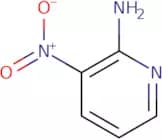
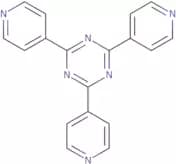
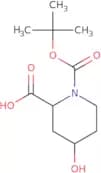
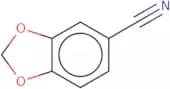
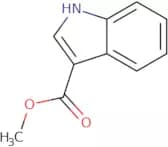
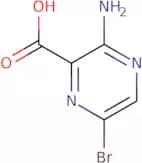
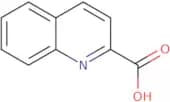
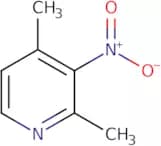
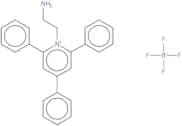
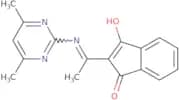
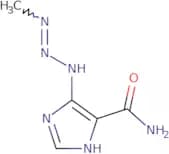
![N-Nitroso-3-azabicyclo[3.3.0]octane](/_next/image/?url=https%3A%2Fstatic.cymitquimica.com%2Fproducts%2F3D%2Fthumb-webp%2FFN166610.webp&w=3840&q=75)

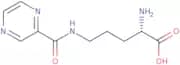

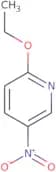
![(2R)-1-(Phenylmethyl)-N-[3-(spiro[isobenzofuran-1(3H),4'-piperidin]-1-yl)propyl-2-pyrrolidinecarbo…](/_next/image/?url=https%3A%2Fstatic.cymitquimica.com%2Fproducts%2F3D%2Fthumb-webp%2FFP73252.webp&w=3840&q=75)
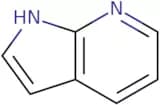
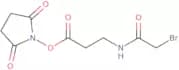
![4-[(2,3,4Trimethoxyphenyl)methyl]piperazine-1-carbaldehyde](/_next/image/?url=https%3A%2Fstatic.cymitquimica.com%2Fproducts%2F3D%2Fthumb-webp%2FFT46258.webp&w=3840&q=75)
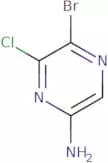
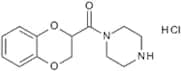
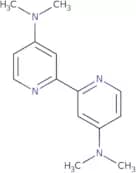
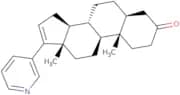

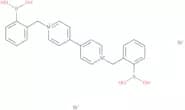
![[2-(Pyridin-2-ylthio)ethyl]amine dihydrochloride](/_next/image/?url=https%3A%2Fstatic.cymitquimica.com%2Fproducts%2F3D%2Fthumb-webp%2FFP121658.webp&w=3840&q=75)
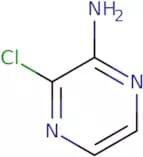
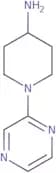
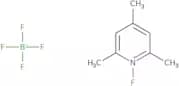


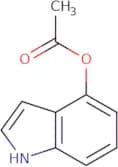
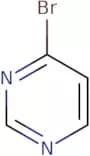
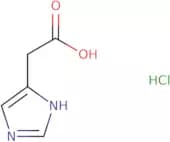
![1-(2-Chloroethyl)-4-[3-(Trifluoromethyl)Phenyl]Piperazine Dihydrochloride](/_next/image/?url=https%3A%2Fstatic.cymitquimica.com%2Fproducts%2F3D%2Fthumb-webp%2FFC29221.webp&w=3840&q=75)
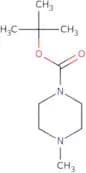
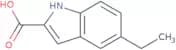
![Pyridin-3-Yl-[4-[3-(Trifluoromethyl)Phenyl]Piperazin-1-Yl]Methanone Dihydrochloride](/_next/image/?url=https%3A%2Fstatic.cymitquimica.com%2Fproducts%2F3D%2Fthumb-webp%2FFP100969.webp&w=3840&q=75)

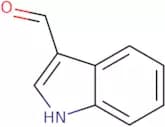
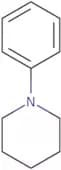
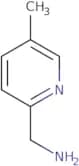

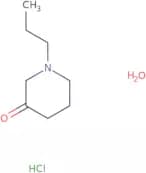
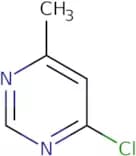
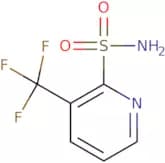
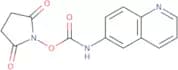
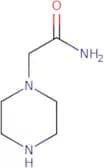
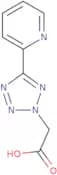
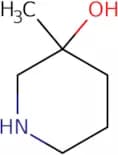


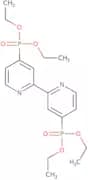
![2-(2-Butyl)-4-{4-[4-(4-methyloxy-phenyl)-piperazin-1-yl]-phenyl}-2,4-dihydro-[1,2,4]-triazol-3-one](/_next/image/?url=https%3A%2Fstatic.cymitquimica.com%2Fproducts%2F3D%2Fthumb-webp%2FFB19470.webp&w=3840&q=75)

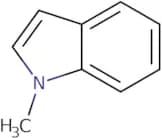
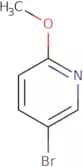
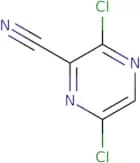
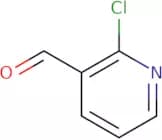
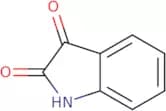
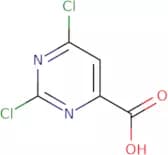
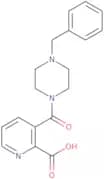
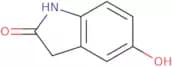
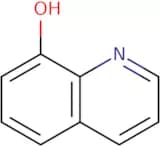
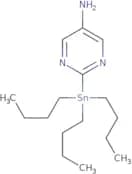
![7H-Imidazo[4,5-d]pyrimidine](/_next/image/?url=https%3A%2Fstatic.cymitquimica.com%2Fproducts%2F3D%2Fthumb-webp%2FFI34476.webp&w=3840&q=75)
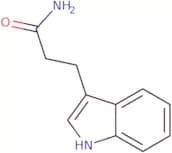
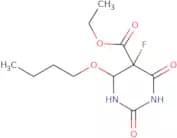
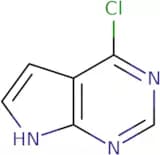
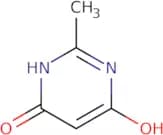
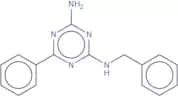
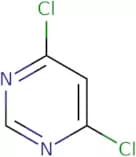

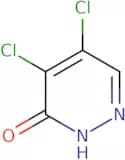
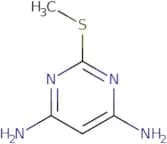
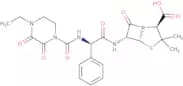
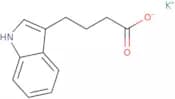
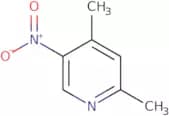

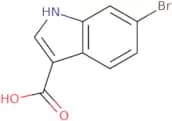
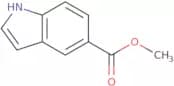
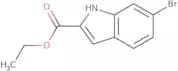

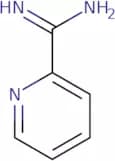

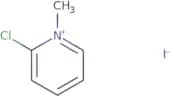
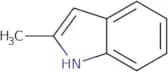
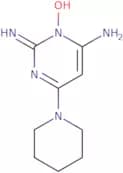
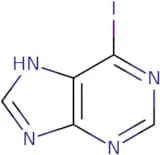
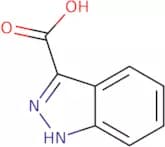
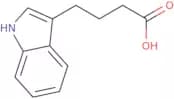
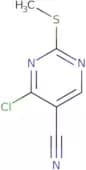

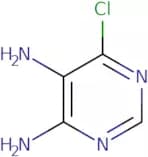
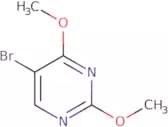
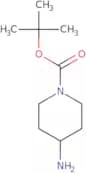
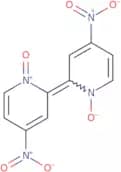
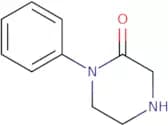
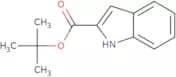
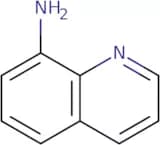
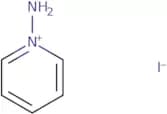
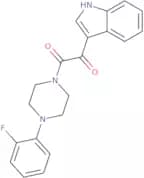


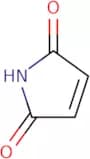
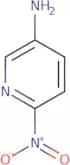

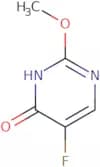
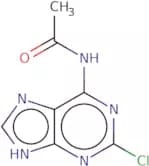
![(S)-2-((((9H-Fluoren-9-yl)methoxy)carbonyl)amino)-3-(1H-pyrrolo[2,3-b]pyridin-3-yl)propanoic acid](/_next/image/?url=https%3A%2Fstatic.cymitquimica.com%2Fproducts%2F3D%2Fthumb-webp%2FFF154979.webp&w=3840&q=75)
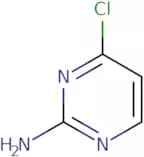
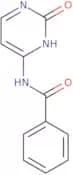
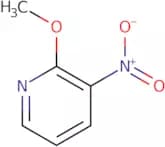
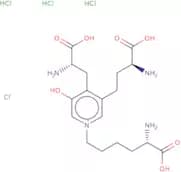
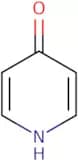
![4-[3-(Methylsulfonyl)phenyl]-1-propylpiperidine](/_next/image/?url=https%3A%2Fstatic.cymitquimica.com%2Fproducts%2F3D%2Fthumb-webp%2FFM25954.webp&w=3840&q=75)
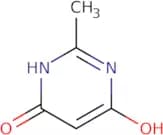
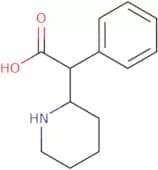
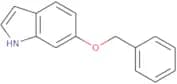
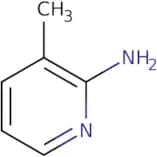
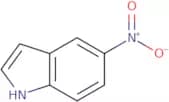
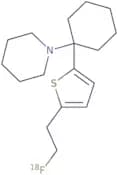
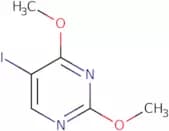

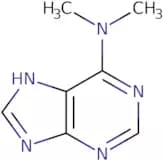
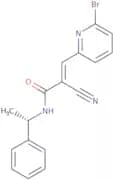
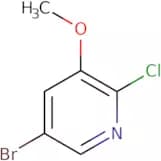

![4-[(Pyridine-3-carbonyl)amino]butyric acid](/_next/image/?url=https%3A%2Fstatic.cymitquimica.com%2Fproducts%2F3D%2Fthumb-webp%2FFP15522.webp&w=3840&q=75)
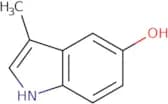
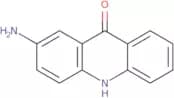
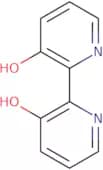
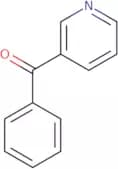
![6-Chloro-imidazo[1,2-b]pyridazine](/_next/image/?url=https%3A%2Fstatic.cymitquimica.com%2Fproducts%2F3D%2Fthumb-webp%2FFC11286.webp&w=3840&q=75)
![1-[(5-Chloro-1-methyl-1H-indol-3-yl)methyl]piperidine-4-carboxylic acid](/_next/image/?url=https%3A%2Fstatic.cymitquimica.com%2Fproducts%2F3D%2Fthumb-webp%2FFC128187.webp&w=3840&q=75)
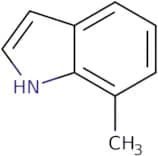
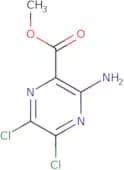
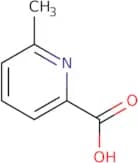
![5-Methoxy-2-[[(4-methoxy-3,5-dimethyl-2-pyridinyl)methyl]thio]-1H-benzimidazole N-oxide](/_next/image/?url=https%3A%2Fstatic.cymitquimica.com%2Fproducts%2F3D%2Fthumb-webp%2FFM63432.webp&w=3840&q=75)
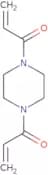
![3-(3-Piperidinopropoxy)-1-[3-(Trifluoromethyl)Phenyl]-1H-Indazole](/_next/image/?url=https%3A%2Fstatic.cymitquimica.com%2Fproducts%2F3D%2Fthumb-webp%2FFP97740.webp&w=3840&q=75)
![Dipyrazino[2,3-f:2',3'-h]quinoxaline-2,3,6,7,10,11-hexacarbonitrile](/_next/image/?url=https%3A%2Fstatic.cymitquimica.com%2Fproducts%2F3D%2Fthumb-webp%2FFD42747.webp&w=3840&q=75)

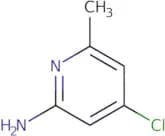
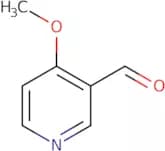
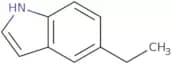
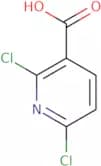


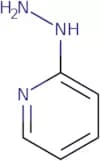
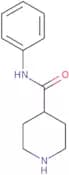

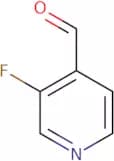
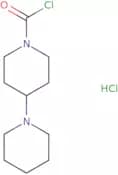
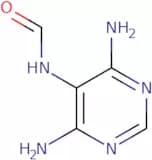
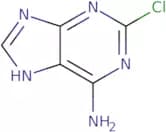
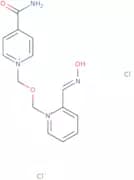
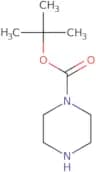
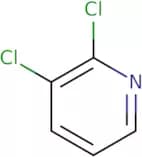
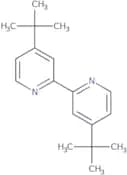
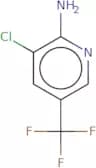
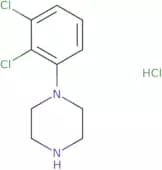
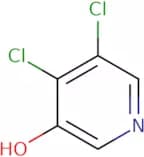
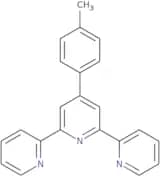

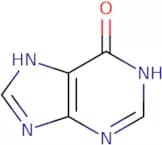
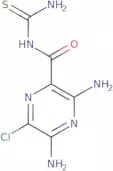
![1H-Pyrrolo[3,2-c]pyridin-4(5H)-one](/_next/image/?url=https%3A%2Fstatic.cymitquimica.com%2Fproducts%2F3D%2Fthumb-webp%2FFP140758.webp&w=3840&q=75)