Glycoscience
La glicociencia es el estudio de los carbohidratos y sus derivados, así como de las interacciones y funciones biológicas en las que participan. Este campo de investigación es crucial para comprender una amplia variedad de procesos biológicos, incluyendo el reconocimiento celular, la señalización, la respuesta inmune y el desarrollo de enfermedades. La glicociencia tiene aplicaciones importantes en la biotecnología, la medicina, y el desarrollo de nuevos fármacos y terapias. En CymitQuimica, ofrecemos una amplia selección de productos de alta calidad y pureza para la investigación en glicociencia. Nuestro catálogo incluye monosacáridos, oligosacáridos, polisacáridos, glicoconjugados, y reactivos específicos, diseñados para apoyar a los investigadores en sus estudios sobre la estructura, función y aplicaciones de los carbohidratos en sistemas biológicos. Estos recursos están destinados a facilitar descubrimientos científicos y aplicaciones prácticas en diversas áreas de la biociencia y la medicina.
Subcategorías de "Glycoscience"
- Aminoazúcares(108 productos)
- Anticuerpos relacionados con azúcares(282 productos)
- Glicolípidos(46 productos)
- Glicosaminoglicanos (GAGs)(55 productos)
- Glucósidos(419 productos)
- Monosacáridos(6.624 productos)
- Oligosacáridos(3.682 productos)
- Polisacáridos(503 productos)
Se han encontrado 11046 productos de "Glycoscience"
Ordenar por
Pureza (%)
0
100
|
0
|
50
|
90
|
95
|
100
D-Mannose - F (from birch)
CAS:<p>Abundant and critical component of natural glycans and glycoproteins</p>Fórmula:C6H12O6Pureza:Min. 98 Area-%Forma y color:White PowderPeso molecular:180.16 g/molL-Ribose
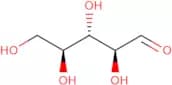
CAS:<p>Constituent of RNA; important resource for RNA- and DNA-related syntheses</p>Fórmula:C5H10O5Pureza:Min. 98 Area-%Forma y color:White PowderPeso molecular:150.13 g/molEthyl 2,3-O-isopropylidene-a-L-thiorhamnopyranoside
CAS:<p>Ethyl 2,3-O-isopropylidene-a-L-thiorhamnopyranoside (Ip) is a glycosylation inhibitor that inhibits the formation of an alpha-(1,2)-link between glucose and mannose in the glycosylation of the pentasaccharide. The maximum tolerated dosages of Ip have been determined in HL-60 cells. Trichloroacetimidate is used as a substitute for Ip in these experiments because it can be dissolved in water and has a high therapeutic index. Convergent synthesis of Ip was achieved by reacting pentasaccharides with trichloroacetimidate to produce pentasaccharides with substituted mannose residues at position two and three.</p>Fórmula:C11H20O4SPureza:Min. 95%Peso molecular:248.34 g/mol1,2,4,6-Tetra-O-acetyl-3-deoxy-D-galactose
<p>1,2,4,6-Tetra-O-acetyl-3-deoxy-D-galactose (1,2,4,6TDA) is a custom synthesis that is a complex carbohydrate. It has been modified with methylation and glycosylation. 1,2,4,6TDA is an oligosaccharide with a molecular weight of 498.06 Da and a CAS number of 90193-74-8. This product is high purity and can be fluorinated. This product can also be synthesized using the click modification reaction.</p>Fórmula:C14H20O9Pureza:Min. 95%Peso molecular:332.3 g/mol2, 3:5,6-Bis-O-(1-ethylpropylidene)-D-glycero-L-talo-heptonic acid γ-lactone
<p>2,3:5,6-Bis-O-(1-ethylpropylidene)-D-glycero-L-taloheptonic acid gamma-lactone (TAL) is a glycosylated saccharide that is synthesized by the click reaction of a terminal alkyne group with an azide group. TAL has been shown to have anti-inflammatory effects on mice. This compound also exhibits potent inhibition of bacterial growth and can be used as an alternative to penicillin.</p>Pureza:Min. 95%1,2,6-Tri-O-acetyl-3,4-di-O-benzyl-α-D-mannopyranose
CAS:<p>1,2,6-Tri-O-acetyl-3,4-di-O-benzyl-a-D-mannopyranose is a synthetic sugar that has been modified with three acetates and benzyl groups. It is used in the synthesis of glycosides and oligosaccharides. 1,2,6-Tri-O-acetyl-3,4-di-O-benzyl-a-D-mannopyranose is also an important building block for the synthesis of complex carbohydrates.</p>Fórmula:C26H30O9Pureza:Min. 95%Peso molecular:486.51 g/molMan-3a N-Glycan
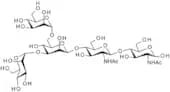
CAS:<p>Man-3a N-Glycan is a N-linked oligosaccharide with a trimannosyl core</p>Fórmula:C34H58N2O26Pureza:Min. 95%Forma y color:PowderPeso molecular:910.82 g/molPhenyl 4,6-O-benzylidene-2-deoxy-2-N-(2,2,2-trichloroethyl)-b-D-thioglucopyranoside
<p>Phenyl 4,6-O-benzylidene-2-deoxy-2-N-(2,2,2-trichloroethyl)-b-D-thioglucopyranoside is an oligosaccharide that has been synthesized by the glycosylation of a benzylidene glycosylamine with a sugar. It is a custom synthesis which has been fluorinated and methylated. This compound is an important intermediate in the synthesis of complex carbohydrates. Phenyl 4,6-O-benzylidene-2-deoxy-2-N-(2,2,2 trichloroethyl)-b -D thioglucopyranoside is not toxic and has a high purity.</p>Pureza:Min. 95%Benzyl 2-acetamido-4,6-O-benzylidene-2-deoxy-α-D-glucopyranoside
CAS:<p>Please enquire for more information about Benzyl 2-acetamido-4,6-O-benzylidene-2-deoxy-α-D-glucopyranoside including the price, delivery time and more detailed product information at the technical inquiry form on this page</p>Fórmula:C22H25NO6Pureza:Min. 98 Area-%Forma y color:White PowderPeso molecular:399.44 g/mol3,4-Di-O-benzyl-D-glucose
<p>3,4-Di-O-benzyl-D-glucose is a monosaccharide that is synthetically modified with an O-benzyl group at the 3' and 4' positions. It is a custom synthesis and has a CAS number. This sugar can be used as a building block for polysaccharides or oligosaccharides with the addition of other sugars. 3,4-Di-O-benzyl-D-glucose is highly pure and can be modified with fluorine to make it more stable for use in click chemistry reactions. This sugar is soluble in water, ethanol, DMSO, DMF, and acetonitrile. It has been shown to inhibit the growth of bacteria such as Staphylococcus aureus and Mycobacterium tuberculosis.</p>Pureza:Min. 95%(2R,3S,4R)-4-C-((2R,3S)-N-Benzyl-3-tert.butylsilyloxy-2-azetidinyl)-3-O-tert.butyldimethylsilyl-2,3,4-trihydroxybutanoic acid
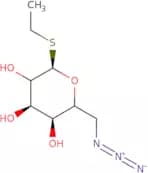
<p>(2R,3S,4R)-4-C-((2R,3S)-N-Benzyl-3-tert.butylsilyloxy-2-azetidinyl)-3-O-tert.butyldimethylsilyl-2,3,4-trihydroxybutanoic acid is a methylated and fluorinated oligosaccharide with a high purity. It is a complex carbohydrate that can be modified to include saccharides and monosaccharides. This product is synthesized using Click chemistry and has been shown to have antiallergic activities.</p>Pureza:Min. 95%Ethyl 6-azido-6-deoxy-a-D-thiomannopyranoside
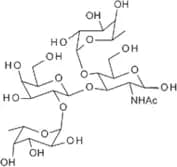
<p>Ethyl 6-azido-6-deoxy-a-D-thiomannopyranoside is a custom synthesis of a complex carbohydrate that is used in the modification of saccharides and glycosylations. It can be modified with methylation, fluorination, or click chemistry to create new derivatives. The chemical name for this product is Ethyl 6-azido-6-deoxymannopyranoside. This product has CAS Number 141459-18-4 and molecular weight of 308.86 g/mol. It is available in high purity with 98% yield.</p>Fórmula:C8H15N3O4SPureza:Min. 95%Peso molecular:249.29 g/molLewis B tetrasaccharide
CAS:<p>Lewis B tetrasaccharide (LBT) is a glycosylated oligosaccharide that is found in the outer membrane of human pathogens, such as Helicobacter pylori. LBT has been shown to inhibit the growth of cancer cells and may be used as a potential therapeutic agent for cancer treatment. It has also been shown to have structural features similar to those found in inflammatory bowel disease patients, suggesting that it may play a role in regulating bowel inflammation. LBT is recognized by monoclonal antibodies and can be used to detect H. pylori in biological samples. Lewis B tetrasaccharide binds with methyl glycosides on human erythrocytes, which inhibits the polymerase chain reaction (PCR). This inhibition leads to reduced DNA synthesis and a decrease in bacterial replication, making it an effective antimicrobial agent.</p>Fórmula:C26H45NO19Pureza:Min. 90%Forma y color:White PowderPeso molecular:675.63 g/mol2-Methyl-(1,2-dideoxy-a-D-glucopyrano)-[2,1-d]-2-oxazoline
CAS:<p>2-Methyl-(1,2-dideoxy-a-D-glucopyrano)-[2,1-d]-2-oxazoline is a high purity, custom synthesis carbohydrate. It has been fluorinated and methylated to increase its stability and resistance to proteases. This compound is used in the synthesis of oligosaccharides and polysaccharides. It can be glycosylated or click modified with thiol groups.</p>Fórmula:C8H13NO5Pureza:Min. 95%Forma y color:PowderPeso molecular:203.19 g/mol2,6-Dideoxy-L- arabino- hexose
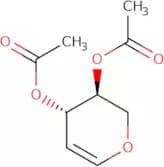
CAS:<p>2,6-Dideoxy-L-arabino-hexose is a carbohydrate that can be custom synthesized. It has a high purity with a custom synthesis and can be methylated and glycosylated. This modification changes the chemical structure of the sugar, which may have important therapeutic effects on cancer cells.</p>Fórmula:C6H12O4Pureza:Min. 95%Peso molecular:148.16 g/mol3,4-Di-O-acetyl-L-arabinal
CAS:<p>3,4-Di-O-acetyl-L-arabinal is a synthetic compound that belongs to the class of monofluorides. It has been synthesized from l-arabinose by a stereoselective process, with triflic acid as the catalyst and propargylation as the key step. The synthetic pathway starts from an acid hydrolysis of L-arabinose to yield 3,4-di-O-acetyl-L-arabinonic acid. This acid is then converted to 3,4 diacetyl L arabinonic acid with acetic anhydride and acetic acid in the presence of triethylamine. The final product is then obtained by reacting this intermediate with 1 equivalent of sodium fluoride in tetrahydrofuran (THF) using catalytic reduction with sodium borohydride at 0 °C. The major advantage of this synthetic process is that it provides two stereoisomers: (</p>Fórmula:C9H12O5Pureza:Min. 95%Forma y color:Yellow Clear LiquidPeso molecular:200.19 g/mol(2R, 3S, 4S) -3-Fluoro- 4- (fluoromethyl])- 1- (phenylmethyl) -2- azetidinecarboxylic acid methyl ester
<p>(2R, 3S, 4S) -3-Fluoro-4-(fluoromethyl)-1-(phenylmethyl)-2-azetidinecarboxylic acid methyl ester is a synthetic compound that is used in the preparation of modified saccharides and oligosaccharides. These compounds are used in the synthesis of complex carbohydrates. This product also has fluoroquinolone resistance and has been shown to be an inhibitor of RNA polymerase II transcription and DNA topoisomerase I.</p>Pureza:Min. 95%1-Deoxy- 3, 4- O- isopropylidene-D- erythro- 2- pentulofuranose
<p>1-Deoxy- 3, 4- O- isopropylidene-D-erythro-2 pentulofuranose is a mannitol derivative. It is a carbohydrate that has been modified by fluorination and methylation and glycosylation. It can be synthesized from erythritol and 2,3,4-trihydroxybenzaldehyde. This product can be custom synthesized to order with high purity in quantities of 10 grams or more.</p>Pureza:Min. 95%(2S,3R)-3,4-Bis-benzoyloxy-4-azidomethyl-pyrrolidin-2-one
<p>(2S,3R)-3,4-Bis-benzoyloxy-4-azidomethyl-pyrrolidin-2-one is a custom synthesis product. It is a fluorinated pyrrolidinone that has been modified with an azide group. This product can be used as an intermediate in the synthesis of glycoconjugates and saccharides. It can also be used to modify other molecules such as proteins, polymers, and oligosaccharides.<br>(2S,3R)-3,4-Bis-benzoyloxy-4-azidomethyl-pyrrolidin-2-one is a white solid that is insoluble in water. This compound has a molecular weight of 216.26 g/mol and a molecular formula of C11H14N6O5. The CAS number for this compound is 538113–92–1.</p>Pureza:Min. 95%Sucrose heptasulfate potassium
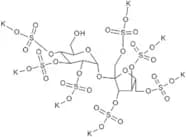
CAS:<p>Used to treat duodenal ulcers, GERD, stress ulcers; acid buffer; cytoprotective</p>Fórmula:C12H15K7O32S7Pureza:Min 80%Forma y color:White PowderPeso molecular:1,169.38 g/molDiethylgalactarate
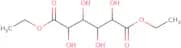
CAS:<p>Diethylgalactarate is a polymer that is solid at room temperature. It has a yield value of 10%. Diethylgalactarate is soluble in organic solvents, but insoluble in water. This polymer has been shown to have good thermal stability and microstructure when used as a monomer with other polymers. Diethylgalactarate has also been shown to have high permeability, which makes it an ideal candidate for use in drug delivery systems.</p>Fórmula:C10H18O8Pureza:Min. 95%Peso molecular:266.25 g/mol2,3-O-Isopropylidene-5-O-tosyl-D-ribonic acid-1,4-lactone
CAS:<p>2,3-O-Isopropylidene-5-O-tosyl-D-ribonic acid-1,4-lactone is a synthetic 2,3:5,6-diisopropylidene glycoside of D-ribose. It is a methylated sugar with an alpha-(2,3)-linked D-(+)-glucopyranosyl moiety and an alpha-(2,5)-linked L(+)-fucopyranosyl moiety. This compound can be used as a building block for the synthesis of polysaccharides and glycoconjugates. 2,3:5,6-Diisopropylidene glycoside of D-ribose is also used to synthesize oligosaccharides in carbohydrate chemistry.</p>Fórmula:C12H14O7SPureza:Min. 95%Forma y color:White PowderPeso molecular:302.04 g/molUDP-2-amino-2-deoxy-D-glucose
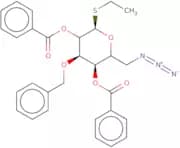
<p>UDP-2-amino-2-deoxy-D-glucose is a modification of glucose. It is an organic compound that can be used in the synthesis of oligosaccharides and polysaccharides. It can be methylated or glycosylated with other sugars, such as galactose, to form complex carbohydrates. UDP-2-amino-2-deoxyglucose also has a high purity and CAS number.</p>Pureza:Min. 95%Ethyl 6-azido-2,4-di-O-benzoyl-3-O-benzyl-6-deoxy-a-D-thiomannopyranoside
Ethyl 6-azido-2,4-di-O-benzoyl-3-O-benzyl-6-deoxy-a-D-thiomannopyranoside is a custom synthesis of a highly purified compound that has been modified to include fluorination. It is an oligosaccharide with a complex carbohydrate structure and high purity. The modification includes Click chemistry and the monosaccharides are sugar, which may be useful for pharmaceutical or biomedical applications.Fórmula:C29H29N3O6SPureza:Min. 95%Peso molecular:547.62 g/mol(Hydroxypropyl)methyl cellulose phthalate
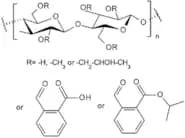
CAS:<p>Hypromellose phthalate (hydroxypropyl methylcellulose phthalate, or HPMCP) is a phthalic acid ester of hydroxypropyl methylcellulose. Hypromellose phthalate was introduced in 1971 as a cellulose derivative for enteric coatings, used to protect drugs from degradation by gastric acid or to prevent them from causing side effects in the stomach. HPMCP is also used in sustained-release preparations, in binders and as microcapsule bases.</p>Forma y color:White Off-White Powder2-Amino-β-D-arabinofurano[1,2;4,5]oxazoline
CAS:<p>2-Amino-b-D-arabinofurano[1,2;4,5]oxazoline is an organic compound that can be used in the synthesis of saccharides. It is also a fluorescent probe for amino acids and sugars. 2-Amino-b-D-arabinofurano[1,2;4,5]oxazoline has been shown to be a high purity product and can be custom synthesized. This compound is often used in glycosylation reactions with sugar or saccharide donors. The synthesis of 2-amino b D arabinofurano [1,2;4,5] oxazoline is not complicated and can be achieved by modifying the methyl group on the ring at C2 position. The CAS number for this compound is 27963-98-0.</p>Fórmula:C6H10N2O4Pureza:Min. 95%Forma y color:PowderPeso molecular:174.15 g/molLactose octaacetate
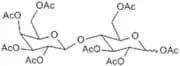
CAS:<p>The acetates of lactose are useful starting points and intermediates in the synthesis of oligosaccharides based on lactose, particularly in the synthesis of the important oligosaccharides that occur in human milk.</p>Fórmula:C28H38O19Pureza:Min. 98 Area-%Forma y color:White PowderPeso molecular:678.59 g/molD-Gulonic acid-1,4-lactone
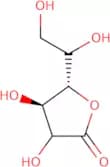
CAS:<p>D-Gulonic acid-1,4-lactone is a naturally occurring compound that is formed from L-gulonic acid and a 1,4-lactone ring. It has been shown to have inhibitory properties against the matrix metalloproteinases MMP-2 and MMP-9. It also has an effect on dehydroascorbic acid, which plays an important role in the regulation of bioavailability of vitamin C. D-Gulonic acid-1,4-lactone has been found to stimulate collagen synthesis in human skin cells, which may be due to its ability to increase the activity of enzymes such as pyruvate kinase and lactate dehydrogenase. The structural analysis of this compound reveals a pyrazole ring with two hydroxyl groups (OH).</p>Fórmula:C6H10O6Pureza:Min. 98 Area-%Forma y color:White PowderPeso molecular:178.14 g/moln-Octyl-β-D-thiogalactopyranoside
CAS:<p>n-Octyl-beta-D-thiogalactopyranoside is a modification of the sugar Galactose. It is a mono saccharide that can be found in the form of an oligosaccharide or polysaccharide. The modification of the sugar is done by methylation, glycosylation and fluorination. n-Octyl-beta-D-thiogalactopyranoside has CAS No. 42891-16-7 and can be found on PubChem CID: 5135624.</p>Fórmula:C14H28O5SPeso molecular:308.44 g/molRef: 3D-O-2700
5gA consultar10gA consultar25gA consultar50gA consultar100gA consultar-Unit-ggA consultarN-Acetyl-D-galactosamine-4-O-sulphate sodium
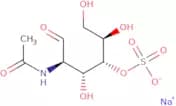
CAS:<p>N-Acetyl-D-galactosamine-4-O-sulphate sodium salt is a carbohydrate, modification. It is a synthetic, custom synthesis, high purity, monosaccharide, glycosylation and methylation product. The CAS number of this product is 660839-03-2.</p>Fórmula:C8H15NO9S•NaPureza:Min. 95%Forma y color:PowderPeso molecular:324.26 g/molNA2 Glycan, 2-AB labelled
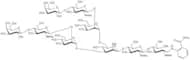
<p>N-Acetylneuraminic acid (NA2) is a glycan that is found in the human body, and is important for brain function. NA2 Glycan, 2-AB labelled, is a high purity custom synthesis sugar with Click modification and fluorination. The glycans are made of monosaccharides or saccharides linked together by glycosidic bonds. Carbohydrates are classified according to their number of sugar units: simple carbohydrates contain one or two sugar units; complex carbohydrates have three or more. This product is an oligosaccharide that contains nine sugar units: three monosaccharides and six saccharides. It can be used as a substrate for methylation, glycosylation, and modification reactions.</p>Fórmula:C69H112N6O46Pureza:Min. 95%Peso molecular:1,761.64 g/molAdenosine-5'-b-D-glucuronic acid
<p>Adenosine-5'-b-D-glucuronic acid is a modified, complex carbohydrate that is synthesized by the reaction of adenosine and b-D-glucuronic acid. This product has a purity of >98% and is soluble in water. It can be used as an intermediate for the synthesis of polysaccharides or saccharides with different substitutions. Adenosine-5'-b-D-glucuronic acid has a CAS number of 73088-94-3 and can be found in the Monosaccharide, Methylation, Glycosylation, Polysaccharide, sugar category.</p>Pureza:Min. 95%Lactobionic acid ethyl ester
<p>Lactobionic acid ethyl ester is a custom synthesis of an oligosaccharide that is modified by fluorination, methylation, and click modification. Lactobionic acid ethyl ester is synthesized from the sugar D-glucose and the monosaccharide D-galactose. This product can be used as a substitute for sucrose in food products as it has similar taste, texture and sweetness. It also has many other applications such as being used in the manufacture of polysaccharides and complex carbohydrates.</p>Pureza:Min. 95%a-Cyclodextrin octadecaacetate
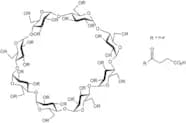
CAS:<p>Alpha-cyclodextrin (α-CD) derivative with a hydrophilic exterior and lipophilic cavity (smaller than β-CDs and γ-CDs) to allocate certain guest molecules. This structural characteristic enables applications in molecular encapsulation, solubility enhancement, and stabilization across multiple industries. In pharmaceuticals, it serves as a drug delivery vehicle, enhancing the bioavailability and stability of active ingredients. The food industry utilizes it as a stabilizer for flavors, colors, and nutrients, as well as a functional ingredient for its effects on lipid metabolism. In cosmetics, it acts as a complex agent for fragrances and active components. Its applications extend to analytical chemistry for chiral separation and to materials science for developing smart materials and nanosystems.</p>Fórmula:C72H96O48Pureza:Min. 95%Peso molecular:1,729.5 g/mol(1R) -1- [(2S, 3S) - 3- Hydroxy- 1- azetidinyl] -1, 2- ethanediol
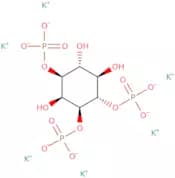
<p>(1R) -1- [(2S, 3S) - 3- Hydroxy- 1- azetidinyl] -1, 2- ethanediol is a glycoside that can be used as a fluorination agent. It reacts with the hydroxyl group of carbohydrates to form a covalent bond between the oxygen atom and fluorine atom. This product is custom synthesized and has high purity. The CAS number for this product is 53872-68-9.</p>Pureza:Min. 95%D-myo-Inositol-1,3,4-triphosphate
CAS:<p>D-myo-Inositol-1,3,4-triphosphate is a custom synthesis that has been modified with a methyl group at the 1 position and fluorinated at the 3 and 4 positions. This compound is an oligosaccharide that contains three monosaccharides linked by glycosidic bonds. It is a complex carbohydrate with a molecular weight of 576.06 g/mol and CAS No. 140385-74-6. D-myo-Inositol-1,3,4-triphosphate is used in glycobiology as a substrate for glycosylation reactions. The polymerization of this compound leads to the formation of polysaccharides such as cellulose, which can be used in tissue engineering applications.</p>Fórmula:C6H12O15P3Pureza:Min. 95%Peso molecular:417.07 g/molEthyl 2-amino-2-deoxy-b-D-glucopyranoside HCl
CAS:<p>Ethyl 2-amino-2-deoxy-b-D-glucopyranoside HCl is a synthetic monosaccharide that has a molecular weight of 174.14 g/mol. It is soluble in water and acidic solvents, and it can be used as a reactant for click chemistry and glycosylation reactions. Ethyl 2-amino-2-deoxy-b-D-glucopyranoside HCl is an intermediate in the synthesis of oligosaccharides, polysaccharides, and complex carbohydrates. This compound can be fluorinated with trifluoromethanesulfonic acid to produce ethyl 2-(trifluoromethanesulfonyl)amino-2-(trifluoromethanesulfonyl)deoxy-b-(trifluoromethanesulfonyl)glucopyranoside HCl. Ethyl 2 am</p>Pureza:Min. 95%4-Aminophenyl 6-O-(a-D-mannopyranosyl)-a-D-mannopyranoside
<p>4-Aminophenyl 6-O-(a-D-mannopyranosyl)-a-D-mannopyranoside is a custom synthesized carbohydrate that belongs to the group of oligosaccharides. It is a saccharide with a mannose, glucose, and mannose backbone structure. This compound has been modified by methylation at the C4 position, glycosylation at the C3 position, and fluorination at the C6 position. The 4-aminophenyl 6-O-(a-D-mannopyranosyl)-a-D-mannopyranoside is available in high purity and can be used for research purposes.</p>Pureza:Min. 95%1-O -Acetyl-2,5-di-O-benzoyl-3-fluoro-3-deoxy-b-D-ribofuranoside
CAS:<p>1-O -Acetyl-2,5-di-O-benzoyl-3-fluoro-3-deoxy-b-D-ribofuranoside is a synthetic sugar that belongs to the class of saccharides. It is a modification of fluorinated sugar that has been modified with acetylation and benzoylation. This compound can be used as an intermediate in the synthesis of oligosaccharides and glycosylations.</p>Pureza:Min. 95%1,5-Anhydro-2,3,4-tri-O-benzoyl-6-deoxy-D-arabino-hex-1-enitol
CAS:1,5-Anhydro-2,3,4-tri-O-benzoyl-6-deoxy-D-arabino-hex-1-enitol is a high purity sugar with a click modification. It is a synthetic monosaccharide that is an important building block for complex carbohydrates. This compound can be modified through methylation, glycosylation, and custom synthesis to produce desired compounds. The 1,5 Anhydro 2,3,4 tri O benzoyl 6 deoxy D arabino hex 1 enitol has shown activity against the fluoroquinolone resistant bacteria Staphylococcus aureus and Mycobacterium tuberculosis. It has also been shown to inhibit the growth of cancer cells in vitro and in vivo.Fórmula:C27H22O7Pureza:Min. 95%Forma y color:PowderPeso molecular:458.46 g/molD-Gluconic acid manganese salt - USP
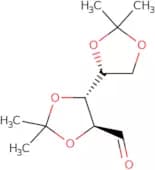
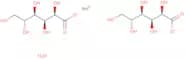
CAS:<p>D-Gluconic acid manganese salt is a wild-type strain that is used to treat infectious diseases. The mechanism of action is not yet fully understood, but it has been shown to inhibit the growth of bacteria by binding to the cell wall and disrupting bacterial enzymes. It also has been shown to bind to calcium ions, which can lead to cardiac problems. The drug can be used in combination with other antimicrobial agents, such as malonic acid, for the treatment of infections caused by methicillin resistant Staphylococcus aureus (MRSA).</p>Fórmula:C12H22MnO14Pureza:Min. 95%Peso molecular:445.23 g/mol(5R, 8R, 9S) -8- [(4R) - 2, 2- Dimethyl- 1, 3- dioxolan- 4- yl] - 9- hydroxy- 2, 2- dimethyl- 1, 3, 7- trioxaspiro[4.4] nonan- 6- on e
(5R, 8R, 9S) -8- [(4R) - 2, 2- Dimethyl- 1, 3- dioxolan- 4- yl] - 9- hydroxy- 2, 2- dimethyl- 1, 3, 7- trioxaspiro[4.4] nonan- 6- on e is a synthetic glycosylin containing a complex carbohydrate. It has been modified with methylation and Click chemistry to provide a fluorinated saccharide which can be used for the synthesis of oligosaccharides. This product is custom made and can be synthesized with high purity.Pureza:Min. 95%Schizophyllan
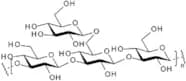
CAS:<p>Schizophyllan is a neutral extracellular polysaccharide produced by the fungus Schyizophyllum commune. Schizophyllan is a β-1,3 beta glucan with β-1,6 branches and a molecular weight of around 450 kDa. It is reported that this polysaccharide can stimulate the immune system, chelate metals, act as an adjuvant in delivering drugs and aid in the production of nanofibres.<br>The image was kindly provided by Dr. Chris Lawson.</p>Forma y color:White PowderGlycyl-asialo, galactosylated fucosylated biantennary
<p>Glycyl-asialo, galactosylated fucosylated biantennary is a synthetic glycosylated oligosaccharide that is fluorinated at the 6-position. It has been shown to have high purity and good chemical stability. The carbohydrate is made from a complex of saccharides, which are linked together by glycosidic bonds. This product is available for custom synthesis with methylation and monosaccharide modifications. CAS No.: 128868-20-2</p>Fórmula:C70H118N6O50Pureza:Min. 95%Peso molecular:1,843.7 g/molBlood Group B trisaccharide-PAA-Biotin
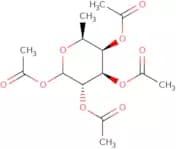
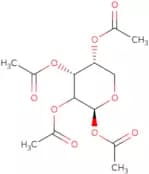
<p>Blood group antigen conjugated to spacer and biotin</p>Pureza:Min. 95 Area-%Forma y color:PowderPeso molecular:545.5 g/mol1,2,3,4-Tetra-O-acetyl-L-fucopyranose
CAS:<p>Intermediate for the anomeric modification of Fuc, including fucosylation</p>Fórmula:C14H20O9Pureza:Min. 97 Area-%Forma y color:White PowderPeso molecular:332.3 g/molEthylmaltol glucoside
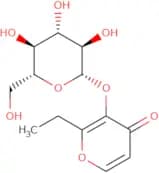
CAS:<p>Ethyl maltol glucoside is a methylated and fluorinated sugar that is used as an intermediate in the synthesis of oligosaccharides or polysaccharides. It has been shown to be an efficient and selective substrate for glycosyltransferases. Ethyl maltol glucoside has been modified with click chemistry, which enables it to be incorporated into complex carbohydrates. This modification also allows for the synthesis of monosaccharides, which are common building blocks of many other types of sugars. Ethyl maltol glucoside is soluble in water and can be purified by recrystallization. It is also available in high purity, with a CAS number of 1838567-35-3.</p>Fórmula:C13H18O8Pureza:Min. 95%Forma y color:PowderPeso molecular:302.28 g/mol1,2,3,4-Tetra-O-acetyl-D-lyxopyranose
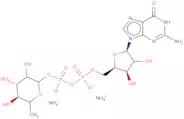
CAS:<p>1,2,3,4-Tetra-O-acetyl-D-lyxopyranose (LXT) is a human lymphocyte growth factor that stimulates the proliferation of human lymphocytes. It also exhibits antiviral activity against murine leukemia and murine viruses in cell culture. LXT has been shown to inhibit the replication of the virus that causes human breast carcinoma. This compound also exhibits anti-inflammatory effects on murine leukemia cells and can stimulate the production of interferon from mouse spleen cells.</p>Fórmula:C13H18O9Pureza:Min. 95%Peso molecular:318.3 g/molGDP-L-fucose diammonium salt
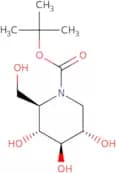
CAS:<p>GDP-L-fucose diammonium salt is a synthetase inhibitor that has been shown to inhibit the synthesis of GDP-L-fucose. This compound is also known as 5,6-dichloro-1,2,3,4-tetrahydroisoquinoline and is a secondary metabolite of the bacterium Aerobacter aerogenes. The enzyme kinetic assay was used to determine the inhibition constant for this compound. It has been shown to be active against E. coli K-12 and S. subtilis in cell culture experiments. Inhibition of GDP-L-fucose synthesis by this compound leads to reduced bacterial growth, which may be due to its interference with cell surface carbohydrate attachment or its effects on other metabolic pathways such as glycolysis and nucleotide synthesis.</p>Fórmula:C15H23N5O15P2·N2H8Pureza:Min. 95%Peso molecular:623.41 g/molN-Boc-1,5-imino-1,5-dideoxy-D-glucitol
CAS:<p>N-Boc-1,5-imino-1,5-dideoxy-D-glucitol is a custom synthesis product that is synthesized by methylation and click chemistry. The chemical name of N-Boc-1,5-imino-1,5-dideoxyglucitol is 1,5-(N′-(tertiary butyloxycarbonyl)-L-serine)-1,5-dideoxyglucitol. It has a CAS number of 1305391207 and molecular weight of 478.18 g/mol. It is a modified carbohydrate with the molecular formula C14H27NO8 and molecular weight of 478.18 g/mol. It has an Oligosaccharide with the molecular formula C14H27NO8 and molecular weight of 478.18 g/mol. It has a Polysaccharide with the molecular formula C14H27NO8 and</p>Fórmula:C11H21NO6Pureza:Min. 95%Forma y color:Beige solid.Peso molecular:263.29 g/mol1,2-O-Isopropylidene-3-deoxy-3-fluoro-a-D-xylofuranose
CAS:1,2-O-Isopropylidene-3-deoxy-3-fluoro-a-D-xylofuranose is a synthetic compound that has been modified by methylation, saccharide and glycosylation. It is a fluorinated sugar that can be used for Click modification, such as for oligosaccharide synthesis or other modifications. 1,2-O-Isopropylidene-3-deoxy-3-fluoro-a-D-xylofuranose is a high purity compound that can be custom synthesized to your specifications. It has CAS No. 1853084 2 and is listed under the Glycosylation section in the Carbohydrate database.Fórmula:C8H13FO4Pureza:Min. 95%Peso molecular:192.18 g/molClopidogrel acyl glucuronide
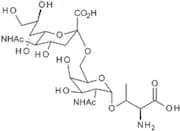
CAS:<p>Clopidogrel is a prodrug that is metabolized to the active form, clopidogrel acyl glucuronide (CPG). The glucuronide conjugate of CPG is excreted in urine and can be used as a potential biomarker for drug interactions. Clopidogrel acyl glucuronide is an inhibitor of CYP2C19, CYP1A2, and CYP3A4 which may lead to drug-drug interactions. Clopidogrel also inhibits uptake by P-glycoprotein and efflux by MRPs. The uptake of CPG in the liver cells from the blood stream is low due to its high affinity for proteins such as albumin. This makes it difficult to measure plasma concentrations of CPG and its metabolites. However, CPG can be detected in human liver microsomes using liquid chromatography with tandem mass spectrometry (LC-MS/MS) analysis. The metabolite</p>Fórmula:C21H22ClNO8SPureza:Min. 95%Peso molecular:483.92 g/mol2-Acetamido-6-O-(a-2-N-acetylneuraminyl)-2-deoxy-a-D-galactopyranosyl threonine
<p>2-Acetamido-6-O-(a-2-N-acetylneuraminyl)-2-deoxy-a-D-galactopyranosyl threonine is a carbohydrate antigen that is expressed on the surface of cancer cells. The antigen has been shown to be an efficient target for antibody conjugates and electrochemical impedance spectroscopy. 2A6T is a synthetic derivative of the natural sugar N-acetylgalactosamine and it can be synthesized by modifying the natural pathway in order to produce more of this antigen. This compound has been shown to be an excellent candidate for targeting prostate carcinoma, which is one of the most common cancers in men.</p>Fórmula:C23H39N3O16Pureza:Min. 95%Peso molecular:613.57 g/molGalacturonan oligosaccharide DP7 sodium, 40% HPAEC-PAD
<p>Please enquire for more information about Galacturonan oligosaccharide DP7 sodium, 40% HPAEC-PAD including the price, delivery time and more detailed product information at the technical inquiry form on this page</p>Fórmula:C42H51O43Na7Pureza:Min. 95%Peso molecular:1,404.76 g/molN-Acetyl-D-lactosamine - 200mM solution in water
CAS:<p>A natural structural element in a variety of glycoconjugates. Substrate for galactosidases, fucosyltransferases, and sialyltransferases. Useful as a lectin inhibitory sugar and for characterizing lectins.</p>Fórmula:C14H25NO11Pureza:Min. 95%Forma y color:PowderPeso molecular:383.35 g/mol1,2,3,4,6-Penta-O-galloyl-a-D-glucopyranose
CAS:<p>1,2,3,4,6-Penta-O-galloyl-a-D-glucopyranose is a natural compound that inhibits the Cox-2 enzyme and has anti-cancer properties. It induces cell death by increasing oxidative injury and suppressing autophagy. 1,2,3,4,6-Penta-O-galloyl-a-D-glucopyranose has been shown to reduce xenograft tumor growth in mice while causing no observable toxic effects on normal tissues. This compound also inhibits the proapoptotic protein Bax and promotes the expression of Bcl2 in 3T3L1 preadipocytes. The mechanism of action may be related to its ability to inhibit basic fibroblast proliferation and induce apoptosis in k562 cells.</p>Fórmula:C41H32O26Pureza:Min. 95%Forma y color:Off-White PowderPeso molecular:940.68 g/mol2-O-Benzyl-2,4-di-C-methyl-3,4-O-isopropylidene-L-arabinoic acid d-lactone
<p>2-O-Benzyl-2,4-di-C-methyl-3,4-O-isopropylidene-L-arabinoic acid dlactone is a methylated derivative of arabinose. It can be used to synthesize saccharides or oligosaccharides with different functional groups. 2-O-Benzyl-2,4-diCmethyl 3,4OisopropylideneLarabinoic acid dlactone is synthesized by the modification of an existing compound. This product is offered for custom synthesis to meet your specifications.<br>Methyl 2,4diCmethyl 3,4OisopropylideneLaribonoic acid dlactone has been shown to have antiviral activity against herpes simplex virus type 1 (HSV1).</p>Pureza:Min. 95%Ezetimibe hydroxy-D-glucuronide D4
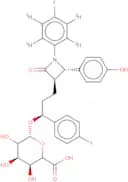
Producto controlado<p>Ezetimibe hydroxy-D-glucuronide D4 is a synthetic glycosylation product, which belongs to the category of oligosaccharides. It is a sugar that has been modified through fluorination and methylation. This product is soluble in water and has a purity of greater than 99% (based on HPLC analysis). Ezetimibe hydroxy-D-glucuronide D4 is a white, crystalline powder with a molecular weight of 586.2 g/mol and CAS number 144479-19-5.</p>Fórmula:C30H25D4F2NO9Pureza:Min. 95%Peso molecular:589.57 g/molSucrose-6-phosphate sodium
CAS:<p>Sucrose-6-phosphate sodium is a transcriptional regulator that belongs to the group of sugar phosphate ions. Sucrose-6-phosphate sodium regulates the transcription of genes involved in the synthesis of polysaccharides, such as sucrose and starch. This compound plays an important role in the metabolism of plants and has been shown to regulate hydrogen bond formation, photosynthetic activity, glycosidic bond formation, polymerase chain reactions, and regulatory sequences. The optimum pH for this compound is 7.0, with enzyme activities between pH 6.0 and 8.5. Sucrose-6-phosphate sodium also has been shown to regulate root formation and phosphorus pentoxide production in corynebacterium glutamicum.</p>Fórmula:C12H23O14P•Na2Pureza:Min. 95%Forma y color:PowderPeso molecular:468.26 g/molMycothione
<p>Please enquire for more information about Mycothione including the price, delivery time and more detailed product information at the technical inquiry form on this page</p>Fórmula:C34H58N4O24S2Pureza:Min. 95%Peso molecular:970.97 g/mol4-Isothiocyanatophenyl-α-D-mannopyranoside
CAS:<p>4-Isothiocyanatophenyl-alpha-D-mannopyranoside is a synthetic glycosylated sugar that has been modified with fluorination and methylation. It is a custom synthesis that can be modified to customer specifications. This product is available in high purity and at competitive prices.</p>Fórmula:C13H15NO6SPureza:Min. 98.0 Area-%Peso molecular:313.33 g/molRef: 3D-W-204140
1gA consultar50mgA consultar100mgA consultar250mgA consultar500mgA consultar-Unit-ggA consultarPropylene glycol alginate
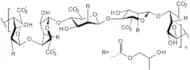
CAS:<p>Propylene glycol alginate is a reaction product of propylene oxide and alginic acid. At the 49th JECFA meeting (1997) it was resolved that the total dietary propylene glycol intake from all sources should be allocated an ADI of 0-25 mg/kg. Applications include as a stabiliser in beer foam due to electrostatic interaction between carboxyl groups on the glycol alginate molecules and amino groups on the peptides in the bubble wall and in ice cream by emulsifying the fat.Esterification is greater then 80%Viscosity (1% aq solution): 200-300 mpa.s</p>Pureza:Min. 95%Forma y color:Powder3,4,6-Tri-O-acetyl-D-glucal
CAS:<p>3,4,6-Tri-O-acetyl-D-glucal, also called 1,5-anhydro-2-deoxy-D-arabino-hex-1-enitol triacetate, is the acetate protected cyclic enol-ether (glycal) of D-glucose. 3,4,6-Tri-O-acetyl-D-glucal is a building block useful in the synthesis of a range of carbohydrates with the glucal double bond allowing other functional groups to be introduced. As an alkene, a glycal can undergo electrophilic addition across the double bond to introduce halogens and epoxides or be used to generate deoxy monosaccharides. 3,4,6-Tri-O-acetyl-D-glucal can undergo a Ferrier rearrangement with an alcohol and Lewis acid to give a 2,3-unsaturated product.</p>Fórmula:C12H16O7Pureza:Min. 98 Area-%Forma y color:White Off-White PowderPeso molecular:272.25 g/mol6- Deoxy- 1, 2:3, 5- bis- isopropylidene-D- ido-heptitol
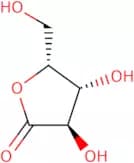
<p>6- Deoxy- 1, 2:3, 5- bis- isopropylidene-D- ido-heptitol is a modified oligosaccharide that is used as a reagent in the synthesis of complex carbohydrates. It has been shown to inhibit bacterial growth by binding to ribose and other sugars. 6-Deoxy-1,2:3,5-bis-isopropylidene-D-idoheptitol can be used to produce glycosides or methylated saccharides. This compound has been shown to have high purity and the CAS number for this product is 107738-94 -7.</p>Pureza:Min. 95%D-Threonic acid-1,4,-lactone
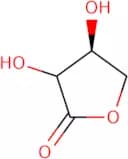
CAS:<p>D-Threonic acid-1,4,-lactone is a methylated saccharide that is prepared by the oxidation of D-threo-aldose. It can be used as a building block in the synthesis of glycosylates, oligosaccharides, and polysaccharides. The compound has been shown to inhibit the growth of Mycobacterium tuberculosis and Mycobacterium avium complex. D-Threonic acid-1,4,-lactone can also be fluorinated for use as an imaging agent for positron emission tomography (PET).</p>Fórmula:C4H6O4Pureza:Min. 95%Forma y color:PowderPeso molecular:118.08 g/molLacto-N-fucopentaose I
CAS:<p>Milk oligosaccharide; expressed on human induced pluripotent cells</p>Fórmula:C32H55NO25Pureza:Min. 95%Forma y color:White PowderPeso molecular:853.77 g/mol7-Deoxy-1,2:3,4:5,6-tri-O-isopropylidene-D-glycero-L-ido-heptitol
<p>The 7-Deoxy-1,2:3,4:5,6-tri-O-isopropylidene-D-glycero-L-ido-heptitol is a synthetic oligosaccharide that can be custom synthesized for research purposes. It is composed of the sugar monomers 6,7-dideoxyglucose and 1,2:3,4:5,6-tetraisopropyldecaonol. The 7DG and 1,2:3,4:5,6TIDCA are linked together via an alpha(1→4) glycosidic linkage. This product has been fluorinated to increase its stability in aqueous solutions.<br>br>br><br>The 7DG and 1,2:3,4:5,6TIDCA monomers are connected by an alpha(1→4) glycosidic linkage. The structural</p>Pureza:Min. 95%Telmisartan acyl-b-D-glucuronide
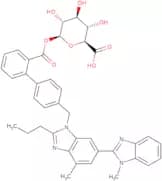
CAS:<p>Telmisartan acyl-b-D-glucuronide is a drug metabolite that is formed by the conjugation of telmisartan with glucuronic acid. Telmisartan acyl-b-D-glucuronide is activated in vivo and reversibly inhibits the enzyme creatine kinase, which is involved in the metabolism of creatine to creatinine. The effective dose for this compound has been shown to be 10 mg/kg (orally) in humans. Telmisartan acyl-b-D-glucuronide has been shown to be an at1 receptor antagonist and may have some antihypertensive effects via modulation of ion channels. This drug also appears to have some proliferative effects on cells that are inhibited by radiation.</p>Fórmula:C39H38N4O8Pureza:Min. 95%Forma y color:Off-White PowderPeso molecular:690.74 g/molN-(Benzyl malonoate-1-yl)-2-amino-2-deoxy-3,5:6,7-di-O-isopropylidene-D-glycero-D-ido-heptono-1.4-lactone
<p>N-(Benzyl malonoate-1-yl)-2-amino-2-deoxy-3,5:6,7-di-O-isopropylidene-D-glycero-D-idoheptono -1.4 -lactone is a synthetic compound that has been modified with fluorination and methylation. It is a monosaccharide that has been synthesized through a click modification and glycosylation. The CAS number for this compound is not available but it is classified as an oligosaccharide and saccharide. This carbohydrate has an average molecular weight of 647.1 g/mol and the structure contains 16 carbons, 36 hydrogens, 1 oxygen, and 2 nitrogens.</p>Pureza:Min. 95%lambda-Carrageenan
CAS:<p>Lambda-Carrageenan is a non-gelling sulphated galactan extracted from red seaweed (typically Gigartina stellata and Chondrus crispus). The structure of all carrageenans consists of a strictly alternating masked repeating unit of 1,3-linked α-D-galactose and 1,4-linked β-D-galactose. λ-Carrageenan has the α-linked unit 2-6-disulphated and the β-linked unit is 2-sulphated.<br>The image was kindly provided by Prof Mike Guiry from Cork who runs ‘The Seaweed Site’.</p>Forma y color:PowderPeso molecular:1140.922,3,4,6-Tetra-O-acetyl-a-D-galactopyranosyl bromide - 2% CaCO3
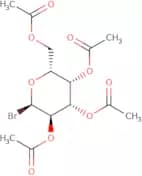
CAS:<p>Donor for Koenigs-Knorr type galactosylation and other anomeric substitutions</p>Fórmula:C14H19BrO9Pureza:One SpotForma y color:PowderPeso molecular:411.2 g/molMethyl β-L-arabinopyranoside
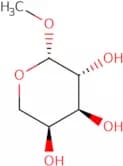
CAS:<p>Methyl β-L-arabinopyranoside is a stereochemically pure monosaccharide that has been used to calibrate and quantify the conformational, stereochemical, and spectrometric methods. Methyl β-L-arabinopyranoside has a conformation that is restricted by the presence of an α-hydroxyl group at C2. The chloride ion can be used to monitor this conformation. The diameter of methyl β-L-arabinopyranoside can be measured with a micropipette and monitored using an aerosol detector. Methyl β-L-arabinopyranoside can also be quantified by mass spectrometry or spectrophotometry. The conformational, stereochemical, and spectrometric methods have been calibrated using methyl β-L-arabinopyranoside as a standard to determine their accuracy in measuring the size of other molecules.</p>Fórmula:C6H12O5Pureza:Min. 95%Forma y color:White Off-White PowderPeso molecular:164.16 g/mol1,2,3,4-Tetra-O-acetyl-6-deoxy-6-fluoro-D-galactopyranose
CAS:<p>1,2,3,4-Tetra-O-acetyl-6-deoxy-6-fluoro-D-galactopyranose is a synthetic sugar that is used in glycosylation reactions. It is a monosaccharide that was fluorinated to form a glycoside with the 6′ position of the hexose ring. This product has been shown to be useful for click modification of proteins and other complex carbohydrates. It can be used in methylation and monosaccharide synthesis.</p>Fórmula:C14H19FO9Pureza:Min. 95%Peso molecular:350.29 g/mol2,3:4,5-Di-O-isopropylidene-D-arabinose
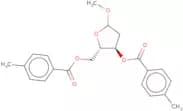
CAS:<p>Synthetic building block</p>Fórmula:C11H18O5Pureza:Min. 95%Forma y color:Colorless PowderPeso molecular:230.26 g/molMethyl 2-deoxy-3,5-di-O-toluoyl-L-ribofuranoside
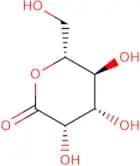
CAS:<p>Methyl 2-deoxy-3,5-di-O-toluoyl-L-ribofuranoside is a custom synthesis that is a complex carbohydrate that is used in the modification of saccharides. It has been shown to be able to methylate and glycosylate carbohydrates and can be fluorinated for use in click chemistry experiments. Methyl 2-deoxy-3,5-di-O-toluoyl-L-ribofuranoside is highly pure and can be synthesized with high yield.</p>Fórmula:C22H24O6Pureza:Min. 95%Forma y color:Brown oil.Peso molecular:384.43 g/molD-Mannono-1,5-lactone
CAS:<p>D-Mannono-1,5-lactone is a custom synthesis. It is fluorinated to give 1,5-difluoro-D-mannono-1,4,6-lactone. The methylation of the C2 hydroxyl group and the C3 keto group gives 1,5-difluoro-D-mannono-1,4,6-(methylenedioxy)lactone. Click modification of this product with azide or acetylene gives 1,5-[(azido)-(acetylenyl)] D-mannono lactone or 1,5-[(acetylene)-(azido)] D manno lactone respectively. Monosaccharides can be synthesized from these products by glycosylation with a sugar donor. Polysaccharides can be synthesized from these products by glycosylation with a sugar donor and subsequent glycosidic linkage via an olig</p>Fórmula:C6H10O6Pureza:Min. 95 Area-%Forma y color:PowderPeso molecular:178.14 g/molD-Xylonic-1,4-lactone
CAS:<p>D-Xylonic acid-1,4-lactone is a substrate that participates in the synthesis of glyceric acid. It has been shown to be a synthetic substrate for benzyl groups and leukemia HL-60 cells. D-Xylonic acid-1,4-lactone can react with chloride ions to form D-xylose. The product of this reaction is an epimerization reaction that occurs when the hydroxyl group on the carbon atom adjacent to the carbonyl group (C1) reacts with a proton from water to form a double bond at C2. This conversion produces xylonic acid and lactone.</p>Fórmula:C5H8O5Pureza:Min. 97 Area-%Forma y color:White PowderPeso molecular:148.11 g/molOctyl beta-D-thioglucopyranoside
CAS:<p>Non-denaturing, non-ionic detergent for membrane protein solubilisation. Previously under code O-2710 and DO06354.</p>Fórmula:C14H28O5SPureza:Min. 98 Area-%Peso molecular:308.44 g/molL-g-Ethylidene glutanic acid
<p>L-g-Ethylidene glutamic acid is an organic compound that is used in the production of pharmaceuticals, agrochemicals, and other chemicals. It can be synthesized by the methylation of L-glutamic acid with formaldehyde and sodium cyanoborohydride. L-g-Ethylidene glutamic acid has also been modified by a click reaction to create a fluorinated derivative. This product is a white crystalline solid that has a CAS number. The product is available at high purity and can be ordered as either monosaccharide or polysaccharide.<br>L-g-Ethylidene glutamic acid is a sugar that belongs to the carbohydrate family and can be classified as complex carbohydrates because it comprises two or more sugars linked together. This product may also be referred to as an oligosaccharide or polysaccharide, depending on its molecular size.</p>Pureza:Min. 95%Colloidal Chitin
CAS:<p>Chitin is a polysaccharide which is found widely in nature, where it functions in a manner similar to collagen in chordates. It forms the tough fibrous exoskeletons of insects, crustaceans and other arthropods, and, in addition to its presence in some fungi, it occurs in at least one alga. The structure of chitin is similar to that of cellulose but with glucose replaced with N-acetyl-D-glucosaminyl units linked β-D-(1,4) in a linear chain. It is normally produced from the shells of lobster, crab or shrimp.</p>Forma y color:Powder2, 5- Anhydro-4,6-O-isopropylidene-D- idonic acid
<p>2, 5-Anhydro-4,6-O-isopropylidene-D-idonic acid is a carbohydrate that can be used as a saccharide or oligosaccharide. This product has been fluorinated and methylated. It is also glycosylated and click modified. 2,5-Anhydro-4,6-O-isopropylidene-D-idonic acid can be synthesized to order and is available in high purity.</p>Pureza:Min. 95%2-Azido-2,6-dideoxy-3,5-((R)-benzylidene-L-mannofuranose
<p>2-Azido-2,6-dideoxy-3,5-((R)-benzylidene-L-mannofuranose) is a synthetic, fluorinated carbohydrate that can be used to modify saccharides, oligosaccharides, or polysaccharides with click chemistry. This product has been modified by the addition of an azido group at the 2 position and a fluoride atom at the 6 position. The CAS number for this product is 52765-69-0.</p>Pureza:Min. 95%D-Glucose - monohydrate
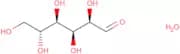
CAS:<p>D-Glucose - monohydrate is a glucose molecule that is found in the blood stream. It is the preferred source of energy for the brain and has been shown to enhance brain function. Glucose is also used to maintain the water balance of cells and tissues, as well as to prevent or treat hypoglycemia. This molecule can be found in many foods, such as honey, corn syrup, molasses, fruits and fruit juices. D-Glucose - monohydrate has antibacterial efficacy against a number of bacteria including staphylococcus aureus, Escherichia coli, Pseudomonas aeruginosa and Bacillus subtilis. It can also inhibit squamous cell carcinoma growth in vivo by preventing the proliferation of cancer cells. D-Glucose - monohydrate is structurally similar to adenosine diphosphate (ADP), which binds to dinucleotide phosphate (DP) enzymes that are involved in energy metabolism</p>Fórmula:C6H12O6·H2OPureza:(%) Min. 95%Forma y color:White PowderPeso molecular:198.17 g/molα-D-Glucose-1-phosphate disodium salt hydrate
CAS:<p>Alpha-D-glucose-1-phosphate disodium salt hydrate is a sugar that is used to provide the carbohydrate in the diet. It is an important monosaccharide and can be found in many fruits, vegetables, and dairy products. The optimum pH for alpha-D-glucose-1-phosphate disodium salt hydrate is 7.5. Alpha-D-glucose-1-phosphate disodium salt hydrate has been shown to have antifungal properties, which are due to its ability to inhibit the growth of fungi by interfering with their metabolism. Alpha D glucose 1 phosphate disodium salt hydrate also inhibits the growth of bacteria such as E coli K 12 and C coli K 12, which are microorganisms that can cause food poisoning in humans. This compound also has been shown to have antihypertensive properties, which may be due to its ability to stimulate nitric oxide synthesis.</p>Fórmula:C6H11O9PNa2(anhydrousbasis)Peso molecular:304.1 g/mol2N-Boc-amino-2- deoxy- b- D- glucopyranosylamine
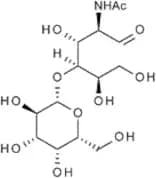
CAS:<p>2N-Boc-amino-2-deoxy-b-D-glucopyranosylamine is a Glycosylation, complex carbohydrate that can be modified with Methylation, Click modification, Polysaccharide, Fluorination, saccharide, Modification, sugar and Oligosaccharide. The CAS No. for 2N-Boc-amino-2-deoxy-b-D-glucopyranosylamine is 494201-09-1 and it can be custom synthesized to your specifications.</p>Fórmula:C11H22N2O6Pureza:Min. 95%Peso molecular:278.3 g/molBenzyl 2-acetamido-2-deoxy-4-O-(b-D-galactopyranosyl)-a-D-galactopyranoside
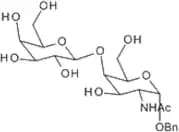
CAS:<p>Benzyl 2-acetamido-2-deoxy-4-O-(b-D-galactopyranosyl)-a-D-galactopyranoside is a synthetic saccharide. The chemical structure of this material has been modified by fluorination, methylation, and click modification. This product is soluble in water and can be used as a starting material for the synthesis of polysaccharides.</p>Fórmula:C21H31NO11Pureza:Min. 95%Peso molecular:473.47 g/mol2-Acetamido-2-deoxy-4-O-(b-D-galactopyranosyl)-D-galactopyranose
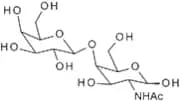
CAS:<p>2-Acetamido-2-deoxy-4-O-(b-D-galactopyranosyl)-D-galactopyranose is a glycan that binds to human lymphocytes and induces their death. It is a glycan that has been shown to be sialylated, which may be due to its high degree of homology with other glycan structures. The 2-acetamido group confers the ability to bind to sialyltransferases, which are enzymes that catalyze the transfer of sialic acid from glucose onto complex carbohydrates. This binding inhibits the enzymatic activity of these enzymes and prevents the addition of sialic acid onto oligosaccharides, preventing antigen presentation. 2-Acetamido-2-deoxy-4-O-(b-D-galactopyranosyl)-D-galactopyranose is also known as "sialic acid" or "</p>Fórmula:C14H25NO11Pureza:Min. 90 Area-%Forma y color:PowderPeso molecular:383.35 g/molTragacanth gum
CAS:Gum tragacanth is an exudate gum from species of Astragalus trees mainly grown in Iran and Turkey. Tragacanth finds applications as an effective emulsifying and thickening agent in the food and pharmaceutical industries. The gum is a slightly acidic salt consisting of two fractions namely the water soluble tragacanthin and the fraction bassorin which swells in water to form a gel. Water soluble tragacanthin is reported as a branched arabiogalactan which is soluble in 70% ethanol. The acidic bassorin has a chain of (1,4)-linked a-D-galacturonic acid units some of which are substituted at O-3 with β-D-xylopyranosyl units and some of these being terminated with galactose or fucose.Forma y color:White Powder2-Acetamido-3,4,6-tri-O-acetyl-2-deoxy-b-D-glucopyranosyl isothiocyanate
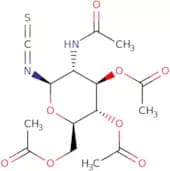
CAS:<p>2-Acetamido-3,4,6-tri-O-acetyl-2-deoxy-b-D-glucopyranosyl isothiocyanate is a synthetic glycosylating agent that has been shown to be effective in the synthesis of complex carbohydrates. It is used for the modification of saccharides and polysaccharides with click chemistry. Click chemistry is an organic reaction that synthesizes carbon–carbon bonds by the addition of a copper catalyst at room temperature without the need for high energy input. 2AATIGI can also be used to modify oligosaccharides and glycosylates proteins. For example, this compound was found to be effective in modifying a protein with a carbohydrate moiety that was derived from 2′,3′,5′ triacetylhexaose (2T3H).</p>Fórmula:C15H20N2O8SPureza:Min. 95%Forma y color:Off-White PowderPeso molecular:388.39 g/molChitosan oligosaccharide HCl
CAS:<p>Chitosan oligosaccharide HCl is a water-soluble, biocompatible polymer with an average molecular weight of 2,000. It has been shown to have hypoglycemic effects in vivo and inhibitory properties against inflammatory bowel disease. Chitosan oligosaccharide HCl also exhibits an ability to enhance the activity of monoclonal antibodies directed against human tumor cells. This effect may be due to the ability of chitosan oligosaccharide HCl to bind to antigens on the surface of tumor cells and facilitate antibody binding.</p>Fórmula:(C12H24N2O9)nForma y color:Off-White Powder6-Cyano-6-deoxy-γ-cyclodextrin
<p>This gamma-cyclodextrin (γ-CD) derivative is a modified cyclic oligosaccharide composed of eight glucose units, featuring a larger cavity size than α- and β-cyclodextrins. This structural characteristic allows γ-CDs to form inclusion complexes with a wider range of guest molecules, making it particularly versatile in various industries. In the food sector, it is used as a carrier and stabilizer for flavors, fat-soluble vitamins, and polyunsaturated fatty acids, protecting volatile compounds from evaporation. In pharmaceuticals, it enhances the solubility and bioavailability of poorly water-soluble drugs and, thanks to its larger ring size, allows for the encapsulation of larger molecules or even entire drug molecules. γ-CDs and derivatives are also used for environmental remediation and, in analytical chemistry, for the extraction and concentration of target substances.</p>Fórmula:C56H72N8O32Pureza:Min. 95%Peso molecular:1,369.21 g/mol2,3,5-Tri-O-(p-toluoyl)-1-O-acetyl-4-thio-D-ribofuranose
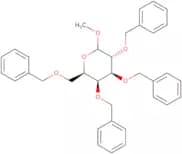
<p>2,3,5-Tri-O-(p-toluoyl)-1-O-acetyl-4-thio-D-ribofuranose is a custom synthesis of a complex carbohydrate. It is an Oligosaccharide with CAS No. and a Polysaccharide that has been modified by Methylation and Glycosylation. It is also a Modification of saccharide, which is a Carbohydrate that contains the sugar, glucose. The purity of 2,3,5-Tri-O-(p-toluoyl)-1-O-acetyl-4-thio--D--ribofuranose is high and it has been Fluorinated for Synthetic purposes.</p>Pureza:Min. 95%Methyl 2,3,4,6-tetra-O-benzyl-D-galactopyranoside
CAS:<p>Methyl 2,3,4,6-tetra-O-benzyl-D-galactopyranoside is a trisaccharide that binds to the fluorescent chromophore. It has been shown to have strong binding activity and can be used for the labeling of carbohydrates. Methyl 2,3,4,6-tetra-O-benzyl-D-galactopyranoside is also used in assays to detect toxins or as a fluorescent label for polymers. This compound can be synthesized by reacting methyl 4,6-dibenzyloxybenzoate with glucose in methanol.</p>Fórmula:C35H38O6Pureza:Min. 95%Forma y color:PowderPeso molecular:554.67 g/molMethyl (2R,3R,4S)-2,3-dihydroxy-4-oxo-butanoate 2,4-hemiacetal
<p>Methyl (2R,3R,4S)-2,3-dihydroxy-4-oxo-butanoate 2,4-hemiacetal is a custom synthesis chemical that is not found in nature. It has the molecular formula CH3O(COOCH3)2C(OH)(OCH2CH2)2CHO. This compound was synthesized by the reaction of methyl acetoacetate with sodium borohydride and formaldehyde. The product was purified by recrystallization from ethyl acetate and hexane. Methyl (2R,3R,4S)-2,3-dihydroxy-4-oxo-butanoate 2,4-hemiacetal is a colorless solid that melts at 60°C and decomposes at 160°C. The purity of this compound is greater than 99%. This chemical reacts with nucleophiles to form acetals or hemiacet</p>Pureza:Min. 95%Succinyl-gamma-cyclodextrin
<p>This gamma-cyclodextrin (γ-CD) derivative (Suc-γ-CD) is a modified cyclic oligosaccharide composed of eight glucose units, featuring a larger cavity size than α- and β-cyclodextrins. This structural characteristic allows γ-CDs to form inclusion complexes with a wider range of guest molecules, making it particularly versatile in various industries. In the food sector, it is used as a carrier and stabilizer for flavors, fat-soluble vitamins, and polyunsaturated fatty acids, protecting volatile compounds from evaporation. In pharmaceuticals, it enhances the solubility and bioavailability of poorly water-soluble drugs and, thanks to its larger ring size, allows for the encapsulation of larger molecules or even entire drug molecules. γ-CDs and derivatives are also used for environmental remediation and, in analytical chemistry, for the extraction and concentration of target substances.</p>Fórmula:C48H80nO40•(C4H5O3)nPureza:Min. 95%Forma y color:PowderPeso molecular:1,297.2 g/mol4-Methoxyphenyl 3-O-benzyl-a-D-mannopyranoside
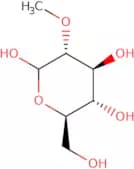
CAS:<p>4-Methoxyphenyl 3-O-benzyl-a-D-mannopyranoside is a synthetic carbohydrate that has been modified with a click reaction. It is an Oligosaccharide, which is a type of Carbohydrate, and has a saccharide sequence. This product is used in the synthesis of complex carbohydrates. The product has high purity and custom synthesis capabilities.</p>Fórmula:C20H24O7Pureza:Min. 95%Peso molecular:376.4 g/mol2-O-Methyl-D-glucose
CAS:<p>2-O-Methyl-D-glucose is an aldohexose that is used in the synthesis of a number of biological compounds. It has been shown to inhibit the growth of cancer cells by interfering with the synthesis of fatty acids and proteins.</p>Fórmula:C7H14O6Pureza:Min. 95%Forma y color:PowderPeso molecular:194.18 g/molPhenyl 2-O-benzoyl-3-O-benzyl-4-O-levulinoyl-b-D-thioglucuronide methyl ester
<p>Phenyl 2-O-benzoyl-3-O-benzyl-4-O-levulinoyl-b-D-thioglucuronide methyl ester is a high purity, custom synthesis, sugar that has been click modified with fluorination. It can be used in glycosylation and synthetic modification. The CAS number for this compound is 123456. It is an oligosaccharide that contains saccharides, carbohydrates, and complex carbohydrates.</p>Pureza:Min. 95%Tamarind gum
CAS:Tamarind gum comes from the seed of the tamarind tree Tamarindus indica and is used in the food industry as a stabiliser and an emulsifier. It has been suggested that the structure is a main chain of cellulose with frequent branching at the O-6 positions with short side chains of one or two D-xylopyranosyl capped with D-xylopyranosyl, D-galactopyranosyl or L-arabinofuranosyl units. In application, tamarind finds use in the sizing of jute and as a stabilizer and thickener in the food industry.Forma y color:PowderMethyl (1,2-Di-O-benzoyl-3-O-benzyl-a-L-idopyranosyluronate)
<p>Methyl (1,2-Di-O-benzoyl-3-O-benzyl-a-L-idopyranosyluronate) is an oligosaccharide that is synthetically made and modified with the addition of a fluorine atom. This carbohydrate has a CAS number and may have applications in the synthesis of complex carbohydrates. It is also used as a component of glycoproteins for its ability to act as a linker between the protein and sugar strands. It can be found in nature in monosaccharides, methylated saccharides, or glycosylated polysaccharides.</p>Fórmula:C28H26O9Pureza:Min. 95%Peso molecular:506.5 g/mol







![2-Methyl-(1,2-dideoxy-a-D-glucopyrano)-[2,1-d]-2-oxazoline](/_next/image/?url=https%3A%2Fstatic.cymitquimica.com%2Fproducts%2F3D%2Fthumb-webp%2FMM10955.webp&w=3840&q=75)
![(2R, 3S, 4S) -3-Fluoro- 4- (fluoromethyl])- 1- (phenylmethyl) -2- azetidinecarboxylic acid methyl …](/_next/image/?url=https%3A%2Fstatic.cymitquimica.com%2Fproducts%2F3D%2Fthumb-webp%2FMF163470.webp&w=3840&q=75)

![2-Amino-β-D-arabinofurano[1,2;4,5]oxazoline](/_next/image/?url=https%3A%2Fstatic.cymitquimica.com%2Fproducts%2F3D%2Fthumb-webp%2FMA05416.webp&w=3840&q=75)


![(1R) -1- [(2S, 3S) - 3- Hydroxy- 1- azetidinyl] -1, 2- ethanediol](/_next/image/?url=https%3A%2Fstatic.cymitquimica.com%2Fproducts%2F3D%2Fthumb-webp%2FMH163405.webp&w=3840&q=75)

![(5R, 8R, 9S) -8- [(4R) - 2, 2- Dimethyl- 1, 3- dioxolan- 4- yl] - 9- hydroxy- 2, 2- dimethyl- 1, 3…](/_next/image/?url=https%3A%2Fstatic.cymitquimica.com%2Fproducts%2F3D%2Fthumb-webp%2FMD170668.webp&w=3840&q=75)