Glycoscience
Subcategorías de "Glycoscience"
- Aminoazúcares(108 productos)
- Anticuerpos relacionados con azúcares(282 productos)
- Glicolípidos(46 productos)
- Glicosaminoglicanos (GAGs)(55 productos)
- Glucósidos(419 productos)
- Monosacáridos(6.616 productos)
- Oligosacáridos(3.718 productos)
- Polisacáridos(505 productos)
Se han encontrado 11017 productos de "Glycoscience"
Lacto-N-difucohexaose IV
Lacto-N-difucohexaose IV is a pentasaccharide with a lacto-n-difucohexaose backbone that has been shown to have inhibitory activities against human red blood cells. This pentasaccharide is a glycosaminoglycan, which is a type of carbohydrate that consists of an oligosaccharide and protein. Lacto-N-difucohexaose IV specifically binds to the antigen on the surface of human red blood cells, inhibiting their proliferation. The pentasaccharide is also known as Hansson's hapten or Hapten IV. The pentasaccharides are found in group O blood and are not found in groups A, B, or AB.
Fórmula:C38H65NO29Pureza:Min. 95%Peso molecular:999.91 g/mol(5S, 8R, 9S) -8- [(4R) - 2, 2- Dimethyl- 1, 3- dioxolan- 4- yl] - 9- azido- 2, 2- dimethyl- 1, 3, 7- trioxaspiro[4.4] nonan- 6- one
This is a custom synthesis of an oligosaccharide. The chemical name is (5S, 8R, 9S) -8- [(4R) - 2, 2- Dimethyl- 1, 3- dioxolan- 4- yl] - 9- azido- 2, 2- dimethyl- 1, 3, 7- trioxaspiro[4.4] nonan- 6- one. It has CAS No., which is 567606-39-2 and Polysaccharide as its Modification. This product can be found in the Carbohydrate section under Sugar and Glycosylation sections under Methylation and Click modification respectively. It's purity level is high and it can be synthesized with fluorination for your desired needs.Pureza:Min. 95%L-Talitol
CAS:L-Talitol is a naturally occurring sugar alcohol that is found in the human body and in many vegetables, fruits, and grains. It has been shown to be a potent inhibitor of the bacterium Klebsiella aerogenes. L-talitol has been used as a model system to study the effect of matrix on the growth of cells. It has also been shown to have chronic pulmonary effects and to be effective for treating selenium deficiency. L-talitol can inhibit b-raf by binding to the hydroxyl group on its kinase domain and inhibiting downstream signaling pathways. This inhibition leads to reduced levels of transcriptional regulation in cells, which may be due to decreased protein synthesis or increased degradation of mRNA. L-Talitol also inhibits d-talitol dehydrogenase, which results in an increase in d-talitol concentrations in cells.Fórmula:C6H14O6Pureza:Min. 95%Forma y color:PowderPeso molecular:182.17 g/molMethyl 6-O-tert-butyldimethylsilyl-2,3,4-tri-O-pivaloyl-a-D-glucopyranoside
Methyl 6-O-tert-butyldimethylsilyl-2,3,4-tri-O-pivaloyl-a-D-glucopyranoside is a synthetic chemical compound. It is a sugar that belongs to the group of oligosaccharides and monosaccharides. Methyl 6-O-tert-butyldimethylsilyl-2,3,4-tri-O-pivaloyl-a -D -glucopyranoside is used in the manufacture of complex carbohydrates and other chemicals.Fórmula:C28H52O9SiPureza:Min. 95%Peso molecular:560.81 g/molα-D-Galactosamine-1-phosphate
CAS:a-D-Galactosamine-1-phosphate is a synthetic, fluorinated glycosylation inhibitor. It inhibits the synthesis of complex carbohydrates and is used in biochemical research. This compound has been shown to inhibit the methylation of glycoproteins and polysaccharides. It also inhibits the phosphorylation of glycogen, which may be useful in cases of diabetes mellitus.Fórmula:C6H14NO8PPureza:Min. 95%Forma y color:PowderPeso molecular:259.15 g/molN-Acetyl-glucosaminyl thiazoline
CAS:Inhibitor of O-GlcNAcase
Fórmula:C8H13NO4SPureza:Min. 97 Area-%Forma y color:White PowderPeso molecular:219.26 g/molN-Acyl-neuraminyl lactoses
N-Acyl-neuraminyl lactoses are a class of modified N-glycosides that can be synthesized from monosaccharides, such as glucose and galactose. The modification of the sugar moiety with a fatty acid has been shown to confer resistance to hydrolysis by bacterial enzymes. This is due to the fact that esterases cannot cleave the bond between the fatty acid and the sugar, which prevents hydrolysis.
The synthesis of these compounds is achieved through an oxidative process using sodium hypochlorite in methanol solution. The reaction starts with oxidation of glycerol followed by substitution of the hydroxyl group on glycerol with a fatty acid chloride. The final product is then purified by liquid chromatography.Fórmula:C23H39NO19Pureza:Min. 95%Peso molecular:633.55 g/mol4-Methoxyphenyl 4-O-[4-O-(4,6-O-benzylidene-3-O-tert-butyldimethylsilyl- 2-O-levulinoyl-β-D-glucopyranosyl)-3,6-di-O-benzyl-2-deoxy-2 -phthalimid o-β-D-glucopyranosyl]-3-O-benzyl-6-O-(tri-O-benzyl-α-L-fucopyranosyl)-2- deoxy-2-phthalimido-β-D-glucopyranos
4-Methoxyphenyl 4-O-[4-O-(4,6-O-benzylidene-3-O-tert-butyldimethylsilyl-2-O -levulinoyl)-b,D,Glucopyranosyl]-3,6,-di-, Obenzyl 2deoxy 2phthalimido bDglucopyranosyl]-2deoxy 2phthalimido bDglucopyrano sugar is a complex carbohydrate that has been synthesized in a custom synthesis. It is composed of a glucose oligosaccharide with a methoxyphenol glycoside at the reducing terminus and an α-(1,6)-linked mannose at the nonreducing terminus. The carbohydrate has been modified by fluorination and methylation. The molecule contains an acetal bond between the carbonyl group of the terminal monosaccharide and theFórmula:C107H114N2O25SiPureza:Min. 95%Peso molecular:1,856.13 g/molL-Fucose - non animal origin
CAS:L-Fucose is an aldohexose that is used as the building block for various glycoproteins and glycolipids. It is found in human serum and human pathogens. L-Fucose can be isolated from the hybridoma cell line by apical chromatography. The analytical method of L-fucose includes body formation, oligosaccharides, and glycan titration calorimetry. Structural analysis of L-fucose includes glycosylation, sugar analysis, and carbohydrate analysis. Fucose can also be used to produce oligosaccharides through enzymatic reactions with other sugars including glucose and galactose. This reaction produces a linkage between fucose and other sugars that are called glycosidic bonds.Fórmula:C6H12O5Pureza:Min. 98 Area-%Forma y color:PowderPeso molecular:164.16 g/molGDP-D-mannose disodium salt
CAS:GDP-D-mannose is a natural mannosyl donor and substrate for mannosyltransferases that catalyses mannosylation, for instance during the synthesis of the trimannoside core of complex, high-mannose or hybrid N-glycans. GDP-D-mannose is widely used in (chemo)enzymatic synthesis of oligosaccharides and its biosynthesis occurs from glucose-6-phosphate over several steps. GDP-D-mannose consists of a D-mannose unit, α-glycosydically linked to the nucleotide guanosine diphosphate (GDP). Examples of this important reaction would be the transfer of mannosyl moieties onto the dolichol-P-P-GlcNAc2 precursor of N-glycans in the endoplasmatic reticulum, with release of GDP, or the mannosylation reactions during GPI-anchor (bio)synthesis. GDP-D-mannose has also been used for the in vitro synthesis of b-mannan oligosaccharides.Fórmula:C16H23N5O16P2Na2Pureza:Min. 90 Area-%Forma y color:White PowderPeso molecular:649.3 g/molD-Glucuronic acid
CAS:D-Glucuronic acid (GlcA) is D-glucose with position six oxidised to a carboxyl group (Collins, 2006). It is a common component of a number of gums and mucilages structurally related to pectins, where it is can be present as a terminal non reducing end residue (Renard, 1999). Glucuronic acid is also found in bacterial polysaccharides, such as, xanthan gum produced by Xanthomonas campestris (Faria, 2011), and in glycosaminoglycans, such as, heparan sulfate (Casale, 2020).Fórmula:C6H10O7Pureza:Min. 98%Forma y color:White Off-White PowderPeso molecular:194.14 g/mol4- C- Methyl- 2, 3- O-isopropylidene -4-O-tert-butyldimethylsilyl-D- lyxono-1,5- lactone
4- C- Methyl- 2, 3- O-isopropylidene -4-O-tert-butyldimethylsilyl-D- lyxono-1,5- lactone is a Fluorinated Monosaccharide. It is a Synthetic Monosaccharide. It is an Oligosaccharide. It is a complex carbohydrate. It has been Custom synthesized. It has been Glycosylated and Polysaccharided. It has been Click modified and Methylated. This compound's CAS number is A8BX04A9R1Z6. This compound's sugar type is Carbohydrate. This compound has been Modified for High purity purposes.Pureza:Min. 95%N-Acetylallolactosamine
CAS:N-Acetylallolactosamine is a lectin that has been shown to have an acceptor for the oligosaccharide, n-acetylllactosamine. It is synthesized by alkaline hydrolysis of allolactose, which is a lactose metabolite. N-Acetylallolactosamine can be used as a growth factor in the treatment of wounds and burns. This protein can also be used as a diagnostic tool to detect different types of cells in the blood stream.Fórmula:C14H25NO11Pureza:Min. 95%Forma y color:PowderPeso molecular:383.35 g/mol(2R, 3R, 4R) -2- (Hydroxymethyl) - 2- methyl- 3, 4- pyrrolidinediol
CAS:(2R, 3R, 4R) -2- (Hydroxymethyl) - 2- methyl- 3, 4- pyrrolidinediol is a modification of oligosaccharides. It is synthesized from monosaccharides or disaccharides and can be modified with fluorine or methyl groups. This product has the highest purity available on the market and can be used in a variety of applications such as glycosylation, polysaccharide synthesis, sugar fluorination, saccharide click modification and more.Fórmula:C6H13NO3Pureza:Min. 95%Peso molecular:147.17 g/mol2-Acetamido-4,6-O-benzylidene-2-deoxy-D-glucopyranose
CAS:2-Acetamido-4,6-O-benzylidene-2-deoxy-D-glucopyranose is an ether of d-glucosamine. It is formed by the reaction of benzyl alcohol and acetamidine with sodium methoxide in the presence of a catalyst. The stereoselectivity of this reaction can be tuned by using different alkali metals as catalysts. The nature and reactivity of the metal cation determines whether 2-acetamido-4,6-O-benzylidene-2,3,5,6,-tetraacetate or 2,3,5,6,-tetraacetate will be produced.Fórmula:C15H19NO6Pureza:Min. 95%Forma y color:White PowderPeso molecular:309.31 g/molMethyl 4-deoxy-4-fluoro-a-D-glucose
CAS:Methyl 4-deoxy-4-fluoro-a-D-glucose is a synthetic and custom synthesis monosaccharide for use in glycosylation, polysaccharide modification, and click chemistry. It is a fluorinated sugar that can be used in the synthesis of oligosaccharides and complex carbohydrates. Methyl 4-deoxy-4-fluoro-a-D-glucose has CAS number 56926-53-5.Fórmula:C7H13FO5Pureza:Min. 98 Area-%Forma y color:PowderPeso molecular:196.17 g/mol1,2:5,6-Di-O-isopropylidene-a-L-glucofuranose
CAS:1,2:5,6-Di-O-isopropylidene-a-L-glucofuranose is a monosaccharide that is a component of the fatty acid biosynthesis pathway. It has been shown to be important in clinical relevance, because it can inhibit viral replication by binding to the virus as a nucleophile and attacking the glycosidic bond. This monosaccharide also inhibits the growth of liver cells by binding to a receptor on the cell surface. 1,2:5,6-Di-O-isopropylidene-a-L-glucofuranose binds specifically to nucleophilic sites on proteins and has been shown to have antiinflammatory properties through its inhibition of prostaglandin synthesis.Fórmula:C12H20O6Pureza:Min. 95%Forma y color:White PowderPeso molecular:260.28 g/mol3,7,7a-Triepicasuarine pentaacetate
CAS:3,7,7a-Triepicasuarine pentaacetate (TPA) is a modification of 3,7,7a-triepoxyheptanoic acid and has been synthesized by the addition of an acetate group to the free hydroxyl group. The synthesis was carried out on an automated synthesizer using a fluorous phase. TPA is a complex carbohydrate that is a monosaccharide with methylation and glycosylation. It can be hydrolysed to release 3,7-dihydroxyheptanoic acid (DHHA). This product has CAS number 910535-96-5.Pureza:Min. 95%Monoacetone-L-glucose
CAS:Monoacetone-L-glucose is a white crystalline powder that is soluble in water. It is an acetone derivative of D-Glucose.Fórmula:C9H16O6Pureza:Min. 95%Peso molecular:220.22 g/mol1,4-b-D-Xylotetraose decasulfate sodium salt
1,4-b-D-Xylotetraose decasulfate sodium salt is a highly purified and custom synthesized carbohydrate. It is used as a reagent in biochemical research. 1,4-b-D-Xylotetraose decasulfate sodium salt can be modified with various reagents to produce desired properties for use in various applications. Modifications can include methylation, saccharide, Polysaccharide, Click modification, or Modification. Carbohydrate modifications can include Oligosaccharide or Custom synthesis. Fluorination of 1,4-b-D-Xylotetraose decasulfate sodium salt is an available modification that produces the product with high purity and reduced viscosity. 1,4-b-D-Xylotetraose decasulfate sodium salt has a CAS number of 52878-68-9 and is available for custom synthesis atPureza:Min. 95%Trehalose-6-vanadate
Trehalose-6-vanadate is a complex carbohydrate that has been modified by the addition of a fluorine atom to the sugar. It is synthesized from the sugar trehalose and vanadium pentoxide in a one-step reaction. Trehalose-6-vanadate can be used as a methylation reagent for saccharides, polysaccharides, oligosaccharides, and other carbohydrates. It can also be used in click chemistry, modification of proteins with carbohydrates, glycosylation reactions, and as a synthetic sugar. Trehalose-6-vanadate is highly pure and stable in solution.Pureza:Min. 95%D-myo-Inositol-2,5,6-triphosphate sodium salt
D-myo-Inositol-2,5,6-triphosphate sodium salt is a glycosylation agent that is used to modify the surface of proteins and polysaccharides. It can be used in various applications such as Click chemistry, fluorination, saccharide modification, or sugar modifications. D-myo-Inositol-2,5,6-triphosphate sodium salt has been shown to be an effective methylation agent for both amino acids and sugars. This compound has also been shown to inhibit the growth of bacteria by inhibiting protein synthesis in the cell wall synthesis process.Fórmula:C6H12O15P3·xNaPureza:Min. 95%Peso molecular:417.07 g/molUDP-6-deoxy-6-fluoro-D-galactose
CAS:UDP-6-deoxy-6-fluoro-D-galactose is an intermediate in the biosynthesis of galactooligosaccharides. It can be used as a substrate for glycosyltransferases and glycosidases to produce oligosaccharides, which are important components of glycoconjugates. UDP-6-deoxy-6-fluoro-D-galactose has been shown to be an acceptor for acetylation by trifluoroacetate and trifluoride. Kinetic studies show that UDP-6-deoxy-6-fluoro Dgalactose binds to α1 acid glycoprotein, which may be a drug target.Fórmula:C15H23FN2O16P2Pureza:Min. 95%Peso molecular:568.29 g/moli-Carradecaitoldecasulfate decasodium salt
i-carrageenan-derived decasaccharide alcohol decasulfate +(3-6 anhydrogalactose)Fórmula:C60H84O72S10Na10Pureza:Min. 95%Peso molecular:2,507.82 g/mol1-Azido-2,4-O-benzylidene-butane-2,3,4-triol
1-Azido-2,4-O-benzylidene-butane-2,3,4-triol is a synthetic compound that can be used as a methylating agent or to modify saccharides. It is also able to modify polysaccharides and oligosaccharides. 1-Azido-2,4-O-benzylidene-butane-2,3,4-triol is an excellent substrate for glycosylation reactions. This product has been custom synthesized and is of high purity. In addition to the synthesis of carbohydrates and sugars, 1-Azido-2,4-O-benzylidene butane 2,3,4 triol can also be fluorinated.
Pureza:Min. 95%1-Deoxy-L-sorbito
1-Deoxy-L-sorbito is a Glycosylation, complex carbohydrate, Methylation, Click modification, Polysaccharide, Fluorination, saccharide, Modification, sugar, Oligosaccharide. It is a custom synthesis and it is available in high purity.Pureza:Min. 95%k-Carratetraitol disulfate disodium salt
k-carrageenan derived tetrasaccharide alcohol disulfate+(3-6 anhydrogalactose)Fórmula:C24H38O25S2Na2Pureza:Min. 95%Peso molecular:836.66 g/mol2,3,5,6-Tetra-O-acetyl-D-galactono-1,4-lactone
CAS:2,3,5,6-Tetra-O-acetyl-D-galactono-1,4-lactone is a morpholidate that can be synthesized from l-fucose and phosphates. This chemical has been shown to have anti-inflammatory properties due to its ability to inhibit prostaglandin synthesis. The compound also inhibits the production of diphosphorylated guanosine (GDP) from guanosine monophosphate (GMP), which may be important in the regulation of cellular growth. 2,3,5,6-Tetra-O-acetyl-D-galactono-1,4-lactone has also been shown to inhibit the conversion of GMP into GTP by binding to the enzyme GMP synthase.Fórmula:C14H18O10Pureza:Min. 95%Peso molecular:346.29 g/mol7, 8, 9, 10- Tetradeoxy- 1, 2:5, 6- O-isopropylidene-L- glycero- a- D- gluco- decofuranose
7, 8, 9, 10-Tetradeoxy-1,2:5,6-O-isopropylidene-L-glycero-a-D-gluco--decofuranose is a custom synthesis of a monosaccharide that can be modified with fluorination or methylation. It is synthesized by the click modification of an oligosaccharide and saccharide. This compound has CAS No. 156637-10-3 and is classified as a polysaccharide. 7,8,9,10 Tetradeoxy 1,2:5,6 O Isopropylidene L Glycero A D Glucodecofuranose is a carbohydrate that has glycosylation and sugar modifications.Pureza:Min. 95%(2E, 4S) -4-((4R)-2-O-tert-Butyldimethylsilyl-L-erythrono-1.4-lacton-4-yl)-2- butenoic acid methyl ester (or tert.butyl ester)
(2E, 4S) -4-((4R)-2-O-tert-Butyldimethylsilyl-L-erythrono-1.4-lacton-4-yl)-2- butenoic acid methyl ester (or tert.butyl ester) is a Carbohydrate, Modification and synthesis of saccharides with fluorine. It has CAS No., Monosaccharide and Synthetic. This product is Custom synthesis, High purity and Methylation.Pureza:Min. 95%4-O-Acetyl-N-acetyl-neuraminic acid
CAS:4-O-Acetyl-N-acetyl-neuraminic acid is a derivative of sialic acid, which is an important component of the human cell membrane. It has been found to have inhibitory properties against influenza virus and other viruses. 4-O-Acetyl-N-acetyl-neuraminic acid inhibits viral activity by irreversible inhibition of the α subunit on the surface glycoprotein, preventing it from binding to host cells. This compound has been shown to be effective against hepatitis B virus and galleria mellonella (a type of wax moth). 4-O-Acetylneuraminic acid has also been shown to be effective in inhibiting the replication of Influenza A virus strains that are resistant to neuraminidase inhibitors such as zanamivir and oseltamivir.Fórmula:C13H21NO10Pureza:Min. 95 Area-%Forma y color:PowderPeso molecular:351.31 g/mol2-Acetamido-1,3,4,6-tetra-O-acetyl-2-deoxy-b-D-glucopyranose
CAS:Promotes hyaluronic acid production; synthetic building blockFórmula:C16H23NO10Pureza:Min. 98 Area-%Forma y color:PowderPeso molecular:389.36 g/molscyllo-Inosamine
CAS:Scyllo-inosamine is a redox potential that belongs to the class of antimicrobial agents. It is derived from the amino acid inosine, which is found in RNA and DNA. Scyllo-inosamine has been shown to inhibit bacterial growth by inhibiting protein synthesis. It also acts as an aminotransferase inhibitor, which may be used for the treatment of certain human pathogens. Scyllo-inosamine has been shown to have beneficial effects on the regulation of benzyl groups and hydroxyl group reactions. It has also been shown to inhibit polymerase chain reaction activity and titration calorimetry activity.
Fórmula:C6H13NO5Pureza:Min. 95%Forma y color:PowderPeso molecular:179.17 g/mol4-Pentenyl 4,6-O-benzylidene-2,3-phenylethylidene-α-D-mannopyranoside
4-Pentenyl 4,6-O-benzylidene-2,3-phenylethylidene-a-D-mannopyranoside is a modification of the natural oligosaccharide, mannose. The complex carbohydrate is synthesized using a custom synthesis and has a high purity that meets the CAS No. requirements. This molecule has been fluorinated and saccharides have been methylated and glycosylated.Fórmula:C26H30O6Pureza:Min. 95%Peso molecular:438.51 g/molIsomaltotriose
CAS:Produced from high maltose syrup by treatment with transglucosidase
Fórmula:C18H32O16Pureza:Min. 97 Area-%Forma y color:White Off-White PowderPeso molecular:504.44 g/molN-Methyl-L-glucosamine
CAS:N-Methyl-L-glucosamine is a monosaccharide that is used as a building block for glycosaminoglycans. It can be synthesized by the enzyme glucoamylase from glucose and UDP-N-acetylglucosamine, or supplied exogenously as a dietary supplement. N-Methyl-L-glucosamine is stable in the presence of light and resistant to microbial degradation. This agent has been shown to be effective in inhibiting skin cancer in mice when combined with other agents such as hydroquinone, retinoic acid, and tretinoin. N-Methyl-L-glucosamine has been shown to have antiangiogenic properties on tubule cells, which may be due to its ability to inhibit the production of vascular endothelial growth factor (VEGF) in these cells.Fórmula:C7H15NO5Pureza:Min. 95%Peso molecular:193.2 g/mol4-Methoxyphenyl 2-deoxy-4,6-O-(4-methoxybenzylidene)-2-phthalimido-β-D-glucopyranoside
4-Methoxyphenyl 2-deoxy-4,6-O-(4-methoxybenzylidene)-2-phthalimido-b-D-glucopyranoside is a complex carbohydrate that has been modified with methylation and glycosylation. This product can be used for custom synthesis and is a high purity product. It is soluble in water. The CAS number for this compound is 57810-97-0. The molecular weight of this product is 576. The chemical formula for this compound is C24H28N2O8F3O7, which corresponds to an empirical formula of C24H28N2O8F3O7.Fórmula:C29H27NO9Pureza:Min. 95%Peso molecular:533.53 g/molN-(2,4-Dinitrophenyl-deoxynojirimycin
N-2,4-Dinitrophenyl-deoxynojirimycin (DNPDNJ) is a methylated derivative of deoxynojirimycin. It is an inhibitor of glycosylation that can be used to study the structure and function of carbohydrates. DNPDNJ is a synthetic saccharide that can be custom synthesized. Click modification and modification with Oligosaccharides are common modifications for DNPDNJ. DNPDNJ is available in high purity and has been fluorinated for use in fluorescence studies.
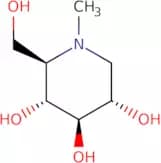
Pureza:Min. 95%Dideoxyrhamnojirimycin
CAS:Dideoxyrhamnojirimycin is a synthetic drug that has been modified to have the same structure as natural dideoxyribonucleosides. It is used in the treatment of myelodysplastic syndrome and thalassemia major. Dideoxyrhamnojirimycin inhibits DNA synthesis by blocking the incorporation of deoxyribonucleotides into DNA, which prevents cell division and stops the spread of cancer cells. Dideoxyrhamnojirimycin also has anti-inflammatory effects by inhibiting prostaglandin synthesis.Pureza:Min. 95%2-Azido-2-deoxy-3,5-O-benzylidene-D-lyxono-1,4-lactone
2-Azido-2-deoxy-3,5-O-benzylidene-D-lyxono-1,4-lactone is a custom synthesis that is methylated with an azide group. It has been modified with a click reaction to attach an oligosaccharide or polysaccharide and then fluorinated. The modification of this product is not limited to methylation, but includes many other modifications such as fluoroquinolone resistance. 2-Azido-2-deoxy-3,5-O-benzylidene -D-lyxono--1,4--lactone can be used for the preparation of complex carbohydrates. This product can also be used in the synthesis of monosaccharides and sugars.
Pureza:Min. 95%2,3,5-Tri-O-benzyl-L-lyxofuranose
CAS:2,3,5-Tri-O-benzyl-L-lyxofuranose is an acetal that is prepared by hydrolysis of 2,3,5-tri-O-benzylglycol with sodium methoxide in methanol. It can be made from the dimethyl acetal by displacement with sulphonate. The aldehyde group can be converted to an acetal by reaction with ethylene glycol and hydrochloric acid. The displacement of the aldehyde group with methoxide produces the acetal. Dimethyl acetals are also displaced by methyl iodide to produce aldehydes. Acetals are readily hydrolysed and acidic hydrolysis produces the corresponding alcohols.Fórmula:C26H28O5Pureza:Min. 95%Peso molecular:420.5 g/mol2-Deoxy-D-ribose 5-phosphate sodium salt
CAS:2-Deoxy-D-ribose 5-phosphate sodium salt is a mutant of ribose 5-phosphate. It is an intermediate in the pentose phosphate pathway, which generates ribose 5-phosphate and NADPH. The 2nd step of this pathway is catalyzed by deacetylase, which converts acetaldehyde to acetyl CoA. 2-deoxy-D-ribose 5-phosphate sodium salt is also an oxidant that can react with hydrogen peroxide to form hydroxyl radicals. This intermediate has been shown to inhibit the growth of E. coli by causing mutations in the DNA and protein synthesis machinery, as well as by catalase activation.Fórmula:C5H11O7P·xNaPureza:Min. 95%Forma y color:PowderPeso molecular:214.11 g/molPolygalacturonic acid
CAS:Polygalacturonic acid is a linear carbohydrate polymer of monomeric galacturonic acid.Fórmula:(C6H8O6)nPeso molecular:25,000.00 g/molRef: 3D-P-7000
1kgA consultar5kgA consultar250gA consultar500gA consultar2500gA consultar-Unit-kgkgA consultara-D-Mannose-1-phosphate ammonium salt
CAS:a-D-Mannose-1-phosphate ammonium salt is a modification of an oligosaccharide, a carbohydrate that is complex in structure. It is a custom synthesis and has high purity. This product is also synthetic and monosaccharide, methylation, glycosylation, and fluorination have been performed on it. The CAS No. for this compound is 1388225-12-4.Fórmula:C6H19O9PN2Pureza:Min. 95%Forma y color:PowderPeso molecular:294.2 g/mol1-Chloro-2-deoxy-3,5-di-O-(p-chlorobenzoyl)-L-ribofuranose
1-Chloro-2-deoxy-3,5-di-O-(p-chlorobenzoyl)-L-ribofuranose is a fluorinated sugar that is synthesized by the glycosylation of 1,2:3,4:6-dianhydrohexitol (1) with chloroacetone followed by selective protection of the anomeric position. The compound can be used to study the effects of fluorination on carbohydrate chemistry and biology. 1,2:3,4:6-Dianhydrohexitol (1) was first prepared by methylation of 5-(p-chlorobenzoyl)-L-ribofuranose (2). The 2'-position was then protected as a trityl ether in order to prevent further glycosylation. The final product was obtained after removal of the protecting group from the anomeric position.Pureza:Min. 95%D-Glucose 6-phosphate, barium salt
CAS:D-Glucose 6-phosphate is a high purity, custom synthesis sugar. It is a synthetic glycoside that is used in the production of fluorinated saccharides and oligosaccharides. D-Glucose 6-phosphate can be modified with methyl groups, fluorine atoms, and/or glycosylation. This compound has been shown to have properties as an antiviral agent against herpes simplex virus type 1 (HSV1) and cytomegalovirus (CMV).Fórmula:C6H11BaO9PPeso molecular:395.46 g/molRef: 3D-G-3300
25gA consultar50gA consultar100gA consultar250gA consultar500gA consultar-Unit-ggA consultarMethyl 2-O-methyl-α-D-xylofuranoside
CAS:A partially protected methyl xyloside
Fórmula:C7H14O5Pureza:Min. 95%Forma y color:PowderPeso molecular:178.18 g/mol(5S)-3-Benzyloxycarbonylamino-5-(hydroxymethyl)-2(5H)-furanone
(5S)-3-Benzyloxycarbonylamino-5-(hydroxymethyl)-2(5H)-furanone, also known as (5S)-3-benzyloxycarbonylamino-5-(hydroxymethyl)furan-2(5H)one or 5′,6′-dihydroxy-3′,4′,5′-trimethoxyacetophenone is a modification of the carbohydrate with an Oligosaccharide. This modification is a custom synthesis that has been synthesized and provided in high purity and CAS number. It is a monosaccharide that can be methylated or glycosylated and has many different uses including in polysaccharides such as sugar. The fluorination of this saccharide provides it with an extra protection against degradation.Pureza:Min. 95%a-D-Glucose-1,6-diphosphate tetra(cyclohexylammonium) salt hydrate
CAS:a-D-Glucose-1,6-diphosphate tetra(cyclohexylammonium) salt hydrate is a synthetic sugar that can be used as a building block for polymer synthesis. It is an oligosaccharide that is synthesized by the click reaction of methylated glucose and cyclohexane diamine. This compound has been shown to be effective in the synthesis of polysaccharides and glycoproteins.Fórmula:C6H14O12P2·4C6H13N·H2OPureza:Min. 95%Forma y color:PowderPeso molecular:754.83 g/molIxoroside
CAS:Ixoroside is a coumarin derivative that has been shown to inhibit the activity of an enzyme called epidermal growth factor receptor. The chemical diversity of this compound has made it difficult to study its biological properties and mechanisms. Ixoroside has been studied in vitro for its effects on eye disorders and for its potential to be used as a monoclonal antibody. It has also been shown to have toxicological studies with no significant adverse effects observed. Ixoroside is found in the genus Nepeta, where it is mainly found in Nepeta cataria and Fructus ixorii species plants, which are used in traditional Chinese medicine. It can also be found in other plants such as Eucalyptus globulus, which is commonly used in cough suppressants.Fórmula:C16H24O9Pureza:Min. 95%Peso molecular:360.36 g/mol2,6-Di-tert-butyldimethylsilyl-γ-cyclodextrin
This gamma-cyclodextrin (γ-CD) derivative is a modified cyclic oligosaccharide composed of eight glucose units, featuring a larger cavity size than α- and β-cyclodextrins. This structural characteristic allows γ-CDs to form inclusion complexes with a wider range of guest molecules, making it particularly versatile in various industries. In the food sector, it is used as a carrier and stabilizer for flavors, fat-soluble vitamins, and polyunsaturated fatty acids, protecting volatile compounds from evaporation. In pharmaceuticals, it enhances the solubility and bioavailability of poorly water-soluble drugs and, thanks to its larger ring size, allows for the encapsulation of larger molecules or even entire drug molecules. γ-CDs and derivatives are also used for environmental remediation and, in analytical chemistry, for the extraction and concentration of target substances.Fórmula:C144H304O40Si16Pureza:Min. 95%Peso molecular:3,125.3 g/mol(2S, 3S, 4R) -2- [(1S) - 1, 2- Dihydroxyethyl] - 4- (hydroxymethyl) - 3, 4- pyrrolidinediol
2-Keto-3-deoxy-4-O-(1,2-dihydroxyethyl)-D-glycero-D-galactonate is a synthetic intermediate for the production of (2S, 3S, 4R) -2-[(1S)-1,2-dihydroxyethyl]-4-[(hydroxymethyl)]--3,4-pyrrolidinediol. This compound is a carbohydrate with the molecular formula C8H13NO5 and a molecular weight of 201.23 g/mol. The chemical name for 2-keto-3-deoxy--4O-(1,2 dihydroxyethyl)-D glycero D galactonate is 2-[(1R)-1,2 dihydroxyethyl]-3,4 dihydroxypyrrolidine dicarboxylate; its CAS number is 73006–37–0. It has a sugarPureza:Min. 95%Blood Group A trisaccharide
CAS:Core antigen fragment in ABO blood group systemFórmula:C20H35NO15Pureza:Min. 90 Area-%Forma y color:PowderPeso molecular:529.49 g/moleta-Cyclodextrins
Eta-cyclodextrin (η-CD) contains 12 glucose units. This cyclodextrin has potential applications in host-guest chemistry, particularly for large molecules or assemblies.Pureza:Min. 95%4'-Galactosyllactose
CAS:Galactosyllactose attenuated NF-κB inflammatory signaling in human intestinal epithelial cells and in human immature intestine. Thus, galactosyllactoses are strong anti-inflammatory agents in human colostrum and early milk, contributing to innate immune modulation. The potential clinical utility of galactosyllactose warrants investigation.Fórmula:C18H32O16Pureza:Min. 90%Forma y color:White PowderPeso molecular:504.44 g/molGDP-L-fucose disodium - low endotoxin grade
CAS:GDP-L-fucose is a natural fucosyl donor and substrate for fucosyltransferases (FUT) that catalyses the fucosylation of, for example, human milk oligosaccharides or glycoproteins. GDP-L-fucose is widely used in (chemo)enzymatic synthesis of glycans. Cymit Quimicaesis of GDP-L-fucose, a nucleotide sugar consisting of an L-fucose that is β-glycosidically linked to the nucleotide guanosine diphosphate (GDP), is achieved either through de novo synthesis via GDP-mannose or through a salvage pathway from free fucose. Fucosylation is catalysed by fucosyltransferases (~ 13 FUT genes have been identified in the human genome to date) to generate α-1,2, α-1,3, α-1-4 and α-1-6 linkages of fucose to other sugars, as well as direct linkages to peptides, with release of GDP (Lairson, 2008).Fórmula:C16H23N5O15P2Na2Pureza:Min. 95%Forma y color:White PowderPeso molecular:633.31 g/molMonosialyl, monofucosyl-(1-2)-lacto-N-hexaose
Monosialyl, monofucosyl-(1-2)-lacto-N-hexaose is a synthetic, fluorinated monosaccharide that is used to modify complex carbohydrates. It can be used for the synthesis of oligosaccharides and polysaccharides with a variety of sugar modifications. Monosialyl, monofucosyl-(1-2)-lacto-N-hexaose has the CAS Registry Number 111832-43-9.
Pureza:Min. 95%A3 Glycan, 2-AB labelled
A3 Glycan, 2-AB labelled is a complex carbohydrate. It is synthesized by the methylation and glycosylation of the A3 sugar, which is a monosaccharide. The A3 Glycan, 2-AB labelled has a CAS No. of 711-81-2 and is a synthetic oligosaccharide with high purity. Its chemical formula is C6H8O5N2O2 and its molecular weight is 192.19 g/mol. The A3 Glycan, 2-AB labelled has an MW of 192.19 g/mol and an MW of 643 Da (1). It also contains one saccharide unit that consists of two bonded monosaccharides: fructose and glucose. A3 Glycan, 2-AB labelled CAS No.: 711-81-2 Molecular Formula: C6H8O5N2O2 MolePureza:Min. 95%Rhodamine B isothiocyanate-dextran - Average MW 70,000
The fluorescence intensity of these Rhodamine B isothiocyanate-dextrans varies much less than with FITC-dextrans.Forma y color:PowderPeso molecular:7,000 g/mol6-Deoxy-a-cyclodextrin
Alpha-cyclodextrin (α-CD) derivative with a hydrophilic exterior and lipophilic cavity (smaller than β-CDs and γ-CDs) to allocate certain guest molecules. This structural characteristic enables applications in molecular encapsulation, solubility enhancement, and stabilization across multiple industries. In pharmaceuticals, it serves as a drug delivery vehicle, enhancing the bioavailability and stability of active ingredients. The food industry utilizes it as a stabilizer for flavors, colors, and nutrients, as well as a functional ingredient for its effects on lipid metabolism. In cosmetics, it acts as a complex agent for fragrances and active components. Its applications extend to analytical chemistry for chiral separation and to materials science for developing smart materials and nanosystems.Fórmula:C36H60O24Pureza:Min. 95%Peso molecular:876.85 g/molPhenyl 4,7,8,9-tetra-O-acetyl-2-thio-N-acetyl-D-neuraminic acid methyl ester
CAS:N-Acetyl-2-phenylthioneuraminic acid methyl ester 4,7,8,9-tetraacetate, also called per-O-acetyl-thiophenyl-N-acetylneuraminic acid methyl ester, belongs to the family of sialic acids. This neuraminic acid derivative, as well as other related compounds, such as, N-Acetyl-9-azido-9-deoxy-neuraminic acid, N-Acetyl-2-O-methyl-a-D-neuraminic acid and N-Acetylneuraminic acid dihydrate, act as ligands for the synthesis of many intermediates of sialylated carbohydrates. Sialic acid derivatives present on the surface of vertebrate cells are crucial to advances in biology, as they play a significant role in pathogen-cell interactions and act as mediators of physiological processes.Fórmula:C26H33NO12SPureza:Min. 95%Forma y color:PowderPeso molecular:583.61 g/molIsofagomine D-tartrate
CAS:Inhibitor of lysosomal acid β-glucosidase (GlcCerase/glucocerebrosidase) with IC50 in nanomolar range for wildtype and mutant enzyme. It behaves as pharmacological chaperon by binding to instable GlcCerase active site at neutral pH values and facilitating the protein folding. In acidic lysosomes, isofagomine gets release from the enzyme active site. This results in increased levels of functional glucocerebrosidase and brings therapeutic benefits to patients with Gaucher disease.
Fórmula:C10H19NO9Pureza:Min. 95%Forma y color:White PowderPeso molecular:297.26 g/molHyaluronic acid sodium salt - Average MW 0.6-2.5 million Daltons
CAS:Gycosaminoglycan in many organs; joint lubricant and shock absorberFórmula:(C14H20NO11Na)nPureza:Min. 95%Forma y color:Powder3,5-Dideoxy-3,5-imino-1,2-O-isopropylidene-N-(4-methoxyphenyl)methyl-6-O-tert.butyldimethylsilyl-a-D-glucofuranose
3,5-Dideoxy-3,5-imino-1,2-O-isopropylidene-N-(4-methoxyphenyl)methyl-6-O-tert.butyldimethylsilyl-a-D-glucofuranose is a methylation product of 3,5 dihydroxy -3,5 imino -1,2 O isopropylidene -N (4 methoxyphenyl) methyl -6 O tert. butyldimethylsilyl A D glucofuranose which is an oligosaccharide. It has been synthesized for the purpose of Click modification and modified with a fluorine atom on the carbonyl group. This product has high purity and is custom synthesized according to customer specifications.Pureza:Min. 95%4,6-O-(4-Methoxybenzylidene)-1,2,3-tri-O-pivaloyl-a-D-mannopyranose
4,6-O-(4-Methoxybenzylidene)-1,2,3-tri-O-pivaloyl-a-D-mannopyranose is a sugar with the following characteristics: Glycosylation, complex carbohydrate, Methylation, Click modification, Polysaccharide, Fluorination and saccharide. The CAS No. of this compound is 44915-12-2. This compound can be synthesized to custom specifications or ordered as a stock chemical.Fórmula:C29H42O10Pureza:Min. 95%Peso molecular:550.65 g/mol1,2,3,4-Tetra-O-acetyl-6-O-triphenylmethyl-b-D-glucopyranose
CAS:1,2,3,4-Tetra-O-acetyl-6-O-triphenylmethyl-b-D-glucopyranose (TATPG) is a carbohydrate that belongs to the family of saccharides. It is a synthetic sugar with a modified glycosidic linkage between the hexoses 1 and 2. The preparation of TATPG is through the modification of sugar with fluorination and glycosylation. TATPG has been used in Click chemistry to attach polymers and proteins to oligosaccharides or monosaccharides. This modification can be achieved through methylation or substitution reactions with other chemical groups such as acetate, phosphates, and thiols. This molecule has also been used in the synthesis of complex carbohydrates by modifying the glucose unit with glucose oxidase, which leads to the formation of D-arabinitol 1,5-.Fórmula:C33H34O10Pureza:Min. 95%Forma y color:PowderPeso molecular:590.62 g/mol6-O-(2-Acetamido-2-deoxy-β-D-glucopyranosyl)-D-galactopyranose
CAS:6-O-(2-Acetamido-2-deoxy-b-D-glucopyranosyl)-D-galactopyranose is a disaccharide that has been shown to have anti-inflammatory activities. It contains an acetamide group and a hydroxy group. The acetamide group is substituted by a hydroxy group, which may be responsible for its anti-inflammatory activity. 6-O-(2-Acetamido-2-deoxy-b-D-glucopyranosyl)-D-galactopyranose has also been shown to inhibit the production of proinflammatory cytokines such as tumor necrosis factor alpha (TNFα) and interleukin beta (ILβ).Fórmula:C14H25NO11Pureza:Min. 95%Forma y color:White PowderPeso molecular:383.36 g/mol1,3-α-1,6-α-D-Mannotetraose
CAS:Intermediate for synthesis of N-acetyllactosaminic glycansFórmula:C24H42O21Pureza:Min. 95 Area-%Forma y color:White Off-White PowderPeso molecular:666.58 g/molGlobotriaosylceramide
CAS:It is one of the few clusters of differentiation that is not a protein and structurally contains a galactose moiety linked α to lactosylceramide. Defects in the enzyme α-galactosidase lead to the buildup of globotriaosylceramide, causing Fabry's disease. The pharmaceutical drug migalastat enhances the function of α-galactosidase and is used to treat Fabry's. Globotriaosylceramide is also one of the targets of Shiga toxin, which is responsible for pathogenicity of enterohemorrhagic E. coli.Fórmula:C60H113NO18Pureza:Min. 95%Forma y color:PowderPeso molecular:1135.79577D-Erythrose 4-phosphate sodium
CAS:D-erythrose 4-phosphate sodium (D-EPPS) is a phosphoenolpyruvate analog and an inhibitor of chorismate mutase, which is an enzyme that catalyzes the conversion of D-arabinose 5-phosphate to D-erythrose 4-phosphate. It is used to study the biosynthesis of aromatic amino acids in bacteria. This compound has also been shown to inhibit phosphate uptake by Escherichia coli K12, leading to a decrease in the accumulation of ATP and other nucleotides. D-EPPS binds metal ions and organic acids such as citrate, which influences its thermodynamic stability. Biochemical techniques can be used for profiling D-EPPS in bacterial cells.Fórmula:C4H8NaO7PPureza:(%) Min. 50%Forma y color:White PowderPeso molecular:222.07 g/mol1-Deoxynojirimycin hydrochloride
CAS:Glucose analog and potent inhibitor of α-glucosidases of class I and II. It interferes with N-linked glycosylation and oligosaccharide processing. The compound inhibits intestinal α-glucosidase and has protective effects against obesity-induced hepatic injury as well as mitochondrial dysfunction. It also has neuroprotective effects since it reduces senescence-related cognitive impairment, neuroinflammation and amyloid beta deposition in mice.Fórmula:C6H13NO4•HClForma y color:PowderPeso molecular:199.63 g/molb-D-Glucopyranosyl azide
CAS:b-D-Glucopyranosyl azide is a Glycosylation agent that is used in the synthesis of complex carbohydrates and oligosaccharides. It is also used for Click modification, fluorination, and polysaccharide modification. The compound is a white crystalline solid that is soluble in water at low concentrations. It has a molecular weight of 180.18 g/mol and melting point of 220°C.Fórmula:C6H11N3O5Pureza:Min. 95%Forma y color:White PowderPeso molecular:205.17 g/molPhenyl 3-O-benzyl-b-D-thioglucopyranoside
CAS:Phenyl 3-O-benzyl-b-D-thioglucopyranoside is a synthetic, fluorinated monosaccharide that has been used as a glycosylation and polysaccharide for various applications. It can be used as a reagent in Click chemistry due to its ability to undergo facile and selective methylation. Phenyl 3-O-benzyl-b-D-thioglucopyranoside is also used in the synthesis of complex carbohydrates and sugar modification.Pureza:Min. 95%Glycyl-lacto-N-fucopentaose VI
Glycyl-lacto-N-fucopentaose VI is a polysaccharide that is synthesized by the enzymatic activity of glycosylase, methylase, and fluorinase. It can be modified with click chemistry to introduce a fluorine atom at the C4 position of the glucose molecule. This modification can be used for the synthesis of oligosaccharides. Glycyl-lacto-N-fucopentaose VI has CAS number 108897-96-5 and is available in high purity and custom synthesis.Fórmula:C34H59N3O25Pureza:Min. 95%Peso molecular:909.84 g/molFuc-a-1-2-Gal-b-1-3-GalNAc-b-1-4-Gal-b-1-4-Glc-b-ethylazide
Fuc-a-1-2-Gal-b-1-3-GalNAc-b-1-4-Gal-b is a methylated oligosaccharide that binds to the C3 position of NANA (N acetylneuraminic acid) residues. It has been shown to be an effective inhibitor of tumor growth and angiogenesis, which may be due to its ability to inhibit the synthesis of glycoproteins and glycolipids in tumors. Fucogalactose can also be modified with different fluorinated groups, such as 4F or 18F, for use in positron emission tomography imaging. This product is available for custom synthesis and modification.Pureza:Min. 95%D-myo-inositol 3-phosphate
CAS:D-myo-inositol 3-phosphate (IP3) is a molecule that is involved in the metabolism of carbohydrates, fats, and proteins. It is synthesized from D-myo-inositol 1,4,5-trisphosphate through the action of an enzyme called phosphatidylinositol kinase. IP3 binds to the calmodulin protein and has been shown to have biological properties, such as cytosolic or chloroplastic localization and transcriptional regulation. IP3 also participates in the synthesis of DNA and RNA. The sequence of IP3 has been determined for plants such as Solanum tuberosum and Arabidopsis thaliana.Fórmula:C6H13O9PPureza:Min. 95%Peso molecular:260.14 g/molA2 Glycan, 2-AB labelled
The A2 Glycan is a custom synthesized oligosaccharide that is labelled with 2-AB. It contains the following sugars: Oligosaccharide, sugar, Synthetic, Fluorination, Custom synthesis, Methylation, Monosaccharide, Polysaccharide. The A2 Glycan has a purity of > 99%. CAS No. for this product is not available. Modification includes Click modification and complex carbohydrate.Pureza:Min. 95%N-[2-(4'-Nitrophenyl)-1-cyano-3-butene]-2,3,4,6-tetra-O-pivaloyl-D-glucopyranoside
The product is a methylation, saccharide, Polysaccharide, CAS No., Click modification, Modification, Oligosaccharide, Custom synthesis, Glycosylation and High purity. The product is a fluorination and complex carbohydrate.Fórmula:C36H51N3O11Pureza:Min. 95%Peso molecular:701.8 g/mol2-O-(α-D-Galactopyranosyl)-α-L-fucopyranosyl propylamine
Please enquire for more information about 2-O-(α-D-Galactopyranosyl)-α-L-fucopyranosyl propylamine including the price, delivery time and more detailed product information at the technical inquiry form on this pageFórmula:C15H29NO10Pureza:Min. 95 Area-%Peso molecular:383.39 g/mol2-O-b-D-Galactosylsucrose
CAS:2-O-b-D-Galactosylsucrose is a synthetic, fluorinated sugar that has been custom synthesized for your needs. It is a complex carbohydrate that has been modified with methylation and click chemistry. 2-O-b-D-Galactosylsucrose is a monosaccharide, polysaccharide, and saccharide that is soluble in water. It can be used as a research tool for glycobiology and glycosylation, or as an ingredient in industrial applications such as food processing and pharmaceuticals.Fórmula:C18H32O16Pureza:Min. 95%Forma y color:PowderPeso molecular:504.44 g/mol2-O-Acetamido-1,6-di-O-acetyl-2-deoxy-4-O-(2-acetamido-3,4,6-tri-O-acetyl-2-deoxy-D-glucopyranosyl)muramic acid
CAS:2-O-Acetamido-1,6-di-O-acetyl-2-deoxy-4-O-(2-acetamido-3,4,6-tri-O-acetyl)muramic acid is a synthetic oligosaccharide. This compound is used in research for the synthesis of glycosylides and glycosidase inhibitors. It can be modified to include fluorine atoms and click chemistry modifications. 2OAAmDDA is soluble in DMSO and acetone. It has a CAS number of 4891465.Fórmula:C29H42N2O18Pureza:Min. 90 Area-%Forma y color:PowderPeso molecular:706.65 g/mol2,3,4-Tri-O-benzyl-D-glucuronide methyl ester
2,3,4-Tri-O-benzyl-D-glucuronide methyl ester is an organic compound that is structurally classified as a saccharide. It can be used as an intermediate in the synthesis of oligosaccharides and glycosylated proteins. This product has been modified with Click chemistry, which is a method for modifying chemical structures with a simple reaction between two groups. The modification is stable in acidic conditions and can be removed by treatment with base. 2,3,4-Tri-O-benzyl-D-glucuronide methyl ester also contains fluorine atoms that have been introduced during the synthetic process.Fórmula:C28H30O7Pureza:Min. 95%Forma y color:White PowderPeso molecular:478.53 g/mol1,2,3,4-Tetra-O-acetyl-6-O-(tert-butyldimethylsilyl)-b-D-glucopyranose
CAS:1,2,3,4-Tetra-O-acetyl-6-O-(tert-butyldimethylsilyl)-b-D-glucopyranose is a custom synthesis of an Oligosaccharide. It is a complex carbohydrate that has been modified with Methylation and Glycosylation. Carbohydrate Click chemistry has been used to modify the sugar molecule with Fluorination. This product is manufactured in high purity and can be used for pharmaceutical purposes.Fórmula:C20H34O10SiPureza:Min. 95%Peso molecular:462.57 g/mol4-O-Methyl-D-glucose
CAS:4-O-Methyl-D-glucose is an acidic sugar that is found in the cell walls of plants. It has been shown to have structural studies on plant cells, with ion-exchange and ester linkages. 4-O-Methyl-D-glucose is metabolized by microorganisms, including bacteria, fungi, and yeast. This sugar can be oxidized to form acid or oligosaccharides as well as oxidation products such as methylglyoxal. 4-O-Methyl-D-glucose is also used in the synthesis of mucopolysaccharides which make up the connective tissue of tumor cells. This sugar can be synthesized from D-mannose by a diazonium salt reaction followed by oxidation with sodium hypochlorite. The hydroxyl group on this sugar can be acetylated to form acetylated 4-O methyl glucose.Fórmula:C7H14O6Pureza:Min. 95%Forma y color:White PowderPeso molecular:194.18 g/molN-Butyldeoxynojirimycin hydrochloride
CAS:Competitive inhibitor of ceramide-glycosyltransferase used for substrate reduction therapy in lysosomal storage disorders. It inhibits glucosylceramide synthase, which catalyses the initial step in glycosphingolipid biosynthetic pathway. This compound delays the onset of symptoms in type 1 Gaucher disease, Sandhoff disease and Tay-Sachs disease. It also reduces brain abnormalities in mucolipidosis type IV.
Fórmula:C10H21NO4•HClPureza:Min. 95%Forma y color:PowderPeso molecular:255.74 g/molN-Acetylneuraminic acid dimer 1-O-propylamine
N-Acetylneuraminic acid dimer 1-O-propylamine is a synthetic N-acetylneuraminic acid (NANA) derivative that has been modified with an alkyl amine. This modification prevents the formation of NANA oligosaccharides and is used in the synthesis of complex carbohydrates. It is also used as a fluorinated building block for various saccharides, including monosaccharides, disaccharides, and polysaccharides. The purity of this product is greater than 99%.Pureza:Min. 95%Ethyl 2-O-benzyl-b-D-thioglucopyranoside
Ethyl 2-O-benzyl-b-D-thioglucopyranoside is a custom synthesis product. It is an oligosaccharide that contains a saccharide monomer unit with a carbohydrate chain containing between 3 and 10 monomer units. This product has been modified to include fluorine atoms, which confers resistance to degradation by enzymes. The product has been synthesized from ethyl 2-O-benzyl-b-D-thioglucopyranoside and 2,4,5,6-tetrafluoroethanol in the presence of sodium methoxide in methanol at 120 °C for 24 hours.Pureza:Min. 95%3-Aminopropyl α-D-glucopyranoside
CAS:3-Aminopropyl α-D-glucopyranoside is a monomer that can be used to produce polymers. It has been shown to be effective in methylation, saccharide and oligosaccharide modifications. 3-Aminopropyl α-D-glucopyranoside is an alpha glucosidase inhibitor. The compound also inhibits the action of other enzymes, such as glycosidases, which are responsible for breaking down glycogen and starch. 3-Aminopropyl α-D-glucopyranoside is a white powder with a melting point of about 150°C and boiling point of about 300°C.Fórmula:C9H19NO6Pureza:Min. 95%Forma y color:PowderPeso molecular:237.35 g/mol6-O-(a-D-Mannopyranosyl)-D-mannose
CAS:Produced by the reverse hydrolysis of a mannose substrate. Isolated from the partial hydrolysates of bakers' yeast (Saccharomyces cerevisiae) mannan. This disaccharide also forms the sugar portion of the phospholipid, phosphatidylinositodimannoside, of Mycobacterium tuberculosis.Fórmula:C12H22O11Pureza:Min. 95%Forma y color:White PowderPeso molecular:342.3 g/molMethyl α-L-idopyranosiduronic acid sodium
CAS:Methyl a-L-idopyranosiduronic acid sodium salt is an impedance sensor that has been developed for use in electroanalytic research. The sensor consists of a monolayer of mammalian cells that are grown on a microfabricated substrate and visualized using microscopy. Methyl a-L-idopyranosiduronic acid sodium salt is used to measure the biophysical properties of muscle cells, such as their phenotype, by measuring the electrical resistance of the cell membrane. This can be used to characterize muscle disorders and identify new drug targets for regenerative medicine.Fórmula:C7H12O7•NaPureza:Min. 95 Area-%Forma y color:SolidPeso molecular:231.15 g/molCyanomethyl 2,3,4,6-tetra-O-acetyl-b-D-thioglucopyranoside
CAS:Cyanomethyl 2,3,4,6-tetra-O-acetyl-b-D-thioglucopyranoside is a synthetic glycosylation agent. It is an acetal derivative of b-D-thioglucopyranoside with a terminal methyl group at C2 and a fluorine atom at C6. This product can be used to modify saccharides and sugars in a variety of ways. It has been shown to react with various carbohydrates including polysaccharides and oligosaccharides. Synthetic glycosylations are often used in the synthesis of complex carbohydrates for use in pharmaceuticals or chemical engineering. The CAS number for this product is 61145-33-3.Fórmula:C16H21NO9SPureza:Min. 95%Peso molecular:403.41 g/mol4-O-Acetyl-3,6-di-O-benzyl-2-deoxy-2-phthalimido-b-D-glucopyranosyl trichloroacetimidate
CAS:4-O-Acetyl-3,6-di-O-benzyl-2-deoxy-2-phthalimido-b-D-glucopyranosyl trichloroacetimidate is a methylated saccharide that can be obtained through the Click modification of an oligosaccharide. It is a custom synthesis that has been modified with fluorination. This product is available in high purity and has been glycosylated. It is also a synthetic carbohydrate with a complex structure.Fórmula:C32H29Cl3N2O8Pureza:Min. 95%Peso molecular:675.94 g/mol2,4Anhydro-5-azido-5-deoxy-D-lyxonic acid isopropyl ester
2,4Anhydro-5-azido-5-deoxy-D-lyxonic acid isopropyl ester is a synthetic glycosylation reagent that has been used in the synthesis of oligosaccharides and polysaccharides. 2,4Anhydro-5-azido-5-deoxy-D-lyxonic acid isopropyl ester can be used for the modification of sugar chains, including methylations and fluorinations.Pureza:Min. 95%1-O-Methyl-α-D-galactopyranoside monohydrate
CAS:1-O-Methyl-α-D-galactopyranoside is a gratuitous α-galactosidase inducer.Fórmula:C7H16O7Peso molecular:212.20 g/molRef: 3D-M-3590
10gA consultar25gA consultar50gA consultar100gA consultar250gA consultar-Unit-ggA consultar4-Azido-4,6-dideoxy-2,3-O-isopropylidene-D-talono-1,5-lactone
4-Azido-4,6-dideoxy-2,3-O-isopropylidene-D-talono-1,5-lactone is an oligosaccharide that is synthesized using the Click chemistry. It is a modification of the natural product methylated L -rhamnosyl-(1→2)-D -talonolactone. 4-Azido-4,6-dideoxy-2,3-O-isopropylidene D -talono 1,5 lactone has been shown to inhibit the growth of Mycobacterium tuberculosis and Mycobacterium avium complex bacteria.Pureza:Min. 95%N-Acetyl-D-galactosamine-4,6-di-O-sulphate sodium salt
CAS:N-Acetyl-D-galactosamine-4,6-di-O-sulphate sodium salt is a synthetic sugar that is used as an intermediate in the production of glycosides. It can be fluorinated, methylated, and modified with other functional groups such as acetyl or succinyl groups. The chemical name for this product is N-[2-(acetylamino)ethyl]-N'-(3,4,5-trimethoxybenzoyl)glycolamido]benzoic acid 4,6-di-O-(sodium sulfate). It has a molecular weight of 681.32 g/mol and a CAS number of 157296-98-5. This product is soluble in water (10 mg/ml), ethanol (100 mg/ml), ether (100 mg/ml), chloroform (1 mg/ml), and methanol (25 mg/ml).Fórmula:C8H13NO12S2Na2Pureza:Min. 95%Forma y color:PowderPeso molecular:425.29 g/mol2-Acetamido-2-deoxy-D-lyxojirimycin
CAS:2-Acetamido-2-deoxy-D-lyxojirimycin is a carbohydrate that is modified by fluorination, methylation, glycosylation, and click modification. The compound is a synthetic monosaccharide that is used in the synthesis of complex carbohydrates. 2-Acetamido-2-deoxy-D-lyxojirimycin has CAS number 1207673-74-2 and can be custom synthesized to meet your requirements for purity and quality.Fórmula:C7H14N2O3Pureza:Min. 95%Peso molecular:174.2 g/mol4-Deoxy-4-fluoro-D-mannose
CAS:4-Deoxy-4-fluoro-D-mannose is a sugar that is an analog of 3-deoxy-3-fluoro-d-mannose. It is synthesized by the transfer of a 6-hydroxyl group from 6,6'-dideoxyadenosine to the C6 hydroxyl group of 3,6'-dihexadecylthio adenosine. 4,4'-Difluoro D-mannose is then obtained by hydrolysis and decarboxylation. This process can be catalyzed by enzyme catalysis with phosphofructokinase or hexokinase. 4,4'-Difluoro D mannose has been used in biochemical studies as an analog for 6,6'-dideoxydaunosine. It has also been used as a substrate for virus glycosylation and protein glycosylation in living cells. In addition, it has been shown to inhibitFórmula:C6H11FO5Pureza:Min. 95%Forma y color:PowderPeso molecular:182.15 g/mol6'-O-Benzoyl-2,3,6,3',4,-penta-O-acetyl-sucrose
6'-O-Benzoyl-2,3,6,3',4,-penta-O-acetyl-sucrose is a methylated and fluorinated glycosylation product of sucrose. This compound has a molecular weight of 527.97 and an average molar mass of 579.38 g/mol. It exists in the form of white crystals at room temperature and has a melting point of 222 °C. 6'-O-Benzoyl-2,3,6,3',4,-penta-O-acetyl-sucrose is soluble in water and ethanol but insoluble in ether. It is not toxic or irritating to skin or eyes and does not react with other substances to produce hazardous reactions.Pureza:Min. 95%2-Azido-2-deoxy-3,5-O-isopropylidene-D-xylono-1.4-lactone
2-Azido-2-deoxy-3,5-O-isopropylidene-D-xylono-1.4-lactone is a glycosylation agent that can be used in the synthesis of complex carbohydrates and saccharides. This compound is fluorinated at the 3 position and then modified with a click chemistry reaction to introduce an azide group. The azide group can be used for subsequent modifications such as Polysaccharide, Fluorination, or Click modification. 2-Azido-2-deoxy-3,5-O-isopropylidene -D-xylono--1.4--lactone has CAS number 79840–01–8 and is custom synthesized to high purity for research purposes only.Pureza:Min. 95%3,4,6-Tri-O-acetyl-D-galactal - non-animal origin
CAS:Building block for synthesis of oligosaccharidesFórmula:C12H16O7Pureza:Min. 98 Area-%Forma y color:White PowderPeso molecular:272.25 g/mol2,3:4,6-Di-O-isopropylidene-α-L-sorbofuranose
CAS:2,3:4,6-Di-O-isopropylidene-α-L-sorbofuranose is a furanose sugar that is structurally similar to sorbose. It is a five membered ring with two stereocenters. The conformation of this molecule encompasses the techniques of dialkyl and furanose synthesis. This compound can be used as a vitamin and can be degraded by ozonation in water. 2,3:4,6-Di-O-isopropylidene-α-L-sorbofuranose is biodegradable and has been shown to have antiinflammatory properties.Fórmula:C12H20O6Pureza:Min. 95%Forma y color:White PowderPeso molecular:260.28 g/molIsomaltitol
CAS:Bulk sweetener; viscosity/bodying agent; humectant; cryoprotectant
Fórmula:C12H24O11Pureza:Min. 95%Forma y color:White SolidPeso molecular:344.31 g/mol(3S, 4S, 5R) -3, 4- Dihydroxy- 5- (hydroxymethyl) -L- proline
(3S, 4S, 5R) -3, 4- Dihydroxy- 5- (hydroxymethyl) -L- proline is a custom synthesis. It is a fluorinated, methylated, and modified monosaccharide with a polysaccharide sugar attached to a glycosylation site. The CAS number for this compound is not available.Pureza:Min. 95%D-Maltose monohydrate
CAS:Maltose (or malt sugar) is produced by the action of α-and β-amylase on starch. Maltose is an intermediate in the intestinal digestion (i.e. hydrolysis) of glycogen and starch and is found in germinating grains (and other plants and vegetables). Maltose-containing syrups are used in the brewing, baking, soft drink, canning, confectionery, and other food industries (Collins, 2006). Maltose is also used in affinity purification of proteins using MBP-fused protein constructs. Herein, maltose is added to an elution buffer causing release of the MBP-fused protein from the resin.Fórmula:C12H24O12Peso molecular:360.32 g/molGala1-3Galb1-4GlcNAc-O-L-serine
Gala1-3Galb1-4GlcNAc-O-L-serine is a Custom synthesis, Modification, Fluorination, Methylation, Monosaccharide, Synthetic, Click modification, Oligosaccharide, saccharide. The CAS number for this product is . It has been created by the process of Glycosylation. This product is a Carbohydrate and a Polysaccharide. The molecular weight of this product is .Pureza:Min. 95%Monosialyllacto-N-hexaose III
Monosialyllacto-N-hexaose III is an oligosaccharide. It is a complex carbohydrate that is custom synthesized and purified. Monosialyllacto-N-hexaose III has CAS number: 51486-71-4. It contains six monosaccharides, namely glucose, galactose, mannose, N-acetylglucosamine, and sialic acid (sialic acid). The sugar molecule has a methyl group on the terminal carbon atom at position 3′. Monosialyllacto-N-hexaose III can be fluorinated to form monofluoroacetyl monosialyllacto-N-hexaose III. Monofluoroacetyl monosialyllacto-N-hexaose III can be glycosylated with a hexasaccharide to form hexaglycosylated monofluoroacetPureza:Min. 95%Chondroitin disaccharide di-diSD trisodium salt
CAS:Chondroitin disaccharide di-diSD trisodium salt is a synthetic, high purity chondroitin sulfate with a molecular weight of about 1 million. It is custom synthesized and modified to include a Click modification on the sugar, fluorination, glycosylation and methylation. The CAS number for this product is 149368-03-6. This product can be used as an ingredient in pharmaceuticals or in cosmetics.Fórmula:C14H18NO17S2Na3Pureza:Min. 95%Forma y color:PowderPeso molecular:605.39 g/mol2,3:5,6-Di-O-isopropylidene-D-mannonic acid-1,4-lactone
CAS:2,3:5,6-Di-O-isopropylidene-D-mannonic acid-1,4-lactone is an analogue of the furanoid compound mannonic acid. It is a lactone that can be hydrolyzed to carboxylic acids with acidic conditions. This compound has been shown to be a good target molecule for efficient syntheses of alcohols and thiols. The configurations at the stereocenters are analogous to those found in other furanoids. The high yields and yields of this molecule make it an efficient target molecule for synthesis.Fórmula:C12H18O6Pureza:Min. 95%Forma y color:PowderPeso molecular:258.27 g/molGlobo-N-tetraose GEL
Immobilised on Fractogel with glycosylamine formation of the monosaccharidePureza:Min. 95%1,3,4,6-Tetra-O-acetyl-a-D-glucopyranose
CAS:1,3,4,6-Tetra-O-acetyl-a-D-glucopyranose is a synthon that is used as a synthetic intermediate for the synthesis of other compounds. It is also a reactive compound that can be used to synthesize carboxylic acids and hydroxy ketones by reaction with water or alcohols. 1,3,4,6-Tetra-O-acetyl-a-D-glucopyranose can also be converted into esters by reaction with alcohols.Fórmula:C14H20O10Pureza:Min. 93 Area-%Forma y color:White Off-White PowderPeso molecular:348.3 g/mol2, 4- Anhydro- N-benzyl-3,5-O-[(R)-benzylidene]- 6-deoxy-D- mannonamide
2, 4-Anhydro-N-benzyl-3,5-O-[(R)-benzylidene]-6-deoxy-D-mannonamide is a sugar. It has high purity and can be custom synthesized to suit your needs. This sugar can be modified with a click modification or fluorination. It can also be glycosylated or methylated for your desired outcome. The CAS number for this sugar is 29098-86-2. The molecular weight of this sugar is 359.8 g/mol and the chemical formula is C14H27NO4. The Oligosaccharide content for this sugar is between 1% and 10%. The Monosaccharide content for this sugar is between 100% and 90%. This product has been classified as complex carbohydrate by the IUPAC nomenclature system.Pureza:Min. 95%2-Azido-2-deoxy-3,4:5,6-di-O-isopropylidene-D-idonic acid methyl ester
2-Azido-2-deoxy-3,4:5,6-di-O-isopropylidene-D-idonic acid methyl ester is an oligosaccharide that is synthesized by the click reaction. It is a fluorinated carbohydrate and can be modified for glycosylation. The compound has high purity and is suitable for modification with azido groups. CAS Number: 570181-97-8
Pureza:Min. 95%6-O-tert-Butyldimethylsilyl-1,2,3,4-tetra-O-pivaloyl-b-D-galactopyranose
6-O-tert-Butyldimethylsilyl-1,2,3,4-tetra-O-pivaloyl-b-D-galactopyranose is an oligosaccharide that is synthesized through a complex carbohydrate. This product has a CAS No. and is not natural. It is a modification of the sugar galactose and can be methylated or glycosylated. This product has high purity and can be used as a custom synthesis.Fórmula:C32H58O10SiPureza:Min. 95%Peso molecular:630.9 g/mol2,3:4,5-Di-O-isopropylidene-D-talonic acid methyl ester
2,3:4,5-Di-O-isopropylidene-D-talonic acid methyl ester is an organic compound that is the product of a custom synthesis. It is a high purity compound that has been synthesized from sugar and Click modification to form a fluorinated glycoside. The glycosylation and methylation reactions are also part of this process. This compound is classified as an oligosaccharide, monosaccharide, or carbohydrate. It has CAS number 51478-07-6.Pureza:Min. 95%2-Allyloxycarbonylamino-1,6-anhydro-2-deoxy-b-D-glucopyranose
2-Allyloxycarbonylamino-1,6-anhydro-2-deoxy-b-D-glucopyranose is a synthetic saccharide that has been modified with 2,5-difluoroacetophenone. This modification generates a fluorine atom at the C2 position of the glucose ring. The synthesis of this compound is performed by custom synthesis for Click chemistry. The desired reaction product is obtained in high purity and with good yield. The chemical formula for 2,5-difluoroacetophenone is C8H7F3O2 and the molecular weight is 191.19 g/mol. 2,5-Difluoroacetophenone has been shown to be an efficient reagent in glycosylation reactions because it can react selectively with primary alcohols and amines without affecting other functional groups present in the molecule. In addition, 2,5-difluoroacetophenonePureza:Min. 95%3-Azido-3-deoxy-4-hydroxymethyl-1,2-O-isopropylidene-a-D-ribofuranose
CAS:Carbohydrate building blockFórmula:C9H15N3O5Pureza:Min. 95%Forma y color:PowderPeso molecular:245.23 g/molIsomaltose
CAS:Sweetener; has low cariogenicity; produced from high maltose syrup by treatment
Fórmula:C12H22O11Pureza:Min. 97 Area-%Forma y color:White PowderPeso molecular:342.3 g/mol5-Deoxy-1,2-O-isopropylidene-5-[(2R-phenylpyrrolidine)-1-yl]-a-D-xylofuranose
CAS:5-Deoxy-1,2-O-isopropylidene-5-[(2R-phenylpyrrolidine)-1-yl]-a-D-xylofuranose is a sugar that is used in the synthesis of oligosaccharides and monosaccharides. It is also used to modify saccharides and carbohydrates. 5DIOX can be synthesized from deoxyribose phosphate, 2-(2′,4′,6′,8'-tetraoxohexyl)benzaldehyde, and 2-(2′,4′,6′,8'-tetraoxohexyl)pyrrole. The CAS number for 5DIOX is 1014404-86-4.Fórmula:C18H25NO4Pureza:Min. 95%Peso molecular:319.4 g/molArthrobacter viscosus exopolysaccharide
The polysaccharide has a linear structure and consists predominantly of repeating trisaccharide units, -O-(3-D-mannuronic acid-(1,4)-O-(3-D-glucopyranosyl-(1,4)-D-galactose. 50% of the hydroxyl groups are acetylated. Extracted from a gram negative non pathogenic bacteria and then synthetic manipulation.Pureza:Min. 95%Forma y color:PowderFucoidan, macrocystis pyrifera
CAS:A fucan sulphate found in brown marine algae (Phaeophyta-typically Fucus vesiculotus, Ascophyllum nodosum, Alaria and Macrocystis pyrifyra (illustrated) and has been shown to have anticoagulant activity. The main constituents are α-1,4 and α-1,2 linked L-fucose sulphates, although galactose also occurs and there are many variations of the basic structure found in different species of Phaeophyta.
The fucose content of this fucan is approx. 31% and it also contains galactose (approx. 2.2%), uronic acid (approx. 12.4%) and sulfate (approx. 32.5%).
The image was kindly provided by Prof Mike Guiry from Cork who runs ‘The Seaweed Site’.Pureza:Min. 95%Forma y color:White Powder3'-Galactosyllactose
CAS:Galactosyllactose attenuated NF-κB inflammatory signaling in human intestinal epithelial cells and in human immature intestine. Thus, galactosyllactoses are strong anti-inflammatory agents in human colostrum and early milk, contributing to innate immune modulation. The potential clinical utility of galactosyllactose warrants investigation.Fórmula:C18H32O16Pureza:Min. 95 Area-%Forma y color:White PowderPeso molecular:504.44 g/molb-D-Glucose - 85%
CAS:Glycol ethers are compounds that are used as solvents and plasticizers. They have been shown to inhibit the activity of enzymes, such as glucose-6-phosphate dehydrogenase, which is involved in the conversion of glucose to phosphate. Glycol ethers also promote sugar transport by inhibiting the sodium-dependent glucose transporter (SGLT). This transport mechanism is important for maintaining normal blood sugar levels and preventing diabetic neuropathy. Glycol ethers are also anti-diabetic agents that can increase insulin sensitivity by stimulating insulin release from pancreatic beta cells and improving the response of peripheral tissues to insulin stimulation.
Fórmula:C6H12O6Pureza:Min. 95%Forma y color:White PowderPeso molecular:180.16 g/molN-Acetylneuraminyl-(a2-3)-D-galactopyranosyl-(b1-3)-D-N-acetylgalactosaminyl serine
N-Acetylneuraminyl-(a2-3)-D-galactopyranosyl-(b1-3)-D-N-acetylgalactosaminyl serine is a custom synthesized carbohydrate with an average molecular weight of about 1,000. It has been modified with fluorination, methylation, and click chemistry. This polysaccharide has an acetamido group on the C6 position of N-acetylneuraminic acid and a glycosidic linkage at the C4 position of galactose. The saccharide units are composed of a 2,3-linked galactose residue and a b1,3 linked N-acetylgalactosamine residue. The CAS number for this carbohydrate is 116863-87-8.Fórmula:C28H47N3O21Pureza:Min. 95%Forma y color:PowderPeso molecular:761.68 g/mol1,2:4,6-Di-O-isopropylidene-α-L-sorbofuranose
CAS:1,2:4,6-Di-O-isopropylidene-a-L-sorbofuranose is a synthetic glycoside that can be used as a carbohydrate in the synthesis of oligosaccharides and polysaccharides. It can be methylated at the C1 position to form 1,2:4,6-di-O-methylidene-a-L-sorbofuranose and then glycosylated with various saccharides at the O3 position. Fluorination of this compound at the C2 position yields 1,2:4,6-diO-(trifluoromethyl)idenea L sorbofuranose. This product has a melting point of 178°C.Fórmula:C12H20O6Pureza:Min. 95%Forma y color:White To Off-White SolidPeso molecular:260.28 g/mol4-Methoxyphenyl 2-azido-4,6-O-benzylidene-2-deoxy-β-D-glucopyranoside
CAS:The objective of this study is to investigate the efficacy of 4-methoxyphenyl 2-azido-4,6-O-benzylidene-2-deoxy-b-D-glucopyranoside (MPAB) as a vaccine adjuvant for the prevention of esophageal candidiasis. MPAB was shown to induce antigen specific immune responses in vitro and in vivo. In addition, MPAB enhanced the protective efficacy of Covid® 19 pandemic influenza vaccine against gastrointestinal infection by Candida albicans. The results from this study provide proof of concept that MPAB can be used as a vaccine adjuvant for the prevention of esophageal candidiasis.Fórmula:C20H21N3O6Pureza:Min. 95%Forma y color:PowderPeso molecular:399.41 g/molN-Methyl-D-glucamine
CAS:N-Methyl-D-glucamine is a gadolinium chelate that has been used as a contrast agent in magnetic resonance imaging. It is also an antimicrobial agent that binds to DNA and RNA, inhibiting their synthesis. N-Methyl-D-glucamine has been shown to have strong antitumor activity against carcinoma cell lines in vitro. This drug also inhibits the growth of bacteria such as Leishmania, which causes cutaneous leishmaniasis. N-Methyl-D-glucamine can be used for the treatment of infections caused by methicillin resistant Staphylococcus aureus (MRSA) or Mycobacterium tuberculosis due to its ability to inhibit protein synthesis and bacterial growth. MEGLUMINE is an experimental model for human serum with high water solubility and low toxicity. It belongs to the class of nonsteroidal anti-inflammatory drugs (NSAIDs). The MEGLUMFórmula:C7H17NO5Pureza:Min. 95%Forma y color:White PowderPeso molecular:195.21 g/mol(2R, 3R, 4R, 5R) -3, 4-Dihydroxy- 2, 5- bis(hydroxymethyl) -1- pyrrolidinepropanoic acid tert butyl ester
This is a custom synthesis. It can be used as a sugar, click modification, fluorination, glycosylation, and synthetic. This product is CAS No. 634-74-8 with many modifications to make it work for your needs. We have oligosaccharides and monosaccharides that can be modified to create complex carbohydrates.Pureza:Min. 95%3, 4:5, 6- Di- O-isopropylidene -D- gluconic acid methyl ester
3, 4:5, 6- Di- O-isopropylidene -D- gluconic acid methyl ester is a modification of the natural product D-glucose. It is an oligosaccharide with a complex carbohydrate structure. This product can be custom synthesized to meet your requirements and specifications. In addition, it has high purity and CAS No.Pureza:Min. 95%Methyl 3,5-di-O-(p-chlorobenzoyl)-α-D-ribofuranoside
Methyl 3,5-di-O-(p-chlorobenzoyl)-a-D-ribofuranoside is an organic compound. It is a synthetic product that is used in the synthesis of saccharides and polysaccharides. This chemical can be modified with Click chemistry to create a glycosylate or fluorinated complex carbohydrate. The compound has CAS number 62700-92-3 and can be custom synthesized to meet customer specifications.Pureza:Min. 95%4-Methoxyphenyl 4-O-{4-O-[[2-O-Ac-3-O-[2,4-di-O-(3,4,6-tri-O-Ac-2-deoxy-2-PhthN-β-D-Glc)-3,6-di-O-Bn-α-D-Man]-β-D-Man]]-3,6-di-O-Bn- 2-deoxy-2-PhthN-β-D-Glc}-3-O-Bn-6-O-(tri-O-Bn-α-L-Fuc)-2-deoxy-2-PhthN-β-D-Glc
4-Methoxyphenyl 4-O-{4-O-[[2-O-Ac-3-O-[2,4-di-O-(3,4,6-tri-O-Ac-2'-deoxy-[2,3]-Bn] -b'-DGlc]-3,6'-di-'O-[(3',4',6'-tri-'O-'Ac)-2'-deoxy-[2'', 3''] -Bn]-a'-DMan]] -b'-DMan]] -3,6'-di-'O-[(3',4',6'--tri-'O-'Ac)-2' ',' 3'' ',' 6'' '--Deoxy-[2' ', 3' ',' 4'' ', 6'' '--Bn] -a'-DMan]] -b' DMan]] -6'-Octaacetate], is a complex carbohydrate that has been modified with a methylFórmula:C151H152N4O47Pureza:Min. 95%Peso molecular:2,774.82 g/molMethyl 2,3,4-tri-O-benzyl-6-O-triisopropylsilyl-a-D-galactopyranoside
CAS:Methyl 2,3,4-tri-O-benzyl-6-O-triisopropylsilyl-a-D-galactopyranoside is a synthetic oligosaccharide that has been modified with fluorination and methylation. It belongs to the class of carbohydrates and is used in custom synthesis. This product can be used to modify glycosylated proteins and nucleic acids.Fórmula:C37H52O6SiPureza:Min. 95%Peso molecular:620.89 g/mol(Piperidine-2,6-dione-4-yl) b-D-ribofuranoside
Methylation of a saccharide is the covalent addition of a methyl group to one of the hydroxyl groups. This process may be achieved through an electrophilic substitution reaction with a methylating agent such as dimethyl sulfate. In the case of polysaccharides, this process can be carried out in vitro using enzymes called glycosyltransferases. The mechanism for glycosyltransferase-mediated methylation was elucidated by Michaelis and Menten in 1913.Pureza:Min. 95%2,4-Di-C-methyl-3,4-isopropylidene-D-arabinonic acid γ-lactone
2,4-Di-C-methyl-3,4-isopropylidene-D-arabinonic acid gamma-lactone is a custom synthesis that has been modified with fluorination and methylation. It is a monosaccharide that can be found in synthetic oligosaccharides and saccharides. This product is CAS No. 9011-05-2.Pureza:Min. 95%Monoacetyl-a-cyclodextrin
Alpha-cyclodextrin (α-CD) derivative with a hydrophilic exterior and lipophilic cavity (smaller than β-CDs and γ-CDs) to allocate certain guest molecules. This structural characteristic enables applications in molecular encapsulation, solubility enhancement, and stabilization across multiple industries. In pharmaceuticals, it serves as a drug delivery vehicle, enhancing the bioavailability and stability of active ingredients. The food industry utilizes it as a stabilizer for flavors, colors, and nutrients, as well as a functional ingredient for its effects on lipid metabolism. In cosmetics, it acts as a complex agent for fragrances and active components. Its applications extend to analytical chemistry for chiral separation and to materials science for developing smart materials and nanosystems.Fórmula:C48H72O36Pureza:Min. 95%Peso molecular:1,225.06 g/molCarboxymethyl cellulose sodium - Viscosity 700-1500 mPa·s
CAS:Food additive; soil suspension polymer in detergents; thickening agentPureza:Min. 95%Heparin derived dp4 saccharide ammonium
CAS:Heparin is a linear sulphated polysaccharide comprising contiguous disaccharide units of a uronic acid and a derivative of 2-amino-2-deoxy-D-glucose. The heparin tetrasaccharide can be obtained from the degradation of heparin with the lyase enzymes isolated from Flavobacterium heparinum, which yields oligosaccharides terminated at the non-reducing end by the unsaturated unit, 4-deoxy-α-L-threo-hex-4-enopyranosyl uronic acid or its 2-0-sulphated derivative. The major product following lyase degradation is the trisulphated derivative DUA-2S + GlcNS-6S (unsaturated disaccharide). Other oligosaccharides such as the tetrasaccharide, illustrated below, can be produced by the lytic degradation of heparin (Moffat, 1991).Fórmula:C24H40N2O39S6•(NH3)xPureza:Of Main Disaccharide Unit Approx. 75%Forma y color:PowderPeso molecular:Av 12003’-Sialyl lewis A intermediate
It is a protected tetrasaccharide intermediate of 3-sialyl-lewis (3'-SLa or sLeA), a tumor-associated carbohydrate antigen.Fórmula:C80H112N2O26Si2Peso molecular:1,573.91 g/mola-D-Glucoheptonic acid sodium salt dihydrate
CAS:a-D-Glucoheptonic acid sodium salt dihydrate is a diagnostic agent that can be used to diagnose myocardial infarct. It is a glycol ether with a molecular weight of 168, which is used in the preparation of diagnostic agents for the detection of cardiac lesions. The compound is also used as an excipient in pharmaceutical preparations. In addition, it has been shown to have anti-inflammatory properties due to its ability to inhibit prostaglandin synthesis.Fórmula:C7H13O8NaPureza:Min. 95%Forma y color:White Off-White PowderPeso molecular:248.16 g/molCarboxymethyl-dextran sodium salt 20-30% COOH - Average molecular weight 40000
CAS:Drug carrier for cancer therapy & imaging, biocompatible, soluble, biodegradableForma y color:PowderMethyl 2,3,4-tri-O-benzyl-6-O-tert-butyldiphenylsilyl-a-D-mannopyranoside
CAS:Methyl 2,3,4-tri-O-benzyl-6-O-tert-butyldiphenylsilyl-a-D-mannopyranoside is a synthetic glycosylation product. It has a complex carbohydrate structure and is fluorinated at the O2 position of the sugar. Methylated at the C2 position of the sugar, this saccharide is modified with Click chemistry to attach polysaccharides and oligosaccharides. This product can be custom synthesized in high purity for various purposes.Fórmula:C44H50O6SiPureza:Min. 95%Peso molecular:702.97 g/mol2-Formylphenyl b-D-glucopyranoside
CAS:2-Formylphenyl b-D-glucopyranoside is a phenolic compound that has been shown to have high resistance to transport. It has been shown to possess surface methodology and this property can be used for the delivery of compounds. 2-Formylphenyl b-D-glucopyranoside has also been shown to inhibit plant enzyme activities such as detoxification enzymes and carbohydrate chemistry, which are important in the uptake of natural compounds. In addition, it is able to bind with amines and hydroxyl groups on cells, which may be due to its receptor cell properties. 2-Formylphenyl b-D-glucopyranoside can be synthesized by reacting trifluoroacetic acid with an amine and a hydroxyl group in the presence of glycol ethers or natural compounds.
Fórmula:C13H16O7Pureza:Min. 95%Forma y color:PowderPeso molecular:284.26 g/mol2,3:4,5-Di-O-isopropylidene-b-D-fructopyranose
CAS:2,3:4,5-Di-O-isopropylidene-b-D-fructopyranose (IDFP) is a natural compound that has been shown to have pharmacological properties. It is an inhibitor of the enzyme alpha-glucosidase and may be used as a treatment for diabetes mellitus type II. IDFP binds to the active site of the enzyme α-glucosidase, preventing access of the substrate glucose. This causes a decrease in blood glucose levels and has also been shown to reduce cholesterol levels in mice. IDFP is synthesized by reacting ethylene diamine with 2,3:4,5-di-O-isopropylidene b -D -fructofuranose. This reaction produces a heterocycle that undergoes asymmetric synthesis using sodium hydroxide solution and hydrogen fluoride as catalysts.
Fórmula:C12H20O6Pureza:Min. 95%Forma y color:White Off-White PowderPeso molecular:260.28 g/mol(1R) -1- [(2S, 3R) - 3- Hydroxy- 1- ((4-methoxyphenyl)methyl) - 2- azetidinyl] -1, 2- ethanediol
(1R) -1- [(2S, 3R) - 3- Hydroxy- 1- ((4-methoxyphenyl)methyl) - 2- azetidinyl] -1, 2- ethanediol is a sugar compound that can be methylated and modified to make other compounds. The compound's CAS number is 440636-00-0. This product is a carbohydrate that can be used as a modification for saccharides and polysaccharides. It can also be used as a glycosylation agent or an Oligosaccharide. This product is available in high purity and custom synthesis with the desired modifications.Pureza:Min. 95%DL-Glyceraldehyde 3-phosphate - 45-55 mg/mL aqueous solution
CAS:Glyceraldehyde-3-phosphate dehydrogenase (GAPDH) is an enzyme that catalyzes the conversion of glyceraldehyde-3-phosphate to 1,3 bisphosphoglycerate. GAPDH is involved in glycolysis and the pentose phosphate pathway. It has been shown to be an important player in mediating cellular responses to hypoxia, inflammation, and oxidative stress. The glyceraldehyde-3-phosphate dehydrogenase gene has been found to be mutated in a number of cancers including breast cancer and colon cancer. This gene also has a role in inflammatory lesion development as well as energy metabolism. GAPDH also participates in the biochemical reactions that lead to neuronal death during neurodegenerative diseases such as Alzheimer's disease and Parkinson's disease.Fórmula:C3H7O6PForma y color:Colorless Clear LiquidPeso molecular:170.06 g/mol2-C-Hydroxymethyl-D-ribose
CAS:2-C-Hydroxymethyl-D-ribose is a sugar that has been found in the cell wall of Mycobacterium tuberculosis. It is also found in some other bacteria, such as Streptomyces coelicolor. 2-C-Hydroxymethyl-D-ribose may be involved in the synthesis of glycan and may have a role in the molybdenum cofactor biosynthesis pathway. This molecule has been shown to have acidic properties, which are most likely due to its hydroxyl groups. The 13C NMR spectrum for this compound shows three peaks at δ H = 138.2, 144.3, and 154.5 ppm corresponding to the ribofuranoside moiety. The skeleton of this molecule was rationalized by attaching an acetaldehyde group to the 2'-hydroxyl group on position C2 of ribose, which is consistent with the observed 13C NMR spectrum. This molecule has
Fórmula:C6H12O6Pureza:(Hplc) Min. 98%Forma y color:White PowderPeso molecular:180.16 g/molD-Cellotetraose tetradecaacetate
CAS:D-Cellotetraose tetradecaacetate is a complex carbohydrate that consists of a single sugar, D-cellotetraose. It is made up of four glucose molecules attached to each other by glycosidic bonds. The modification of this carbohydrate can be done by methylation and glycosylation. The synthesis of this molecule can be custom-made, as it is not found in nature. This product is high purity and has a CAS number: 83058-25-7.Fórmula:C52H70O35Pureza:Min. 98 Area-%Forma y color:PowderPeso molecular:1,255.09 g/molL-Glucono-1,5-lactone
CAS:L-Glucono-1,5-lactone is a crystalline compound that is used in structural biology and as a growth factor. It has been shown to inhibit the transfer of phosphate from ATP to protein substrates, binding to receptor sites and inhibiting the activity of enzymes such as protein kinase C. L-Glucono-1,5-lactone has also been shown to bind to an aluminum ion with a constant of 0.5 M. This binding inhibits the enzymatic activity of phosphatases that hydrolyze phosphate esters which are important for cellular metabolism.Fórmula:C6H10O6Pureza:Min. 85 Area-%Forma y color:White Off-White PowderPeso molecular:178.14 g/mol4-Deoxy-4-fluoro-D-glucosamine
4-Deoxy-4-fluoro-D-glucosamine is a carbohydrate that is used as an inhibitor of the enzyme l1210. This enzyme is required for the biosynthesis of the glycoprotein on the surface of some types of leukemia cells. 4-Deoxy-4-fluoro-D-glucosamine has been shown to be effective in inhibiting leukemia cell growth, and in some cases it has been shown to induce tumor regression. It inhibits protein synthesis by binding to the enzymes responsible for this process.Pureza:Min. 95%1,4-β-D-Xylotriitol
CAS:1,4-B-D-Xylotriitol is a synthetic carbohydrate that has been modified with fluorine. The use of the methylation reaction enables the synthesis of oligosaccharides with up to six glucose units. This product is available in high purity and can be custom synthesized to meet specific needs. 1,4-B-D-Xylotriitol is used for glycosylation reactions and may be useful for modifying carbohydrates and saccharides.Fórmula:C15H28O13Pureza:Min. 95%Peso molecular:416.38 g/mol1-Cyano-1-methylethyl b-D-glucopyranosiduronic acid
CAS:1-Cyano-1-methylethyl b-D-glucopyranosiduronic acid (1CMEG) is a synthetic monosaccharide that has been modified with fluorination. It is an oligosaccharide, which is a complex carbohydrate made up of many sugar molecules. The CAS number for 1CMEG is 78662-58-5. This product can be custom synthesized to meet customer specifications and needs. It has been shown to have glycosylation and polysaccharide properties, and it can be modified with methylation or sugar binding. This product's purity level is high, making it ideal for use in pharmaceuticals or other applications where purity matters.Fórmula:C10H15NO7Pureza:Min. 98 Area-%Forma y color:PowderPeso molecular:261.23 g/molD-Glucose-6-phosphate disodium hydrate
CAS:Glucose 6-phosphatase substrateFórmula:C6H11Na2O9P•(H2O)xPureza:(%) Min. 98%Forma y color:PowderPeso molecular:304.1 g/mol1,2,3,4,6-Penta-O-acetyl-b-D-glucopyranose
CAS:1,2,3,4,6-Penta-O-acetyl-b-D-glucopyranose, also known as beta-D-glucose pentaacetate, has high chemical stability and long shelf life. This protected form of glucose is a key building block of any chemical synthesis of glucose-containing oligosaccharides or glycoconjugates. In the presence of Lewis acids it can be used as a glycosyl donor to make simple glycosides. In order to perform more complex glycosylations, it can be converted into more reactive donors, such as glycosyl halides or thioglycosides. Beta-D-glucose pentaacetate is also used as a food additive and flavouring agent.Fórmula:C16H22O11Pureza:Min. 97.5 Area-%Forma y color:White PowderPeso molecular:390.34 g/molHyaluronic acid hexasaccharide
CAS:Hyaluronic acid is a polysaccharide containing repeating disaccharide units of β-1,3-N-acetyl glucosamine and β-1, 4-glucuronicâ¯acid. A series of unsaturated oligosaccharides (oligouronic acids) are released from hyaluronic acid by the action of hyaluronidase on umbilical cord (Weissman, 1954). This hexasaccharide and other enzymatically produced polymer homologs have been of value in the study of hyaluronic acid metabolism in healthy and diseased tissues (Hascall, 2019).Fórmula:C42H65N3O34Pureza:Min. 95%Forma y color:PowderPeso molecular:1,155.97 g/mol2-Acetamido-3,4,6-tri-O-acetyl-2-deoxy-α-D-galactopyranosyl-Fmoc threonine
CAS:2-Acetamido-3,4,6-tri-O-acetyl-2-deoxy-α-D-galactopyranosyl-Fmoc threonine is a glycoside that has been synthesized on a solid phase. The synthesis of this compound has been accomplished by the stepwise addition of Fmoc protected amino acids to the growing peptide chain. Cleavage from the resin and deprotection of the side chains are followed by purification by RP HPLC.Fórmula:C33H38N2O13Pureza:Min. 95 Area-%Peso molecular:670.67 g/moltert-Butyl 2-acetamido-3,4,6-tri-O-acetyl-2-deoxy-b-D-glucopyranoside
CAS:Tert-butyl 2-acetamido-3,4,6-tri-O-acetyl-2-deoxy-b-D-glucopyranoside is a modification of the natural carbohydrate tertiary butyl 2,3,4,6 tetraacetyl beta D glucopyranoside. It is synthesized by the addition of acetamide to the 3 and 4 position on the glucose molecule. This product can be used as a reagent for glycosylation reactions. Tert-butyl 2 acetamido 3,4,6 tri O acetyl 2 deoxy b D glucopyranoside is an oligosaccharide with a molecular weight of 522.5 Da. The monomeric units are alpha glucose and beta glucose linked by glycosidic bonds. This product is also methylated at the 6 position on the glucose molecule and then fluorinated to create a hydrocarbon chain with one hydroxylFórmula:C18H29NO9Pureza:Min. 95%Peso molecular:403.42 g/molL-Talose
CAS:L-Talose is a type of sugar that is found in plants and animals. It is a stereoselective, synthetic carbohydrate with the chemical formula C12H24O11. L-Talose has an anhydrous dextrose equivalent (DE) of 180. L-Talose is synthesized from D-glucal and D-talonol by a recombinant protein. The immobilization process has been shown to be successful for the production of L-talose as it prevents the loss of product due to adsorption on the surface of the reactor. Molecular modeling was used to determine that L-talose binds to carbonyl groups more strongly than other types of molecules. Anhydrous dextrose was shown to be an effective acceptor for L-talose because it reacts with hydroxyl groups at room temperature and pressure conditions. The nmr spectra show that the hydroxyl group interacts with hydrogen bonding and coordinate covalent bonding
Fórmula:C6H12O6Pureza:Min. 95%Forma y color:PowderPeso molecular:180.16 g/molIbuprofen acyl-b-D-glucuronide
CAS:Ibuprofen acyl-b-D-glucuronide is a biologically active molecule. It is metabolized in humans by first being hydrolyzed to ibuprofen and then glucuronidated. The enzyme that catalyzes this reaction is uridine 5'-diphosphate glucuronosyltransferase 1A1 (UGT1A1). Ibuprofen acyl-b-D-glucuronide has been shown to have an inhibitory effect on inflammation in vitro assays, such as the rat paw edema assay. This drug also has a reactive and chromatographic profile that allows it to be used in wastewater treatment.Fórmula:C19H26O8Pureza:Min. 95%Forma y color:White PowderPeso molecular:382.4 g/molMethyl 2,4-di-O-methyl-β-D-glucopyranoside
CAS:Methyl 2,4-di-O-methyl-b-D-glucopyranoside is a selectively protected glucose glycosideFórmula:C9H18O6Pureza:Min. 95%Peso molecular:222.24 g/molL-Altrose
CAS:L-Altrose is a carbohydrate that is used as a nutrient and sweetener. It is a dextrose monomer with an L-arabinose side chain. L-Altrose has been shown to be a stereoselective carbon source that can be used in the synthesis of various biologically active compounds, such as antibiotics. L-Altrose has also been shown to stimulate growth of yeast cells in the absence of oxygen by providing an extracellular carbon source. This compound can be hydrolyzed by ring-opening or benzoylation reactions to yield dextrose.
Fórmula:C6H12O6Pureza:Min. 99 Area-%Forma y color:White PowderPeso molecular:180.16 g/mol2-Acetamido-3,4,6-tri-O-acetyl-2-deoxy-β-D-glucopyranosyl-Fmoc-asparagine
CAS:2-Acetamido-3,4,6-tri-O-acetyl-2-deoxy-β-D-glucopyranosyl-Fmoc-asparagine is a synthetic oligosaccharide that has been modified with a fluorine atom at the 6 position. The acetamido group has been methylated and the sugar moiety is attached to an Fmoc group. The molecular weight of this compound is 1,000. It can be used for the synthesis of saccharides and polysaccharides by click chemistry or as a monosaccharide in carbohydrate research. 2AATGFFmocAsp can also be used for modification purposes with different reagents such as hydrazine, NIS, and TEMPO.Fórmula:C33H37N3O13Pureza:Min. 95 Area-%Forma y color:PowderPeso molecular:683.66 g/molLacto-N-triose I
CAS:Lacto-N-triose I is a carbohydrate antigen that is used as an acceptor in the synthesis of trisaccharides. Lacto-N-triose I has been shown to have acidic hydrolysis and gel permeation chromatography. It can be used for the synthesis of oligosaccharides, which are important for glycosylation reactions. Lacto-N-triose I also has a glycosylation reaction that can be activated by desulfurization.
Fórmula:C20H35NO16Pureza:Min. 95%Peso molecular:545.49 g/mola-Lactose monohydrate
CAS:An α-anomer, obtained by crystallization at low temperature, can be dehydrated to stable form above 130°C or an unstable (hygroscopic) form at lower temperatures. An example of the applications for α-Lactose monohydrate is in dry powder inhalers. These are devices that deliver medication to the lung in the form of a dry powder generating an aerosol directly from the drug powder or mixture, using an excipient such as lactose monohydrate.
Fórmula:C12H22O11·H2OPureza:(%) Min. 95%Forma y color:PowderPeso molecular:360.31 g/mol1,2,3,4,6-Penta-O-trimethylsilyl-a-D-galactopyranose
CAS:1,2,3,4,6-Penta-O-trimethylsilyl-a-D-galactopyranose is a modification of the sugar galactose. It is a complex carbohydrate and an oligosaccharide that has been custom synthesized. The molecular weight of 1,2,3,4,6-Penta-O-trimethylsilyl-a-D-galactopyranose is 592.77 g/mol. The purity of this compound is >99%. This compound has been fluorinated and saccharide methylated.Fórmula:C21H52O6Si5Pureza:Min. 95%Peso molecular:541.07 g/molHeparin sodium salt
CAS:Heparin is a glycosaminoglycan which occurs in many mammalian tissues and has important anticoagulant and thrombolytic properties. The chemical structure is composed mainly of two disaccharide repeating units A and B. A is L-iduronic acid 2-suplhate linked α-(1,4) to 2-deoxy-2-sulfamido-D-galactose 6-sulphate while B is D-glucuronic acid β-(1,4) linked to 2-deoxy-2-sulfamido-D-glucose 6-sulphate.Forma y color:White PowderD-Talose
CAS:Unnatural hexose used for the investigation of clostridial Rib-5-P-isomerasesFórmula:C6H12O6Pureza:Min. 99 Area-%Forma y color:White PowderPeso molecular:180.16 g/molBenzyl 4-O-(2,6-di-O-benzyl-b-D-galactopyranosyl)-2,3,6-tri-O-benzyl-D-glucopyranoside
Benzyl 4-O-(2,6-di-O-benzyl-b-D-galactopyranosyl)-2,3,6-tri-O-benzyl-D-glucopyranoside is a carbohydrate that belongs to the oligosaccharide class of saccharides. It is a synthetic compound with a CAS number (CAS No.: 128364-79-5) and a high purity. The carbohydrate has been synthesized by methylation, glycosylation, and click modification. Its chemical name is benzyl 4-[(2,6-di-[3'-O-(4,4'-dimethoxytrityl)butyldimethylsilyl]benzoyl)-a -D--galactopyranosyl]-2,3,6-[3'-O-(4',4''dimethoxytrityl)butyl]tri[3',5']Fórmula:C34H88O11Pureza:Min. 98 Area-%Forma y color:PowderPeso molecular:673.06 g/mol1,2:3,4-Diacetone-β-D-glucopyranoside
CAS:1,2:3,4-Diacetone-b-D-glucopyranoside is a glycosylation agent that is used in the synthesis of polysaccharides. It reacts with the hydroxyl groups of saccharide molecules to form glycosidic bonds. 1,2:3,4-Diacetone-b-D-glucopyranoside can be modified by methylation and fluorination reactions to produce different derivatives. This product is CAS No. 496879-67-5 and has a purity of >98%.Fórmula:C12H20O6Pureza:Min. 97 Area-%Forma y color:PowderPeso molecular:260.29 g/mol(1R) -1- [(2S, 3R,4S) -4-(Acetylamino)methyl-3- hydroxy- 1- azetidinyl] -1, 2- ethanediol hydrochloride
(1R) -1- [(2S, 3R,4S) -4-(Acetylamino)methyl-3- hydroxy- 1- azetidinyl] -1, 2- ethanediol hydrochloride is a custom synthesis of a fluorinated and methylated saccharide. It is modified with a click modification reaction to introduce an azetidine ring at the C6 position of the sugar. This saccharide has been shown to inhibit glycosylation in vitro and in vivo.Pureza:Min. 95%(5R, 8S, 9S) -8- [(4R) - 2, 2- Dimethyl- 1, 3- dioxolan- 4- yl] - 9- hydroxy- 2, 2- dimethyl- 1, 3, 7- trioxaspiro[4.4] nonan- 6- on e
(5R, 8S, 9S) -8- [(4R)-2,2-Dimethyl-1,3-dioxolan-4-yl] -9-hydroxy-2, 2-dimethyl-1,3, 7-trioxaspiro[4.4] nonan-6-on e is a synthetic compound that is used in the synthesis of oligosaccharides and glycosylations. It can be used as a building block for modification of saccharides and polysaccharides with click chemistry and fluorination. This product has high purity and is suitable for custom synthesis.Pureza:Min. 95%2-Iodoethyl 2,3,4,6-tetra-O-acetyl-α-D-mannopyranoside
CAS:2-Iodoethyl 2,3,4,6-tetra-O-acetyl-a-D-mannopyranoside is a high purity custom synthesis that can be modified with Click chemistry. It can be synthesized by modification of methylated glycosides and saccharides. This product has been shown to have a wide range of applications in the areas of fluorination, glycosylation, and methylation. The sugar moiety is an oligosaccharide made up of one or more monosaccharides (simple sugars) joined together by glycosidic bonds. This product is often found in complex carbohydrates such as glycogen and starch.
Fórmula:C16H23IO10Pureza:Min. 95%Forma y color:White to off-white solid.Peso molecular:502.25 g/molEthyl 3,6-di-O-benzyl-2-deoxy-2-N-phthalamido-β-D-thioglucopyranoside
CAS:Ethyl 3,6-di-O-benzyl-2-deoxy-2-N-phthalamido-β-D-thioglucopyranoside is a modification of 2,6 anhydro sugar. It is a white crystalline powder with a melting point of 142°C. This compound has been synthesized by the custom synthesis method and has been shown to be high purity. It has also been methylated and glycosylated. The molecular weight of this compound is 572.81 g/mol.Fórmula:C30H31NO6SPureza:Min. 95%Peso molecular:533.64 g/molD-Ribose-5-phosphate disodium salt hydrate
CAS:Precursor for the synthesis of nucleotides;Fórmula:C5H9Na2O8PForma y color:White Yellow PowderPeso molecular:274.07 g/molThiodiglucoside
CAS:Thiodiglucoside is a plant glycoside that is used as a preparative agent for the isolation of active substances from lymphocytes. It can be used in chromatographic and inhibition studies to determine the binding sites on lymphocytes. Thiodiglucoside has been shown to bind to lectins and inhibit protein synthesis in activated lymphocytes. This glycoside also inhibits the constriction of smooth muscle cells, which may be due to its inhibition of protein synthesis. The physiological function of thiodiglucoside is not yet fully understood; however, it is known that this compound binds to macropores and affects subunits within the cell membrane.Fórmula:C12H22O10SPureza:Min. 95%Forma y color:PowderPeso molecular:358.36 g/molEstrone b-D-glucuronide sodium salt
CAS:Estrone b-D-glucuronide sodium salt (EBGG) is a steroid hormone that is synthesized in the ovaries. EBGG has been shown to be effective against bacterial vaginosis and polycystic ovarian syndrome. It is not active against other types of vaginal infections, such as yeast vaginitis or candida vulvovaginitis. EBGG has also been used to treat infertility in women, with promising results. The compound may work by increasing the metabolic rate and suppressing the production of progesterone and testosterone, which are important for fertility. EBGG binds to an estrogen receptor on cells in the uterus, stimulating the growth of uterine tissue and increasing blood flow to the uterus. EBGG binds to a specific site on the surface of cells called a monoclonal antibody, which can inhibit cell proliferation. This binding leads to an increase in progesterone receptor expression on uterine cells and inhibits the production of progesterone receptors on breast cancerFórmula:C24H29O8·NaPureza:Min. 95%Forma y color:PowderPeso molecular:468.47 g/molD-Cellotetraose
CAS:Substrate for cellulasesFórmula:C24H42O21Pureza:Min. 95 Area-%Forma y color:White Off-White PowderPeso molecular:666.58 g/molMethyl 2-O-(a-D-mannopyranosyl)-a-D-mannopyranoside
CAS:Used for structural and conformational studies and as enzyme substratesFórmula:C13H24O11Pureza:Min. 95%Forma y color:PowderPeso molecular:356.32 g/mol(3S,4S)-2,3-Dihydroxy-2-methylpentanoic acid-1.4-lactone (mix of diastereoisomers)
(3S,4S)-2,3-Dihydroxy-2-methylpentanoic acid-1.4-lactone (mix of diastereoisomers) is a synthetic carbohydrate that has been modified with a fluorine atom at the C2 position. It has a molecular weight of 184.277 g/mol and is soluble in water and methanol. This product can be used as a precursor to other chemicals or as an intermediate in the synthesis of saccharides, polysaccharides, or oligosaccharides.Pureza:Min. 95%1,6:2,3-Dianhydro-b-D-mannopyranose
CAS:1,6:2,3-Dianhydro-b-D-mannopyranose is a high purity sugar used in the synthesis of complex carbohydrates. This compound is an oligosaccharide that has been modified by methylation and glycosylation. It can be found in the CAS registry number 3868-03-9.Fórmula:C6H8O4Pureza:Min. 95%Forma y color:PowderPeso molecular:144.13 g/molGlycyl-lacto-N-neodifucohexaose I
Glycyl-lacto-N-neodifucohexaose I is a synthetic carbohydrate that has been modified to include a fluorine atom. Glycyl-lacto-N-neodifucohexaose I is an oligosaccharide that belongs to the class of carbohydrates and is composed of glycosylated and methylated monosaccharides. This product can be custom synthesized for your specific needs.Fórmula:C40H69N3O29Pureza:Min. 95%Peso molecular:1,055.98 g/mol4-Methoxyphenyl 3,6-di-O-benzyl-4-O-{2-O-acetyl-3-O-[3,6-di-O-benzyl-2,4-di-O-(3,4,6-tri-O-acetyl-2-deoxy-2-phthalimido-β-D-glucopyr anosyl)-α-D-mannopyranosyl]-6-O-[3,4-di-O-acetyl-2,6-di-O-(3,4,6-tri-O-acetyl-2-deoxy-2-phthalimido-β-D-glucopyranosyl
This product is a custom synthesis of an oligosaccharide. It is a complex carbohydrate that has been modified with methylation, glycosylation, and fluorination. It is synthesized from monosaccharides and saccharides. The CAS number for this product is _________________.Fórmula:C153H157N5O62Pureza:Min. 95%Peso molecular:3,057.88 g/molN-[2-(2'-Fluorobenzylacetonitrile)]-2,3,4,6-tetra-O-pivaloyl-b-D-glucopyranoside
2,3,4,6-Tetra-O-pivaloyl-β-D-glucopyranoside is a carbohydrate modified with fluorination and methylation. It is also a synthetic oligosaccharide that has been glycosylated. This product can be custom synthesized to meet your needs. We offer high purity and custom synthesis for this product.Fórmula:C34H49FN2O9Pureza:Min. 95%Peso molecular:648.76 g/molZomepirac-acyl-b-D-glucuronide
CAS:Zomepirac-acyl-b-D-glucuronide is a metabolite of the nonsteroidal anti-inflammatory drug zomepirac. It binds to plasma proteins, which may affect its pharmacokinetics. Zomepirac-acyl-b-D-glucuronide is excreted in the urine and may be bound to fatty acids. The drug has been shown to form covalent adducts with lysine residues in humans, which may result in potential interactions with other drugs or increased toxicity. The drug has been studied in clinical pharmacology studies that show no significant adverse effects in humans. This metabolite has also been shown to have fatty acid binding properties, which may affect its pharmacokinetics and metabolism.Fórmula:C21H22ClNO9Pureza:Min. 95%Forma y color:PowderPeso molecular:467.85 g/molbeta-Cyclodextrin
CAS:Beta-cyclodextrin (β-CD) is a cyclic oligosaccharide composed of seven glucose units, characterized by a hydrophilic exterior and a lipophilic cavity (bigger than α-CD and smaller than γ-CDs), which allows it to encapsulate various guest molecules such as curcumin. This structural feature facilitates its use in multiple applications, including pharmaceuticals, food enhancement, and cosmetics. In the pharmaceutical industry, it enhances the solubility and stability of poorly water-soluble drugs, improving their bioavailability and efficacy while also masking unpleasant tastes. The food sector utilizes it as a stabilizer for flavors, colors, and nutrients, extending shelf life by protecting sensitive ingredients from degradation. In cosmetics, it serves as a complexing agent for fragrances and active components, ensuring their stability and controlled release. Its use expands to many other fields, including nanotechnology for drug delivery systems, environmental remediation for extracting organic pollutants, textiles for slow-release fragrances, and analytical chemistry for chiral separation.Fórmula:C42H70O35Pureza:Min. 98 Area-%Forma y color:White Clear LiquidPeso molecular:1,134.98 g/mol(1S) -1- [(2S, 3R) - 3-Hydroxy- 1- ((4-methoxyphenyl)methyl) - 2- azetidinyl] -1, 2- ethanediol
CAS:Ai Product Descriptions 50 CreativeFórmula:C13H19NO4Pureza:Min. 95%Peso molecular:253.29 g/molStreptozocin
CAS:A toxic glucosamine derivative, widely used for the induction of diabetes in experimental animals. The compound enters the pancreatic β cells in Langerhans islets via glucose transporter GLUT2. It has the ability to alkylate DNA and trigger the production of ROS and nitric oxide, which contribute to DNA and mitochondrial damage. Moreover, streptozocin inhibits N-acetyl-β-D-glucosaminidase and disrupts O-GlcNAc cycling. This molecule has also been used as antimicrobial compound and chemotherapeutic agent for some types of pancreatic cancer.Fórmula:C8H15N3O7Pureza:Min. 98 Area-%Forma y color:Off-White PowderPeso molecular:265.2 g/molL-Galactono-1,4-lactone
CAS:L-Galactono-1,4-lactone is a biochemical compound that is found in plants and some living cells. It is an intermediate in the Krebs cycle and can be used as a nutrient solution for plant science research. L-Galactono-1,4-lactone has been shown to have enzyme activities on chronic exposure to sephadex g-100. This compound also has an optimum pH of 5.2 and shows acid formation with titration calorimetry. L-Galactono-1,4-lactone is also used in vitro assays for polymerase chain reactions (PCR).Fórmula:C6H10O6Pureza:Min. 98%Forma y color:White Off-White PowderPeso molecular:178.14 g/mol3,4,6-Tri-O-acetyl-2-deoxy-D-glucopyranose
CAS:3,4,6-Tri-O-acetyl-2-deoxy-D-glucopyranose is a naturally occurring carbohydrate that is found in many plants. It can be used as a chiral building block for the synthesis of other compounds, such as atropisomers. The compound has two different stereoisomers that are related by rotation around the central C2' carbon. This stereoisomerism can be explained by the structural features of the molecule, including a phenyl ring and an atropisomeric relationship between the three hydroxyl groups on the glucose moiety. 3,4,6-Tri-O-acetyl-2-deoxyglucopyranose is stable to heat and acid treatment, but is hydrolyzed by esterases.Fórmula:C12H18O8Pureza:Min. 95%Forma y color:White PowderPeso molecular:290.27 g/mol3,6-Di-tert-butylmethylsilyl-γ-cyclodextrin
This gamma-cyclodextrin (γ-CD) derivative is a modified cyclic oligosaccharide composed of eight glucose units, featuring a larger cavity size than α- and β-cyclodextrins. This structural characteristic allows γ-CDs to form inclusion complexes with a wider range of guest molecules, making it particularly versatile in various industries. In the food sector, it is used as a carrier and stabilizer for flavors, fat-soluble vitamins, and polyunsaturated fatty acids, protecting volatile compounds from evaporation. In pharmaceuticals, it enhances the solubility and bioavailability of poorly water-soluble drugs and, thanks to its larger ring size, allows for the encapsulation of larger molecules or even entire drug molecules. γ-CDs and derivatives are also used for environmental remediation and, in analytical chemistry, for the extraction and concentration of target substances.Fórmula:C144H304O40SI16Pureza:Min. 95%Peso molecular:4,738.47 g/mol3,5-Dimethyl-D-fructose
3,5-Dimethyl-D-fructose is a glycosylation product of 3,5-dimethoxy-4-hydroxybenzoic acid and D-glucose. It can be synthesized by the reaction of 3,5-dimethoxy-4-hydroxybenzoic acid with D-glucose in the presence of sodium cyanoborohydride. This product has been used as a reactant in click chemistry and as a fluorinating agent for saccharides. 3,5-Dimethyl-D-fructose is a custom synthesis that can be ordered in high purity at CAS No. 52674-57-6.br>br>
3,5 - Dimethyl - D - fructose
is an oligosaccharide that is used as an intermediate in the synthesis of other sugars. This product has been shown to have antiinflammatory properties due to its inhibition of prostaglandin synthesis.brPureza:Min. 95%Methyl(methyl 2,3,4-tri-O-methyl-α-D-galactopyranoside)uronate
CAS:A methyl galactoside analogueFórmula:C11H20O7Pureza:Min. 95%Forma y color:PowderPeso molecular:264.27 g/mol2-Deoxy-2-fluoro-D-ribofuranose
CAS:2-Deoxy-2-fluoro-D-ribofuranose is a dinucleoside that stabilizes the ribose moiety of uridine and guanosine, which are important for bacterial DNA replication. 2-Deoxy-2-fluoro-D-ribofuranose binds to the ribosomal enzyme Uridylate Kinase and inhibits its activity, thereby preventing the synthesis of nucleotide precursors. This product has been shown to be effective against bacteria such as Escherichia coli and Staphylococcus aureus. The hydration properties of 2-deoxy -2 fluorodeoxy D ribofuranose make it an ideal ligand for binding to enzymes in order to inhibit their function. The nature of this compound also makes it an ideal candidate for thermodynamic studies.Fórmula:C5H9FO4Pureza:Min. 95%Forma y color:White PowderPeso molecular:152.12 g/molMethyl 2,3,5-tri-O-benzoyl-α-D-arabinofuranoside
CAS:Methyl 2,3,5-tri-O-benzoyl-α-D-arabinofuranoside is an antiperspirant that prevents the formation of sweat. It is a mixture of two active ingredients: methyl 2,3,5-tri-O-benzoyl-α-D-arabinofuranoside and zinc oxide. The former inhibits the formation of sweat by binding to the protein in eccrine glands and preventing it from absorbing chloride ions. Zinc oxide reduces body odor by binding to sulfur compounds that are secreted by bacteria on skin surfaces. Methyl 2,3,5-triO-benzoyl arabinofuranoside and zinc oxide are used as a combination for their complementary effects.Fórmula:C27H24O8Pureza:Min. 95%Forma y color:PowderPeso molecular:476.47 g/molMethyl 2,3-di-O-benzoyl-4,6-O-(4-methoxybenzylidene)-a-D-galactopyranoside
Methyl 2,3-di-O-benzoyl-4,6-O-(4-methoxybenzylidene)-a-D-galactopyranoside is a fluorinated and methylated synthetic carbohydrate. It is an oligosaccharide that is synthesized from galactose and glucose by glycosylation and click modification. Methyl 2,3-di-O-benzoyl-4,6-O-(4-methoxybenzylidene)-a-D-galactopyranoside has CAS number: 6079410.Fórmula:C29H28O9Pureza:Min. 95%Peso molecular:520.54 g/mol2-Azido-2-deoxy-L-glucopyranose
2-Azido-2-deoxy-L-glucopyranose is a Custom synthesis, modification and fluorination of methylated glucopyranosides. This compound has been shown to be effective in the synthesis of mono-, oligo-, and polysaccharides. 2-Azido-2-deoxy-L-glucopyranose is used for the preparation of glycosylation reagents. It can also be used to modify saccharide chains with azide or alkyne functionalities. 2-Azido-2-deoxy-L-glucopyranose is an important building block for the synthesis of complex carbohydrates, such as polysaccharides, glycosylation reagents, and click chemistry compounds.Fórmula:C6H11N3O5Pureza:Min. 95%Forma y color:White to off-white solid.Peso molecular:205.17 g/molRosuvastatin acyl-b-D-glucuronide
CAS:Rosuvastatin Acyl-B-D-Glucuronide is a synthetic compound that is used to treat high cholesterol levels. It belongs to the class of drugs called statins, which work by blocking an enzyme in the liver that produces cholesterol. Rosuvastatin Acyl-B-D-Glucuronide is a modified form of rosuvastatin, which has been modified with an acyl group and glucuronic acid. This product can be custom synthesized for your needs and has a CAS No. 503610-44-4. It can also be used for glycosylation and saccharide modifications.Fórmula:C28H36FN3O12SPureza:Min. 95%Forma y color:PowderPeso molecular:657.66 g/molb-L-Arabinopyranose
CAS:b-L-Arabinopyranose is a monosaccharide that is found in exudates, melibiose, and radiation hydrolysate. It has been shown to be hydrolyzed by intestinal enzymes and to have an optimum pH of 5.5. b-L-Arabinopyranose also has a high degree of polymerization (DP) and can form five-membered rings with galactans as well as terminal residues that are resistant to hydrolysis by carbon tetrachloride.Fórmula:C5H10O5Pureza:Min. 95%Peso molecular:150.1 g/molNeoagarobiose
CAS:Agarose is a polysaccharide found in red algae, typically Gelidium and Gracilaria. It is a strictly alternating polysaccharide of α-1,3 linked D-galactose and β-1,4 linked L-3,6 anhydrogalactose, with occasional sulfation at position 6 of the anhydrogalactose residue. Agaro-oligosaccharides result from cleavage at galactose residues and neoagaro-oligosaccharides from cleavage at 3,6-anhydro residues. Neoagarobiose is reported to exhibit skin moisturising and whitening properties.Fórmula:C12H20O10Pureza:Min. 98 Area-%Forma y color:PowderPeso molecular:324.28 g/molCyanomethyl 2,3-O-isopropylidene-5-O-trityl-D-ribofuranoside
Cyanomethyl 2,3-O-isopropylidene-5-O-trityl-D-ribofuranoside is a carbohydrate that is used as a building block for the synthesis of oligosaccharides and polysaccharides. It is synthesized from D-ribose and methyl 2,3-O-(1,2,4)triazole by the reaction of the glycosyl donor 2,3,5-triacetoxybenzaldehyde with methyl iodide followed by reaction with sodium methoxide. This product has not been tested for microbial contamination or endotoxins.Fórmula:C29H29NO5Pureza:Min. 95%Peso molecular:471.54 g/molN-Methyldeoxynojirimycin
CAS:N-Methyldeoxynojirimycin is a monoclonal antibody that is a competitive inhibitor of the melanoma antigen gp75. It is also an inhibitor of oligosaccharide synthesis and has been shown to have anti-inflammatory properties. N-Methyldeoxynojirimycin binds to the golgi alpha-mannosidases, preventing them from processing high-mannose type oligosaccharides. This leads to decreased chemoattractant protein production by neutrophils, which are important in the inflammatory process. N-Methyldeoxynojirimycin has also been shown to inhibit myocardial infarct size and glomerular filtration rate in rats, as well as increase biochemical markers for inflammation, such as α subunit of α1 acid glycoprotein and basic fibroblast growth factor.Fórmula:C7H15NO4Pureza:Min. 95%Forma y color:White PowderPeso molecular:177.2 g/mol


![(5S, 8R, 9S) -8- [(4R) - 2, 2- Dimethyl- 1, 3- dioxolan- 4- yl] - 9- azido- 2, 2- dimethyl- 1, 3, …](/_next/image/?url=https%3A%2Fstatic.cymitquimica.com%2Fproducts%2F3D%2Fthumb-webp%2FMD170673.webp&w=3840&q=75)
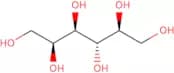
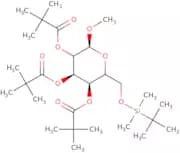
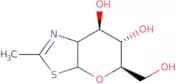

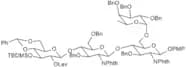
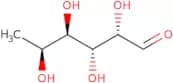

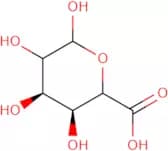
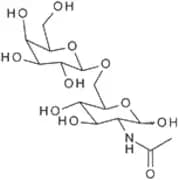

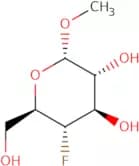
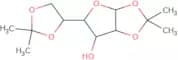


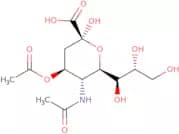
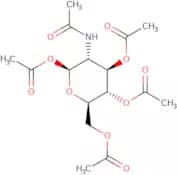
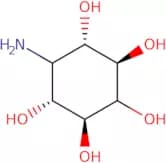
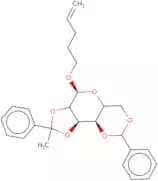
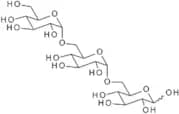

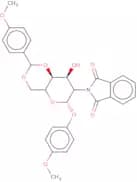
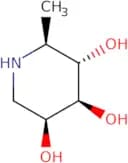

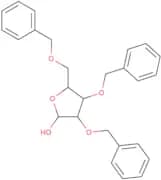
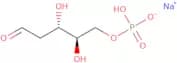




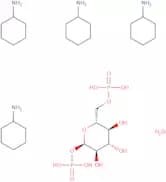


![(2S, 3S, 4R) -2- [(1S) - 1, 2- Dihydroxyethyl] - 4- (hydroxymethyl) - 3, 4- pyrrolidinediol](/_next/image/?url=https%3A%2Fstatic.cymitquimica.com%2Fproducts%2F3D%2Fthumb-webp%2FMD163541.webp&w=3840&q=75)

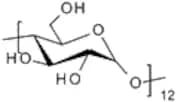
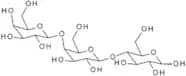
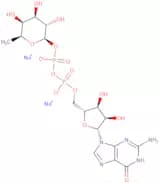
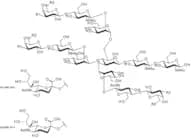


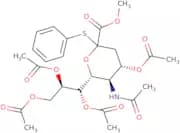
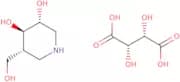
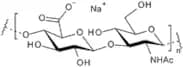
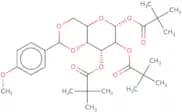
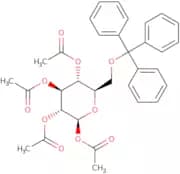
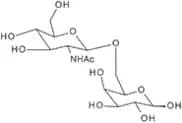
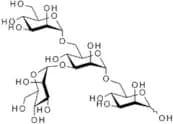
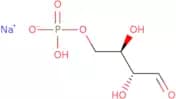
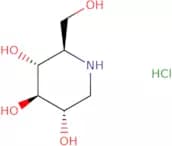


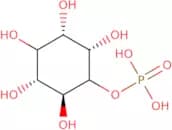

![N-[2-(4'-Nitrophenyl)-1-cyano-3-butene]-2,3,4,6-tetra-O-pivaloyl-D-glucopyranoside](/_next/image/?url=https%3A%2Fstatic.cymitquimica.com%2Fproducts%2F3D%2Fthumb-webp%2FMN08500.webp&w=3840&q=75)
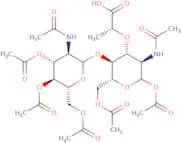
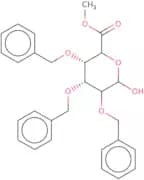
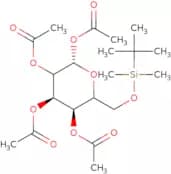
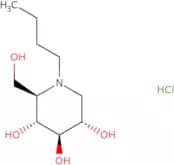
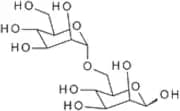
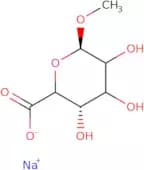
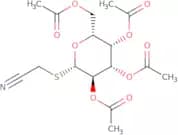
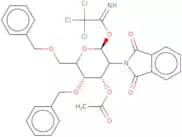


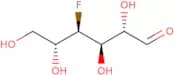

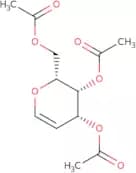
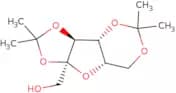
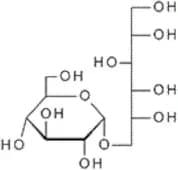
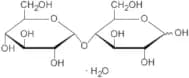

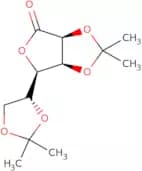
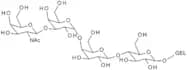
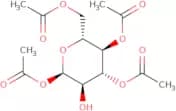
![2, 4- Anhydro- N-benzyl-3,5-O-[(R)-benzylidene]- 6-deoxy-D- mannonamide](/_next/image/?url=https%3A%2Fstatic.cymitquimica.com%2Fproducts%2F3D%2Fthumb-webp%2FMA163977.webp&w=3840&q=75)
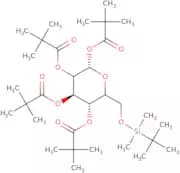
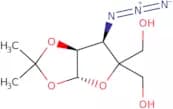
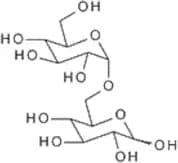
![5-Deoxy-1,2-O-isopropylidene-5-[(2R-phenylpyrrolidine)-1-yl]-a-D-xylofuranose](/_next/image/?url=https%3A%2Fstatic.cymitquimica.com%2Fproducts%2F3D%2Fthumb-webp%2FMD07486.webp&w=3840&q=75)
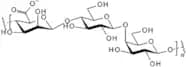
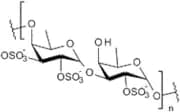
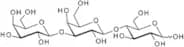
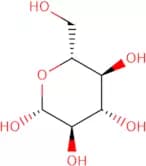
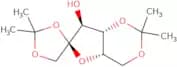
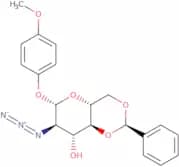
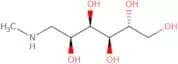

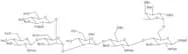
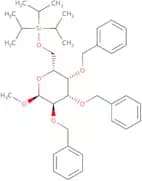

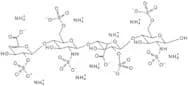
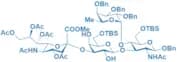
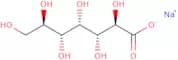

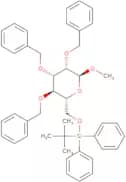
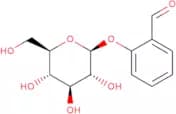
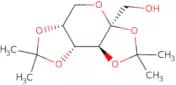
![(1R) -1- [(2S, 3R) - 3- Hydroxy- 1- ((4-methoxyphenyl)methyl) - 2- azetidinyl] -1, 2- ethanediol](/_next/image/?url=https%3A%2Fstatic.cymitquimica.com%2Fproducts%2F3D%2Fthumb-webp%2FMH163535.webp&w=3840&q=75)
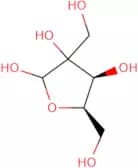
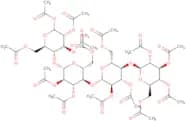
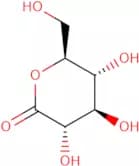
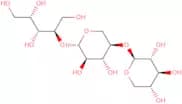

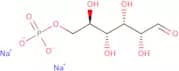
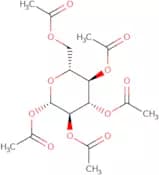
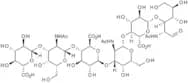
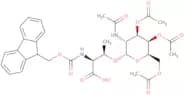

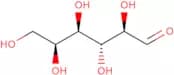
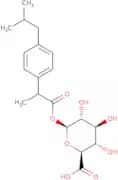
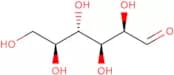
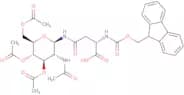
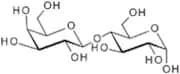
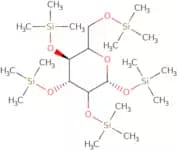

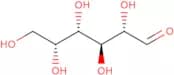

![(1R) -1- [(2S, 3R,4S) -4-(Acetylamino)methyl-3- hydroxy- 1- azetidinyl] -1, 2- ethanediol hydrochl…](/_next/image/?url=https%3A%2Fstatic.cymitquimica.com%2Fproducts%2F3D%2Fthumb-webp%2FMA163412.webp&w=3840&q=75)
![(5R, 8S, 9S) -8- [(4R) - 2, 2- Dimethyl- 1, 3- dioxolan- 4- yl] - 9- hydroxy- 2, 2- dimethyl- 1, 3…](/_next/image/?url=https%3A%2Fstatic.cymitquimica.com%2Fproducts%2F3D%2Fthumb-webp%2FMD170675.webp&w=3840&q=75)
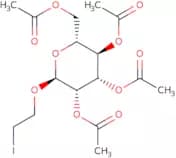
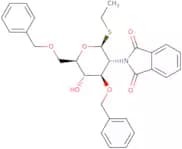

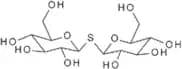
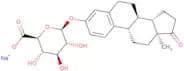
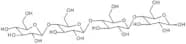

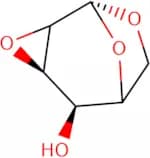

![N-[2-(2'-Fluorobenzylacetonitrile)]-2,3,4,6-tetra-O-pivaloyl-b-D-glucopyranoside](/_next/image/?url=https%3A%2Fstatic.cymitquimica.com%2Fproducts%2F3D%2Fthumb-webp%2FMF08492.webp&w=3840&q=75)
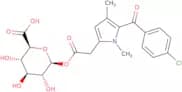
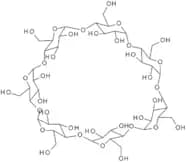
![(1S) -1- [(2S, 3R) - 3-Hydroxy- 1- ((4-methoxyphenyl)methyl) - 2- azetidinyl] -1, 2- ethanediol](/_next/image/?url=https%3A%2Fstatic.cymitquimica.com%2Fproducts%2F3D%2Fthumb-webp%2FMH163553.webp&w=3840&q=75)