Terpenoides
Subcategorías de "Terpenoides"
- Diterpenos (C₂₀)(671 productos)
- Hemiterpenos (C₅)(21 productos)
- Monoterpenos (C₁₀)(709 productos)
- Sesquiterpenos (C₂₅)(452 productos)
- Tetraterpenos (C₄₀)(63 productos)
- Triterpenos (C₃₀)(1.128 productos)
Se han encontrado 1423 productos de "Terpenoides"
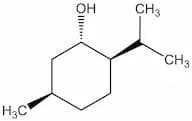
(+)-isomenthol
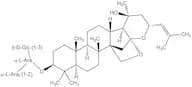
CAS:Cyclic alcoholFórmula:C10H20OPureza:≥ 95.0 % (GC)Forma y color:CrystalsPeso molecular:156.27Bacopaside x
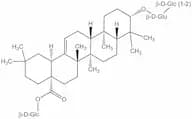
CAS:Natural glycosideFórmula:C46H74O17Pureza:≥ 90.0 % (HPLC)Forma y color:PowderPeso molecular:899.09Ginsenoside ro
CAS:Natural glycosideFórmula:C48H76O19Pureza:≥ 90.0 % (HPLC)Forma y color:PowderPeso molecular:957.12Cucurbitacin d
CAS:Ketone alcoholFórmula:C30H44O7Pureza:≥ 98.0 % (HPLC)Forma y color:PowderPeso molecular:516.67Atractylenolide iii
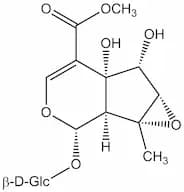
CAS:LactoneFórmula:C15H20O3Pureza:≥ 98.0 % (HPLC)Forma y color:PowderPeso molecular:248.32Secoxyloganin
CAS:Natural glycosideFórmula:C17H24O11Pureza:≥ 95.0 % (HPLC)Forma y color:CrystalsPeso molecular:404.37(+)-erinacin a
CAS:Natural glycosideFórmula:C25H36O6Pureza:≥ 90.0 % (HPLC)Forma y color:PowderPeso molecular:432.55Eurycomanone
CAS:Oxygen-heterocyclic compoundFórmula:C20H24O9Pureza:≥ 90.0 % (HPLC)Forma y color:PowderPeso molecular:408.4Amarogentin
CAS:Natural glycosideFórmula:C29H30O13Pureza:≥ 90.0 % (HPLC)Forma y color:PowderPeso molecular:586.55Sesamoside
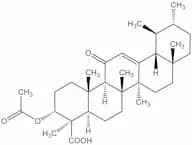
CAS:Natural glycosideFórmula:C17H24O12Pureza:≥ 95.0 % (HPLC)Forma y color:PowderPeso molecular:420.373-o-acetyl 11-keto-β-boswellic acid
CAS:Carboxylic acid with additional oxygen functionsFórmula:C32H48O5Pureza:≥ 98.0 % (HPLC)Forma y color:PowderPeso molecular:512.73Ginsenoside rb1
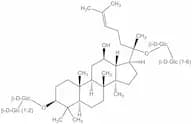
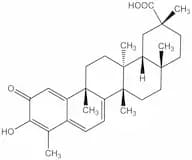
CAS:Natural glycosideFórmula:C54H92O23Pureza:≥ 90.0 % (HPLC)Forma y color:PowderPeso molecular:1109.31Celastrol
CAS:Carboxylic acid with additional oxygen functionsFórmula:C29H38O4Pureza:≥ 95.0 % (HPLC)Forma y color:CrystallinePeso molecular:450.62Pseudolaric acid b
CAS:LactoneFórmula:C23H28O8Pureza:≥ 98.0 % (HPLC)Forma y color:PowderPeso molecular:432.47Rebaudioside f
CAS:Natural glycosideFórmula:C43H68O22Pureza:≥ 90.0 % (HPLC)Forma y color:PowderPeso molecular:936.99Corosolic acid
CAS:Carboxylic acid with alcohol functionFórmula:C30H48O4Pureza:≥ 90.0 % (HPLC)Forma y color:PowderPeso molecular:472.71Α-santonin
CAS:LactoneFórmula:C15H18O3Pureza:≥ 95.0 % (HPLC)Forma y color:CrystallinePeso molecular:246.31Β-elemonic acid
CAS:Carboxylic acid with ketone functionFórmula:C30H46O3Pureza:≥ 90.0 % (HPLC)Forma y color:PowderPeso molecular:454.7Rebaudioside a
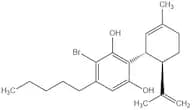
CAS:Natural glycosideFórmula:C44H70O23Pureza:≥ 95.0 % (HPLC)Forma y color:PowderPeso molecular:967.034-monobromocannabidiol
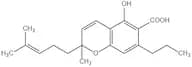
CAS:Halogen derivative of polyphenolFórmula:C21H29BrO2Pureza:≥ 90.0 % (HPLC)Forma y color:Viscous liquidPeso molecular:393.36Cannabichromevarinic acid
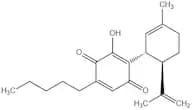
CAS:Carboxylic acid with phenol functionFórmula:C20H26O4Pureza:≥ 98.0 % (HPLC)Forma y color:PowderPeso molecular:330.42Cannabidiol hydroxyquinone
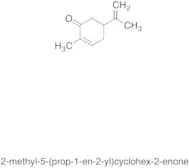
CAS:QuinoneFórmula:C21H28O3Pureza:≥ 90.0 % (HPLC)Forma y color:PowderPeso molecular:328.45D-(+)-Carvone
CAS:Applications D-(+)-Carvone, is used for the synthesis of (-)-terpestacin, a fungal metabolite with anticancer activity.It is also found in the essential oils of the in vitro M. longifolia plantlets and callus, that can be used as a potential source of a safe flavouring agent.
References Jin , Y., et al.: Org. Biomol. Chem., 10(28), 5452 (12012); Morcia, C., et al.: Acta. Biochimica. Polonica., 58(4), 581 (2011);Fórmula:C10H14OForma y color:NeatPeso molecular:150.22Carvone
CAS:Producto controladoStability Light Sensitive
Applications Carvone is useful for the treatment of various metabolic disorders and GI related disorders.
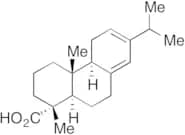
References Shabi, M. M., et al.: Res. J. Pharm. Biol. Chem. Sci., 8, 328 (2017)Fórmula:C10H14OForma y color:Light Yellow To Light BrownPeso molecular:150.22Levopimaric Acid
CAS:Producto controladoStability Air Sensitive
Applications Levopimaric Acid is a major component of pine oleoresin. It is an abietane-type of diterpene resin acid and has antibacterial, cardiovascular, and antioxidant properties.
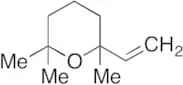
References Kersten, P. J., et al.: J. Chem. Ecol., 32(12), 2679-85 (2006)Fórmula:C20H30O2Forma y color:White To Off-WhitePeso molecular:302.45Limetol
CAS:Producto controladoApplications Limetol, is the cyclized derivative of linalool (L465950), melanol, and other unsaturated alcohols, that was shown to give a product mixture that can be used in fragrance and perfumery industry.
References Klimánková, E., et al.: Food Chem., 107, 464 (2008); Nakamura, A., et al.: J. Agric. Food Chem., 57, 5480 (2009); Soni, A. et al.: Synth. Comm., 40, 74 (2010);Fórmula:C10H18OForma y color:NeatPeso molecular:154.25Cimigenoside
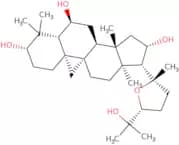
CAS:Cimigenoside is a naturally occurring triterpene saponin, which is a phytochemical compound extracted primarily from the roots of the Cimicifuga species, such as Cimicifuga racemosa, commonly known as black cohosh. The source of this compound is rooted in traditional medicinal practices, where these plants have been used for their therapeutic benefits.Fórmula:C35H56O9Pureza:Min. 95%Forma y color:Off-White PowderPeso molecular:620.81 g/molCycloastragenol
CAS:Triterpenoid saponin with many suggested pharmacological propertiesFórmula:C30H50O5Pureza:Min. 98 Area-%Forma y color:White PowderPeso molecular:490.72 g/molLasiokaurin
CAS:Lasiokaurin is a sesquiterpene lactone, which is a type of terpenoid compound primarily found in certain plant species. It is derived from the plants of the Asteraceae family, where it is biosynthesized as part of the plant's secondary metabolites. This compound is characterized by its complex structure, which includes a lactone ring, contributing to its biological activity.Fórmula:C22H30O7Pureza:Min. 95%Forma y color:Yellow PowderPeso molecular:406.47 g/molParthenolide
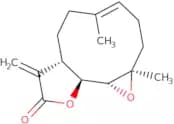
CAS:Parthenolide is a sesquiterpene lactone, which is a bioactive compound derived from the plant species Tanacetum parthenium, commonly known as feverfew. This compound is primarily isolated from the aerial parts of the plant, where it is found in highest concentrations within the flowers and leaves. Parthenolide exerts its effects through several biochemical pathways, including the inhibition of nuclear factor-kappa B (NF-κB) signaling, which plays a critical role in inflammatory and immune responses. Additionally, it disrupts the activity of certain kinases and modulates the expression of genes involved in cell cycle regulation and apoptosis.Fórmula:C15H20O3Pureza:Min. 98 Area-%Forma y color:White Off-White PowderPeso molecular:248.32 g/molGinsenoside Rk1 - Ginsenoside Rk1:Ginsenoside Rz1 (5:2)
CAS:Ginsenoside Rk1 - Ginsenoside Rz1 (5:2) is a complex phytochemical formulation, which is derived from Panax ginseng, a medicinal herb renowned for its bioactive compounds. Ginsenosides, the primary active components, are triterpene saponins known for their diverse pharmacological properties. In this specific formulation, Ginsenoside Rk1 and Ginsenoside Rz1 are combined in a 5:2 ratio, creating a synergistic profile that enhances their biological efficacy.Fórmula:C42H70O12Pureza:Min. 95%Forma y color:PowderPeso molecular:766.48673Saikosaponin D
CAS:Saikosaponin D is a bioactive compound, specifically a triterpenoid saponin, which is derived from the roots of Bupleurum species, plants commonly used in traditional Chinese medicine. Its mode of action involves modulating key pathways in inflammation and apoptosis. This compound targets cellular mechanisms by interacting with inflammatory mediators and apoptotic proteins, thereby influencing immune responses and cellular survival.Fórmula:C42H68O13Pureza:Min. 98 Area-%Forma y color:White PowderPeso molecular:780.98 g/molCofaryloside
CAS:Please enquire for more information about Cofaryloside including the price, delivery time and more detailed product information at the technical inquiry form on this pageFórmula:C26H42O10Pureza:Min. 95%Peso molecular:514.61 g/molalpha-Cyperone
CAS:Alpha-Cyperone is a sesquiterpene compound, which is a natural product isolated from essential oils of certain plants like Cyperus rotundus. It is primarily sourced from the rhizomes of these plants and is known for its diverse biological activities. The mode of action of alpha-Cyperone involves the modulation of cellular pathways, potentially affecting inflammation and oxidation processes.Fórmula:C15H22OPureza:Min. 95%Forma y color:Yellow Clear LiquidPeso molecular:218.33 g/molGinsenoside Rg2
CAS:Ginsenoside Rg2 is a bioactive compound, which is a saponin derived from the roots of Panax ginseng, a medicinal plant widely used in traditional medicine. Its primary mode of action involves modulating various signaling pathways and protecting nerve cells by influencing the expression of specific genes related to neuronal function. Ginsenoside Rg2 has been shown to exert antioxidant and anti-inflammatory effects, thereby playing a potential role in neuroprotection.Fórmula:C42H72O13Pureza:Min. 98 Area-%Forma y color:White PowderPeso molecular:785.01 g/mol8(17)14-Labdadiene-13,18-diol, picea sitchensis (sitka spruce)
CAS:8(17)14-Labdadiene-13,18-diol is a diterpene, a class of chemical compounds known for their diverse structural traits and biological activities. This compound is derived from Picea sitchensis, commonly known as Sitka spruce, which is native to the western regions of North America. The diterpene structure of 8(17)14-Labdadiene-13,18-diol is significant due to its potential biological interactions.
Fórmula:C20H34O2Pureza:Min. 95%Peso molecular:306.48 g/molbeta-Eudesmol
CAS:Beta-Eudesmol is a sesquiterpenoid alcohol, which is a naturally occurring compound found in several essential oils extracted from plants, particularly those belonging to the genus Zingiberaceae. It is a major component in some aromatic species, manifesting as a colorless or pale yellow viscous liquid at room temperature.Fórmula:C15H26OPureza:Min. 95%Forma y color:White PowderPeso molecular:222.37 g/molHederagenin
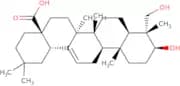
CAS:Producto controladoHederagenin is a triterpenoid saponin, which is a naturally occurring organic compound typically found in various plant species, particularly in the Araliaceae family. It is derived from the hydrolysis of saponins such as hederacoside C, present in plants like ivy (Hedera helix). This compound exhibits a wide array of biological activities due to its ability to interact with cellular membranes and proteins.Fórmula:C30H48O4Pureza:Min. 95.0 Area-%Forma y color:White PowderPeso molecular:472.70 g/molS-Petasin - Petasites japonicus (sweet coltsfoot)
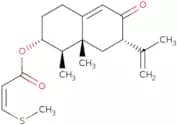
CAS:S-Petasin is a standard botanical extract derived from Petasites japonicus, commonly known as sweet coltsfoot. This product is characterized by its anti-inflammatory properties, primarily sourced from bioactive sesquiterpenes naturally occurring in the plant. The mode of action of S-Petasin involves the inhibition of leukotriene synthesis and the modulation of inflammatory pathways, which can reduce allergic reactions and inflammatory processes.
Fórmula:C19H26O3SPureza:Min. 95%Forma y color:PowderPeso molecular:334.47 g/molOrthosphenic acid
CAS:Please enquire for more information about Orthosphenic acid including the price, delivery time and more detailed product information at the technical inquiry form on this pageFórmula:C30H48O5Pureza:Min. 95%Forma y color:PowderPeso molecular:488.7 g/molSoyasaponin Bb
CAS:Soyasaponin Bb is a naturally occurring saponin, which is a type of glycoside, derived from soybeans (Glycine max). It is primarily sourced from the seeds and roots of the soybean plant. The mode of action of soyasaponin Bb involves its ability to interact with lipid membranes, affecting cellular pathways and exerting antioxidant and anti-inflammatory effects. Additionally, it has been shown to modulate cholesterol metabolism and exhibit potential anticancer activities through apoptosis induction and inhibition of tumor cell proliferation.Fórmula:C48H78O18Pureza:Min. 94.0 Area-%Peso molecular:943.12 g/molRef: 3D-Q-100575
-Unit-mgmgA consultar1gA consultar50mgA consultar100mgA consultar250mgA consultar500mgA consultarGinkgolide J
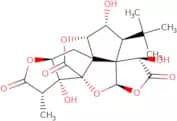
CAS:Ginkgolide J is a terpene lactone, which is a compound derived from the leaves of the Ginkgo biloba tree. This compound is a part of the ginkgolides, a group of terpenoids that possess a unique chemical structure, characterized by a diterpene skeleton and a plethora of lactone moieties. Ginkgolide J, like other ginkgolides, is isolated through a multifaceted extraction process that involves the pulverization of leaves followed by solvent-based extraction and chromatography.Fórmula:C20H24O10Pureza:Min. 95%Forma y color:PowderPeso molecular:424.4 g/molGinsenoside Re
CAS:Ginsenoside Re is a naturally occurring saponin, which is a bioactive compound sourced primarily from the root of Panax ginseng. It operates through multiple biochemical pathways, including the modulation of immune responses, anti-inflammatory effects, and protective antioxidant activities. Ginsenoside Re exerts its actions by interacting with cellular receptors, influencing signaling pathways such as the PI3K/Akt and MAPK pathways, ultimately impacting gene expression and cellular responses.Fórmula:C48H82O18Pureza:Min. 98 Area-%Forma y color:White PowderPeso molecular:947.18 g/molPonicidin
CAS:Ponicidin is a natural product, which is a diterpenoid compound derived from the plant *Isodon rubescens*. It exhibits a mode of action characterized by its ability to interfere with cellular processes through apoptosis induction and inhibition of cell proliferation. This occurs via the modulation of specific signaling pathways, including the suppression of NF-κB activity and the promotion of caspase activation.Fórmula:C20H26O6Pureza:Min. 95%Forma y color:PowderPeso molecular:362.43 g/mol