Carbohidratos y glucoconjugados
Los carbohidratos son compuestos orgánicos formados por carbono, hidrógeno y oxígeno, y su estructura básica está constituida por monosacáridos. Estos se pueden unir para formar disacáridos, oligosacáridos o polisacáridos, dependiendo de la cantidad de unidades monoméricas. Los carbohidratos tienen un papel fundamental en el almacenamiento de energía, la estructura celular y la comunicación celular. Sus derivados se utilizan en productos farmacéuticos, como edulcorantes y excipientes.
En CymitQuimica disponemos de una amplia variedad de carbohidratos y sus derivados para investigación y aplicaciones industriales.
Se han encontrado 5002 productos de "Carbohidratos y glucoconjugados"
Ordenar por
Pureza (%)
0
100
|
0
|
50
|
90
|
95
|
100
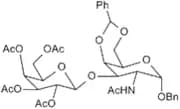
Benzyl 2-acetamido-4,6-O-benzylidene-3-O-(2,3,4,6-tetra-O-acetyl-b-D-galactopyranosyl)-2-deoxy-a-D-glucopyranoside
CAS:<p>The compound is a synthetic fluorinated carbohydrate that contains an acetamido group. It has been shown to inhibit the growth of Mycobacterium tuberculosis and Mycobacterium avium complex in vitro. The compound has shown anti-inflammatory properties and immunomodulatory effects, which may be due to its ability to bind to the CD1d receptor on macrophages.</p>Fórmula:C36H43NO15Pureza:Min. 95%Peso molecular:729.72 g/molEpi-N-Acetyl-lactosamine
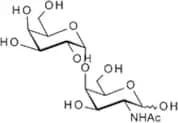
CAS:<p>Epi-N-Acetyl-lactosamine is a glycosylation agent that is used to modify proteins, carbohydrates, and other biomolecules. It is also used in the synthesis of oligosaccharides and polysaccharides. This product has been custom synthesized to meet your specifications and has been purified to high purity.</p>Fórmula:C14H25NO11Pureza:Min. 95%Peso molecular:383.35 g/molGD2-Oligosaccharide-b-(N-acetyl-propargyl)
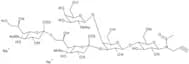
<p>The core trisaccharide of the ganglioside GD2,protected with a propargyl glycoside group, is the most prominent alkynyl glycoside used in oligosaccharide synthesis (Das, 2016). The structure (sodium salt) comprises (GalNAcβ1,4Galβ1,4Glc) of its two sialic acids linked α2,3/α2,8 to the central galactose residue (Ledeen, 2009). GD2 ganglioside is expressed at a low concentration in the central nervous system, nerves, skin melanocytes and stem cells in healthy adults. On the other hand, GD2 ganglioside is overexpressed in a number of tumors including neuroblastoma, melanoma, small cell lung carcinoma and brain tumors. Recently, GD2 ganglioside has been found in low concentrations on breast cancer stem cells (CSC) that possess: self-renewal properties (division without disrupting the undifferentiated state) and tumor-initiating capabilities. It has been suggested that GD2 ganglioside may be developed as an effective target antigen for CSC immunotherapy (Fleurence, 2017).</p>Fórmula:C47H72N4O32Na2Pureza:Min. 95%Peso molecular:1,251.06 g/mol6-O-(a-D-Galactopyranosyl)-D-mannopyranose
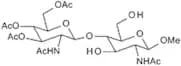
<p>The 6-O-(a-D-galactopyranosyl)-D-mannopyranose, also known as epimelibiose, is an oligosaccharide formed by linking an α-D-galactose molecule to a D-mannose molecule. It could be found in various natural products or glycoconjugates, such as glycolipids or glycoproteins. The configuration and linkage of sugars in such molecules often play a crucial role in their biological functions. 6-O-(a-D-galactopyranosyl)-D-mannopyranose can be used in research to modify polysaccharides and glycans. It has a role as a plant metabolite and a mouse metabolite.</p>Fórmula:C12H22O11Pureza:Min. 95%Methyl 2-acetamido-4-O-(2-acetamido-3,4,6-tri-O-acetyl-2-deoxy-b-D-glucopyranosyl)-2-deoxy-b-D-glucopyranoside
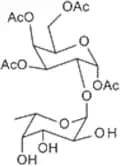
CAS:<p>Methyl 2-acetamido-4-O-(2-acetamido-3,4,6-tri-O-acetyl-2-deoxy-b-D-glucopyranosyl)-2-deoxy-b-D-glucopyranoside is a custom synthesis that is fluorinated and methylated to create an acetal. The monosaccharide is a custom synthesis that has been modified with click chemistry. This oligosaccharide is found in glycosylation reactions and can be used for the synthesis of polysaccharides. Methyl 2 acetamido 4 O-(2 acetamido 3,4,6 tri O acetyl 2 deoxy b D glucopyranosyl) 2 deoxy b D glucopyranoside has CAS Number 97242 82 5.</p>Fórmula:C23H36N2O14Pureza:Min. 95%Peso molecular:564.54 g/mol1,3,4,6-Tetra-O-acetyl-2-(6-deoxy-a-L-galactopyranosyl)-a-D-galactopyranose
CAS:<p>1,3,4,6-Tetra-O-acetyl-2-(6-deoxy-a-L-galactopyranosyl)-a-D-galactopyranose is a glycoside, which is a type of carbohydrate that contains both an alcohol and a sugar. It is synthesized by the reaction of 1,3,4,6-tetra-O-acetyl mannitol with 6 deoxyglucuronic acid. This product can be used as a custom synthesis for pharmaceuticals or in other fields. The purity of this product is greater than 98%.</p>Fórmula:C20H30O14Pureza:Min. 95%Peso molecular:494.44 g/molGM1-Lysoganglioside sodium
CAS:<p>GM1-Lysoganglioside (sodium salt) has the core tetrasaccharide structure (Galβ1,3GalNAcβ1,4Galβ1,4Glc) with sialic acid linked α2,3 to the inner galactose residue and sphingosine linked β to position 1 on the reducing terminal glucose residue (Ledeen, 2009). GM1 lysoganglioside has been shown that it is capable of binding amyloid-β proteins and can act as a seed for amyloid fibril formation, in early stages of Alzheimerâs disease (Chiricozzi, 2020).</p>Fórmula:C55H97N3O30·xNaPureza:Min. 95%Forma y color:White PowderPeso molecular:1,280.36 g/molMethyl 3-O-(b-D-galactopyranosyl)-b-D-galactopyranoside
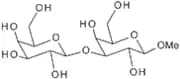
CAS:<p>Methyl 3-O-(b-D-galactopyranosyl)-b-D-galactopyranoside is a disaccharide that is the residue of 6-fluoro-3-indoxyl beta-D-galactopyranoside. This product is a glycoside of methyl 3,6,3',6'-tetraacetate and b-D-galactose.</p>Fórmula:C13H24O11Pureza:Min. 95%Peso molecular:356.32 g/mol3'-Sialyllactose-PAA-biotin
<p>3'-Sialyllactose-PAA-biotin is a polymeric compound that contains sialic acid, lactose and biotin. It is a custom synthesis compound with a CAS number. 3'-Sialyllactose-PAA-biotin is an oligosaccharide made up of three monosaccharides, which are sialic acid, lactose and biotin. The polysaccharide has been modified by fluorination and click chemistry to be soluble in water. The carbohydrate has been synthesized from high purity raw materials and is free of contaminants. This compound can be used as a fluorescent probe for methylation reactions because it has been modified with Click chemistry.</p>Pureza:Min. 95%Forma y color:PowderHeparin disaccharide I-S, tetrasodium salt
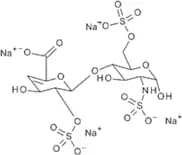
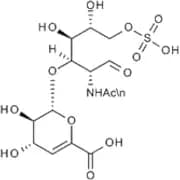
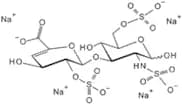
CAS:<p>Heparin disaccharide I-S, tetrasodium salt is a sodium salt of heparin that has been modified to contain two sulfate groups. The chemical modification of heparin disaccharide I-S, tetrasodium salt alters the molecule's charge and surface properties. This modification increases the molecule's ability to bind with cell surface markers and inhibits the activity of proteases. Heparin disaccharide I-S, tetrasodium salt is able to inhibit leukaemia proliferation in thp-1 cells by binding with cytoskeletal proteins such as vimentin and actin. This chemical also prevents PMA induced morphological changes in thp-1 cells. Heparin disaccharide I-S, tetrasodium salt is used as an anticoagulant in therapeutic settings. It is used to prevent blood clotting by inhibiting the activation of factors Xa and IIa. Heparin disaccharide</p>Fórmula:C12H15NO19S3·4NaPureza:Min. 98 Area-%Forma y color:White PowderPeso molecular:665.4 g/molGT2-Oligosaccharide
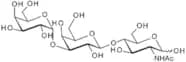
<p>GT2 oligosaccharide (free acid) has a core trisaccharide structure (GalNAcβ1,4Galβ1,4Glc) with three sialic acid residues (NeuAc) linked α2,8/α2,8/α2,3 to the inner galactose residue (Ledeen, 2009). GT2 oligosaccharide is the carbohydrate moiety in the GT2 ganglioside. A key role has been reported for gangliosides, such as, GT1b and GT2 as modulators in the interaction between microglia (resident cells of the brain that regulate brain development) and brain tumors. It is possible that they will be important targets for therapeutical intervention in the near future (Daniele, 2020). In addition, C-series gangliosides, such as GT3, GT2, GQ1c, and CP1c are expressed in normal pancreatic tissue but are practically lost in the pancreas of diabetic animals (Saito, 1999).</p>Fórmula:C53H83N4O40Na3Pureza:Min. 95%Peso molecular:1,485.2 g/molBlood group A trisaccharide-GEL
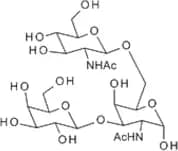
<p>ABO trisaccharide immobilised on Fractogel with glycosylamine formation</p>Pureza:Min. 95%2-Acetamido-6-O-(2-acetamido-2-deoxy-b-D-glucopyranosyl)-3-O-(b-D-galactopyranosyl)-2-deoxy-a-D-galactopyranose
CAS:<p>2-Acetamido-6-O-(2-acetamido-2-deoxy-β-D-glucopyranosyl)-3-O-(β-D-galactopyranosyl)-2,6-dideoxy--a,D--galactopyranose is a trisaccharide that is anomeric with n acetylglucosamine and a residue.</p>Fórmula:C22H38N2O16Pureza:Min. 95%Peso molecular:586.54 g/molGlycyl-lacto-N-neotetraose
<p>Glycyl-lacto-N-neotetraose is a complex carbohydrate that is custom synthesized and has high purity. It is an Oligosaccharide, Carbohydrate, and Polysaccharide that can be modified with methylation and glycosylation. This product can be used in the synthesis of other monosaccharides or saccharides to form complex carbohydrates. Glycyl-lacto-N-neotetraose is also fluorinated on one of its hydroxyl groups to produce an active water soluble compound for use in research.</p>Fórmula:C28H49N3O21Pureza:Min. 95%Peso molecular:763.7 g/mol1,6-Anhydro-4-O-(2,3,4,6-tetra-O-acetyl-a-D-mannopyranosyl)-b-D-mannopyranose
CAS:<p>1,6-Anhydro-4-O-(2,3,4,6-tetra-O-acetyl-a-D-mannopyranosyl)-b-D-mannopyranose is a modified oligosaccharide that is a carbohydrate. This product is custom synthesized and has high purity. It is a monosaccharide with methylation and glycosylation. The CAS number for this product is 6765035505.</p>Fórmula:C20H28O14Pureza:Min. 95%Peso molecular:492.44 g/molCarbomethoxyethylthioethyl 4-O-(4-O-[6-O-{a-D-glucopyranosyl}-a-D-glucopyranosyl]-a-D-glucopyranosyl)-b-D-glucopyranoside
CAS:<p>Carbomethoxyethylthioethyl 4-O-(4-O-[6-O-{a-D-glucopyranosyl}-a-D-glucopyranosyl]-a-D-glucopyranosyl)-b-D-glucopyranoside is a synthetic carbohydrate with a molecular weight of 1406. It has been custom synthesized and modified to contain fluorine, methyl, and saccharide groups. Carbomethoxyethylthioethyl 4-O-(4 -O-[6 -O-[a -D - glucopyranosyl] - a - D - glucopyranosyl] - a - D - glucopyranosyl) b - D - glucopyranoside has been shown to be useful in the synthesis of oligosaccharides and polysaccharides.</p>Fórmula:C30H52O23SPureza:Min. 95%Peso molecular:812.79 g/mol1,2,3,6-Tetra-O-benzyl-4-O-(2,3-di-O-benzyl-4,6-O-benzylidene-a-D-mannopyranosyl)-b-D-glucopyranoside
CAS:<p>Tetra-O-benzyl-4-O-(2,3-di-O-benzyl-4,6-O-benzylidene)-a-D-mannopyranosyl)-b-D-glucopyranoside is a carbohydrate that has been modified with fluorination and methylation. It is a saccharide with an oligosaccharide group, which is attached to the 1-, 2-, 3-, 6-, and 4'-positions of the sugar. This product is synthesized by custom synthesis and is available in high purity. Tetra-O-benzyl-4-O-(2,3-di-O--benzyl--4,6--O--benzylidene)-a--D--mannopyranosyl)-b--D--glucopyranoside can be used as a glycosylation or click modification agent.</p>Fórmula:C61H62O11Pureza:Min. 95%Peso molecular:971.14 g/molCellotrionic acid
CAS:<p>Cellotrionic acid is a biochemical that is found in the cell walls of bacteria. It is also known as Cellotriose, which is a type of sugar molecule. Cellotriose is composed of three molecules of glucose and it has reactive hydroxy groups. Hydroxy groups are reactive because they can form hydrogen bonds with other molecules. Cellotrionic acid has been shown to have a redox potential, which means that it can either accept or donate electrons. The crystalline structure of cellotrionic acid is similar to that of glucose and can be represented by the formula C6H8O6. Cellotrionic acid has been shown to have aerobic properties, meaning it requires oxygen for metabolism. One example of an aerobic process where cellotrionic acid participates in is the transfer of electrons during the oxidation-reduction reactions in photosynthesis. This biochemical also participates in glycolysis, which occurs during cellular respiration when sugars are broken down into smaller fragments</p>Fórmula:C18H32O17Pureza:Min. 95%Peso molecular:520.44 g/molBlood group B trisaccharide-APE-Biotin-BSA
<p>Gala1-3(Fuca1-2)Gal Conjugated to BSA via Biotin & an aminophenyl ethyl spacer</p>Pureza:Min. 95%FA2G1 N-Glycan
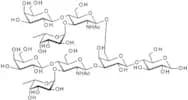
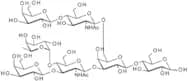
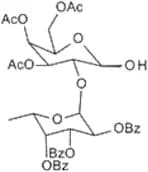
CAS:<p>FA2G1 N-glycan is a custom synthesis that can be modified with fluorination, methylation and click modification. It is a monosaccharide that belongs to the group of saccharides and polysaccharides. Carbohydrates are complex carbohydrates. This glycoprotein is synthesized by the addition of a sugar to an amino acid.</p>Fórmula:C62H104N4O45Pureza:Min. 95%Forma y color:Solid.Peso molecular:1,625.49 g/mol3,4,6-Tri-O-acetyl-2-O-(2,3,4-tri-O-benzoyl-a-L-fucopyranosyl)-D-galactopyranose
<p>3,4,6-Tri-O-acetyl-2-O-(2,3,4-tri-O-benzoyl-a-L-fucopyranosyl)-D-galactopyranose (TFP) is a fluorinated carbohydrate synthesized by the reaction of 3,4,6 trihydroxyacetophenone with 2,3,4 trihydroxypentanediol and acetyl chloride. TFP is a complex carbohydrate that can be used to modify proteins and glycoproteins. The methylation of TFP has been shown to decrease the binding affinity between lectins and glycoproteins.</p>Fórmula:C39H40O16Pureza:Min. 95%Peso molecular:764.73 g/mol1,6-Anhydro-4-O-b-D-galactopyranosyl-b-D-glucopyranose
CAS:<p>N-acetyllactosamine is a monosaccharide that belongs to the group of n-acetyllactosamine. It can be found in the form of an agglutinin, lactose, and lectin. The conformation of this molecule is an equilibrium between its alpha and beta forms. The pyridine can act as an acid catalyst for the alpha conformation. There are two forms of this molecule: one synthesized from D-glucose and one synthesized from D-galactose. 1,6-Anhydro-4-O-b-D-galactopyranosyl-b-D-glucopyranose is synthesized from D-glucose. Oligosaccharides containing this molecule have been expressed in Saccharomyces cerevisiae cells and purified by affinity chromatography on columns that contain immobilized antibody to human serum albumin. This molecule has been shown</p>Fórmula:C12H20O10Pureza:Min. 95%Peso molecular:324.28 g/molCarboxymethyl-dextran sodium salt 10-20% COOH terminally reduced - Average molecular weight 70000
CAS:<p>Drug carrier for cancer therapy & imaging, biocompatible, soluble, biodegradable</p>Pureza:Min. 95%NGA2 Glycan, 2-AB labelled
<p>NGA2 Glycan, 2-AB labelled is a complex carbohydrate that is custom synthesized for research purposes. It is a high purity, high quality product that has been fluorinated and glycosylated. NGA2 Glycan, 2-AB labelled is used in the synthesis of oligosaccharides and polysaccharides. This product can be used for glycosylation, methylation and click modification.</p>Pureza:Min. 95%Lipid A (E. Coli) triethylammonium salt
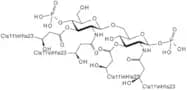
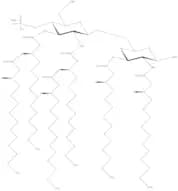
CAS:<p>The Lipid A moiety of lipopolysaccharide forms the outer monolayer of the outer membrane in most Gram-negative bacteria. Escherichia coli lipid A is synthesized on the cytoplasmic side of the inner membrane by a conserved pathway of nine constitutive enzymes. Following attachment of the core oligosaccharide, nascent core-lipid A is flipped to the outer surface of the inner membrane by the ABC transporter MsbA, where the O-antigen polymer is attached. These complex glycoforms protect bacteria from antibiotics and complement-mediated lysis. The core and O-antigen domains are required for virulence and consequently are present in most clinical and environmental isolates (Raetz, 2007).</p>Fórmula:C94H178N2O25P2Pureza:Min. 95%Peso molecular:1,798.37 g/molNGA4F N-Glycan
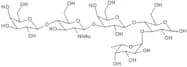
CAS:<p>NGA4F N-Glycan is a modification of the N-glycan structure. It is an oligosaccharide composed of a single monosaccharide, methylated and glycosylated to form a polysaccharide with sugar groups on every other carbon. This product can be custom synthesized by our chemists at your request.</p>Fórmula:C72H120N6O50Pureza:Min. 95%Peso molecular:1,869.73 g/mol2-Acetamido-4-O-(2-acetamido-2-deoxy-a-D-glucopyranosyl)-2-deoxy-D-galactopyranose
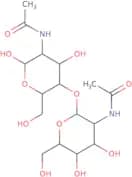
CAS:<p>2-Acetamido-4-O-(2-acetamido-2-deoxy-a-D-glucopyranosyl)-2-deoxy-D-galactopyranose is a Custom synthesis of an oligosaccharide that is synthesized by the modification of natural sugars. This product has been fluorinated, methylated and modified with click chemistry. It is saccharide consisting of two monosaccharides, which are 2 acetamido 4 O-(2 acetamido 2 deoxy a D glucopyranosyl)-2 deoxy D galactopyranose and 2 deoxy D galactose. The molecular weight of this compound is 528.5 g/mol.</p>Fórmula:C16H28N2O11Pureza:Min. 95%Peso molecular:424.4 g/molMonofucosyl-para-lacto-N-hexaose I
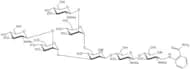
<p>Monofucosyl-para-lacto-N-hexaose I is an oligsaccharide that is found in human milk</p>Fórmula:C46H78N2O35Pureza:Min. 95%Peso molecular:1,219.12 g/mol4-Deoxy-D-chitobiose heptaacetate
CAS:<p>4-Deoxy-D-chitobiose heptaacetate is a synthetic compound that has been modified by the addition of a heptaacetate group. This modification provides an additional site for attachment to other molecules, such as nucleic acids or proteins. The fluorination of this saccharide provides further protection against degradation and increases its stability in aqueous solutions. 4-Deoxy-D-chitobiose heptaacetate is available in high purity and can be custom synthesized to meet your needs.</p>Fórmula:C26H38N2O15Pureza:Min. 95%Peso molecular:618.58 g/mol2, 3, 6, 2', 3', 4', 6'-Hepta- O- acetyl- D- maltose
CAS:<p>2, 3, 6, 2', 3', 4', 6'-Hepta-O-acetyl-D-maltose is a fluorinated monosaccharide that is used in the synthesis of glycosides. It has a CAS number of 56285-96-2 and can be custom synthesized. This product is an oligosaccharide that can be modified by glycosylation, methylation, or click modification. It is a complex carbohydrate with a high purity and can be used in the modification of sugars.</p>Fórmula:C26H36O18Pureza:Min. 95%Forma y color:White to off-white solid.Peso molecular:636.55 g/molMan-2a N-Glycan
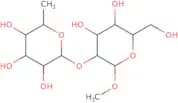
CAS:<p>Man-2a N-glycan is a modification of the oligosaccharide mannose that is an important component of many glycoproteins. This product can be custom synthesized, and has been shown to have high purity. It is a carbohydrate that contains a monosaccharide and a polysaccharide. The glycan may also contain methylation, glycosylation, or fluorination. It has CAS No. 491845-49-9, which is the number assigned by the Chemical Abstracts Service (CAS) division of the American Chemical Society to identify substances.</p>Fórmula:C28H48N2O21Pureza:Min. 95%Peso molecular:748.68 g/molMethyl 2-O-a-L-fucopyranosyl-b-D-galactoside
CAS:<p>Computational fluid dynamics (CFD) is the study of fluid flow, a subject which has been studied for over two thousand years. The idea of CFD is to use computers to solve the equations that govern fluid flow and to make predictions about the behavior of gases, liquids and complex fluids in various situations. Computational analysis can be used to calculate how air flows around an object such as a car or plane. This allows engineers to create designs with less drag. Computational analysis can also be used in designing buildings, bridges, and other structures that are exposed to large amounts of wind. <br>CFD is a "convective" computational method because it solves problems by using convection-diffusion equations with appropriate boundary conditions. A "transport" computational method solves problems by solving momentum equations and energy conservation equations simultaneously; this method is often more accurate than convective methods but computationally more expensive. A "laminar" computational method solves problems by solving continuity equations. A "nature</p>Pureza:Min. 95%Benzyl 2-acetamido-3-O-(2,3,4-tri-O-benzyl-a-L-fucopyranosyl)-4,6-O-benzylidene-2-deoxy-a-D-glucopyranoside
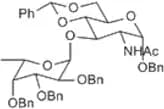
CAS:<p>Benzyl 2-acetamido-3-O-(2,3,4-tri-O-benzyl-a-L-fucopyranosyl)-4,6-O-benzylidene-2-deoxy-a-D-glucopyranoside is a high purity custom synthesis sugar. This compound has been synthesized by Click modification of the amino acid glycoside and fluorination of the sugar. It is an Oligosaccharide with a saccharide chain composed of Monosaccharides and Carbohydrates. The CAS number for this compound is 196941 – 73 – 8.</p>Fórmula:C49H53NO10Pureza:Min. 95%Peso molecular:815.95 g/mol4-O-Acetyl-3,6-di-O-(2,3,4,6-tetra-O-acetyl-a-D-mannopyranosyl)-1,2-ethyledine-b-D-mannopyranose
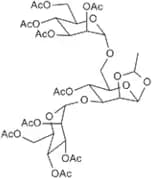
CAS:<p>4-O-Acetyl-3,6-di-O-(2,3,4,6-tetra-O-acetyl-a-D-mannopyranosyl)-1,2-ethyledine (CAS No. 230953-17) is a carbohydrate that has been modified with acetyl groups at the 3 and 6 positions of the monosaccharide unit. This modification is a complex carbohydrate that is made up of oligosaccharides and polysaccharides. The modification causes changes in the chemical properties of the carbohydrate compared to natural saccharides. 4-O-(2,3,4,6) tetra O acetyl a D mannopyranosyl 1 2 ethyledine b D mannopyranose has been used in synthesis of custom sugars for medical applications. It has also shown anti inflammatory activities against Mycobacterium tuberculosis and Mycobacterium avium complex</p>Fórmula:C38H52O25Pureza:Min. 95%Peso molecular:908.8 g/molGlycyl-lacto-N-fucopentaose II
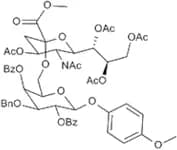
<p>Glycyl-lacto-N-fucopentaose II is a synthetic glycosylation product. It has high purity and is easy to use in the synthesis of complex carbohydrates. This product can be fluorinated, methylated, or modified with click chemistry to generate a wide range of products. Glycyl-lacto-N-fucopentaose II is CAS No. 107834-53-2 and has a molecular weight of 707.5 Da.END>></p>Fórmula:C34H59N3O25Pureza:Min. 95%Peso molecular:909.84 g/mol4-Methoxyphenyl 2,4-di-O-benzoyl-3-O-benzyl-6-O-(methyl 5-acetamido-4,7,8,9-tetra-O-acetyl-3,5-dideoxy-D-glycero-α-D-galacto-2-n onulopyranosylonate)-β-D-galactopyranoside
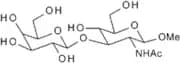
<p>4-Methoxyphenyl 2,4-di-O-benzoyl-3-O-benzyl-6-O-(methyl 5-acetamido-4,7,8,9-tetra-O-acetyl)-3,5-dideoxy--D glycero--alpha--D galacto--2 nonulopyranosylonate) -beta D galactopyranoside is a carbohydrate that is custom synthesized for the modification of saccharides. It has a molecular weight of 1066.81 g/mol and is soluble in water. 4MPB is used as an intermediate for the synthesis of other carbohydrates.</p>Fórmula:C54H59NO21Pureza:Min. 95%Peso molecular:1,058.04 g/molMethyl 2-acetamido-2-deoxy-3-O-(b-D-galactopyranosyl)-b-D-glucopyranoside
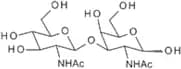
CAS:<p>Methyl 2-acetamido-2-deoxy-3-O-(b-D-galactopyranosyl)-b-D-glucopyranoside is a modification of the carbohydrate, which is a complex carbohydrate. It has been synthesized using Custom synthesis and Oligosaccharide. This product is highly pure, with a purity of 99%. Methyl 2-acetamido-2-deoxy-3-O-(b-D-galactopyranosyl)-b-Dpglucopyranoside is used in the synthesis of Monosaccharide and Methylation. It can also be used in Glycosylation and Polysaccharide as well as for sugar or Fluorination.</p>Fórmula:C15H27NO11Pureza:Min. 95%Forma y color:White To Off-White SolidPeso molecular:397.38 g/mol3-O-(2-Acetamido-2-deoxy-D-glucopyranosyl)-1,2-di-O-benzyl-4,6-O-benzylidene-D-mannopyranoside
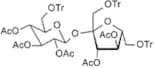
<p>3-O-(2-Acetamido-2-deoxy-D-glucopyranosyl)-1,2-di-O-benzyl-4,6-O-benzylidene-D-mannopyranoside is a synthetic sugar that is used in the synthesis of glycosylations. It has been fluorinated and methylated to increase its stability and reactivity. It is also synthetically derived from a saccharide and modified for use in Click chemistry. 3-O-(2-Acetamido-2-deoxy--D--glucopyranosyl)-1,2--di--O--benzyl--4,6--O--benzylidene--D--mannopyranoside is soluble in water and ethanol. This product has CAS No. 5118876–78–3 and can be custom synthesized by us.</p>Fórmula:C35H41NO11Pureza:Min. 95%Peso molecular:651.72 g/mol1,6,6'-Tri-O-tritylsucrose pentaacetate
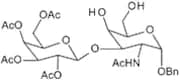
CAS:<p>1,6,6'-Tri-O-tritylsucrose pentaacetate is a sugar that is synthesized by the process of fluorination and monosaccharide. It has a molecular formula of C12H18O9F. This compound can be used as a synthetic sugar in glycosylation reactions or as an Oligosaccharide for complex carbohydrate synthesis. The 1,6,6'-Tri-O-tritylsucrose pentaacetate can also be modified with methylation or click chemistry for high purity.</p>Fórmula:C79H74O16Pureza:Min. 95%Peso molecular:1,279.42 g/molBenzyl 2-acetamido-3-O-(2,3,4,6-tetra-O-acetyl-b-D-galactopyranosyl)-2-deoxy-a-D-galactopyranoside
CAS:<p>Benzyl 2-acetamido-3-O-(2,3,4,6-tetra-O-acetyl-b-D-galactopyranosyl)-2-deoxy-a-D-galactopyranoside is a modification of an oligosaccharide. This product is synthesized by custom synthesis and is available in high purity. It has CAS No. 90754-57-7 and a monosaccharide methylation pattern. This product can be used in the synthesis of complex carbohydrates, as well as glycosylation and polysaccharide synthesis. It can also be used as a sugar or fluorination reagent for saccharides.</p>Fórmula:C29H39NO15Pureza:Min. 95%Peso molecular:641.62 g/molMethyl 4-O-(a-D-galactopyranosyl)-b-D-galactopyranoside
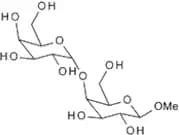
<p>Methyl 4-O-(a-D-galactopyranosyl)-b-D-galactopyranoside is a modification of a sugar molecule. It is an oligosaccharide that is a complex carbohydrate. This product can be custom synthesized to order with high purity and CAS number. The chemical name for this product is methyl 4-O-(a-D-galactopyranosyl)-b-D-galactopyranoside, which is a monosaccharide. Methyl 4-O-(a-D-galactopyranosyl)-b-D-galactopyranoside has glycosylation and polysaccharides. This product can be fluorinated or saccharified with methylation.</p>Fórmula:C13H24O11Pureza:Min. 95%Peso molecular:356.32 g/molGQ1b-Ganglioside ammonium
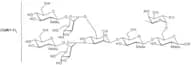
CAS:<p>GQ1b ganglioside (ammonium salt) has a core tetrasaccharide structure (Galβ1,3GalNAcβ1,4Galβ1,4Glc) with two sialic acids (NeuAc) linked α2,3/α2,8 to the inner galactose residue, two sialic acids (NeuAc) linked α2,3/α2,8 to the terminal galactose residue, and ceramide linked β to position 1 on the reducing terminal glucose residue (Ledeen, 2009). Anti-GQ1b ganglioside antibody is associated with Miller Fisher syndrome and is also found in patients with related conditions that may share the same pathogenic mechanism, such as, Bickerstaff brainstem encephalitis. Thus, the measurement of anti-GQ1b antibody in suspected cases of Miller Fisher syndrome is a useful diagnostic marker (Paparounas, 2004). It has been found that GQ1b ganglioside contributes to synaptic transmissions and synapse formation. Low concentrations of GQ1b ganglioside, evoked dopamine (DA) release from laboratory tissues (Chen, 2018).</p>Fórmula:C106H182N6O56·xNH4Pureza:Min. 95%GT1c-Oligosaccharide
<p>GT1c oligosaccharide (free acid) has a core tetrasaccharide structure (Galβ1,3GalNAcβ1,4Galβ1,4Glc) with three sialic acid residues (NeuAc) linked α2,8/α2,8/α2,3 to the inner galactose residue (Ledeen, 2009). A monoclonal antibody, established against the chick neural tube, was shown to recognize the trisialosyl residue, NeuAca2-8NeuAca2-8NeuAca2-3-R GT1c ganglioside in the cerebral cortex of fetal rats (Hirabayashi, 1989). This unusual multisialo ganglioside was recognised in chicken optic lobes and cerebrum, during embryonic development (Rosner, 1980) and in fish brains (Yu, 1980).</p>Fórmula:C59H93N4O45Na3Pureza:Min. 95%Peso molecular:1,647.34 g/molN-Glycolyl GM1 ganglioside
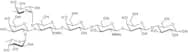
<p>N-Glycolyl GM1 ganglioside has a core tetrasaccharide structure (Galβ1,3GalNAcβ1,4Galβ1,4Glc) with N-glycolyl sialic acid linked α2,3 to the central galactose residu,e and ceramide linked β to position 1 on the reducing terminal glucose residue (Ledeen, 2009). SV40, Py, and the human BK viruses are unusual among viruses in that they use glycolipids as their major cell surface receptors. SV40 uses the N-glycolylneuraminic acid (NeuGc) analog of the ganglioside GM1 [GM1(Gc)] as the cell surface receptor and it gave markedly stronger binding signals than the NeuAc analog [GM1(Ac)] (Campanero-Rhodes, 2007).</p>Pureza:Min. 95%Man-3-Xyl-Fuc N-Glycan
<p>Man-3-Xyl-Fuc N-Glycan is a custom synthesis of mannose that has been modified with fucose and glycosylated with a conjugated xylose. This complex carbohydrate can be used in the manufacturing of pharmaceuticals, as well as in research for the production of biofuels.</p>Fórmula:C45H76N2O34Pureza:Min. 95%Peso molecular:1,189.08 g/mol4-O-(a-D-Galactopyranosyl)-b-D-galactopyranosyl-CETE-BSA Conjugate
<p>This product is a complex carbohydrate that is used in the modification of oligosaccharides and polysaccharides. It is synthesized by reacting 4-O-(a-D-galactopyranosyl)-b-D-galactopyranosyl chloride with bovine serum albumin (BSA) under acidic conditions. The product has a purity of greater than 98% and a molecular weight of approximately 3,000 Daltons.</p>Pureza:Min. 95%Peso molecular:77,000 g/molGal[2346Ac]b(1-3)GalN3[46Bzd]-b-MP
<p>Gal[2346Ac]b(1-3)GalN3[46Bzd]-b-MP is a modified oligosaccharide with a carbohydrate backbone of 3 mannose and 1 galactose residues. The saccharide is synthesized from the monosaccharides methylated, glycosylated, and then fluorinated. Gal[2346Ac]b(1-3)GalN3[46Bzd]-b-MP has a CAS number of 71769-77-5.</p>Fórmula:C34H39N3O15Pureza:Min. 95%Peso molecular:729.68 g/molGala1-3Galb1-4Glc-HSA
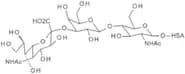
<p>Gala1-3Galb1-4Glc-HSA is a high purity, synthetic galactosylated glycosaminoglycan. Gala1-3Galb1-4Glc-HSA is an important component of the mucin layer that coats the gastrointestinal tract and protects it from infection. It also has a role in promoting epithelial cell growth and repair. The product is available in custom synthesis or can be modified to meet specific requirements.</p>Pureza:Min. 95%Difucosyllacto-N-neohexaose I
CAS:<p>Difucosyllacto-N-neohexaose I is a fluorinated oligosaccharide that was synthesized by click chemistry. The synthesis of this compound involved the addition of a methyl group to the penultimate carbon on the reducing end of a disaccharide. Fluorination was then performed to introduce a trifluoromethyl group onto the sugar ring, which is an important step in obtaining a high level of purity. This compound has been shown to be effective in inhibiting bacterial growth and can be used as an antibacterial agent for prevention and treatment of various infections.</p>Fórmula:C52H88N2O39Pureza:Min. 95%Peso molecular:1,365.25 g/molDifucosyl-para-lacto-N-hexaose I
<p>Difucosyl-para-lacto-N-hexaose I is a synthetic oligosaccharide that is used as a model for the longum subsp. of human milk oligosaccharides. The Difucosyl-para-lacto-N-hexaose I oligosaccharide was synthesized from sucrose and alpha-(1,2)-fucopyranosyl chloride, which were then reacted with para-nitrophenyl bromide (PNP). This product has been shown to inhibit the growth of respiratory pathogens in vitro by binding to c-reactive protein. It also binds to the Fc region of immunoglobulins and can act as an adjuvant for vaccines.</p>Fórmula:C53H91N2O38Pureza:Min. 95%Peso molecular:1,364.28 g/mol3'-N-Acetylneuraminyl-N-acetyllactosamine HSA
<p>3'-N-Acetylneuraminyl-N-acetyllactosamine HSA is a carbohydrate that is synthesized by the attachment of an acetyl group to a terminal glucose residue. The product is a custom synthesis and can be used for click modification. 3'-N-Acetylneuraminyl-N-acetyllactosamine HSA has been shown to have high purity and is a complex carbohydrate. This product comes in the form of an oligosaccharide or polysaccharide, which are carbohydrates composed of many sugars. 3'-N-Acetylneuraminyl-N-acetyllactosamine HSA has been fluorinated, which may reduce its degradation in vivo.</p>Fórmula:C25H42N2O20Pureza:Min. 95%Peso molecular:690.6 g/mol3'-Sialyllactose-GEL
<p>3'-Sialyllactose-GEL is a custom synthesis of a complex carbohydrate. It has CAS No. and is a polysaccharide that has been modified by methylation, glycosylation, and click modification. 3'-Sialyllactose-GEL is a high purity product with fluorination. It is synthetic and has a molecular weight of 1,000 Daltons.</p>Pureza:Min. 95%3',4'-O-Carbonyl-6,6'-di-O-triisopropylsilyl lactal
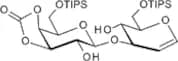
CAS:<p>3',4'-O-Carbonyl-6,6'-di-O-triisopropylsilyl lactal is a custom synthesis used for the modification of complex carbohydrates with glycosylation and methylation. It can be used to synthesize oligosaccharides or polysaccharides with high purity and good yield. 3',4'-O-Carbonyl-6,6'-di-O-triisopropylsilyl lactal is also an effective fluorinating agent that can be used in the synthesis of monosaccharides by click chemistry.</p>Fórmula:C31H58O10Si2Pureza:Min. 95%Peso molecular:646.96 g/molAllyl β-D-lactose
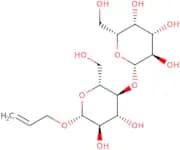
CAS:<p>Allyl β-D-lactose is a disaccharide with an aliphatic alkene functional handle. This can be used as a functionalised monomer in the synthesis of glycopolymers.</p>Fórmula:C15H26O11Pureza:Min. 95%Forma y color:PowderPeso molecular:382.36 g/molDL-Glyceric Acid
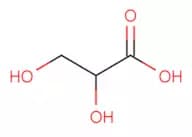
CAS:<p>DL-Glyceric Acid is an endogenous metabolite that serves as a substrate for Pseudomonas aeruginosa's 3-hydroxyisobutyrate dehydrogenase (PA0743),</p>Fórmula:C3H6O4Pureza:98%Forma y color:LiquidPeso molecular:106.08Bromhexine
CAS:<p>Bromhexine is an expectorant/mucolytic agent which can be used in the treatment of respiratory disorders associated with excessive mucus or viscid.</p>Fórmula:C14H20Br2N2Pureza:98%Forma y color:SolidPeso molecular:376.13Oteracil
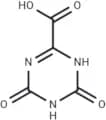
CAS:<p>Oteracil is an antagonist of urate oxidase.</p>Fórmula:C4H3N3O4Forma y color:SolidPeso molecular:157.08Maxacalcitol
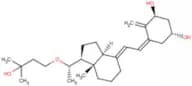
CAS:<p>Maxacalcitol (22-Oxacalcitriol) is a ligand of VDR-like receptors and a non-serum calcium vitamin D3 analogue.</p>Fórmula:C26H42O4Pureza:≥98%Forma y color:SolidPeso molecular:418.61Remogliflozin
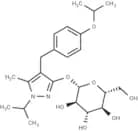
CAS:<p>Remogliflozin is an effective sodium-glucose transporter 2 inhibitor (Kis = 12.4 and 26 nM for human and rat SGLT2, respectively).</p>Fórmula:C23H34N2O7Forma y color:SolidPeso molecular:450.53Biotin-probe 1
<p>Biotin-probe 1 is a non-radiolabeled probe and can be applied to in situ hybridization.</p>Fórmula:C32H58N8O8SPureza:98%Forma y color:SolidPeso molecular:714.92Globotriaosylsphingosine
CAS:<p>Globotriaosylsphingosine is dramatically increased in plasma of classically affected male Fabry patients and plasma and tissues of Fabry mice. Globotriaosylsphingosine was shown to be an inhibitor of α-galactosidase A activity. Furthermore, exposure of smooth muscle cells, but not fibroblasts, to globotriaosylsphingosine at concentrations observed in plasma of patients promotes proliferation. It was suggested that measurement of circulating globotriaosylsphingosine would be useful to monitor Fabry disease and may contribute to a better understanding of the disorder.</p>Fórmula:C36H67NO17Pureza:Min. 95%Forma y color:PowderPeso molecular:785.91 g/molMethyl 4,6-O-benzylidene-3-O-(b-D-glucopyranoside)-a-D-glucopyranoside
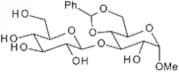
CAS:<p>Methyl 4,6-O-benzylidene-3-O-(b-D-glucopyranoside)-a-D-glucopyranoside is a synthetic oligosaccharide. It is an important building block of polysaccharides and glycoconjugates. This compound is used in the synthesis of complex carbohydrates, such as glycosylation, polysaccharides, and click modification. It can be custom synthesized for research purposes and has been shown to be high purity.</p>Fórmula:C20H28O11Pureza:Min. 95%Peso molecular:444.43 g/molSucrose cocoate
CAS:<p>Blend of sucrose esters with fatty acid esters from coconut oil used in Cosmetic industry applications.</p>Pureza:Min. 95%Tetragalacturonic acid
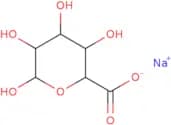
CAS:<p>Tetragalacturonic acid (α-1,4 galacturonotetraose) is derived from pectin or pectic acid by enzymatic or partial acid hydrolysis (Combo, 2012). It is used inâ¯galacturonic acidâ¯metabolism research as a substrate to identify, differentiate, and characterize endo- and exopolygalacturonase(s), and gluconase(s) (Jayani, 2005). The addition of very short fragments of homogalacturonan, tri-galacturonate, and tetra-galacturonate oligosaccharides restores development in dark-grown, de-etiolated seedling mutants, suggesting that they are unable to generate de-methylesterified pectin fragments. A model of spatiotemporally separated photoreceptive and signal-responsive cell types has been proposed, that contains overlapping subsets of the regulatory network of light-dependent seedling development (Sinclair, 2017).</p>Fórmula:C24H34O25Pureza:(%) Min. 95%Forma y color:White PowderPeso molecular:722.51 g/molAcarbose Impurity E
CAS:<p>Acarbose Impurity E is an impurity found in acarbose. It is a natural, API impurity and is a synthetic impurity standard. Acarbose Impurity E has been used in drug development research and development, as well as in the HPLC analysis of acarbose to generate a pharmacopoeia-grade purity standard.</p>Pureza:Min. 95%Neoagarooctaose
CAS:<p>Agarose is a polysaccharide found in red algae, typically Gelidium and Gracilaria. It is a strictly alternating polysaccharide of α-1,3 linked D-galactose and β-1,4 linked L-3,6 anhydrogalactose with occasional sulfation at position 6 of the anhydrogalactose residue. Agaro-oligosaccharides result from cleavage at galactose residues and neoagaro-oligosaccharides from cleavage at 3,6-anhydro residues. Neoagarooctaose is reported to have potential for novel cosmeceuticals.</p>Fórmula:C48H74O37Pureza:Min. 98 Area-%Forma y color:White PowderPeso molecular:1,243.08 g/molGlobotriose-sp-biotin
<p>Globotriose-sp-biotin is a custom synthesis that contains a fluorinated, methylated, and modified monosaccharide. It is a synthetic oligosaccharide with glycosylation at the reducing end. Globotriose-sp-biotin can be used in the modification of polysaccharides and complex carbohydrates to improve their bioactivity. This product has a CAS number of 127798-73-5 and is listed as an Oligosaccharide under Glycosylations in the Carbohydrate section.</p>Pureza:Min. 95%Forma y color:PowderSodium alginate, viscosity 300 - 600 mPa.s
CAS:<p>Sodium alginate is the sodium salt of a polysaccharide obtained from brown seaweeds. The main use for alginate is in textile printing as a thickener in the printing of cottons with reactive dyes. In the food industry it is used as a thickener and gelling agent. The chemical structure consists of blocks of (1,4) linked-β-D-polymannuronic acid (poly M), (1,4) linked-α-L-polyguluronic acid (poly G) and alternating blocks of the two uronic acids (poly MG).</p>Forma y color:PowderBlood Group B type II linear trisaccharide
CAS:<p>Core antigen fragment in ABO blood group system</p>Fórmula:C20H35NO16Pureza:Min. 95%Forma y color:PowderPeso molecular:545.49 g/molBlood group B trisaccharide 8-methoxycarbonyloctyl ester
CAS:<p>8-methoxycarbonyl ester of Gal-a1-3(Fuc-a1-2)Gal</p>Fórmula:C28H50O17Pureza:Min. 95%Forma y color:PowderPeso molecular:658.69 g/molHeparin derived disaccharide sodium salt
CAS:<p>Heparin derived disaccharide sodium salt is a salt form of heparin. It is a heterogenous mixture of low molecular weight compounds that are composed of sugar residues and sulfation. Heparin derived disaccharide sodium salt has been used for the treatment of thrombocytopenic purpura, thrombotic thrombocytopenic purpura, and other bleeding disorders. This drug also has been used to prevent blood coagulation in patients undergoing surgery.</p>Fórmula:C12H15NO19S3·Na4Pureza:Min. 95%Forma y color:PowderPeso molecular:665.4 g/molMethyl cellulose - viscosity 40000 cP
CAS:<p>Cellulose derivative, food thickener and emulsifier, bulk forming laxative</p>Pureza:Min. 95%Forma y color:PowderMethyl 2-hydroxyethyl cellulose
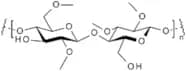
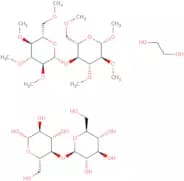
CAS:Producto controlado<p>Methyl 2-hydroxyethyl cellulose (MEC) is a synthetic substance that is used as a thickening and emulsifying agent in many products, including foods, pharmaceuticals, and cosmetics. MEC has been shown to inhibit the activity of certain enzymes, such as amylase, lipase, and protease. In addition to these properties, MEC is also known for its high degree of thermal stability and light resistance. This product can be used in a wide range of applications due to its versatility and low cost.</p>Fórmula:C34H66O24Pureza:Min. 95%Forma y color:White/Off-White SolidPeso molecular:858.87 g/molN-Acetylneuraminic acid hexamer disodium salt
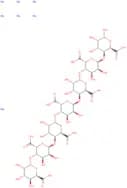
<p>N-Acetylneuraminic acid hexamer disodium salt is a custom synthesis of a fluorinated, methylated and acetylated N-acetylneuraminic acid. This molecule is an oligosaccharide with three sugar rings. It has been modified by click chemistry and glycosylation to create a complex carbohydrate. The CAS number for this compound is 156587-48-2.</p>Fórmula:C66H98N6O49Na6Pureza:Min. 95%Forma y color:White PowderPeso molecular:1,897.43 g/molLactose-PAA-biotin
<p>Lactose-PAA-biotin is a biotin linked to lactose by a polyacrylamide linker</p>Pureza:Min. 95%Forma y color:PowderTrehalose 6-octanoate
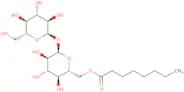
CAS:<p>Trehalose 6-octanoate is a modified form of trehalose that has been synthesized and fluorinated. It is a monosaccharide, which means it is one of the simplest forms of sugar. Trehalose 6-octanoate is an oligosaccharide, which means it is a sugar molecule made up of several smaller sugar molecules. This sugar can be modified to include methyl groups, making it a polysaccharide. Polysaccharides are complex carbohydrates that can often be found in plants or animals. Trehalose 6-octanoate is used in the modification of proteins and lipids for the production of pharmaceuticals and other products.</p>Fórmula:C20H36O12Pureza:Min. 95%Peso molecular:468.49 g/mol6'-Sialyllactose-BSA
<p>Sialyllactose-BSA is a complex carbohydrate that is used in the synthesis of saccharides. It has been modified with fluorination to create a 6'-sialyllactose-BSA, which is a monosaccharide. This product can be custom synthesized and it's purity is high. The product can be methylated or glycosylated, and it has been click-modified for fluorescence labeling.</p>Pureza:Min. 95%Forma y color:PowderPeso molecular:72,318 g/molLacto-N-neofucopentaose
<p>Neutral pentasasaccharide naturally present in human breast milk</p>Fórmula:C32H55NO25Pureza:Min. 90 Area-%Forma y color:PowderPeso molecular:853.77 g/molMonofucosyllacto-N-hexaose II
CAS:<p>Monofucosyllacto-N-hexaose II is a tetraol that is used as a reagent in the synthesis of enantioenriched and synthetically tetrasaccharidic products. Monofucosyllacto-N-hexaose II can be obtained by the reaction of Grignard reagents with glucose or by stereoselective reduction of an alpha, beta unsaturated ketone. The presence of the glucose residue in Monofucosyllacto-N-hexaose II makes it an acceptor for esterification reactions. This compound has chiral centers due to its two stereogenic centers at C2 and C3, which are both beta positions on the glucose residue. Monofucosyllacto-N-hexaose II also has a free hydroxyl group at C5 that can be esterified to produce chiral esters.</p>Fórmula:C46H78N2O35Pureza:Min. 95%Peso molecular:1,219.1 g/molGT3-Oligosaccharide
<p>GT3 oligosaccharide (free acid) is a disaccharide (Galβ1,4Glc) with three sialic acid residues (NeuAc) linked α2,8/α2,8/α2,3 to the galactose residue (Ledeen, 2009). The GT3 ganglioside is the carbohydrate moiety in the GT3 ganglioside, which is implicated in type 1 diabetes. GT3 ganglioside is expressed on pancreatic cells and is the target antigen of anti-GM3-antibodies, which contribute to the autoimmune destruction of pancreatic beta cells (Misasi, 1997). GT3 ganglioside is also abundant in lung tissues and the nervous system.</p>Fórmula:C45H70N3O35Na3Pureza:Min. 90%Forma y color:PowderPeso molecular:1,282.01 g/mol6-deoxy-6-mercapto-γ-cyclodextrin,octakis
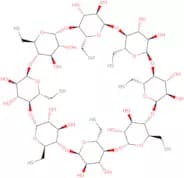
CAS:<p>6-Deoxy-6-mercapto-gamma-cyclodextrin, octakis (Methyl 6DG) is a novel and unique sugar with two methyl groups on the C6 hydroxyl position. It has been synthesized from glucose by a click modification reaction and can be used as an alternative to 6DG for the production of oligosaccharides and polysaccharides. The high purity of Methyl 6DG makes it suitable for use in analytical research, such as fluorescence resonance energy transfer measurements.</p>Fórmula:C48H80O32S8Pureza:Min. 95%Peso molecular:1,425.66 g/molLipid IVa
CAS:<p>Lipid IVA is a tetra-acylated precursor molecule of lipid A which is a component of lipopolysaccharides (LPS) on the outer membrane of gram-negative bacteria. On the innate immune cells of hosts there are toll-like receptor 4 (TLR4) and MD-2 which recognize LPS. This recognition event ultimately leads to the activation of NFκB which in turn results in pro-inflammatory cytokine production. Studies have suggested lipid A in Escherichia coli to be an agonist for both mouse and human TLR4, while lipid IVA can induce species specific TLR4 responses. For example for horse and mouse TLR4 and MD-2, Lipid IVA is an agonist where as it is an antagonist for TLR4 and MD-2 in humans.</p>Fórmula:C68H130N2O23P2Pureza:One Main SpotForma y color:White PowderPeso molecular:1,405.7 g/molD-Melibiose anhydrous
CAS:<p>D-Melibiose anhydrous is a disaccharide that is used as an excipient in the pharmaceutical industry. It has been shown to be an active enzyme, which may be due to its ability to sequester galactose. D-Melibiose anhydrous has a redox potential of -0.2 V, indicating that it has a high number of oxidizable groups. The molecular weight of this sugar is 324.14 g/mol, and it has a polarizability of 0.16 D, which classifies it as a polyol with hydrogen bonding properties. This sugar is not soluble in water but can be dissolved in ethanol or propylene glycol. D-Melibiose anhydrous also has carbohydrate properties and may be considered a sugar alcohol because it contains six carbon atoms and one oxygen atom.</p>Fórmula:C12H22O11Pureza:Min. 95%Forma y color:PowderPeso molecular:342.3 g/molChondroitin disaccharide di-6S
CAS:<p>Chondroitin disaccharide di-6S (CDD6S) is a synthetic, fluorinated oligosaccharide that is used for glycosylation and modification of proteins, polysaccharides, and other biomolecules. It has been shown to be effective in inhibiting the growth of cancer cells by targeting the sugar moiety on cell surface receptors. CDD6S has been modified with methyl groups at various positions on the sugar chain to increase its activity against certain cancers.</p>Fórmula:C14H21NO15SPureza:Min. 95%Peso molecular:475.38 g/molDifucosyl-para-lacto-N-hexaose II
CAS:<p>Difucosyl-para-lacto-N-hexaose II is a blood group oligosaccharide</p>Fórmula:C52H88N2O39Pureza:Min. 95%Forma y color:White Off-White PowderPeso molecular:1,365.25 g/molSafflor Yellow A
CAS:<p>Safflor Yellow A is a natural drug that has been shown to have hypoglycemic effects. It is a potent inhibitor of glucose-6-phosphatase and glucose-6-phosphate dehydrogenase, which are enzymes involved in the conversion of glucose to glycogen. Safflor Yellow A also inhibits neuronal death, as it blocks the enzyme activities that lead to neuronal cell death. This drug has also shown antitumor activity, as it induces apoptosis in tumor cells. Safflor Yellow A also has antihyperlipidemic effects and can be used for the treatment of coronary heart disease. Low doses of this drug have been shown to reduce systolic pressure in rats and improve blood coagulation. The mechanism of action for this drug is not yet known but may involve toll-like receptor 4 signaling pathways or polymerase chain reaction (PCR).</p>Fórmula:C27H30O15Pureza:Min. 95%Forma y color:PowderPeso molecular:594.52 g/molMaltotridecaose
CAS:<p>Maltotridecaose is a sugar alcohol with an acceptor group that can be introduced into a cavity in a molecule. It is a sweetener that has been shown to have oligosaccharide properties, which are the molecules that comprise dietary carbohydrates. Maltotridecaose can be found as an unlabeled ingredient in foods such as sugar-free chewing gum, chocolate, and ice cream. The debranching of maltotridecaose occurs by way of glucans and licheniformis.</p>Fórmula:C78H132O66Pureza:Min. 95%Forma y color:White/Off-White SolidPeso molecular:2,125.84 g/molChondroitin sulphate
CAS:<p>Chondroitin sulphate is an inhibitor that has been extensively studied in human and animal models. This active agent has been shown to have a protein inhibitory effect on epithelial cells, as well as an inhibitory effect on cell growth in Chinese medicine and Chinese medicinal plants. Chondroitin sulphate has been found to exhibit inhibitory activity against endothelial cells, which may be due to its ability to inhibit the nuclear translocation of NF-κB. This compound can be detected by liquid chromatography and has been shown to have a significant inhibitory effect on the proliferation of HepG2 cells. Overall, chondroitin sulphate shows great potential for use in healthcare products aimed at regulating cell growth and inflammation.</p>Pureza:ReportedForma y color:PowderHeparin derived dp6 saccharide ammonium salt
<p>Heparin derived dp6 saccharide ammonium salt is a glycosylation product of heparin. It is a synthetic glycosaminoglycan consisting of alternating units of N-acetylglucosamine and glucuronic acid. This compound is highly water soluble and has been shown to be stable at pH 3-7 for up to 6 hours. The compound has also been subjected to a number of modifications, including methylation, click modification, fluorination, saccharide modification, sugar modification, and oligosaccharide synthesis. The structural formula of this compound can be found in the Chemical Abstracts Service (CAS) number: 234764-56-2 with a molecular weight of 735.81 g/mol. Custom synthesis is available on request.</p>Pureza:Approx.75%Forma y color:PowderPeso molecular:~1800 (Average)L-Hexaguluronic acid hexasodium
CAS:<p>Please enquire for more information about L-Hexaguluronic acid hexasodium including the price, delivery time and more detailed product information at the technical inquiry form on this page</p>Fórmula:C36H50O37•Na6Pureza:Min. 95%Peso molecular:1,212.7 g/mol2-Acetamido-3-O-(2-acetamido-2-deoxy-b-D-glucopyranosyl)-2-deoxy-D-galactopyranose
CAS:<p>2-Acetamido-3-O-(2-acetamido-2-deoxy-b-D-glucopyranosyl)-2-deoxy-D-galactopyranose is a methylated, saccharide, Polysaccharide. It is a custom synthesis of a carbohydrate sugar. It is fluorinated to increase its bioavailability. 2 Acetamido 3 O 2 acetamido 2 deoxy b D glucopyranosyl 2 deoxy D galactopyranose has CAS No. 95673 98 6 and the molecular weight is 524.87 g/mol. It has a purity of >99% and comes in powder form.</p>Fórmula:C16H28N2O11Pureza:Min. 95%Forma y color:White PowderPeso molecular:424.4 g/molD-Maltose monohydrate
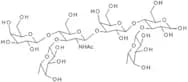
CAS:<p>Please enquire for more information about D-Maltose monohydrate including the price, delivery time and more detailed product information at the technical inquiry form on this page</p>Fórmula:C12H24O12Pureza:Min. 98 Area-%Forma y color:White PowderPeso molecular:360.31 g/molMan-3 Glycan, 2-AB labelled
<p>2-AB labeled core pentasaccharide found in most N-linked oligosaccharides. Purified from the oligosaccharide pool released from bovine serum by hydrazinolysis using a combination of HPLC and glycosidase digestion.</p>Pureza:Hplc.Forma y color:PowderLacto-N-neodifucohexaose
<p>Neutral difucosylated hexasasaccharide naturally present in human breast milk</p>Fórmula:C38H65NO29Pureza:Min. 75%Forma y color:PowderPeso molecular:999.93 g/molL-Heptaguluronic acid heptasodium
CAS:<p>Please enquire for more information about L-Heptaguluronic acid heptasodium including the price, delivery time and more detailed product information at the technical inquiry form on this page</p>Fórmula:C42H58O43•Na7Pureza:Min. 95%Peso molecular:1,411.81 g/mol3,6-Di-O-acetyl-4-O-(2,3,4,6-tetra-O-acetyl-b-D-galactopyranosyl)-D-glucal
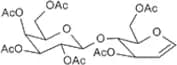
CAS:<p>3,6-Di-O-acetyl-4-O-(2,3,4,6-tetra-O-acetyl-b-D-galactopyranosyl)-D-glucal is a nacetyllactosamine that is structurally similar to the natural substrate for lactohexosaminidase. This compound inhibits the enzyme activity of this enzyme and other related enzymes. 3,6-Di-O-acetyl-4,6 D -glucal has been shown to inhibit endothelial cell growth in vitro. It also binds to the receptor on endothelial cells and blocks the signal pathways involved in cell growth. The glucose moiety of 3,6 Di O acetyl 4,6 D glucal inhibits lipases by binding to their active sites.</p>Fórmula:C24H32O15Pureza:Min. 95%Forma y color:White PowderPeso molecular:560.5 g/molDigalactosyldiacylglycerol - 10mg/ml in Chloroform-Methanol
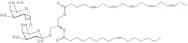
CAS:<p>In plants and algae, the two main galactolipids, monogalactosyldiacyglycerol (MGDG) and digalactosyldiacyglycerol (DGDG), are synthesized by galactosyltransferases in the plastid envelope. They have been linked to the anti-inflammatory and cancer benefits of a green leafy vegetable diet in humans due to their ability to regulate the levels of free radicals like nitric oxide (NO)</p>Fórmula:C51H84O15Pureza:Min. 95%Forma y color:PowderPeso molecular:937.2 g/mol


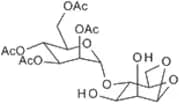
![Carbomethoxyethylthioethyl 4-O-(4-O-[6-O-{a-D-glucopyranosyl}-a-D-glucopyranosyl]-a-D-glucopyranos…](/_next/image/?url=https%3A%2Fstatic.cymitquimica.com%2Fproducts%2F3D%2Fthumb-webp%2FOC06493.webp&w=3840&q=75)
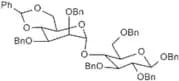
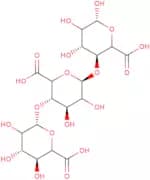




![Gal[2346Ac]b(1-3)GalN3[46Bzd]-b-MP](/_next/image/?url=https%3A%2Fstatic.cymitquimica.com%2Fproducts%2F3D%2Fthumb-webp%2FOG60597.webp&w=3840&q=75)