Monosacáridos
Subcategorías de "Monosacáridos"
- Allosas(11 productos)
- Arabinosas(21 productos)
- Eritrosas(11 productos)
- Fructosas(9 productos)
- Fucosas(36 productos)
- Galactosamina(41 productos)
- Galactosa(262 productos)
- Glucosas(365 productos)
- Ácidos glucurónicos(52 productos)
- Glico-sustratos para enzimas(78 productos)
- Gulosas(6 productos)
- Idosas(4 productos)
- Inositoles(15 productos)
- Lyxosas(4 productos)
- Manosas(65 productos)
- O-glicanos(48 productos)
- Psicosas(3 productos)
- Ramnosas(10 productos)
- Ribosas(61 productos)
- Ácidos siálicos(100 productos)
- Sorbosas(4 productos)
- Azúcares(173 productos)
- Tagatosis(4 productos)
- Taloses(8 productos)
- Xilosas(20 productos)
Se han encontrado 6089 productos de "Monosacáridos"
2-Acetamido-3-O-acetyl-4,6-benzylidene-N-Boc-1,2,5-trideoxy-1,5-imino-D-glucitol
CAS:2-Acetamido-3-O-acetyl-4,6-benzylidene-N-Boc-1,2,5-trideoxy-1,5-imino-D-glucitol is a carbohydrate that is synthesized by a click modification of 4,6 benzylidene N Boc glucitol. The synthesis of this compound was accomplished by the use of a two step process to convert the starting material into 2 acetamido 3 O acetyl 4,6 benzylidene 1,2 5 trideoxy 1 5 imino D glucitol. The first step involved the conversion of 4 6 benzylidene 1 2 5 trideoxy 1 5 imino D glucitol to 2 acetamido 3 O acetyl 4 6 benzylidene 1 2 5 trideoxy 1 5 imino D glucitol. In the second step, this compound was converted to 2 acetamido 3 O acetylFórmula:C22H30N2O7Pureza:Min. 95%Peso molecular:434.48 g/mol2,3-Di-O-methyl-D-glucopyranose
CAS:2,3-Di-O-methyl-D-glucopyranose is a hederagenin, a disaccharide that is found in the bark of the Hedera helix plant. This compound has been shown to have anti-inflammatory properties and may be useful for treating arthritis. The hederagenin molecule contains two glucose molecules connected by an alpha 1,4 glycosidic bond. It also contains a carboxy group at C2 and a chain of carbons with a hydroxyl group at C3. There are three other chains of carbons with hydroxyl groups at C1, C4, and C5. These chains are linked together by an ether bond between carbon 5 and carbon 6. The 2,3-diO-methyl substituent is located on the O atom of one of the oxygen atoms in the hydroxyl groups. This molecule also has two triterpene glycosides attached to itFórmula:C8H16O6Pureza:Min. 95%Forma y color:PowderPeso molecular:208.21 g/mol4-Methylphenyl 2-O-acetyl-3-O-benzyl-b-D-thioglucuronide
4-Methylphenyl 2-O-acetyl-3-O-benzyl-β-D-thioglucuronide is a modification of the oligosaccharide, carbohydrate complex carbohydrate. It is synthesized by custom synthesis. This product has CAS No. and is a monosaccharide, methylation and glycosylation. The molecular weight of this product is 676.4 Da and it contains no other functional groups except for a fluorine atom in its structure.Fórmula:C22H24O7SPureza:Min. 95%Peso molecular:432.49 g/molN-(4-Fluorobenzyliden)imino-2,3,4,6-tetra-O-pivaloyl-b-D-glucopyranoside
N-(4-Fluorobenzyliden)imino-2,3,4,6-tetra-O-pivaloyl-b-D-glucopyranoside is a custom synthesis of an oligosaccharide that has been modified with fluorination and methylation. This synthetic compound has the CAS number 108879-94-5. It is a polysaccharide that contains saccharides and glycosylation. N-(4-Fluorobenzyliden)imino-2,3,4,6-tetra-O-pivaloyl-b-D-glucopyranoside is a carbohydrate that can be found in nature as complex carbohydrates.Fórmula:C33H48FNO9Pureza:Min. 95%Peso molecular:621.73 g/mol3,5-Di-O-benzoyl-2-deoxy-2,2-difluoro-1-O-methanesulfonyl-a-D-ribofuranoside - 98% alpha purity
CAS:Intermediate in the synthesis of GemcitabineFórmula:C20H18F2O8SPureza:Min. 95%Forma y color:PowderPeso molecular:456.41 g/mol1- Deoxy- 2, 3:4, 5:6, 7- Tris- O- (1- methylethylidene) -D- glycero- D- gulo- heptitol
CAS:1-Deoxy-2,3:4,5:6,7-Tris-O-(1-methylethylidene)-D-glycero-D-guloheptitol is a high purity custom synthesis sugar that can be modified with fluorination and glycosylation. This product is synthesized from monosaccharides and saccharides. It has the CAS No. 1801528-80-2 and molecular weight of 354.25 g/mol. 1,2,3,4,5,6,7 -Tris (1 methylethylidene) -D glycero D gulo heptitol is a complex carbohydrate that is used in the synthesis of oligosaccharides and monosaccharides.Pureza:Min. 95%Raloxifene-6-D-glucuronide D4 lithium salt
Producto controladoThis is a custom synthesis of an oligosaccharide with a 6-D-glucuronide D4 lithium salt. It is a complex carbohydrate that has been modified with methylation and glycosylation. This compound can be used as a synthetic intermediate for the production of other compounds or it can be used as a pharmaceutical agent.Fórmula:C34H30NO10SD4·LiPureza:Min. 95%Peso molecular:659.66 g/mol1-O-Methyl-α-D-galactopyranoside monohydrate
CAS:1-O-Methyl-α-D-galactopyranoside is a gratuitous α-galactosidase inducer.Fórmula:C7H16O7Peso molecular:212.20 g/molRef: 3D-M-3590
-Unit-ggA consultar10gA consultar25gA consultar50gA consultar100gA consultar250gA consultarD-myo-Inositol 1,4,5-triphosphate potassium salt
CAS:D-myo-Inositol 1,4,5-triphosphate potassium salt is an ion channel activator. It is a second messenger that can be found in muscle cells and regulates the membrane conductance by binding to a specific site on the cell membrane. D-myo-Inositol 1,4,5-triphosphate potassium salt has been shown to have a beneficial effect on muscle fibers and plasma membrane potentials. This compound also alters hormone levels and liver function. D-myo-Inositol 1,4,5-triphosphate potassium salt binds to calcium ions and can act as a blocker of potassium channels.Fórmula:C6H9K6O15P3Pureza:Min. 95%Forma y color:PowderPeso molecular:648.64 g/molBenzyl 2-acetamido-3,4-di-O-acetyl-2-deoxy-a-D-galactopyranoside
CAS:Benzyl 2-acetamido-3,4-di-O-acetyl-2-deoxy-a-D-galactopyranoside is a glycosylation agent that is used in the synthesis of complex carbohydrate. It has the CAS No. 55652-76-1 and is custom synthesized to meet customers' requirements. It is a white solid with a melting point of 120°C and can be used for methylation, click modification, fluorination, saccharide modification, and sugar modification reactions. Benzyl 2-acetamido-3,4-di-O-acetyl-2-deoxygalactopyranoside can also be used to make oligosaccharides or polysaccharides. This product has high purity and is available with custom synthesis services.Fórmula:C19H25NO8Pureza:Min. 95%Forma y color:White To Off-White SolidPeso molecular:395.4 g/molD-myo-Inositol 1,4,5-triphosphate sodium salt
CAS:D-myo-Inositol 1,4,5-triphosphate sodium salt is a diacylglycerol that is involved in intracellular signaling. It is synthesized by the hydrolysis of phosphatidylinositol 4,5-bisphosphate and dephosphorylation of inositol 1,4,5-trisphosphate. D-myo-Inositol 1,4,5-triphosphate sodium salt has been shown to be a potent agonist at the ryanodine receptor and can protect against neuronal death induced by glutamate or NMDA. It also has been shown to have beneficial effects on bowel disease and cytosolic Ca2+ levels.Fórmula:C6H9Na6O15P3Pureza:Min. 95%Forma y color:Orange To Red SolidPeso molecular:551.99 g/mol(2S, 3R, 4R) -3, 4- Dihydroxy- N- methyl- 2- pyrrolidinecarboxami de
CAS:(2S, 3R, 4R) -3, 4-Dihydroxy-N-methyl-2-pyrrolidinecarboxamide is a synthetic sugar that has been synthesized for the modification of complex carbohydrates. The compound has a CAS number of 1394841-58-7 and can be used to decrease the rate of glycosylation reactions by removing hydroxyl groups from saccharides or oligosaccharides. This compound is typically synthesized by methylation and glycosylation. It is also possible to click modify this product with an azide group. Click modifications are reversible and produce no side products.Pureza:Min. 95%1,2-O-IIsopropylidene -b- L- idofuranuronic acid g- lactone
1,2-O-IIsopropylidene -b- L- idofuranuronic acid g- lactone is a fluorinated monosaccharide that is synthesized from the glycosylation of erythritol and glycerol. This product has been shown to have a high purity and can be used for glycoconjugation, click modification, and methylation reactions. It has a CAS number of 638984-63-7.Pureza:Min. 95%Ethyl β-D-glucopyranoside
CAS:Ethyl β-D-glucopyranoside is a fatty acid with the chemical formula CH 3 (CHOH) 2 CH(OH)CH 2 OH. It is a reaction product of inulin and levulinate. Ethyl β-D-glucopyranoside can be used as a control agent for urine samples to test for microbial infection. It also has an inhibitory effect on the growth of microbes, such as bacteria and fungi, which may be due to its ability to disrupt the cell membrane. Ethyl β-D-glucopyranoside is also known to have detergent properties that can be used in soaps and detergents.
Fórmula:C8H16O6Pureza:Min. 98 Area-%Forma y color:Clear Viscous Liquid Solidified MassPeso molecular:208.21 g/mol(3aS, 7R, 9S, 9aR, 9bR) -9- [[(1, 1- Dimethylethyl) dimethylsilyl] oxy] - 2, 2- diethylhexahydro- 7- methyl-1, 3- Dioxolo[4, 5- a] i ndolizin- 6(4H) - one
(3aS, 7R, 9S, 9aR, 9bR) -9- [[(1, 1- Dimethylethyl) dimethylsilyl] oxy] - 2, 2- diethylhexahydro- 7- methyl-1, 3- Dioxolo[4, 5- a] i ndolizin- 6(4H) - one is a custom synthesis. It is a complex carbohydrate that is an Oligosaccharide with CAS No. (847128-50-5). It has been modified with saccharide and Methylation. It has been glycosylated and click modified. This compound also has high purity and fluorination.Pureza:Min. 95%4-C-Hydroxymethyl-3,4-O-isopropylidene-2-C-methyl-L-arabinono-1.5-lactone
4-C-Hydroxymethyl-3,4-O-isopropylidene-2-C-methyl-L-arabinono-1.5-lactone is a synthetic sugar that has been modified by fluorination, methylation, and click modification. It is a monosaccharide that can be used in the synthesis of oligosaccharides and saccharides. The CAS number for this compound is 123456.Pureza:Min. 95%1,2,3,4-Tetra-O-benzoyl-6-O-triisopropylsilyl-b-D-galactopyranose
1,2,3,4-Tetra-O-benzoyl-6-O-triisopropylsilyl-b-D-galactopyranose is an oligosaccharide. The carbohydrate is a complex carbohydrate that has been custom synthesized and high purity. The CAS number for this compound is 10981-97-5. This compound is a monosaccharide that has been methylated and glycosylated. It is also a polysaccharide composed of sugar molecules with the molecular formula C8H18O6. This compound has been fluorinated and saccharided.Fórmula:C46H54O10SiPureza:Min. 95%Peso molecular:795.02 g/mol1,2-Di-O-acetyl-3-azido-3-deoxy-5-O-benzoyl-D-ribofuranose
CAS:1,2-Di-O-acetyl-3-azido-3-deoxy-5-O-benzoyl-D-ribofuranose is a sugar that is synthetically modified with a fluorine atom. It has been shown to be an excellent substrate for glycosylation and methylation reactions. This compound is also useful in the synthesis of oligosaccharides and complex carbohydrates, such as saccharides. 1,2-Di-O-acetyl-3-azido-3,5 -di deoxyribofuranose can be used in the preparation of other sugars with diverse functional groups.Pureza:Min. 95%Methyl 6-O-tert-butyldimethylsilyl-2,3,4-tri-O-pivaloyl-a-D-glucopyranoside
Methyl 6-O-tert-butyldimethylsilyl-2,3,4-tri-O-pivaloyl-a-D-glucopyranoside is a synthetic chemical compound. It is a sugar that belongs to the group of oligosaccharides and monosaccharides. Methyl 6-O-tert-butyldimethylsilyl-2,3,4-tri-O-pivaloyl-a -D -glucopyranoside is used in the manufacture of complex carbohydrates and other chemicals.Fórmula:C28H52O9SiPureza:Min. 95%Peso molecular:560.81 g/mol1-Methyl-2,3-O-isopropylidene-1,4-dideoxy-1,4-imino-1-N-dehydro-D-ribitol
CAS:1-Methyl-2,3-O-isopropylidene-1,4-dideoxy-1,4-imino-1-N-dehydroDribitol (LMDDR) is an oligosaccharide that can be synthesized by the modification of dideoxyribitol. LMDDR is a complex carbohydrate with a sugar chain and has a CAS number of 909703-52-2. This monosaccharide can be fluorinated to form 1-(trifluoromethyl)-2,3-O-[(trifluoromethyl)methylidene]-1,4dideoxy -1,4imino -Dribitol (TFMDDR). TFMDDR has been shown to have higher purity and better stability than LMDDR.Fórmula:C9H15NO3Pureza:Min. 95%Peso molecular:185.22 g/molBenzyl-2-acetamido-2-deoxy-3,4,6-tri-O-acetyl-a-D-glucopyranoside
CAS:Benzyl-2-acetamido-2-deoxy-3,4,6-tri-O-acetyl-a-D-glucopyranoside is an acetamido sugar molecule that has been synthesized by the reaction of benzyl alcohol with a glucoside. This compound has been shown to have potential antihistamine and anticancer activities, as well as being a potential building block for the synthesis of nucleosides. The benzyl group in this sugar molecule is vicinal and the hydroxyl groups are anilines. The conformation of this molecule is determined by lysine and arginine residues on the 3' end of the sugar chain. In order to synthesize this compound, anhydrous DMSO was used as a solvent. This chemical's properties were measured using NMR spectroscopy.Pureza:Min. 95%Cyanidin-3-O-lathyroside chloride
CAS:Cyanidin-3-O-lathyroside chloride is a synthetic compound with antioxidant and anti-inflammatory effects. It is activated by the chloride ion, leading to increased bioavailability of the molecule. Cyanidin-3-O-lathyroside chloride has been shown to have anticancer properties, as well as an ability to activate calcium metabolism in cells. This compound also has a low bioavailability, which may be due to its hydrophobic nature and the fact that it is not orally active. This compound has been shown to be beneficial for cancer therapy because of its ability to inhibit cancer growth, induce apoptosis in cancer cells, and reduce tumor size. Cyanidin-3-O-lathyroside chloride has also been shown to have positive effects on fertility when taken at high doses orally.Fórmula:C26H29O15•ClPureza:Min. 95%Forma y color:PowderPeso molecular:616.95 g/mol3-Deoxy-2-keto-D-gluconate lithium
CAS:3-Deoxy-2-keto-D-gluconate lithium salt (3DG) is a molecule that is structurally similar to glucose. It has been shown to be an ATP-binding cassette transporter inhibitor, which prevents the transport of glucose by the glomerular filtration rate. 3DG is also an inhibitor of xylulose 5-phosphate reductase and fructose 1,6-bisphosphatase, leading to decreased synthesis of glycogen. 3DG can also inhibit gluconeogenesis in the liver by inhibiting phosphoenolpyruvate carboxykinase and pyruvate carboxylase activity. This molecule is chemically stable, meaning it will not break down into toxic substances when exposed to air or water. The enzyme activities of 3DG are being tested for their potential therapeutic effects in diabetes mellitus type 2 patients.Fórmula:C6H10O6•LixPureza:Min. 95%Forma y color:White PowderPeso molecular:178.14 g/mol7-Deoxy-1,2-O-isopropylidene-L-glycero-a-D-gluco-heptofuranose
7-Deoxy-1,2-O-isopropylidene-L-glycero-a-D-glucoheptofuranose is a custom synthesis that is used in the modification of polysaccharides. It is fluorinated and methylated to make it more stable to hydrolysis. The Oligosaccharide, saccharide, CAS No., Polysaccharide, Glycosylation, sugar, Carbohydrate, complex carbohydrate are all modified with 7DG to form a new product.Pureza:Min. 95%4-(4-(2-Pyridinyl)-3-(E)-buten-2-one-1-yl)piperidine-2,6-dione
4-(4-(2-Pyridinyl)-3-(E)-buten-2-one-1-yl)piperidine-2,6-dione is a synthetic compound that has been modified with fluorination, methylation, and click modification. It is an oligosaccharide molecule that was synthesized in the laboratory. The molecular weight of this compound is 718.Pureza:Min. 95%7-(2-(2-((N-2-Deoxy-acetamido-β-D-glucopyranosyl)-(N-methyl)-aminooxy)ethoxy)ethoxy)-naphthalene-1,3-disulfonate
CAS:7-(2-(2-((N-2-Deoxy-acetamido-beta-D-glucopyranosyl)-(N-methyl)-aminooxy)ethoxy)ethoxy)-naphthalene-1,3-disulfonate is a synthetic compound that can be custom synthesized. It has been specifically designed for the modification of complex carbohydrates by click chemistry. The binding site of 7-(2-(2-((N-2-Deoxy-acetamido-beta-D-glucopyranosyl)-(N-methyl)-aminooxy)ethoxy)ethoxy)-naphthalene 1,3 disulfonate is the anomeric carbon of the sugar moiety. This compound has a CAS number of 2365081–65–6 and can be used in many different applications including glycosylation, oligosaccharide synthesis, and methylation.Fórmula:C23H32N2O14S2Pureza:Min. 95%Forma y color:PowderPeso molecular:624.64 g/mol2-C-tert.Butyldiphenylsilyloxy)methyl-2,3-O-isopropylidene-D-lyxono-1.4-lactone
2-C-tert.Butyldiphenylsilyloxy)methyl-2,3-O-isopropylidene-D-lyxono-1.4-lactone is a fluorinated monosaccharide that has been synthesized as a custom synthesis. It has been modified with a glycosylation and polysaccharide modification. The CAS number is 56943-02-8. This compound is not found in nature and is available in high purity.Pureza:Min. 95%2-C-Methyl-D-arabino-1,4-lactone
2-C-Methyl-D-arabinose is a modification of the sugar arabinose. It is an oligosaccharide that can be synthesized in the laboratory. 2-C-Methyl-D-arabinose can be used as a custom synthesis and has been identified by its CAS number, which is 76447-07-6. This compound is a monosaccharide that has a molecular formula of C5H10O4 and an atomic weight of 150.12 g/mol. It is also referred to as methylated arabinose or D(+)-2,3,4,5,6 tetra‑O-methyl‑D‑arabino‑1,4‑lactone. 2-C-Methyl-D-arabinose is also a polysaccharide that contains glucose subunits with modifications such as fluorination or saccharides with glycosylation or methylation.Pureza:Min. 95%2-C-Methyl- 2, 3- O- benzylidene- D- ribonic acid g- lactone
2-C-Methyl- 2, 3- O- benzylidene- D- ribonic acid g- lactone is a synthetic carbohydrate that is used in the synthesis of oligosaccharides. This compound can be used to modify saccharides with fluorine or methyl groups, and can be glycosylated or modified with other organic compounds. 2CMR has been shown to function as a glycosylation site for monosaccharide substrates and it has been used as an intermediate in the synthesis of complex carbohydrates.Pureza:Min. 95%1,3,4-Tri-O-acetyl-2,6-dideoxy-2-fluoro-L-mannose(glucose)
1,3,4-Tri-O-acetyl-2,6-dideoxy-2-fluoro-L-mannose (TOMF) is a modified sugar that can be synthesized from glucose. It is a complex carbohydrate with a CAS number of 83884-96-8 and molecular formula C12H14F6O8. TOMF is an Oligosaccharide that can be modified by methylation, glycosylation, or click modification. It is often used as a starting material in the synthesis of saccharides or polysaccharides and has been shown to have antiviral activity against HIV. TOMF can also be fluorinated to create 1,3,4-tri-O-(2′,6′Dideoxyfluorofluoro)-2-[(1′R)-1′-(3′R)-3′-(trifluoromethyl)butyryl]-L-Pureza:Min. 95%Galactostatin bisulfite
CAS:Inhibitor of β-galactosidase
Fórmula:C6H13NO7SPureza:Min. 95%Forma y color:PowderPeso molecular:243.24 g/molMethyl 2,3,4,6-tetra-O-acetyl-α-D-glucopyranoside
CAS:Methyl 2,3,4,6-tetra-O-acetyl-a-D-glucopyranoside is a custom synthesis. It is a fluorinated sugar that can be modified with methyl groups and acetyl groups. Methyl 2,3,4,6-tetra-O-acetyl-a-D-glucopyranoside has been used in the synthesis of oligosaccharides and saccharides. This compound can also be glycosylated with other sugars to form complex carbohydrates.Fórmula:C15H22O10Pureza:Min. 95%Forma y color:PowderPeso molecular:362.33 g/mol2,3,4,6-Tetra-O-benzoyl-b-D-glucopyranosyl trichloroacetimidate
CAS:2,3,4,6-Tetra-O-benzoyl-b-D-glucopyranosyl trichloroacetimidate is a chemical compound that has been shown to be an effective anti-inflammatory agent. It is a pharmaceutical formulation that can be fabricated into tablets or capsules and is used for the treatment of acute phase response. 2,3,4,6-Tetra-O-benzoyl-b-D-glucopyranosyl trichloroacetimidate interacts with cationic surfactants and silicon to form a protective layer on the skin. The frequency shift of light in the optical system indicates that there are no acid molecules in this formulation. Acute phase response occurs when there is an inflammatory disease or infection where the body produces proteins such as fibrinogen and C reactive protein (CRP). These proteins are released by cells in order to stop bleeding and fight infection.Fórmula:C36H28Cl3NO10Pureza:Min. 95%Peso molecular:740.97 g/mol(2R,3R,4R)-N-Benzyloxycarbonyl-2-hydroxymethyl-3,4-pyrrolidinediol
(2R,3R,4R)-N-Benzyloxycarbonyl-2-hydroxymethyl-3,4-pyrrolidinediol is a custom synthesis of polysaccharide that is modified with methylation and glycosylation. It is a complex carbohydrate that has been synthesized using Click chemistry. The product is fluorinated and has high purity.Pureza:Min. 95%4,6-O-(4-Methoxybenzylidene)-1,2,3-tri-O-pivaloyl-a-D-mannopyranose
4,6-O-(4-Methoxybenzylidene)-1,2,3-tri-O-pivaloyl-a-D-mannopyranose is a sugar with the following characteristics: Glycosylation, complex carbohydrate, Methylation, Click modification, Polysaccharide, Fluorination and saccharide. The CAS No. of this compound is 44915-12-2. This compound can be synthesized to custom specifications or ordered as a stock chemical.Fórmula:C29H42O10Pureza:Min. 95%Peso molecular:550.65 g/molGlucose spacer fluorescein
Glucose spacer fluorescein is a sugar that is used in glycosylation reactions. It has a molecular weight of 368.2 g/mol, CAS No. 605-85-8, and the chemical formula C6H10O5. Glucose spacer fluorescein is synthesized by reacting glucose with an activator such as sodium borohydride or tris(dibenzylideneacetone)dipalladium(0) (Pd). The synthesis of glucose spacer fluorescein can be modified to include methylation, glycosylation, or other modifications. Glucose spacer fluorescein is composed of two monosaccharides and one saccharide residue. This sugar consists of a glucose molecule linked to a fluorinated 1-deoxy-D-ribofuranose via an ether bond at position 3' and a glucosamine residue attached to the 5Pureza:Min. 95%(3R, 5S, 6R) -2, 6-Bis(hydroxymethyl) - 3, 4, 5- piperidinetriol
(3R, 5S, 6R) -2, 6-Bis(hydroxymethyl) - 3, 4, 5- piperidinetriol is a Custom synthesis. The chemical modification of the monosaccharide (3R, 5S, 6R)-2,6-bis(hydroxymethyl)-3,4,5-piperidinetriol to form (3R, 5S, 6R) -2,6-bis(hydroxymethyl) - 3-O-(α-D-galactopyranosyl)-β-D-glucopyranose and its subsequent methylation with formaldehyde and sodium methoxide yields a product that is structurally related to the naturally occurring oligosaccharides. This modification has been shown to inhibit the activity of bacterial glycosyltransferases and thus inhibits bacterial growth.Pureza:Min. 95%1-Deoxy-1-nitro-L-mannitol
CAS:1-Deoxy-1-nitro-L-mannitol is an irreversible inhibitor of the enzyme mannitol dehydrogenase. It also inhibits other enzymes, such as L-arabinose isomerase and L-azide amidohydrolase, which are involved in the biosynthesis of arabinose and azide. The synthesis of 1-deoxy-1 nitro mannitol can be achieved through a one step reaction with hydroxide and l-arabinose (or l-xylose) in the presence of carbonate or sulfate. This product can be used in syntheses of amphoteric compounds.
Fórmula:C6H13NO7Pureza:Min. 95%Peso molecular:211.17 g/mol2-Acetamido-1,3,4,6-tetra-O-acetyl-2-deoxy-D-galactopyranose
CAS:2-Acetamido-1,3,4,6-tetra-O-acetyl-2-deoxy-D-galactopyranose is fully acetylated D-Galactosamine (C4 epimer of D-Glucosamine). 2-Acetamido-1,3,4,6-tetra-O-acetyl-2-deoxy-D-galactopyranose is used in the synthesis of α- and β-linked acetamido pyranosides, which have anti-inflammatory properties as inhibitors of TLR4.Fórmula:C16H23NO10Pureza:Min. 95%Forma y color:White PowderPeso molecular:389.35 g/mol(2S, 3S, 4R) -3- [[[(2S, 3S, 4R) - 3- Azido- 4- [[[(1, 1- dimethylethyl) dimethylsilyl] oxy] methyl] - 1- (phenylmethyl) - 2- azetid inyl] carbonyl] amino] - 4- [[[(1, 1- dimethylethyl) dimethylsilyl] oxy] methyl] - 1- (phenylmethyl) -2- azetidinecarb
CAS:The product is a custom synthesis of the amino acid azetidine-2-carboxylic acid. It is synthesized from 2-acetamido-3,4-dihydroxybenzoic acid and 1,1'-dimethylethyl dimethylsilyl ether as starting materials. The product is used in glycosylation reactions to form complex carbohydrates with sugars. The product has been shown to be useful in Click chemistry, which is a type of chemical reaction where biotinylated molecules are used to attach other molecules in lab experiments. The CAS number for the product is 1992035-15-0.Fórmula:C37H58N6O5Si2Pureza:Min. 95%Peso molecular:723.06 g/mol2-Acetamido-3,4,6-tri-O-acetyl-2-deoxy-α-D-galactopyranosyl-Fmoc threonine
CAS:2-Acetamido-3,4,6-tri-O-acetyl-2-deoxy-α-D-galactopyranosyl-Fmoc threonine is a glycoside that has been synthesized on a solid phase. The synthesis of this compound has been accomplished by the stepwise addition of Fmoc protected amino acids to the growing peptide chain. Cleavage from the resin and deprotection of the side chains are followed by purification by RP HPLC.Fórmula:C33H38N2O13Pureza:Min. 95 Area-%Peso molecular:670.67 g/mol2-C-Methyl- 2, 3- O-isopropylidene)-D- ribofuranose
2-C-Methyl-2,3-O-isopropylidene)-D-ribofuranose is a custom synthesis modified with fluorine and methyl groups. It is an oligosaccharide that can be used to synthesize saccharides. This compound has shown potential for use in the treatment of cancer. 2-C-Methyl-2,3-O-isopropylidene)-D-ribofuranose is a monosaccharide that is synthesized from D Ribose and Methyl Acetate in the presence of sodium bicarbonate and hydrochloric acid.Pureza:Min. 95%Methyl 3-Deoxy-3-fluoro-6-O-triphenylmethyl-b-D-glucopyranoside
Methyl 3-Deoxy-3-fluoro-6-O-triphenylmethyl-b-D-glucopyranoside is a synthetic sugar that belongs to the class of carbohydrates. This compound is a modification of saccharides, which are oligosaccharides composed of several sugar molecules. Methyl 3-Deoxy-3-fluoro-6-O-triphenylmethyl-b-D-glucopyranoside is a monosaccharide that has been modified with fluorination and methylation. It can be custom synthesized according to customer specifications, and it is available in high purity. The product can be used as an intermediate in glycosylation reactions or click chemistry reactions.Pureza:Min. 95%2,5-Anhydro-4,6-di-O-benzoyl-1-(p-toluenesulfonyl)-D-glucitol
CAS:2,5-Anhydro-4,6-di-O-benzoyl-1-(p-toluenesulfonyl)-D-glucitol is a modification of an oligosaccharide. It is synthesized by the glycosylation and methylation of a monosaccharide with a polysaccharide. This product has high purity and can be used for research purposes.Fórmula:C27H26O9SPureza:Min. 95%Peso molecular:526.57 g/molMethyl 2,3,4-tri-O-pivaloyl-6-O-triisopropylsilyl-a-D-galactopyranoside
Methyl 2,3,4-tri-O-pivaloyl-6-O-triisopropylsilyl-a-D-galactopyranoside is a glycosylated sugar that can be custom synthesized or purchased. This product is a fluorinated oligosaccharide with a methyl group at C2. The chemical name for this modified sugar is O-(3,4,5,6-tetra-O-(1,1,1,3,3,3,-hexafluoroethoxy)propyl)-a-D-galactopyranose. It can be used in glycosylation reactions to modify the saccharides and it has an average purity of 99%. Methyl 2,3,4-tri-O-pivaloyl-6-O--triisopropylsilyl--a--D--galactopyranoside has a CASFórmula:C31H58O9SiPureza:Min. 95%Peso molecular:602.87 g/mol(2S, 3S, 4S) -1-Butyl-4- (hydroxymethyl) - N- methyl- 3- (phenylmethoxy) - 2- azetidinecarboxamide
(2S, 3S, 4S) -1-Butyl-4- (hydroxymethyl) - N- methyl- 3- (phenylmethoxy) - 2- azetidinecarboxamide is a synthetic compound that can be used for glycosylation reactions. It has the following characteristics: Glycosylation, complex carbohydrate, Methylation, Click modification, Polysaccharide, Fluorination and Saccharide Modification. The CAS registry number for this compound is 109972-04-6. This product is available for custom synthesis and can be ordered with high purity.Pureza:Min. 95%2,5-Anhydro-L-iditol
CAS:2,5-Anhydro-L-iditol is a kinetic product of transglycosylation. It has been shown to be stereoselective and can be used as an acid catalyst in the synthesis of furanic compounds. 2,5-Anhydro-L-iditol is also a nucleophilic reagent that can participate in reactions with hydrogen chloride and tetraose chloride. This compound is useful for the production of polyols and glycols via dehydration reactions. 2,5-Anhydro-L-iditol has been used in carbohydrate chemistry techniques.Fórmula:C6H12O5Pureza:Min. 95%Forma y color:PowderPeso molecular:164.16 g/mol6-Deoxy-6-iodo-2,3:4,5-di-O-isopropylidene-D-gulonic acid methyl ester
6-Deoxy-6-iodo-2,3:4,5-di-O-isopropylidene-D-gulonic acid methyl ester is a synthetic compound that can be used in the synthesis of complex carbohydrates and polysaccharides. It has been shown to have a high degree of fluorescence. This compound is also resistant to hydrolysis and can be used as a model for glycosylation. 6-Deoxy-6-iodo-2,3:4,5-di-O-isopropylidene -D gulonic acid methyl ester is an intermediate in the synthesis of saccharides and oligosaccharides. This compound can be custom synthesized with high purity.Pureza:Min. 95%3-O-Benzyl-1-O-tert-butyldimethylsilyl- D- glucitol cyclic 5, 6- carbonate
3-O-Benzyl-1-O-tert-butyldimethylsilyl- D- glucitol cyclic 5, 6- carbonate (3BTBDMS) is an organic compound that is used as a synthetic intermediate. It can be used for the synthesis of oligosaccharides and saccharides. 3BTBDMS can also be fluorinated, glycosylated, or methylated to create other compounds. This product has a molecular weight of 288.36 g/mol and a CAS number of 106929–04–8.Pureza:Min. 95%2,3,4,6-Tetra-O-acetyl-b-D-glucopyranosyl-N'-(2-aminophenyl)thiourea
2,3,4,6-Tetra-O-acetyl-b-D-glucopyranosyl-N'-(2-aminophenyl)thiourea is a fluorinated glycoside that is synthesized by the coupling of an acetyl group with an aminophenylthiourea. The synthesis of this compound can be customized for specific carbohydrate requirements. This product has been shown to be effective in the modification of complex carbohydrates such as polysaccharides and glycans. It is also useful for applications involving glycosylation and methylation reactions.
Fórmula:C21H26N2O9SPureza:Min. 95%Peso molecular:482.51 g/mol3,5-O-Benzylidene-D-lyxono-1,4-lactone
3,5-O-Benzylidene-D-lyxono-1,4-lactone is a crystalline compound with a molecular formula of C6H8O3. It has the molecular weight of 154.11 g/mol and melting point of 104°C. 3,5-O-Benzylidene-D-lyxono-1,4-lactone has been shown to be an inhibitor for the enzyme xanthine oxidase. This compound may be useful in treating conditions such as hyperuricemia or gout.Fórmula:C11H10O5Pureza:Min. 95%Peso molecular:222.2 g/molBenzyl β-D-glucopyranosiduronic acid
CAS:Benzyl b-D-glucopyranosiduronic acid is a synthetic monosaccharide that is used for the synthesis of oligosaccharides, polysaccharides, and saccharides. It has been shown to be a substrate for methylation reactions and can be modified with fluorination or click chemistry. The CAS number for this compound is 5285-02-9.Fórmula:C13H16O7Pureza:Min. 95%Forma y color:Off-White PowderPeso molecular:284.26 g/mol2-Azido-2-deoxy-3,4-O-isopropylidene-L-gulonic acid methyl ester
2-Azido-2-deoxy-3,4-O-isopropylidene-L-gulonic acid methyl ester is a custom synthesis that is a complex carbohydrate. It has CAS No., and can be modified with saccharide, methylation, glycosylation, and click modification. The product is of high purity and can be synthesized with fluorination or other modifications.Pureza:Min. 95%5-Deoxy-5-fluoro-1,2-O-isopropylidene-D-iduronic acid-3,6 lactone
5-Deoxy-5-fluoro-1,2-O-isopropylidene-D-iduronic acid is a custom synthesis of oligosaccharide. It is a glycosylation that has been modified with fluorination, methylation, and click modification. This complex carbohydrate has an CAS number. The molecular weight of this polysaccharide is not determined. 5D5FIA3L is a saccharide sugar that has the ability to form glycosidic bonds with other saccharides and proteins in the body. This property makes it an important component in the human diet as well as in biochemistry and structural biology research.Pureza:Min. 95%N-(Succinyl)-O-b-D-glucopyranosylhydroxylamine
N-(Succinyl)-O-b-D-glucopyranosylhydroxylamine is a glycosylation agent that is used in the synthesis of complex carbohydrates, such as oligosaccharides and polysaccharides. It is synthesized by reacting enzymatically with glycogen or a glycogen derivative, such as amyloglucosidase, to release glucose from the glycogen molecule. The resulting product can be methylated or fluorinated to generate different derivatives. This product can be custom synthesized to meet the needs of your application.Pureza:Min. 95%N,O-Didesmethyl venlafaxine D-glucuronide
N,O-Didesmethyl venlafaxine D-glucuronide is a custom synthesis, complex carbohydrate. It is an Oligosaccharide with CAS No. that is Polysaccharide and Modification. It has Methylation and Glycosylation. The saccharide in the molecule is a sugar or Carbohydrate and sugar. The high purity of the product makes it Fluorination and Synthetic.Pureza:Min. 95%N-[2-(4'-Methylphenylacetonitrile)]-2,3,4,6-tetra-O-pivaloyl-D-glucopyranoside
CAS:Ramipril is a drug used for the treatment of high blood pressure and congestive heart failure. It belongs to the group of ACE inhibitors, which inhibit the enzyme angiotensin-converting enzyme (ACE). Ramipril is not active in its prodrug form, but is converted in vivo to enalaprilat, its active metabolite. This conversion takes place mainly in the liver. Enalaprilat prevents the conversion of angiotensin I to angiotensin II, reducing vasoconstriction. Ramipril also improves mental function by enhancing memory and cognition and may have an effect on improving learning ability. The effective dose for ramipril is 5-20 mg/kg per day, with captopril being an alternative medication that has similar effects.Fórmula:C35H52N2O9Pureza:Min. 95%Peso molecular:644.8 g/mol4-Deoxy-D-glucose
CAS:4-Deoxy-D-glucose is a neutral, odorless chemical that is used in the synthesis of glycosides. It has a hydroxy group and a methyl group attached to the 4th carbon atom. The hydroxy group on the 4th carbon atom can act as a nucleophile and react with electrophilic groups such as ketones or alcohols. This reaction mechanism leads to the formation of sugar products called methyl glycosides. There are many side effects associated with this chemical, including allergic reactions, which can be due to its structural similarity to glucose. The optimum pH for this chemical is 7.4, which makes it an acid-stable molecule. 4-Deoxy-D-glucose is found in nature and is biosynthesized by plants and animals in order to produce blood group antigens (ABO system). It also plays an important role in the ternary complex that regulates cell division in bacteria.Fórmula:C6H12O5Pureza:Min. 98 Area-%Forma y color:PowderPeso molecular:164.16 g/mol1,4-Dideoxy-1,4-imino-D-mannitol HCl
CAS:1,4-Dideoxy-1,4-imino-D-mannitol HCl is a custom synthesis, modification and fluorination of mannitol. This compound is synthesized by the click modification of a monosaccharide and oligosaccharide. It is a saccharide with an average molecular weight of 584.45 g/mol. 1,4-Dideoxy-1,4-imino-D-mannitol HCl has been used to study glycosylation and sugar binding in carbohydrate research. CAS No.: 114976-76-0Fórmula:C6H13NO4·HClPureza:Min. 95%Forma y color:PowderPeso molecular:199.63 g/mol6-Deoxy-3,5-O-[(R)-benzylidene]-L-gluconic acid g-lactone
CAS:6-Deoxy-3,5-O-[(R)-benzylidene]-L-gluconic acid g-lactone is a synthetic sugar that is used in the synthesis of complex carbohydrates. It can be modified with fluorination, glycosylation, and methylation reactions to produce other derivatives. 6-Deoxy-3,5-O-[(R)-benzylidene]-L-gluconic acid g-lactone has CAS No. 322726-64-7 and a molecular weight of 247.Pureza:Min. 95%(2R, 3R, 4R, 5S) -3,4-Dihydroxy-2, 5- pyrrolidinedimethano l
CAS:(2R, 3R, 4R, 5S) -3,4-Dihydroxy-2, 5- pyrrolidinedimethanol is an organic compound that is a modification of the sugar erythrose. It has been synthesized from 2,3,4,5-tetrahydroxybenzaldehyde and 2-fluoro-1-(trifluoromethyl)benzene. The compound has been used for the preparation of oligosaccharides and polysaccharides. It is also used as a raw material for the synthesis of complex carbohydrate compounds and saccharide derivatives. (2R, 3R, 4R, 5S) -3,4-Dihydroxy-2, 5- pyrrolidinedimethanol is used in the production of fluorinated saccharides.Pureza:Min. 95%2,2’-Anhydro-L-lyxo-uridine
2,2’-Anhydro-L-lyxo-uridine is a modified sugar that is synthesized from L-lyxo-uridine. This product is used as a monosaccharide in the synthesis of complex carbohydrate and has been shown to inhibit the growth of bacteria by preventing bacterial DNA transcription. 2,2’-Anhydro-L-lyxo-uridine has also been used to inhibit glycosylation, which is an enzyme that catalyzes the addition of sugars to protein molecules. 2,2’-Anhydro-L-lyxo-uridine can be fluorinated for use in glycoproteins and can be methylated for use in oligosaccharides.Pureza:Min. 95%2-Amino- 2- deoxy- 3, 6- di- O- methyl-D- glucose
CAS:2-Amino- 2-deoxy-3,6-di-O-methyl-D-glucose is a modified saccharide that is synthesized by the coupling of two amino acids: an alpha amino group and a beta hydroxyl group. It is also known as N-[2,6-bis(1,1-dimethylethyl)amino]-2,3,4,5,6 tetrahydrobenzofuran with the CAS number 25521-11-3. This compound can be custom synthesized to meet specific requirements. It has been used in research on glycosylation reactions and methylation reactions.Fórmula:C8H17NO5Pureza:Min. 95%Peso molecular:207.22 g/mol2,4,7,8,9-Pentaacetyl-N- [(2- propyn- 1- yloxy) carbonyl] - b- neuraminic acid methyl ester
CAS:2,4,7,8,9-Pentaacetyl-N-[(2-propen-1-yloxy)carbonyl]-b-neuraminic acid methyl ester is a Glycosylation reagent that is used in the synthesis of oligosaccharide and polysaccharide. The product can be modified to produce Click modifications and complex carbohydrates. It has been shown to have high purity and can be custom synthesized.Fórmula:C24H31NO15Pureza:Min. 95%Peso molecular:573.5 g/mol4-Formylphenyl 2-acetamido-2-deoxy-b-D-glucopyranoside
CAS:This product is a custom synthesis of a complex carbohydrate. It has the CAS number 135608-48-9, and is a fluorinated saccharide with an acetamide group in the 4-position. It is synthesized from 2,3-dihydroxybenzoic acid and methyl bromoacetate, which are reacted to form the mesylate ester. This product can be modified by methylation or glycosylation to produce desired derivatives. The purity of this compound is high, with no contaminants detected.Fórmula:C15H19NO7Pureza:Min. 95%Forma y color:PowderPeso molecular:325.31 g/mol2,5-Anhydro-D-mannofuranose
CAS:2,5-Anhydro-D-mannofuranose is a biologically active compound that belongs to the group of inorganic acids. It has been shown to be an inhibitor of heparin-induced thrombocytopenia. 2,5-Anhydro-D-mannofuranose inhibits platelet aggregation and prolongs bleeding time in rats by blocking glycosidic bond formation. This compound is also found as a constituent of oligosaccharides and nitrous oxide. Structural analysis has revealed that this molecule contains reactive groups and is acidic in nature. The analytical method for this compound is α1-acid glycoprotein. Monoclonal antibodies against fatty acid have been used for its detection in human serum.Fórmula:C6H10O5Pureza:Min. 85 Area-%Forma y color:PowderPeso molecular:162.14 g/molEthyl 2,3-di-O-benzyl-4,6-O-benzylidene-b-D-thioglucopyranoside
CAS:Ethyl 2,3-di-O-benzyl-4,6-O-benzylidene-b-D-thioglucopyranoside is a glycosylated monosaccharide. It is synthesized by the reaction of 1,2,3,4,6-pentaacetyl bromohexose with benzaldehyde and thioglycolic acid. The product is purified by recrystallization. This compound has a CAS number of 141263-01-6 and can be custom synthesized to meet your needs.Fórmula:C29H32O5SPureza:Min. 95%Forma y color:PowderPeso molecular:492.63 g/mol(2S, 3S, 4S, 5S) -2- ((tertButylsilyloxy)methyl) - 3-O-benzoyl-4-O-tert butyldimethylsilyl-5- methyl-3, 4- pyrrolidinediol
(2S, 3S, 4S, 5S) -2- ((tertButylsilyloxy)methyl) - 3-O-benzoyl-4-O-tert butyldimethylsilyl-5- methyl-3, 4- pyrrolidinediol is a glycoconjugate that can be used as a drug to treat cancer. It consists of a glycosylation site on the 2 position of the pyrrole ring and an oligosaccharide chain with a terminal glucose molecule on the 5 position. This product is custom synthesized and is available in high purity.Pureza:Min. 95%1,2,3,4-Tetra-O-acetyl-D-galacturonic acid
CAS:1,2,3,4-Tetra-O-acetyl-D-galacturonic acid is a carbohydrate that belongs to the group of oligosaccharides and sugars. It is used as a synthetic intermediate in the production of complex carbohydrates and glycosylations. 1,2,3,4-Tetra-O-acetyl-D-galacturonic acid is also used as an active ingredient in some topical medications. The fluorination of this product leads to increased solubility and stability. It has been shown to be resistant to degradation by enzymes such as alpha amylase or beta amylase. This product can be customized for customers requirements with high purity and custom synthesis services.Fórmula:C14H18O11Pureza:Min. 95%Forma y color:PowderPeso molecular:362.29 g/mola-D-Glucoheptonic acid sodium salt dihydrate
CAS:a-D-Glucoheptonic acid sodium salt dihydrate is a diagnostic agent that can be used to diagnose myocardial infarct. It is a glycol ether with a molecular weight of 168, which is used in the preparation of diagnostic agents for the detection of cardiac lesions. The compound is also used as an excipient in pharmaceutical preparations. In addition, it has been shown to have anti-inflammatory properties due to its ability to inhibit prostaglandin synthesis.Fórmula:C7H13O8NaPureza:Min. 95%Forma y color:White Off-White PowderPeso molecular:248.16 g/mol2,3:5,6-Bis-O-(1-methylethylidene)- D-gulonic acid g-lactone
CAS:2,3:5,6-Bis-O-(1-methylethylidene)-D-gulonic acid g-lactone is a synthetic sugar with a molecular weight of 588. It is used in the synthesis of oligosaccharides and saccharides. 2,3:5,6-Bis-O-(1-methylethylidene)-D-gulonic acid g-lactone can be fluorinated for use in click chemistry applications. This product has been shown to have high purity and custom synthesis capabilities.Pureza:Min. 95%1-Deoxy-D-ribose
CAS:1-Deoxy-D-ribose is a sugar that is synthesized from the sugar ribose. It can be produced by reductive cleavage of the sugar sulfate adenosine, which gives rise to 1-deoxy-D-ribose and sulfite. This compound also has an important role in DNA synthesis. The natural source of this compound is D-ribose, which can be found in many sources such as yeast extract, pectin, and honey. 1-Deoxy-D-ribose is a nucleoside that has the cyclic form of ribose. This compound was first isolated in 1957 and was originally synthesized in 1891 by Emil Fischer. 1-Deoxy-D-ribose binds to adenosine with a connective bond and forms a cyclic molecule called pyrrolo[2,3]pyrimidine.Fórmula:C5H10O4Pureza:Min. 95%Forma y color:PowderPeso molecular:134.2 g/molCotinine-N-b-glucuronide-D3
Producto controladoCotinine-N-b-glucuronide-D3 is a modification of the natural product cotinine, which is a methylated form of nicotine and can be synthesized from the plant Nicotiana tabacum. Cotinine-N-b-glucuronide-D3 is a complex carbohydrate that has been custom synthesized for the purpose of modifying an oligosaccharide. This modification will allow for the synthesis of high purity monosaccharides. Cotinine has been shown to have antiinflammatory properties, which may be due to its inhibition of prostaglandin synthesis.Fórmula:C16H17N2O7D3Pureza:Min. 95%Peso molecular:355.36 g/molMethyl 4,6-O-(4-methoxybenzylidene)-2,3-di-O-pivaloyl-a-D-glucopyranoside
Methyl 4,6-O-(4-methoxybenzylidene)-2,3-di-O-pivaloyl-a-D-glucopyranoside is a methylated saccharide that is used as an intermediate in the synthesis of other saccharides. It is a custom synthesis that can be synthesized to high purity and with low cost. Methyl 4,6-O-(4-methoxybenzylidene)-2,3-di-O-pivaloyl-a-D-glucopyranoside has been modified with click chemistry to provide a variety of functional groups. This modification allows for the production of complex carbohydrates such as oligosaccharides and glycosylation products.Fórmula:C25H36O9Pureza:Min. 95%Peso molecular:480.56 g/mol1,2,3,4-Tetra-O-acetyl-6-O-triisopropylsilyl-b-D-glucopyranose
1,2,3,4-Tetra-O-acetyl-6-O-triisopropylsilyl-b-D-glucopyranose is a carbohydrate molecule that can be synthesized to order. It is a synthetic compound that can be fluorinated and glycosylated. This product is a key intermediate for the synthesis of oligosaccharides and monosaccharides. 1,2,3,4-Tetra-O-acetyl-6-O-triisopropylsilyl-b-D glucopyranose has CAS No. 61453–07–5 and molecular weight of 496.07 g/mol.Fórmula:C23H40O10SiPureza:Min. 95%Peso molecular:504.64 g/molBenzyl 2-acetamido-2-deoxy-b-D-glucopyranoside
CAS:The family of sporadically occurring benzyl 2-acetamido-2-deoxy-b-D-glucopyranoside is characterized by chromosome terminal deletions, cytogenetic abnormalities, and phenotypes. The sporadically occurring benzyl 2-acetamido-2-deoxy-b-D-glucopyranoside is a member of the glucosamine family. It is characterized by chromosome terminal deletions, cytogenetic abnormalities, and phenotypes.Fórmula:C15H21NO6Pureza:Min. 95%Forma y color:White PowderPeso molecular:311.33 g/mol(R)-3,6-O-Benzylidene-2,6-dideoxy-L-galacto(gluco)furanose
CAS:(R)-3,6-O-Benzylidene-2,6-dideoxy-L-galacto(gluco)furanose is a synthetic carbohydrate that has been modified with the addition of a fluorine atom. This modification changes the properties of the sugar and allows it to be used as an effective anticancer drug. (R)-3,6-O-Benzylidene-2,6-dideoxy-L-galacto(gluco)furanose has been shown to inhibit the growth of tumor cells in vitro and in vivo. It is also capable of inhibiting the synthesis and activity of bacterial enzymes such as beta-glucosidase and alpha amylase.Pureza:Min. 95%N-[2-(3'-Nitrophenylacetonitrile)]-2,3,4,6-tetra-O-pivaloyl-D-glucopyranoside
N-[2-(3'-Nitrophenylacetonitrile)]-2,3,4,6-tetra-O-pivaloyl-D-glucopyranoside is a high purity custom synthesis sugar. It is synthesized through Click modification and fluorination. This chemical has been used as a building block for glycosylation and methylation. The CAS number is 95825-78-8.Fórmula:C34H49N3O11Pureza:Min. 95%Peso molecular:675.77 g/mol1,2,3,4-Tetra-O-acetyl-β-D-xylopyranose
CAS:1,2,3,4-Tetra-O-acetyl-b-D-xylopyranose is a sugar that is used as a regulatory agent in the synthesis of other sugars. It has been shown to inhibit the activity of lipolytic enzymes in vitro and may be useful for controlling obesity. 1,2,3,4-Tetra-O-acetyl-b-D-xylopyranose is also able to disrupt the structure of bacterial membranes and has been shown to have an inhibitory effect on p. aeruginosa. The element analysis indicates that this compound contains carbon, hydrogen, oxygen, and nitrogen.Fórmula:C13H18O9Pureza:Min. 95%Forma y color:PowderPeso molecular:318.28 g/mol4-Acetamidophenyl-2,3,4-tri-O-acetyl-β-D-glucuronide methyl ester
CAS:4-Acetamidophenyl-2,3,4-tri-O-acetyl-b-D-glucuronide methyl ester is a modified sugar with a saccharide at the 2' position and an acetamidophenol group at the 4' position. It can be used in a variety of synthetic methods, such as the Click modification and glycosylation. This product is custom synthesized and has high purity, making it a good choice for many research applications.Fórmula:C21H25NO11Pureza:Min. 95%Peso molecular:467.42 g/mol2-Deoxy- 4-C-methyl-2- methylene- 3, 4- O- isopropylidene -L- erythro- pentonic acid d- lactone
2-Deoxy-4-C-methyl-2-methylene-3,4-O-isopropylidene -L-erythro pentonic acid d-lactone is a methylated sugar with a degree of substitution of 1.0, which can be used for the synthesis of various saccharides and polysaccharides. This product has been modified with click chemistry. It is available in custom synthesis and high purity. The CAS number for this compound is 121592-71-8, and it can be used to synthesize glycans or oligosaccharides. This product can be fluorinated or complexed with other sugars.Pureza:Min. 95%2-Azido- 2- deoxy- 2- C- methyl-3,5-di-O-toluenesulfonyl-D- ribono-1,4- lactone
2-Azido-2-deoxy-2-C-methyl-3,5-di-O-toluenesulfonyl-D-[alpha]-ribono--1,4--lactone is a glycosylation agent that has been modified with a click chemistry reaction. It has been shown to be effective in the synthesis of complex carbohydrates and saccharides. This compound is also capable of modifying sugar chains, oligosaccharides, and polysaccharides. 2AzoDS is available for custom synthesis in high purity and CAS number.Pureza:Min. 95%5-Deoxy-5-dimethylamino-1,2-O-isopropylidene-a-D-xylofuranose
CAS:5-Deoxy-5-dimethylamino-1,2-O-isopropylidene-a-D-xylofuranose is a fluorinated monosaccharide that is used as a synthetic building block for the synthesis of oligosaccharides and polysaccharides. It is used in glycosylation reactions to introduce fluoride at the anomeric carbon. 5-Deoxy-5-dimethylamino-1,2-O-isopropylidene is also used in click modification reactions to modify methyl groups. The CAS number for 5DDAIWF is 14514743. 9. This product has high purity with a purity of greater than 99%.Fórmula:C10H19NO4Pureza:Min. 95%Forma y color:Colourless to pale yellow oil.Peso molecular:217.27 g/mol2,3:4,6-Di-O-isopropylidene-2-keto-L-gulonic acid monohydrate
CAS:2,3:4,6-Di-O-isopropylidene-2-keto-L-gulonic acid monohydrate is a natural product that is produced in a bioreactor by the reaction of sorbose and lipase. It can be used as a precursor to industrial chemicals, such as epoxides and ethers. The synthetic pathway for 2,3:4,6-di-O-isopropylidene-2-keto-l gulonic acid monohydrate (DIG) starts with the condensation of glycerol with sorbose in the presence of an enzyme such as lipase. The resulting intermediate is then oxidized to form 2,3:4,6 dihydroxyacetone phosphate (DHAP). DHAP reacts with hydrogen peroxide to form the corresponding ketone. This ketone can then react with hydrochloric acid to form 2,3:4,6 dihydroxyFórmula:C12H18O7·H2OPureza:Min. 95%Forma y color:White PowderPeso molecular:292.28 g/molEthyl 3,6-di-O-benzyl-2-deoxy-2-N-phthalamido-β-D-thioglucopyranoside
CAS:Ethyl 3,6-di-O-benzyl-2-deoxy-2-N-phthalamido-β-D-thioglucopyranoside is a modification of 2,6 anhydro sugar. It is a white crystalline powder with a melting point of 142°C. This compound has been synthesized by the custom synthesis method and has been shown to be high purity. It has also been methylated and glycosylated. The molecular weight of this compound is 572.81 g/mol.Fórmula:C30H31NO6SPureza:Min. 95%Peso molecular:533.64 g/molCharantoside
Charantoside is a natural flavone glycoside that belongs to the group of c-glycosides. It has significant anti-inflammatory activity, inhibiting tumor necrosis factor-α (TNF-α) and matrix metalloproteinase-7 (MMP-7), which are proinflammatory cytokines. Charantoside also has anti-diabetic properties, as it inhibits glucose uptake and stimulates insulin release from pancreatic β cells in vitro. Charantoside is found in plants of the Cucurbitaceae family, such as cucumber and pumpkin. This compound can be detected by fingerprinting techniques and was found to have been present in at least two plant families. Charantoside has been shown to inhibit TNF-α production in vivo studies conducted on mice.Pureza:Min. 95%Cerebrosides - Mixture of hydroxy and non-hydroxy fatty acid
CAS:Cerebrosides are complex carbohydrates that are synthesized by the modification of glycosylations, methylations, or fluorination of sugar molecules. They are used in the synthesis of polysaccharides and as a substitute for natural glycosphingolipids. Cerebrosides are also known to be involved in the synthesis of neuronal lipids, such as myelin and phosphatidylserine.
Fórmula:C48H93NO9Pureza:Min. 95%Forma y color:PowderPeso molecular:828.25 g/molPhenyl 2-azido-2-deoxy-b-D-thioglucopyranoside
Phenyl 2-azido-2-deoxy-b-D-thioglucopyranoside is a sugar that has the ability to form glycosidic bonds with other sugars. This compound is a fluorinated carbohydrate and can be custom synthesized. Phenyl 2-azido-2-deoxy-b-D-thioglucopyranoside is also methylated and glycosylated, which gives it high purity. It has a CAS number and is an Oligosaccharide.Pureza:Min. 95%(+)-Lyoniresinol-3a-O-(6''-3,5-dimethoxy-4-hydroxybenzoyl)-b-D-glucopyranoside
(+)-Lyoniresinol-3a-O-(6''-3,5-dimethoxy-4-hydroxybenzoyl)-b-D-glucopyranoside is a custom synthesis that is a methylated oligosaccharide with a 3,5-dimethoxy 4'-hydroxybenzoyl group. This compound has CAS number and is a complex carbohydrate that has been modified with fluorination. It is highly pure and can be used in the modification of monosaccharides or sugars.Pureza:Min. 95%(3R, 4S,5R) -3-O-Benzhydryloxybis(trimethylsilyloxy)silyl 1-benzyl-4,5-O-isopropylidene-3, 4, 5- piperidinetriol
(3R, 4S,5R) -3-O-Benzhydryloxybis(trimethylsilyloxy)silyl 1-benzyl-4,5-O-isopropylidene-3, 4, 5-piperidinetriol is a high purity methylated oligosaccharide. It is synthesized using Click chemistry and fluorination. This product can be modified with different functional groups. It is an excellent candidate for glycoprotein analysis due to its high purity and modification capabilities.Pureza:Min. 95%(R)-3,6-O-Benzylidene-2,6-dideoxy-L-galactono(glucono)-1.4-lactone
CAS:(R)-3,6-O-Benzylidene-2,6-dideoxy-L-galactono(glucono)-1.4-lactone is a synthetic compound that has been prepared by methylation and click modification of the corresponding L-galactonolactone. The product is an oligosaccharide with a polysaccharide chain consisting of saccharides and monosaccharides. This product is also a complex carbohydrate with high purity, custom synthesis, and modification. The synthetic compound has been used in the synthesis of other compounds such as saccharides.Pureza:Min. 95%4-O-Allyl-3,6-di-O-tert-butyldimethylsilyl-D-glucal
4-O-Allyl-3,6-di-O-tert-butyldimethylsilyl-D-glucal is a custom synthesis of an oligosaccharide. It has been modified with fluorination, methylation, and click chemistry. 4-O-Allyl-3,6-di-O-tert-butyldimethylsilyl-D-glucal has been shown to be a high purity product that can be used in glycosylation reactions. This compound is very reactive and can be used in the synthesis of complex carbohydrates such as saccharides and polysaccharides.Pureza:Min. 95%2,3:5,6-Di-O-isopropylidene-L-gulono-1,4-lactone
CAS:2,3:5,6-Di-O-isopropylidene-L-gulono-1,4-lactone is a methylated form of L-gulono-1,4-lactone which is a monosaccharide. The methylation of this compound makes it more soluble in water and lipids. This product can be synthesized to any desired purity and can be modified to suit the needs of the customer. The oligosaccharides produced from 2,3:5,6-Di-O-isopropylidene L -gulono 1,4 lactone are polysaccharides composed of repeating units of monosaccharides that are linked together by glycosidic bonds. Polysaccharides are complex carbohydrates that can be either linear or branched and have many different functions in living organisms. Carbohydrates are saccharides that contain carbon atoms and hydrogen atoms asFórmula:C12H18O6Pureza:Min. 95 Area-%Forma y color:White crystals.Peso molecular:258.27 g/mol6-Chloro-6-deoxy-D-altrose
6-Chloro-6-deoxy-D-altrose is a modification of the 6-deoxy -D-altrose. It is an oligosaccharide, carbohydrate complex carbohydrate, which is synthesized using custom synthesis. The CAS No. for this product is 8863-07-8. This product has a high purity and methylation and glycosylation can be done to it. It has a molecular weight of 565.25 and its chemical formula is C12H24O11F2Na2. The molecular formula can be written as C12H22O11F2Na2 with the molecular weight being 565.25 g/mol.Fórmula:C6H11ClO5Pureza:Min. 95%Peso molecular:198.6 g/molEthyl 3-O-benzyl-4,6-O-benzylidene-2-O-levulinoyl-b-D-thioglucopyranoside
CAS:Ethyl 3-O-benzyl-4,6-O-benzylidene-2-O-levulinoyl-b-D-thioglucopyranoside is a custom synthesis that belongs to the group of carbohydrates. It is a complex carbohydrate with an oligosaccharide and polysaccharide side chain. The saccharide contains a methylated and glycosylated benzene ring attached to the oxygen atom of glucose at position C1, which then has an acetate group that is attached to it. The glycosylation of this molecule is methylated at the C2 position, which is a rare modification that has not been studied extensively. This molecule also has a fluorinated acetate group at the C3 position on the glucose ring. This product is high purity and synthetic in origin.Fórmula:C27H32O7SPureza:Min. 95%Forma y color:PowderPeso molecular:500.6 g/mol4-Acetylphenyl-β-D-glucopyranoside
CAS:4-Acetylphenyl-β-D-glucopyranoside (4APG) is a natural compound that belongs to the group of p-hydroxybenzoic acid. It has been shown to have antibacterial properties, with an optimum pH of 5.0 and an MIC of 1.0 μg/mL. 4APG was found to be active against Gram-positive bacteria, including Staphylococcus aureus, Bacillus subtilis, and Clostridium perfringens. This compound also inhibits the growth of Gram-negative bacteria such as Escherichia coli, Salmonella enteritidis, and Shigella dysenteriae. The chemical structure of 4APG was determined by NMR spectroscopy analysis and HPLC analysis. Analysis by GCMS revealed that 4APG contains protocatechuic acid, 5-caffeoylquinic acid, and other unknown compounds.
Fórmula:C14H18O7Pureza:Min. 95%Forma y color:Off-White Slightly Yellow PowderPeso molecular:298.29 g/molIsopropyl 2,5-anhydro-6-O-methanesulfonyl-D-gulonate
Isopropyl 2,5-anhydro-6-O-methanesulfonyl-D-gulonate is a compound that can be used as a monosaccharide and is also a synthetic sugar. It is an Oligosaccharide, which is a type of sugar that consists of more than two saccharide units. This compound has been synthesized by the process of glycosylation and has been modified to include fluorination. Click modification, methylation, and monosaccharide are all modifications that have been done to this sugar. Isopropyl 2,5-anhydro-6-O-methanesulfonyl-D-gulonate is also known by its CAS number: 106585-36-1.Pureza:Min. 95%1,3,4,6-Tetra-O-acetyl-α-D-glucosamine hydrochloride
CAS:Tetraacetyl-glucosamine is an acetylated derivative of glucosamine.Fórmula:C14H21NO9•HClPureza:Min. 95%Forma y color:PowderPeso molecular:383.78 g/mol4-Deoxy-4-fluoro-D-mannose
CAS:4-Deoxy-4-fluoro-D-mannose is a sugar that is an analog of 3-deoxy-3-fluoro-d-mannose. It is synthesized by the transfer of a 6-hydroxyl group from 6,6'-dideoxyadenosine to the C6 hydroxyl group of 3,6'-dihexadecylthio adenosine. 4,4'-Difluoro D-mannose is then obtained by hydrolysis and decarboxylation. This process can be catalyzed by enzyme catalysis with phosphofructokinase or hexokinase. 4,4'-Difluoro D mannose has been used in biochemical studies as an analog for 6,6'-dideoxydaunosine. It has also been used as a substrate for virus glycosylation and protein glycosylation in living cells. In addition, it has been shown to inhibitFórmula:C6H11FO5Pureza:Min. 95%Forma y color:PowderPeso molecular:182.15 g/molMethyl 4-O-methyl-β-D-xylopyranoside
CAS:A useful xylose building blockFórmula:C7H14O5Pureza:Min. 95%Forma y color:PowderPeso molecular:178.18 g/mol1,2,3,4-Tetra-O-benzoyl-6-O-tert-butyldimethylsilyl-b-D-glucopyranose
CAS:1,2,3,4-Tetra-O-benzoyl-6-O-tert-butyldimethylsilyl-b-D-glucopyranose is a custom synthesis. It is an oligosaccharide that is glycosylated with methyl groups and fluorinated. This product has a purity of >99% and can be used as a substitute for natural glycosides in pharmaceuticals or other applications.
Fórmula:C40H42O10SiPureza:Min. 95%Peso molecular:710.86 g/mol2-Azidomethyl-2-deoxy-3,4-O-isopropylidene-D-altrono-1.5-lactone
2-Azidomethyl-2-deoxy-3,4-O-isopropylidene-D-altrono-1.5-lactone is a synthetic carbohydrate with the molecular formula C14H22N2O7. It is used in research as a building block for glycosylation and methylation of saccharides.Pureza:Min. 95%5-Keto-D-gluconic acid potassium salt
CAS:Intermediate in L-idonate degradation and ketogluconate metabolismFórmula:C6H9KO7Pureza:Min. 99.0%Forma y color:White PowderPeso molecular:232.23 g/mol[2S- (2a, 3a, 4b, 5b, 6a) ]-2- (Hydroxymethyl) - 6- methyl- 3, 4, 5- piperidinetriol
The compound 2S-[2a,3a,4b,5b,6a] -2- (hydroxymethyl)-6-methyl-3,4,5-piperidinetriol is a saccharide with a piperidine ring. It is a synthetic carbohydrate that belongs to the group of oligosaccharides. The fluorine atom in this compound is substituted with methyl groups at positions 2 and 6 on the piperidine ring. This modification is used to increase the water solubility of this carbohydrate. The CAS number for this compound is 53543-33-8.Pureza:Min. 95%1,6:2,3-Dianhydro-b-D-mannopyranose
CAS:1,6:2,3-Dianhydro-b-D-mannopyranose is a high purity sugar used in the synthesis of complex carbohydrates. This compound is an oligosaccharide that has been modified by methylation and glycosylation. It can be found in the CAS registry number 3868-03-9.Fórmula:C6H8O4Pureza:Min. 95%Forma y color:PowderPeso molecular:144.13 g/mol4-Chloro-2-cyclopentylphenyl b-D-galactopyranoside
CAS:4-Chloro-2-cyclopentylphenyl b-D-galactopyranoside is a synthetic monosaccharide with a methylated, fluorinated, and glycosylated backbone. It is often used as an artificial sweetener or sugar substitute in foods and beverages. The saccharide can be modified to contain one or more click modifications and/or polysaccharides. This product has been custom synthesized for high purity.Fórmula:C17H23ClO6Pureza:Min. 95%Forma y color:PowderPeso molecular:358.81 g/molBenzyl 2-acetamido-2-deoxy-4,6-O-isopropylidene-α-D-glucopyranoside
CAS:Benzyl 2-acetamido-2-deoxy-4,6-O-isopropylidene-a-D-glucopyranoside is a custom synthetic sugar that is modified with fluorination and methylation. It is used as a building block for the synthesis of oligosaccharides and glycosylations. This compound has been used in the synthesis of polysaccharides and saccharides.Fórmula:C18H25NO6Pureza:Min. 95%Forma y color:PowderPeso molecular:351.39 g/mol3-Deoxy-D-fructose
CAS:3-Deoxy-D-fructose is a neutral sugar that is found in the human liver and has been shown to be metabolized by cells in the target tissue. 3-Deoxy-D-fructose is used as a marker for diabetic patients, as it is present in high quantities in their blood plasma. 3-Deoxy-D-fructose can be detected with liquid chromatography coupled with mass spectrometry (LC/MS) methods. It has been shown to induce necrotic cell death, which may be due to its ability to produce reactive oxygen species. 3-Deoxy-D-fructose also inhibits protein synthesis by inhibiting the activity of polymerase chain reaction and hydroxylation reactions.
Fórmula:C6H12O5Pureza:Min. 95%Forma y color:Off-White Beige PowderPeso molecular:164.16 g/mol2- Azido- 2- deoxy- 2- C- methyl-D- ribonic acid g- lactone
2-Azido-2-deoxy-2-C-methyl-D-ribonic acid g-lactone is a glycoside that can be used as a monosaccharide or an oligosaccharide. It's custom synthesis allows for the modification of saccharides, such as fluorination and methylation, to create complex carbohydrates. This product has been shown to have high purity with a CAS number in the range of 108411-41-8.Pureza:Min. 95%Ezetimibe b-D-glucuronide
CAS:Ezetimibe b-D-glucuronide is a glucuronide conjugate of ezetimibe. It can be found in human serum, as well as in the liver and small intestine. Ezetimibe b-D-glucuronide has been shown to inhibit uptake of uridine into Caco2 cells, which may be due to its ability to inhibit the activity of drug transporters such as P-glycoprotein and organic anion transporting polypeptides. This drug also inhibits the production of creatine kinase in the liver and lowers cholesterol levels by inhibiting dietary cholesterol absorption. The drug interactions with statins are still unclear and require further investigation. Ezetimibe b-D-glucuronide is metabolized by glucuronidation in the liver and small intestine.Fórmula:C30H29F2NO9Pureza:Min. 95%Forma y color:PowderPeso molecular:585.55 g/molN-Acetyl-D-galactosamine-4,6-di-O-sulphate sodium salt
CAS:N-Acetyl-D-galactosamine-4,6-di-O-sulphate sodium salt is a synthetic sugar that is used as an intermediate in the production of glycosides. It can be fluorinated, methylated, and modified with other functional groups such as acetyl or succinyl groups. The chemical name for this product is N-[2-(acetylamino)ethyl]-N'-(3,4,5-trimethoxybenzoyl)glycolamido]benzoic acid 4,6-di-O-(sodium sulfate). It has a molecular weight of 681.32 g/mol and a CAS number of 157296-98-5. This product is soluble in water (10 mg/ml), ethanol (100 mg/ml), ether (100 mg/ml), chloroform (1 mg/ml), and methanol (25 mg/ml).Fórmula:C8H13NO12S2Na2Pureza:Min. 95%Forma y color:PowderPeso molecular:425.29 g/mol5-Azido-1-O-acetyl-2,3-di-O-benzyl-5-deoxy-6-hydroxy-b-D-xylopyranoside
CAS:5-Azido-1-O-acetyl-2,3-di-O-benzyl-5-deoxy-6-hydroxyb-Dxylopyranoside is a synthetic sugar that has been modified with fluorine and methyl groups. It is used in the synthesis of complex carbohydrate chains. The product is available in custom synthesis which may include other modifications such as acetylation, monosaccharide, or polysaccharide. 5AOBDX5 can be synthesized from 1,2,3,4,5,6 hexaoxohexane at elevated temperature by reacting with sodium azide and benzaldehyde. This product is available in high purity and can be used for click chemistry modifications.Pureza:Min. 95%Methyl 2,4-Di-O-acetyl-3-O-benzyl-b-D-xylopyranoside
Methyl 2,4-Di-O-acetyl-3-O-benzyl-b-D-xylopyranoside is a custom synthesis of an oligosaccharide. It is a modification of a monosaccharide and a polysaccharide. The fluorine atom in the methyl group prevents the glycosylation from occurring. This product can be used for various purposes, such as for use in sugar chemistry, as a carbohydrate or complex carbohydrate and as an additive to food products.Pureza:Min. 95%1-Octen-3-ol glucoside
CAS:1-Octen-3-ol glucoside is a synthetic, fluorinated sugar that is modified with glycosylation, methylation, and click chemistry. It contains a high degree of purity and is custom synthesized to order. This product can be used as a substitute for other sugars in the production of oligosaccharides, saccharides, and polysaccharides.
1-Octen-3-ol glucoside has been shown to have various modifications including glycosylation, methylation, and click chemistry. It is often used when there are restrictions on the types of sugars that can be used in the synthesis of complex carbohydrates.Fórmula:C14H26O6Pureza:Min. 95%Forma y color:PowderPeso molecular:290.35 g/mol2-Amino-2,4-dideoxy-4-fluoro-D-glucose HCl
2-Amino-2,4-dideoxy-4-fluoro-D-glucose HCl is a synthetic carbohydrate. It is a modification of the sugar glucose with fluorine substitution. The CAS Number for this compound is 53635-91-5. 2-Amino-2,4-dideoxy-4-fluoro-D-glucose HCl has an average molecular weight of 258.1 g/mol and it can be synthesized in custom amounts. This product is available as a white crystalline powder and it can be used in various applications such as glycosylation, methylation, or click chemistry modifications.Pureza:Min. 95%meso-Erythritol
CAS:Natural sweetener; vasodilatorFórmula:C4H10O4Pureza:Min. 98 Area-%Forma y color:White PowderPeso molecular:122.12 g/mol2,6-Anhydro-D-glycero-D-gluo-heptonic acid amide
2,6-Anhydro-D-glycero-D-gluo-heptonic acid amide is a synthetic glycoside that is used as an intermediate in the synthesis of oligosaccharides and polysaccharides. The compound is a fluorinated sugar with a methoxy group at the 2 position. This modification provides for increased stability to oxidation reactions and improved solubility in organic solvents. The compound can be modified to include other functional groups, such as methyl or click modifications. 2,6-Anhydro-D-glycero-D-gluo-heptonic acid amide has CAS number 8881–41–8 and can be purchased from various chemical suppliers.Pureza:Min. 95%4-Azido-4,6-dideoxy-2,3-O-isopropylidene-L-talono(L-gulono)-1.5-lactone
4-Azido-4,6-dideoxy-2,3-O-isopropylidene-L-talono(L-gulono)-1.5 lactone is a high purity synthetic carbohydrate. It is a custom synthesis and can be fluorinated, glycosylated, methylated or modified to meet your specifications. It has CAS number 1263289-75-9. This product is an oligosaccharide with a saccharide repeating unit of 3 to 7 units. The monosaccharides are D and L glucose and the oligosaccharides are D and L maltose. The complex carbohydrate is composed of one or more glycans linked by glycosidic bonds. This product is a sugar that consists of one or more monosaccharides with at least one hexose (D or L) and at least one pentose (D or L).Pureza:Min. 95%1-Amino-2,4-O-benzylidene-D-butane-2,3,4-triol
1-Amino-2,4-O-benzylidene-D-butane-2,3,4-triol is a custom synthesis. This compound is an oligosaccharide that has been modified with methylation, glycosylation, and click modification. Carbohydrate molecules are saccharides that have a sugar as their backbone. Saccharides can be classified as monosaccharides (simple sugars) or polysaccharides (complex carbohydrates). This compound is a high purity synthetic that has been fluorinated and has undergone glycose chemistry to produce a desired product.Pureza:Min. 95%2-Deoxy-2-fluoro-D-ribofuranose
CAS:2-Deoxy-2-fluoro-D-ribofuranose is a dinucleoside that stabilizes the ribose moiety of uridine and guanosine, which are important for bacterial DNA replication. 2-Deoxy-2-fluoro-D-ribofuranose binds to the ribosomal enzyme Uridylate Kinase and inhibits its activity, thereby preventing the synthesis of nucleotide precursors. This product has been shown to be effective against bacteria such as Escherichia coli and Staphylococcus aureus. The hydration properties of 2-deoxy -2 fluorodeoxy D ribofuranose make it an ideal ligand for binding to enzymes in order to inhibit their function. The nature of this compound also makes it an ideal candidate for thermodynamic studies.Fórmula:C5H9FO4Pureza:Min. 95%Forma y color:White PowderPeso molecular:152.12 g/mol(1R) -1- [(2R, 3S) - 3- Hydroxy- 1- (phenylmethyl) - 2- azetidinyl] -1, 2- ethanediol
CAS:(1R) -1- [(2R, 3S) - 3- hydroxy- 1- (phenylmethyl) - 2- azetidinyl] -1, 2- ethanediol is a glycoconjugate that is synthesized by the conjugation of a saccharide and an azetidinone. It is modified with fluorine and methyl groups to produce a versatile molecule for use in various fields such as glycosylation, complex carbohydrate, Methylation, Click modification, Polysaccharide, Fluorination, saccharide, Modification and sugar. The compound has CAS No. 1338054-16-2 and molecular formula C14H18FNO4. This product can be custom synthesized to meet customers' needs.Fórmula:C12H17NO3Pureza:Min. 95%Peso molecular:223.27 g/mol2,3:4,5-Di-O-Isopropylidene-D-idonic acid methyl ester
2,3:4,5-Di-O-Isopropylidene-D-idonic acid methyl ester is a synthetic chemical that is used in the modification of carbohydrates. It has been used in the synthesis of oligosaccharides and polysaccharides. The compound has also been used to synthesize saccharides and to fluorinate complex carbohydrates. 2,3:4,5-Di-O-Isopropylidene-D-idonic acid methyl ester is an expensive chemical because it is only available through custom synthesis. It can be used for the modification of monosaccharides or sugars.Pureza:Min. 95%(2R,3S,4R)-4-O-Benzyl-N-benzyloxycarbonyl-2-hydroxymethyl-3,4-pyrrolidinediol
(2R,3S,4R)-4-O-Benzyl-N-benzyloxycarbonyl-2-hydroxymethyl-3,4-pyrrolidinediol is a carbohydrate that is used in the synthesis of oligosaccharides. This molecule can also be modified with fluorine to produce a complex carbohydrate. The carbons at positions 1 and 2 are hydroxymethylated to create a glycosylated and methylated molecule.Pureza:Min. 95%L-Allose
CAS:L-Allose is a monosaccharide that has the chemical formula HOCH(OH)CH(OH)CHO. L-Allose is a stereoisomer of D-allose, which differs in the orientation of the hydroxyl group on its asymmetric carbon atom. L-Allose can be produced by condensation of glucose and galactose, or by hydrogenation of allulose. The enzyme immobilized on alumina catalyzes the synthesis in high yield. L-Allose has been used as a carbon source for molecular modeling studies and as an enzymatic reaction substrate in sugar alcohols production.Fórmula:C6H12O6Pureza:Min. 95%Forma y color:White PowderPeso molecular:180.16 g/mol(2S,3S,4R,5R)-3,4-O-Benzylidene-2-cyano-N-(4-methoxybenzyl)-3,4,5-trihydroxy-piperidine
The modification of a polysaccharide with an oligosaccharide, which is the process of adding one or more sugar residues to the polysaccharide. This can be done enzymatically or chemically. The addition of a carbohydrate residue to another carbohydrate-bearing molecule. This can be done enzymatically or chemically. The synthesis of an organic compound that contains only carbon, hydrogen, and oxygen atoms in its molecular structure. This can be done enzymatically or chemically. The process of adding a methyl group to an organic compound. This can be done enzymatically or chemically. A monosaccharide is a simple sugar that cannot be hydrolyzed into simpler sugars by chemical means. It is one of the three main types of biomolecules found in living things (along with lipids and nucleic acids). Methylation is a chemical reaction involving the transfer of a methyl group from one chemical entity to another one; for example, from methanol to dimPureza:Min. 95%Allyl 2-O-acetyl-3-O-benzyl-a-L-rhamnopyranoside
CAS:Allyl 2-O-acetyl-3-O-benzyl-a-L-rhamnopyranoside is a synthetic monosaccharide that is used in the synthesis of complex carbohydrates. It has a CAS number of 940274-20-4 and may be modified with fluorine or methyl groups. Synthetic allyl 2-O-acetyl-3-O-benzyl-a -L -rhamnopyranoside is also known as "Methylated, Custom synthesis, Click modification, Oligosaccharide, Polysaccharide, saccharide, sugar."
Fórmula:C18H24O6Pureza:Min. 95%Peso molecular:336.39 g/molEthyl 4,6-O-benzylidene-β-D-thiogalactopyranoside
CAS:Ethyl 4,6-O-benzylidene-b-D-thiogalactopyranoside is a synthetically produced carbohydrate typically used as a building block in oligo-saccharide synthesis.
Fórmula:C15H20O5SPureza:Min. 95%Forma y color:PowderPeso molecular:312.39 g/mol2-Azido-2-deoxy-3,5-di-O-benzhydryloxybis(trimethylsilyloxy)silyl-D-ribitol
2-Azido-2-deoxy-3,5-di-O-benzhydryloxybis(trimethylsilyloxy)silyl-D-ribitol is a methylated saccharide. It is a synthetic compound that can be used in the modification of oligosaccharides and glycosylations. 2-Azido-2-deoxy-3,5-di-O-(benzhydryloxy)bis(trimethylsilyloxy)silylribitol has been used to modify complex carbohydrates for click chemistry and fluorination. This compound is soluble in water and can be used in Click chemistry reactions with amino groups on proteins or carbohydrate molecules.Pureza:Min. 95%Methyl 2,3,4-tri-O-acetyl-6-O-tert-butyldimethylsilyl-a-D-galactopyranoside
CAS:Methyl 2,3,4-tri-O-acetyl-6-O-tert-butyldimethylsilyl-a-D-galactopyranoside is a synthetic glycosylated peptide that contains a 6FAM reactive group for labeling. It is a high purity product with no impurities and can be used for the fluorination of saccharides. It has a CAS number of 594841-23-3 and can be custom synthesized to meet your needs. This product is typically used as an intermediate in the synthesis of polysaccharides and oligosaccharides.Fórmula:C19H34O9SiPureza:Min. 95%Peso molecular:434.56 g/molα-D-Galacturonic acid 1-phosphate
a-D-Galacturonic acid 1-phosphate is a component of the polygalacturonate skeleton. It is an intermediate in the biosynthesis of d-galacturonic acid and galacturonic acid. This compound is also involved in cellular growth, as it is a precursor for uronic acids. The enzyme catalyzing the conversion of a-D-galacturonic acid 1-phosphate to uronic acid has been purified from Phaseolus vulgaris. It has been shown that this enzyme can be inhibited by phosphatase inhibitors such as pyridoxal phosphate, and that it can be activated by nucleotide analogs such as adenosine 5'-diphosphate (ADP) or cytidine 5'-triphosphate (CTP).Fórmula:C6H11O10PPureza:Min. 95%Forma y color:PowderPeso molecular:274.12 g/molNeocarratetraose 4¹, 4³-disulfate disodium salt
CAS:Neocarratetraose 4,4-disulfate disodium salt is a synthetic, fluorinated carbohydrate that is synthesized from neopentyl glycol and 1,2-dichloroethane. It has been used as a substrate for the glycosylation of saccharides. Neocarratetraose 4,4-disulfate disodium salt is a white to off-white powder with a molecular weight of 538.Fórmula:C24H36Na2O25S2Pureza:(%) Min. 95%Forma y color:White Off-White PowderPeso molecular:834.64 g/mol1-D-3-Deoxy-myo-inositol
CAS:Myoinositol is a cyclitol and a member of the group of hexahydroxycyclohexanes. It is found in many plants and animals, especially in brain tissue, and plays an important role as a component of cell membranes. Myoinositol has been shown to inhibit cellular glycosidases, which are enzymes that break down complex sugars. In addition, myoinositol has been shown to have anti-cancer properties. Myoinositol is used as an analytical reagent in phase chromatography to separate molecules based on their hydrophobicities. 1-D-3-Deoxy-myo-inositol also has corrosion inhibition properties and can be used as a pesticide or agrochemical.Fórmula:C6H12O5Pureza:Min. 95 Area-%Forma y color:White PowderPeso molecular:164.16 g/mol1,2,3,4-Tetra-O-benzoyl-6-O-triisopropylsilyl-b-D-glucopyranose
1,2,3,4-Tetra-O-benzoyl-6-O-triisopropylsilyl-b-D-glucopyranose is a synthetic compound that belongs to the class of carbohydrates. It is a high purity custom synthesis that can be modified with fluorination, glycosylation, methylation, and modification. This product has CAS number 541087-49-0. 1,2,3,4-Tetra-O-benzoyl-6-O-triisopropylsilyl-b -D -glucopyranose is used in the synthesis of oligosaccharides and monosaccharides.Fórmula:C46H54O10SiPureza:Min. 95%Peso molecular:795.02 g/molMethyl 4,6-O-benzylidene-2,3-di-O-pivaloyl-a-D-mannopyranoside
Methyl 4,6-O-benzylidene-2,3-di-O-pivaloyl-a-D-mannopyranoside is a synthetic carbohydrate. It is a methylated saccharide that has been modified with a click modification and an Oligosaccharide. This product is also fluorinated and complexed with other sugars.Fórmula:C24H34O8Pureza:Min. 95%Peso molecular:450.53 g/mol5-Deoxy-L-arabinose
CAS:5-Deoxy-L-arabinose is a tetramethylurea derivative that has been synthesized for the treatment of hyperphenylalaninemia, an atypical form of phenylketonuria. It is an analog of 5-deoxy-l-ribose and can be used to generate molybdate from ammonium molybdate. This product also has antiviral activity and can be used to inhibit the growth of filamentous fungi, such as Verticillium dahliae. 5-Deoxy-L-arabinose can be used as a phase separator in chromatography. It is stereoselective and does not react with acid catalysts.Fórmula:C5H10O4Pureza:Min. 95%Forma y color:Slightly Yellow Clear Viscous LiquidPeso molecular:134.13 g/molMethyl 4,6-O-benzylidene-2-deoxy-a-D-allopyranoside
Methyl 4,6-O-benzylidene-2-deoxy-a-D-allopyranoside is an oligosaccharide that has a complex carbohydrate structure with a fluorination modification. It is synthesized by the methylation of 4,6-O-benzylidene-2,3,4,6 tetra deoxy aldopyranose and the glycosylation with methylated glucose. Methyl 4,6-O-benzylidene-2-deoxy-a -D allopyranoside is used in research to study the synthesis of saccharides and glycoconjugates. Its CAS number is 6891–51–8. This product is available for custom synthesis.Fórmula:C14H18O5Pureza:Min. 95%Peso molecular:266.29 g/mol(5S, 8S, 9S) -8- [(4S) - 2, 2-Dimethyl- 1, 3- dioxolan- 4- yl] - 9- hydroxy- 2, 2- dimethyl- 1, 3, 7- trioxaspiro[4.4] nonan- 6- one
(5S, 8S, 9S) -8- [(4S) - 2, 2-Dimethyl- 1, 3- dioxolan- 4- yl] - 9- hydroxy- 2, 2- dimethyl- 1, 3, 7- trioxaspiro[4.4] nonan- 6- one is a synthetic molecule that has been modified to include fluorine atoms at the C3 and C4 positions. It is a sugar that is found in many plants and animals. This sugar can be methylated or modified with other molecules to form complex carbohydrates. The ability of this sugar to form oligosaccharides and polysaccharides makes it an important part of carbohydrate metabolism.
Pureza:Min. 95%2-Azido-((R)-3,5-O-benzylidene)-2,6-dideoxy-L-mannofuranose
2-Azido-((R)-3,5-O-benzylidene)-2,6-dideoxy-L-mannofuranose is a carbohydrate with a complex sugar structure. This compound is synthesized by reacting 2,6-dideoxy-L-mannofuranose with sodium azide and benzyl bromide in the presence of triethylamine. The resulting product is purified by crystallization from methanol and ethanol. This chemical has been shown to react with DNA to form a stable covalent bond at the N7 position of guanine residues.Pureza:Min. 95%Methyl 5-O-Benzoyl-4-C-hydroxymethyl-2,3-O-isopropylidene-b-D-ribofuranoside
CAS:Methyl 5-O-benzoyl-4-C-hydroxymethyl-2,3-O-isopropylidene-β-D-ribofuranoside is a monosaccharide. The methyl group is attached to the 5th carbon atom on the furan ring. This modification can be used in glycosylation reactions to produce complex carbohydrates, such as oligosaccharides and polysaccharides. Methyl 5-O-benzoyl4C hydroxymethyl2,3O isopropylideneb D ribofuranoside has a molecular formula of C6H8O6 and a molecular weight of 180.1 daltons. It is soluble in water and alcohols.Pureza:Min. 95%D-myo-Inositol-1,3,6-triphosphate
1,3-Diphosphoglycerate is a glycosylation product of D-glyceraldehyde 3-phosphate and was first described in 1957. It is a key intermediate in the glycolytic pathway and is also found in the synthesis of polysaccharides. D-myo-Inositol-1,3,6-triphosphate (IP3) is an intracellular second messenger that regulates calcium release from intracellular stores. IP3 binds to the IP3 receptor on the endoplasmic reticulum to activate protein kinase C (PKC). PKC then phosphorylates downstream proteins involved in cell growth and proliferation. IP3 can be modified by methylation, glycosylation, or fluorination to produce modified forms with different biological activities.Fórmula:C6H15O15P3Pureza:Min. 95%Peso molecular:420.1 g/molN-Acetyl-D-galactosamine-PAP-HSA
CAS:N-Acetyl-D-galactosamine-PAP-HSA is a complex carbohydrate that consists of a sugar, an acetyl group and a phosphate. This product is available in custom synthesis and modification. N-Acetyl-D-galactosamine-PAP-HSA can be used for the treatment of cancer, diabetes, liver disease, kidney disease and other diseases. It has been modified with fluorine groups to create new derivatives with improved properties.Pureza:Min. 95%(2R, 3S, 4R, 5S) -3,4-O-Isopropylidene-2- butyl-3, 4, 5- piperidinetriol
The following product descriptions are from the company's website:Pureza:Min. 95%3-(N-(3R, 4R) -3, 4-Dihydroxy- L- prolinyl)-propanoic acid
3-(N-(3R, 4R) -3, 4-Dihydroxy- L- prolinyl)-propanoic acid is a synthetic compound. It is a sugar that can be modified with fluorination and methylation to produce 3-(N-(3R,4S)-3,4-dihydroxy-L-prolinyl)-propanoic acid. This product can be used for glycosylation of oligosaccharides or sugars. It has high purity and is available in bulk quantities.
Pureza:Min. 95%Monogalactosyldiacylglycerol
Monogalactosyldiacylglycerol (MGDG) is a polyunsaturated fatty acid, specifically a galactolipid. MGDG is synthesized by plants and plays an important role in plant physiology. MGDG is involved in the regulation of transcription and translation and also has anti-cancer properties. It has been shown that MGDG can inhibit the proliferation of breast cancer cells such as MDA-MB-231 cells through its interactions with miR-205, a microRNA that regulates cellular growth, differentiation, and apoptosis. The biochemical properties of MGDG are similar to those of diacylglycerol (DAG), which is also involved in transcriptional regulation. It has also been shown that MGDG inhibits the growth of MDA-MB-231 cells when exposed to high salt concentrations.
Fórmula:C45H74O10Pureza:Min. 95%Peso molecular:775.06 g/mol3,5-Di-O-lauryl-D-xylofuranose
CAS:3,5-Di-O-lauryl-D-xylofuranose is a custom synthesized monosaccharide that is used as a raw material for the synthesis of complex carbohydrates. It has been modified with fluorine and methyl groups to produce 3,5-di-O-lauryl-D-xylofuranose. This compound can be used in the production of polysaccharides or saccharides. The chemical name for this compound is 3,5-di-O-[(9Z)-hexadecenyl]-2-(1E,3E)-dioxaheptalene.
Fórmula:C29H54O7Pureza:Min. 95%Peso molecular:514.73 g/mol(2R, 3R, 4R, 5R) -3, 4- Dihydroxy- 2, 5- bis(hydroxymethyl) -1- pyrrolidinepropanoic acid
CAS:2, 5-Bis(hydroxymethyl)-1-pyrrolidinepropanoic acid is a sugar that has the chemical formula HOCCH(OH)CHCOH. It is synthesized by the Click modification of 2, 5-dihydroxy-1-pyrrolidinepropanoic acid. The most common use of this compound is in glycosylation reactions, which are used to modify complex carbohydrates.Pureza:Min. 95%(2S, 3R, 4S) -N-Benzyl-2- [(1S) - 1- hydroxyethyl] - 3, 4- pyrrolidinediol
(2S, 3R, 4S) -N-Benzyl-2-[(1S)-1-hydroxyethyl]--3,4-pyrrolidinediol is a fluorinated monosaccharide. It is synthesized by the glycosylation of 2,3,4-trihydroxybenzaldehyde with 1,2-dihydroxyethylene glycol and catalyzed by an acid catalyst. (2S, 3R, 4S) -N-Benzyl--2-[(1S)-1-hydroxyethyl]--3,4-pyrrolidinediol has been modified for use in click chemistry with a methyl group at the C5 position. The compound is soluble in water and has a CAS number of 70521-14-6.Pureza:Min. 95%D-Fructose-1,6-diphosphate tetra(cyclohexylammonium) salt
CAS:D-Fructose-1,6-diphosphate tetra(cyclohexylammonium) salt is a white to off-white crystalline powder. It is soluble in water and ethanol and insoluble in ether, chloroform, and benzene. D-Fructose-1,6-diphosphate tetra(cyclohexylammonium) salt is used as a raw material for the production of mono and oligosaccharides by click chemistry or glycosylation. The chemical formula for this substance is CHNO4.H2O4C8H11N.Fórmula:C6H14O12P2·4C6H13NPureza:Min. 95%Peso molecular:736.81 g/mol(2R, 3R, 4R, 5S) -3, 4, 5- Trihydroxy- 2- (hydroxymethyl) - 1- piperidinepropanoic acid
CAS:Glycosylation, complex carbohydrate, Methylation, Click modification, Polysaccharide, Fluorination, saccharide and Modification of sugars are some of the reactions that can be performed on this compound. It is a synthetic monosaccharide with CAS No. 78013-18-0. This product is available for custom synthesis and has been shown to have high purity.Fórmula:C9H17NO6Pureza:Min. 95%Peso molecular:235.23 g/mol1,2,3,4-Tetra-O-benzyl-6-O-triisopropylsilyl-b-D-glucopyranose
1,2,3,4-Tetra-O-benzyl-6-O-triisopropylsilyl-b-D-glucopyranose is a Fluorination reagent for glycosylation. It is used to introduce fluorine atoms into the sugar molecule and can be used in a variety of synthesis reactions. It is often used as a precursor to other sugars or carbohydrates and it provides a high degree of purity. Click modification of 1,2,3,4-Tetra-O-benzyl-6-O-triisopropylsilyl-b-D-glucopyranose has been shown to be an effective way to increase the stability of this compound.Fórmula:C43H56O6SiPureza:Min. 95%Peso molecular:697.01 g/molD-Erythrono-1.4-lactone
D-Erythrono-1.4-lactone is a carbohydrate that belongs to the group of oligosaccharides. It is a synthetic sugar with the CAS number 687-83-0. This carbohydrate is a monosaccharide with an oxygen atom in the alpha position, which has been fluorinated and methylated. The methylation on this sugar can be accomplished by either a glycosylation or click chemistry modification. This sugar can be used as an anti-tumor agent or as an adjuvant for chemotherapy treatments.
Pureza:Min. 95%Methyl N-benzyl-4,6-dideoxy-4,6-imino-2,3-O-isopropylidene-b-D-talopyranoside
Methyl N-benzyl-4,6-dideoxy-4,6-imino-2,3-O-isopropylidene-b-D-talopyranoside is a fluorinated monosaccharide with a custom synthesis. It is a synthetic oligosaccharide that has undergone glycosylation and polysaccharide modification. This compound has been modified by methylation, click chemistry, and sugar formation. It is available in high purity with a CAS number of 29059-07-1.
Pureza:Min. 95%(1R) -1- [(2S, 3R) - N-Benzyl-3- hydroxy- 1- azetidinyl] -1, 2- ethanediol
(1R) -1- [(2S, 3R) - N-Benzyl-3- hydroxy- 1- azetidinyl] -1, 2- ethanediol is a synthetic product that can be custom synthesized. It has been used in glycosylation reactions to produce oligosaccharides and monosaccharides. The chemical composition of the product is: C6H10O5 (CAS No. ).Pureza:Min. 95%1,4-Anhydro-D-xylitol
CAS:1,4-Anhydro-D-xylitol is a solid catalyst that is used for the synthesis of 1,4-anhydro-D-glucitol. The reaction follows a nucleophilic attack by sodium citrate on the oxygen atom at the anomeric position of D-xylose. 1,4-Anhydro-D-xylitol has been shown to be present in fruit extracts and it has been hypothesized that it may have biological activity as a growth factor or as a polylactic acid (PLA) or fatty acid film-forming polymer.
Fórmula:C5H10O4Pureza:Min. 95%Forma y color:PowderPeso molecular:134.13 g/mol5-Azido-6-benzylamino-N-benzyloxycarbonyl-5,6-dideoxy-1,2-O-isopropylidene-a-L-idofuranose
5-Azido-6-benzylamino-N-benzyloxycarbonyl-5,6-dideoxy-1,2-O-isopropylidene-a-L-idofuranose (5ABB) is a methylated and fluorinated oligosaccharide. This compound is a synthetic monosaccharide that can be used in the modification of complex carbohydrate structures. 5ABB is an excellent choice for the synthesis of oligosaccharides because it offers high purity and quality.Pureza:Min. 95%N-Acetyl-D-galactosamine
CAS:N-acetyl D-galactosamine (GalNAc) is an aldohexose (2-acetamido-2-deoxygalactose) in which the hydroxyl group at position 2 is replaced by a N-acetyl group (Collins, 2006). GalNAc forms a key part of both N- and O-linked glycoproteins, glycolipids, gangliosides, blood groups, glycosaminoglycans (chondroitin and dermatan sulfate) and human milk oligosaccharides. The number of GalNAc residues attached to the IgA O-linked glycans of Crohns Disease patients was significantly decreased, and strongly correlated with clinical activity. It is suggested that alterations of GalNAc attachment in IgA may be useful as a novel diagnostic and prognostic marker of Crohns Disease (Inoue, 2012).Fórmula:C8H15NO6Pureza:Min. 99.0 Area-%Peso molecular:221.21 g/molRef: 3D-A-1170
-Unit-ggA consultar10gA consultar25gA consultar50gA consultar100gA consultar250gA consultar(1S) -1- [(2R, 3R,4S) -4-Hydroxymethyl-3- hydroxy- 1- azetidinyl] -1, 2- ethanediol hydrochloride
(1S) -1- [(2R, 3R,4S) -4-Hydroxymethyl-3- hydroxy- 1- azetidinyl] -1, 2- ethanediol hydrochloride is a synthetic sugar that can be used in the synthesis of complex carbohydrates. The sugar is not naturally occurring and must be custom synthesized. It has been modified using fluorination, monosaccharides, and oligosaccharides to produce a glycosylation product. This modification is important for the production of polysaccharides with high purity.Pureza:Min. 95%D-Erythrose 4-phosphate sodium
CAS:D-erythrose 4-phosphate sodium (D-EPPS) is a phosphoenolpyruvate analog and an inhibitor of chorismate mutase, which is an enzyme that catalyzes the conversion of D-arabinose 5-phosphate to D-erythrose 4-phosphate. It is used to study the biosynthesis of aromatic amino acids in bacteria. This compound has also been shown to inhibit phosphate uptake by Escherichia coli K12, leading to a decrease in the accumulation of ATP and other nucleotides. D-EPPS binds metal ions and organic acids such as citrate, which influences its thermodynamic stability. Biochemical techniques can be used for profiling D-EPPS in bacterial cells.Fórmula:C4H8NaO7PPureza:(%) Min. 50%Forma y color:White PowderPeso molecular:222.07 g/molSugammadex sodium
CAS:Steroid-based neuromuscular blocker reversing agentFórmula:C72H112O48S8·8NaPureza:Min. 95%Forma y color:PowderPeso molecular:2,186.08 g/mol1,2,3,4-Tetra-O-benzyl-6-O-triisopropylsilyl-a-D-mannopyranose
1,2,3,4-Tetra-O-benzyl-6-O-triisopropylsilyl-a-D-mannopyranose is a methylated saccharide. It has the CAS number of 43471-92-5 and is a synthetic modification of mannopyranose. This product can be modified with other functional groups to create customized synthesis for glycosylation and fluorination. It has high purity and is free from contaminants such as proteins, lipids, or carbohydrates.Fórmula:C43H56O6SiPureza:Min. 95%Peso molecular:697.01 g/mol3,4-Di-O-acetyl-L-fucal
CAS:3,4-Di-O-acetyl-L-fucal is a phosphate derivative that is synthetically derived from ethyl diazoacetate. It has cytotoxic properties and is readily activated by phosphorylation to form the active form. 3,4-Di-O-acetyl-L-fucal has been shown to be effective against leukemia cells in vitro and may be useful as an adjuvant treatment for lymphocytic leukemia. 3,4-Di-O-acetyl-L-fucal also inhibits the growth of staphylococci in vitro, but it is not active against other bacteria such as Escherichia coli or Pseudomonas aeruginosa. The enantiomer of 3,4 Di O acetyl - L - fucal is inactive because it cannot be phosphorylated.Fórmula:C10H14O5Pureza:Min. 95%Forma y color:White PowderPeso molecular:214.22 g/molN-[(4'-Dimethylaminophenyl)-1-propenyl]imino-2,3,4,6-tetra-O-pivaloyl-D-glucopyranose
CAS:N-[(4'-Dimethylaminophenyl)-1-propenyl]imino-2,3,4,6-tetra-O-pivaloyl-D-glucopyranose is a fluorinated sugar that can be used for the synthesis of glycoconjugates. It is an oligosaccharide with an acetal linkage to the hydroxyl group at C2 and a pivaloyl group linked to the hydroxyl group at C3. This compound has been shown to be effective in methylation reactions.Fórmula:C37H58N2O9Pureza:Min. 95%Peso molecular:674.88 g/molMethyl 2,3-di-O-benzoyl-4,6-O-(4-methoxybenzylidene)-a-D-galactopyranoside
Methyl 2,3-di-O-benzoyl-4,6-O-(4-methoxybenzylidene)-a-D-galactopyranoside is a fluorinated and methylated synthetic carbohydrate. It is an oligosaccharide that is synthesized from galactose and glucose by glycosylation and click modification. Methyl 2,3-di-O-benzoyl-4,6-O-(4-methoxybenzylidene)-a-D-galactopyranoside has CAS number: 6079410.Fórmula:C29H28O9Pureza:Min. 95%Peso molecular:520.54 g/mol2-Acetamido-2-deoxy-a-D-galactopyranosyl serine
CAS:2-Acetamido-2-deoxy-a-D-galactopyranosyl serine (2AGPS) is a naturally occurring glycosaminoglycan. It has been shown to inhibit the growth of cancer cells and to reduce the size of mouse tumors in vivo. This compound also inhibits viral replication in vitro, and its antiviral properties have been shown to work on several different types of viruses, including herpes simplex virus type 1, human cytomegalovirus, and influenza A virus. 2AGPS is also a potent inducer of toll-like receptor 4 signaling pathways in macrophages and dendritic cells. 2AGPS can be synthesized by using a polymerase chain reaction (PCR) technique with synthetic oligosaccharides as a template.Fórmula:C11H20N2O8Pureza:Min. 90 Area-%Forma y color:Off-White Yellow PowderPeso molecular:308.29 g/molDextrorphan O-β-D-glucuronide
CAS:Producto controladoDextrorphan O-b-D-glucuronide is a glycosylated form of dextrorphan, an opioid analgesic. The synthesis of this compound is accomplished by the attachment of a glucose to dextrorphan via an ether bond. Dextrorphan O-b-D-glucuronide has been shown to be more potent than the parent drug. This product is available in custom synthesis and click modification. It can be used for a variety of purposes, including as a building block for other molecules, such as oligosaccharides, sugar, or synthetic compounds. It also may be used for fluorination or methylation reactions.Fórmula:C23H31NO7Pureza:Min. 95%Forma y color:PowderPeso molecular:433.51 g/molD-Psicose
CAS:D-Psicose is a rare ketohexose carbohydrate that is water-soluble and has a sweet taste. It is also known as D-allulose or d-psicose, and is the C3 epimer of L-fructose. D-Psicose can be used as a sweetener in various food and beverage products, providing a low-calorie alternative to traditional sugar. This natural sweetener is derived from corn and has been found to have minimal impact on blood sugar levels, making it suitable for individuals with diabetes or those following a low-carbohydrate diet. Additionally, D-Psicose has been studied for its potential health benefits, including its ability to reduce the risk of hyperuricemia and improve insulin sensitivity. It is also a intestinal beta-glucosidase inhibitor.Fórmula:C6H12O6Pureza:Min. 98 Area-%Forma y color:White PowderPeso molecular:180.16 g/molD-Apiose - Aqueous solution
CAS:D-Apiose is a triterpenoid saponin that is isolated from the bark of the Quillaja saponaria tree. It has been shown to inhibit tumor growth and induce cell death in animal models. D-Apiose is also known to be an inhibitor of sugar transport, hydroxylation, and ribitol dehydrogenase, which are all important cellular processes. This compound induces cell lysis by binding to cellular organelles such as the mitochondria and endoplasmic reticulum. Cell lysis leads to the release of intracellular contents into the extracellular environment, which can have potent antitumor activity. The hydroxyl group on D-Apiose allows it to react with ribitol dehydrogenase, which catalyzes a reaction involving the conversion of ribitol into 2-deoxyribose 5-phosphate. The ultimate product of this reaction is galacturonic acid, which may have anti-Fórmula:C5H10O5Pureza:Min. 95%Forma y color:Clear LiquidPeso molecular:150.13 g/molMethyl 2,3,4-tri-O-benzyl-6-O-trityl-a-D-galactopyranoside
CAS:Methyl 2,3,4-tri-O-benzyl-6-O-trityl-a-D-galactopyranoside is a synthetic modified oligosaccharide. It has been shown to have potent antiplaque activity in animal models of dental caries and has been demonstrated to be an effective inhibitor of the glycosylation reaction. Methyl 2,3,4-tri-O-benzyl-6-O-trityl galactopyranoside is soluble in water and can be used as a fluorinated monosaccharide. The compound can also be used as a click modification with other sugars or saccharides.Fórmula:C47H46O6Pureza:Min. 95%Peso molecular:706.89 g/molD-Erythrulose - Aqueous solution
CAS:D-Erythrulose is a sugar that can be synthesized from the chemical structures of glycolaldehyde and carbonyl group. It can also be produced by hydrolysis of erythritol, which is found in plant cell walls. D-Erythrulose has been used as an alternative to glucose for fermentation processes because it does not inhibit the growth of most bacteria. D-Erythrulose has been shown to increase ATP levels in Escherichia coli K-12 cells and to affect the activities of enzymes involved in glycolysis, such as glyceraldehyde 3-phosphate dehydrogenase, phosphoglycerate kinase, and enolase. The metabolic pathways that produce D-erythrulose are found in many organisms, including Corynebacterium glutamicum, Brucella melitensis, and Brucella suis.Fórmula:C4H8O4Pureza:Min. 95%Forma y color:Colorless PowderPeso molecular:120.1 g/molUDP-a-D-galactose ammonium salt
CAS:UDP-a-D-galactose ammonium salt is a nucleotide sugar that is synthesized from uridine and D-galactose. It plays a role in cellular energy metabolism by providing substrate for the synthesis of phospholipids and glycolipids. UDP-a-D-galactose ammonium salt has been shown to be involved in the transcriptional regulation of genes encoding enzymes involved in galactose metabolism. This nucleotide sugar also has been shown to be an exogenous acceptor for various oligosaccharides, including those present on glycoproteins and glycolipids.Fórmula:C15H30N4O17P2Pureza:Min. 95%Peso molecular:600.36 g/mol5-O-tert-Butyldimethylsilyl-2,3-O-isopropylidene-D-ribofuranose
CAS:5-O-tert-Butyldimethylsilyl-2,3-O-isopropylidene-D-ribofuranose is a stereoselective, unsubstituted aryl group. It is used in the synthesis of deodorants and antiperspirants. This compound has been shown to have an effect on perspiration by reducing the amount of sweat produced by the apocrine glands. The mechanism of action may be related to its ability to inhibit c1-c4 esters that are involved in the synthesis of odoriferous substances. 5-O-tert-Butyldimethylsilyl-2,3-O-isopropylidene-D-ribofuranose also inhibits bacterial growth by binding to DNA gyrase and topoisomerase IV, which are enzymes that maintain the integrity of bacterial DNA.Fórmula:C14H28O5SiPureza:Min. 95%Forma y color:White PowderPeso molecular:304.45 g/mol2,5-Anhydro-3-deoxy-6-O-methyl-4-O-tert.butyldimethylsilyl-L-arabino-hexonic acid methyl ester
2,5-Anhydro-3-deoxy-6-O-methyl-4-O-tert.butyldimethylsilyl-L-arabinohexonic acid methyl ester (2,5Anh3DMA) is a custom synthesis that is used as an intermediate for the preparation of oligosaccharides and polysaccharides. This compound has a CAS number of 51357-61-1 and is soluble in water. 2,5Anh3DMA can be modified with different groups such as methylation, glycosylation, or fluorination to produce desired products. It can be synthesized by the click reaction between an acetaldehyde and a silyl enolate.Pureza:Min. 95%Methyl 2,3,4-tri-O-benzyl-6-O-tert-butyldiphenylsilyl-a-D-galactopyranoside
Methyl 2,3,4-tri-O-benzyl-6-O-tert-butyldiphenylsilyl-a-D-galactopyranoside is a synthetic sugar that is used in the synthesis of complex carbohydrates. It has been shown to be useful in glycosylation reactions by preparing glycosides of amino acids and peptides. This compound can also be modified with methyl groups to create a variety of derivatives. Methyl 2,3,4-tri-O-benzyl-6-O-tert-butyldiphenylsilyl--a--D--galactopyranoside has a CAS number and is sold as a high purity product.Fórmula:C44H50O6SiPureza:Min. 95%Peso molecular:702.95 g/molMethyl 3-deoxy-3-fluoro-b-D-allopyranoside
Methyl 3-deoxy-3-fluoro-b-D-allopyranoside is a modification of the carbohydrate. This product is an oligosaccharide, which is a complex carbohydrate consisting of two or more sugar molecules. Methyl 3-deoxy-3-fluoro-b-D allopyranoside has high purity and is synthetically produced. It can be used in the synthesis of glycosylated polysaccharides. This product can be modified with fluorination to generate saccharides that are not found in nature. Methyl 3-deoxy-3-fluoro b -D allopyranoside has CAS No.Fórmula:C7H13FO5Pureza:Min. 95%Peso molecular:196.18 g/mol1-Deoxy-3,4-O-isopropylidene-D-allitol(D-altritol)
1-Deoxy-3,4-O-isopropylidene-D-allitol (D-altritol) is a glycosylation product of D-mannitol. It is a methylated, fluorinated, saccharide with a complex carbohydrate structure that has been synthesized to be used as a reagent in Click chemistry. This compound serves as an alternative to the natural product D-mannitol and can be custom synthesized to meet your needs. 1-Deoxy-3,4-O-isopropylidene-D-allitol (D-altritol) has CAS number 225570–83–8.Pureza:Min. 95%N-(Succinyl)-O-b-D-lactosylhydroxylamine
N-(Succinyl)-O-b-D-lactosylhydroxylamine is a methylation product of b-D-lactosylhydroxylamine. It has a CAS number and can be modified with Click chemistry, which is a method of chemical modification using copper (II) ions. N-(Succinyl)-O-b-D-lactosylhydroxylamine can also be modified with other chemicals, such as an amine or carboxylic acid, to create an oligosaccharide. This product is synthesized in high purity and has a high glycosylation yield. It is used for research purposes and can be custom synthesized for any desired sugar.Pureza:Min. 95%3-Deoxy-1,2-O-isopropylidene-5-p-toluoyl-b-L-threo pentofuranose
3-Deoxy-1,2-O-isopropylidene-5-p-toluoyl-b-L-threo pentofuranose is an Oligosaccharide with a molecular weight of 1094.00 Da. It is a synthetic sugar that is fluorinated at the 1' position and methylated at the 5' position. 3DOTF can be used as a substrate for glycosylation to produce glycans with desired terminal functionality. This product can also be modified using click chemistry to generate saccharides with novel functional groups.Pureza:Min. 95%Methyl 2,3,4-tri-O-benzoyl-6-O-tert-butyldiphenylsilyl-a-D-galactopyranoside
Methyl 2,3,4-tri-O-benzoyl-6-O-tert-butyldiphenylsilyl-a-D-galactopyranoside is a custom synthesis of an oligosaccharide with a CAS number. It is an Oligosaccharide that is modified with Methylation and Glycosylation. The chemical modification of the saccharide moiety was achieved through Click chemistry using a triarylphosphine and methyl iodide followed by protection with tert butyl diphosphate. The chemical modification was done to the hydroxyl group at the C2 position on the glycosidic bond. This product has been fluorinated to give a high purity product. Methyl 2,3,4-tri-O-benzoyl-6-O-(tert butyldiphenylsilyl)-a D galactopyranoside isFórmula:C44H44O9SiPureza:Min. 95%Peso molecular:744.92 g/mol(1S) -1- [(2S, 3R,4R) -4-Hydroxymethyl-3- hydroxy- 1- azetidinyl] -1, 2- ethanediol
(1S) -1- [(2S, 3R,4R) -4-Hydroxymethyl-3- hydroxy- 1- azetidinyl] -1, 2- ethanediol is a synthetic sugar that can be used as a glycosylation or click modification agent. It is also used in the synthesis of complex carbohydrates. This product has been shown to have high purity and is available for custom synthesis.Pureza:Min. 95%2-Azido-2-deoxy-3,5-O-isopropylidene-D-xylono-1,4-lactone
2-Azido-2-deoxy-3,5-O-isopropylidene-D-xylono-1,4-lactone is a methylated saccharide that has been synthesized from D-xylonolactone. It has a CAS Number of 122758-81-6 and is available for custom synthesis. This molecule is a modified form of the natural product xyloglucan. It can be used as a glycosylation or fluorination reagent to create more complex carbohydrates. 2-Azido -2 deoxy -3,5 O -isopropylidene -D -xylono -1,4 lactone is prepared by the reaction of 2 moles of nitrous acid with 1 mole of D -xylonolactone in an organic solvent such as ethanol or acetone at room temperature. The product can then be purified by recrystallization from a mixture ofPureza:Min. 95%4-O-Acetyl-2,5-anhydro-1,3-isopropylidene-D-glucitol
CAS:4-O-Acetyl-2,5-anhydro-1,3-isopropylidene-D-glucitol (4AIG) is a modification of glucose. 4AIG is a white to light yellow crystalline solid that melts with decomposition at 150°C. It is soluble in water and acetone but insoluble in ether. 4AIG can be used as a raw material for the synthesis of oligosaccharides and polysaccharides.Fórmula:C11H18O6Pureza:Min. 95%Peso molecular:246.26 g/mol1-O-Acetyl-2,3,5-tri-O-benzoyl-b-D-ribofuranose
CAS:1-O-Acetyl-2,3,5-tri-O-benzoyl-b-D-ribofuranose is an intermediate used to access a variety of ribonucleoside analogues. The ribosylation of substituted purines and pyrimidines with 1-O-Acetyl-2,3,5-tri-O-benzoyl-b-D-ribofuranose affords ribonucleoside analogues with the potential for biological and medicinal activity. Ribosylation requires the use of a catalyst such as trimethylsilyl trifluoromethane sulfonate and N,O-Bis(trimethylsilyl)trifluoroacetamide.Fórmula:C28H24O9Pureza:Min. 98 Area-%Forma y color:White PowderPeso molecular:504.48 g/molN-Butyldeoxygalactonojirimycin
CAS:Competitive inhibitor of glucosylceramidase (GlcCer), which catalyses the first step in glycosphingolipid (GSL) synthesis. This compound is a promising candidate for substrate reduction therapy in Sandhoff disease, where it decreases the rate of GSL biosynthesis and counterbalances the impaired rate of ganglioside catabolism.
Fórmula:C10H21NO4Pureza:Min. 95%Forma y color:PowderPeso molecular:219.28 g/mol2-O-Benzyl-1-C-(1-butyl)-3,4-di-O-isopropylidene-2,4-di-C-methyl-L-arabinopyranose
2-O-Benzyl-1-C-(1-butyl)-3,4-di-O-isopropylidene-2,4-di-C-methyl-L-arabinopyranose is a fluorinated monosaccharide that has been synthesized by the glycosylation of 2,3,6,7,8,-pentaoxaheptane with 2,4,6,-triacetoxybenzaldehyde. The molecule is a complex carbohydrate and contains 10 identical units of D-(+)-glycero 1,2:5,6:8--octahydroquinoline. This compound is also known as 1-(2'-carboxyethyl)piperidine. The molecular weight of this compound is 476.11 and the CAS number is 324965-70-0. This compound was modified with methylation and click chemistry reactions to produce an amine group at the CPureza:Min. 95%1,2,3,4-Tetra-O-benzyl-6-O-tert-butyldimethylsilyl-a-D-mannopyranose
This is a fluorinated monosaccharide, synthesized by the click modification of an oligosaccharide with an a-D-mannopyranose. The complex carbohydrate has been modified with methyl and benzyl groups, which can be removed using tert-butyldimethylsilyl chloride to yield 1,2,3,4-Tetra-O-benzyl-6-O--tert-butyldimethylsilyl a-D-mannopyranose.Fórmula:C40H50O6SiPureza:Min. 95%Peso molecular:654.93 g/mol1-O-Benzoyl-2,4-O-benzylidene-D-threitol
1-O-Benzoyl-2,4-O-benzylidene-D-threitol is a high purity custom synthesis sugar with click modification, fluorination, glycosylation, and methylation. It has CAS number and is an Oligosaccharide. 1-O-Benzoyl-2,4-O-benzylidene-D-threitol Monosaccharide saccharide Carbohydrate complex carbohydrate. It is also Glycosylated and Synthetic.Pureza:Min. 95%Benzyl D-glucopyranoside
CAS:Benzyl D-glucopyranoside is a synthetic reagent that is used in the synthesis of carbohydrates. The benzyl group is an important part of this molecule, as it can be used to synthesize homologues by substituting the hydroxyl group with other groups. This chemical has been shown to inhibit bacterial disease and carbohydrate antigen production in cells. The stereoisomers are not active against bacteria, but the D-glucopyranoside form is more effective than the L-glucopyranoside form. Benzyl D-glucopyranoside also inhibits lipid peroxidation, which is an indication of its antioxidant activity.Fórmula:C13H18O6Pureza:Min. 95%Forma y color:White To Off-White SolidPeso molecular:270.28 g/molD-Fructose 1-phosphate disodium salt
CAS:D-Fructose 1-phosphate disodium salt is a high purity, custom synthesis sugar compound. It has CAS No. 71662-09-4 and Click modification. Fluorination and glycosylation are the two modifications that can be done on this product. This product is an oligosaccharide and it is a monosaccharide with saccharide as its complex carbohydrate.Fórmula:C6H11Na2O9PPureza:Min. 90 Area-%Forma y color:White PowderPeso molecular:304.1 g/mol2,3,4,5,6-Penta-O-acetyl-D-galactononitrile
CAS:2,3,4,5,6-Penta-O-acetyl-D-galactononitrile is a synthetic chemical compound that can be used in glycosylation reactions. It has been synthesized by the click modification of 2,3,4,5-tetra-O-acetyl-D-galactose with pentaerythritol tri(nitrile) followed by fluorination. The saccharide was then converted to the methyl ester and acetylated using acetic anhydride. This product is highly pure and can be custom synthesized according to your needs. 2,3,4,5,6-Penta-O-acetyl-D-galactononitrile has a molecular weight of 434.2 g/mol and its CAS number is 35439-42-0.Fórmula:C16H21NO10Pureza:Min. 95%Peso molecular:387.34 g/molMethyl 3-O-benzyl-4-O-(2,3,4-tri-O-benzyl-β-D-xylopyranosyl)-β-D-xylopyranoside
CAS:A protected xylobiose analogueFórmula:C39H44O9Pureza:Min. 95%Forma y color:PowderPeso molecular:656.76 g/mol(2S, 3R, 4R) -3- Hydroxy- 4- (hydroxymethyl) - 2- azetidinecarboxylic acid
(2S, 3R, 4R) -3- Hydroxy- 4- (hydroxymethyl) - 2- azetidinecarboxylic acid is a carbohydrate that has been modified for use in research and the biomedical industry. It is a monosaccharide that can be used as a building block for custom synthesis of saccharides or oligosaccharides. This product is also available with fluorination, methylation, glycosylation, or click modification.Pureza:Min. 95%2,3-O-Isopropylidene-1,4-di-C-methyl-L-erythrofuranose
2,3-O-Isopropylidene-1,4-di-C-methyl-L-erythrofuranose is a fluorinated monosaccharide. It is synthesized by the reaction of 2,3-O-isopropylidene L-erythroascorbic acid with sodium difluoromethanesulfinate in toluene under refluxing conditions. It can be used as an intermediate for the preparation of oligosaccharides and polysaccharides. This product has been shown to be resistant to degradation by enzymes such as glycosidases and esterases. It also has a high purity level and can be used for custom synthesis projects.Pureza:Min. 95%(3R, 5R) -1-Benzyl-3, 4, 5- piperidinetriol hydrochloride
(3R, 5R) -1-Benzyl-3, 4, 5- piperidinetriol hydrochloride is a synthetic compound that is used for the production of oligosaccharides and saccharides. This molecule is a part of the glycosylation reaction and has been modified to produce a variety of carbohydrate products. The CAS number for this compound is 6078-73-5 and it can be synthesized in various lengths. The chemical name for this compound is (3R, 5R)-1-(benzyloxycarbonyl)-3,4,5-piperidinetriol hydrochloride.Pureza:Min. 95%3-Aminopropyl α-D-mannopyranoside
CAS:Mannose with an aliphatic 3 carbon amine linker.Fórmula:C9H19NO6Pureza:Min. 95%Forma y color:PowderPeso molecular:237.25 g/molEthyl 2,3,4,6-tetra-O-acetyl-D-thiomannopyranoside - min 80% a-anomer
CAS:Ethyl 2,3,4,6-tetra-O-acetyl-D-thiomannopyranoside is a high purity custom synthesis sugar that can be modified with fluorination, glycosylation and methylation. This compound has CAS No. 79389-52-9. Ethyl 2,3,4,6-tetra-O-acetyl-D-thiomannopyranoside is a complex carbohydrate that is also an oligosaccharide and monosaccharide. It has many applications in the food industry as well as pharmaceuticals.Fórmula:C16H24O9SPureza:Min. 95%Forma y color:PowderPeso molecular:392.42 g/mol(3S, 4S, 5S) -3, 4-Dihydroxy- 5- (hydroxymethyl) - L- proline
CAS:(3S, 4S, 5S) -3, 4-Dihydroxy-5-(hydroxymethyl) -L-proline (1) is a modification of the amino acid proline. It is an oligosaccharide with a complex carbohydrate structure. The molecular weight of the compound was determined to be 1,664.1 g/mol by mass spectrometry analysis. This product is available for custom synthesis and can be purchased in high purity and synthetic form. It also has a CAS number of 1225455-73-1 and its chemical name is 3-[(2R)-2-(3,4-dihydroxypropanoyloxy)] -4-[(2R)-2-(3,4-dihydroxypropanoyloxy)] -5-[(2R)-2-(hydroxymethyl)oxido] -L-proline.Fórmula:C6H11NO5Pureza:Min. 95%Peso molecular:177.16 g/mol(2R, 3R, 4R) -3-Benzyloxy- 1- benzyl-4- (hydroxymethyl) - 2- azetidinecarboxylic acid methyl ester
(2R, 3R, 4R) -3-Benzyloxy- 1- benzyl-4-(hydroxymethyl)- 2-azetidinecarboxylic acid methyl ester is an oligosaccharide. It is a modification of the Oligosaccharide which is a carbohydrate with multiple saccharides. This means that it contains two or more types of sugar monomers. The primary type of sugar in this compound is the Monosaccharide, which are single units of sugar that are joined together to form a sugar polymer. The other type of sugar in this compound is the Polysaccharide, which is made up of many different monomers. Carbohydrates are an important source of energy for living organisms and they can be found in many different forms such as sugars and starches. This compound has been modified by Methylation (addition of a methyl group), Glycosylation (addition of glycosidicPureza:Min. 95%(2S, 3R, 4R) -3- Benzyloxy- 1- butyl-4- (hydroxymethyl) - N- methyl- 2- azetidinecarboxylic acid methyl ester
(2S, 3R, 4R) -3-Benzyloxy-1-butyl-4-(hydroxymethyl)-N-methyl-2-azetidinecarboxylic acid methyl ester is a modification of an oligosaccharide. This product is custom synthesized and has a high purity. It is a methylated carbohydrate that contains a fluorinated saccharide.Pureza:Min. 95%Calcium-D-arabonate
CAS:Calcium-D-arabonate is a fatty acid that is used as a functional ingredient in the food industry. It has been shown to increase the rate of reactions, such as glycosidic bond cleavage and polymerization, by acting as an oxidation catalyst. This product also has a high molecular weight and can be used to modify the structure of polymers. Calcium-D-arabonate is often used in model systems because it reacts with other substances at a pH optimum of 6.0-7.5.
Fórmula:C5H9O6CaPureza:Min. 98%Forma y color:White PowderPeso molecular:185.16 g/mol1,2:3,4:5,6-Tri-O-isopropylidene-L-glycero-L-gulo-heptitol
1,2:3,4:5,6-Tri-O-isopropylidene-L-glycero-L-gulo-heptitol is a methylated saccharide. It is a synthetic carbohydrate with a molecular weight of 568.87 and a CAS No. of 310540-53-0. This product is soluble in water and has been shown to be resistant to the pH of stomach acid. 1,2:3,4:5,6-Tri-O-isopropylidene-L-glycero-L-gulo-heptitol can be used as a click modification or modification reaction to make oligosaccharides or polysaccharides. This product can also be used for glycosylation reactions or custom synthesis of carbohydrates such as sugars or complex carbohydrates. 1,2:3,4:5,6 -Tri -O -isopropylidene -Pureza:Min. 95%
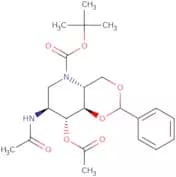


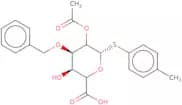
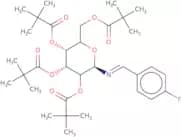

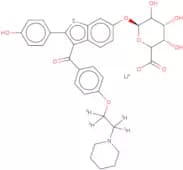

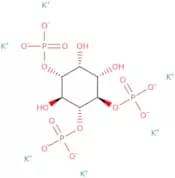
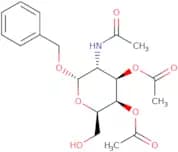
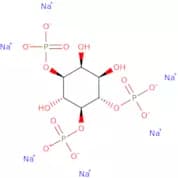
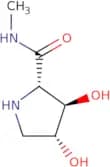
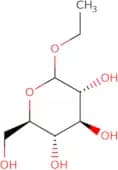
![(3aS, 7R, 9S, 9aR, 9bR) -9- [[(1, 1- Dimethylethyl) dimethylsilyl] oxy] - 2, 2- diethylhexahydro- …](/_next/image/?url=https%3A%2Fstatic.cymitquimica.com%2Fproducts%2F3D%2Fthumb-webp%2FMD168729.webp&w=3840&q=75)
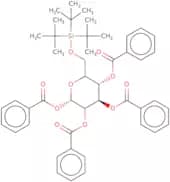
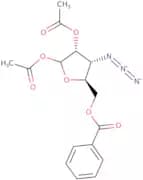
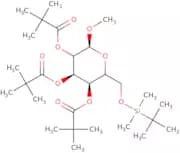

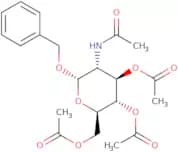
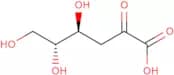
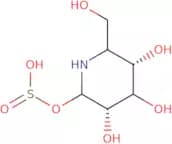

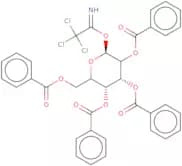
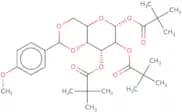

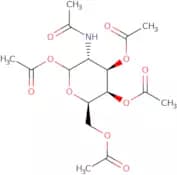
![(2S, 3S, 4R) -3- [[[(2S, 3S, 4R) - 3- Azido- 4- [[[(1, 1- dimethylethyl) dimethylsilyl] oxy] methy…](/_next/image/?url=https%3A%2Fstatic.cymitquimica.com%2Fproducts%2F3D%2Fthumb-webp%2FMA163463.webp&w=3840&q=75)
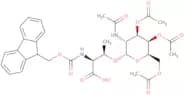
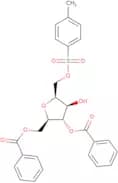
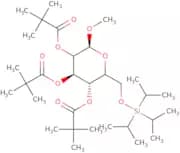
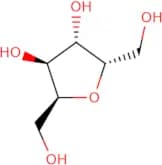
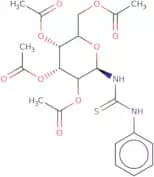
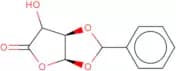


![N-[2-(4'-Methylphenylacetonitrile)]-2,3,4,6-tetra-O-pivaloyl-D-glucopyranoside](/_next/image/?url=https%3A%2Fstatic.cymitquimica.com%2Fproducts%2F3D%2Fthumb-webp%2FMM08499.webp&w=3840&q=75)


![6-Deoxy-3,5-O-[(R)-benzylidene]-L-gluconic acid g-lactone](/_next/image/?url=https%3A%2Fstatic.cymitquimica.com%2Fproducts%2F3D%2Fthumb-webp%2FMD163973.webp&w=3840&q=75)

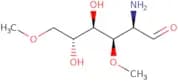
![2,4,7,8,9-Pentaacetyl-N- [(2- propyn- 1- yloxy) carbonyl] - b- neuraminic acid methyl ester](/_next/image/?url=https%3A%2Fstatic.cymitquimica.com%2Fproducts%2F3D%2Fthumb-webp%2FMP168633.webp&w=3840&q=75)
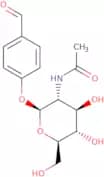
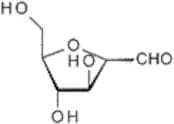
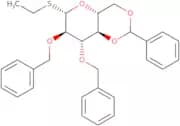

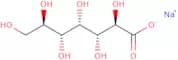
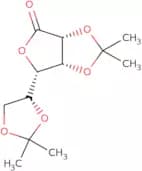

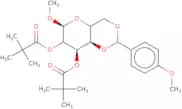
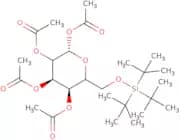

![N-[2-(3'-Nitrophenylacetonitrile)]-2,3,4,6-tetra-O-pivaloyl-D-glucopyranoside](/_next/image/?url=https%3A%2Fstatic.cymitquimica.com%2Fproducts%2F3D%2Fthumb-webp%2FMN08451.webp&w=3840&q=75)
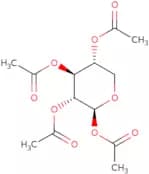


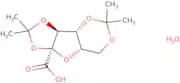
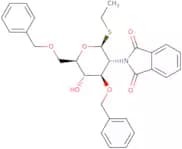



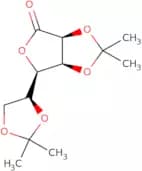
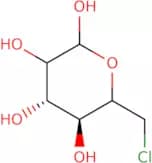
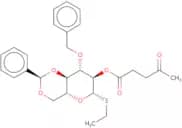

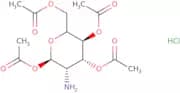
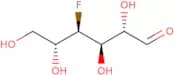
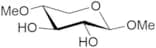
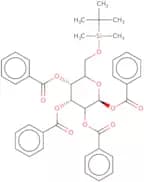
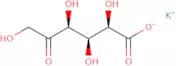
![[2S- (2a, 3a, 4b, 5b, 6a) ]-2- (Hydroxymethyl) - 6- methyl- 3, 4, 5- piperidinetriol](/_next/image/?url=https%3A%2Fstatic.cymitquimica.com%2Fproducts%2F3D%2Fthumb-webp%2FMH163934.webp&w=3840&q=75)
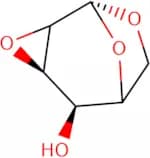

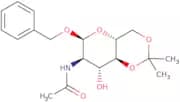


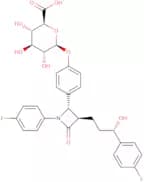

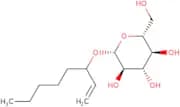


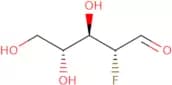
![(1R) -1- [(2R, 3S) - 3- Hydroxy- 1- (phenylmethyl) - 2- azetidinyl] -1, 2- ethanediol](/_next/image/?url=https%3A%2Fstatic.cymitquimica.com%2Fproducts%2F3D%2Fthumb-webp%2FMH163551.webp&w=3840&q=75)


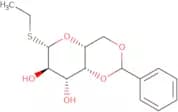
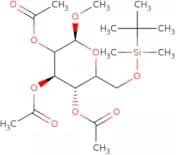

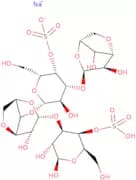
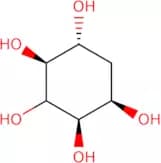

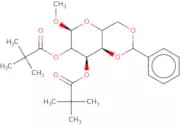
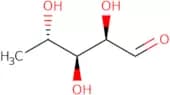

![(5S, 8S, 9S) -8- [(4S) - 2, 2-Dimethyl- 1, 3- dioxolan- 4- yl] - 9- hydroxy- 2, 2- dimethyl- 1, 3,…](/_next/image/?url=https%3A%2Fstatic.cymitquimica.com%2Fproducts%2F3D%2Fthumb-webp%2FMD170667.webp&w=3840&q=75)

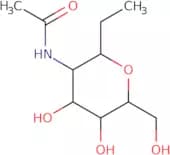


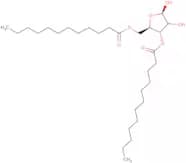
![(2S, 3R, 4S) -N-Benzyl-2- [(1S) - 1- hydroxyethyl] - 3, 4- pyrrolidinediol](/_next/image/?url=https%3A%2Fstatic.cymitquimica.com%2Fproducts%2F3D%2Fthumb-webp%2FMB163320.webp&w=3840&q=75)
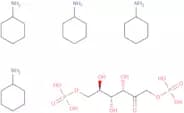

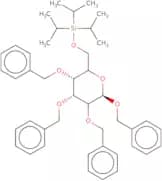

![(1R) -1- [(2S, 3R) - N-Benzyl-3- hydroxy- 1- azetidinyl] -1, 2- ethanediol](/_next/image/?url=https%3A%2Fstatic.cymitquimica.com%2Fproducts%2F3D%2Fthumb-webp%2FMB163413.webp&w=3840&q=75)

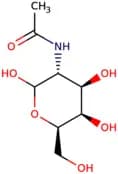
![(1S) -1- [(2R, 3R,4S) -4-Hydroxymethyl-3- hydroxy- 1- azetidinyl] -1, 2- ethanediol hydrochloride](/_next/image/?url=https%3A%2Fstatic.cymitquimica.com%2Fproducts%2F3D%2Fthumb-webp%2FMH163376.webp&w=3840&q=75)
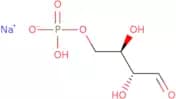
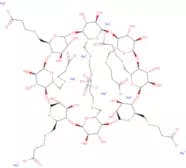
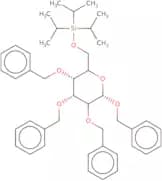
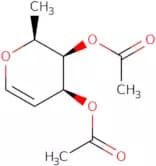
![N-[(4'-Dimethylaminophenyl)-1-propenyl]imino-2,3,4,6-tetra-O-pivaloyl-D-glucopyranose](/_next/image/?url=https%3A%2Fstatic.cymitquimica.com%2Fproducts%2F3D%2Fthumb-webp%2FMD08489.webp&w=3840&q=75)


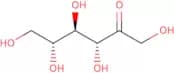
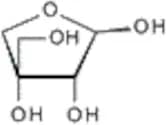
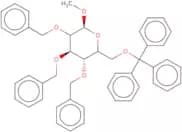


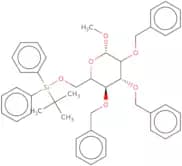

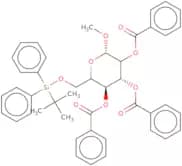
![(1S) -1- [(2S, 3R,4R) -4-Hydroxymethyl-3- hydroxy- 1- azetidinyl] -1, 2- ethanediol](/_next/image/?url=https%3A%2Fstatic.cymitquimica.com%2Fproducts%2F3D%2Fthumb-webp%2FMH163401.webp&w=3840&q=75)