


APIs para investigación e impurezas
Los ingredientes farmacéuticos activos (API) son las sustancias en los medicamentos responsables de sus efectos terapéuticos. En esta sección, encontrarás una amplia variedad de API destinados a uso en investigación. Estos compuestos son esenciales para el desarrollo, prueba y validación de nuevas formulaciones farmacéuticas. En CymitQuimica, ofrecemos API de alta calidad para apoyar la investigación en el descubrimiento y desarrollo de fármacos.
Subcategorías de "APIs para investigación e impurezas"
- Aminoácidos y derivados(12.278 productos)
- Antraquinonas y derivados(405 productos)
- Derivados de Benzimidazol e Imidazol(10.376 productos)
- Derivados de Benzodiazepinas(333 productos)
- Carbohidratos y glucoconjugados(5.013 productos)
- Ésteres y derivados(42.045 productos)
- Ácidos Grasos y Derivados Lipídicos(32.246 productos)
- Flavonoides y Polifenoles(17.012 productos)
- Radicales libres y agentes oxidantes/reductores(213 productos)
- Cetonas y Derivados(2.394 productos)
- Antibióticos naturales y semisintéticos(6.364 productos)
- Nitrilos y Cianoderivados(3.045 productos)
- Nitrosaminas y derivados(55 productos)
- Nucleósidos y Nucleótidos(3.429 productos)
- Fosfatos y Fosfonatos Orgánicos(1.201 productos)
- Sulfonatos y Sulfatos Orgánicos(10.406 productos)
- Organometálicos(4.401 productos)
- Otros(6.279 productos)
- Péptidos y Proteínas(3.129 productos)
- Polímeros y derivados(99 productos)
- Derivados de Purinas y Pirimidinas(8.902 productos)
- Derivados de Quinazolina y Quinolina(65.630 productos)
- Quinonas y derivados(24.239 productos)
- Sales y derivados de API(79.473 productos)
- Esteroides y derivados(4.967 productos)
- Sulfonamidas y derivados(2.592 productos)
- Terpenoides y derivados(3.839 productos)
- Tiazolidinedionas y Tiopiranos(2.733 productos)
- Compuestos β-adrenérgicos(230 productos)
Mostrar 21 subcategorías más
Se han encontrado 56797 productos de "APIs para investigación e impurezas"
Ordenar por
Pureza (%)
0
100
|
0
|
50
|
90
|
95
|
100
3-[4-(4-Chlorobenzoyl)phenoxy]-2-butanone
CAS:<p>3-[4-(4-Chlorobenzoyl)phenoxy]-2-butanone is an impurity in the drug product, N-{3-[4-(4-chlorobenzoyl)phenoxy]-2-butenyl}acetamide. It can be used as an analytical reference standard for determining the presence of impurities in pharmaceutical products. 3-[4-(4-Chlorobenzoyl)phenoxy]-2-butanone is not a natural component of the API and is typically synthesized with high purity. This compound has been shown to be metabolized by human liver microsomes and rat lung microsomes. The metabolic pathways are unknown but may include oxidation, hydrolysis, or conjugation reactions.</p>Fórmula:C17H15ClO3Pureza:Min. 95%Peso molecular:302.75 g/molN-(1-Phenylethyl) ibuprofen amide
CAS:<p>N-(1-Phenylethyl) ibuprofen amide is a metabolite of ibuprofen. It is an impurity in the drug product ibuprofen amide, which is used to synthesize the pharmaceutical drug ibuprofen. N-(1-Phenylethyl) ibuprofen amide has been shown to be a substrate for CYP2C9 and CYP3A4 enzymes. The compound also inhibits prostaglandin synthesis.</p>Fórmula:C21H27NOPureza:Min. 95%Forma y color:PowderPeso molecular:309.4 g/molDiethylaminocarboxymethyl poc tenofovir fumarate
CAS:<p>The drug product is a synthetic, non-natural, white powder. It is used in the manufacture of high purity diethylaminocarboxymethyl poc tenofovir fumarate for medical use. The drug product has been shown to be a metabolite and impurity standard for HPLC analysis. It is also used in research and development as an analytical standard for impurities and API metabolites. This drug product has niche applications in pharmacopoeias.</p>Fórmula:C20H33N6O9·C4H4O4Pureza:Min. 95%Peso molecular:532.48 g/mol2',3'-Isopropylidene ribavirin
CAS:<p>Intermediate in the synthesis of ribavirin</p>Fórmula:C11H16N4O5Pureza:Min. 95%Peso molecular:284.27 g/molSulfamethoxypyridazine-d3
CAS:Producto controlado<p>Sulfamethoxypyridazine-d3 is a compound that has been shown to have anti-trophic and transport properties. It has been shown to be capable of binding with organic pollutants, including benzothiazoles, and has the potential to be used in screening for these compounds. Sulfamethoxypyridazine-d3 has also been shown to inhibit the growth of organisms, such as bacteria and fungi. This compound is not absorbed by humans or animals when administered orally, but can be transferred through skin contact. In vitro studies show that it is not toxic at concentrations of up to 100 μg/mL and does not cause irritation in skin or eye irritation tests.</p>Fórmula:C11H9D3N4O3SPureza:Min. 95%Peso molecular:283.32 g/mol1,4-Dihydro-1-(5-methoxy-1H-benzimidazol-2-yl)-3,5-dimethyl-4-oxo-2-pyridinecarboxylic acid ammonium salt
CAS:<p>1,4-Dihydro-1-(5-methoxy-1H-benzimidazol-2-yl)-3,5-dimethyl-4-oxo-2-pyridinecarboxylic acid ammonium salt is a drug product that is custom synthesized to meet the requirements of our customers. It has high purity and analytical properties. Metabolism studies are performed to determine how the drug is broken down in the body and how it may affect other drugs or chemicals. The natural form of this chemical is found in plants and animals. Drug development studies are conducted to find out if this chemical can be used to treat a disease or condition. Pharmacopoeia standards are established for this compound and impurity standards are developed for quality control purposes. CAS No. 2227107-89-1</p>Fórmula:C16H18N4O4Pureza:Min. 95%Peso molecular:330.34 g/mol1,2-Dioleoyl-sn-glycero-3-phospho-(1'-myo-inositol) ammonium salt
CAS:<p>1,2-Dioleoyl-sn-glycero-3-phospho-(1'-myo-inositol) ammonium salt (DOPMP) is a synthetic compound that is used as an impurity standard for the manufacture of drug products. It can also be used as a research and development tool in the study of metabolism. DOPMP is not found in nature and has a CAS number of 799268-53-4. DOPMP is synthesized from 1,2-dioleoyl-sn glycero 3 phosphate (DOPE) with myo-inositol, which is then reacted with ammonium chloride to form the salt. The purity of this compound is greater than 98% and can be purchased at high purity levels of no less than 99%.</p>Fórmula:C45H83O13P·(NH3)Pureza:Min. 95%Peso molecular:863.11 g/mol8-Methyl etodolac
CAS:<p>8-Methyl etodolac is an impurity of etodolac that is used in the drug development and analytical chemistry industry. It is a synthetic metabolite of etodolac, which is an analgesic agent that belongs to the group of non-steroidal anti-inflammatory drugs (NSAIDs). 8-Methyl etodolac is primarily excreted unchanged in urine and has been used as an HPLC standard for this purpose. It also serves as a pharmacopoeia reference material for the determination of purity and impurities in drug products.</p>Fórmula:C16H19NO3Pureza:Min. 95%Peso molecular:273.33 g/mol10-Oxo-trans-8-decenoic acid
CAS:<p>10-Oxo-trans-8-decenoic acid is a potent inhibitor that has been found to have anticancer properties. It works by inhibiting the cell cycle and kinase activity, which leads to apoptosis, or programmed cell death, in tumor cells. This medicinal compound is derived from Chinese urine and has been shown to be effective against a variety of cancer types, including breast, colon, and lung cancer. It targets specific kinases involved in cancer cell proliferation and has been found to inhibit the growth of human cancer cells in vitro. 10-Oxo-trans-8-decenoic acid is also being studied for its potential as a protein inhibitor in the development of new cancer treatments.</p>Fórmula:C10H16O3Pureza:Min. 95%Peso molecular:184.23 g/molRemdesivir impurity 9
CAS:<p>CAS No.: 159970-52-6<br>Remdesivir impurity 9 is a synthetic, natural and drug development impurity standard. It has been prepared in accordance with the requirements of the ICH Q3C(R4) guidelines for impurities in new drug substances (NDS). Remdesivir impurity 9 can be used as an analytical reference material for HPLC methods for purity assessment.<br>This product is available for custom synthesis and research and development purposes.</p>Fórmula:C27H35N6O8PPureza:Min. 95%Peso molecular:602.58 g/mol2-(2,3-Dichlorophenyl)-2-(guanidinoimino) acetonitrile
CAS:<p>Lamotrigine is a chemically unrelated compound, which is the active ingredient of a new class of adjuvant drugs for epilepsy. This drug has been found to be effective against seizures in patients with partial seizures and generalized seizures. Lamotrigine is an orally administered suspensoid that can be mixed with water or other liquids to form a suspension. It has been used as a flavouring agent and an adjuvant in pharmaceuticals, including tablets and capsules. The chemical structure of lamotrigine includes two 2,3-dichlorophenyl groups connected by an amino group (guanidinoimino). This structure gives lamotrigine its chemical name: 2-(2,3-dichlorophenyl)-2-(guanidinoimino) acetonitrile.</p>Fórmula:C9H7Cl2N5Pureza:Min. 95%Peso molecular:256.09 g/mol2-Cyclohexyl-2-(4-methoxyphenyl)-N,N-dimethylethanamine
CAS:Producto controlado<p>2-Cyclohexyl-2-(4-methoxyphenyl)-N,N-dimethylethanamine is a synthetic research and development impurity standard. This compound is used as an analytical reference in pharmacopoeia to determine the purity of synthesized drugs. 2-Cyclohexyl-2-(4-methoxyphenyl)-N,N-dimethylethanamine is also a metabolite of other compounds and can be used for metabolism studies.</p>Fórmula:C17H27NOPureza:Min. 95%Peso molecular:261.4 g/molNilotinib N-oxide
CAS:<p>Nilotinib N-oxide is a bosutinib metabolite that is categorized as a profile 1B inhibitor. It has a chemical structure similar to imatinib and dasatinib. The metabolite of nilotinib N-oxide, which is an active form, focuses on the inhibition of chronic myeloid leukemia (CML) cells by targeting the oncoprotein BCR-ABL. Nilotinib N-oxide has been shown to have cardiac toxicity, which may be due to its ability to inhibit the synthesis of uridine and reduce thrombocytopenia. It also has the potential for toxicities such as pancreatitis and hepatotoxicity.</p>Fórmula:C28H22F3N7O2Pureza:Min. 95%Peso molecular:545.5 g/molOxybutynin EP Impurity E
CAS:<p>Oxybutynin EP Impurity E is a research and development impurity standard that is used in the synthesis of Oxybutynin. It can be synthesized by reacting 2-chloro-4-nitroaniline with potassium tert-butoxide, followed by acetylation with acetic anhydride. The purity and structure of this compound have been verified by gas chromatography, mass spectrometry, and melting point analysis. This impurity standard has a CAS number of 1215677-72-7.<br>Oxybutynin EP Impurity E is used as a drug product for the treatment of overactive bladder, urinary incontinence, and painful bladder syndrome/interstitial cystitis. It also helps to reduce pain due to spinal cord injury or multiple sclerosis. <br>The pharmacopoeia name for this compound is 4-(2-Chloroethyl)-1H-imidazoleacetic acid. It has been found to be</p>Fórmula:C23H33NO3Pureza:Min. 95%Peso molecular:371.51 g/molLinagliptin impurity E
CAS:Producto controlado<p>Linagliptin impurity E is a metabolite of the drug Linagliptin. It is an analytical reference material that is used to calibrate HPLC and GC-MS methods for quality control and purity assessment of Linagliptin. This impurity standard is also used for metabolism studies.</p>Fórmula:C25H28N8O2Pureza:Min. 95%Peso molecular:472.54 g/molMethylprednisolone 21-Propionate
CAS:Producto controlado<p>Methylprednisolone 21-propionate is a drug product that is used in the treatment of inflammation and autoimmune diseases. It has been used in research and development to develop a natural, synthetic, and analytical standard for the drug product. Methylprednisolone 21-propionate is metabolized by glucuronidation or sulfation. The impurity standards are used to identify any potential impurities or metabolites that may be present in the API. This drug product is also an analytical standard that can be used as a reference material for pharmacopoeia testing.</p>Fórmula:C25H34O6Pureza:Min. 95%Peso molecular:430.53 g/mol17-Deoxyprednisolone
CAS:Producto controlado<p>17-Deoxyprednisolone is a synthetic glucocorticoid that binds to the mineralocorticoid receptor, which is found in cells of the adrenal gland and other tissues. It has been used as a treatment for cancer, but it also has diagnostic properties. 17-Deoxyprednisolone is a molecular compound with an antigens in the form of conjugates that can be detected by chromatographic methods. The measurement of 17-deoxyprednisolone in blood serum or urine can be used to determine the levels of urea nitrogen and cellular physiology. 17-Deoxyprednisolone also inhibits the activity of spironolactone, which is a drug that blocks the action of aldosterone, a hormone that regulates salt and water balance in humans.</p>Fórmula:C21H28O4Pureza:Min. 95%Peso molecular:344.44 g/molDes-6-methoxyethanol erlotinib
CAS:<p>Please enquire for more information about Des-6-methoxyethanol erlotinib including the price, delivery time and more detailed product information at the technical inquiry form on this page</p>Fórmula:C19H17N3O3Pureza:Min. 95%Peso molecular:335.4 g/mol5-Methyl-L-norleucine orlistat analogue
CAS:<p>5-Methyl-L-norleucine orlistat analogue is an anticancer compound that acts as a kinase inhibitor. It has been shown to inhibit the growth of tumors and cancer cells by inducing apoptosis, or programmed cell death. This analog has been tested in Chinese hamster ovary cells and found to be effective against calcitonin receptor and human oxytocin receptor proteins. Additionally, 5-Methyl-L-norleucine orlistat analogue has been identified as a promising urine-based biomarker for early detection of cancer. Its potential as a therapeutic agent makes it a valuable addition to cancer research and treatment.</p>Fórmula:C30H55NO5Pureza:Min. 95%Peso molecular:509.8 g/mol(Alphas)-N,N,α-trimethyl-3-(4-nitrophenoxy)benzenemethanamine
CAS:<p>(Alphas)-N,N,alpha-trimethyl-3-(4-nitrophenoxy)benzenemethanamine is a drug product that has been synthesized for research and development purposes. It is an impurity in the API (active pharmaceutical ingredient) of this drug product. This compound has been found in the metabolism studies of N-methyl-2-[(2S)-2-[(5S,6S)-5-amino-6-(1H-indol-3-ylmethoxy)-9H-purin-8-yl]-1,1,3,3,-tetramethylbutyl]glycine hydrochloride. The CAS number for this compound is 1346242-32-7.</p>Fórmula:C16H18N2O3Pureza:Min. 95%Peso molecular:286.33 g/molSimvastatin hydroxy acid methyl ester
CAS:<p>Simvastatin hydroxy acid methyl ester is a drug product that belongs to the group of statins. It is an impurity standard for synthetic simvastatin as well as a natural metabolite formed from simvastatin through oxidation and hydroxylation. This impurity is used in analytical and pharmacopoeia testing for simvastatin, and has been shown to inhibit the production of cholesterol by blocking the synthesis of 3-hydroxy-3-methylglutaryl coenzyme A reductase (HMGCR).</p>Fórmula:C26H42O6Pureza:Min. 95%Peso molecular:450.61 g/molHaloperidol octanoate
CAS:<p>Haloperidol octanoate is a synthetic, long-acting neuroleptic that is used to treat schizophrenia and other psychotic disorders. It is an antiemetic and has been shown to decrease the incidence of nausea and vomiting associated with cancer chemotherapy. Haloperidol octanoate is metabolized by esterases in the blood, liver, and other tissues. The drug product may contain impurities such as hydrochloride acid or haloperidol free base. Haloperidol octanoate is not manufactured in accordance with the USP or EP pharmacopoeia standards for purity, concentration, or dosage form.</p>Fórmula:C29H37ClFNO3Pureza:Min. 95%Peso molecular:502.10 g/mol6,7-Dehydrohyoscyamine
CAS:<p>6,7-Dehydrohyoscyamine (6,7DHHA) is a synthetic alkaloid that is produced by the dehydration of hyoscyamine. It has been shown to be an effective anti-inflammatory agent in both in vitro and in vivo experiments. 6,7DHHA also has a skeleton that is similar to the neurotransmitter acetylcholine, which may account for its effectiveness as an anti-spasmodic drug. This compound has been shown to inhibit the transfer of nerve impulses across synapses by blocking presynaptic acetylcholine receptors. It does this by binding with high affinity to these receptors and preventing them from being activated. 6,7DHHA binds noncompetitively to the receptor site on the acetylcholine receptor and can cross the blood-brain barrier because it is lipid soluble. The biosynthesis of 6,7DHHA starts with two molecules of L-phenylalanine condensed together with one molecule of L-</p>Fórmula:C17H21NO3Pureza:Min. 95%Peso molecular:287.35 g/mol4,4'-Bis(2-((S)-pyrrolidin-2-yl)-1H-imidazol-5-yl)-1,1'-biphenyl
CAS:<p>4,4'-Bis(2-((S)-pyrrolidin-2-yl)-1H-imidazol-5-yl)-1,1'-biphenyl is a drug product that has been custom synthesized to meet the needs of specific research and development. The CAS number for this compound is 1007882-27-0. It has a purity of ≥99%. This compound is metabolized in vivo to its natural metabolite, 4,4'-bis(2-(pyrrolidin-2-yl)imidazol-5-yl)-1,1'-biphenyl sulfoxide. Metabolism studies have been conducted on rats.</p>Fórmula:C26H28N6Pureza:Min. 95%Peso molecular:424.5 g/molLiriope muscari saponin C
CAS:<p>Liriope muscari saponin C is a saponin from the roots of Liriope muscari. The stereoisomers of this compound have been shown to be effective in reversing leukemia cells in mice. Moreover, it has been shown to have anticancer properties in a clinical study that was conducted on human subjects. This compound also has antibacterial properties, which are due to its ability to form conjugates with bacterial cell wall proteins and organic solvents. Furthermore, Liriope muscari saponin C has an anti-inflammatory effect that is mediated by inhibition of prostaglandin synthesis.</p>Fórmula:C44H70O17Pureza:Min. 95%Peso molecular:871 g/mol1-[4-[4-(2,3-Dichlorophenyl)piperazin-1-yl]butyl-7-hydroxy-3,4-dihydro carbostyril (aripiprazole impurity)
CAS:<p>Aripiprazole impurity is a synthetic impurity that is used as an impurity standard for the pharmaceutical industry. It is used to test the purity of drug products and to assess the quality of raw materials. Aripiprazole impurity is also used in metabolite profiling studies, analytical testing, and pharmacopoeia research and development. This compound has a CAS number of 1797983-65-3.</p>Fórmula:C23H27Cl2N3O2Pureza:Min. 95%Peso molecular:448.4 g/mol4’-Chloro clomiphene citrate
CAS:Producto controlado<p>4’-Chloro clomiphene citrate is a drug product that is used as an analytical standard and impurity in the pharmaceutical industry. This compound is a natural metabolite of clomiphene, and is found in urine, serum, liver, and brain tissue. 4’-Chloro clomiphene citrate has been shown to have anti-inflammatory properties.</p>Fórmula:C32H35Cl2NO8Pureza:Min. 95%Peso molecular:632.5 g/mol3-Deamino 3-hydroxy linagliptin
CAS:<p>Please enquire for more information about 3-Deamino 3-hydroxy linagliptin including the price, delivery time and more detailed product information at the technical inquiry form on this page</p>Fórmula:C25H27N7O3Pureza:Min. 95%Peso molecular:473.5 g/mol10-Hydroxy nortriptyline maleate
CAS:<p>10-Hydroxy nortriptyline maleate is a drug product that is manufactured in high purity. This compound is an HPLC standard and is used in the development of drugs. 10-Hydroxy nortriptyline maleate can be natural or synthetic, which will depend on the application. The impurity standard for this compound is 10-hydroxynortriptyline. This compound has been shown to have anti-inflammatory properties and may be useful for neuropathic pain relief.</p>Fórmula:C23H25NO5Pureza:Min. 95%Peso molecular:395.4 g/mol1-(4-Methyl-2,5-dioxoimidazolidin-4-yl)urea
CAS:<p>Please enquire for more information about 1-(4-Methyl-2,5-dioxoimidazolidin-4-yl)urea including the price, delivery time and more detailed product information at the technical inquiry form on this page</p>Fórmula:C5H8N4O3Pureza:Min. 95%Peso molecular:172.14 g/mol6-Bromo-6-dehydro-17a-acetoxy progesterone
CAS:Producto controlado<p>6-Bromo-6-dehydro-17a-acetoxy progesterone is a drug product that can be used as an HPLC standard or as a synthetic intermediate. It is a natural metabolite of progesterone, which is also a natural hormone. 6-Bromo-6-dehydro-17a-acetoxy progesterone has been shown to have antihypertensive and vasodilatory activities, which may be due to its ability to bind to beta adrenergic receptors in the vascular system. This metabolite of progesterone has also been shown to inhibit the metabolism of testosterone by inhibiting the enzymes 17beta hydroxysteroid dehydrogenase and 5alpha reductase, which lead to an increase in testosterone levels in blood plasma.</p>Fórmula:C23H29BrO4Pureza:Min. 95%Peso molecular:449.38 g/molrac o-Methyl tolterodine fumarate
CAS:<p>Ai Product Descriptions 50 Creative</p>Fórmula:C27H37NO5Pureza:Min. 95%Peso molecular:455.6 g/mol(R)-2-Amino-2-methyl-N-[4-phenyl-1-[[4-[2-[2-(1H-tetrazol-5-yl)ethyl]phenyl]-1-piperidinyl]carbonyl]butyl]propanamide
CAS:(R)-2-Amino-2-methyl-N-[4-phenyl-1-[[4-[2-[2-(1H-tetrazol-5-yl)ethyl]phenyl]-1-piperidinyl]carbonyl]butyl]propanamide is a synthetic drug that has been used in research and development. It is an impurity standard for the manufacture of custom synthesis drug product. This drug is also classified as a Synthetic, High purity, pharmacopoeia, Drug development, Metabolite, niche, analytical or Natural compound. The CAS number for (R)-2-Amino-2-methyl-N-[4-phenyl-1-[(4-[2-[2-(1H tetrazol 5 yl)ethyl]phenyl]-1 piperidinyl)carbonyl] butyl] propanamide is 170842–46–3.Fórmula:C29H39N7O2Pureza:Min. 95%Peso molecular:517.67 g/molCarbonic acid, methyl 1-methylene-2-oxopropyl ester
CAS:<p>Carbonic acid, methyl 1-methylene-2-oxopropyl ester is a drug product that is custom synthesized for research and development. It has high purity and analytical data. Metabolism studies are required for this drug product. This drug product is natural and synthetic. CAS No. 146897-17-8 is the impurity standard for this drug product. Research and Development (R&D) needs to be conducted on this drug product in order to develop a pharmacopoeia standard. Synthetic methods are used in the manufacture of this drug product, which also has a niche market.br></p>Fórmula:C6H8O4Pureza:Min. 95%Peso molecular:144.12 g/molDes(oxopentyl) valsartan benzyl ester
CAS:<p>Des(oxopentyl) Valsartan Benzyl Ester is an analytical standard for the drug valsartan. It is a white to off-white, crystalline powder that is soluble in methanol and acetone. This compound can be used as an HPLC standard, or as an impurity standard in the development of valsartan drugs. Des(oxopentyl) Valsartan Benzyl Ester also has niche uses in natural product isolation and synthetic organic chemistry. It is a metabolite of des(oxopentyl)valsartan, which is a prodrug of valsartan.</p>Fórmula:C26H27N5O2Pureza:Min. 95%Peso molecular:441.53 g/mol(R)-Pramipexole 2HCl
CAS:Producto controlado<p>Dopamine (D2 and D3) receptor agonist; has anti-parkinsonian effects</p>Fórmula:C10H19Cl2N3SPureza:Min. 95%Peso molecular:283.06767Apixaban Impurity 11
CAS:<p>Apixaban impurity 11 is an analytical standard used in research and development, drug development, and the production of API. It has a purity of 99.5% by HPLC and is a metabolite of apixaban. Apixaban impurity 11 has the CAS number 2204368-51-2 and is a Metabolite and Impurity standard for pharmacopoeia with a purity of 99.5% by HPLC. This product can be custom synthesized or natural with a purity of 99.5% by HPLC.</p>Fórmula:C29H31N5O5Pureza:Min. 95%Peso molecular:529.59 g/molN1.9,N1.9-Dimethyldesmopressin
<p>N1.9,N1.9-Dimethyldesmopressin is a synthetic analog of the natural hormone vasopressin. It is used as a drug product in research and development to study drug metabolism, but it has not been approved for use as a drug product by any regulatory agency. Impurities are determined by the USP or EP pharmacopoeia and are present at less than 1% or 2% respectively. The compound is synthesized through high purity chemical synthesis methods with purity greater than 99%.</p>Pureza:Min. 95%Bupivacaine N-oxide hydrochloride
CAS:<p>Bupivacaine N-oxide is a synthetic local anesthetic drug. It is a metabolite of bupivacaine and has been shown to be active in animal studies. The chemical name for bupivacaine N-oxide is 4-oxo-2,6,8-trimethylquinoline. Bupivacaine N-oxide hydrochloride (N06) is an impurity standard that meets the USP/BP requirements for purity and quality as well as the pharmacopoeia standards for analytical methods. The compound has been synthesized by custom synthesis and research and development from Impurity Standard Bupivacaine Hydrochloride (CAS No. 1796927-05-3). The compound is used in the synthesis of drug products, including analgesics and anaesthetics. The compound can be used in analytical studies due to its high purity and quality standards.</p>Fórmula:C18H29ClN2O2Pureza:Min. 95%Peso molecular:340.9 g/mol(Z) -2- [4- (1, 2- Diphenylethenyl) phenoxy] - N, N- diethyl- ethanamine hydrochloride (E/Z Mixture)
CAS:<p>(Z) -2- [4- (1, 2- Diphenylethenyl) phenoxy] - N, N- diethyl- ethanamine hydrochloride is a drug product that is an analytical impurity. It is used as a metabolite standard in drug development and metabolism studies. The CAS number for this compound is 97800-41-4.</p>Fórmula:C26H29NOPureza:Min. 95%Peso molecular:371.51 g/molN-Formyl-D-leucine (1S)-1-[[(2S,3S)-3-hexyl-4-oxo-2-oxetanyl]methyl]dodecyl ester
CAS:<p>N-Formyl-D-leucine (1S)-1-[[(2S,3S)-3-hexyl-4-oxo-2-oxetanyl]methyl]dodecyl ester is a research and development impurity standard that is used to assist in the production of high purity drug products. It is a synthetic compound that is metabolized in vivo to form N-formylglycine. This impurity standard can be used as a reference material for pharmacopoeia, drug development, and metabolic studies.</p>Fórmula:C29H53NO5Pureza:Min. 95%Peso molecular:495.73 g/molBelinostat glucuronide
CAS:<p>Belinostat glucuronide is an analytical standard that is used in HPLC. This compound is a metabolite of Belinostat, which is a drug used to treat lymphoma and other cancers. Belinostat glucuronide has been shown to be active against leukemia cells and can inhibit the growth of cancer cells by inhibiting protein synthesis. It also inhibits the activity of topoisomerase I, II, and III.</p>Fórmula:C21H22N2O10SPureza:Min. 95%Peso molecular:494.50 g/molDi-M-tolyl phosphate
CAS:<p>Di-M-tolyl phosphate is a phosphorus compound with a chemical formula of (CH3)2PO2. It has a melting point of –20 degrees Celsius and is insoluble in water, but soluble in organic solvents. Di-M-tolyl phosphate has optical properties that are modulated by temperature, morphology, and diffraction. FTIR spectra show protonation at temperatures below -10 degrees Celsius and imine formation at higher temperatures. Di-M-tolyl phosphate undergoes intramolecular hydrogen bonding to form pyrrole rings that may be responsible for its processability. This compound can be synthesized from monomers such as methanol and dimethyl ether via the process of electrophilic addition of phosphorus pentoxide to an imine or pyrrole ring system. The silicon affinity of this compound increases with the concentration of alkyl groups on the phosphorus atom.</p>Fórmula:C14H15O4PPureza:Min. 95%Peso molecular:278.24 g/molEtoricoxib Dimer Impurity
<p>Etoricoxib is a non-steroidal anti-inflammatory drug that is used to treat the pain and inflammation of arthritis. It is a prodrug, which is metabolized in vivo to its active form, etoricoxib monomer. Etoricoxib Dimer Impurity (EtODI) is an impurity found in commercial Etoricoxib API and has been identified as the main cause for the formation of aggregates during storage. The main objective of this study was to investigate the metabolism of EtODI in vitro, with special emphasis on the formation and elimination pathways.</p>Fórmula:C31H27N3O4S2Pureza:Min. 95%Peso molecular:569.7 g/molPinoxaden
CAS:<p>Pinoxaden is a protein kinase inhibitor that has shown promising results in the treatment of cancer. It specifically targets cyclin-dependent kinases, which are key regulators of cell division and proliferation. By inhibiting these kinases, Pinoxaden induces apoptosis (programmed cell death) in cancer cells, thereby preventing tumor growth and metastasis. This drug is an analog of a Chinese herbal medicine and has been shown to have potent anticancer activity both in vitro and in vivo. In addition, Pinoxaden has low toxicity and is excreted primarily through urine, making it a promising candidate for further development as an anticancer agent.</p>Fórmula:C23H32N2O4Pureza:Min. 95%Peso molecular:400.5 g/molOlsalazine sodium impurity E
<p>CAS No. is a drug product that has been custom synthesized for research and development purposes. It is a white crystalline powder with a melting point of 256-258°C. Metabolism studies have shown that olsalazine sodium impurity E is metabolized to sulfapyridine, which is an active metabolite of olsalazine sodium. Impurity standard A has been synthesized as an analytical standard for HPLC analysis. This impurity standard exhibits the same retention time as olsalazine sodium in the HPLC system and can be used for the quantitative determination of this impurity in olsalazine sodium samples.</p>Fórmula:C15H12N2O8SPureza:Min. 95%Peso molecular:380.33 g/molFumarranol
CAS:<p>Fumarranol is a potent inhibitor of kinases that play a crucial role in cancer cell growth and proliferation. It has been shown to inhibit the growth of tumor cells by inducing apoptosis, or programmed cell death. Fumarranol is effective against various types of cancer, including leukemia, and has been tested on human cell lines. This compound works by blocking the activity of kinases that are essential for the progression of the cell cycle, preventing cancer cells from dividing and multiplying. Fumarranol has also been found in urine samples and may have potential as a biomarker for cancer detection. With its ability to target specific proteins involved in cancer development, fumarranol shows promise as a potential treatment option for various types of cancer.</p>Fórmula:C16H24O4Pureza:Min. 95%Peso molecular:280.36 g/mol(2R)-3-Hydroxyisovaleroyl carnitine
CAS:<p>(2R)-3-Hydroxyisovaleroyl carnitine is a synthetic drug product that is used as an analytical reagent for the detection of (R)-3-hydroxyisovaleryl carnitine in metabolism studies. It has a CAS number of 99159-87-2 and a molecular weight of 212.29 g/mol. This compound is an impurity standard for HPLC analysis, and it can be custom synthesized to meet your needs. Research and development of this compound has been ongoing since the early 2000s, with niche applications such as developing pharmacopoeia standards for HPLC analyses.</p>Fórmula:C12H23NO5Pureza:Min. 95%Peso molecular:261.31 g/molN-Formyl-L-leucine (3S,4S,6S)-3-hexyltetrahydro-2-oxo-6-undecyl-2H-pyran-4-yl ester
CAS:Producto controlado<p>N-Formyl-L-leucine (3S,4S,6S)-3-hexyltetrahydro-2-oxo-6-undecyl-2H-pyran-4-yl ester is a synthetic compound that has been used as an impurity standard and as a pharmacopoeia. It is also used in drug development and metabolism studies. The CAS number of this compound is 130676-65-2. HPLC analysis of this compound is available upon request.</p>Fórmula:C29H53NO5Pureza:Min. 95%Peso molecular:495.73 g/molFluocortolone Impurity 8
<p>Fluocortolone Impurity 8 is a drug product. It is an impurity standard for fluocortolone and has been purified from natural sources. Fluocortolone Impurity 8 is a metabolite of fluocortolone and has been synthesized for research purposes. Fluocortolone Impurity 8 is also a drug product that has been developed by the Pharmaceutical Research and Development team at the company with CAS No. 87-69-2. Fluocortolone Impurity 8 can be used as an analytical standard, API impurity, or pharmacopoeia reference material in metabolic studies.</p>Pureza:Min. 95%Seco everolimus B
CAS:<p>Seco everolimus B is a drug product that has not been approved by the FDA. It is an impurity standard used for analytical purposes and in drug development. It is a synthetic, natural, and pharmacopoeia-grade impurity. The CAS number of this product is 769905-89-7. This product is currently being researched and developed as a niche drug with high purity.</p>Fórmula:C53H85NO15Pureza:Min. 95%Peso molecular:976.24 g/molTyropanoate sodium
CAS:Tyropanoate sodium is a radiocontrast agent that is used to produce images in diagnostic procedures. It is used as a contrast agent for X-rays and magnetic resonance imaging (MRI) scans, as well as computed tomography (CT) scans. Tyropanoate sodium contains fatty acids, which are essential components of biological membranes. This drug has been shown to bind to the receptors of cancer cells in the prostate and pancreas, thereby inhibiting the growth of these cells. Tyropanoate sodium can also be used to treat inflammatory bowel diseases such as Crohn's disease and ulcerative colitis. The drug is administered by injection or intravenously and binds to proteins in tissues, forming a polymeric matrix that may be excreted from the body via bile. Tyropanoate sodium also inhibits tumor growth in cervical cancer cells, with no adverse effects on healthy cells.Fórmula:C15H17I3NNaO3Pureza:Min. 95%Peso molecular:663 g/mol3,4-Dihydroxyphenylacetic acid-d5
CAS:<p>3,4-Dihydroxyphenylacetic acid-d5 is a drug product that is used as an impurity standard for HPLC. It has been shown to be a metabolite of 3,4-dihydroxyphenylacetic acid and may be found in the urine of patients taking drugs containing this compound. The stability of 3,4-dihydroxyphenylacetic acid-d5 in biological matrices has been determined by incubation studies with rat liver homogenates. This product is also used as an analytical reagent for the detection of other metabolites or impurities in drugs.</p>Fórmula:C8H3D5O4Pureza:Min. 95%Peso molecular:173.18 g/molFingolimod phosphate d4
CAS:Producto controlado<p>Fingolimod is a drug product that belongs to the class of synthetic drugs. It is an impurity standard for fingolimod phosphate d4 and its metabolites. Fingolimod phosphate d4 is a metabolite of fingolimod and has been shown to inhibit the synthesis of phosphatidylinositol 3-kinase (PI3K) in vitro, which may be due to its ability to inhibit protein synthesis. The pharmacopoeia for fingolimod phosphate d4 is CAS No. 1794828-93-5.</p>Fórmula:C19H30D4NO5PPureza:Min. 95%Peso molecular:391.48 g/molAscolactone
CAS:<p>Ascolactone is a natural compound with potent anticancer properties. It is an analog of a medicinal plant used in Chinese traditional medicine. Ascolactone has been shown to induce apoptosis, or programmed cell death, in human cancer cells by inhibiting the activity of certain kinases involved in cell cycle regulation and tumor growth. Ascolactone acts as a protein inhibitor that blocks the function of specific proteins required for cancer cell survival and proliferation. This compound has potential therapeutic applications for various types of cancer and may be developed into novel inhibitors for cancer treatment. Ascolactone can be isolated from urine samples and represents a promising avenue for drug discovery research.</p>Fórmula:C16H30O4Pureza:Min. 95%Peso molecular:286.41 g/molN’-(4-Acetylaminophenyl)-N,N-dimethylacetamidine
CAS:<p>N’-(4-Acetylaminophenyl)-N,N-dimethylacetamidine is a drug product that is used in the development of new drugs. It has high purity, analytical grade and natural origin. It is an impurity standard used in metabolite identification and research and development. The CAS number for this compound is 1358054-66-6.</p>Fórmula:C12H17N3OPureza:Min. 95%Peso molecular:219.28 g/mol2,12-Dihydro-1,3-dimethyl-9-methoxy-12-thioxobenzo [4,5] pyrido [1,2-c] imidazo [1,2-a] imidazol-2-one
CAS:<p>2,12-Dihydro-1,3-dimethyl-9-methoxy-12-thioxobenzo [4,5] pyrido [1,2-c] imidazo [1,2-a] imidazol-2-one is a synthetic compound that has not been evaluated in humans. This compound is an impurity standard for the synthesis of an API. The purity of this compound is >98% and it has been shown to be stable under acidic conditions.</p>Fórmula:C16H13N3O2SPureza:Min. 95%Peso molecular:311.36 g/molDesmethylnortriptyline
CAS:<p>Desmethylnortriptyline is a tricyclic antidepressant drug that has been shown to have anti-inflammatory properties. It inhibits the production of inflammatory cytokines in the intestine, which may be due to its effect on the induction of apoptosis by inhibiting protein synthesis. Desmethylnortriptyline also has a beneficial effect on bowel diseases, such as colitis and ileitis. This drug inhibits the uptake of serotonin in rat brains and can lead to decreased levels of serotonin in the brain and spinal cord, which may be responsible for its clinical response. Desmethylnortriptyline is metabolized by demethylation and deamination. It undergoes oxidative deamination by cytochrome P450 enzymes found in human liver microsomes and isolated heart tissue, generating an inactive product. The drug also undergoes oxidation by uridine diphosphate glucuronosyltransferase 1A1 (UGT1A1) to form an active metabolite.</p>Fórmula:C18H19NPureza:Min. 95%Peso molecular:249.3 g/molDonepezil benzyl bromide (donepezil impurity)
CAS:<p>Donepezil benzyl bromide is a by-product of donepezil hydrochloride, which is an industrially important drug used to treat Alzheimer's disease. It has been shown to be more efficient than its hydrochloride form. Donepezil benzyl bromide is a crystalline substance that is insoluble in water and soluble in organic solvents such as acetone or ethanol. The compound can be purified through recrystallization from an appropriate solvent.</p>Fórmula:C31H36BrNO3Pureza:Min. 95%Peso molecular:550.53 g/mol[5-[(Dimethylamino)methyl]furan-2-yl]methanol
CAS:<p>Dimethylaminoethyl methacrylate is a chemical compound that belongs to the group of dimeric monomers. It is an activated form of methacrylates, which are compounds containing the -C(O)OC-CH2-CH2-O-CO-R functional group. The activated form is prepared by the reaction of a primary amine with acetic acid and acrylic acid. Dimethylaminoethyl methacrylate has been used as a carbohydrate adduct to create glycoconjugates and it has been shown to have anti-mutagenic properties. This product can be found in high concentrations in China.</p>Fórmula:C8H13NO2Pureza:Min. 95%Peso molecular:155.19 g/mol4'-Hydroxy aceclofenac
CAS:<p>Aceclofenac is a nonsteroidal anti-inflammatory drug (NSAID) that inhibits the production of prostaglandins, which are produced by inflammatory cells in response to tissue injury. It is used to treat pain and inflammation. Aceclofenac is absorbed quickly from the gastrointestinal tract and has a high bioavailability. The maximum plasma concentration is reached within 1 hour after oral administration. Aceclofenac has a short half-life of about 2 hours. This drug binds to fatty acids and hepatoprotective substances, such as polymers, pyruvic transaminase, acetate extract, and humans. It also inhibits the transcription of cyclooxygenase-2 (COX-2), which produces prostaglandins that are involved in various aspects of inflammation.</p>Fórmula:C16H13Cl2NO5Pureza:Min. 95%Peso molecular:370.18 g/molPNU-176798
CAS:<p>Please enquire for more information about PNU-176798 including the price, delivery time and more detailed product information at the technical inquiry form on this page</p>Fórmula:C16H13FN4O3SPureza:Min. 95%Peso molecular:360.4 g/molDefluoro flunarizine dihydrochloride
CAS:<p>Defluoro flunarizine dihydrochloride is a research and development drug product that is synthetic. It is an impurity standard, which is used as an analytical reference to determine the purity of a drug product. Defluoro flunarizine dihydrochloride is also an API impurity. The metabolite of this compound has not been fully characterized, but it may be similar to the natural metabolite of Flunarizine. HPLC standards are used for quality control during analysis and synthesis of drugs in the pharmaceutical industry.</p>Fórmula:C26H27FN2Pureza:Min. 95%Peso molecular:386.5 g/mol5-Amino-N,N’-bis[2-hydroxy-1-(hydroxymethyl)ethyl]-2,4,6-triiodo-1,3-benzenedicarboxamide - EP
CAS:<p>5-Amino-N,N’-bis[2-hydroxy-1-(hydroxymethyl)ethyl]-2,4,6-triiodo-1,3-benzenedicarboxamide - EP is an impurity found in the synthetic process of iopamidol. It is a nonionic chemical that has been shown to be synthesized using the following methods: dichloride and synthetic. 5-Amino-N,N’-bis[2-hydroxy-1-(hydroxymethyl)ethyl]-2,4,6-triiodo-1,3-benzenedicarboxamide - EP is used as a contrast agent for magnetic resonance imaging (MRI).</p>Fórmula:C14H18I3N3O6Pureza:Min. 95%Peso molecular:705.02 g/mol4-Desfluoro-4-[4-(2-oxo-2,3-dihydro-1H-benzimidazol-1-yl)-3,6-dihydropyridin-1(2H)-yl] droperidol
CAS:<p>4-Desfluoro-4-[4-(2-oxo-2,3-dihydro-1H-benzimidazol-1-yl)-3,6-dihydropyridin-1(2H)-yl] droperidol is a research chemical that belongs to the class of drugs. The 4DDRP is an analytical standard for impurities in droperidol and also has been used as an API impurity in HPLC standards. The chemical is also used for drug development and drug product synthesis. 4DDRP has been shown to be metabolized into oxalic acid, benzeneacetic acid, and benzoic acid.</p>Fórmula:C34H34N6O3Pureza:Min. 95%Peso molecular:574.70 g/mol4-Epiminocycline
CAS:<p>4-Epiminocycline is a pharmaceutical preparation that belongs to the class of antibiotics. It is a drug substance that is used in the manufacture of other drugs and as an individual drug for the treatment of various skin conditions and for the prevention of malaria. 4-Epiminocycline has been shown to be effective against bacteria by binding to DNA, preventing transcription and replication. The drug binds to plasma proteins and erythrocytes with high affinity, but it does not bind well to intestinal cells or lung tissue. 4-Epiminocycline has been shown to be effective against Mycobacterium tuberculosis, Mycobacterium avium complex, Staphylococcus aureus, Streptococcus pyogenes, and Enterococcus faecalis. This antibiotic also prevents the formation of biofilms by these bacteria.</p>Fórmula:C23H27N3O7Pureza:Min. 95%Forma y color:Yellow PowderPeso molecular:457.48 g/molN-[2-[(1S)-5-Bromo-2,3-dihydro-6-(2-propen-1-yloxy)-1H-inden-1-yl]ethyl]propanamide
CAS:<p>N-[2-[(1S)-5-Bromo-2,3-dihydro-6-(2-propen-1-yloxy)-1H-inden-1-yl]ethyl]propanamide is a synthetic compound that has been used as an analytical standard for HPLC. It has also been used in the development of drugs to treat cancer. It is one of the impurities found in the drug product and is also known as 2-[(1S)-5-(2,3-dihydrobenzo[b][1,4]dioxin-6-yl)-2-(propenyloxy)indenyl]acetic acid. CAS No. 196597-85-0</p>Fórmula:C17H22BrNO2Pureza:Min. 95%Peso molecular:352.3 g/molButyric difluocortolone
CAS:Producto controlado<p>Butyric difluocortolone is a research and development, impurity standard, custom synthesis, drug product, synthetic, high purity, pharmacopoeia, drug development, and CAS No. 61633-73-6. It has the following characteristics: Metabolite, niche analytical; Natural; Metabolism studies HPLC standard.</p>Pureza:Min. 95%Haloperidol decanoate EP impurity K hydrochloride
CAS:Producto controladoPlease enquire for more information about Haloperidol decanoate EP impurity K hydrochloride including the price, delivery time and more detailed product information at the technical inquiry form on this pageFórmula:C33H45ClFNO3•HClPureza:95%NmrPeso molecular:594.63 g/mol2-Fluoro-α-(2-methyl-1-oxopropyl)-γ-oxo-N,β-diphenyl-benzenebutanamide
CAS:<p>2-Fluoro-alpha-(2-methyl-1-oxopropyl)-gamma-oxo-N,beta-diphenylbenzenebutanamide is a drug product that is an impurity from the synthesis of 2,6-dichloroquinazoline. It has been shown to have antihistaminic effects in rats. The impurity standard for this product is available for custom synthesis upon customer request.</p>Fórmula:C26H24FNO3Pureza:Min. 95%Peso molecular:417.50 g/mol2- (Diethylboryl)pyridine
CAS:<p>2- (Diethylboryl)pyridine is a custom synthesis drug product that is used in research and development for the treatment of cancer. 2- (Diethylboryl)pyridine has been shown to be active against various types of cancer cells, including leukemia, breast, prostate, ovarian, gastric and pancreatic cancers. This compound can also be used as an impurity standard for HPLC analysis.</p>Fórmula:C9H14BNPureza:Min. 95%Peso molecular:147.03 g/mol(S)-Mirabegron
CAS:<p>(S)-Mirabegron is a drug development, API impurity, and HPLC standard. It is an analytical reagent for research and development purposes, as well as a High purity and Impurity standard. This product is also used in the synthesis of drugs or drug products. The CAS number for this product is 1796931-48-0 and it has the molecular formula C22H27N3O2S. (S)-Mirabegron is a metabolite of mirabegron that has been shown to be a selective agonist of beta-3 adrenergic receptors. Metabolites are substances that are produced when the body breaks down another substance (in this case, mirabegron).</p>Fórmula:C21H24N4O2SPureza:Min. 95%Peso molecular:396.51 g/molN-Formyl Saxagliptin
<p>N-Formyl Saxagliptin is an analytical standard for HPLC. It is used as a drug development and API impurity in the pharmaceutical industry. It was synthesized by reacting formaldehyde with the amino acid L-glutamic acid, followed by purification to remove any other contaminants. The CAS number for this chemical is 57847-82-0.</p>Pureza:Min. 95%Ampicillin desoxocarboxylic acid-[(R)-(phenyl-d5)glycine]
CAS:<p>Ampicillin desoxocarboxylic acid-[(R)-(phenyl-d5)glycine] is an analytical standard for HPLC. It has the CAS number 1207726-28-0 and is available in various quantities. The impurity of this standard is determined by the HPLC chromatogram and can be found in the USP and EP. This product is a drug product that has niche application, meaning it's not a common pharmaceutical ingredient. It can be used as a metabolite or impurity standard for pharmacopoeia purposes. Custom synthesis and natural are also possible options for purchase.</p>Fórmula:C24H26N4O5SPureza:Min. 95%Peso molecular:482.6 g/molSydowinin B
CAS:<p>Sydowinin B is a metabolite of the drug product, Sydowinin. It is an impurity in the API that can be generated during the synthesis of Sydowinin. Sydowinin B is intentionally created as a standard for HPLC analysis and as a reference material for other research and development studies. The purity of this compound is greater than 99% with less than 0.5% water content, making it suitable for use as a pharmacopoeia grade reagent.</p>Fórmula:C16H12O7Pureza:Min. 95%Peso molecular:316.26 g/mol17-o-(Acetyl-d3)-6-methylprednisolone
CAS:Producto controlado<p>17-o-(Acetyl-d3)-6-methylprednisolone is a drug product that belongs to the group of corticosteroids. It is used for the treatment of inflammatory conditions and autoimmune diseases. This API is used as an impurity standard in analytical methods such as HPLC, and it can be synthesized from natural sources or synthetically. 17-o-(Acetyl-d3)-6-methylprednisolone can also be used in R&D for the development of drugs targeting niche markets, such as those with high purity requirements.</p>Fórmula:C24H29D3O6Pureza:Min. 95%Peso molecular:419.53 g/molN-Isopropylnoradrenochrome
CAS:<p>N-Isopropylnoradrenochrome is used as a fluorescent substrate for hydroxylamine. It has also been shown to be a useful catalyst for the synthesis of alkali metal hydrazides and to have hypotensive properties. N-Isopropylnoradrenochrome has been used in the synthesis of pharmaceutical preparations, such as migraine prophylaxis, and yields an hydrazone when irradiated with light.</p>Fórmula:C11H13NO3Pureza:Min. 95%Peso molecular:207.23 g/mol1,3-Thiazol-5-ylmethyl N-[(1S,2S,4S)-4-(acetylamino)-1-benzyl-2-hydroxy-5-phenylpentyl]carbamate
CAS:<p>1,3-Thiazol-5-ylmethyl N-[(1S,2S,4S)-4-(acetylamino)-1-benzyl-2-hydroxy-5-phenylpentyl]carbamate is a drug product that has been formulated as an HPLC standard and is used in drug development and research. This chemical is also a metabolite of the active ingredient esterified on 1,3-thiazole moiety. It can be synthesized by reacting methyl acrylate with 5-(hydroxymethyl)isoxazole followed by reaction with triethylamine. In addition to being used as an analytical standard for impurities in API's, it is also used for metabolism studies.<br>Molecular Formula: C24H31N3O4S<br>Molecular Weight: 441.53<br>CAS Number: 1010808-43-1</p>Fórmula:C25H29N3O4SPureza:Min. 95%Peso molecular:467.60 g/mol1-[(1-Methylethyl)amino]-3-phenoxy-2-propanol
CAS:<p>1-[(1-Methylethyl)amino]-3-phenoxy-2-propanol is an organic compound that belongs to the class of phenoxyethanol derivatives. It has been used in milligram amounts to assist in the separation of racemic mixtures by countercurrent chromatography. The compound is a racemate and the enantiomers are separated by chiral high performance liquid chromatography. The β-adrenergic agonist activity of 1-[(1-methylethyl)amino]-3-phenoxy-2-propanol has been shown in rats.</p>Fórmula:C12H19NO2Pureza:Min. 95%Peso molecular:209.28 g/mol6-Amino-5-ethyl-5-phenyl-2,4(3H,5H)-pyrimidinedione
CAS:<p>Phenobarbital impurity B is an analytical reference material that is available as a HPLC standard and a CAS No. 58042-96-9. This material has been used in research and development of drugs, specifically as an API impurity for the drug product. Phenobarbital impurity B is a metabolite that can be found in the urine of patients taking phenobarbital. It has shown to have pharmacopoeia standards. Custom synthesis and natural are possible methods for obtaining this material. Synthetic is the most common method for generating this substance.</p>Fórmula:C12H13N3O2Pureza:Min. 95%Peso molecular:231.25 g/molAllopurinol impurity E
CAS:<p>This product is a synthetic impurity of Allopurinol. It is a cyclization reaction product of dimethylhydrazine and allopurinol in the presence of an organic solvent such as DMF.</p>Fórmula:C7H9N3O3Pureza:Min. 95%Peso molecular:183.16 g/mol1-[[2-[(2-Aminophenyl)amino]-5-methyl-3-thienyl]carbonyl]-4-methyl-piperazine
CAS:<p>Please enquire for more information about 1-[[2-[(2-Aminophenyl)amino]-5-methyl-3-thienyl]carbonyl]-4-methyl-piperazine including the price, delivery time and more detailed product information at the technical inquiry form on this page</p>Fórmula:C17H22N4OSPureza:Min. 95%Peso molecular:330.45 g/molN-(2,3-Dimethylphenyl) mefenamic acid carboxamide
CAS:<p>2,3-Dimethylphenyl mefenamic acid is a synthetic drug product. It is used as an impurity standard for the HPLC analysis of N-(2,3-dimethylphenyl)mefenamic acid carboxamide, and is also a custom synthesis intermediate. 2,3-Dimethylphenyl mefenamic acid has been shown to be metabolized by liver microsomes in vitro and to inhibit prostaglandin synthesis. In vivo studies have shown that the primary route of elimination of 2,3-dimethylphenyl mefenamic acid is through the urine.<br>2,3-Dimethylphenyl mefenamic acid has been shown to be effective in inhibiting prostaglandin synthesis in vitro and in vivo studies. It has also been shown to be active against gram positive bacteria such as Bacillus subtilis and Staphylococcus aureus (ATCC 25923).</p>Fórmula:C23H24N2OPureza:Min. 95%Peso molecular:344.4 g/mol4’-(7-Dechloroquinolinyl) piperaquine
CAS:<p>4’-(7-Dechloroquinolinyl) piperaquine is an inhibitor of tumor kinases and has shown potent anticancer activity against various cancer cells. This compound is a derivative of piperaquine, which is commonly used as an antimalarial drug. 4’-(7-Dechloroquinolinyl) piperaquine has been found to induce apoptosis in human cancer cells by inhibiting the activity of protein kinases that are essential for cell growth and division. It has also been shown to have synergistic effects with capsaicin, a natural compound found in chili peppers, in inhibiting the growth of cancer cells. Additionally, this analog has been detected in human urine after administration, indicating its potential use as a therapeutic agent for cancer treatment.</p>Fórmula:C20H28ClN5Pureza:Min. 95%Peso molecular:373.9 g/molTalaromycesone A
CAS:<p>Talaromycesone A is a natural product derived from the fungus Talaromyces erythraeus. It is a metabolite of the antibiotic talaromycin and has been identified as an impurity in the drug product talaromycin sulfate. Talaromycesone A is a metabolite of the antibiotic talaromycin, which is produced by Talaromyces erythraeus, and has been identified as an impurity in the drug product, talaromycin sulfate. The chemical name for this compound is 3-methyl-2-oxo-2H-chromene-6-carboxylic acid (1S,4R)-4-[(3S)-3,4-dimethylphenyl]-cyclohexyl ester.<br>Talaromycesone A was originally isolated from the fungus Talaromyces erythraeus and purified to be used as a reference standard for HPLC analysis</p>Fórmula:C29H24O11Pureza:Min. 95%Peso molecular:548.50 g/molent-Ramipril
CAS:<p>Ent-ramipril is a natural product that is a metabolite of ramipril. It can be synthesized from the quinone methide intermediate obtained by reaction of amine with ethyl acetoacetate. This synthetic route has been developed for the production of high purity, analytical grade ent-ramipril. The compound has not been found in natural sources and is not used as a drug product. Ent-ramipril is not an impurity standard, but it can be used as a research and development or HPLC standard.</p>Fórmula:C23H32N2O5Pureza:Min. 95%Peso molecular:416.50 g/molCiprofibrate-o-β-glucuronide
CAS:<p>Ciprofibrate-o-β-glucuronide is the major metabolite of ciprofibrate in humans. It can be detected in urine by a variety of analytical methods, including magnetic resonance spectroscopy, voltammetry, and microscopy. Ciprofibrate-o-β-glucuronide is an enantiomer of ciprofibrate and has been shown to have an enzymatic hydrolysis rate of 0.07% per hour. This hydrolysis process is catalyzed by cytochrome P450 enzymes. Ciprofibrate-o-β-glucuronide is also found in pharmaceutical formulations and excreted from the body with a half life of 4 hours.</p>Fórmula:C19H22Cl2O9Pureza:Min. 95%Peso molecular:465.3 g/molAtorvastatin 3-deoxyhept-2-enoic acid
CAS:<p>Atorvastatin is a potent inhibitor of the enzyme HMG-CoA reductase, which is responsible for the conversion of HMG-CoA to mevalonate. This inhibition reduces the production of cholesterol and other lipids in the liver. Metabolism studies have shown that atorvastatin undergoes extensive presystemic metabolism by cytochrome P450 enzymes, primarily CYP3A4 and CYP2C9. The drug is converted to inactive metabolites that are eliminated primarily through renal excretion. Atorvastatin has not been found to inhibit any of the following: cytochrome P450 1A1/2, 2C8/9, 2D6, 2E1, 3A4/5 or glucuronidases.</p>Fórmula:C33H33FN2O4Pureza:Min. 95%Forma y color:PowderPeso molecular:540.62 g/molAvocadyne
CAS:<p>Avocadyne is a bioactive compound, which is sourced from avocados, specifically from the lipids extracted from the fruit. Its mode of action involves interacting with cellular pathways that are relevant to inflammation and metabolic regulation, showcasing effects that may influence various biochemical processes.Avocadyne has been primarily studied for its potential roles in therapeutic applications due to its anti-inflammatory and antioxidant properties. Research suggests that this compound may modulate signaling pathways related to lipid metabolism and oxidative stress, thus offering potential benefits in the management of conditions such as metabolic disorders and chronic inflammation. Additionally, its ability to interact with these pathways positions Avocadyne as a compound of interest for further investigation in the context of neurodegenerative diseases and certain cancers. Scientifically, the exploration of Avocadyne's effects on cellular models aims to elucidate its mechanism of action and optimize its potential therapeutic applications. This necessitates a thorough understanding of its biochemical interactions and the possible modulation of various molecular targets within diseased states.</p>Fórmula:C17H32O3Pureza:Min. 95%Peso molecular:284.43 g/mol6,7,8,9-Tetrahydro-3-[2-[4-(6-methoxy-1,2-benzisoxazol-3-yl)-1-piperidinyl]ethyl]-2-methyl-4H-pyrido[1,2-a]pyrimidin-4-one
CAS:<p>A custom synthesis of 6,7,8,9-tetrahydro-3-[2-[4-(6-methoxy-1,2-benzisoxazol-3-yl)-1-piperidinyl]ethyl]-2-methyl-4H-[1]pyrido[1,2-a]pyrimidin-4one<br>A synthetic analog of the natural product erythromycin A.<br>Metabolite: 3-[2-[4-(6-Methoxybenzo[d][1,3]dioxol-5(4H)-yl)-1piperidinyl)ethyl]-6,7,8,9 tetrahydro 4H pyrido [1',2' a] pyrimidin 4 one<br>Impurity: 1-(6 methoxy benzisoxazol 3 yl) piperidine<br>Custom synthesis: yes<br>High purity: yes</p>Fórmula:C24H30N4O3Pureza:Min. 95%Peso molecular:422.52 g/molDienogest Impurity K
CAS:Producto controlado<p>Dienogest Impurity K is an analytical standard that is used as a reference material for High-performance liquid chromatography. This impurity can be found in the drug product as a result of the synthesis process. Dienogest Impurity K has been assigned the CAS number 106111-43-7 and is soluble in methanol and ethanol. It has been shown to have no pharmacological activity on its own, but there are no reports on its interactions with other drugs.</p>Fórmula:C20H25NO4Pureza:Min. 95%Forma y color:PowderPeso molecular:343.4 g/mol1,3,7-Trimethyluric acid-d9
CAS:Producto controlado<p>1,3,7-Trimethyluric acid-d9 is an impurity standard that is used as a reference material in the analysis of pharmaceutical products. It is also used to calibrate and validate analytical methods for HPLC. 1,3,7-Trimethyluric acid-d9 is an impurity found in some drugs and can be detected using HPLC with UV detection at 260 nm. It has been approved by the FDA and has a CAS number of 117490-42-3.</p>Fórmula:C8HD9N4O3Pureza:Min. 95%Peso molecular:219.25 g/molDesmethyl fluvoxamine - EP
CAS:<p>Desmethyl fluvoxamine is the active metabolite of fluvoxamine, which is a drug used to treat depression. It has been shown that desmethyl fluvoxamine binds to the human liver and can be detected in the blood. A liquid chromatography method was used to measure desmethyl fluvoxamine in wastewater samples. The uptake of desmethyl fluvoxamine into human liver cells was also studied using a polymerase chain reaction technique on cell cultures. Desmethyl fluvoxamine has been shown to induce antidepressant response in people who were administered caffeine. Clinical studies have been conducted on the use of desmethyl fluvoxamine as an antidepressant treatment, with some success.</p>Fórmula:C14H19F3N2O2Pureza:Min. 95%Peso molecular:304.31 g/molo-Desmethyl venlafaxine N-dimer
CAS:<p>o-Desmethyl venlafaxine N-dimer is a metabolite of venlafaxine that has been identified in human plasma. It is a white to off-white crystalline powder with a melting point of about 175°C. The purity of the product is more than 98%. It is soluble in methanol and ethanol, but insoluble in water. The o-desmethyl venlafaxine N-dimer was developed as an analytical reference standard for use in HPLC analysis of venlafaxine and its metabolites and impurities.</p>Fórmula:C32H48N2O4Pureza:Min. 95%Peso molecular:524.73 g/mol1,1'-[(1-Methylethyl)imino]bis[3-[4-(2-methoxyethyl)phenoxy]-2-propanol
CAS:<p>1,1'-[(1-Methylethyl)imino]bis[3-[4-(2-methoxyethyl)phenoxy]-2-propanol] is a synthetic drug product that has been custom synthesized for testing purposes. It is one of the metabolites of the drug product 1,1'-[(1-Methylethyl)imino]bis[3-[4-(2-hydroxypropyl)phenoxy]-2-propanol]. The metabolite has not been found in nature and its structure is unknown. Metabolism studies have been performed on this metabolite to determine its metabolic pathway. This metabolite is an impurity standard for HPLC analysis.</p>Fórmula:C27H41NO6Pureza:Min. 95%Peso molecular:475.62 g/mol(3R,4Z)-4-Ethylidenetetrahydro-5-oxo-3-furanacetaldehyde
CAS:<p>Please enquire for more information about (3R,4Z)-4-Ethylidenetetrahydro-5-oxo-3-furanacetaldehyde including the price, delivery time and more detailed product information at the technical inquiry form on this page</p>Fórmula:C8H10O3Pureza:Min. 95%Peso molecular:154.16 g/mol9,13β-Dehydro epinastine
CAS:<p>9,13β-Dehydro epinastine is a synthetic impurity that is an analytical reference material. It is a metabolite of the drug epinastine and has been shown to have pharmacological activity.</p>Fórmula:C16H13N3Pureza:Min. 95%Peso molecular:247.29 g/mol8-Hydroxy warfarin-d5
CAS:<p>8-Hydroxy warfarin-d5 is a drug product that is an impurity standard for the metabolism of warfarin. It is an analytical standard that can be used to determine the concentration of warfarin in a sample. The CAS number for 8-Hydroxy warfarin-d5 is 94820-66-3, and it has a molecular weight of 318.83 g/mol. This compound can be synthesized from natural sources or by chemical synthesis. 8-Hydroxy warfarin-d5 may also be used as a research and development tool in pharmacology, drug development, and toxicology studies.</p>Fórmula:C19H11D5O5Pureza:Min. 95%Peso molecular:329.36 g/mol2-Demethoxy-4-methoxy urapidil
CAS:<p>2-Demethoxy-4-methoxy urapidil is a drug product that is used in the development of new drugs. It is a synthetic compound that is metabolized to form its natural metabolite, 2-demethoxyurapidil. This impurity standard has been shown to have anti-inflammatory effects and can be used as an API impurity for pharmacopoeia. 2DMO4MU has been shown to be useful in the study of metabolism and has been found to inhibit prostaglandin synthesis.</p>Fórmula:C20H29N5O3Pureza:Min. 95%Peso molecular:387.48 g/molPrilocaine hydrochloride
CAS:<p>Prilocaine is a synthetic chemical that is used as an active ingredient in some local anesthetic preparations. It is a metabolite of lidocaine and has been shown to be more potent than lidocaine in animal studies. Prilocaine hydrochloride is the free base form of prilocaine, which is soluble in water and alcohol. This product can be used as a reference standard for quality control purposes or as an analytical impurity standard for the analysis of drug products containing prilocaine.</p>Fórmula:C13H21ClN2OPureza:Min. 95%Peso molecular:256.77 g/molLp-PLA2-IN-3
CAS:<p>Please enquire for more information about Lp-PLA2-IN-3 including the price, delivery time and more detailed product information at the technical inquiry form on this page</p>Fórmula:C20H13ClF3N3O3SPureza:Min. 95%Peso molecular:467.8 g/molRitonavir hydroxy impurity
CAS:<p>Ritonavir hydroxy impurity is a drug product with HPLC purity of >99.9% and CAS number 2519851-81-9. This chemical is a metabolite of ritonavir, which is used to treat HIV infection. Ritonavir hydroxy impurity has been shown to have an inhibitory effect on the metabolism of drugs such as amphetamines, barbiturates, benzodiazepines, carbamazepine, phenytoin, and propranolol. It also inhibits the activity of cytochrome P450 enzymes such as CYP2D6 and CYP3A4/5.</p>Pureza:Min. 95%(R,R)-Dihydro bupropion hydrochloride
CAS:Producto controlado<p>(R,R)-Dihydro bupropion hydrochloride is a synthetic compound that has been developed for the treatment of depression and nicotine addiction. This drug is metabolized by liver enzymes to form two metabolites: (S,S)-dihydro bupropion and (R,S)-hydroxybupropion. The pharmacopoeia defines the purity of this product as > 98%, with an impurity standard of 1%. This compound is not found in nature. It is available as a research and development grade product or as a custom synthesis upon request.</p>Fórmula:C13H21Cl2NOPureza:Min. 95%Peso molecular:278.22 g/molAripiprazole EP Impurity E
CAS:<p>Aripiprazole EP Impurity E is a potential impurity of aripiprazole, which is an antipsychotic drug. It has been detected as a major impurity in the drug. Aripiprazole EP Impurity E has been found to be present in human plasma and it is thought that this impurity may have pharmacological effects on humans similar to those of aripiprazole. The detection of this impurity has been achieved using LC-MS/MS methods. This method can be used for wastewater treatment due to the matrix effect of nitrogen atoms. Aripiprazole EP Impurity E may have significant implications in the diagnosis, prevention, and treatment of obesity and other metabolic disorders.</p>Fórmula:C23H25Cl2N3O2Pureza:Min. 95%Peso molecular:446.37 g/molFluocortolone Impurity 13
CAS:Producto controlado<p>Fluocortolone Impurity 13 is a metabolite of fluorocortolone. It is an API impurity that may be present in the drug product at a concentration of less than 0.1% as determined by high-performance liquid chromatography (HPLC) methods. Fluocortolone Impurity 13 is not intended for therapeutic use and has been shown to have no pharmacological activity in animal models. Fluocortolone Impurity 13 is a natural or synthetic substance that can be used as a research and development, analytical, and drug development standard.</p>Fórmula:C27H36F2O5Pureza:Min. 95%Peso molecular:478.253084-[4-[4-[4-[[(3R,5R)-5-(2,4-difluorophenyl)-5-(1,2,4-triazol-1-ylmethyl)oxolan-3-yl]methoxy]phenyl]piperazin-1-yl]phenyl]-2-pentan-3 -yl-1,2,4-triazol-3-one
CAS:<p>4-[4-[4-[4-[[(3R,5R)-5-(2,4-difluorophenyl)-5-(1,2,4-triazol-1-ylmethyl)oxolan-3-yl]methoxy]phenyl]piperazin-1-yl]phenyl]-2-pentan-3 -yl-1,2,4-triazol-3-one is a synthetic drug product. It has not been evaluated in humans or animals. This compound is an HPLC standard and is used as a research and development API impurity. The CAS number for this drug is 161532–65–6. The molecular weight of the drug substance is 681.3 g/mol with a purity of 99%.</p>Fórmula:C37H42F2N8O3Pureza:Min. 95%Peso molecular:684.80 g/mol4-Hydroxy ketorolac
CAS:<p>4-Hydroxy ketorolac is a nonsteroidal anti-inflammatory drug (NSAID) that belongs to the class of phenylacetic acid derivatives. Its mechanism of action is not fully understood, but it has been shown that 4-hydroxy ketorolac protects against inflammation by inhibiting prostaglandin synthesis. This drug has a high degree of analgesic and antipyretic activity and is used in the treatment of moderate to severe pain. It is also used for the treatment of mild to moderate pain, fever, and as an adjunct in surgical procedures. 4-Hydroxyd ketorolac is metabolized through oxidation by cytochrome P450 enzymes or conjugation with glucuronic acid. Metabolites may be identified using analytical methods such as HPLC.<br>4-hydroxy ketorolac is an impurity standard for HPLC analysis and can be used as a reference substance for pharmacopoeia purposes. This drug product</p>Fórmula:C15H13NO4Pureza:Min. 95%Peso molecular:271.27 g/molPropafenone β-D-glucuronide
CAS:<p>Propafenone beta-D-glucuronide is a drug product that is used as an analytical reference standard. It has been shown to be metabolized in the rat, dog, and human by hydrolysis of the glucuronide group. The natural form of propafenone is found in various plants and fruits. Research and Development includes the synthesis of Propafenone beta-D-glucuronide from synthetic precursors. CAS No. 91411-76-6 is a Metabolite impurity standard for API Impurities testing which is found in pharmaceuticals, including propafenone, as an impurity.</p>Fórmula:C27H35NO9Pureza:Min. 95%Peso molecular:517.60 g/mol(1-Ethyl-1-methylpropyl)benzene
CAS:<p>(1-Ethyl-1-methylpropyl)benzene is an impurity of some drugs. It is a metabolite of the drug, and can be found in urine or blood samples as a result of its excretion from the body. (1-Ethyl-1-methylpropyl)benzene is used as an analytical standard for HPLC analysis. This chemical is not on the USP list of impurities, but it is listed on the pharmacopoeia. The CAS number for (1-Ethyl-1-methylpropyl)benzene is 1985-97-3.</p>Fórmula:C12H18Pureza:Min. 95%Peso molecular:162.27 g/mol3-HABA kanamycin A sulfate
CAS:<p>Please enquire for more information about 3-HABA kanamycin A sulfate including the price, delivery time and more detailed product information at the technical inquiry form on this page</p>Fórmula:C22H43N5O13•(H2SO4)xPureza:Min. 95%3,4-Dihydro-7-(3’carboxy)propoxy-2(1H)-quinolinone
CAS:Producto controlado<p>Please enquire for more information about 3,4-Dihydro-7-(3’carboxy)propoxy-2(1H)-quinolinone including the price, delivery time and more detailed product information at the technical inquiry form on this page</p>Fórmula:C13H15NO4Pureza:Min. 95%Forma y color:PowderPeso molecular:249.26 g/molS-(+)-Niguldipine hydrochloride
CAS:<p>Niguldipine hydrochloride is a novel prodrug of the calcium channel blocker, niguldipine. This drug is an ATP-binding cassette transporter substrate that inhibits bowel disease by binding to the transporter protein, thereby blocking its activity. The drug has been shown to have low potency and is not effective against infectious diseases. Niguldipine hydrochloride may act as an autophagy inducer, which may reduce the number of cancer cells in human osteosarcoma cells. It also has been shown to inhibit receptor activity in air entrainment models.</p>Fórmula:C36H40ClN3O6Pureza:Min. 95%Peso molecular:646.2 g/mol2-(Hydroxymethyl)-1-phenylcyclopropanecarbonitrile
CAS:<p>Please enquire for more information about 2-(Hydroxymethyl)-1-phenylcyclopropanecarbonitrile including the price, delivery time and more detailed product information at the technical inquiry form on this page</p>Fórmula:C11H11NOPureza:Min. 95%Peso molecular:173.21 g/molNSC 116339
CAS:<p>Please enquire for more information about NSC 116339 including the price, delivery time and more detailed product information at the technical inquiry form on this page</p>Fórmula:C26H34O7Pureza:Min. 95%Peso molecular:458.5 g/mol4-Hydroxy guanabenz hydrochloride
CAS:<p>Please enquire for more information about 4-Hydroxy guanabenz hydrochloride including the price, delivery time and more detailed product information at the technical inquiry form on this page</p>Fórmula:C8H9Cl3N4OPureza:Min. 95%Peso molecular:283.5 g/molO-De(3-fluorobenzyl) lapatinib ditosylate
CAS:<p>O-De(3-fluorobenzyl) lapatinib ditosylate (OFLB) is a drug product that is supplied as a white to light yellow crystalline powder. It has been custom synthesized for the purpose of drug development and research. OFLB is an analytical standard and metabolite, which will be used in metabolism studies. This product is not intended for use in humans or animals.</p>Fórmula:C22H21ClN4O4S•(C7H8O3S)2Pureza:Min. 95%Peso molecular:817.35 g/mol2,2'-(1,4-Piperazinediyl)bis[6,7-dimethoxy-4-quinazolinamine]
CAS:<p>2,2'-(1,4-Piperazinediyl)bis[6,7-dimethoxy-4-quinazolinamine] is a chemical compound that is used as a lead to develop new drugs against malaria. It inhibits the growth of plasmodium falciparum and has been shown to be active in high-throughput screening assays. 2,2'-(1,4-Piperazinediyl)bis[6,7-dimethoxy-4-quinazolinamine] may serve as an active molecule for the treatment of malaria in combination with other antiplasmodial agents. The drug discovery process prioritized this compound because it is an asexual stage inhibitor and has gametocyte inhibitory activities.</p>Fórmula:C24H28N8O4Pureza:Min. 95%Peso molecular:492.53 g/molMoexipril-d5
CAS:<p>Please enquire for more information about Moexipril-d5 including the price, delivery time and more detailed product information at the technical inquiry form on this page</p>Fórmula:C27H34N2O7Pureza:Min. 95%Peso molecular:503.6 g/molRiboflavin 3',5'-bisphosphate
CAS:<p>Riboflavin 3',5'-bisphosphate is a drug product that is used in the analytical, metabolism studies, and drug development. Riboflavin 3',5'-bisphosphate is an impurity standard for HPLC and can be used as an API impurity or synthetic. Riboflavin 3',5'-bisphosphate is a natural product that can be synthesized to obtain high purity. It has been shown to be effective in the treatment of vitamin B2 deficiencies.</p>Fórmula:C17H22N4O12P2Pureza:Min. 95%Peso molecular:536.3 g/molEthyl (S)-1-phenyl-1,2,3,4-tetrahydro-2-isoquinolinecarboxylate
CAS:<p>Ethyl (S)-1-phenyl-1,2,3,4-tetrahydro-2-isoquinolinecarboxylate is an analytical standard used to identify impurities in drug products. It is a metabolite of the drug product and has been shown to be safe for human consumption. The compound is a synthetic chemical that is not found naturally in the environment. CAS No. 180468-42-2</p>Fórmula:C18H19NO2Pureza:Min. 95%Peso molecular:281.35 g/molMethyl 1-C-[4-chloro-3-[(4-ethoxyphenyl)methyl]phenyl]-a-D-glucopyranoside
CAS:<p>Methyl 1-C-[4-chloro-3-[(4-ethoxyphenyl)methyl]phenyl]-alpha-D-glucopyranoside is an impurity of Dapagliflozin.</p>Fórmula:C22H27ClO7Pureza:Min. 95%Peso molecular:438.9 g/mol4-Amino-1-naphthaleneacetic acid methyl ester
CAS:<p>Please enquire for more information about 4-Amino-1-naphthaleneacetic acid methyl ester including the price, delivery time and more detailed product information at the technical inquiry form on this page</p>Fórmula:C13H13NO2Pureza:Min. 95%Peso molecular:215.25 g/molBupropion (R)-Isomer
CAS:Producto controlado<p>Bupropion is a racemic mixture of two enantiomers. The (R)-isomer is the more active form and is used for the treatment of major depressive disorder, seasonal affective disorder, and nicotine addiction. Bupropion has been shown to inhibit monoamine oxidase type A in humans and other mammals. This inhibition may be responsible for its antidepressant effects. The drug also has an effect on the liver, which can lead to serious side effects such as seizures or death if not monitored carefully. Bupropion has a high affinity for α1-acid glycoprotein, which plays a role in drug interactions with other drugs that are metabolized by this protein.</p>Fórmula:C13H18ClNOPureza:Min. 95%Peso molecular:239.74 g/molLeuprolide acetate ep impurity E
CAS:<p>Leuprolide acetate ep impurity E is a drug product that is used as an analytical standard. It has a CAS number of 1926163-23-6 and the molecular weight is 661.23 g/mol. Leuprolide acetate ep impurity E is a natural metabolite that has been shown to have anti-inflammatory properties in vitro. The presence of this impurity in leuprolide acetate ep may affect its efficacy.</p>Fórmula:C61H85F3N16O14Pureza:Min. 95%Peso molecular:1,323.4 g/molBCL6-IN-5
CAS:<p>Please enquire for more information about BCL6-IN-5 including the price, delivery time and more detailed product information at the technical inquiry form on this page</p>Fórmula:C17H19Cl2N5O2Pureza:Min. 95%Peso molecular:396.3 g/molMdl 72832 hydrochloride
CAS:<p>Mdl 72832 hydrochloride is a ligand that modulates the activity of nerve cells. It has been shown to activate and synergistically enhance the effects of nerve growth factor (NGF) and acetylcholine on neurons. Mdl 72832 hydrochloride also increases the synthesis and release of melanocortins, which are neurotransmitters that are involved in regulating appetite, mood, and pain sensation. Mdl 72832 hydrochloride may be a potential nootropic agent for the treatment of neurodegenerative diseases such as Alzheimer's disease or Parkinson's disease.</p>Fórmula:C22H31ClN2O4Pureza:Min. 95%Peso molecular:422.9 g/mol2-(2-(4-(Dibenzo[b,f][1,4]thiazepin-11-yl)piperazin-1-yl)ethoxy)ethyl acetatequetiapine acetate
CAS:<p>2-(2-(4-(Dibenzo[b,f][1,4]thiazepin-11-yl)piperazin-1-yl)ethoxy)ethyl acetatequetiapine acetate is a drug product that is synthesized and purified by HPLC. It is a metabolite of quetiapine, an antipsychotic drug used for the treatment of schizophrenia and bipolar disorder. 2-(2-(4-(Dibenzo[b,f][1,4]thiazepin-11-yl)piperazin-1-yl)ethoxy)ethyl acetatequetiapine acetate has been shown to be more potent than quetiapine in inhibiting dopamine release in rat brain synaptosomes and dopamine transporter activity in human cells. This compound also inhibits the binding of ligands to the serotonin transporter at higher concentrations than those required for inhibition of dopamine uptake.</p>Fórmula:C23H27N3O3SPureza:Min. 95%Peso molecular:425.50 g/molM1-Enrofloxacin hydrochloride
CAS:<p>Please enquire for more information about M1-Enrofloxacin hydrochloride including the price, delivery time and more detailed product information at the technical inquiry form on this page</p>Fórmula:C17H20FN3O3Pureza:Min. 95%Peso molecular:333.36 g/molScopine-2,2-dithienyl glycolate
CAS:<p>Scopine-2,2-dithienyl glycolate is a catalyst that belongs to the class of dithienyl glycolates. Scopine-2,2-dithienyl glycolate is used in the pharmaceutical industry as an average catalyst for reactions and can be used to recover dimethylbenzene. The method of detection for scopine-2,2-dithienyl glycolate is based on its ability to absorb light at a wavelength of 360 nm. The reaction solution must be monitored carefully during the synthetic process because it has been shown that it can react with water or air and form hydrogen sulfide gas. If this happens, the reaction solution will become cloudy or turbid. This product is a white crystalline solid that appears as tiny needles and has a melting point of 173 degrees Celsius (340 degrees Fahrenheit).</p>Fórmula:C18H19NO4S2Pureza:Min. 95%Peso molecular:377.48 g/molChlorhexidine digluconate EP Impurity L
<p>Chlorhexidine digluconate EP Impurity L is a metabolite of chlorhexidine digluconate. It is an impurity found in the drug product, which is used for the treatment of skin and mucous membrane infections. The mechanism of action for chlorhexidine digluconate EP Impurity L is not known. However, it has been shown to be metabolized by CYP3A4 and CYP2C9 enzymes to form chlorhexidine acetate, a metabolite that inhibits bacterial growth, and hydrolyzed by esterases to form 2-hydroxychlorhexidine acetate. This metabolite has been found in the urine of rats following oral administration with chlorhexidine digluconate EP Impurity L.</p>Fórmula:C13H15ClN2O6Pureza:Min. 95%Peso molecular:330.72 g/molDutasteride EP impurity E
CAS:<p>Please enquire for more information about Dutasteride EP impurity E including the price, delivery time and more detailed product information at the technical inquiry form on this page</p>Fórmula:C27H30F6N2O2Pureza:Min. 95%Peso molecular:528.54 g/molAcyclovir EP Impurity Q
<p>Acyclovir EP Impurity Q is a drug product that is used as the impurity standard for Acyclovir EP. It is a natural metabolite of acyclovir and may be found in the urine of patients taking this drug. Acyclovir EP Impurity Q has shown to have antiviral activity against herpes simplex virus type 1 and type 2. The structure of this compound has been determined by nuclear magnetic resonance (NMR) spectroscopy and mass spectrometry.</p>Pureza:Min. 95%22,23-Dihydroavermectin B1b (Ivermectin B1b)
CAS:<p>Ivermectin is a drug that belongs to the anthelmintic class of drugs. It is active against roundworms, pinworms, and hookworms. Ivermectin has been shown to have an effect on autoimmune diseases such as multiple sclerosis, systemic lupus erythematosus, and rheumatoid arthritis by inhibiting the inflammatory response. The drug has been shown to inhibit matrix metalloproteinases in vitro and in vivo. The matrix effect is seen when the drug binds to proteins in the blood plasma or tissue matrix, where it inhibits their activity. This inhibition prevents the degradation of collagen, which can lead to tissue damage or renal failure. Ivermectin also binds to striatal dopamine receptors and inhibits dry weight gain in animals infected with Ostertagia ostertagi. Ivermectin is given orally in a single dose of 200 micrograms/kg body weight for treatment of intestinal worms (roundworm,</p>Fórmula:C47H72O14Pureza:Min. 95%Peso molecular:861.07 g/moltrans-4-(6,8-Dibromo-3(4H)-quinazolinyl)cyclohexanol hydrochloride
CAS:<p>Trans-4-(6,8-Dibromo-3(4H)-quinazolinyl)cyclohexanol hydrochloride is a potent kinase inhibitor that has shown promising results in anticancer research. It specifically targets human kinases and induces apoptosis in cancer cells. This compound has been identified as a potential therapeutic agent for the treatment of various types of tumors, including those found in breast, lung, and prostate cancers. In addition to its medicinal properties, trans-4-(6,8-Dibromo-3(4H)-quinazolinyl)cyclohexanol hydrochloride can be detected in urine samples and serves as an important tool for researchers studying protein kinases and their inhibitors. This analog of Chinese medicine is a valuable addition to any laboratory seeking to advance cancer research through the development of new therapies.</p>Fórmula:C14H16Br2N2O•HClPureza:Min. 95%Peso molecular:424.56 g/mol5-Chloro-N-[3-[[(5-chloro-2-thienyl)carbonyl]amino]-2-hydroxypropyl]-N-[4-(3-oxo-4-morpholinyl)phenyl]-2-thiophenecarboxamide
CAS:<p>Please enquire for more information about 5-Chloro-N-[3-[[(5-chloro-2-thienyl)carbonyl]amino]-2-hydroxypropyl]-N-[4-(3-oxo-4-morpholinyl)phenyl]-2-thiophenecarboxamide including the price, delivery time and more detailed product information at the technical inquiry form on this page</p>Fórmula:C23H21Cl2N3O5S2Pureza:Min. 95%Peso molecular:554.47 g/molN-Demethyl-N-(ethylsuccinyl) erythromycin
<p>Please enquire for more information about N-Demethyl-N-(ethylsuccinyl) erythromycin including the price, delivery time and more detailed product information at the technical inquiry form on this page</p>Fórmula:C42H73NO16Pureza:Min. 95%Peso molecular:848.03 g/molRemdesivir impurity 14
<p>Remdesivir impurity 14 is a research and development product that belongs to the class of drugs. It is a synthetic metabolite with high purity. Remdesivir impurity 14 meets the pharmacopoeia standard for drug products and drug development. It has been synthesized to be used as an analytical standard for HPLC analysis of remdesivir. This product also has niche applications in metabolism studies, because it is a natural metabolite with its own metabolic pathway.</p>Fórmula:C18H18N5O7PPureza:Min. 95%Peso molecular:447.34 g/molTecloftalam imide
CAS:Tecloftalam imide is a drug product that is an analytical standard. It is a natural product, which can be obtained from the fermentation of Streptomyces sp. (CAS No. 26491-30-5). Tecloftalam imide is also an impurity in some APIs. It can be synthesized, and has been used as an impurity standard for HPLC, with a purity of >99%. Tecloftalam imide has been used in drug development and research and development. It has been shown to have niche applications in pharmacopoeia.Fórmula:C14H3Cl6NO2Pureza:Min. 95%Peso molecular:429.9 g/molGyromitrin
CAS:<p>Gyromitrin is a potent inhibitor of tumor growth and apoptosis in human cancer cells. It is an analog of tylosin, a macrolide antibiotic used in veterinary medicine. Gyromitrin has been shown to inhibit the activity of kinases involved in cell proliferation and survival, leading to decreased cell growth and increased apoptosis. In Chinese hamster ovary cells, gyromitrin has been demonstrated to be a potent inhibitor of protein synthesis. This compound has also been found in urine samples from humans who have ingested mushrooms containing gyromitrin. Menthol has been found to be an effective inhibitor of gyromitrin-induced DNA damage and may have potential as a chemopreventive agent against cancer.</p>Fórmula:C4H8N2OPureza:Min. 95%Peso molecular:100.12 g/mol(S)-2-Amino-3-(3,5-diiodo-4-(4-methoxyphenoxy)phenyl propanoic acid
CAS:<p>(S)-2-Amino-3-(3,5-diiodo-4-(4-methoxyphenoxy)phenyl propanoic acid is a synthetic compound that is used as an impurity standard. It has been shown to be metabolized by cytochrome P450 enzyme system and its metabolites are excreted in the urine. This chemical can also act as an analytical reference for HPLC analysis of other compounds.</p>Fórmula:C16H15I2NO4Pureza:Min. 95%Peso molecular:539.1 g/molAtorvastatin EP Impurity B
CAS:<p>Atorvastatin is a drug product that is designed for the treatment of dyslipidemia, hypercholesterolemia, and mixed dyslipidemia. It is an impurity in the drug product Atorvastatin EP. Impurity B is a natural metabolite that has been found to have a niche market as an analytical standard for HPLC. The metabolite can be synthesized with high purity and quality standards, which are suitable for use in pharmacopoeia and research and development.</p>Fórmula:C33H35N2O5Pureza:Min. 95%Peso molecular:558.64 g/mol22-Hydroxycholest-4-en-3-one
CAS:Producto controlado<p>22-Hydroxycholest-4-en-3-one is an analog that has been shown to have potent anticancer activity. It works by inhibiting kinase activity, which plays a key role in the regulation of cell cycle and apoptosis. This inhibitor has been found to induce apoptosis in cancer cells, leading to tumor regression. 22-Hydroxycholest-4-en-3-one has also been shown to inhibit protein synthesis and inhibit the growth of human cancer cell lines. In Chinese medicine, it is used for its medicinal properties and is present in urine as a natural metabolite. Its potential as an anticancer agent makes it a promising candidate for further research and development of cancer therapies.</p>Fórmula:C27H44O2Pureza:Min. 95%Peso molecular:400.6 g/molStafib-2
CAS:<p>Stafib-2 is an analog inhibitor that has shown potent anticancer activity in human cancer cell lines. It works by inhibiting kinases, which are enzymes that play a key role in regulating cell growth and division. Stafib-2 has been shown to induce apoptosis, or programmed cell death, in Chinese hamster ovary cells and human cancer cells. This drug also inhibits the activity of elastin kinase, a protein that is involved in tumor growth and metastasis. Stafib-2 has potential as a targeted therapy for cancer treatment due to its ability to selectively inhibit specific kinases involved in cancer progression. Its unique mechanism of action makes it a promising candidate for further development as an anticancer agent.</p>Fórmula:C28H26N2O12P2Pureza:Min. 95%Peso molecular:644.5 g/mol5-(4-Methoxyphenyl)-3-methyl-1-oxa-3-azaspiro[5.5]undecane
CAS:<p>5-(4-Methoxyphenyl)-3-methyl-1-oxa-3-azaspiro[5.5]undecane is an analytical standard used in HPLC and GC. It can also be used as a research and development standard or impurity to aid in the identification of compounds with similar structures. 5-(4-Methoxyphenyl)-3-methyl-1-oxa-3-azaspiro[5.5]undecane has a purity of 99% and a melting point of 80°C. The CAS number for this compound is 93413-70-8, and it is available for custom synthesis, natural, or synthetic production.</p>Fórmula:C17H25NO2Pureza:Min. 95%Peso molecular:275.39 g/mol4-(Diethylboranyl) pyridine
CAS:<p>4-(Diethylboranyl)pyridine is a nucleophilic, anticoagulant drug. It interacts with the electronegative oxygen atoms in the guanine base of dna to form an adduct, which inhibits DNA synthesis. The hexameric cavity of 4-(Diethylboranyl)pyridine contains boron and nitrogen atoms, which are important for its activity. 4-(Diethylboranyl)pyridine also has antibacterial effects against gram-positive bacteria by inhibiting bacterial protein synthesis. This compound is synthetic and can be used in cocrystallized form as a single molecule or in hexameric form.</p>Fórmula:C9H14BNPureza:Min. 95%Peso molecular:147.03 g/molVenlafaxine Impurity F HCl
CAS:Producto controlado<p>b-1-Cyclohexen-1-yl-4-methoxy-N,N-dimethylbenzeneethanamine is a drug product that is used in the development of drugs. It is a metabolite of cyclizine and has been shown to have antihistaminic effects. This chemical compound is an impurity standard for HPLC analyses of other substances. b-1-Cyclohexen-1-yl-4-methoxy-N,N-dimethylbenzeneethanamine has also been shown to be a synthetic intermediate in the synthesis of pharmaceuticals.</p>Fórmula:C17H25NO·HClPureza:Min. 95%Peso molecular:295.85 g/mol6-Des(1-methyl-2-benzimidazolyl)-6-carboxy telmisartan
CAS:<p>Telmisartan is a drug that belongs to the class of angiotensin II receptor antagonists and is used in the treatment of hypertension. Telmisartan can be quantitatively analyzed with high sensitivity by liquid chromatography. Impurities in telmisartan can be analyzed qualitatively and quantitatively by liquid chromatography, which requires a shorter time than GC analysis.</p>Fórmula:C26H24N2O4Pureza:Min. 95%Peso molecular:428.48 g/molMethyl 2-sulfinobenzoate
CAS:<p>Methyl 2-sulfinobenzoate (MSB) is an analytical, research and development, and drug development impurity that is used as an API impurity and HPLC standard. It is a metabolite of sulfadiazine, which belongs to the family of drugs known as sulfonamides. MSB has been shown to have pharmacopoeia activity for the treatment of bacterial infections. It is a natural product found in plants, such as garlic and onion, or it can be synthesized from benzene and sulfur chloride.</p>Fórmula:C8H8O4SPureza:Min. 95%Peso molecular:200.21 g/molSolifenacin EP impurity F succinate
CAS:<p>Solifenacin is an anti-cholinergic drug that has been shown to have a potent antagonistic effect on muscarinic receptors. It is used in the treatment of overactive bladder, urinary incontinence, and irritable bowel syndrome. Solifenacin succinate is a metabolite of solifenacin and it has been found to be an antagonist of M3 muscarinic receptors. The presence of solifenacin and its metabolites in wastewater can interfere with treatment processes by inhibiting the removal of other organic chemicals such as tamsulosin hydrochloride. Optimisation studies for solifenacin production have shown that famotidine can be used as a process aid to reduce solifenacin impurities. Famotidine is also an antagonist of M3 muscarinic receptors and can be used to remove solifenacin from wastewater. Analytes detected in wastewater samples include solifenacin, famot</p>Fórmula:C27H32N2O6Pureza:Min. 95%Peso molecular:480.55 g/molLumiflavin 5-oxide
CAS:<p>Lumiflavin 5-oxide is a metabolite of lumiflavin. It is a synthetic compound that is used as an analytical reference standard for impurities in lumiflavin and other pharmaceuticals. Lumiflavin 5-oxide has been shown to be metabolized through the cytochrome P450 system, with oxidative metabolites being formed by CYP1A2 and CYP3A4. Lumiflavin 5-oxide has also been shown to be a competitive inhibitor of NAD+-dependent enzymes such as glycerol kinase, phosphofructokinase, lactate dehydrogenase, alcohol dehydrogenase, and glucose 6-phosphate dehydrogenase.</p>Fórmula:C13H12N4O3Pureza:Min. 95%Peso molecular:272.26 g/mol(S)-3''-Hydroxy pravastatin sodium salt
CAS:<p>(S)-3''-Hydroxy pravastatin sodium salt is a drug product that is custom synthesized. It is the sodium salt of (S)-3''-hydroxypravastatin, which has been shown to be a natural product with high purity. The metabolite of (S)-3''-hydroxypravastatin sodium salt is 3'-hydroxypravastatin. This product can be used for analytical purposes as well as in pharmacopoeia, drug development, and research and development. It can also be used as an impurity standard for HPLC and GC analysis.</p>Fórmula:C23H35NaO8Pureza:Min. 95%Peso molecular:462.51 g/molBletilol B
CAS:<p>Bletilol B is a medicinal compound that has been shown to induce apoptosis in human cancer cells. It acts as a cyclin-dependent kinase (CDK) inhibitor, disrupting the cell cycle and preventing tumor growth. Bletilol B has been tested on various cancer cell lines and has demonstrated potent anticancer activity by inhibiting the proliferation of cancer cells. This compound works by binding to the active site of CDKs and blocking their activity, leading to cell cycle arrest and ultimately causing apoptosis. In addition, Bletilol B also inhibits the expression of proteins involved in cancer cell survival, making it an attractive candidate for future anticancer therapies.</p>Fórmula:C27H26O7Pureza:Min. 95%Peso molecular:462.5 g/molClobetasol Propionate - Impurity D
CAS:Producto controlado<p>Please enquire for more information about Clobetasol Propionate - Impurity D including the price, delivery time and more detailed product information at the technical inquiry form on this page</p>Fórmula:C25H34ClFO5Pureza:Min. 95%Peso molecular:468.99 g/mol(3S,4S,3’S)-Ezetimibe
CAS:<p>Please enquire for more information about (3S,4S,3’S)-Ezetimibe including the price, delivery time and more detailed product information at the technical inquiry form on this page</p>Fórmula:C24H21F2NO3Pureza:Min. 95%Peso molecular:409.43 g/molAmlodipine besilate impurity D
CAS:<p>Amlodipine besilate impurity D is a diluent, additive, and stabilizer. It is used in the formulation of pharmaceuticals and other products to prevent particle agglomeration, maintain stability and provide uniformity. Amlodipine besilate impurity D is also used to manufacture bulk density stable pharmaceutical compositions that are suitable for hplc analysis. This product contains magnesium hydroxide as an impurity.</p>Fórmula:C20H23ClN2O5Pureza:Min. 95%Peso molecular:406.86 g/molCefixime Impurity A
CAS:<p>Cefixime Impurity A is a drug product that is used for analytical purposes. It is an impurity of cefixime.</p>Fórmula:C16H17N5O8S2Pureza:Technical GradeForma y color:PowderPeso molecular:471.47 g/molMeclofenamate sodium hydrate
CAS:<p>Meclofenamate sodium hydrate is a non-steroidal anti-inflammatory drug that inhibits cyclooxygenase, lipoxygenase, and phospholipase A 2 . It has been shown to be effective in the treatment of many diseases such as rheumatoid arthritis, osteoarthritis, ankylosing spondylitis, and gout. Meclofenamate sodium hydrate is a potent inducer of polymorphonuclear leucocytes, which are cells involved in the inflammatory response. It also reduces the production of prostaglandins and leukotrienes by inhibiting cyclooxygenase and lipoxygenase enzymes. This agent is very potent in inhibiting diphosphatidylinositol 4-kinase (DPP IV), which is involved in the degradation of glucocorticoids.</p>Fórmula:C14H12Cl2NNaO3Pureza:Min. 95%Peso molecular:336.1 g/molδ 2 Cefdinir
CAS:<p>Delta 2 Cefdinir is a cephalosporin antibiotic used for the treatment of respiratory tract infections and skin infections. The drug product is an analytical standard that has been custom synthesized for metabolism studies. It is also used as an impurity standard for synthesis in research and development, as well as for HPLC analysis. Delta 2 Cefdinir is a high-purity, pharmacopoeia grade API with a purity of >98% and contains no detectable levels of natural impurities.</p>Fórmula:C14H13N5O5S2Pureza:Min. 95%Peso molecular:395.42 g/molrac 1-Hydroxy ketorolac methyl ester
CAS:Rac-1-Hydroxy ketorolac methyl ester is a drug product that is a racemic mixture of 1-hydroxy ketorolac (1HKO) and its hydroxy metabolite, ketorolac. Rac-1-Hydroxy ketorolac methyl ester is used in the manufacture of HPLC standards for analytical purposes. It is also used as an impurity standard. Rac-1-Hydroxy ketorolac methyl ester has been developed to study the metabolism of racemic 1HKO. This drug product has been shown to be chemically pure and free from any significant impurities. Rac-1-Hydroxy ketorolac methyl ester can be obtained with high purity, which meets the requirements of pharmacopoeia specifications.Fórmula:C16H15NO4Pureza:Min. 95%Peso molecular:285.29 g/molα-Desmethyl anastrozole
CAS:<p>Alpha-Desmethyl anastrozole is a synthetic chemical that has been used as an impurity standard for the drug product, Anastrozole (Arimidex). This compound is metabolized in humans and is a metabolite of Arimidex. Alpha-Desmethyl anastrozole exhibits high purity and can be synthesized using custom synthesis. The CAS number for this compound is 1215780-15-6.</p>Fórmula:C16H17N5Pureza:Min. 95%Peso molecular:279.34 g/molLysolecithin
CAS:<p>Lysolecithin is an analog of the phospholipid lecithin that has been shown to have anticancer properties. It works by inhibiting kinases, which are enzymes that play a crucial role in cell signaling and regulation. Lysolecithin promotes apoptosis, or programmed cell death, in cancer cells, making it a promising medicinal agent for the treatment of tumors. Studies have also shown that lysolecithin can inhibit protein kinase activity in human urine and inhibit the growth of cancer cells in Chinese hamsters. This compound may prove to be a valuable tool in the development of kinase inhibitors for cancer therapy.</p>Fórmula:C24H50NO7PPureza:Min. 95%Peso molecular:495.6 g/mol(S)-Tenofovir disoproxil fumarate
CAS:<p>Tenofovir disoproxil fumarate is a prodrug of tenofovir that is used as a clinical medication to treat HIV. Tenofovir works by inhibiting reverse transcriptase, an enzyme required for the production of viral DNA. The flow rate of this drug is high and it has a sensitivity of less than 1 ng/mL. Tenofovir disoproxil fumarate contains impurities such as methoxy, which can affect the chiral purity and sensitivity of the drug. It also contains tenofovir, which is used as an intermediate in its synthesis. This drug can be detected using chromatographic methods, which use n-hexane and a wavelength below 220 nm for liquid chromatography analysis.</p>Fórmula:C23H34N5O14PPureza:Min. 95%Peso molecular:635.5 g/mol5'-O-Acetyl ribavirin
CAS:Producto controlado<p>5'-O-Acetyl ribavirin is an impurity of ribavirin, a drug product that belongs to the group of antiviral drugs. It is used in the treatment of chronic hepatitis C and influenza. 5'-O-Acetyl ribavirin is found in natural products such as plants, honey, and wine. The CAS number for this impurity is 58151-87-4. This compound can be synthesized through custom synthesis or by using a high purity HPLC standard as an impurity standard.</p>Fórmula:C10H14N4O6Pureza:Min. 95%Peso molecular:286.24 g/molDesgadolinium gadoteridol
CAS:<p>Desgadolinium gadoteridol is a contrast agent that is used in magnetic resonance imaging (MRI). It is a gadolinium-based contrast agent that contains an ester linkage. The chelate complex of gadolinium with desgadolinium has been shown to have high water permeability and target tissue affinity, as well as low toxicity. Desgadolinium gadoteridol is used to diagnose inflammatory bowel diseases by determining the thickness of the bowel wall. This agent may also be used to evaluate blood pressure and diagnose hemorrhoids or colorectal polyps.</p>Fórmula:C17H32N4O7Pureza:Min. 95%Peso molecular:404.5 g/molBenzathine ampicillin
CAS:<p>Benzathine ampicillin is a penicillin antibiotic that belongs to the group of β-lactam antibiotics. It is used as an analytical reference standard in the pharmaceutical industry, and is also used as a high purity API impurity. Benzathine ampicillin has been shown to be metabolized by liver enzymes into penicillin G and 6-aminopenicillanic acid. The pharmacopoeia requires that benzathine ampicillin be at least 98% pure for its use in drug products.</p>Fórmula:C48H58N8O8S2Pureza:Min. 95%Peso molecular:939.20 g/molDeterenol acetate
CAS:Producto controlado<p>Deterenol acetate is a drug product that is used as an analytical standard. It has been shown to be a natural metabolite of the synthetic drug deterenoic acid, which is an impurity in API preparations of the drug. Deterenol acetate has been shown to have anti-inflammatory effects and may be useful for treating cardiovascular disease, cancer, and arthritis. Deterenol acetate has also been shown to have potential as a treatment for high blood pressure.</p>Fórmula:C13H21NO4Pureza:Min. 95%Peso molecular:255.31 g/molImatinib para-diaminomethylbenzene
CAS:<p>Imatinib is a kinase inhibitor that inhibits the kinase activity of tyrosine-protein phosphatase receptor (c-Abl) and platelet-derived growth factor receptor (PDGFR), which are both involved in tumor cell proliferation. Imatinib has been shown to be effective in treating leukemia and other types of cancer, as well as regulating the production of cytokines and protein tyrosine phosphatases. It is also being studied for use in Alzheimer's disease. Imatinib has selectivity for c-Abl over PDGFR, which makes it an attractive drug candidate for cancer therapy.</p>Fórmula:C29H31N7OPureza:Min. 95%Peso molecular:493.6 g/molEphedrine Hydrochloride EP Impurity A
CAS:Producto controlado<p>Ephedrine Hydrochloride EP Impurity A is a product of the biotransformations of pseudoephedrine. It has been shown that this impurity can be formed in enzymatic reactions where pseudoephedrine is acted upon by β-unsaturated ketones or by filamentous fungi. Ephedrine Hydrochloride EP Impurity A is a chiral compound, which means that it has two different forms that are non-superimposable mirror images of each other. The enantiomers (left and right) are the individual molecules that make up the racemic mixture. In some cases, ephedrine hydrochloride ep impurity a may be present as a result of a reaction between pseudoephedrine and an enzyme preparation containing β-unsaturated ketones, such as acetone peroxide or benzoyl peroxide. This impurity has been shown to inhibit candida glabrata and to have kinetic properties similar to that of ephed</p>Fórmula:C9H10O2Pureza:Min. 96 Area-%Forma y color:Clear Viscous LiquidPeso molecular:150.17 g/molAceclofenac ethyl ester
CAS:<p>Aceclofenac ethyl ester is a prodrug of diclofenac. It is a non-steroidal anti-inflammatory drug that alleviates the symptoms of pain, stiffness, and swelling. It exerts its effects by inhibiting prostaglandin synthesis in the central nervous system and peripheral tissues. Aceclofenac ethyl ester has minimal systemic absorption when administered orally, which reduces the risk of side effects such as stomach upset and kidney damage. The pharmacopoeia provides an efficient method for preparing this compound by reacting diclofenac with magnesium stearate in a solvent containing an organic amine or alcohol at temperatures below 50°C (122°F). Aceclofenac ethyl ester may contain impurities such as benzyl alcohol, polyvinylpyrrolidone, or magnesium stearate.</p>Fórmula:C18H17Cl2NO4Pureza:Min. 95 Area-%Forma y color:PowderPeso molecular:382.24 g/molMaprotiline-d5 hydrochloride
CAS:Producto controlado<p>Maprotiline-d5 hydrochloride is a drug product that is used in Metabolism studies. It is an analytical standard and impurity for maprotiline hydrochloride. Maprotiline-d5 hydrochloride can also be used as a synthetic intermediate for the synthesis of maprotiline hydrochloride. Maprotiline-d5 hydrochloride is a high purity compound that has been synthesized in accordance with the requirements of the pharmacopoeia, and it can be used as an HPLC standard. This compound has CAS No. 1794942-12-3 and its natural form is maprotiline.</p>Fórmula:C20H19D5ClNPureza:Min. 95%Peso molecular:318.9 g/mol(R,S)-Equol-d4 (major)
CAS:<p>The major (R,S)-equol-d4 is a metabolite of the soy isoflavone daidzein. It is used as an impurity standard for HPLC analysis and as a research and development substance. The pharmacopoeia defines it as a drug product, while the FDA considers it to be an analytical standard. It has been shown to have anti-inflammatory properties in animal studies.</p>Fórmula:C15H10D4O3Pureza:Min. 95%Peso molecular:246.29 g/molNorethindrone acetate impurity
CAS:<p>Norethindrone acetate impurity is a drug product that is used in the development and research of drugs. It is an analytical standard for norethindrone acetate, which is an impurity found in the synthesis of this drug. Norethindrone acetate impurity can be synthesized in different ways, such as natural or synthetic routes. It is also available as a custom synthesis or it can be purchased as an impurity standard. This compound's CAS number is 1175129-26-6 and it has a purity level of 99%.</p>Fórmula:C22H28O3Pureza:Min. 95%Forma y color:PowderPeso molecular:340.46 g/molEthopropazine hydrochloride
CAS:<p>Ethopropazine hydrochloride is a drug that inhibits the enzyme activity of acetylcholinesterase, which is involved in the breakdown of acetylcholine. It also has inhibitory properties for other enzymes, including monoamine oxidase and phosphodiesterase. Ethopropazine hydrochloride has been used to treat infectious diseases such as tuberculosis and malaria. Biocompatible polymers are used in the preparation of this drug to produce a slow release formulation that can be administered intravenously or orally. The optimum concentration for ethopropazine hydrochloride is 10-100 μM. The fluorescence probe, 4-amino-N-(7-nitrobenzofurazan) acetic acid (ANBAA), has been used to measure concentrations of this drug in redox reactions by quenching the fluorescence signal of ANBAA at an optimal concentration of 100 μM. Group P2 axonal growth was increased with ethop</p>Fórmula:C19H25ClN2SPureza:Min. 95%Peso molecular:348.9 g/molValdecoxib dimer
CAS:<p>Valdecoxib dimer is a drug product that has been custom synthesized to meet the customer's requirements. It is an analytical standard and is available in high purity. Valdecoxib dimer has been shown to be metabolized through a number of metabolic transformations, including hydrolysis by esterases or glucuronidases, oxidation by cytochrome P450 enzymes, reduction by glutathione reductase, or conjugation with glucuronic acid. Valdecoxib dimer also specifically binds to markers expressed at high levels in Mycobacterium tuberculosis strains (e.g., ESX-1 secretion system protein) and inhibits cell growth in culture. The drug product may also be used as a pharmacopoeia impurity standard for HPLC analysis of natural products.</p>Fórmula:C32H25N3O6S2Pureza:Min. 95%Peso molecular:611.7 g/molDapagliflozin hydroxy impurity
CAS:<p>Dapagliflozin hydroxy impurity is an amorphous, solid oral pharmaceutical composition that is orally administered for the treatment of diabetes mellitus. Dapagliflozin hydroxy impurity is a stable formulation of dapagliflozin, which is a member of the class of drugs known as sodium-glucose cotransporter 2 inhibitors. Dapagliflozin hydroxy impurity has been shown to be effective in the treatment of type 2 diabetes mellitus, with a reduction in blood glucose levels.</p>Fórmula:C21H25ClO7Pureza:Min. 95%Peso molecular:424.9 g/molN-[2-(2,4-Dichlorophenyl)-2-[(2,4-dichlorophenyl)methoxy]ethyl]-formamide
CAS:<p>N-[2-(2,4-Dichlorophenyl)-2-[(2,4-dichlorophenyl)methoxy]ethyl]-formamide is an analytical standard that is used for the determination of formamide in pharmaceutical formulations. N-[2-(2,4-Dichlorophenyl)-2-[(2,4-dichlorophenyl)methoxy]ethyl]-formamide is a synthetic compound and has a natural impurity which may be present at levels up to 10%. The CAS number for this compound is 911805-54-4. N-[2-(2,4-Dichlorophenyl)-2-[(2,4-dichlorophenyl)methoxy]ethyl]-formamide is an impurity standard for HPLC analysis. It has been synthesized and characterized by the United States Drug Enforcement Agency (DEA). It can be used as a reference substance in pharmacopoeia standards.</p>Fórmula:C16H13Cl4NO2Pureza:Min. 95%Peso molecular:393.1 g/molCefoperazone Impurity 17
<p>Cefoperazone Impurity 17 is a drug product that is used as an analytical standard for the impurity Cefoperazone Impurity 17. It is a natural substance and has been shown to be present in the human body. Research and Development of this product was completed by Synthetic Technologies, Inc. in the year 2000. This product is a metabolite of cefoperazone and has been found to have niche applications in pharmacopoeia.</p>Pureza:Min. 95%4'-Bromo-2-(diethylamino)-2',6'-acetoxylidide
CAS:<p>Please enquire for more information about 4'-Bromo-2-(diethylamino)-2',6'-acetoxylidide including the price, delivery time and more detailed product information at the technical inquiry form on this page</p>Fórmula:C14H21BrN2OPureza:Min. 95%Peso molecular:313.23 g/molΔ2-Cefuroxime
CAS:<p>Δ2-Cefuroxime is a prodrug that is hydrolyzed in vivo to cefuroxime, its active form. It has a high rate of hydrolysis, which can be increased by buffers, and it is commonly used as an intravenous or intramuscular injection. Δ2-Cefuroxime has two isomeric forms: the cis-isomer and trans-isomer. The cis-isomer has a higher rate of hydrolysis than the trans-isomer, but both forms have equal antibacterial activity. In addition, Δ2-cefuroxime can be converted into erythromycin.</p>Fórmula:C16H16N4O8SPureza:Min. 95%Peso molecular:424.4 g/molAprepitant β-glucuronide sodium salt
CAS:<p>Aprepitant β-glucuronide sodium salt is a unique compound that has been shown to have potent anti-cancer properties. It works by inhibiting the cell cycle and inducing apoptosis in cancer cells. Aprepitant β-glucuronide sodium salt has been extensively studied in Chinese medicine and has shown promising results as an anticancer agent. This compound can be used to target specific proteins involved in the growth and proliferation of cancer cells, making it a highly effective treatment option for various types of tumors. Additionally, nanoparticles containing Aprepitant β-glucuronide sodium salt have been developed, which allows for targeted delivery and improved efficacy. Overall, this innovative compound holds great potential as a powerful tool in the fight against cancer.</p>Fórmula:C23H21F7N4O3Pureza:Min. 95%Peso molecular:534.4 g/molo-Acetyl silodosin
CAS:<p>O-Acetyl silodosin is a synthetic, natural metabolite of silodosin. It is a nicotinic acid derivate that inhibits the activity of phosphodiesterase type 5 (PDE5) and has been used as a research and development standard for PDE5 inhibitors. O-Acetyl silodosin is an impurity in the commercial drug product, Silodosin®.</p>Fórmula:C27H34F3N3O5Pureza:Min. 95%Peso molecular:537.60 g/mol(E)-4-(((2S,4R)-1-([1,1'-Biphenyl]-4-yl)-5-ethoxy-4-methyl-5-oxopentan-2-yl)amino)-4-oxobut-2-enoic acid
<p>(E)-4-(((2S,4R)-1-([1,1'-Biphenyl]-4-yl)-5-ethoxy-4-methyl-5-oxopentan-2-yl)amino)-4-oxobut-2-enoic acid is an organic compound that is a metabolite of the drug product. It is a synthetic chemical compound and does not occur in nature. It has been used as an analytical standard for HPLC and LC/MS. It has also been used as an impurity standard for API's. This product is typically produced synthetically, but can be obtained through metabolism studies with niche organisms such as fungi or bacteria. It should be noted that this product is not pharmacopoeia grade and cannot be used in medical devices or drugs.br>br><br>This product has been classified by the International Union of Pure and Applied Chemistry (IUPAC) as a 2-(3-(aminoc</p>Pureza:Min. 95%3-(Cyanomethyl)-N-methyl-1H-indole-5-methanesulfonamide
CAS:<p>3-(Cyanomethyl)-N-methyl-1H-indole-5-methanesulfonamide is an analytical standard, used for HPLC analysis of impurities. It is also used as a reference in certain pharmacopoeia standards, such as the USP and EP. 3-(Cyanomethyl)-N-methyl-1H-indole-5-methanesulfonamide has a purity of 99% and can be found in the drug product Impurity Standard.</p>Fórmula:C12H13N3O2SPureza:Min. 95%Peso molecular:263.32 g/mol8-o-4-Hydroxycinnamoylharpagide
CAS:<p>8-O-4-hydroxycinnamoylharpagide is a phenylpropanoid glycoside that is found in Scrophularia, a genus of plants within the family Scrophulariaceae. It has been isolated from the roots of Scrophularia striata and has been shown to have anti-inflammatory activity. 8-O-4-hydroxycinnamoylharpagide is also an iridoid glycoside and can be cleaved into two different compounds, harpagoside and scrophulariin. The latter compound has been shown to have antiviral properties.</p>Fórmula:C24H30O12Pureza:Min. 95%Peso molecular:510.5 g/moltrans-Clomiphene
CAS:Producto controlado<p>Clomiphene is a drug that is used to treat female infertility. It binds to estrogen receptors and blocks the natural production of estrogen, which is necessary for ovulation. Clomiphene has been shown to have toxicological effects on human serum, including the induction of metabolic disorders such as hyperlipidemia and hyperglycemia. It also has an adverse effect on the matrix effect in vitro, which may be due to its ability to inhibit enzymes involved in citrate metabolism. Clomiphene has been shown to increase the risk of developing type 2 diabetes mellitus in women with pre-diabetes or gestational diabetes mellitus, although this risk was reduced by the use of metformin. Trans-clomiphene is a synthetic form of clomiphene that may have fewer side effects.</p>Fórmula:C26H28ClNOPureza:Min. 95%Forma y color:PowderPeso molecular:406 g/molLoe 908 hydrochloride
CAS:<p>Loe 908 hydrochloride is a cytosolic calcium ionophore with a biphasic response. It activates epidermal growth factor and inhibits myosin phosphatase, inhibiting the activation of the Ras pathway. Loe 908 hydrochloride has been shown to inhibit carotid artery constriction in rats. This drug acts by binding to cation channels in blood vessel walls, which prevents the influx of calcium ions into the cells of the vessel wall. Loe 908 hydrochloride also binds to 5-HT2 receptors and activates them. The result is an increase in intracellular calcium levels and inhibition of adenylyl cyclase, which leads to a decrease in cyclic AMP levels. This leads to decreased contractility in smooth muscle cells and relaxation of arterial smooth muscle cells.</p>Fórmula:C41H49ClN2O9Pureza:Min. 95%Peso molecular:749.3 g/mol5-Deoxy-Δ5,6-8-epi-tacrolimus
CAS:<p>Please enquire for more information about 5-Deoxy-Δ5,6-8-epi-tacrolimus including the price, delivery time and more detailed product information at the technical inquiry form on this page</p>Fórmula:C44H67NO11Pureza:Min. 95%Peso molecular:786 g/molo-Acetamidodiphenyl ether
CAS:<p>Acetamidodiphenyl ether (AEP) is a toxic environmental chemical that is used in the manufacture of plastics, rubber and pesticides. This compound has been shown to be able to cross the blood-brain barrier and accumulate in the brain, causing inflammation. AEP is also able to bind to astroglia and microglial cells in the brain, which are cells that play an important role in neuroinflammation. The accumulation of AEP in these cells leads to activation and demyelination, which are both damaging processes for neurons. Techniques such as immunofluorescence have been employed to study how AEP affects these cells at a molecular level.</p>Fórmula:C14H13NO2Pureza:Min. 95%Peso molecular:227.26 g/mol3-Hydroxy-4-methoxycinnamic acid-d3 (isoferulic acid-d3)
CAS:<p>3-Hydroxy-4-methoxycinnamic acid-d3 (isoferulic acid-d3) is a natural compound that belongs to the class of isoflavones. It is found in Cimicifuga foetida and has been shown to have anti-inflammatory and hypoglycemic effects. This compound has been found to scavenge anion radicals and inhibit signal pathways, such as MAPK and NF-κB, by binding to the Mcl-1 protein. Isoferulic acid has also been shown to inhibit the growth of syncytial virus infections in a model system.</p>Fórmula:C10H10O4Pureza:Min. 95%Peso molecular:197.2 g/mol4-Methylbenzylidene camphor-d4
CAS:<p>4-Methylbenzylidene camphor-d4 is an analytical reference standard. It is used as a high purity drug development API impurity, HPLC standard, and CAS No. 1219806-41-3. 4-Methylbenzylidene camphor-d4 is also used in the manufacture of niche drug products that require Impurity standards and Metabolites.</p>Fórmula:C18H18D4OPureza:Min. 95%Peso molecular:258.39 g/molDr 4485 hydrochloride
CAS:<p>Dr 4485 hydrochloride is a synthetic, semi-synthetic drug product that is used as an analytical reference material and in the development of drugs. Dr 4485 hydrochloride is also a metabolite of Dr 4485. The compound has been found to have natural origin from plants, but can also be synthetically made. It is not on the current USP/BP/EP monographs and does not have a CAS number. Dr 4485 hydrochloride has been shown to be metabolized through N-dealkylation, oxidation, and hydroxylation reactions. Dr 4485 hydrochloride may show various impurities that are related to the synthesis process or its metabolism. This compound has been studied for its ability to affect the growth of cancer cells via inhibition of protein synthesis by binding to ribosomes in the cytoplasmic membrane of cancer cells.</p>Fórmula:C26H29Cl3N2OPureza:Min. 95%Peso molecular:491.9 g/molAlverine EP Impurity E
CAS:<p>Alverine EP Impurity E is a nitrogen containing compound with the molecular formula C9H10N. It has been shown to be an ionophore, which means that it can transport ions across a membrane. Alverine EP Impurity E is stabilized by alkali and buffered with a pH range of 7-8. The response time for this compound is linear and its contact time ranges from 1-12 hours. This impurity has a phenyl group and a ph range of 6-7. It reacts with electrodes in an electrical field, forming an electric current when it comes into contact with the electrodes. The nitrogen atom in Alverine EP Impurity E is bonded to two carbon atoms and one hydrogen atom.</p>Fórmula:C27H33NPureza:Min. 95%Peso molecular:371.56 g/molo-Desphenyl sofosbuvir
CAS:<p>o-Desphenyl sofosbuvir is a drug product that has been custom synthesized for research purposes. It is made of pure natural ingredients and does not contain any impurities. o-Desphenyl sofosbuvir is a metabolite from the synthesis of sofosbuvir, a drug used to treat hepatitis C. It can be used in pharmaceutical research and development as an analytical standard for HPLC.</p>Fórmula:C16H25FN3O9PPureza:Min. 95%Peso molecular:453.36 g/mol1-Methoxy amiodarone
CAS:Producto controlado<p>1-Methoxy amiodarone is a drug product that is a custom synthesis. It has CAS No. 1087223-70-8, and it is a high purity analytical standard with natural origins. Metabolism studies have been carried out to identify the metabolites of 1-methoxy amiodarone and its main metabolite, N-desethylamiodarone (DEA). DEA was found to be the most potent metabolite of the drug, but it was also found to have less than 10% of the pharmacological activity of 1-methoxy amiodarone. Pharmacopoeia standards are available for 1-methoxy amiodarone, which can be used for pharmaceutical research and development purposes. HPLC standards are also available for this compound.</p>Fórmula:C26H31I2NO4Pureza:Min. 95%Forma y color:Clear LiquidPeso molecular:675.34 g/molDL-threo-Ritalinic acid
CAS:Producto controlado<p>DL-threo-Ritalinic Acid is a dopamine receptor agonist that has been shown to be effective in treating hyperactivity, or attention deficit disorder (ADHD). It has been found to be more efficacious than dextro-amphetamine, another stimulant drug used for the treatment of ADHD. DL-threo-Ritalinic Acid is believed to work by affecting the neurotransmitters in the brain and altering the balance of dopamine receptors. In a two-way crossover study, preschool children were given either 0.5mg/kg of DL-threo-Ritalinic Acid or placebo for three days. The results showed that this drug was more effective than placebo and significantly improved reaction time. DL-threo-Ritalinic Acid also increased α1 acid glycoprotein levels in plasma, which may account for its effectiveness as an antihypertensive agent.</p>Fórmula:C13H17NO2Pureza:Min. 95%Peso molecular:219.28 g/molFluorobexarotene
CAS:<p>Fluorobexarotene is a fatty acid that has been shown to induce the expression of inflammatory genes in animal models. It has also been shown to inhibit the growth of human cancer cells in vitro and in vivo. Fluorobexarotene is used for the diagnosis of x-linked adrenoleukodystrophy and is currently being studied as a treatment for liver cancer. This molecule is also an agonist of retinoic acid receptors, which may be responsible for its effects on gene transcription.</p>Fórmula:C24H27FO2Pureza:Min. 95%Peso molecular:366.5 g/molBenzylpenicillin diethylaminoethyl ester hydroiodide
CAS:<p>Benzylpenicillin diethylaminoethyl ester hydroiodide is a potent broad-spectrum antimicrobial agent that inhibits the growth of bacteria by inhibiting protein synthesis. It is used to treat microbial infections and has been shown to be effective against Streptococcus species, including Streptococcus pneumoniae, Streptococcus pyogenes, and Streptococcus viridans. Benzylpenicillin diethylaminoethyl ester hydroiodide binds to the 50S ribosome subunit of bacteria and prevents the formation of an antibiotic-inhibitor complex with the enzyme cell wall synthesis that is required for cell wall biosynthesis. This binding prevents protein synthesis and cell division.</p>Fórmula:C22H32IN3O4SPureza:Min. 95%Peso molecular:561.5 g/mol1-Hydroxy-ibuprofen - Mixture of diastereoisomers
CAS:<p>Ibuprofen is a nonsteroidal anti-inflammatory drug that is used to treat arthritis, rheumatoid arthritis, menstrual cramps and pain. Ibuprofen is a racemic mixture of two enantiomers, ibuprofen and S (+) -ibuprofen. The dextran sulfate method is an analytical method used to determine the concentration of ibuprofen in biological fluids such as human serum or urine. This test can be done by first treating the sample with trifluoroacetic acid (TFA) to convert ibuprofen to its glucuronide conjugate. The glucuronide conjugates are then deproteinized with hydrochloric acid, which converts them into their corresponding carboxylated derivatives. This conversion allows for the separation of ibuprofen from interfering substances using preparative hplc and quantification using mass spectrometry. Toxicity studies have been conducted on bacteria strains and inflammatory bowel</p>Fórmula:C13H18O3Pureza:Min. 95%Forma y color:White PowderPeso molecular:222.28 g/molPBDE 155
CAS:<p>PBDE 155 is an analog of PBDE, a kinase inhibitor that has shown potential as an anticancer agent. It induces apoptosis in cancer cells and inhibits the activity of kinases involved in tumor growth. PBDE 155 has been studied extensively in Chinese hamster ovary cells and human urine samples, where it has demonstrated potent anticancer activity. It has also been shown to be effective against a variety of cancer types and may be useful as a therapeutic agent for the treatment of cancer. Additionally, PBDE 155 has been found to have cysteamine-like properties, which may contribute to its ability to inhibit protein kinases and induce apoptosis.</p>Fórmula:C12H4Br6OPureza:Min. 95%Peso molecular:643.6 g/mol(3S,4R)-3-((Benzo[D][1,3]dioxol-5-yloxy)methyl)-4-(4-fluorophenyl)piperidine hydrochloride
CAS:Producto controlado<p>(3S,4R)-3-((Benzo[D][1,3]dioxol-5-yloxy)methyl)-4-(4-fluorophenyl)piperidine hydrochloride is a potent inhibitor of kinase proteins in humans. It is an analog of tumor inhibitors that induce apoptosis in cancer cells. This compound has been shown to be a selective inhibitor of cyclin-dependent kinases (CDKs) and can be used as an anticancer drug. It has been tested on Chinese hamster ovary cells and has demonstrated strong inhibition of CDK activity. In addition, it has been shown to inhibit the growth of cancer cells and promote apoptosis in vitro. This compound also has potential therapeutic applications for certain types of cancers and is excreted in urine after administration.</p>Fórmula:C19H21ClFNO3Pureza:Min. 95%Peso molecular:365.8 g/mol
![3-[4-(4-Chlorobenzoyl)phenoxy]-2-butanone](/_next/image/?url=https%3A%2Fstatic.cymitquimica.com%2Fproducts%2F3D%2Fthumb-webp%2FIC20198.webp&w=3840&q=75)

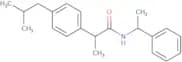
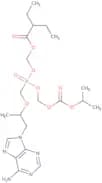
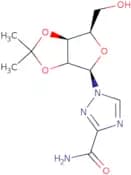
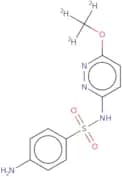
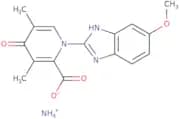
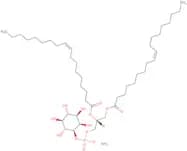
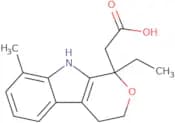
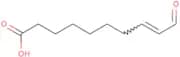
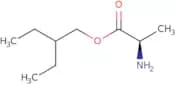
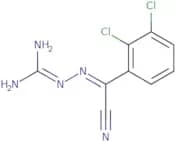
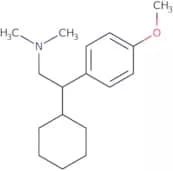
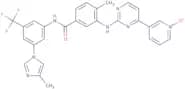
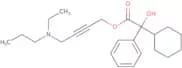
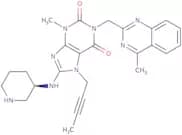
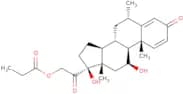
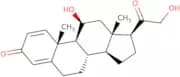
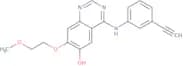
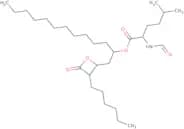

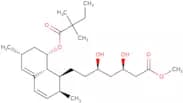

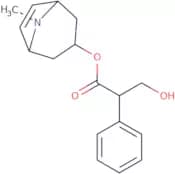
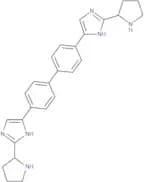
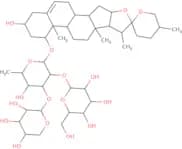
![1-[4-[4-(2,3-Dichlorophenyl)piperazin-1-yl]butyl-7-hydroxy-3,4-dihydro carbostyril (aripiprazole i…](/_next/image/?url=https%3A%2Fstatic.cymitquimica.com%2Fproducts%2F3D%2Fthumb-webp%2FXWC98365.webp&w=3840&q=75)
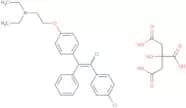

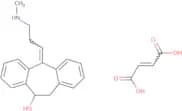
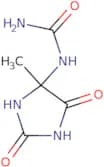
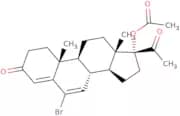
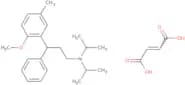
![(R)-2-Amino-2-methyl-N-[4-phenyl-1-[[4-[2-[2-(1H-tetrazol-5-yl)ethyl]phenyl]-1-piperidinyl]carbony…](/_next/image/?url=https%3A%2Fstatic.cymitquimica.com%2Fproducts%2F3D%2Fthumb-webp%2FVGA84246.webp&w=3840&q=75)
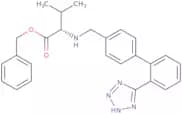
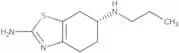

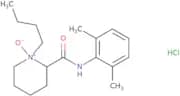
![(Z) -2- [4- (1, 2- Diphenylethenyl) phenoxy] - N, N- diethyl- ethanamine hydrochloride (E/Z Mixtur…](/_next/image/?url=https%3A%2Fstatic.cymitquimica.com%2Fproducts%2F3D%2Fthumb-webp%2FOD166680.webp&w=3840&q=75)
![N-Formyl-D-leucine (1S)-1-[[(2S,3S)-3-hexyl-4-oxo-2-oxetanyl]methyl]dodecyl ester](/_next/image/?url=https%3A%2Fstatic.cymitquimica.com%2Fproducts%2F3D%2Fthumb-webp%2FIF26578.webp&w=3840&q=75)

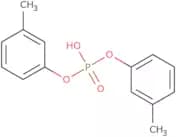
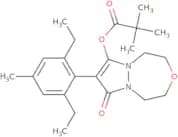
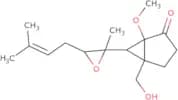
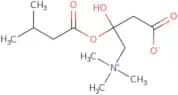

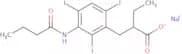
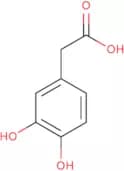
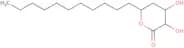
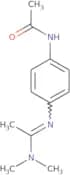
![2,12-Dihydro-1,3-dimethyl-9-methoxy-12-thioxobenzo [4,5] pyrido [1,2-c] imidazo [1,2-a] imidazol-2…](/_next/image/?url=https%3A%2Fstatic.cymitquimica.com%2Fproducts%2F3D%2Fthumb-webp%2FID57925.webp&w=3840&q=75)
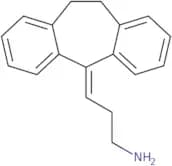

![[5-[(Dimethylamino)methyl]furan-2-yl]methanol](/_next/image/?url=https%3A%2Fstatic.cymitquimica.com%2Fproducts%2F3D%2Fthumb-webp%2FID57850.webp&w=3840&q=75)
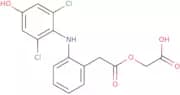
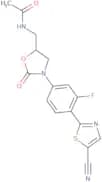
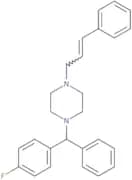
![5-Amino-N,N’-bis[2-hydroxy-1-(hydroxymethyl)ethyl]-2,4,6-triiodo-1,3-benzenedicarboxamide - EP](/_next/image/?url=https%3A%2Fstatic.cymitquimica.com%2Fproducts%2F3D%2Fthumb-webp%2FIA138685.webp&w=3840&q=75)
![4-Desfluoro-4-[4-(2-oxo-2,3-dihydro-1H-benzimidazol-1-yl)-3,6-dihydropyridin-1(2H)-yl] droperidol](/_next/image/?url=https%3A%2Fstatic.cymitquimica.com%2Fproducts%2F3D%2Fthumb-webp%2FWDC60417.webp&w=3840&q=75)
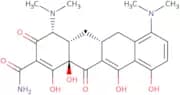
![N-[2-[(1S)-5-Bromo-2,3-dihydro-6-(2-propen-1-yloxy)-1H-inden-1-yl]ethyl]propanamide](/_next/image/?url=https%3A%2Fstatic.cymitquimica.com%2Fproducts%2F3D%2Fthumb-webp%2FWHA59785.webp&w=3840&q=75)

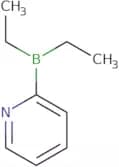
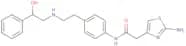
![Ampicillin desoxocarboxylic acid-[(R)-(phenyl-d5)glycine]](/_next/image/?url=https%3A%2Fstatic.cymitquimica.com%2Fproducts%2F3D%2Fthumb-webp%2FHYB72628.webp&w=3840&q=75)
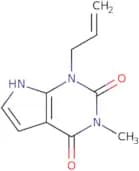
![1,3-Thiazol-5-ylmethyl N-[(1S,2S,4S)-4-(acetylamino)-1-benzyl-2-hydroxy-5-phenylpentyl]carbamate](/_next/image/?url=https%3A%2Fstatic.cymitquimica.com%2Fproducts%2F3D%2Fthumb-webp%2FKQB80843.webp&w=3840&q=75)
![1-[(1-Methylethyl)amino]-3-phenoxy-2-propanol](/_next/image/?url=https%3A%2Fstatic.cymitquimica.com%2Fproducts%2F3D%2Fthumb-webp%2FIM63785.webp&w=3840&q=75)
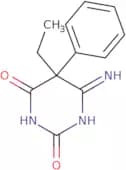
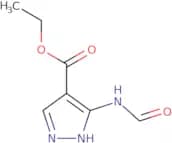
![1-[[2-[(2-Aminophenyl)amino]-5-methyl-3-thienyl]carbonyl]-4-methyl-piperazine](/_next/image/?url=https%3A%2Fstatic.cymitquimica.com%2Fproducts%2F3D%2Fthumb-webp%2FIA183184.webp&w=3840&q=75)
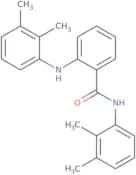
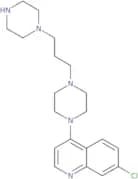
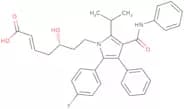

![6,7,8,9-Tetrahydro-3-[2-[4-(6-methoxy-1,2-benzisoxazol-3-yl)-1-piperidinyl]ethyl]-2-methyl-4H-pyri…](/_next/image/?url=https%3A%2Fstatic.cymitquimica.com%2Fproducts%2F3D%2Fthumb-webp%2FIT81401.webp&w=3840&q=75)
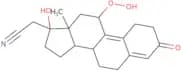
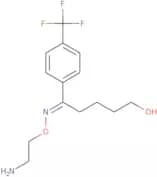
![1,1'-[(1-Methylethyl)imino]bis[3-[4-(2-methoxyethyl)phenoxy]-2-propanol](/_next/image/?url=https%3A%2Fstatic.cymitquimica.com%2Fproducts%2F3D%2Fthumb-webp%2FIM63789.webp&w=3840&q=75)
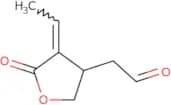
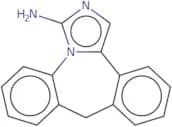

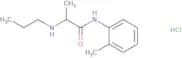
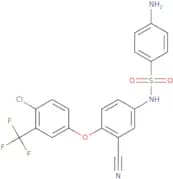
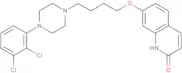
![4-[4-[4-[4-[[(3R,5R)-5-(2,4-difluorophenyl)-5-(1,2,4-triazol-1-ylmethyl)oxolan-3-yl]methoxy]phenyl…](/_next/image/?url=https%3A%2Fstatic.cymitquimica.com%2Fproducts%2F3D%2Fthumb-webp%2FLGA53265.webp&w=3840&q=75)
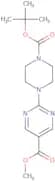
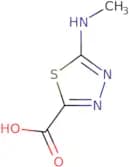
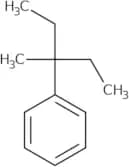
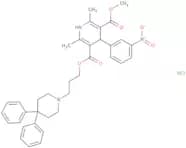
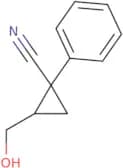
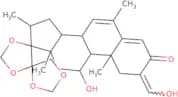

![2,2'-(1,4-Piperazinediyl)bis[6,7-dimethoxy-4-quinazolinamine]](/_next/image/?url=https%3A%2Fstatic.cymitquimica.com%2Fproducts%2F3D%2Fthumb-webp%2FIP27062.webp&w=3840&q=75)
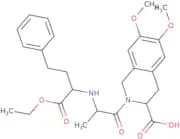
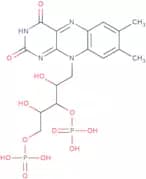
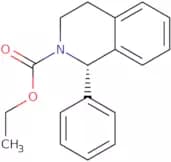
![Methyl 1-C-[4-chloro-3-[(4-ethoxyphenyl)methyl]phenyl]-a-D-glucopyranoside](/_next/image/?url=https%3A%2Fstatic.cymitquimica.com%2Fproducts%2F3D%2Fthumb-webp%2FFE171681.webp&w=3840&q=75)
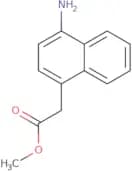
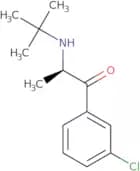
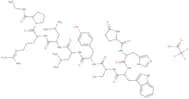
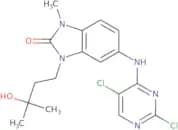
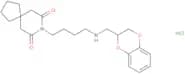
![2-(2-(4-(Dibenzo[b,f][1,4]thiazepin-11-yl)piperazin-1-yl)ethoxy)ethyl acetatequetiapine acetate](/_next/image/?url=https%3A%2Fstatic.cymitquimica.com%2Fproducts%2F3D%2Fthumb-webp%2FUIB63907.webp&w=3840&q=75)
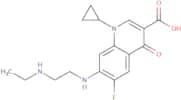
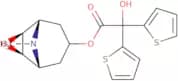
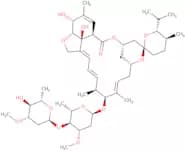
![5-Chloro-N-[3-[[(5-chloro-2-thienyl)carbonyl]amino]-2-hydroxypropyl]-N-[4-(3-oxo-4-morpholinyl)phe…](/_next/image/?url=https%3A%2Fstatic.cymitquimica.com%2Fproducts%2F3D%2Fthumb-webp%2FIC183209.webp&w=3840&q=75)
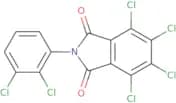
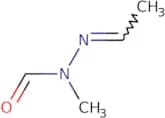
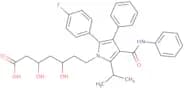
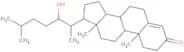
![5-(4-Methoxyphenyl)-3-methyl-1-oxa-3-azaspiro[5.5]undecane](/_next/image/?url=https%3A%2Fstatic.cymitquimica.com%2Fproducts%2F3D%2Fthumb-webp%2FIM28679.webp&w=3840&q=75)
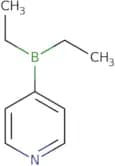
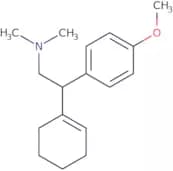
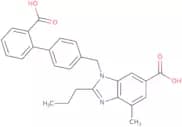

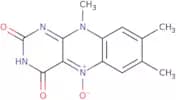
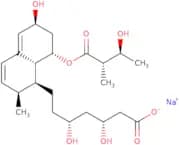
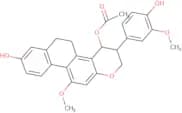
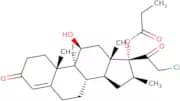
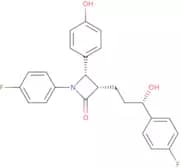
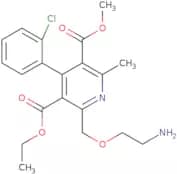
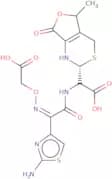
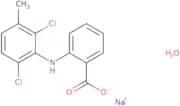

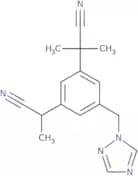

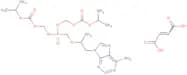
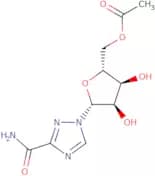
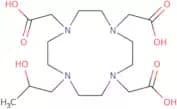
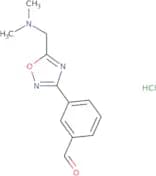
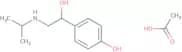
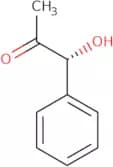
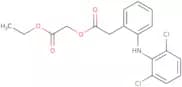
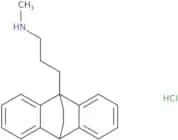
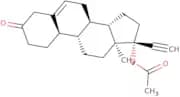

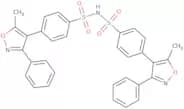
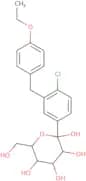
![N-[2-(2,4-Dichlorophenyl)-2-[(2,4-dichlorophenyl)methoxy]ethyl]-formamide](/_next/image/?url=https%3A%2Fstatic.cymitquimica.com%2Fproducts%2F3D%2Fthumb-webp%2FLLB80554.webp&w=3840&q=75)
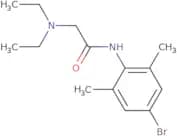
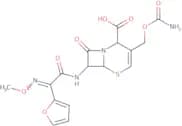
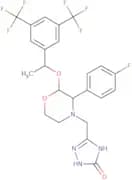
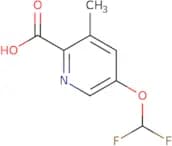
![(E)-4-(((2S,4R)-1-([1,1'-Biphenyl]-4-yl)-5-ethoxy-4-methyl-5-oxopentan-2-yl)amino)-4-oxobut-2-enoi…](/_next/image/?url=https%3A%2Fstatic.cymitquimica.com%2Fproducts%2F3D%2Fthumb-webp%2FIB181151.webp&w=3840&q=75)
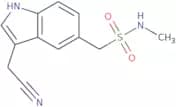
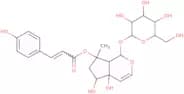
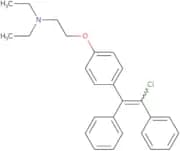

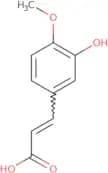
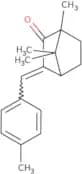
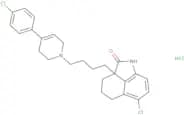
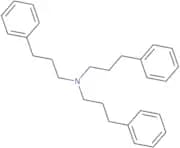
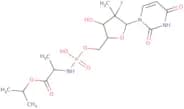
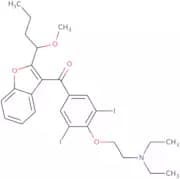
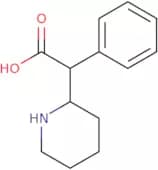

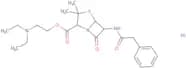
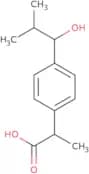
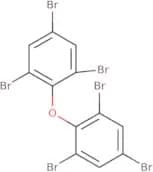
![(3S,4R)-3-((Benzo[D][1,3]dioxol-5-yloxy)methyl)-4-(4-fluorophenyl)piperidine hydrochloride](/_next/image/?url=https%3A%2Fstatic.cymitquimica.com%2Fproducts%2F3D%2Fthumb-webp%2FFFA85516.webp&w=3840&q=75)