APIs para investigación e impurezas
Los ingredientes farmacéuticos activos (API) son las sustancias en los medicamentos responsables de sus efectos terapéuticos. En esta sección, encontrarás una amplia variedad de API destinados a uso en investigación. Estos compuestos son esenciales para el desarrollo, prueba y validación de nuevas formulaciones farmacéuticas. En CymitQuimica, ofrecemos API de alta calidad para apoyar la investigación en el descubrimiento y desarrollo de fármacos.
Subcategorías de "APIs para investigación e impurezas"
- Aminoácidos y derivados(12.328 productos)
- Antraquinonas y derivados(405 productos)
- Derivados de Benzimidazol e Imidazol(10.438 productos)
- Derivados de Benzodiazepinas(335 productos)
- Carbohidratos y glucoconjugados(5.016 productos)
- Ésteres y derivados(42.240 productos)
- Ácidos Grasos y Derivados Lipídicos(32.395 productos)
- Flavonoides y Polifenoles(17.087 productos)
- Radicales libres y agentes oxidantes/reductores(213 productos)
- Cetonas y Derivados(2.402 productos)
- Antibióticos naturales y semisintéticos(6.380 productos)
- Nitrilos y Cianoderivados(3.067 productos)
- Nitrosaminas y derivados(55 productos)
- Nucleósidos y Nucleótidos(3.431 productos)
- Fosfatos y Fosfonatos Orgánicos(1.202 productos)
- Sulfonatos y Sulfatos Orgánicos(10.434 productos)
- Organometálicos(4.422 productos)
- Otros(6.292 productos)
- Péptidos y Proteínas(3.153 productos)
- Polímeros y derivados(100 productos)
- Derivados de Purinas y Pirimidinas(8.948 productos)
- Derivados de Quinazolina y Quinolina(65.966 productos)
- Quinonas y derivados(24.349 productos)
- Sales y derivados de API(79.696 productos)
- Esteroides y derivados(4.975 productos)
- Sulfonamidas y derivados(2.594 productos)
- Terpenoides y derivados(3.846 productos)
- Tiazolidinedionas y Tiopiranos(2.752 productos)
- Compuestos β-adrenérgicos(230 productos)
Mostrar 21 subcategorías más
Se han encontrado 57012 productos de "APIs para investigación e impurezas"
Ordenar por
Pureza (%)
0
100
|
0
|
50
|
90
|
95
|
100
Ref: 4Z-P-0262
Producto descatalogadoRef: 4Z-PG-194006
Producto descatalogadoRef: 4Z-B-192094
Producto descatalogadoAflatoxin B1 8,9-Epoxide
CAS:Producto controladoFórmula:C17H12O7Pureza:>80%Forma y color:NeatPeso molecular:328.27Rotigotine Impurity 7
CAS:<p>Rotigotine Impurity 7 is an impurity that has been identified in the synthesis of rotigotine. Rotigotine Impurity 7 is a synthetic compound with a CAS number of 1229620-82-9. It is intended for use as an analytical standard and as a component in the manufacture of rotigotine, which is indicated for the management of Parkinson's disease. This product has not been tested in animals or humans, and it should be handled with care.</p>Fórmula:C21H28ClNO2SPureza:Min. 95%Peso molecular:393.97 g/molCalcipotriol EP impurity E
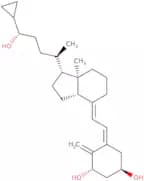
<p>Calcipotriol EP Impurity E is a synthetic impurity that is found in the calcipotriol EP API. Calcipotriol EP Impurity E is an impurity standard for HPLC and can be used in drug development, research and development, and pharmacopoeia. It has been shown to have no significant effect on the pharmacological activity of calcipotriol EP.</p>Fórmula:C27H42O3Pureza:Min. 95 Area-%Forma y color:PowderPeso molecular:414.62 g/mol(3R)-3-Amino-1-[5,6-dihydro-3-(trifluoromethyl)-1,2,4-triazolo[4,3-α]pyrazin-7(8H)-yl]-4-(2,3,6-trifluorophenyl)-1-butanone
CAS:<p>Please enquire for more information about (3R)-3-Amino-1-[5,6-dihydro-3-(trifluoromethyl)-1,2,4-triazolo[4,3-α]pyrazin-7(8H)-yl]-4-(2,3,6-trifluorophenyl)-1-butanone including the price, delivery time and more detailed product information at the technical inquiry form on this page</p>Fórmula:C16H15F6N5OPureza:Min. 95%Peso molecular:407.31 g/mol15-O-Demethyl Tacrolimus
CAS:<p>Tacrolimus is a macrolide that is used as an immunosuppressive drug. It has been shown to bind to the FK-binding protein, which in turn inhibits calcineurin. This prevents the release of IL-2, TNF-α and other cytokines. The immunosuppressive effects of tacrolimus have been evaluated using analytical methods such as coefficients, affinity, and monitoring techniques such as immunoassays and agglutination. These techniques are used to evaluate the plasma concentration of tacrolimus. Tacrolimus also binds to proteins in the blood samples and can be detected by turbidimetric or electrochemiluminescence immunoassay reagents.</p>Fórmula:C43H67NO12Pureza:Min. 95%Peso molecular:789.99 g/molN-(((5R)-3-(3-Fluoro-4- (4-morpholinyl)phenyl)-2-oxo- 5-oxazolidinyl)methyl) acetamide
CAS:<p>N-(((5R)-3-(3-Fluoro-4-(4-morpholinyl)phenyl)-2-oxo-5-oxazolidinyl)methyl)acetamide (LFMAPO) is an antibacterial agent that inhibits bacterial growth by binding to the active site of bacterial DNA gyrase. LFMAPO has a molecular weight of 552.2 Da and a log P value of 2.6. It was synthesized from acetamide, 3-fluoroaniline, and 4-(4-morpholinyl)benzaldehyde in 60% yield using techniques such as millimolar stoichiometry, electrophoresis method, binding constants, and molecular modeling study. The drug also has chiral properties with two stereocenters at carbons C1 and C5 that have been shown to be important for the activity of this compound against Gram positive bacteria.</p>Fórmula:C16H20FN3O4Pureza:Min. 95%Forma y color:PowderPeso molecular:337.35 g/molDaunomycinone
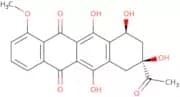
CAS:<p>Daunomycinone is a chemical compound that belongs to the group of antitumor agents. It is used in cancer therapy and has been shown to inhibit protein synthesis, leading to cell death. Daunomycinone can be synthesized by reacting adriamycin with trifluoroacetic acid in the presence of an organic base. This reaction produces a daunomycinone molecule that has a hydroxyl group at one end and a carbonyl group at the other. The binding constants between daunomycinone and human serum proteins have been determined experimentally using molecular modeling techniques. Hydrogen bonding interactions are also present in this complex, which may account for its high affinity for proteins found in human serum.</p>Fórmula:C21H18O8Pureza:Min. 95%Forma y color:Red PowderPeso molecular:398.36 g/molN-[2-[[[5-[(Dimethylamino)methyl]-2-furanyl]methyl]thio]ethyl]-2-nitroacetamide sodium salt
CAS:<p>2-Nitroacetamide sodium salt is an impurity of the drug N-[2-[[[5-[(dimethylamino)methyl]-2-furanyl]methyl]thio]ethyl]-2-nitroacetamide, a synthetic chemotherapeutic agent for the treatment of cancers. This compound has been shown to have metabolism studies and natural properties. It has a CAS number of 112251-56-6 and is found in the pharmacopoeia. 2-Nitroacetamide sodium salt is a custom synthesis that can be used as a reference standard for HPLC analysis. It can also be used as a drug product or metabolite in drug development.</p>Fórmula:C12H18N3O4SNaPureza:Min. 95%Forma y color:PowderPeso molecular:323.34 g/molLincomycin EP impurity B
CAS:<p>Lincomycin impurity B is a chemical substance which is the result of the metabolism of lincomycin. It is found in the urine and feces of patients who have taken lincomycin orally. Lincomycin impurity B has been detected in various commercial formulations of lincomycin, but its concentration varies with different batches. The HPLC standard purity for lincomycin impurity B is up to 99%. Lincomycin impurity B can be used as an analytical standard for HPLC analysis and as an API impurity in drug development. It also may be used as a research metabolite or pharmacopoeia reference material.</p>Fórmula:C18H32N2O6SPureza:Min. 95%Peso molecular:404.52 g/molRef: 3D-IL171346
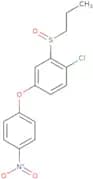
Producto descatalogadoPhenproxide
CAS:<p>Phenproxide is an analog of testosterone that has been used traditionally in Chinese medicine to treat tumors. It has been found to induce apoptosis in cancer cells by inhibiting kinases, which are enzymes that regulate cellular processes such as cell division and growth. Phenproxide has also been shown to inhibit the activity of somatostatin, a hormone that regulates the release of other hormones. This inhibition may contribute to its anti-cancer properties. In addition, Phenproxide has been shown to have an effect on hyaluronan metabolism, a substance involved in tissue repair and inflammation. It is excreted in urine and may be used as a potential biomarker for cancer diagnosis or monitoring.</p>Fórmula:C15H14ClNO4SPureza:Min. 95%Peso molecular:339.8 g/molRef: 3D-ZBA82875
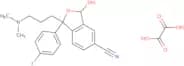
Producto descatalogado3-Hydroxy citalopram oxalate
CAS:<p>3-Hydroxy citalopram oxalate (3HCO) is a drug product that is used as an analytical standard and impurity standard. It is synthesized in the laboratory by reacting 3,4-dihydroxyphenylacetic acid with citalopram, followed by esterification with oxalic acid. The purity of the final product is typically >98%.</p>Fórmula:C22H23FN2O6Pureza:Min. 95%Peso molecular:430.4 g/molRef: 3D-HDC72403
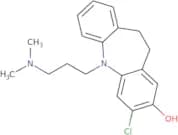
Producto descatalogado3-Chloro-2-hydroxyimipramine
CAS:<p>3-Chloro-2-hydroxyimipramine is a potent anticancer agent that has shown promising results in preclinical studies. This compound is a kinase inhibitor that targets cancer cells and induces apoptosis, leading to tumor regression. It has been found in urine samples of Chinese medicinal herb users and shows an analog structure to imipramine, an antidepressant drug. 3-Chloro-2-hydroxyimipramine inhibits kinases involved in cell proliferation and survival, making it a potential treatment option for various types of cancer in humans. Its anti-cancer properties make it an attractive candidate for further research and development as a potential therapeutic agent.</p>Fórmula:C19H23ClN2OPureza:Min. 95%Peso molecular:330.8 g/molRef: 3D-LCA52375
Producto descatalogadoGemcitabine diphosphate triethylamine salt
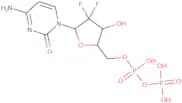
CAS:<p>Gemcitabine diphosphate triethylamine salt is an inhibitor that has been shown to be effective in the treatment of various forms of cancer. It works by inhibiting the activity of kinases, which are enzymes involved in the regulation of cell growth and division. Gemcitabine diphosphate triethylamine salt is a prodrug that is converted to its active form, gemcitabine, in vivo. This drug has been shown to inhibit the uptake of xylose by cancer cells, leading to decreased protein synthesis and induction of apoptosis. In addition, it has been found to be effective against human and Chinese medicinal tumor cells. Gemcitabine diphosphate triethylamine salt is a promising treatment option for patients with cancer who have not responded well to traditional chemotherapy or radiation therapy.</p>Fórmula:C9H13F2N3O10P2Pureza:Min. 95%Peso molecular:423.16 g/molRef: 3D-REA37166
Producto descatalogadoXanthoxin
CAS:<p>Xanthoxin is a medicinal compound with potent anticancer properties. It has been shown to induce apoptosis, or programmed cell death, in cancer cells. Xanthoxin has been tested in various cancer cell lines, including Chinese and human cells, and has demonstrated strong inhibitory effects on the tumor cycle. This compound works by inhibiting kinases and other proteins involved in cancer cell growth and proliferation. Xanthoxin is also known to be an inhibitor of certain urinary proteins that are associated with cancer progression. Overall, Xanthoxin shows great potential as a natural product for the development of novel anticancer therapies.</p>Fórmula:C15H22O3Pureza:Min. 95%Peso molecular:250.33 g/molRef: 3D-IAA06607
Producto descatalogado(R)-3-((1-Methylpyrrolidin-2-yl)methyl)-5-vinyl-1H-indole
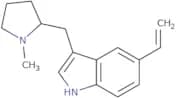
CAS:<p>Please enquire for more information about (R)-3-((1-Methylpyrrolidin-2-yl)methyl)-5-vinyl-1H-indole including the price, delivery time and more detailed product information at the technical inquiry form on this page</p>Fórmula:C16H20N2Pureza:Min. 95%Peso molecular:240.34 g/molRef: 3D-JIA68280
Producto descatalogadoNUC-7738
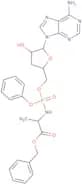
CAS:<p>NUC-7738 is a medicinal compound that has been shown to be an effective inhibitor of cyclin-dependent kinases (CDKs). It has potent anticancer activity and has been studied extensively in Chinese hamster ovary (CHO) cells, human leukemia cells, and other cancer cell lines. NUC-7738 works by selectively inhibiting CDK4/6, which are critical regulators of the cell cycle. This leads to the induction of apoptosis in cancer cells, making it a promising new therapeutic agent for the treatment of various types of cancer. Additionally, NUC-7738 has been shown to have low toxicity and good pharmacokinetic properties in preclinical studies. Overall, this compound holds great promise as a novel anticancer therapy that may help improve outcomes for patients with cancer.</p>Fórmula:C26H29N6O7PPureza:Min. 95%Peso molecular:568.5 g/molRef: 3D-YTD49339
Producto descatalogado



![1-{4-[(4-methyl-1,4-diazepan-1-yl)methyl]phenyl}methanamine](/_next/image/?url=https%3A%2Fstatic.cymitquimica.com%2Fproducts%2F10%2Fthumb-webp%2FF518958.webp&w=3840&q=75)



![(3R)-3-Amino-1-[5,6-dihydro-3-(trifluoromethyl)-1,2,4-triazolo[4,3-α]pyrazin-7(8H)-yl]-4-(2,3,6-tr…](/_next/image/?url=https%3A%2Fstatic.cymitquimica.com%2Fproducts%2F3D%2Fthumb-webp%2FIA183166.webp&w=3840&q=75)


![N-[2-[[[5-[(Dimethylamino)methyl]-2-furanyl]methyl]thio]ethyl]-2-nitroacetamide sodium salt](/_next/image/?url=https%3A%2Fstatic.cymitquimica.com%2Fproducts%2F3D%2Fthumb-webp%2FID57855.webp&w=3840&q=75)