APIs para investigación e impurezas
Los ingredientes farmacéuticos activos (API) son las sustancias en los medicamentos responsables de sus efectos terapéuticos. En esta sección, encontrarás una amplia variedad de API destinados a uso en investigación. Estos compuestos son esenciales para el desarrollo, prueba y validación de nuevas formulaciones farmacéuticas. En CymitQuimica, ofrecemos API de alta calidad para apoyar la investigación en el descubrimiento y desarrollo de fármacos.
Subcategorías de "APIs para investigación e impurezas"
- Aminoácidos y derivados(12.327 productos)
- Antraquinonas y derivados(405 productos)
- Derivados de Benzimidazol e Imidazol(10.433 productos)
- Derivados de Benzodiazepinas(335 productos)
- Carbohidratos y glucoconjugados(5.014 productos)
- Ésteres y derivados(42.245 productos)
- Ácidos Grasos y Derivados Lipídicos(32.393 productos)
- Flavonoides y Polifenoles(17.085 productos)
- Radicales libres y agentes oxidantes/reductores(213 productos)
- Cetonas y Derivados(2.401 productos)
- Antibióticos naturales y semisintéticos(6.376 productos)
- Nitrilos y Cianoderivados(3.067 productos)
- Nitrosaminas y derivados(55 productos)
- Nucleósidos y Nucleótidos(3.431 productos)
- Fosfatos y Fosfonatos Orgánicos(1.202 productos)
- Sulfonatos y Sulfatos Orgánicos(10.433 productos)
- Organometálicos(4.422 productos)
- Otros(6.291 productos)
- Péptidos y Proteínas(3.143 productos)
- Polímeros y derivados(100 productos)
- Derivados de Purinas y Pirimidinas(8.948 productos)
- Derivados de Quinazolina y Quinolina(65.924 productos)
- Quinonas y derivados(24.344 productos)
- Sales y derivados de API(79.624 productos)
- Esteroides y derivados(4.973 productos)
- Sulfonamidas y derivados(2.592 productos)
- Terpenoides y derivados(3.845 productos)
- Tiazolidinedionas y Tiopiranos(2.752 productos)
- Compuestos β-adrenérgicos(230 productos)
Mostrar 21 subcategorías más
Se han encontrado 56931 productos de "APIs para investigación e impurezas"
Ordenar por
Pureza (%)
0
100
|
0
|
50
|
90
|
95
|
100
Tobramycin impurity 3
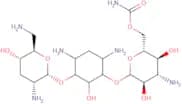
<p>Tobramycin impurity 3 is a natural product that belongs to the class of antibiotics. It is an impurity in the drug tobramycin, which is used for the treatment of respiratory tract infections. Tobramycin impurity 3 has been shown as a major metabolite of tobramycin by HPLC and GC-MS. The chemical structure is not known, but it has been identified as a metabolite based on its similarity to other metabolites. Metabolism studies are required to elucidate the metabolic pathway and identify the enzyme responsible for its formation.</p>Pureza:Min. 95%Loxapine N-oxide
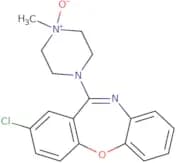
CAS:<p>Loxapine N-oxide is a metabolite of loxapine. It has been shown that the n-oxide form of loxapine has regulatory effects on the metabotropic glutamate receptor and can be used to treat symptoms of schizophrenia. Loxapine N-oxide has been shown to have antipsychotic effects in vitro. The structural formula for loxapine N-oxide is as follows:</p>Fórmula:C18H18ClN3O2Pureza:Min. 95%Peso molecular:343.8 g/mol9-[[(2,2,2-Trifluoroethyl)amino]carbonyl]-9H-fluorene-9-butanoic acid
CAS:<p>9-[[(2,2,2-Trifluoroethyl)amino]carbonyl]-9H-fluorene-9-butanoic acid is a research and development impurity standard. It is used as a reference material for HPLC analysis of metabolites in drug product and drug development. This compound has been synthesized using synthetic methods. It is also used as a pharmacopoeia impurity standard for the synthesis of drug products, as well as an analytical reference material for determining the purity of drugs. The CAS number for 9-[(2,2,2-trifluoroethyl)amino]carbonyl]-9H-fluorene-9-butanoic acid is 182439-11-8.</p>Fórmula:C20H18F3NO3Pureza:Min. 95%Peso molecular:377.40 g/mol7α,24(S)-Dihydroxycholesterol
CAS:Producto controlado<p>7α,24(S)-Dihydroxycholesterol (7α,24(S)-DHCH) is a fatty acid that is produced by the liver and is an intermediate in cholesterol biosynthesis. 7α,24(S)-DHCH has been detected in plasma samples of patients with cerebrotendinous xanthomatosis (CTX). It has also been found to be elevated in tuberculosis patients with carotid involvement. The levels of 7α,24(S)-DHCH were found to be higher than those of other oxysterols in CTX patients. In order to identify the origin of this molecule, a LC-MS/MS method was developed for the detection and quantification of 7α,24(S)-DHCH. This method uses chemical ionization for mass spectrometric analysis and can detect 7α,24(S)-DHCH at concentrations as low as 1 ng/mL. Histological analyses were conducted on human tissue samples</p>Fórmula:C27H46O3Pureza:Min. 95%Peso molecular:418.65 g/molSunitinib impurity G
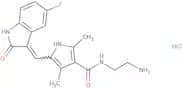
CAS:<p>Sunitinib impurity G is a research and development impurity that is found in the process of synthesizing sunitinib. Sunitinib impurity G is an analytical standard that is soluble in methanol and is suitable for HPLC analysis. It has been shown to have high purity, excellent stability, and a low level of toxicity.</p>Fórmula:C18H20ClFN4O2Pureza:Min. 95%Peso molecular:378.8 g/molMidostaurin Impurity 2
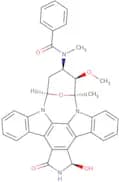
CAS:<p>Midostaurin Impurity 2 is a drug product that has been custom synthesized by our scientists. It is of high purity, and is used in analytical studies to understand its metabolism. This impurity also plays a role in drug development and pharmacopoeia. It can be found under CAS No. 155848-20-7, and has the molecular formula C10H16N4O2S. This compound has an analytical standard at HPLC, which can be used to make sure that it's purity meets FDA standards for research and development purposes.</p>Pureza:Min. 95%Decladinose roxithromycin
CAS:<p>Decladinose roxithromycin is a novel drug that can be used for the diagnosis and treatment of disorders related to the mutation. Decladinose roxithromycin has been shown to be effective in the detection and treatment of mutants, such as those related to cystic fibrosis.</p>Fórmula:C33H62N2O12Pureza:Min. 95%Peso molecular:678.85 g/molBalsalazide Isopropyl ester
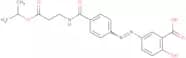
CAS:<p>Balsalazide Isopropyl ester is a synthetic compound that is used as an active pharmaceutical ingredient in the treatment of irritable bowel syndrome. Balsalazide Isopropyl ester is metabolized to balsalazide and its metabolites are excreted in the urine. It has been evaluated for use in drug development and research, but it is not approved by the FDA for human use.</p>Fórmula:C20H21N3O6Pureza:Min. 95%Peso molecular:399.4 g/molTrandolapril acyl-β-D-glucuronide
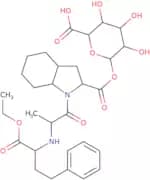
CAS:Trandolapril acyl-β-D-glucuronide (TAPG) is a drug product that is used for research and development. It is a metabolite of the drug trandolapril, which is used for hypertension and heart failure. TAPG has been found to be an impurity in some batches of trandolapril. TAPG has been shown to have the same pharmacological properties as trandolapril, but at a lower dose.Fórmula:C30H42N2O11Pureza:Min. 95%Peso molecular:606.7 g/molFusidic acid EP Impurity C
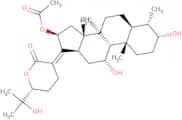
<p>Fusidic acid EP Impurity C is an impurity found in Fusidic acid EP. It is a natural product with CAS No. 598-10-3 and molecular weight of 225.24 g/mol. It is a synthetic product with CAS No. 477-81-8 and molecular weight of 219.25 g/mol. This impurity has been shown to be pharmacologically active and may account for the observed activity of the drug product in some cases, but not all cases. This impurity can be synthesized from commercially available starting materials or by custom synthesis as required by customers' specifications.</p>Pureza:Min. 95%6-Hydroxy melatonin-d4 (major)
CAS:Producto controlado<p>6-Hydroxy melatonin is a metabolite of the hormone melatonin. It is used as a research and development impurity standard for drug product, as well as a custom synthesis. 6-Hydroxy melatonin is synthesized from the amino acid tryptophan, which is converted to serotonin in the pineal gland by the enzyme tryptophan hydroxylase. This conversion occurs through two steps: tryptophan hydroxylase converts tryptophan to 5-hydroxytryptamine (serotonin), and then 5-hydroxytryptamine to 6-hydroxytryptamine (6-OHMT). 6-OHMT can be methylated to form 6-methoxyindoleacetic acid (6-MITA) or oxidized to form melatonin.</p>Fórmula:C13H12D4N2O3Pureza:Min. 95%Peso molecular:252.3 g/molIndacaterol impurity 3
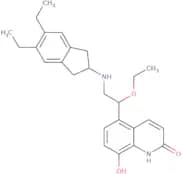
CAS:Indacaterol is a drug product that belongs to the class of drugs known as beta-adrenergic agonists. It is used for the treatment of asthma and COPD. Indacaterol impurity 3 (ID3) is an impurity found in indacaterol, which has been identified as a metabolite of indacaterol. ID3 is not active against bacteria. ID3 has been shown to be synthesized by human liver microsomes and erythrocytes in vitro. ID3 can be purified from indacaterol by HPLC with a purity greater than 99%.Fórmula:C26H32N2O3Pureza:Min. 95%Peso molecular:420.5 g/mol1-[1-(4-Methoxyphenyl)-2-[[2-(4-methoxyphenyl)ethyl]amino]ethyl]cyclohexanol
CAS:<p>1-[1-(4-Methoxyphenyl)-2-[[2-(4-methoxyphenyl)ethyl]amino]ethyl]cyclohexanol is a drug product that is used as a standard for HPLC. It is also used in the development of drugs, natural research and development, and analytical studies. The impurity standard is an analytical impurity that has CAS No. 1329795-88-1 and is synthetically made. Metabolism studies have been done to determine how this drug product will be metabolized by the body. This drug product is found naturally in the plant Nicotiana tabacum, but it can also be manufactured synthetically using commercial processes. 1-[1-(4-Methoxyphenyl)-2-[[2-(4-methoxyphenyl)ethyl]amino]ethyl]cyclohexanol has niche uses as it can be used as a pharmacopoeia imp</p>Fórmula:C24H33NO3Pureza:Min. 95%Peso molecular:383.52 g/molN-(1-Phenylethyl) ibuprofen amide
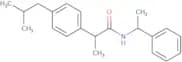
CAS:<p>N-(1-Phenylethyl) ibuprofen amide is a metabolite of ibuprofen. It is an impurity in the drug product ibuprofen amide, which is used to synthesize the pharmaceutical drug ibuprofen. N-(1-Phenylethyl) ibuprofen amide has been shown to be a substrate for CYP2C9 and CYP3A4 enzymes. The compound also inhibits prostaglandin synthesis.</p>Fórmula:C21H27NOPureza:Min. 95%Forma y color:PowderPeso molecular:309.4 g/molSulfamethoxypyridazine-d3
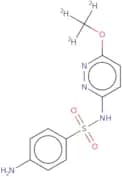
CAS:Producto controlado<p>Sulfamethoxypyridazine-d3 is a compound that has been shown to have anti-trophic and transport properties. It has been shown to be capable of binding with organic pollutants, including benzothiazoles, and has the potential to be used in screening for these compounds. Sulfamethoxypyridazine-d3 has also been shown to inhibit the growth of organisms, such as bacteria and fungi. This compound is not absorbed by humans or animals when administered orally, but can be transferred through skin contact. In vitro studies show that it is not toxic at concentrations of up to 100 μg/mL and does not cause irritation in skin or eye irritation tests.</p>Fórmula:C11H9D3N4O3SPureza:Min. 95%Peso molecular:283.32 g/mol1,2-Dioleoyl-sn-glycero-3-phospho-(1'-myo-inositol) ammonium salt
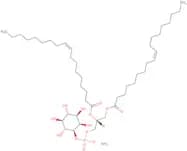
CAS:<p>1,2-Dioleoyl-sn-glycero-3-phospho-(1'-myo-inositol) ammonium salt (DOPMP) is a synthetic compound that is used as an impurity standard for the manufacture of drug products. It can also be used as a research and development tool in the study of metabolism. DOPMP is not found in nature and has a CAS number of 799268-53-4. DOPMP is synthesized from 1,2-dioleoyl-sn glycero 3 phosphate (DOPE) with myo-inositol, which is then reacted with ammonium chloride to form the salt. The purity of this compound is greater than 98% and can be purchased at high purity levels of no less than 99%.</p>Fórmula:C45H83O13P·(NH3)Pureza:Min. 95%Peso molecular:863.11 g/mol1,1-Bis-(methylthio)-2-nitroethene
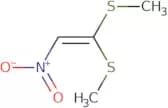
CAS:<p>1,1-Bis-(methylthio)-2-nitroethene is a versatile molecule that can be used as an imine. It is synthesized by reacting trifluoromethanesulfonic acid with the amine in the presence of a base. The imine product has been shown to bind to amines and is therefore a potential drug candidate for prostate cancer cells. 1,1-Bis-(methylthio)-2-nitroethene reacts with triflic acid to produce an intramolecular hydrogen bond, leading to its efficient synthesis. The resulting compound then undergoes reactions that are characterized by nmr spectra and profiles. This functional group is inhibitory against prostate cancer cell lines at high concentrations, although it has no effect on other cell lines.</p>Fórmula:C4H7NO2S2Pureza:Min. 95%Peso molecular:165.24 g/mol3-(Benzyloxy)-5-nitrobenzoic acid
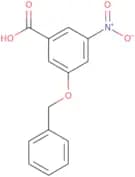
CAS:<p>3-(Benzyloxy)-5-nitrobenzoic acid is a benzimidazole derivative that is synthesized in three steps. It can be formed by reacting potassium chloride, formic acid and 3-hydroxy-5-nitrobenzoic acid. The reaction yields are dependent on the concentration of the reactants. The isomeric mixture can be separated by distillation into two fractions; one fraction contains the desired product and the other fraction contains the undesired product. This compound has been shown to have antibacterial activity against both Gram-positive and Gram-negative bacteria, as well as antifungal activity against Candida albicans. 3-(Benzyloxy)-5-nitrobenzoic acid binds to ribosomes of bacteria, inhibiting protein synthesis by preventing peptide bond formation between amino acids. This compound also reacts with sulfate ion to produce sulfate ester, which inhibits bacterial growth by disrupting membrane integrity.</p>Fórmula:C14H11NO5Pureza:Min. 95%Peso molecular:273.24 g/molLevothyroxine lactose adduct
<p>Levothyroxine is a drug product that is used for the treatment of hypothyroidism. It is an analog of thyroxine, which is synthesized in the thyroid gland. Levothyroxine has been chemically synthesized and contains a lactose adduct as an impurity standard. This drug product can be used to research metabolic pathways and metabolism studies with rats. Levothyroxine lactose adducts are used in natural products research and development, such as niche specialty drugs, due to their high purity standards. The CAS number for Levothyroxine lactose adduct is 266-072-3.</p>Fórmula:C27H31I4NO14Pureza:85%MinPeso molecular:1,101.15 g/molN-Methyllidocaine iodide
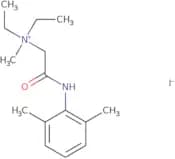
CAS:<p>N-Methyllidocaine iodide is a drug that is used to treat cardiac arrhythmias. It has been shown to inhibit the uptake of fatty acids into cardiac cells, which leads to an increase in diacylglycerol and a reduction in intracellular pH. This drug also has a depressant effect on heart function by inhibiting the depolarization of ventricular myocytes. N-Methyllidocaine iodide induces arrhythmia in animals and genetic ablation of the gene for fatty acid synthase enhances this effect.</p>Fórmula:C15H25IN2OPureza:Min. 95%Peso molecular:376.28 g/molImazamox methyl ester
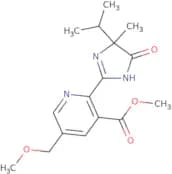
CAS:<p>Imazamox methyl ester is a sulphonate herbicide that is used as an intermediate in the synthesis of other herbicides. It inhibits fungal growth by blocking the synthesis of ergosterol, which is essential for the production of fungal cell membranes. Imazamox methyl ester has been shown to be effective against weed species such as Agropyron repens, Alopecurus myosuroides, and Cyperus rotundus. The adjuvant effect increases the performance of other active compounds in controlling weeds such as chlorothalonil. Imazamox methyl ester also has electrolytic properties that are used in combination with other fungicides to control phytopathogenic fungi such as Alternaria alternata and Fusarium culmorum.</p>Fórmula:C16H21N3O4Pureza:Min. 95%Peso molecular:319.36 g/molRosuvastatin anhydro lactone
CAS:<p>Rosuvastatin anhydro lactone is a pure chemical compound that is used as an analytical reference standard for high-performance liquid chromatography (HPLC) for the determination of purity and identification of impurities in pharmaceuticals. It is also utilized as a drug development, API impurity, and HPLC standard. Rosuvastatin anhydro lactone is a metabolite of rosuvastatin and is chemically designated as C22H29NO3. The CAS number for rosuvastatin anhydro lactone is 1246665-85-9.</p>Fórmula:C22H24FN3O4SPureza:Min. 95%Peso molecular:445.50 g/molGastrofensin an 5
CAS:<p>Gastrofensin an 5 is a drug product that is undergoing research and development. It is not yet approved for use in humans. Gastrofensin an 5 is used as a reference substance in analytical work, metabolism studies, and natural product analysis. The CAS No. for this compound is 89845-16-9. Gastrofensin an 5 has the following impurities: 0.1% (m/m) of 2-(6-chloroquinolin-2-yl)acetic acid; 0.1% (m/m) of 2-(6-chloroquinolin-3-yl)acetic acid; 0.1% (m/m) of 2-(6,7-dichloroquinolyl)-acetic acid; 0.1% (m/m) of 3-(6,7 dichloroquinolyl)-acetic acid; 0.1% (</p>Fórmula:C19H21ClN2O2Pureza:Min. 95%Peso molecular:344.8 g/mol3-Deamino 3-hydroxy linagliptin
CAS:<p>Please enquire for more information about 3-Deamino 3-hydroxy linagliptin including the price, delivery time and more detailed product information at the technical inquiry form on this page</p>Fórmula:C25H27N7O3Pureza:Min. 95%Peso molecular:473.5 g/molCarbonic acid, methyl 1-methylene-2-oxopropyl ester
CAS:<p>Carbonic acid, methyl 1-methylene-2-oxopropyl ester is a drug product that is custom synthesized for research and development. It has high purity and analytical data. Metabolism studies are required for this drug product. This drug product is natural and synthetic. CAS No. 146897-17-8 is the impurity standard for this drug product. Research and Development (R&D) needs to be conducted on this drug product in order to develop a pharmacopoeia standard. Synthetic methods are used in the manufacture of this drug product, which also has a niche market.br></p>Fórmula:C6H8O4Pureza:Min. 95%Peso molecular:144.12 g/mol(R)-Pramipexole 2HCl
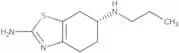
CAS:Producto controlado<p>Dopamine (D2 and D3) receptor agonist; has anti-parkinsonian effects</p>Fórmula:C10H19Cl2N3SPureza:Min. 95%Peso molecular:283.06767Bupivacaine N-oxide hydrochloride
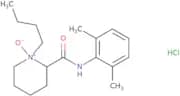
CAS:<p>Bupivacaine N-oxide is a synthetic local anesthetic drug. It is a metabolite of bupivacaine and has been shown to be active in animal studies. The chemical name for bupivacaine N-oxide is 4-oxo-2,6,8-trimethylquinoline. Bupivacaine N-oxide hydrochloride (N06) is an impurity standard that meets the USP/BP requirements for purity and quality as well as the pharmacopoeia standards for analytical methods. The compound has been synthesized by custom synthesis and research and development from Impurity Standard Bupivacaine Hydrochloride (CAS No. 1796927-05-3). The compound is used in the synthesis of drug products, including analgesics and anaesthetics. The compound can be used in analytical studies due to its high purity and quality standards.</p>Fórmula:C18H29ClN2O2Pureza:Min. 95%Peso molecular:340.9 g/mol(Z) -2- [4- (1, 2- Diphenylethenyl) phenoxy] - N, N- diethyl- ethanamine hydrochloride (E/Z Mixture)
CAS:<p>(Z) -2- [4- (1, 2- Diphenylethenyl) phenoxy] - N, N- diethyl- ethanamine hydrochloride is a drug product that is an analytical impurity. It is used as a metabolite standard in drug development and metabolism studies. The CAS number for this compound is 97800-41-4.</p>Fórmula:C26H29NOPureza:Min. 95%Peso molecular:371.51 g/molN-Formyl-D-leucine (1S)-1-[[(2S,3S)-3-hexyl-4-oxo-2-oxetanyl]methyl]dodecyl ester
CAS:<p>N-Formyl-D-leucine (1S)-1-[[(2S,3S)-3-hexyl-4-oxo-2-oxetanyl]methyl]dodecyl ester is a research and development impurity standard that is used to assist in the production of high purity drug products. It is a synthetic compound that is metabolized in vivo to form N-formylglycine. This impurity standard can be used as a reference material for pharmacopoeia, drug development, and metabolic studies.</p>Fórmula:C29H53NO5Pureza:Min. 95%Peso molecular:495.73 g/molEtoricoxib Dimer Impurity
<p>Etoricoxib is a non-steroidal anti-inflammatory drug that is used to treat the pain and inflammation of arthritis. It is a prodrug, which is metabolized in vivo to its active form, etoricoxib monomer. Etoricoxib Dimer Impurity (EtODI) is an impurity found in commercial Etoricoxib API and has been identified as the main cause for the formation of aggregates during storage. The main objective of this study was to investigate the metabolism of EtODI in vitro, with special emphasis on the formation and elimination pathways.</p>Fórmula:C31H27N3O4S2Pureza:Min. 95%Peso molecular:569.7 g/molOlsalazine sodium impurity E
CAS No. is a drug product that has been custom synthesized for research and development purposes. It is a white crystalline powder with a melting point of 256-258°C. Metabolism studies have shown that olsalazine sodium impurity E is metabolized to sulfapyridine, which is an active metabolite of olsalazine sodium. Impurity standard A has been synthesized as an analytical standard for HPLC analysis. This impurity standard exhibits the same retention time as olsalazine sodium in the HPLC system and can be used for the quantitative determination of this impurity in olsalazine sodium samples.Fórmula:C15H12N2O8SPureza:Min. 95%Peso molecular:380.33 g/molFumarranol
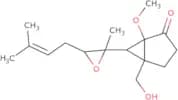
CAS:Fumarranol is a potent inhibitor of kinases that play a crucial role in cancer cell growth and proliferation. It has been shown to inhibit the growth of tumor cells by inducing apoptosis, or programmed cell death. Fumarranol is effective against various types of cancer, including leukemia, and has been tested on human cell lines. This compound works by blocking the activity of kinases that are essential for the progression of the cell cycle, preventing cancer cells from dividing and multiplying. Fumarranol has also been found in urine samples and may have potential as a biomarker for cancer detection. With its ability to target specific proteins involved in cancer development, fumarranol shows promise as a potential treatment option for various types of cancer.Fórmula:C16H24O4Pureza:Min. 95%Peso molecular:280.36 g/mol(2R)-3-Hydroxyisovaleroyl carnitine
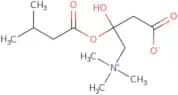
CAS:<p>(2R)-3-Hydroxyisovaleroyl carnitine is a synthetic drug product that is used as an analytical reagent for the detection of (R)-3-hydroxyisovaleryl carnitine in metabolism studies. It has a CAS number of 99159-87-2 and a molecular weight of 212.29 g/mol. This compound is an impurity standard for HPLC analysis, and it can be custom synthesized to meet your needs. Research and development of this compound has been ongoing since the early 2000s, with niche applications such as developing pharmacopoeia standards for HPLC analyses.</p>Fórmula:C12H23NO5Pureza:Min. 95%Peso molecular:261.31 g/molTobramycin Impurity 4 dihydrochloride (Mixture of Isomers)
<p>Tobramycin Impurity 4 dihydrochloride (Mixture of Isomers) is an analytical standard that is used in the manufacture of drugs. It is a mixture of two dihydrochloride isomers, which have been separated by high-performance liquid chromatography (HPLC). The impurity's purity is determined by HPLC and it has a retention time of 8.8 minutes. This impurity can be used to create a pharmacopoeia reference standard or as an analyte for the determination of drug product quality.</p>Pureza:Min. 95%Defluoro flunarizine dihydrochloride
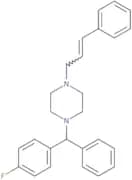
CAS:Defluoro flunarizine dihydrochloride is a research and development drug product that is synthetic. It is an impurity standard, which is used as an analytical reference to determine the purity of a drug product. Defluoro flunarizine dihydrochloride is also an API impurity. The metabolite of this compound has not been fully characterized, but it may be similar to the natural metabolite of Flunarizine. HPLC standards are used for quality control during analysis and synthesis of drugs in the pharmaceutical industry.Fórmula:C26H27FN2Pureza:Min. 95%Peso molecular:386.5 g/molMolnupiravir Impurity C
CAS:Molnupiravir Impurity C is a drug product that is synthesized in-house. This chemical is a high purity, synthetic, impurity standard for Molnupiravir. It has been shown to exhibit metabolic properties similar to those of the natural metabolite of this drug. Molnupiravir Impurity C is used as an analytical reference material for HPLC and GC-MS methods.Fórmula:C13H18N2O7Pureza:Min. 95%Peso molecular:314.29 g/molAllopurinol impurity E
CAS:<p>This product is a synthetic impurity of Allopurinol. It is a cyclization reaction product of dimethylhydrazine and allopurinol in the presence of an organic solvent such as DMF.</p>Fórmula:C7H9N3O3Pureza:Min. 95%Peso molecular:183.16 g/mol1-[[2-[(2-Aminophenyl)amino]-5-methyl-3-thienyl]carbonyl]-4-methyl-piperazine
CAS:<p>Please enquire for more information about 1-[[2-[(2-Aminophenyl)amino]-5-methyl-3-thienyl]carbonyl]-4-methyl-piperazine including the price, delivery time and more detailed product information at the technical inquiry form on this page</p>Fórmula:C17H22N4OSPureza:Min. 95%Peso molecular:330.45 g/molN-(2,3-Dimethylphenyl) mefenamic acid carboxamide
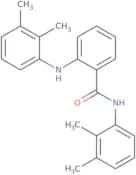
CAS:<p>2,3-Dimethylphenyl mefenamic acid is a synthetic drug product. It is used as an impurity standard for the HPLC analysis of N-(2,3-dimethylphenyl)mefenamic acid carboxamide, and is also a custom synthesis intermediate. 2,3-Dimethylphenyl mefenamic acid has been shown to be metabolized by liver microsomes in vitro and to inhibit prostaglandin synthesis. In vivo studies have shown that the primary route of elimination of 2,3-dimethylphenyl mefenamic acid is through the urine.<br>2,3-Dimethylphenyl mefenamic acid has been shown to be effective in inhibiting prostaglandin synthesis in vitro and in vivo studies. It has also been shown to be active against gram positive bacteria such as Bacillus subtilis and Staphylococcus aureus (ATCC 25923).</p>Fórmula:C23H24N2OPureza:Min. 95%Peso molecular:344.4 g/mol4’-(7-Dechloroquinolinyl) piperaquine
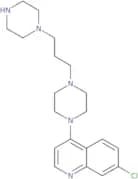
CAS:<p>4’-(7-Dechloroquinolinyl) piperaquine is an inhibitor of tumor kinases and has shown potent anticancer activity against various cancer cells. This compound is a derivative of piperaquine, which is commonly used as an antimalarial drug. 4’-(7-Dechloroquinolinyl) piperaquine has been found to induce apoptosis in human cancer cells by inhibiting the activity of protein kinases that are essential for cell growth and division. It has also been shown to have synergistic effects with capsaicin, a natural compound found in chili peppers, in inhibiting the growth of cancer cells. Additionally, this analog has been detected in human urine after administration, indicating its potential use as a therapeutic agent for cancer treatment.</p>Fórmula:C20H28ClN5Pureza:Min. 95%Peso molecular:373.9 g/mol5-[(Desloratadine)methyl] rupatadine
CAS:<p>Desloratadine is a drug that belongs to the group of antihistamines and is indicated for the treatment of allergic rhinitis. It has been shown to be as effective as loratadine, cetirizine, and fexofenadine in clinical trials. Desloratadine is metabolized by cytochrome P450 enzymes including CYP2D6 to its active form, desloratadine N-oxide. The metabolites are excreted in the urine.</p>Fórmula:C45H43Cl2N5Pureza:Min. 95%Peso molecular:724.80 g/mol11β-Hydroxytestosterone 17-sulphate
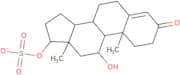
CAS:Please enquire for more information about 11β-Hydroxytestosterone 17-sulphate including the price, delivery time and more detailed product information at the technical inquiry form on this pageFórmula:C19H27O6SPureza:Min. 95%Peso molecular:383.5 g/molN-(4-Hydroxyphenyl)propanamide
CAS:<p>The N-(4-hydroxyphenyl)propionamide (HPPA) is a synthetic drug that binds to the human liver. It has been shown to be effective in preventing implantation of fertilized eggs, and can be used as a diagnostic agent for determining the presence of HPPA in human liver tissue. HPPA is also used as a diluent for other drugs. The HPPA binds to chromatographic components and can be detected using electrochemical detection, which allows it to be used as a targetable probe for cancer research. HPPA is also used to study iontophoretic transport of ions across reconstituted membranes in vitro.</p>Fórmula:C9H11NO2Pureza:(%) Min. 97%Peso molecular:165.19 g/mol(S)-Aspartimide
CAS:<p>(S)-Aspartimide is a drug product that is used in the synthesis of pharmaceuticals. Its purity should be greater than 99% and it should be free from detectable impurities. (S)-Aspartimide is metabolized by esterases, glutathione reductase, cytochrome P450 enzymes, and conjugation with glucuronic acid. It has been shown to inhibit the growth of bacteria that are resistant to penicillin, ampicillin, erythromycin, and gatifloxacin. (S)-Aspartimide has been found to have an anti-inflammatory effect due to its inhibition of prostaglandin synthesis.</p>Fórmula:C4H6N2O2Pureza:Min. 95%Peso molecular:114.10 g/molN-Desmethyl phenyltoloxamine hydrochloride
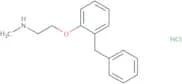
CAS:<p>N-Desmethyl phenyltoloxamine hydrochloride is a white crystalline powder that is soluble in water and slightly soluble in ethanol. It has an analytical purity of greater than 99% with a melting point of 188-190°C. This compound is a metabolite of phenyltoloxamine, which is used as an analgesic and anti-inflammatory drug. N-Desmethyl phenyltoloxamine hydrochloride can be used as a pharmacopoeia reference standard for the analysis of this metabolite and also as a research and development starting material for the synthesis of other compounds.</p>Fórmula:C16H20ClNOPureza:Min. 95%Peso molecular:277.79 g/mol2-Cyclopropyl-1-nitro-naphthalene
CAS:Please enquire for more information about 2-Cyclopropyl-1-nitro-naphthalene including the price, delivery time and more detailed product information at the technical inquiry form on this pageFórmula:C13H11NO2Pureza:Min. 95%Peso molecular:213.23 g/molSolifenacin impurity C
CAS:<p>Solifenacin impurity C is an impurity that is found in the drug product Solifenacin. It has been shown to be a natural metabolite and has been detected in human urine. Solifenacin impurity C is used as an analytical standard for HPLC analyses of solifenacin, and can also be used as a reference material for pharmacopoeia. The purity of this compound is 99%.</p>Fórmula:C31H28N2OPureza:Min. 95 Area-%Forma y color:White PowderPeso molecular:444.57 g/mol[1-Hydroxy-3-(methylisopentylamino)propylidene] bisphosphonic acid monosodium (ibandronic acid impurity)
CAS:<p>[1-Hydroxy-3-(methylisopentylamino)propylidene] bisphosphonic acid monosodium (ibandronic acid impurity) is a metabolite of ibandronate, which is used in the treatment of osteoporosis. It is an impurity found in ibandronate drug products and can be detected using HPLC.</p>Fórmula:C9H22NNaO7P2Pureza:Min. 95%Peso molecular:341.21 g/molSitagliptin Hydrazine Diamide impurity
CAS:<p>Sitagliptin Hydrazine Diamide impurity is an analytical reference material that has been manufactured in accordance with the requirements of the United States Pharmacopeia (USP) and the European Pharmacopoeia (EP). The material is a white to off-white crystalline powder. It has a purity of 99.9% with a specific gravity of 1.06 g/cm3 and a melting point of 176-177°C. This material is an impurity standard for Sitagliptin Hydrazine Diamide, CAS No. 2072867-07-1, which is used as an anti-diabetic drug product in niche markets.</p>Fórmula:C26H23F9N6O2Pureza:Min. 95%Peso molecular:622.49 g/molNitromifene citrate
CAS:<p>Nitromifene citrate is a nonsteroidal drug that inhibits the enzyme fatty acid synthase, thereby preventing the production of prostaglandins. It has been shown to inhibit tumor growth in mice and to be effective against autoimmune diseases, such as rheumatoid arthritis and multiple sclerosis. Nitromifene citrate also binds to neurokinin-1 receptor and inhibits tissue culture granulosa cells. This drug has been shown to have clinical significance in the treatment of breast cancer. Nitromifene citrate is metabolized by the liver and is taken up into the brain where it can affect brain functions, such as emotional behavior or memory. Nitromifene citrate is synthesized by cultured cells in vitro and has been used for research purposes in vivo.</p>Fórmula:C33H36N2O11Pureza:Min. 95%Peso molecular:636.6 g/molCatechol diallyl ether
CAS:<p>Catechol diallyl ether is a potential use for the manufacture of vinyl alcohol, which has been shown to have a high reactivity with methoxy and triazine. Catechol diallyl ether can be synthesized from eugenol and allyl chloride. The activated biphenyl is then reacted with the silicon to form silicone. The silicon is then synthesized into diode.</p>Fórmula:C12H14O2Pureza:Min. 95%Peso molecular:190.24 g/molIsoginsenoside rh3
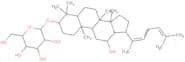
CAS:<p>Isoginsenoside Rh3 is a metabolite of the natural product ginseng. It has been reported to have anti-inflammatory properties in vitro and in vivo, but it has not been studied extensively. Isoginsenoside Rh3 is not found in the human body, but it is an impurity of Ginseng extract that is routinely measured by HPLC. The concentration of this metabolite can be used as a quality control measure for Ginseng extracts.</p>Fórmula:C36H60O7Pureza:Min. 95%Peso molecular:604.9 g/molIndoxacarb impurity 6
CAS:<p>Indoxacarb is a racemic compound that is used as an insecticide. It belongs to the class of carbamate insecticides and is marketed under the trade name of "Provaunt". Indoxacarb inhibits acetylcholinesterase, which leads to increased acetylcholine in the synapse, resulting in death. The production of indoxacarb has been optimized to yield a high-level of stereoselectivity. This optimization was achieved through a biocatalytic process that uses a strain of Escherichia coli with high stereoselectivity. This strain produces indoxacarb with a high level of stereoselectivity, which can be confirmed by NMR analysis.</p>Fórmula:C11H9ClO4Pureza:Min. 95%Forma y color:PowderPeso molecular:240.64 g/molN-Methyl-N-(3-chloropropyl)homoveratrylamine
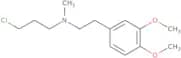
CAS:<p>N-Methyl-N-(3-chloropropyl)homoveratrylamine is a chlorinated alkylating agent that has been shown to accumulate in the myocardium. It is an anaesthetic that can be recycled and used as a nutrient. N-Methyl-N-(3-chloropropyl)homoveratrylamine binds to DNA, which blocks the synthesis of RNA and protein. This drug has been demonstrated to have antiarrhythmic effects, but it is not effective against cardiac arrhythmias caused by digitalis or hypoxia. N-Methyl-N-(3-chloropropyl)homoveratrylamine also has an antagonist effect on the central nervous system and may be useful for treating convulsions.</p>Fórmula:C12H19NO2·HClPureza:Min. 95%Peso molecular:245.75 g/mol(-)-Cloprostenol
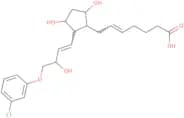
CAS:<p>(-)-Cloprostenol is an analog of prostaglandin F2α and a potent inhibitor of protein kinase C. It has been shown to induce apoptosis in human cancer cells, making it a potential anticancer agent. (-)-Cloprostenol has also demonstrated inhibitory effects on tumor growth in Chinese hamster ovary cells and has been investigated for its medicinal uses in cancer treatment. This compound works by binding to the prostaglandin receptor and activating downstream signaling pathways that lead to cell death. Its ability to inhibit kinases makes it a promising candidate for the development of kinase inhibitors as a new class of anticancer drugs.</p>Fórmula:C22H29ClO6Pureza:Min. 95%Peso molecular:424.9 g/molCinacalcet impurity E hydrochloride
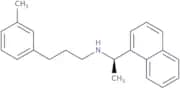
CAS:<p>Cinacalcet is a drug product that is used for the treatment of secondary hyperparathyroidism in patients with chronic kidney disease. It is metabolized through a number of metabolic transformations, including hydrolysis by esterases or glucuronidases, oxidation by cytochrome P450 enzymes, reduction by glutathione reductase, or conjugation with glucuronic acid. The high frequency of human activity has been shown using a patch-clamp technique on human erythrocytes. Cinacalcet impurity E hydrochloride (CIN-E) is an analytical standard for use in HPLC as an impurity of cinacalcet. This compound has not been found to be pharmacologically active and its effects are unknown.</p>Fórmula:C22H25N·HClPureza:Min. 95%Peso molecular:339.9 g/molExicorilant
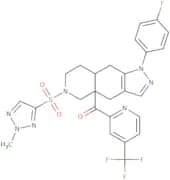
CAS:<p>Exicorilant is an analog of capsaicin, which has been shown to have anticancer properties. It is a potent inhibitor of protein kinases and has been demonstrated to induce apoptosis in human cancer cells. Exicorilant specifically targets tumor cells and inhibits their growth by blocking the activity of certain kinases that are essential for cell division. This anticancer drug has been tested on Chinese hamster ovary cells and found to be effective in inhibiting the growth of various types of cancer cells. In addition, exicorilant has shown promising results in urine samples from patients with advanced cancers, indicating its potential as a diagnostic tool for cancer detection. Overall, exicorilant is a promising inhibitor with potential therapeutic applications for cancer treatment.</p>Fórmula:C26H23F4N7O3SPureza:Min. 95%Peso molecular:589.6 g/mol1-(4-Aza-8-hydroxy-6-oxo)oct-2-en-1-oylimidazole
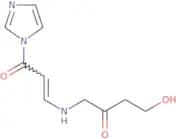
CAS:<p>The 1-aza-8-hydroxy-6-oxo-oct-2-en-1-oylimidazole is a prodrug that is hydrolyzed to form the active compound clavulanate. It can be used for the treatment of infections caused by beta lactamase producing bacteria such as penicillinase producing staphylococci and beta lactamase producing streptococci. The 1-(4-Aza)8-(6-oxo)oct-(2)en-(1)-oylimidazole binds to penicillin binding proteins, which prevents the formation of an antibiotic inhibitor complex with the enzyme cell wall synthesis that is required for cell wall biosynthesis, inhibiting protein synthesis and cell division. The clavulanic acid moiety in this drug also inhibits beta lactamases produced by bacteria, resulting in increased efficacy against these organisms.</p>Fórmula:C10H13N3O3Pureza:Min. 95%Forma y color:PowderPeso molecular:223.23 g/molDecitabine related compound A
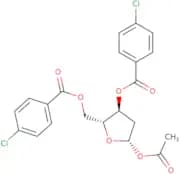
CAS:<p>Decitabine related compound A is an impurity that is found in the API, decitabine. It is an analytical standard for HPLC measurements and a reference material for impurity testing. It is also used as a pharmacopoeia standard for pharmacopoeias such as European Pharmacopoeia, USP, and Japanese Pharmacopoeia. Decitabine related compound A has been synthesized from natural sources such as plant-derived alkaloids and synthetically produced in the laboratory. CAS No. 1019659-87-0</p>Fórmula:C21H18Cl2O7Pureza:Min. 95%Forma y color:SolidPeso molecular:453.27 g/molDRI-c21045
CAS:<p>DRI-c21045 is an analog of a medicinal compound that has been shown to inhibit the activity of a specific protein kinase involved in cell cycle regulation and tumor growth. This inhibitor has been demonstrated to induce apoptosis in cancer cells, making it a promising candidate for anticancer therapy. DRI-c21045 has been tested in both Chinese and human cancer cell lines and has shown potent activity against various types of tumors. Additionally, this compound has been detected in urine samples from patients with cancer, suggesting that it may have potential as a diagnostic marker for certain types of cancer. Overall, DRI-c21045 shows great promise as a potential anticancer agent with significant therapeutic potential.</p>Fórmula:C32H24N2O7SPureza:Min. 95%Peso molecular:580.6 g/mol1-Amino-3-(9H-carbazol-4-yloxy)-2-propanol
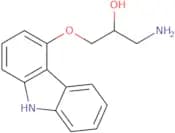
CAS:Please enquire for more information about 1-Amino-3-(9H-carbazol-4-yloxy)-2-propanol including the price, delivery time and more detailed product information at the technical inquiry form on this pageFórmula:C15H16N2O2Pureza:Min. 95%Peso molecular:256.3 g/molBgc 20-1531 hydrochloride
CAS:<p>BGC 20-1531 is a synthetic drug product that is an impurity standard for the API, with a purity of 99.7%. BGC 20-1531 is also used as an analytical reference material and has been shown to be metabolized in both rats and humans. It can be used to study metabolism in animals and humans. The chemical name for this compound is 3-(2,4-dichlorophenyl)-5-[(1R,2S)-2-hydroxypropyl]-thiophene-2-carbonitrile hydrochloride.</p>Fórmula:C26H25ClN2O6SPureza:Min. 95%Peso molecular:529 g/molPyrimisulfan
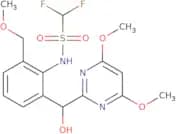
CAS:<p>Pyrimisulfan is a medicinal compound that has shown potent anticancer activity in both human and Chinese hamster cancer cell lines. It is an analog of pyrimidine, a naturally occurring compound found in urine. Pyrimisulfan works by inhibiting the activity of protein kinases, which are enzymes that regulate cell cycle progression and promote cell growth. This inhibition leads to apoptosis, or programmed cell death, in cancer cells. Pyrimisulfan has been shown to be a highly selective inhibitor of certain protein kinases, making it a promising candidate for the development of targeted cancer therapies. Its unique mechanism of action and specificity make it a valuable addition to the arsenal of anticancer inhibitors currently available.</p>Fórmula:C16H19F2N3O6SPureza:Min. 95%Peso molecular:419.4 g/molJTE 013
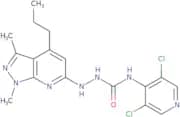
CAS:<p>JTE 013 is a medicinal compound that acts as an inhibitor of kinases, which are enzymes involved in cell cycle regulation and tumor growth. It has been shown to induce apoptosis, or programmed cell death, in cancer cells and has potential as an anticancer agent. JTE 013 has been tested on human cancer cell lines and found to be effective at inhibiting protein expression related to the growth of tumors. This compound has also been found in urine samples of Chinese patients with various forms of cancer, indicating its potential for use as a diagnostic tool. Overall, JTE 013 shows promise as a potent inhibitor of kinases for use in the treatment of cancer.</p>Fórmula:C17H19Cl2N7OPureza:Min. 95%Peso molecular:408.3 g/molrac-N-Desbutyroyl acebutolol
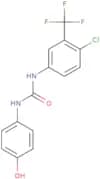
CAS:<p>rac-N-Desbutyroyl acebutolol is a prodrug that is metabolized to the active form, acebutolol. The metabolism of rac-N-desbutyroyl acebutolol is mediated through cytochrome P450 (CYP) enzymes, specifically CYP2D6. Rac-N-desbutyroyl acebutolol has been shown to inhibit the growth of bacteria in vitro and in vivo. It has also been shown to have therapeutic effects on diabetic patients with high levels of fatty acids in their blood. Rac-N-desbutyroyl acebutolol has also been found to be effective for the treatment of patients with polycarboxylic acid exposure and dna replication diseases.</p>Fórmula:C14H22N2O3Pureza:Min. 95%Peso molecular:266.34 g/mol1-(4-Chloro-3-trifluoromethylphenyl)-3-(4-hydroxyphenyl)urea
CAS:<p>Please enquire for more information about 1-(4-Chloro-3-trifluoromethylphenyl)-3-(4-hydroxyphenyl)urea including the price, delivery time and more detailed product information at the technical inquiry form on this page</p>Fórmula:C14H10ClF3N2O2Pureza:Min. 95%Peso molecular:330.69 g/molDecarboxy ciprofloxacin
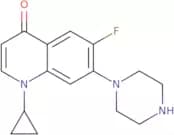
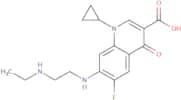
CAS:<p>Decarboxy ciprofloxacin is a prodrug that is active against bacteria and other microorganisms. It has been shown to have an affinity for the fluoroquinolone binding site on the bacterial ribosome, inhibiting protein synthesis and cell division. Decarboxy ciprofloxacin has been used in animals to treat infections caused by Escherichia coli, Klebsiella pneumoniae, Salmonella enterica, Proteus mirabilis, and Pseudomonas aeruginosa. Decarboxy ciprofloxacin is administered orally in the form of tablets or capsules. The drug binds to metal ions and can be detected with a biosensor that uses an aptamer-coated electrode. This sensor can be used for the detection of both metal ions and fluoroquinolones. <br>Decarboxy ciprofloxacin is also used as a research tool to</p>Fórmula:C16H18FN3OPureza:Min. 95%Forma y color:PowderPeso molecular:287.33 g/molo-Cresol-d7
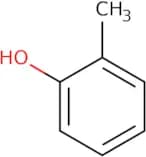
CAS:<p>Please enquire for more information about o-Cresol-d7 including the price, delivery time and more detailed product information at the technical inquiry form on this page</p>Fórmula:C7H8OPureza:Min. 95%Peso molecular:115.18 g/molOzagrel impurity I
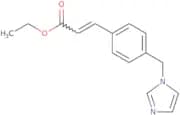
CAS:<p>Ozagrel impurity I is a protein analog that has been shown to have anticancer properties. It acts as an inhibitor of kinases involved in cell cycle regulation and apoptosis, making it a potential candidate for cancer treatment. This impurity has been isolated from Chinese medicinal herbs and is present in human urine. Ozagrel impurity I has been tested against various cancer cell lines and has demonstrated significant growth inhibition. Its mechanism of action involves blocking the activity of proteins involved in tumor development and progression. Overall, Ozagrel impurity I shows promising potential as an anticancer agent.</p>Fórmula:C15H16N2O2Pureza:Min. 95%Peso molecular:256.3 g/mol2-Demethoxy-4-methoxy urapidil
CAS:<p>2-Demethoxy-4-methoxy urapidil is a drug product that is used in the development of new drugs. It is a synthetic compound that is metabolized to form its natural metabolite, 2-demethoxyurapidil. This impurity standard has been shown to have anti-inflammatory effects and can be used as an API impurity for pharmacopoeia. 2DMO4MU has been shown to be useful in the study of metabolism and has been found to inhibit prostaglandin synthesis.</p>Fórmula:C20H29N5O3Pureza:Min. 95%Peso molecular:387.48 g/molAbt-639 hydrochloride
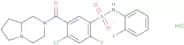
CAS:<p>Abt-639 hydrochloride is a drug product that is used as a research and development standard. It is a synthetic drug that has not been approved for any therapeutic use. Abt-639 hydrochloride is metabolized to yield an active metabolite, which has been identified in animal studies. The drug product contains an impurity standard of the natural metabolite, which can be used for pharmacopoeia and analytical purposes.</p>Fórmula:C20H21Cl2F2N3O3SPureza:Min. 95%Peso molecular:492.4 g/molLp-PLA2-IN-3
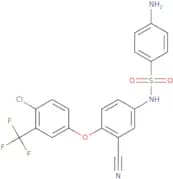
CAS:<p>Please enquire for more information about Lp-PLA2-IN-3 including the price, delivery time and more detailed product information at the technical inquiry form on this page</p>Fórmula:C20H13ClF3N3O3SPureza:Min. 95%Peso molecular:467.8 g/mol2-Amino-3H,4H,7H-pyrrolo[2,3-d]pyrimidine-4-thione
CAS:Please enquire for more information about 2-Amino-3H,4H,7H-pyrrolo[2,3-d]pyrimidine-4-thione including the price, delivery time and more detailed product information at the technical inquiry form on this pageFórmula:C6H6N4SPureza:Min. 95%Peso molecular:166.21 g/mol1-[4-Chloro-2-(2-fluorobenzoyl)phenyl]-2-methyl-1H-imidazole-5-carboxaldehyde
CAS:<p>Please enquire for more information about 1-[4-Chloro-2-(2-fluorobenzoyl)phenyl]-2-methyl-1H-imidazole-5-carboxaldehyde including the price, delivery time and more detailed product information at the technical inquiry form on this page</p>Fórmula:C18H12ClFN2O2Peso molecular:342.75 g/molPropafenone beta-D-glucuronide
CAS:Propafenone beta-D-glucuronide is a drug product that is used as an analytical reference standard. It has been shown to be metabolized in the rat, dog, and human by hydrolysis of the glucuronide group. The natural form of propafenone is found in various plants and fruits. Research and Development includes the synthesis of Propafenone beta-D-glucuronide from synthetic precursors. CAS No. 91411-76-6 is a Metabolite impurity standard for API Impurities testing which is found in pharmaceuticals, including propafenone, as an impurity.Fórmula:C27H35NO9Pureza:Min. 95%Peso molecular:517.60 g/molN,N-Bis[2-(2-hydroxyethoxy)ethyl] quetiapine chloride
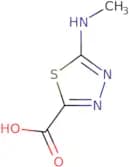
<p>N,N-Bis[2-(2-hydroxyethoxy)ethyl] quetiapine chloride is a synthetic drug product with a purity of >98% and low impurity content, which is used in research and development. It can be custom synthesized to meet the needs of a particular research or development project. This compound has an analytical purity of >98% and low impurity content, making it suitable for use as an API impurity standard. N,N-Bis[2-(2-hydroxyethoxy)ethyl] quetiapine chloride is not currently regulated by any pharmacopoeia.</p>Fórmula:C25H34ClN3O4SPureza:Min. 95%Peso molecular:508.07 g/molAdenosine cyclic 2',3'-phosphate 5'-phosphate
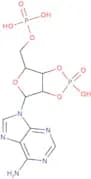
CAS:Adenosine cyclic 2',3'-phosphate 5'-phosphate is an inhibitor that has been shown to induce apoptosis in cancer cells. It is a urinary metabolite of nifedipine, an anti-hypertensive drug. Adenosine cyclic 2',3'-phosphate 5'-phosphate has anticancer activity and can inhibit protein kinase A, which plays a role in tumor growth and progression. This compound is an analog of cyclic adenosine monophosphate (cAMP) and can compete with cAMP for binding to regulatory subunits of protein kinases. Adenosine cyclic 2',3'-phosphate 5'-phosphate has been shown to inhibit the activity of several kinases, including protein kinase C, GSK-3β, and ERK1/2 in human cancer cells. It may have therapeutic potential as a targeted therapy for certain types of cancer.Fórmula:C10H13N5O9P2Pureza:Min. 95%Peso molecular:409.19 g/molM1-Enrofloxacin hydrochloride
CAS:<p>Please enquire for more information about M1-Enrofloxacin hydrochloride including the price, delivery time and more detailed product information at the technical inquiry form on this page</p>Fórmula:C17H20FN3O3Pureza:Min. 95%Peso molecular:333.36 g/molHydrocotarnine hydrochloride
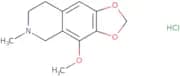
CAS:<p>Hydrocotarnine hydrochloride is a medicinal compound that has been found to have anticancer properties. It is an inhibitor of protein kinases, which are enzymes that play a key role in regulating cell cycle progression and apoptosis. Hydrocotarnine hydrochloride has been shown to induce apoptosis in cancer cells, making it a promising candidate for the development of novel cancer therapies. This compound has also been identified as a potential inhibitor of tumor growth in Chinese medicine. In vitro studies have demonstrated that hydrocotarnine hydrochloride inhibits the proliferation of various cancer cell lines, suggesting its potential as a therapeutic agent for the treatment of cancer.</p>Fórmula:C12H16ClNO3Pureza:Min. 95%Peso molecular:257.71 g/molTryptoquivaline D
CAS:<p>Tryptoquivaline D is a metabolite of tryptoquivaline A, which is an impurity in the drug product. Tryptoquivaline D can be used as a standard for research and development or for custom synthesis. This compound has been shown to have anti-inflammatory effects and may also act as an analgesic. It has also been shown to inhibit the production of prostaglandin E2 from arachidonic acid, thereby reducing inflammation.</p>Fórmula:C28H28N4O7Pureza:Min. 95%Peso molecular:532.50 g/molEthylene terephthalate cyclic heptamer-d28
CAS:<p>Ethylene terephthalate cyclic heptamer-d28 is a member of the class of drugs that are used to treat or prevent diseases. Ethylene terephthalate cyclic heptamer-d28 is synthesized by an unspecific method of polymerization. The molecule has been shown to have a chemical structure that can be metabolized by human liver enzymes and excreted in urine as metabolites. Metabolism studies have demonstrated that ethylene terephthalate cyclic heptamer-d28 is rapidly hydrolyzed, mainly by esterases, with the formation of a carboxylic acid derivative and a pyrrolidone derivative.</p>Fórmula:C70H28D28O28Pureza:Min. 95%Peso molecular:1,373.35 g/molDehydrodeoxy donepezil
CAS:<p>Dehydrodeoxy donepezil is an analytical standard that is used in the manufacture of pharmaceuticals. It is a synthetic drug impurity, and its CAS number is 120013-45-8. Dehydrodeoxy donepezil can be found in the API impurity grade of various drugs, including those that are manufactured by Custom synthesis and natural synthesis. The pharmacopoeia states that dehydrodeoxy donepezil has a purity level of 98% or greater. This product can also be found as a metabolite in humans, with its half-life being approximately 40 minutes.</p>Fórmula:C24H29NO2Pureza:Min. 95%Peso molecular:363.49 g/mol9α-Fluoro-6α-methylprednisolone 21-acetate
CAS:Producto controlado<p>9α-Fluoro-6α-methylprednisolone 21-acetate is an analog of the hormone cortisol and has potent anti-inflammatory and immunosuppressive properties. It is also being studied for its potential anticancer activity. This compound inhibits cyclin-dependent kinases, which are involved in regulating cell division and growth. It has been shown to induce apoptosis in cancer cells and inhibit tumor growth in animal models. Additionally, it has been found in human urine, indicating that it may have potential as a biomarker for cancer diagnosis or monitoring.</p>Fórmula:C24H31FO6Pureza:Min. 95%Peso molecular:434.5 g/molAcyclovir EP Impurity Q
<p>Acyclovir EP Impurity Q is a drug product that is used as the impurity standard for Acyclovir EP. It is a natural metabolite of acyclovir and may be found in the urine of patients taking this drug. Acyclovir EP Impurity Q has shown to have antiviral activity against herpes simplex virus type 1 and type 2. The structure of this compound has been determined by nuclear magnetic resonance (NMR) spectroscopy and mass spectrometry.</p>Pureza:Min. 95%5-Chloro-N-[3-[[(5-chloro-2-thienyl)carbonyl]amino]-2-hydroxypropyl]-N-[4-(3-oxo-4-morpholinyl)phenyl]-2-thiophenecarboxamide
CAS:<p>Please enquire for more information about 5-Chloro-N-[3-[[(5-chloro-2-thienyl)carbonyl]amino]-2-hydroxypropyl]-N-[4-(3-oxo-4-morpholinyl)phenyl]-2-thiophenecarboxamide including the price, delivery time and more detailed product information at the technical inquiry form on this page</p>Fórmula:C23H21Cl2N3O5S2Pureza:Min. 95%Peso molecular:554.47 g/molN-Demethyl-N-(ethylsuccinyl) erythromycin
<p>Please enquire for more information about N-Demethyl-N-(ethylsuccinyl) erythromycin including the price, delivery time and more detailed product information at the technical inquiry form on this page</p>Fórmula:C42H73NO16Pureza:Min. 95%Peso molecular:848.03 g/molRemdesivir impurity 14
<p>Remdesivir impurity 14 is a research and development product that belongs to the class of drugs. It is a synthetic metabolite with high purity. Remdesivir impurity 14 meets the pharmacopoeia standard for drug products and drug development. It has been synthesized to be used as an analytical standard for HPLC analysis of remdesivir. This product also has niche applications in metabolism studies, because it is a natural metabolite with its own metabolic pathway.</p>Fórmula:C18H18N5O7PPureza:Min. 95%Peso molecular:447.34 g/molHydroxy dabrafenib
CAS:<p>Hydroxy dabrafenib is a drug product that has an analytical CAS number. It is a natural API impurity in the synthetic drug hydroxy dabrafenib. Hydroxy dabrafenib, also known as DAB-FEN-IB, is a synthetic drug with antioxidant and antiangiogenic properties. The compound inhibits the growth of cancerous cells by inhibiting the production of proteins vital for cell division. This drug product is used in research and development to assist in the discovery of new drugs.</p>Fórmula:C23H20F3N5O3S2Pureza:Min. 95%Peso molecular:535.60 g/mol22-Hydroxycholest-4-en-3-one
CAS:Producto controlado22-Hydroxycholest-4-en-3-one is an analog that has been shown to have potent anticancer activity. It works by inhibiting kinase activity, which plays a key role in the regulation of cell cycle and apoptosis. This inhibitor has been found to induce apoptosis in cancer cells, leading to tumor regression. 22-Hydroxycholest-4-en-3-one has also been shown to inhibit protein synthesis and inhibit the growth of human cancer cell lines. In Chinese medicine, it is used for its medicinal properties and is present in urine as a natural metabolite. Its potential as an anticancer agent makes it a promising candidate for further research and development of cancer therapies.Fórmula:C27H44O2Pureza:Min. 95%Peso molecular:400.6 g/mol4-Phenybutyl 2-carboxyethylphosphinic acid
CAS:<p>4-Phenybutyl 2-carboxyethylphosphinic acid is used as an analytical standard and has been shown to be a metabolite of other drugs. It is also used as an impurity standard for HPLC, and provides a niche for drug product development.</p>Fórmula:C12H17O4PPureza:Min. 95%Peso molecular:256.23 g/molBenzo[b]thien-2-yl ketone (zileuton impurity)
CAS:<p>Benzo[b]thien-2-yl ketone (zileuton impurity) is a metabolite of the drug zileuton, which is used to treat asthma. Benzo[b]thien-2-yl ketone is formed by the oxidation of benzo[b]thiophene in the presence of cytochrome P450 enzyme system. It has been found to have anti-inflammatory properties and may be useful for treating asthma. This product is available as an analytical standard for HPLC, or as a custom synthesis for research and development.</p>Fórmula:C17H10OS2Pureza:Min. 95%Peso molecular:294.4 g/molSolifenacin N-oxide
CAS:<p>Solifenacin N-oxide is an anti-cholinergic agent that has been shown to be effective in the treatment of overactive bladder. Solifenacin N-oxide is a prodrug that is hydrolyzed in vivo to solifenacin, its active form. The compound reversibly binds to muscarinic receptors and inhibits the release of acetylcholine. Solifenacin N-oxide has been shown to have low levels of impurities and is highly soluble in water. It was also found to be stable when stored at room temperature for two months. This drug has a high flow rate and moderate retention time, which makes it suitable for reversed-phase liquid chromatography (RPLC). RPLC is a chromatographic technique that separates compounds by size, hydrophobicity, or charge.</p>Fórmula:C23H26N2O3Pureza:Min. 95%Forma y color:White PowderPeso molecular:378.46 g/mol2-O-[4-[[(2-Carboxyethyl)amino]carbonyl]phenyl] balsalazide
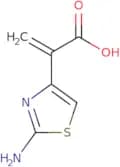
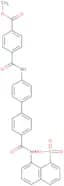
CAS:<p>2-O-[4-[[(2-Carboxyethyl)amino]carbonyl]phenyl] balsalazide is a drug product that has been custom synthesized and purified to high purity. It is an analytical standard for metabolism studies. This compound is metabolized through a number of metabolic transformations, including hydrolysis by esterases or glucuronidases, oxidation by cytochrome P450 enzymes, reduction by glutathione reductase, or conjugation with glucuronic acid. 2-O-[4-[[(2-Carboxyethyl)amino]carbonyl]phenyl] balsalazide is also used as a pharmacopoeia impurity standard and as a research and development HPLC standard.</p>Fórmula:C27H24N4O9Pureza:Min. 95%Peso molecular:548.5 g/mol2-Amino-α-methylene-4-thiazoleacetic acid
CAS:6-Fluoro-3-indoxyl-beta-D-galactopyranoside is an active compound used as an antituberculosis drug. It belongs to the class of rifamycins and is highly effective in treating tuberculosis infections. This drug works by inhibiting bacterial growth through its bactericidal activity. By binding to DNA-dependent RNA polymerase, it prevents transcription and replication, effectively stopping the spread of the infection. Additionally, 6-Fluoro-3-indoxyl-beta-D-galactopyranoside specifically targets Mycobacterium tuberculosis strains and inhibits their cell growth. With its various metabolic transformations and interactions with enzymes, this drug is a powerful weapon against tuberculosis.Fórmula:C6H6N2O2SPureza:Min. 95%Peso molecular:170.19 g/molN-Acetyl N-descarboxyethyl retigabine d4
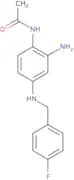
CAS:<p>N-Acetyl N-descarboxyethyl retigabine (D4) is a pharmaceutical drug that is used for the treatment of epilepsy. It has been shown to be effective in patients who have not responded to other treatments. D4 binds to voltage-gated potassium channels and inhibits their opening, which leads to a decrease in neurotransmitter release from nerve cells. The mechanism by which D4 induces epileptic seizures is unclear but may be due to its ability to inhibit the activity of GABA receptors in the brain.</p>Fórmula:C15H16FN3OPureza:Min. 95%Peso molecular:273.3 g/mol(S)-3-((R)-5-Oxopyrrolidine-2-carbonyl)thiazolidine-4-carboxylic acid
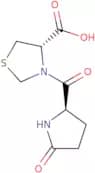
CAS:<p>(S)-3-((R)-5-Oxopyrrolidine-2-carbonyl)thiazolidine-4-carboxylic acid is a drug product of the drug development industry. It is a metabolite of 3-(1,2,4-triazol-1-ylmethyl)thiazolidine-4-carboxylic acid and has been used as an analytical standard for HPLC methods. The compound has been shown to be naturally occurring in humans. (S)-3-(1,2,4-Triazol-1ylmethyl)thiazolidine 4 carboxylic acid is also used as the impurity standard for the API 3-(1,2,4 triazol 1ylmethyl)thiazolidine 4 carboxylic acid.</p>Fórmula:C9H12N2O4SPureza:Min. 95%Peso molecular:244.27 g/mol(3R,5R)-Pitavastatin Calcium Salt
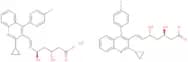
CAS:<p>(3R,5R)-Pitavastatin Calcium Salt is a drug product that is used in the development of pharmaceuticals. It is a synthetic compound with an impurity standard and a metabolite impurity. The CAS number for this product is 254452-96-5. (3R,5R)-Pitavastatin Calcium Salt has been shown to be metabolized by CYP2C9 and CYP2C8 enzymes, which may result in a decrease in potency or activity. This product also has been shown to have anti-inflammatory properties and inhibit the production of inflammatory mediators such as prostaglandins and leukotrienes. (3R,5R)-Pitavastatin Calcium Salt was prepared by solid phase synthesis using a fluorous biphasic approach.</p>Fórmula:C25H24FNO4CaPureza:Min. 95%Forma y color:White/Off-White SolidPeso molecular:441.5 g/molrac 1-Hydroxy ketorolac methyl ester
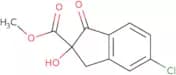
CAS:Rac-1-Hydroxy ketorolac methyl ester is a drug product that is a racemic mixture of 1-hydroxy ketorolac (1HKO) and its hydroxy metabolite, ketorolac. Rac-1-Hydroxy ketorolac methyl ester is used in the manufacture of HPLC standards for analytical purposes. It is also used as an impurity standard. Rac-1-Hydroxy ketorolac methyl ester has been developed to study the metabolism of racemic 1HKO. This drug product has been shown to be chemically pure and free from any significant impurities. Rac-1-Hydroxy ketorolac methyl ester can be obtained with high purity, which meets the requirements of pharmacopoeia specifications.Fórmula:C16H15NO4Pureza:Min. 95%Peso molecular:285.29 g/mol(S)-Tenofovir disoproxil fumarate
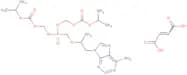
CAS:<p>Tenofovir disoproxil fumarate is a prodrug of tenofovir that is used as a clinical medication to treat HIV. Tenofovir works by inhibiting reverse transcriptase, an enzyme required for the production of viral DNA. The flow rate of this drug is high and it has a sensitivity of less than 1 ng/mL. Tenofovir disoproxil fumarate contains impurities such as methoxy, which can affect the chiral purity and sensitivity of the drug. It also contains tenofovir, which is used as an intermediate in its synthesis. This drug can be detected using chromatographic methods, which use n-hexane and a wavelength below 220 nm for liquid chromatography analysis.</p>Fórmula:C23H34N5O14PPureza:Min. 95%Peso molecular:635.5 g/mol1,3-bis(1,1-Dimethylpropyl) benzene
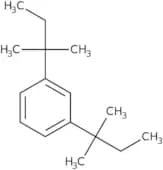
CAS:<p>1,3-bis(1,1-Dimethylpropyl) benzene is a synthetic compound that is used in drug product formulation. It is also used as an analytical standard for the determination of 1,3-bis(1,1-dimethylethyl)benzene in drug products and as a natural impurity in API preparations. This compound is metabolized to 1,3-dibromobenzene and 1,2-dibromoethane during its metabolic process. The chemical properties of this compound are similar to those of other alkylbenzenes and it has been shown to have pharmacological effects such as analgesic and antiinflammatory activities.</p>Fórmula:C16H26Pureza:Min. 95%Peso molecular:218.38 g/mol

![9-[[(2,2,2-Trifluoroethyl)amino]carbonyl]-9H-fluorene-9-butanoic acid](/_next/image/?url=https%3A%2Fstatic.cymitquimica.com%2Fproducts%2F3D%2Fthumb-webp%2FHHA43911.webp&w=3840&q=75)


![1-[1-(4-Methoxyphenyl)-2-[[2-(4-methoxyphenyl)ethyl]amino]ethyl]cyclohexanol](/_next/image/?url=https%3A%2Fstatic.cymitquimica.com%2Fproducts%2F3D%2Fthumb-webp%2FIM63868.webp&w=3840&q=75)


![(Z) -2- [4- (1, 2- Diphenylethenyl) phenoxy] - N, N- diethyl- ethanamine hydrochloride (E/Z Mixtur…](/_next/image/?url=https%3A%2Fstatic.cymitquimica.com%2Fproducts%2F3D%2Fthumb-webp%2FOD166680.webp&w=3840&q=75)
![N-Formyl-D-leucine (1S)-1-[[(2S,3S)-3-hexyl-4-oxo-2-oxetanyl]methyl]dodecyl ester](/_next/image/?url=https%3A%2Fstatic.cymitquimica.com%2Fproducts%2F3D%2Fthumb-webp%2FIF26578.webp&w=3840&q=75)
![1-[[2-[(2-Aminophenyl)amino]-5-methyl-3-thienyl]carbonyl]-4-methyl-piperazine](/_next/image/?url=https%3A%2Fstatic.cymitquimica.com%2Fproducts%2F3D%2Fthumb-webp%2FIA183184.webp&w=3840&q=75)
![5-[(Desloratadine)methyl] rupatadine](/_next/image/?url=https%3A%2Fstatic.cymitquimica.com%2Fproducts%2F3D%2Fthumb-webp%2FZYB51572.webp&w=3840&q=75)


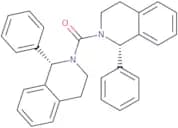
![[1-Hydroxy-3-(methylisopentylamino)propylidene] bisphosphonic acid monosodium (ibandronic acid imp…](/_next/image/?url=https%3A%2Fstatic.cymitquimica.com%2Fproducts%2F3D%2Fthumb-webp%2FXWC98436.webp&w=3840&q=75)
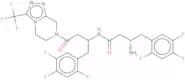



![2-Amino-3H,4H,7H-pyrrolo[2,3-d]pyrimidine-4-thione](/_next/image/?url=https%3A%2Fstatic.cymitquimica.com%2Fproducts%2F3D%2Fthumb-webp%2FEHA82229.webp&w=3840&q=75)
![1-[4-Chloro-2-(2-fluorobenzoyl)phenyl]-2-methyl-1H-imidazole-5-carboxaldehyde](/_next/image/?url=https%3A%2Fstatic.cymitquimica.com%2Fproducts%2F3D%2Fthumb-webp%2FIC184412.webp&w=3840&q=75)
![N,N-Bis[2-(2-hydroxyethoxy)ethyl] quetiapine chloride](/_next/image/?url=https%3A%2Fstatic.cymitquimica.com%2Fproducts%2F3D%2Fthumb-webp%2FIB76470.webp&w=3840&q=75)


![5-Chloro-N-[3-[[(5-chloro-2-thienyl)carbonyl]amino]-2-hydroxypropyl]-N-[4-(3-oxo-4-morpholinyl)phe…](/_next/image/?url=https%3A%2Fstatic.cymitquimica.com%2Fproducts%2F3D%2Fthumb-webp%2FIC183209.webp&w=3840&q=75)
![Benzo[b]thien-2-yl ketone (zileuton impurity)](/_next/image/?url=https%3A%2Fstatic.cymitquimica.com%2Fproducts%2F3D%2Fthumb-webp%2FXDA97807.webp&w=3840&q=75)
![2-O-[4-[[(2-Carboxyethyl)amino]carbonyl]phenyl] balsalazide](/_next/image/?url=https%3A%2Fstatic.cymitquimica.com%2Fproducts%2F3D%2Fthumb-webp%2FIC167038.webp&w=3840&q=75)