APIs para investigación e impurezas
Los ingredientes farmacéuticos activos (API) son las sustancias en los medicamentos responsables de sus efectos terapéuticos. En esta sección, encontrarás una amplia variedad de API destinados a uso en investigación. Estos compuestos son esenciales para el desarrollo, prueba y validación de nuevas formulaciones farmacéuticas. En CymitQuimica, ofrecemos API de alta calidad para apoyar la investigación en el descubrimiento y desarrollo de fármacos.
Subcategorías de "APIs para investigación e impurezas"
- Aminoácidos y derivados(12.278 productos)
- Antraquinonas y derivados(405 productos)
- Derivados de Benzimidazol e Imidazol(10.376 productos)
- Derivados de Benzodiazepinas(333 productos)
- Carbohidratos y glucoconjugados(5.014 productos)
- Ésteres y derivados(42.045 productos)
- Ácidos Grasos y Derivados Lipídicos(32.246 productos)
- Flavonoides y Polifenoles(17.012 productos)
- Radicales libres y agentes oxidantes/reductores(213 productos)
- Cetonas y Derivados(2.394 productos)
- Antibióticos naturales y semisintéticos(6.366 productos)
- Nitrilos y Cianoderivados(3.045 productos)
- Nitrosaminas y derivados(55 productos)
- Nucleósidos y Nucleótidos(3.430 productos)
- Fosfatos y Fosfonatos Orgánicos(1.201 productos)
- Sulfonatos y Sulfatos Orgánicos(10.406 productos)
- Organometálicos(4.400 productos)
- Otros(6.280 productos)
- Péptidos y Proteínas(3.141 productos)
- Polímeros y derivados(99 productos)
- Derivados de Purinas y Pirimidinas(8.902 productos)
- Derivados de Quinazolina y Quinolina(65.644 productos)
- Quinonas y derivados(24.239 productos)
- Sales y derivados de API(79.472 productos)
- Esteroides y derivados(4.968 productos)
- Sulfonamidas y derivados(2.592 productos)
- Terpenoides y derivados(3.839 productos)
- Tiazolidinedionas y Tiopiranos(2.733 productos)
- Compuestos β-adrenérgicos(230 productos)
Mostrar 21 subcategorías más
Se han encontrado 56814 productos de "APIs para investigación e impurezas"
Ordenar por
Pureza (%)
0
100
|
0
|
50
|
90
|
95
|
100
Clopidogrel Impurity A
CAS:<p>Clopidogrel Impurity A is a medicine that is used for the prevention of heart attacks, strokes, and blood clots in people with an increased risk of these events. It is not intended to be used for immediate relief from sudden symptoms. Clopidogrel Impurity A is a substance that may be found in some preparations of clopidogrel. The presence of this substance can be detected by liquid chromatography-mass spectrometry (LC-MS/MS) methods. The structural analysis of this substance was determined using enantiomeric resolution and chromatographic methods. This impurity has been shown to have no effect on the bioavailability of the parent drug, clopidogrel, when given orally to Sprague-Dawley rats.</p>Fórmula:C15H15Cl2NO2SPureza:Min. 95%Peso molecular:344.26 g/molVortioxetine Impurity 25
CAS:<p>Vortioxetine Impurity 25 is a drug product that is an analytical impurity. It is a natural impurity found in the synthetic process of Vortioxetine, which is an active pharmaceutical ingredient (API). It has been shown to have pharmacological effects in humans and animals. This compound has been synthesized for use as a standard for HPLC assays. The CAS number for this substance is 1639263-80-1.</p>Fórmula:C18H22N2O2SPureza:Min. 95%Peso molecular:330.4 g/molMontelukast dicarboxylic acid
CAS:Producto controlado<p>Montelukast is a drug product that belongs to the class of drugs called leukotriene receptor antagonists. Montelukast binds to cysteinyl leukotrienes (LTC4, LTD4, LTE4) and prevents their interaction with receptors on the cell surface. It can be used for the treatment of asthma, chronic obstructive pulmonary disease, and other allergic conditions. Montelukast is available in tablet form and is taken orally. Montelukast is not expected to be toxic because it has been shown to have a low incidence of side effects in clinical trials.</p>Fórmula:C35H34ClNO5SPureza:Min. 95%Peso molecular:616.20 g/mol(S)-(+)-Hydroxy chloroquine diphosphate
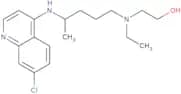
CAS:<p>(S)-(+)-Hydroxy chloroquine diphosphate is a drug that can be used to treat chronic kidney disease. It is a prodrug of hydroxychloroquine, which is also an anti-inflammatory agent. (S)-(+)-Hydroxychloroquine diphosphate has been shown to inhibit the growth of cancer cells in vitro and in vivo by inducing autophagy. This drug inhibits the tyrosine kinase receptor on cancer cells and blocks the downstream signaling pathways that lead to tumor cell proliferation. (S)-(+)-Hydroxychloroquine diphosphate has been shown to have a higher activity than hydroxychloroquine when tested against skin tumors in animals. The liposomal formulation of this drug allows for high concentrations to be achieved at the site of inflammation, making it more effective for treatment of cutaneous lesions.</p>Fórmula:C18H26ClN3OPureza:Min. 95%Peso molecular:335.9 g/mol4-Hydroxy-N-2-pyridinyl-2H-1,2-benzothiazine-3-carboxamide-1,1-dioxide
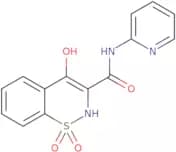
CAS:<p>4-Hydroxy-N-2-pyridinyl-2H-1,2-benzothiazine-3-carboxamide-1,1dioxide is a drug product that is used as an analytical reference material. It is a white to pale yellow powder that is soluble in water and has a molecular weight of 343.4 g/mol. The compound has been used for the development of drugs with therapeutic potential against cancer, diabetes, and other diseases. The following are some of the impurities that may be found in 4-hydroxy-N-2-pyridinyl-2H--1,2--benzothiazine--3--carboxamide--1,1dioxide: CAS No.: 65897 - 46 - 3 Molecular weight: 343.4 g/mol Melting point: Boiling point: Density: 1.7 g/cm</p>Fórmula:C14H11N3O4SPureza:Min. 95%Peso molecular:317.32 g/molSynucleozid
CAS:<p>Synucleozid is an anticancer drug that has shown promising results in the treatment of tumors. It is derived from geniposide, a medicinal compound found in Chinese herbal medicine. Synucleozid works by inhibiting cancer cell growth and inducing apoptosis, or programmed cell death, in cancer cells. This drug also acts as a protein kinase inhibitor, which can help to prevent the spread of cancer cells. Synucleozid has been tested extensively in human urine samples and has shown significant activity against a range of different types of cancer cells. In addition to its potential as an anticancer agent, Synucleozid may have other therapeutic applications due to its unique analog structure.</p>Fórmula:C22H21ClN6Pureza:Min. 95%Peso molecular:404.9 g/molLamivudine S-oxide
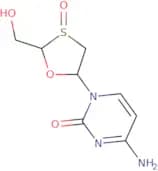
CAS:<p>Lamivudine is an antiviral drug that belongs to the group of nucleoside analogues. It is a prodrug that is activated by intracellular phosphorylation to form the active compound, lamivudine triphosphate (L-TTP). L-TTP inhibits viral replication by competing with natural substrates for incorporation into viral DNA. The antiviral activity of L-TTP has been shown in animals and humans with hepatitis B virus or human immunodeficiency virus type 1 (HIV-1) infections. Lamivudine S-oxide is a stereoselective form of lamivudine, which can be used for chemoprophylaxis against the pandemic H1N1 virus. This drug has shown to have a lower toxicity profile than other drugs used for this purpose.</p>Fórmula:C8H11N3O4SPureza:Min. 95%Peso molecular:245.26 g/mol[4-(N-Methylpyridinium-4-yl)-1,3-thiazol-2-yl]thiolate
CAS:<p>Please enquire for more information about [4-(N-Methylpyridinium-4-yl)-1,3-thiazol-2-yl]thiolate including the price, delivery time and more detailed product information at the technical inquiry form on this page</p>Fórmula:C9H8N2S2Pureza:Min. 95%Peso molecular:208.3 g/molRuxoRuxolitinib amidelitinib-amide
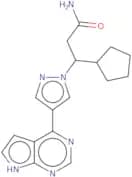
CAS:<p>RuxoRuxolitinib amidelitinib-amide is a drug product that is used in the development of new drugs. This synthetic compound has been shown to have cytotoxic activity in vitro and in vivo against cancer cells. The active metabolite of this drug product, desacetylruxolitinib, has been shown to suppress platelet activation and inhibit the growth of erythrocytes. RuxoRuxolitinib amidelitinib-amide is an impurity standard for analytical purposes and an API impurity. It also has been shown to have pharmacological effects on the liver and kidneys, as well as having toxic effects on red blood cells. RuxoRuxolitinib amidelitinib-amide is not found in any pharmacopoeia because it is a synthetic compound.</p>Fórmula:C17H20N6OPureza:Min. 95%Peso molecular:324.38 g/molButyric difluocortolone
CAS:Producto controlado<p>Butyric difluocortolone is a research and development, impurity standard, custom synthesis, drug product, synthetic, high purity, pharmacopoeia, drug development, and CAS No. 61633-73-6. It has the following characteristics: Metabolite, niche analytical; Natural; Metabolism studies HPLC standard.</p>Pureza:Min. 95%Apoatropine
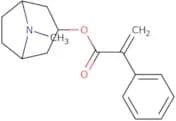
CAS:<p>Apoatropine is a quaternary ammonium compound that is used as an antidote for the treatment of anticholinesterase poisoning. Apoatropine binds to acetylcholine receptors and prevents further stimulation by acetylcholine, which will eventually lead to paralysis and death. The drug product is available as an HPLC standard, with analytical standards available for impurities such as apoatropine sulfate and apoatropine hydrochloride. Apoatropine is metabolized in vivo to atropine and scopolamine, which are also present as impurities in this drug product.</p>Fórmula:C17H21NO2Pureza:Min. 95%Peso molecular:271.35 g/molS-(9H-Fluoren-9-ylmethyl)-N-[(2-propen-1-yloxy)carbonyl]-L-cysteine
CAS:<p>S-(9H-Fluoren-9-ylmethyl)-N-[(2-propen-1-yloxy)carbonyl]-L-cysteine is a drug product that is used as an analytical standard for HPLC. It can be used as a metabolite, impurity standard, or API impurity. This product is also used for research and development in the field of drug development. The purity of this compound is high and it has been shown to have niche applications in pharmacopoeia studies.</p>Fórmula:C21H21NO4SPureza:Min. 95%Peso molecular:383.5 g/mol2-Hydroxy-5-[2-[4-(2-imino-1(2H)-pyridinyl)phenyl]diazenyl]-benzoic acid
CAS:<p>2-Hydroxy-5-[2-[4-(2-imino-1(2H)-pyridinyl)phenyl]diazenyl]-benzoic acid (DPC) is a drug product that is used in pharmaceutical research and development. It is an impurity standard for HPLC analysis. DPC has been shown to be a metabolite of the drug product 2,6-dimethoxy-N-(3-methylphenyl)pyrimidine-4,6-diamine (DMX), which is used in the treatment of cancer. Impurities standards are important for ensuring the quality of drugs and ensuring that they are safe for human use. This product can also be synthesized from commercially available amino acids.</p>Fórmula:C18H14N4O3Pureza:85%MinPeso molecular:334.33 g/mol(S)-3-(Dimethylamino)-1-(2-thienyl)propan-1-ol
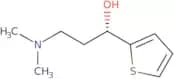
CAS:<p>(S)-3-(Dimethylamino)-1-(2-thienyl)propan-1-ol is a polymerase chain reaction (PCR) reagent that is used as a building block for the synthesis of five membered ring lactams and dihedral polymers. This compound is synthesized by chemoenzymatic coupling of propanamine with trifluoroacetic acid in the presence of methyl groups, followed by catalytic hydrogenation to yield the desired product. The asymmetric synthesis of this compound was achieved through chiral resolution using NMR spectroscopy.</p>Fórmula:C9H15NOSPureza:Min. 95%Peso molecular:185.29 g/molOlmesartan methyl ketone
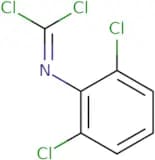
CAS:<p>Olmesartan methyl ketone is a synthetic drug product that is used as an analytical reference standard. It has been shown to be metabolized in vivo to its active form, olmesartan. The chemical structure of this compound is similar to the active metabolite of other angiotensin II receptor blockers, such as losartan and valsartan. This compound is an impurity in the API Olmesartan medoxomil, which is a potent angiotensin II receptor blocker used for the treatment of hypertension (high blood pressure).</p>Fórmula:C25H28N6O2Pureza:Min. 95%Peso molecular:444.5 g/molN-(2,6-Dichlorophenyl)-carbonimidic dichloride
CAS:<p>2,6-Dichlorophenyl carbonimidic dichloride is an analytical reference material that is used as a high purity and drug development API impurity standard. The compound has been found to be a metabolite of the anti-inflammatory drug ibuprofen. It is also used as a pharmacopoeia impurity standard in the United States, Japan, and Europe. CAS No. 21709-18-2 is the assigned number for this compound.</p>Fórmula:C7H3Cl4NPureza:Min. 95%Peso molecular:242.9 g/molDoxazosin-d8 hydrochloride
CAS:Doxazosin-d8 hydrochloride is an analytical reference standard for HPLC and LCMS, and a drug development impurity. It is a metabolite of doxazosin that is used as an impurity in the manufacture of doxazosin. Doxazosin-d8 hydrochloride has been shown to be a substrate for CYP3A4, where it undergoes oxidation to form 2-(2-hydroxyphenyl)-N-[(1S)-1-[[(2R)-2-methylpropyl]sulfonyl]-2,3-dihydro-1H-pyrrolo[2,3-b]pyridin-5-yl]-N-(2,6 dimethylphenyl)acetamide (CYP3A4). This metabolite may contribute to the pharmacological activity of doxazosin.Fórmula:C23H18D8ClN5O5Pureza:Min. 95%Peso molecular:495.99 g/molLansoprazole impurity H
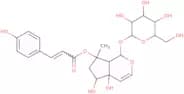
CAS:<p>Lansoprazole impurity H is a metabolite of lansoprazole, a proton pump inhibitor that inhibits the production of stomach acid. Lansoprazole impurity H is used in research and development as an analytical standard to measure lansoprazole concentrations in drug products. It is also used as an impurity standard for pharmacopoeia purposes. Lansoprazole impurity H is not known to be toxic, but it has not been evaluated for carcinogenicity or reproductive toxicity.</p>Fórmula:C23H16F3N5OSPureza:90%MinPeso molecular:467.47 g/mol8-o-4-Hydroxycinnamoylharpagide
CAS:<p>8-O-4-hydroxycinnamoylharpagide is a phenylpropanoid glycoside that is found in Scrophularia, a genus of plants within the family Scrophulariaceae. It has been isolated from the roots of Scrophularia striata and has been shown to have anti-inflammatory activity. 8-O-4-hydroxycinnamoylharpagide is also an iridoid glycoside and can be cleaved into two different compounds, harpagoside and scrophulariin. The latter compound has been shown to have antiviral properties.</p>Fórmula:C24H30O12Pureza:Min. 95%Peso molecular:510.5 g/mol1,8,15,22-Tetraazacyclononacosane-2,9,16,23-tetrone
CAS:<p>1,8,15,22-Tetraazacyclononacosane-2,9,16,23-tetrone is a potent inhibitor of kinases that have been shown to be involved in the growth and survival of cancer cells. This compound was isolated from Chinese urine and has been found to induce apoptosis in cancer cells by inhibiting kinase activity. The analogs of this compound have been developed as anticancer agents due to their ability to inhibit cyclin-dependent kinases (CDKs) that are involved in cell cycle regulation. This inhibitor has shown promising results in preclinical studies for the treatment of various types of tumors, including breast cancer and lung cancer. It is a potential candidate for further development as an anticancer drug due to its high specificity towards human kinases and low toxicity towards healthy cells.</p>Fórmula:C24H44N4O4Pureza:Min. 95%Peso molecular:452.6 g/molHaloperidol decanoate EP impurity K hydrochloride
CAS:Producto controladoPlease enquire for more information about Haloperidol decanoate EP impurity K hydrochloride including the price, delivery time and more detailed product information at the technical inquiry form on this pageFórmula:C33H45ClFNO3•HClPureza:95%NmrPeso molecular:594.63 g/mol2-Methoxy-5-methyl-gamma-phenylbenzenepropanol
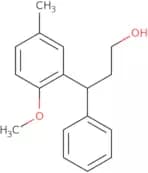
CAS:<p>2-Methoxy-5-methyl-gamma-phenylbenzenepropanol is a synthetic compound that is used as an intermediate in the synthesis of coumarin derivatives. Reaction with sulfonating agents produces sulfones, and reaction with borohydride reagents produces boronates. The synthesis of 2-methoxy-5-methyl-gamma-phenylbenzenepropanol can be accomplished by the reduction of diphenyl ethers with lithium aluminum hydride or borohydride. The reduction can also be carried out using lanthanum oxide and potassium borohydride. The reaction proceeds smoothly at room temperature in nonpolar solvents.<br>2-Methoxy-5-methyl-gamma-phenylbenzenepropanol reacts with chloride to produce the corresponding chlorides, which are useful intermediates for the synthesis of tolterodine tartrate, a drug used to treat urinary inc</p>Fórmula:C17H20O2Pureza:Min. 95%Peso molecular:256.34 g/mol3-(Cyanomethyl)-N-methyl-1H-indole-5-methanesulfonamide
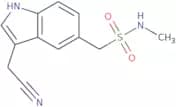
CAS:<p>3-(Cyanomethyl)-N-methyl-1H-indole-5-methanesulfonamide is an analytical standard, used for HPLC analysis of impurities. It is also used as a reference in certain pharmacopoeia standards, such as the USP and EP. 3-(Cyanomethyl)-N-methyl-1H-indole-5-methanesulfonamide has a purity of 99% and can be found in the drug product Impurity Standard.</p>Fórmula:C12H13N3O2SPureza:Min. 95%Peso molecular:263.32 g/molPentione
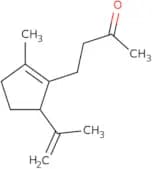
CAS:<p>Pentione is a potent kinase inhibitor that targets proteins involved in cell growth and division. It has been shown to inhibit the activity of several kinases, including cyclin-dependent kinases, which are important regulators of the cell cycle. Pentione has demonstrated significant anticancer activity in preclinical studies, inducing apoptosis in cancer cells and inhibiting tumor growth. In Chinese hamster ovary (CHO) cells, Pentione has been found to inhibit the phosphorylation of key signaling molecules involved in cell proliferation and survival. Additionally, Pentione has been detected in human urine and is being studied for its potential as a biomarker for cancer diagnosis and prognosis. Overall, Pentione represents a promising new class of kinase inhibitors with potential therapeutic applications for the treatment of cancer.</p>Fórmula:C13H20OPureza:Min. 95%Peso molecular:192.3 g/mol(5E)-2,2-Dimethyl-7-[methyl(1-naphthalenylmethyl)amino]-5-hepten-3-ynoic acid
CAS:<p>(5E)-2,2-Dimethyl-7-[methyl(1-naphthalenylmethyl)amino]-5-hepten-3-ynoic acid is a drug product that has been custom synthesized. It is available in high purity (>98%) and with analytical data. This chemical is metabolized through a number of metabolic transformations, including hydrolysis by esterases or glucuronidases, oxidation by cytochrome P450 enzymes, reduction by glutathione reductase, or conjugation with glucuronic acid. (5E)-2,2-Dimethyl-7-[methyl(1-naphthalenylmethyl)amino]-5-hepten-3-ynoic acid has been shown to have pharmacological activity on the central nervous system and may be used as an antidepressant drug candidate.</p>Fórmula:C21H23NO2Pureza:Min. 95%Peso molecular:321.41 g/molN-(2,2,2-Trichloroethoxy)carbonyl] bisnor-(cis)-tilidine
CAS:<p>N-(2,2,2-Trichloroethoxy)carbonyl] bisnor-(cis)-tilidine is an analog of dabigatran that has been shown to be a potent inhibitor of human kinases. It has demonstrated anticancer activity by inducing apoptosis in cancer cells and inhibiting tumor growth. This compound has been found in urine samples from Chinese patients with cancer, suggesting that it may have potential as an anticancer agent. N-(2,2,2-Trichloroethoxy)carbonyl] bisnor-(cis)-tilidine acts as a protein kinase inhibitor and may be useful in the development of new cancer therapies. Its mechanism of action is thought to involve the inhibition of various kinases involved in cell proliferation and survival pathways. Overall, this compound holds great promise for its potential use in the treatment of cancer.</p>Fórmula:C18H20Cl3NO4Pureza:Min. 95%Peso molecular:420.7 g/molBortezomib impurity 76
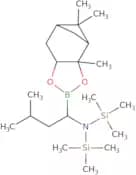
CAS:<p>Bortezomib impurity 76 is an analytical reference material that is used in the development and production of pharmaceuticals. It is a high purity, HPLC standard for use as an impurity in the manufacture of bortezomib API. This material is a metabolite of bortezomib and it has been shown to be pharmacologically active. Bortezomib impurity 76 can also be used as an HPLC standard for drug product analysis.</p>Fórmula:C21H44BNO2Si2Pureza:Min. 95%Forma y color:PowderPeso molecular:409.56 g/mol2-Fluoro-alpha-(2-methyl-1-oxopropyl)-gamma-oxo-N,beta-diphenyl-benzenebutanamide
CAS:<p>2-Fluoro-alpha-(2-methyl-1-oxopropyl)-gamma-oxo-N,beta-diphenylbenzenebutanamide is a drug product that is an impurity from the synthesis of 2,6-dichloroquinazoline. It has been shown to have antihistaminic effects in rats. The impurity standard for this product is available for custom synthesis upon customer request.</p>Fórmula:C26H24FNO3Pureza:Min. 95%Peso molecular:417.50 g/molSurfactin
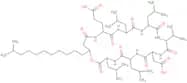
CAS:<p>Surfactin is a cyclic lipopeptide that has been found in urine and has shown potential as an anticancer agent. It has been shown to inhibit kinases, including indirubin and Chinese hamster ovary cell tumor kinase, which are involved in cancer cell proliferation. Surfactin analogs have also been developed as inhibitors of cancer cell growth and inducers of apoptosis. In addition to its anticancer properties, surfactin has been found to have antimicrobial activity against a variety of bacteria, including Clostridium perfringens. Overall, surfactin shows promise as a multifunctional therapeutic agent with potential applications in both cancer treatment and microbial control.</p>Fórmula:C53H93N7O13Pureza:Min. 95%Peso molecular:1,036.3 g/mol(E)-4-(((2S,4R)-1-([1,1'-Biphenyl]-4-yl)-5-ethoxy-4-methyl-5-oxopentan-2-yl)amino)-4-oxobut-2-enoic acid
<p>(E)-4-(((2S,4R)-1-([1,1'-Biphenyl]-4-yl)-5-ethoxy-4-methyl-5-oxopentan-2-yl)amino)-4-oxobut-2-enoic acid is an organic compound that is a metabolite of the drug product. It is a synthetic chemical compound and does not occur in nature. It has been used as an analytical standard for HPLC and LC/MS. It has also been used as an impurity standard for API's. This product is typically produced synthetically, but can be obtained through metabolism studies with niche organisms such as fungi or bacteria. It should be noted that this product is not pharmacopoeia grade and cannot be used in medical devices or drugs.br>br><br>This product has been classified by the International Union of Pure and Applied Chemistry (IUPAC) as a 2-(3-(aminoc</p>Pureza:Min. 95%(betaR,deltaR)-2,3-Bis(4-fluorophenyl)-beta,delta-dihydroxy-5-(1-methylethyl)-4-[(phenylamino)carbonyl]-1H-pyrrole-1-heptanoic acid hemicalcium salt
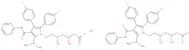
CAS:<p>(betaR,deltaR)-2,3-Bis(4-fluorophenyl)-beta,delta-dihydroxy-5-(1-methylethyl)-4-[(phenylamino)carbonyl]-1H-pyrrole-1-heptanoic acid hemicalcium salt is an impurity that is used in the production of a drug product. This product is metabolized to (betaR,deltaR)-2,3-bis(4-fluorophenyl)-beta,delta-dihydroxy-5-(1-methylethyl)-4-[(phenylamino)carbonyl]-1H-pyrrole 1 heptanoic acid which is used as an analytical standard for HPLC.</p>Fórmula:C66H66CaF4N4O10Pureza:Min. 95%Peso molecular:1,193.34 g/molo-Acetyl silodosin
CAS:<p>O-Acetyl silodosin is a synthetic, natural metabolite of silodosin. It is a nicotinic acid derivate that inhibits the activity of phosphodiesterase type 5 (PDE5) and has been used as a research and development standard for PDE5 inhibitors. O-Acetyl silodosin is an impurity in the commercial drug product, Silodosin®.</p>Fórmula:C27H34F3N3O5Pureza:Min. 95%Peso molecular:537.60 g/molDorzolamide impurity B
CAS:<p>Dorzolamide impurity B is a drug product, HPLC standard, and Drug development Impurity standard. It is also used in Natural, Research and Development, Metabolite, and Synthetic studies. This drug product has a CAS No. of 120279-90-5. Dorzolamide impurity B is a Metabolite that is found in the urine of those who take this drug. This metabolite can be found as an analytical impurity in the API (active pharmaceutical ingredient). It is also a pharmacopoeia impurity for use in niche applications.</p>Fórmula:C10H16N2O4S3Pureza:Min. 95%Peso molecular:324.4 g/molAprepitant β-glucuronide sodium salt
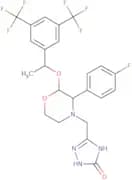
CAS:<p>Aprepitant β-glucuronide sodium salt is a unique compound that has been shown to have potent anti-cancer properties. It works by inhibiting the cell cycle and inducing apoptosis in cancer cells. Aprepitant β-glucuronide sodium salt has been extensively studied in Chinese medicine and has shown promising results as an anticancer agent. This compound can be used to target specific proteins involved in the growth and proliferation of cancer cells, making it a highly effective treatment option for various types of tumors. Additionally, nanoparticles containing Aprepitant β-glucuronide sodium salt have been developed, which allows for targeted delivery and improved efficacy. Overall, this innovative compound holds great potential as a powerful tool in the fight against cancer.</p>Fórmula:C23H21F7N4O3Pureza:Min. 95%Peso molecular:534.4 g/molΔ2-Cefuroxime
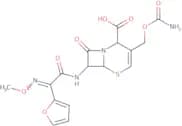
CAS:<p>Δ2-Cefuroxime is a prodrug that is hydrolyzed in vivo to cefuroxime, its active form. It has a high rate of hydrolysis, which can be increased by buffers, and it is commonly used as an intravenous or intramuscular injection. Δ2-Cefuroxime has two isomeric forms: the cis-isomer and trans-isomer. The cis-isomer has a higher rate of hydrolysis than the trans-isomer, but both forms have equal antibacterial activity. In addition, Δ2-cefuroxime can be converted into erythromycin.</p>Fórmula:C16H16N4O8SPureza:Min. 95%Peso molecular:424.4 g/mol4'-Bromo-2-(diethylamino)-2',6'-acetoxylidide
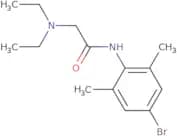
CAS:<p>Please enquire for more information about 4'-Bromo-2-(diethylamino)-2',6'-acetoxylidide including the price, delivery time and more detailed product information at the technical inquiry form on this page</p>Fórmula:C14H21BrN2OPureza:Min. 95%Peso molecular:313.23 g/molTymazoline hydrochloride
CAS:<p>Tymazoline hydrochloride is a medicine that belongs to the class of imidazolines. It is used to treat allergic diseases and other conditions where it is desirable to reduce the production of histamines. Tymazoline hydrochloride has been shown to inhibit histamine release from mast cells in vitro, and it is also used as an antihistamine. Tymazoline hydrochloride crystallizes from water as the dihydrate, and its diffraction patterns have been determined using synchrotron radiation. The molecule has an orthorhombic crystal structure with spacings of 0.7-0.8 nm between planes and intensities of 5-6 cm-1 in the X-ray region. Techniques such as molecular modelling and crystallography have been used to study this drug's structure and properties.</p>Fórmula:C14H21ClN2OPureza:Min. 95%Peso molecular:268.78 g/molN-Boc-(R)-2-(3-thiazolidinylcarbonyl)pyrrolidine
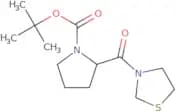
CAS:<p>N-Boc-(R)-2-(3-thiazolidinylcarbonyl)pyrrolidine is a molecule that is used to develop analytical methods. It is a key intermediate in the synthesis of metformin hydrochloride, an anti-diabetic drug. N-Boc-(R)-2-(3-thiazolidinylcarbonyl)pyrrolidine can be used as a surrogate for impurities in pharmaceuticals and other substances. This product can be used to validate analytical methods and has been shown to have high sensitivity. <br>N-Boc-(R)-2-(3-thiazolidinylcarbonyl)pyrrolidine can be synthesized by reacting acetonitrile with melamine, which is an impurity found in products such as milk powder, baby formula, and wheat gluten. The compound is then purified using RP-HPLC.</p>Fórmula:C13H22N2O3SPureza:Min. 95%Peso molecular:286.39 g/molDapoxetine N-oxide
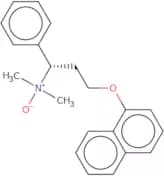
CAS:<p>Dapoxetine N-oxide is a pharmaceutical agent that inhibits serotonin reuptake and has been shown to be effective in the treatment of premature ejaculation. It is a metabolite of dapoxetine, which is an antidepressant drug. Dapoxetine N-oxide has a terminal half-life of about 10 hours, which is shorter than that of its parent compound. Dapoxetine N-oxide also has a lower carcinogenic potential than its parent compound. This agent can inhibit the activity of rat liver microsomes, as well as human liver microsomes at high concentrations. It also has no effect on plasma concentrations at low doses, but does show dose proportionality at higher doses. Dapoxetine N-oxide also does not have any impurities or other drugs added to it.</p>Fórmula:C21H23NO2Pureza:Min. 95%Peso molecular:321.41 g/molN-[2-(2,4-Dichlorophenyl)-2-[(2,4-dichlorophenyl)methoxy]ethyl]-formamide
CAS:<p>N-[2-(2,4-Dichlorophenyl)-2-[(2,4-dichlorophenyl)methoxy]ethyl]-formamide is an analytical standard that is used for the determination of formamide in pharmaceutical formulations. N-[2-(2,4-Dichlorophenyl)-2-[(2,4-dichlorophenyl)methoxy]ethyl]-formamide is a synthetic compound and has a natural impurity which may be present at levels up to 10%. The CAS number for this compound is 911805-54-4. N-[2-(2,4-Dichlorophenyl)-2-[(2,4-dichlorophenyl)methoxy]ethyl]-formamide is an impurity standard for HPLC analysis. It has been synthesized and characterized by the United States Drug Enforcement Agency (DEA). It can be used as a reference substance in pharmacopoeia standards.</p>Fórmula:C16H13Cl4NO2Pureza:Min. 95%Peso molecular:393.1 g/molN-Demethyl pazopanib
CAS:<p>N-Demethyl pazopanib is a synthetic drug that has been researched and developed for the treatment of cancer. It is an impurity standard, custom synthesis, and drug product. Synthetic N-demethyl pazopanib is used in clinical trials as a research and development tool to explore the metabolism of this drug and its metabolites. High purity N-demethyl pazopanib is used as a pharmacopoeia reference material for HPLC analysis in pharmacological studies. The metabolite of N-demethyl pazopanib has been found to be carcinogenic in animal studies. Metabolism studies have shown that N-demethyl pazopanib undergoes extensive hydroxylation and glucuronidation, which are detoxification pathways for xenobiotics in mammals.</p>Fórmula:C20H21N7O2SPureza:Min. 95%Peso molecular:423.5 g/molEthosuximide impurity A
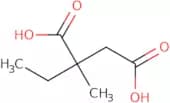
CAS:<p>Ethosuximide impurity A is a fluorinated compound that inhibits the enzyme acetylcholinesterase. It has been shown to inhibit the catalytic mechanism of acetylcholinesterase, which leads to its inhibitory effect on the enzyme. The compound does not have any structural similarity to the other known inhibitors of this enzyme. Ethosuximide impurity A has been shown to be an antimutagen and anticarcinogen in vitro, with a postulated mechanism of action that involves inhibition of a water molecule from binding to the active site.</p>Fórmula:C7H12O4Pureza:Min. 95%Peso molecular:160.17 g/molN-(3-Trifluoromethylphenyl)-phenylamine
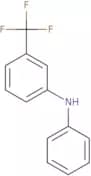
CAS:<p>N-(3-Trifluoromethylphenyl)-phenylamine is a research and development drug product that is used as an analytical impurity standard. It has a CAS number of 101-23-5 and is classified under the trade name 3TFPPA. The chemical formula for N-(3-Trifluoromethylphenyl)-phenylamine is C12H8F3NO. This compound can be synthesized from phenylamine, 3-trifluoromethylaniline, and hydrochloric acid. The molecular weight of this compound is 197.19 g/mol, which falls within the range of 195 to 200 g/mol. N-(3-Trifluoromethylphenyl)-phenylamine can be found in the following pharmacopoeia: USP (United States Pharmacopeia), EP (European Pharmacopoeia), JP (Japanese Pharmacopeia), BP</p>Fórmula:C13H10F3NPureza:Min. 95%Peso molecular:237.22 g/molAliskiren carboxylic acid
CAS:<p>Aliskiren is a drug that is used for the treatment of hypertension. It is not active orally and must be given by injection or intravenously. Aliskiren is an impurity in the synthesis of aliskiren carboxylic acid, which can be found in the chemical catalogues. Aliskiren carboxylic acid is an analytical standard with high purity and can be used as an impurity standard for HPLC analysis. The CAS number for Aliskiren carboxylic acid is 173400-13-0. Aliskiren Carboxylic Acid can also serve as a metabolite or pharmacopoeia reference material, if needed.</p>Fórmula:C30H52N2O7Pureza:Min. 95%Peso molecular:552.70 g/molDapagliflozin hydroxy impurity
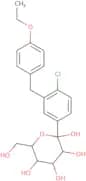
CAS:<p>Dapagliflozin hydroxy impurity is an amorphous, solid oral pharmaceutical composition that is orally administered for the treatment of diabetes mellitus. Dapagliflozin hydroxy impurity is a stable formulation of dapagliflozin, which is a member of the class of drugs known as sodium-glucose cotransporter 2 inhibitors. Dapagliflozin hydroxy impurity has been shown to be effective in the treatment of type 2 diabetes mellitus, with a reduction in blood glucose levels.</p>Fórmula:C21H25ClO7Pureza:Min. 95%Peso molecular:424.9 g/mola,a'-[[[2-(3,4-Dimethoxyphenyl)ethyl]imino]di-3,1-propanediyl]bis[3,4-dimethoxy-alpha-(1-methylethyl)-benzeneacetonitrile
CAS:<p>2,3,4-Trimethoxybenzaldehyde is an organic compound that is used as a chemical intermediate in the synthesis of pharmaceuticals. It is also used as a reagent in the chemical industry and as a flavoring agent. 2,3,4-Trimethoxybenzaldehyde has been shown to be metabolized by human liver microsomes to yield metabolites that are not well characterized. The impurities found in this drug product are 2-methoxy-5-methylphenol and 2,6-dimethoxyphenol.</p>Fórmula:C42H57N3O6Pureza:Min. 95%Peso molecular:699.92 g/molMethyl 4-methyl-3-[2-(propylamino)acetamido)thiophene-2-carboxylate
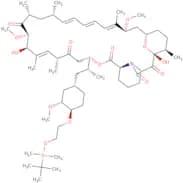
CAS:<p>Methyl 4-methyl-3-[2-(propylamino)acetamido]thiophene-2-carboxylate is an impurity that can be found in the drug product. It is a metabolite of clozapine, which is used to treat schizophrenia and other psychiatric disorders. This impurity can be detected by HPLC or LC/MS analysis and quantified using a calibration curve generated from standards. Methyl 4-methyl-3-[2-(propylamino)acetamido]thiophene-2-carboxylate may also be found in the urine as an indicator of clozapine use.</p>Fórmula:C12H18N2O3SPureza:Min. 95%Peso molecular:270.35 g/mol42-o-tert-Butyldimethylsilyloxyethyl rapamycin
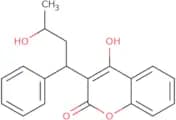
CAS:<p>Rapamycin is a natural product from Streptomyces hygroscopicus. It has been shown to inhibit T- and B-lymphocyte proliferation, induce apoptosis of lymphocytes, and suppress both humoral and cell-mediated immune responses. Rapamycin is also an immunosuppressant that decreases the incidence of rejection in organ transplant patients.<br>Rapamycin is used as a drug product in the form of a sterile solution for injection. The purity of rapamycin should be at least 99%, with less than 1% impurities, such as 42-O-tert-butyldimethylsilyloxyethyl rapamycin (TBDMS). Rapamycin is not currently available on the market as an API, but it may be custom synthesized for research purposes or for clinical trials.</p>Fórmula:C59H97NO14SiPureza:Min. 95%Peso molecular:1,072.49 g/molWarfarin alcohol, mixture of diastereomers
CAS:<p>Warfarin is a clinically used drug that is an anticoagulant and has been shown to have anticancer activity. Warfarin has been shown to inhibit the synthesis of unsaturated ketones by carbonyl reduction and asymmetric synthesis. It also inhibits the growth of cancer cells in animals and human liver cells. Warfarin reduces the production of coagulation factors II, VII, IX, and X by inhibiting protein synthesis in the liver. The anticoagulant effect of warfarin is due to inhibition of the synthesis of vitamin K-dependent clotting factors II, VII, IX, and X. Warfarin also binds to a cytosolic protein called matrix metalloproteinase-9 (MMP-9) which inhibits its proteolytic activity.</p>Fórmula:C19H18O4Pureza:Min. 95%Peso molecular:310.3 g/molCefotaxime sodium impurity D
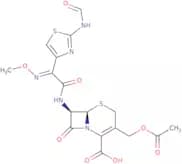
CAS:<p>Cefotaxime sodium impurity D is a cephalosporin-type antibiotic that is produced by the chemical reaction of cephalosporin with acetic acid. Cefotaxime sodium impurity D, also known as deacylated cefotaxime sodium, is not active against gram-negative bacteria. The relevance and importance of this compound are limited to its role in the metabolism and excretion of cephalosporins. Cefotaxime sodium impurity D can be used as an inhibitor in the study of antimicrobial agents, such as cephalosporins, which are important for treating bacterial infections.</p>Fórmula:C16H16N5O7S2NaPureza:Min. 95%Peso molecular:477.45 g/mol(4R)-1-(4-O-b-D-Galactopyranosyl-b-D-glucopyranosyl)-4-(2-methylpropyl)-2-pyrrolidinone
CAS:<p>(4R)-1-(4-O-b-D-Galactopyranosyl-b-D-glucopyranosyl)-4-(2-methylpropyl)-2-pyrrolidinone is a synthetic, impurity standard and research and development compound. (4R)-1-(4-O-b-D-Galactopyranosyl-b-D-glucopyranosyl)-4-(2-methylpropyl)-2pyrrolidinone is used as an analytical reference in the synthesis of other compounds. It is also used in drug development for the treatment of tuberculosis. This product has a high purity level and is pharmacopoeia grade.</p>Fórmula:C20H35NO11Pureza:Min. 95%Peso molecular:465.49 g/molValdecoxib dimer
CAS:<p>Valdecoxib dimer is a drug product that has been custom synthesized to meet the customer's requirements. It is an analytical standard and is available in high purity. Valdecoxib dimer has been shown to be metabolized through a number of metabolic transformations, including hydrolysis by esterases or glucuronidases, oxidation by cytochrome P450 enzymes, reduction by glutathione reductase, or conjugation with glucuronic acid. Valdecoxib dimer also specifically binds to markers expressed at high levels in Mycobacterium tuberculosis strains (e.g., ESX-1 secretion system protein) and inhibits cell growth in culture. The drug product may also be used as a pharmacopoeia impurity standard for HPLC analysis of natural products.</p>Fórmula:C32H25N3O6S2Pureza:Min. 95%Peso molecular:611.7 g/mol1-(3,5-Dihydroxyphenyl)-2-[(1,1-dimethylethyl)amino]-ethanone hydrochloride
CAS:<p>1-(3,5-Dihydroxyphenyl)-2-[(1,1-dimethylethyl)amino]-ethanone hydrochloride (HDPAE) is a drug product for the treatment of metabolic disorders. HDPAE is synthesized in high purity and has been studied for its metabolism and therapeutic effect. The CAS number for this compound is 1246815-70-2. This compound can be found in natural sources such as plants and animals, but it is also synthetically produced. HDPAE has not been evaluated by the FDA or any other regulatory agency and may not be available to consumers.</p>Fórmula:C12H18ClNO3Pureza:Min. 95%Peso molecular:259.73 g/molPinaverium bromide impurity 11
CAS:<p>Pinaverium bromide impurity 11 is a drug product that is used in the development of new drugs. It is an analytical standard for pharmacopoeia and research purposes. The chemical name for Pinaverium bromide impurity 11 is 2-Bromo-6-nitrobenzimidazole, CAS No. 1970218-70-2, which can be found in the NIST Mass Spectral Library. This compound has a molecular weight of 226.12 and melting point of 191°C (decomposes). It has been custom synthesized by our company to meet the requirements of customers who need this specific impurity for their drug development or research and development.</p>Pureza:Min. 95%DMAC-PDB
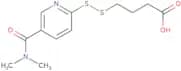
CAS:<p>DMAC-PDB is an aromatic cleavable linker commonly used in protein and drug conjugation. It enables controlled release of payloads under specific chemical conditions.</p>Fórmula:C12H16N2O3S2Pureza:Min. 95%Peso molecular:300.4 g/molHomo sildenafil-d5
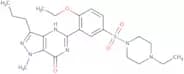
CAS:Sildenafil is the active ingredient in a prescription drug called Viagra. It is an inhibitor of cGMP-specific phosphodiesterase type 5 (PDE5) and it is used to treat erectile dysfunction. Sildenafil has been shown to be metabolized by CYP3A4 and CYP2C9 into N-desmethylsildenafil, which has lower affinity for PDE5 than sildenafil. The metabolism of sildenafil can also be inhibited by drugs that inhibit either CYP3A4 or CYP2C9, such as erythromycin, ketoconazole, and grapefruit juice.Fórmula:C23H27D5N6O4SPureza:Min. 95%Peso molecular:493.63 g/molEthopropazine hydrochloride
CAS:<p>Ethopropazine hydrochloride is a drug that inhibits the enzyme activity of acetylcholinesterase, which is involved in the breakdown of acetylcholine. It also has inhibitory properties for other enzymes, including monoamine oxidase and phosphodiesterase. Ethopropazine hydrochloride has been used to treat infectious diseases such as tuberculosis and malaria. Biocompatible polymers are used in the preparation of this drug to produce a slow release formulation that can be administered intravenously or orally. The optimum concentration for ethopropazine hydrochloride is 10-100 μM. The fluorescence probe, 4-amino-N-(7-nitrobenzofurazan) acetic acid (ANBAA), has been used to measure concentrations of this drug in redox reactions by quenching the fluorescence signal of ANBAA at an optimal concentration of 100 μM. Group P2 axonal growth was increased with ethop</p>Fórmula:C19H25ClN2SPureza:Min. 95%Peso molecular:348.9 g/molNorethindrone acetate impurity
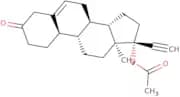
CAS:<p>Norethindrone acetate impurity is a drug product that is used in the development and research of drugs. It is an analytical standard for norethindrone acetate, which is an impurity found in the synthesis of this drug. Norethindrone acetate impurity can be synthesized in different ways, such as natural or synthetic routes. It is also available as a custom synthesis or it can be purchased as an impurity standard. This compound's CAS number is 1175129-26-6 and it has a purity level of 99%.</p>Fórmula:C22H28O3Pureza:Min. 95%Forma y color:PowderPeso molecular:340.46 g/molIbuprofen EP impurity H
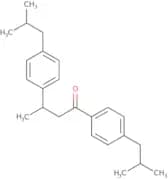
CAS:<p>Ibuprofen EP impurity H is an impurity of ibuprofen. It is a white crystalline powder with a melting point of 182-184°C and a molecular weight of 253.3. Ibuprofen EP impurity H can be synthesized in high purity by reacting 4-bromobenzenesulfonyl chloride with 2-hydroxybenzoic acid in the presence of triethylamine. This impurity has been used as a standard for drug product analysis, pharmacopoeia standards, drug development, and metabolism studies. Ibuprofen EP impurity H can be identified by HPLC using a retention time of 17.2 minutes and an UV absorption maximum at 254 nm.</p>Fórmula:C24H32OPureza:Min. 95%Peso molecular:336.51 g/molFexofenadine Impurity G
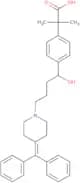
CAS:<p>Fexofenadine Impurity G is an impurity that is found in the drug Fexofenadine. This impurity can be identified and quantified using HPLC with a UV detector at 254 nm. Fexofenadine Impurity G has been classified as a natural metabolite of Fexofenadine. It is also considered to be a synthetic impurity because it can be synthesized in the laboratory.</p>Fórmula:C32H37NO3Pureza:Min. 95%Peso molecular:483.6 g/mol2-Hydroxy-5-[2-[4-[[(6-methyl-2-pyridinyl)amino]sulfonyl]phenyl]diazenyl]benzoic acid
CAS:<p>2-Hydroxy-5-[2-[4-[[(6-methyl-2-pyridinyl)amino]sulfonyl]phenyl]diazenyl]benzoic acid is a synthetic drug product that has not been approved for clinical use. 2-Hydroxy-5-[2-[4-[[(6-methyl-2-pyridinyl)amino]sulfonyl]phenyl]- diazenyl]benzoic acid is a metabolite of the drug product, 3-(2,4,6,-trimethoxybenzoyl)-1-(pyridinium methyl) piperidine. This metabolite was isolated and characterized using high performance liquid chromatography (HPLC), gas chromatography (GC), and nuclear magnetic resonance spectroscopy.</p>Fórmula:C19H16N4O5SPureza:Min. 95%Peso molecular:412.42 g/molSambacolignoside
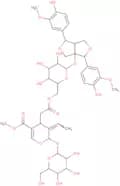
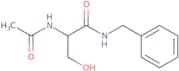
CAS:<p>Sambacolignoside is a natural compound that has been shown to have bioactivities. Sambacolignoside has been shown to inhibit the growth of cancer cells in vitro, including bladder, prostate and breast cancer cells. This compound is also able to induce apoptosis in these cells. Sambacolignoside can be used as a dietary supplement or as part of a profiling study for bladder cancer.</p>Fórmula:C43H54O22Pureza:Min. 95%Peso molecular:922.9 g/mol2-Acetamido-N-benzyl-3-hydroxypropanamide
CAS:<p>2-Acetamido-N-benzyl-3-hydroxypropanamide is an analog of a Chinese kinase inhibitor that has been shown to have anticancer properties. This compound induces apoptosis in human cancer cells by inhibiting the activity of protein kinases that are involved in cell growth and division. It has also been shown to inhibit the growth of prostate cancer cells by blocking the synthesis of testosterone, which is a hormone that promotes tumor growth. 2-Acetamido-N-benzyl-3-hydroxypropanamide is a potential candidate for developing new anticancer drugs due to its ability to selectively target cancer cells while sparing healthy cells.</p>Fórmula:C12H16N2O3Pureza:Min. 95%Peso molecular:236.27 g/molCefotaxime sodium impurity C
CAS:<p>Cefotaxime sodium impurity C is a by-product of the synthesis of cefotaxime. It is an impurity standard for drug product, custom synthesis and research and development. The CAS number for this substance is 66403-32-5. This compound has been shown to be a metabolite in metabolism studies. Impurity standard compounds are used in analytical methods such as HPLC.</p>Fórmula:C17H17N5O8S2Pureza:Min. 95%Peso molecular:483.48 g/molNociceptin (1-7)
CAS:<p>Nociceptin (1-7) is a drug product that is a natural, API impurity, and an impurity standard. It is used in research and development for the study of drug metabolism and pharmacopoeia for high purity standards in HPLC analysis. Nociceptin (1-7) is also synthesized as a synthetic compound with the CAS number 178249-42-8.</p>Fórmula:C31H41N7O9Pureza:Min. 95%Peso molecular:655.7 g/mol4',4'''-[(4'-Methyl-2'-propyl[2,6'-bi-1H-benzimidazole]-1,1'-diyl)bis(methylene)]bis[1,1'-biphenyl]-2-carboxylic acid
CAS:<p>4',4'''-[(4'-Methyl-2'-propyl[2,6'-bi-1H-benzimidazole]-1,1'-diyl)bis(methylene)]bis[1,1'-biphenyl]-2-carboxylic acid is an analytical reagent that is used in research and development as a drug product impurity standard. This compound has been shown to be metabolized by cytochrome P450 1A1 and 2C8 to form 4-hydroxybenzoic acid and 4,4''-[(4'-methyl-2' propyl-[2,6']bi-1H-benzimidazol-1,1' diyl)bis(methylene)]bis[3-(4-hydroxyphenyl)-propionic acid], respectively. 4',4''-[(4'-Methyl-2' propyl-[2,6']bi-1</p>Fórmula:C46H38N4O4Pureza:Min. 95%Peso molecular:710.82 g/molDescyclopropyl lenvatinib
CAS:<p>Descyclopropyl lenvatinib is a synthetic drug candidate that is being developed for the treatment of cancer. It is a metabolite of lenvatinib and has shown to have similar pharmacological activity, including inhibition of protein synthesis. Descyclopropyl lenvatinib also has been shown to inhibit the metabolism of other drugs, such as irinotecan, which may be due to its ability to inhibit cytochrome P450 enzymes.</p>Fórmula:C18H15ClN4O4Pureza:Min. 95%Peso molecular:386.80 g/mol(R,S)-Equol-d4 (major)
CAS:<p>The major (R,S)-equol-d4 is a metabolite of the soy isoflavone daidzein. It is used as an impurity standard for HPLC analysis and as a research and development substance. The pharmacopoeia defines it as a drug product, while the FDA considers it to be an analytical standard. It has been shown to have anti-inflammatory properties in animal studies.</p>Fórmula:C15H10D4O3Pureza:Min. 95%Peso molecular:246.29 g/molMaprotiline-d5 hydrochloride
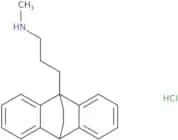
CAS:Producto controlado<p>Maprotiline-d5 hydrochloride is a drug product that is used in Metabolism studies. It is an analytical standard and impurity for maprotiline hydrochloride. Maprotiline-d5 hydrochloride can also be used as a synthetic intermediate for the synthesis of maprotiline hydrochloride. Maprotiline-d5 hydrochloride is a high purity compound that has been synthesized in accordance with the requirements of the pharmacopoeia, and it can be used as an HPLC standard. This compound has CAS No. 1794942-12-3 and its natural form is maprotiline.</p>Fórmula:C20H19D5ClNPureza:Min. 95%Peso molecular:318.9 g/molAceclofenac ethyl ester
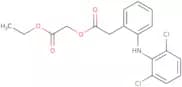
CAS:<p>Aceclofenac ethyl ester is a prodrug of diclofenac. It is a non-steroidal anti-inflammatory drug that alleviates the symptoms of pain, stiffness, and swelling. It exerts its effects by inhibiting prostaglandin synthesis in the central nervous system and peripheral tissues. Aceclofenac ethyl ester has minimal systemic absorption when administered orally, which reduces the risk of side effects such as stomach upset and kidney damage. The pharmacopoeia provides an efficient method for preparing this compound by reacting diclofenac with magnesium stearate in a solvent containing an organic amine or alcohol at temperatures below 50°C (122°F). Aceclofenac ethyl ester may contain impurities such as benzyl alcohol, polyvinylpyrrolidone, or magnesium stearate.</p>Fórmula:C18H17Cl2NO4Pureza:Min. 95 Area-%Forma y color:PowderPeso molecular:382.24 g/mol2-[[(4-Methoxy-3-methyl-2-pyridinyl)methyl]sulfinyl]-1H-benzimidazole
CAS:<p>2-[(4-Methoxy-3-methyl-2-pyridinyl)methyl]sulfinyl]-1H-benzimidazole is a synthetic, impurity standard that is used in the synthesis of drug products. It has been shown to inhibit the metabolism of drugs and may be used as a marker for drug metabolism. This compound may also be used as a marker in analytical studies to assess the purity of a drug product. 2-[(4-Methoxy-3-methyl-2-pyridinyl)methyl]sulfinyl]-1H-benzimidazole has not been evaluated for safety or efficacy.</p>Fórmula:C15H15N3O2SPureza:Min. 95%Peso molecular:301.36 g/molAct 373898 disodium
CAS:<p>Act 373898 disodium (A37) is a custom synthesis drug product that is used as an analytical standard for the metabolism of actiomycin D. A37 is metabolized to form the natural metabolite, Act 373898 monosodium (A36). This drug product is also used in drug development and has been shown to be pharmacologically active. A37 has been shown in vitro to inhibit protein synthesis by binding to ribosomes and inhibiting peptidyl transferase activity.<br>A37 is not a natural compound but it does possess niche properties. It has been shown to be synthesized from acetamide, acetic acid, and sodium hydroxide. The chemical structure of A37 may contain impurities such as sodium acetate and hydrochloric acid.</p>Fórmula:C15H17BrN4O5SPureza:Min. 95%Peso molecular:445.3 g/molDiethyl 2-propylimidazole-4,5-dicarboxylate
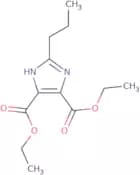
CAS:<p>Diethyl 2-propylimidazole-4,5-dicarboxylate is a synthesized intermediate that can be used in the synthesis of other organic compounds. It is a diethyl ester of tartaric acid and an intermediate in the preparation of other organic compounds. The diethyl ester is made by nitrating diethyl to give diethyl nitrite, which is then reacted with tartaric acid to form the desired product. Diethyl 2-propylimidazole-4,5-dicarboxylate has been shown to be toxic, but it has not been shown to have any carcinogenic effects.</p>Fórmula:C12H18N2O4Pureza:Min. 95%Peso molecular:254.28 g/molEphedrine Hydrochloride EP Impurity A
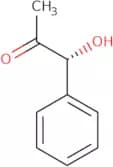
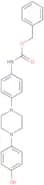
CAS:Producto controladoEphedrine Hydrochloride EP Impurity A is a product of the biotransformations of pseudoephedrine. It has been shown that this impurity can be formed in enzymatic reactions where pseudoephedrine is acted upon by β-unsaturated ketones or by filamentous fungi. Ephedrine Hydrochloride EP Impurity A is a chiral compound, which means that it has two different forms that are non-superimposable mirror images of each other. The enantiomers (left and right) are the individual molecules that make up the racemic mixture. In some cases, ephedrine hydrochloride ep impurity a may be present as a result of a reaction between pseudoephedrine and an enzyme preparation containing β-unsaturated ketones, such as acetone peroxide or benzoyl peroxide. This impurity has been shown to inhibit candida glabrata and to have kinetic properties similar to that of ephedFórmula:C9H10O2Pureza:Min. 96 Area-%Forma y color:Clear Viscous LiquidPeso molecular:150.17 g/molBenzyl (4-(4-(4-hydroxyphenyl)piperazin-1-yl)phenyl)carbamate
CAS:<p>Please enquire for more information about Benzyl (4-(4-(4-hydroxyphenyl)piperazin-1-yl)phenyl)carbamate including the price, delivery time and more detailed product information at the technical inquiry form on this page</p>Fórmula:C24H25N3O3Pureza:Min. 95%Peso molecular:403.5 g/molImatinib para-diaminomethylbenzene
CAS:<p>Imatinib is a kinase inhibitor that inhibits the kinase activity of tyrosine-protein phosphatase receptor (c-Abl) and platelet-derived growth factor receptor (PDGFR), which are both involved in tumor cell proliferation. Imatinib has been shown to be effective in treating leukemia and other types of cancer, as well as regulating the production of cytokines and protein tyrosine phosphatases. It is also being studied for use in Alzheimer's disease. Imatinib has selectivity for c-Abl over PDGFR, which makes it an attractive drug candidate for cancer therapy.</p>Fórmula:C29H31N7OPureza:Min. 95%Peso molecular:493.6 g/molCelosin J
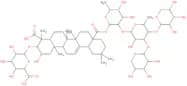
CAS:<p>Celosin J is a potent kinase inhibitor that has been extensively studied for its anticancer properties. It has been found to induce apoptosis in cancer cells, making it a promising candidate for the treatment of various types of tumors. Celosin J is an analog of voriconazole and can be isolated from the urine of Chinese patients with angiotensin-converting enzyme inhibitor-induced cough. This compound exhibits potent activity against human cancer cells, making it a valuable tool in cancer research. Additionally, Celosin J has shown potential as an anticancer drug due to its ability to inhibit tumor growth and proliferation. Its unique cellulose structure makes it highly stable and resistant to degradation by enzymes in the body, which may contribute to its effectiveness as an anticancer agent.</p>Fórmula:C58H90O28Pureza:Min. 95%Peso molecular:1,235.3 g/mol10-Oxo mirtazapine
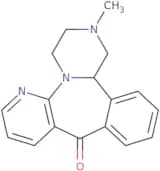
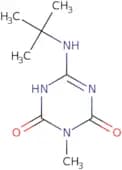
CAS:<p>10-Oxo mirtazapine is a metabolite of the antidepressant drug mirtazapine. It is an impurity in the HPLC standard for mirtazapine and has been shown to be pharmacologically active in animal models. 10-Oxo mirtazapine has also been found to be an impurity in other drugs, such as fluoxetine hydrochloride, but it is not known if it has any activity.</p>Fórmula:C17H17N3OPureza:Min. 95%Peso molecular:279.34 g/mol6-(tert-Butylamino)-3-methyl-1,3,5-triazine-2,4(1H,3H)-dione
CAS:Please enquire for more information about 6-(tert-Butylamino)-3-methyl-1,3,5-triazine-2,4(1H,3H)-dione including the price, delivery time and more detailed product information at the technical inquiry form on this pageFórmula:C8H14N4O2Pureza:Min. 95%Peso molecular:198.22 g/molDeterenol acetate
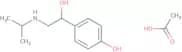
CAS:Producto controlado<p>Deterenol acetate is a drug product that is used as an analytical standard. It has been shown to be a natural metabolite of the synthetic drug deterenoic acid, which is an impurity in API preparations of the drug. Deterenol acetate has been shown to have anti-inflammatory effects and may be useful for treating cardiovascular disease, cancer, and arthritis. Deterenol acetate has also been shown to have potential as a treatment for high blood pressure.</p>Fórmula:C13H21NO4Pureza:Min. 95%Peso molecular:255.31 g/molLoratadine epoxide
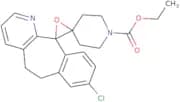
CAS:<p>Loratadine is an antihistamine drug and its metabolite, loratadine epoxide, can be detected in the blood and urine of patients. Loratadine epoxide can be isolated from high-performance liquid chromatography (HPLC) with a spectrometer. The experimental method for the isolation of loratadine epoxide is to add diazomethane to a solution of loratadine in benzene. This experiment yielded a n-oxide that reacts with oxygen to form an aliphatic compound with a shift on the mass spectrum. This n-oxide has been found as an analyte in urine samples.</p>Fórmula:C22H23ClN2O3Pureza:Min. 95%Peso molecular:398.9 g/mol(2S,4S)-tert-Butyl 2-(5-(2-((2S,5S)-1-((S)-2-((methoxycarbonyl)amino)-3-methylbutanoyl)-5-methylpyrrolidin-2-yl)-1,11-dihydroisochro meno[4',3':6,7]naphtho[1,2-d]imidazol-9-yl)-1H-imidazol-2-yl)-4-(methoxymethyl)pyrrolidine-1-carboxylate
CAS:<p>(2S,4S)-tert-Butyl 2-(5-(2-((2S,5S)-1-((S)-2-((methoxycarbonyl)amino)-3-methylbutanoyl)-5-methylpyrrolidin-2-yl)-1,11-dihydroisochro meno[4',3':6,7]naphtho[1,2-d]imidazol-9-yl)-1H-imidazol-2-yl)-4-(methoxymethyl)pyrrolidine-1-carboxylate is a drug product that has been synthesized and is being developed for the treatment of cancer. (2S,4S)-tert–Butyl 2-(5-(2-[(2R,5R)-1-[(R) -2-[(methoxycarbonyl)amino]-</p>Fórmula:C44H53N7O7Pureza:Min. 95%Peso molecular:791.9 g/molMonophenyl succinate
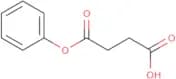
CAS:<p>Monophenyl succinate is an organic compound that is a derivative of succinic acid. It contains a hydroxyl group, which reacts with hydrogen chloride to form a cross-linking agent. The diameters of the particles are between 1 and 100 nm. Monophenyl succinate can be used as a cross-linking agent in polymers and coatings, as well as an antihypertensive drug. The hydroxy group on the monophenyl group has ester linkages with the methyl and ethoxycarbonyl groups on the phenyl group. This compound also has methoxy groups and chlorine atoms attached to it. The reaction products of this compound are hydrogen chloride, hydroxyl group, and diameter.</p>Fórmula:C10H10O4Pureza:Min. 95%Peso molecular:194.18 g/molHexetidine impurity A
CAS:<p>Hexetidine impurity A is an impurity in the drug product that is not present in the natural extract. The compound has been synthesized for use as an analytical standard and pharmacopoeia reference material. Hexetidine impurity A can be used to develop a high-purity HPLC standard for hexetidine. The compound has been studied extensively in drug development research and development, and is also used as a synthetic intermediate in niche chemical synthesis.</p>Fórmula:C21H43N3Pureza:Min. 95%Peso molecular:337.6 g/molDuloxetine phenyl carbamate
CAS:<p>Duloxetine is a drug product that belongs to the class of drugs known as selective serotonin and norepinephrine reuptake inhibitors. Duloxetine is a metabolite of duloxetine phenyl carbamate, which is an impurity standard for HPLC analysis. Duloxetine has been shown to inhibit the metabolism of serotonin and norepinephrine in the brain, leading to increased amounts of these neurotransmitters. This medication has been studied in niche populations such as those with depression and diabetic neuropathy. Duloxetine also has high purity standards, meeting the requirements of pharmacopoeia.</p>Fórmula:C25H23NO3SPureza:Min. 95%Peso molecular:417.50 g/molN-Formyl-L-leucine (1R)-1-[[(2R,3R)-3-Hexyl-4-oxo-2-oxetanyl]methyl]dodecyl ester
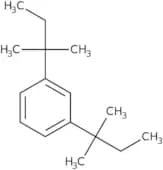
CAS:<p>N-Formyl-L-leucine (1R)-1-[[(2R,3R)-3-Hexyl-4-oxo-2-oxetanyl]methyl]dodecyl ester is an impurity standard for HPLC. It is a synthetic compound that has been custom synthesized to meet the requirements of a pharmacopoeia. This product is offered in a high purity and can be used for drug development and research and development.</p>Fórmula:C29H53NO5Pureza:Min. 95%Peso molecular:495.73 g/mol1,3-bis(1,1-Dimethylpropyl) benzene
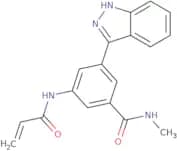
CAS:<p>1,3-bis(1,1-Dimethylpropyl) benzene is a synthetic compound that is used in drug product formulation. It is also used as an analytical standard for the determination of 1,3-bis(1,1-dimethylethyl)benzene in drug products and as a natural impurity in API preparations. This compound is metabolized to 1,3-dibromobenzene and 1,2-dibromoethane during its metabolic process. The chemical properties of this compound are similar to those of other alkylbenzenes and it has been shown to have pharmacological effects such as analgesic and antiinflammatory activities.</p>Fórmula:C16H26Pureza:Min. 95%Peso molecular:218.38 g/molMKK7-COV-9
CAS:<p>MKK7-COV-9 is a potent inhibitor of kinases that plays a critical role in apoptosis, also known as programmed cell death. It has been extensively studied in Chinese and human tumor cells and has been shown to be an effective anticancer agent. MKK7-COV-9 is an analog of the cyclin-dependent kinase (CDK) inhibitors and has been found to inhibit the growth of cancer cells by blocking the activity of CDKs. This protein kinase inhibitor has also been found in urine samples from cancer patients, suggesting its potential as a biomarker for cancer diagnosis and treatment. The inhibitory effect of MKK7-COV-9 on tumor cell proliferation makes it a promising candidate for developing novel anticancer drugs.</p>Fórmula:C18H16N4O2Pureza:Min. 95%Peso molecular:320.3 g/mol4'-(Bromomethyl)-[1,1'-biphenyl]-2-carboxamide
CAS:<p>4'-(Bromomethyl)-[1,1'-biphenyl]-2-carboxamide is a custom synthesis drug product. It is used as an analytical standard and has been shown to be metabolized in vitro. The main metabolites are 4'-hydroxymethyl-[1,1'-biphenyl]-2-carboxamide and 4'-carboxy-[1,1'-biphenyl]-2-carboxamide. The drug product is also a natural product and can be found in the human body.</p>Fórmula:C14H12BrNOPureza:Min. 95%Peso molecular:290.16 g/molEnrofloxacin impurity C
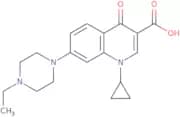
CAS:<p>Enrofloxacin impurity C is an impurity of enrofloxacin, a drug product. It is a metabolite of enrofloxacin, which has been studied for its effects on the metabolism and pharmacokinetics of this drug. Enrofloxacin impurity C specifically inhibits the activity of CYP3A4 and CYP2C8 in vitro. Enrofloxacin impurity C also has been shown to have niche applications in analytical chemistry as an impurity standard for HPLC analyses.</p>Fórmula:C19H23N3O3Pureza:Min. 95%Forma y color:PowderPeso molecular:341.4 g/molPrasugrel hydroxy thiolactone
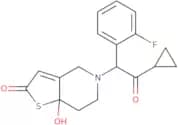
CAS:<p>Prasugrel hydroxy thiolactone is a drug product, analytical and Metabolism studies. It is an impurity standard for Synthetic, Custom synthesis, Drug development, Research and Development of Impurity standard. Prasugrel hydroxy thiolactone is synthesized by acid-catalyzed condensation of 2-aminothiophenol with acetyl chloride in the presence of zinc chloride. The resulting compound can be purified by recrystallization from ethanol/ether or extraction with diethyl ether.<br>Prasugrel hydroxy thiolactone has been used as a reference material for HPLC standards and pharmacopoeia.</p>Fórmula:C18H18FNO3SPureza:Min. 95%Peso molecular:347.4 g/molDesgadolinium gadoteridol
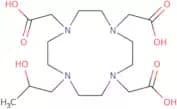
CAS:<p>Desgadolinium gadoteridol is a contrast agent that is used in magnetic resonance imaging (MRI). It is a gadolinium-based contrast agent that contains an ester linkage. The chelate complex of gadolinium with desgadolinium has been shown to have high water permeability and target tissue affinity, as well as low toxicity. Desgadolinium gadoteridol is used to diagnose inflammatory bowel diseases by determining the thickness of the bowel wall. This agent may also be used to evaluate blood pressure and diagnose hemorrhoids or colorectal polyps.</p>Fórmula:C17H32N4O7Pureza:Min. 95%Peso molecular:404.5 g/molUlifloxacin acyl-β-D-glucuronide
CAS:<p>Ulifloxacin acyl-β-D-glucuronide is an inhibitor of protein kinases that has been shown to induce apoptosis in cancer cells. This compound is a metabolite of ulifloxacin, a fluoroquinolone antibiotic used to treat urinary tract infections. Ulifloxacin acyl-β-D-glucuronide has potent anticancer activity and has been shown to inhibit the growth of tumor cells in vitro. This compound is an analog of other kinase inhibitors and has been extensively studied in Chinese hamster ovary (CHO) cells, where it was found to be effective against various types of cancer. Ulifloxacin acyl-β-D-glucuronide also possesses toxin-binding properties and may have potential as an anti-toxin agent.</p>Fórmula:C22H24FN3O9SPureza:Min. 95%Peso molecular:525.5 g/mol5'-O-Acetyl ribavirin
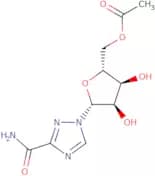
CAS:Producto controlado<p>5'-O-Acetyl ribavirin is an impurity of ribavirin, a drug product that belongs to the group of antiviral drugs. It is used in the treatment of chronic hepatitis C and influenza. 5'-O-Acetyl ribavirin is found in natural products such as plants, honey, and wine. The CAS number for this impurity is 58151-87-4. This compound can be synthesized through custom synthesis or by using a high purity HPLC standard as an impurity standard.</p>Fórmula:C10H14N4O6Pureza:Min. 95%Peso molecular:286.24 g/molEdoxaban 4-carboxylic acid hydrochloride
CAS:<p>Edoxaban 4-carboxylic acid hydrochloride is a drug product with high purity. It has been synthesized using natural ingredients and is an analytical standard. The metabolite of edoxaban 4-carboxylic acid hydrochloride is the substance CAS No. 834919-19-6, which is also a metabolite for other drugs. Edoxaban 4-carboxylic acid hydrochloride can be used in drug development and pharmacopoeia research, as well as in niche areas such as HPLC standards and analytical research.</p>Fórmula:C22H25ClN6O5SPureza:Min. 95%Peso molecular:521 g/molPNU-248686a
CAS:<p>PNU-248686a is a potent anticancer drug that induces apoptosis in cancer cells. It is an analog of indirubin, a natural protein kinase inhibitor found in Chinese traditional medicine. PNU-248686a has been shown to inhibit the activity of various kinases involved in tumor growth and progression, making it a promising candidate for cancer treatment. This drug has demonstrated significant efficacy against human cancer cell lines and tumors in preclinical studies. PNU-248686a is metabolized and excreted primarily through urine, making it a suitable option for patients with renal impairment. Its ability to selectively target cancer cells while sparing healthy cells makes it an ideal candidate for targeted therapy against various types of cancers.</p>Fórmula:C22H18ClNaO5S2Pureza:Min. 95%Peso molecular:485 g/molProbimane
CAS:<p>Probimane is an anticancer drug that belongs to the class of kinase inhibitors. It is a synthetic analog of the Chinese herb, curcumol, and has been shown to inhibit the growth of tumor cells in vitro and in vivo. Probimane targets cyclin-dependent kinases (CDKs) and other protein kinases involved in cell cycle regulation, leading to apoptosis or programmed cell death. This drug has demonstrated potent activity against a range of human cancer cell lines, including breast, lung, and colon cancer. Probimane has also been found to be excreted in urine, making it a potential candidate for non-invasive monitoring of treatment efficacy.</p>Fórmula:C21H34N6O6Pureza:Min. 95%Peso molecular:466.5 g/mol2'-Deoxy-5,6-didehydro-2',2'-difluoro-6-hydroxyuridine
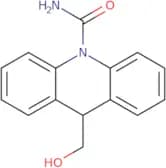
<p>2'-Deoxy-5,6-didehydro-2',2'-difluoro-6-hydroxyuridine is an analytical standard that is used in research and development of drugs. This compound has been designated as an impurity in a drug product. It has also been used as a reference standard for HPLC analysis. 2'-Deoxy-5,6-didehydro-2',2'-difluoro-6-hydroxyuridine is a metabolite of the drug product. This compound is not found in nature and has been synthesized artificially.</p>Fórmula:C9H12F2N2O6Pureza:Min. 95%Peso molecular:282.2 g/mol9-Hydroxymethyl-10-carbamoylacridan
CAS:<p>9-Hydroxymethyl-10-carbamoylacridan is an active metabolite of carbamazepine. It is a potent competitive inhibitor of the enzyme acetylcholinesterase, which leads to increased levels of acetylcholine in the human brain and causes decreased seizure threshold. 9-Hydroxymethyl-10-carbamoylacridan can be found in wastewater and it has been detected in the water supply and in human serum. 9-Hydroxymethyl-10-carbamoylacridan is also present in human urine and can be detected by high performance liquid chromatography (HPLC). This compound has been shown to cause epileptic seizures in humans.</p>Fórmula:C15H14N2O2Pureza:Min. 95%Peso molecular:254.28 g/mol(S)-Tenofovir disoproxil fumarate
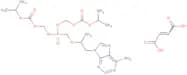
CAS:<p>Tenofovir disoproxil fumarate is a prodrug of tenofovir that is used as a clinical medication to treat HIV. Tenofovir works by inhibiting reverse transcriptase, an enzyme required for the production of viral DNA. The flow rate of this drug is high and it has a sensitivity of less than 1 ng/mL. Tenofovir disoproxil fumarate contains impurities such as methoxy, which can affect the chiral purity and sensitivity of the drug. It also contains tenofovir, which is used as an intermediate in its synthesis. This drug can be detected using chromatographic methods, which use n-hexane and a wavelength below 220 nm for liquid chromatography analysis.</p>Fórmula:C23H34N5O14PPureza:Min. 95%Peso molecular:635.5 g/mol


![[4-(N-Methylpyridinium-4-yl)-1,3-thiazol-2-yl]thiolate](/_next/image/?url=https%3A%2Fstatic.cymitquimica.com%2Fproducts%2F3D%2Fthumb-webp%2FCHC20746.webp&w=3840&q=75)
![S-(9H-Fluoren-9-ylmethyl)-N-[(2-propen-1-yloxy)carbonyl]-L-cysteine](/_next/image/?url=https%3A%2Fstatic.cymitquimica.com%2Fproducts%2F3D%2Fthumb-webp%2FHHA20177.webp&w=3840&q=75)
![2-Hydroxy-5-[2-[4-(2-imino-1(2H)-pyridinyl)phenyl]diazenyl]-benzoic acid](/_next/image/?url=https%3A%2Fstatic.cymitquimica.com%2Fproducts%2F3D%2Fthumb-webp%2FIH145665.webp&w=3840&q=75)


![(5E)-2,2-Dimethyl-7-[methyl(1-naphthalenylmethyl)amino]-5-hepten-3-ynoic acid](/_next/image/?url=https%3A%2Fstatic.cymitquimica.com%2Fproducts%2F3D%2Fthumb-webp%2FID19739.webp&w=3840&q=75)
![N-(2,2,2-Trichloroethoxy)carbonyl] bisnor-(cis)-tilidine](/_next/image/?url=https%3A%2Fstatic.cymitquimica.com%2Fproducts%2F3D%2Fthumb-webp%2FWZB81995.webp&w=3840&q=75)
![(E)-4-(((2S,4R)-1-([1,1'-Biphenyl]-4-yl)-5-ethoxy-4-methyl-5-oxopentan-2-yl)amino)-4-oxobut-2-enoi…](/_next/image/?url=https%3A%2Fstatic.cymitquimica.com%2Fproducts%2F3D%2Fthumb-webp%2FIB181151.webp&w=3840&q=75)
![N-[2-(2,4-Dichlorophenyl)-2-[(2,4-dichlorophenyl)methoxy]ethyl]-formamide](/_next/image/?url=https%3A%2Fstatic.cymitquimica.com%2Fproducts%2F3D%2Fthumb-webp%2FLLB80554.webp&w=3840&q=75)
![a,a'-[[[2-(3,4-Dimethoxyphenyl)ethyl]imino]di-3,1-propanediyl]bis[3,4-dimethoxy-alpha-(1-methyleth…](/_next/image/?url=https%3A%2Fstatic.cymitquimica.com%2Fproducts%2F3D%2Fthumb-webp%2FID145565.webp&w=3840&q=75)

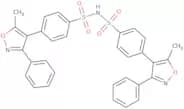
![1-(3,5-Dihydroxyphenyl)-2-[(1,1-dimethylethyl)amino]-ethanone hydrochloride](/_next/image/?url=https%3A%2Fstatic.cymitquimica.com%2Fproducts%2F3D%2Fthumb-webp%2FWZB81570.webp&w=3840&q=75)

![2-Hydroxy-5-[2-[4-[[(6-methyl-2-pyridinyl)amino]sulfonyl]phenyl]diazenyl]benzoic acid](/_next/image/?url=https%3A%2Fstatic.cymitquimica.com%2Fproducts%2F3D%2Fthumb-webp%2FIH145662.webp&w=3840&q=75)
![4',4'''-[(4'-Methyl-2'-propyl[2,6'-bi-1H-benzimidazole]-1,1'-diyl)bis(methylene)]bis[1,1'-biphenyl…](/_next/image/?url=https%3A%2Fstatic.cymitquimica.com%2Fproducts%2F3D%2Fthumb-webp%2FIM28023.webp&w=3840&q=75)
![2-[[(4-Methoxy-3-methyl-2-pyridinyl)methyl]sulfinyl]-1H-benzimidazole](/_next/image/?url=https%3A%2Fstatic.cymitquimica.com%2Fproducts%2F3D%2Fthumb-webp%2FIM21228.webp&w=3840&q=75)

![N-Formyl-L-leucine (1R)-1-[[(2R,3R)-3-Hexyl-4-oxo-2-oxetanyl]methyl]dodecyl ester](/_next/image/?url=https%3A%2Fstatic.cymitquimica.com%2Fproducts%2F3D%2Fthumb-webp%2FIF26579.webp&w=3840&q=75)
![4'-(Bromomethyl)-[1,1'-biphenyl]-2-carboxamide](/_next/image/?url=https%3A%2Fstatic.cymitquimica.com%2Fproducts%2F3D%2Fthumb-webp%2FIB19246.webp&w=3840&q=75)