APIs para investigación e impurezas
Los ingredientes farmacéuticos activos (API) son las sustancias en los medicamentos responsables de sus efectos terapéuticos. En esta sección, encontrarás una amplia variedad de API destinados a uso en investigación. Estos compuestos son esenciales para el desarrollo, prueba y validación de nuevas formulaciones farmacéuticas. En CymitQuimica, ofrecemos API de alta calidad para apoyar la investigación en el descubrimiento y desarrollo de fármacos.
Subcategorías de "APIs para investigación e impurezas"
- Aminoácidos y derivados(12.278 productos)
- Antraquinonas y derivados(405 productos)
- Derivados de Benzimidazol e Imidazol(10.376 productos)
- Derivados de Benzodiazepinas(333 productos)
- Carbohidratos y glucoconjugados(5.013 productos)
- Ésteres y derivados(42.045 productos)
- Ácidos Grasos y Derivados Lipídicos(32.246 productos)
- Flavonoides y Polifenoles(17.012 productos)
- Radicales libres y agentes oxidantes/reductores(213 productos)
- Cetonas y Derivados(2.394 productos)
- Antibióticos naturales y semisintéticos(6.364 productos)
- Nitrilos y Cianoderivados(3.045 productos)
- Nitrosaminas y derivados(55 productos)
- Nucleósidos y Nucleótidos(3.429 productos)
- Fosfatos y Fosfonatos Orgánicos(1.201 productos)
- Sulfonatos y Sulfatos Orgánicos(10.406 productos)
- Organometálicos(4.401 productos)
- Otros(6.279 productos)
- Péptidos y Proteínas(3.129 productos)
- Polímeros y derivados(99 productos)
- Derivados de Purinas y Pirimidinas(8.902 productos)
- Derivados de Quinazolina y Quinolina(65.630 productos)
- Quinonas y derivados(24.239 productos)
- Sales y derivados de API(79.473 productos)
- Esteroides y derivados(4.967 productos)
- Sulfonamidas y derivados(2.592 productos)
- Terpenoides y derivados(3.839 productos)
- Tiazolidinedionas y Tiopiranos(2.733 productos)
- Compuestos β-adrenérgicos(230 productos)
Mostrar 21 subcategorías más
Se han encontrado 56797 productos de "APIs para investigación e impurezas"
Ordenar por
Pureza (%)
0
100
|
0
|
50
|
90
|
95
|
100
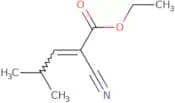
Ethyl 2-cyano-4-methylpent-2-enoate
CAS:<p>Please enquire for more information about Ethyl 2-cyano-4-methylpent-2-enoate including the price, delivery time and more detailed product information at the technical inquiry form on this page</p>Fórmula:C9H13NO2Pureza:Min. 95%Peso molecular:167.2 g/molMethyl 4-[[1-(ethoxycarbonyl)-2-oxocyclopentyl]methyl]-α-methylbenzeneacetate
CAS:<p>Please enquire for more information about Methyl 4-[[1-(ethoxycarbonyl)-2-oxocyclopentyl]methyl]-α-methylbenzeneacetate including the price, delivery time and more detailed product information at the technical inquiry form on this page</p>Fórmula:C19H24O5Pureza:Min. 95%Peso molecular:332.39 g/mol5,7,4'-Trimethoxy-4-phenylcoumarin
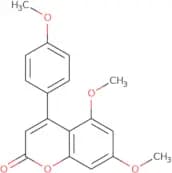
CAS:<p>5,7,4'-Trimethoxy-4-phenylcoumarin is a potent anticancer agent that has been shown to inhibit cancer cell growth and induce apoptosis. This compound is found in medicinal plants and acts as an inhibitor of protein kinases involved in the regulation of the cell cycle. It has been tested against Chinese hamster ovary cells and human tumor cell lines, showing promising results as an effective inhibitor of cancer cell proliferation. 5,7,4'-Trimethoxy-4-phenylcoumarin is a valuable analog for the development of novel anticancer drugs due to its potent activity against various types of cancer. Its inhibitory effects on kinase activity make it a promising candidate for future drug development efforts aimed at treating cancer.</p>Fórmula:C18H16O5Pureza:Min. 95%Peso molecular:312.3 g/mol4-Descyano-4-bromo-letrozole
CAS:<p>4-Descyano-4-bromo-letrozole is a white crystalline powder with a purity of 99.5% or greater. This product is used as an analytical reference standard in the detection of impurities in pharmaceutical products and as a research and development intermediate in the synthesis of other organic compounds. 4-Descyano-4-bromo-letrozole is a metabolite that can be produced by cytochrome P450 enzymes, such as CYP1A2, CYP3A4, and CYP3A5. The chemical name for this drug product is 4-[(2,6-dichlorophenyl)amino]-4-[(2,6-dichlorophenyl)amino]benzoic acid bromide. CAS No. 143030-54-0</p>Fórmula:C16H11BrN4Pureza:Min. 95%Peso molecular:339.19 g/molHyoscyamine related compound A
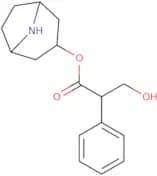
CAS:<p>Hyoscyamine related compound A is a pure, synthetic chemical compound that is used as an impurity standard and can be custom synthesized to meet the requirements of a customer's research and development. Hyoscyamine related compound A is also known as a metabolite in the body, which means it is created from another substance. It is created from the breakdown of Hyoscyamine, which is found in plants such as jimson weed, mandrake, and henbane. Hyoscyamine related compound A has a CAS number of 537-29-1. It can be used to create drug product or pharmacopoeia standards. It has been classified as a custom synthesis by the FDA because it has not been approved for use in humans or animals.</p>Fórmula:C16H21NO3Pureza:Min. 95%Peso molecular:275.35 g/molImidafenacin metabolite M4
CAS:<p>Imidafenacin metabolite M4 is a synthetic impurity of imidafenacin. It is an API impurity as it is produced during the synthesis of this drug. Imidafenacin metabolite M4 has been shown to be present in high purity and is used as a pharmacopoeia standard. The compound has been studied for its metabolism, which includes studies on its ability to inhibit cytochrome P450 enzymes and other drug-metabolizing enzymes, as well as its potential to cause drug interactions.</p>Fórmula:C18H19N3O3Pureza:Min. 95%Peso molecular:325.40 g/mol(1R,3S)-1-(1,3-Benzodioxol-5-yl)-2-(2-chloroacetyl)-2,3,4,9-tetrahydro-1H-pyrido[3,4-b]indole-3-carboxylic acid methyl ester
CAS:<p>(1R,3S)-1-(1,3-Benzodioxol-5-yl)-2-(2-chloroacetyl)-2,3,4,9-tetrahydro-1H-pyrido[3,4-b]indole-3-carboxylic acid methyl ester is a drug product that has not yet been approved for use in humans. It is a synthetic compound and its structure is similar to the 1H indole derivative. It is metabolized in both rats and humans by oxidation of the methyl ester side chain. Metabolites have been identified in urine and feces following administration of radiolabeled (1R,3S)-1-(1,3-benzodioxol-5-yl)-2-(2 chloroacetyl)-2,3,4,9 tetrahydro 1H pyrido[3,4 b]indole 3 carboxylic</p>Fórmula:C22H19ClN2O5Pureza:Min. 95%Peso molecular:426.8 g/mol(3R)-3,6-Dihydro-2H-1,4-thiazine-3,5-dicarboxylic Acid 3-Ethyl Ester
CAS:<p>The chemical name for (3R)-3,6-Dihydro-2H-1,4-thiazine-3,5-dicarboxylic acid 3-ethyl ester-d5 is 2-(2-(pyrrolidin-1-yl)ethoxy)ethanol. This compound is a drug product that has been custom synthesized and purified by HPLC. It is an analytical standard and impurity standard for HPLC. The CAS number for this compound is 944115-20-2.</p>Fórmula:C8H6D5NO4SPureza:Min. 95%Peso molecular:222.27 g/mol1,3-Dihydro-6-methylfuro[3,4-c]pyridin-7-ol
CAS:<p>1,3-Dihydro-6-methylfuro[3,4-c]pyridin-7-ol is a compound that contains impurities such as fatty acids and uridine. It has been found to be an inhibitor of α-mangostin adduct formation with fatty acids. Additionally, it has been shown to inhibit the activity of GSK-3β, an enzyme involved in various cellular processes. This compound also exhibits inhibitory effects on monascus and safranal, two enzymes involved in the production of certain compounds. Furthermore, it has been found to inhibit calpain, an enzyme responsible for protein degradation. The compound can be used in various research applications involving electrode modification and polylysine immobilization. It may also have potential interactions with other drugs such as cefdinir.</p>Fórmula:C8H9NO2Pureza:Min. 95%Peso molecular:151.16 g/mol1'-Epi gemcitabine 3',5'-dibenzoate
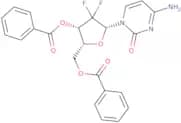
CAS:<p>1'-Epi-Gemcitabine 3',5'-dibenzoate is an analytical standard that is used in the drug development process. It is also a high purity, API impurity, HPLC standard, and drug product. 1'-Epi-Gemcitabine 3',5'-dibenzoate is an impurity of Gemcitabine, which is an anticancer drug. The impurity can be found in the methanolic fraction of the extract and it's an epimer of Gemcitabine. The pharmacopoeia for this compound are USP and EP. Custom synthesis and natural or synthetic are possible for this compound.</p>Fórmula:C23H19F2N3O6Pureza:Min. 95 Area-%Forma y color:PowderPeso molecular:471.41 g/mol3’-Hydroxytyrosol 3’-glucuronide
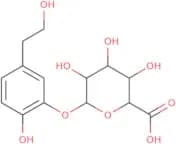
CAS:<p>3’-Hydroxytyrosol 3’-glucuronide is a metabolite of tyrosol that has been found in human urine. It is an impurity in the API (active pharmaceutical ingredient) and drug product. The analytical purity of this compound should be at least 98%. This substance can be synthesized from tyrosol and 3'-hydroxy-D-glucuronic acid, according to the following chemical equation: 3' - Hydroxytyrosol + 3'-Hydroxy-D-Glucuronic Acid → 3' - Hydroxytyrosol 3' - Glucuronide</p>Fórmula:C14H18O9Pureza:Min. 95%Peso molecular:330.29 g/molDinosam
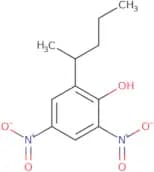
CAS:<p>Dinosam is a medicinal compound that has been found to possess potent anticancer properties. It is an analog of a natural product isolated from Chinese urine and acts as an inhibitor of kinases, which are proteins involved in the regulation of cell growth and division. Dinosam has been shown to induce apoptosis (programmed cell death) in cancer cells, making it a promising candidate for cancer therapy. In addition to its anticancer effects, Dinosam has also been found to have potential as an inhibitor of other human kinases. Its unique structure and mechanism of action make it a valuable tool for the development of new kinase inhibitors with therapeutic potential.</p>Fórmula:C11H14N2O5Pureza:Min. 95%Peso molecular:254.24 g/molDeltan-benzyloxycarbonyl aliskiren
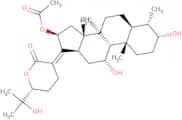
CAS:<p>Deltan-benzyloxycarbonyl aliskiren is a drug product that is custom synthesized for research and development purposes. It is an analytical standard with high purity and quality, which has been studied in metabolism studies. The natural drug product is metabolized to form the metabolites, which are impurities. Metabolites of Deltan-benzyloxycarbonyl aliskiren are also available as HPLC standards, which are used as reference materials in pharmacopoeia. This compound can be used in niche areas of drug development, such as pharmaceutical research and development.</p>Fórmula:C38H59N3O8Pureza:Min. 95%Peso molecular:685.90 g/molFluticasone furoate EP impurity E
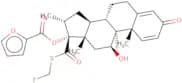
CAS:<p>Fluticasone furoate EP impurity E is an analytical reference standard for pharmacopoeia and research. It is a synthetic fluticasone furoate EP impurity that has been custom synthesized for use as a high-purity, HPLC-grade standard. Fluticasone furoate EP impurity E is characterized by its natural origin and purity, making it appropriate for use in drug development and research. The CAS number for this product is 398454-97-2.</p>Fórmula:C25H31F3O5SPureza:Min. 95%Peso molecular:500.5 g/molLabetalol EP impurity D
CAS:<p>Labetalol EP impurity D is a metabolite of labetalol that is used as an impurity standard for HPLC. This impurity has been identified in the drug product and also in the drug development process. Labetalol EP impurity D is one of many metabolites that can be formed by cytochrome P450 enzymes. Labetalol EP impurity D is a natural metabolite of labetalol, which can be found in the urine of humans and other mammals. It is also present in various plants and fungi, including mushrooms, lichens, yeast, and barley. Synthetic labetalol EP impurity D can also be produced by various chemical reactions.</p>Fórmula:C9H12N2O3Pureza:Min. 95%Peso molecular:196.2 g/molSalbutamol EP impurity C
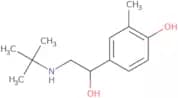
CAS:<p>Salbutamol EP Impurity C is an impurity of Salbutamol EP, which is an active pharmaceutical ingredient. It is a hydrophilic interaction chromatography and reverse-phase high-performance liquid chromatography method that can be used to screen for the presence of impurities in this product. The detection method is based on the use of a diode array detector with a synchronous detection mode. The column used in this screening process is a liquid chromatography column with a particle size of 5 microns and a length of 250 mm, which has been packed with 5% phenyl-95% dimethyl polysiloxane stationary phase. This process requires acetonitrile as the mobile phase, and the detection wavelength ranges from 220 nm to 240 nm.</p>Fórmula:C13H21NO2Pureza:Min. 95%Forma y color:PowderPeso molecular:223.31 g/molIsopropyl (1S)-(+)-10-camphorsulfate
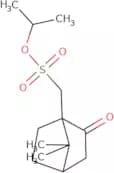
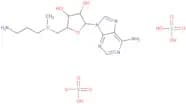
CAS:<p>Isopropyl (1S)-(+)-10-camphorsulfate is an analytical standard that is used in the preparation of aqueous solutions with a purity of at least 99.5%. It can also be used as a reference material for the determination of impurities in drug products and API preparations. Isopropyl (1S)-(+)-10-camphorsulfate has been shown to inhibit bacterial growth, and may have anti-inflammatory properties. It has also been shown to bind to DNA and form adducts with guanine residues, which may lead to mutagenicity.</p>Fórmula:C13H22O4SPureza:Min. 95%Peso molecular:274.38 g/molDecarboxylated S-adenosylmethionine sulfate
CAS:<p>Decarboxylated S-adenosylmethionine sulfate is a synthetic, high purity, pharmacopoeia grade impurity standard used in the research and development of drugs. This drug product is also used as a metabolite in metabolism studies. Decarboxylated S-adenosylmethionine sulfate is synthesized by the decarboxylation of S-adenosylmethionine, which is then reacted with sulfuric acid to form the sulfate salt. Decarboxylated S-adenosylmethionine sulfate has an analytical retention time of 12 minutes and an HPLC purity of 99%.</p>Fórmula:C14H26N6O11S3Pureza:Min. 95%Peso molecular:550.6 g/molDasatinib impurity
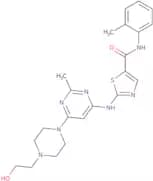
CAS:<p>Dasatinib is a cancer drug that is used to treat patients with chronic myeloid leukemia and Philadelphia chromosome-positive acute lymphoblastic leukemia. It inhibits the activity of tyrosine kinases, in particular Bcr-Abl and Src. Dasatinib is a structural analog of imatinib, which has been shown to be effective against chronic myeloid leukemia by inhibiting the activity of Bcr-Abl. Dasatinib impurity is an unwanted substance found in dasatinib. It can be synthesized from formic acid, chloride and chlorine using a series of industrial processes. The salt form of dasatinib impurity is acidic and synthetic.</p>Fórmula:C22H27N7O2SPureza:Min. 95%Peso molecular:453.56 g/mol4-tert-Butyl-2,6-dimethyl-3-hydroxyphenylacetamide
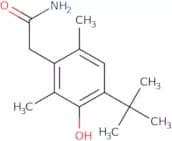
CAS:<p>4-tert-Butyl-2,6-dimethyl-3-hydroxyphenylacetamide is a drug product that is used as an analytical standard. It can be found in the natural environment and may be synthesized for use in research and development of drugs. This substance has been used to study the metabolism of drugs and to produce high purity standards for HPLC analysis. 4-tert-Butyl-2,6-dimethyl-3-hydroxyphenylacetamide has been shown to have niche applications in pharmacopoeia.</p>Fórmula:C14H21NO2Pureza:Min. 95%Peso molecular:235.32 g/molNaproxen Impurity C
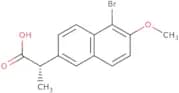
CAS:<p>Naproxen Impurity C is an analytical impurity that is found in Naproxen. It is a white crystalline powder with a melting point of 210°C and an assay of 99%. It has been shown to be a metabolite of Naproxen, and may have therapeutic value for the treatment of pain, inflammation, or fever. The purity of this product has been verified by HPLC analysis.</p>Fórmula:C14H13BrO3Pureza:Min. 95%Peso molecular:309.16 g/mol5-Dimethylaminobutyryl citalopram
CAS:<p>5-Dimethylaminobutyryl citalopram is a metabolite of the antidepressant drug, Citalopram. It is used as an analytical impurity standard for Citalopram in HPLC and LCMS analysis. 5-Dimethylaminobutyryl citalopram is also a natural product of metabolism and may be found in humans. 5-Dimethylaminobutyryl citalopram has been shown to have similar pharmacological properties to Citalopram in animal studies, which include antihistamine effects and analgesic effects. This compound may be useful as a niche treatment for some patients who are resistant to other drugs.</p>Fórmula:C25H33FN2O2Pureza:Min. 95%Peso molecular:412.54 g/mol(S)-5-Chloronaproxen
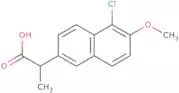
CAS:<p>(S)-5-Chloronaproxen is a synthetic drug product with a purity of 99.9%. It has been synthesized from natural, custom synthesis and analytical grade raw materials. Metabolism studies have been conducted to determine the metabolic pathways of (S)-5-chloronaproxen. The metabolite profile was analyzed by HPLC, and the impurity standard was developed for use in pharmacopoeia, niche research and development, and quality control laboratories.</p>Fórmula:C14H13ClO3Pureza:Min. 95%Peso molecular:264.7 g/molDihydrexidine hydrochloride
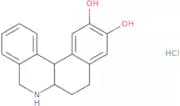
CAS:<p>Dihydrexidine hydrochloride is a phosphate ion transport inhibitor that binds to the acetylcholine transporter, and inhibits the uptake of acetylcholine in the brain. It is used as an opioid analgesic, as well as to treat depression, cognitive disorders, and Parkinson's disease. Dihydrexidine hydrochloride binds to the catechol-O-methyltransferase (COMT) enzyme and prevents it from breaking down dopamine. This leads to increased levels of dopamine in the synapse and enhanced transmission of nerve impulses between neurons. Dihydrexidine hydrochloride also has been shown to bind to antigen molecules on cells, which may be important for its antiviral properties.</p>Fórmula:C17H18ClNO2Pureza:Min. 95%Peso molecular:303.8 g/mol(R)-Apremilast
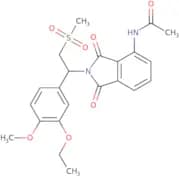
CAS:<p>(R)-Apremilast-d5 is a metabolite of apremilast, which is a small molecule drug that inhibits phosphodiesterase (PDE) enzymes. It has been shown to suppress inflammation in vitro and in vivo. Metabolism studies have shown that the main metabolites of apremilast are the acid form and the glucuronide form. Apremilast-d5 is a synthetic impurity generated by oxidation of an intermediate during synthesis. It can also be found as a natural metabolite in plants such as licorice or black pepper. This product is used for HPLC standards for apremilast and its metabolites.</p>Fórmula:C22H24N2O7SPureza:Min. 95%Peso molecular:460.5 g/molDibromodibenzo(b,def)chrysene-7,14-dione
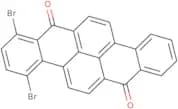
CAS:<p>Please enquire for more information about Dibromodibenzo(b,def)chrysene-7,14-dione including the price, delivery time and more detailed product information at the technical inquiry form on this page</p>Fórmula:C24H10Br2O2Pureza:Min. 95%Peso molecular:490.1 g/molIso propyl ether aberaterone
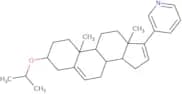
CAS:Producto controlado<p>Iso propyl ether abiraterone is a medicinal compound that has shown promising results in the treatment of cancer. It is an inhibitor of CYP17A1, which is a protein involved in the production of androgens such as testosterone. By inhibiting this protein, iso propyl ether abiraterone can reduce the levels of androgens in the body, which can slow or stop the growth of certain types of cancer cells. This compound has been shown to induce apoptosis (cell death) in cancer cells and has demonstrated anticancer activity in both human and Chinese hamster ovary cell lines. Iso propyl ether abiraterone is an analog of other kinase inhibitors and has potential for use in combination with other anticancer drugs.</p>Fórmula:C27H37NOPureza:Min. 95%Peso molecular:391.6 g/molLincomycin B
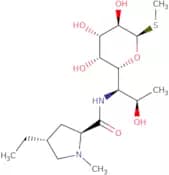
CAS:<p>Lincomycin B is a chemical compound that belongs to the group of antimicrobial agents. It is used in the treatment of viral infections and has been shown to have an effect against HIV-1, herpes simplex virus, and influenza A virus. Lincomycin B inhibits protein synthesis by binding to the ribosomes in bacteria and inhibiting peptide elongation. The optimum concentration for this compound is 0.2 mM with a minimum inhibitory concentration of 1 mM. Lincomycin B can be synthesized by reacting sodium hydroxide solution with hydrochloric acid or hydroxide solution at a temperature range from 30 °C to 70 °C.</p>Fórmula:C17H32N2O6SPureza:Min. 95%Peso molecular:392.51 g/mol1-Deoxy-4-O-β-D-galactopyranosyl-1-[(4R)-4-(2-methylpropyl)-2-oxo-1-pyrrolidinyl]-β-D-fructopyranose/furanose
CAS:<p>Lactose conjugate degradation product of pregabalin</p>Fórmula:C20H35NO11Pureza:Min. 95%Forma y color:PowderPeso molecular:465.49 g/molPindolol EP Impurity F
CAS:<p>Pindolol EP Impurity F is a metabolite of the drug pindolol. It is an impurity found in the product or in the analytical sample. Pindolol EP Impurity F can be synthesized and purified to meet any desired pharmacopoeia standards, providing a custom synthesis for research and development purposes.</p>Fórmula:C11H12ClNO2Pureza:Min. 95%Peso molecular:225.67 g/molToremifene-N-oxide
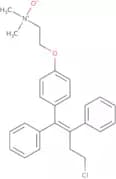
CAS:<p>Toremifene-N-oxide is a drug that has been shown to have genotoxic effects in human liver cells in an incubated system. Toremifene-N-oxide is the active form of toremifene, which is a selective estrogen receptor modulator (SERM). Toremifene-N-oxide is metabolized by peroxidases and can react with reactive oxygen species (ROS) to produce DNA damage. It also binds to DNA at the site of supercoiled DNA, leading to changes in the molecule's structure. Toremifene-N-oxide has been shown to have an optimum pH of 7.4 and ionization mass of 367. This drug binds to lactoperoxidase found in human liver cells and produces reactive molecules that cause oxidative DNA damage.</p>Fórmula:C26H28ClNO2Pureza:Min. 95%Peso molecular:421.96 g/molMesalamine impurity S
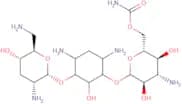
CAS:<p>Mesalamine impurity S is a mesalamine metabolite that has been identified as an impurity in the drug product. Mesalamine impurity S is an analytical standard that is used for HPLC analysis and can be used as a reference material for the pharmacopoeia. Mesalamine impurity S can also be synthesized from natural or synthetic sources.</p>Fórmula:C14H12N2O5Pureza:Min. 95%Forma y color:Green SolidPeso molecular:288.26 g/molTobramycin impurity 3
<p>Tobramycin impurity 3 is a natural product that belongs to the class of antibiotics. It is an impurity in the drug tobramycin, which is used for the treatment of respiratory tract infections. Tobramycin impurity 3 has been shown as a major metabolite of tobramycin by HPLC and GC-MS. The chemical structure is not known, but it has been identified as a metabolite based on its similarity to other metabolites. Metabolism studies are required to elucidate the metabolic pathway and identify the enzyme responsible for its formation.</p>Pureza:Min. 95%N-[2-[[[5-[(Dimethylamino)methyl]-2-furanyl]methyl]thio]ethyl]-2-nitroacetamide
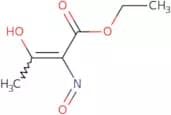
CAS:<p>N-[2-[[[5-[(Dimethylamino)methyl]-2-furanyl]methyl]thio]ethyl]-2-nitroacetamide is a metabolite of the drug product, Impurity standard. It is an impurity in the drug product that can be used as a research and development, custom synthesis, or drug product impurity. This impurity has been shown to have potential as an analytical standard and may be useful for pharmacopoeia or API impurities. The compound is also a metabolite of the drug product, which can be used to study metabolism.</p>Fórmula:C12H19N3O4SPureza:Min. 95%Peso molecular:301.36 g/molCis-ethyl 2-hydroxyimino-3-oxobutyrate
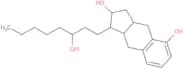
CAS:<p>Cis-ethyl 2-hydroxyimino-3-oxobutyrate is an organic acid that can be used as a reagent for the detection of primary amines and chiral amines. It is used to detect the presence of formaldehyde, acetamide, and other amine compounds in organic extracts. Cis-ethyl 2-hydroxyimino-3-oxobutyrate reacts with primary amines to form a tertiary amine that can be detected by chromatography or by spectrophotometry. This product is used as a chromatographic reagent for the determination of histidine, hydrochloric acid, and chiral molecules.<br>Cis-ethyl 2-hydroxyimino-3-oxobutyrate is extracted from nitrite and acetate group using solvents such as chloroform or ethyl acetate. The extract can then be separated using chromatography methods such as gas chromatography (GC) or</p>Fórmula:C6H9NO4Pureza:Min. 95%Peso molecular:159.14 g/molDescarboxymethyl treprostinil
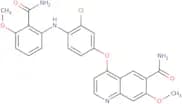
CAS:<p>Descarboxymethyl treprostinil is a synthetic compound that has been researched for use as a drug product. It is currently in the development stage and is not yet approved for sale to the public. Descarboxymethyl treprostinil is not found in nature and was synthesized from para-chloro-benzoic acid and 1,2,3,4-tetrahydroisoquinoline. This compound is an impurity standard with a purity greater than 98%. Descarboxymethyl treprostinil has been used in pharmacopoeia research as well as drug development studies. It has also been studied for metabolism and analytical properties.</p>Fórmula:C21H32O3Pureza:Min. 95%Peso molecular:332.5 g/molLenvatinib impurity 2
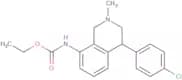
CAS:<p>Lenvatinib impurity 2 is a drug product that is used as an HPLC standard. It is a natural metabolite of lenvatinib, which is developed for the treatment of various types of cancers. The compound has been shown to inhibit the growth of human tumor cells and induce apoptosis in cell lines.<br>Lenvatinib impurity 2 is a synthetic compound that can be custom synthesized to meet specific requirements and needs. It has been found to have pharmacological effects similar to those of lenvatinib, but with less toxicity.<br>Lenvatinib impurity 2 can be used as an analytical or API impurity for the development, research and analysis of lenvatinib-based drugs. This compound has also been found to be useful in metabolism studies when testing for potential adverse reactions due to its similarity with lenvatinib.</p>Fórmula:C25H21ClN4O5Pureza:Min. 95%Peso molecular:492.9 g/molLisinopril (8R,S)-diketopiperazine
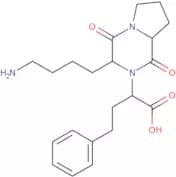
CAS:<p>Lisinopril is a drug product that is used to treat high blood pressure, heart failure and other conditions. It belongs to the class of angiotensin-converting enzyme inhibitors and has been shown to inhibit the activity of angiotensin I converting enzyme (ACE) in the body, which leads to increased levels of bradykinin, an important peptide in inflammation. Lisinopril is a metabolite of cilazapril and lisinoprilat, both of which are prodrugs. Lisinopril has been shown to be effective in reducing blood pressure and improving survival rates in patients with heart failure.</p>Fórmula:C21H29N3O4Pureza:Min. 95%Peso molecular:387.5 g/molCp-66713 mesylate
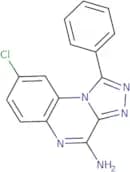
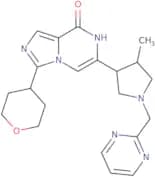
CAS:<p>Cp-66713 mesylate is a synthetic drug product with a molecular formula of C17H19NO2 and a molecular weight of 269.34. It has the following CAS number: 91896-58-1. The purity of this compound is >99% (HPLC).</p>Fórmula:C15H10ClN5Pureza:Min. 95%Peso molecular:295.72 g/molPSI 352707 Ammonium Salt
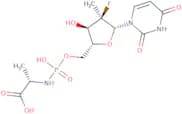
CAS:<p>PSI 352707 Ammonium Salt is a drug product that has been custom synthesized and is high purity with CAS No. 1233335-78-8. It has analytical and metagenomic studies, as well as pharmacopoeia and metabolite standards. This drug product is used for drug development and research & development purposes as an impurity standard for HPLC.</p>Fórmula:C13H19FN3O9PxNH3Pureza:Min. 95%Peso molecular:411.28 g/molDexamethasone Impurity A
<p>Impurity A is an impurity of the drug product, dexamethasone. The impurity is a natural metabolite of dexamethasone that is found in the urine of patients taking this medication. Impurity A is chemically identified using HPLC and its purity verified using GC-MS and LC-MS. This impurity can be used as a reference standard for analytical purposes and as an impurity standard for pharmacopoeia testing.</p>Fórmula:C22H29FO5Pureza:Min. 95 Area-%Forma y color:White Off-White PowderPeso molecular:392.46 g/mol4-Hydroxy mepivacaine
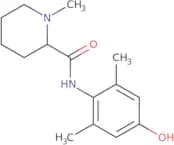
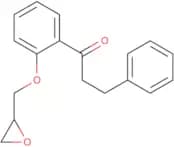
CAS:<p>4-Hydroxy mepivacaine is a drug product that belongs to the group of local anesthetics. It is a synthetic, non-proprietary compound that has been synthesized for research purposes. 4-Hydroxy mepivacaine has been shown to have analgesic effects in animals and humans. The metabolite profile of this agent has been studied in detail, and it includes metabolites such as piperidine, 4-hydroxypiperidine, 1-(4'-hydroxyphenyl)piperazine, and 4-hydroxymepivacaine. Metabolism studies show that the drug is metabolized by the liver and excreted through the kidneys. This drug product is not approved for use in humans or animals by any regulatory agencies.</p>Fórmula:C15H22N2O2Pureza:Min. 95%Forma y color:PowderPeso molecular:262.35 g/mol2'-(2,3-Epoxypropoxy)-3-phenylpropiophenone
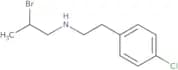
CAS:<p>2'-(2,3-Epoxypropoxy)-3-phenylpropiophenone is a research and development impurity standard. It is used as an impurity standard for HPLC analysis of the drug product, in pharmacopoeia, and in drug development. This compound has been shown to be metabolized by cytochrome P450 enzymes into unidentified metabolites. 2'-(2,3-Epoxypropoxy)-3-phenylpropiophenone may also act as a substrate for human epoxide hydrolase or for erythrocyte esterases.</p>Fórmula:C18H18O3Pureza:Min. 95%Forma y color:PowderPeso molecular:282.33 g/mol2-Bromo-N-(4-chlorophenethyl)propan-1-amine hydrobromide
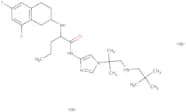
CAS:<p>Please enquire for more information about 2-Bromo-N-(4-chlorophenethyl)propan-1-amine hydrobromide including the price, delivery time and more detailed product information at the technical inquiry form on this page</p>Fórmula:C11H15BrClNPureza:Min. 95%Peso molecular:276.6 g/molPf 3084014 hydrobromide
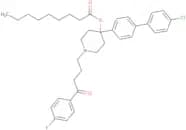
CAS:<p>Pf 3084014 hydrobromide is a pluripotent, non-tumorigenic, and self-renewing cell line that can differentiate into cells of all three germ layers. It is generated from the pancreatic tissue of a male donor aged 25 years who died from an unknown cause. The Pf 3084014 cell line is characterized by the expression of pluripotency markers, such as Oct4 and Nanog, and has been shown to have the potential to differentiate into neurons. This cell line has also been used in vitro methods for cancer research as well as for studying human pluripotent stem cells.</p>Fórmula:C27H43Br2F2N5OPureza:Min. 95%Peso molecular:651.5 g/molHaloperidol nonanoate
CAS:<p>Haloperidol is a drug belonging to the group of typical antipsychotics. Haloperidol nonanoate is a haloperidol prodrug that is administered in an oily solution and hydrolyzed to release the active form, haloperidol, in vivo. Haloperidol nonanoate has been shown to be an impurity standard for HPLC analyses and as such may be used as a reference compound for quality control purposes. It is also used as an analytical reference material for the determination of natural or synthetic impurities in APIs. Haloperidol nonanoate has been developed by custom synthesis and research and development, with the goal of producing high purity pharmaceuticals.</p>Fórmula:C36H43ClFNO3Pureza:Min. 95%Peso molecular:592.18 g/molN-4,5[Acetylamino)methyl]desmopressin
<p>N-4,5[Acetylamino)methyl]desmopressin is a synthetic drug product that is used as an analytical standard for the identification and quantitation of desmopressin in pharmaceutical preparations. It is also used as an impurity standard for HPLC analysis. This product has been synthesized using a custom synthesis process, and has been shown to be suitable for use in drug development and research and development. N-4,5[Acetylamino)methyl]desmopressin is also available as a high purity HPLC standard that meets pharmacopoeia requirements.</p>Pureza:Min. 95%Fusidic acid EP Impurity C
<p>Fusidic acid EP Impurity C is an impurity found in Fusidic acid EP. It is a natural product with CAS No. 598-10-3 and molecular weight of 225.24 g/mol. It is a synthetic product with CAS No. 477-81-8 and molecular weight of 219.25 g/mol. This impurity has been shown to be pharmacologically active and may account for the observed activity of the drug product in some cases, but not all cases. This impurity can be synthesized from commercially available starting materials or by custom synthesis as required by customers' specifications.</p>Pureza:Min. 95%6-Hydroxy melatonin-d4 (major)
CAS:Producto controlado<p>6-Hydroxy melatonin is a metabolite of the hormone melatonin. It is used as a research and development impurity standard for drug product, as well as a custom synthesis. 6-Hydroxy melatonin is synthesized from the amino acid tryptophan, which is converted to serotonin in the pineal gland by the enzyme tryptophan hydroxylase. This conversion occurs through two steps: tryptophan hydroxylase converts tryptophan to 5-hydroxytryptamine (serotonin), and then 5-hydroxytryptamine to 6-hydroxytryptamine (6-OHMT). 6-OHMT can be methylated to form 6-methoxyindoleacetic acid (6-MITA) or oxidized to form melatonin.</p>Fórmula:C13H12D4N2O3Pureza:Min. 95%Peso molecular:252.3 g/molIndacaterol impurity 3
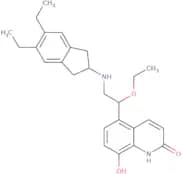
CAS:<p>Indacaterol is a drug product that belongs to the class of drugs known as beta-adrenergic agonists. It is used for the treatment of asthma and COPD. Indacaterol impurity 3 (ID3) is an impurity found in indacaterol, which has been identified as a metabolite of indacaterol. ID3 is not active against bacteria. ID3 has been shown to be synthesized by human liver microsomes and erythrocytes in vitro. ID3 can be purified from indacaterol by HPLC with a purity greater than 99%.</p>Fórmula:C26H32N2O3Pureza:Min. 95%Peso molecular:420.5 g/mol1-[1-(4-Methoxyphenyl)-2-[[2-(4-methoxyphenyl)ethyl]amino]ethyl]cyclohexanol
CAS:<p>1-[1-(4-Methoxyphenyl)-2-[[2-(4-methoxyphenyl)ethyl]amino]ethyl]cyclohexanol is a drug product that is used as a standard for HPLC. It is also used in the development of drugs, natural research and development, and analytical studies. The impurity standard is an analytical impurity that has CAS No. 1329795-88-1 and is synthetically made. Metabolism studies have been done to determine how this drug product will be metabolized by the body. This drug product is found naturally in the plant Nicotiana tabacum, but it can also be manufactured synthetically using commercial processes. 1-[1-(4-Methoxyphenyl)-2-[[2-(4-methoxyphenyl)ethyl]amino]ethyl]cyclohexanol has niche uses as it can be used as a pharmacopoeia imp</p>Fórmula:C24H33NO3Pureza:Min. 95%Peso molecular:383.52 g/molN-(1-Phenylethyl) ibuprofen amide
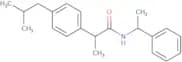
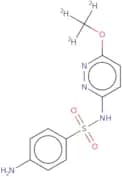
CAS:<p>N-(1-Phenylethyl) ibuprofen amide is a metabolite of ibuprofen. It is an impurity in the drug product ibuprofen amide, which is used to synthesize the pharmaceutical drug ibuprofen. N-(1-Phenylethyl) ibuprofen amide has been shown to be a substrate for CYP2C9 and CYP3A4 enzymes. The compound also inhibits prostaglandin synthesis.</p>Fórmula:C21H27NOPureza:Min. 95%Forma y color:PowderPeso molecular:309.4 g/molSulfamethoxypyridazine-d3
CAS:Producto controlado<p>Sulfamethoxypyridazine-d3 is a compound that has been shown to have anti-trophic and transport properties. It has been shown to be capable of binding with organic pollutants, including benzothiazoles, and has the potential to be used in screening for these compounds. Sulfamethoxypyridazine-d3 has also been shown to inhibit the growth of organisms, such as bacteria and fungi. This compound is not absorbed by humans or animals when administered orally, but can be transferred through skin contact. In vitro studies show that it is not toxic at concentrations of up to 100 μg/mL and does not cause irritation in skin or eye irritation tests.</p>Fórmula:C11H9D3N4O3SPureza:Min. 95%Peso molecular:283.32 g/mol3-[2-[4-(6-Fluoro-2-benzoxazolyl)-1-piperidinyl]ethyl]-6,7,8,9-tetrahydro-2-methyl-4H-pyrido[1,2-a]pyrimidin-4-one
CAS:<p>3-[2-[4-(6-Fluoro-2-benzoxazolyl)-1-piperidinyl]ethyl]-6,7,8,9-tetrahydro-2-methyl-4H-pyrido[1,2-a]pyrimidin-4-one is a synthetic compound that functions as a drug product. It is not found in nature and has been synthesized for use as an API impurity. The CAS number for this compound is 1005191-81-0. 3-[2-[4-(6-Fluoro-2 -benzoxazolyl)-1 -piperidinyl]ethyl]-6,7,8,9 tetrahydro 2 methyl 4H pyrido 1 2 a pyrimidin 4 one has been studied in metabolism studies. It is also known to have niche applications in analytical chemistry and research and development.</p>Fórmula:C23H27FN4O2Pureza:Min. 95%Peso molecular:410.48 g/molRivaroxaban impurity 79
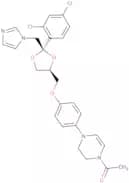
CAS:<p>Please enquire for more information about Rivaroxaban impurity 79 including the price, delivery time and more detailed product information at the technical inquiry form on this page</p>Fórmula:C38H38N4O12Pureza:Min. 95%Peso molecular:742.74 g/molKetoconazole Impurity A
CAS:<p>Ketoconazole Impurity A is a synthetic impurity of Ketoconazole, which is used as an anti-fungal agent. Ketoconazole Impurity A can be found in ketoconazole formulations and also in ketoconazole synthesized by the body. Ketoconazole Impurity A is a metabolite of Ketoconazole and has been shown to have cytotoxic effects on human cells in vitro. Ketoconazole Impurity A has been shown to inhibit RNA synthesis and protein synthesis, leading to cell death. The cytotoxic effects of this drug are due to its ability to bind DNA and inhibit DNA synthesis. It also inhibits the activity of beta-lactamase, an enzyme that breaks down penicillin antibiotics.</p>Fórmula:C26H26Cl2N4O4Pureza:Min. 95%Peso molecular:529.41 g/molLevothyroxine lactose adduct
<p>Levothyroxine is a drug product that is used for the treatment of hypothyroidism. It is an analog of thyroxine, which is synthesized in the thyroid gland. Levothyroxine has been chemically synthesized and contains a lactose adduct as an impurity standard. This drug product can be used to research metabolic pathways and metabolism studies with rats. Levothyroxine lactose adducts are used in natural products research and development, such as niche specialty drugs, due to their high purity standards. The CAS number for Levothyroxine lactose adduct is 266-072-3.</p>Fórmula:C27H31I4NO14Pureza:85%MinPeso molecular:1,101.15 g/molMono(3-hydroxybutyl)phthalate-d4
CAS:<p>Mono(3-hydroxybutyl)phthalate-d4 is a research and development, impurity standard, custom synthesis, drug product, synthetic and high purity chemical that is used as an analytical standard in the pharmacopoeia. Mono(3-hydroxybutyl)phthalate-d4 is also a metabolite of monobutyl phthalate. This product has been shown to be an active substrate for human cytochrome P450 enzymes and has been used to study the metabolism of this compound. Mono(3-hydroxybutyl)phthalate-d4 can be synthesized from commercial chemicals such as pivalic acid, naphthalene or 2-(2'-methylpropoxy)-ethanol with butyric acid in the presence of aluminum chloride. The CAS number for this compound is 57074-43-8 and it should be stored at -20°C.</p>Fórmula:C12H10D4O5Pureza:Min. 95%Peso molecular:242.26 g/mol1,1-Bis(p-isobutylphenyl)ethane
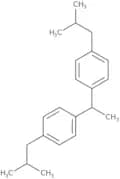
CAS:<p>1,1-Bis(p-isobutylphenyl)ethane is an acid catalyst that can be used in the synthesis of alkyl esters. It is unreactive at high temperatures and can be reused many times. 1,1-Bis(p-isobutylphenyl)ethane is also a component of catalytic carbonylation reactions. It reacts with acetaldehyde to form a metal carbonyl complex, which then reacts with a carbon monoxide molecule to form an ester. Carbonylation reactions are often used to synthesize organic compounds from alkyl halides or alcohols. Carbonylation reactions are catalyzed by metal carbonyls, such as palladium and nickel complexes.</p>Fórmula:C22H30Pureza:Min. 95%Peso molecular:294.47 g/molN6-Methyladenosine-d3
CAS:Producto controlado<p>N6-Methyladenosine-d3 is a drug product that is used as an HPLC standard. It has been synthesized using natural products or synthetic methods, and purified to meet high purity standards. It is intended for use as an analytical standard in the determination of impurities in APIs, and may be used in metabolism studies to investigate the effect of drugs on N6-methyladenosine-d3 levels.</p>Fórmula:C11H12D3N5O4Pureza:Min. 95%Peso molecular:284.29 g/molRosuvastatin anhydro lactone
CAS:<p>Rosuvastatin anhydro lactone is a pure chemical compound that is used as an analytical reference standard for high-performance liquid chromatography (HPLC) for the determination of purity and identification of impurities in pharmaceuticals. It is also utilized as a drug development, API impurity, and HPLC standard. Rosuvastatin anhydro lactone is a metabolite of rosuvastatin and is chemically designated as C22H29NO3. The CAS number for rosuvastatin anhydro lactone is 1246665-85-9.</p>Fórmula:C22H24FN3O4SPureza:Min. 95%Peso molecular:445.50 g/molGastrofensin an 5
CAS:<p>Gastrofensin an 5 is a drug product that is undergoing research and development. It is not yet approved for use in humans. Gastrofensin an 5 is used as a reference substance in analytical work, metabolism studies, and natural product analysis. The CAS No. for this compound is 89845-16-9. Gastrofensin an 5 has the following impurities: 0.1% (m/m) of 2-(6-chloroquinolin-2-yl)acetic acid; 0.1% (m/m) of 2-(6-chloroquinolin-3-yl)acetic acid; 0.1% (m/m) of 2-(6,7-dichloroquinolyl)-acetic acid; 0.1% (m/m) of 3-(6,7 dichloroquinolyl)-acetic acid; 0.1% (</p>Fórmula:C19H21ClN2O2Pureza:Min. 95%Peso molecular:344.8 g/molRemdesivir impurity 4
CAS:<p>Remdesivir is an antiviral drug that inhibits the viral enzyme, RNA-dependent RNA polymerase. Remdesivir is administered in combination with other antiviral drugs to treat HIV-1 infection. The analytical impurity 4 is a metabolite of remdesivir and has been identified as a potential impurity in the drug product. CAS No. 2096985-18-9 is the molecular weight of this impurity. This impurity can be found in the pharmacopoeia, custom synthesis, natural, or synthetic form.</p>Fórmula:C21H27N2O7PPureza:Min. 95%Peso molecular:450.42 g/mol(Alphas)-N,N,α-trimethyl-3-(4-nitrophenoxy)benzenemethanamine
CAS:<p>(Alphas)-N,N,alpha-trimethyl-3-(4-nitrophenoxy)benzenemethanamine is a drug product that has been synthesized for research and development purposes. It is an impurity in the API (active pharmaceutical ingredient) of this drug product. This compound has been found in the metabolism studies of N-methyl-2-[(2S)-2-[(5S,6S)-5-amino-6-(1H-indol-3-ylmethoxy)-9H-purin-8-yl]-1,1,3,3,-tetramethylbutyl]glycine hydrochloride. The CAS number for this compound is 1346242-32-7.</p>Fórmula:C16H18N2O3Pureza:Min. 95%Peso molecular:286.33 g/mol3-Deamino 3-hydroxy linagliptin
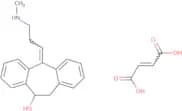
CAS:<p>Please enquire for more information about 3-Deamino 3-hydroxy linagliptin including the price, delivery time and more detailed product information at the technical inquiry form on this page</p>Fórmula:C25H27N7O3Pureza:Min. 95%Peso molecular:473.5 g/mol10-Hydroxy nortriptyline maleate
CAS:<p>10-Hydroxy nortriptyline maleate is a drug product that is manufactured in high purity. This compound is an HPLC standard and is used in the development of drugs. 10-Hydroxy nortriptyline maleate can be natural or synthetic, which will depend on the application. The impurity standard for this compound is 10-hydroxynortriptyline. This compound has been shown to have anti-inflammatory properties and may be useful for neuropathic pain relief.</p>Fórmula:C23H25NO5Pureza:Min. 95%Peso molecular:395.4 g/molCarbonic acid, methyl 1-methylene-2-oxopropyl ester
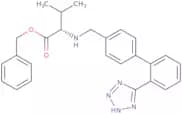
CAS:<p>Carbonic acid, methyl 1-methylene-2-oxopropyl ester is a drug product that is custom synthesized for research and development. It has high purity and analytical data. Metabolism studies are required for this drug product. This drug product is natural and synthetic. CAS No. 146897-17-8 is the impurity standard for this drug product. Research and Development (R&D) needs to be conducted on this drug product in order to develop a pharmacopoeia standard. Synthetic methods are used in the manufacture of this drug product, which also has a niche market.br></p>Fórmula:C6H8O4Pureza:Min. 95%Peso molecular:144.12 g/molDes(oxopentyl) valsartan benzyl ester
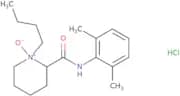
CAS:<p>Des(oxopentyl) Valsartan Benzyl Ester is an analytical standard for the drug valsartan. It is a white to off-white, crystalline powder that is soluble in methanol and acetone. This compound can be used as an HPLC standard, or as an impurity standard in the development of valsartan drugs. Des(oxopentyl) Valsartan Benzyl Ester also has niche uses in natural product isolation and synthetic organic chemistry. It is a metabolite of des(oxopentyl)valsartan, which is a prodrug of valsartan.</p>Fórmula:C26H27N5O2Pureza:Min. 95%Peso molecular:441.53 g/molBupivacaine N-oxide hydrochloride
CAS:<p>Bupivacaine N-oxide is a synthetic local anesthetic drug. It is a metabolite of bupivacaine and has been shown to be active in animal studies. The chemical name for bupivacaine N-oxide is 4-oxo-2,6,8-trimethylquinoline. Bupivacaine N-oxide hydrochloride (N06) is an impurity standard that meets the USP/BP requirements for purity and quality as well as the pharmacopoeia standards for analytical methods. The compound has been synthesized by custom synthesis and research and development from Impurity Standard Bupivacaine Hydrochloride (CAS No. 1796927-05-3). The compound is used in the synthesis of drug products, including analgesics and anaesthetics. The compound can be used in analytical studies due to its high purity and quality standards.</p>Fórmula:C18H29ClN2O2Pureza:Min. 95%Peso molecular:340.9 g/molBelinostat glucuronide
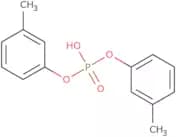
CAS:<p>Belinostat glucuronide is an analytical standard that is used in HPLC. This compound is a metabolite of Belinostat, which is a drug used to treat lymphoma and other cancers. Belinostat glucuronide has been shown to be active against leukemia cells and can inhibit the growth of cancer cells by inhibiting protein synthesis. It also inhibits the activity of topoisomerase I, II, and III.</p>Fórmula:C21H22N2O10SPureza:Min. 95%Peso molecular:494.50 g/molDi-M-tolyl phosphate
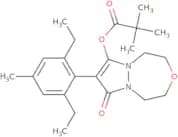
CAS:<p>Di-M-tolyl phosphate is a phosphorus compound with a chemical formula of (CH3)2PO2. It has a melting point of –20 degrees Celsius and is insoluble in water, but soluble in organic solvents. Di-M-tolyl phosphate has optical properties that are modulated by temperature, morphology, and diffraction. FTIR spectra show protonation at temperatures below -10 degrees Celsius and imine formation at higher temperatures. Di-M-tolyl phosphate undergoes intramolecular hydrogen bonding to form pyrrole rings that may be responsible for its processability. This compound can be synthesized from monomers such as methanol and dimethyl ether via the process of electrophilic addition of phosphorus pentoxide to an imine or pyrrole ring system. The silicon affinity of this compound increases with the concentration of alkyl groups on the phosphorus atom.</p>Fórmula:C14H15O4PPureza:Min. 95%Peso molecular:278.24 g/molPinoxaden
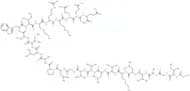
CAS:<p>Pinoxaden is a protein kinase inhibitor that has shown promising results in the treatment of cancer. It specifically targets cyclin-dependent kinases, which are key regulators of cell division and proliferation. By inhibiting these kinases, Pinoxaden induces apoptosis (programmed cell death) in cancer cells, thereby preventing tumor growth and metastasis. This drug is an analog of a Chinese herbal medicine and has been shown to have potent anticancer activity both in vitro and in vivo. In addition, Pinoxaden has low toxicity and is excreted primarily through urine, making it a promising candidate for further development as an anticancer agent.</p>Fórmula:C23H32N2O4Pureza:Min. 95%Peso molecular:400.5 g/molApitoxin
CAS:<p>Apitoxin is a natural toxin found in the venom of honeybees. Studies have shown that it has potential anti-cancer properties due to its ability to induce apoptosis, or programmed cell death, in human cancer cells. Additionally, apitoxin contains kinases that can inhibit tumor growth and glycerol analogs that have demonstrated anticancer activity in Chinese hamster ovary cells. Indirubin, a compound found in apitoxin, has been identified as a potent inhibitor of kinases involved in cancer cell proliferation. Apitoxin may also be useful as a urinary biomarker for detecting prostate cancer. Overall, the unique properties of apitoxin make it an intriguing candidate for further research into potential cancer treatments.</p>Fórmula:C129H224N38O31Pureza:Min. 95%Peso molecular:2,803.4 g/molTobramycin Impurity 4 dihydrochloride (Mixture of Isomers)
<p>Tobramycin Impurity 4 dihydrochloride (Mixture of Isomers) is an analytical standard that is used in the manufacture of drugs. It is a mixture of two dihydrochloride isomers, which have been separated by high-performance liquid chromatography (HPLC). The impurity's purity is determined by HPLC and it has a retention time of 8.8 minutes. This impurity can be used to create a pharmacopoeia reference standard or as an analyte for the determination of drug product quality.</p>Pureza:Min. 95%4-Desfluoro-4-[4-(2-oxo-2,3-dihydro-1H-benzimidazol-1-yl)-3,6-dihydropyridin-1(2H)-yl] droperidol
CAS:<p>4-Desfluoro-4-[4-(2-oxo-2,3-dihydro-1H-benzimidazol-1-yl)-3,6-dihydropyridin-1(2H)-yl] droperidol is a research chemical that belongs to the class of drugs. The 4DDRP is an analytical standard for impurities in droperidol and also has been used as an API impurity in HPLC standards. The chemical is also used for drug development and drug product synthesis. 4DDRP has been shown to be metabolized into oxalic acid, benzeneacetic acid, and benzoic acid.</p>Fórmula:C34H34N6O3Pureza:Min. 95%Peso molecular:574.70 g/molLabetalol EP Impurity C
CAS:<p>Labetalol EP Impurity C is a synthetic impurity standard that is used to calibrate HPLC columns and for the quantification of labetalol in drug products. Labetalol EP Impurity C is a metabolite of labetalol and has been shown to have similar pharmacological properties. Labetalol EP Impurity C is synthesized by ester hydrolysis. The purity of this compound exceeds 99%.</p>Fórmula:C16H18N2O3Pureza:Min. 95%Peso molecular:286.33 g/mola-[3-[[2-(3,4-Dimethoxyphenyl)ethyl]methylamino]propyl]-3,4-dimethoxy-a-propyl-benzeneacetonitrile
CAS:<p>a-[3-[[2-(3,4-Dimethoxyphenyl)ethyl]methylamino]propyl]-3,4-dimethoxy-a-propyl-benzeneacetonitrile is a drug product that is custom synthesized and has been shown to have high purity. It is also used in analytical studies, metabolism studies, and natural drug development. This compound can also be found as an impurity standard for HPLC or as an API impurity.</p>Fórmula:C27H38N2O4Pureza:Min. 95%Peso molecular:454.6 g/mol5-[(Desloratadine)methyl] rupatadine
CAS:<p>Desloratadine is a drug that belongs to the group of antihistamines and is indicated for the treatment of allergic rhinitis. It has been shown to be as effective as loratadine, cetirizine, and fexofenadine in clinical trials. Desloratadine is metabolized by cytochrome P450 enzymes including CYP2D6 to its active form, desloratadine N-oxide. The metabolites are excreted in the urine.</p>Fórmula:C45H43Cl2N5Pureza:Min. 95%Peso molecular:724.80 g/molN-Formyl-D-leucine (1R)-1-[[(2S,3S)-3-hexyl-4-oxo-2-oxetanyl]methyl]dodecyl ester
CAS:<p>N-Formyl-D-leucine (1R)-1-[[(2S,3S)-3-hexyl-4-oxo-2-oxetanyl]methyl]dodecyl ester is a research and development impurity standard that can be custom synthesized for drug product development. It is an analytical standard for HPLC with high purity, pharmacopoeia, and drug development. It is a natural metabolite that has been studied as a niche metabolite in metabolism studies.</p>Fórmula:C29H53NO5Pureza:Min. 95%Peso molecular:495.73 g/mola-(Aminocarbonyl)-4-[2-(5-ethyl-2-pyridinyl)ethoxy]benzeneethanesulfonic acid
CAS:<p>a-(Aminocarbonyl)-4-[2-(5-ethyl-2-pyridinyl)ethoxy]benzeneethanesulfonic acid is an analytical standard that is used in the drug development process. It has a purity of 99.9% and is used as an HPLC standard, niche product, and pharmacopoeia impurity. This chemical can also be custom synthesized or found in nature.</p>Fórmula:C18H22N2O5SPureza:Min. 95%Peso molecular:378.44 g/molMl 10302 hydrochloride
CAS:<p>Ml 10302 hydrochloride is a drug that has anxiolytic-like effects in animals. Ml 10302 hydrochloride binds to the GABAA receptor and enhances its sensitivity to the neurotransmitter GABA. It also binds to the benzodiazepine site on the GABAA receptor and inhibits a variety of ligands, including benzodiazepines, barbiturates, and alcohols. Ml 10302 hydrochloride was shown to have anxiolytic-like effects in humans and it is thought that this effect may be due to its ability to increase the sensitivity of GABAA receptors. Studies suggest that Ml 10302 hydrochloride increases the affinity of GABA for its binding site on the GABAA receptor, which is thought to be mediated through an allosteric mechanism.</p>Fórmula:C15H22Cl2N2O3Pureza:Min. 95%Peso molecular:349.2 g/molAlanycarb
CAS:<p>Alanycarb is a potent protein kinase inhibitor that has shown promising results in the treatment of cancer. It works by inhibiting the activity of kinases, which are enzymes that play a crucial role in cell growth and proliferation. Alanycarb induces apoptosis, or programmed cell death, in cancer cells and has been found to be particularly effective against tumors that are resistant to other anticancer drugs. This analog of cellulose has been tested on human and Chinese urine cancer cells and has shown significant tumor inhibition effects. Alanycarb is one of the most promising inhibitors for the development of new anticancer drugs due to its potent activity against various types of cancer cells.</p>Fórmula:C17H25N3O4S2Pureza:Min. 95%Peso molecular:399.5 g/mol4-Amino-6-chloro-benzene-1,3-disulfonic acid 1-amide 3-ethylamide
CAS:<p>4-Amino-6-chloro-benzene-1,3-disulfonic acid 1-amide 3-ethylamide is an analytical standard that is used in drug development and as a reference material. It is used to produce the USP/NF standard for HPLC and to develop new drugs. This compound is a metabolite of the drug clonidine hydrochloride. 4-Amino-6-chloro-benzene-1,3-disulfonic acid 1-amide 3-(ethylamide) is also known by its CAS number 166863–9. It has a molecular weight of 328.5 g/mol and it's been approved by the FDA for use in food animals. Impurities found in this compound are: methanol, acetone, formic acid, acetic acid, chloroform and sulfamic acid. This product can be custom synthesized or obtained from natural sources such as plant</p>Fórmula:C8H12ClN3O4S2Pureza:Min. 95%Peso molecular:313.78 g/molTovinontrine
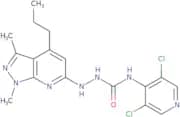
CAS:<p>Tovinontrine is a potent Chinese anticancer drug that targets the kinase pathway in cancer cells. It has been shown to inhibit cell cycle progression and induce apoptosis in cancer cells, making it a promising candidate for cancer treatment. Tovinontrine also has protein kinase inhibitory activity and can be used as an inhibitor of tumor growth. This drug is highly effective against various types of human cancers, including breast, lung, prostate, and colon cancer. Additionally, Tovinontrine has been shown to have synergistic effects with other anticancer drugs such as betamethasone and vitamin D3. The urine concentration of Tovinontrine can be used as a biomarker for the diagnosis and monitoring of cancer patients undergoing treatment with this drug.</p>Fórmula:C21H26N6O2Pureza:Min. 95%Peso molecular:394.5 g/molBgc 20-1531 hydrochloride
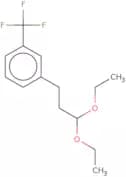
CAS:<p>BGC 20-1531 is a synthetic drug product that is an impurity standard for the API, with a purity of 99.7%. BGC 20-1531 is also used as an analytical reference material and has been shown to be metabolized in both rats and humans. It can be used to study metabolism in animals and humans. The chemical name for this compound is 3-(2,4-dichlorophenyl)-5-[(1R,2S)-2-hydroxypropyl]-thiophene-2-carbonitrile hydrochloride.</p>Fórmula:C26H25ClN2O6SPureza:Min. 95%Peso molecular:529 g/mol3-(3-Trifluoromethylphenyl)propionaldehyde diethylacetal
CAS:<p>3-(3-Trifluoromethylphenyl)propionaldehyde diethylacetal is a synthetic compound that belongs to the class of drug products. It is used for research and development, as well as for developing analytical standards for HPLC. This product has been shown to be metabolized in the rat liver by hydrolysis of the acetal group and oxidation of the alcohol.</p>Fórmula:C14H19F3O2Pureza:Min. 95%Peso molecular:276.29 g/molPyrimisulfan
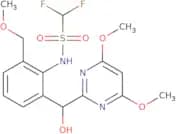
CAS:<p>Pyrimisulfan is a medicinal compound that has shown potent anticancer activity in both human and Chinese hamster cancer cell lines. It is an analog of pyrimidine, a naturally occurring compound found in urine. Pyrimisulfan works by inhibiting the activity of protein kinases, which are enzymes that regulate cell cycle progression and promote cell growth. This inhibition leads to apoptosis, or programmed cell death, in cancer cells. Pyrimisulfan has been shown to be a highly selective inhibitor of certain protein kinases, making it a promising candidate for the development of targeted cancer therapies. Its unique mechanism of action and specificity make it a valuable addition to the arsenal of anticancer inhibitors currently available.</p>Fórmula:C16H19F2N3O6SPureza:Min. 95%Peso molecular:419.4 g/molJTE 013
CAS:<p>JTE 013 is a medicinal compound that acts as an inhibitor of kinases, which are enzymes involved in cell cycle regulation and tumor growth. It has been shown to induce apoptosis, or programmed cell death, in cancer cells and has potential as an anticancer agent. JTE 013 has been tested on human cancer cell lines and found to be effective at inhibiting protein expression related to the growth of tumors. This compound has also been found in urine samples of Chinese patients with various forms of cancer, indicating its potential for use as a diagnostic tool. Overall, JTE 013 shows promise as a potent inhibitor of kinases for use in the treatment of cancer.</p>Fórmula:C17H19Cl2N7OPureza:Min. 95%Peso molecular:408.3 g/molrac-N-Desbutyroyl acebutolol
CAS:<p>rac-N-Desbutyroyl acebutolol is a prodrug that is metabolized to the active form, acebutolol. The metabolism of rac-N-desbutyroyl acebutolol is mediated through cytochrome P450 (CYP) enzymes, specifically CYP2D6. Rac-N-desbutyroyl acebutolol has been shown to inhibit the growth of bacteria in vitro and in vivo. It has also been shown to have therapeutic effects on diabetic patients with high levels of fatty acids in their blood. Rac-N-desbutyroyl acebutolol has also been found to be effective for the treatment of patients with polycarboxylic acid exposure and dna replication diseases.</p>Fórmula:C14H22N2O3Pureza:Min. 95%Peso molecular:266.34 g/molKSI-3716
CAS:<p>KSI-3716 is a potent inhibitor of kinases, which are enzymes that play a critical role in cancer cell growth and survival. This inhibitor has been shown to be effective against Chinese and human kinases, making it a promising candidate for the treatment of various types of cancer. KSI-3716 is an analog of oseltamivir, a drug used to treat influenza. It has been found to induce apoptosis in tumor cells by inhibiting the activity of protein kinases. KSI-3716 also shows anticancer activity in vivo, as demonstrated by its ability to inhibit tumor growth in mice models. This inhibitor may have potential therapeutic applications for the treatment of cancer and other diseases related to kinase dysregulation.</p>Fórmula:C17H11BrCl2N2O2Pureza:Min. 95%Peso molecular:426.1 g/molAvocadyne
CAS:<p>Avocadyne is a bioactive compound, which is sourced from avocados, specifically from the lipids extracted from the fruit. Its mode of action involves interacting with cellular pathways that are relevant to inflammation and metabolic regulation, showcasing effects that may influence various biochemical processes.Avocadyne has been primarily studied for its potential roles in therapeutic applications due to its anti-inflammatory and antioxidant properties. Research suggests that this compound may modulate signaling pathways related to lipid metabolism and oxidative stress, thus offering potential benefits in the management of conditions such as metabolic disorders and chronic inflammation. Additionally, its ability to interact with these pathways positions Avocadyne as a compound of interest for further investigation in the context of neurodegenerative diseases and certain cancers. Scientifically, the exploration of Avocadyne's effects on cellular models aims to elucidate its mechanism of action and optimize its potential therapeutic applications. This necessitates a thorough understanding of its biochemical interactions and the possible modulation of various molecular targets within diseased states.</p>Fórmula:C17H32O3Pureza:Min. 95%Peso molecular:284.43 g/molDecarboxy ciprofloxacin
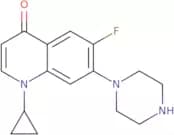
CAS:<p>Decarboxy ciprofloxacin is a prodrug that is active against bacteria and other microorganisms. It has been shown to have an affinity for the fluoroquinolone binding site on the bacterial ribosome, inhibiting protein synthesis and cell division. Decarboxy ciprofloxacin has been used in animals to treat infections caused by Escherichia coli, Klebsiella pneumoniae, Salmonella enterica, Proteus mirabilis, and Pseudomonas aeruginosa. Decarboxy ciprofloxacin is administered orally in the form of tablets or capsules. The drug binds to metal ions and can be detected with a biosensor that uses an aptamer-coated electrode. This sensor can be used for the detection of both metal ions and fluoroquinolones. <br>Decarboxy ciprofloxacin is also used as a research tool to</p>Fórmula:C16H18FN3OPureza:Min. 95%Forma y color:PowderPeso molecular:287.33 g/molOzagrel impurity I
CAS:<p>Ozagrel impurity I is a protein analog that has been shown to have anticancer properties. It acts as an inhibitor of kinases involved in cell cycle regulation and apoptosis, making it a potential candidate for cancer treatment. This impurity has been isolated from Chinese medicinal herbs and is present in human urine. Ozagrel impurity I has been tested against various cancer cell lines and has demonstrated significant growth inhibition. Its mechanism of action involves blocking the activity of proteins involved in tumor development and progression. Overall, Ozagrel impurity I shows promising potential as an anticancer agent.</p>Fórmula:C15H16N2O2Pureza:Min. 95%Peso molecular:256.3 g/mol13-Ethyl-18,19-dinor-17a-pregn-4-en-20-yn-17-ol - EP
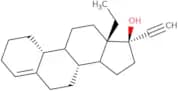
CAS:Producto controlado<p>13-Ethyl-18,19-dinor-17a-pregn-4-en-20-yn-17-ol - EP is an analytical standard for HPLC with purity of > 99.5%. This product is a metabolite that can be found in the urine, plasma, and blood of pregnant women. It is also used as a drug development and API impurity. 13EPD can be synthesized from natural or synthetic sources.</p>Fórmula:C21H30OPureza:Min. 95%Peso molecular:298.46 g/molLp-PLA2-IN-3
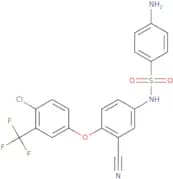
CAS:<p>Please enquire for more information about Lp-PLA2-IN-3 including the price, delivery time and more detailed product information at the technical inquiry form on this page</p>Fórmula:C20H13ClF3N3O3SPureza:Min. 95%Peso molecular:467.8 g/mol1-[4-Chloro-2-(2-fluorobenzoyl)phenyl]-2-methyl-1H-imidazole-5-carboxylic acid
CAS:<p>Please enquire for more information about 1-[4-Chloro-2-(2-fluorobenzoyl)phenyl]-2-methyl-1H-imidazole-5-carboxylic acid including the price, delivery time and more detailed product information at the technical inquiry form on this page</p>Fórmula:C18H12ClFN2O3Peso molecular:358.75 g/mol4-Hydroxy guanabenz hydrochloride
CAS:<p>Please enquire for more information about 4-Hydroxy guanabenz hydrochloride including the price, delivery time and more detailed product information at the technical inquiry form on this page</p>Fórmula:C8H9Cl3N4OPureza:Min. 95%Peso molecular:283.5 g/molMoexipril-d5
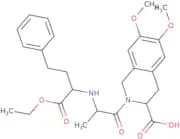
CAS:<p>Please enquire for more information about Moexipril-d5 including the price, delivery time and more detailed product information at the technical inquiry form on this page</p>Fórmula:C27H34N2O7Pureza:Min. 95%Peso molecular:503.6 g/molAdenosine cyclic 2',3'-phosphate 5'-phosphate
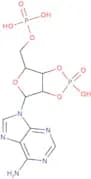
CAS:<p>Adenosine cyclic 2',3'-phosphate 5'-phosphate is an inhibitor that has been shown to induce apoptosis in cancer cells. It is a urinary metabolite of nifedipine, an anti-hypertensive drug. Adenosine cyclic 2',3'-phosphate 5'-phosphate has anticancer activity and can inhibit protein kinase A, which plays a role in tumor growth and progression. This compound is an analog of cyclic adenosine monophosphate (cAMP) and can compete with cAMP for binding to regulatory subunits of protein kinases. Adenosine cyclic 2',3'-phosphate 5'-phosphate has been shown to inhibit the activity of several kinases, including protein kinase C, GSK-3β, and ERK1/2 in human cancer cells. It may have therapeutic potential as a targeted therapy for certain types of cancer.</p>Fórmula:C10H13N5O9P2Pureza:Min. 95%Peso molecular:409.19 g/molMdl 72832 hydrochloride
CAS:<p>Mdl 72832 hydrochloride is a ligand that modulates the activity of nerve cells. It has been shown to activate and synergistically enhance the effects of nerve growth factor (NGF) and acetylcholine on neurons. Mdl 72832 hydrochloride also increases the synthesis and release of melanocortins, which are neurotransmitters that are involved in regulating appetite, mood, and pain sensation. Mdl 72832 hydrochloride may be a potential nootropic agent for the treatment of neurodegenerative diseases such as Alzheimer's disease or Parkinson's disease.</p>Fórmula:C22H31ClN2O4Pureza:Min. 95%Peso molecular:422.9 g/mol

![Methyl 4-[[1-(ethoxycarbonyl)-2-oxocyclopentyl]methyl]-α-methylbenzeneacetate](/_next/image/?url=https%3A%2Fstatic.cymitquimica.com%2Fproducts%2F3D%2Fthumb-webp%2FIM184082.webp&w=3840&q=75)
![(1R,3S)-1-(1,3-Benzodioxol-5-yl)-2-(2-chloroacetyl)-2,3,4,9-tetrahydro-1H-pyrido[3,4-b]indole-3-ca…](/_next/image/?url=https%3A%2Fstatic.cymitquimica.com%2Fproducts%2F3D%2Fthumb-webp%2FEAB65244.webp&w=3840&q=75)
![1,3-Dihydro-6-methylfuro[3,4-c]pyridin-7-ol](/_next/image/?url=https%3A%2Fstatic.cymitquimica.com%2Fproducts%2F3D%2Fthumb-webp%2FID27319.webp&w=3840&q=75)


![1-Deoxy-4-O-β-D-galactopyranosyl-1-[(4R)-4-(2-methylpropyl)-2-oxo-1-pyrrolidinyl]-β-D-fructopyrano…](/_next/image/?url=https%3A%2Fstatic.cymitquimica.com%2Fproducts%2F3D%2Fthumb-webp%2FID63811.webp&w=3840&q=75)

![N-[2-[[[5-[(Dimethylamino)methyl]-2-furanyl]methyl]thio]ethyl]-2-nitroacetamide](/_next/image/?url=https%3A%2Fstatic.cymitquimica.com%2Fproducts%2F3D%2Fthumb-webp%2FSEA84602.webp&w=3840&q=75)

![N-4,5[Acetylamino)methyl]desmopressin](/_next/image/?url=https%3A%2Fstatic.cymitquimica.com%2Fproducts%2F3D%2Fthumb-webp%2FIA173214.webp&w=3840&q=75)
![1-[1-(4-Methoxyphenyl)-2-[[2-(4-methoxyphenyl)ethyl]amino]ethyl]cyclohexanol](/_next/image/?url=https%3A%2Fstatic.cymitquimica.com%2Fproducts%2F3D%2Fthumb-webp%2FIM63868.webp&w=3840&q=75)
![3-[2-[4-(6-Fluoro-2-benzoxazolyl)-1-piperidinyl]ethyl]-6,7,8,9-tetrahydro-2-methyl-4H-pyrido[1,2-a…](/_next/image/?url=https%3A%2Fstatic.cymitquimica.com%2Fproducts%2F3D%2Fthumb-webp%2FIF23377.webp&w=3840&q=75)




![4-Desfluoro-4-[4-(2-oxo-2,3-dihydro-1H-benzimidazol-1-yl)-3,6-dihydropyridin-1(2H)-yl] droperidol](/_next/image/?url=https%3A%2Fstatic.cymitquimica.com%2Fproducts%2F3D%2Fthumb-webp%2FWDC60417.webp&w=3840&q=75)

![a-[3-[[2-(3,4-Dimethoxyphenyl)ethyl]methylamino]propyl]-3,4-dimethoxy-a-propyl-benzeneacetonitrile](/_next/image/?url=https%3A%2Fstatic.cymitquimica.com%2Fproducts%2F3D%2Fthumb-webp%2FID145564.webp&w=3840&q=75)
![5-[(Desloratadine)methyl] rupatadine](/_next/image/?url=https%3A%2Fstatic.cymitquimica.com%2Fproducts%2F3D%2Fthumb-webp%2FZYB51572.webp&w=3840&q=75)
![N-Formyl-D-leucine (1R)-1-[[(2S,3S)-3-hexyl-4-oxo-2-oxetanyl]methyl]dodecyl ester](/_next/image/?url=https%3A%2Fstatic.cymitquimica.com%2Fproducts%2F3D%2Fthumb-webp%2FIF26577.webp&w=3840&q=75)
![a-(Aminocarbonyl)-4-[2-(5-ethyl-2-pyridinyl)ethoxy]benzeneethanesulfonic acid](/_next/image/?url=https%3A%2Fstatic.cymitquimica.com%2Fproducts%2F3D%2Fthumb-webp%2FIA27057.webp&w=3840&q=75)



![1-[4-Chloro-2-(2-fluorobenzoyl)phenyl]-2-methyl-1H-imidazole-5-carboxylic acid](/_next/image/?url=https%3A%2Fstatic.cymitquimica.com%2Fproducts%2F3D%2Fthumb-webp%2FIC184413.webp&w=3840&q=75)