Enzyme
Les inhibiteurs d'enzymes sont des molécules qui se lient aux enzymes et diminuent leur activité. Ces inhibiteurs sont largement utilisés en recherche pour étudier la cinétique enzymatique, la régulation et le rôle spécifique des enzymes dans les voies métaboliques. Les inhibiteurs d'enzymes sont également cruciaux dans le développement de médicaments, car de nombreux agents thérapeutiques agissent en inhibant les enzymes impliquées dans les processus pathologiques. En ciblant les enzymes, ces inhibiteurs peuvent moduler les voies biochimiques et offrir des traitements potentiels pour diverses maladies. Chez CymitQuimica, nous offrons une sélection complète d'inhibiteurs d'enzymes de haute qualité pour soutenir vos recherches en biochimie, pharmacologie et découverte de médicaments.
Sous-catégories appartenant à la catégorie "Enzyme"
- Anhydrase carbonique(177 produits)
- Hydroxylase(30 produits)
- MPO(2 produits)
- Réductase(52 produits)
- Tyrosinase(67 produits)
3586 produits trouvés pour "Enzyme"
Trier par
Degré de pureté (%)
0
100
|
0
|
50
|
90
|
95
|
100
JAK1 Protein, Human, Recombinant (His)
<p>Tyrosine kinase of the non-receptor type, involved in the IFN-alpha/beta/gamma signal pathway.</p>Degré de pureté :95%Couleur et forme :Lyophilized PowderMasse moléculaire :36.9 kDa (predicted)DCT Protein, Mouse, Recombinant (His & SUMO)
<p>Catalyzes the conversion of L-dopachrome into 5,6-dihydroxyindole-2-carboxylic acid (DHICA).</p>Couleur et forme :Lyophilized PowderMasse moléculaire :69.7 kDa (predicted)GSTA1 Protein, Rat, Recombinant (His & SUMO)
<p>GSTA1 Protein, Rat, Recombinant (His & SUMO) is expressed in E. coli.</p>Couleur et forme :Lyophilized PowderMasse moléculaire :41.5 kDa (predicted)SVMP Protein, Crotalus adamanteus, Recombinant (His)
<p>Has no significant hemorrhagic activity, but inactivates serpins by limited proteolysis of their reactive-site loops.</p>Couleur et forme :Lyophilized PowderMasse moléculaire :27.1 kDa (predicted)Malate dehydrogenase Protein, Brucella abortus, Recombinant (His & Myc & SUMO)
<p>Catalyzes the reversible oxidation of malate to oxaloacetate.</p>Couleur et forme :Lyophilized PowderMasse moléculaire :53.7 kDa (predicted)NME2 Protein, Human, Recombinant (His & Myc)
<p>NME2 Protein, Human, Recombinant (His & Myc) is expressed in E.</p>Couleur et forme :Lyophilized PowderMasse moléculaire :24.2 kDa (predicted)Peptide deformylase Protein, S. aureus, Recombinant (His & SUMO)
<p>Removes the formyl group from the N-terminal Met of newly synthesized proteins.</p>Couleur et forme :Lyophilized PowderMasse moléculaire :36.6 kDa (predicted)gyrA Protein, E. coli, Recombinant (His)
<p>A type II topoisomerase that negatively supercoils closed circular double-stranded (ds) DNA in an ATP-dependent manner to maintain chromosomes in an underwound</p>Degré de pureté :SDS-PAGE: > 85%Couleur et forme :Lyophilized PowderMasse moléculaire :101.0 kDa (predicted)UBC8 Protein, Arabidopsis thaliana, Recombinant (His & Myc)
<p>Accepts the ubiquitin from the E1 complex and catalyzes its covalent attachment to other proteins.</p>Couleur et forme :Lyophilized PowderMasse moléculaire :24.0 kDa (predicted)MBTPS1 Protein, Human, Recombinant (His & SUMO)
<p>MBTPS1 Protein, Human, Recombinant (His & SUMO) is expressed in E.</p>Couleur et forme :Lyophilized PowderMasse moléculaire :37.5 kDa (predicted)PLA2G12A Protein, Mouse, Recombinant (His & Myc)
<p>PA2 catalyzes the calcium-dependent hydrolysis of the 2-acyl groups in 3-sn-phosphoglycerides.</p>Couleur et forme :Lyophilized PowderMasse moléculaire :22.6 kDa (predicted)ZC3H12A Protein, Human, Recombinant (His)
<p>ZC3H12A Protein, Human, Recombinant (His) is expressed in E. coli.</p>Couleur et forme :Lyophilized PowderMasse moléculaire :69.8 kDa (predicted)Endoglucanase D Protein, Aspergillus kawachii, Recombinant (His)
<p>Has endoglucanase activity on substrates containing beta-1,4 glycosidic bonds, like in carboxymethylcellulose (CMC), hydroxyethylcellulose (HEC) and beta-glucan</p>Couleur et forme :Lyophilized PowderMasse moléculaire :45.2 kDa (predicted)LpxC Protein, E. coli, Recombinant (His)
<p>Catalyzes the hydrolysis of UDP-3-O-myristoyl-N-acetylglucosamine to form UDP-3-O-myristoylglucosamine and acetate, the committed step in lipid A biosynthesis.</p>Couleur et forme :Lyophilized PowderMasse moléculaire :38.0 kDa (predicted)T7 RNA polymerase Protein, Enterobacteria phage T7, Recombinant (His & Myc)
<p>Highly processive DNA-dependent RNA polymerase that catalyzes the transcription of class II and class III viral genes.</p>Couleur et forme :Lyophilized PowderMasse moléculaire :34.6 kDa (predicted)G6PC Protein, Human, Recombinant (His)
<p>Hydrolyzes glucose-6-phosphate to glucose in the endoplasmic reticulum.</p>Couleur et forme :Lyophilized PowderMasse moléculaire :5.6 kDa (predicted)Mcpt1 Protein, Rat, Recombinant (Myc)
<p>Major secreted protease of mast cells with suspected roles in vasoactive peptide generation, extracellular matrix degradation, and regulation of gland secretion</p>Couleur et forme :Lyophilized PowderMasse moléculaire :28.6 kDa (predicted)MGLL Protein, Rat, Recombinant (His)
<p>Converts monoacylglycerides to free fatty acids and glycerol.</p>Couleur et forme :Lyophilized PowderMasse moléculaire :34.8 kDa (predicted)Lys-gingipain Protein, Porphyromonas gingivalis, Recombinant (His & SUMO)
<p>Cysteine proteinase with a strong preference for substrates with Lys in the P1 position.</p>Degré de pureté :90%Couleur et forme :Lyophilized PowderMasse moléculaire :56.6 kDa (predicted)FMN reductase Protein, E. coli, Recombinant (His)
<p>Catalyzes an NADPH-dependent reduction of FMN, but is also able to reduce FAD or riboflavin.</p>Couleur et forme :Lyophilized PowderMasse moléculaire :26.9 kDa (predicted)IARS Protein, Human, Recombinant (His & Myc)
<p>Catalyzes the specific attachment of an amino acid to its cognate tRNA in a 2 step reaction: the amino acid (AA) is first activated by ATP to form AA-AMP and</p>Couleur et forme :Lyophilized PowderMasse moléculaire :26.3 kDa (predicted)Peptide deformylase Protein, E. coli O157:H7, Recombinant (His & SUMO)
<p>Removes the formyl group from the N-terminal Met of newly synthesized proteins.</p>Couleur et forme :Lyophilized PowderMasse moléculaire :35.2 kDa (predicted)OGG1 Protein, Human, Recombinant (His)
<p>DNA repair enzyme that incises DNA at 8-oxoG residues.</p>Couleur et forme :Lyophilized PowderMasse moléculaire :42.8 kDa (predicted)Fructose 5-dehydrogenase [NADP(+)] Protein, Erwinia citreus, Recombinant (His & KSI)
<p>Fructose 5-dehydrogenase [NADP(+)] Protein, Erwinia citreus, Recombinant (His & KSI) is expressed in E. coli.</p>Couleur et forme :Lyophilized PowderMasse moléculaire :19.5 kDa (predicted)RuBisCO large subunit Protein, Glycine max, Recombinant (His & SUMO)
<p>RuBisCO catalyzes two reactions: the carboxylation of D-ribulose 1,5-bisphosphate, the primary event in carbon dioxide fixation, as well as the oxidative</p>Couleur et forme :Lyophilized PowderMasse moléculaire :68.4 kDa (predicted)YopH Protein, Yersinia enterocolitica, Recombinant (His & Myc)
<p>Essential virulence determinant.</p>Couleur et forme :Lyophilized PowderMasse moléculaire :58.4 kDa (predicted)SUOX Protein, Human, Recombinant (His & SUMO)
<p>N/A.</p>Couleur et forme :Lyophilized PowderMasse moléculaire :67.6 kDa (predicted)Ribonuclease mitogillin Protein, Neosartorya fumigata, Recombinant (His & Myc & SUMO)
<p>This purine-specific ribonuclease cleaves 28S RNA in eukaryotic ribosomes, inhibits protein synthesis, and shows antitumor activity.</p>Couleur et forme :Lyophilized PowderMasse moléculaire :31.2 kDa (predicted)SIRT3 Protein, Mouse, Recombinant (His & Myc)
<p>SIRT3 Protein, Mouse, Recombinant (His & Myc) is expressed in E.</p>Couleur et forme :Lyophilized PowderMasse moléculaire :36.3 kDa (predicted)HERC1 Protein, Human, Recombinant (His & Myc)
<p>HERC1 Protein, Human, Recombinant (His & Myc) is expressed in E. coli.</p>Couleur et forme :Lyophilized PowderMasse moléculaire :48.1 kDa (predicted)CYP2C9 Protein, Human, Recombinant (His & Myc)
<p>CYP2C9 Protein, Human, Recombinant (His & Myc) is expressed in E. coli.</p>Couleur et forme :Lyophilized PowderMasse moléculaire :25.4 kDa (predicted)LIPA Protein, Human, Recombinant (GST)
<p>Catalyzes the deacylation of triacylglyceryl and cholesteryl ester core lipids of endocytosed low density lipoproteins to generate free fatty acids and</p>Couleur et forme :Lyophilized PowderMasse moléculaire :70.0 kDa (predicted)LpxA Protein, MenC, Recombinant (His)
<p>Involved in the biosynthesis of lipid A, a phosphorylated glycolipid that anchors the lipopolysaccharide to the outer membrane of the cell.</p>Couleur et forme :Lyophilized PowderMasse moléculaire :34.2 kDa (predicted)Trypsin-4 Protein, Rat, Recombinant (His)
<p>N/A.</p>Couleur et forme :Lyophilized PowderMasse moléculaire :26.1 kDa (predicted)Oxalate oxidase 1 Protein, Hordeum vulgare, Recombinant (His & Myc)
<p>Releases hydrogen peroxide in the apoplast which may be important for cross-linking reactions in the cell wall biochemistry.</p>Couleur et forme :Lyophilized PowderMasse moléculaire :28.2 kDa (predicted)Prothrombin Protein, Human, Recombinant (His & SUMO)
<p>Prothrombin Protein, Human, Recombinant (His & SUMO) is expressed in E. coli.</p>Couleur et forme :Lyophilized PowderMasse moléculaire :81.3 kDa (predicted)KMT2E Protein, Human, Recombinant (His & Myc)
<p>Associates with chromatin regions downstream of transcriptional start sites of active genes and thus regulates gene transcription.</p>Couleur et forme :Lyophilized PowderMasse moléculaire :42.2 kDa (predicted)Protein-L-isoaspartate Protein, Drosophila melanogaster, Recombinant (His & Myc)
<p>Initiates the repair of damaged proteins by catalyzing methyl esterification of L-isoaspartyl and D-aspartyl residues produced by spontaneous isomerization and</p>Couleur et forme :Lyophilized PowderMasse moléculaire :32.0 kDa (predicted)Staphopain B Protein, S. aureus, Recombinant (GST)
<p>Cysteine protease that plays an important role in the inhibition of host innate immune response.</p>Couleur et forme :Lyophilized PowderMasse moléculaire :46.9 kDa (predicted)HDT2 Protein, Arabidopsis thaliana, Recombinant (His)
<p>Probably mediates the deacetylation of lysine residues on the N-terminal part of the core histones (H2A, H2B, H3 and H4).</p>Couleur et forme :Lyophilized PowderMasse moléculaire :34.3 kDa (predicted)CYPOR Protein, Human, Recombinant (GST)
<p>This enzyme is required for electron transfer from NADP to cytochrome P450 in microsomes.</p>Degré de pureté :90%Couleur et forme :Lyophilized PowderMasse moléculaire :102.9 kDa (predicted)WalK Protein, S. aureus, Recombinant (His & Myc)
<p>WalK Protein, S.</p>Couleur et forme :Lyophilized PowderMasse moléculaire :29.3 kDa (predicted)Lys-gingipain W83 Protein, Porphyromonas gingivalis, Recombinant (His)
<p>Lys-gingipain W83 Protein, Porphyromonas gingivalis, Recombinant (His) is expressed in E.</p>Couleur et forme :Lyophilized PowderMasse moléculaire :51.6 kDa (predicted)NPR3 Protein, Rat, Recombinant (His & SUMO)
<p>Receptor for the natriuretic peptide hormones, binding with similar affinities atrial natriuretic peptide NPPA/ANP, brain natriuretic peptide NPPB/BNP, and C-</p>Couleur et forme :Lyophilized PowderMasse moléculaire :64.9 kDa (predicted)NT5C Protein, Human, Recombinant (His & Myc)
<p>Dephosphorylates the 5' and 2'(3')-phosphates of deoxyribonucleotides, with a preference for dUMP and dTMP, intermediate activity towards dGMP, and low activity</p>Couleur et forme :Lyophilized PowderMasse moléculaire :28.4 kDa (predicted)STR1 Protein, Rauvolfia serpentina, Recombinant (His & Myc)
<p>Catalyzes the stereospecific condensation of tryptamine with secologanin to form strictosidine, the key intermediate of indole alkaloid biosynthesis.</p>Couleur et forme :Lyophilized PowderMasse moléculaire :43.2 kDa (predicted)EIF4A2 Protein, Human, Recombinant (GST)
<p>EIF4A2 Protein, Human, Recombinant (GST) is expressed in E.</p>Couleur et forme :Lyophilized PowderMasse moléculaire :73.4 kDa (predicted)INMT Protein, Human, Recombinant (His & SUMO)
<p>Functions as thioether S-methyltransferase and is active with a variety of thioethers and the corresponding selenium and tellurium compounds, including 3-</p>Couleur et forme :Lyophilized PowderMasse moléculaire :44.9 kDa (predicted)Leucyl aminopeptidase Protein, Mycoplasma pneumoniae, Recombinant (His & SUMO)
<p>Presumably involved in the processing and regular turnover of intracellular proteins.</p>Couleur et forme :Lyophilized PowderMasse moléculaire :64.8 kDa (predicted)Exotoxin A Protein, Pseudomonas aeruginosa, Recombinant (His & KSI)
<p>An NAD-dependent ADP-ribosyltransferase (ADPRT).</p>Degré de pureté :Greater than 85% as determined by SDS-PAGE. - Greater than 85% as determined by SDS-PAGE.Couleur et forme :Lyophilized PowderMasse moléculaire :39.9 kDa (predicted)ELANE Protein, Human, Recombinant (GST)
<p>Modifies the functions of natural killer cells, monocytes and granulocytes.</p>Degré de pureté :90%Couleur et forme :Lyophilized PowderMasse moléculaire :52.6 kDa (predicted)TMAO reductase 1 Protein, E. coli O157:H7, Recombinant (His & Myc)
<p>Reduces trimethylamine-N-oxide (TMAO) into trimethylamine; an anaerobic reaction coupled to energy-yielding reactions.</p>Couleur et forme :Lyophilized PowderMasse moléculaire :60.7 kDa (predicted)Tryptophan Hydroxylase 1 Protein, Mouse, Recombinant (His & SUMO)
<p>Oxidizes L-tryptophan to 5-hydroxy-l-tryptophan in the rate-determining step of serotonin biosynthesis.</p>Couleur et forme :Lyophilized PowderMasse moléculaire :67.3 kDa (predicted)PolA Protein, Thermus aquaticus, Recombinant (M747K, His)
<p>N/A.</p>Couleur et forme :Lyophilized PowderMasse moléculaire :64.9 kDa (predicted)HADHB Protein, Human, Recombinant (GST)
<p>Mitochondrial trifunctional enzyme catalyzes the last three of the four reactions of the mitochondrial beta-oxidation pathway.</p>Couleur et forme :Lyophilized PowderMasse moléculaire :53.8 kDa (predicted)CPS1 Protein, Human, Recombinant (His)
<p>Involved in the urea cycle of ureotelic animals where the enzyme plays an important role in removing excess ammonia from the cell.</p>Couleur et forme :Lyophilized PowderMasse moléculaire :20.5 kDa (predicted)TRIM21 Protein, Mouse, Recombinant (His)
<p>E3 ubiquitin-protein ligase whose activity is dependent on E2 enzymes, UBE2D1, UBE2D2, UBE2E1 and UBE2E2.</p>Couleur et forme :Lyophilized PowderMasse moléculaire :56.7 kDa (predicted)Granzyme K/GZMK Protein, Mouse, Recombinant (His & Myc)
<p>Granzyme K/GZMK Protein, Mouse, Recombinant (His & Myc) is expressed in E.</p>Degré de pureté :Greater than 85% as determined by SDS-PAGE. - Greater than 85% as determined by SDS-PAGE.Couleur et forme :Lyophilized PowderMasse moléculaire :33.9 kDa (predicted)GSTP1 Protein, Human, Recombinant (E. coli, His)
<p>Conjugation of reduced glutathione to a wide number of exogenous and endogenous hydrophobic electrophiles.</p>Couleur et forme :Lyophilized PowderMasse moléculaire :28.2 kDa (predicted)Plasmepsin-1 Protein, Plasmodium falciparum, Recombinant (His)
<p>During the asexual blood stage, catalyzes the initial cleavage of native host hemoglobin (Hb) resulting in Hb denaturation; specifically cleaves between Phe-33</p>Couleur et forme :Lyophilized PowderMasse moléculaire :41.0 kDa (predicted)L-lactate dehydrogenase Protein, Plasmodium berghei, Recombinant (His & Myc)
<p>N/A.</p>Couleur et forme :Lyophilized PowderMasse moléculaire :39.4 kDa (predicted)Reelin Protein, Human, Recombinant (His)
<p>Reelin Protein, Human, Recombinant (His) is expressed in yeast with N-6xHis tag. The predicted molecular weight is 26.9 kDa and the accession number is P78509.</p>Couleur et forme :Lyophilized PowderMasse moléculaire :26.9 kDa (predicted)MetAP Protein, Mycoplasma pneumoniae, Recombinant (His & SUMO)
<p>Removes the N-terminal methionine from nascent proteins.</p>Couleur et forme :Lyophilized PowderMasse moléculaire :43.7 kDa (predicted)NT5C1A Protein, Human, Recombinant (His)
<p>NT5C1A Protein, Human, Recombinant (His) is expressed in Yeast.</p>Couleur et forme :Lyophilized PowderMasse moléculaire :43.0 kDa (predicted)LpxK Protein, E. coli, Recombinant (His & Myc)
<p>Transfers the gamma-phosphate of ATP to the 4'-position of a tetraacyldisaccharide 1-phosphate intermediate (termed DS-1-P) to form tetraacyldisaccharide 1,4'-</p>Couleur et forme :Lyophilized PowderMasse moléculaire :43.0 kDa (predicted)Sortase A Protein, S. aureus, Recombinant (His)
<p>Sortase A Protein, S.</p>Degré de pureté :85% - 85%Couleur et forme :Lyophilized PowderMasse moléculaire :24.9 kDa (predicted)PKM2 Protein, Rat, Recombinant (His & Myc)
<p>PKM2 Protein, Rat, Recombinant (His & Myc) is expressed in Baculovirus insect cells with N-10xHis and C-Myc tag.</p>Couleur et forme :Lyophilized PowderMasse moléculaire :61.8 kDa (predicted)Proline iminopeptidase Protein, Elizabethkingia meningoseptica, Recombinant (His & Myc)
<p>Releases the N-terminal proline from various substrates.</p>Couleur et forme :Lyophilized PowderMasse moléculaire :41.6 kDa (predicted)SEC11C Protein, Human, Recombinant (His & SUMO)
<p>Component of the microsomal signal peptidase complex which removes signal peptides from nascent proteins as they are translocated into the lumen of the</p>Couleur et forme :Lyophilized PowderMasse moléculaire :32.2 kDa (predicted)FDPS Protein, Human, Recombinant (His & SUMO)
<p>FDPS Protein, Human, Recombinant (His & SUMO) is expressed in E.</p>Couleur et forme :Lyophilized PowderMasse moléculaire :64.3 kDa (predicted)FAM20C Protein, Mouse, Recombinant (His & Myc)
<p>FAM20C Protein, Mouse, Recombinant (His & Myc) is expressed in Baculovirus insect cells with N-10xHis and C-Myc tag.</p>Degré de pureté :85%Couleur et forme :Lyophilized PowderMasse moléculaire :60.4 kDa (predicted)Levanase Protein, Bacillus subtilis, Recombinant (His)
<p>Exo-fructosidase that can hydrolyze both levan and inulin, leading to the production of free fructose.</p>Couleur et forme :Lyophilized PowderMasse moléculaire :77.2 kDa (predicted)GLUL Protein, Cricetulus griseus, Recombinant (His)
<p>GLUL Protein, Cricetulus griseus, Recombinant (His) is expressed in E. coli.</p>Couleur et forme :Lyophilized PowderMasse moléculaire :46.3 kDa (predicted)ODH1 Protein, Pecten maximus, Recombinant (His & Myc)
<p>Catalyzes the reverse reaction of octopine dehydrogenation.</p>Couleur et forme :Lyophilized PowderMasse moléculaire :50.8 kDa (predicted)FLP1 Protein, S. cerevisiae, Recombinant (His)
<p>FLP1 Protein, S.</p>Couleur et forme :Lyophilized PowderMasse moléculaire :54.1 kDa (predicted)RAN Protein, Human, Recombinant (GST)
<p>RAN Protein, Human, Recombinant (GST) is expressed in E.</p>Degré de pureté :90%Couleur et forme :Lyophilized PowderMasse moléculaire :51.3 kDa (predicted)PRDX1 Protein, Cricetulus griseus, Recombinant (His)
<p>PRDX1 Protein, Cricetulus griseus, Recombinant (His) is expressed in yeast with N-6xHis tag.</p>Couleur et forme :Lyophilized PowderMasse moléculaire :24.2 kDa (predicted)PSMB8 Protein, Human, Recombinant (His & Myc & SUMO)
<p>PSMB8 Protein, Human, Recombinant (His & Myc & SUMO) is expressed in E. coli.</p>Couleur et forme :Lyophilized PowderMasse moléculaire :42.7 kDa (predicted)Granzyme A/GZMA Protein, Mouse, Recombinant (His)
<p>Abundant protease in the cytosolic granules of cytotoxic T-cells and NK-cells which activates caspase-independent pyroptosis when delivered into the target cell</p>Couleur et forme :Lyophilized PowderMasse moléculaire :31.6 kDa (predicted)NDPK Protein, S. cerevisiae, Recombinant (E. coli, His)
<p>Major role in the synthesis of nucleoside triphosphates other than ATP.</p>Couleur et forme :Lyophilized PowderMasse moléculaire :21.2 kDa (predicted)GAPDH Protein, Cricetulus griseus, Recombinant (His)
<p>GAPDH Protein, Cricetulus griseus, Recombinant (His) is expressed in E. coli.</p>Couleur et forme :Lyophilized PowderMasse moléculaire :39.7 kDa (predicted)Sulfiredoxin-1 Protein, Human, Recombinant (His & Myc)
<p>Contributes to oxidative stress resistance by reducing cysteine-sulfinic acid formed under exposure to oxidants in the peroxiredoxins PRDX1, PRDX2, PRDX3 and</p>Couleur et forme :Lyophilized PowderMasse moléculaire :19.9 kDa (predicted)MAT2A Protein, Human, Recombinant (His)
<p>MAT2A Protein, Human, Recombinant (His) is expressed in Yeast.</p>Couleur et forme :Lyophilized PowderMasse moléculaire :45.2 kDa (predicted)PHB depolymerase Protein, Ralstonia pickettii, Recombinant (His)
<p>This protein degrades water-insoluble and water-soluble PHB to monomeric D(-)-3-hydroxybutyrate.</p>Couleur et forme :Lyophilized PowderMasse moléculaire :50.9 kDa (predicted)mTOR Protein, Human, Recombinant (His & Myc)
<p>mTOR Protein, Human, Recombinant (His & Myc) is expressed in E.</p>Degré de pureté :96% - 96%Couleur et forme :Lyophilized PowderMasse moléculaire :23.2 kDa (predicted)CAPN1 Protein, Mouse, Recombinant (His)
<p>Calcium-regulated non-lysosomal thiol-protease which catalyzes limited proteolysis of substrates involved in cytoskeletal remodeling and signal transduction.</p>Degré de pureté :93%Couleur et forme :Lyophilized PowderMasse moléculaire :86.1 kDa (predicted)Phi29 DNA polymerase, 10U/μL buffer solution
<p>Phi29 DNA polymerase is a polymerase enzyme which has strong strand displacement activity, making it suitable for use in a range of displacement DNA amplification procedures</p>Protocatechuate 3,4-dioxygenase from pseudomonas sp.
CAS :<p>Protocatechuate 3,4-dioxygenase is a bacterial enzyme, which is sourced from Pseudomonas sp. This enzyme operates by catalyzing the cleavage of aromatic rings in protocatechuate, a derivative of catechol. Its mode of action involves the incorporation of oxygen into protocatechuate, resulting in the formation of beta-carboxy-cis,cis-muconate. This reaction is crucial for the microbial degradation of aromatic compounds, thereby playing a significant role in the biodegradation pathways of lignin-derived aromatic pollutants.</p>Degré de pureté :Min. 95%Chondroitinase abc from proteus vulgaris
CAS :<p>Chondroitinase ABC is a bacterial enzyme, which is derived from Proteus vulgaris with the ability to degrade glycosaminoglycans, specifically targeting chondroitin sulfate, dermatan sulfate, and hyaluronic acid. This enzyme's mode of action involves the enzymatic cleavage of β-1,4 linkages between N-acetylgalactosamine and glucuronic acid residues in chondroitin sulfate, resulting in the breakdown of these polyanionic molecules into disaccharides.</p>Alteplase
CAS :<p>Alteplase is human plasminogen activator (EC 3.4.21.68, that cleaves plasminogen into enzymatically active form, plasmin), recombinantly expressed in CHO cells. Alteplase belongs to the group of thrombolytic agents, and it has shown to be effective in restoring blood flow by breaking down clots.</p>Formule :C300H465N95O89S7Masse moléculaire :7,050.95 g/molNEK9 Protein, Human, Recombinant (His)
<p>Expression system: E. coli<br>Length: 52-308, Partial<br>Activity: Not Tested</p>Degré de pureté :85%Couleur et forme :SoildMasse moléculaire :36.5 kDa (Predicted); 37 kDa (Reducing conditions)Glucosyltransferase 201-freeze dried
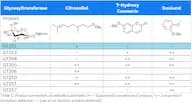
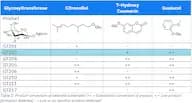
CAS :<p>Glucosyltransferase (GTase) is the enzyme that transfers glucose to another organic molecule (aglycon), establishing glycosidic linkage. UDP-glucose dependent GTases are part of the enzyme family of glucosyltransferases, they are versatile tools in glucosylation reactions. Different GTases have different substrate specificities. For the specificity of GT201 Glucosyltransferase, please see Table 1 that lists the available GTases with GT201 highlighted.Color: beigeForm: lyophilisateProtein content: 0.5 mg/mgThe glucosyltransferase was tested in a glucosylation reaction of a preferred substrate. High conversion after up to 24 h reaction time was observed.<br>Not sure which GTase to choose? Consider our Glucosyltransferase kit, which contains all 8 Glucosyltransferases.</p>Glucosyltransferase 210-freeze dried
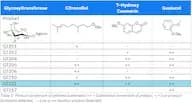
CAS :<p>Glucosyltransferase (GTase) is the enzyme that transfers glucose to another organic molecule (aglycon), establishing glycosidic linkage. UDP-glucose dependent GTases are part of the enzyme family of glucosyltransferases, they are versatile tools in glucosylation reactions. Different GTases have different substrate specificities. For the specificity of GT210 Glucosyltransferase, please see Table 1 that lists the available GTases with GT210 highlighted.Color: beigeForm: lyophilisateProtein content: 0.8 mg/mg The glucosyltransferase was tested in a glucosylation reaction of a preferred substrate. High conversion after up to 24 h reaction time was observed.<br>Not sure which GTase to choose? Consider our Glucosyltransferase kit, which contains all 8 Glucosyltransferases.</p>Peroxidase Kit, 2 peroxidases with different substrate specificities
<p>Peroxidases can be utilized as enzymes catalyzing e.g. aromatic ring hydroxylation, epoxidation, halogenation, N- or S-oxidation, ether cleavage and alcohol/aldehyde oxidation reactions. The Peroxidase Kit contains 2 recombinant peroxidases of bacterial and fungal origin with a temperature optimum in the 20-40 °C range and pH optimum between pH 5 and 8.</p>Degré de pureté :Min. 95%Glucosyltransferase 211-freeze dried
CAS :<p>Glucosyltransferase (GTase) is the enzyme that transfers glucose to another organic molecule (aglycon), establishing glycosidic linkage. UDP-glucose dependent GTases are part of the enzyme family of glucosyltransferases, they are versatile tools in glucosylation reactions. Different GTases have different substrate specificities. For the specificity of GT211 Glucosyltransferase, please see Table 1 that lists the available GTases with GT211 highlighted.Color: beigeForm: lyophilisateProtein content 0.7 mg/mgThe glucosyltransferase was tested in a glucosylation reaction of a preferred substrate. High conversion after up to 24 h reaction time was observed.<br>Not sure which GTase to choose? Consider our Glucosyltransferase kit, which contains all 8 Glucosyltransferases.</p>Glucosyltransferase 205-freeze dried
CAS :<p>Glucosyltransferase (GTase) is the enzyme that transfers glucose to another organic molecule (aglycon), establishing glycosidic linkage. UDP-glucose dependent GTases are part of the enzyme family of glucosyltransferases, they are versatile tools in glucosylation reactions. Different GTases have different substrate specificities. For the specificity of GT205 Glucosyltransferase, please see Table 1 that lists the available GTases with GT205 highlighted.Color: beigeForm: lyophilisateProtein content: 0.5 mg/mgThe glucosyltransferase was tested in a glucosylation reaction of a preferred substrate. High conversion after up to 24 hr reaction time was observed.<br>Not sure which GTase to choose? Consider our Glucosyltransferase kit, which contains all 8 Glucosyltransferases.</p>Glucosyltransferase 204-freeze dried
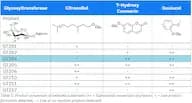
CAS :<p>Glucosyltransferase (GTase) is the enzyme that transfers glucose to another organic molecule (aglycon), establishing glycosidic linkage. UDP-glucose dependent GTases are part of the enzyme family of glucosyltransferases, they are versatile tools in glucosylation reactions. Different GTases have different substrate specificities. For the specificity of GT204 Glucosyltransferase, please see Table 1 that lists the available GTases with GT204 highlighted.Color: beigeForm: lyophilisateProtein content: 0.5 mg/mgThe glucosyltransferase was tested in a glucosylation reaction of a preferred substrate. High conversion after up to 24 h reaction time was observed.<br>Not sure which GTase to choose? Consider our Glucosyltransferase kit, which contains all 8 Glucosyltransferases.</p>Glucosyltransferase 227-freeze dried
CAS :<p>Glucosyltransferase (GTase) is the enzyme that transfers glucose to another organic molecule (aglycon), establishing glycosidic linkage. UDP-glucose dependent GTases are part of the enzyme family of glucosyltransferases, they are versatile tools in glucosylation reactions. Different GTases have different substrate specificities. For the specificity of GT227 Glucosyltransferase, please see Table 1 that lists the available GTases with GT227 highlighted.Color: beigeForm: lyophilisateProtein content: 0.8 mg/mgThe glucosyltransferase was tested in a glucosylation reaction of a preferred substrate. High conversion after up to 24 h reaction time was observed.<br>Not sure which GTase to choose? Consider our Glucosyltransferase kit, which contains all 8 Glucosyltransferases.</p>Glucosyltransferase 206-freeze dried
CAS :<p>Glucosyltransferase (GTase) is the enzyme that transfers glucose to another organic molecule (aglycon), establishing glycosidic linkage. UDP-glucose dependent GTases are part of the enzyme family of glucosyltransferases, they are versatile tools in glucosylation reactions. Different GTases have different substrate specificities. For the specificity of GT206 Glucosyltransferase, please see Table 1 that lists the available GTases with GT206 highlighted.Color: beigeForm: lyophilisateProtein content: 0.5 mg/mgThe glucosyltransferase was tested in a glucosylation reaction of a preferred substrate. High conversion after up to 24 h reaction time was observed.<br>Not sure which GTase to choose? Consider our Glucosyltransferase kit, which contains all 8 Glucosyltransferases.</p>Glucosyltransferase 203-freeze dried
CAS :<p>Glucosyltransferase (GTase) is the enzyme that transfers glucose to another organic molecule (aglycon), establishing glycosidic linkage. UDP-glucose dependent GTases are part of the enzyme family of glucosyltransferases, they are versatile tools in glucosylation reactions. Different GTases have different substrate specificities. For the specificity of GT203 Glucosyltransferase, please see Table 1 that lists the available GTases with GT203 highlighted.Color: beigeForm: lyophilisateProtein content: 0.5 mg/mgThe glucosyltransferase was tested in a glucosylation reaction of a preferred substrate. High conversion after up to 24 h reaction time was observed.<br>Not sure which GTase to choose? Consider our Glucosyltransferase kit, which contains all 8 Glucosyltransferases.</p>EUCODIS® Nitrilhydratase 22, recombinant enzyme - ENH022
<p>Nitrile hydratase 22 recombinantly expressed in E. coli comes in a freeze-dried formulation. Nitrile hydratases can be utilized to convert nitriles into their corresponding amides, e.g. to produce acrylamide from acrylonitrile. Additional applications include the removal of nitriles from industrial wastewater. Our nitrile hydratases have been tested for hydrolysis of the following substrates:cyclohexanecarbonitrile, cinnamonitrile, benzonitrile, methacrylonitrile, pivalonitrile.</p>Degré de pureté :Min. 95%LacBuster® - S 2000 IU, β-lactamase I & II, lyophilized, γ irradiated - EBL023.2
<p>LacBuster®-S 2000 is a solid and Gamma-irradiated, freeze-dried, broad range beta-lactamase formulation with 2000 IU beta-lactamase II and 20000 IU beta-lactamase I activity per vial.</p>L-Glutamic dehydrogenase (nadp) from proteus sp.
CAS :<p>L-Glutamic dehydrogenase (NADP+ dependent, from proteus sp., EC 1.4.1.4) is an enzyme that catalyzes the following reaction: L-glutamate + H2O + NADP+ ⇌ 2-oxoglutarate + NH3 + NADPH + H+ One unit of L-Glutamic dehydrogenase will generate 1.0 μmole of 2-oxoglutarate from L-glutamate per min at pH 8.3, 30 °C and the presence of NADPH and ammonium. NADP+ is available here and NADPH is available here, depending on whether you require the reaction to proceed from left to right or from righ to left, respectively.</p>Degré de pureté :Min. 95%Masse moléculaire :300 g/molNitrilhydratase Kit, 10 recombinant enzymes with different substrate specificities - ENH Kit
<p>Kit of 10 unique, nitrile hydratases recombinantly expressed in E. coli for screening. Nitrile hydratases can be utilized to convert nitriles into their corresponding amides, e.g. to produce acrylamide from acrylonitrile. Additional applications include the removal of nitriles from industrial wastewater. Please note, that the kit enzymes can also be supplied as whole cell biocatalysts in large scale.</p>Poly(ADP-ribose) glycohydrolase
CAS :<p>Poly(ADP-ribose) glycohydrolase is an enzyme, which is derived from various organisms, including eukaryotic cells. It plays a crucial role in the regulation of poly(ADP-ribose) (PAR) metabolism. This enzyme functions by hydrolyzing the glycosidic bonds in poly(ADP-ribose) chains, thereby regulating the cellular levels of PAR by converting it back to ADP-ribose units.</p>β Lactamase Kit, 6 enzymes of 200 mg, recombinant - EBL_Kit01
<p>Beta lactamase kit consisting of six different beta-lactamases with individual substrate specificity profiles against a broad range of beta-lactam antibiotics including penicilins, cephalosporins as well as carbapenems. The kit is especially designed for screening and finding the most well suited beta-lactamase for your specific process. Each vial contains at least 1000 IU beta I activity. Our beta-lactamases have been optimized for sterility testing and environmental monitoring in the manufacture and dosage formulation of beta-lactam antibiotics and for specific diagnostic purposes.Kit components:</p>Degré de pureté :Min. 95%EUCODIS® Nitrilhydratase 19, recombinant enzyme - ENH019
<p>Nitrile hydratase 19 recombinantly expressed in E. coli comes in a freeze-dried formulation. Nitrile hydratases can be utilized to convert nitriles into their corresponding amides, e.g. to produce acrylamide from acrylonitrile. Additional applications include the removal of nitriles from industrial wastewater. Our nitrile hydratases have been tested for hydrolysis of the following substrates:cyclohexanecarbonitrile, cinnamonitrile, benzonitrile, methacrylonitrile, pivalonitrile.</p>EUCODIS® Nitrilhydratase 01, recombinant enzyme - ENH001
<p>Nitrile hydratase 01 recombinantly expressed in E. coli comes in a freeze-dried formulation. Nitrile hydratases can be utilized to convert nitriles into their corresponding amidese, e.g. to produce acrylamide from acrylonitrile. Additional applications include the removal of nitriles from industrial wastewater. Our nitrile hydratases have been tested for hydrolysis of the following substrates:cyclohexanecarbonitrile, cinnamonitrile, benzonitrile, methacrylonitrile, pivalonitrile.</p>Sucrose phosphorylase, recombinant, expressed in E. coli, ≥45 units/mg
CAS :<p>Sucrose phosphorylase (sucrose glucosyltransferase, disaccharide glucosyltransferase, systemic name Sucrose:orthophosphate α-D-glucosytransferase; EC 2.4.1.7) is an enzyme that catalyzes the following reaction: sucrose + Pi ⇌ D-fructose + α-D-glucose-1-phosphate One unit of Sucrose phosphorylase will produce 1.0 μmole of D-fructose per minute in the presence of sucrose and phosphate at pH 7.6 and 25 °C.</p>Enteropeptidase
CAS :<p>Enteropeptidase (historic name entorokinase; EC 3.4.21.9) is a proteolytic enzyme (proteinase) that activates trypsinogen into its active form, trypsin. One unit of enteropeptidase will produce 1.0 nmole of trypsin from trypsinogen per min at pH 5.6 and 25 °C.</p>Degré de pureté :Min. 95%Aldolase from rabbit muscle
CAS :<p>One unit of aldolase (EC 4.1.2.13) will convert 1.0 µmol of Fructose-1,6-Diphosphate to Dihydroxyacetone phosphate and Glyceraldehyde-3-phosphate per min at 25 °C and pH 7.4. Lyophilized Powder.</p>Masse moléculaire :161 g/molUrease from Canavalia ensiformis
CAS :<p>Urease from Canavalia ensiformis (Jack bean urease, EC 3.5.1.5) is an enzyme that catalyses the following reaction: (NH2)2CO + H2O → CO2 + 2 NH3 One unit of urease will yield 1.0 µmole of NH3 from urea per min at pH 7.0 and 25 °C.</p>Masse moléculaire :480 g/molEUCODIS® Nitrilhydratase 14, recombinant enzyme - ENH014
<p>Nitrile hydratase 14 recombinantly expressed in E. coli comes in a freeze-dried formulation. Nitrile hydratases can be utilized to convert nitriles into their corresponding amidese, e.g. to produce acrylamide from acrylonitrile. Additional applications include the removal of nitriles from industrial wastewater. Our nitrile hydratases have been tested for hydrolysis of the following substrates:cyclohexanecarbonitrile, cinnamonitrile, benzonitrile, methacrylonitrile, pivalonitrile.</p>Glutamic pyruvic transaminase
CAS :<p>Glutamic pyruvic transaminase (also Alanine transaminase, alanine aminotransferase; E.C. 2.6.1.2) is an enzyme that catalyzes the following reaction: L-alanine + α-ketoglutarate ⇌ pyruvate + L-glutamate One unit of Glutamic pyruvic transaminase will catalyze the conversion of 1.0 µmole per minute of L-alanine and α-ketoglutarate to L-glutamate and pyruvate, at 37°C and pH 7.4.</p>Couleur et forme :PowderMasse moléculaire :272.25 g/molEUCODIS® Nitrilhydratase 20, recombinant enzyme - ENH020
<p>Nitrile hydratase 20 recombinantly expressed in E. coli comes in a freeze-dried formulation. Nitrile hydratases can be utilized to convert nitriles into their corresponding amides, e.g. to produce acrylamide from acrylonitrile. Additional applications include the removal of nitriles from industrial wastewater. Our nitrile hydratases have been tested for hydrolysis of the following substrates:cyclohexanecarbonitrile, cinnamonitrile, benzonitrile, methacrylonitrile, pivalonitrile.</p>Degré de pureté :Min. 95%EUCODIS® Nitrilhydratase 10, recombinant enzyme - ENH010
<p>Nitrile hydratase 10 recombinantly expressed in E. coli comes in a freeze-dried formulation. Nitrile hydratases can be utilized to convert nitriles into their corresponding amides, e.g. to produce acrylamide from acrylonitrile. Additional applications include the removal of nitriles from industrial wastewater. Our nitrile hydratases have been tested for hydrolysis of the following substrates:cyclohexanecarbonitrile, cinnamonitrile, benzonitrile, methacrylonitrile, pivalonitrile.</p>ODC1 Protein, Human, Recombinant (His)
<p>Ornithine decarboxylase (ODC1) is an enzyme which belongs to the Orn/Lys/Arg decarboxylase class-II family.</p>Couleur et forme :Lyophilized PowderMasse moléculaire :25 &58 KDa (reducing condition)Carboxypeptidase A from bovine pancreas
CAS :<p>Carboxypeptidase A (EC 3.4.17.1) is an exopeptidase enzyme. It hydrolyzes peptide bonds of C-terminal residues with aliphatic or aromatic side-chains. One unit of Carboxypeptidase A will hydrolyze 1.0 μmole of hippuryl-L-phenylalanine per min at pH 7.5 and 25 °C.</p>Heparinase I from flavobacterium heparinum
CAS :<p>Heparinase I (heparin lyase I, heparin eliminase; EC 4.2.2.7) in an enzyme that specifically cleaves oligosaccharides to remove heparan sulfate residues. One unit will form 1.0 μmole of unsaturated uronic acid per minute at pH 7.5 and 25 °C.</p>Degré de pureté :Min. 95%Thioglucosidase from Sinapis alba (white mustard) seed
CAS :<p>Thioglucosidase (thioglucoside glucohydrolase, Myrosinase, sinigrinase, sinigrase; EC 3.2.1.147) is an enzyme that cleaves thio-linked glucosides:a thioglucoside + H2O ⇌ a sugar + a thiol (the thiol formed is usually unstable and undergoes spontaneous re-arrangement into a isothiocyanate through a loss of a sulfate group)One unit will produce 1.0 μmole glucose per min from sinigrin (a thio-linked glucoside) at pH 6.0 and 25 °C.</p>Neuraminidase from Vibrio Chloerae
CAS :<p>Neuraminidase (Exo-α-sialidase, sialidase, systematic name acetylneuraminyl hydrolase; EC 3.2.1.18) is an enzyme that catalyzes hydrolysis of glycosidic linkages of neuraminic acids. As it is exo-hydrolase, it hydrolyzes terminal N- or O- acylneuramic acid units, that are linked by α2,3-, α2,6-, and α2,8- glycosidic bonds. One unit of neuraminidase will hydrolyze 1 μmol N-acetyl-neuraminosyl-D-lactose under optimal conditions.</p>Formule :C21H25NO11Degré de pureté :(Activity U/Ml) ≥ 0.00Masse moléculaire :467.42 g/molGlutaminase from escherichia coli
CAS :<p>Glutaminase (glutaminase I, L-glutaminase, glutamine aminohydrolase; EC 3.5.1.2) is an enzyme that catalyzes the following reaction: L-glutamine + H2O → L-glutamate + NH4+ One unit of glutaminase will convert 1.0 μmole of L-glutamine into L-glutamate per min at pH 4.9 and 37 °C.</p>Degré de pureté :Min. 95%D-Ribulose 1,5-diphosphate carboxylase from spinach
CAS :<p>D-Ribulose 1,5-diphosphate carboxylase, commonly known as RuBisCO, is an essential enzyme that catalyzes the first major step of carbon fixation, a process by which inorganic carbon from the atmosphere is converted into organic molecules. This enzyme is derived from spinach, a common model organism used in plant biology research due to its accessibility and well-characterized photosynthetic pathways.</p>Degré de pureté :Min. 95%EUCODIS® Nitrilhydratase 17, recombinant enzyme - ENH017
<p>Nitrile hydratase 17 recombinantly expressed in E. coli comes in a freeze-dried formulation. Nitrile hydratases can be utilized to convert nitriles into their corresponding amides, e.g. to produce acrylamide from acrylonitrile. Additional applications include the removal of nitriles from industrial wastewater. Our nitrile hydratases have been tested for hydrolysis of the following substrates:cyclohexanecarbonitrile, cinnamonitrile, benzonitrile, methacrylonitrile, pivalonitrile.</p>EUCODIS® Nitrilhydratase 05, recombinant enzyme - ENH005
<p>Nitrile hydratase 05 recombinantly expressed in E. coli comes in a freeze-dried formulation. Nitrile hydratases can be utilized to convert nitriles into their corresponding amides, e.g. to produce acrylamide from acrylonitrile. Additional applications include the removal of nitriles from industrial wastewater. Our nitrile hydratases have been tested for hydrolysis of the following substrates:cyclohexanecarbonitrile, cinnamonitrile, benzonitrile, methacrylonitrile, pivalonitrile.</p>Carbonodithioic Acid O-(Octahydro-4,7-methano-1H-inden-5-yl) Ester Potassium Salt
CAS :Produit contrôléFormule :C11H15KOS2Couleur et forme :NeatMasse moléculaire :266.464α-Mannosidase
CAS :<p>α-Mannosidase (α-D-mannopyranosidase, 1,2-α-mannosidase, 1,2-α-D-mannosidase, exo-α-mannosidase, α-D-mannosidase, systematic name α-D-mannoside mannohydrolase; EC 3.2.1.24) is an enzyme that cleaves α-mannose to produce glucose. One unit of α-Mannosidase will hydrolyze 1.0 µmole of chromogenic phosphate mimic p-nitrophenyl-α-p-mannoside to p-nitrophenol in 1 minute at pH 5.0 and 37°C.</p>Masse moléculaire :65.4 g/molβ-Glucanase 2, thermostable
CAS :<p>Thermostable β-Glucanase 2 is an enzyme that hydrolases β-Glucans into glucose. One unit of β-Glucanase 2 will produce 1.0 μmole of glucose from β-glucan per minute at pH 5.8 and 70 °C.</p>Degré de pureté :Min. 95%Aspartic acid proteinase
CAS :<p>Aspartic acid proteinase is a type of proteolytic enzyme, which originates from various biological sources including humans, fungi, and plants. It is characterized by its action via two critical aspartic acid residues in the active site, which facilitate the hydrolysis of peptide bonds in proteins. This enzyme operates optimally in acidic environments, making it crucial in processes like digestion and protein processing within cellular compartments such as lysosomes.</p>Luciferase from Vibrio fischeri
CAS :<p>Luciferase enzymes sourced from Vibrio fischeri</p>Couleur et forme :PowderSerratiopeptidase
CAS :<p>Serratiopeptidase (serratio peptidase, serratia peptidase, serrapeptidase, serratia E-15 protease, serralysin, serrapeptase; EC 3.4.24.40) is a proteolitic enzyme (proteinase) that is produced by Serratia marcescens.</p>Degré de pureté :Min. 95%Couleur et forme :Powderβ-1,4-Galactosyltransferase 1
<p>β-1,4-Galactosyltransferase 1 is an enzyme that catalyzes the synthesis of the glycosaminoglycan-protein linkage in proteoglycans.</p>Aminopeptidase I from streptomyces griseus
CAS :<p>Aminopeptidase I is a specialized proteolytic enzyme derived from the actinobacterium Streptomyces griseus. This enzyme functions by catalyzing the cleavage of amino acids from the N-terminus of peptides, which plays a pivotal role in protein metabolism and regulation. The source of this enzyme, Streptomyces griseus, is well-regarded for producing a variety of bioactive compounds owing to its rich genetic and biochemical repertoire.</p>Aminopeptidase, Aeromonas proteolytica
CAS :<p>One unit of Aminopeptidase (3.4.11.10) will hydrolyze 1.0 μmole of L-leucine p-nitroanilide to p-nitroaniline and L-leucine per min at pH 8.0 and 25 °C.</p>Cytochrome C oxidase
CAS :<p>Cytochrome C oxidase (originally assigned EC 1.9.3.1, now re-assigned EC 7.1.1.9) is an enzyme that catalyzes the following reaction: 4 Fe2+ – cytochrome c + 4 H+ + O2 → 4 Fe3+ – cytochrome c + 2 H2O</p>Lipoprotein lipase
CAS :<p>Lipoprotein lipase is a critical enzyme used to modulate lipid processing, primarily sourced from mammalian tissues. It functions by hydrolyzing triglycerides present in circulating chylomicrons and very low-density lipoproteins. This enzymatic process liberates free fatty acids, which can subsequently be utilized as energy by peripheral tissues or stored in adipose tissue. Lipoprotein lipase is pivotal in lipid metabolism, participating in maintaining homeostasis of plasma lipid levels.</p>Degré de pureté :Min. 95%EUCODIS® CalB01 IA, engineered variant of Candida antarctica Lipase B, immobilized by adsorption on hydrophobic carrier - ELCB01IA
<p>Lipases belong to the family of esterases and naturally act on triglycerides at lipid-water interfaces. Lipases/esterases can be used as versatile tools in hydrolytic reactions, esterifications and transesterification reactions in industrial and food applications. The CalB01 IA lipase has been immobilized on a hydrophobic carrier by adsorption. The immobilized CalB01 lipase has a temperature optimum in the 40 - 50 °C range and pH optimum between pH 5 and 8.</p>Ubiquitin thiolesterase UCHL1
CAS :<p>Ubiquitin thiolesterase UCHL1 (Ubiquitin carboxy-terminal hydrolase L1; EC 3.1.2.15) is an enzyme that hydrolyses small C-terminal ubiquitin adducts to regenerate ubiquitin.</p>Immobilized Lipase Kit, 7 unique immobilized EUCODIS® Lipases, immobilized by adsorption and covalent binding - ELIM Kit
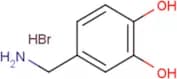
<p>Lipases belong to the family of esterases and naturally act on triglycerides at lipid-water interfaces. Lipases/esterases can be used as versatile tools in hydrolytic reactions, esterifications and transesterification reactions in industrial and food applications. The immobilized Lipase kit contains 7 different lipases, immobilised on a hydrophobic carrier either by adsorption or covalent linkage. Immobilized lipases can be utilized in various reaction types, and are optimal for all reactions in organic solvents or solvent-free systems.</p>3,4-Dihydroxybenzylamine hydrobromide
CAS :<p>3,4-Dihydroxybenzylamine hydrobromide inhibits DNA polymerase and melanoma growth, varying with tyrosinase activity.</p>Formule :C7H10BrNO2Degré de pureté :98.49%Couleur et forme :Light Beige Crystalline PowderMasse moléculaire :220.06Deoxycytidine Kinase, human, recombinant
<p>Deoxycytidine kinase (dCK, EC 2.7.1.74) is an enzyme that catalyzes the following reaction: dC + ATP → dCMP + ADP It can also use UTP as a donor of the phosphate group, and it can phosphorylate other deoxyribonucleosides (e.g. dA, dG) as well as nucleoside analogues (like clofarabine). One unit of dCK will convert 1.0 µmole of dC and ATP to dCMP and ADP per minute at pH 7.5 and 37°C.</p>Degré de pureté :Min. 95%Sphingomyelinase from bacillus cereus
CAS :<p>Sphingomyelinase (SMase, Sphingomyelin phosphodiesterase, systematic name sphingomyelin cholinephosphohydrolase; EC 3.1.4.12) is an enzyme that hydrolyses sphingomyelin into phosphocholine and ceramide. One unit of sphingomyelinase will hydrolyze 1.0 µmole of chromogenic substrate analogue per minute at pH 7.4 and 37 °C.</p>Degré de pureté :Min. 95%Asparaginase, from E.coli, recombinant, lyophilized - EASP001
<p>Asparaginase (EC 3.5.1.1) is an enzyme that catalyzes the following reaction: Asparagine + H2O → Aspartate + NH4+ Industrially, asparaginase is used to reduce the formation of acrylamide in starch-containing food ingredients and products during production processes. Asparaginase has a temperature optimum in the 30 – 50 °C range and pH optimum between pH 8 and 9. One unit will yield 1.0 μmole of ammonia from asparagine per min.</p>EUCODIS® CalB02, engineered variant of Candida antarctica Lipase B - ELCB02
<p>Lipases belong to the family of esterases and naturally act on triglycerides at lipid-water interfaces. Lipases/esterases can be used as versatile tools in hydrolytic reactions, esterifications and transesterification reactions in industrial and food applications. The CalB02 lipase has a temperature optimum in the 40 - 50 °C range and pH optimum between pH 5 and 8.</p>Protein disulfide isomerase from bovine liver
CAS :<p>An enzyme that catalyzes the formation and breakage of disulfide bonds in the folding of proteins</p>Formule :C7H5Cl2NO5SDegré de pureté :Min. 95%Masse moléculaire :286.09 g/molChymase
CAS :<p>Chymase (alternative names mast cell protease 1, mast cell serine proteinase, skeletal muscle protease, EC 3.4.21.39) is a serine protease, found in mast cells and basophil granulocytes.</p>Degré de pureté :Min. 95%Adenylate Kinase 1, human, recombinant
<p>Adenylate kinase 1 (EC 2.7.4.3) catalyzes interconversion between ATP, ADP and AMP by catalyzing the following reaction: ATP + AMP ⇔ 2 ADP One unit of Adenylate kinase 1 will convert 1.0 µmol ATP and 1.0 µmol AMP to 2.0 µmol ADP per min at optimum conditions.</p>Degré de pureté :Min. 95%α Amylase enzyme
<p>Alpha Amylase (Amylase, α-Amylase, 1,4-α-D-glucan glucanohydrolase, glycogenase, systematic name 4-α-D-glucan glucanohydrolase; EC 3.2.1.1, CAS Number [9000-90-2]) is an enzyme that catalyses hydrolysis of large polysacharides into smaller fragments. Alpha amylase targets alpha bonds of 1→4 glycosidic linkages of poly- and oligosaccharides with three or more D-glucose units. One unit of Alpha Amylase will catalyze the hydrolysis of 1.0 μmol of 2-chloro-4-nitrophenyl-α-D-maltotrioside to yield 2-chloro-4-nitrophenol per minute at 37°C. Human pancreatic Alpha Amylase is supplied as clear, colorless to light yellow liquid solution at ≥400U/mL, specific activity ≥100 U/mg protein.Store at 2-8 °C on arrival.</p>Degré de pureté :Min. 95%Transglutaminase from guinea pig liver
CAS :<p>Transglutaminase (2.3.2.13) is an enzyme that catalyzes formation of isopeptide bonds between the γ-carboxamide groups ( -(C=O)NH2 ) of glutamine side chains and amino groups. The donor of the amino group is usually (but not always) an ε-amino group ( -NH2 ) of lysine residue. The reaction also releases ammonia: Gln-(C=O)NH2 + NH2-Lys → Gln-(C=O)NH-Lys + NH3One unit of transglutaminase will catalyze the formation of 1.0 μmole transglutamination product per min at pH 6.0 and 37 °C.</p>Degré de pureté :Min. 95%Amylase protein
<p>Alpha Amylase (Amylase, α-Amylase, 1,4-α-D-glucan glucanohydrolase, glycogenase, ptyalin; systematic name 4-α-D-glucan glucanohydrolase; EC 3.2.1.1, CAS Number [9000-90-2]) is an enzyme that catalyses hydrolysis of large polysacharides into smaller fragments. Alpha amylase targets alpha bonds of 1→4 glycosidic linkages of poly- and oligosaccharides with three or more D-glucose units. One unit of Alpha Amylase will catalyze the hydrolysis of 1.0 μmol of 2-chloro-4-nitrophenyl-α-D-maltotrioside to yield 2-chloro-4-nitrophenol per minute at 37°C. Human salivary Alpha Amylase is supplied as clear, colorless liquid solution at ≥2000U/mL, specific activity ≥200 U/mg protein. Store at -20°C on arrival.</p>Degré de pureté :Min. 95%Amidase, from Rhodococcus sp., recombinant, lyophilized - EAM02
CAS :<p>Amidase (EC 3.5.1.4) is a hydrolase acting on carbon-nitrogen bonds in linear amides and can be used in the hydrolysis of amides to acids. Amidase 02 is of bacterial origin (R. erythropolis and has been produced in E.coli).</p>Cathepsin B from human placenta
CAS :<p>Cathepsin B is a lysosomal proteolytic enzyme of the cysteine protease family. It is present in all mammalian cells. It is essential for the intracellular protein turnover. Cathepsin B may be a useful tool in Alzheimer′s research, as it may have a role in the natural defense against the disease.</p>Degré de pureté :Min. 95%Lactase - >300U/mg
CAS :<p>beta-Galactosidase (EC 3.2.1.23, shortly beta-Gal, also know as lactase) catalyses the hydrolysis of beta-d-galactoside in the presence of water to galactose and alcohol, or lactose into glucose and galactose. beta-Gal has a molecular weight of 540,000 and is composed of four identical subunits of MW 135,000, each with an independent active site. The enzyme has divalent metals as cofactors, with chelated Mg2+ ions required to maintain active site conformation. The molecule contains numerous sulfhydryl groups and is glycosylated.</p>Neuron-specific enolase human
CAS :<p>Neuron-specific enolase human (ENO2, Enolase 2, Neural enolase, Gamma-enolase, Phosphopyruvate hydratase, 2-phospho-D-glycerate hydro-lyase; EC 4.2.1.11) is the enzyme that is catalyzes the following reaction: 2-phospho-D-glycerate ⇌ phosphoenolpyruvate + H2O One unit of enolase will convert 1.0 μmole of 2-phosphoglycerate to phosphoenolpyruvate per min.</p>PNPase
<p>Specific activity: >500 units/mg-protein.Unit definition: One unit will polymerize 1.0 micro mole of ADP, releasing 1.0 micro mole of inorganic phosphate in 15 minutes at pH 9.1 at 37 °C.</p>Aminoacyl tRNA synthetase-IN-1
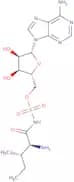
CAS :<p>Enzyme involved in protein translation and catalyzes the aminoacylation reaction</p>Formule :C16H25N7O7SDegré de pureté :Min. 95%Couleur et forme :PowderMasse moléculaire :459.48 g/molRibonuclease A
CAS :<p>Ribonuclease A (RNase A) is widely used to break down RNA in DNA purification. RNase A catalyzes the endonucleolytic cleavage of phosphodiester bonds of RNA.</p>Butyrylcholinesterase
<p>Butyrylcholinesterase (BCHE, BuChE, PCHE, pseudocholinesterase, plasma cholinesterase, Acylcholine acyl-hydrolase, Choline esterase; EC 3.1.1.8, CAS No [9001-08-5]) is an enzyme that made in the liver and found mainly in blood plasma. It catalyzes the following reaction: Acylcholine + H2O → choline + carboxylic acidOne unit of Butyrylcholinesterase will change absorbance by 0.2 milliunits (mA) per minute at optimal buffer conditions and 37 ̊C. Equine serum butyrylcholinesterase is supplied as white to pale grey-green powder with activity of ≥50U/mg and specific activity of ≥300U/mg protein. It can be dissolved at 5 mg/mL concentration in 50 mM Tris-HCl pH 7.3 - 7.5, giving colorless to slightly green solution. Equine serum butyrylcholinesterase is activated by Ca2+, optimum pH 7-8, KM=18 µM (butyrylthiocholine at 25°C). Store at -20°C on arrival.</p>Alcohol Oxidase - vacuum-dried powder, >0.6 units/mg solid
CAS :<p>Alcohol oxidase (EC 1.1.3.13) is an enzyme that catalyzes the following chemical reaction: a primary alcohol + O2 + H2O ⇌ an aldehyde + H2O2 One unit of alcohol oxidase will oxidize 1.0 µmole of methanol to formaldehyde per min at pH 7.5 and 25 °C.</p>EUCODIS® CalB01, engineered variant of Candida antarctica Lipase B - ELCB01
<p>Lipases belong to the family of esterases and naturally act on triglycerides at lipid-water interfaces. Lipases/esterases can be used as versatile tools in hydrolytic reactions, esterifications and transesterification reactions in industrial and food applications. The CalB01 lipase has a temperature optimum in the 40 - 50 °C range and pH optimum between pH 5 and 8.</p>Citrate synthase
CAS :<p>Citrate synthase (E.C. 2.3.3.1) is an enzyme that catalyzes the following reaction: acetyl-CoA + oxaloacetate + H2O → citrate + CoA-SHOne unit of citrate synthase will form 1.0 μmole of citrate from acetyl-CoA and oxalacetate per min at pH 8.0 and 37 °C.Origin is porcine heart.Molecular weight ~ 49kDa (monomer) and ~ 98kDa (dimer)</p>Formule :C197H238O43S6Couleur et forme :PowderMasse moléculaire :3,486 g/molPlasmin
CAS :<p>Plasmin, human is a serin protease which present in the blood and is involved in the cleavage of cross-linked fibrin, a process known as fibrinolysis.One unit will produce one micromole of P-Nitroanilide from D-Val-Leu-Lys-P-Nitroanilide per minute at pH 7.5 at 37°C</p>Alkaline phosphatase
CAS :<p>One unit of alkaline phosphatase (EC 3.1.3.1) will hydrolyze 1.0 µmol of 4-nitrophenyl phosphate per min at 25°C and pH 9.6.</p>Degré de pureté :Min. 95%Couleur et forme :PowderRecombinant Isocitrate Dehydrogenase
CAS :<p>Recombinant Isocitrate Dehydrogenase is a bioengineered enzyme, which is derived from microbial or eukaryotic expression systems designed to mirror its naturally occurring form. This enzyme catalyzes the oxidative decarboxylation of isocitrate to alpha-ketoglutarate, utilizing NADP+ as a cofactor in the process. Its mode of action involves the conversion of isocitrate to alpha-ketoglutarate with the concomitant reduction of NADP+ to NADPH.</p>Degré de pureté :Min. 95%Aconitase (human recombinant)
CAS :<p>Aconitase catalyzes isomerization of citrate to isocitrate via cis-aconitate. Systemic enzyme name is aconitate hydratase; EC 4.2.1.3.</p>Degré de pureté :Min. 95%Creatinase from pseudomonas sp.
CAS :<p>Creatinase (EC 3.5.3.3) is an enzyme that catalyzes the fellowing reaction: creatine + H2O ⇌ sarcosine + ureaOne unit of creatinase will hydrolyze 1.0 µmole of creatine into sarcosine and urea per min at pH 7.5 and 37 °C.</p>Degré de pureté :Min. 95%Lipase Kit, 25 unique EUCODIS® lipases, recombinant - EL Kit
<p>Lipases belong to the family of esterases and naturally act on triglycerides at lipid-water interfaces. Lipases/esterases can be used as versatile tools in hydrolytic reactions, esterifications and transesterification reactions in industrial and food applications. The Lipase kit contains 25 lipases with different pH and temperature optima and substrate specificity properties.</p>Nitrilase
CAS :<p>Nitrilase (nitrile aminohydrolase; EC 3.5.5.1) in an enzyme that catalyzes hydrolysis of nitriles to carboxilic acids and ammonia: R-CN + 2 H2O → R-COO- + NH4+ One unit of nitrilase will yield 1.0 μmol of ammonia per minute under optimal reaction conditions using acrylonitrile as a substrate.</p>Degré de pureté :Min. 95%L-Asparaginase
CAS :<p>L-Asparaginase (EC 3.5.1.1) is an enzyme that catalyzes the following reaction: L-Asparagine + H2O → L-Aspartate + NH4+ One unit will yield 1.0 μmole of ammonia from L-asparagine per min at pH 8.6 and 37 °C.</p>Degré de pureté :Min. 95%EUCODIS® CalB01 ICE, engineered variant of Candida antarctica Lipase B, covalent immobilization on hydrophobic carrier - ELCB01ICE
<p>Lipases belong to the family of esterases and naturally act on triglycerides at lipid-water interfaces. Lipases/esterases can be used as versatile tools in hydrolytic reactions, esterifications and transesterification reactions in industrial and food applications. The CalB01 ICE lipase has been immobilized on a hydrophobic carrier by a covalent linkage. The immobilized CalB01 lipase has a temperature optimum in the 40 - 50 °C range and pH optimum between pH 5 and 8.</p>Superoxide dismutase PEG
<p>Superoxide dismutase coupled to polyethylene glycol. Superoxide dismutase (EC 1.15.1.1) is an enzyme that catalyzes the following reaction: 2 H+ + 2 O2− → O2 + H2O2 thus converting an extremely reactive and cytotoxic superoxide radical into oxygen and (significantly less reactive) hydrogen peroxide.</p>Phosphoglucose isomerase from baker′s yeast (S. cerevisiae), Type III, ammonium sulfate suspension, ≥400 units/mg protein (biuret)
CAS :<p>Glucose-6-phosphate isomerase (GPI, phosphoglucose isomerase/phosphoglucoisomerase, PGI, phosphohexose isomerase, PHI; EC 5.3.1.9) is an enzyme that catalyses isomerisation between Glucose-6-phosphate and Fructose-6-phosphate: G6P ⇌ F6P One unit of GPI will convert 1.0 mmole of Fructose-6-phosphate to Glucose-6-phosphate per minute at pH 7.4 and 25 °C.</p>Degré de pureté :Min. 95%Couleur et forme :SuspensionCasein Kinase 2
<p>Casein kinase 2 (CK2, CSNK2; EC 2.7.11.1) is a constitutively active serine and threonine protein kinase. It plays a role in a range of cellular processes, including DNA repair, cell cycle control, metabolic regulation, circadian rhythms and more. Its known substrates include hundreds of proteins. One unit of CK2 will phosphorylate of 1 pmol of of peptide substrate in 1 minute at 30°C and presence of ATP.</p>Formule :C45H73N19O24Degré de pureté :Min. 95%Masse moléculaire :1,264.17 g/molPhospholipase D Kit, 4 unique EUCODIS® PLDs, recombinant - EPLD Kit
<p>Phospholipases D belong to the family of esterases and act on phosphatidylcholine in the plasma membrane to release phosphatidic acid (PA) and choline. Phospholipases D can be used as versatile tools in hydrolysis and transphosphatidylation reactions for industrial, chemical and food applications. The Phospholipase D Kit contains 4 enzymes with a broad pH range for transphosphatidylation activity.</p>Glutathione peroxidase
CAS :<p>Glutathione peroxidase (EC 1.11.1.9) is an enzyme that reduces peroxides to limit oxidative damage, by catalyzing the following reaction: 2 GSH + H2O2 → GS–SG + 2 H2O One unit of glutathione peroxidase will catalyze the conversion of 1.0 µmole of H2O2 per minute at pH 7.0 and 25 °C in the presence of reduced glutathione. Reduced glutahione is available here.</p>Degré de pureté :Min. 95%Masse moléculaire :84,500 g/molAlcohol dehydrogenase, from yeast
CAS :<p>Alcohol dehydrogenase (EC 1.1.1.1) is the enzyme that catalyzes interconversion between alcohols and aldehydes or ketones, using NAD+/NADH as a cofactor in the following reaction: CH3CH2OH + NAD+ ⇔ CH3CHO + NADH + H+ One unit of alcohol dehydrogenase will convert 1.0 µmol of ethanol to acetaldehyde per minute at pH 8.8 and 25 °C.</p>Lipase from Candida antarctica
CAS :<p>Lipase from *Candida antarctica* is an enzyme-based biocatalyst, which is derived from the yeast *Candida antarctica*. This enzyme operates via a catalytic mechanism that involves the hydrolysis of ester bonds in lipid substrates, thereby facilitating the breakdown of fats into glycerol and free fatty acids. Its catalytic efficiency and stability in various conditions make it highly versatile for industrial applications.</p>Formule :C11H9N3O2•NaCouleur et forme :PowderMasse moléculaire :233.10 g/moleXrase DNA Endonuclease, tech-grade
CAS :<p>eXrase DNA endonuclease from enGenes is a recombinant endonuclease from Serratia marcescens produced in E. coli. Effectively and efficiently degrades all forms of DNA and RNA, reducing sample viscosity without proteolytic activity. As effective and efficient as other nucleases on the market, eXrase DNA endonuclease is the most cost-effective way to improve proteins yields and improve sample handing. Presented as a ready to use colourless liquid, formulated in Tris buffer at pH 8.0 with 50 % glycerol (v/v). This tech grade version is our most cost effective endonuclease for R&D applications. eXrase DNA endonuclease is suitable for the effective breakdown of nucleic acids in numerous biotech settings: • Removal of residual host DNA from biotechnological products to meet regulatory standards • Reduction of viscosity and streamlined purification in downstream processing of fermentation procedures. • Reduction of viscosity in in upstream fermentation processes • Extraction and/or synthesis of flavouring nucleotides • Enhanced bioavailability of nucleotides in specific feed products • DNA degradation for the removal or prevention of biofilm formationeXrase DNA endonuclease from enGenes is made by a proprietary microbial fermentation process utilizing Escherichia coli cells. This enzyme facilitates the hydrolysis of phosphodiester bonds in various forms of DNA and RNA, including single-stranded, double-stranded, linear, circular, or supercoiled configurations, yielding smaller oligonucleotides typically composed of 2-4 base pairs. Unit-Definition: One unit (U) of the enzyme is defined as the amount required to digest calf thymus DNA, yielding acid-soluble oligonucleotides equivalent to a ΔA260nm of 1.0 within a 30-minute timeframe at pH 8.0 and 37°C. This standardization allows for consistent measurement of enzymatic activity across different batches.</p>eXrase DNA Endonuclease, research-grade
CAS :<p>eXrase DNA endonuclease from enGenes is a recombinant endonuclease from Serratia marcescens produced in E. coli. Effectively and efficiently degrades all forms of DNA and RNA, reducing sample viscosity without proteolytic activity. As effective and efficient as other nucleases on the market, eXrase DNA endonuclease is the most cost-effective way to improve proteins yields and improve sample handing. Presented as a ready to use colourless liquid, formulated in Tris buffer at pH 8.0 with 50 % glycerol (v/v). This research grade eXrase has low endotoxin, max 0.25 EU/kU.eXrase DNA endonuclease is suitable for the effective breakdown of nucleic acids in numerous biotech settings: • Removal of residual host DNA from biotechnological products to meet regulatory standards • Reduction of viscosity and streamlined purification in downstream processing of fermentation procedures. • Reduction of viscosity in in upstream fermentation processes • Extraction and/or synthesis of flavouring nucleotides • Enhanced bioavailability of nucleotides in specific feed products • DNA degradation for the removal or prevention of biofilm formationeXrase DNA endonuclease from enGenes is made by a proprietary microbial fermentation process utilizing Escherichia coli cells. This enzyme facilitates the hydrolysis of phosphodiester bonds in various forms of DNA and RNA, including single-stranded, double-stranded, linear, circular, or supercoiled configurations, yielding smaller oligonucleotides typically composed of 2-4 base pairs. Unit-Definition: One unit (U) of the enzyme is defined as the amount required to digest calf thymus DNA, yielding acid-soluble oligonucleotides equivalent to a ΔA260nm of 1.0 within a 30-minute timeframe at pH 8.0 and 37°C. This standardization allows for consistent measurement of enzymatic activity across different batches.</p>EUCODIS® CalB02 ICE, engineered variant of Candida antarctica Lipase B, covalent immobilization on hydrophobic carrier - ELCB02ICE
<p>Lipases belong to the family of esterases and naturally act on triglycerides at lipid-water interfaces. Lipases/esterases can be used as versatile tools in hydrolytic reactions, esterifications and transesterification reactions in industrial and food applications. The CalB02 ICE lipase has been immobilized on a hydrophobic carrier by a covalent linkage. The immobilized CalB02 lipase has a temperature optimum in the 40 - 50 °C range and pH optimum between pH 5 and 8.</p>EUCODIS® Nitrilhydratase 23, recombinant enzyme - ENH023
<p>Nitrile hydratase 23 recombinantly expressed in E. coli comes in a freeze-dried formulation. Nitrile hydratases can be utilized to convert nitriles into their corresponding amides, e.g. to produce acrylamide from acrylonitrile. Additional applications include the removal of nitriles from industrial wastewater. Our nitrile hydratases have been tested for hydrolysis of the following substrates:cyclohexanecarbonitrile, cinnamonitrile, benzonitrile, methacrylonitrile, pivalonitrile.</p>Protein phosphatase 2C
CAS :<p>Protein phosphatase 2C is a key enzyme, which is a serine/threonine-specific phosphatase, derived from various organisms including humans, plants, and bacteria. This enzyme plays a pivotal role in cellular signaling by removing phosphate groups from serine and threonine residues on target proteins, a process known as dephosphorylation. This action is crucial for the regulation of diverse cellular functions, including stress responses, cell division, and apoptosis.</p>Malate dehydrogenase,buffered aqueous glycerol solution, 600-1000 units/mg protein (biuret)
CAS :<p>Malic dehydrogenase is a mitochondrial isozyme and an important catalyst in the tricarboxylic acid cycle. The enzyme catalyzes the following reaction: Oxaloacetate + β-NADH → L-Malate + β-NADOne unit will convert 1.0 μmole of oxalacetate and β-NADH to L-malate and β-NAD per min at pH 7.5 at 25 °C.</p>Degré de pureté :Min. 95%Ubiquitin Conjugating enzyme E2C Human Recombinant
<p>Ubiquitin Conjugating enzyme E2C (other names UBE2C, UBCH10, dJ447F3.2, ubiquitin conjugating enzyme E2 C; EC 2.3.2.24) is an essential mediator of mitotic destruction events and cell cycle progression. It catalyzes the destruction of cyclins A and B in conjunction with the anaphase-promoting complex, and therefore, plays an important role in the control of the cell exit from mitosis This activity is essential at then end of mitosis for the inactivation of their partner kinase Cdc2 and exit from mitosis into G1 of the next cell cycle. In addition, UBE2C bears homology to yeast PAS2, a gene that is essential for biogenesis of peroxisomes. UBE2C is useful for in vitro ubiquitinylation reactions.</p>Oxalate Oxidase, freeze-dried, from Wheat
CAS :<p>Oxalate Oxidase, freeze-dried, from Wheat is an enzyme preparation which is derived from wheat and functions through the oxidative degradation of oxalate. This enzyme catalyzes the conversion of oxalate into carbon dioxide and hydrogen peroxide, utilizing oxygen as a co-substrate in the process. The activity of Oxalate Oxidase is crucial in biological and biochemical applications where oxalate degradation is required.</p>Ref: 3D-ETS012.6
10U711,00€1KU4.224,00€25U551,00€2KU7.392,00€50U914,00€100U1.044,00€0.1KU921,00€0.5KU2.640,00€1000U5.429,00€2000U9.481,00€0.25KU1.627,00€Diaphorase (from Clostridium kluyveri)
CAS :<p>Diaphorase (lipoyl dehydrogenase, EC 1.8.1.4) is an NAD+/NADH-dependent oxidoreductase. One unit of diaphorase will convert 1.0 μmole NADH into NAD+ the presence of substrate at pH 7.5 and 25 °C.</p>Degré de pureté :Min. 95%Chitinase
CAS :<p>Chitinase (systematic name (1→4)-2-acetamido-2-deoxy-β-D-glucan glycanohydrolase, EC 3.2.1.14) is a hydrolase that breaks down glycosidic bonds in chitin. One unit of chitinase will yield 1.0 mg of N-acetyl-D-glucosamine from chitin per hour at pH 6.0 and 25 °C.</p>Formule :C17H16N8ZnDegré de pureté :Min. 95%Masse moléculaire :397.74 g/molβ-Glucuronidase from Helix pomatia - Type H-2, aqueous solution, ≥85,000 units/mL
CAS :<p>β-Glucuronidase (EC 3.2.1.31) is an enzyme that hydrolyzes glucuronides. It can also be used to cleave benzodiazepine and steroid conjugates. One unit of β-Glucuronidase will hydrolyze a chromogenic substrate mimic 4-nitrophenyl-β-D-glucuronide to produce 1.0 μmole of 4-nitrophenol per minute at pH 5.0 and 37 °C.</p>Degré de pureté :Min. 95%Couleur et forme :Clear LiquidAcid phosphatase
CAS :<p>One unit will hydrolyse 1.0μmol of 4-nitrophenyl phosphate per minute at 37°C and pH 4.8. Substrate for enzyme analysis is the 4-nitrophenyl phosphate disodium hexahydrate (EN08508).</p>Formule :C6H10O2Degré de pureté :Min. 95%Masse moléculaire :114.14 g/molLipoxidase
CAS :<p>Lipoxidase is an enzyme, which is typically sourced from various plant tissues, animals, and some microorganisms. It functions by catalyzing the oxidation of polyunsaturated fatty acids in the presence of oxygen. This enzymatic action results in the formation of lipid hydroperoxides, which are key intermediates in various biochemical pathways, including those involved in cell signaling and the modulation of gene expression.</p>Degré de pureté :Min. 95%EUCODIS® CalB02 IA, engineered variant of Candida antarctica Lipase B, immobilized by adsorption on hydrophobic carrier - ELCB02IA
<p>Lipases belong to the family of esterases and naturally act on triglycerides at lipid-water interfaces. Lipases/esterases can be used as versatile tools in hydrolytic reactions, esterifications and transesterification reactions in industrial and food applications. The CalB02 IA lipase has been immobilized on a hydrophobic carrier by adsorption. The immobilized CalB02 lipase has a temperature optimum in the 40 - 50 °C range and pH optimum between pH 5 and 8.</p>Chloroperoxidase, aqueous suspension
CAS :<p>Chloroperoxidase (also known as chloride peroxidase, systemic name chloride:hydrogen-peroxide oxidoreductase, EC 1.11.1.10) is an enzyme that catalyzes chlorination of organic compounds. Overall reaction is the following:R-H + Cl− + H2O2 + H+ → R-Cl + 2 H2O; reaction intermediate is hypochlorous acid (HOCl). One unit of chloroperoxidase will convert 1.0 μmole of substrate per minute.</p>Couleur et forme :PowderCreatinase
<p>Creatinase is an enzyme (EC 3.5.3.3) that catalyzes the conversion of creatine to sarcosine and urea.</p>Urate oxidase (from Yeast)
CAS :<p>Urate Oxidase, also known as uricase, catalizes the following reaction: Uric acid + O2 + H2O → 5-hydroxyisourate + H2O2.</p>Formule :C18H26N5O14PDegré de pureté :Min. 95%Masse moléculaire :567.4 g/molProteinase, Bacillus subtilis, sutilain
CAS :<p>Proteinase, Bacillus subtilis, sutilain is a proteolytic enzyme, which is derived from the bacterium Bacillus subtilis. This enzyme exhibits a serine-type mechanism of action, characterized by its ability to cleave peptide bonds in proteins efficiently. It catalyzes the hydrolysis of proteins into peptides and amino acids, facilitating the breakdown of complex proteins into simpler, soluble forms.</p>Degré de pureté :Min. 95%Couleur et forme :PowderCitrate lyase from klebsiella pneumonia ≥0.20 unit/mg solid
CAS :<p>Citrate lyase (also known as ATP citrate synthase, EC 2.3.3.8) is an enzyme that catalyzes the following reaction:citrate + ATP + CoA → oxaloacetate + Acetyl-CoA + ADP + PiEnzymatic activity: One unit will convert 1.0 micromole of citrate to oxalacetate per minute at pH 7.6 and 25 °C in the presence of required cofactors. Citrate lyase is supplied lyophylized, with activity ≥0.20 unit/mg solid.</p>Degré de pureté :Min. 95%


![Fructose 5-dehydrogenase [NADP(+)] Protein, Erwinia citreus, Recombinant (His & KSI)](/_next/image/?url=https%3A%2Fstatic.cymitquimica.com%2Fproducts%2FTM%2Fthumb-webp%2FTMPH-00553.webp&w=3840&q=75)